Drohovyzh. Crosses of the Russophiles
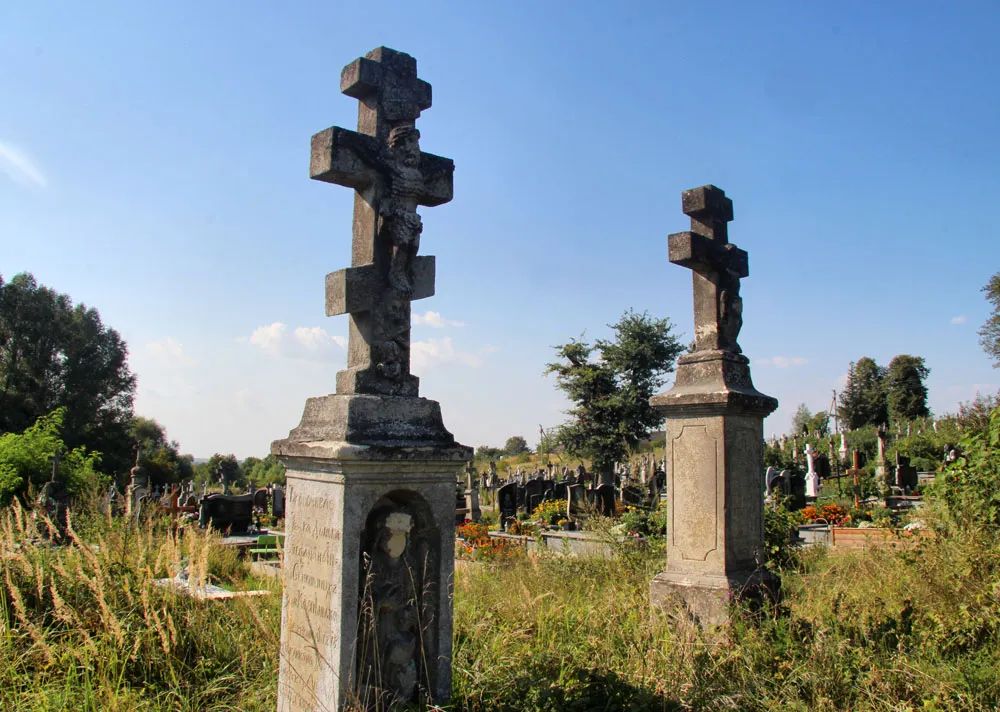
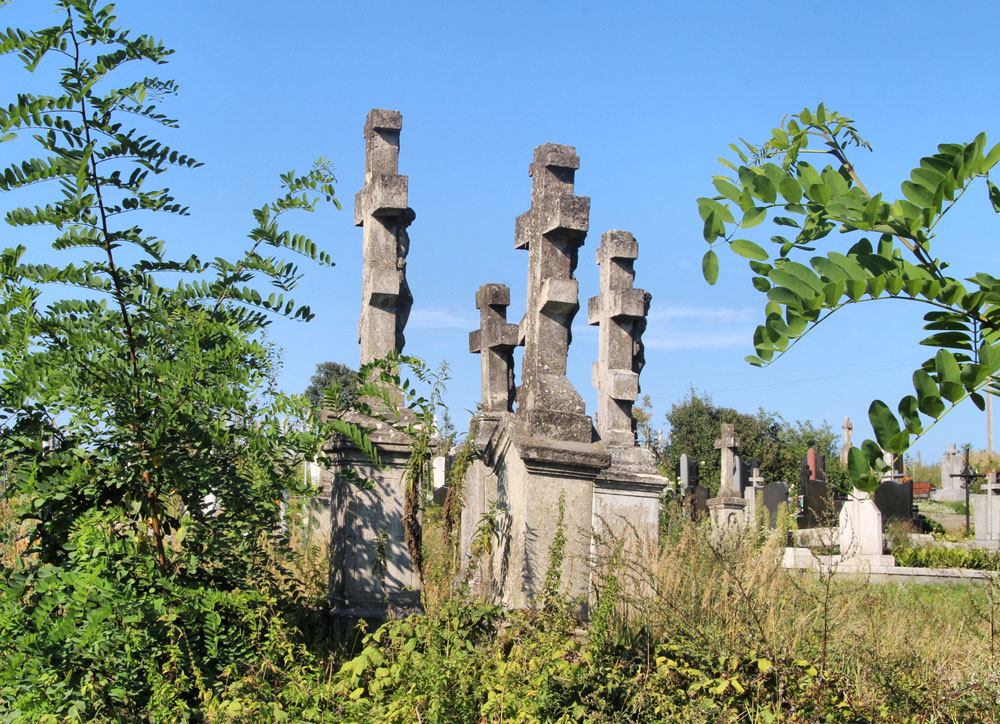
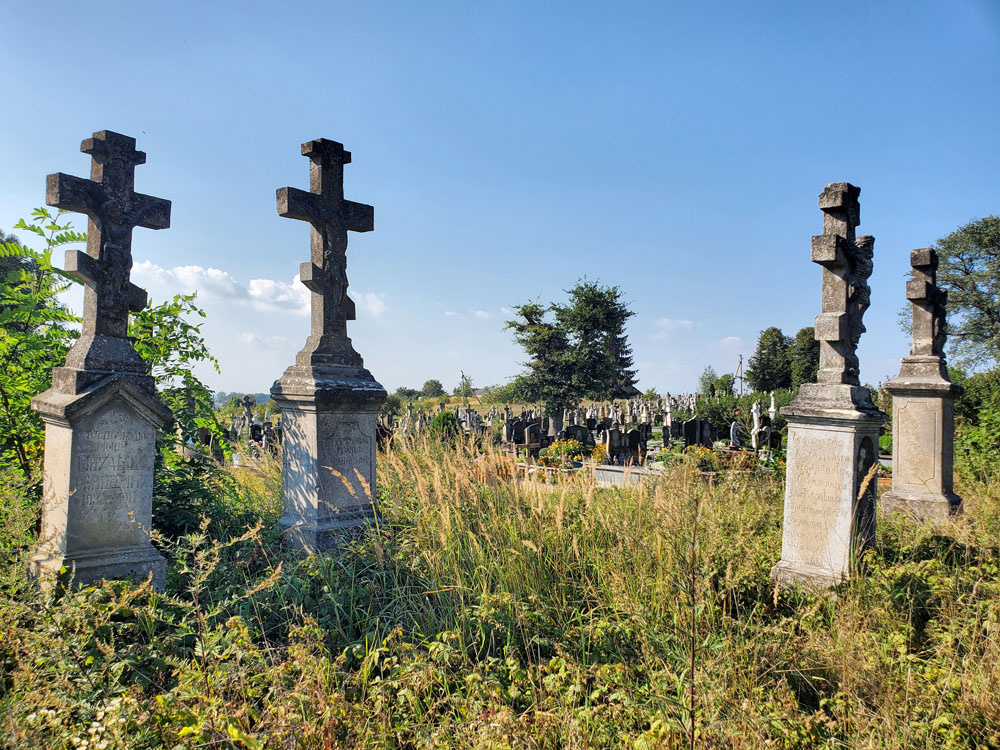
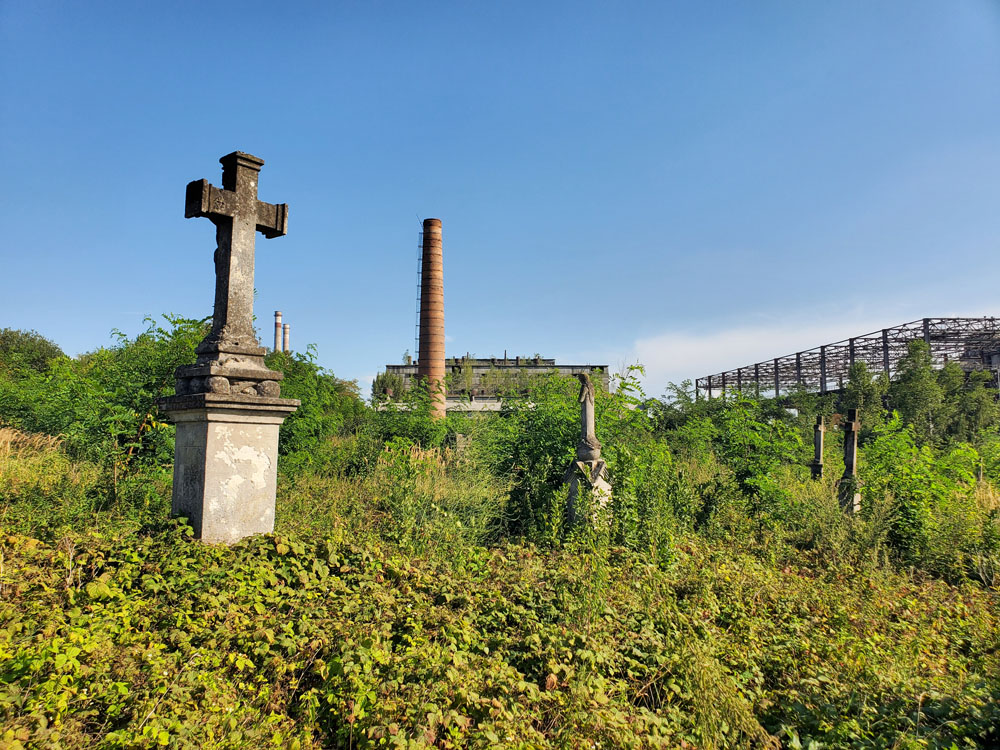
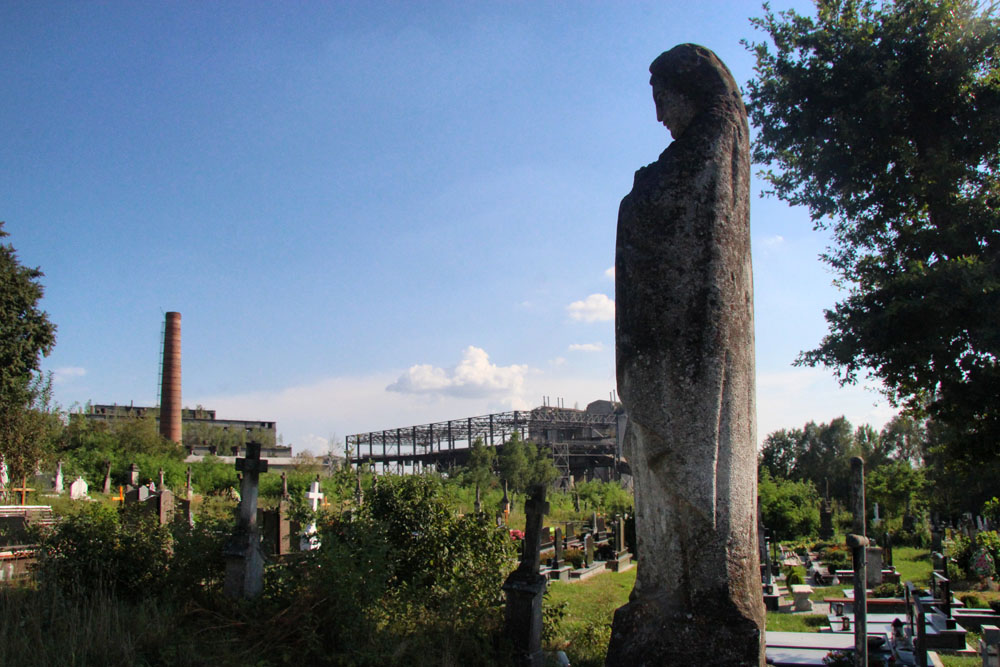
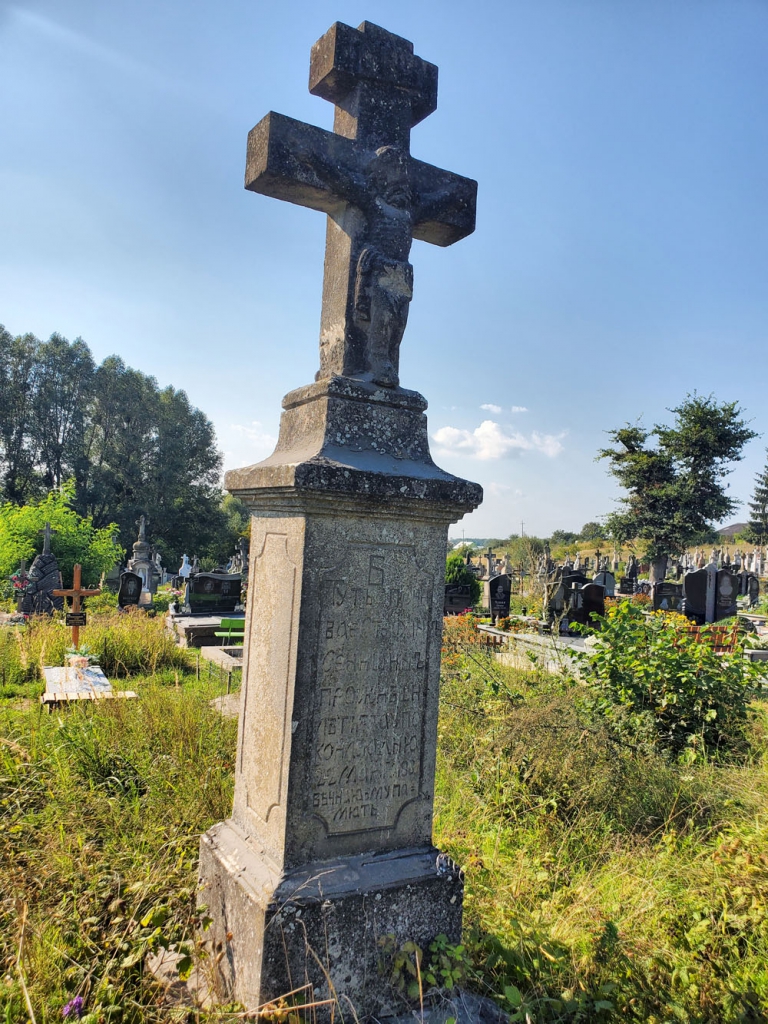
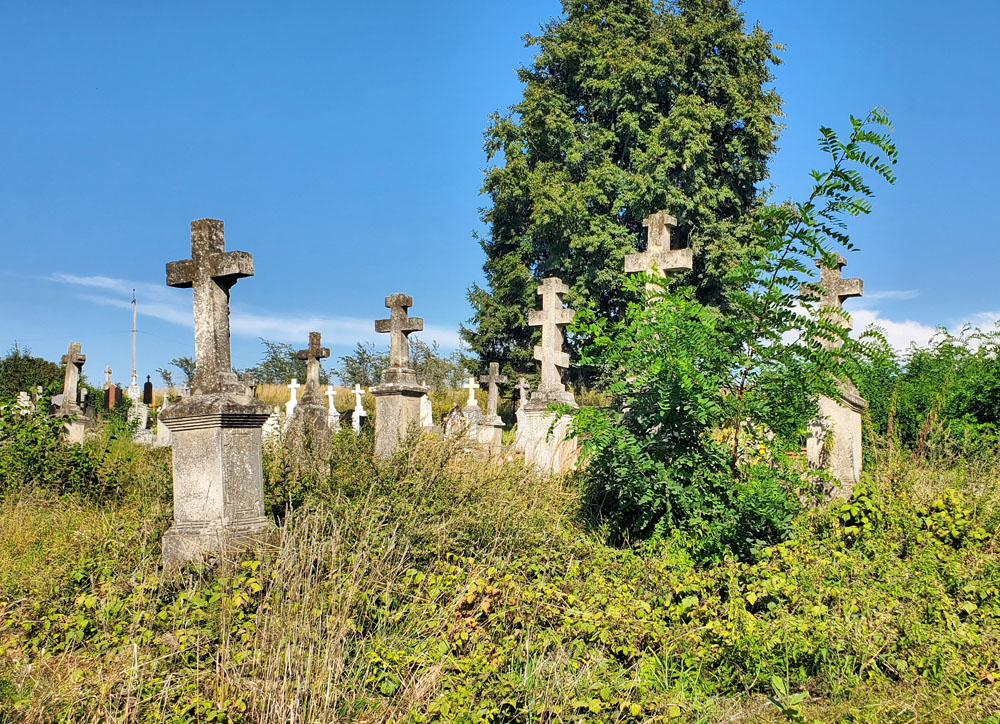
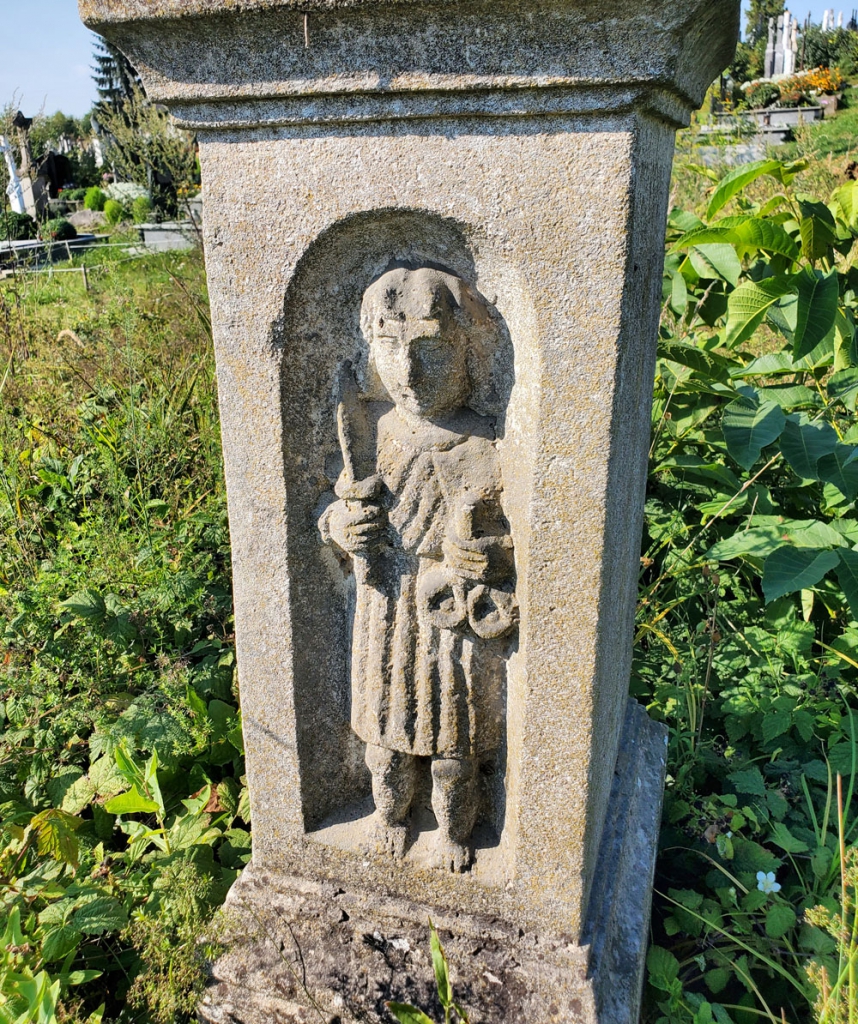
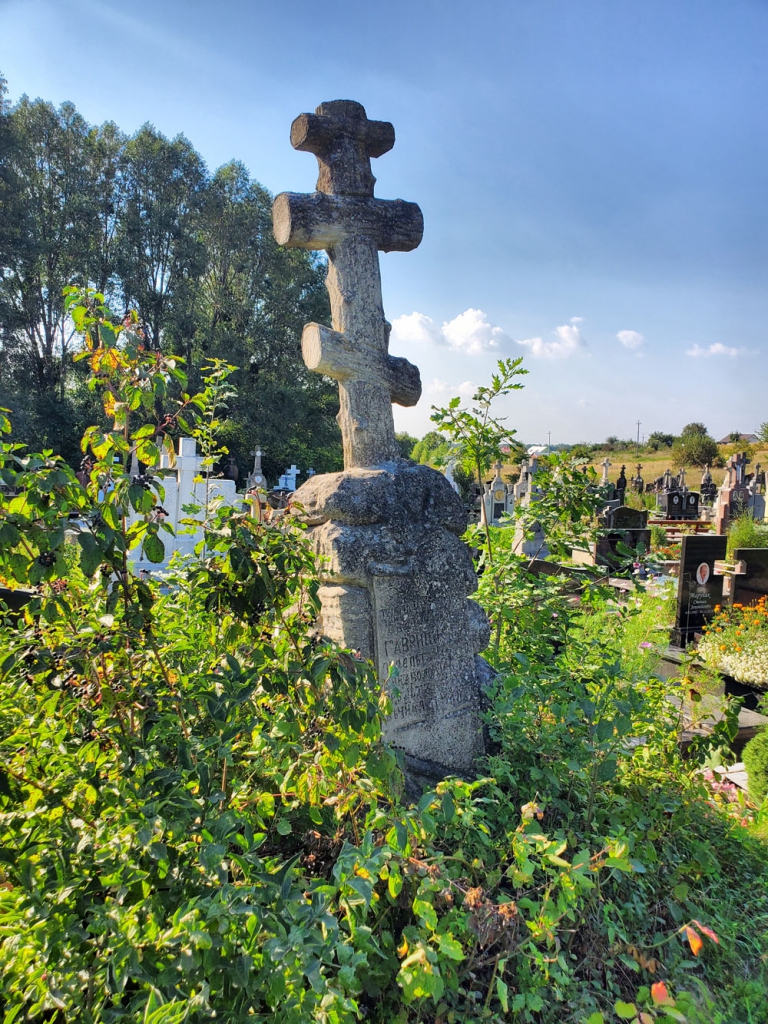
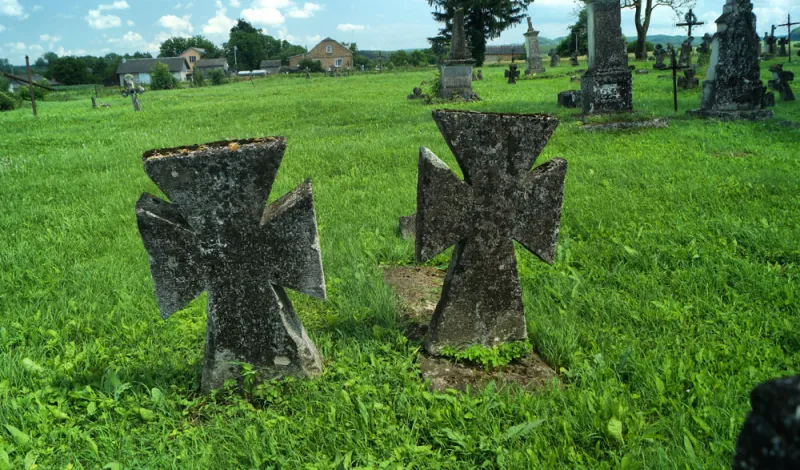
Old cemeteries can tell us a great deal. Take, for example, the village of Drohovyzh near Mykolaiv. The village cemetery lies next to the abandoned old workshops of the Mykolaiv Cement Plant. And right next to the enormous chimneys, in towering nettles, we found the oldest part of the cemetery. From a distance we were struck by stone crosses unlike those in neighbouring villages. They are Orthodox, with a slanted crossbar, but, unlike Russian ones, also with a crossbar at the top. Such crosses are called Byzantine. How did they end up in a Galician village?
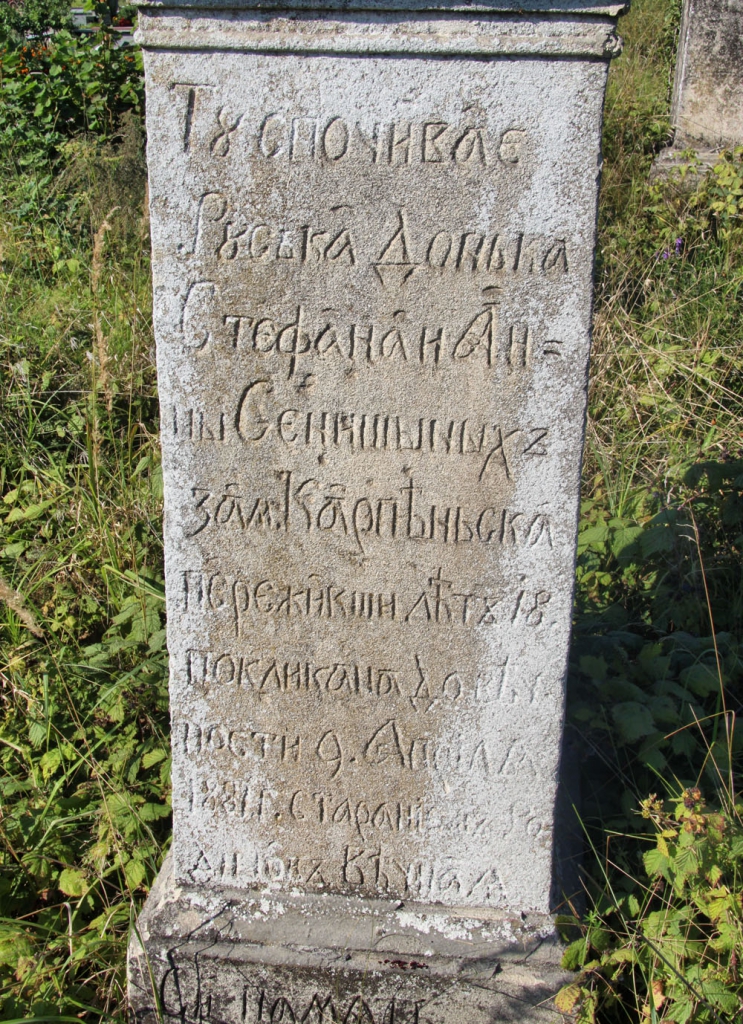
The crosses are all large, taller than a person, and far from poor. On one of them we made out the epitaph: “Here rests the Ruthenian daughter of Stefan and Anna Senysh…” This is a cemetery of Russophiles. It was a kind of disease in Galicia, Bukovyna and Transcarpathia, when Ukrainians en masse almost called themselves Russians, held pro-Russian linguistic, literary and socio-political views, defended the idea of national and cultural unity with the Russian people, and later of state and political unity with Russia.
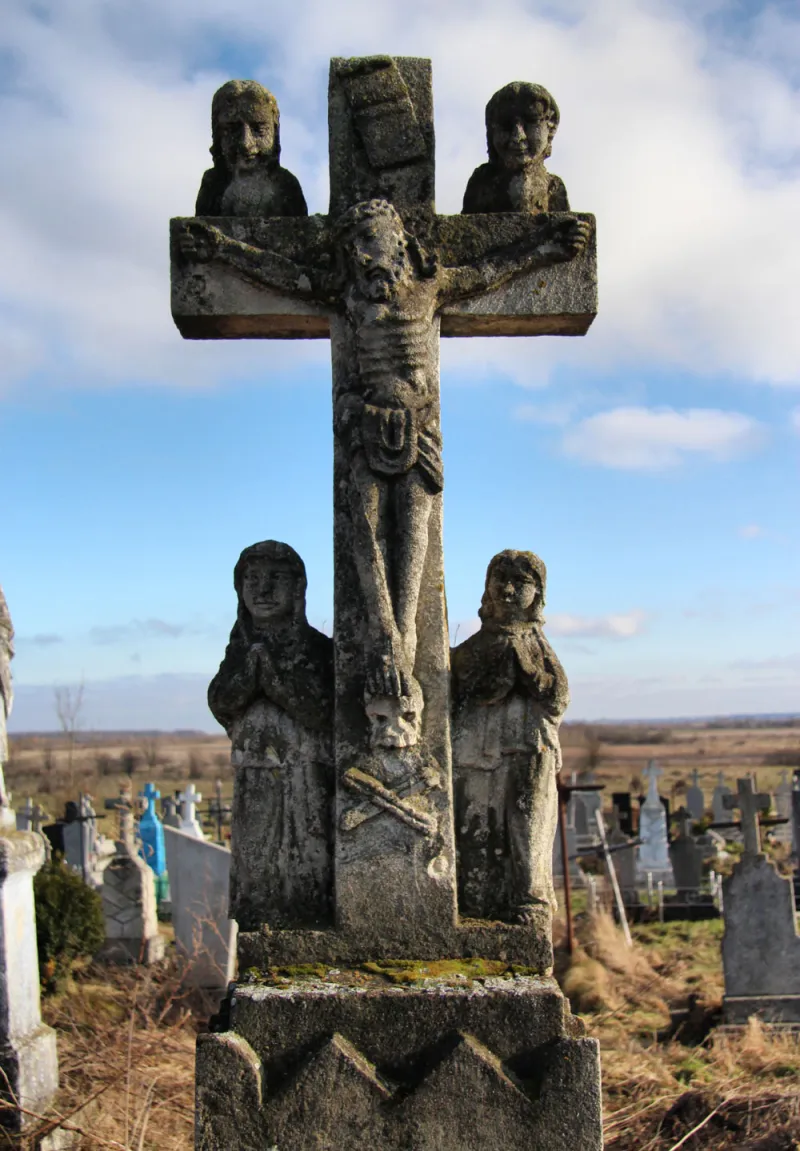
It was yet another Russian trick. Against the background of Ukrainians lacking their own statehood and a clear national self-awareness, Moscow began pouring enormous sums into promoting the idea of the unity of the Rusyns-Ukrainians with the Russians. The greatest success in this was achieved by priests, who drew tens of thousands of Ukrainians over to the Muscovite side, drilling into their heads the mantra of ““one people” (adinnarod)”. There were such people in Drohovyzh too. They left behind a rare and very interesting artefact: a piece of an old cemetery with splendid Byzantine crosses from the late 19th and early 20th centuries.
One cannot bring oneself to call this a memorial of Russian colonialism. Unlike the monument to Shchors, these crosses are a source of historical knowledge and a cultural heritage site.
Text and photos by Roman Malenkov.