Where is it worth getting liver cancer treated in Germany?
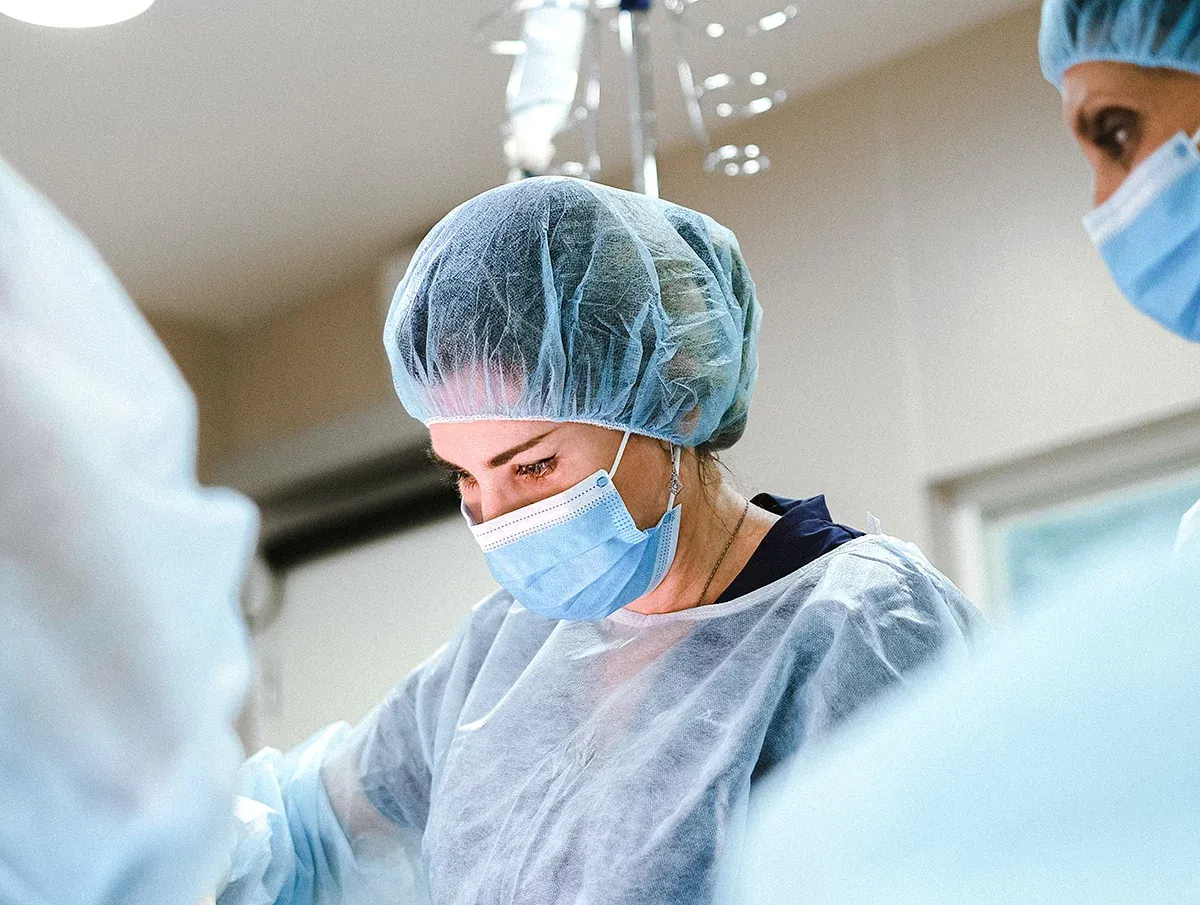
Liver cancer treatment in Germany is based on the principles of interdisciplinarity and personalization. German medicine is among the most advanced in this field, as it has the tools to treat even metastatic and complex forms of the disease. For each patient, the cost of liver cancer treatment in Germany is calculated individually, taking a combination of factors into account.
Leading liver cancer treatment centres
- Freiburg University Hospital
One of the country’s top centres. It houses the Gerok Liver Center, a specialized unit that deals exclusively with liver diseases.
For each patient an interdisciplinary “tumor board” is convened, including surgeons, radiologists, nuclear medicine specialists and gastroenterologists. This makes it possible to choose the optimal combination (for example, systemic therapy plus radioembolization) even before treatment begins.
- Essen University Hospital (WTZ, West German Cancer Center)
It has Germany’s largest proton therapy centre (WPE), which allows high-precision irradiation of tumours located in hard-to-reach places or close to vital organs, with minimal damage to healthy tissue.
The centre is known as one of the country’s leaders in transplantation and in the treatment of primary liver tumours (hepatocellular carcinoma).
- Charité clinic (Berlin)
Europe’s largest cancer centre, certified by the German Cancer Society (DKG). Unique research is carried out here, and patients often have access to the latest immunotherapy drugs and targeted medications before they are widely introduced into practice.
Features of the approach in Germany
Liver cancer treatment in these clinics includes:
- Interventional oncology
Instead of major open surgery, minimally invasive methods are often used:
- TACE (transarterial chemoembolization). A chemotherapy drug is injected directly into the artery feeding the tumour, followed by “blocking” the vessel.
- SIRT (selective internal radiation therapy). Microspheres with a radioactive isotope are delivered directly into the tumour.
- Ablation (microwave or radiofrequency). “Burning out” tumour nodes with a probe under ultrasound or CT guidance.
- Immunotherapy and targeted therapy
The use of monoclonal antibodies that “teach” the immune system to recognize and attack cancer cells, which is especially effective in advanced disease.
- Personalized diagnostics
Besides standard methods, clinics use genetic analysis of the tumour (molecular profiling) to select the most effective drug for a particular patient.
- Rehabilitation
The “fast-track” system (accelerated rehabilitation) allows the patient to return to a normal way of life considerably faster, which is critically important for patients with liver cancer.
Liver cancer treatment in Germany is a choice in favour of the most aggressive possible fight against the tumour with minimal trauma to the body.