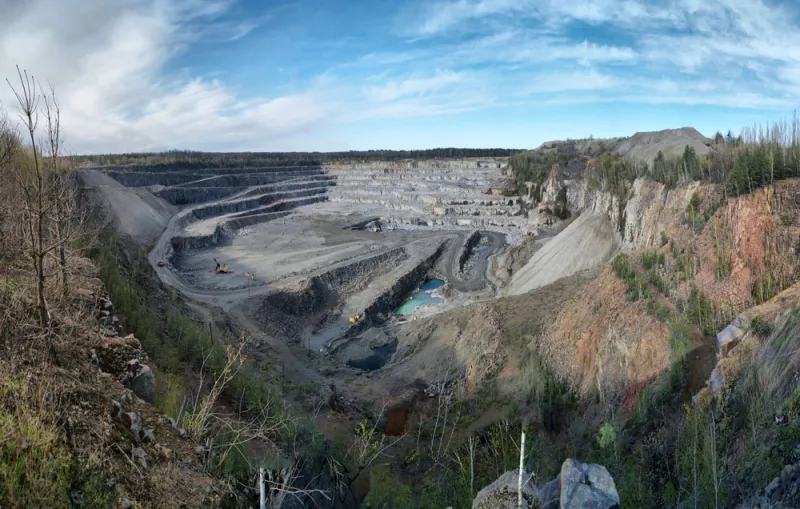
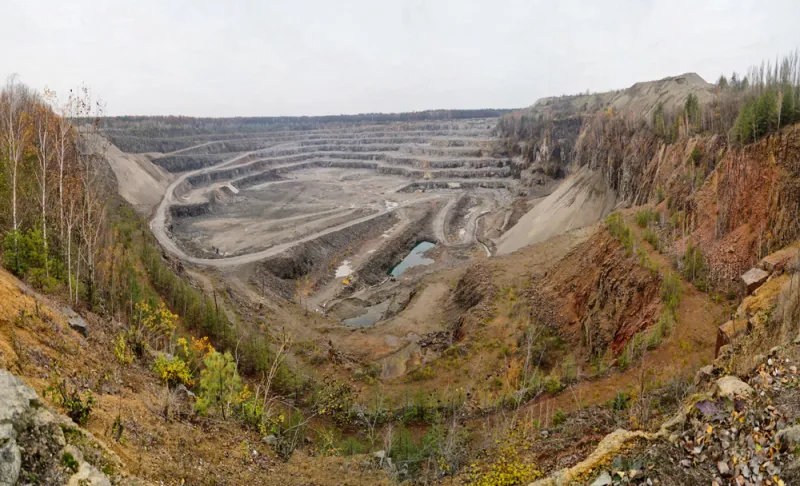
Holovyne. Labradorite deposit

· 4 min read
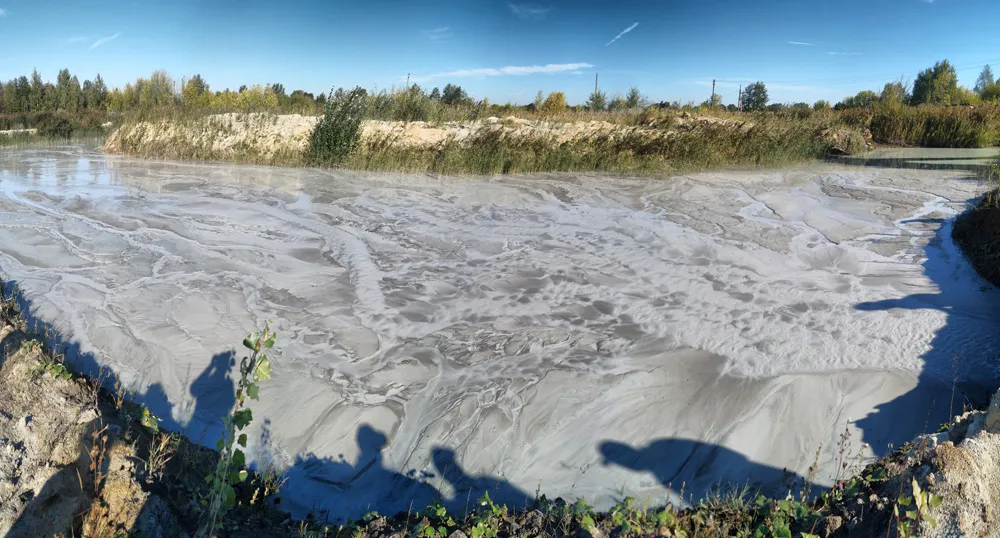
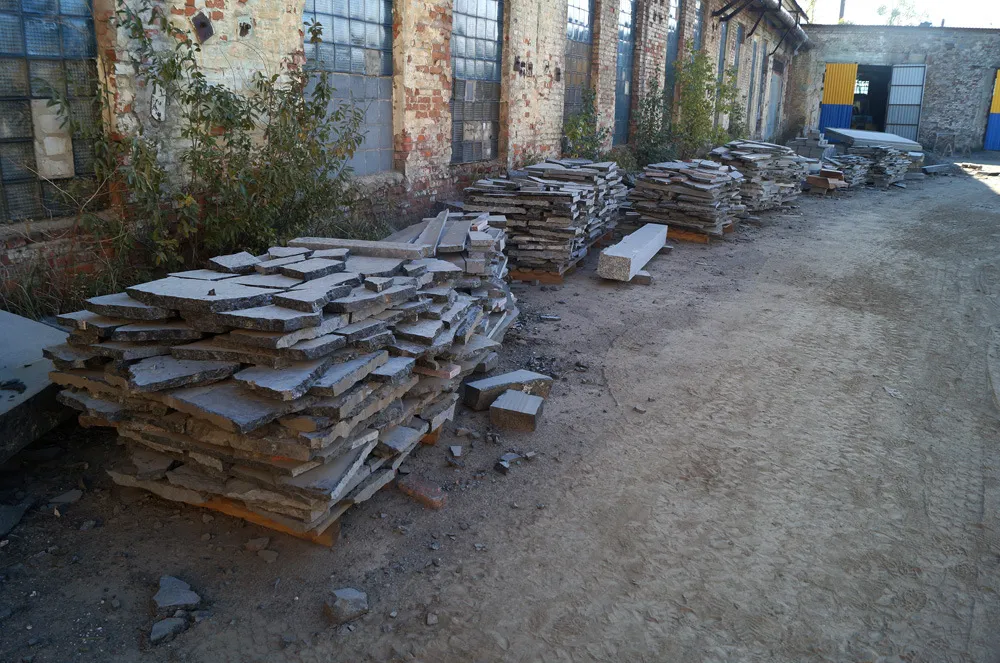
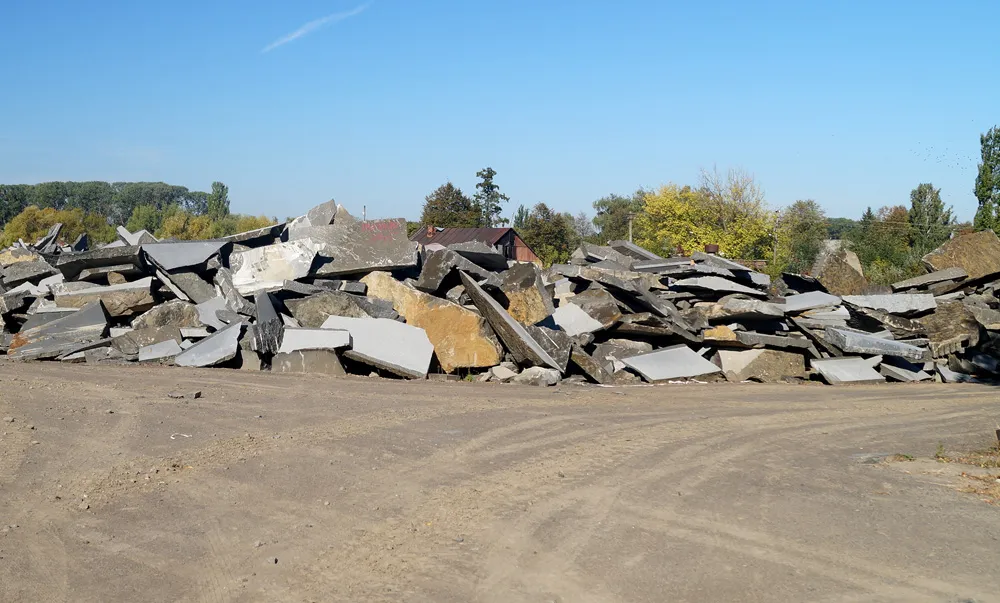
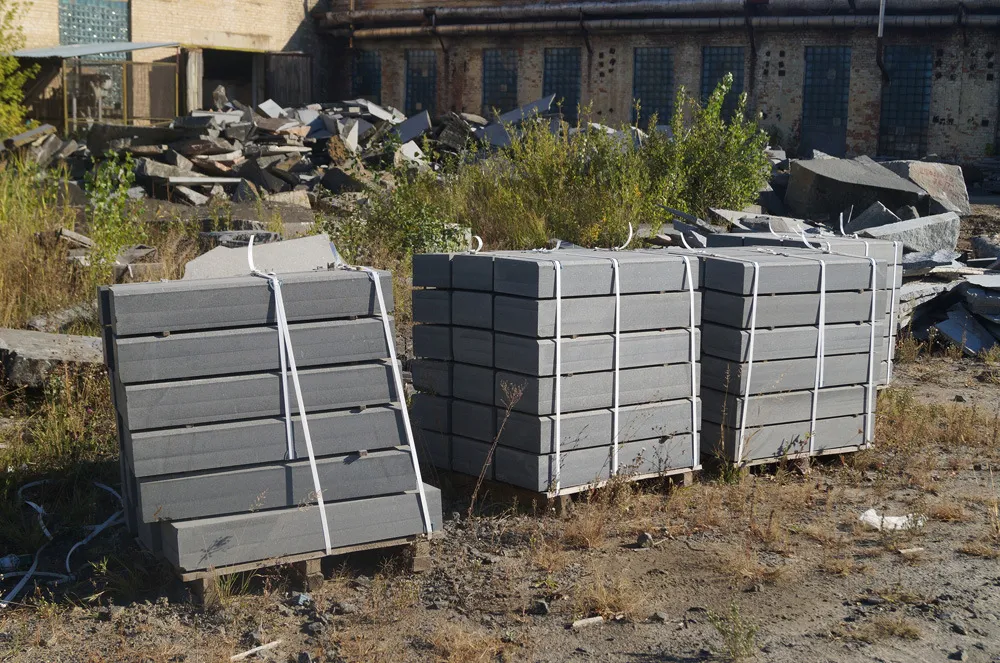
We have visited the Holovyne quarry several times during our excursions – we saw both the process of extracting the stone and the process of sawing it. We saw old quarries, long since flooded… In Holovyne almost everyone knows that it was here that the block of labradorite was quarried from which the “Lenin” plaque on the mausoleum in Moscow was made.
The stone mausoleum of the Bolshevik leader was completed in 1930. The architect was Oleksii Shchusev. He decided to make the inscription “Lenin” of red granite on black labradorite. A mineral of the right size was found in the Holovyne quarry. It weighed 60 tons. In those days there was no paved road near Holovyne, so the problem arose of transporting such a huge block. It was decided to send it to Moscow by rail, but the distance to the nearest railway station, Horbashi, was 16 km. To transport it from the quarry to the railway a cart weighing 16.5 tons was built, with wheels 60 cm wide. The cart was pulled by two tractors, it overturned twice and the wheels sank 50 cm deep, but they managed to haul it.
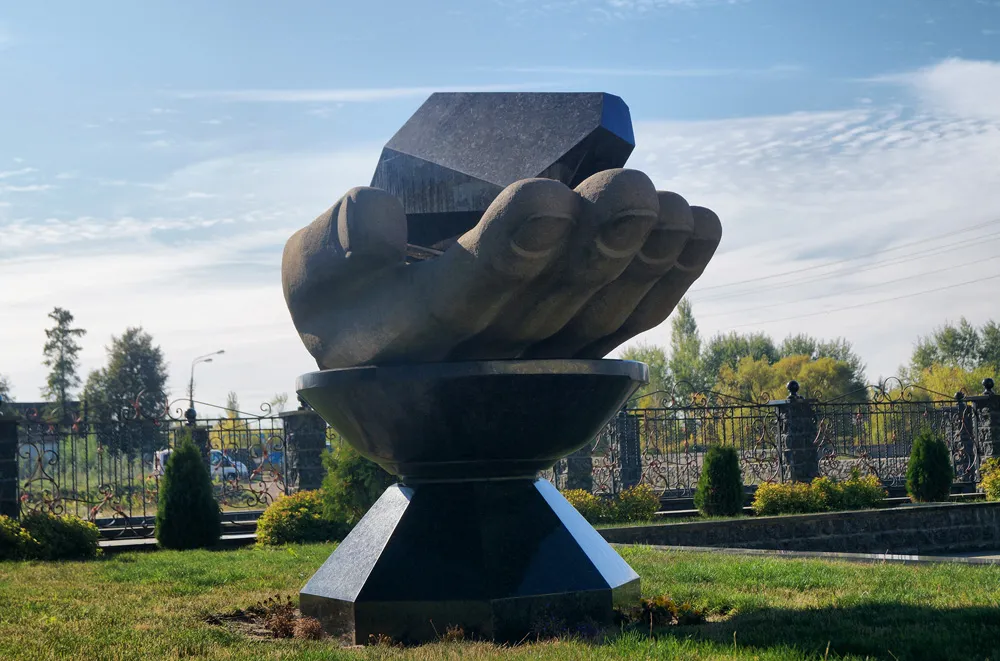
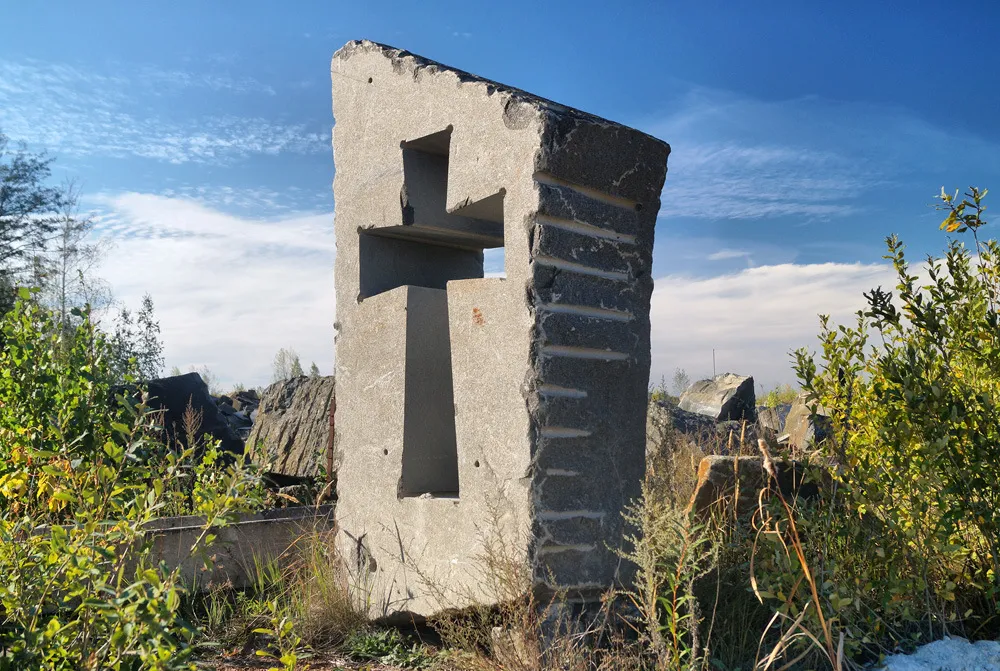
To transport the stone to Moscow a special platform on 16 wheels was used, but it was delivered. After processing the monolith weighed 48 tons; the inscription was set on it and it was lifted onto the mausoleum with huge jacks. It is still there today.
Next I give the text from Wikipedia about the history of the settlement of Holovyne and its quarries.
The settlement arose from a small community that spread around the Holovyne granite quarry. At first it was subordinate to the Bezhiv village council. In 1983 it was given the status of an urban-type settlement. The urban-type settlement of Holovyne includes the old village of Holovyne, which, as documents show, was the estate of a local landowner, Salix. A garden and an island in the pond remain from those times.
Extraction of decorative stone at the quarry officially began in 1894. The work was done by hand and the spoil was carted away by horses. 35-40 workers extracted 1.5-2 m³ of stone per day.
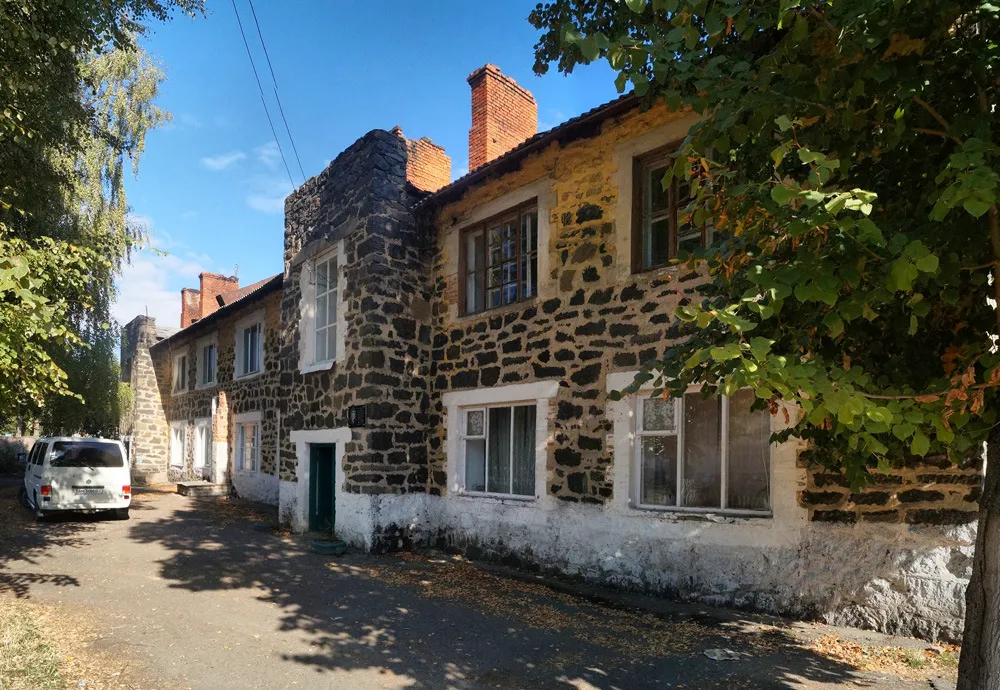
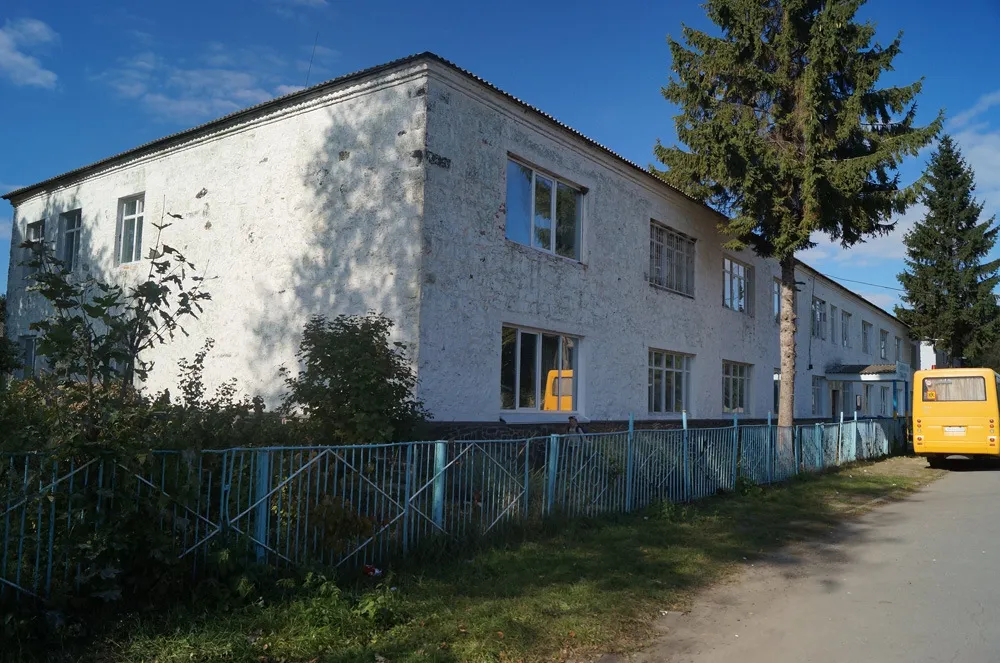
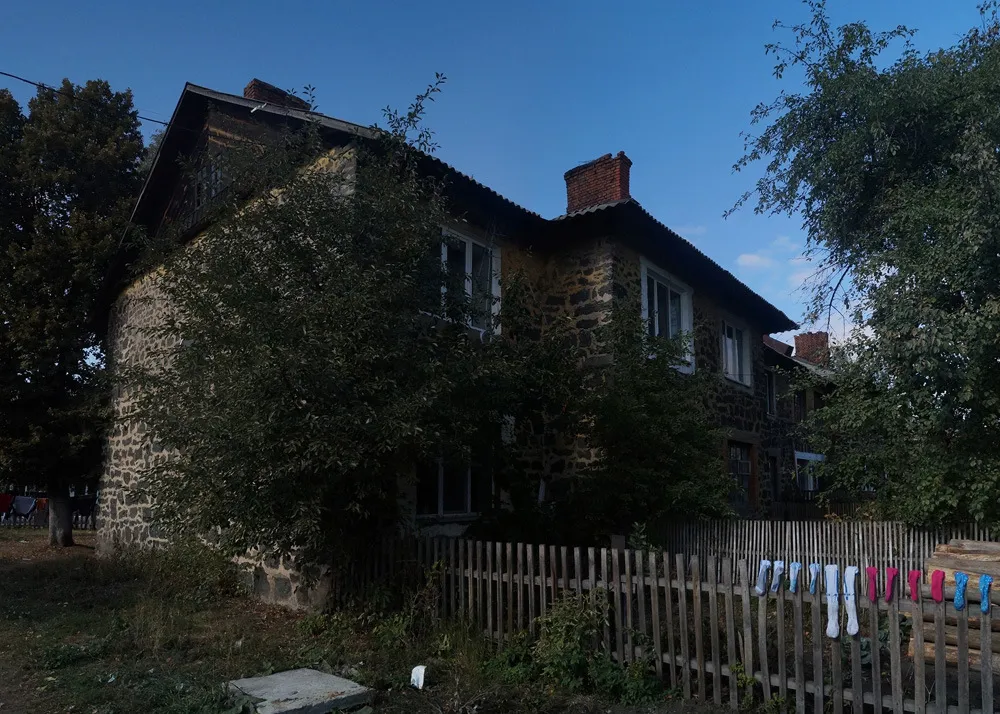
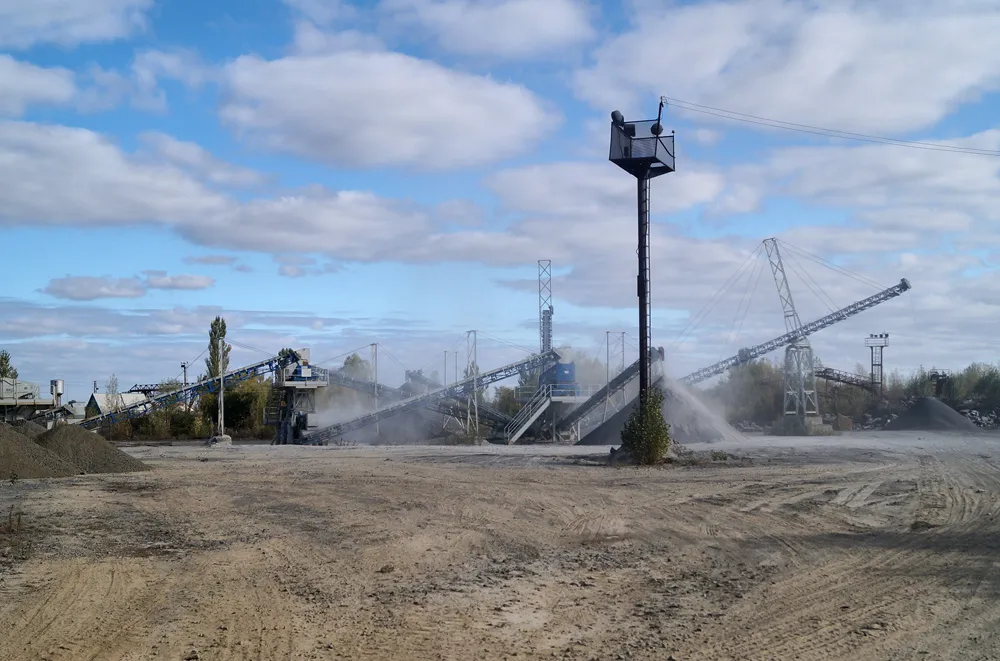
In 1896 the landowner Salix (on whose land the quarry was located) built a polishing factory that produced slabs for facing walls, foundations and monuments. A primitive sawmill was installed. Shaped details were polished by hand. The stonemasons’ main tools were steel wedges, chisels, pitching tools and hand bush hammers.
In his book “Historical and Statistical Description of the Churches and Parishes of the Volhynia Diocese”, M. I. Teodorovych wrote: “In the city of Zhytomyr there is a cathedral – in the name of the Transfiguration of the Lord on Velyka Vilska Street, built in 1874, faced with polished labradorite slabs quarried in Zhytomyr district on the bank of the Bystriivka River.” From this it is clear that slabs were quarried and polished by hand even before Salix’s factory was built.
The First World War and the civil war of 1914-1920 led to the mothballing and flooding of the quarries. Only in 1922 did the extraction and processing of stone begin. In 1926 the Holovyne quarries were subordinated to the Moscow trust “Mineral Business”, and from 1939 to Ukrmin.
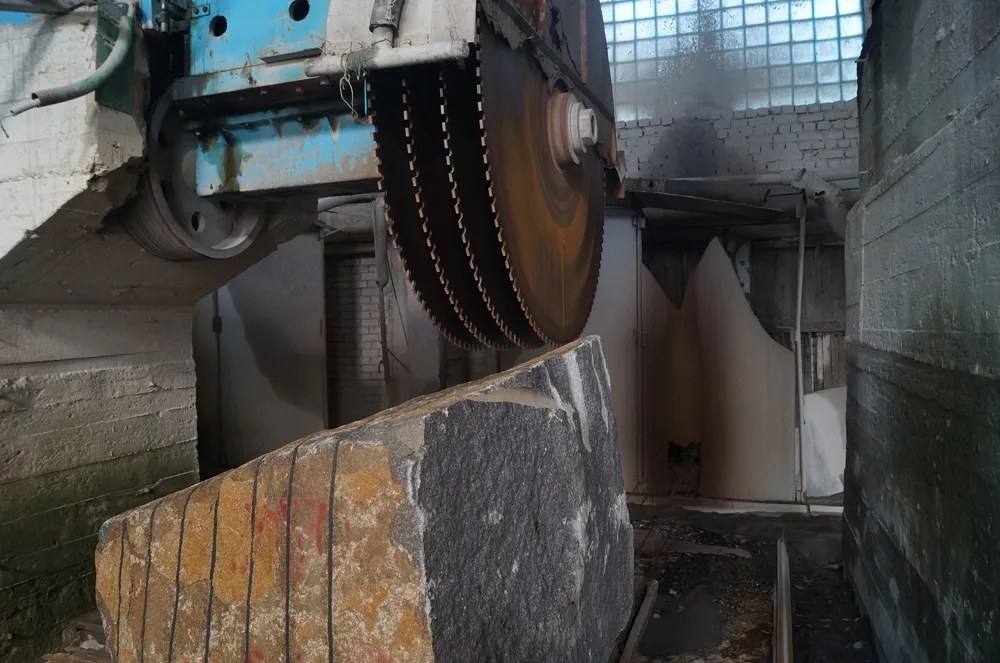
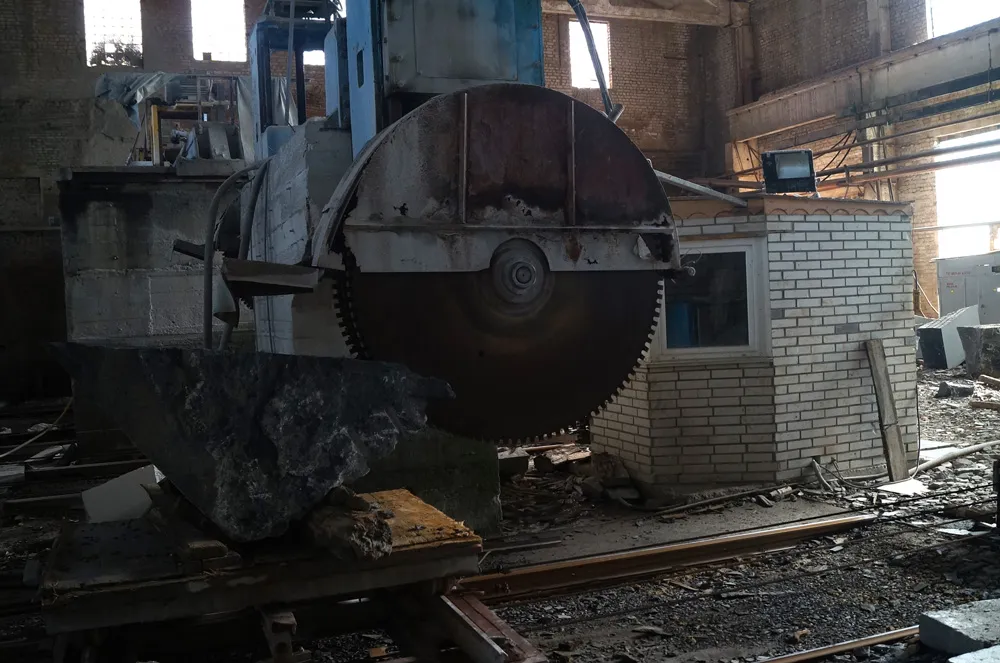
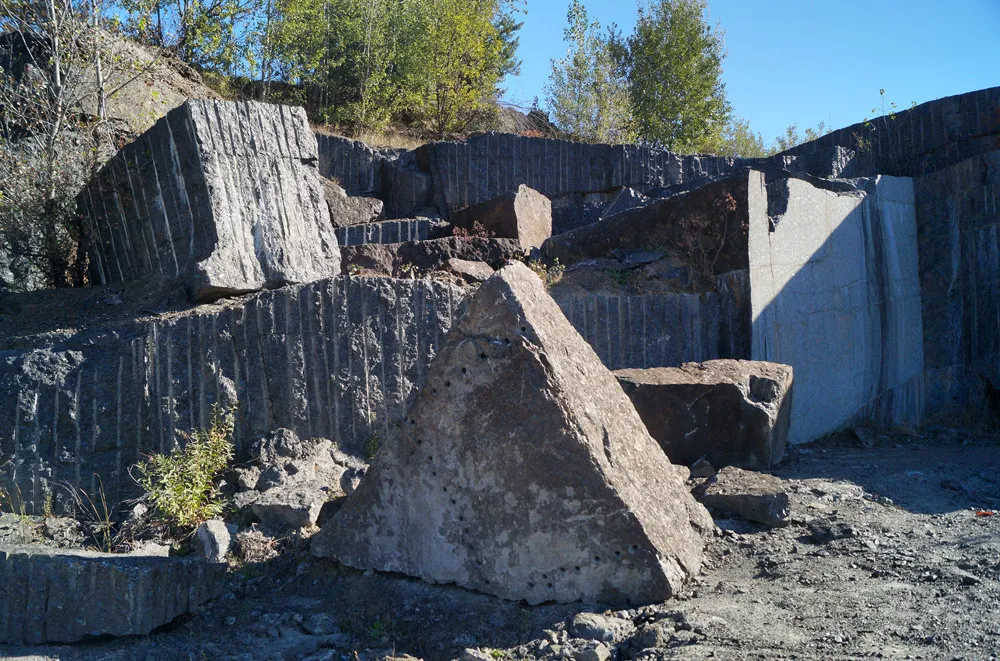
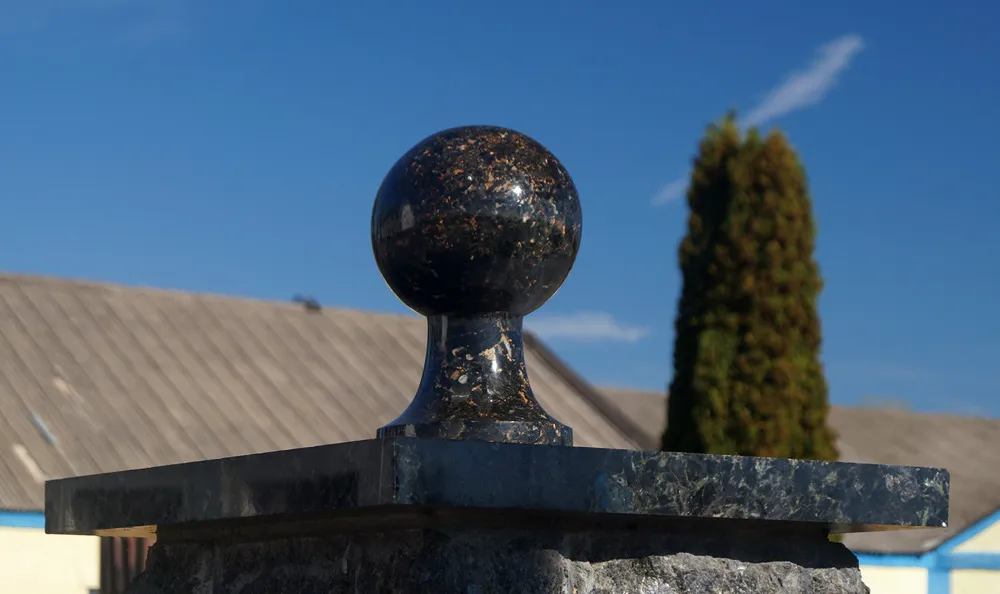
The quarry resumed work in 1946 and operates to this day. The deposit of decorative labradorite was fully explored; its reserves are the only ones of the kind in Europe. The quarry extracts labradorites and gabbro-dolerites, and a polishing factory operates that produces facing slabs and monuments. They clad the Lenin Mausoleum, a number of stations of the Kyiv, Moscow and St. Petersburg metros, the buildings of Lomonosov Moscow State University, the State Kremlin Palace, the Tomb of the Unknown Soldier in Moscow and a number of other structures around the world.
The Holovyne quarry sent facing slabs for the construction of the metro in Georgia, in Tbilisi, to Kyiv for the Museum of the History of the Great Patriotic War, and to many other cities of the former USSR. Granite products were sent for the monument to S. P. Korolev in Zhytomyr, to Gagarin in “Zvyozdny Gorodok”, for the pedestal of the monument to T. H. Shevchenko in Canada and the USA, to Y. Kupala in Canada, for an obelisk honouring space exploration in Switzerland, for the mausoleum of G. Dimitrov in Bulgaria, for the mausoleum of Ho Chi Minh in Vietnam, for the pedestal of the monument to Lesya Ukrainka in Canada, and for the pedestal of the monument to T. H. Shevchenko in France.
Labradorite blocks were exported to Germany, France, Japan, Spain, Hungary, the Czech Republic, Slovaks, and Italy.
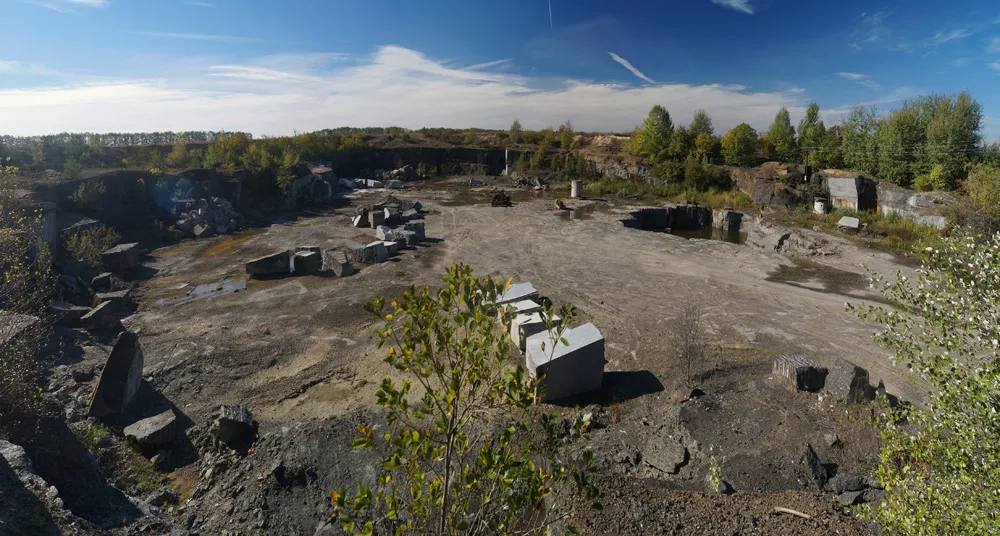
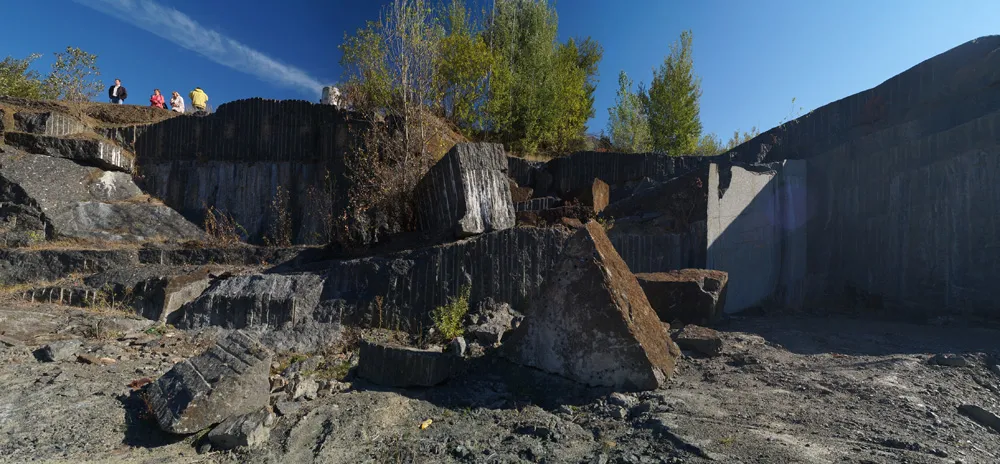
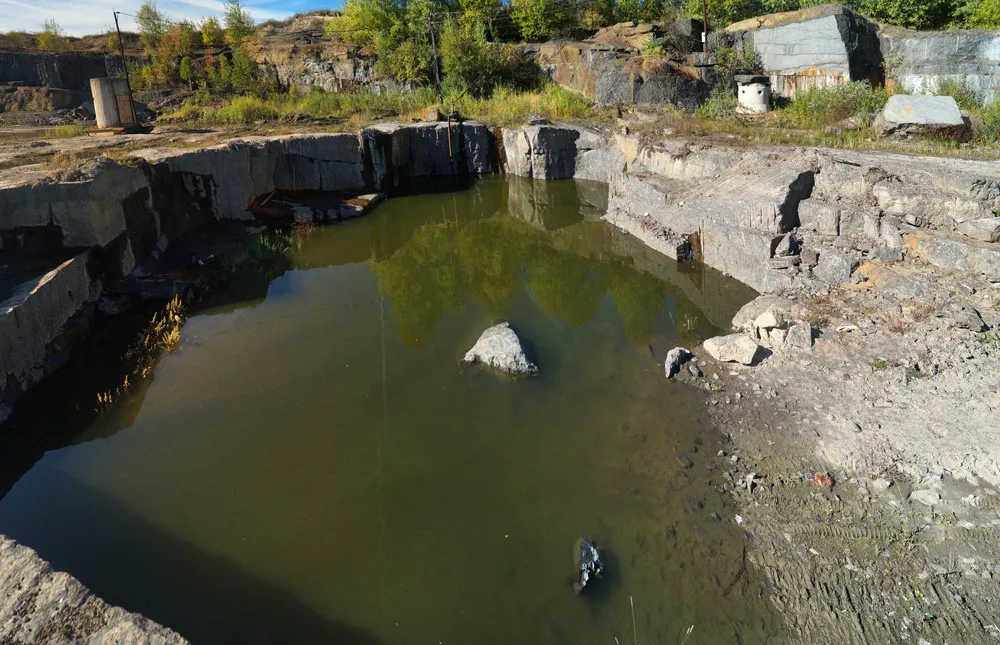
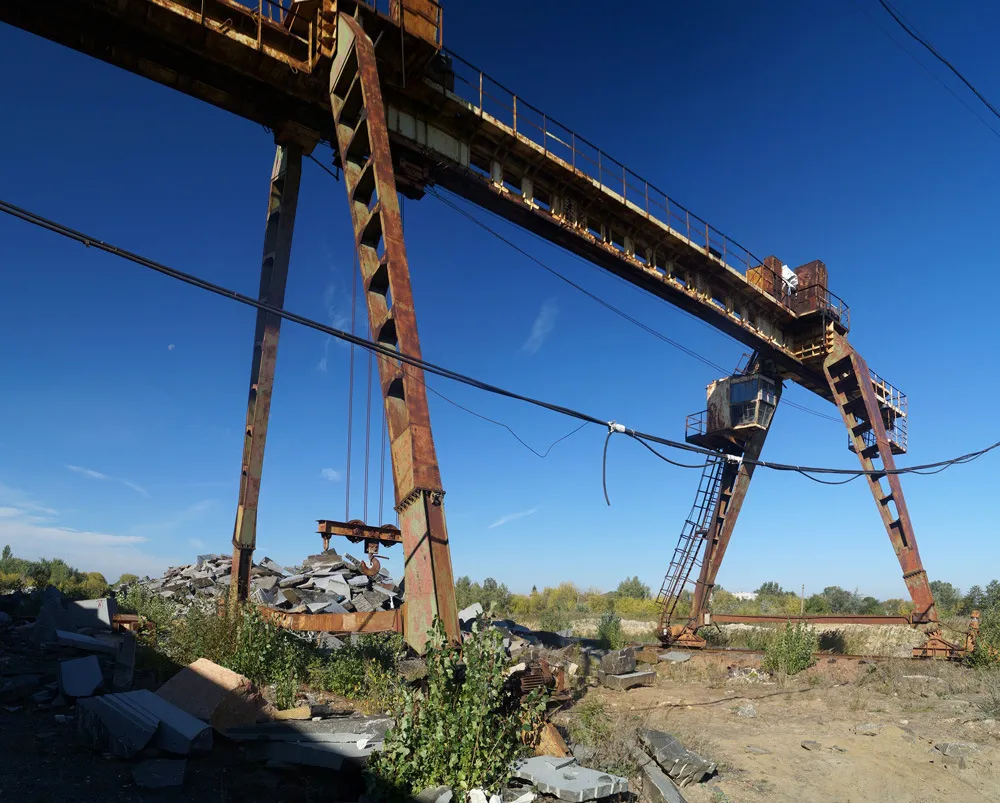
All processes of extracting and processing labradorite at the quarry are carried out with machinery, but until almost the beginning of the third millennium extraction was done in a barbaric way, which caused cracking of almost the entire horizon. The technology of block extraction is, of course, being replaced.
Many quarry workers were awarded orders and medals of the Soviet Union. Polishing workshop foreman O. A. Verbych was awarded the title of Hero of Socialist Labour.
Stonemason L. Y. Pidlisnyi, chief engineer S. H. Danylevskyi, foreman S. I. Horbatiuk, splitter A. F. Kachura and polisher I. P. Voitenko were awarded the Order of the Red Banner of Labour.
In July 2010 minor planet No. 220418 was named in honour of the settlement.
Photos by Roman Malenkov.