Kozelshchyna

· 3 min read
Kozelshchyna is one of the calling cards of the Poltava region – in my opinion. Its huge cathedral could be an excellent showpiece of the region, although today one cannot say that many tourists know about Kozelshchyna. There are plenty of people here in general, but mostly pilgrims. The groups are mainly local or from Poltava – it is some 80 km from the regional centre.
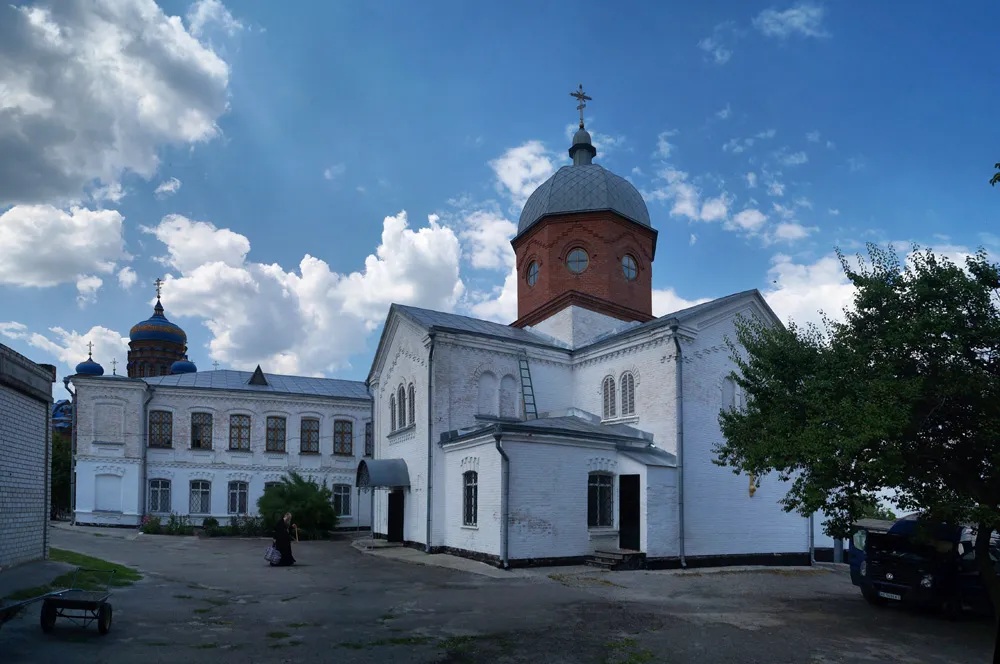
Today Kozelshchyna, which is officially considered an urban-type settlement, has about 3,500 inhabitants. The settlement was founded at the beginning of the 18th century by the Cossacks of Captain Kozelskyi – probably the name comes from his surname. In the 19th century it was the centre of a volost in the Kobeliaky district of Poltava Governorate, and it was then that the settlement’s main monument and ornament was built – in 1881–1906 the Nativity of the Mother of God Monastery was constructed.
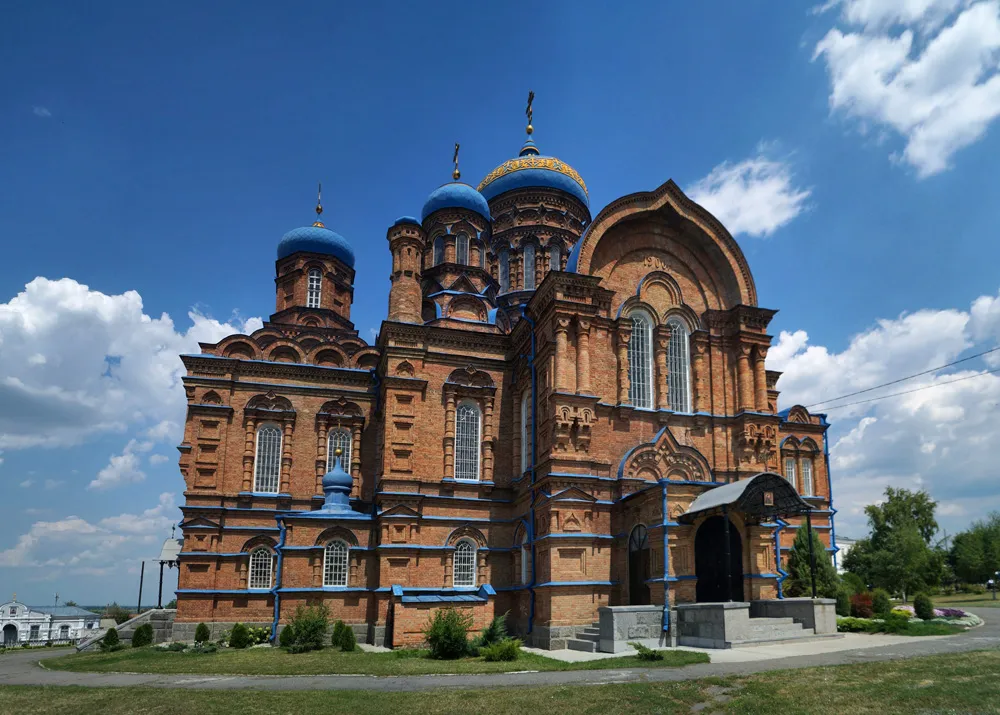
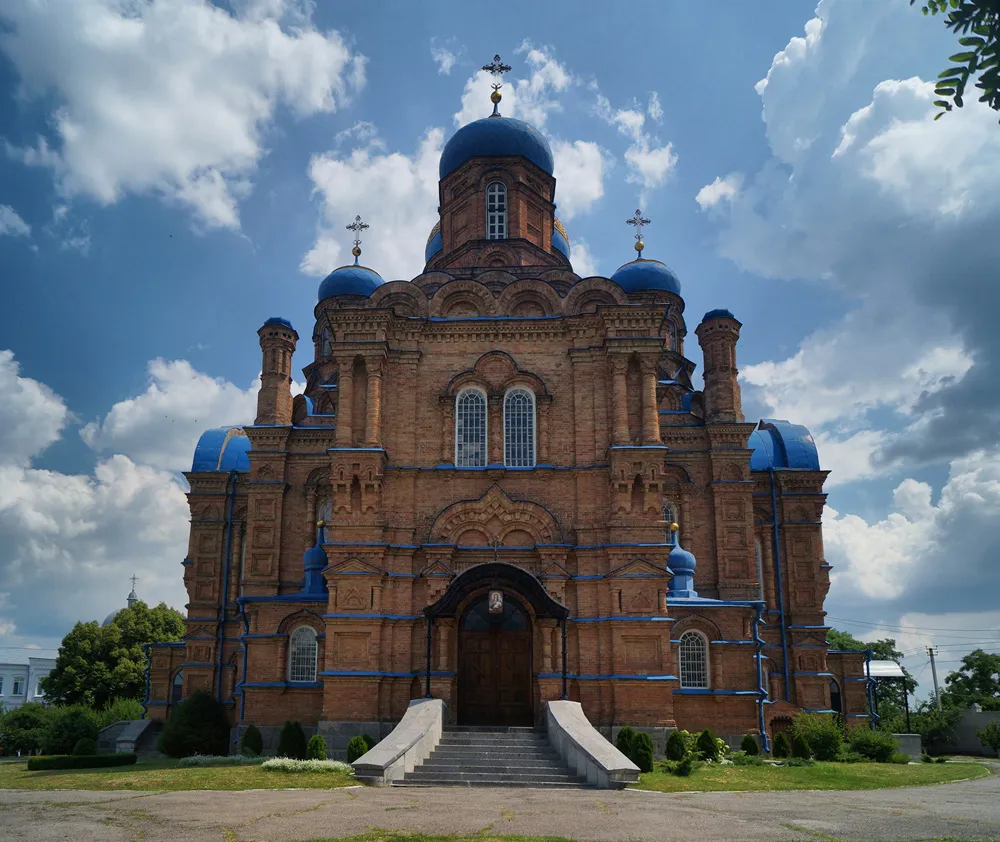
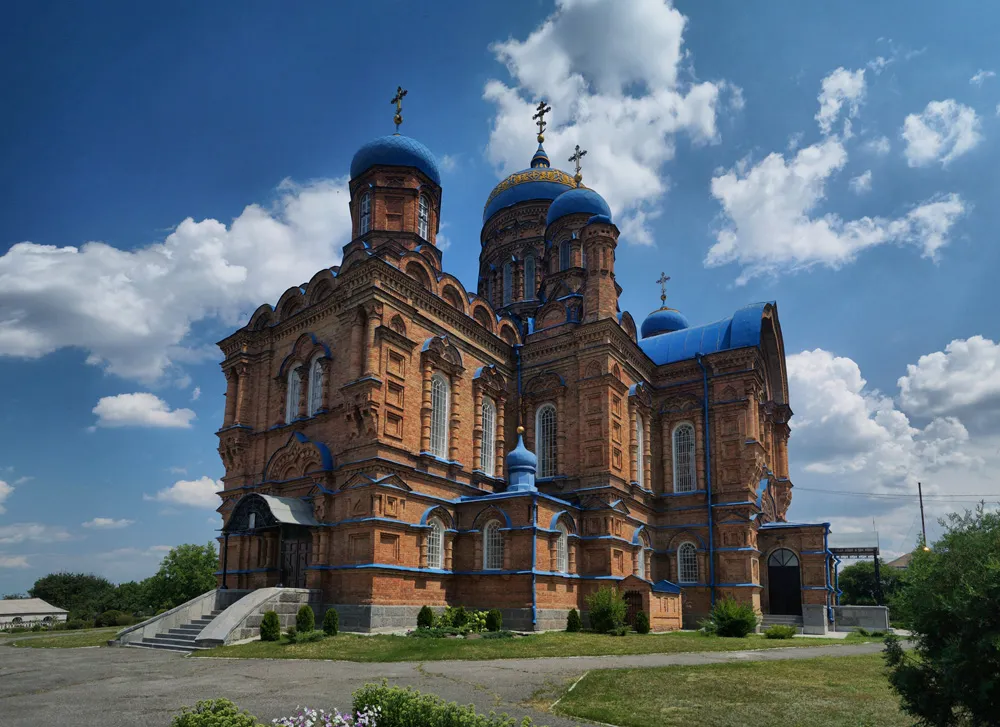
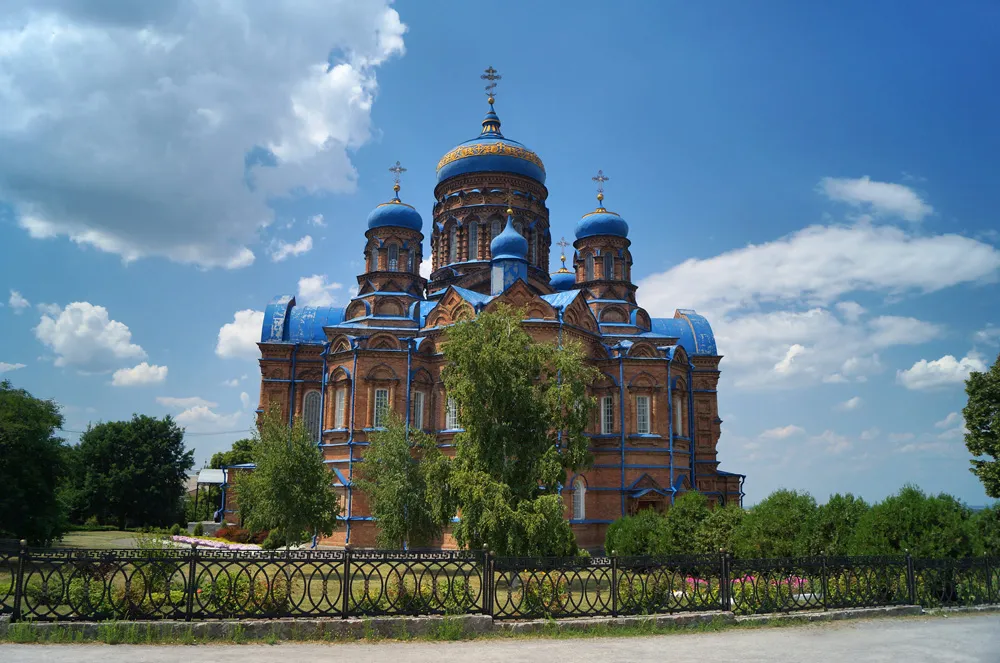
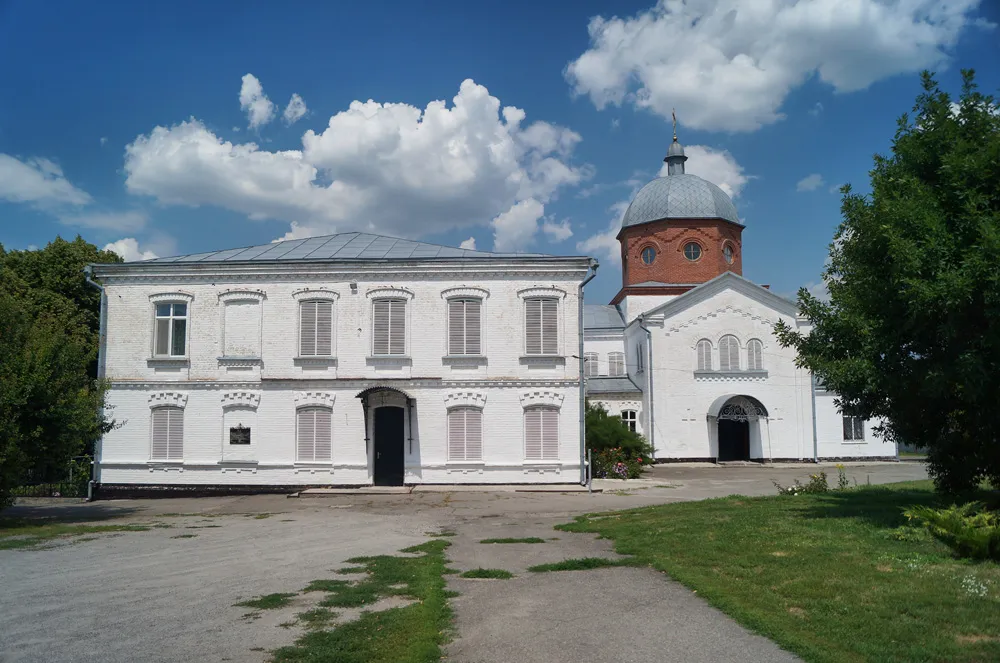
The last of the Kozelskyis, who had no heirs, donated his estates – in effect all the land around Kozelshchyna – to Countess Sofia Kapnist. This happened in 1863. Together with the estates and all the property, the icon of the Kozelets Mother of God, which was considered miraculous, passed to the Greek-Italian Kapnist family. This icon healed Maria Kapnist of paralysis; in honour of this event Maria’s father, Count Volodymyr Kapnist, promised to build a great cathedral for the icon, and kept his promise. Although at first, in 1881, only a chapel was built. By 1884 the Church of the Nativity of the Mother of God was built, in which the icon was placed. A year later permission was obtained to establish a church community and a monastery, which began operating in 1891; after the consecration of the brick Transfiguration Church the monastery became a place of mass pilgrimage. In 1904 even Tsar Nicholas II visited – he asked the icon for health for his children.
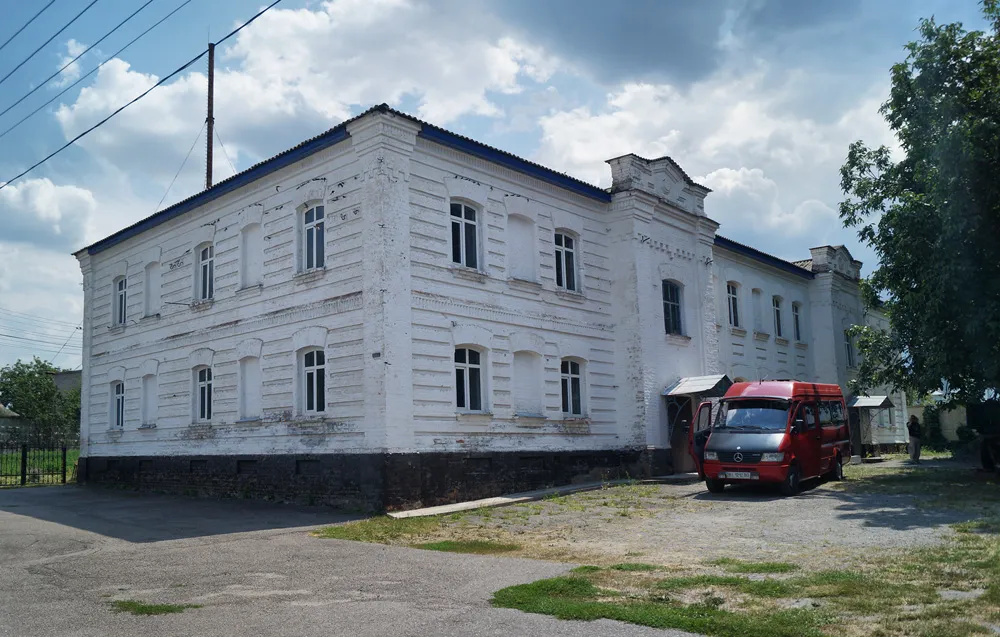
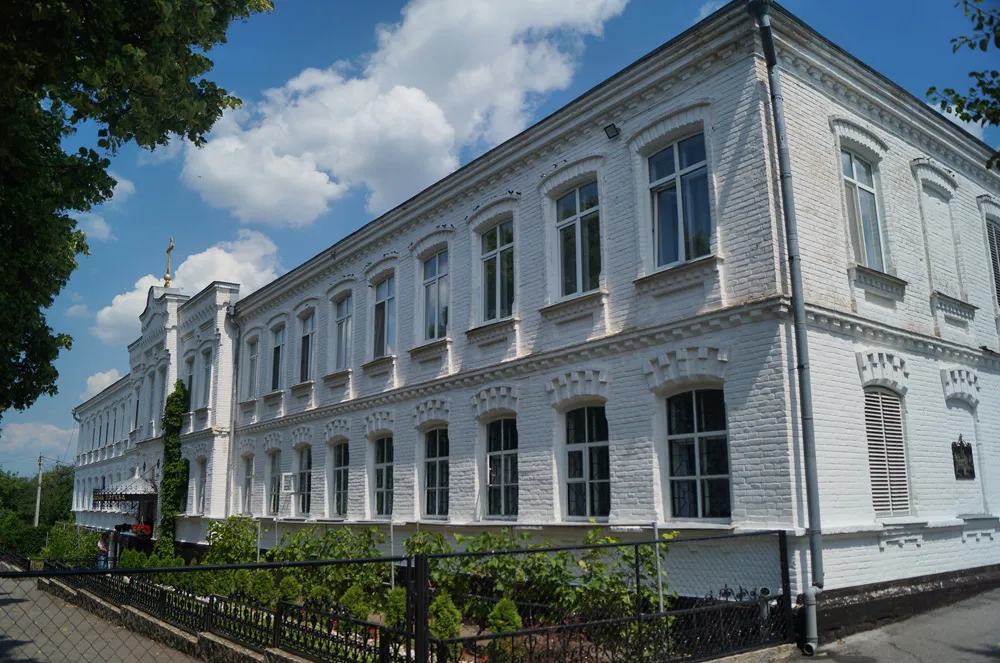
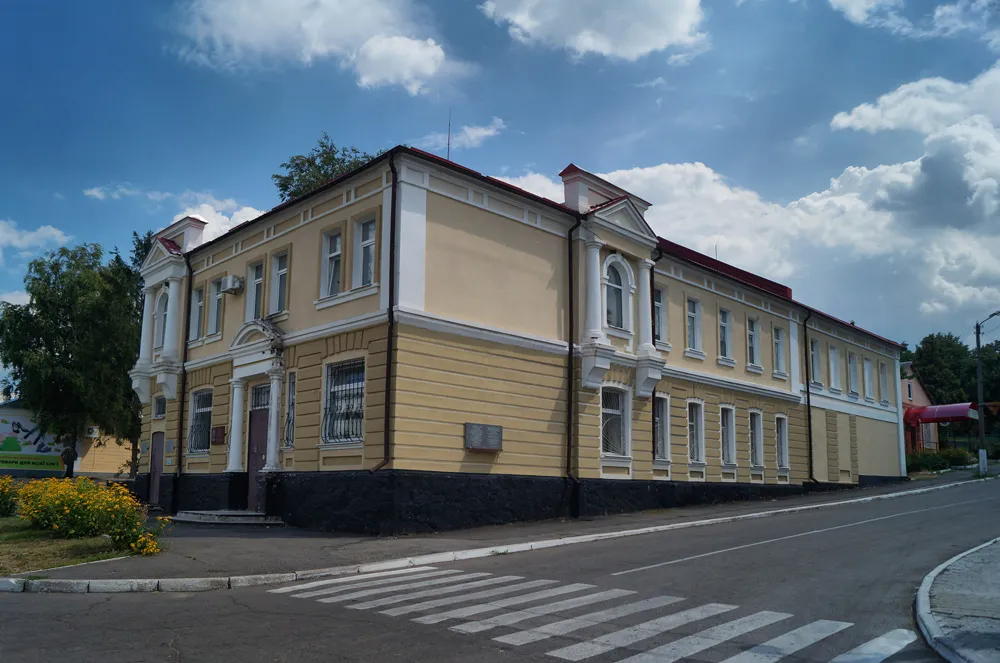
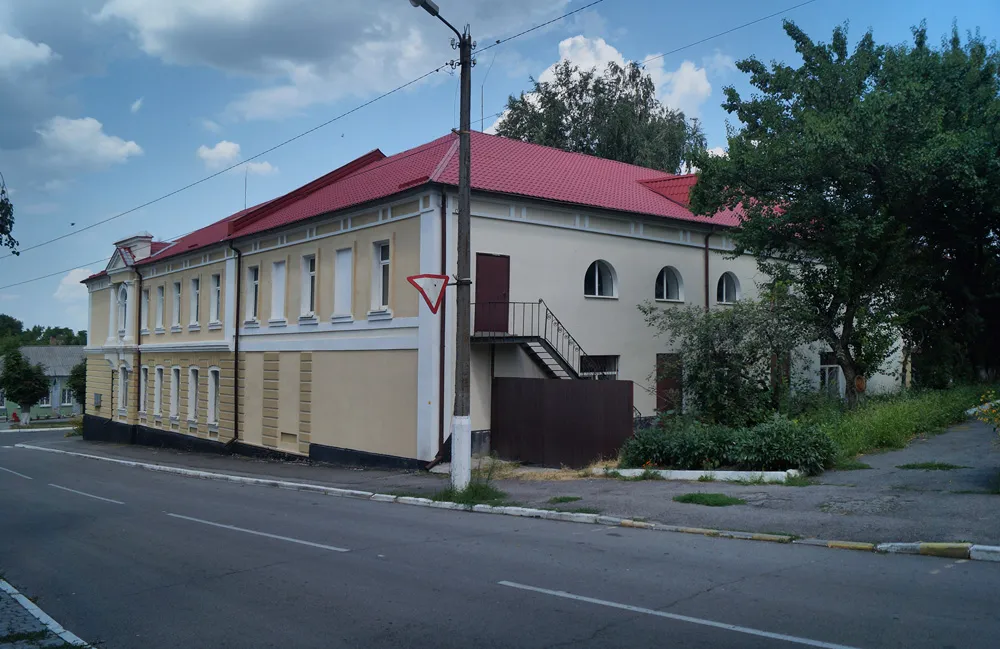
During 1886–1890 a hotel, a clergy house and two parish schools were built, and an icon-painting workshop was organized, whose first head was H. Hlushchenko.
In 1901, to a design by the engineer-architect Serhii Nosov, who had distinguished himself in railway construction, work began on the huge Cathedral of the Nativity of the Mother of God. The church of the same name, which could no longer hold the parishioners and pilgrims, was dismantled. In 1906 the cathedral was consecrated. Pilgrims and believers beheld an enormous building erected in the style of brick Art Nouveau.
In 1929 the monastery was closed. A theatre was set up in the cathedral, and a hospital in the cell buildings and the Transfiguration Church. Later, in 1942, the Germans restored the monastery’s work, but the Bolsheviks closed it again. A new life began here only in 1990.
The origin of the icon of the Kozelets Mother of God is not known for certain. Its authorship is attributed to Italian masters. How it came to the Kozelskyis is also unknown. Today, after long concealment in Kyiv and in private hands, the icon is again in the Nativity of the Mother of God Monastery.
Text and photos by Roman Malenkov.