Balta

· 6 min read
Present-day Balta is a district centre with a population of 18,000. The town is small, but in the number of monuments, in Odesa Oblast only Izmail is richer than Balta. This is no longer Bessarabia, and not the Black Sea coast – it is rather Podillia, or the Transnistria region. More precisely, both, since on the south side of the Kodyma it is probably Transnistria and on the north side Podillia, and Balta is on both.
In remote antiquity there was no settlement in these wild lands. At the beginning of the 18th century the Poles decided to fortify their border with the Ottoman Empire. The nearest village to the Kodyma River was the now-vanished village of Paliieve Ozero, which belonged to the Lubomirski family. And Prince Józef Lubomirski, on the left bank of the Kodyma, in 1738, began building a fortress town which he named Yuzefhrad (Józefgrad) after himself.
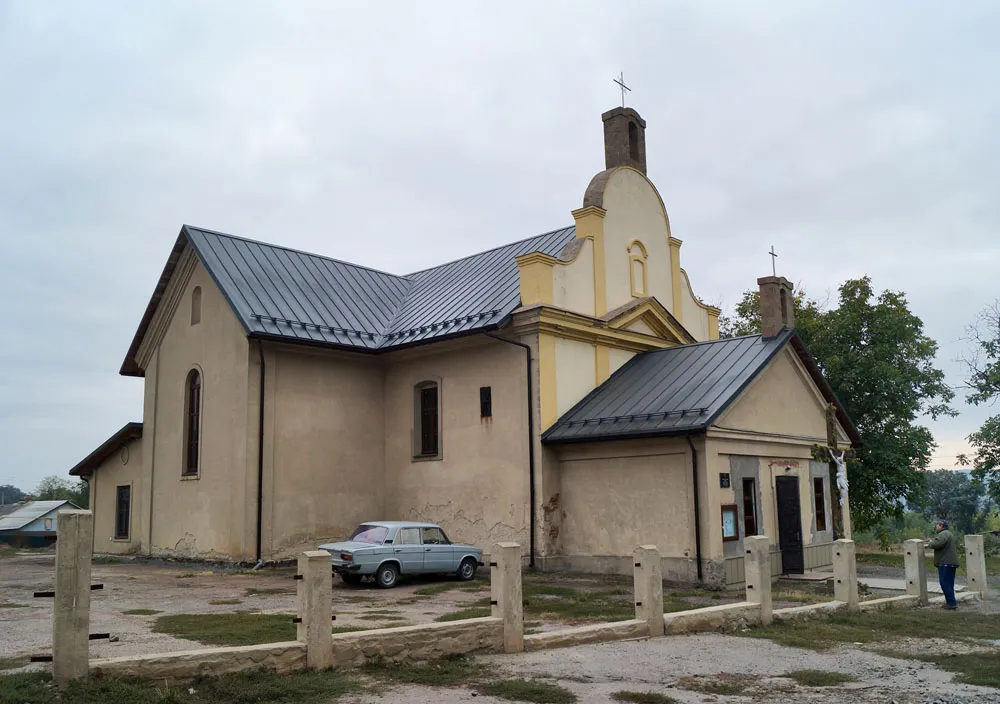
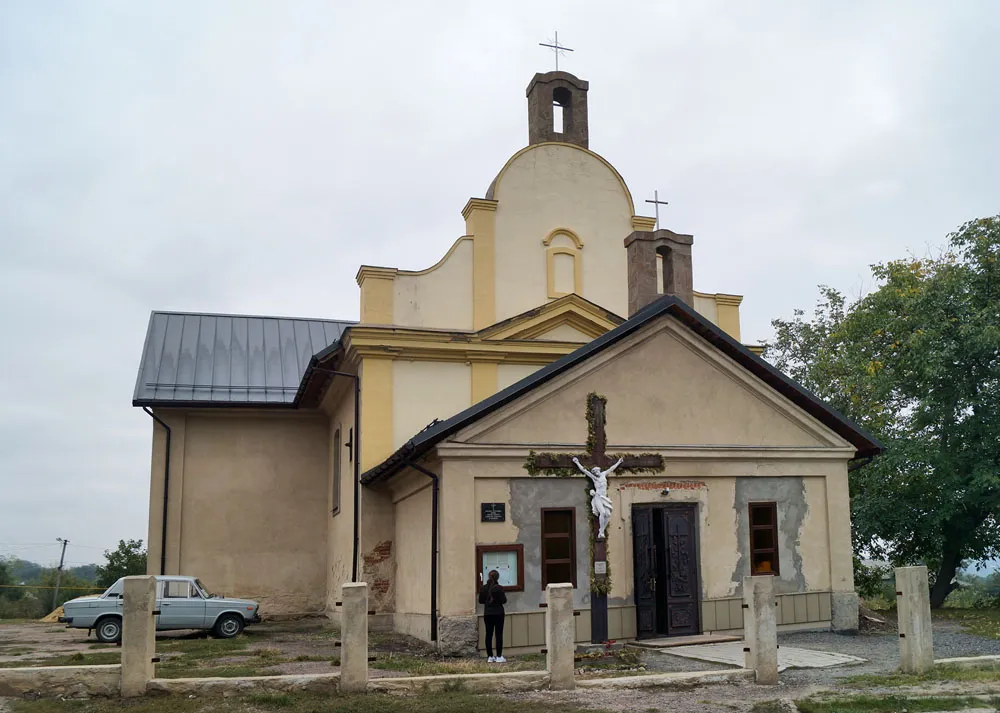
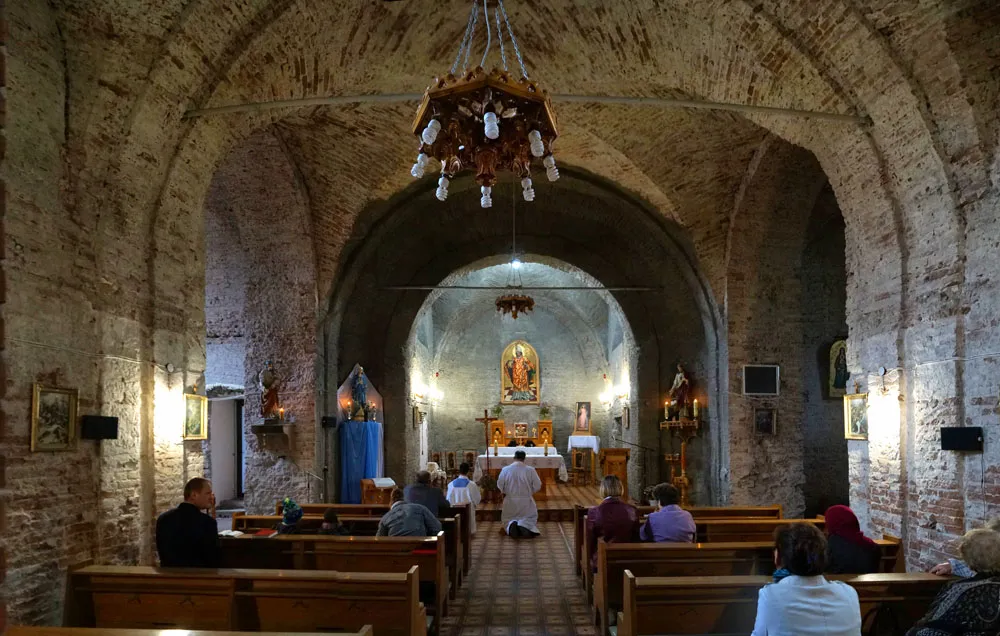
The Roman Catholic church of St. Stanislaus.
The Turks decided to build a town to counterbalance the Polish one and began building on the right bank of the Kodyma. The town was named Balta – “axe” in translation. Since the Turks and Tatars did not much want to settle in this area, the Ottoman authorities gave permission for settlement to Russian Old Believers, the Lipovans. Even now Balta has large districts of theirs, two churches and cemeteries.
In 1765 Józef Lubomirski began building a Roman Catholic church that was to be Armenian-Roman Catholic – a church both for the Armenians who had accepted the Catholic union and for the Poles. Lubomirski decided to be cunning and received part of the construction funds from the numerous Armenian community of Yuzefhrad. The church was consecrated in honour of St. Stanislaus and has survived to our time; true, in Soviet times it was badly mutilated, but it is being restored now – the town has a Roman Catholic community, the church was handed over to it in 1993 and assigned to the Kamianets-Podilskyi Diocese.
In 1793, after the partition of Poland and Russia’s seizure of the Ottoman lands of southern Ukraine, Yuzefhrad and Balta became part of the Russian Empire, and in 1797 the towns were merged into one under the name Balta.
In the first half of the 19th century Balta became one of the largest trading centres of southern Ukraine. This was helped by its advantageous geographical position at the crossroads of important trade routes from Ukraine to Bessarabia, Moldavia, Wallachia and the Black Sea ports.
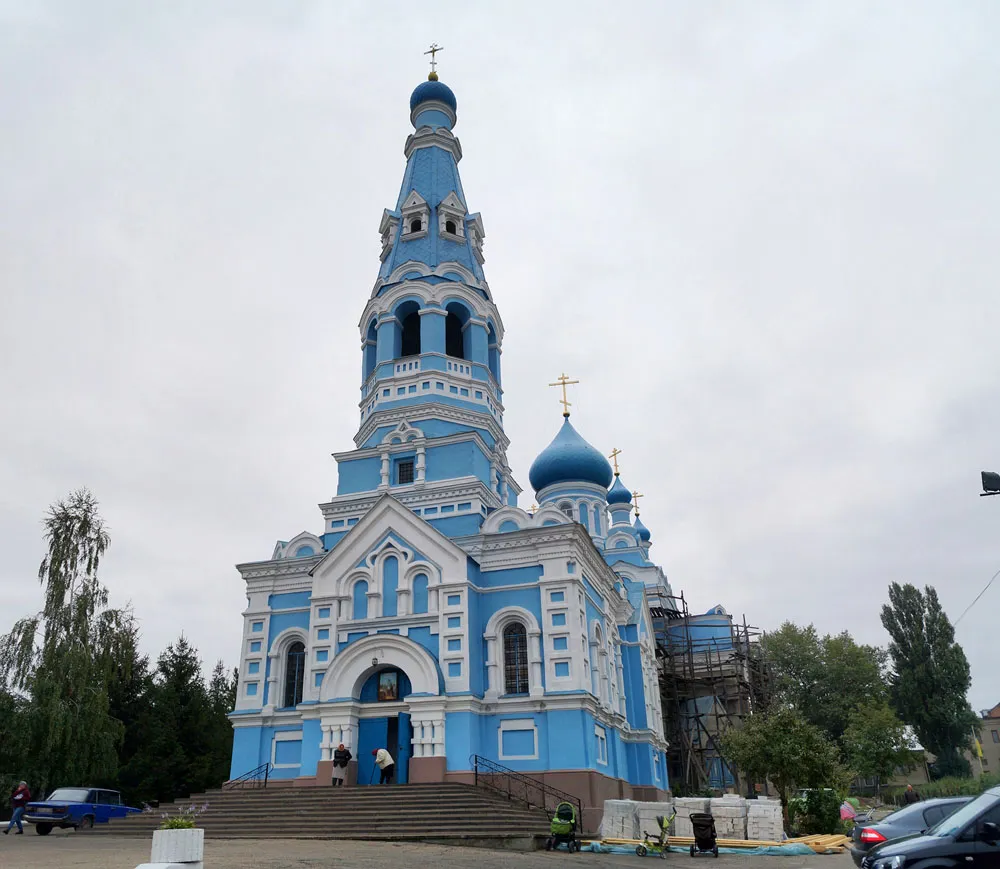
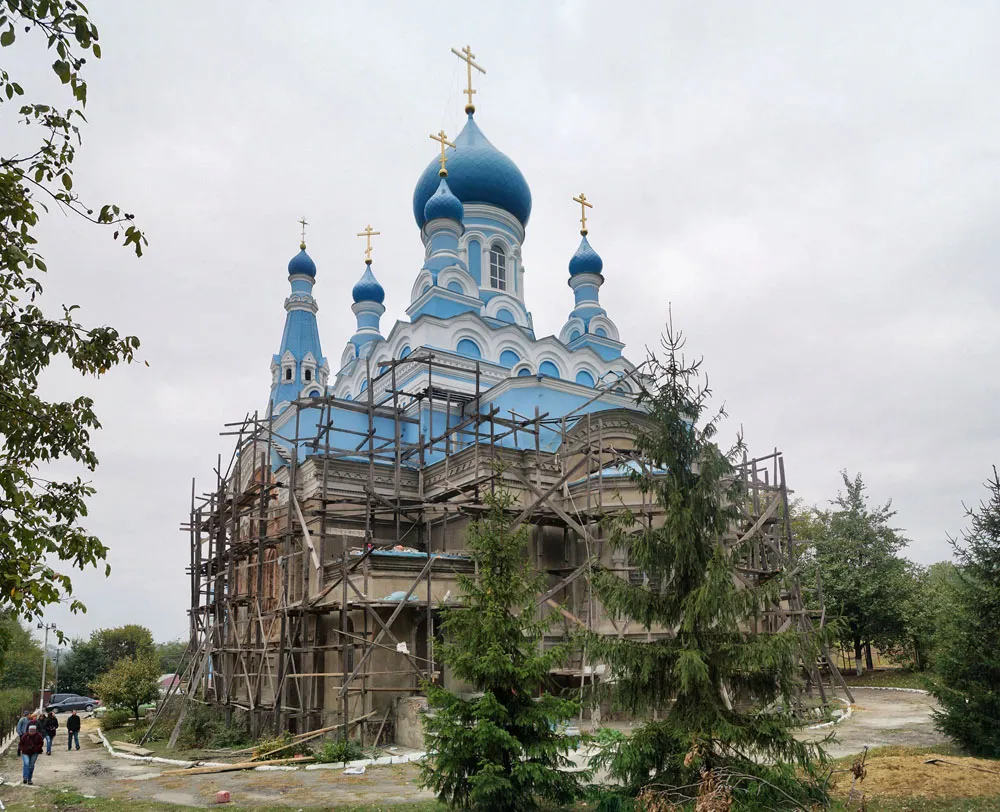
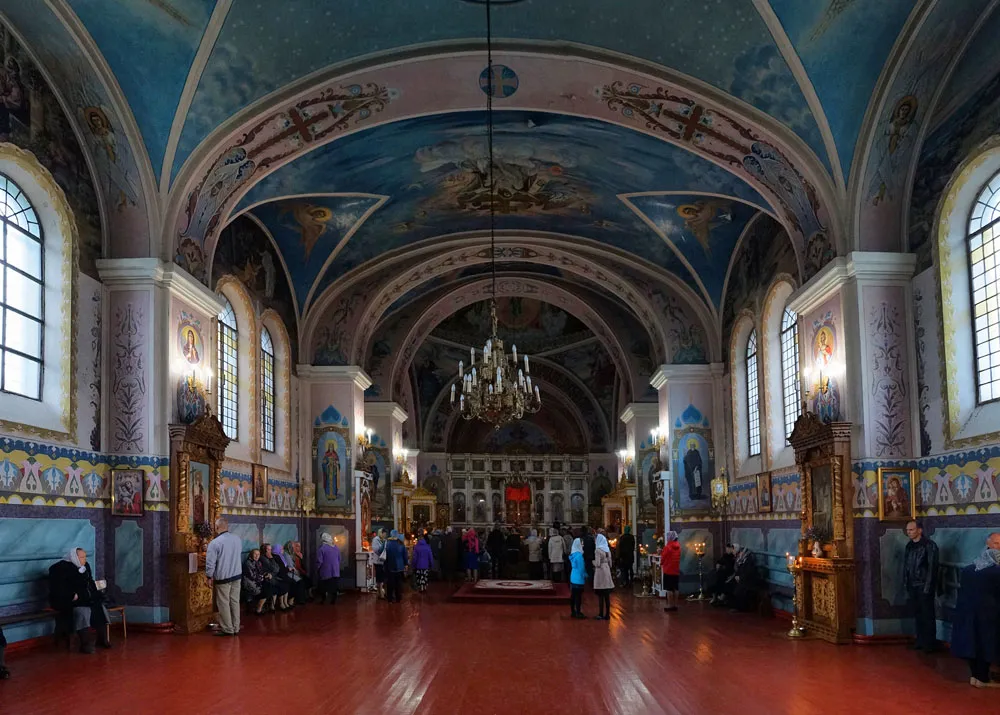
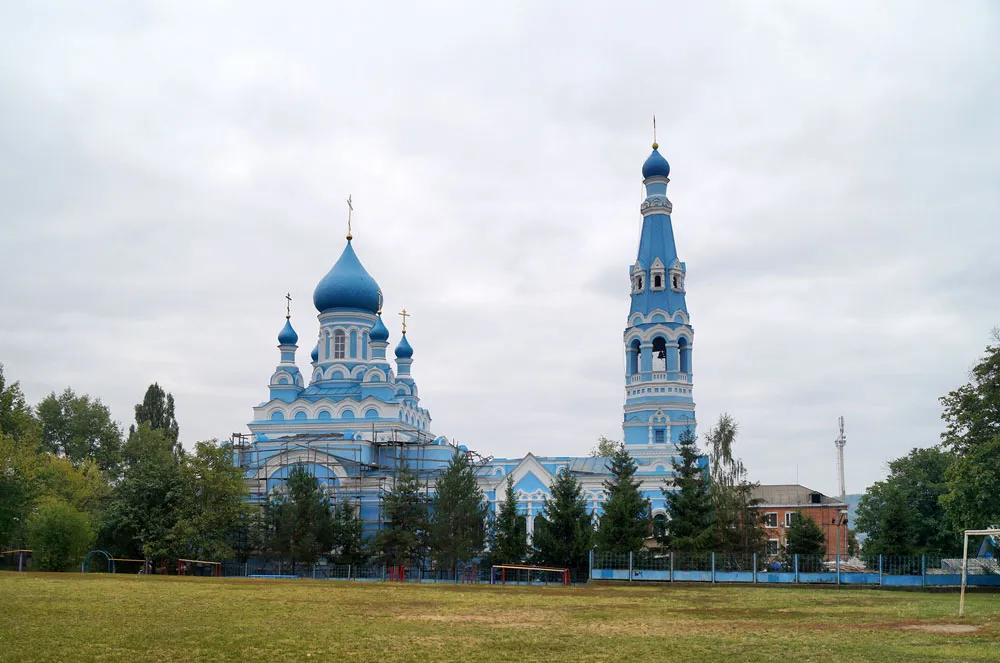
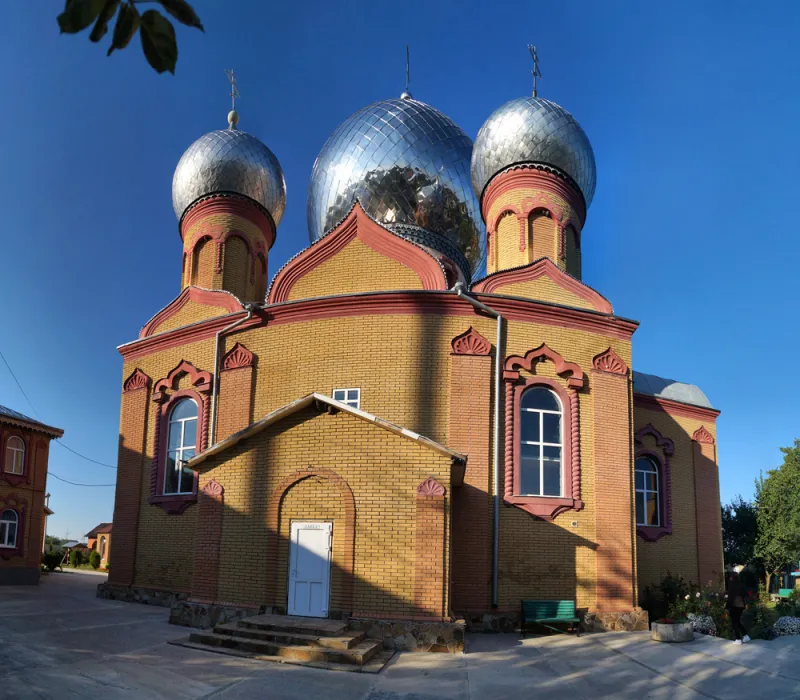
Dormition Cathedral.
Six fairs were held regularly in the town, and their turnover grew quickly: the first on 20 April, St. George’s Day; the second on 29 June, the feast of Peter and Paul; the third on 6 August, the Transfiguration; the fourth on 1 January, St. Basil the Great’s Day; and the most famous, the Trinity fair (at Pentecost). Wheat, cattle, lard, wool and leather were traded. The Trinity fair was famous first of all for its horse trade. Wikipedia.
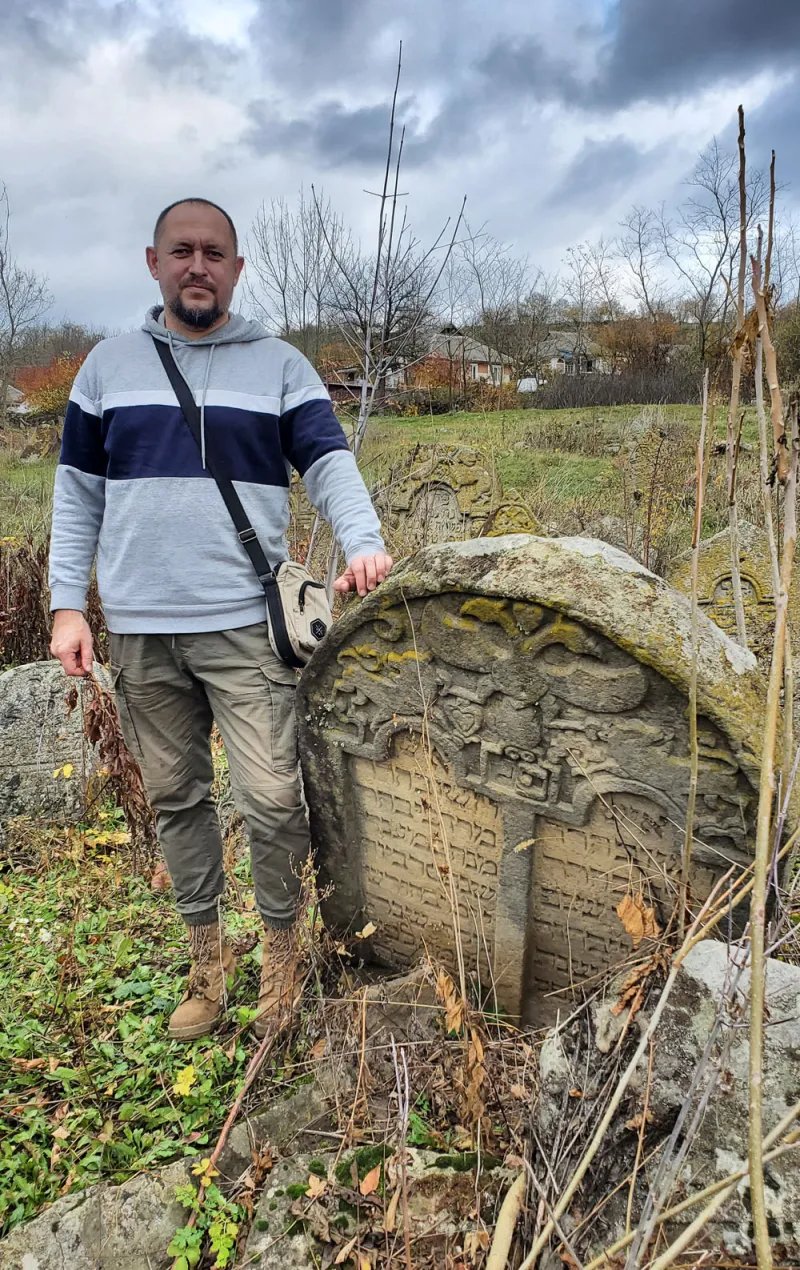
Given Balta’s trading status, the Jewish community in the town grew very strongly. Synagogues and Jewish schools appeared here. In 1900, of Balta’s 23,000 residents, 13,000 were Jews. Today little remains of the Jewish heritage – a rebuilt synagogue, residential buildings and a large kirkut.
In 1908 a certain hieromonk Innocent caused quite a stir in Balta, declaring himself the living embodiment of the Holy Spirit and beginning to cast out demons. He created a new, fairly powerful sect, called the Innocentists. It was filled with pilgrims and believers from Bessarabia. It is said the sectarians were defeated only in Soviet times, when Balta became the capital of Moldavia.
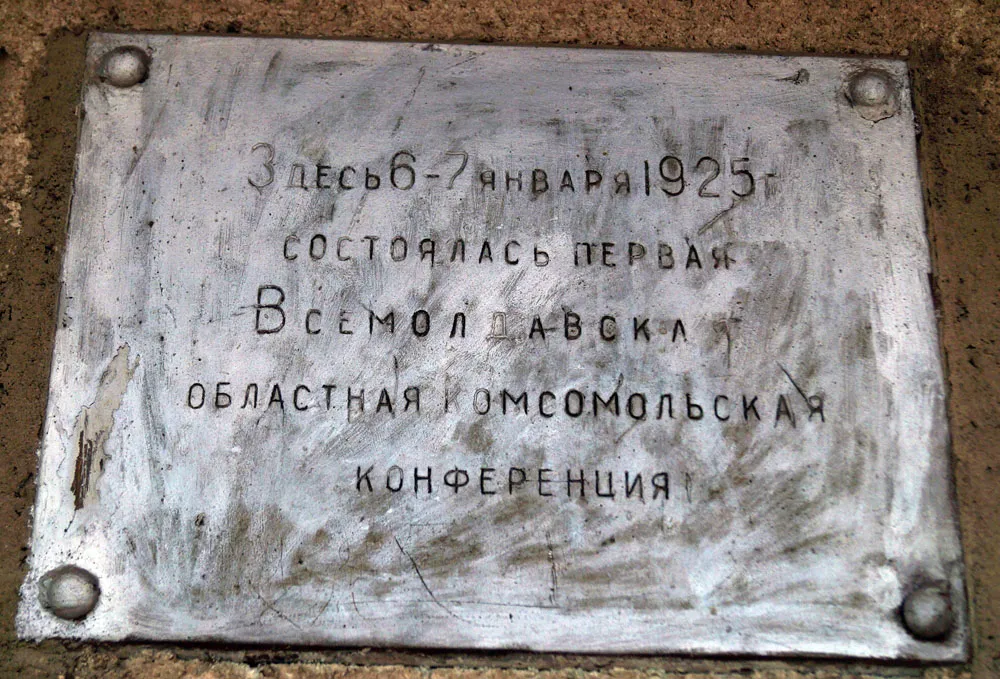
As the capital of Moldavia? Just so. When after the First World War Moldavia ended up under Romania, Stalin decided to create his own Moldavia and carved out for this a piece of Ukraine on the bank of the Dniester – present-day Transnistria. The entity was named the Moldavian Autonomous Soviet Socialist Republic, and in 1924 Balta was made its capital. In 1929 Tiraspol became the capital of the MASSR, and Balta with Kodyma returned to the fold of the Ukrainian SSR.
In the 19th century Balta was a district centre, so a prison, a hospital, two gymnasiums (for boys and girls), government offices and a public assembly hall were built here – everything a district centre needed. Then too whole streets of brick residential buildings appeared, which have survived to our days, although not completely.
The main landmark of Balta should be considered the Dormition Cathedral – a church with a very tall bell tower that is visible from all corners of Balta and from the surroundings of the town too. It was built at the turn of the 19th-20th centuries in the so-called Neo-Russian style. Lavish decor, a harmonious composition of five domes and a bell tower – a wonderful building, even if Neo-Russian… The cathedral was consecrated in 1915 and closed in 1931. During the German occupation the church was opened for services and even restored.
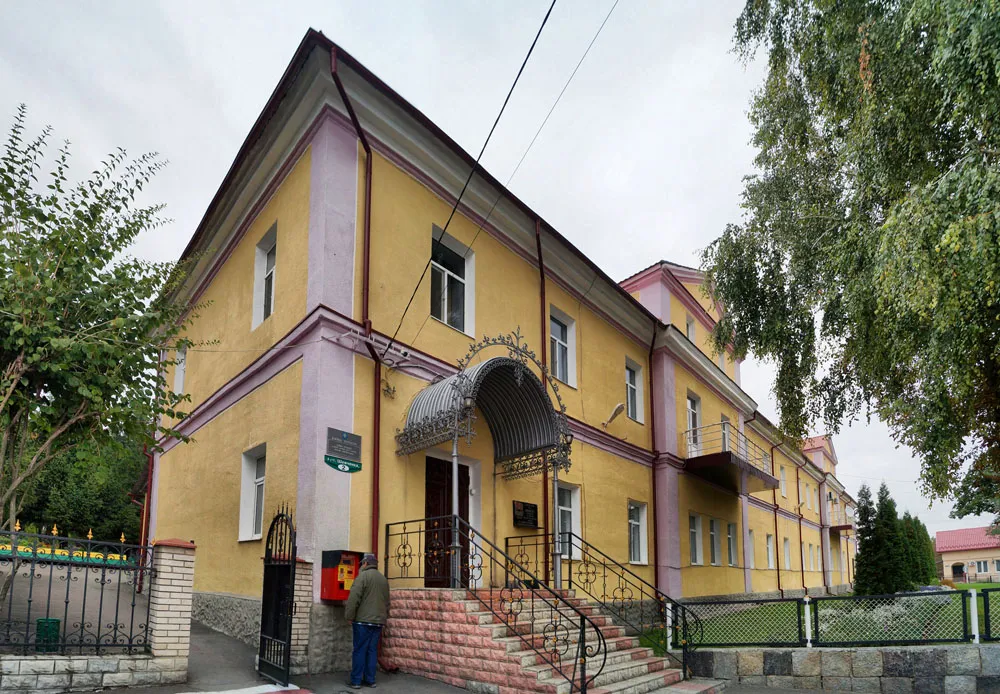
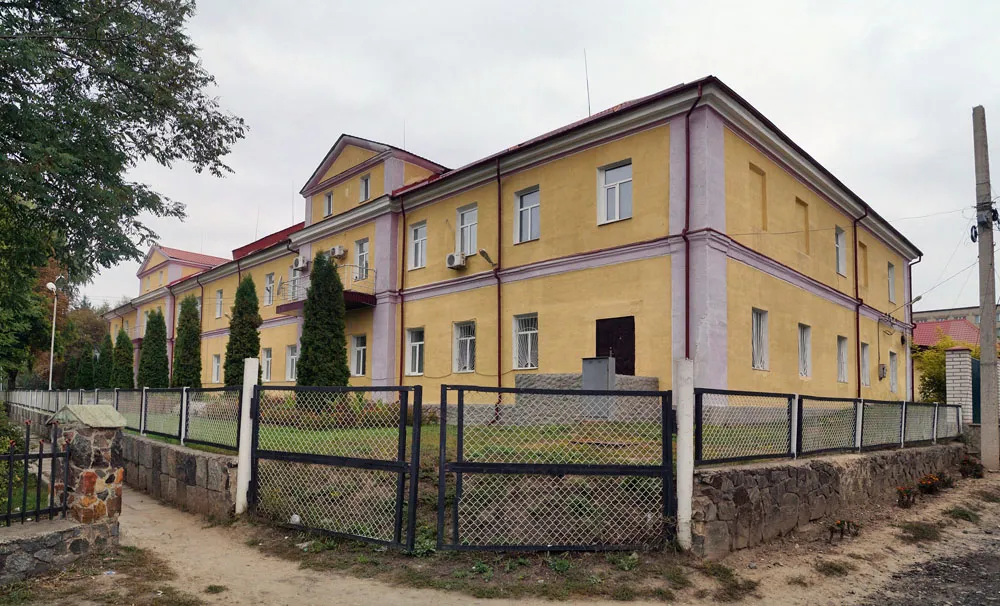
The former Lubomirski palace.
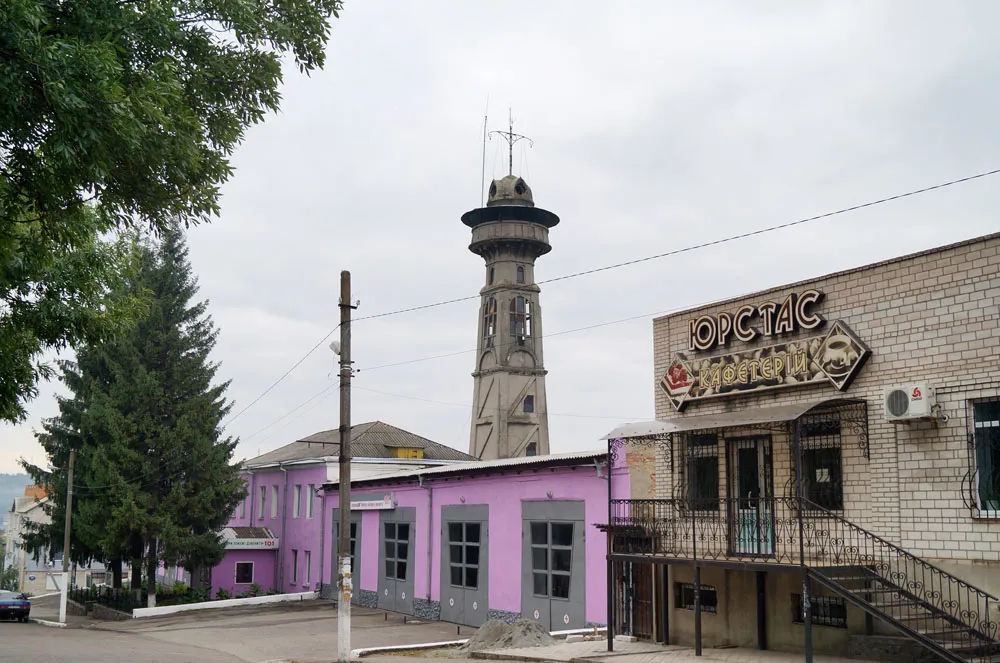
The fire tower.
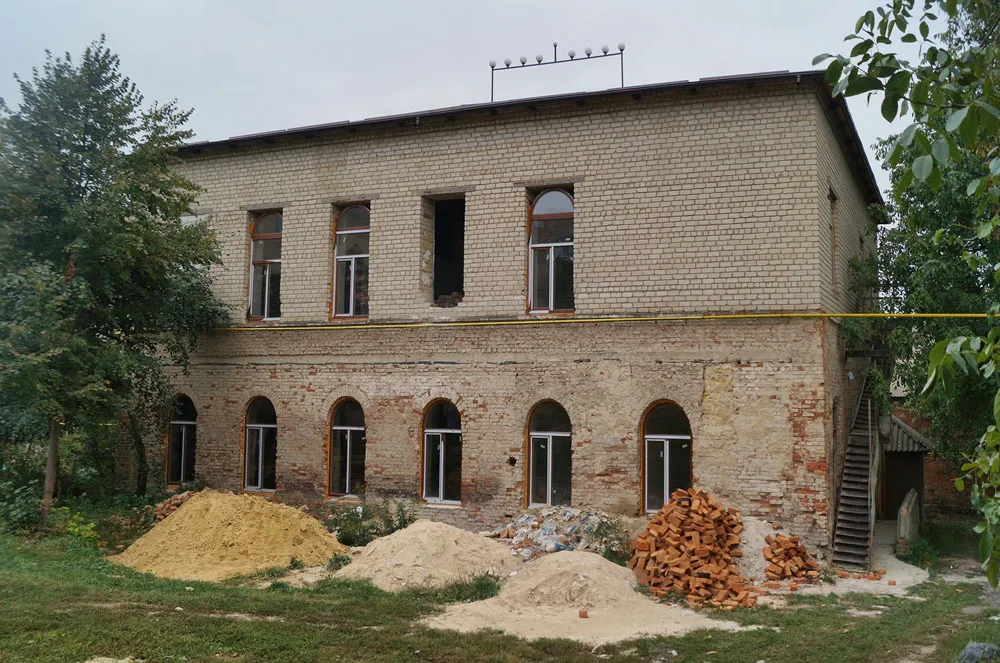
The synagogue.
In 1962-64 a boarding school was built on the cathedral grounds, which served as the formal reason for closing the church – it disturbs the children. The church was reopened only in 1988, and in 2012 the Balta Eparchy of the Moscow Patriarchate was created and the cathedral became its cathedral church.
Balta has two old Old Believer churches and the St. Nicholas cemetery church. The buildings of the Intercession Theodosius Monastery and old cemeteries have survived, where stone Cossack crosses from the late 18th century are preserved. All this is on the right bank of the Kodyma.
The high-rise dominant of the centre of Balta is the fire tower, built in 1929. Not far from the tower stands the castle palace of the Lubomirskis, built as early as the 18th century. True, after Soviet renovations it is hard to recognize it as a palace. Today it houses a pedagogical college.
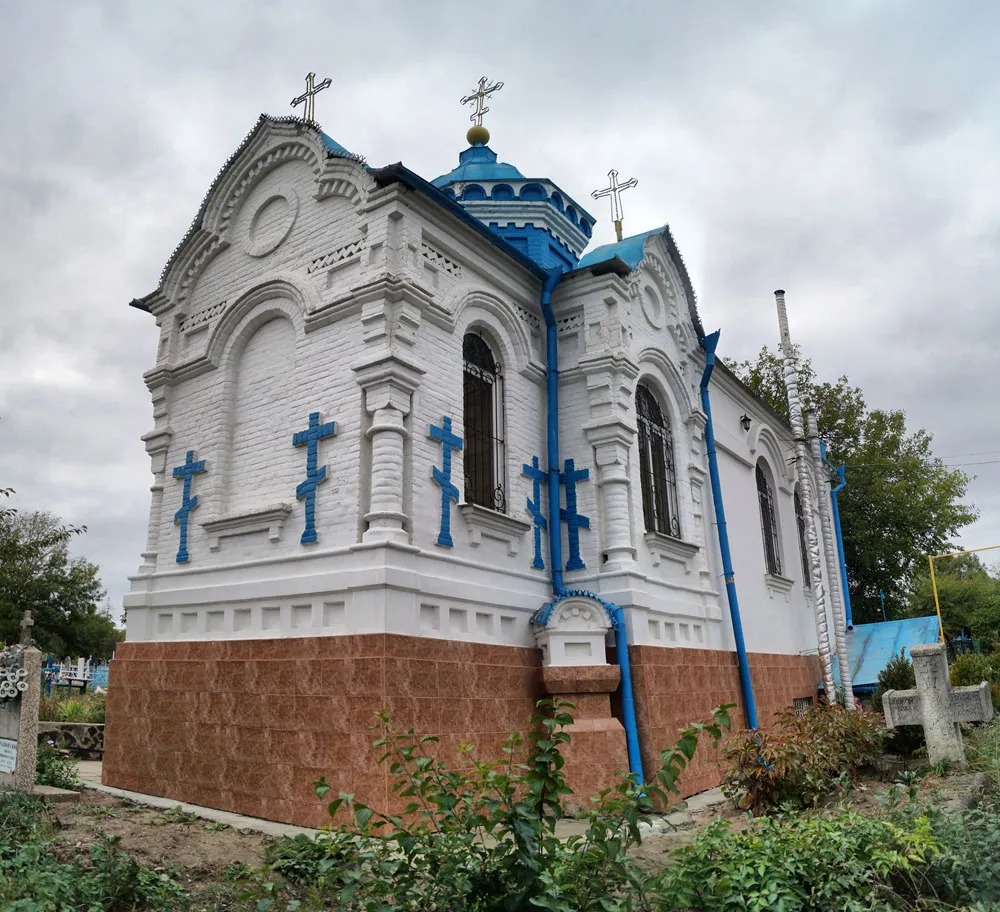
The cemetery church.
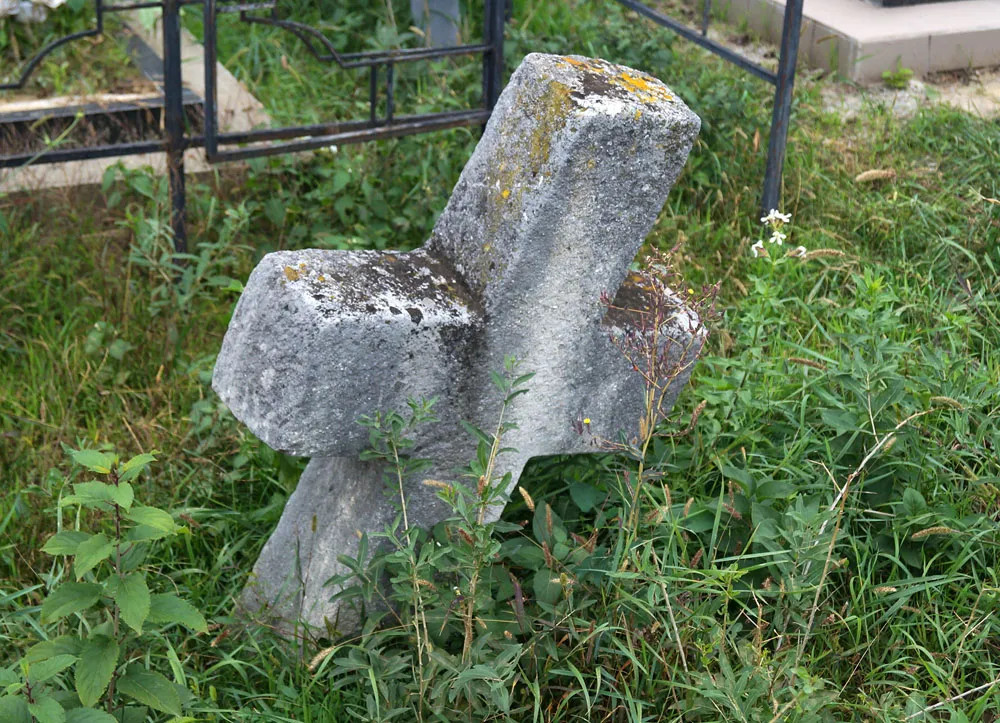
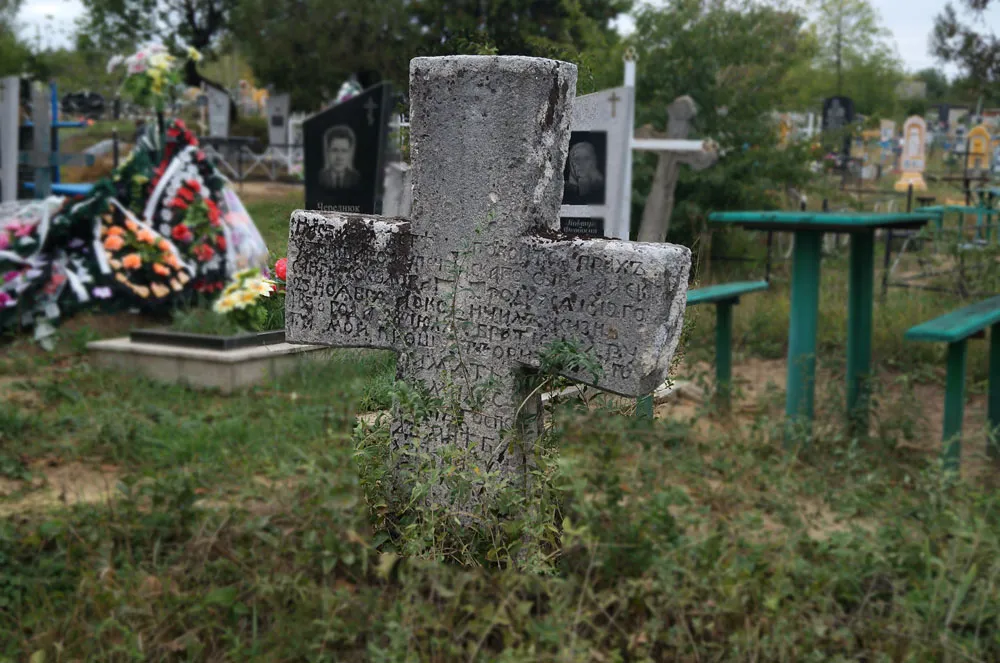
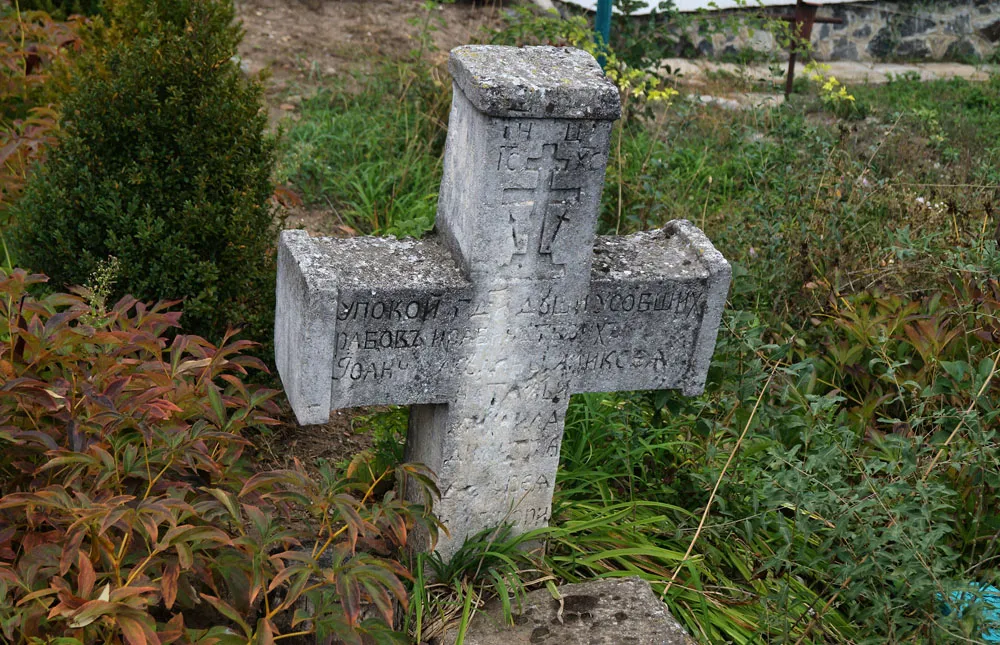
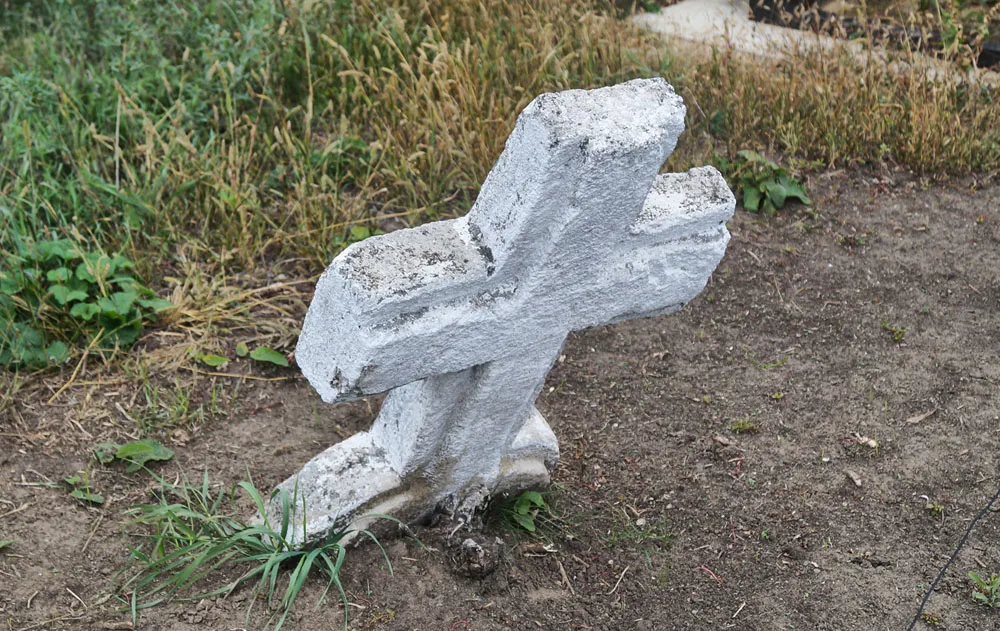
An old Cossack cemetery.
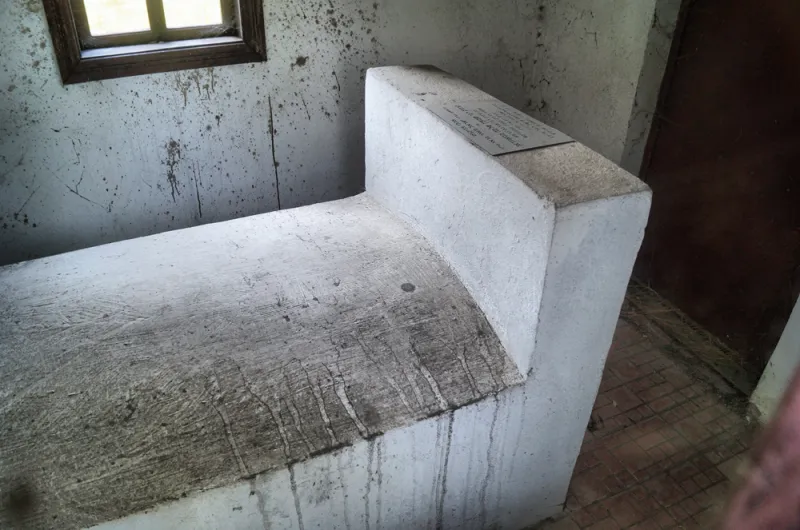
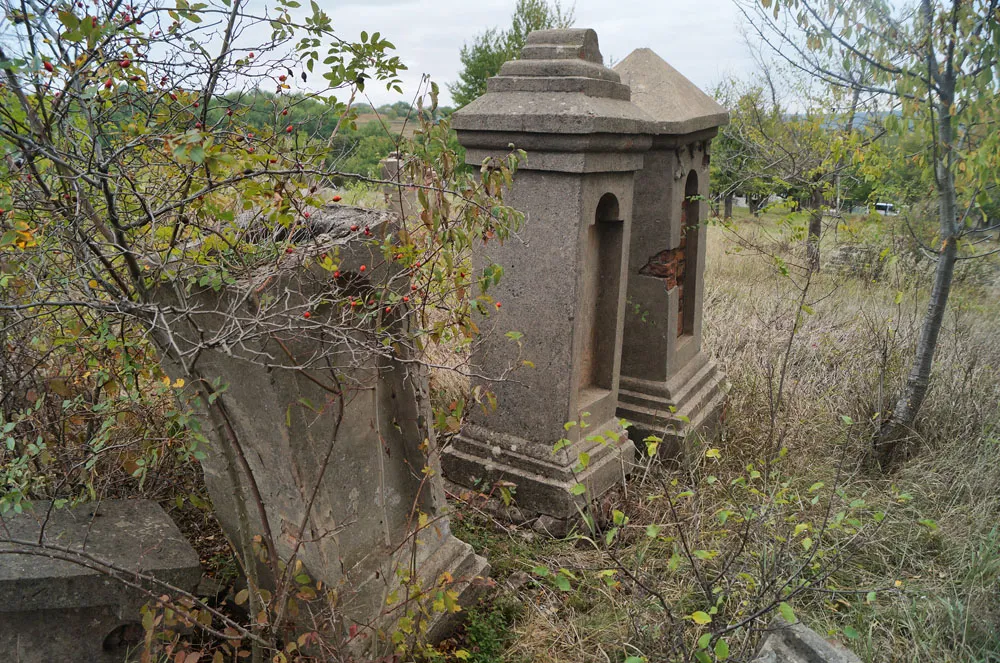
Besides the Cossack cemeteries, Balta has a surviving Polish cemetery with large family tombs, called in popular speech “lords’ crypts”. In the Soviet period they were partly ruined and looted, but now they are being restored.
We have already mentioned the Jewish cemetery. The matzevot on it are unlike any other Jewish gravestones, since they are built of brick and are quite large.
You can spend half a day in Balta, or maybe a day. The town’s monuments are rather scattered and it is quite hard to walk around them all, especially the cemeteries, which lie on different outskirts. But if you have already come to Balta, try to see everything, including the local history museum, where you can buy a couple of booklets about the town.
Text and photos by Roman Malenkov.
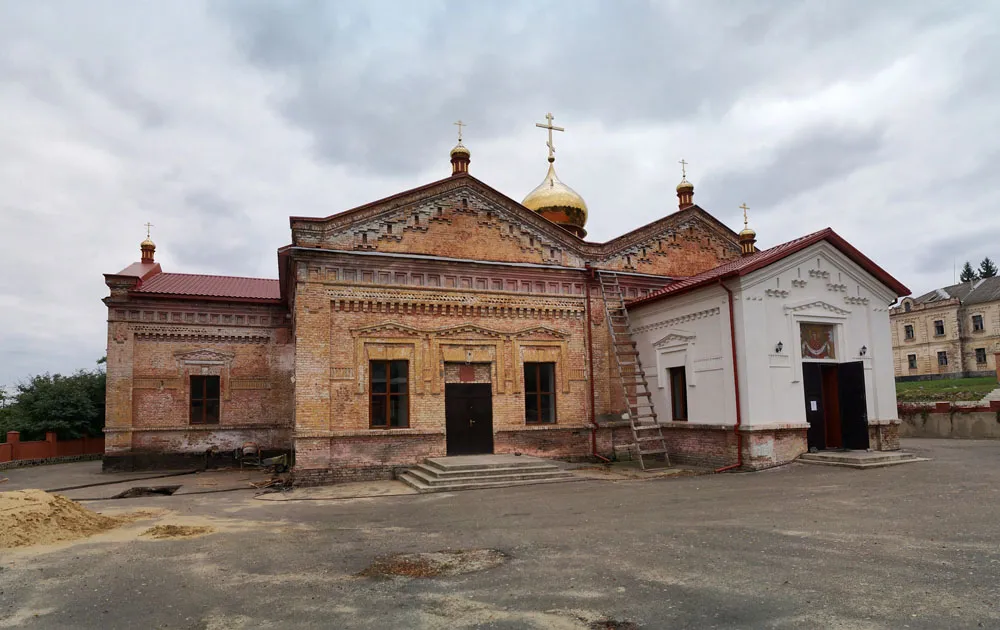
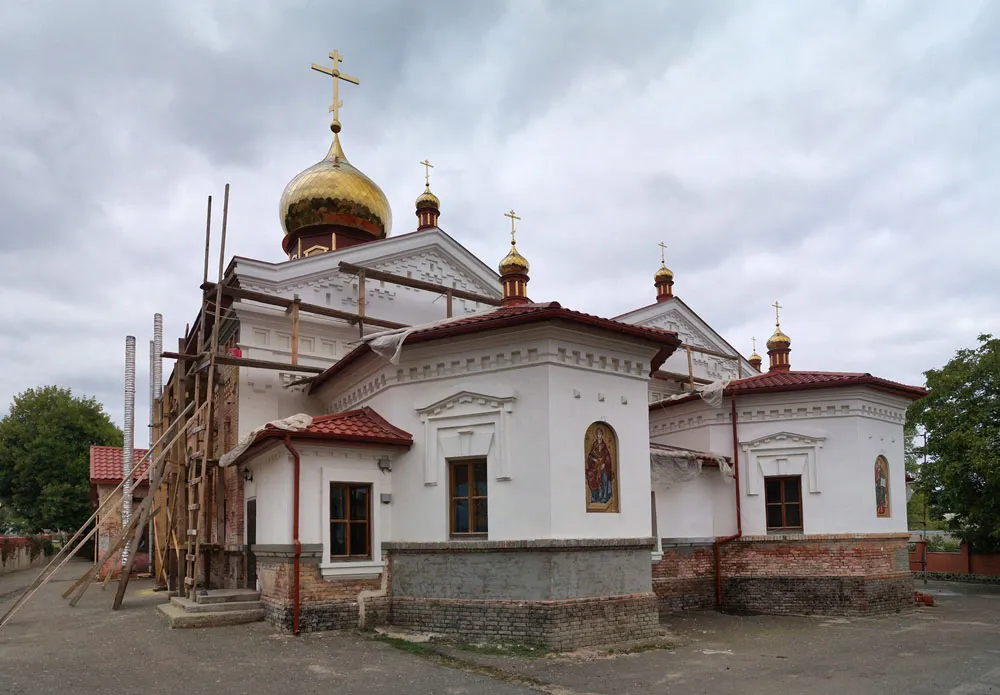
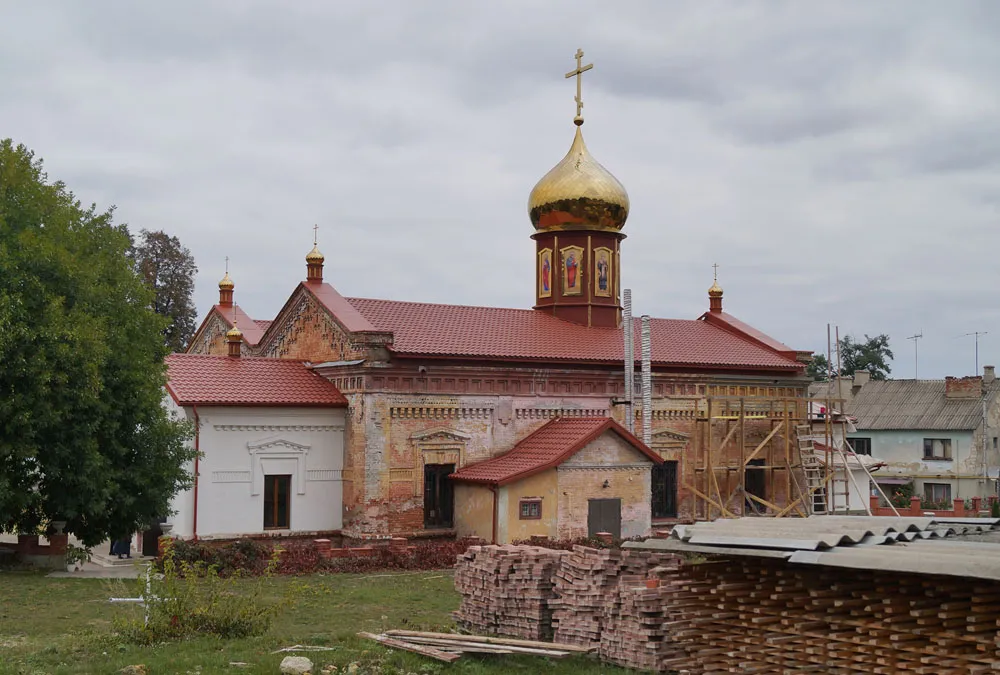
Intercession Theodosius Monastery.
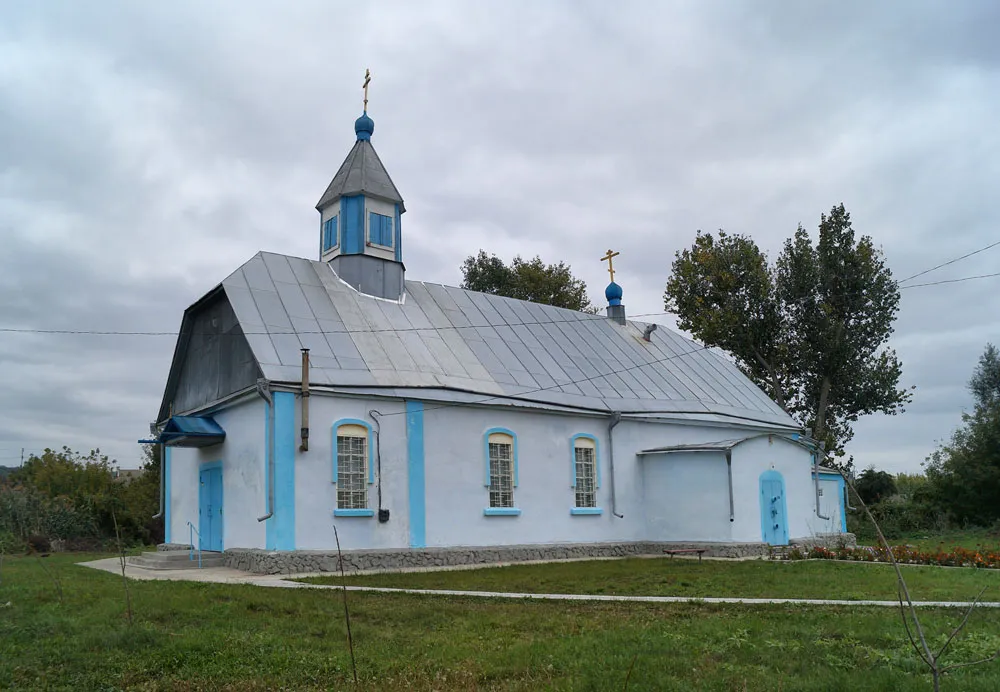
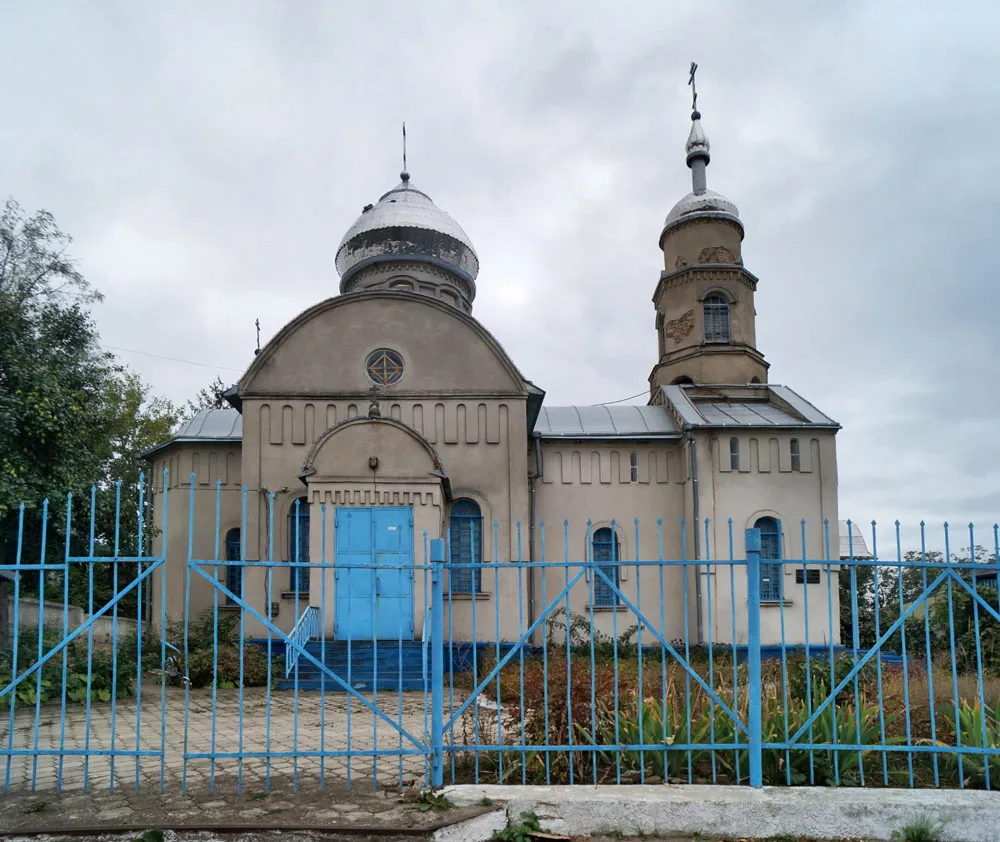
Old Believer churches.
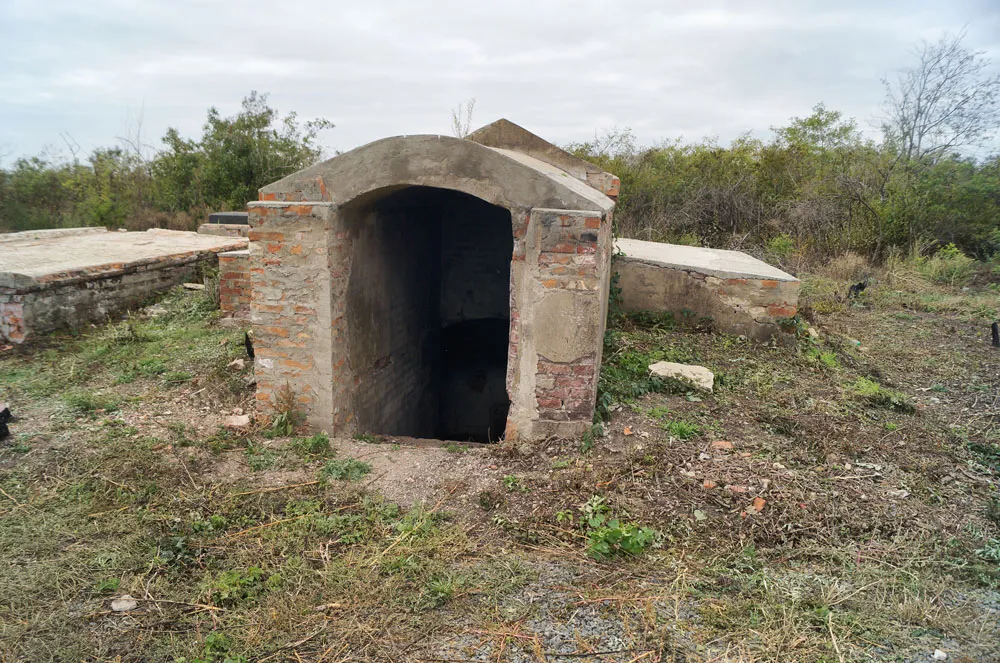
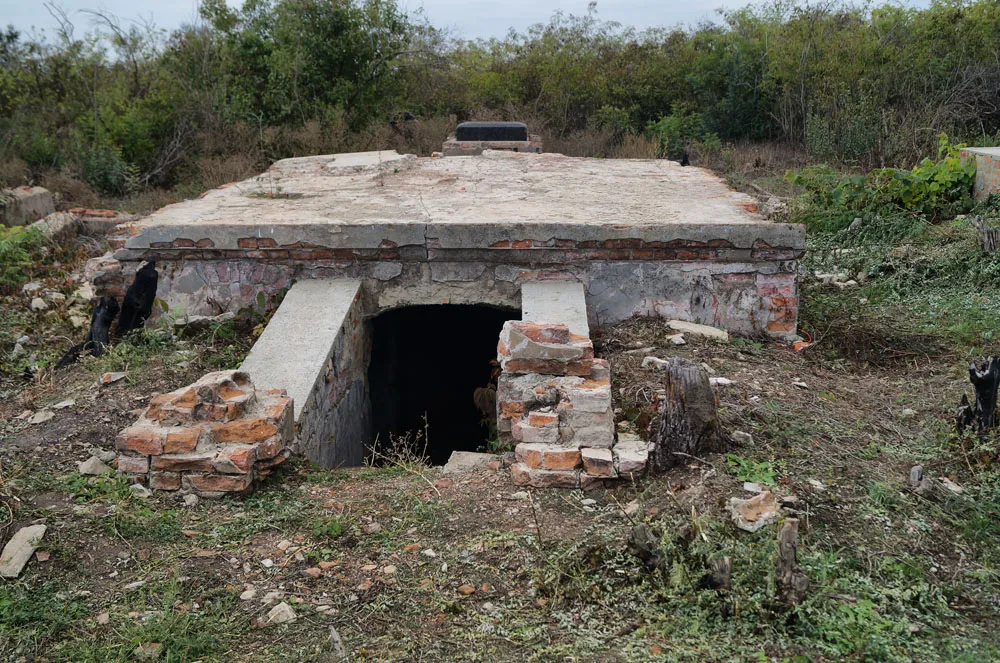
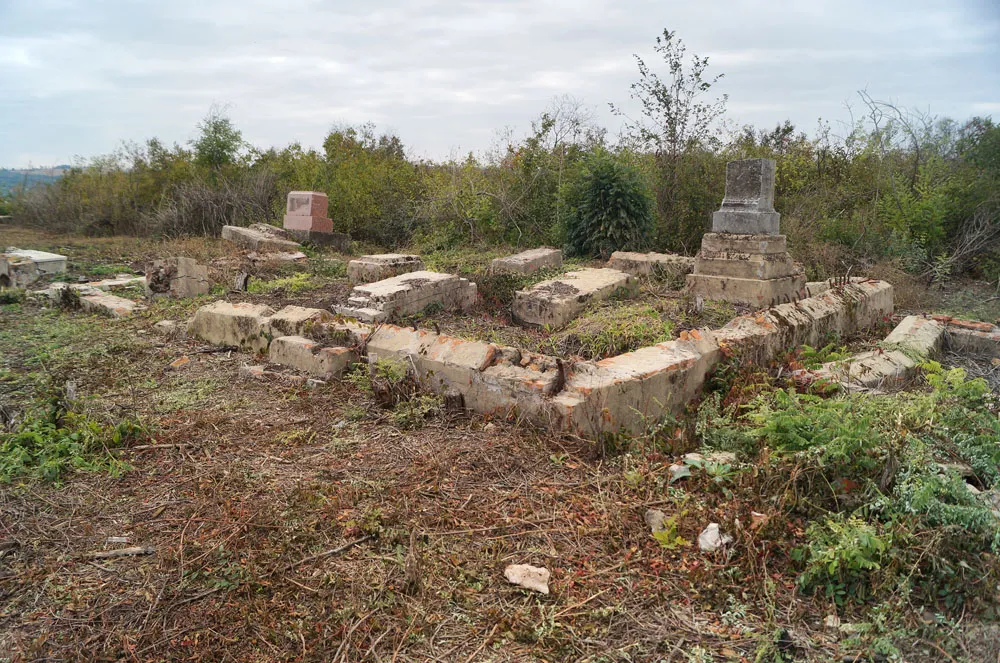
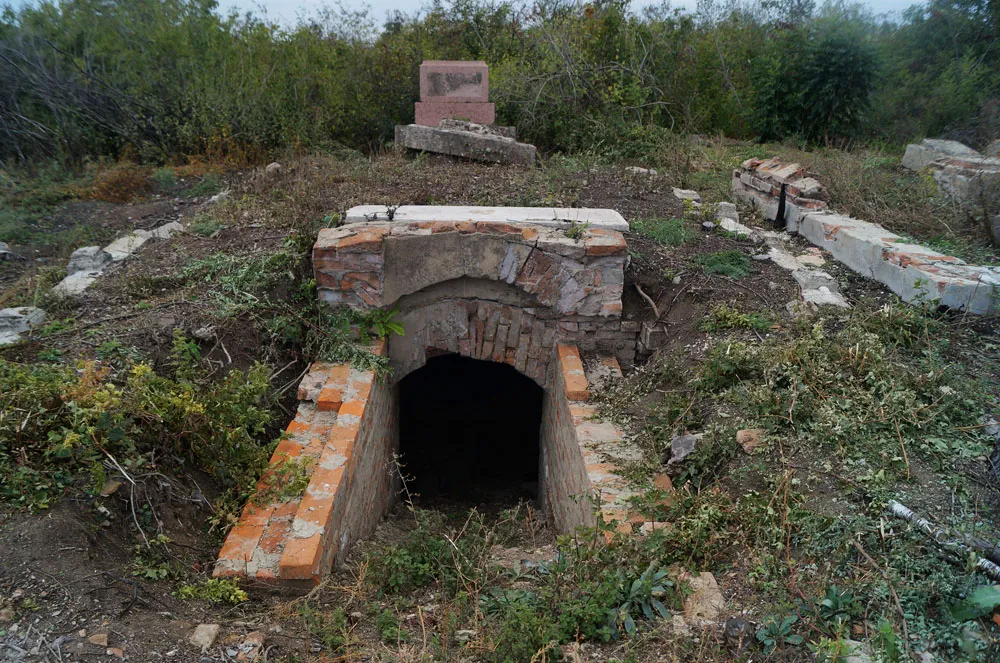
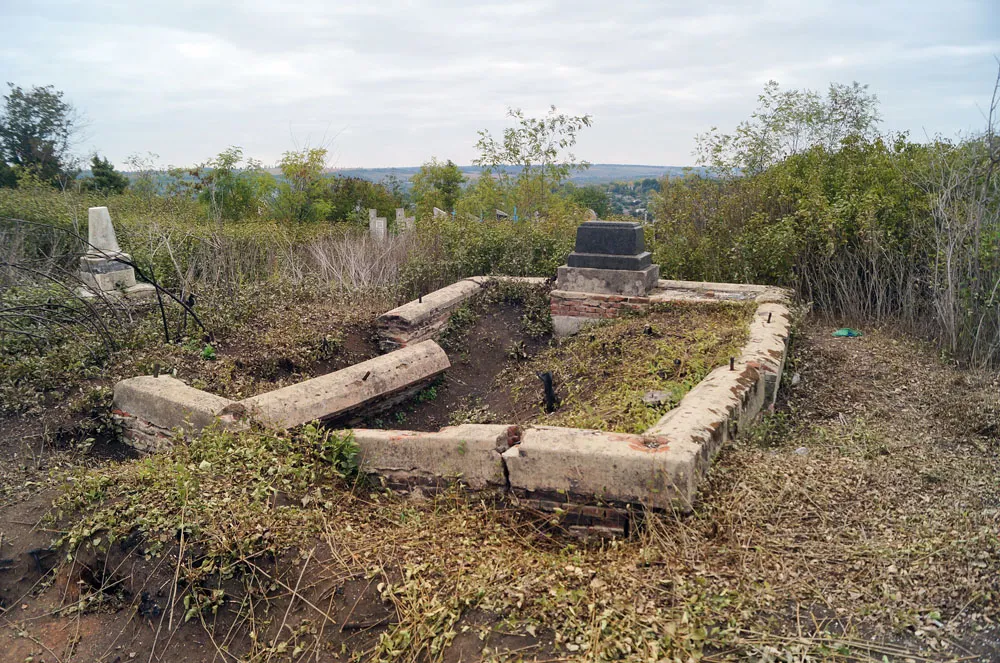
Tombs of the Polish cemetery.
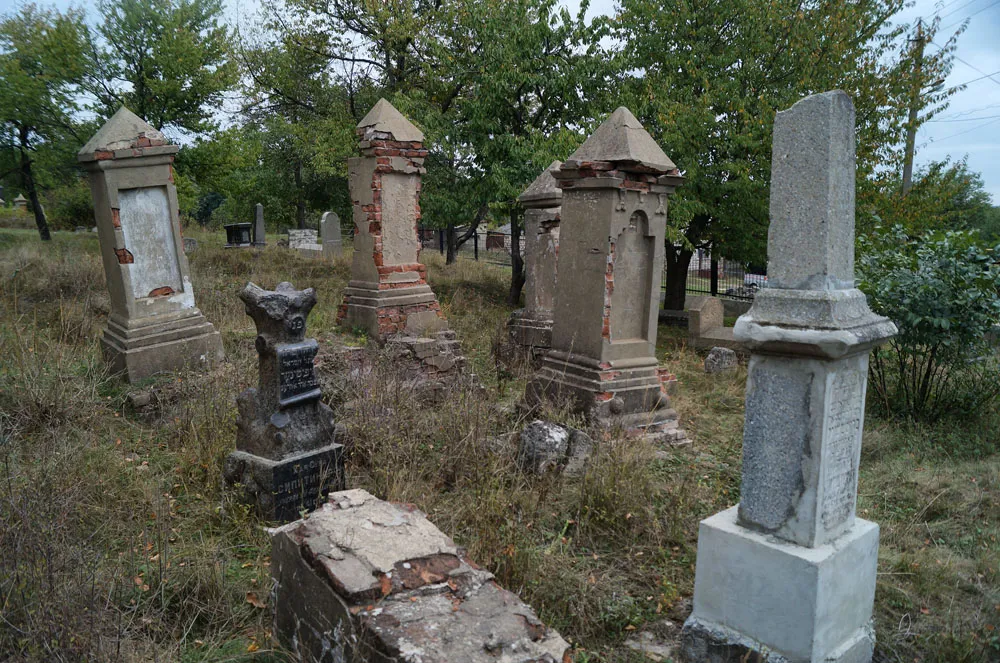
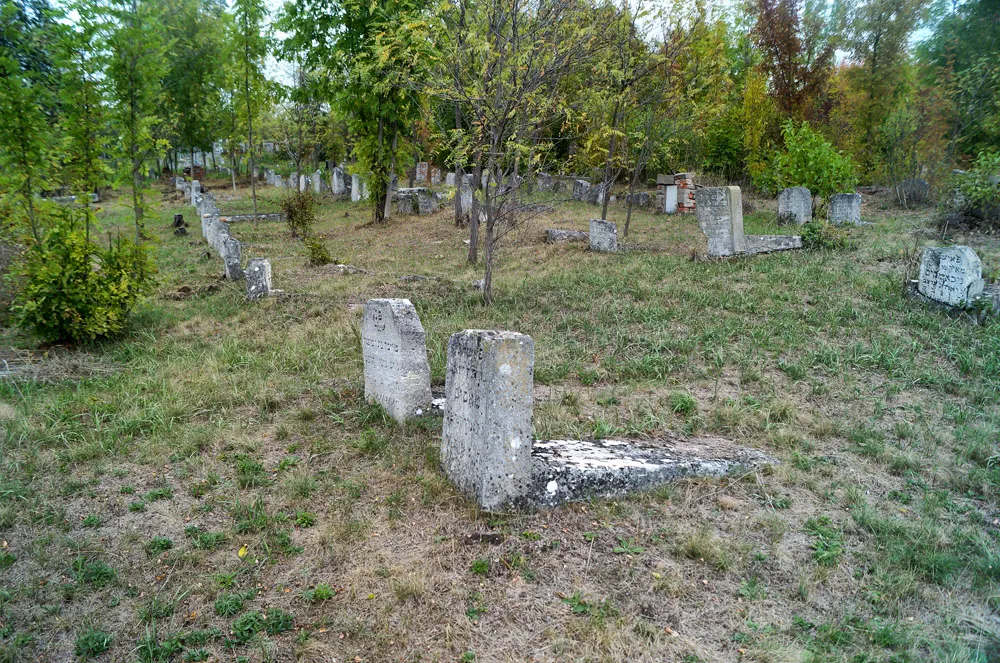
The Jewish cemetery.
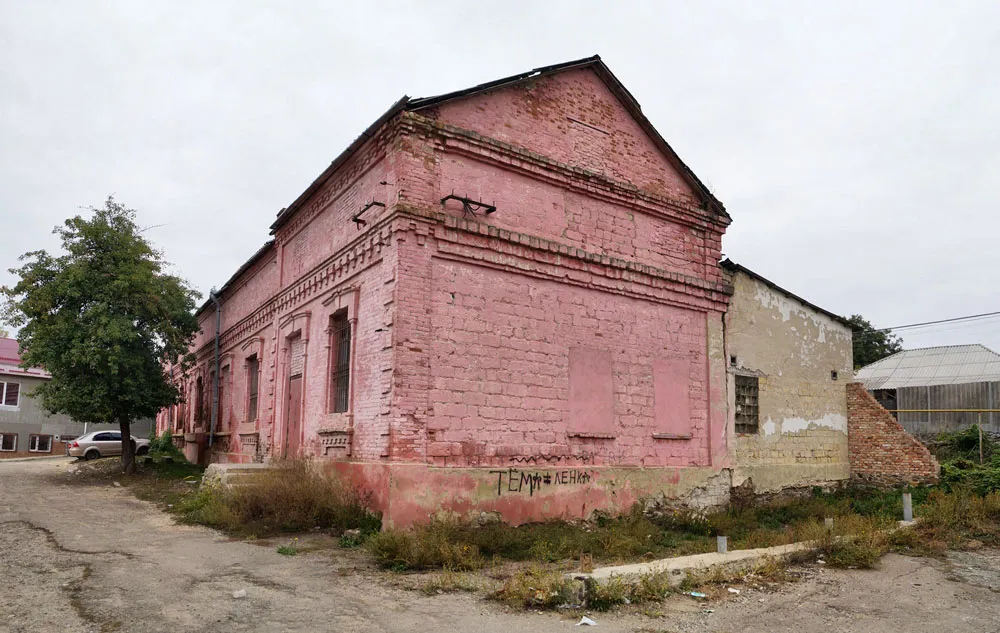
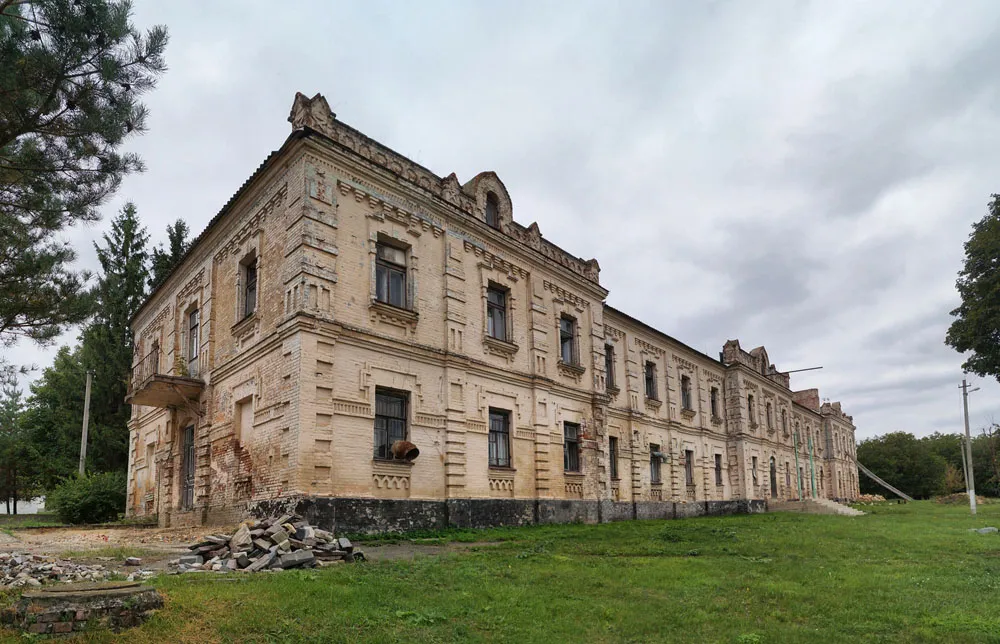
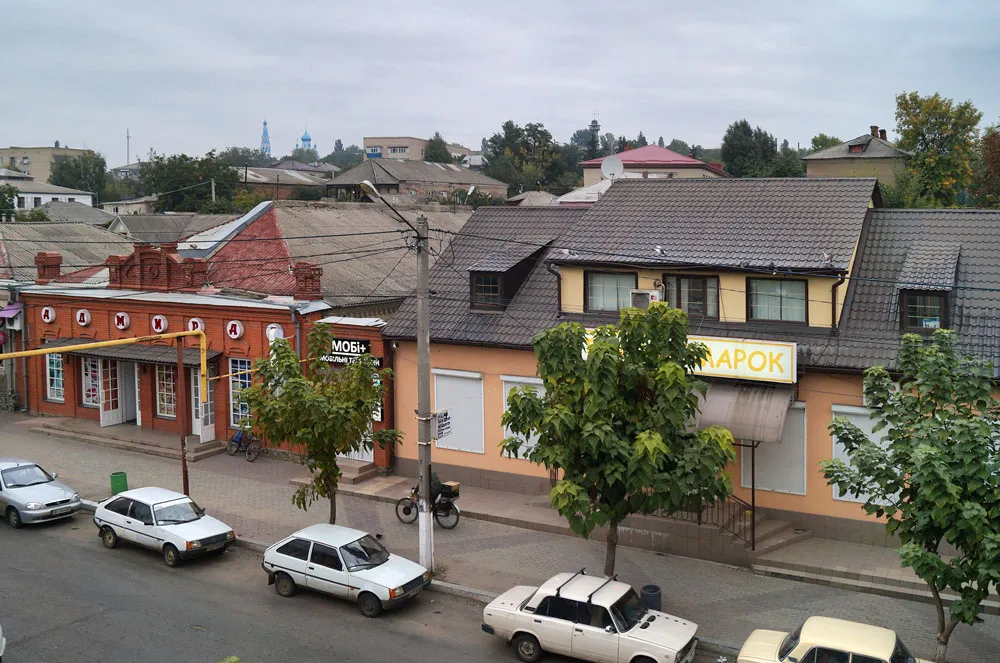
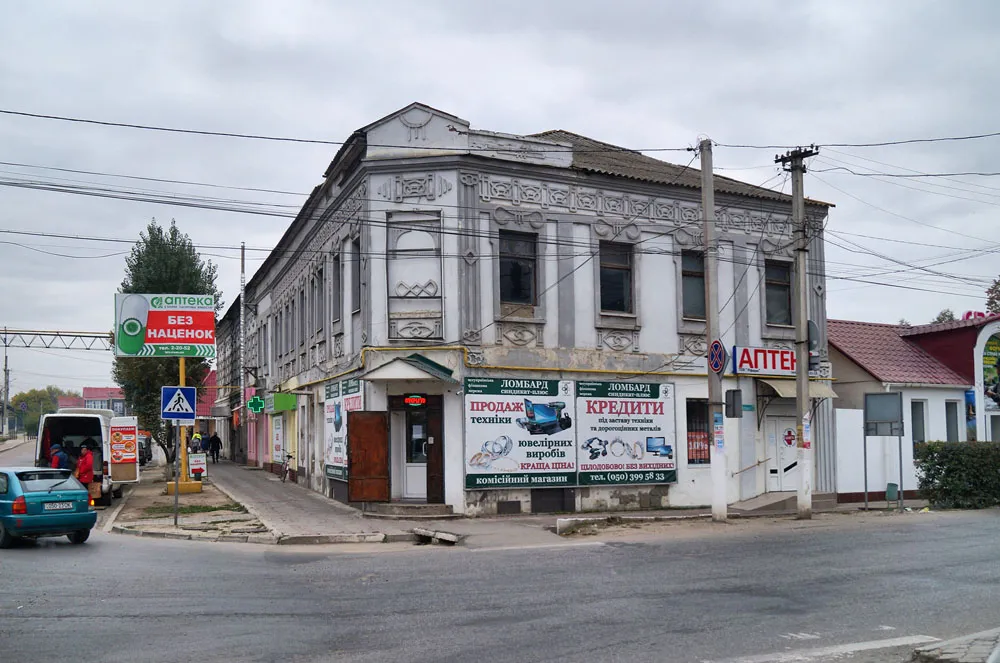
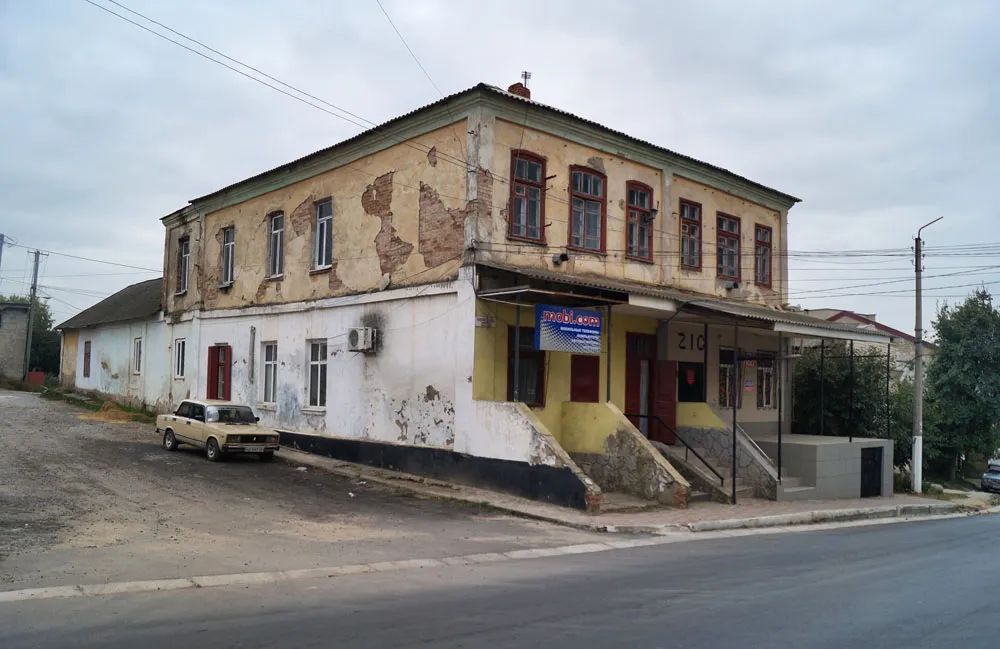
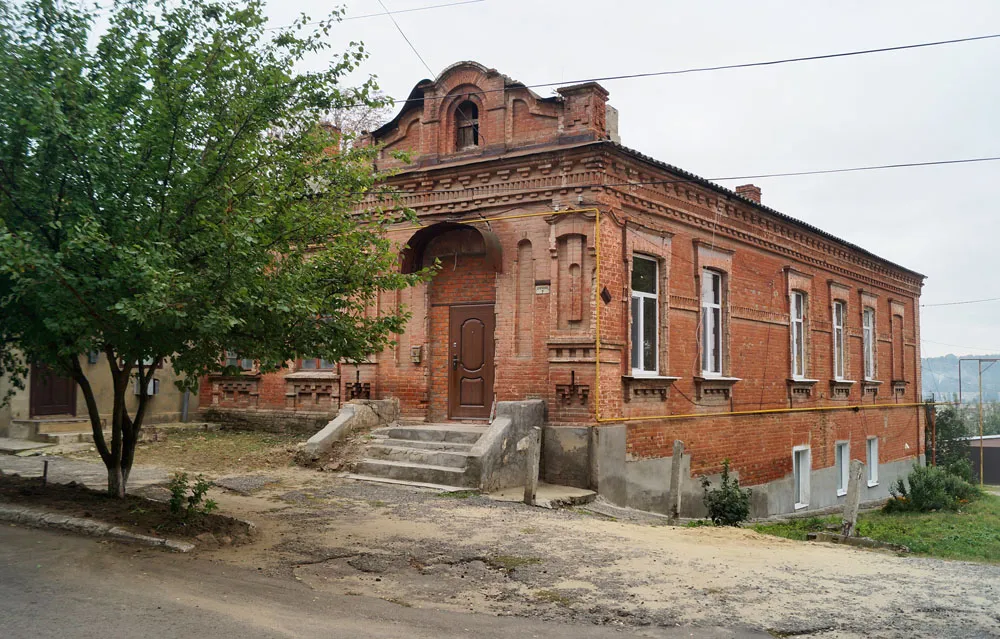
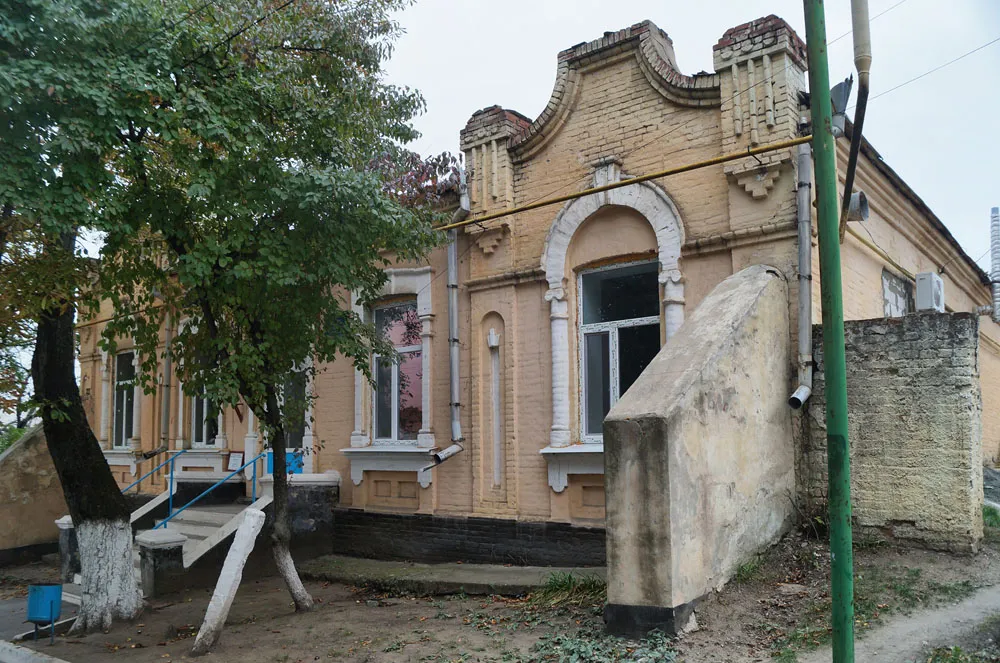
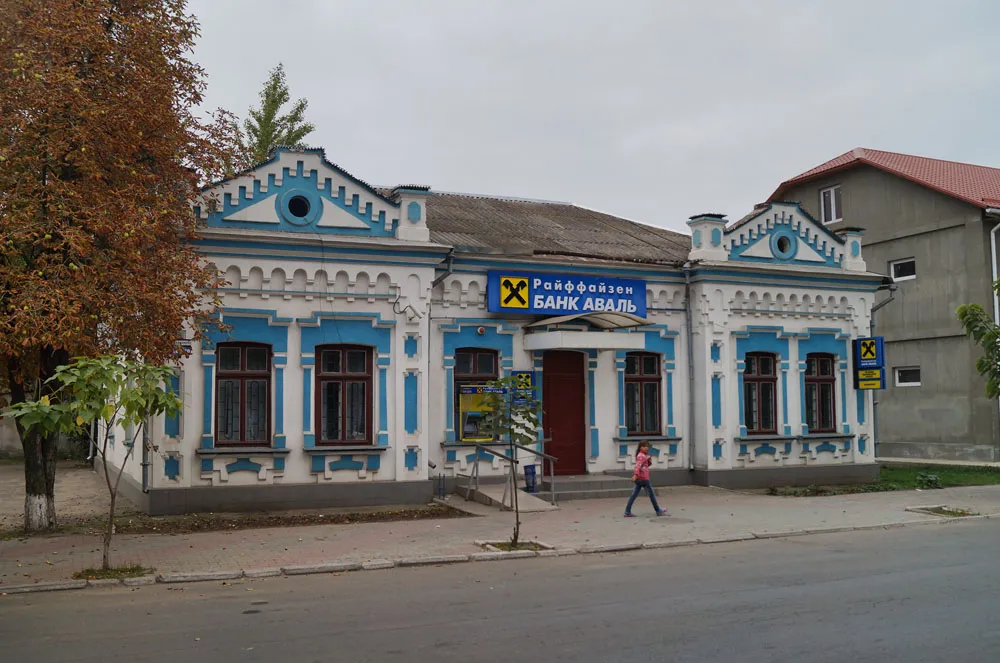
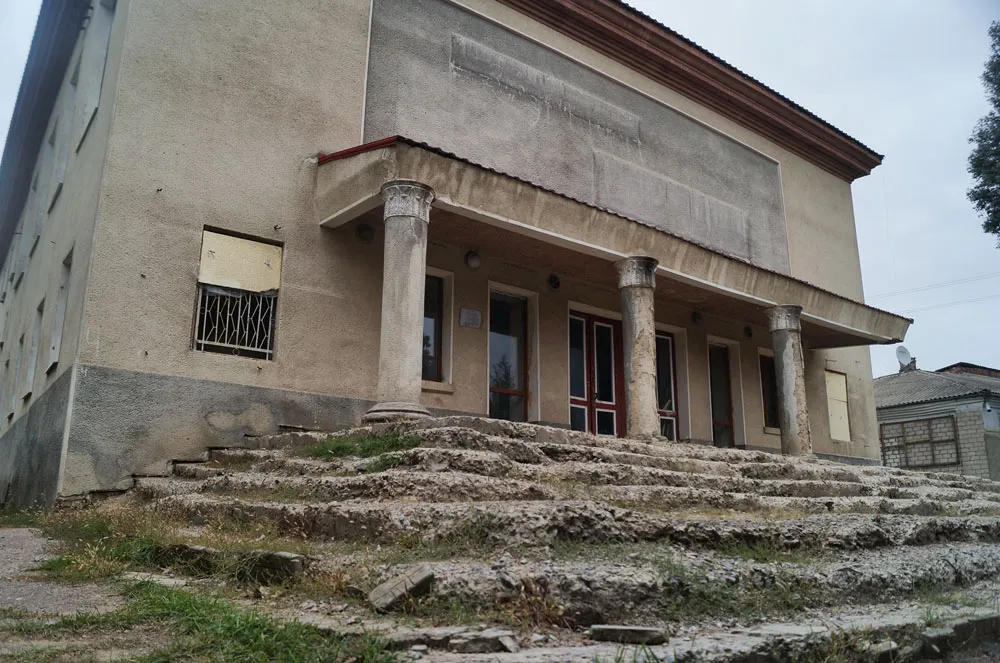
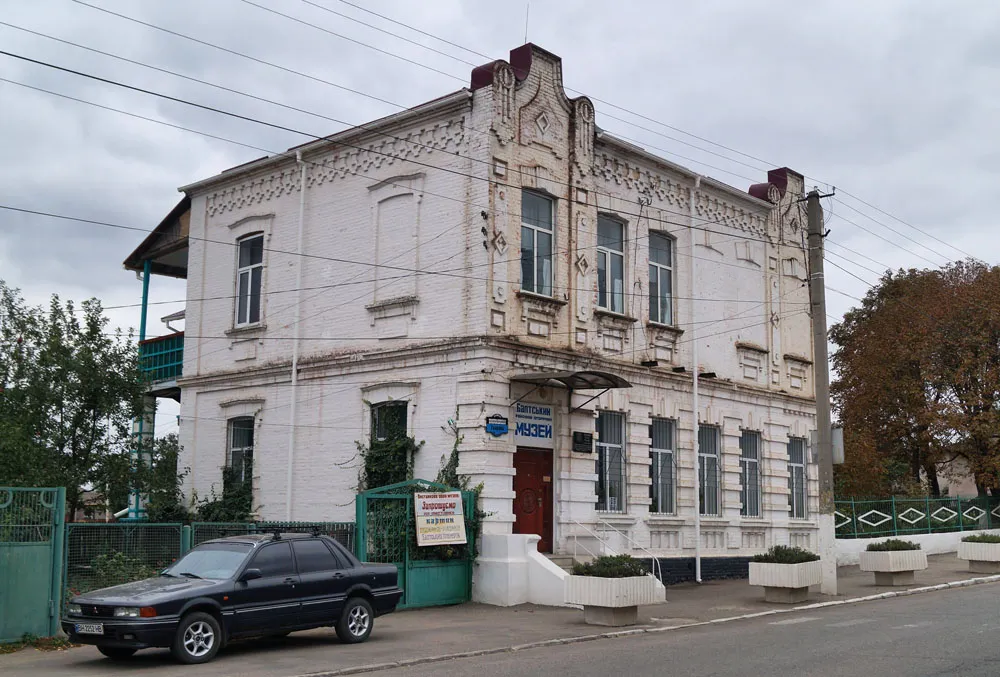
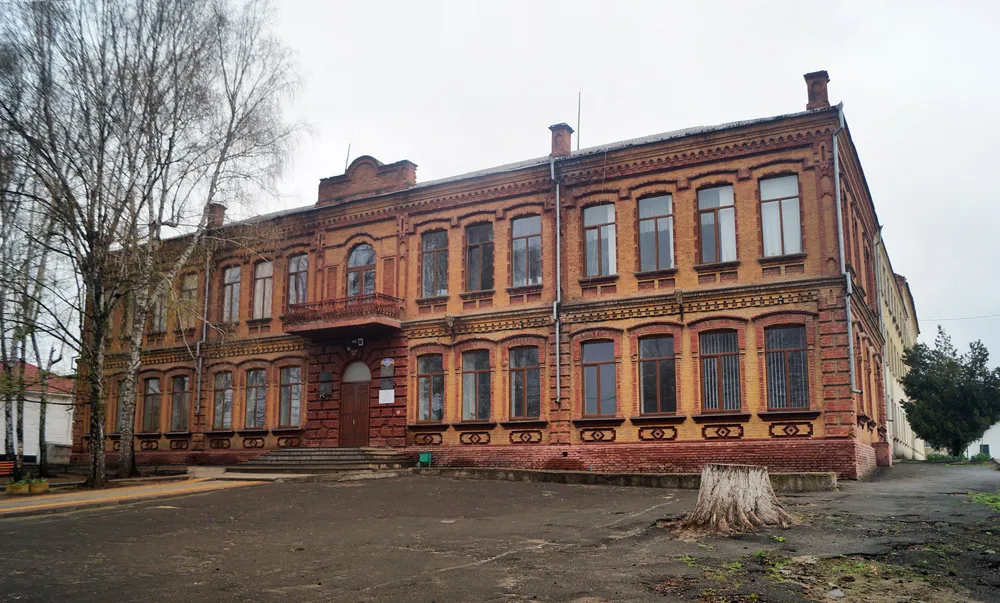
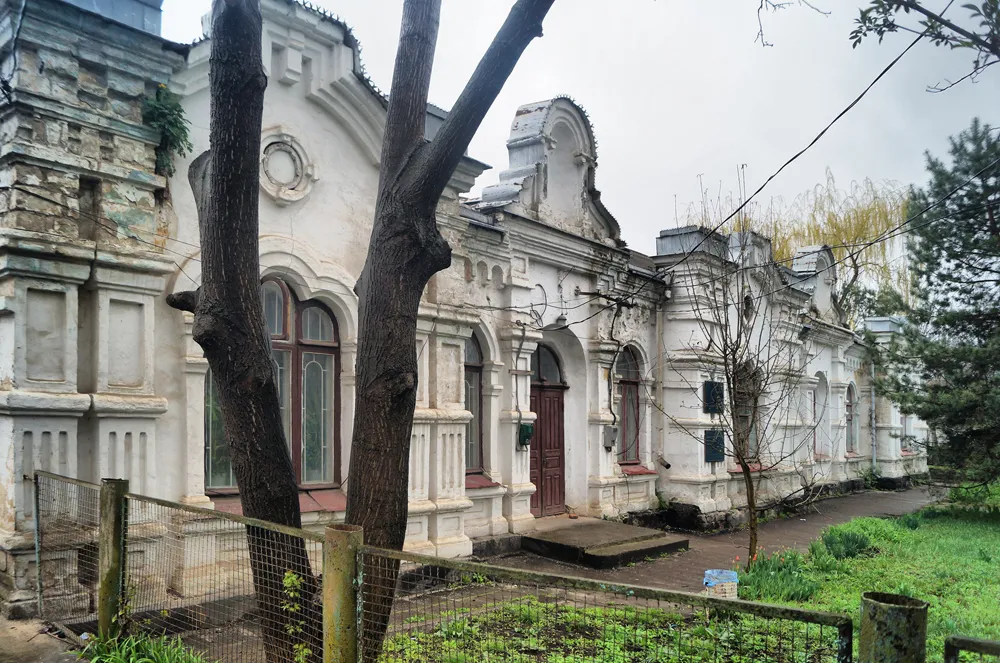
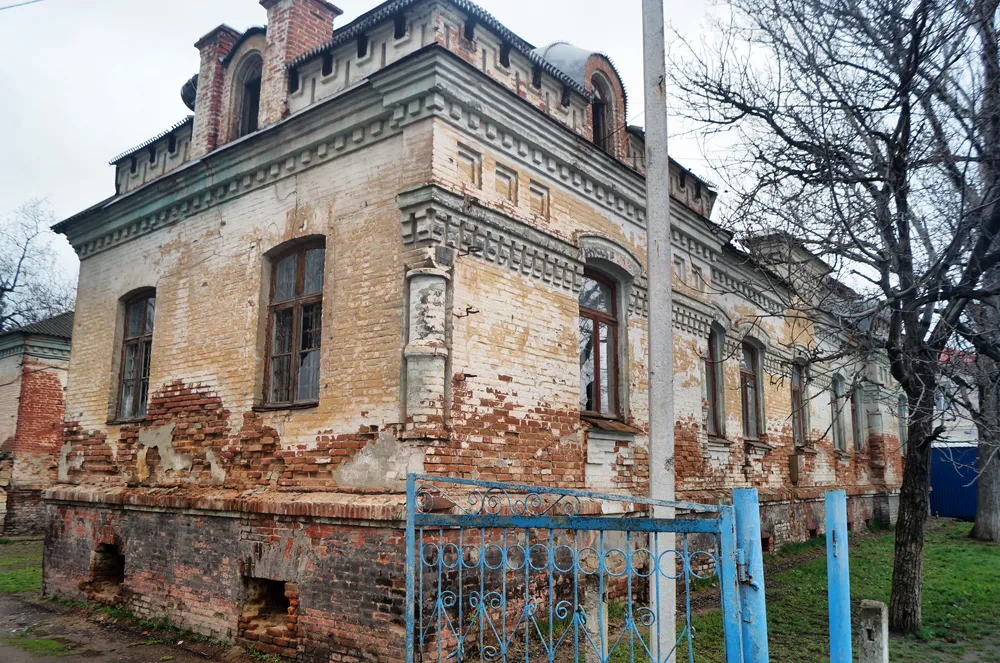
Old residential quarters.