Kalynivka. Steinbach

· 3 min read
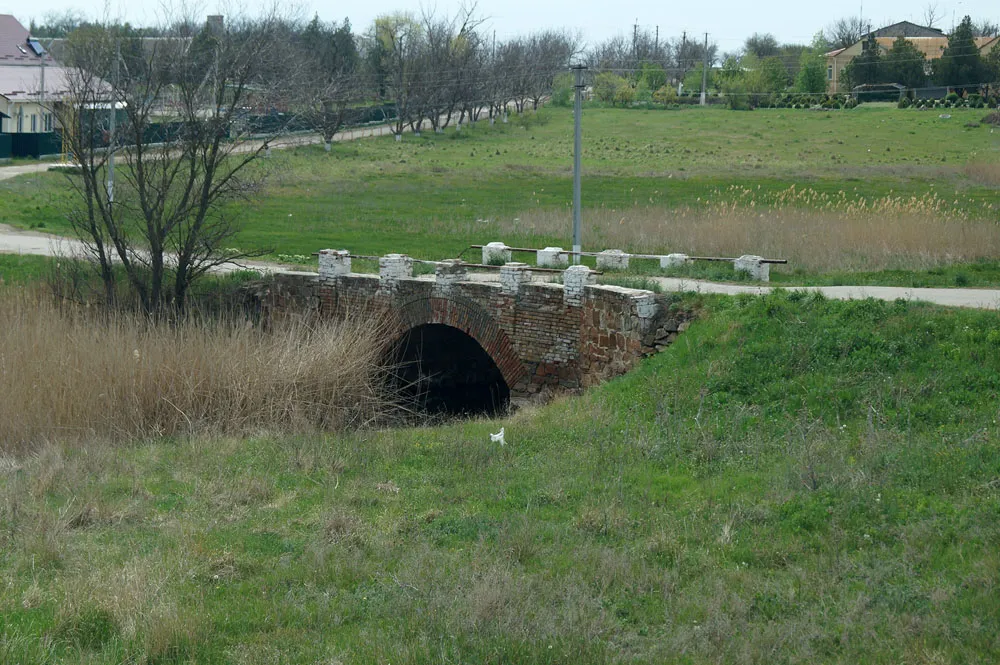
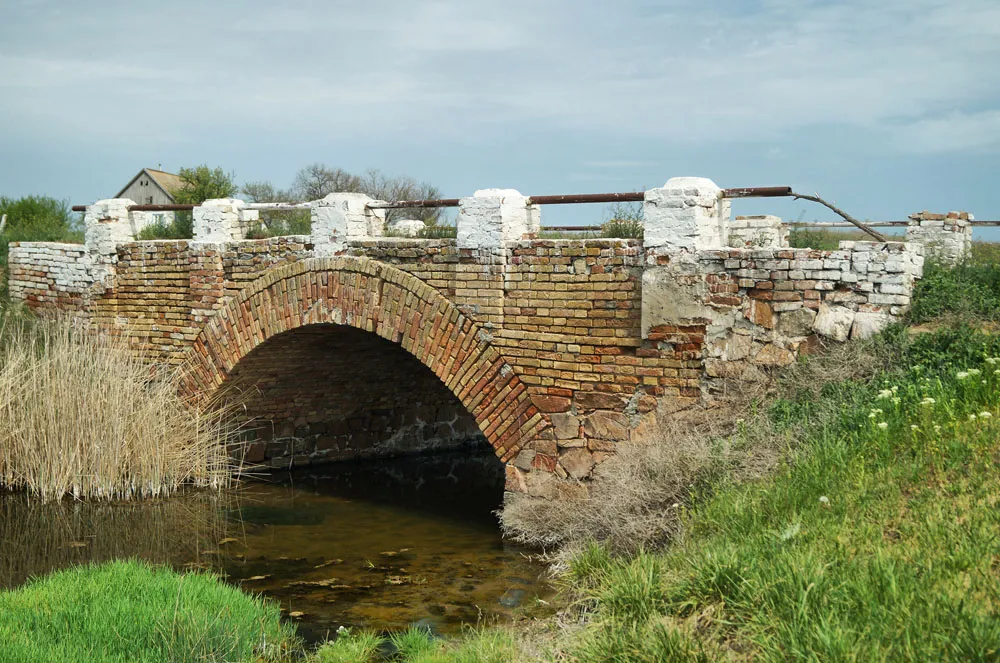
We were driving to the Berdiansk–Tokmak highway, I no longer remember from where, probably from Manuilivka, and saw a lovely little bridge over the Yushanly River beside the road. Considering the history of the surrounding settlements, we assumed the bridge was of German workmanship, so we drove into the village of Kalynivka, which began right behind the bridge, and we did absolutely the right thing, because we came across an estate that was completely unknown to us until then.
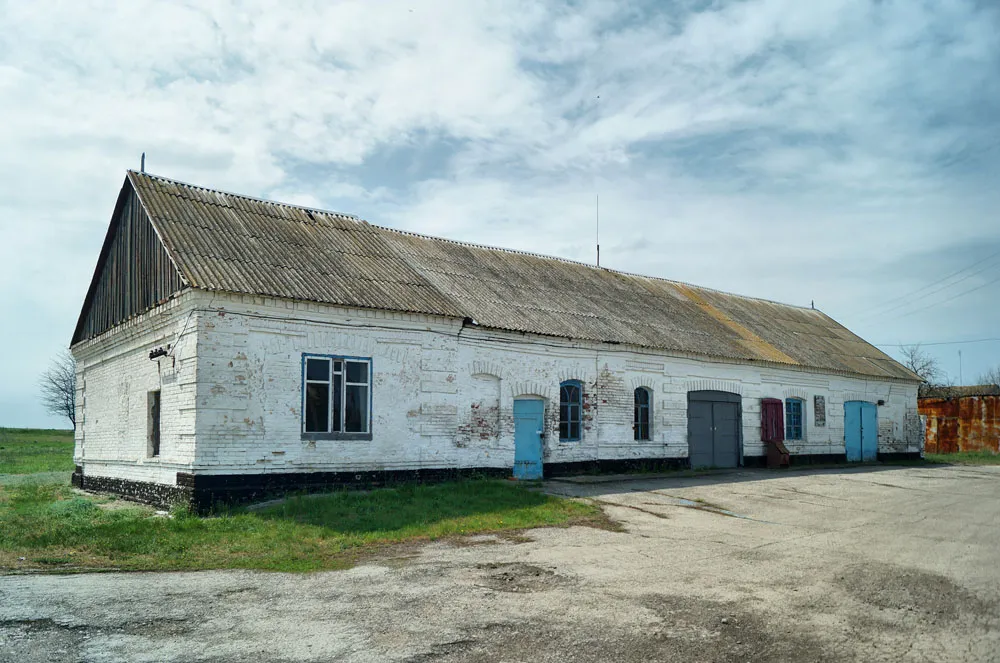
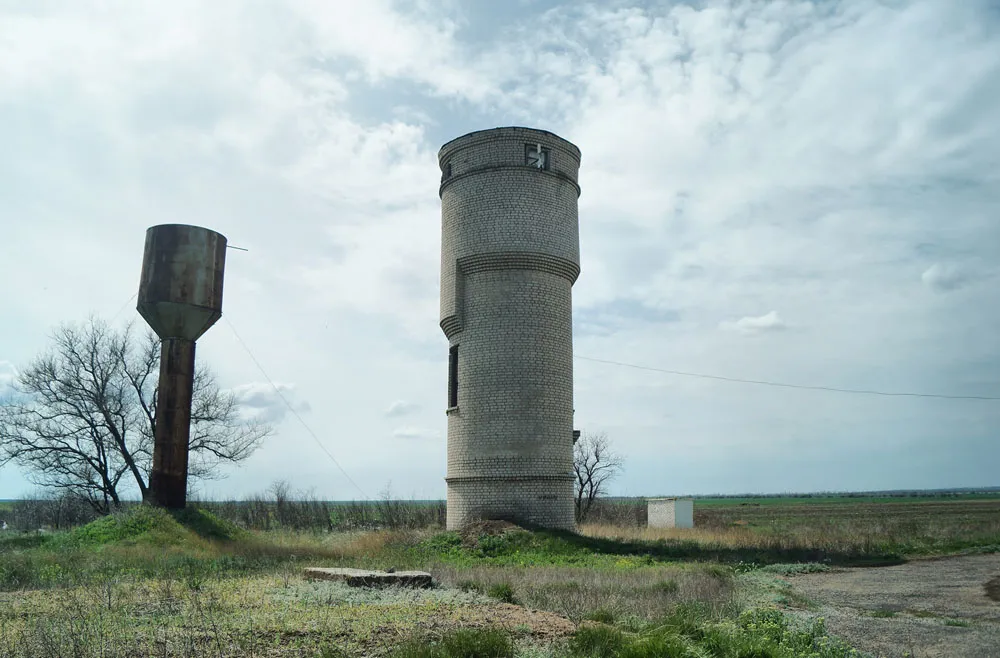
Kalynivka was founded in 1820 by a wealthy colonist, Klaas Wiens, as a separate farmstead estate (Mysa), and it was called Steinbach. The village received its present name in 1945. After Wiens the farmstead was owned by Peter Schmidt, who built most of the buildings that stand in Kalynivka today. And there are many buildings there, and it is strange that Kalynivka is little known and is not a tourist site.
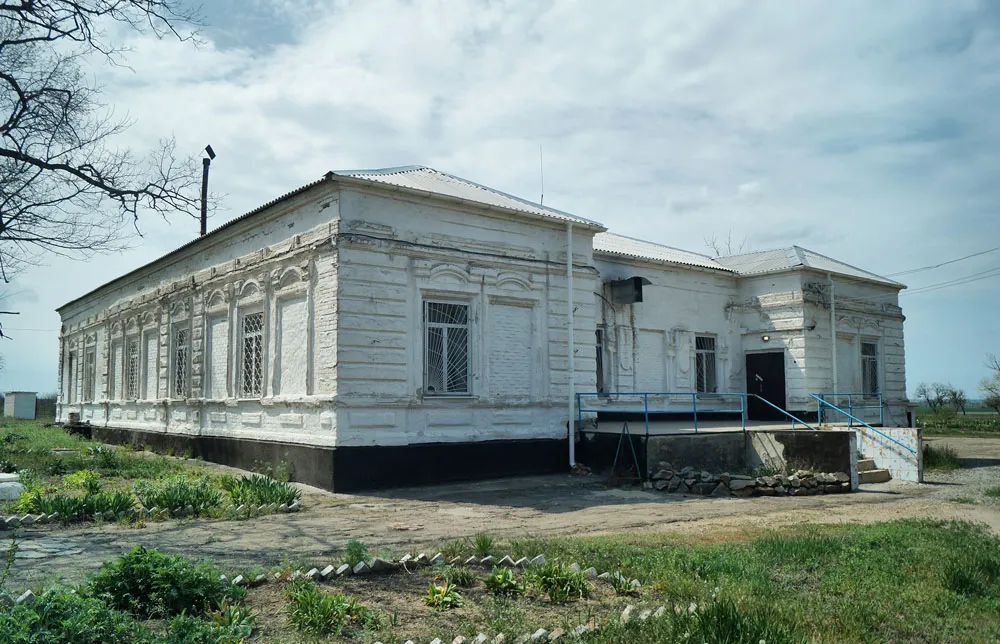
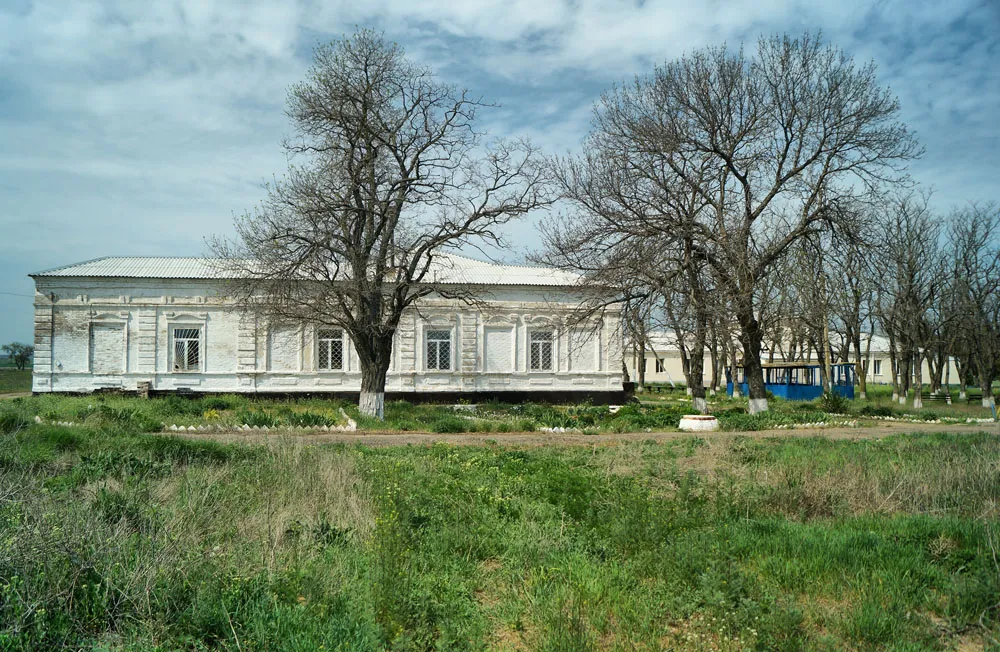
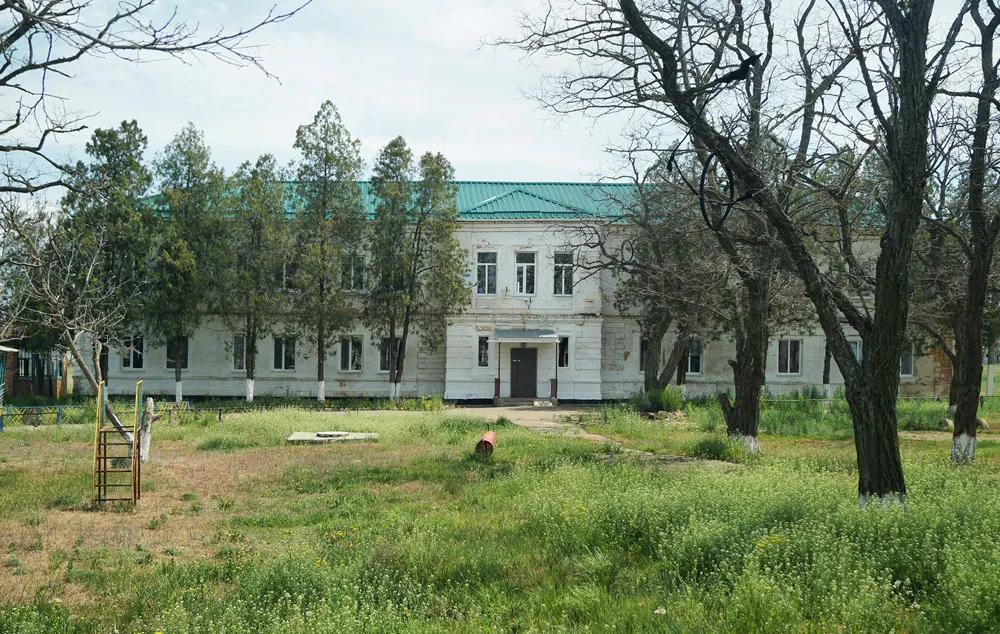
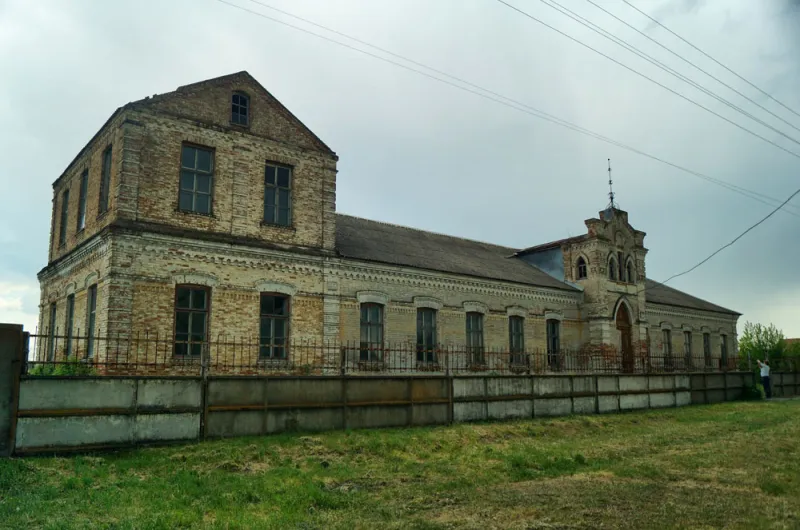
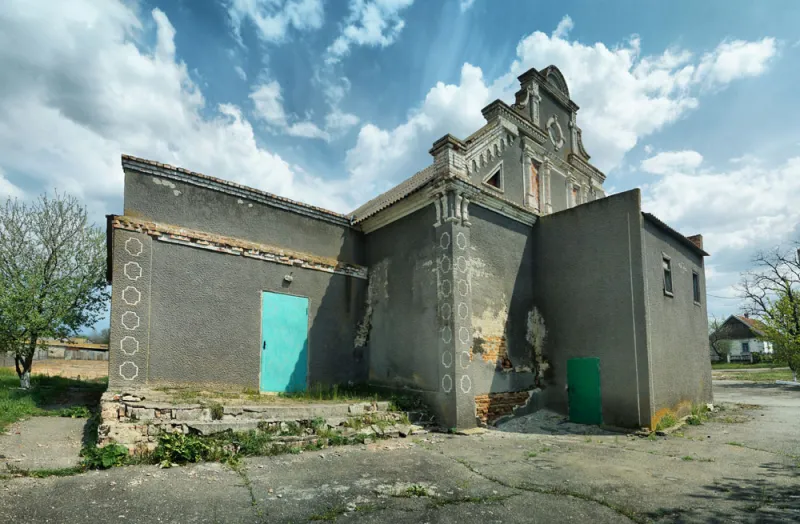
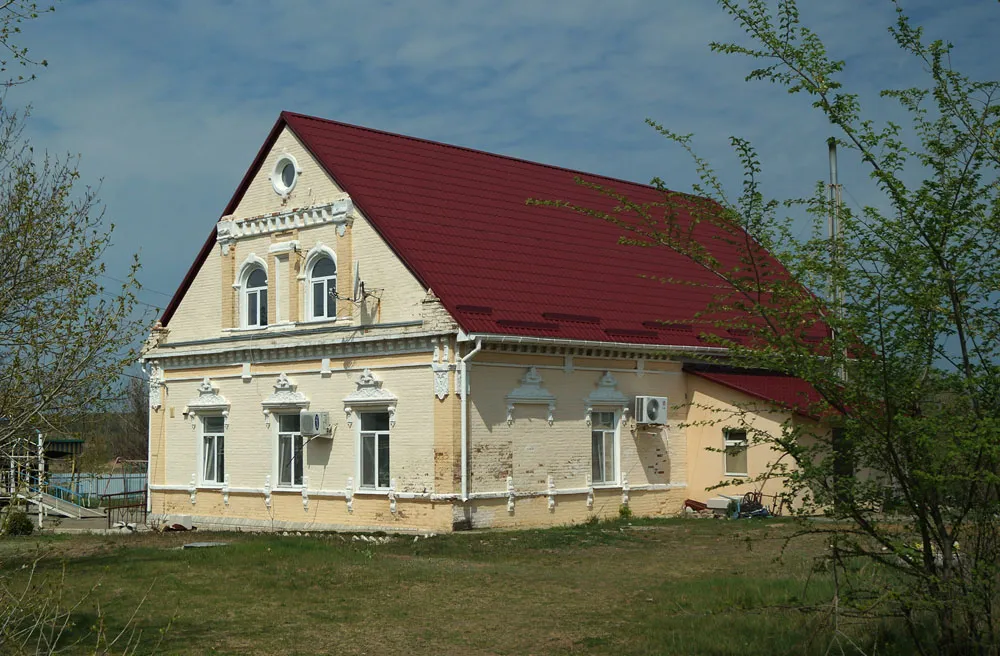
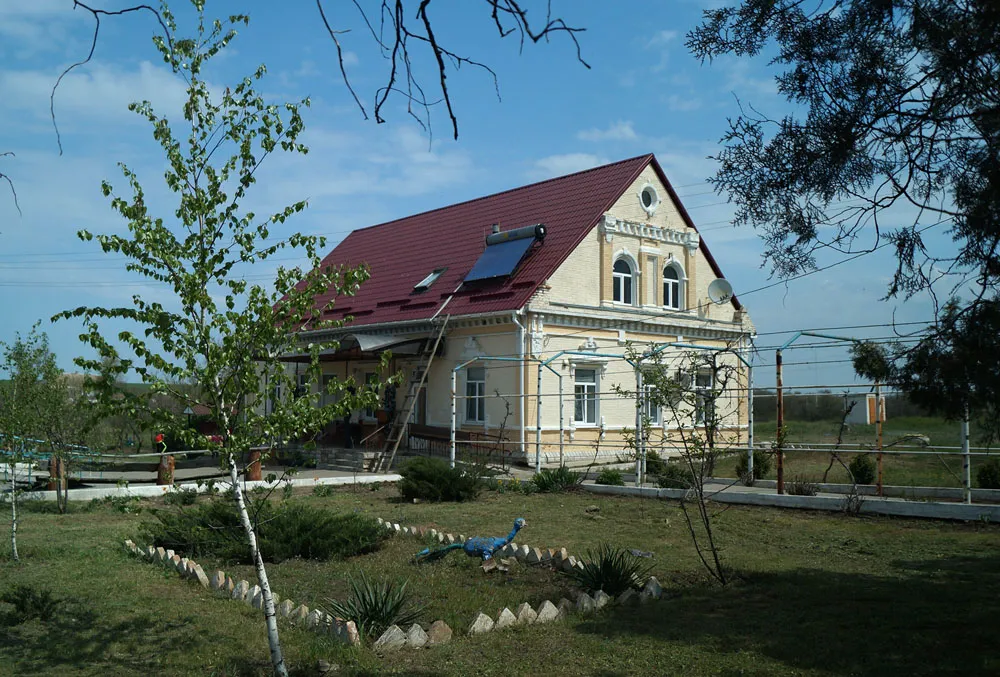
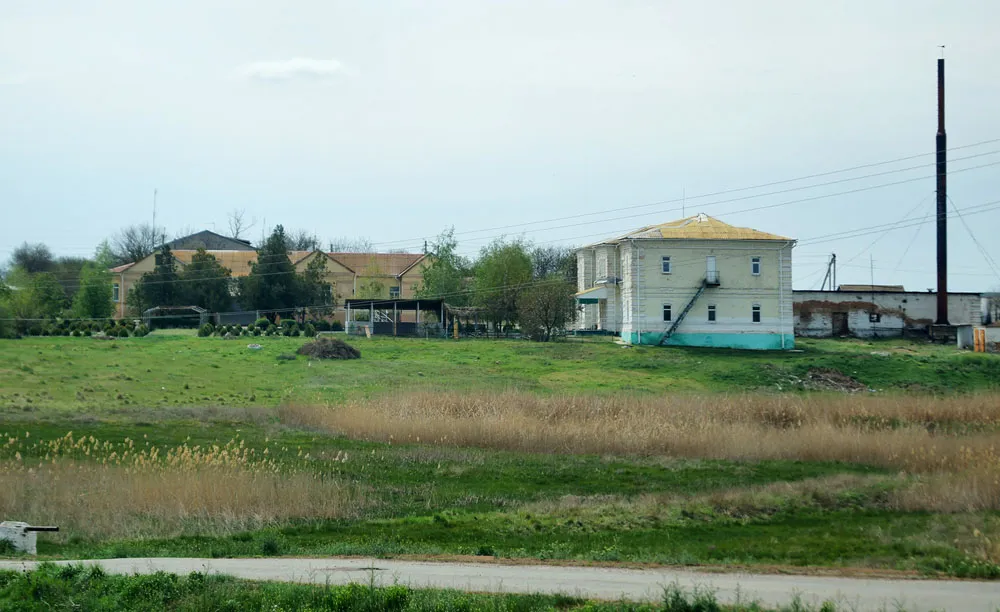
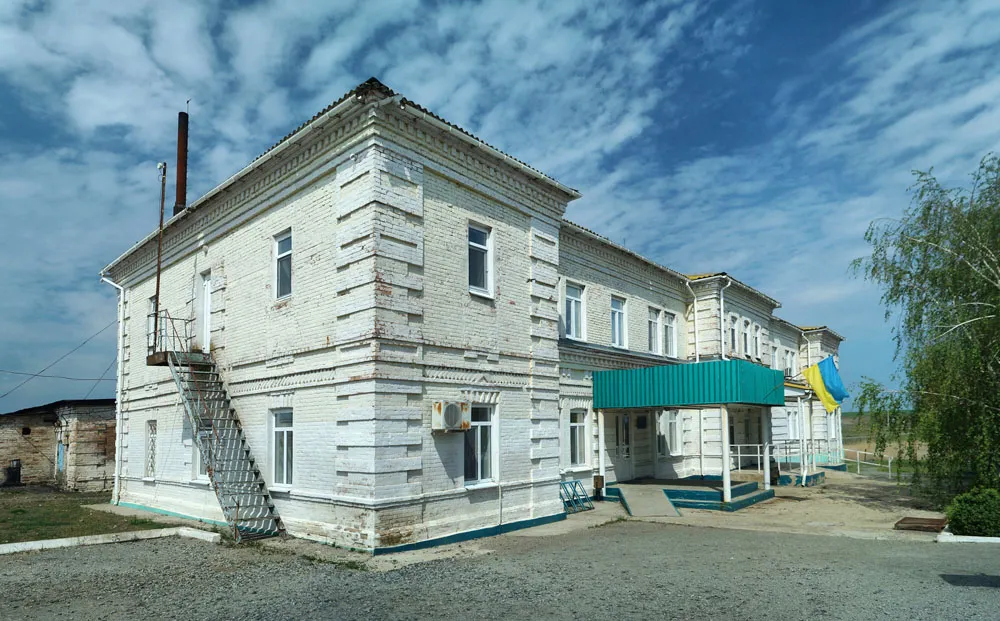
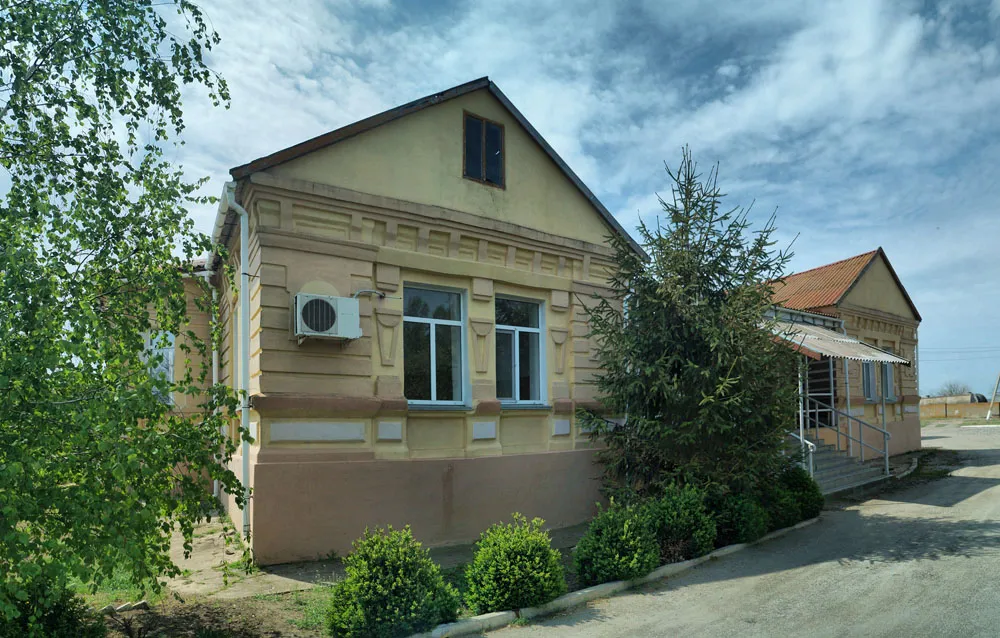
Arriving in Kalynivka–Steinbach, you immediately notice a large manor house, typical of most Mennonite settlements but bigger than usual. Most likely this is where Peter Schmidt lived, who in 1838 built a large school in Steinbach. It was a unique private school in which children were taught several languages (Russian, German and French), as well as writing, arithmetic, geography, drawing and music.
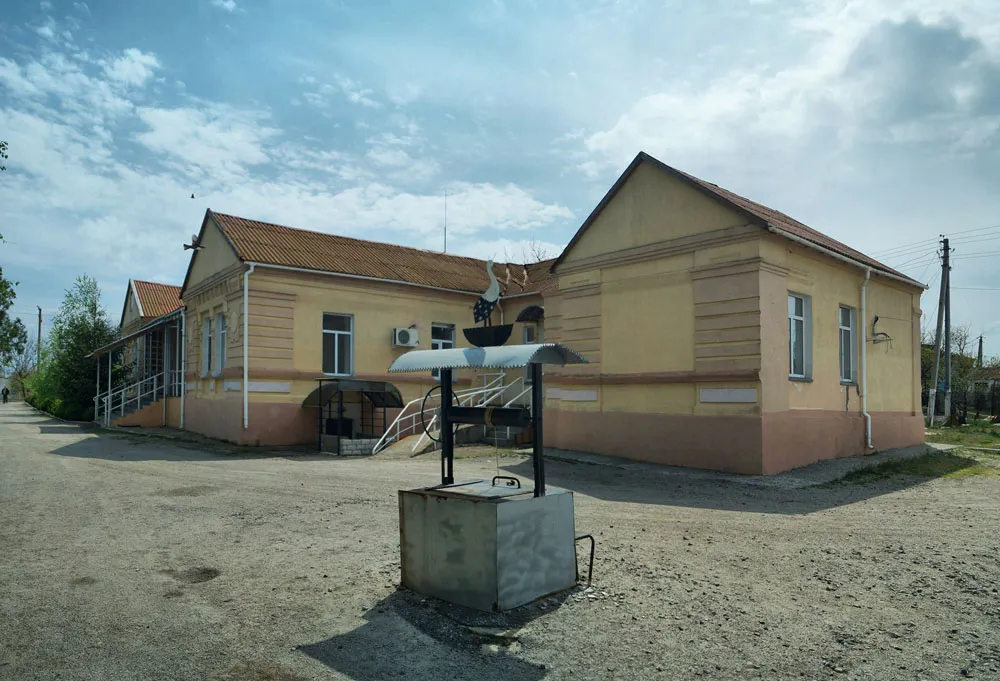
Schmidt’s house now holds a private institution for children with special needs, and the former Mennonite school houses an orphanage. When we arrived there was nobody in the orphanage; the guard said it was under quarantine, but where the children had gone we never understood. Another local resident said that there would be no orphanage here any more, as there was no money.
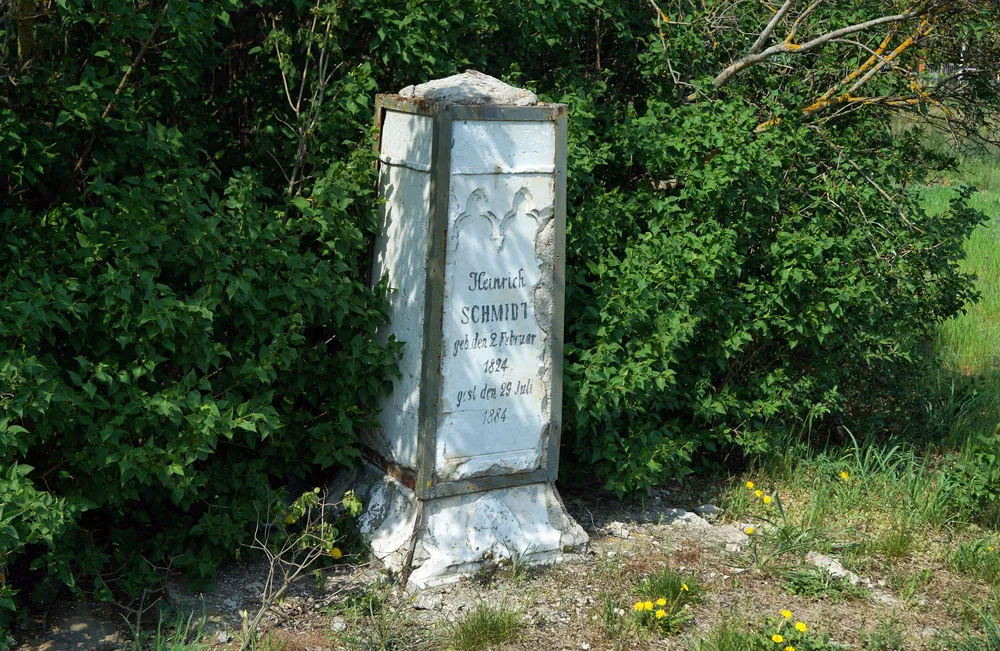
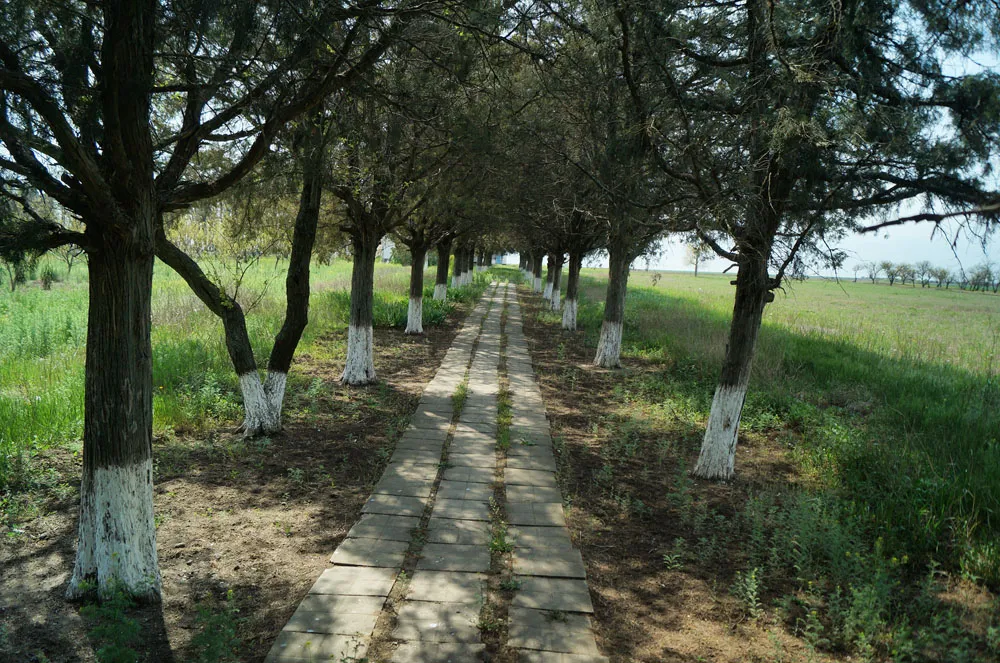
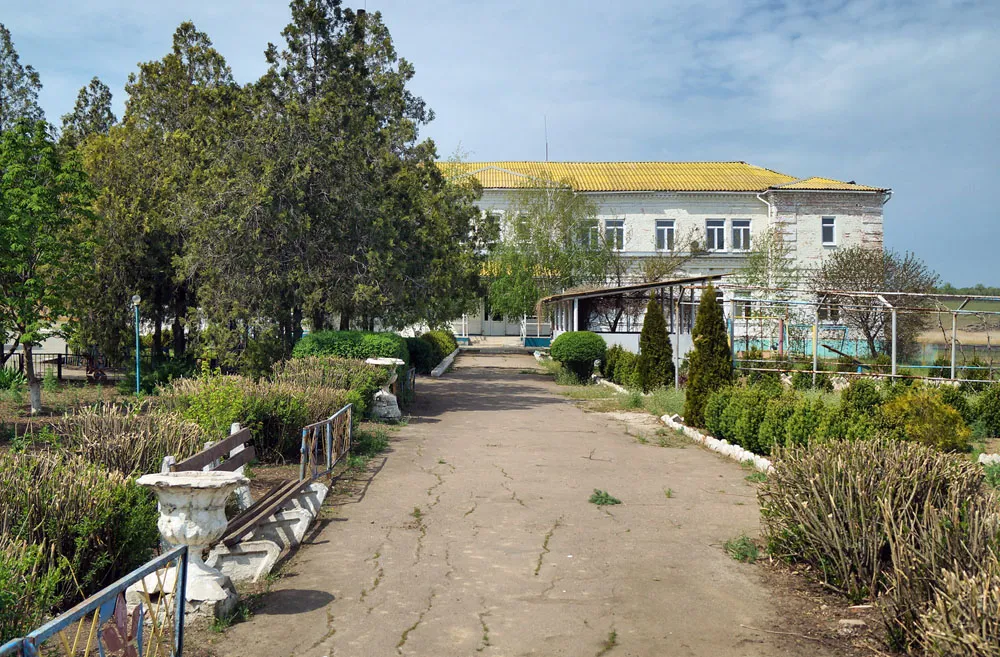
There is a whole complex of buildings here, erected in the 19th and early 20th centuries. There is a park, beside which are the graves of the former owners of the estate, including Peter Schmidt.
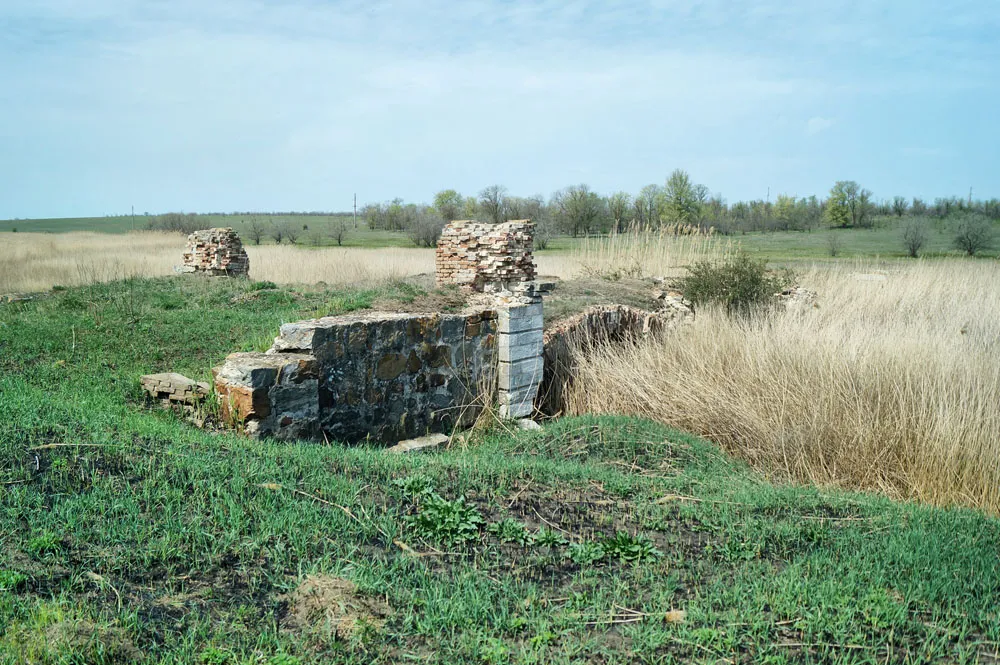
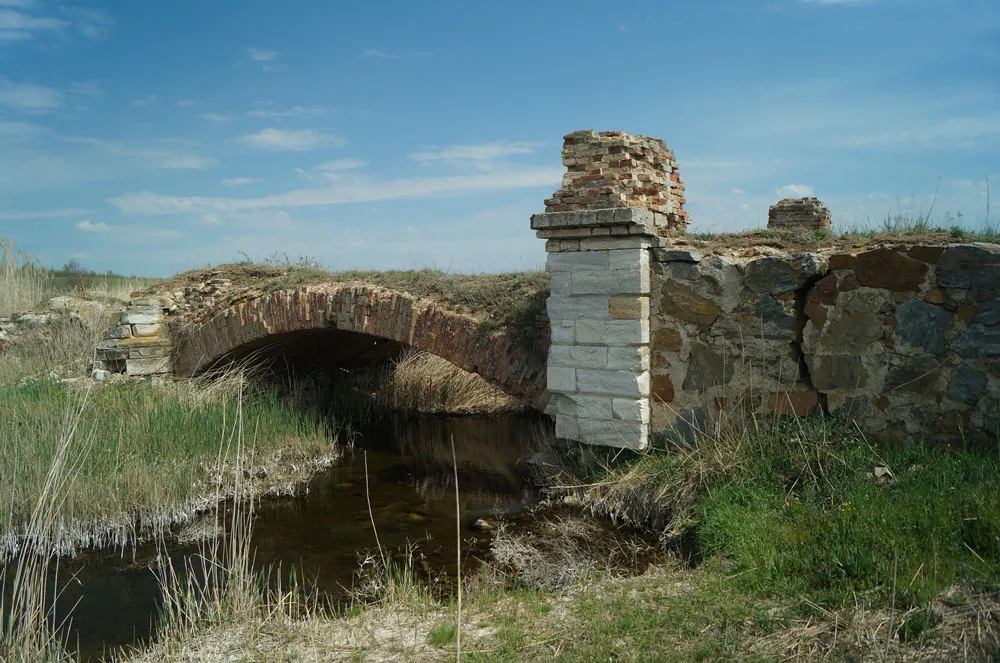
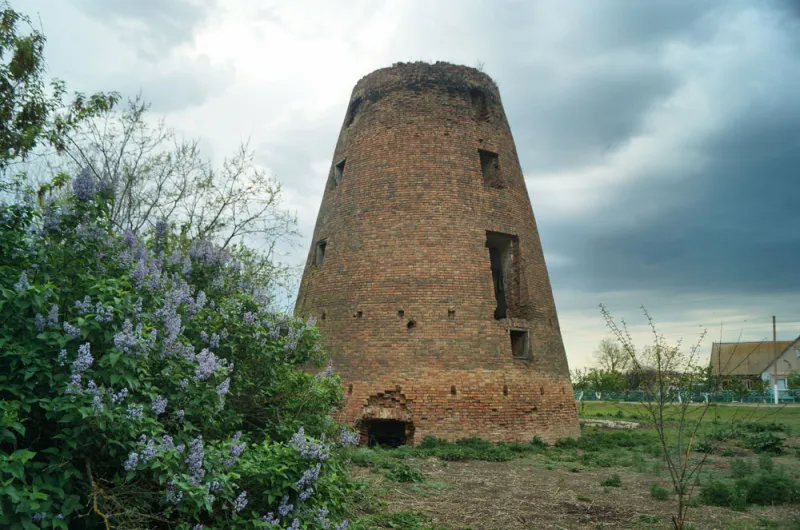
Kalynivka has two old bridges, at the two ends of the village. Both were built by Mennonites.
Text and photos by Roman Malenkov.
And here is what Wikipedia writes about Kalynivka:
The settlement was founded by Klaas Wiens (a Mennonite) in 1812 as an estate or farmstead called Steinbach. K. Wiens was one of the first to engage in sheep farming; he also gave great importance to sericulture. Tsar Alexander I visited the estate in 1818 and was pleasantly impressed by the large number of trees. In 1819 the tsar granted K. Wiens a long-term lease of 350 desiatinas of land. K. Wiens hired Peter Schmidt, who, having married Wiens’s daughter Anna, became a co-owner of the estate. P. Schmidt founded a school on the estate. As of 1851, 43,620 trees had been planted on the estate, among them 10,450 mulberries. Another owner of the estate was J. J. Dick, who married Anna Schmidt. In 1864, 53 men lived on the farmstead in 12 households. In 1908 the Steinbach farmstead comprised 6 estates with 13,539 desiatinas of land.
After the revolution and the civil war some families left the farmstead. Others lived on until 1924, and most emigrated to Canada (16 families, 58 people). In 1922 the estate was handed over to an orphanage for orphaned children, called the “USSR Orphanage”, with 350 pupils. A seven-year school operated. During the Holodomor of 1932–1933 many people left children here to save them from starving to death. During the Stalinist repressions 2 orphanage staff were repressed. With the start of the German–Soviet war the orphanage was evacuated to Tashkent, where it remained. 25 residents of the village fought at the front, 6 of them died. M. K. Filipov was awarded the Orders of the Red Star and of Glory. The farmstead did not suffer significant destruction in the war and was therefore quickly rebuilt. In 1945 the settlement was renamed the village of Kalynivka. A primary school operated here until 1955. The residents mostly work at the orphanage; there is also a fodder base on the territory of the village.