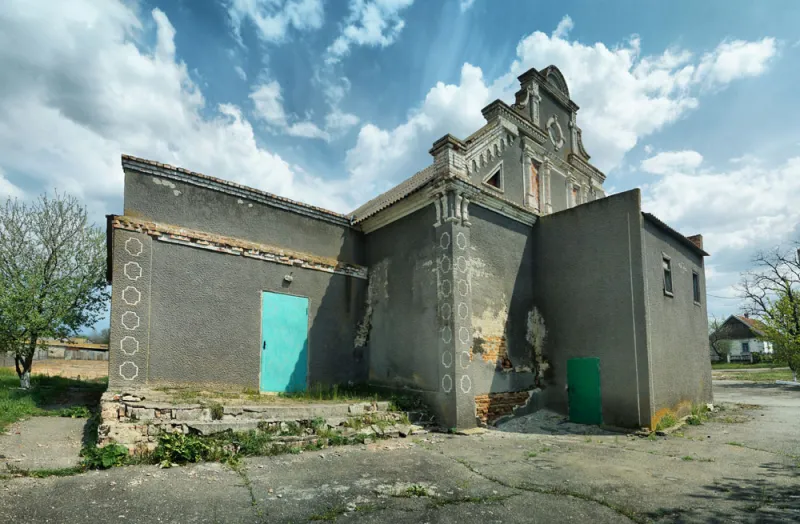
Lahidne. The Cornies manor

· 3 min read
In the two centuries of its existence the village of Lahidne has changed its name five times, most recently in 2016. It was previously called Yushanly, Kornis, Yansena, Lekarenka and Kirove. Today about eight hundred people live in the village.
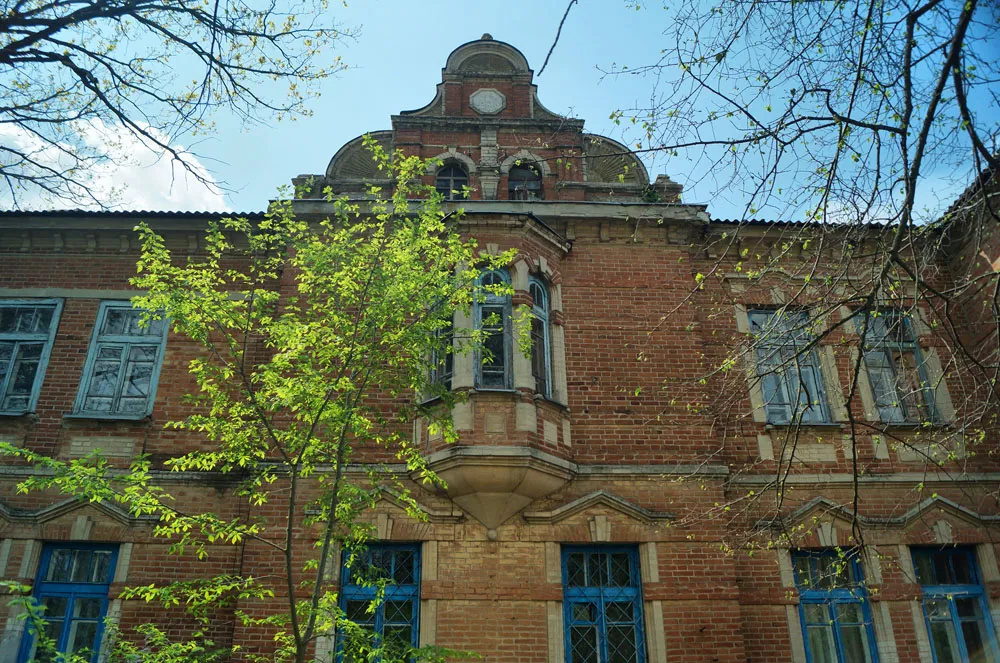
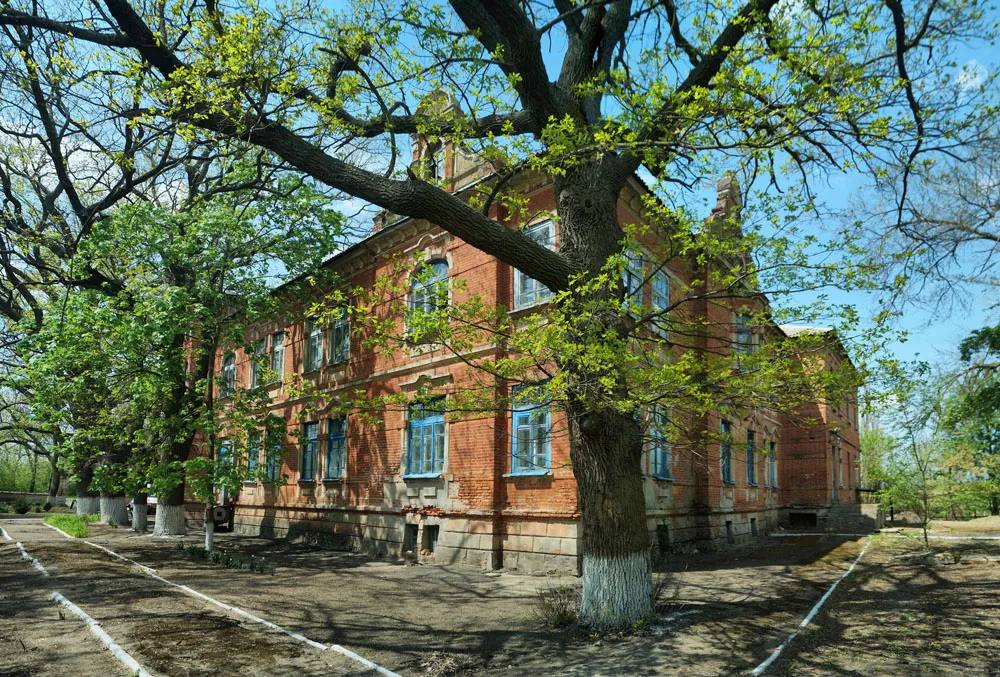
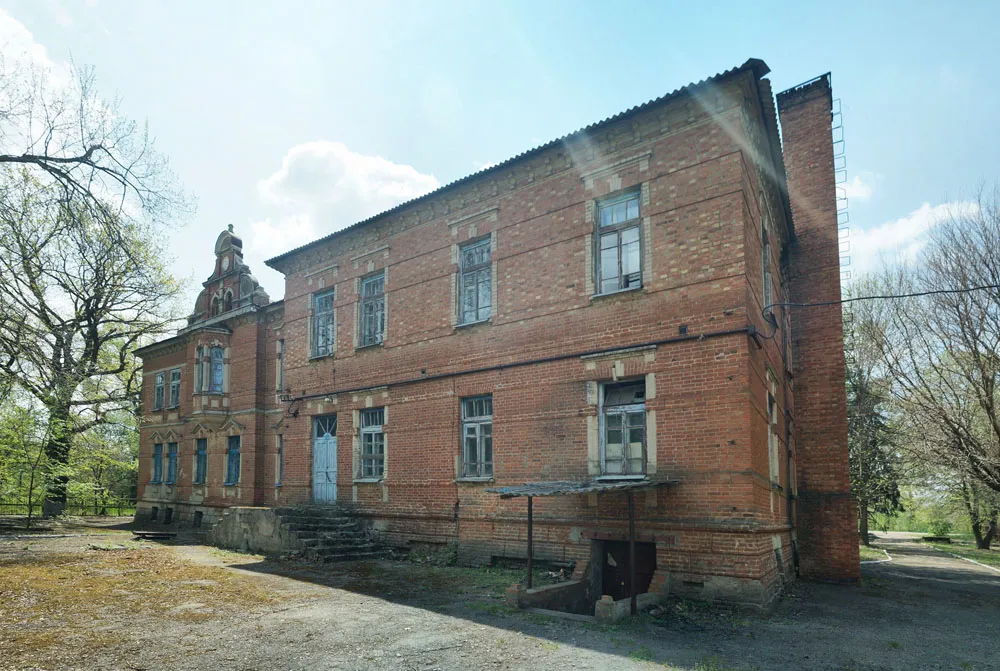
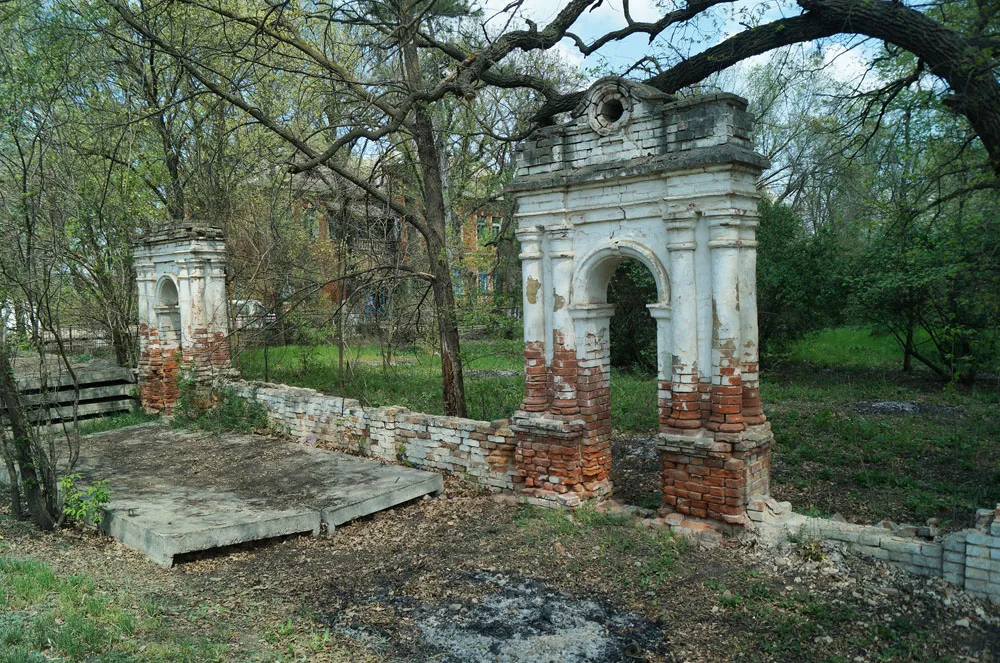
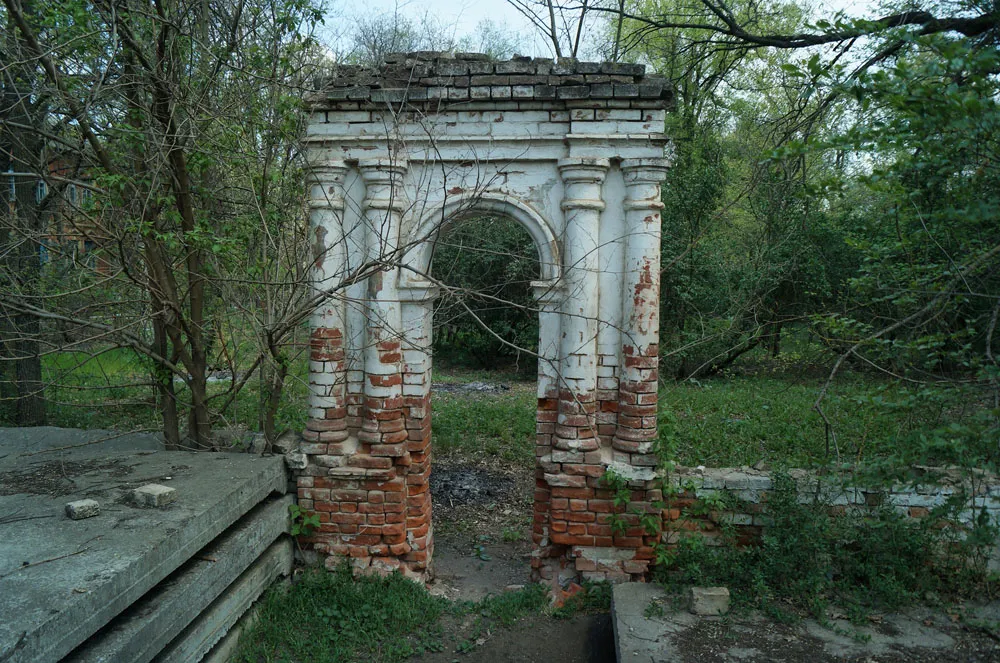
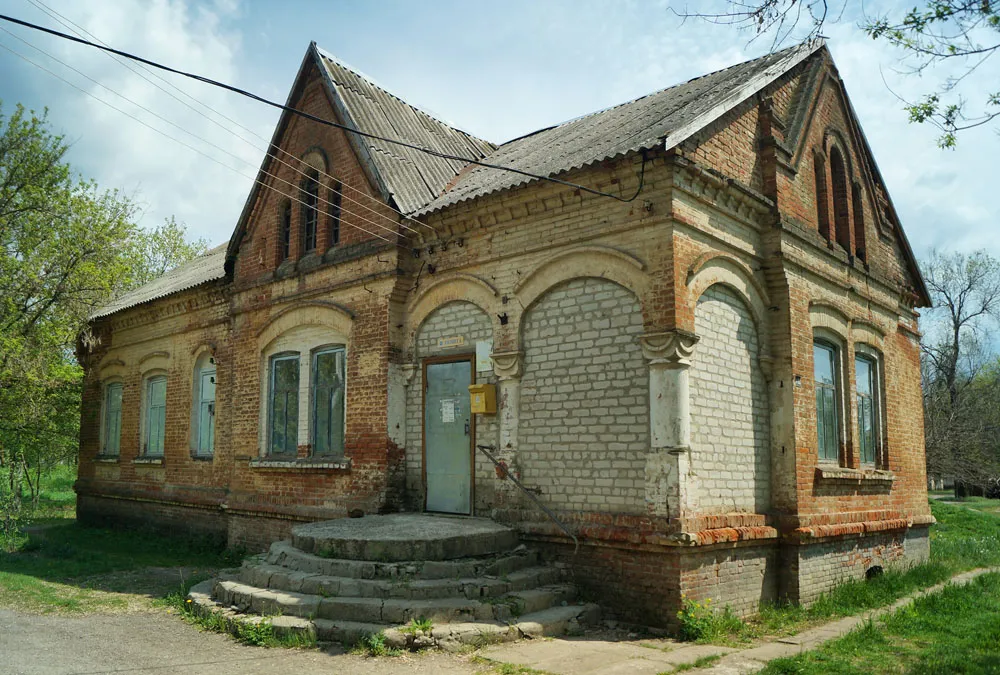
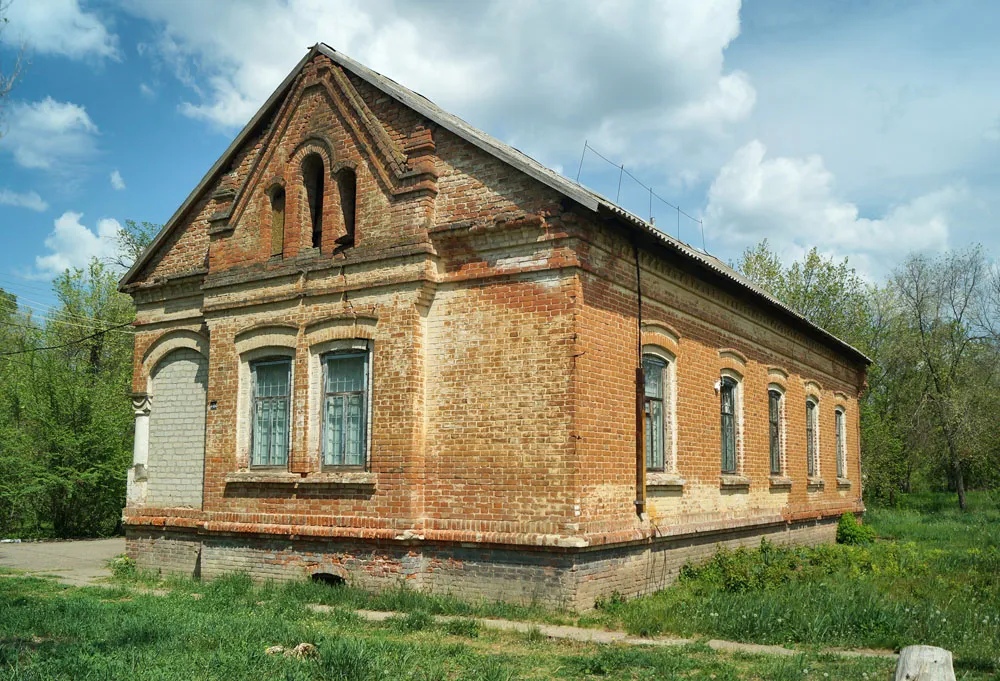
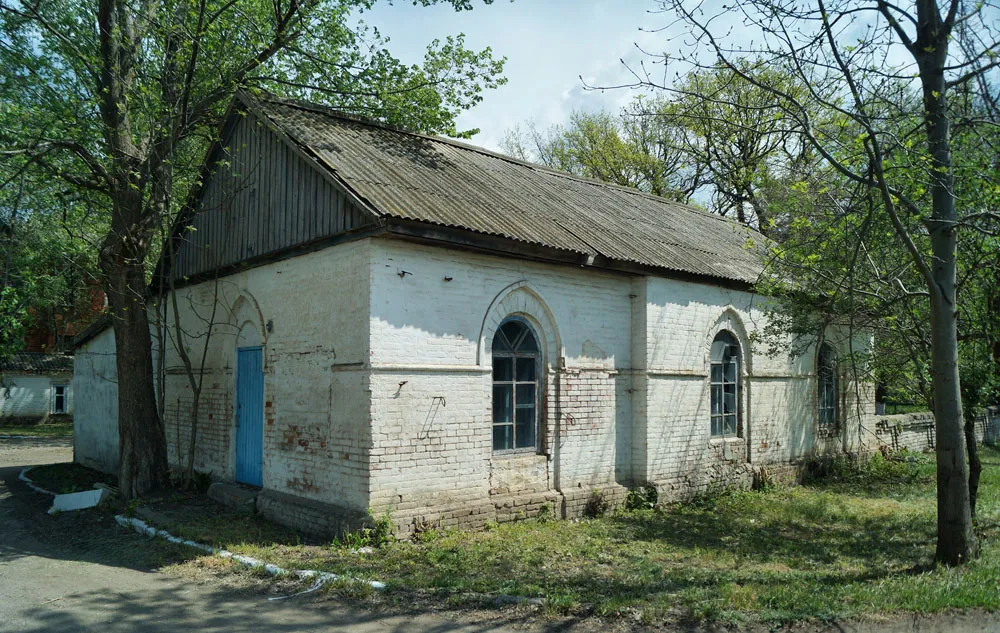
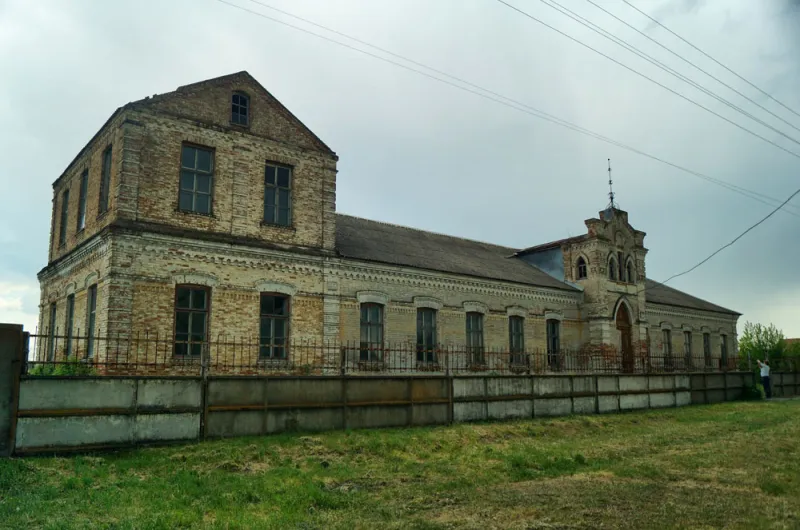
Lahidne has a manor that can be called one of the most interesting in Zaporizhzhia Oblast. It was built by the well-known Mennonite landowner and breeder Johann Cornies, who received the local lands as a gift from the tsar.
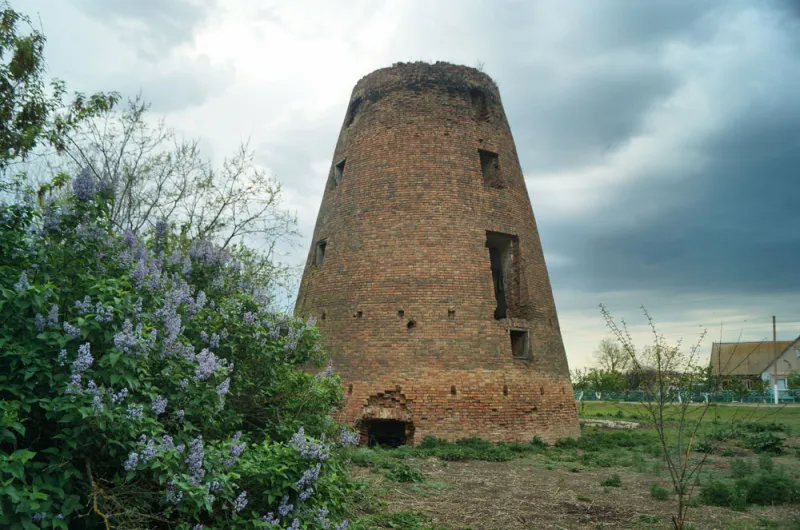
In his day Cornies was a very famous and very wealthy man. In Yushanly, as he named the new village, he built brick and tile works, a large kiln for burning lime, a stud farm and a large sheep farm. Here is what Wikipedia says about Cornies:
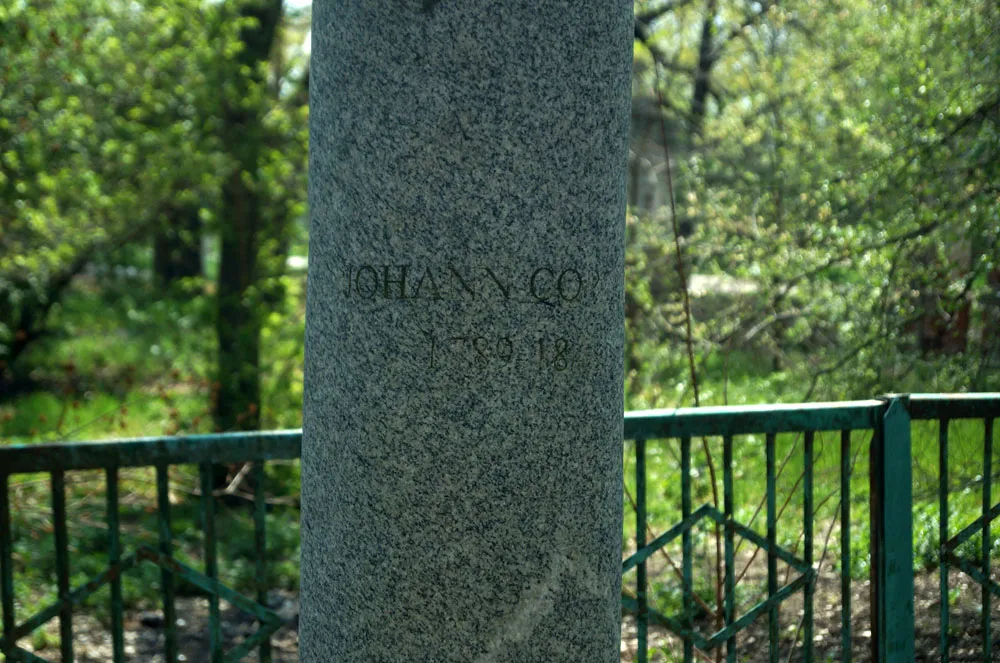
Johann Cornies was born on 20 June 1789 in the village of Bärwalde near Danzig, in the Polish–Lithuanian Commonwealth, to Johann Cornies, a farmer and physician, and Maria Cornies, née Claassen. In 1793 the territory where they lived passed to Prussia. In 1804 the Cornies family moved to the Russian Empire and settled in the Khortytsia Mennonite district, and in 1806 moved to the village of Orlov in the Molochna Mennonite district. In Orlov Johann Cornies worked for a miller, then took up trade, selling in the port cities of Crimea foodstuffs bought from German colonists. In 1809 Cornies set up a large sheep farm on leased land. In 1811 he married Agnes Claassen, and in 1813 he built a homestead for his family in Orlov. In 1812 Cornies founded the farmstead of Yushanly (now the village of Kirove in Tokmak district) on 505 desiatinas of leased land. In 1836 the emperor gave the farmstead’s lands to the Cornies family as property. At Yushanly Cornies ran model horse and sheep breeding and built brick, tile and lime-burning works. In 1832 he bought the Tashchenak estate with 3,350 desiatinas of land, and in 1842 the neighbouring Verigin estate with 1,600 desiatinas.
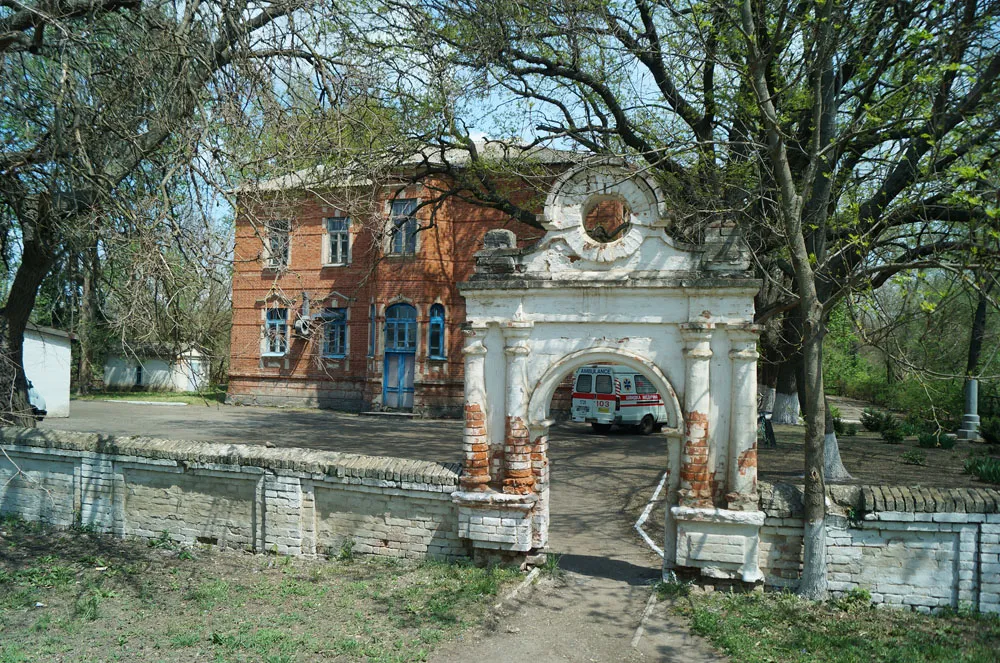
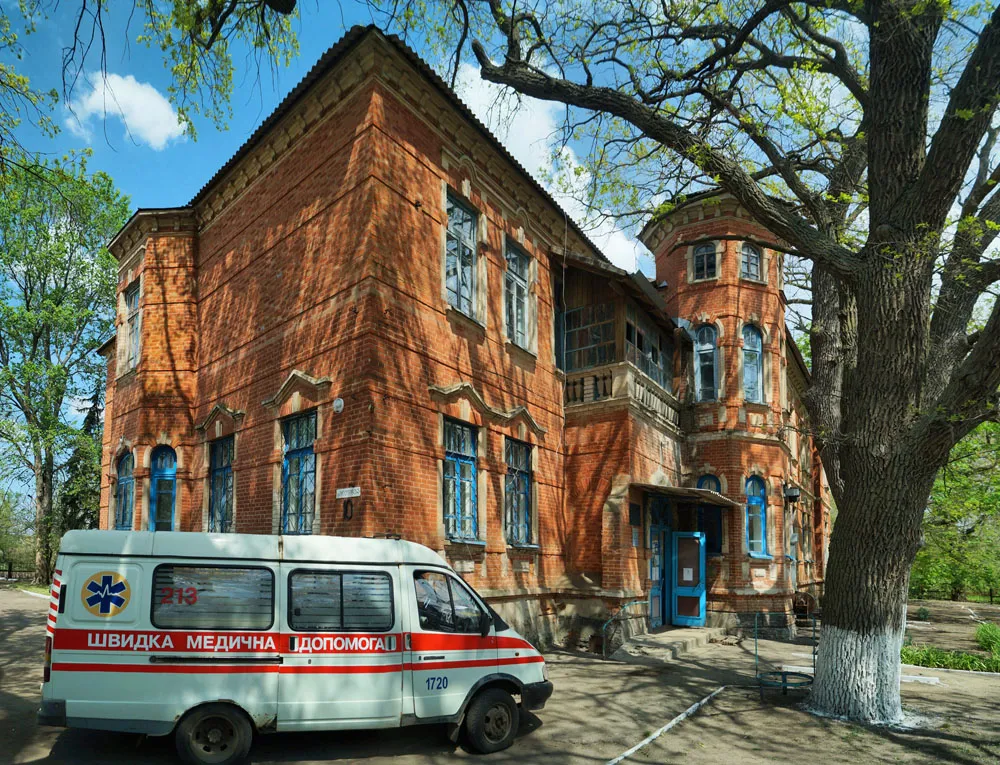
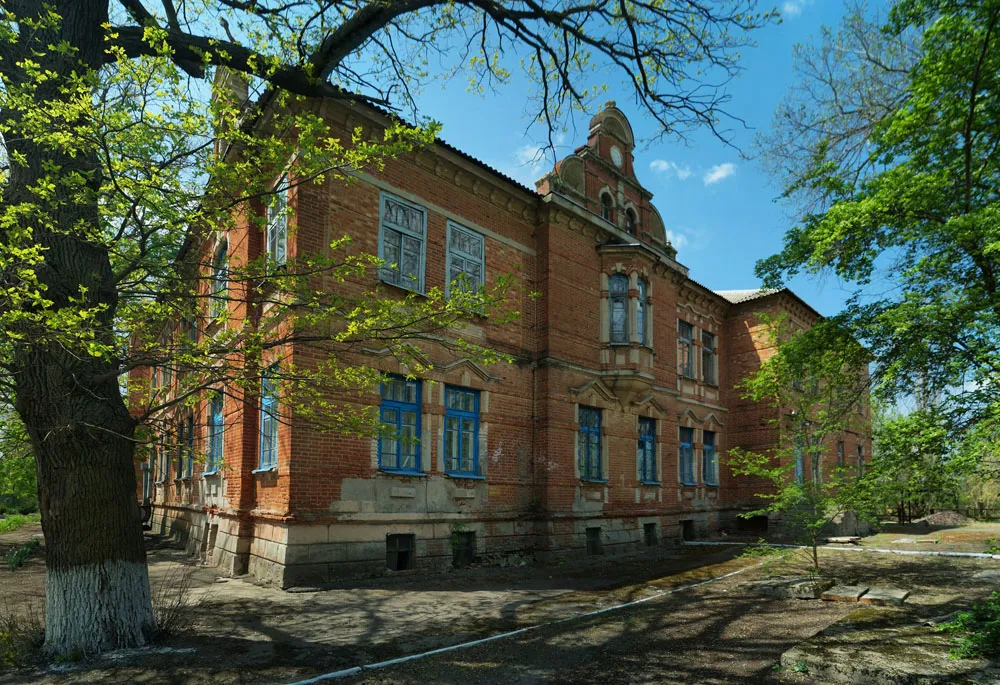
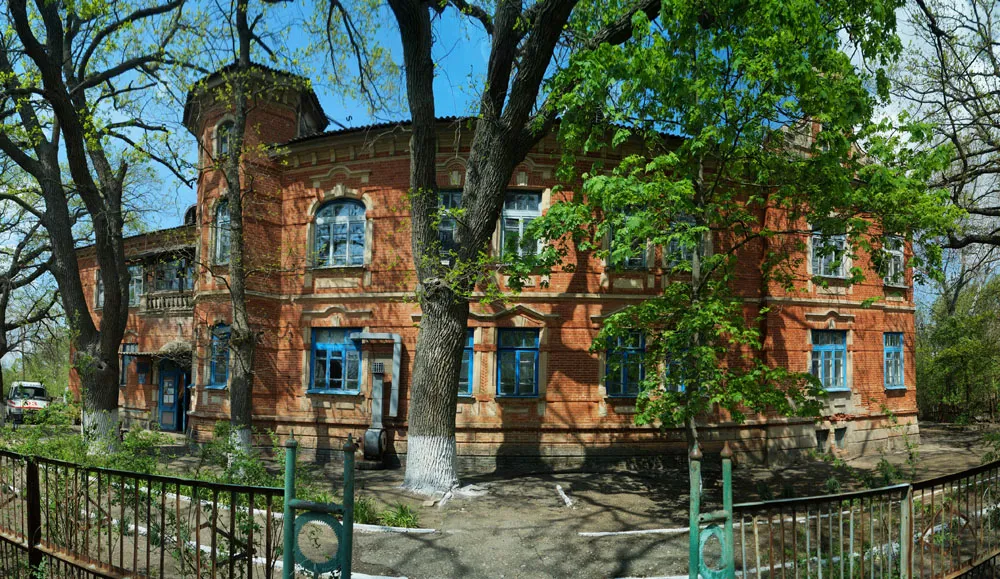
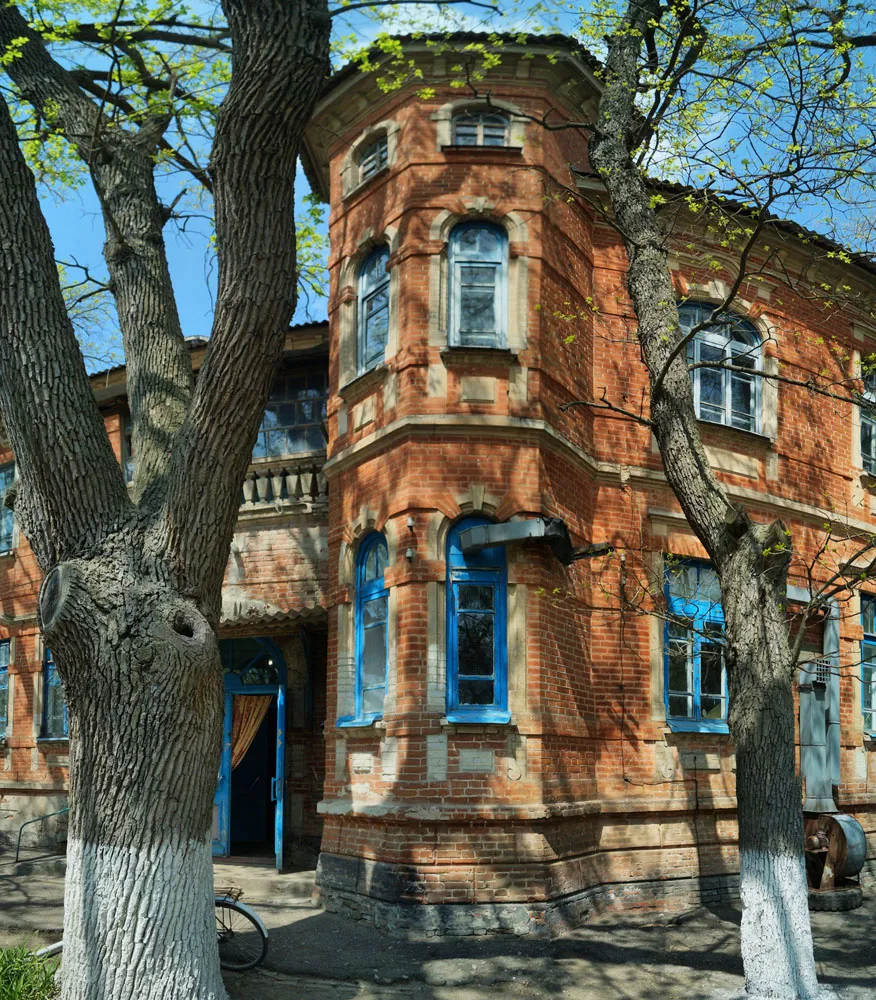
Johann Cornies successfully worked on improving breeds of sheep and horses and on plant breeding, and was one of the initiators of introducing sericulture in the lands of Taurida. In 1830 he planted forest trees on a small plot of his land, becoming one of the pioneers of forest planting in the steppe zone. In 1846, with the assistance of the Russian Empire’s Minister of State Property, Count Kiselyov, Cornies established the Old Berdiansk forestry, which is now a state nature reserve of 1,132 hectares. From 1830 Cornies was chairman of the Society for the Promotion of Forestry, Horticulture, Sericulture and Viticulture, renamed in 1836 the Society for the Improvement of Agriculture. The Society obliged the colonies to apply a four-field crop rotation system, looked after the development of livestock farming, and monitored the condition of public buildings and peasants’ houses.
Cornies also did much for the development of public education. In 1820, on his initiative, a society was organized that built a Christian school in Orlov. On the instructions of the Russian government, from 1843 Cornies supervised and directed all Mennonite schools. He introduced rules in educational institutions that provided for humane teaching of children with regard to their interests, promoted modern teaching methods and took part in drawing up curricula.
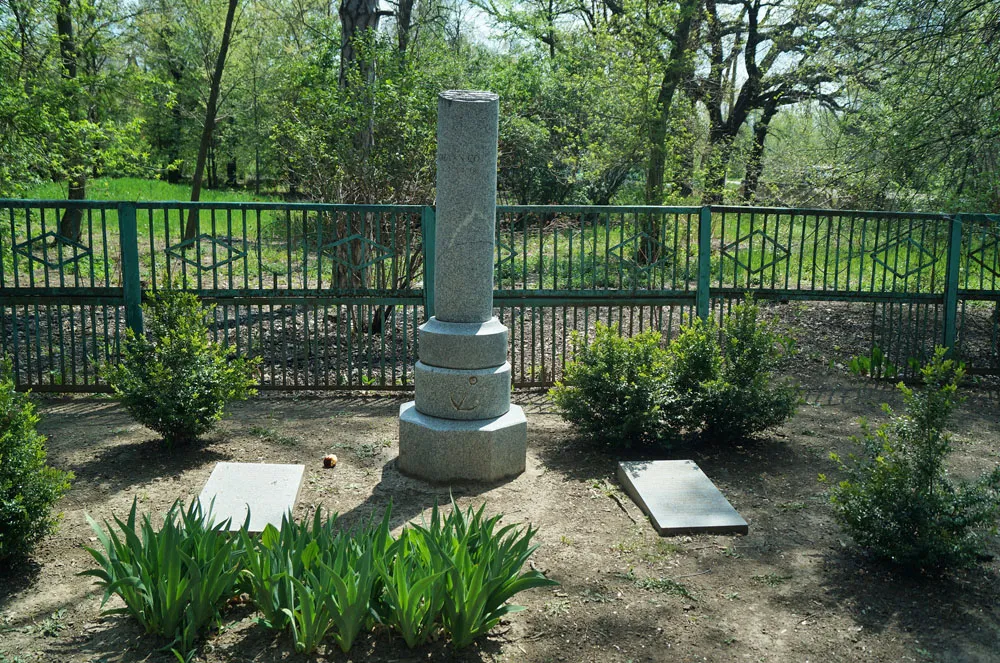
After Johann Cornies’s death his estates were divided between his son Johann, his brother David and his son-in-law F. Wiebe. On Cornies’s grave the Mennonites erected a monument in the form of a broken marble column, “as a sign that his work was not finished”.
Photos by Roman Malenkov.