Vesela Dolyna. Klyastits

· 1 min read
The village was founded in 1815. It was originally called Klyastits (Chaha, Shaha, Mykolaivska) and was the centre of the Klyastits volost of the Akkerman district of the Bessarabia Governorate. It was named in honour of the Russian army’s victory near the village of Klyastitsy in 1812. It was located on the Saka River (near the place where it flows into the Chaha River), 80 km west of the district town of Akkerman.
The founders of the village were 134 families from Württemberg, Prussia, Rhenish Bavaria, Baden, Poland (mostly resettled from Württemberg in 1800–1804) and Bessarabia. For this reason the village was Lutheran. The Lutheran parishes were in Tarutyne, and from 1842 in Klyastits itself. The land covered 8,031 desiatinas. In 1857 there were 134 households and 130 landless families. The number of inhabitants was: 804 (1827), 1,381 (1859), 1,959 (1870), 2,158 (1875), 2,028 (1886), 2,371/2,238 Germans (1897), 2,692 (1905), 3,312 (1939).
In 1940 the Germans were deported under the “Home to the Reich” programme, and the village of Zhuravche from the Sanok region was resettled here instead.
By the decree of the Presidium of the Supreme Soviet of the Ukrainian SSR of 14.11.1945, the village of Klyastnytsia in the Tarutyne district of Izmail Oblast was renamed the village of Vesela Dolyna and the Klyastnytsia village council was renamed the Veselodolynska one.
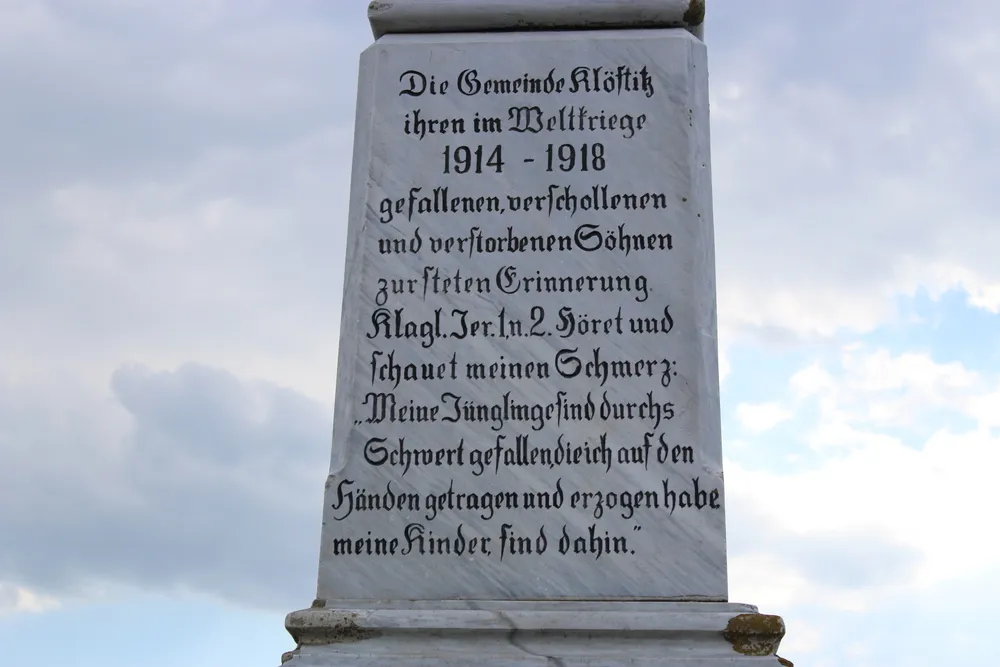
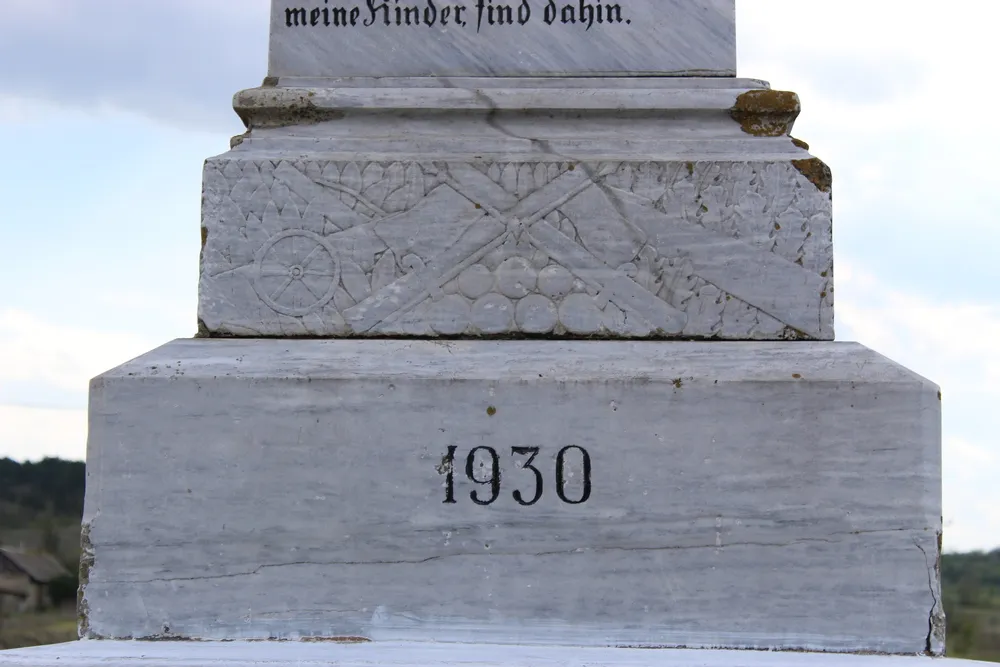
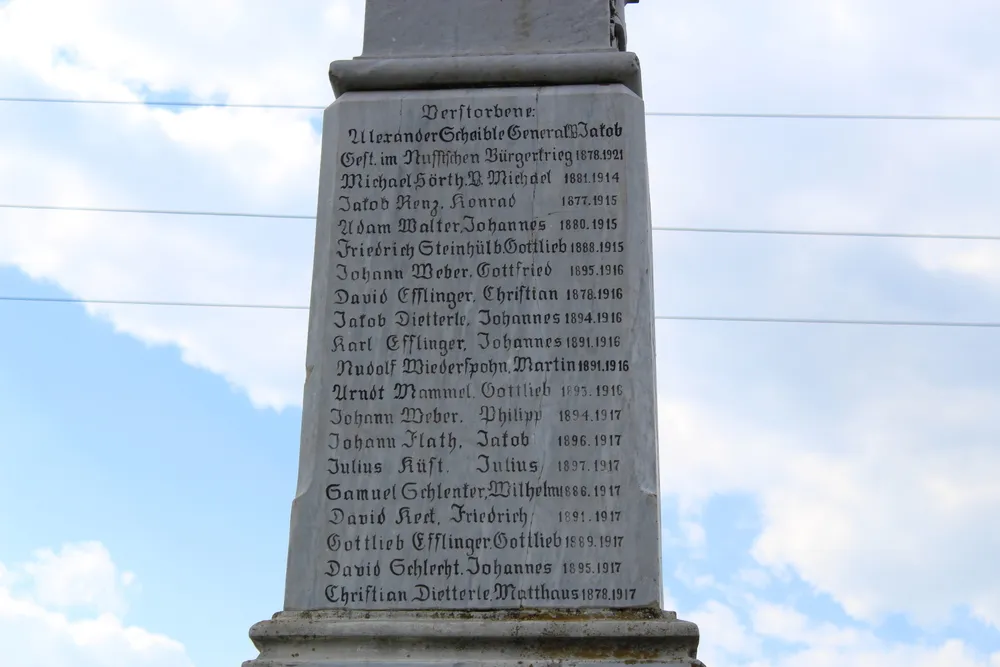
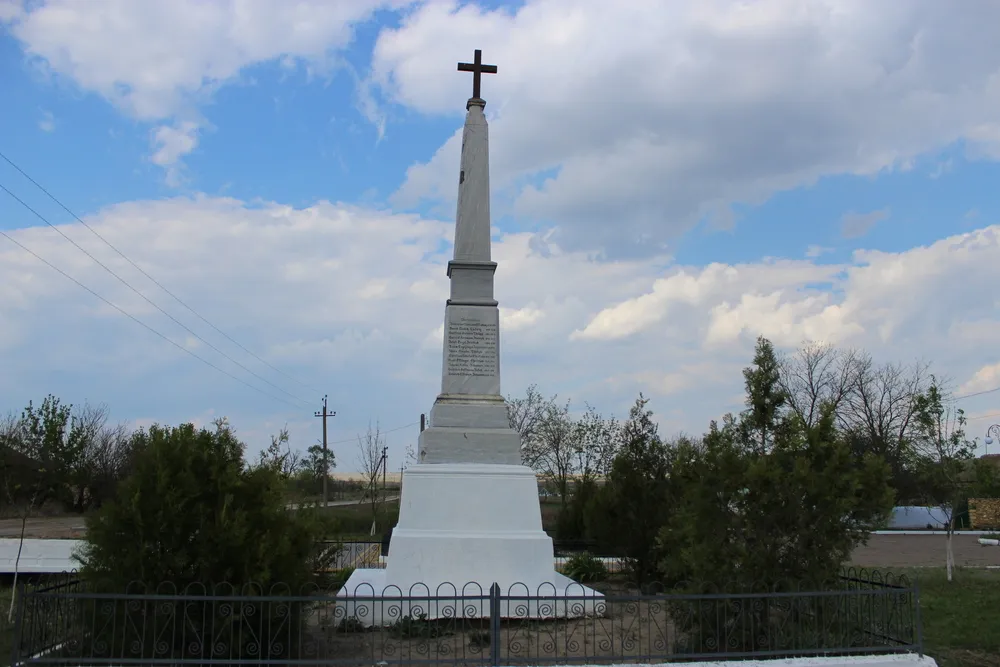
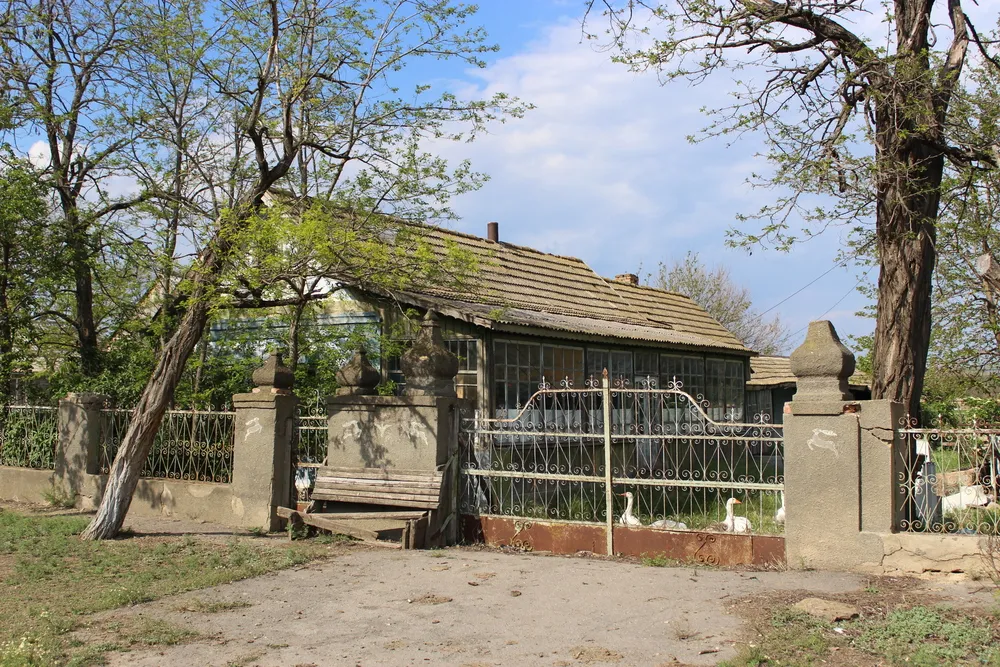
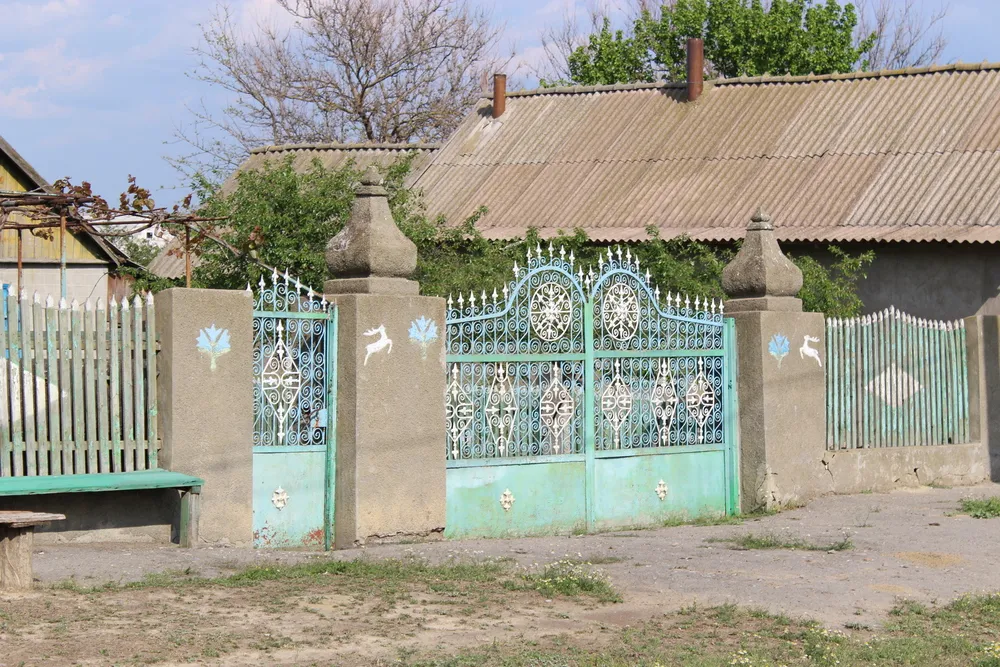
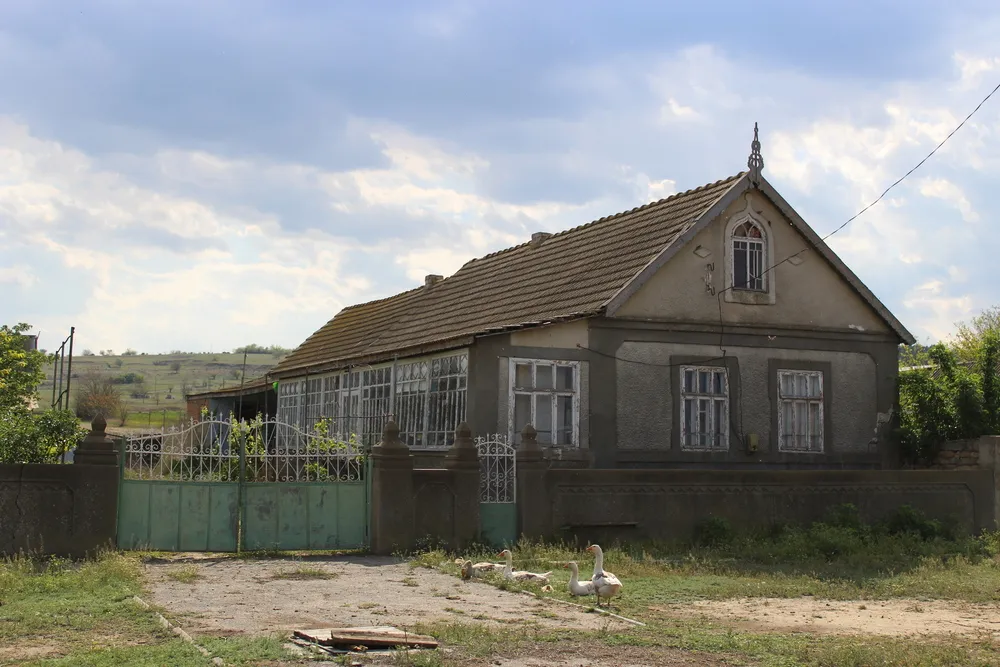
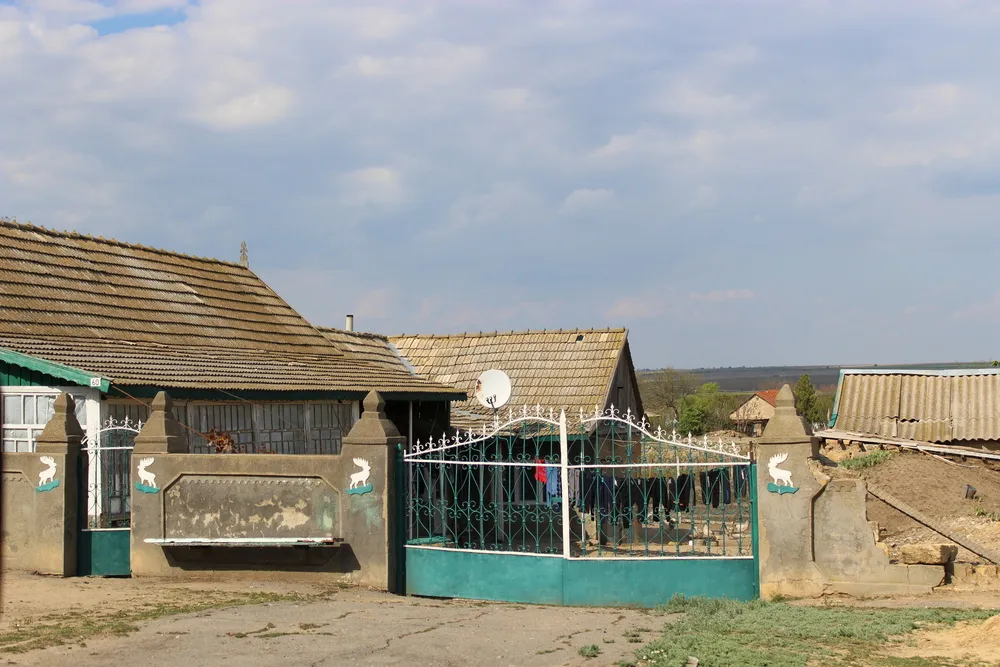
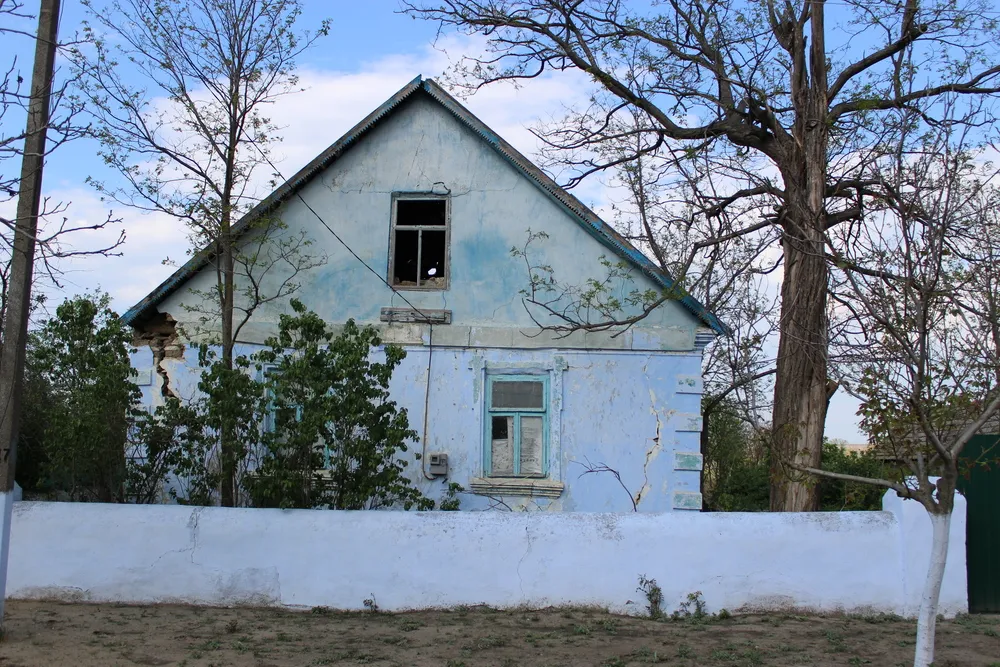
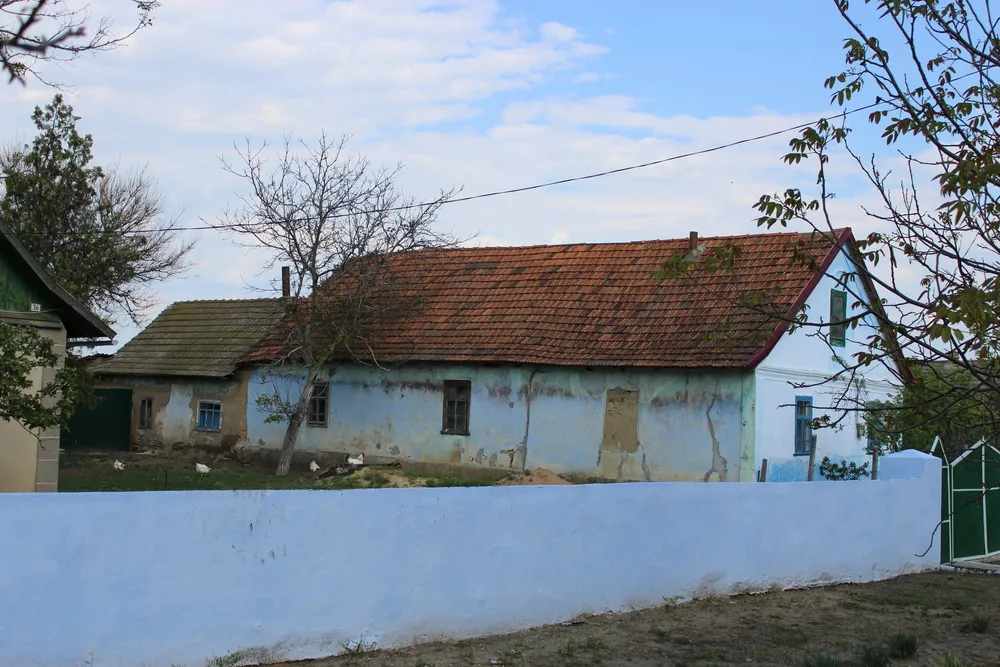
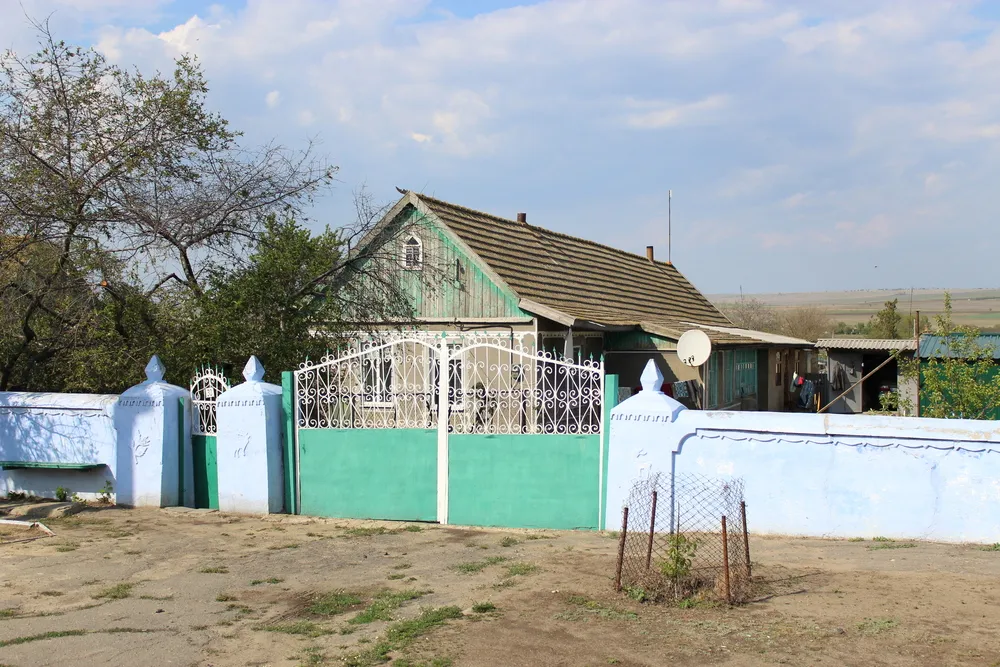
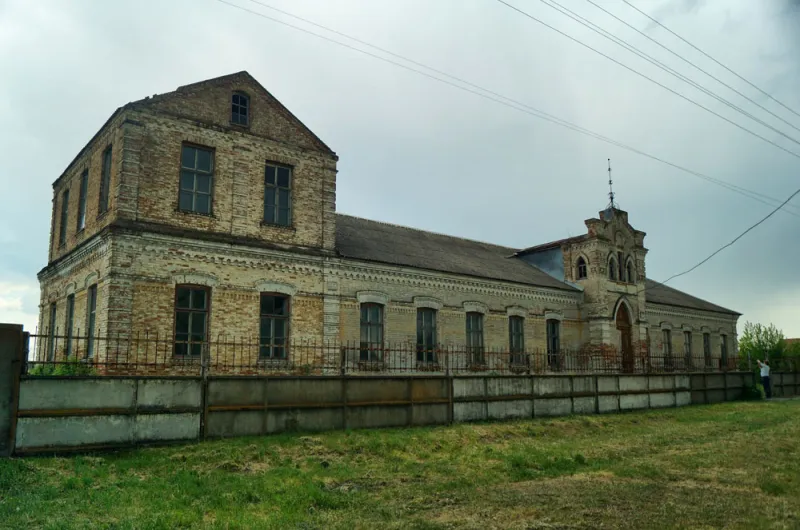
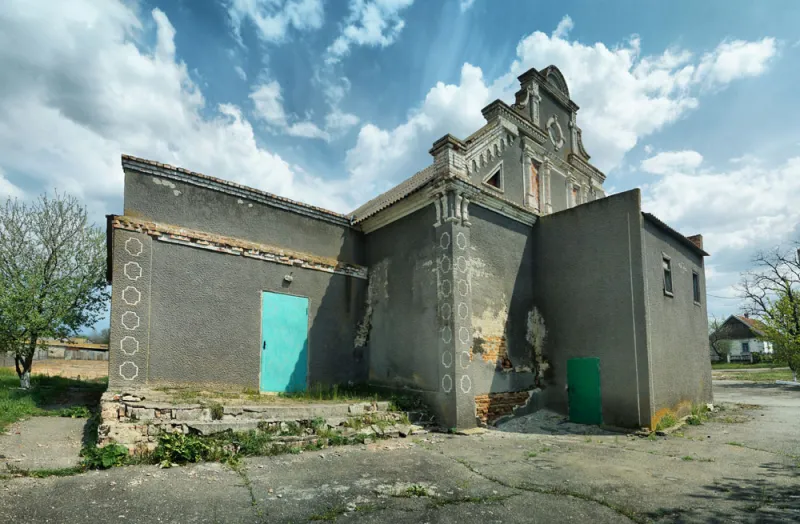
The village has a German monument to fellow villagers who died in the First World War. It is made of marble and was erected in 1930, when Bessarabia was under Romanian rule. The old German residential buildings have also survived.
Text from Wikipedia, photos by Maksym Nazarenko.