

Vyrivka on the Kukolka

· 3 min read
We have already written about Vyrivka right here.
In the Sumy region, the further west one goes, the more often one meets settlements founded not during the great Cossack resettlement but earlier.
The village of Vyrivka in Konotop district, on the bank of the river Kukolka (once again in the Sumy region we meet interesting and quirky place names),
was founded in 1636 by the Polish administration on the territory of the Chernihiv Voivodeship of the Polish–Lithuanian Commonwealth. However, just 12 years later (1648) it was already part of the Konotop sotnia of the Nizhyn Regiment of the Hetmanate, and six years after that it numbered 170 households. From 1781, when the regimental system was abolished, the village belonged to the Novhorod-Siverskyi viceroyalty, and ten years later to the Chernihiv viceroyalty, Konotop county.
Property in the village was held by descendants of the Cossack officer class: the Kostenetskyi, Verbytskyi, Demchenko, Zhurbyn, Kholkydonskyi and Biloziorskyi families.
The best known were the Kostenetskyi — a Cossack officer family, later a noble one, descending from the nobleman Nazar Kostenetskyi. His sons, grandsons and great-grandsons invariably held the posts of sotnyks and regimental osauls in Konotop, Baturyn and Nizhyn, and were bunchuk and military comrades.
Still, the most famous of the Kostenetskyi born in Vyrivka was a hero of the war of 1812, a participant in Borodino, Lieutenant General Vasyl Hryhorovych Kostenetskyi (1769–1831). During the Battle of Borodino he commanded the artillery of the 6th Infantry Corps, and during the war he received five wounds. He is also known for having formed in 1796 one of the first horse artillery companies in the Russian Empire.
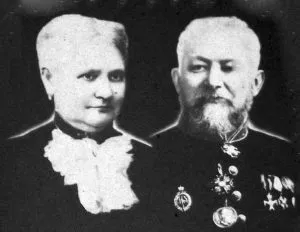
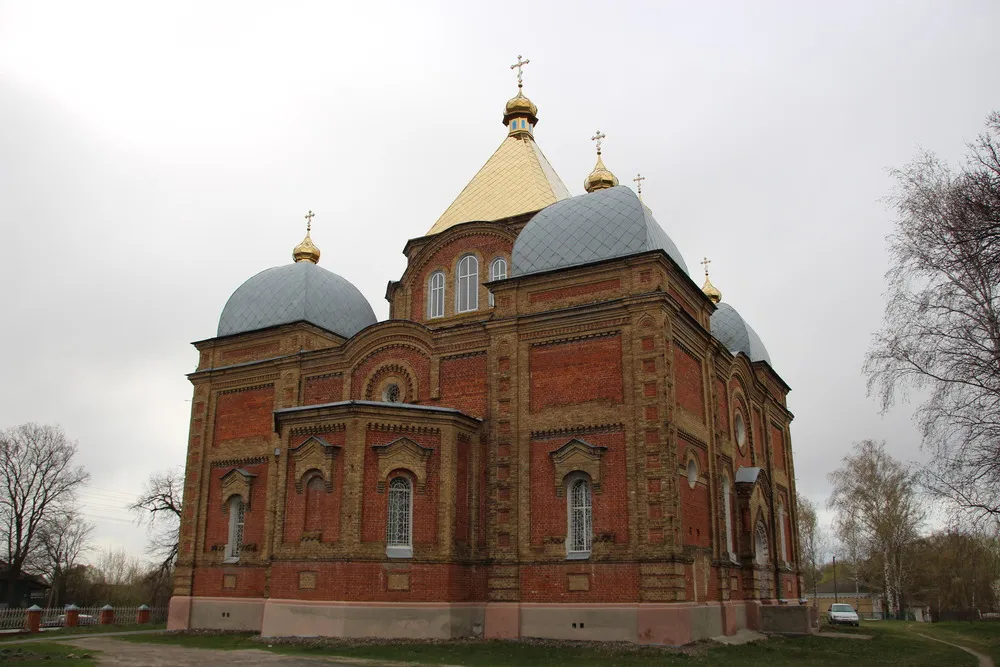
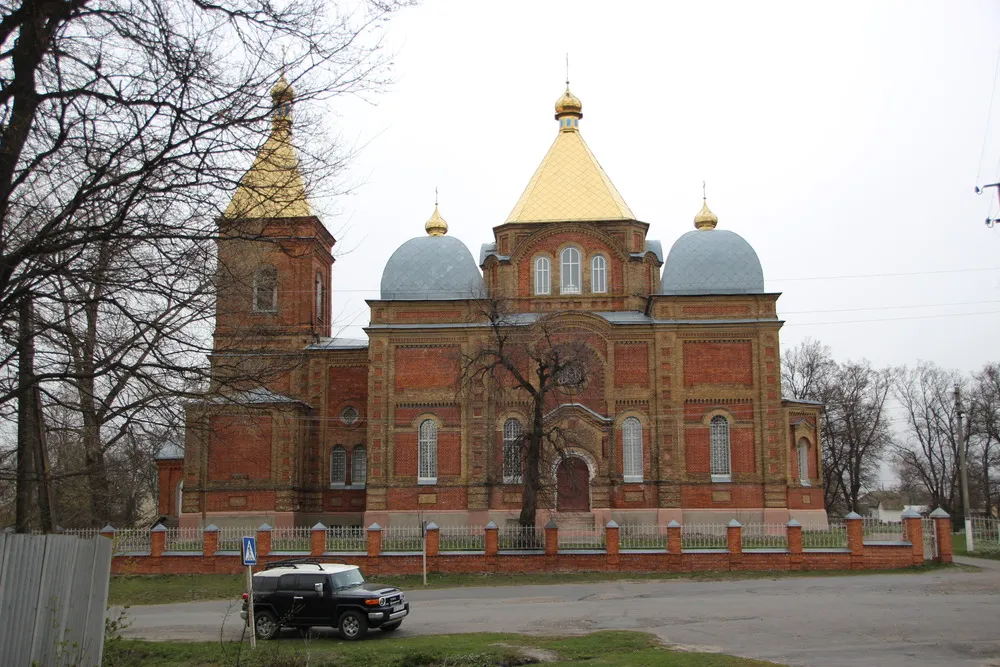
The first-guild merchant Yukhym Danylovych Shkoliarenko was born in Vyrivka. Already living in Kharkiv, together with his wife Olena he built, at his own expense in 1892–1894, the Church of the Intercession of the Holy Mother of God
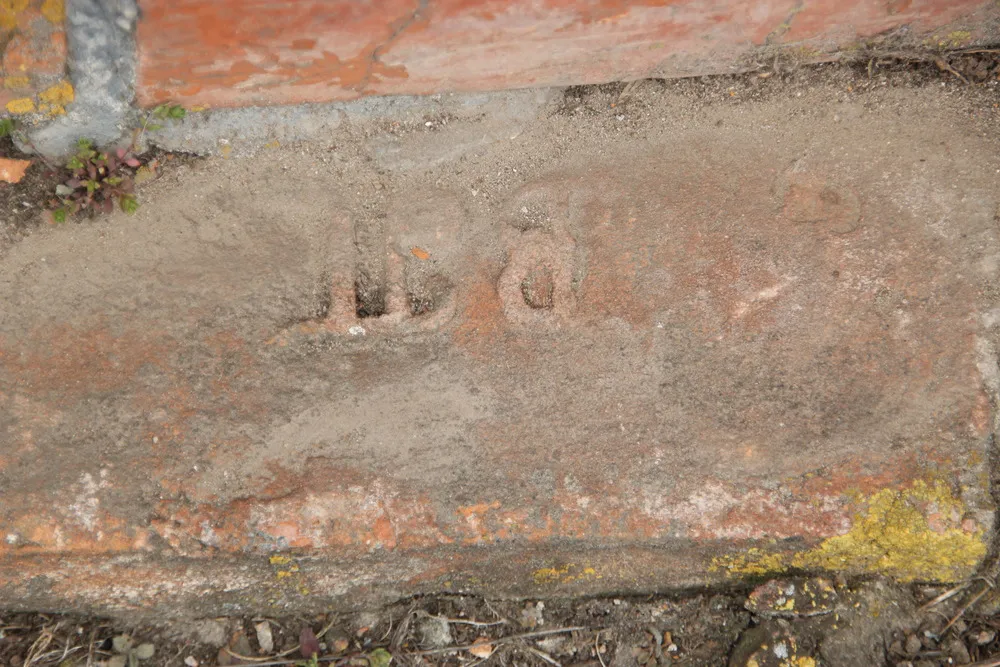
in the brick style fashionable at that time. It was built in memory of the event of 1888, when the tsar’s family survived a train accident. Red and yellow brick was used for the construction (incidentally, before the First World War the village had two brickworks). The use of bricks of different colours clearly emphasised the decorative elements of the building’s façades. Wrought, ornamented gratings from the 19th century still adorn the church’s windows.
The church was built in place of a wooden predecessor, also dedicated to the Intercession.
The first church is known from the 18th century; in 1818 it burned down, and two years later a new one was built in its place, again wooden, but on a brick foundation.
In Soviet times the church, fortunately, was not destroyed. Now it has been restored and is fully functioning.
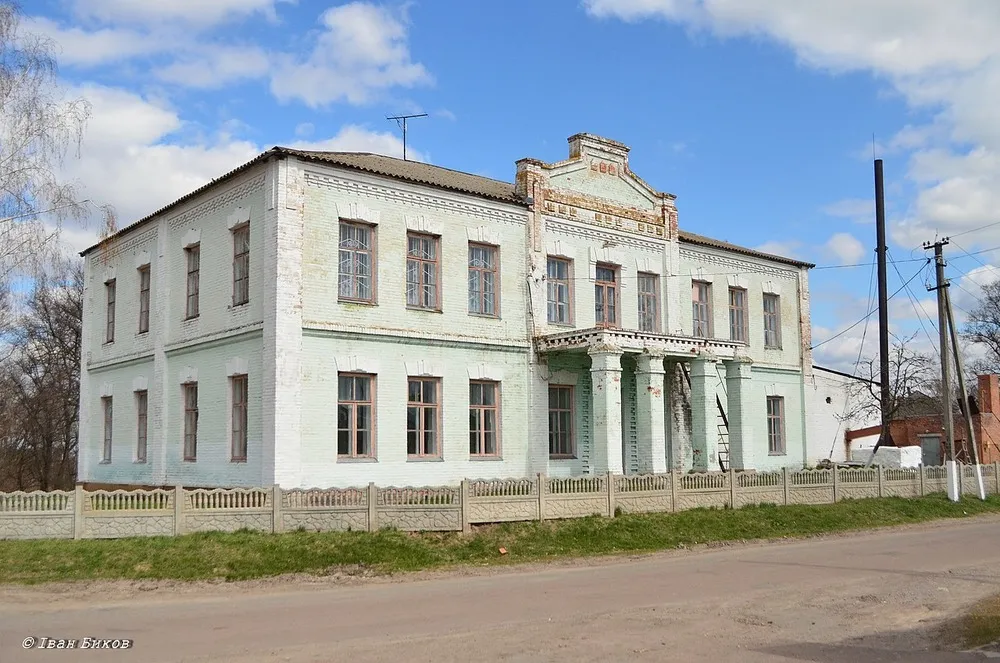
Photo by Ivan Bykov
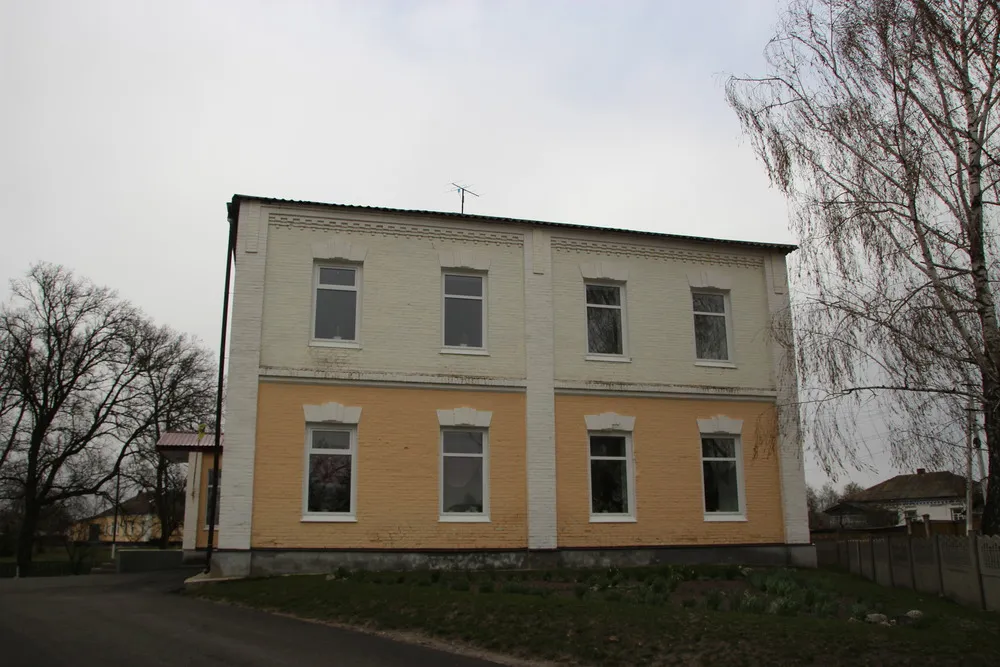
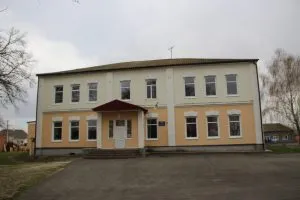
Besides the church, before 1905 the Shkoliarenkos built in the village a two-grade school and a paramedic station, which still perform their functions to this day (as an educational institution and an outpatient clinic). By a miracle these buildings were spared by the great fire in the village in 1918, when 40 houses burned down. The school was restored not long ago, and this changed the building’s appearance greatly, and not for the better.
In memory of the founders of the church and other buildings in the village, a memorial plaque has been installed on the church façade.
Text and photos by Maksym Nazarenko, Oleh Hodyna and Ihor Dorozhko.


