Palchyntsi

· 2 min read
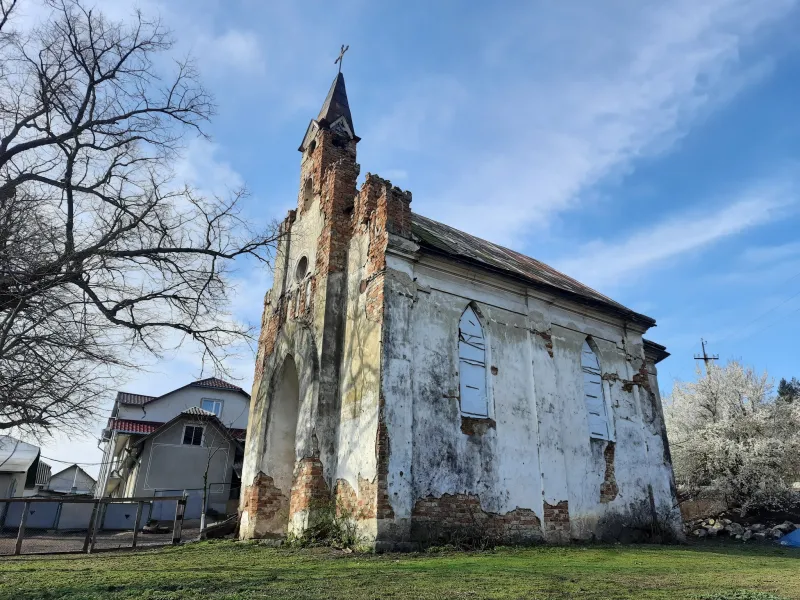
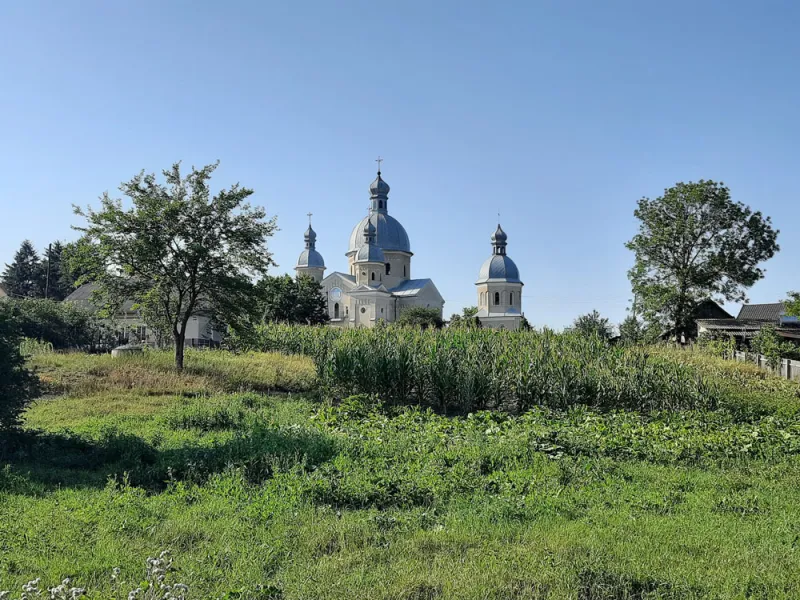
Palchyntsi is a village in the Skorykiv village community of what was until recently the Pidvolochysk and is now the Ternopil district of Ternopil Oblast. It lies on the right bank of the Zbruch River. The population is about 400. Until the 18th century part of the village was also on the left bank of the river, but the border divided Palchyntsi into two villages. Unfortunately, left-bank Palchyntsi stands deserted, with not a single resident. A few months ago the Suspilne Khmelnytskyi channel ran a report about it, and journalists even initiated the idea of reviving the village to settle displaced people from the combat zone there. However, it all ended in talk. Probably it is cheaper to settle people in villages that are already equipped than to build all the infrastructure anew.
But let us return to Palchyntsi in Ternopil Oblast.
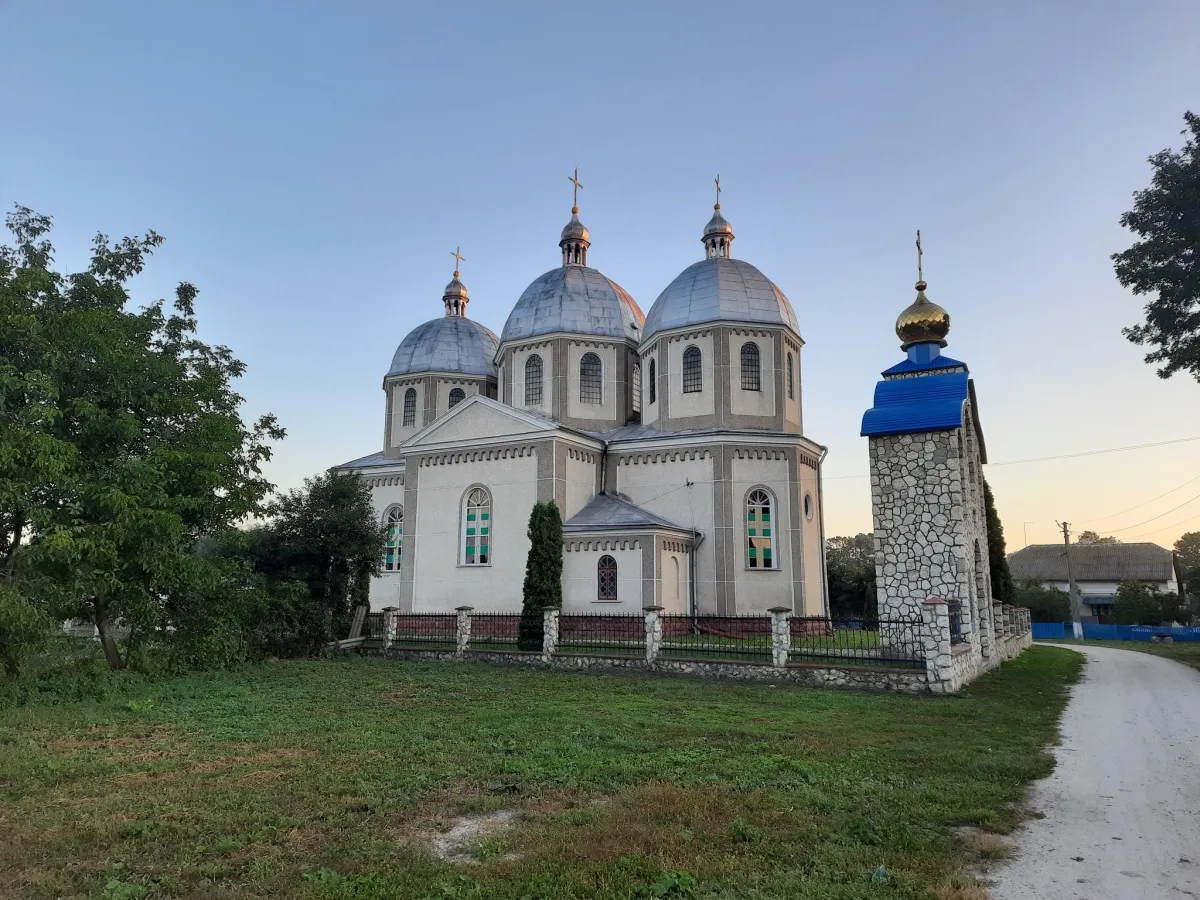
Church of St. Michael the Archangel (1899)
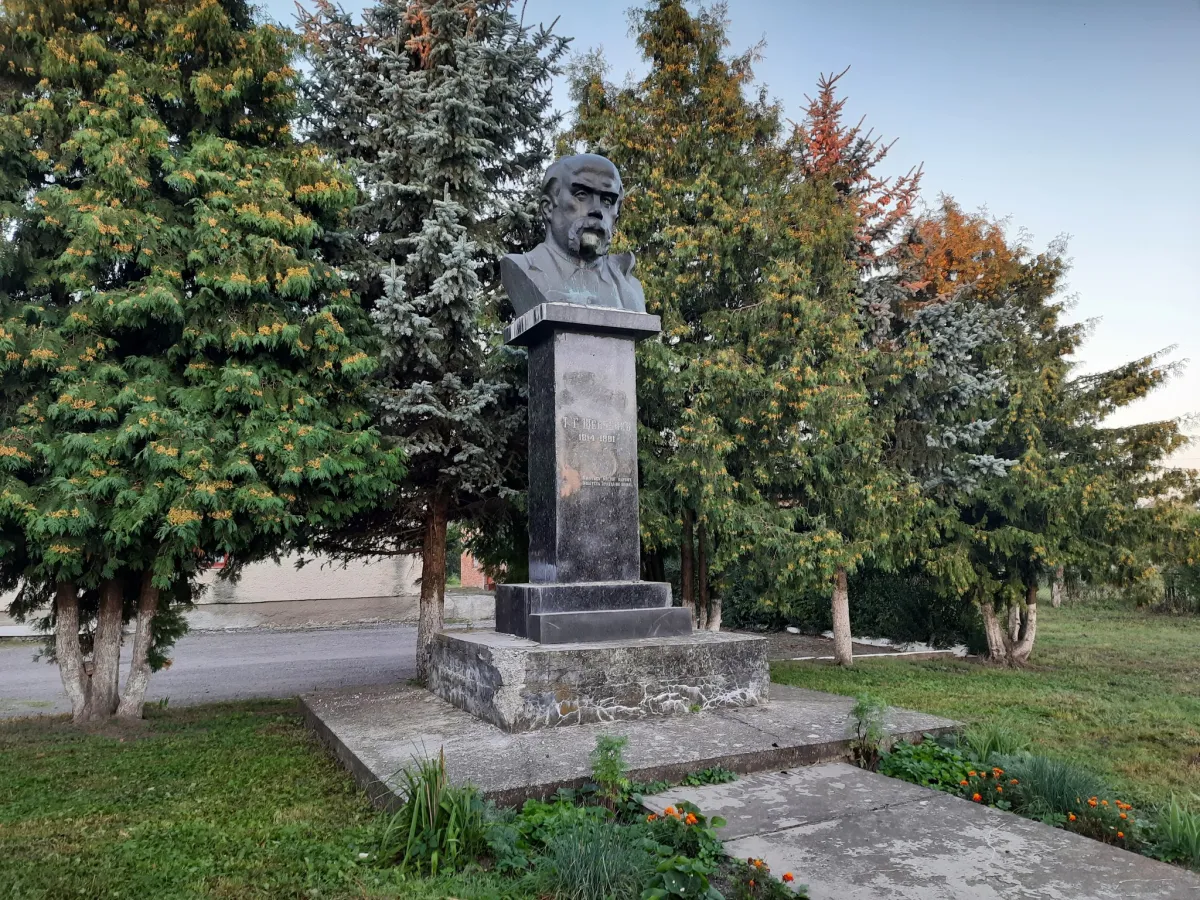
The first written mention dates from 1463, as Riapchyntsi. Later the name changed to Palchyntsi. According to tradition, the name comes from piles (“pali”) that were driven into the marshy ground when houses were built. In 1662 the settlement was destroyed by the Tatars. In 1870 the village was the property of Aneliia Rozhanska; 778 people lived there at the time, and a one-class school operated. Later population figures: 1914 – 1,062; 1931 – 1,376. In 1918 part of the village burned down and people died.
In 1920 a cooperative was founded in Palchyntsi. Branches of Prosvita, Ridna Shkola, the Union of Ukrainian Women and other Ukrainian societies were active. In 1934 the primary school had 104 pupils. From 1934 to 1939 Palchyntsi belonged to the Koshliaky gmina. In 1939 Soviet rule was established in the village and a seven-year school began to function.
From 4 July 1941 to 5 March 1944 the village was under Nazi occupation. During the German-Soviet war, 58 residents of the village were killed or went missing serving in the Red Army. In April 1948 a collective farm was forcibly created, later enlarged; in the 1990s it was dissolved and the land distributed.
Text and photos by Petro Hrushko