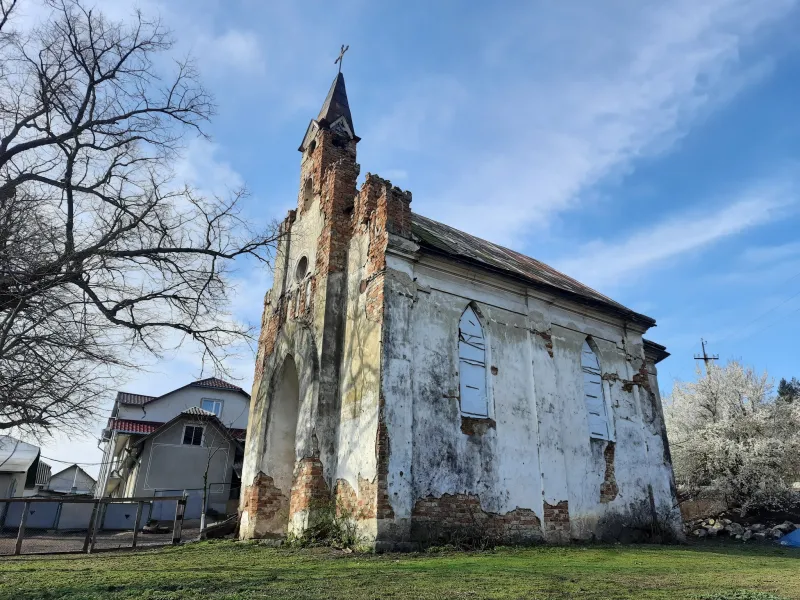
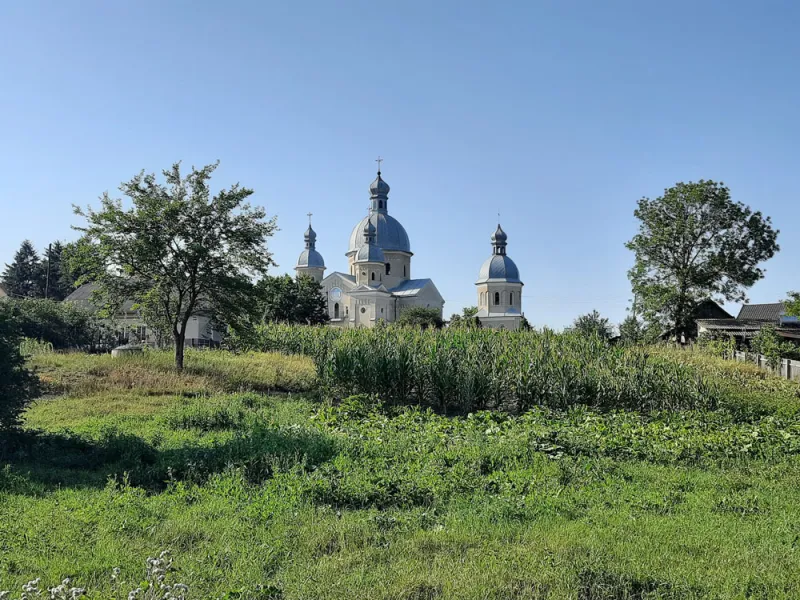
Synkiv

· 4 min read
Synkiv (known as Bohdanivka in 1947–1991) is a village in Ukraine, in the Zalishchyky urban community of Chortkiv district, Ternopil Oblast. It lies on the Dniester River, in the south-east of the district. Until 2020 it was the centre of the Synkiv village council. The population is 1,221 (2007).
In accordance with Order No. 724-r of the Cabinet of Ministers of Ukraine of 12 June 2020 “On the designation of administrative centres and approval of the territories of territorial communities of Ternopil Oblast”, it became part of the Zalishchyky urban community.
Ukrainian societies such as “Prosvita”, “Luh”, “Ridna Shkola”, “Soiuz Ukrainok” and others were active here.
There are two versions of the origin of the name “Synkiv”. The Zalishchyky Museum of Local Lore actively supports the first: the name of the village comes from the name of one of the first settlers, the Cossack Synko (Sanko, that is, Oleksandr). The villagers prefer the second version: that the name comes from blue flowers, “synotsvity”. Which, however, nobody has ever seen.
In the village the Rudka River flows into the Dniester.
Near the village, archaeological sites of the Trypillia, Hava-Holihrady and Old Rus cultures have been discovered.
The first written mention dates from 1427. It was then that several families founded a new settlement on the Dniester. There are mentions from 1578, when Synkiv had 58 households. During wars the village was several times almost completely destroyed, but each time, step by step, house by house, it came back to life. Synkiv’s greatest demographic peak was in 1900, when the village had 2,247 inhabitants. Today about 1,200 people live in the village.
Over six and a half centuries Synkiv has lived a life typical of many Ukrainian villages. From 1362 to 1434 the territory of today’s Zalishchyky district belonged to the Grand Duchy of Lithuania [source?]. From 1434 to 1772 these lands were held by the Kingdom of Poland (which in 1569, together with the Grand Duchy of Lithuania, formed the federal Polish–Lithuanian Commonwealth). From 1772 to 1918 they were under Austrian rule: 1772–1804 the Habsburg Monarchy, 1804–1867 the Austrian Empire, 1867–1918 the Austro-Hungarian Empire.
Under Austrian rule, migration of Synkiv’s population to Canada began. In 1896 only a few dared to emigrate. But a year later 150 families left Synkiv and a number of surrounding villages (now the territory of the Zalishchyky and Borshchiv districts of Ternopil region) for Canada, and a year afterwards another 70 families joined them, to leave the slopes of their native Dniester for ever.
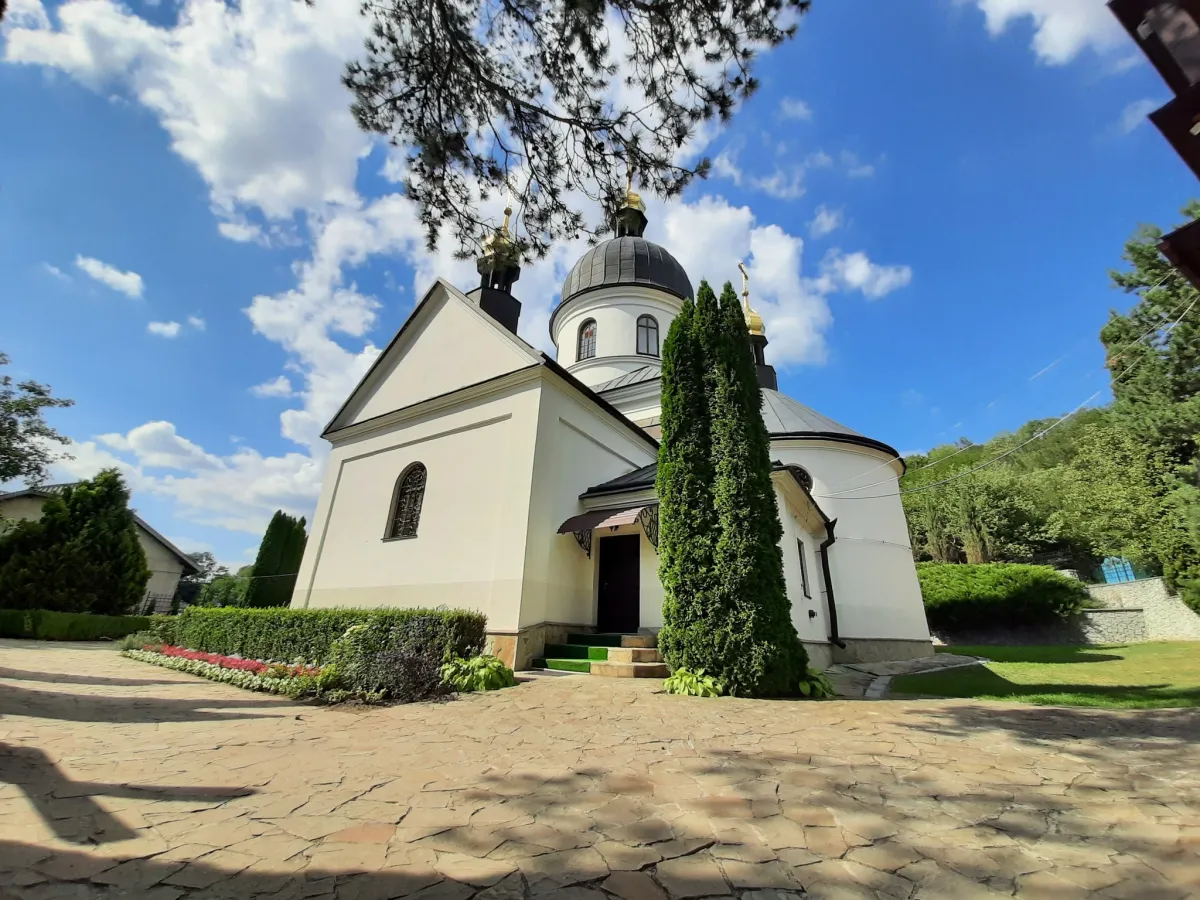
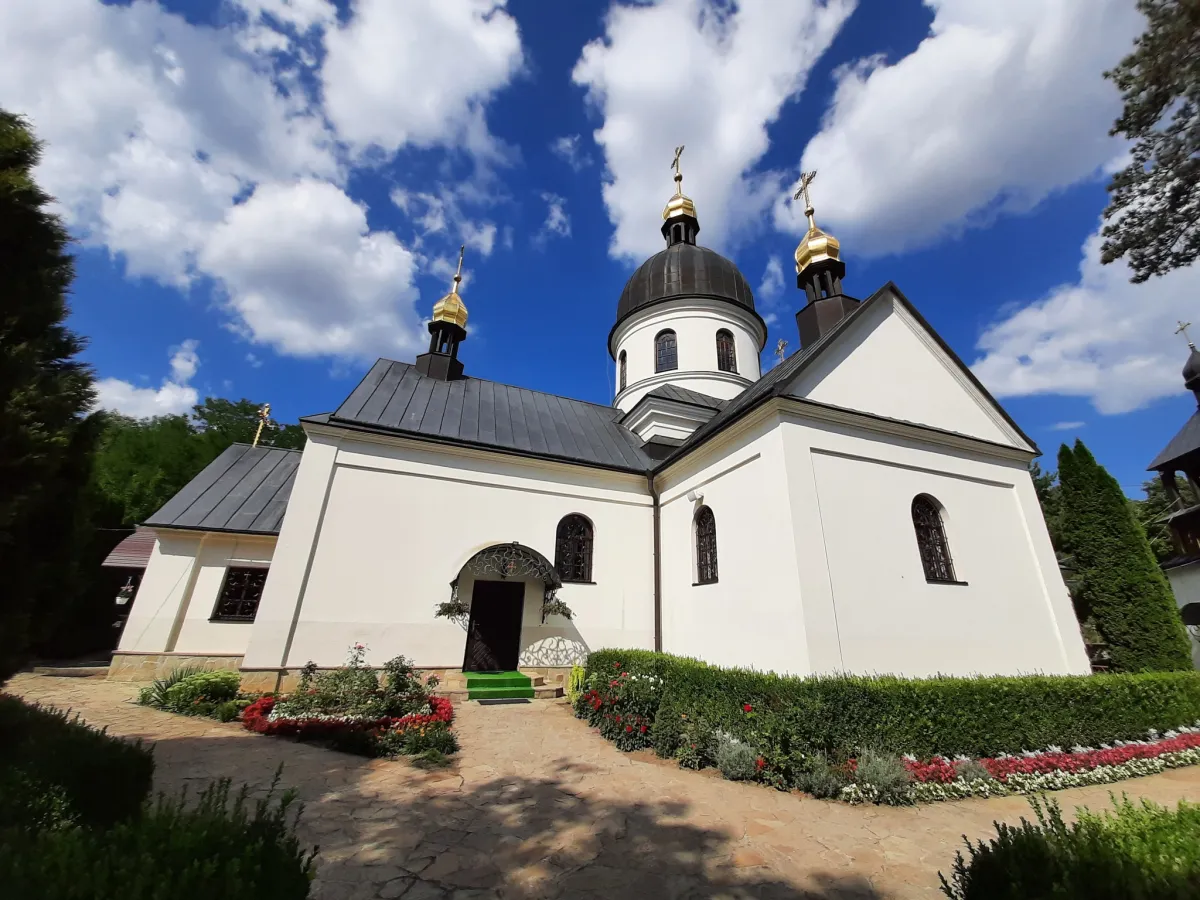
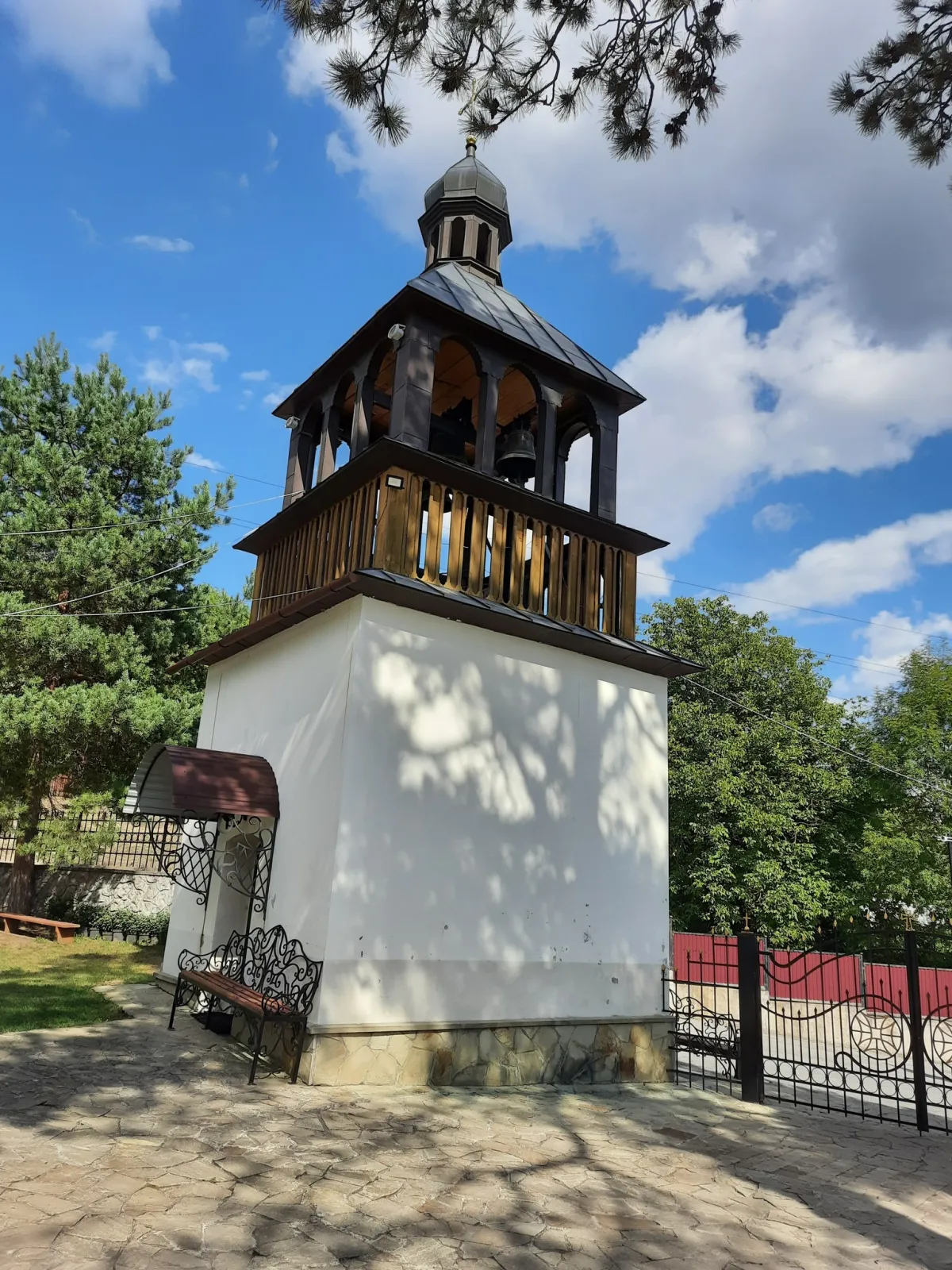
Church of the Translation of the Relics of St Nicholas; 1883.
In 1914–1917, during the First World War, the lands of the district were occupied by the Russian army.
From November 1918 the village was part of the West Ukrainian People’s Republic (ZUNR).
Then came 20 years as part of Poland. In 1939 the territory of the Zalishchyky district became part of the Ukrainian SSR.
The Church of the Translation of the Relics of St Nicholas in Synkiv was built in 1630 at the own expense of a local resident, Antonii, for monks of the Basilian Order of the Ukrainian Greek Catholic Church. In 1743, because of the small number of residents of the monastery, the monks left for Kamianets-Podilskyi, abandoning the cloister. The monastery was closed and the building itself passed to the village community. In 1845 the church was reconstructed at the expense of the benefactors Franciszek and Ludwika Czyż. According to village tales, the Polish family became patrons after the prayers of the parents were heard in this very church and their daughter recovered from a serious illness. Since then, on 21 September the village has celebrated a feast of healing, because on that day the young lady recovered. And the patronal feast in Synkiv is celebrated on 22 May, the day of the translation of the relics of St Nicholas.
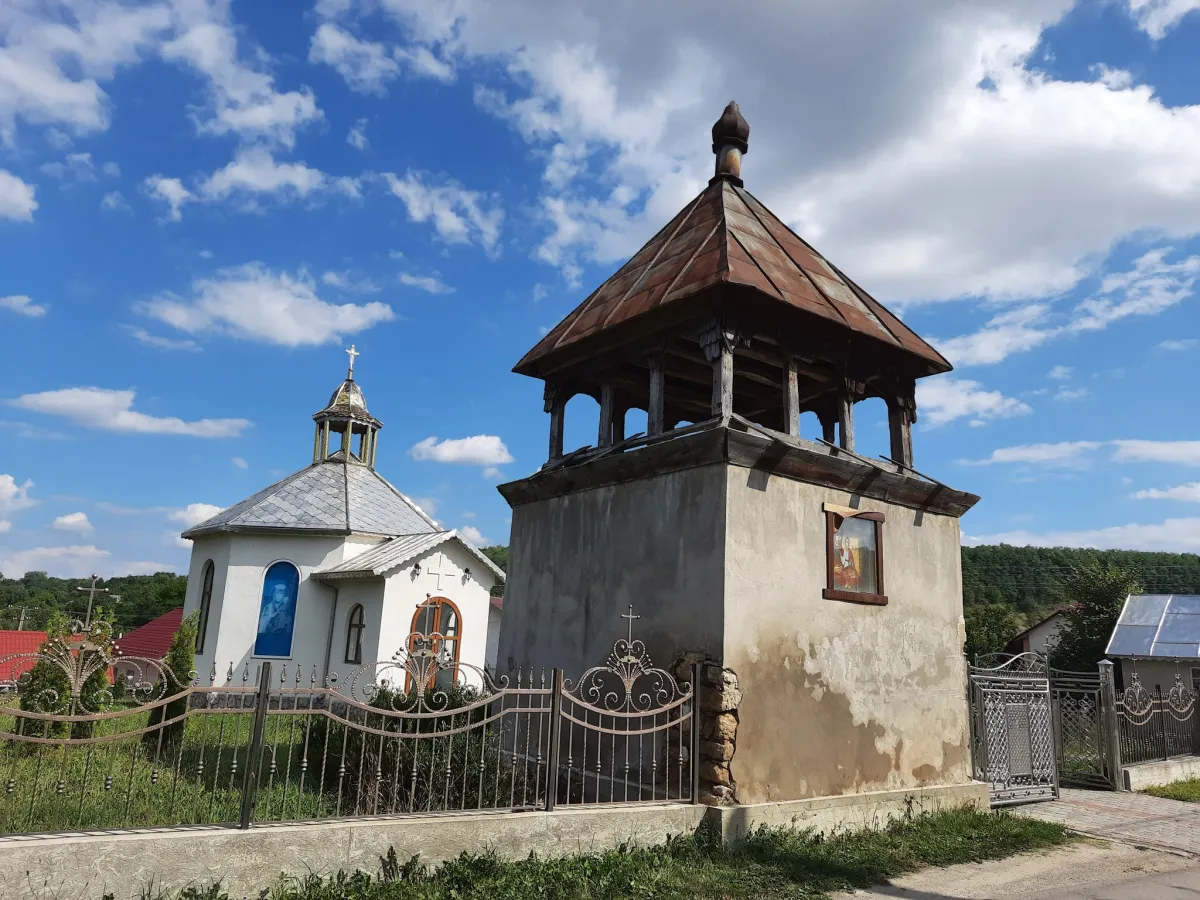
Church of the Nativity of the Mother of God
In the 20th century the church was rebuilt several times, and as a result it effectively lost its original appearance. But during the reconstruction that began in 2005, the benefactor Dmytro Firtash decided that the church should be rebuilt in the Baroque style in which churches in the Ternopil region were usually built in the past.
Besides the Church of the Translation of the Relics of St Nicholas, Synkiv has long had another church, that of the Nativity of the Most Holy Mother of God. According to the villagers’ tradition, the wooden Church of the Nativity of the Most Holy Mother of God was brought to Synkiv by a flood in the 18th century. The church had a fine old iconostasis, which was renovated in 1880–1890, and the church itself was repainted. Under Soviet rule the church was closed and not restored, the wood began to rot intensively, and for safety the village community had to dismantle the building. Now a chapel is being built on the site of the Church of the Nativity of the Most Holy Mother of God.
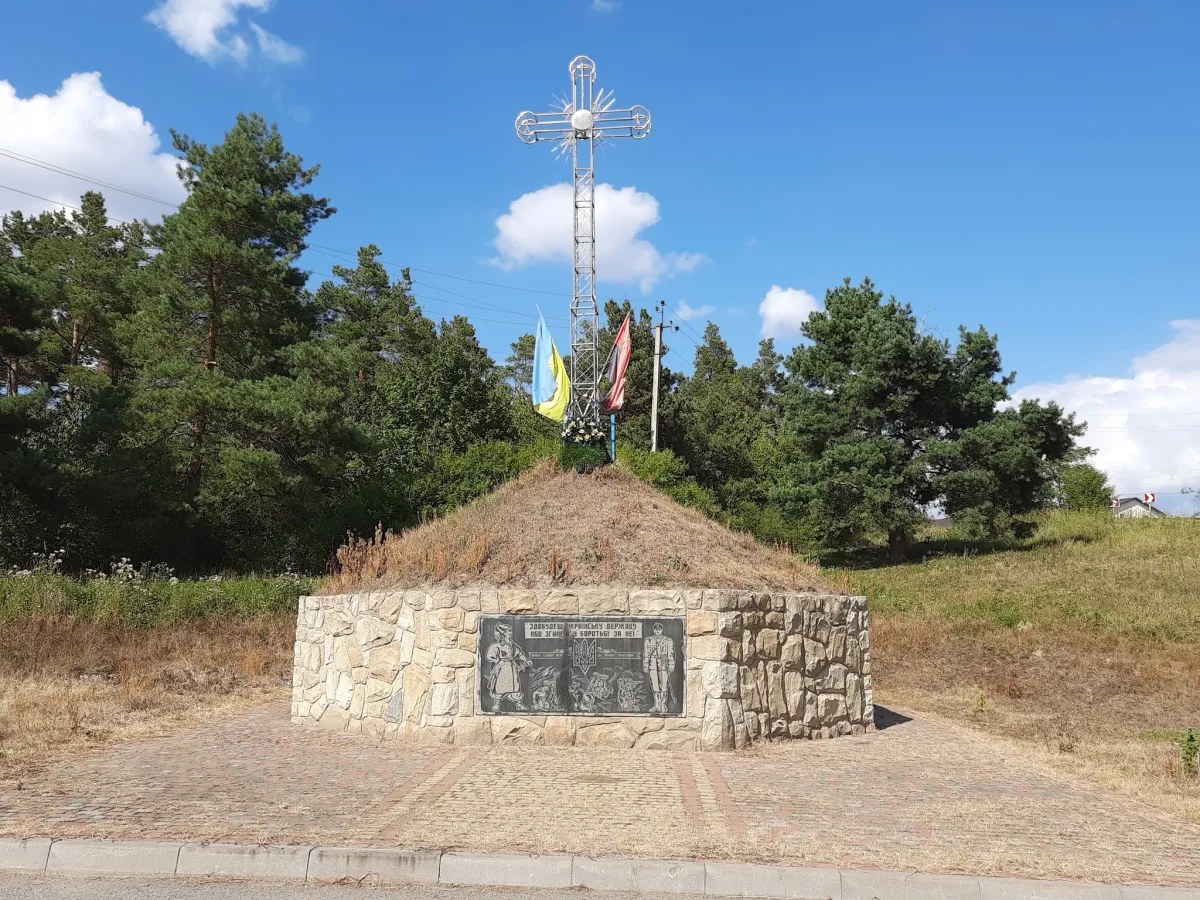
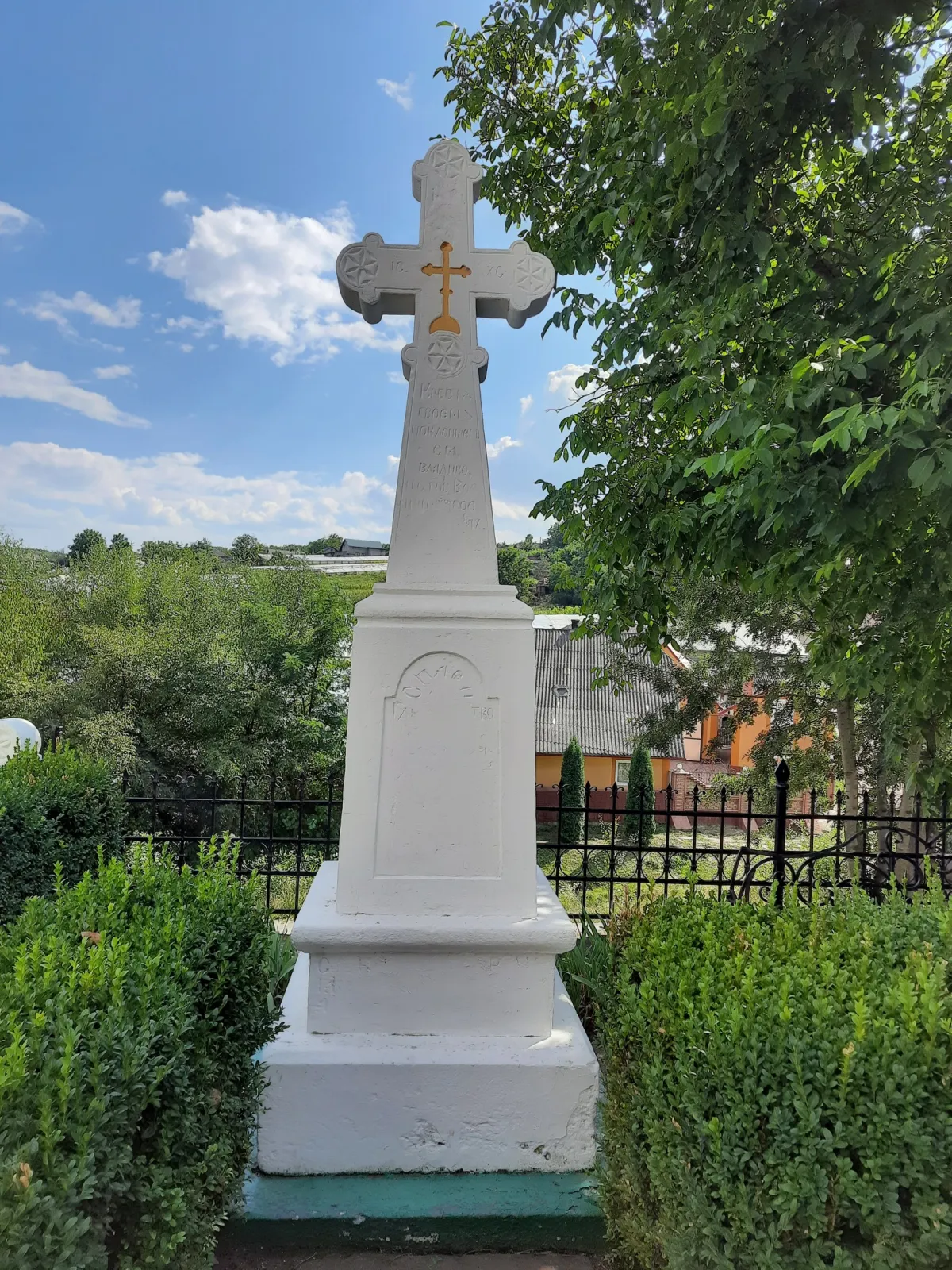
Monuments have been erected to B. Khmelnytskyi (1958) and to fellow villagers who fell in the German-Soviet war (1965), and a symbolic mound was raised for the soldiers of the UPA (1995).
Source: Wikipedia. Photos by Petro Hrushko