

Göreme. Cappadocia
· 4 min read
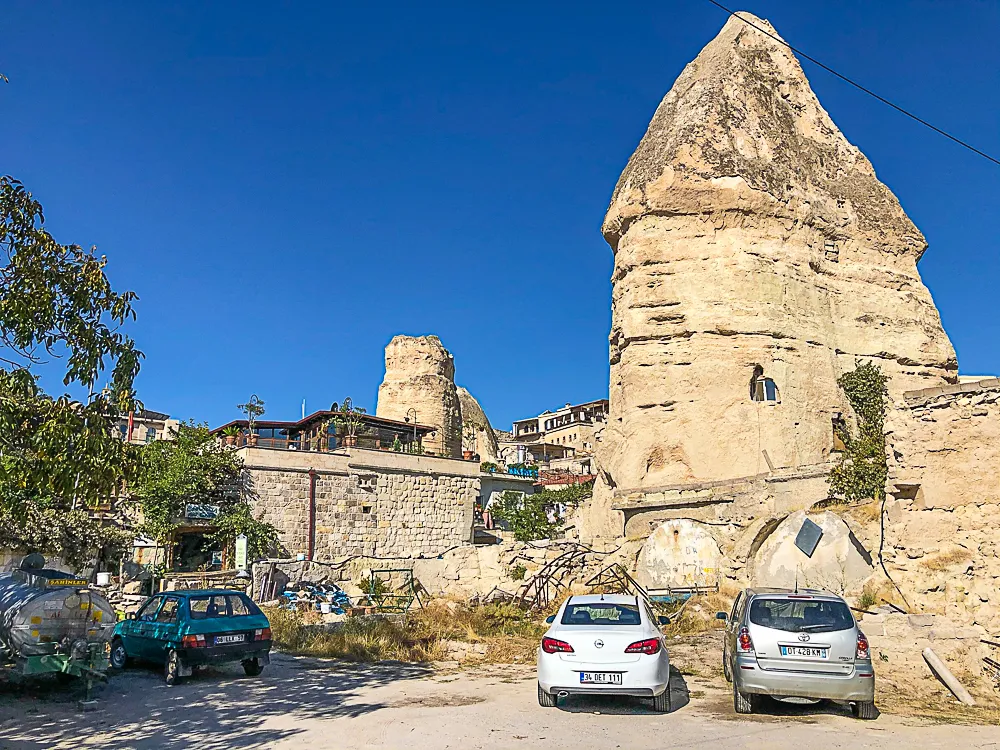
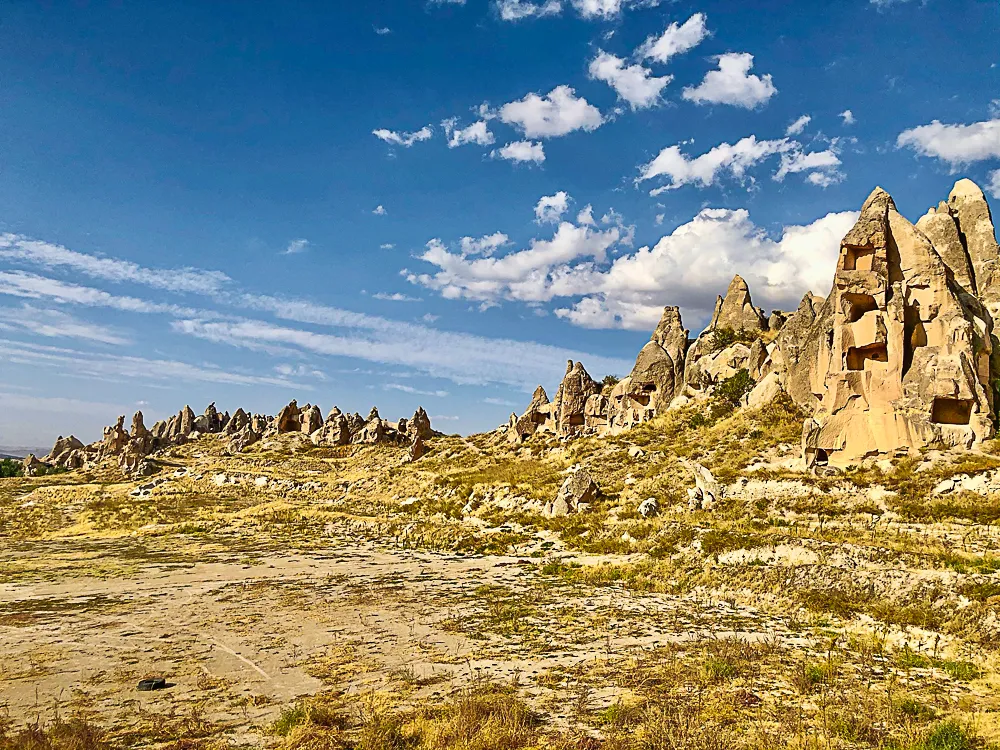
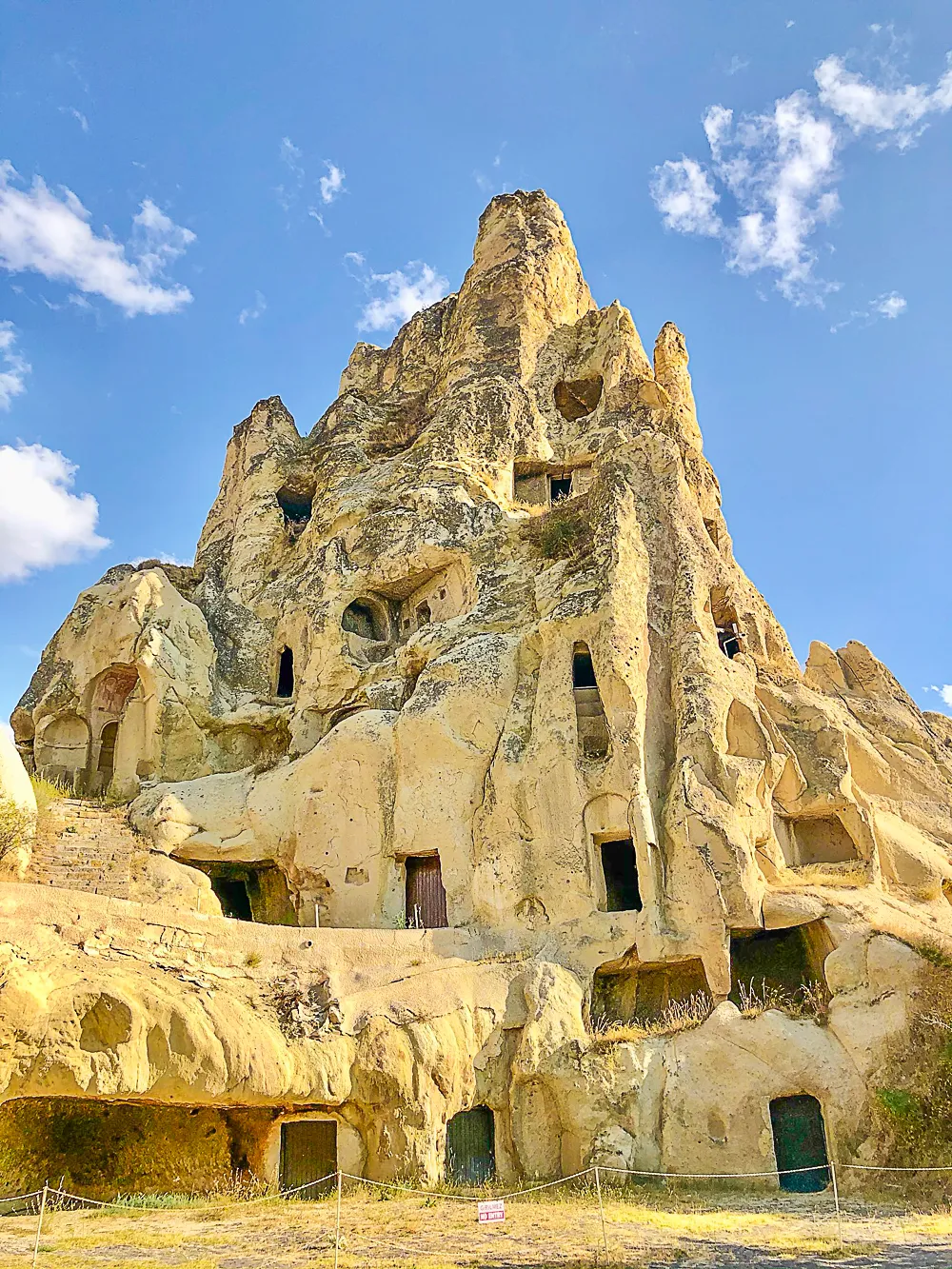
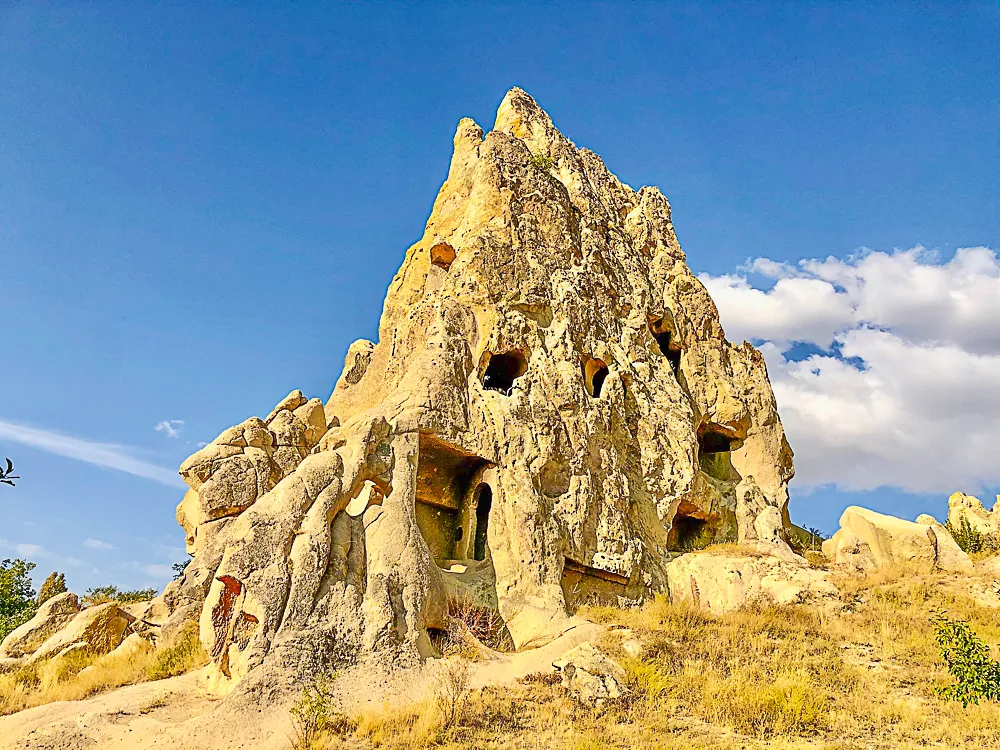
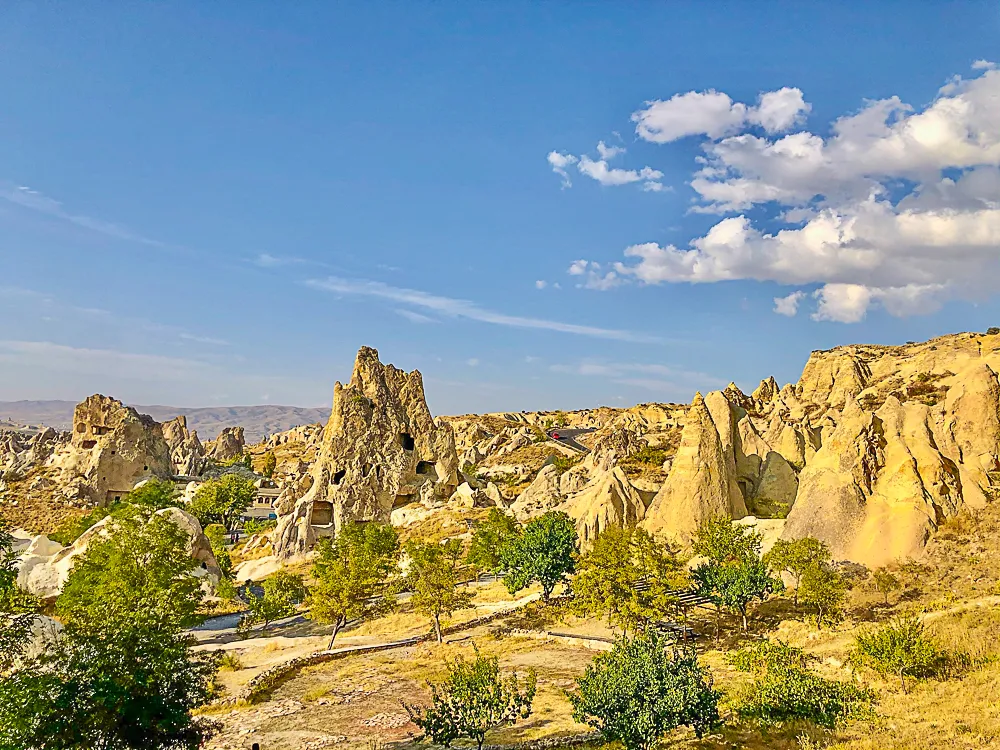
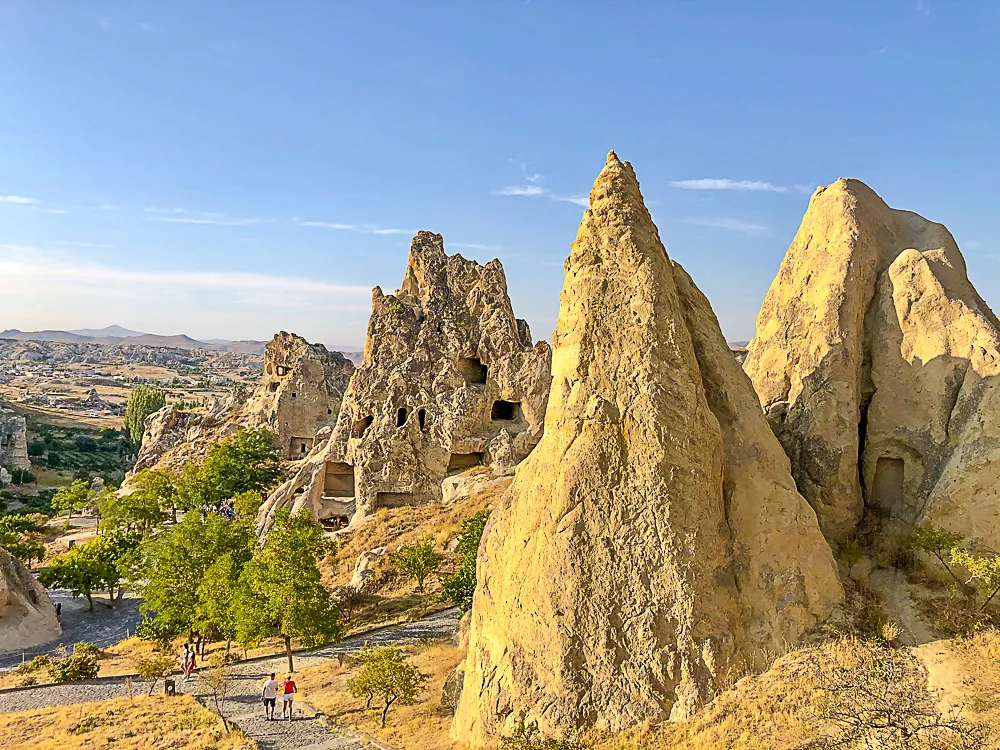
Göreme is yet another small town, but how different it is from its neighbours. Most amazing of all, even within the town itself the landscape is unusual: here and there fantastic mushrooms and pyramids stick out. The town is literally cut and hollowed into a mountain of volcanic rock. People adapted these stone creations for housing and farm buildings.
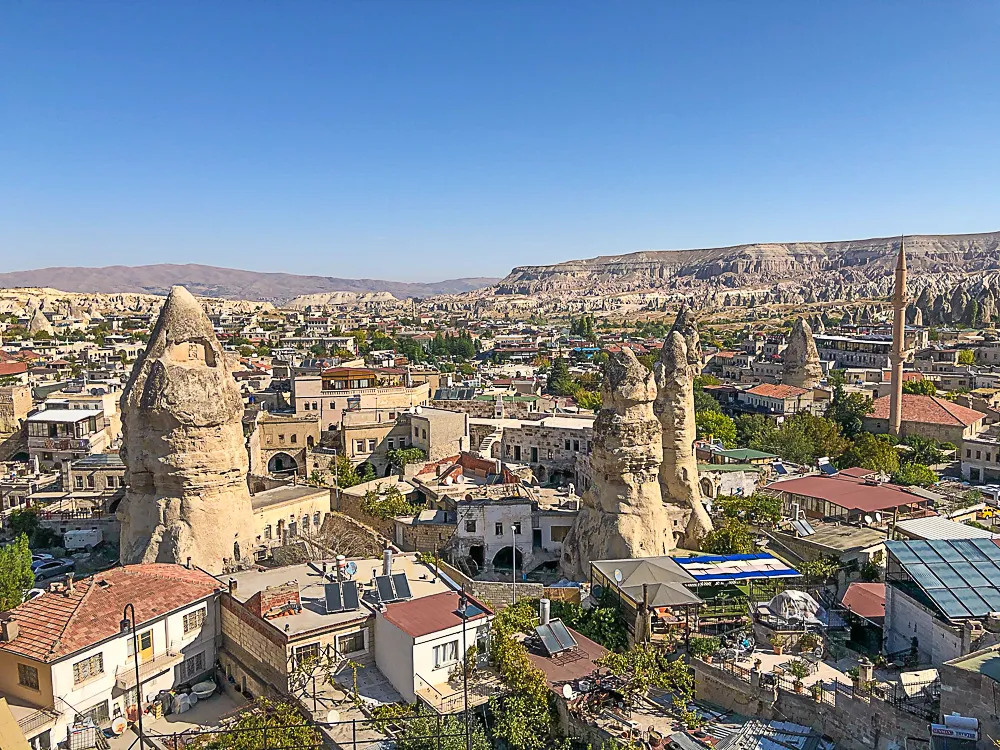
In hotels and apartments, even behind ordinary facades, rooms in caves or rooms with vaulted ceilings may await you. Even ordinary houses built of local stone continue the age-old tradition of building vaulted ceilings, so in such lodgings you feel a special atmosphere. And if you settle in the rock and live in a cave, you will have modern comfort here too, among walls created by volcanoes millions of years ago. It is hard to say what the town has more of: houses of local residents or guesthouses, hotels and hostels.
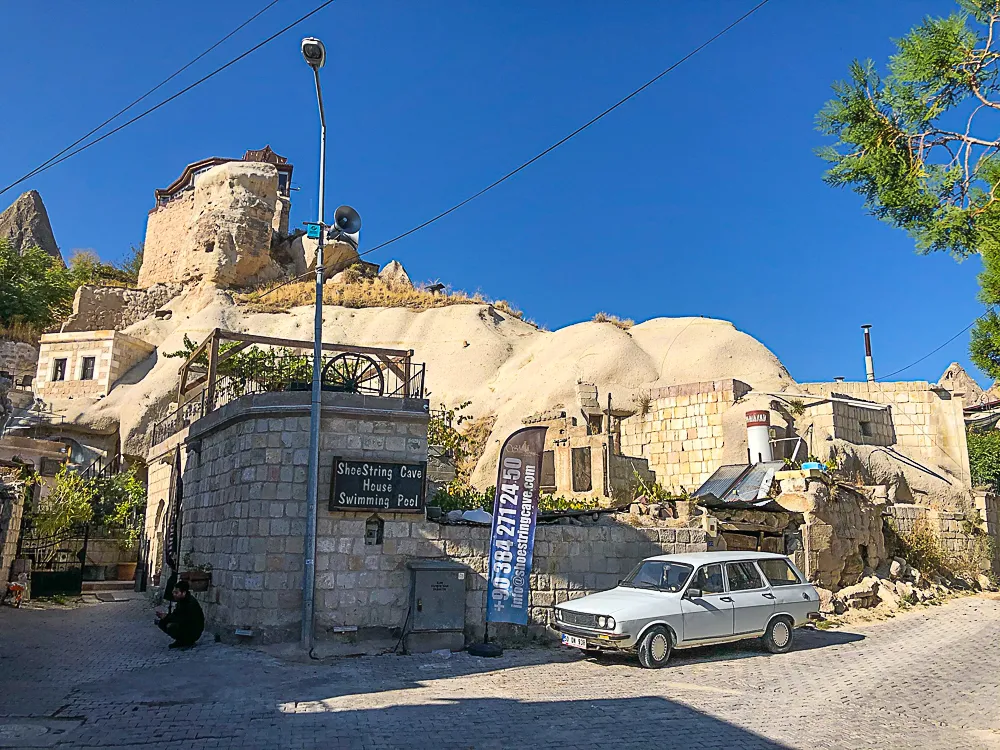
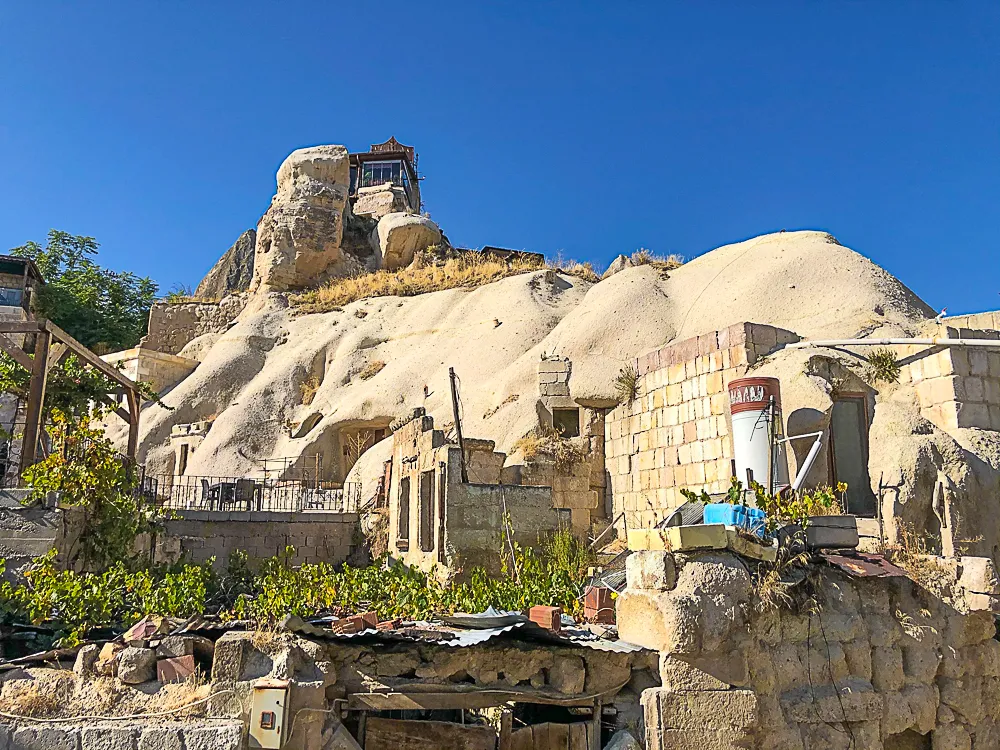
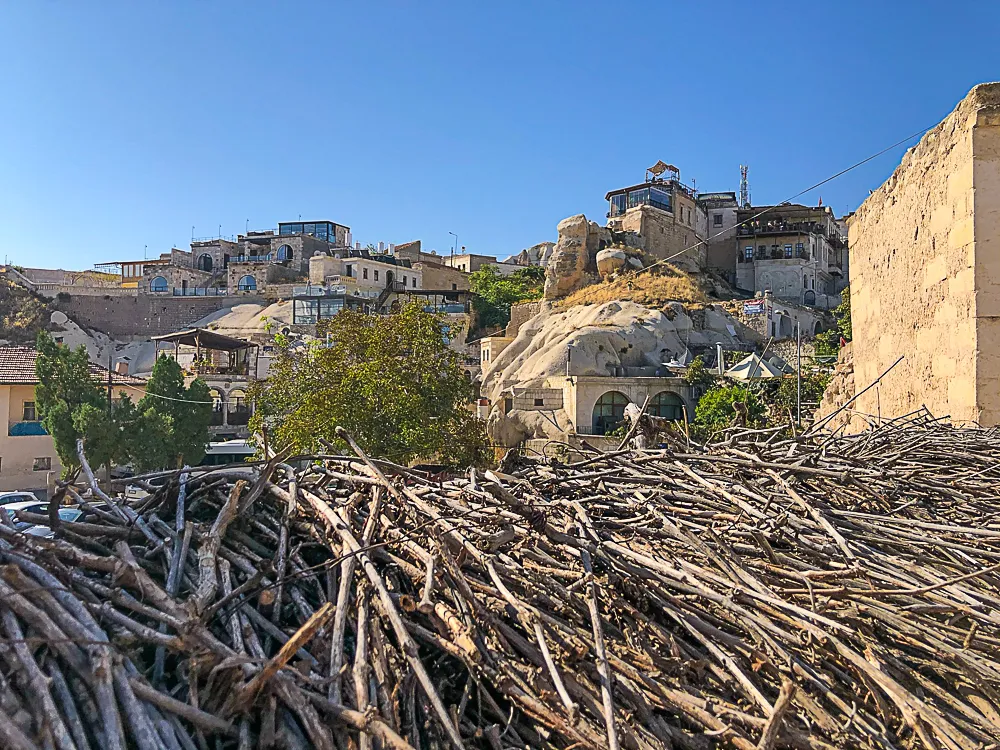
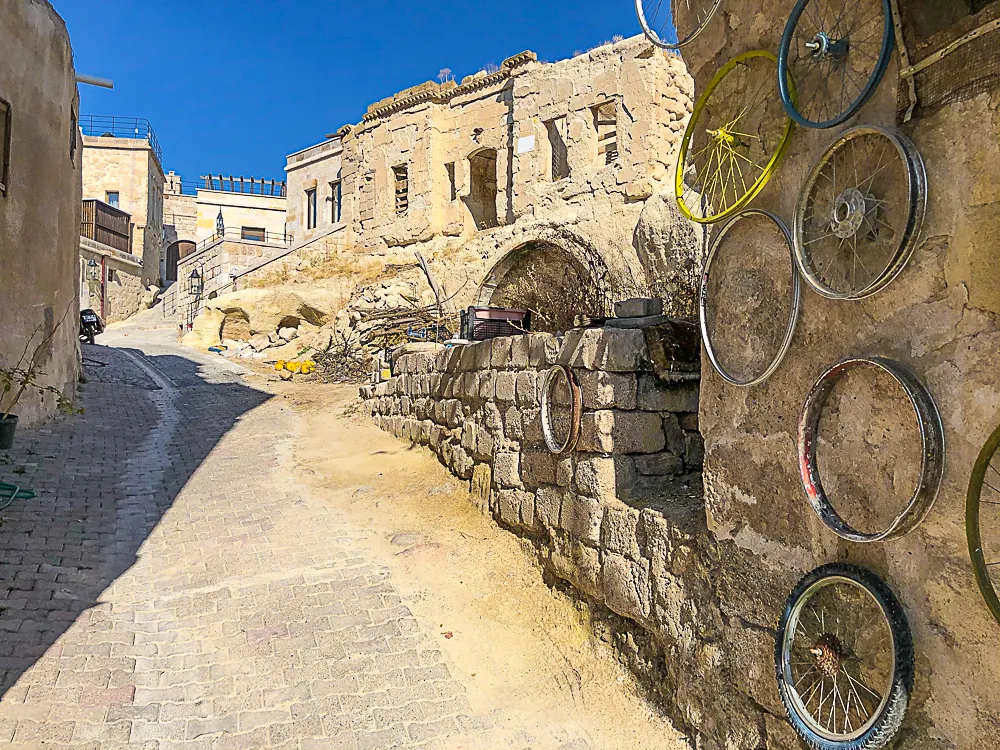
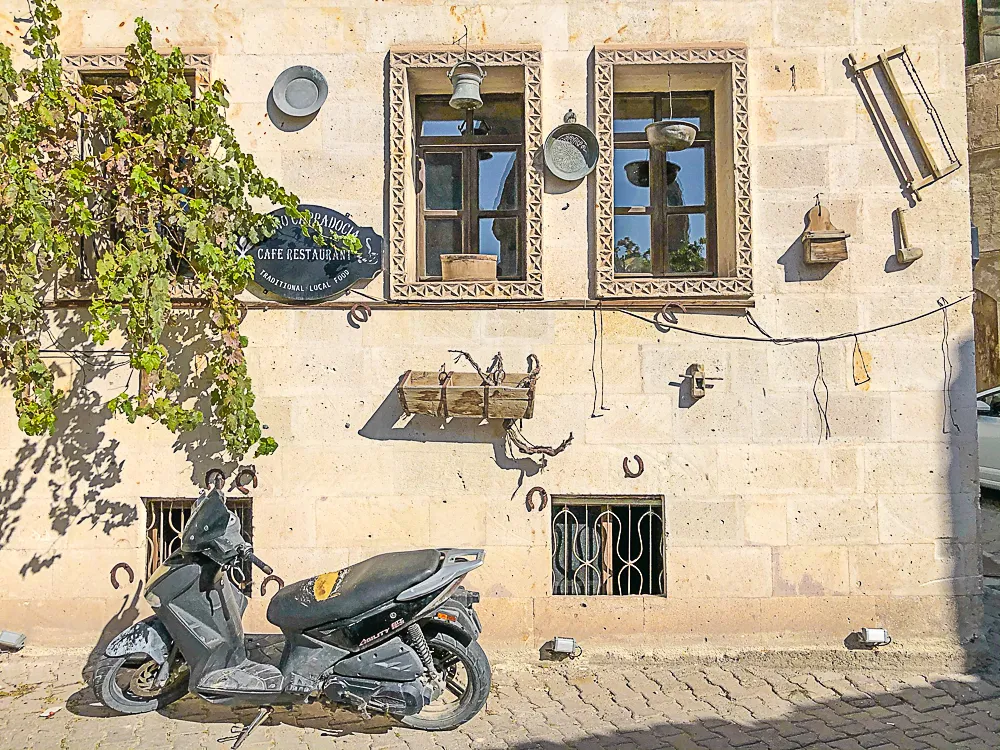
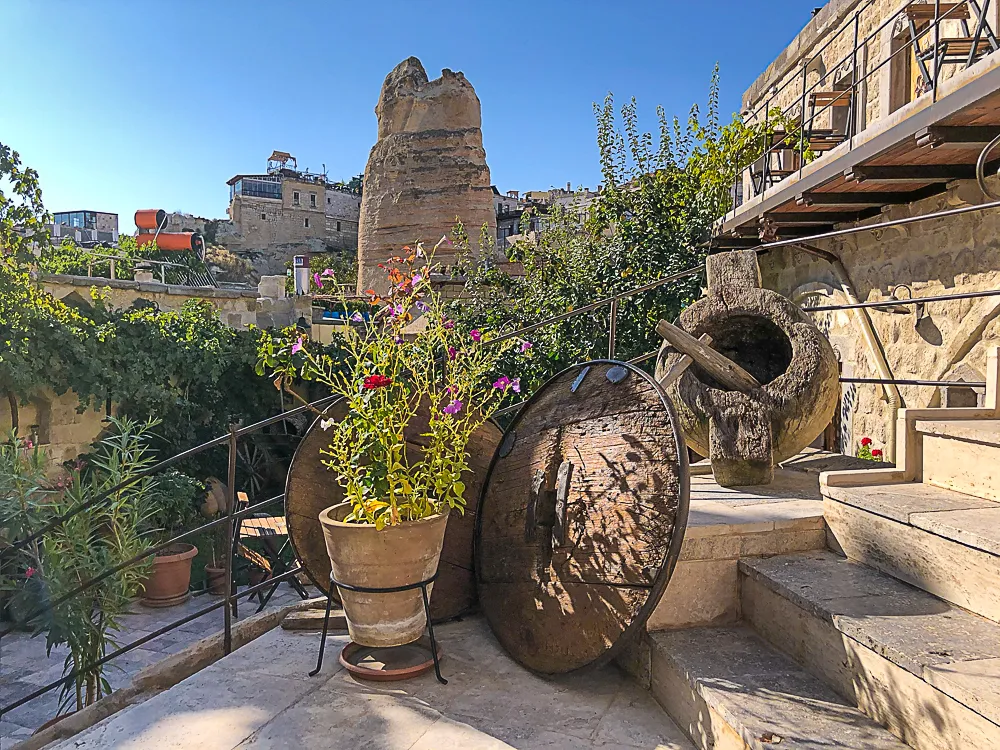
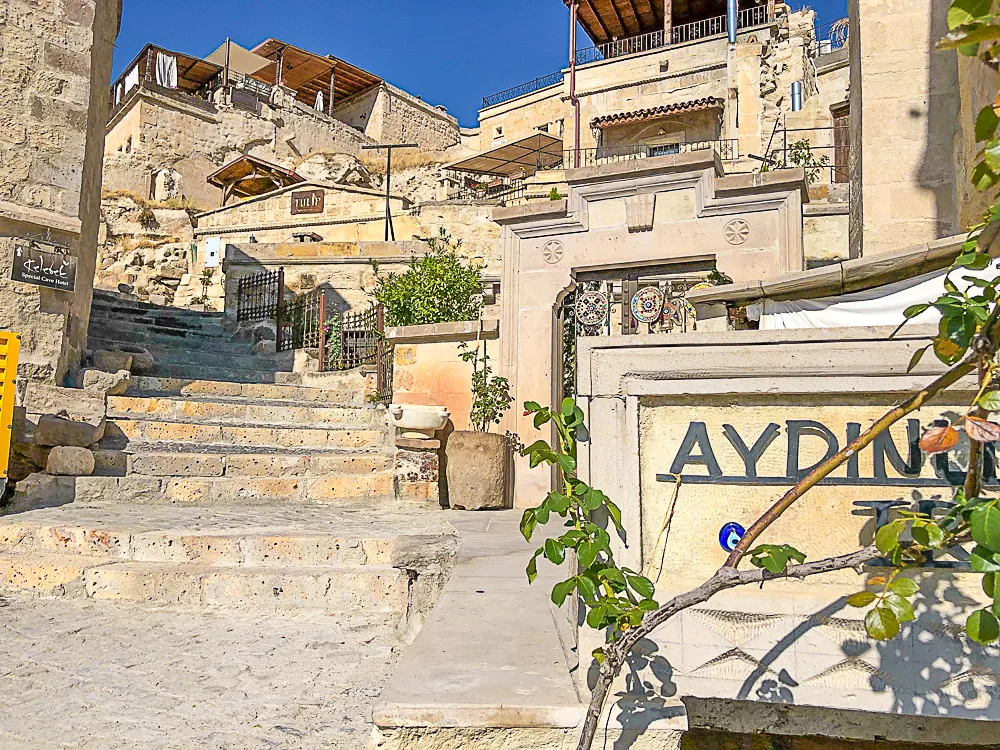
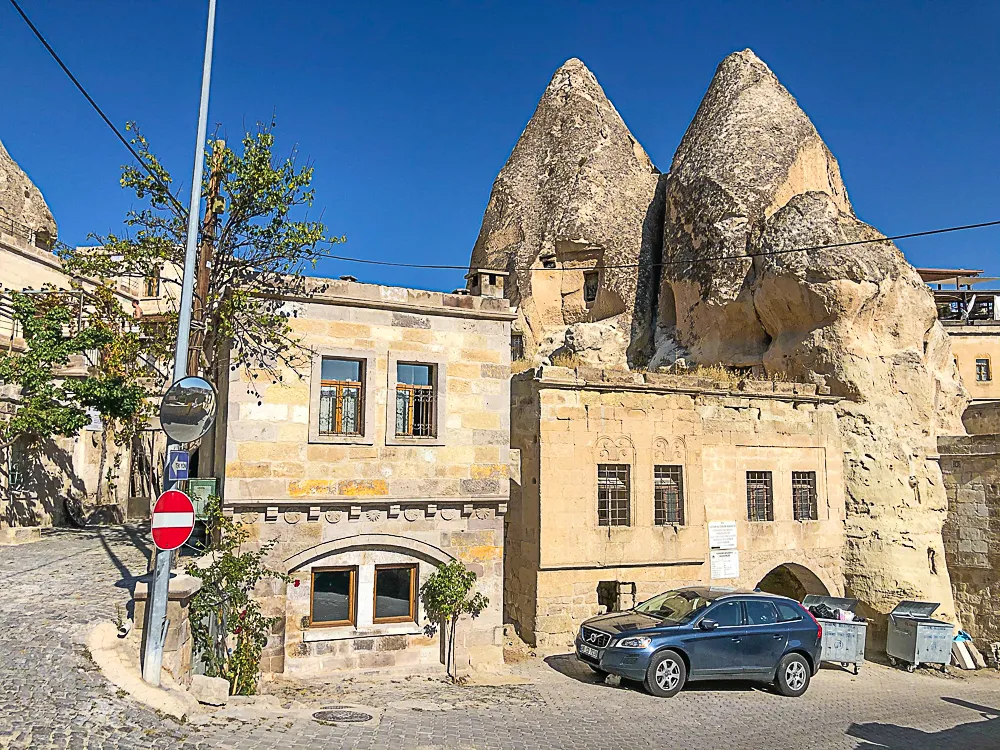
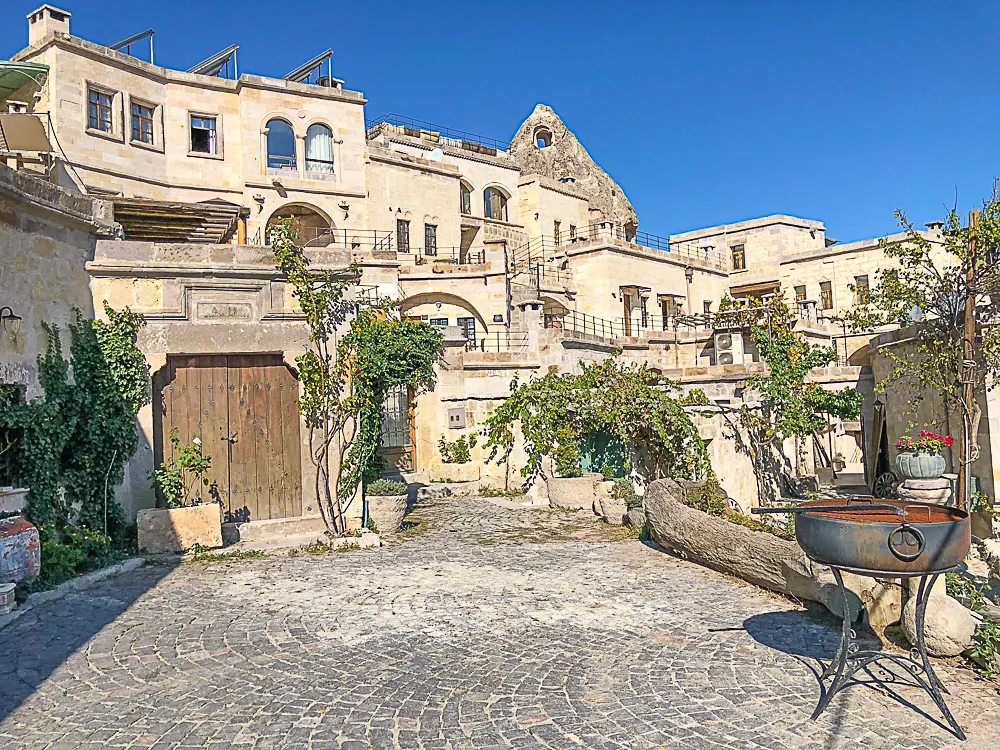
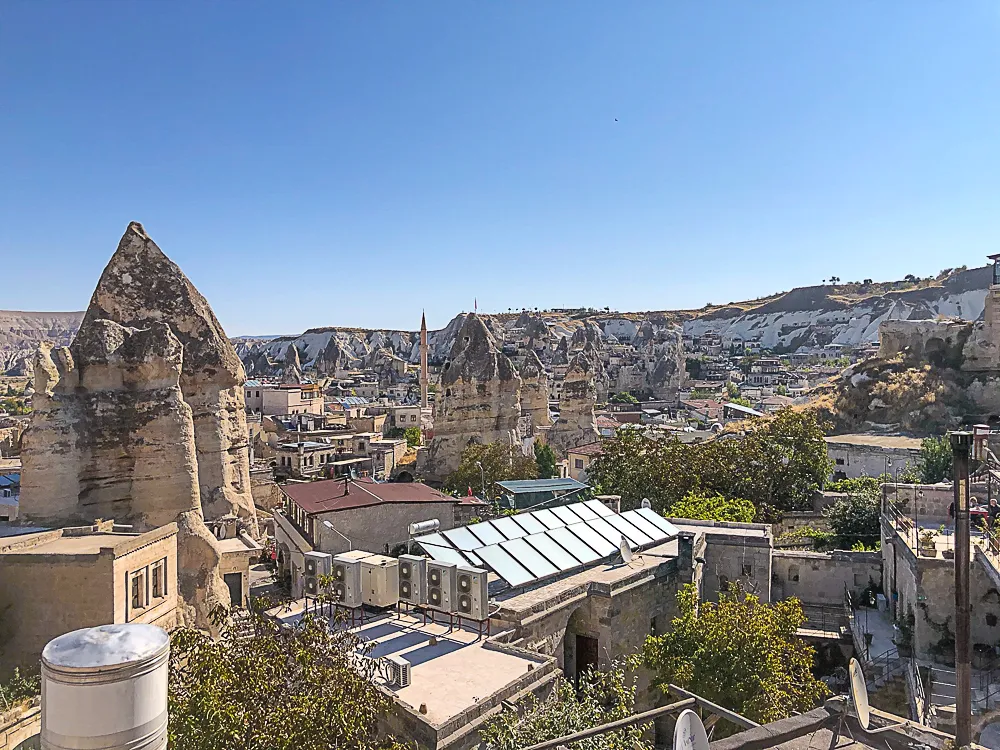
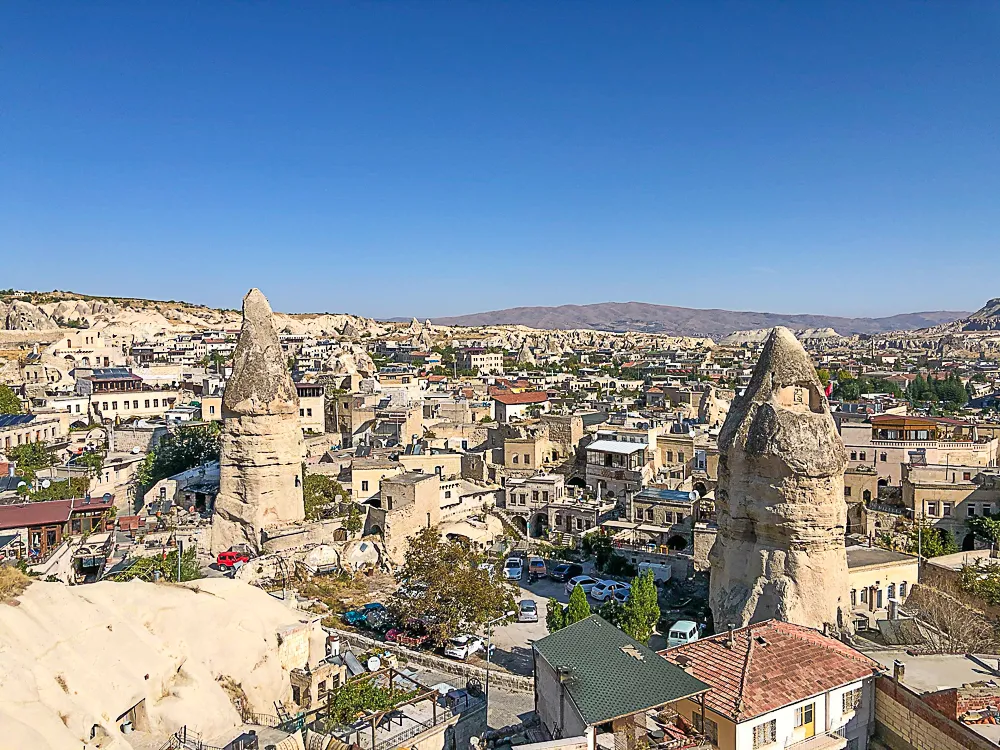
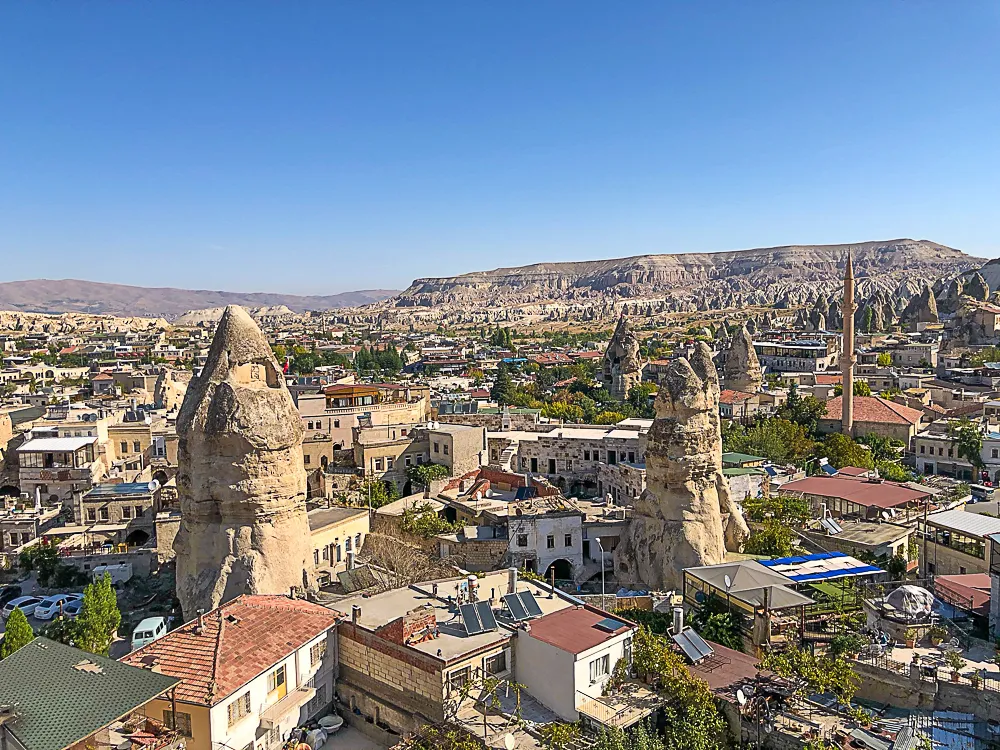
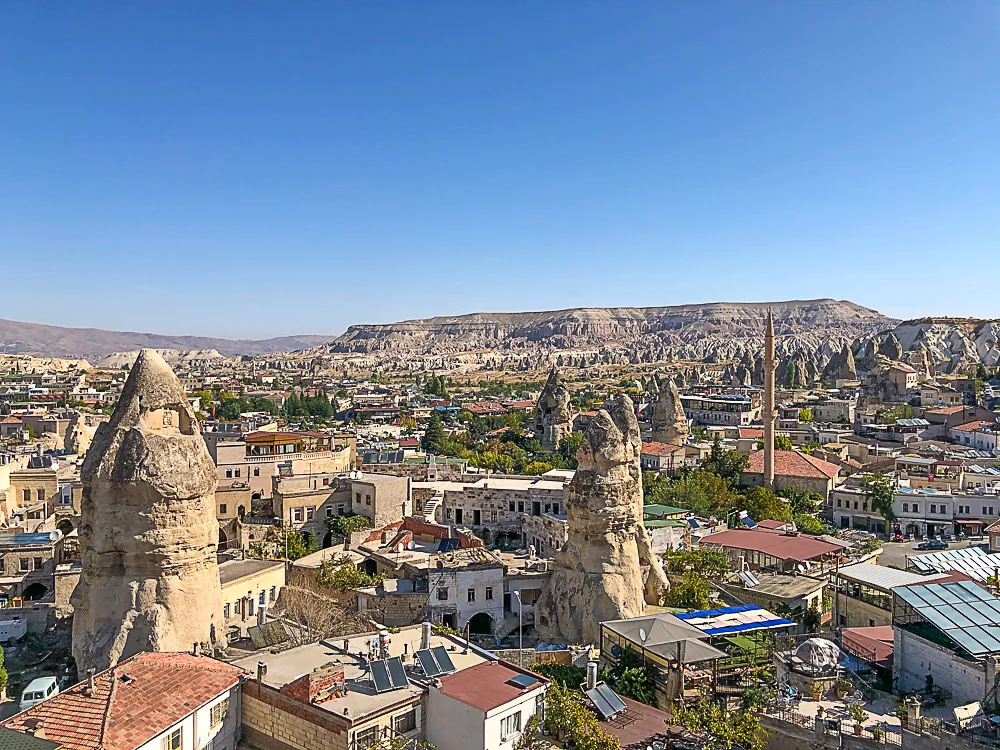
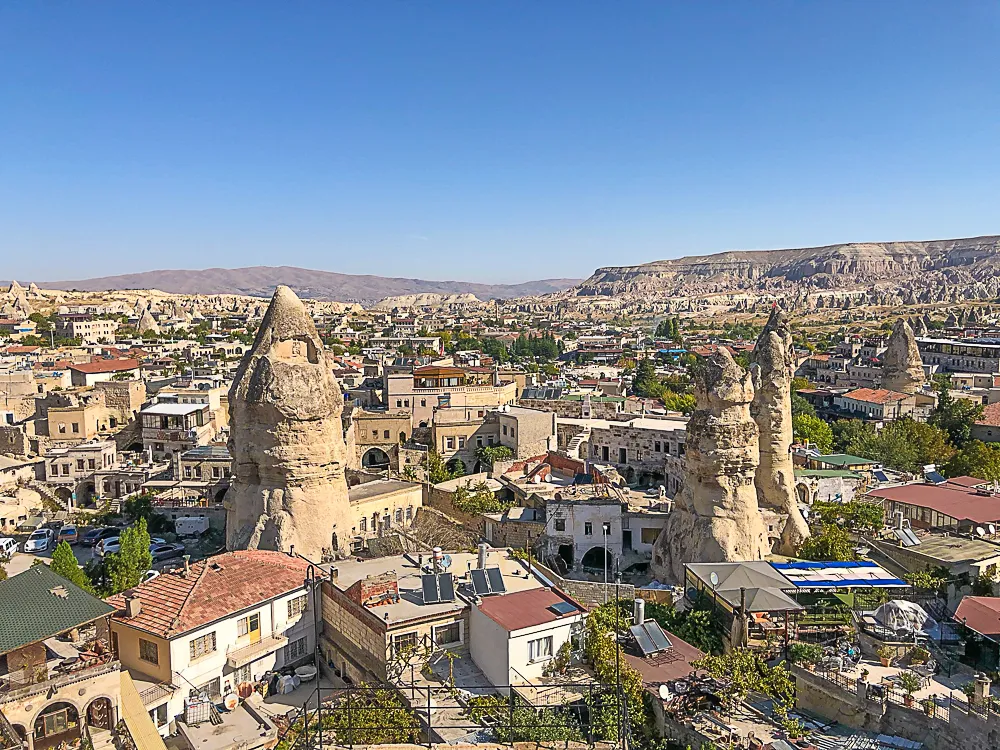
Göreme looks like the tourist capital of Cappadocia. In the evening crowds of tourists relax after long walks and rides on quad bikes and bicycles. A great variety of restaurants, bars and cafes offer grilled dishes, fish, or just plain pizza. There are dozens of tourist offices, hot-air balloon flight agencies, and car, bicycle and quad bike rental firms. If you do not want noise, go and stay in Uçhisar.
Over its long history the town has had various names. Its first name is believed to have been Korama. The Byzantines called the town Matiana, “land of the Mother of God”, the Christian Armenians called it Makan, the Turks Avcılar, and then, much later, Göreme, that is, “the Invisible”.
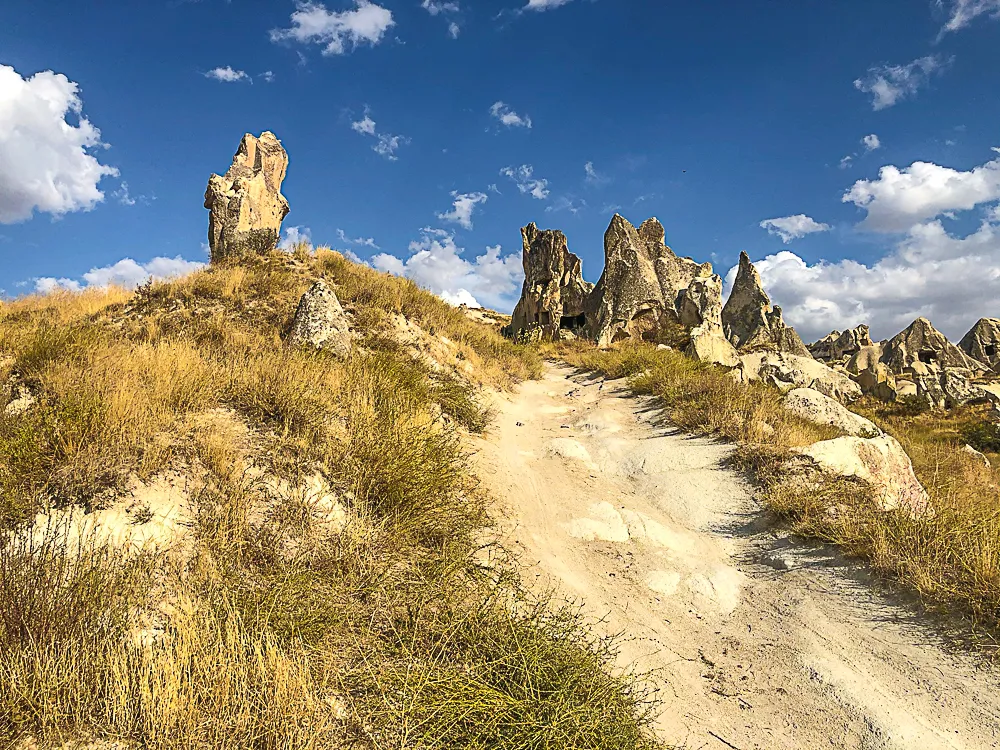
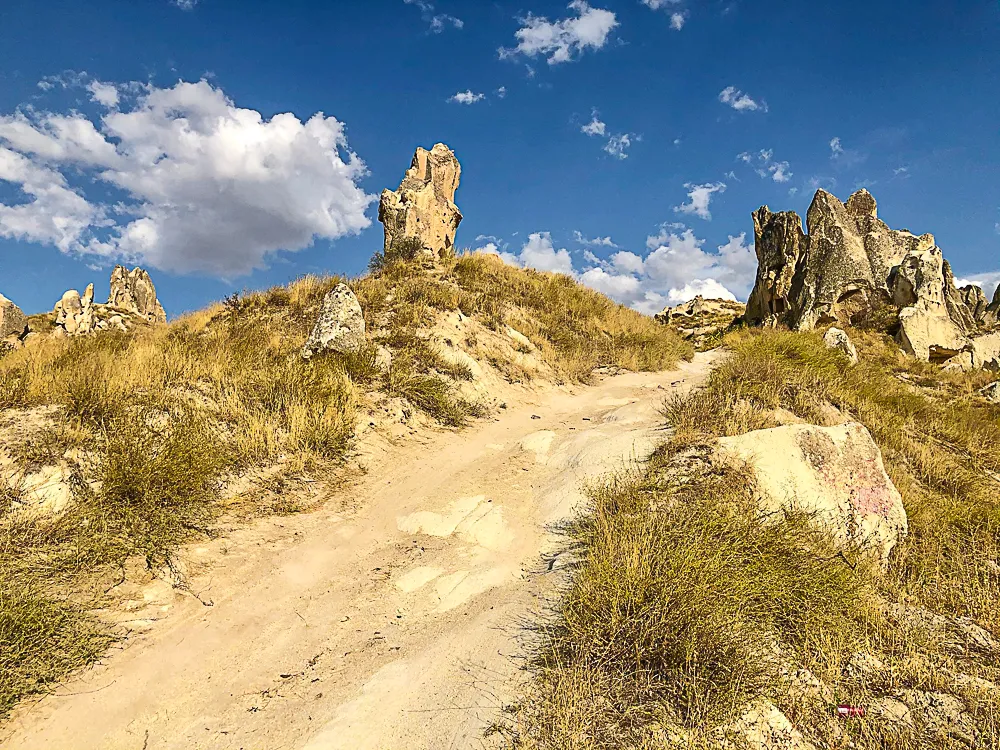
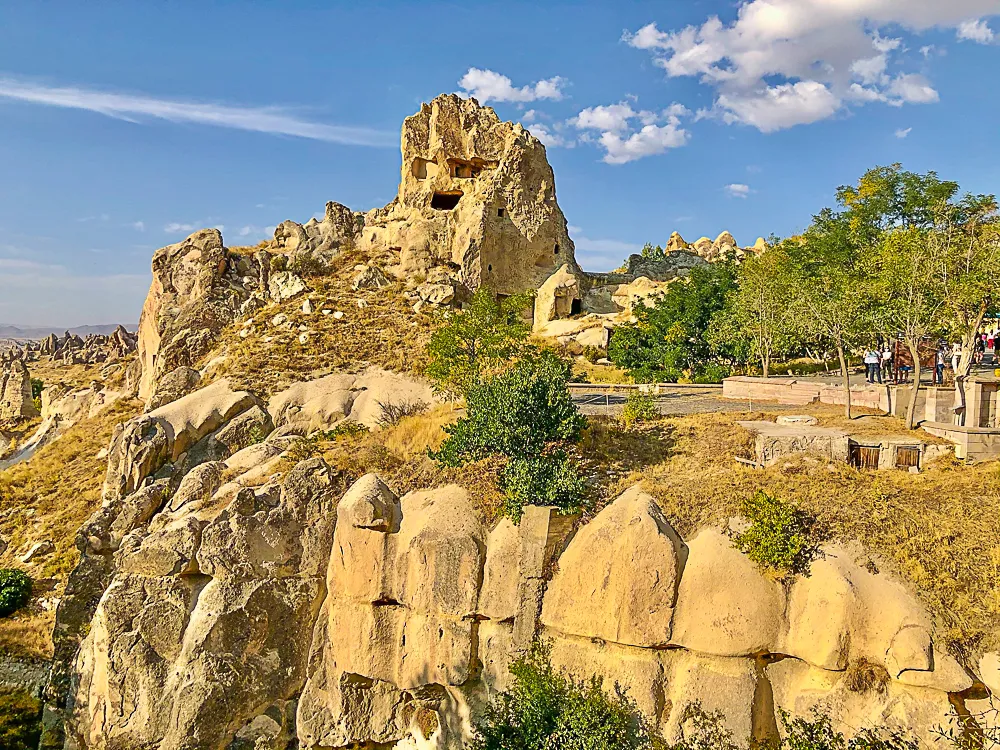
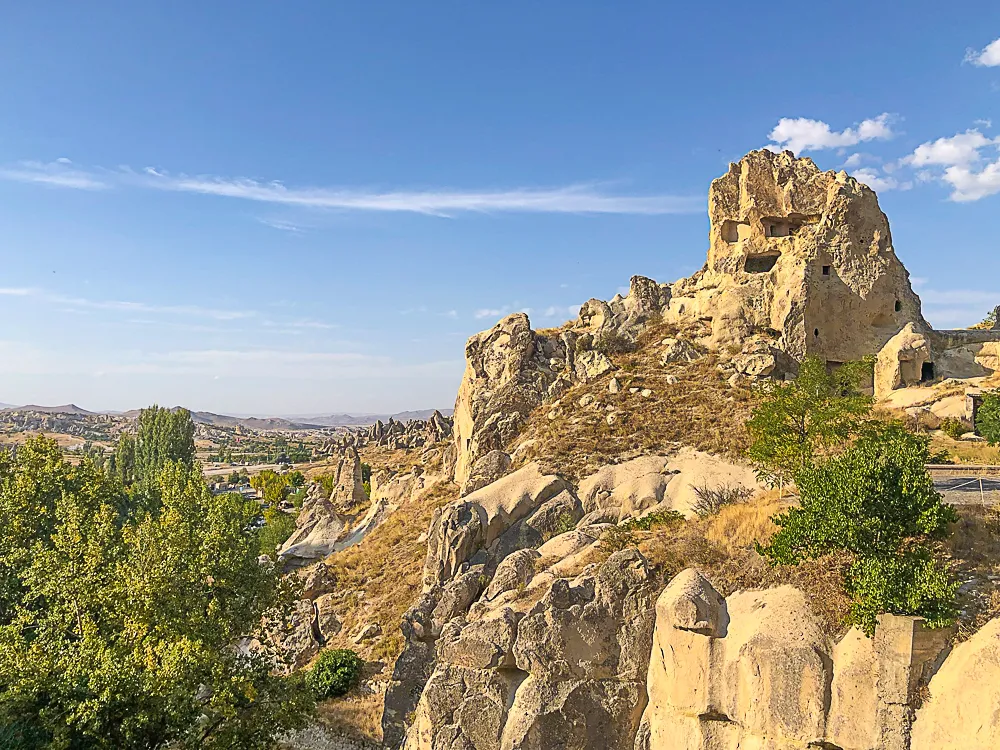
From the viewing platform you can see the whole town, the valleys and even the nearest mushrooms. The landscapes around are otherworldly. The locals are to blame for everything, but not the residents: the volcanoes. For millions of years they covered the valley with ash and flooded it with hot lava, which solidified into the most unusual shapes. Later wind and water created the cones and pyramids that are so impressive.
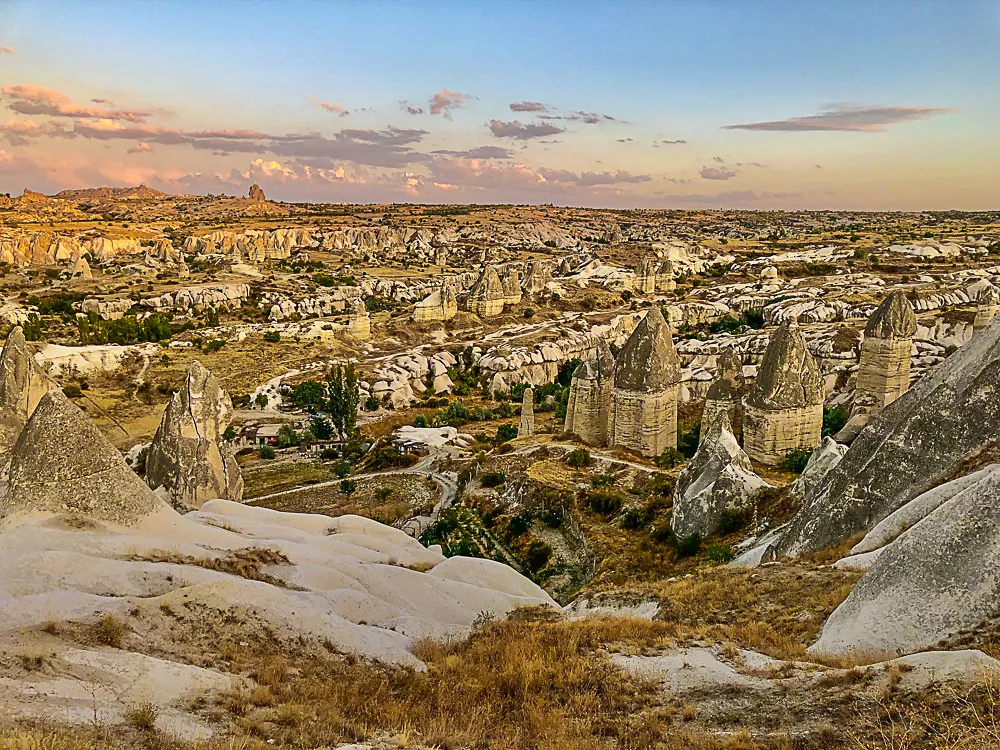
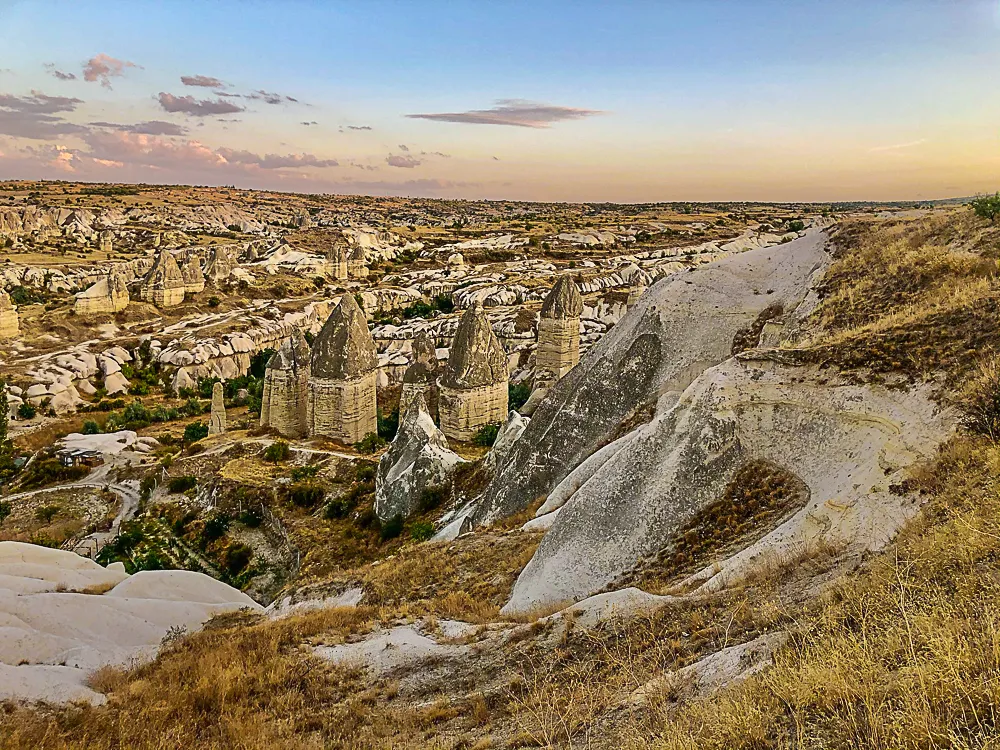
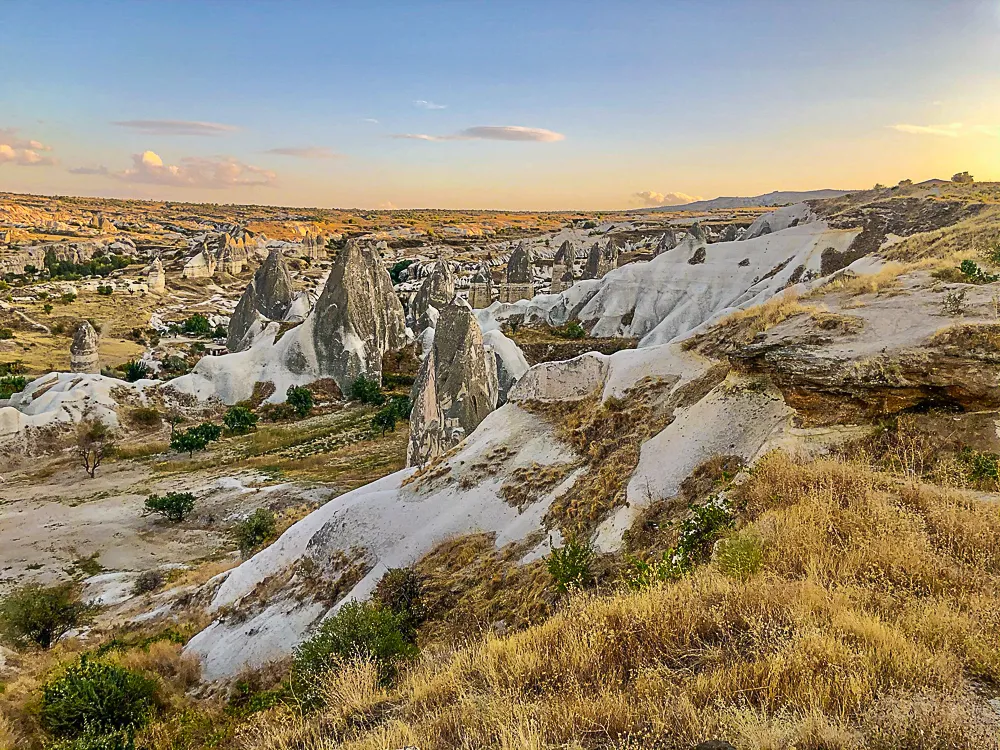
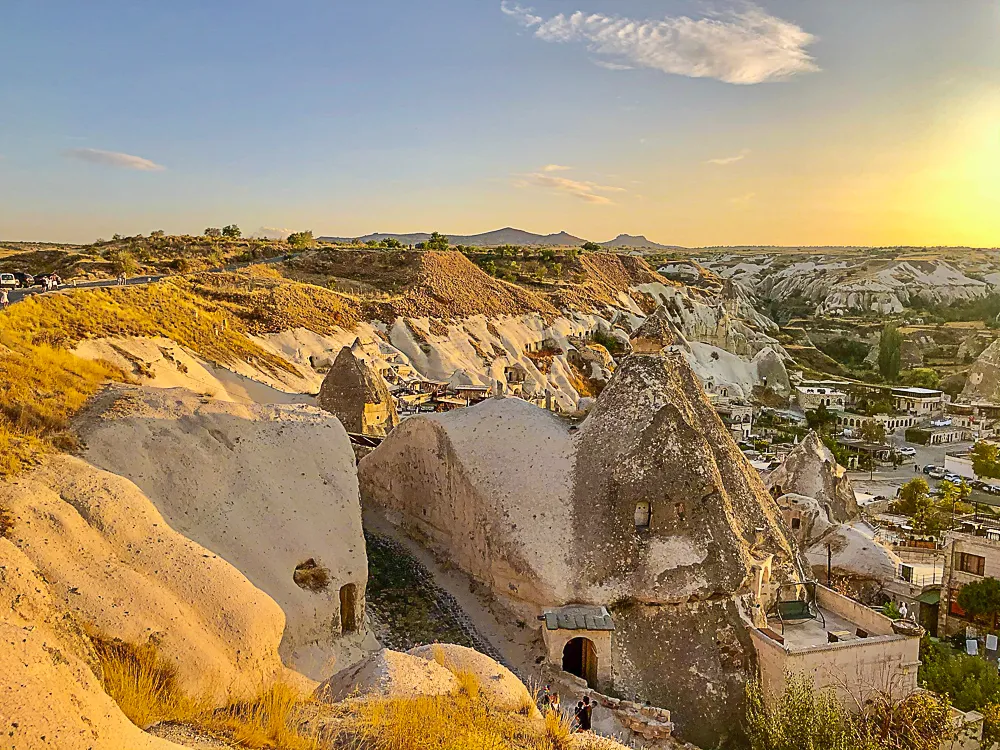
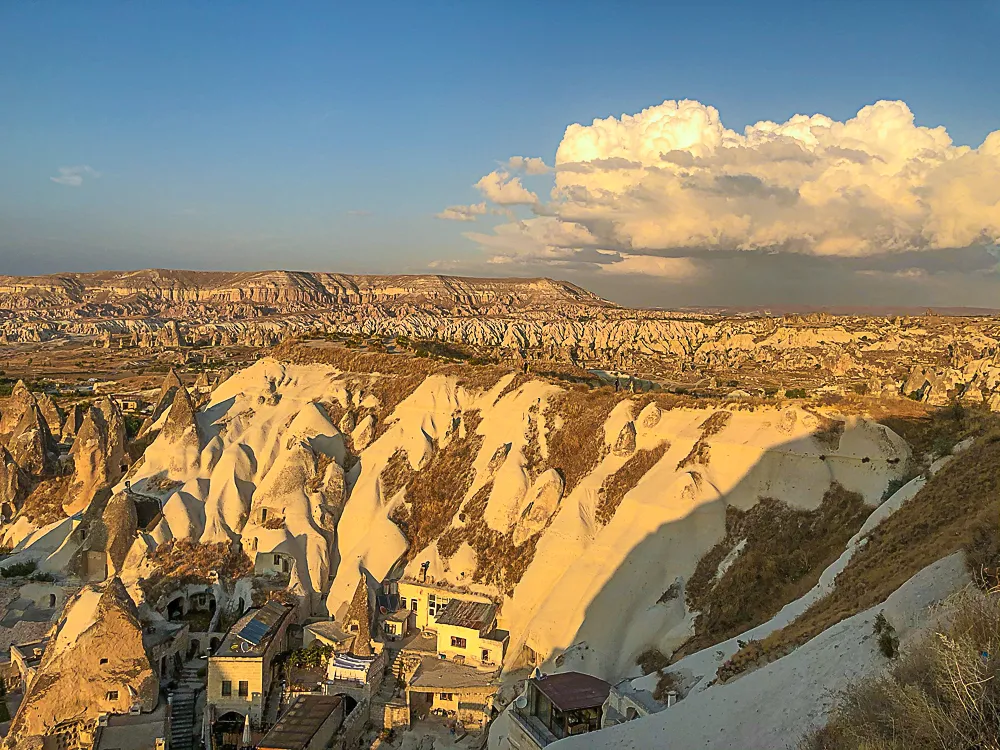
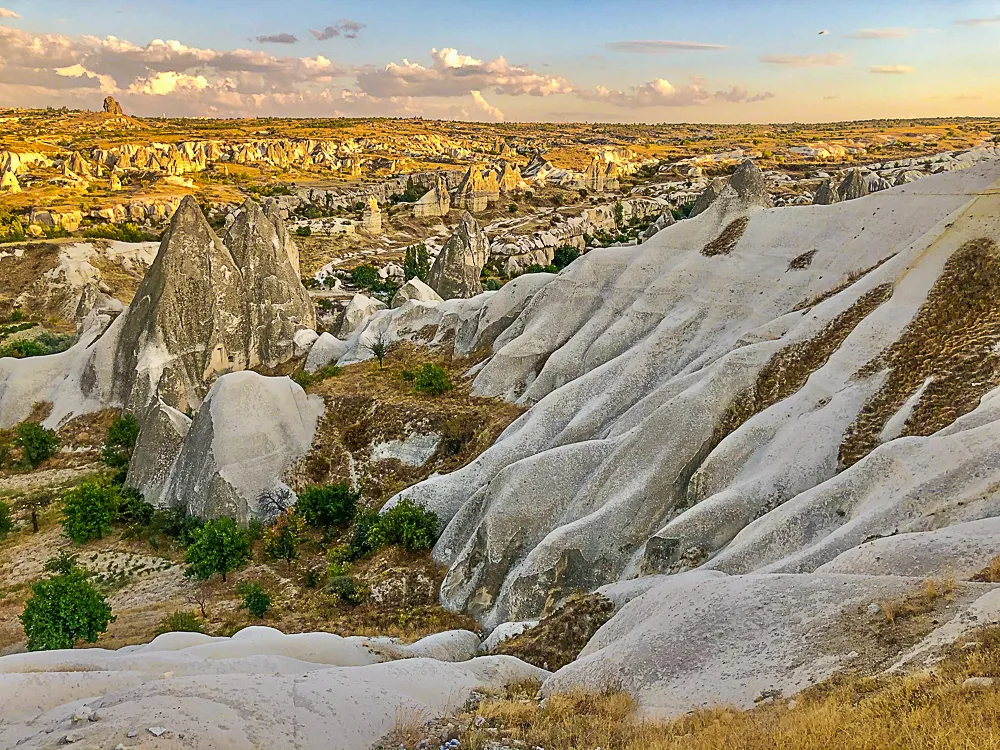
Around Göreme there are up to 400 small cave churches and monasteries, and add to that all the fantastic natural landmarks. So it is no surprise that the town is the centre of the “Göreme National Historical Park”, which covers an area of 300 km and is on the UNESCO World Heritage List. However, everything most interesting is gathered in the vicinity of the town of Göreme.
The town’s most popular sight is the Göreme Open-Air Museum. It can be reached by walking or driving 2 kilometres from Göreme along the road to Ürgüp. It is a monastery complex, rebuilt or rather carved out of soft tuff, comprising several dozen churches. Swinging picks began here in the first centuries AD, when Cappadocia became a refuge for the first Christians fleeing persecution by the Roman Empire, and continued until the Iconoclasm of the 8th-9th centuries, when Cappadocia once again became a shelter for believers persecuted by their fellow believers.
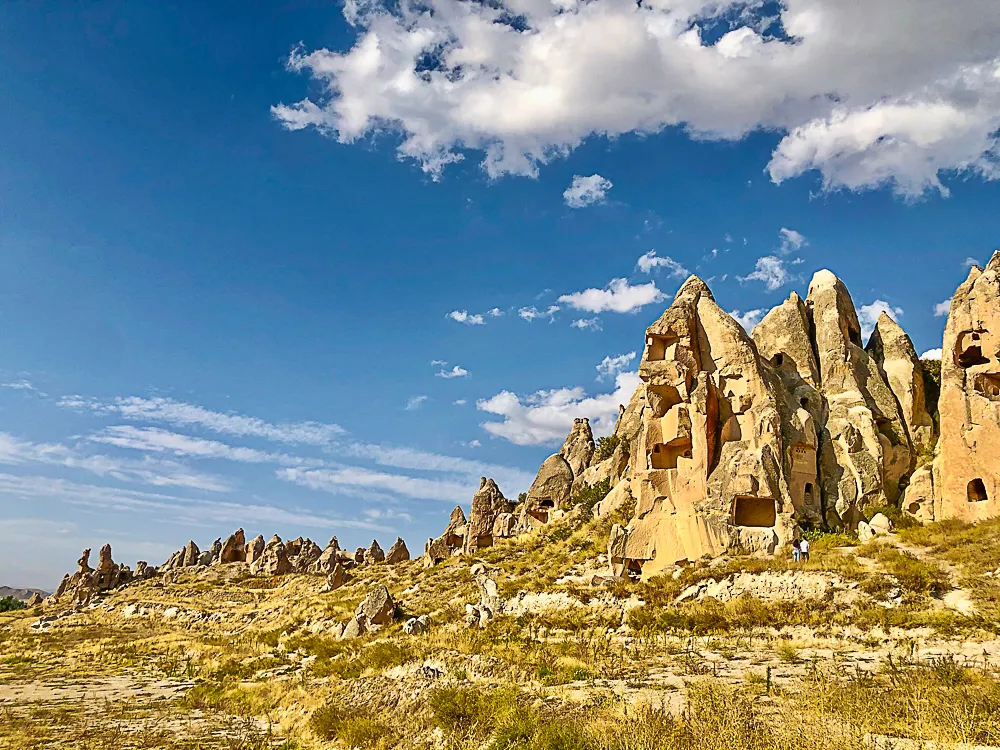
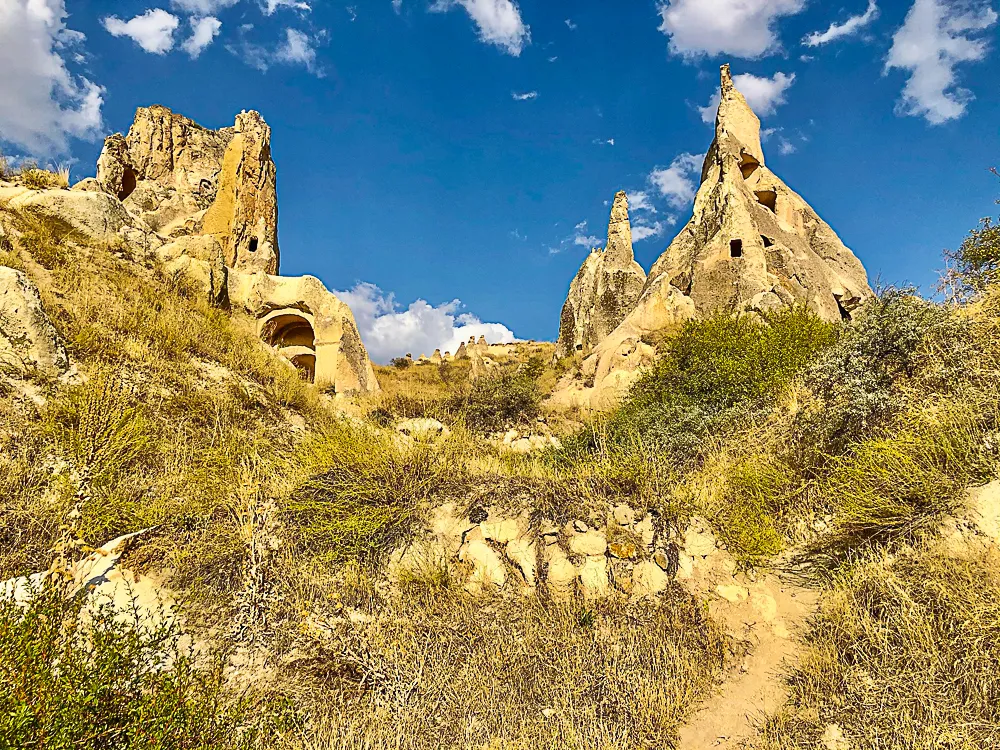
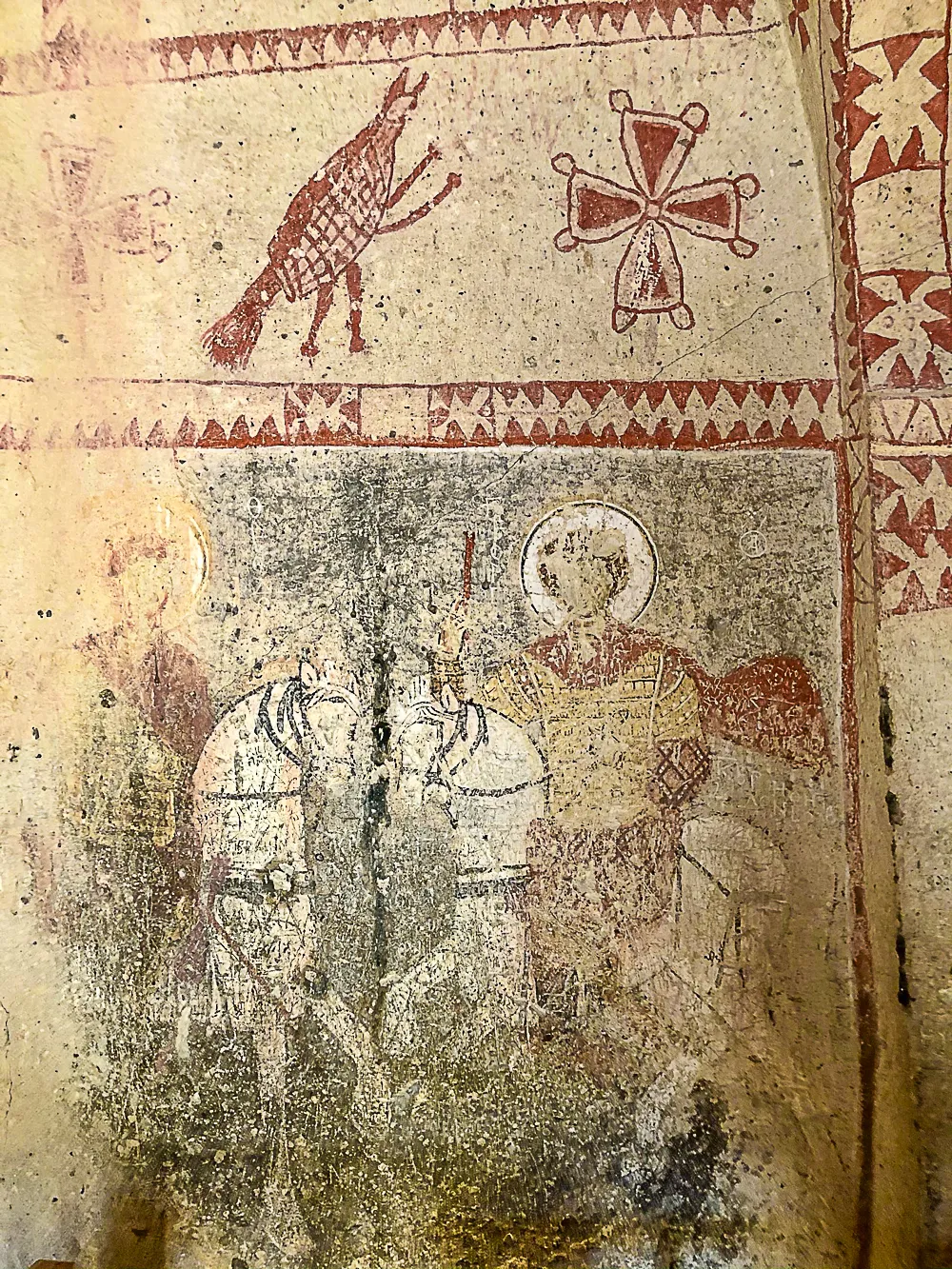
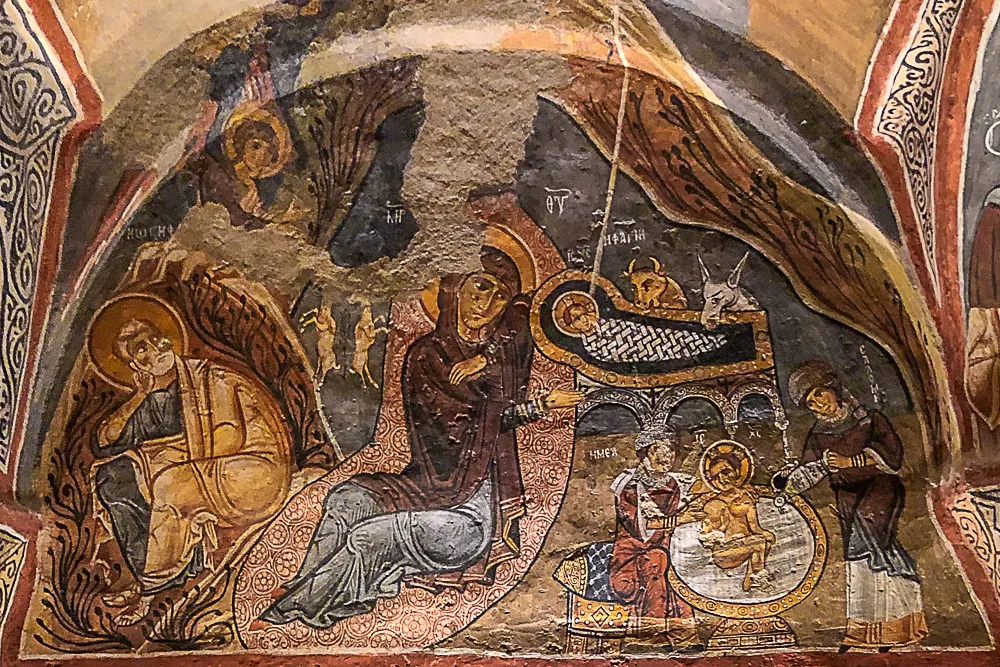
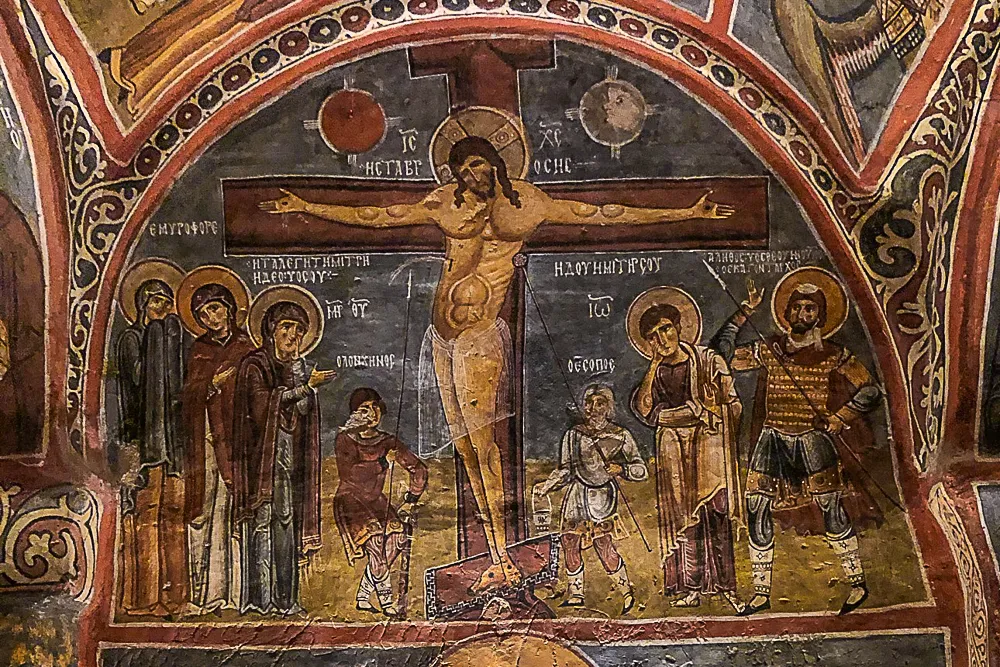
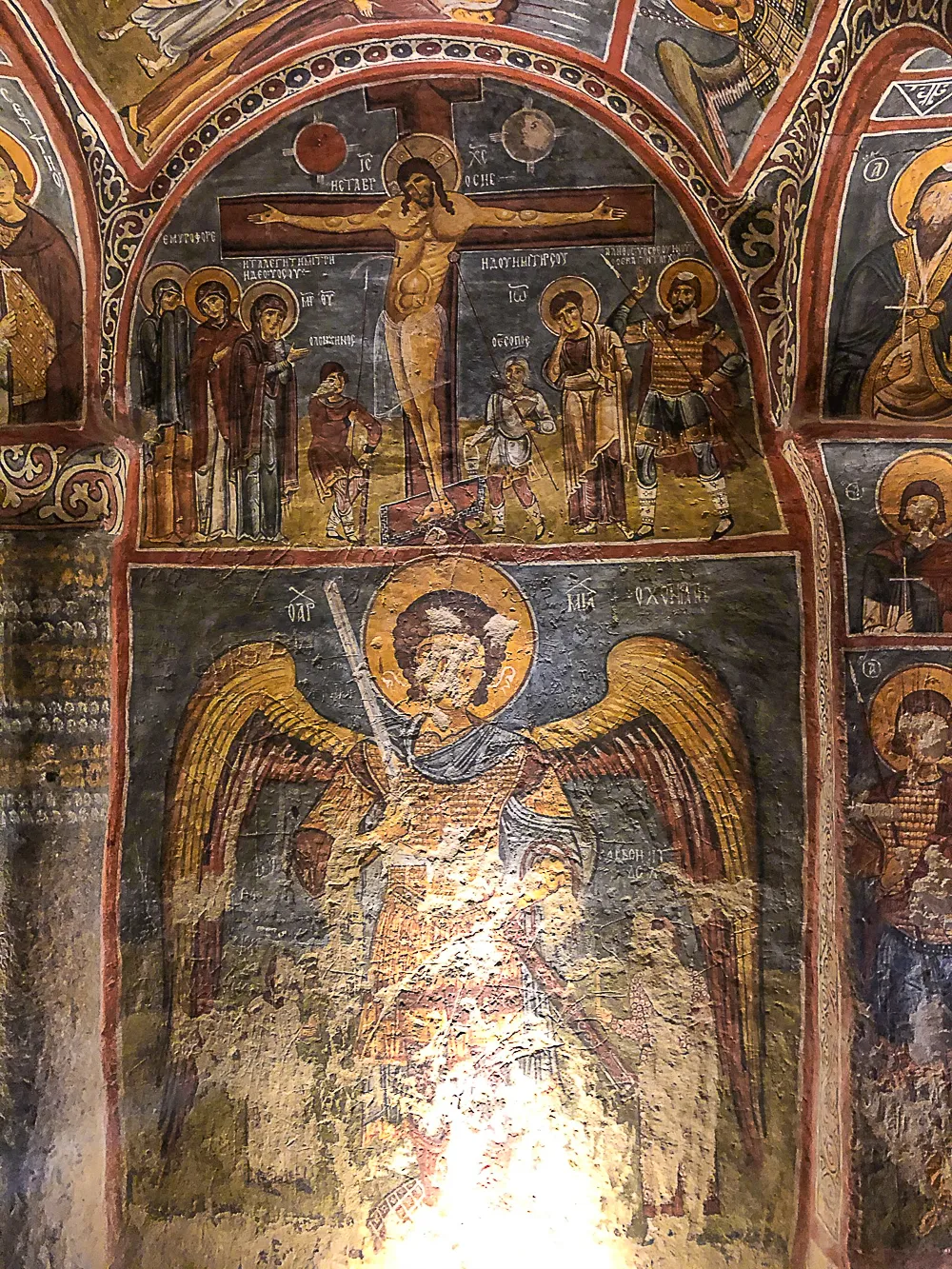
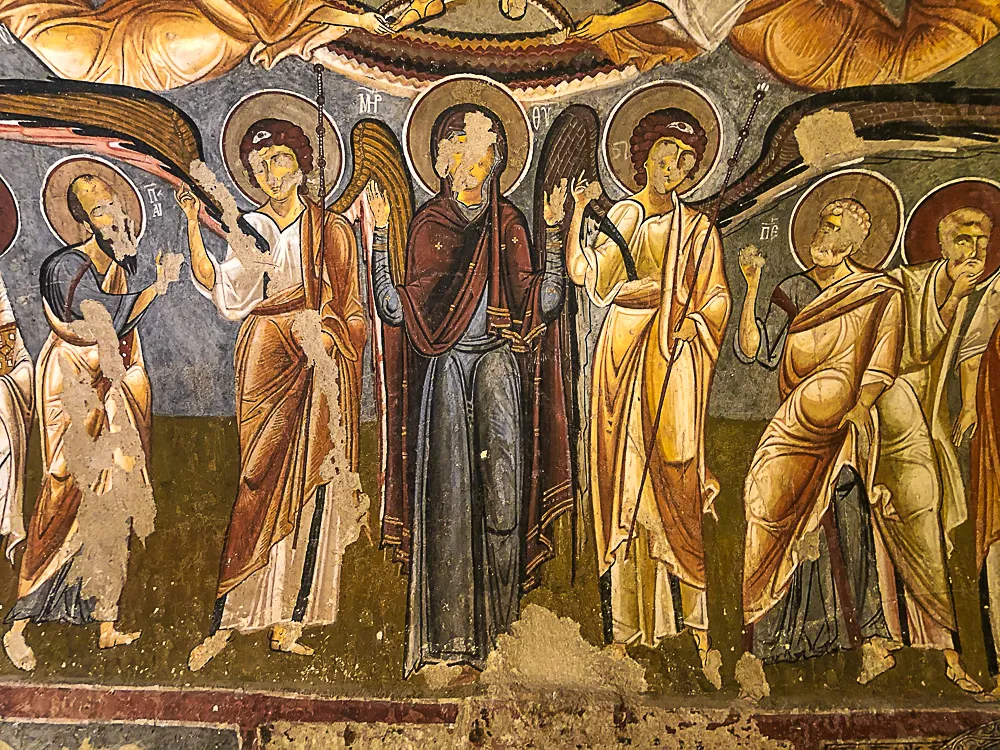
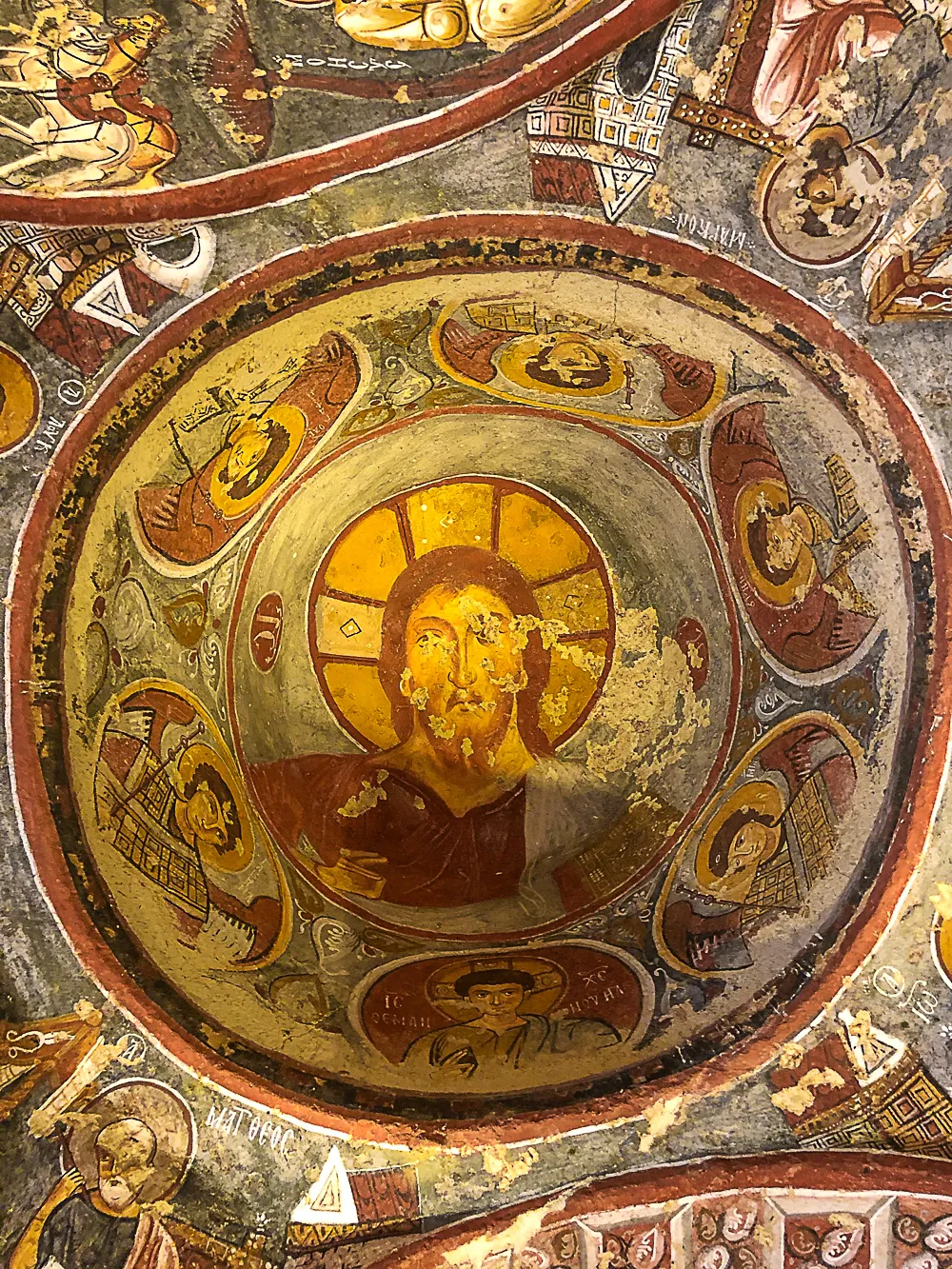
Striking for the bright blue colour of its walls and scenes from the life of Christ, the cave church Tokalı Kilise, the Buckle Church, looks as good as new. It stands apart from the others on the other side of the road, some 50 metres before the museum, although it is part of it and you need a museum ticket. On the hillside above the church, however, there are many cave churches that are free and half-ruined.
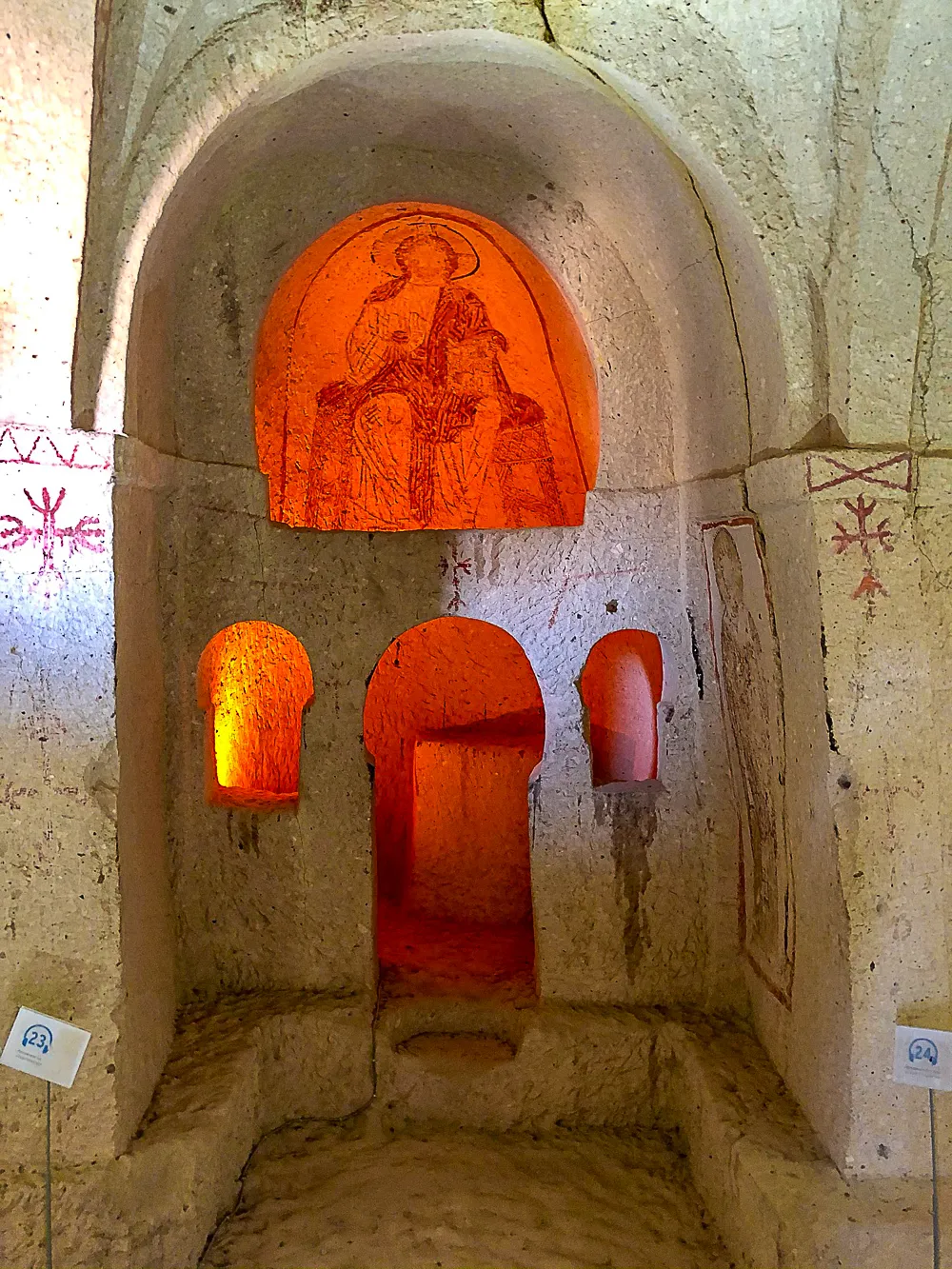
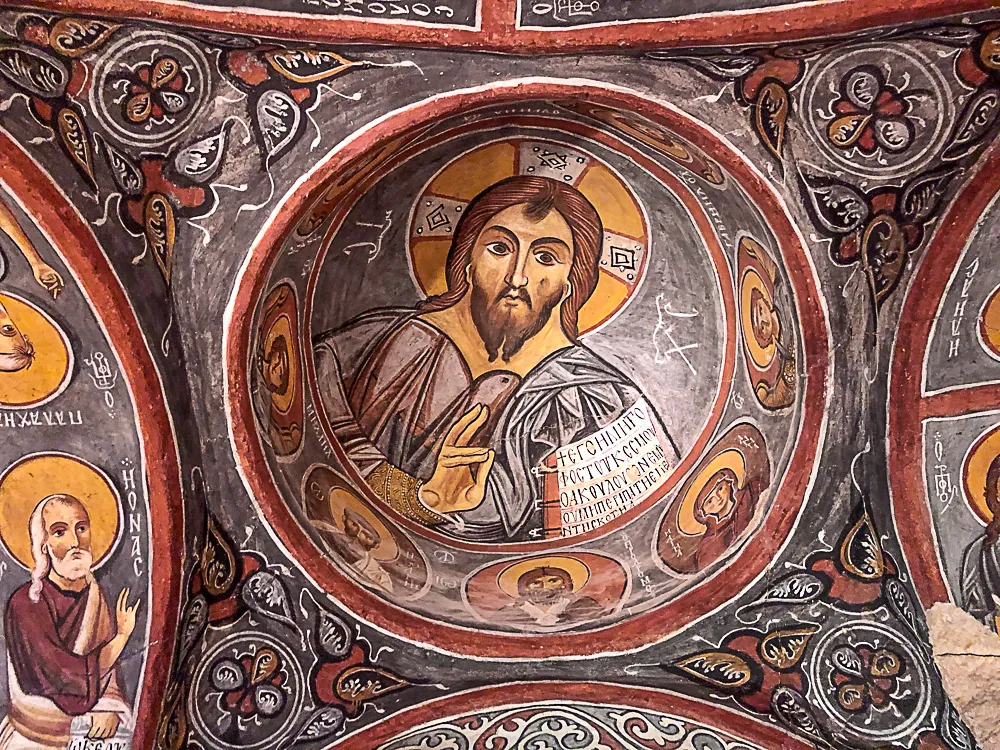
The best-known churches beyond the turnstile are those with columns: Elmalı Kilise (the Apple Church), Karanlık Kilise (the Dark Church) and Çarıklı Kilise (the Sandal Church).
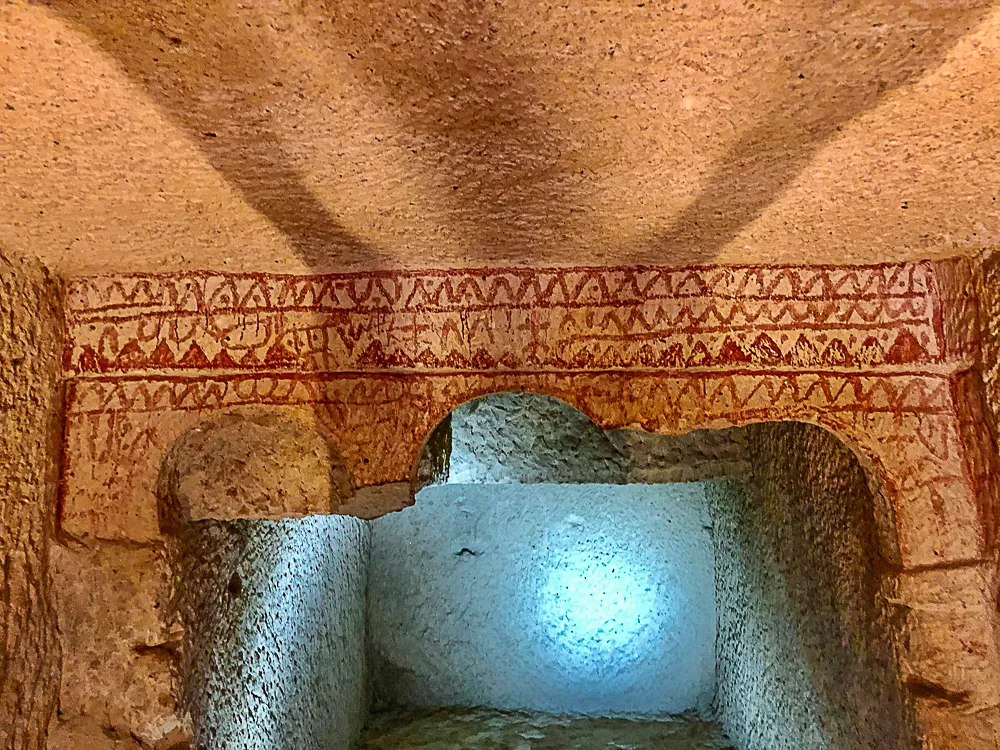
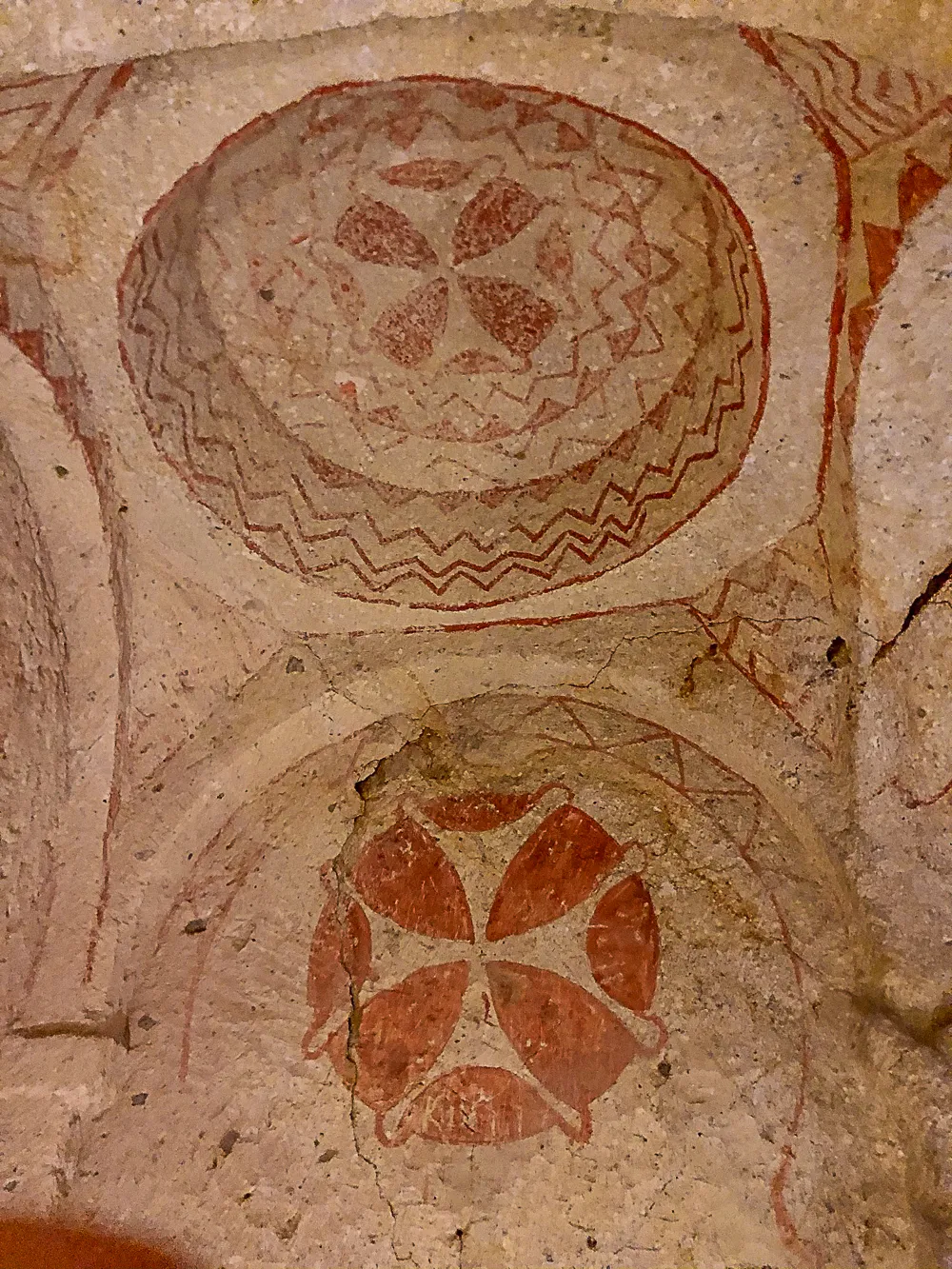
The walls of the other single-apse churches of the late 11th century, of which there are several here, are covered with more primitive geometric patterns, mostly red, executed directly on the rock.
In most cases it is not known in honour of which feast or saint the altars of the churches were consecrated. Now they bear whimsical names born of the imagination of local residents and reflecting some characteristic feature of the church paintings: Yılanlı Kilise, the “Snake Church”, Karanlık Kilise, the “Dark Church”, Çarıklı Kilise, the “Church with Sandals”.
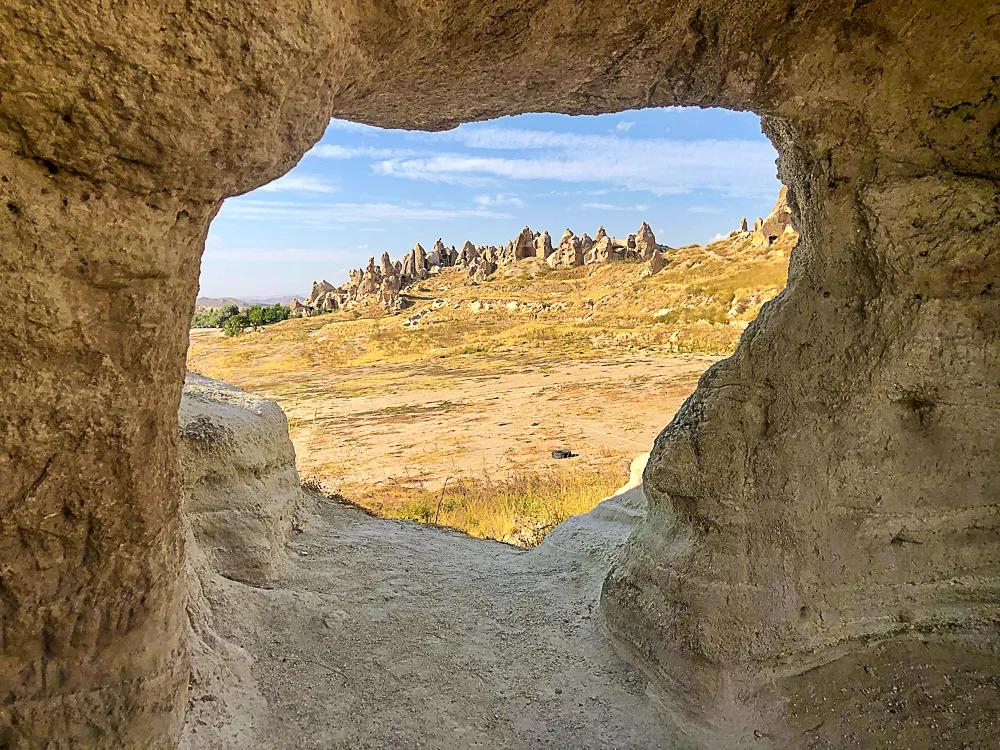
Most of the churches are inconspicuous from outside, except those where a collapsed wall reveals a space covered with frescoes. Very often the rock churches were at the same time burial places: oblong grave recesses remain in their floors.
Travel, until nothing but dust is left of you too.
Text and photos by Serhii Shcherbii



