Goris. Armenian Cappadocia

· 3 min read
I would call Goris the city farthest from Yerevan among those interesting to tourists – it is 240 km away. I am not sure tourists would come to Goris if the fabulous Tatev Monastery, with the longest cable car in the world, were not nearby (35 km away). I would not have come either, but I did, and did not regret it at all, discovering for myself, and for you, a region near Goris that resembles Cappadocia, albeit without balloons and infrastructure. Infrastructure is a story of its own: in all of Goris, with its twenty thousand inhabitants, there is not a single petrol station where you can pay by card – cash only. And the hotel where we stayed, quite decent and homely, had no internet – Rostelecom was messing something up, and Armenia has no providers of its own.
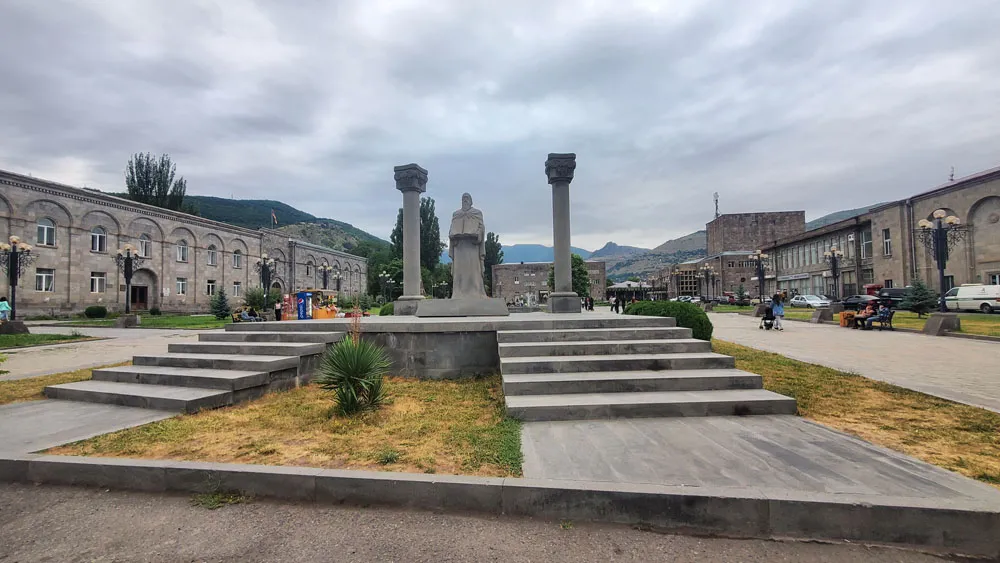
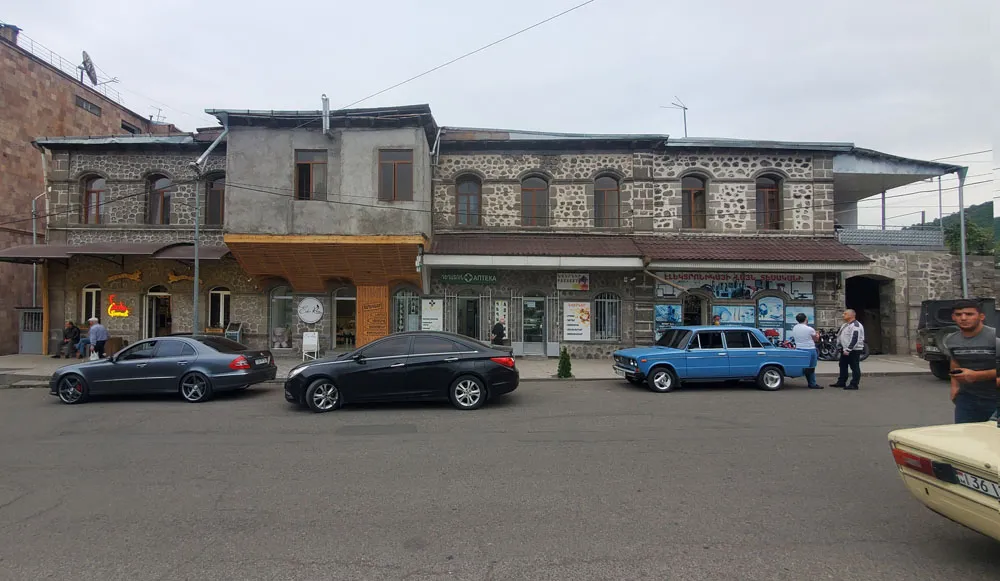
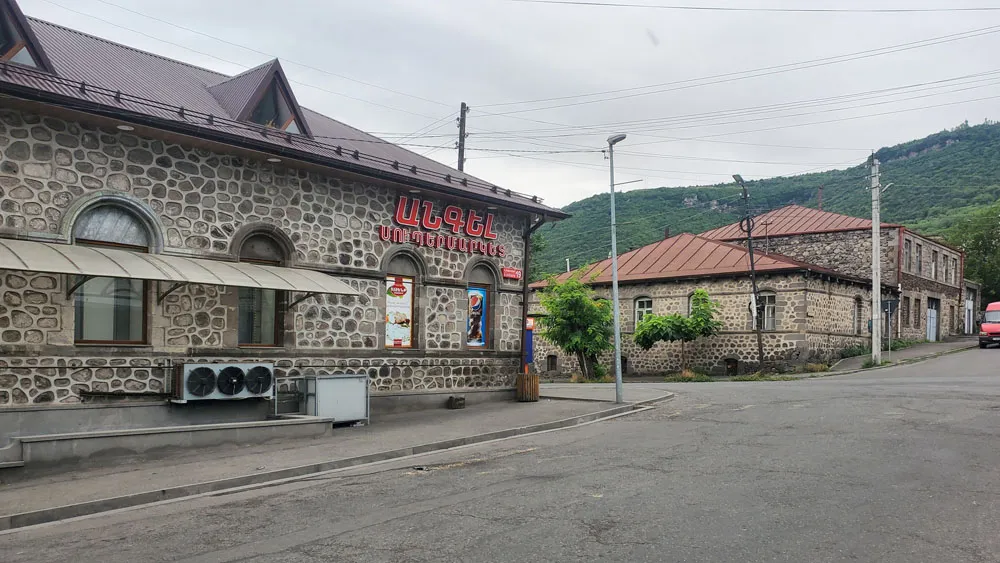
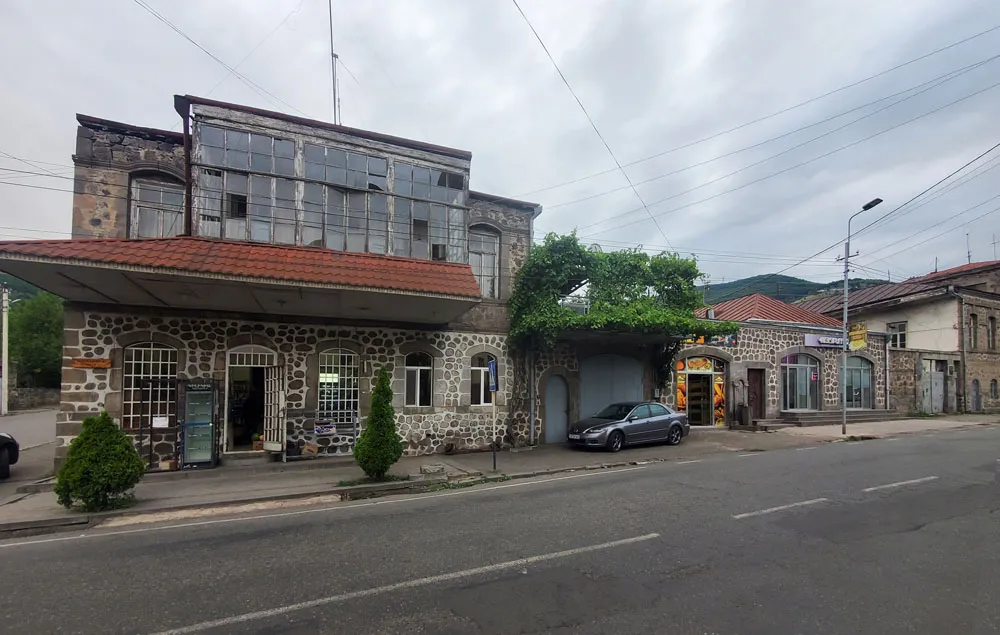
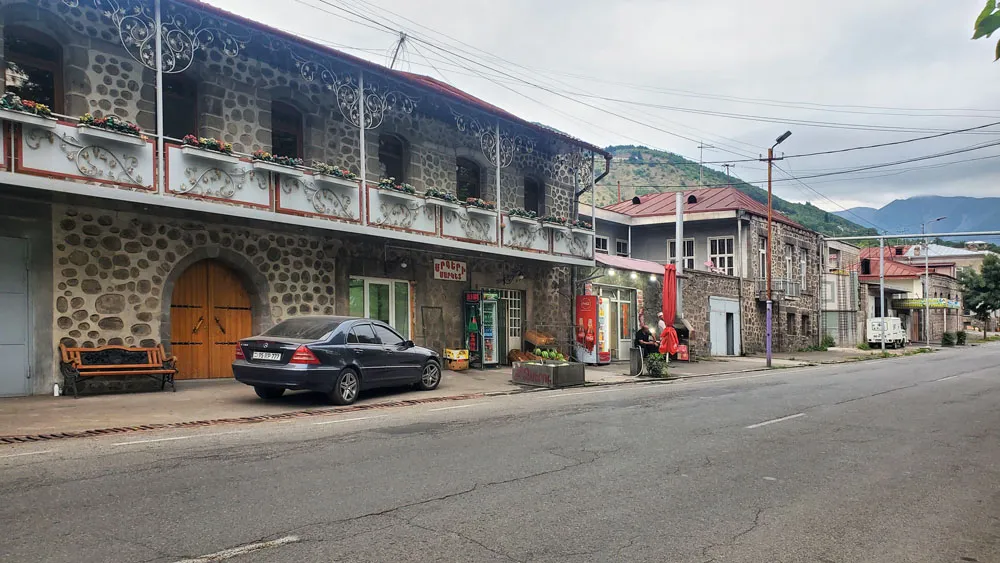
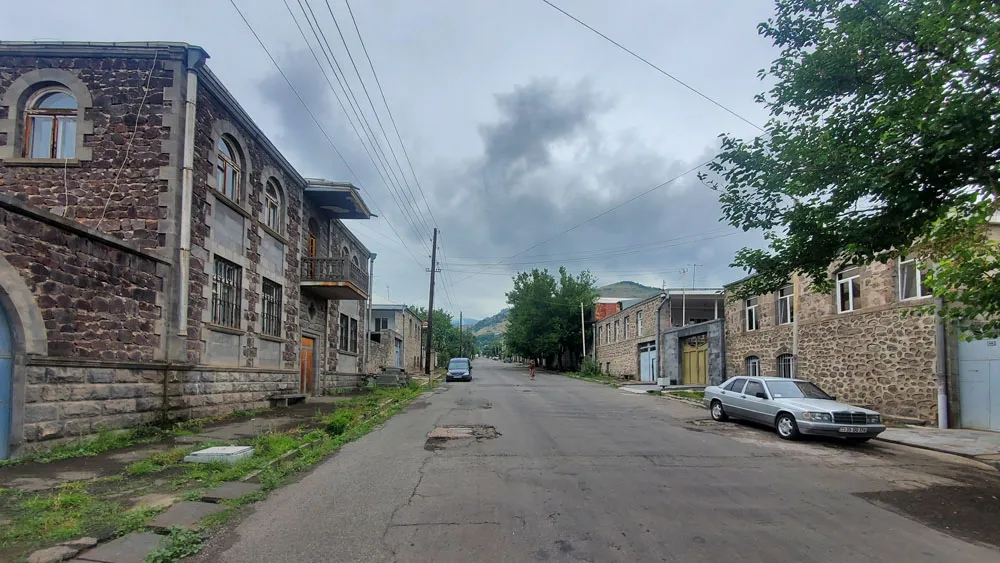
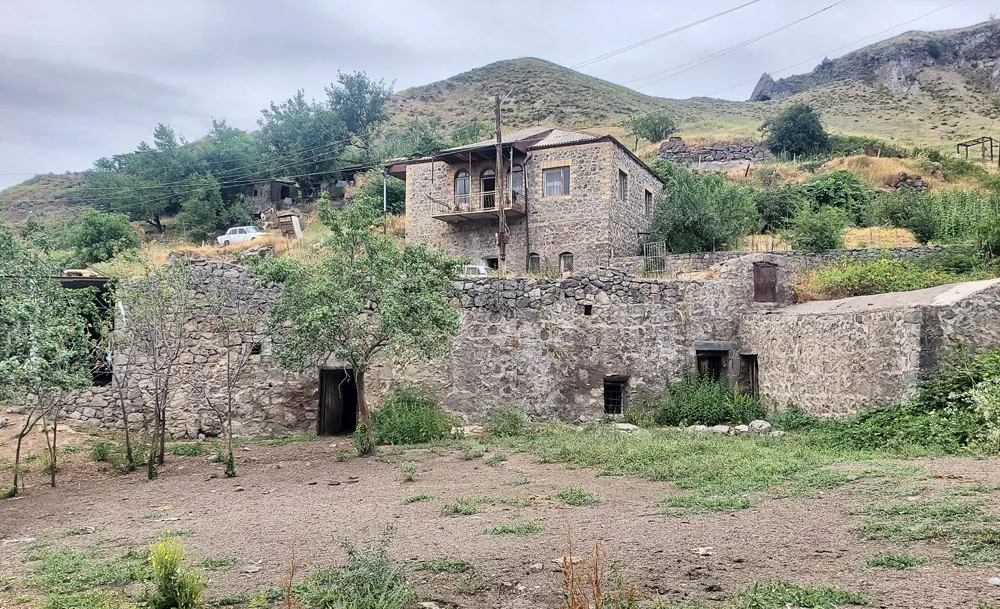
Of all the provincial towns of Armenia, Goris is probably the prettiest. Its cosy little streets are lined with beautiful stone houses, interesting from an architectural point of view, which create a European atmosphere. In Goris there is no feeling of greyness, as in most small towns and villages of Armenia, where houses built of cinder blocks greet tourists unwelcomingly. Goris, too, is grey stone, but it is alive, and grey in a completely different way.
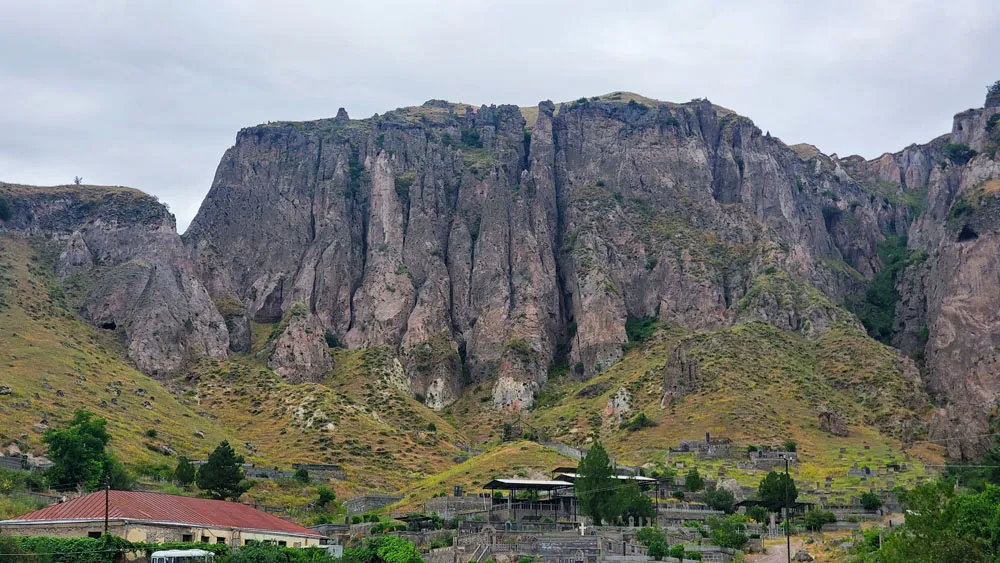
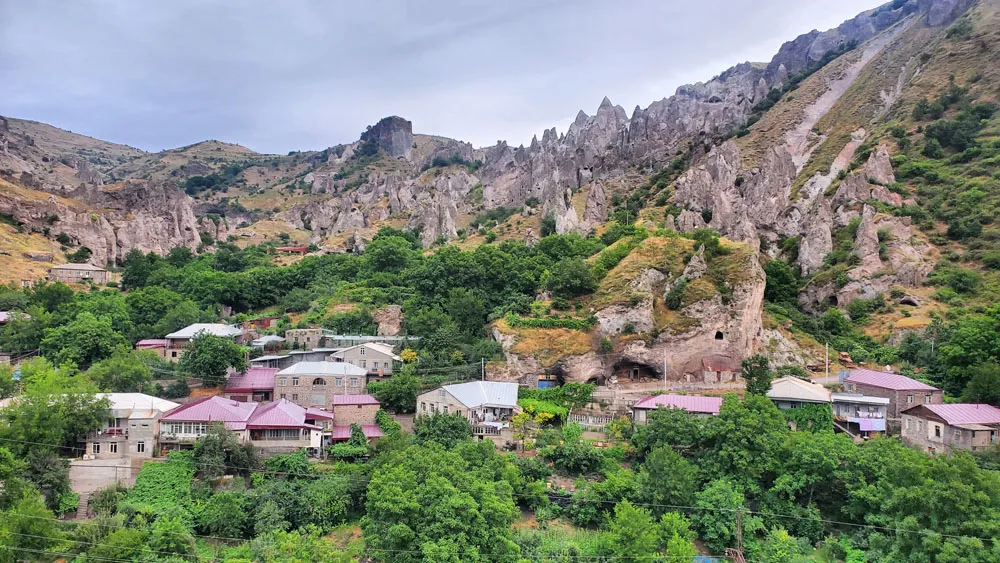
Goris is great. It lies in the deep valley of the Goris river, a tributary of the Vorotan. The present town can be considered to have appeared in the 19th century. At first it was a village to which people were sent into exile for their religious beliefs. Later a plan for the development of Goris was drawn up – the streets began to be laid out in a grid, the village turned into a town with industry and crafts, and Goris became a carpet-making centre.
I do not want to delve into the etymology of the name Goris, but for some reason it seems to me that the name would not have appeared without Russian influence. In the 19th century the settlement was called Gerusy, and in ancient times, Kores. Today the name Kores is forgotten, and the old town is called Old Goris, and it is the most interesting part of Goris.
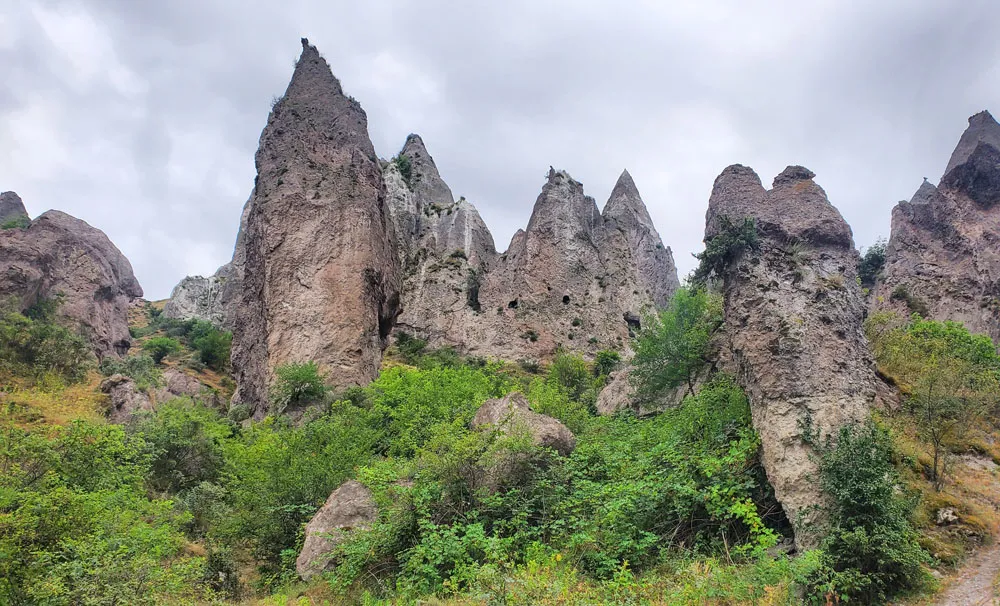
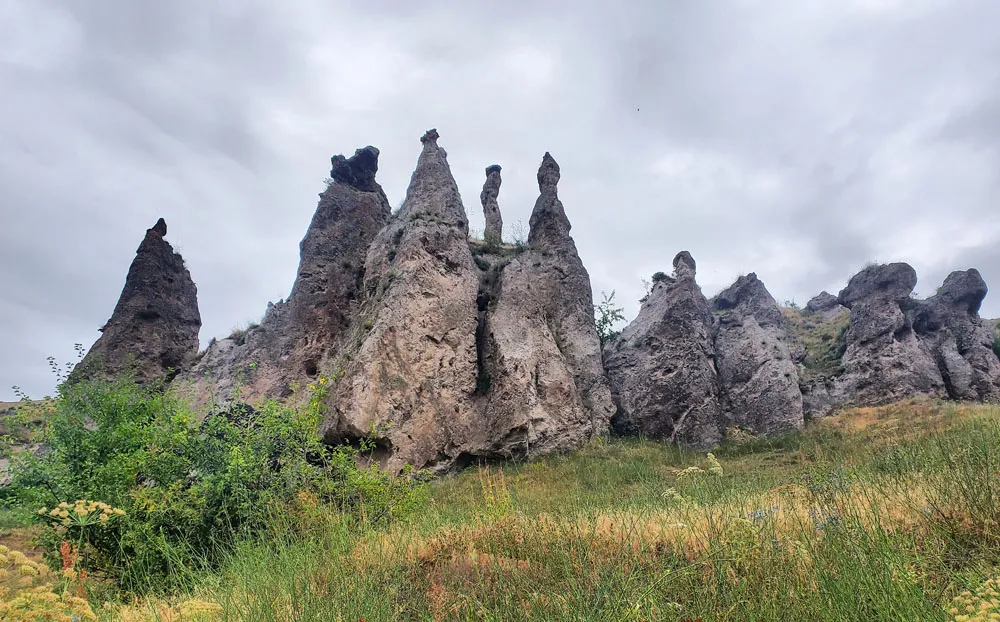
Kores began as a cave town. People lived in tuff caves. In time houses and churches were attached to the caves. The mountains here have a great many tall isolated rocks which, together with the caves, form landscapes very similar to Cappadocia. Strangely, this area, which covers quite a large territory and is incredibly interesting for hiking, is completely unknown to the tourist world.
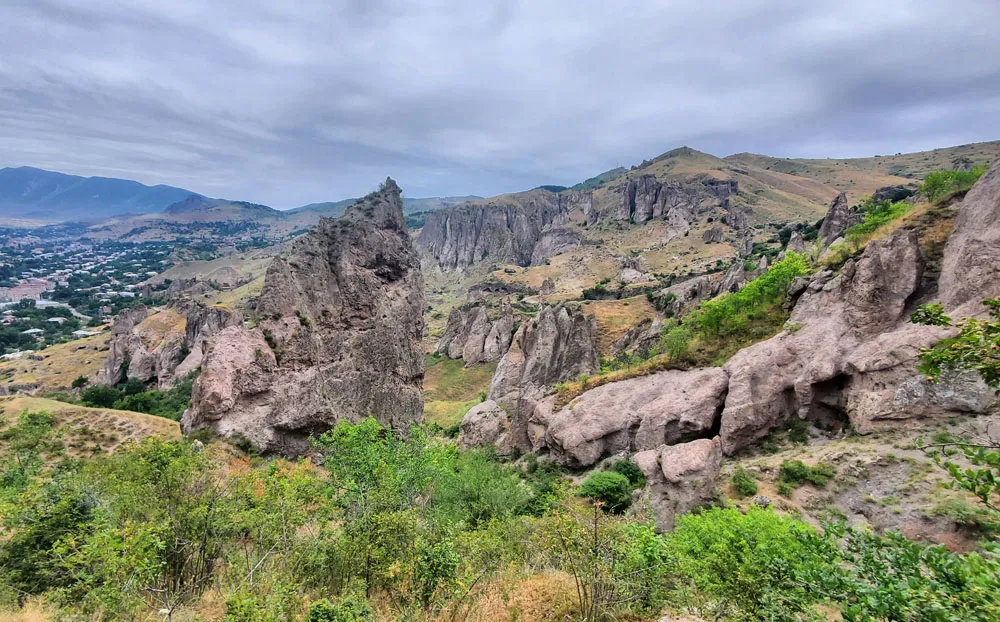
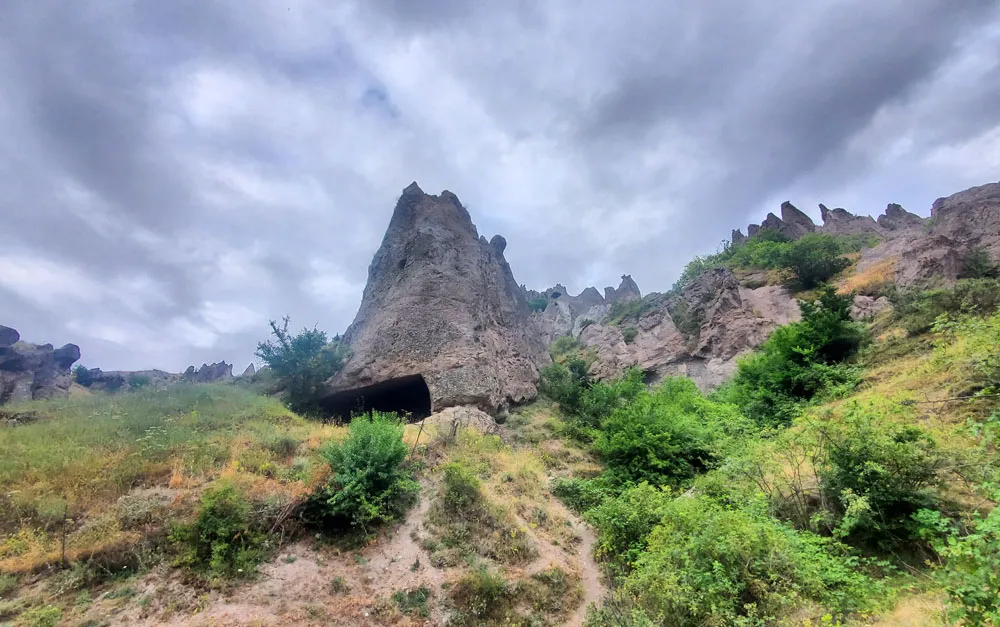
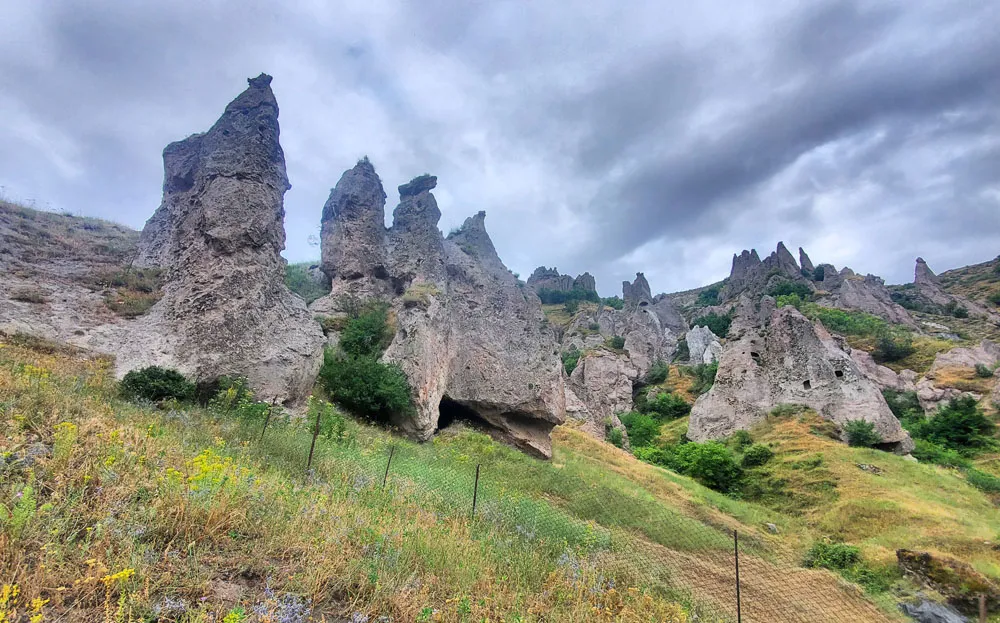
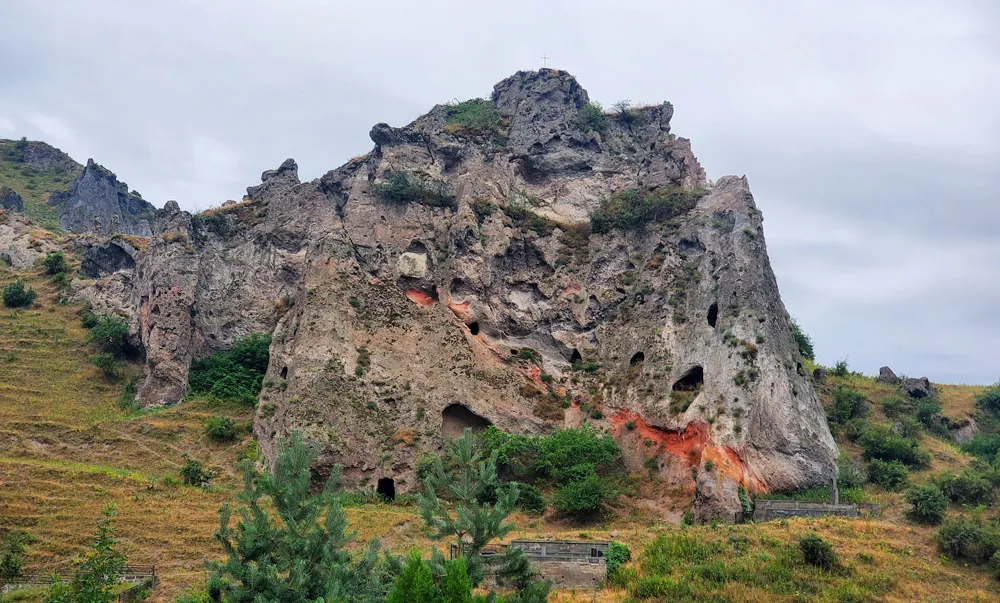
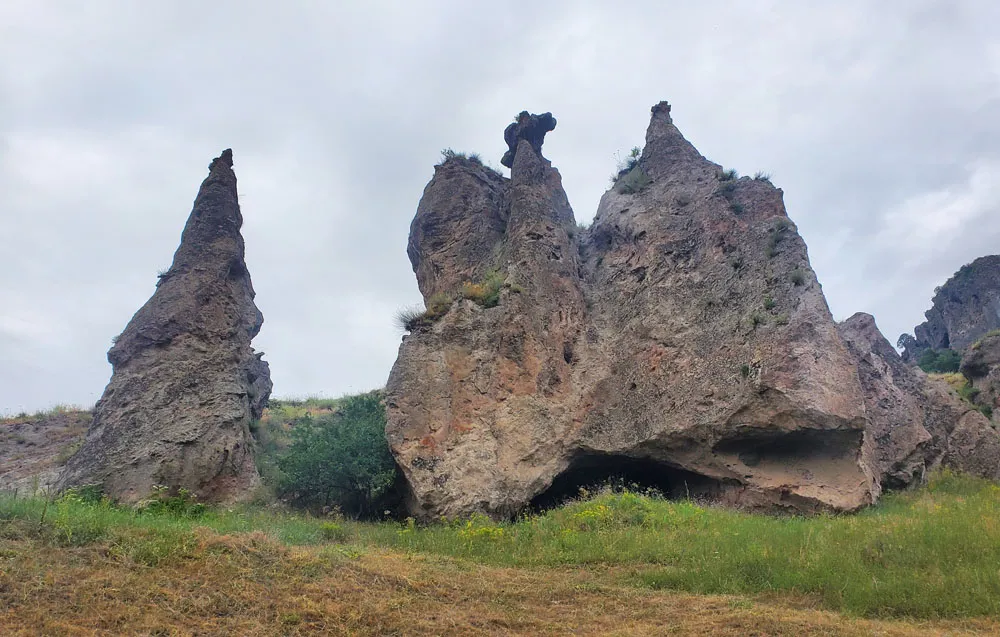
Old Goris is separated from Goris by a river. Next to the cave town are a large cemetery and the old stone Church of St. Hripsime. Purely Cappadocian landscapes – sometimes you simply forget that you are not in Turkey but in the south of Armenia.
Kores lay on one of the branches of the Great Silk Road – the road from Nakhchivan to Artsakh (Karabakh) passed here. Along this route salt, highly valued in those days, was carried from Nakhchivan, and in the opposite direction goods were carried from the Caspian lands and from more distant countries. On this busy trade route Kores developed as a trading and craft centre. There were cave caravanserais and even a cave theatre – they have survived, by the way – but the cave town was abandoned after Russia came to these lands.
Goris is 15 kilometres from the border with Azerbaijan. Given Armenia’s tense relations with that country, wealthy Armenians are afraid to invest large sums in developing tourist infrastructure, so Goris develops slowly. But it is evident that the town still understands that it is attractive to tourists – I am not sure any other town in Armenia has so many architectural monuments (Goris has 278), so museums operate here and there are quite a few small hotels.
Not far from Goris there is another village with a large cave town, Khndzoresk, but unfortunately I did not go there.
Text and photos by Roman Malenkov.
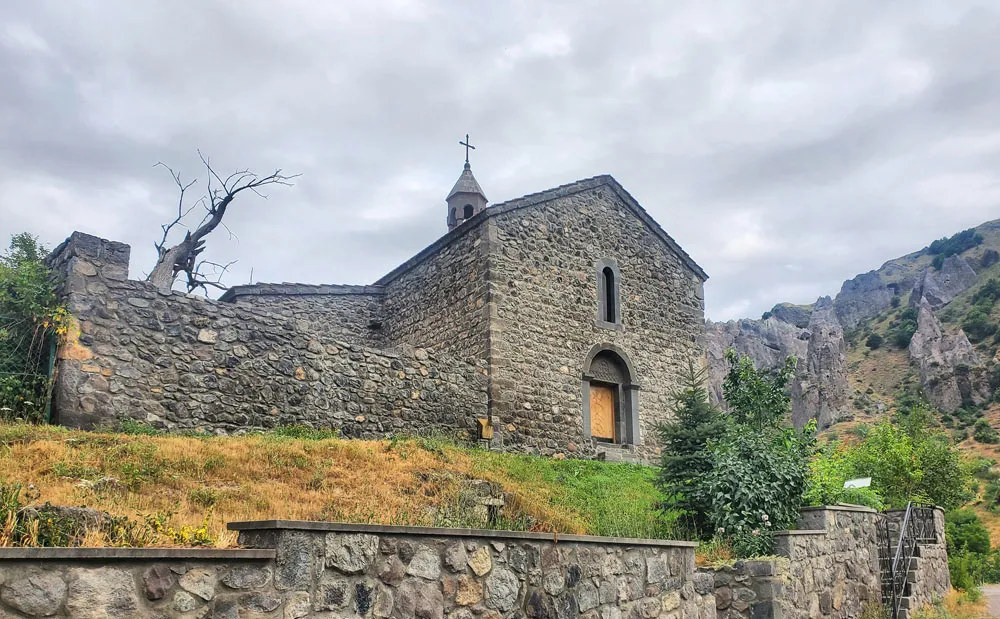
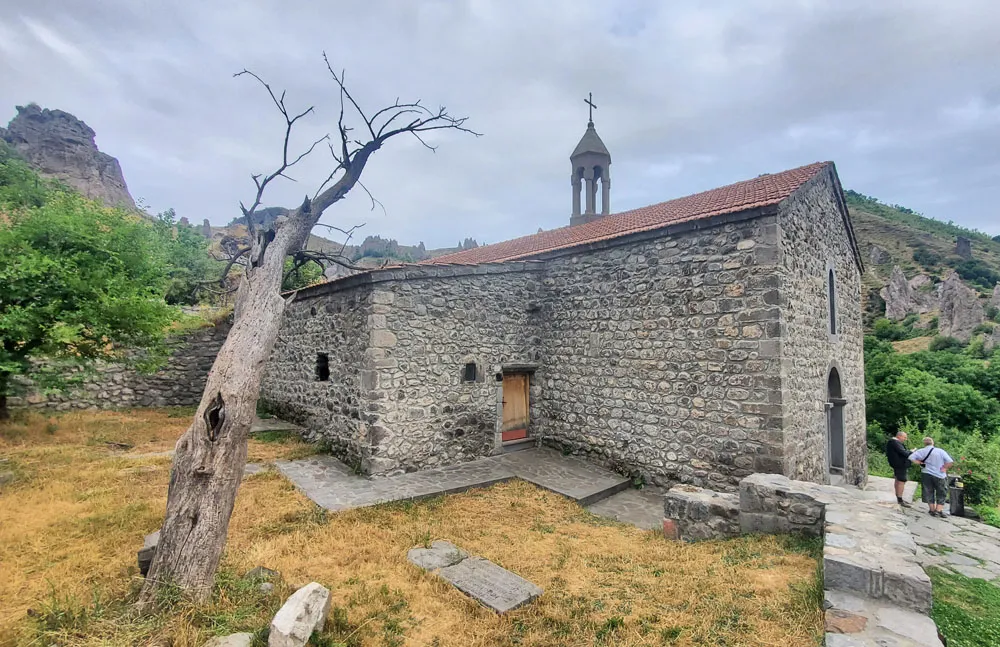
Church of St. Hripsime
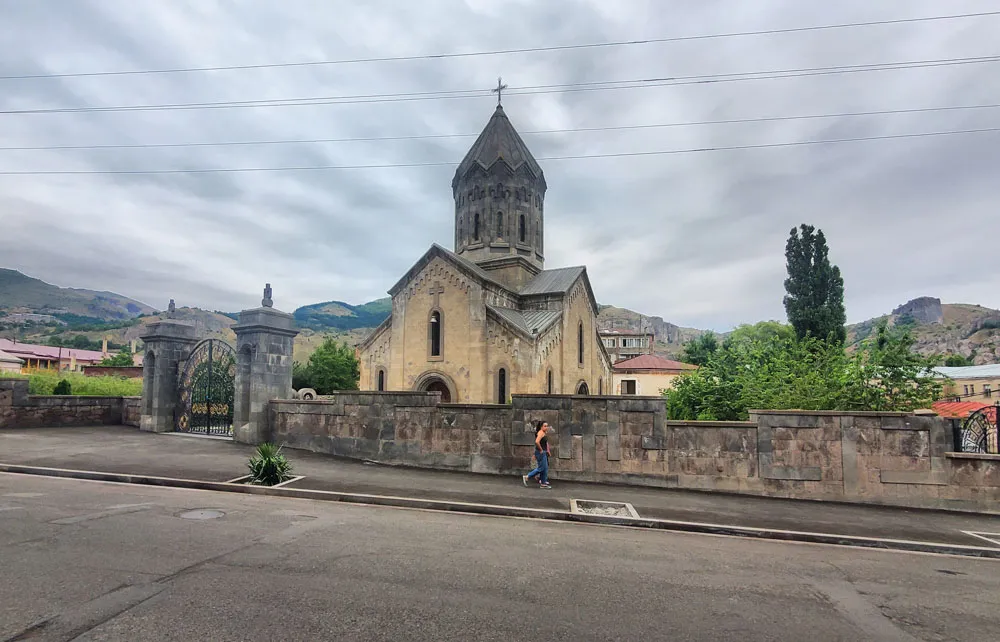
Church of St. Gregory