Kremenchuk

· 4 min read
In the past I knew this city thanks to two things — the KrAZ truck and the football team Kremin. The team was far from the strongest, but it played for six years in the Top League of Ukrainian football. As for KrAZ — it is awesome; as a child I was fascinated by this giant, a military vehicle with huge wheels. And I knew nothing else about Kremenchuk. Later I learned that it is a big city, though not a regional centre — it has over two hundred thousand inhabitants and a whole host of large plants and factories. And I also remembered Ilf and Petrov, who made Kremenchuk the hometown of Ostap Bender’s childhood.
Taras Shevchenko once wrote down in his notes, after visiting Kremenchuk, a folk song:
A pike swims from Kremenchuk,
Swims along quietly,
Whoever knows not falling in love,
Knows not sorrow.
There are more verses there, but one is enough to understand that there is a lot of fish in Kremenchuk, because the Dnipro is here. I do not know whether there are many pikes in particular, but a monument has been put up to the heroine of the song. Upstream of the city on the Dnipro stands the dam of the Kremenchuk Reservoir, and in the city itself there is a unique two-tier road-and-rail bridge. It was built in 1870 to a unique design by the famous engineer Amand Struve. During their retreat the Germans blew up the bridge, but in the post-war period it was restored on the old stone piers. This bridge is now considered one of the main monuments of Kremenchuk. It is called the Kriukiv bridge, since it connected two cities — Kremenchuk and Kriukiv. Today it is one city.
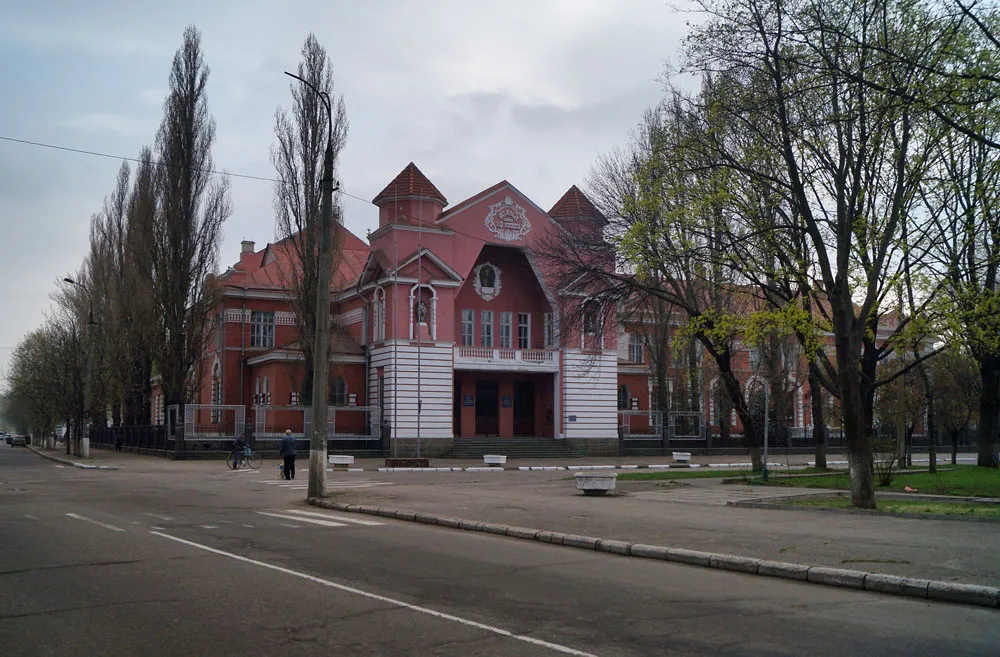
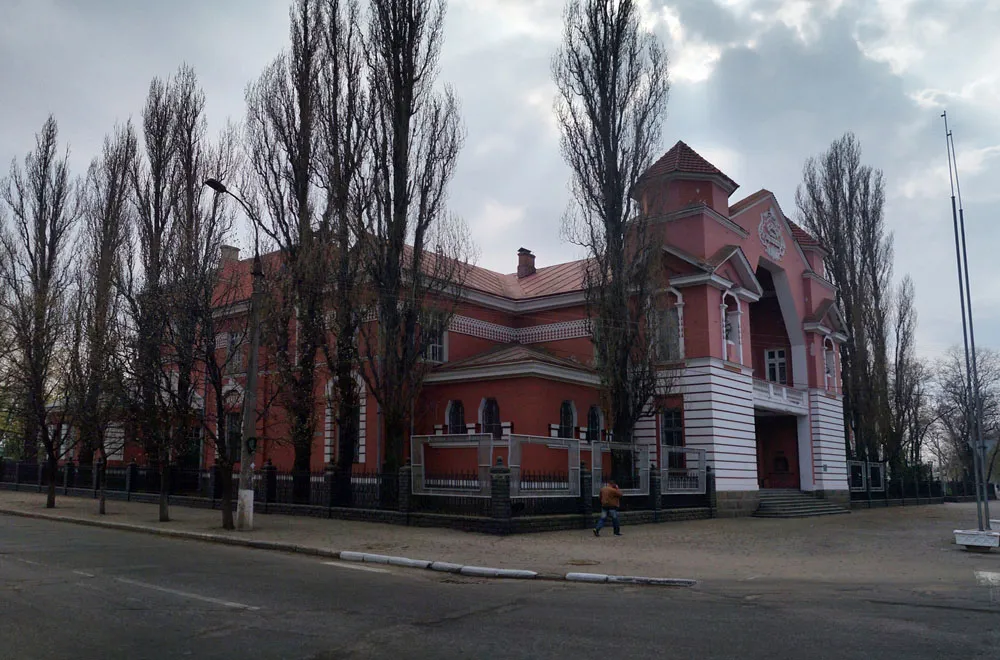
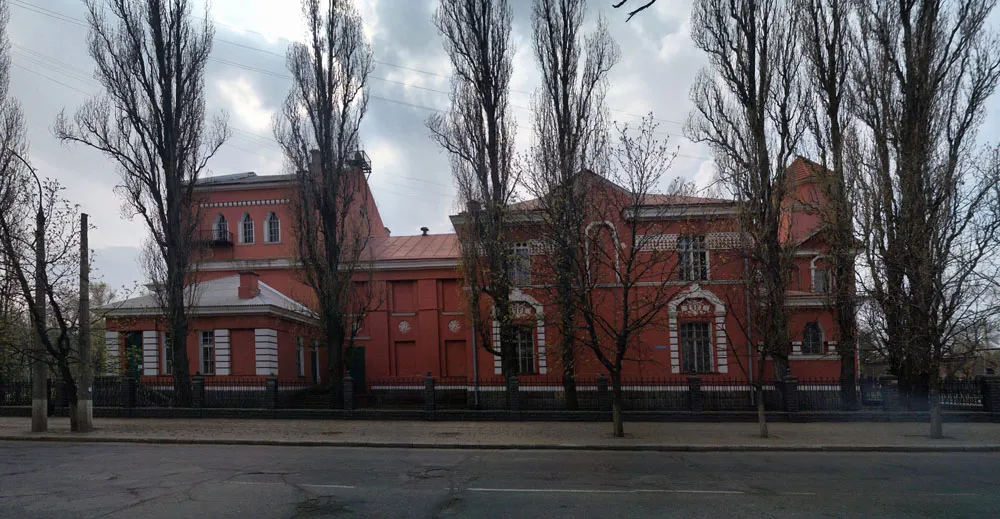
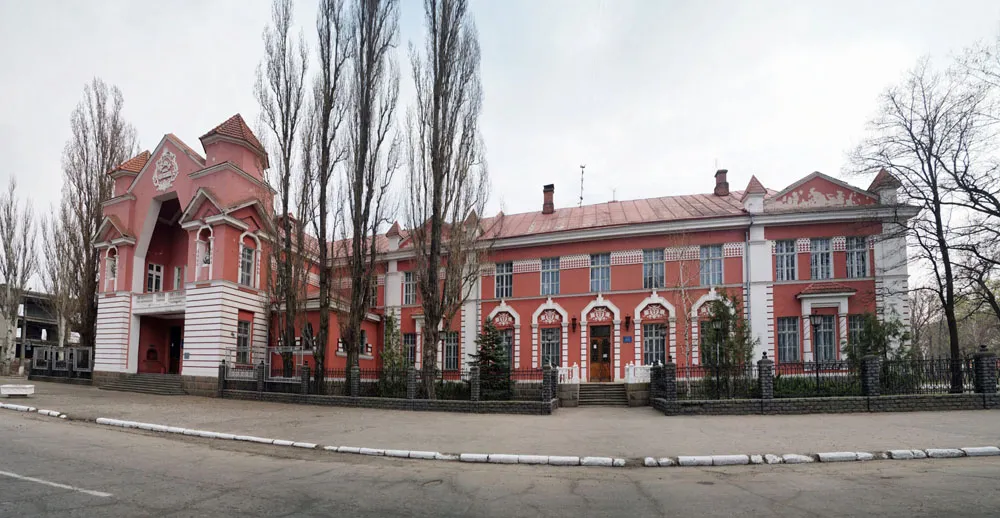
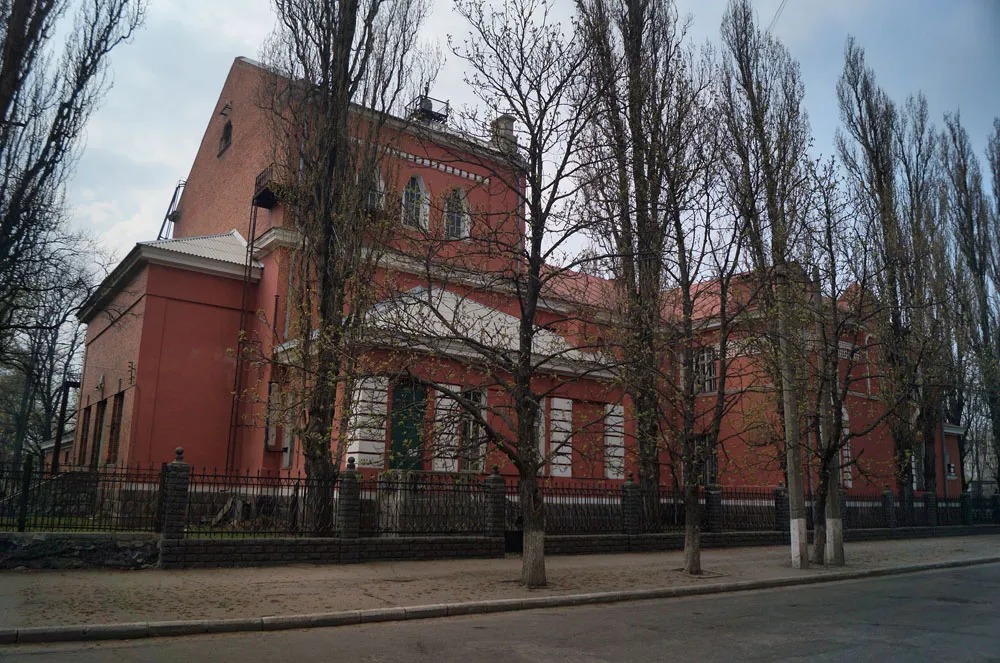
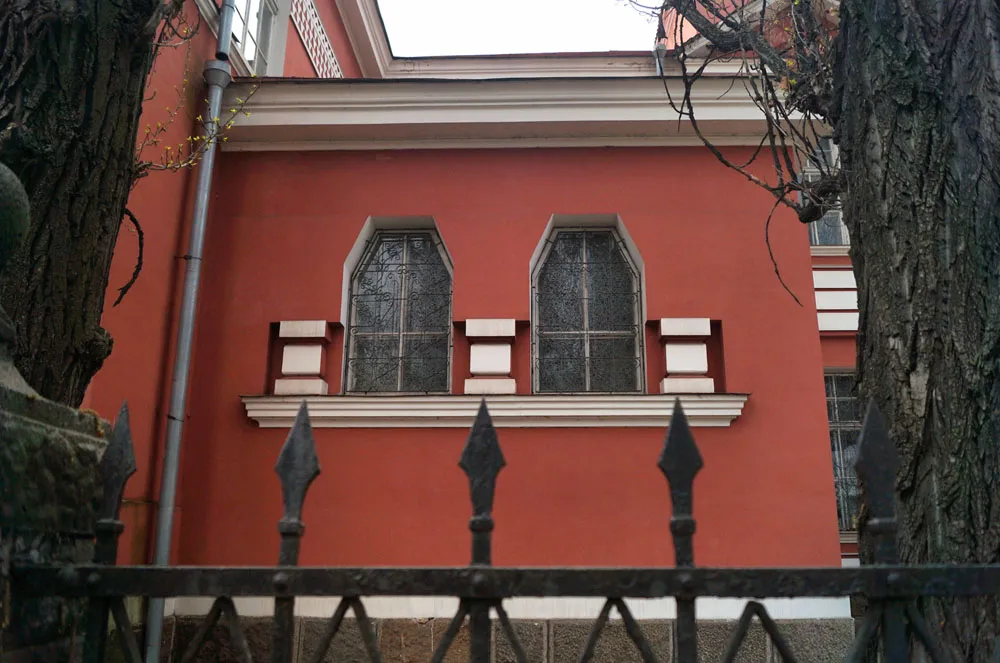
Kotlov Palace of Culture — Ukrainian Art Nouveau
Kriukiv was formerly called Kurukiv, then, in the 18th century, Krukiv, and in the 19th century it became Kriukiv — it was the Russians who changed the name to one more pleasant to their ear. In 1625 the Kurukiv Treaty was concluded here, near this settlement, although the settlement itself is first found in written documents in 1646.
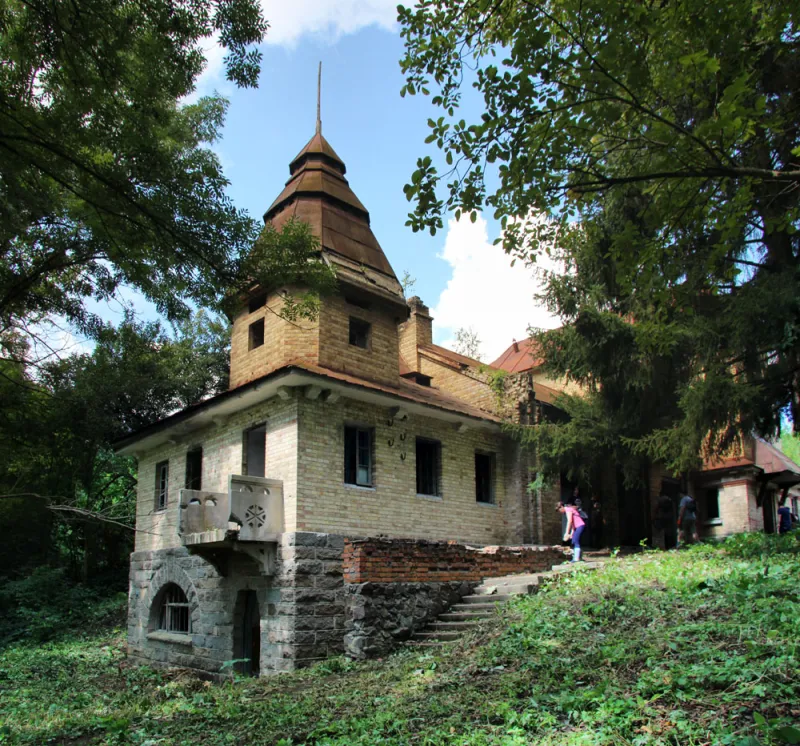
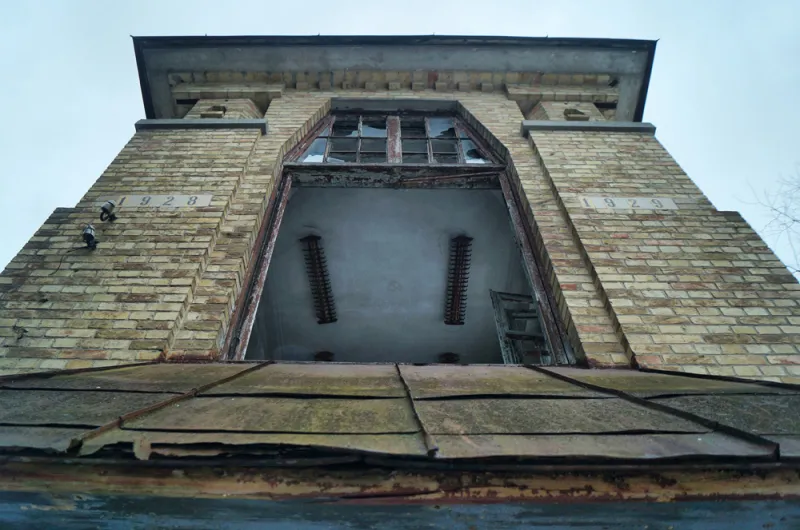
In 1817 Krukiv was joined to Kremenchuk and became the right-bank part of the city, but it developed quite autonomously — it held its own bazaars and many merchants lived here. Some of the merchants’ houses have survived to our time. And the main monument of Kriukiv is the Kotlov Club — the largest building put up in the Ukrainian Art Nouveau style. It was built for the railway carriage repair workshops in 1927. The design was developed by the architect Fedir Mazulenko.
The city of Kremenchuk is first mentioned in 1550 as a crossing on the Dnipro — Kermenchyk. The name is of Turkic origin and means “small fortress”. Officially, however, the founding of Kremenchuk is dated to 1571, when the Poles, under the leadership of Joachim Bielski, built a fortress here that was meant to block the Cossacks’ way to the Zaporozhian Sich.
In 1635 the plan of the Kremenchuk fortress was drawn by Beauplan, and in 1638 it was captured by the insurgent army of Yakiv Ostrianytsia and Dmytro Hunia.
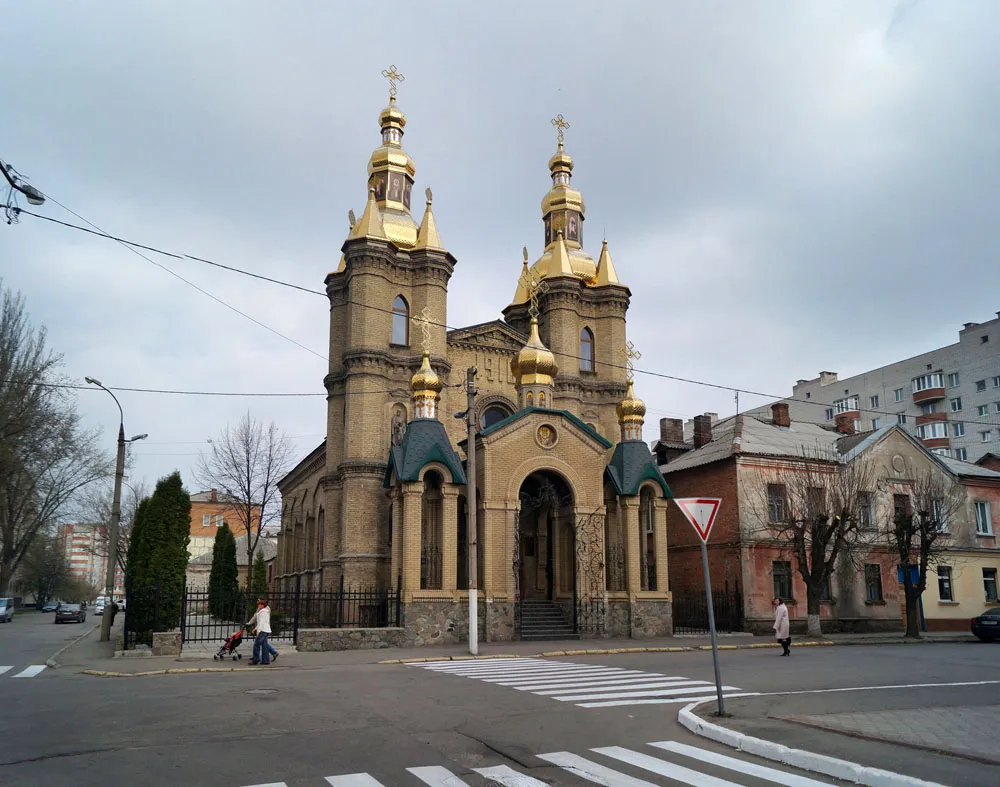
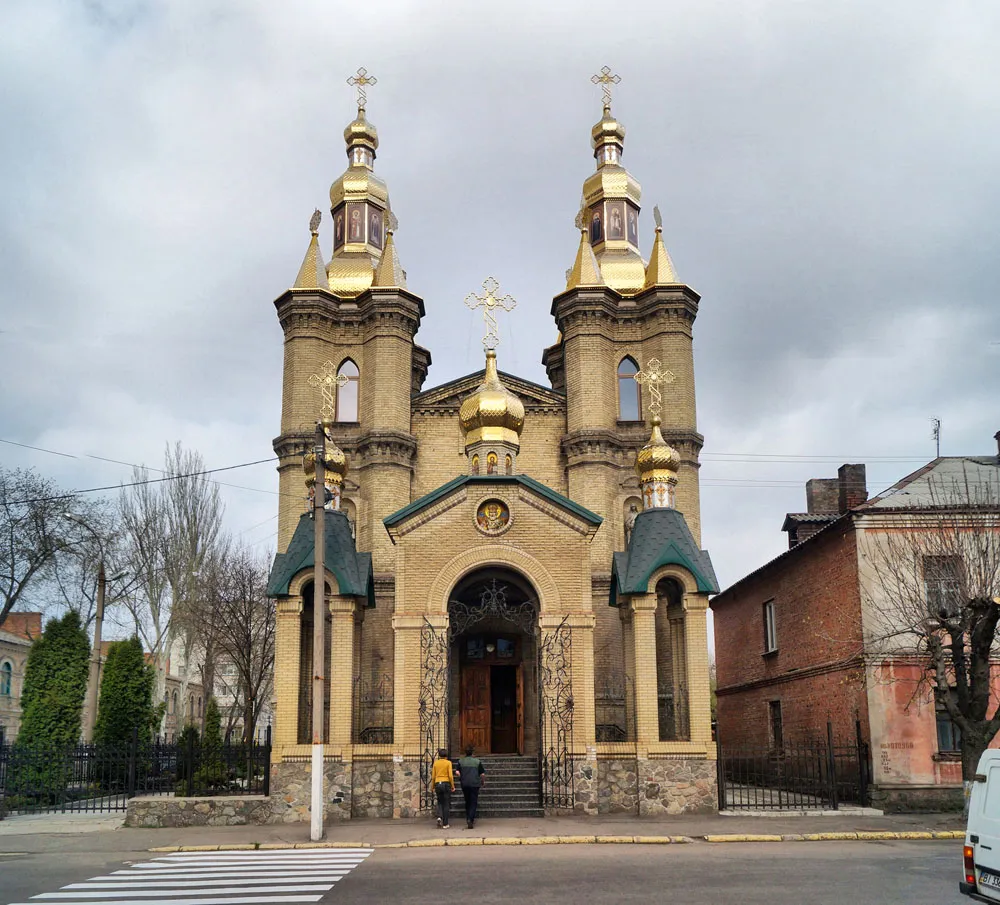
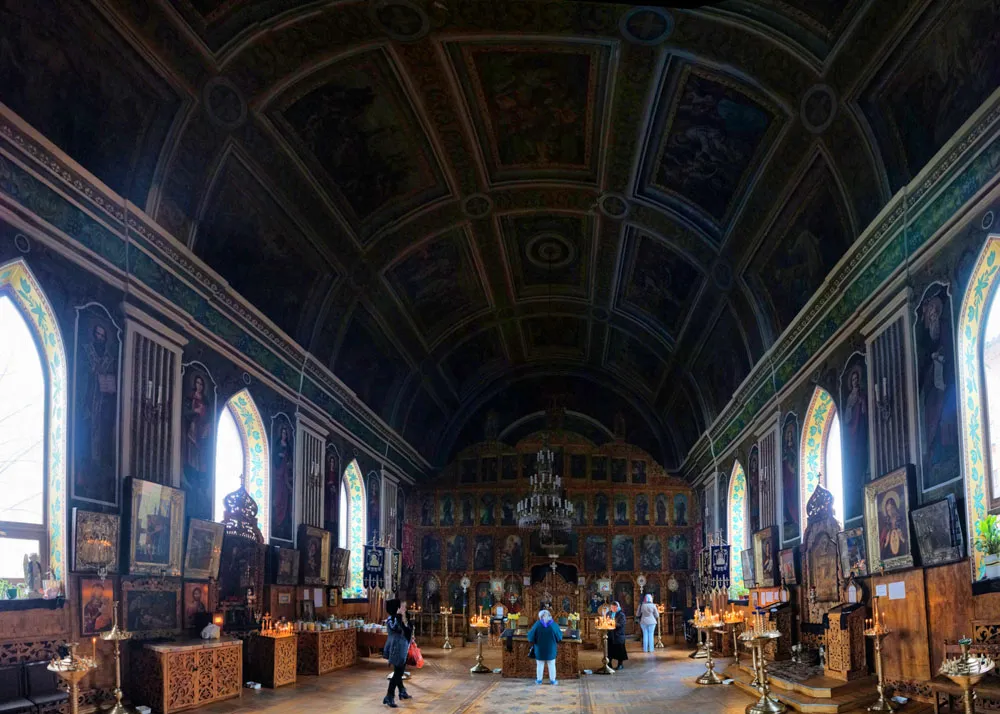
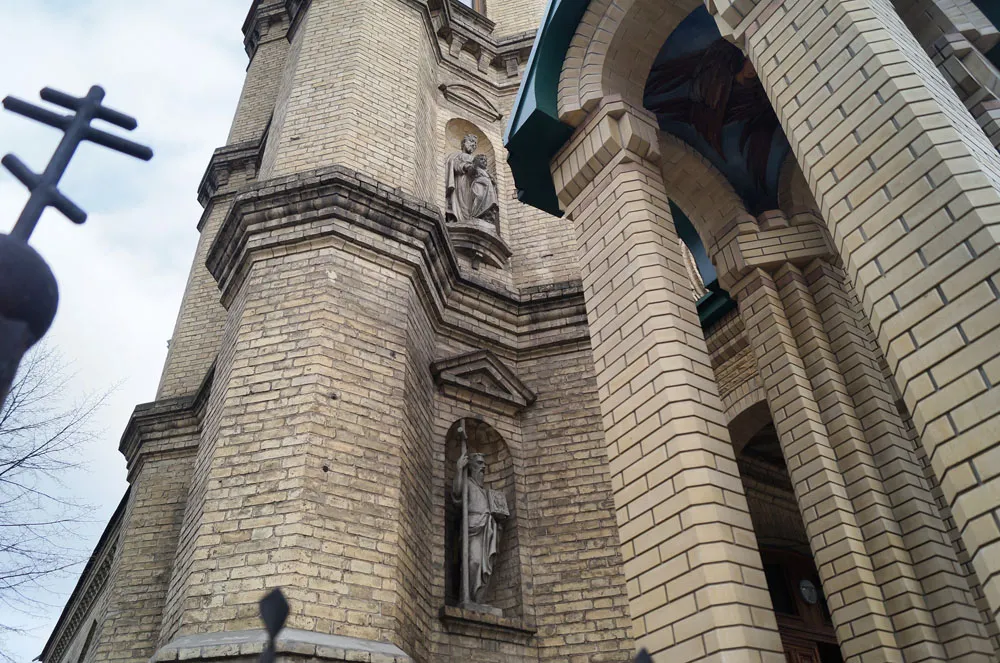
The former Roman Catholic church (now St. Nicholas Church)
In 1649 Kremenchuk became the centre of a company (sotnia) of the Chyhyryn Regiment, and in 1661 the centre of its own regiment. But in 1663 the city was taken by storm by the forces of Ivan Briukhovetskyi, and it fell into decline.
In 1774 the Novorossiya Governorate was created. Kremenchuk became its centre and began to develop as an industrial city. A foundry, an arms factory, a saltpetre works, a shipyard and several factories were established here.
At the end of the 18th century Kremenchuk became the centre of a county in Poltava Governorate. It continued to develop and was the main centre of industry and trade in the governorate. Brick-built streets and churches appeared in the city, but most of the buildings were destroyed in 1941 during the massive bombing of the city. Even so, there are still plenty of old buildings in the city today — former colleges and gymnasiums, the lavish houses of merchants — and the city’s main monument is the Building for Observing Ship Traffic on the Dnipro, built in 1787.
Personally I very much like the former Roman Catholic church, built in 1910 in the Neo-Gothic style. Today the building houses St. Nicholas Church of the OCU.
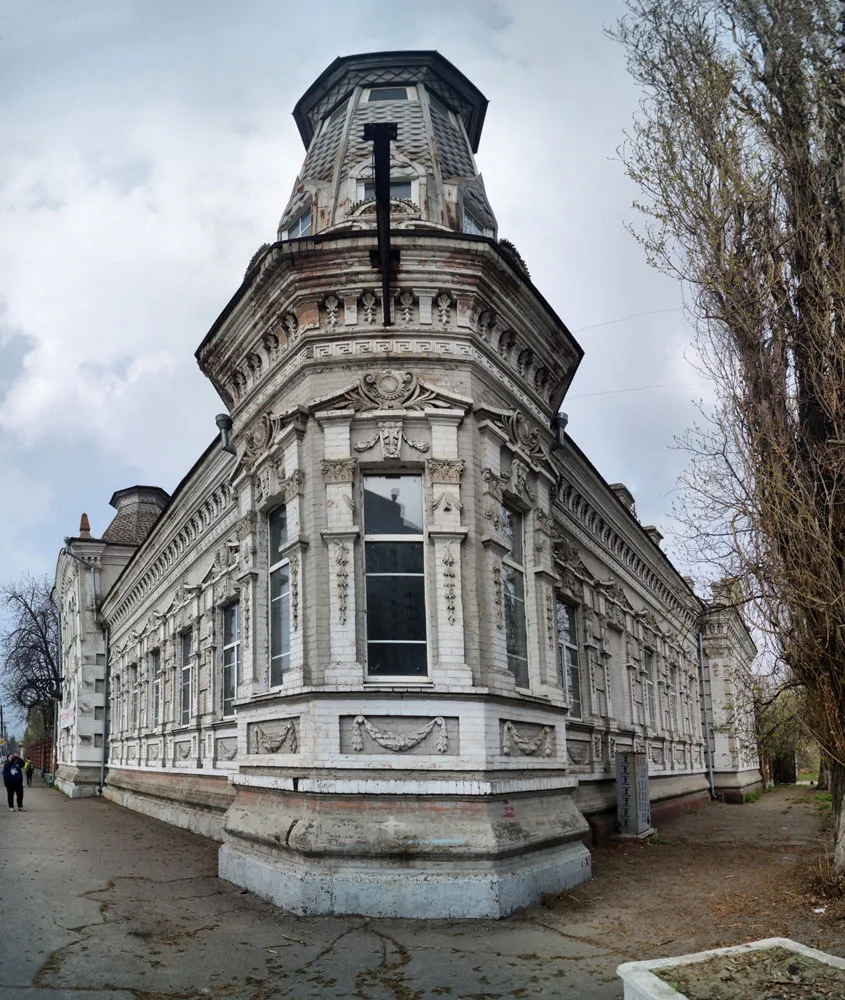
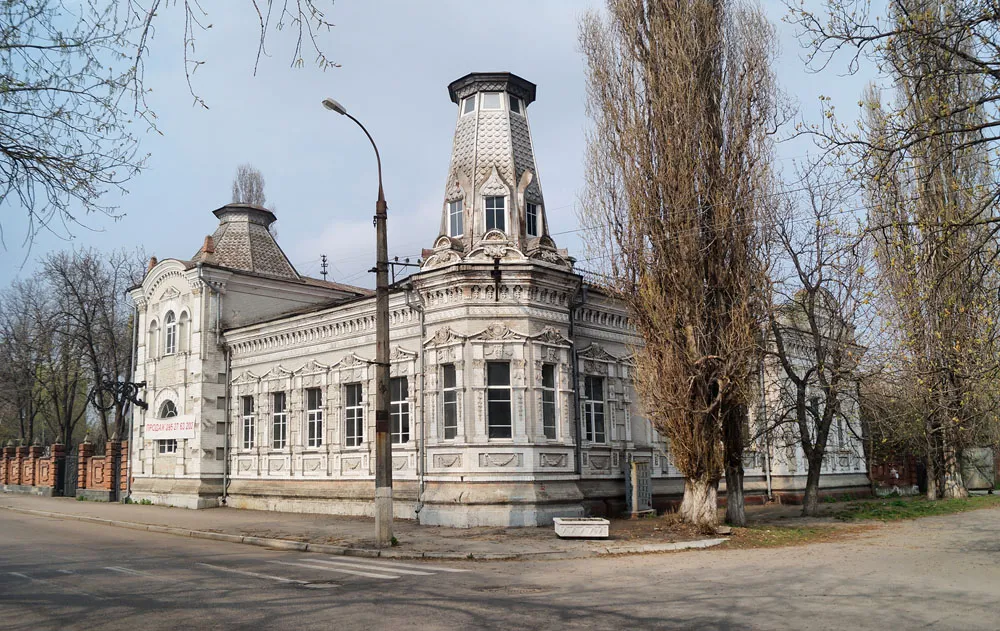
A merchant’s house in Kriukiv
Quite a few buildings put up in the 1950s are among the architectural monuments of local significance in Kremenchuk. They are truly beautiful buildings — models of Soviet architecture.
Text and photos by Roman Malenkov.