The grave of Hetman Andrii Mohyla

· 3 min read
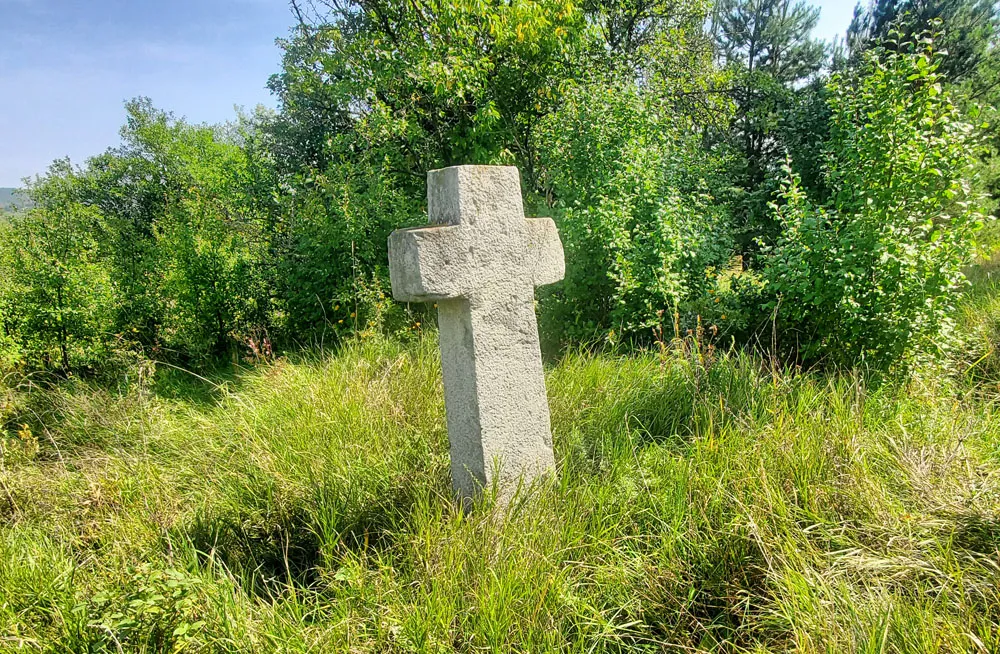
In Mali Bukryn, on the Trakhtemyriv Peninsula, a stone cross of the 17th century stands in an old cemetery. On a kurgan. The kurgan indicates that this is the burial of a representative of the Cossack officer class. The plaque says that this is the grave of Andrii Mohyla. The hetman. And his name has survived on the cross itself.
The Wikipedia says that Andrii Mohyla, the Right-Bank hetman of the Zaporozhian Host, died and was buried in the Mezhyhirya Monastery, while some sources give Trakhtemyriv as the place of his death. Both monasteries were patron monasteries for the Right-Bank Cossacks. This needs sorting out.
Andrii Mohyla ruled the Cossack state for five years. He was a protégé and ally of the Poles, distinguished himself in many battles with the Ottomans, and secured the restoration of the Right-Bank Cossack regiments. He also led a successful coup against his predecessor, Stefan Kunytskyi. Cossack chroniclers praise the hetman, and it is strange that he is little known. If his grave really is in Mali Bukryn, then this is a remarkable place for Ukrainians. It ought to be.
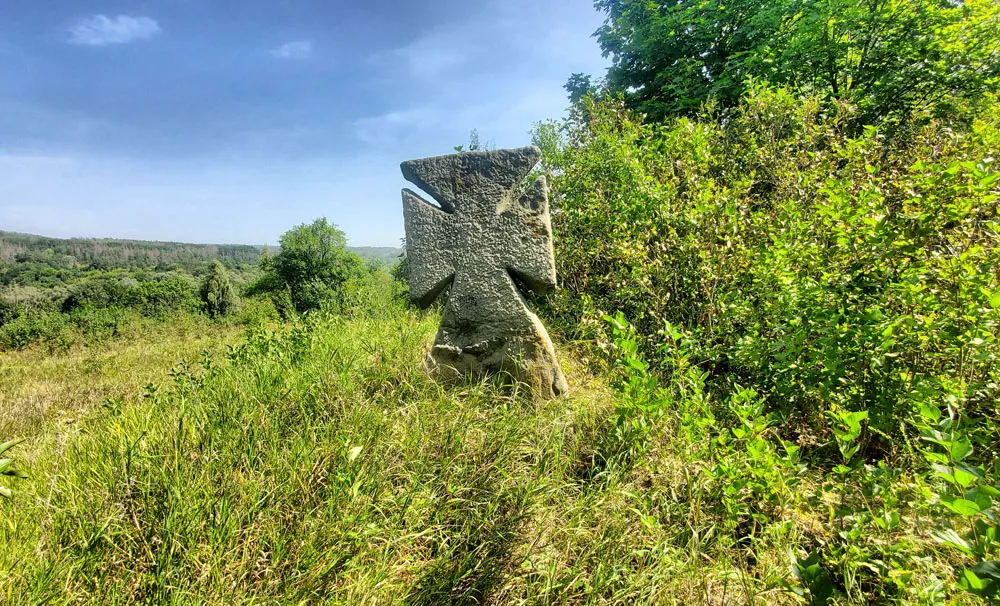
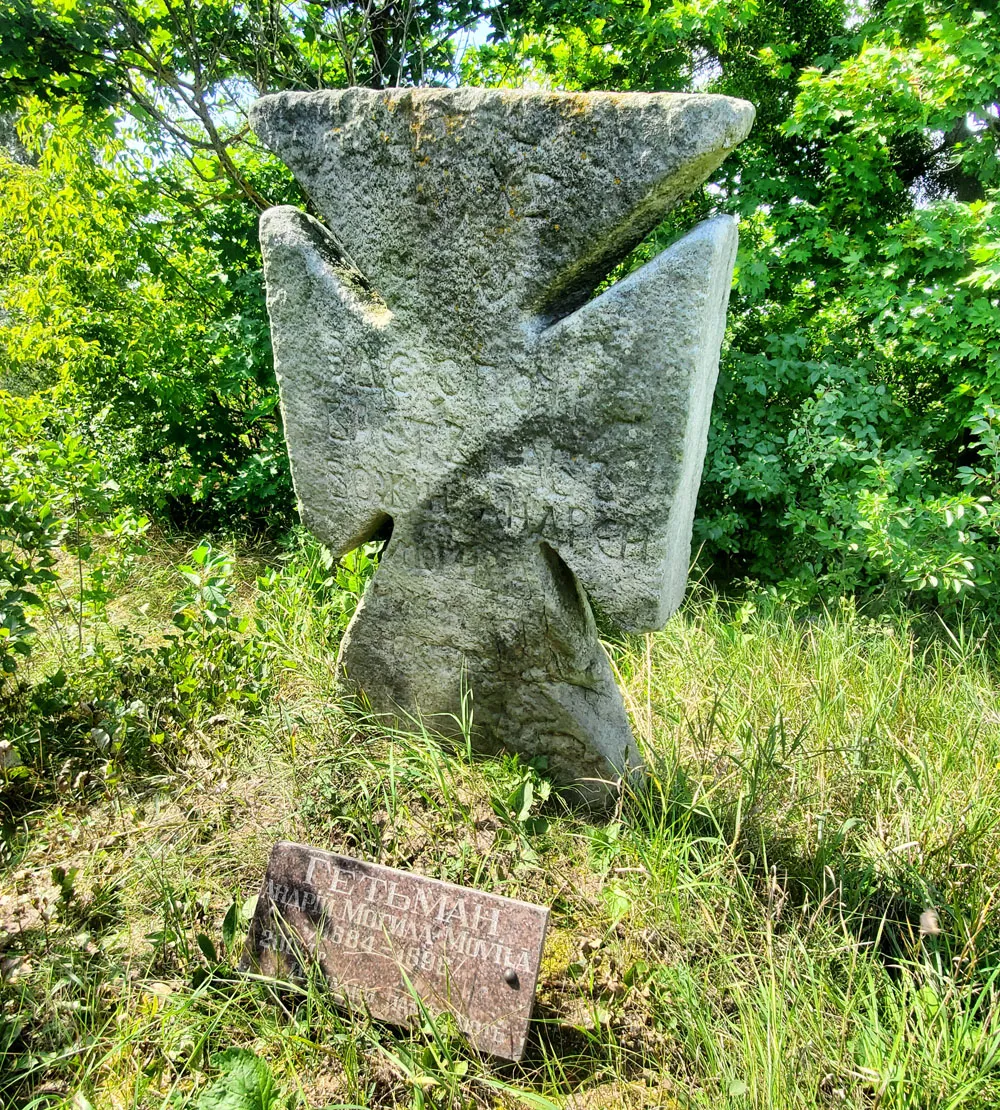
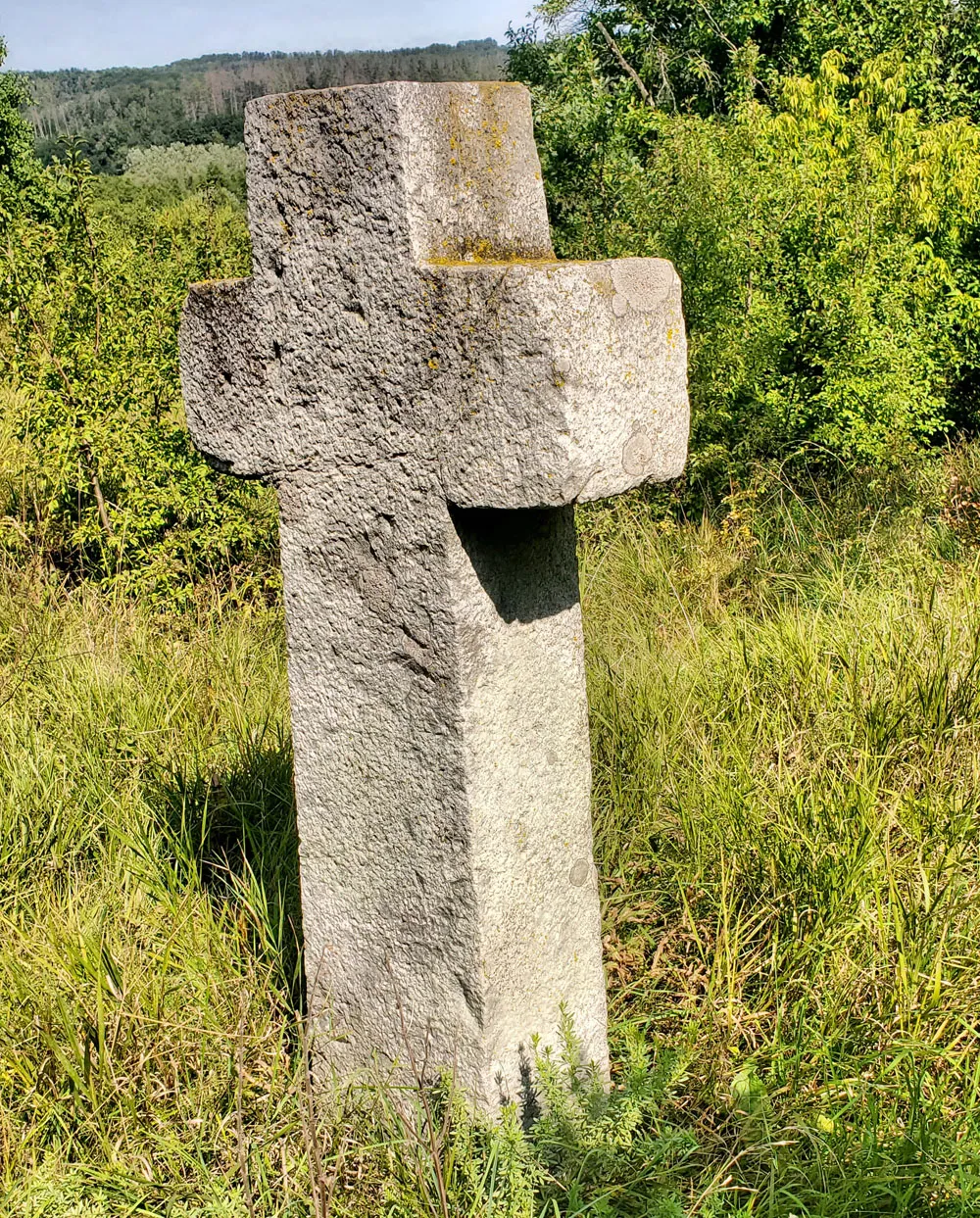
The cross on the grave of Andrii Mohyla
As for the hetman’s biography, it is poorly studied, and the Cossack chronicles are not a very reliable source. A new in-depth study is needed.
The Russian Wikipedia gives more detailed information, or at least more interesting. True, it is not confirmed by sources. Andrii Mohyla is described there as the son of the Moldavian voivode Moses Movilă and a descendant of Stephen the Great himself. In 1684, after being appointed hetman of the Right Bank (by the Poles), Andrii Mohyla had his residence in Kamianets, but after a defeat by the Tatars in May of that year he moved towards the Dnipro. On the way he lost a considerable number of Cossacks, who went off to the Left Bank; 4,000 loyal registered Cossacks remained with him.
Later the number of registered Cossacks increased significantly. Four Cossack regiments were revived on the Right Bank: the Bila Tserkva Regiment (Fastiv Regiment), the Bratslav Regiment, the Vinnytsia Regiment (Kalnyk Regiment) and the Korsun Regiment. All Cossack chroniclers noted the significant role of Hetman Mohyla and his Cossacks in the liberation of Podillia from the Ottomans.
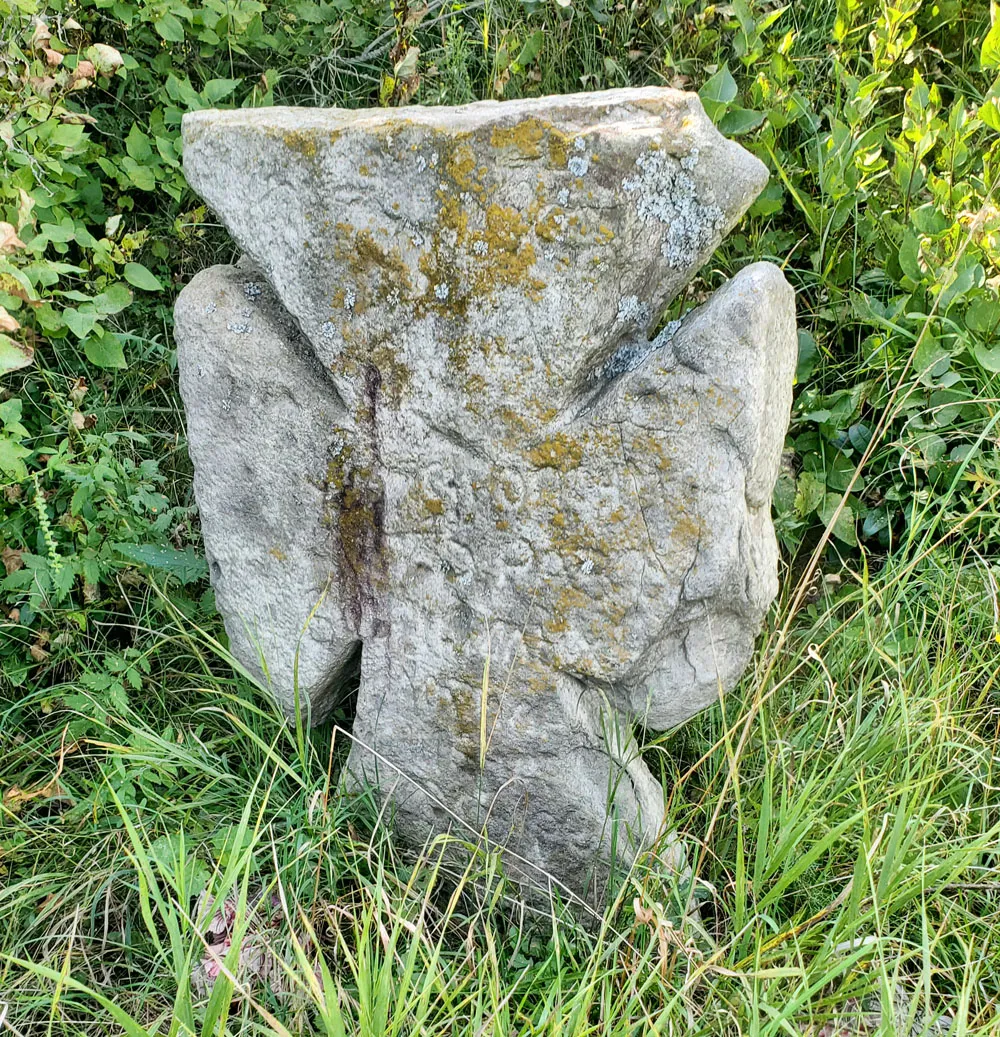
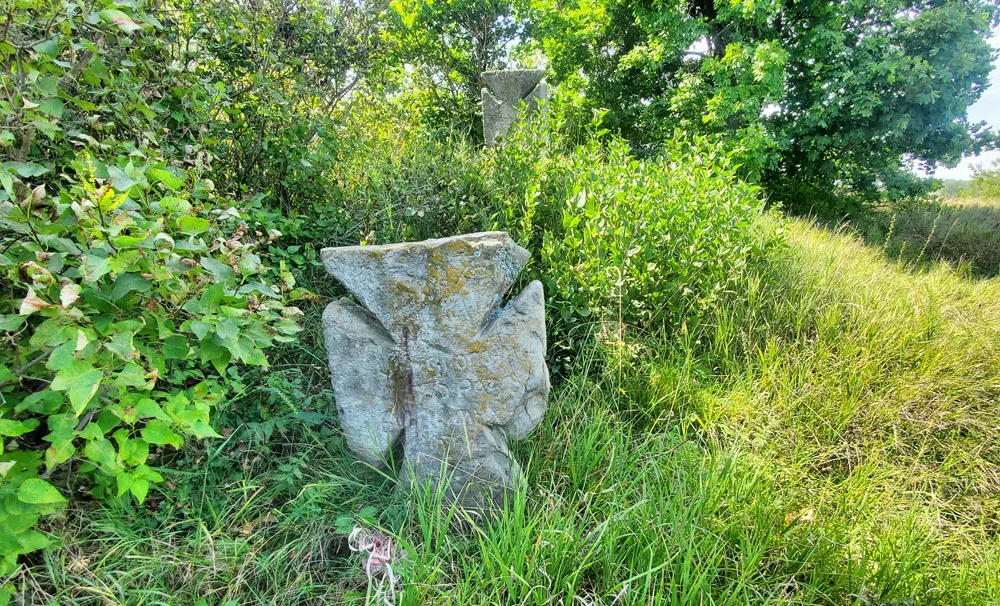
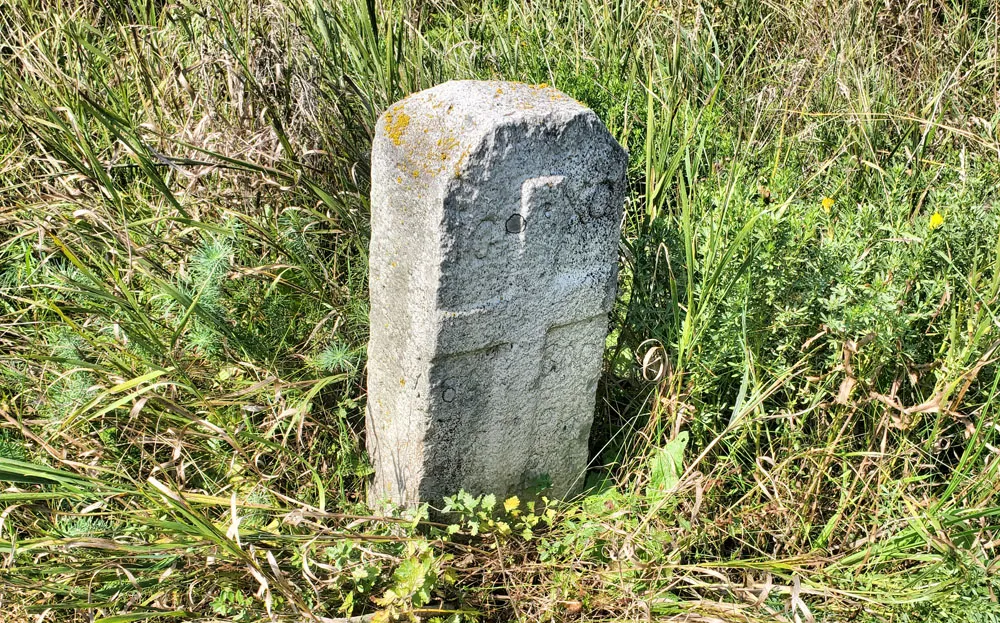
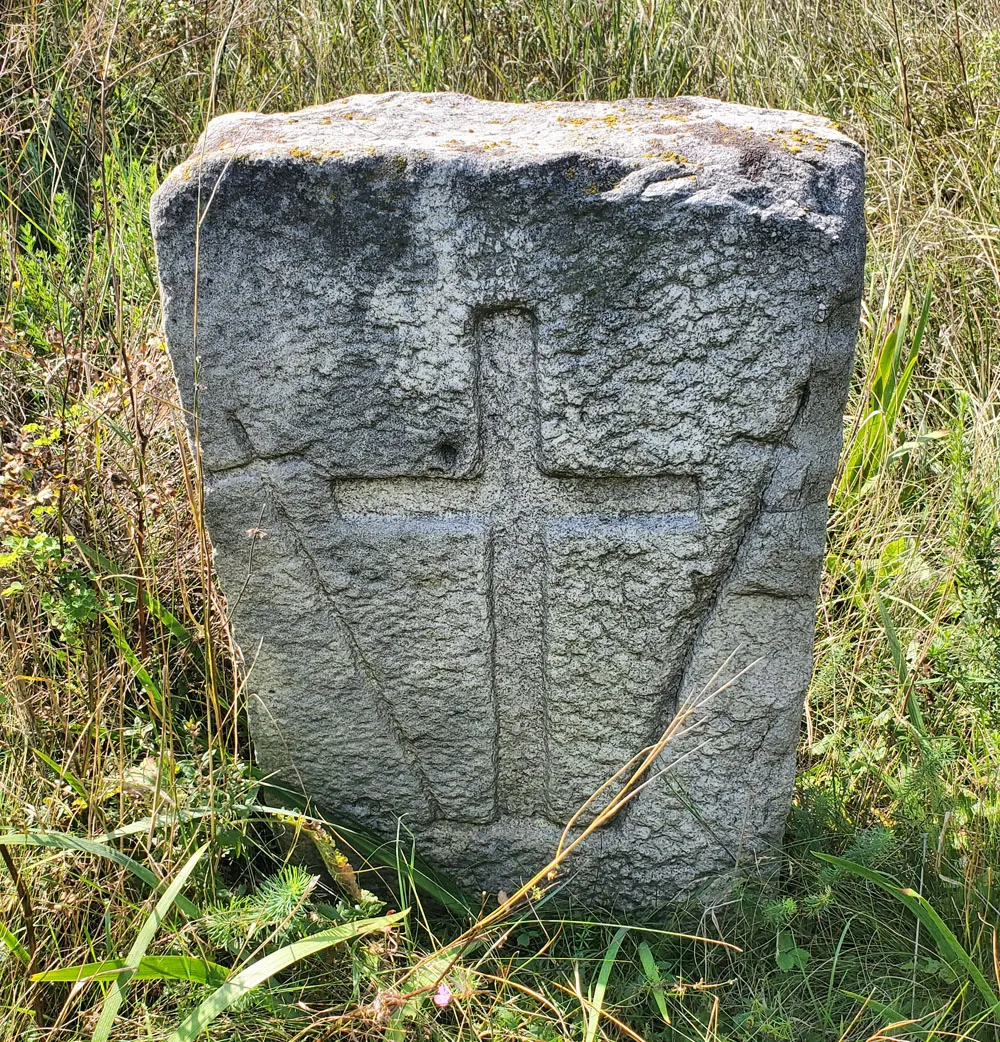
The grave of Anastasia Mohyla (his wife)
Andrii Mohyla moved his residence to the fortress monastery of Trakhtemyriv. It was in effect the hetman’s capital of the Right Bank until 1689. That year the hetman died. According to one version he died a natural death, according to another he was killed by Cossacks dissatisfied with the distribution of the royal pay. He was buried in a monastery. Personally, I think it was more likely in Trakhtemyriv, his own residence, than in Mezhyhirya. And in 1804, already under Russia, under Emperor Paul I, Andrii Mohyla was reburied in the old cemetery in the village of Mali Bukryn. It is a large Cossack cross with splayed (“paw-shaped”) arms on a kurgan. The cross bears an epitaph (in the original language):
“Here rests the servant of God Andrei Mohyla and his wife Anastasia and the date in letters 1804. The cross was erected in the year of Napoleon’s accession to the imperial throne”
The historian Taras Chukhlib suggests that the cross was erected on the grave of the hetman’s son, Andrii Andriiovych.
That is all for now. Recently our team made a three-dimensional model of the cross on the grave. It is presented below.
Text and photos by Roman Malenkov. Model by Andrii Yarovyi.
Read more about Mali Bukryn and the grave of Andrii Mohyla here
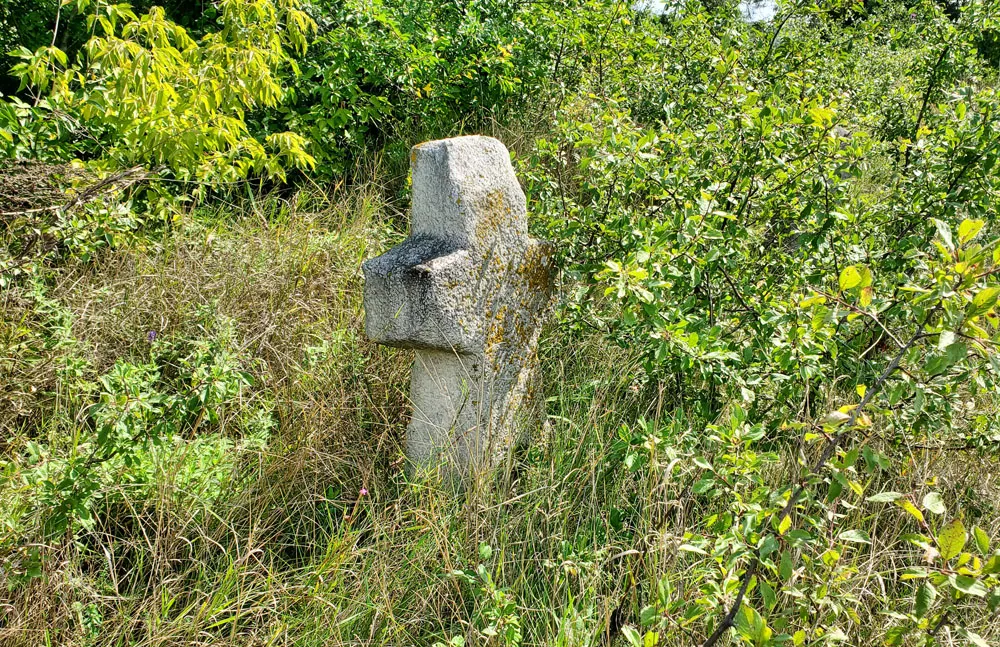
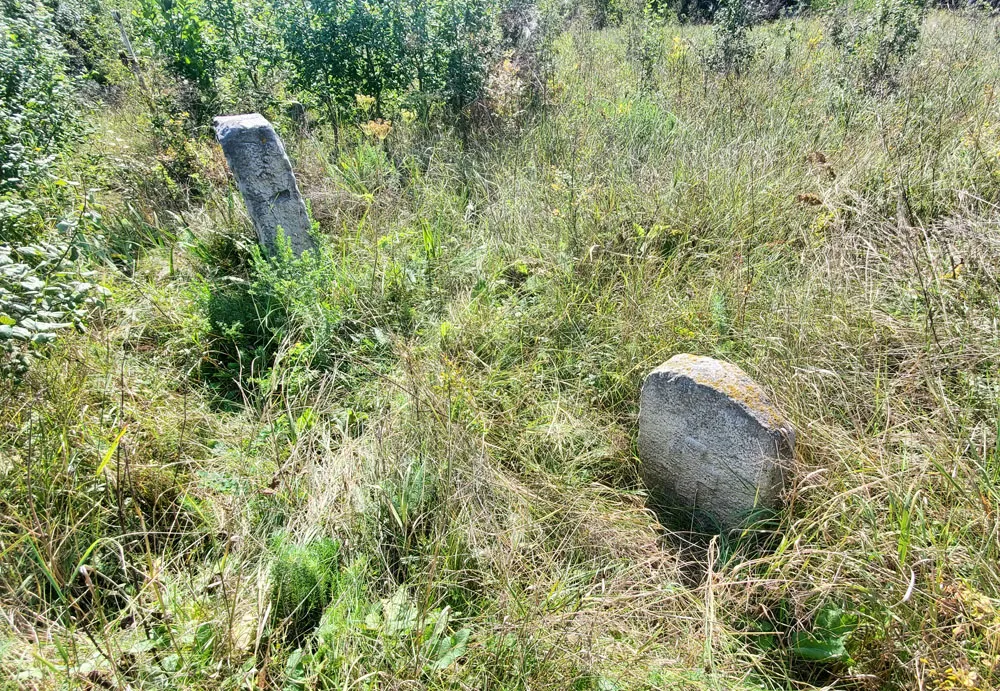
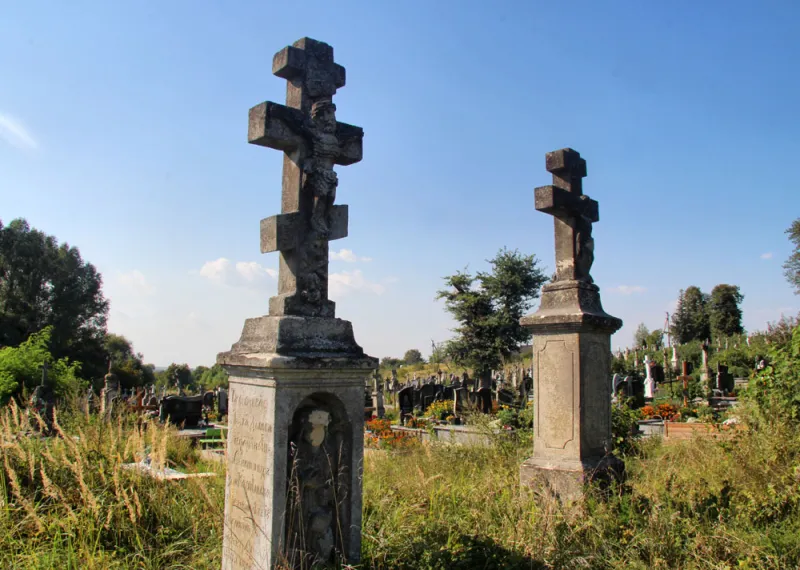
The old cemetery of Mali Bukryn