Pervomaisk. Three in one

· 9 min read
In the mid-18th century, at the confluence of the Synyukha and the Southern Buh, there were three towns and three countries here: Olviopol (Orlyk) in the Russian Empire, Bohopil in the Polish–Lithuanian Commonwealth, and Holta in the Ottoman Empire. It was a unique phenomenon, since the towns were separated only by riverbeds. Trade and the exchange of goods, smuggling and customs duties, hussars, Cossacks and Janissaries – nowhere else in Ukraine was there anything like it.
From the 14th century the lands in the Synyukha valley, as well as the upper and middle course of the Southern Buh, belonged to the Grand Duchy of Lithuania. It is known that Prince Vytautas built an arched bridge that linked the trade routes of Podillia, the Kyiv region and the Black Sea coast. After the Union of Lublin the lands between the Southern Buh, the Kodyma and the Synyukha came under Polish rule, while the lands south of the Kodyma formally belonged to the Ottoman Empire, although in reality they were controlled by the Crimean Tatars.
Part of the left bank of the Southern Buh in the area of the Synyukha, and farther south, was regarded as land under the care of the Zaporozhian Cossacks – this was the Buhohard Palanka of the Zaporozhian Sich. In 1676 the Cossack fortification of Orlyk was built, later called Orel, and later still it grew into the town of Olviopol. This is what Wikipedia writes about it.
In the spring of 1676 the Zaporozhian hetman Ivan Samoilovych sent the Cossack Stepan Pidstrelenyi with the task of finding a place for a fortification at the mouth of the Synyukha, near the Polish and Ottoman borders. The same year a fortress in the shape of a regular octagon was built. The Cossacks called their fortification “Orlyk” (after the name of the local tract). The castle was part of the Buhohard Palanka of the Zaporozhian Sich. Almost immediately, fugitives from the Polish–Lithuanian Commonwealth and other places began to settle under its protection. The first houses were built east of the fortification along the Synyukha and the Buh. Today this is the eastern part from Avtodorivska Street to Kyivska Street. In the 18th century representatives of the neighbouring states met here repeatedly to settle border and other issues.
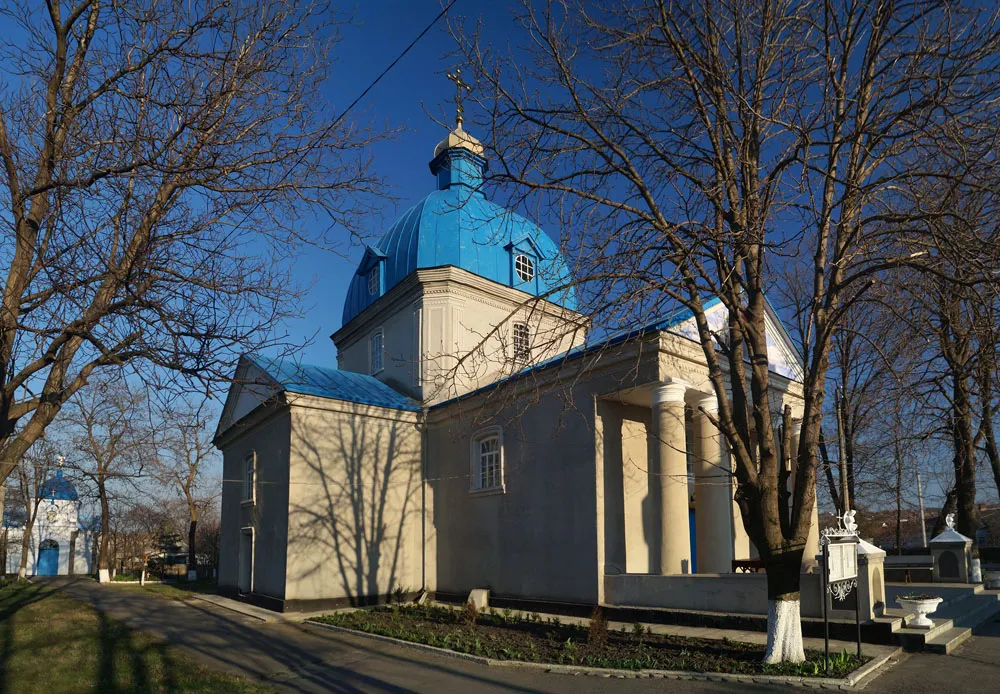
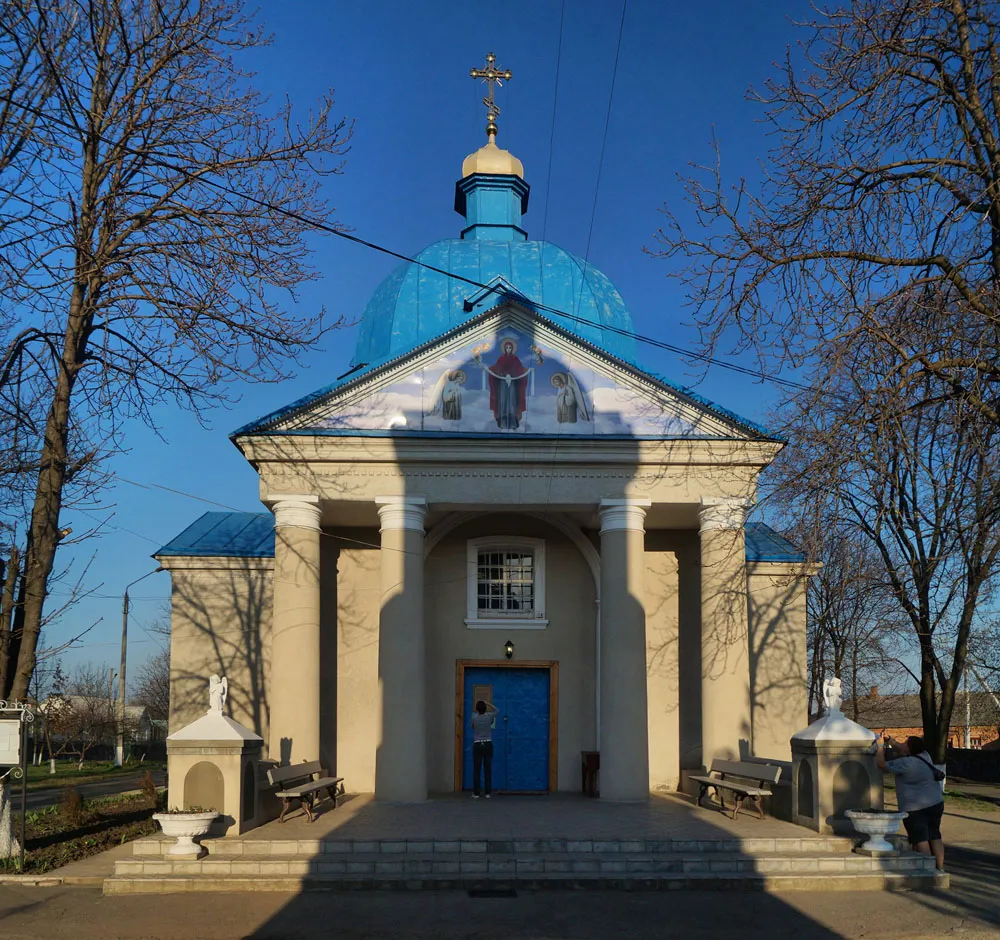
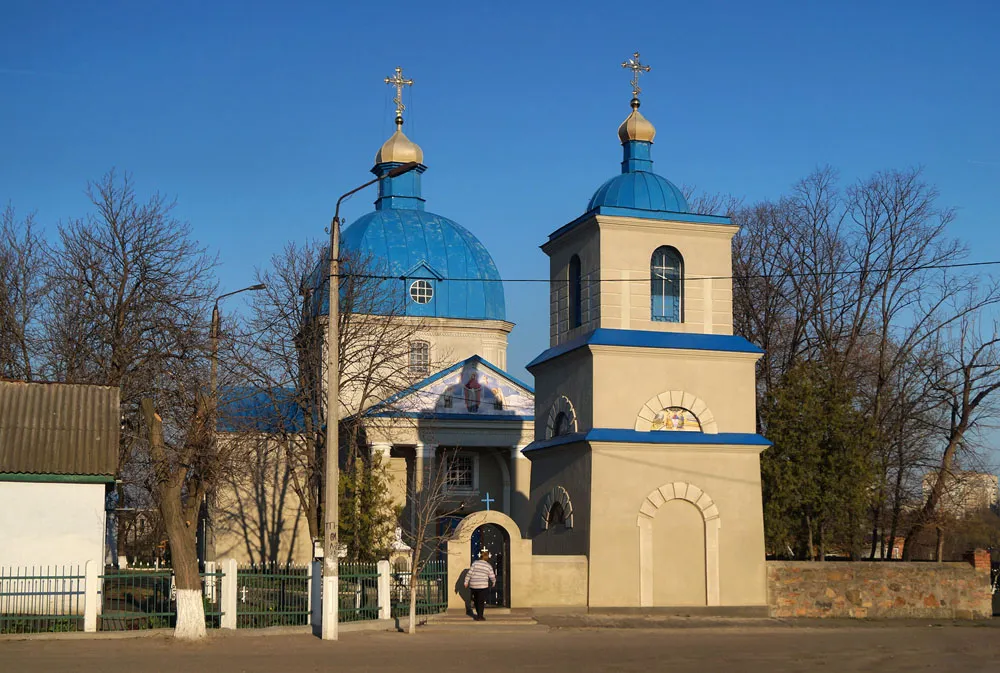
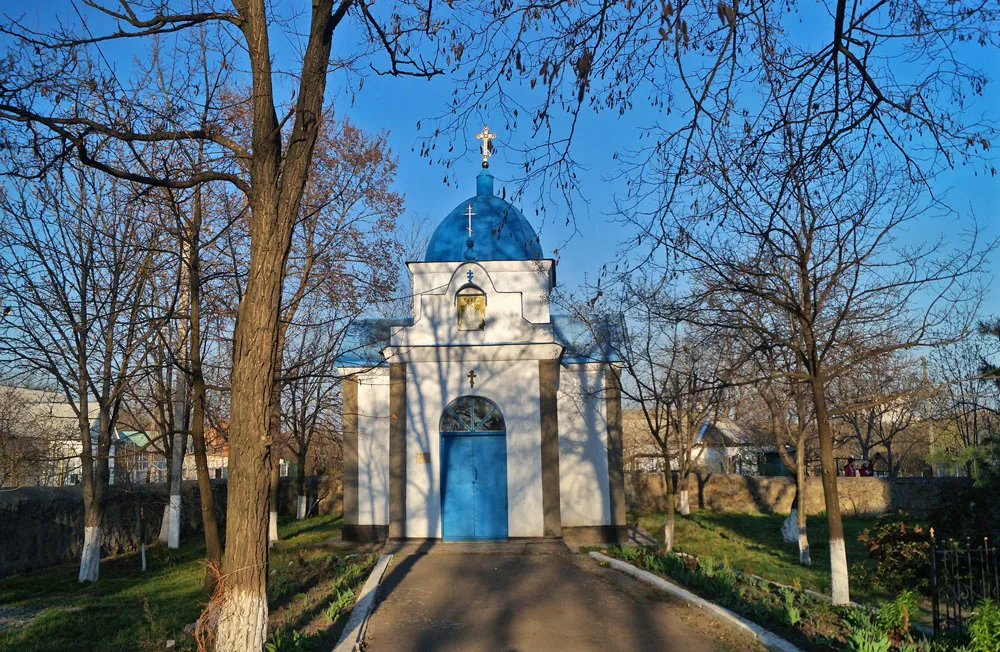
The Church of the Intercession and the gate
In 1754–1759 and 1761–1764 Orel was part of the Novoslobidskyi Cossack Regiment. In 1764 a border commissariat and customs houses were established in Orlyk. Manufacturing, pottery, blacksmithing and water mills appeared, and at the same time merchants too.
During its existence the Orlyk redoubt had to survive more than one enemy attack. The last major enemy campaign against the fortress on the left bank of the Southern Buh was the attack by the bitter enemy of our ancestors, the Crimean khan Giray. His 70,000-strong horde in January 1769 destroyed the fortification and burned the settlement of Orlyk, as well as some of the surrounding villages. In 1770 the Orlyk redoubt was recaptured by the Russian army of Pyotr Panin. In 1770 the fortification was renamed Katerynenshanets (Catherine’s Redoubt), and in 1772 the settlement of Orel was granted the status of a town. In 1781 the settlement received the name “Olviopol”.
In 1762 Cossacks and fugitive Ukrainian serfs on the right, Ottoman bank of the Southern Buh (in the territory of Khan’s Ukraine) founded the settlement of Olta, which belonged to the Ottoman Empire. Its name comes from the Turkic word “olta” – lowland. Under the Treaty of Jassy (1791) Holta was annexed to the Russian Empire.
In 1750 on the left bank of the Southern Buh, between the mouths of the Kodyma and the Synyukha, the Polish–Lithuanian Commonwealth built a fortification and quarantine post, Bohopil. It formed the beginning of the third part of present-day Pervomaisk. Bohopil developed mainly as a trading and craft town. On today’s Mykoly Vinhranovskoho Street the shops of large and small merchants stood close against each other. There were also eight private hotels here. And lower down along the Buh (on today’s Kuznechna Street) there were more than 30 smithies.
It was founded in 1750 by the Grand Crown Hetman Józef Potocki as a border customs post of the Commonwealth on the border with the Ottoman and Russian empires.
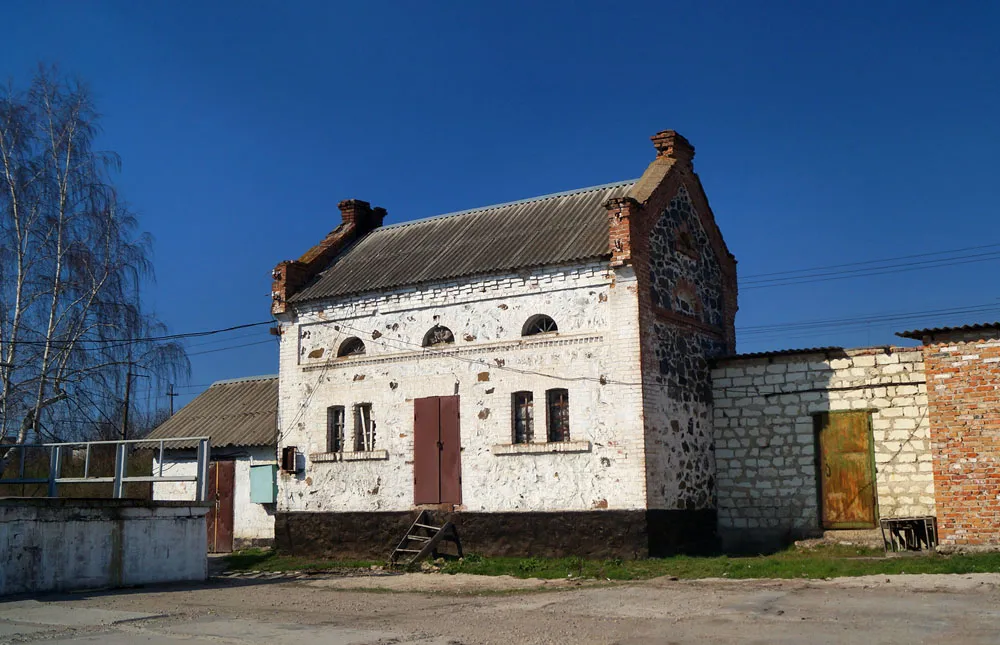
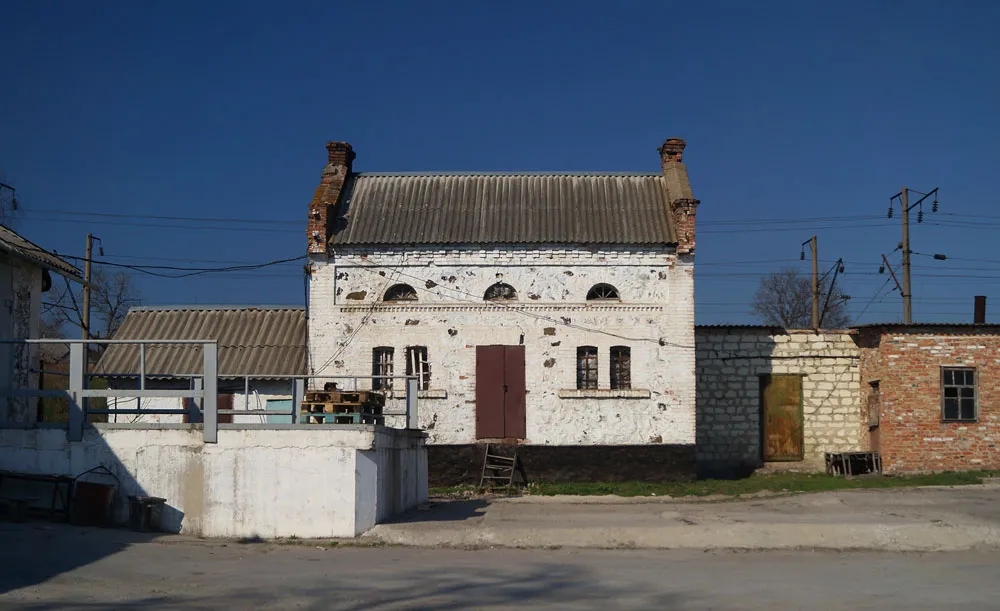
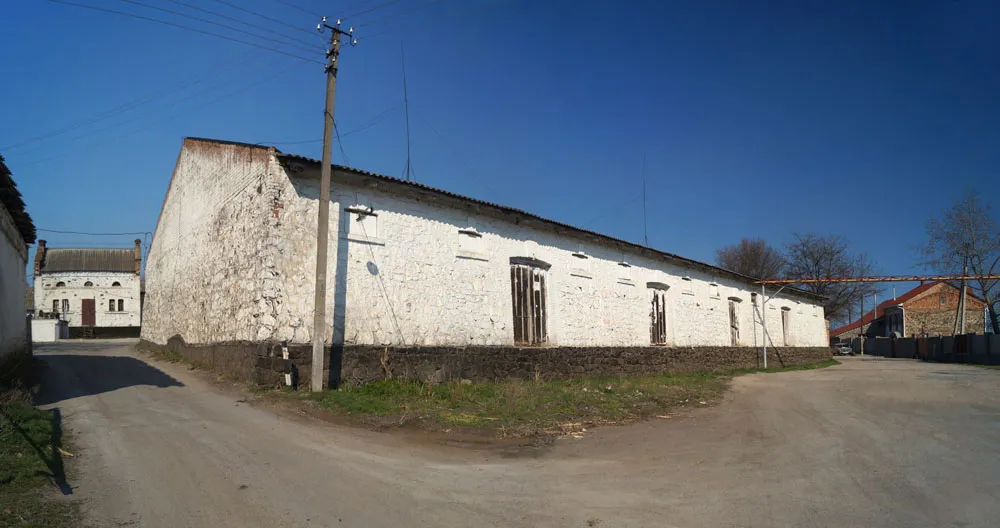
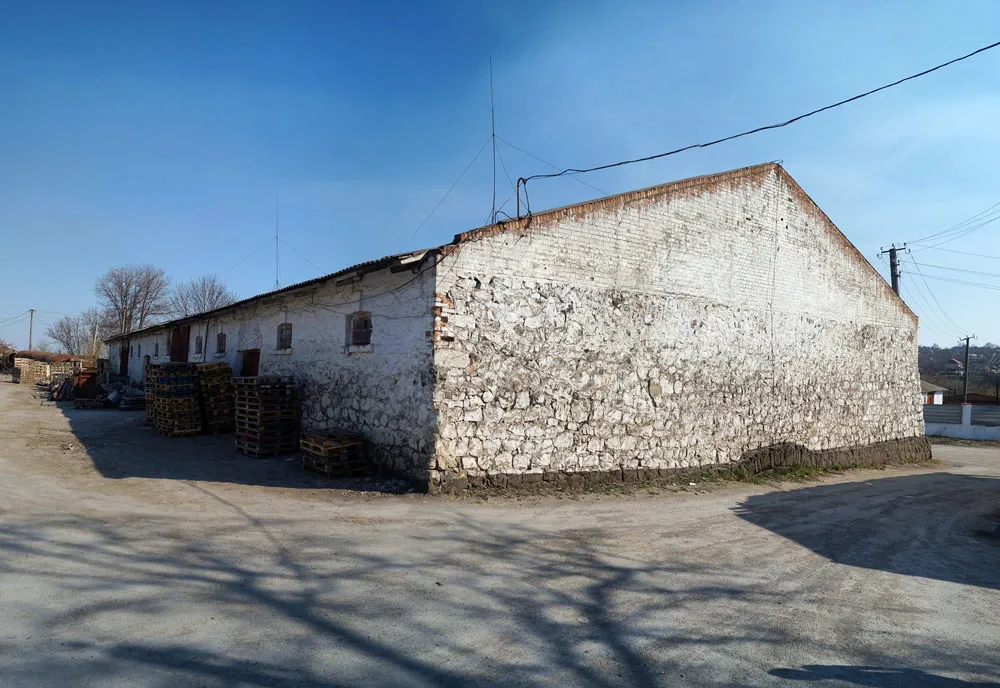
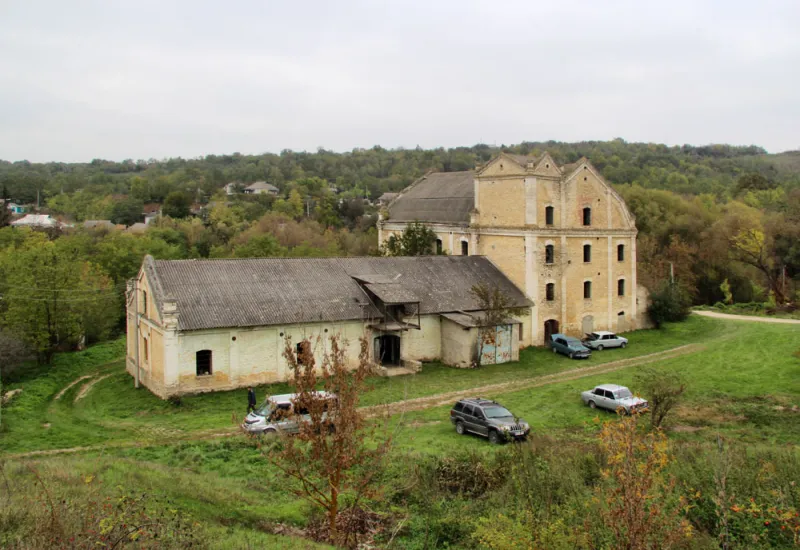
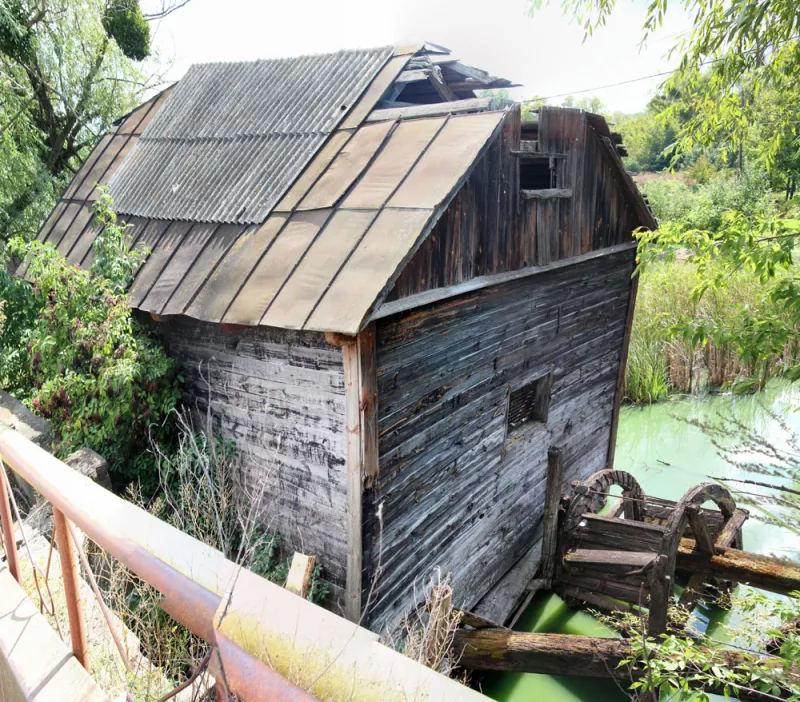
The mill and its farm complex on the Southern Buh
The town took its name from the river Boh.
In 1793 it became part of the Bratslav County of the Bratslav Governorate of the Russian Empire, losing the status of a border post.
From 1795 it was the centre of the Bohopil County of the Voznesensk Governorate.
Until 1853 Bohopil remained the hereditary estate of the Potockis. In 1853 it was sold to Baron von Nolcken, whose unsuccessful management soon ruined the estate.
Bohopil developed mainly as a trading and craft centre.
From 1896 it was a volost centre of the Balta County of the Podillia Governorate.
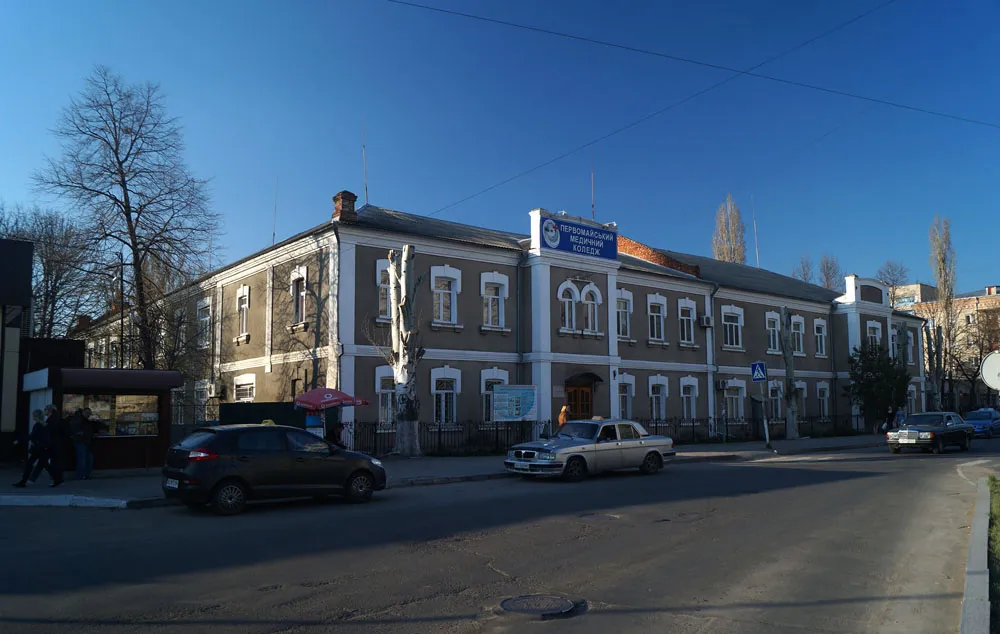
The former gymnasium
In 1919 it became part of the newly formed town of Pervomaisk in Mykolaiv Oblast.
In the 1830s Bolesław Potocki opened the Bohopil county school for the nobility.
The town also had a one-class public school.
From the end of the 18th century Jews began to settle in the town. Throughout its subsequent existence they made up the greater part of its inhabitants.
According to the 1897 census of the Russian Empire, the population of Bohopil was 7,226, of whom 5,909 (81.77%) were Jews.
There was a synagogue and 6 Jewish houses of prayer; from 1901 a Talmud Torah, a cheder and a private Jewish boys’ school operated. A Jewish hospital opened in 1899 and a library in 1906.
At the beginning of the 20th century the town was visited by the Jewish writer Sholem Aleichem. His impressions of the visit were described in the story “A Hundred and One”.
Holta was founded in 1762 by Ukrainian Cossacks as a settlement on the Ottoman bank of the Southern Buh, within Khan’s Ukraine.
According to data for 1859, the state-owned village in the Ananiv County of the Kherson Governorate had 865 inhabitants (434 men and 431 women), 686 farmsteads, an Orthodox church, and held markets.
In the 19th century it had a small Jewish community, but under the Temporary Regulations of 3 May 1882 it fell on the list of localities where Jews were forbidden to settle.
As of 1886, the former state village of the Vradiivka volost had 1,343 inhabitants and 488 households, with an Orthodox church, 2 schools, a justice of the peace’s chamber, a railway station, a brewery, a candle factory, 2 taverns, 2 inns and 19 shops, and held markets every week.
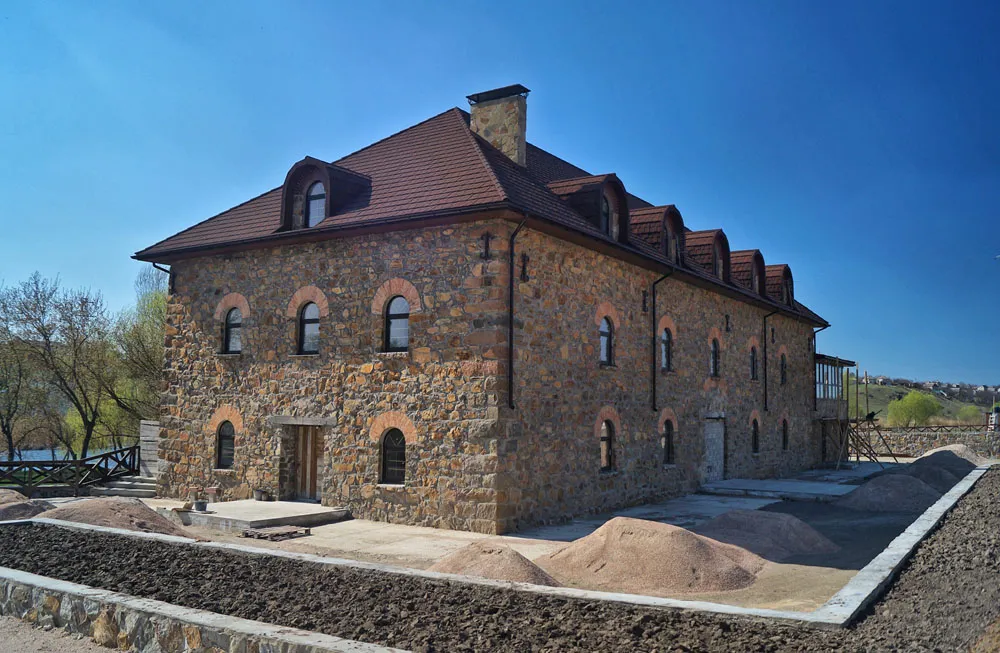
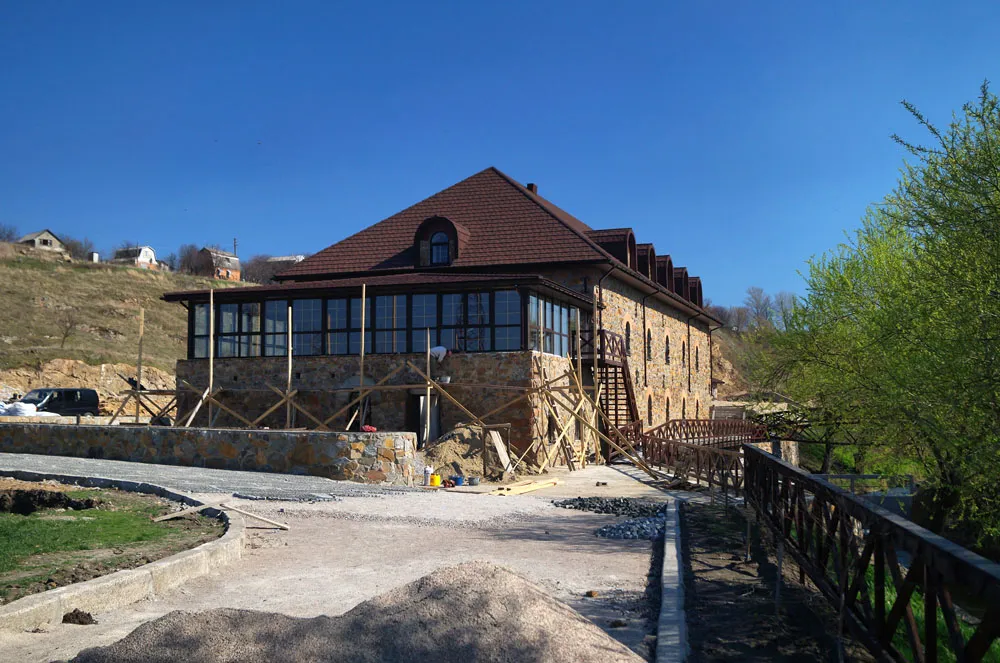
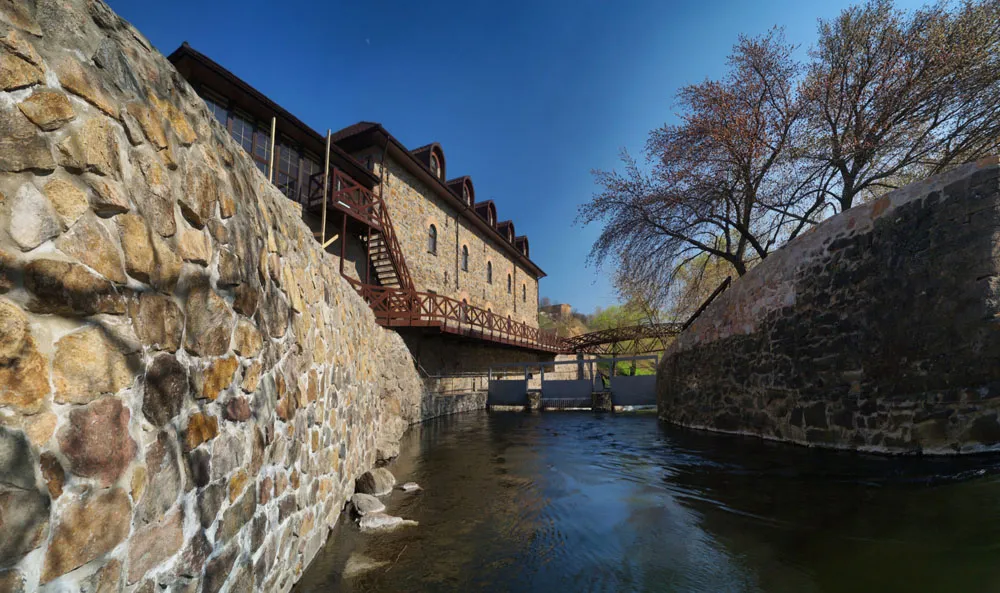
A mill on the Synyukha that is being reconstructed into a hotel complex.
After the partitions of Poland and the seizure of the Ottoman lands, all three settlements belonged to different governorates of Russia. Thus Olviopol was a town of the Yelysavethrad County of the Kherson Governorate, Bohopil a town of the Balta County of the Podillia Governorate, and Holta a state-owned village of the Ananiv County of the Kherson Governorate.
Olviopol, Bohopil and Holta existed as separate settlements until 1919. That year, at a rally on 1 May, it was decided to unite all three parts into one town and, in honour of the day of workers’ solidarity, to name it Pervomaisk. Text from Wikipedia.
Present-day Pervomaisk has about 65,000 inhabitants. It lies on the Mykolaiv highway, and almost all of us have driven through it on the way to Mykolaiv or to Crimea. We sped through in transit and noticed nothing except an ordinary Soviet district centre. But there is something to see here, for example the Church of the Intercession, built in 1805 (one of the oldest churches in Mykolaiv Oblast), or the city Palace of Culture, formerly the House of Soviets – a really cool building. This is what the website Gard.City writes about it.
The history of this building began back in 1925. Pervomaisk was by then the centre of an okruha, but had no official administrative premises. The okruha executive committee was housed in the former public library building near the central square (now the building between the “Board of Honour” and the “Ukraina” cinema), and the party okruha committee in a school for Jewish girls (now the Youth Centre). The then head of the party okruha committee, Demian Serhiiovych Korotchenko, appealed to the Ukrainian government asking for funds to build a House of Soviets, but received a categorical refusal and even a ban, given the difficult financial situation in the country. Despite this, construction began.
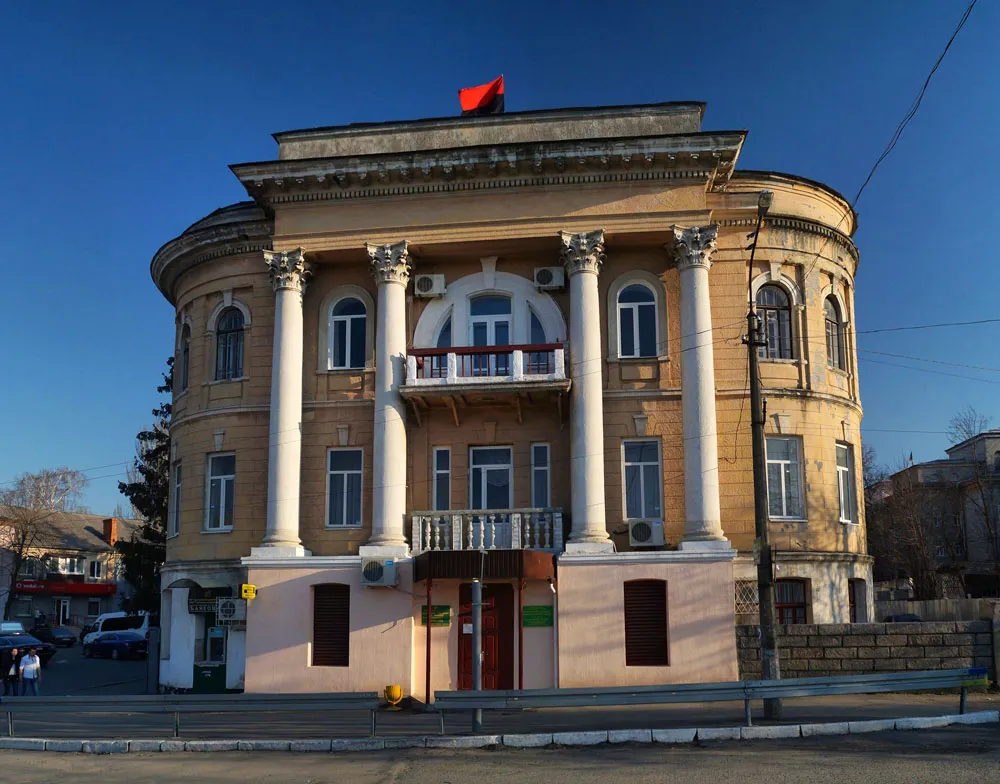
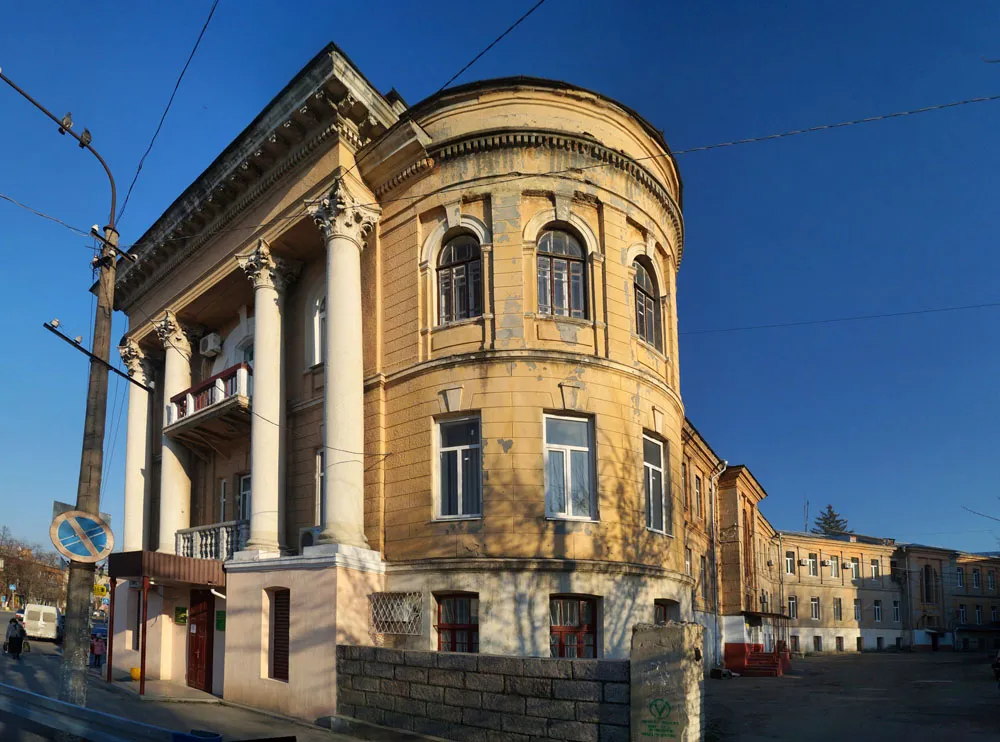
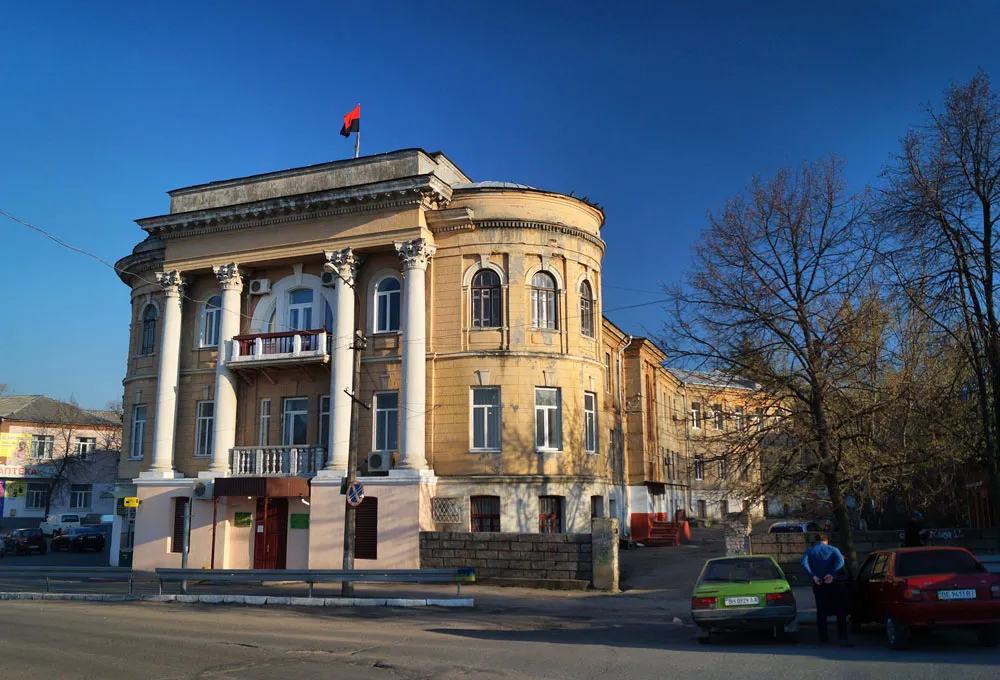
The House of Soviets
The original design of the building, shaped like a sickle and hammer, was bought from the Kharkiv engineer Esterovych. Professor Kondert and engineer Riabushyn did the work of fitting the site to the terrain and partly re-planned it. The work was supervised by engineer Yatsenko. Despite the lack of funds, construction proceeded rapidly. Even the remains of the ruins of the Orel redoubt, which still existed at the time, were used as building materials. By the beginning of 1928 construction was complete.
In the central part, as today, was the city House of Culture with an auditorium for 380 seats. The right wing housed the okruha executive committee, the left the okruha committee of the CP(b)U. The total area of the building was 5,687 square metres, with 246 rooms and halls. At the request of the then head of the reading room of the central okruha library, Kateryna Illivna Nepomiashcha, part of the right wing of the new building was given to the city library. The library is still located there today.
During the occupation in the Second World War the building housed the Romanian military commandant’s office. And, strangely enough, the library was allowed to work on condition that all literature published after 1918 was destroyed. Fortunately, the library staff managed to hide most of the holdings in the basements of the building. Incidentally, it was thanks to Kateryna Illivna Nepomiashcha that the building was saved. Knowing that Soviet troops were approaching, in March 1944 the occupation authorities began preparing important industrial and administrative sites of the city for demolition, including the House of Soviets. Kateryna Illivna went down to the basement to check whether the hidden books had survived and saw many crates of explosives connected with wires. Realising that the building was being prepared for demolition, she turned to the fire station nearby. During the occupation an underground group led by Vasyl Banit operated there. Creeping into the basements at night, the underground fighters defused the explosives. Since the building could not be blown up, during their retreat the occupiers carried all the documentation recording their crimes into the auditorium and set it on fire.
Pervomaisk has preserved two gymnasium buildings, a good deal of Jewish-era buildings and a rebuilt synagogue. There are also two water mills – one on the Synyukha, which is now being turned into a hotel complex, and one on the Southern Buh, now some enterprise or warehouse. The mill on the Synyukha is quite spectacular; seen from the water it looks like a castle.
Editing and photos by Roman Malenkov.