Bolhan. The Red Mill and a mysterious cemetery
Bolhan is a village on the border with Transnistria (Moldova). It lies in the south of Vinnytsia Oblast, Tulchyn district, Studenyany community. About a thousand people live in the village.
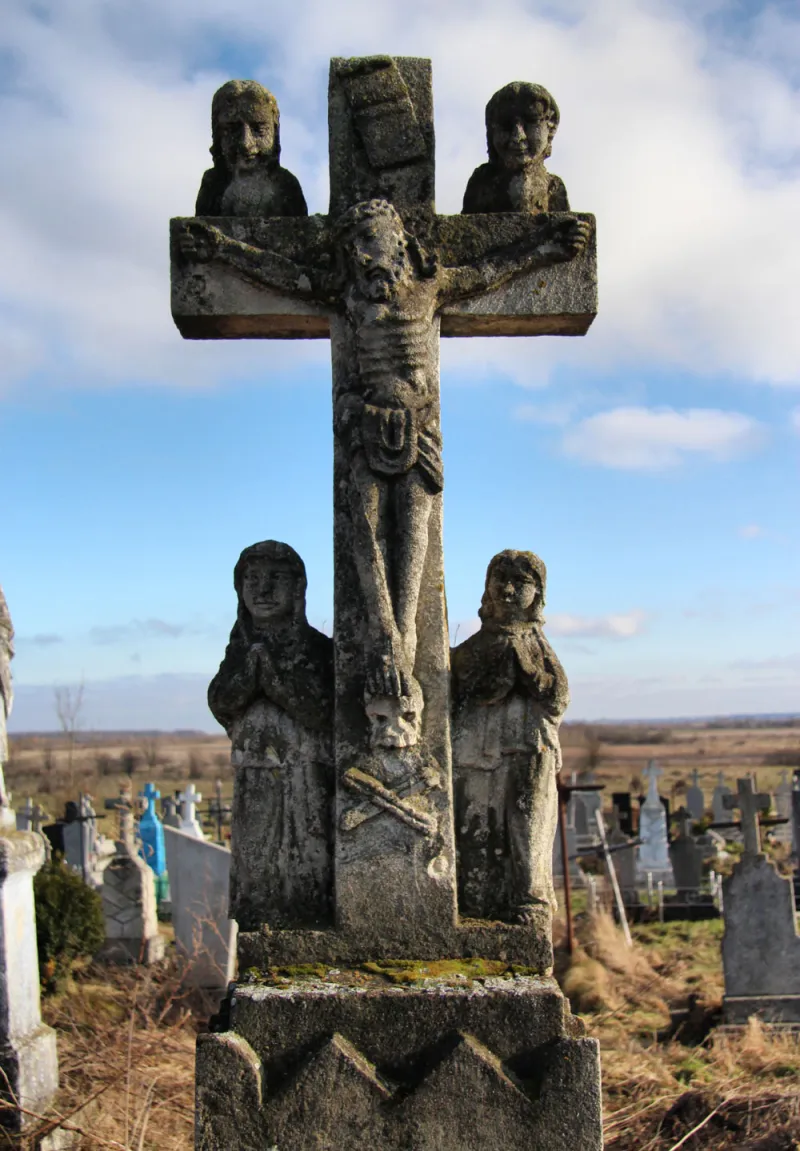
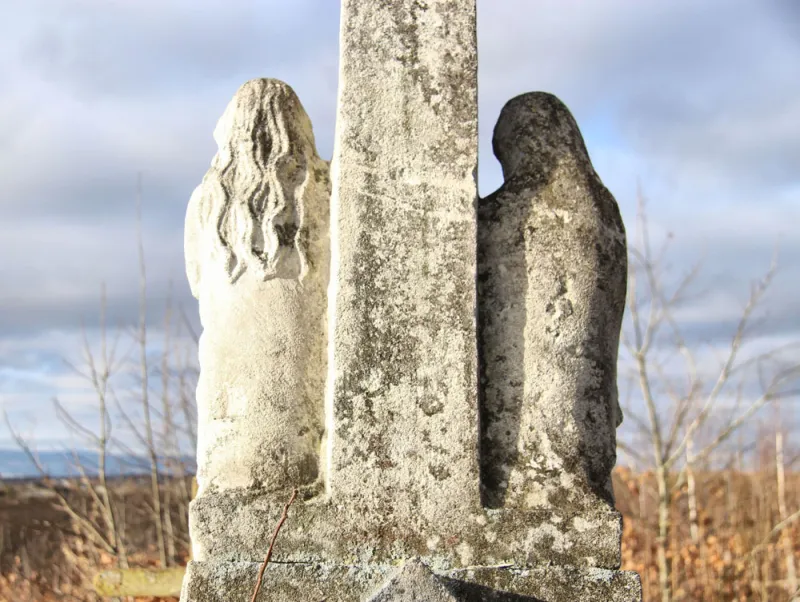
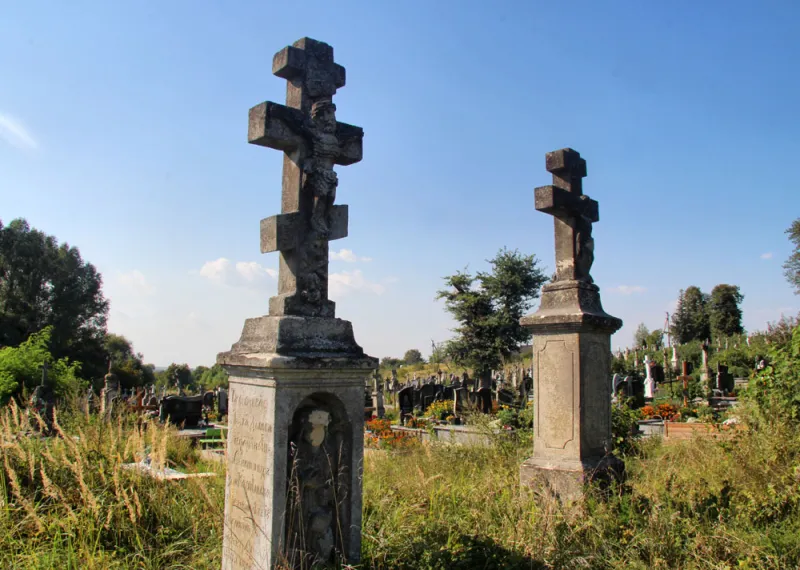
First we learned that Bolhan has a huge, overgrown old cemetery with stone crosses. All the surviving epitaphs are written in Cyrillic, in Church Slavonic. By all traditional signs the cemetery is Ukrainian. The crosses date from the 19th century.
In 1924–1940 Bolhan was part of the Moldavian Autonomy created by the Russian occupiers out of Ukrainian districts. This is the left bank of the Dniester, where the lands of the Principality of Moldavia never lay.
In 1940 Bolhan was returned to Ukraine, while the neighbouring villages (towards the Dniester) were included in Moldavia. According to the historian Hennadii Yefimenko, in most villages up to the Dniester the majority were Moldovans, although the census was carried out by Stalinist officials whose task was to create a sort of “LDNR” on the border with Romania, Transnistria; there was no other reason for creating the autonomy and then handing it over to the Moldavian SSR. Yefimenko is convinced, for no clear reason, that the data of the Stalinist censuses is true.
From Bolhan to the Dniester it is 16 kilometres. The road passes through the Transnistrian villages with Ukrainian names, Severynivka and Kamianka. According to the Soviet censuses of 1926 and 1939, in these villages, and in Bolhan too, the majority of the population were Moldovans. The question arises: should we trust the censuses of an occupation authority that found it advantageous to falsify statistics in order to have a formal reason to hand Ukrainian lands over to the Moldavian SSR?
Are these crosses not material proof that the villages were Ukrainian?
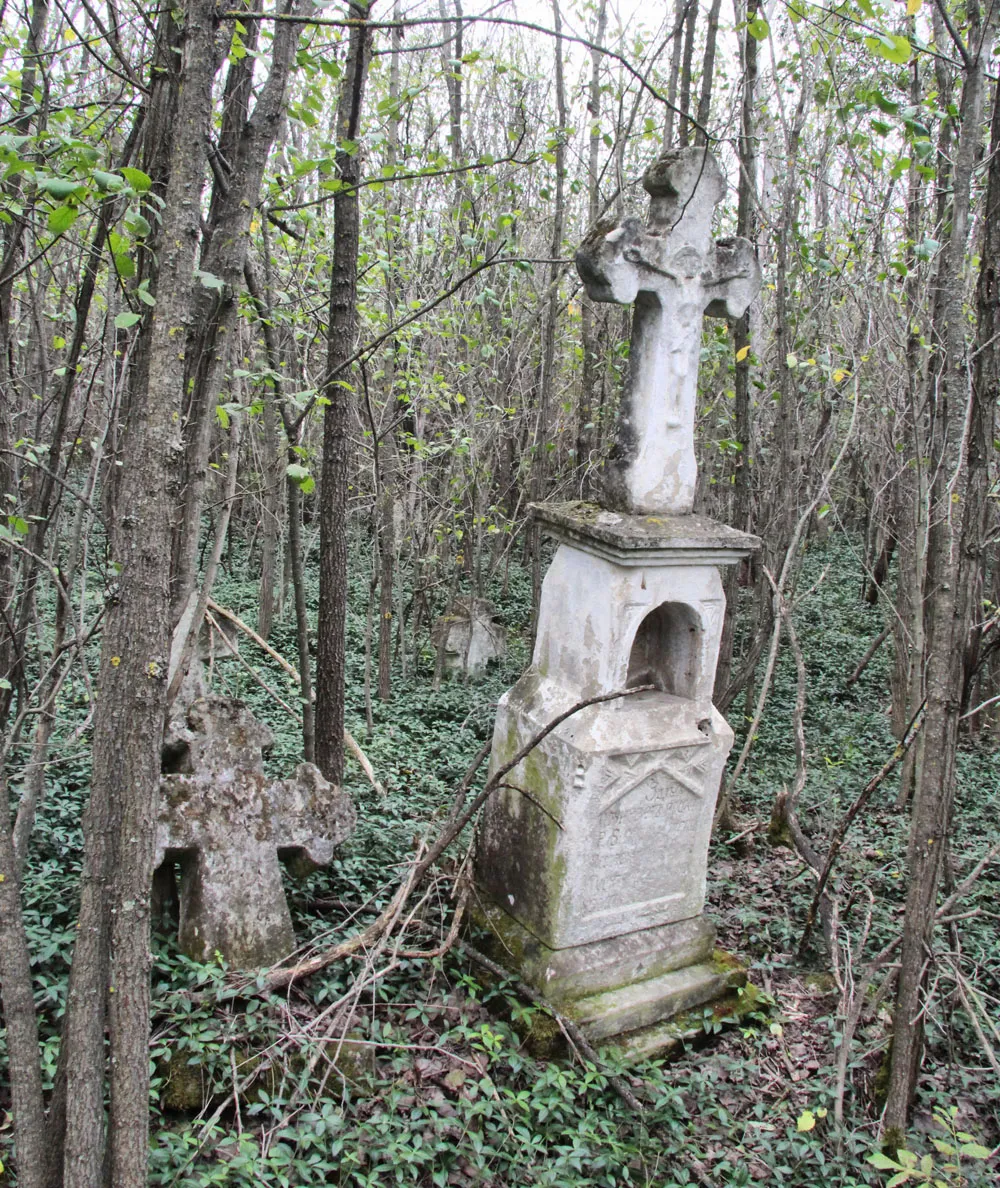
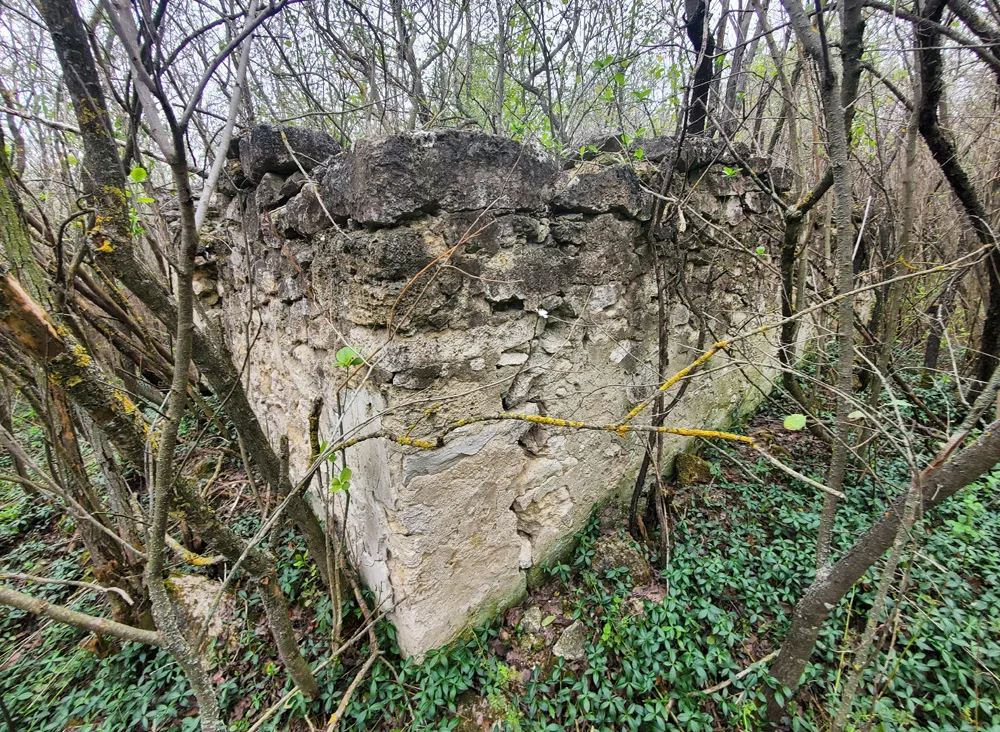
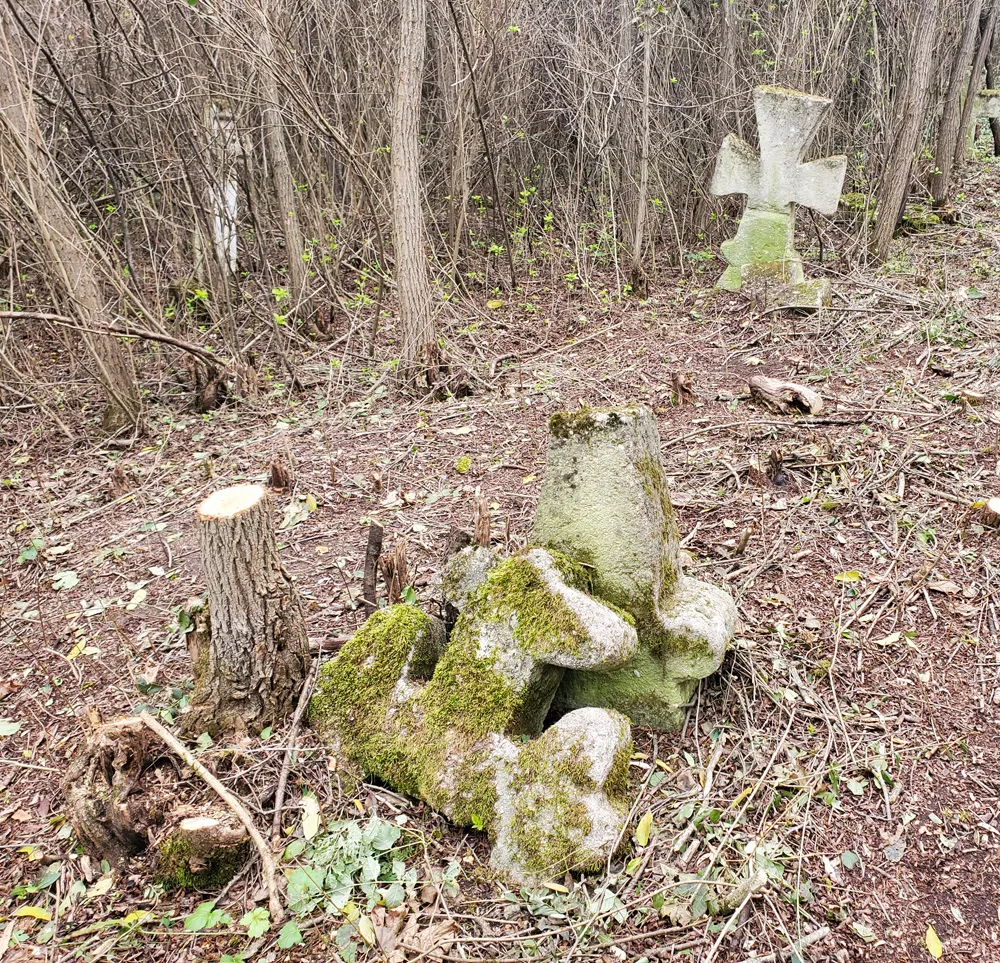
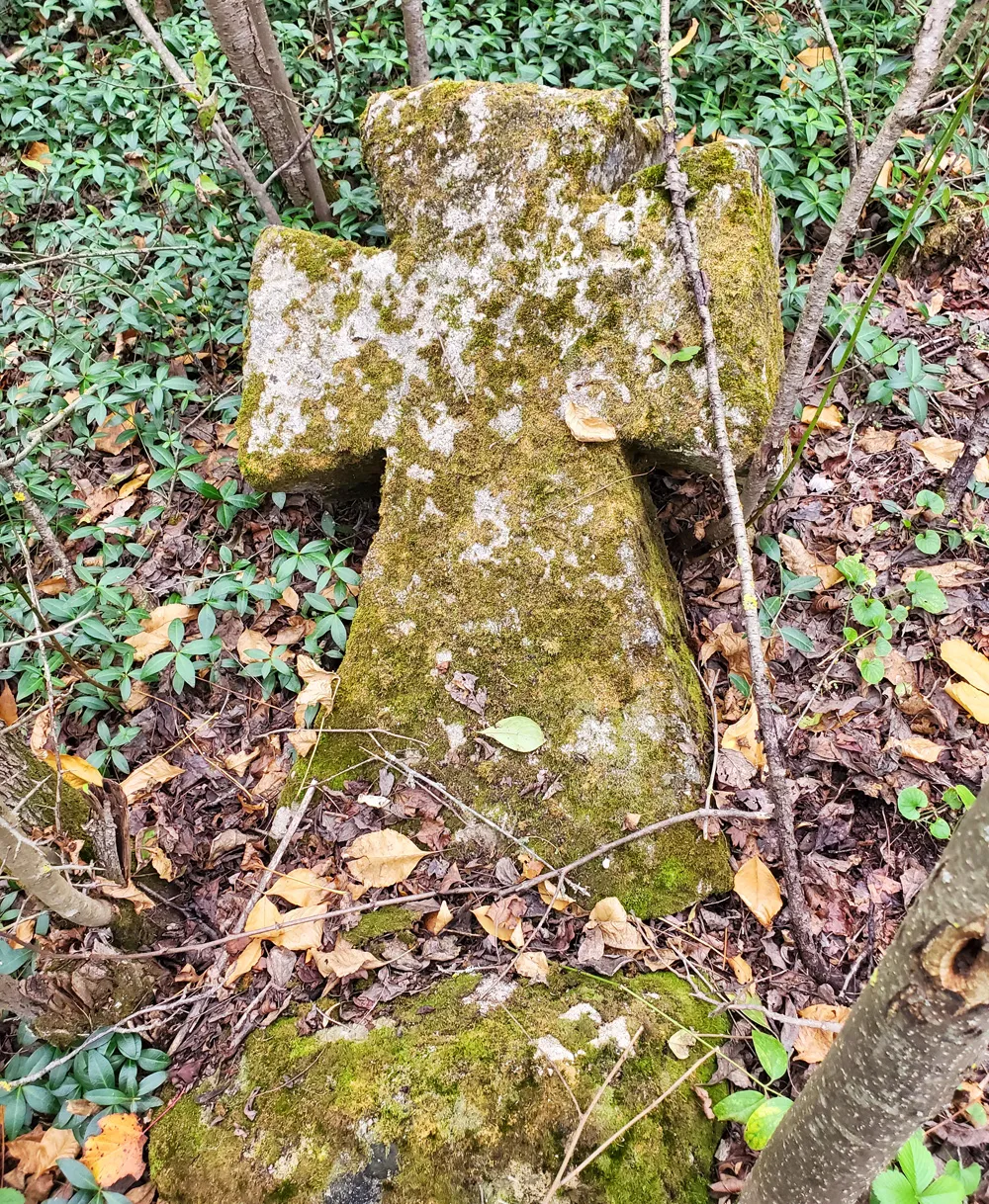
This cemetery is entirely overgrown with forest. Over the last thirty years it has been entered so rarely that people forgot about the chapel standing in the thicket. Five brave people responded to our request to photograph the crosses. But we never got the photos, because strange things happened to those people… Something groaned there, choked them with iron fingers, there were some snakes, just like in Gogol’s “Viy”. And some of the residents of Bolhan refused to take part in clearing the cemetery. People are frightened. But others do not refuse and have already started cleaning it on their own. Within a few weeks we received several letters and messages saying that the cemetery in Bolhan is cursed, that a witch, or perhaps a sorcerer, is buried there…
We came to Bolhan in October 2024. Our expedition was preceded by a toloka, a communal work day: local residents cleaned the cemetery and cut a path through the thicket by which one can reach its centre, the walls of the chapel. Neither the residents nor we, during our research, noticed any evil spirits or sorcerers.
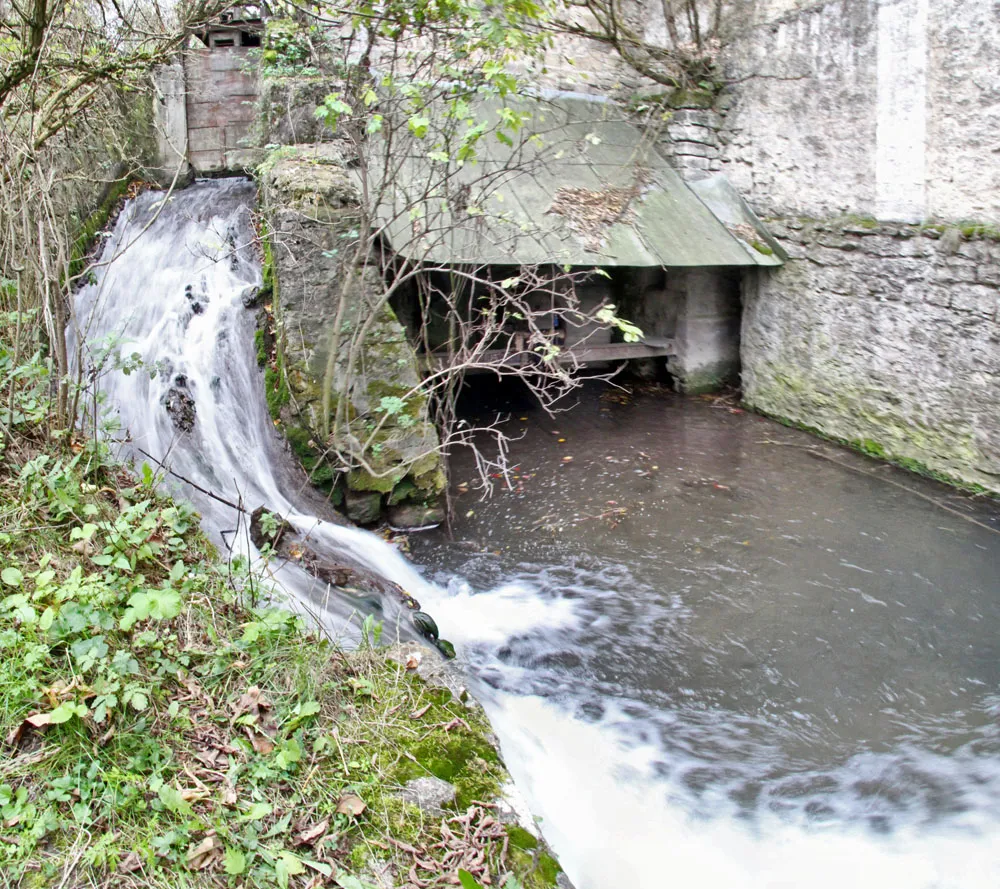
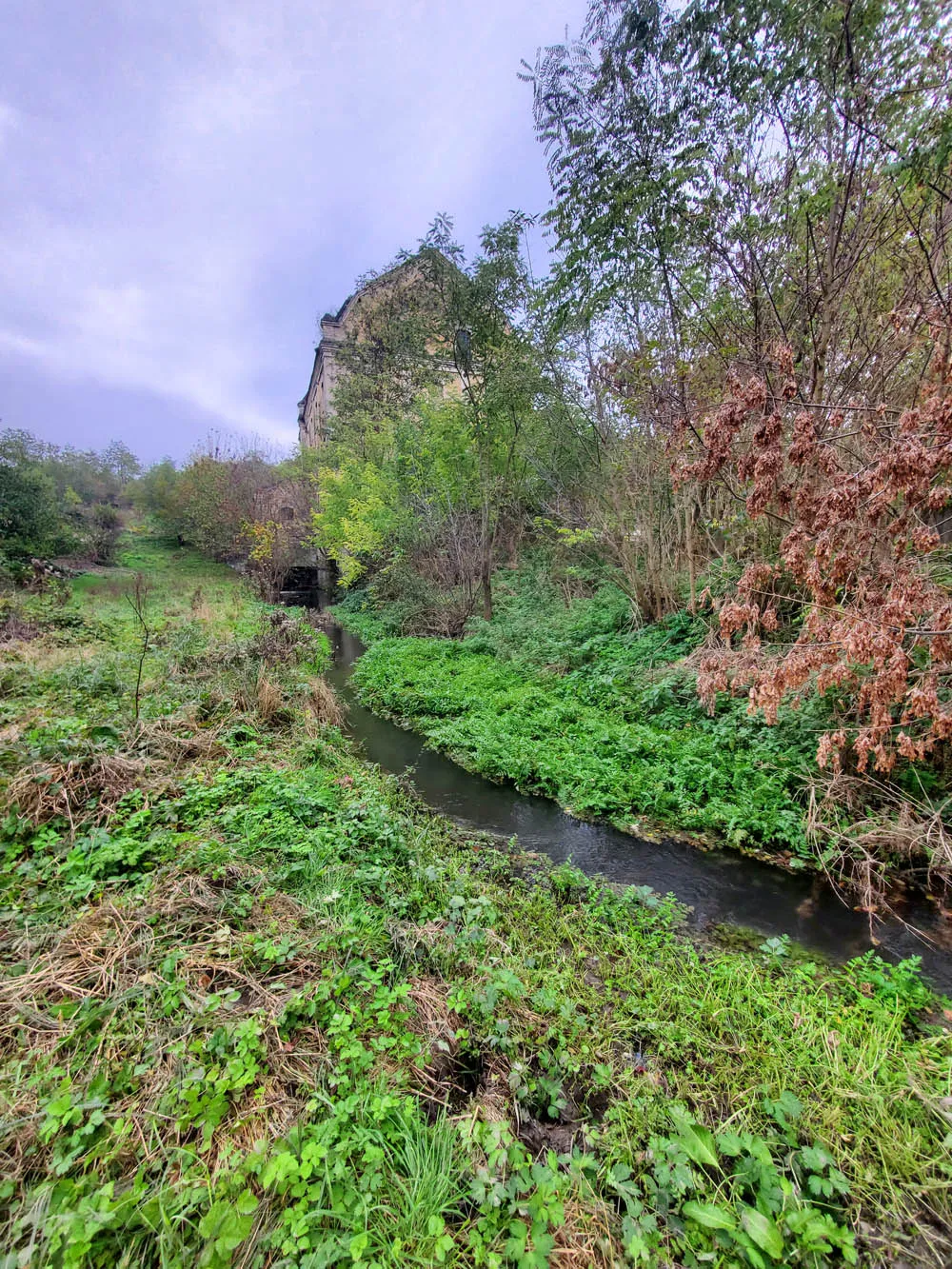
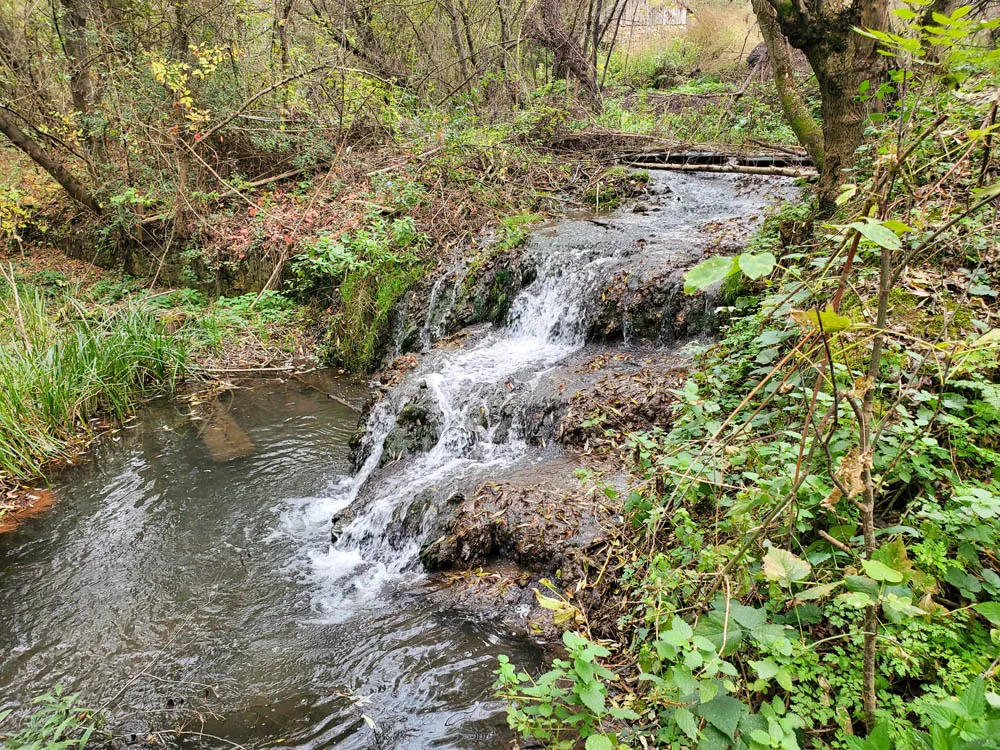
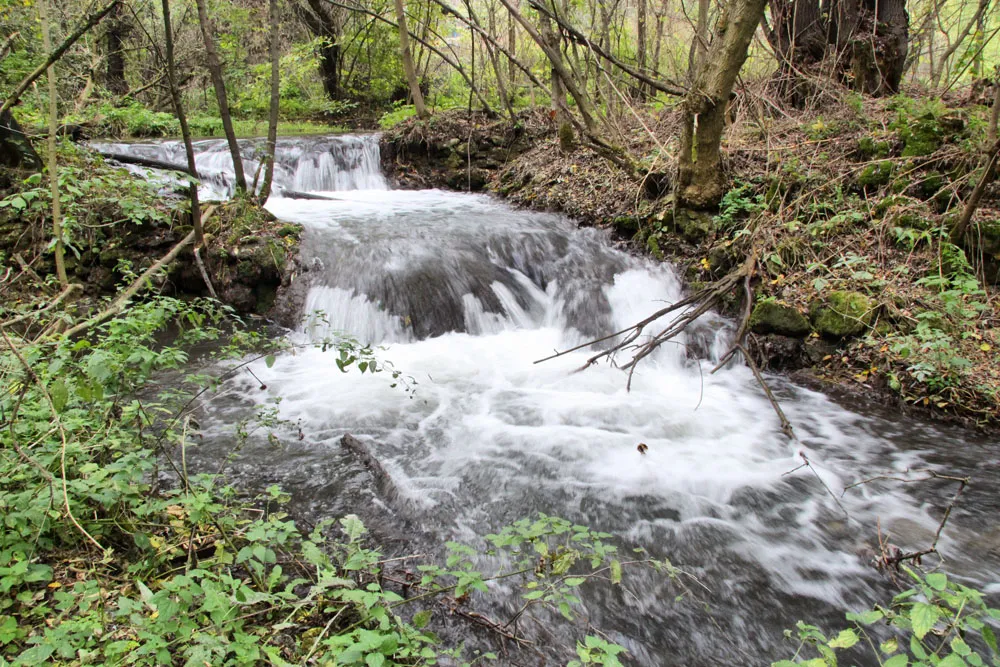
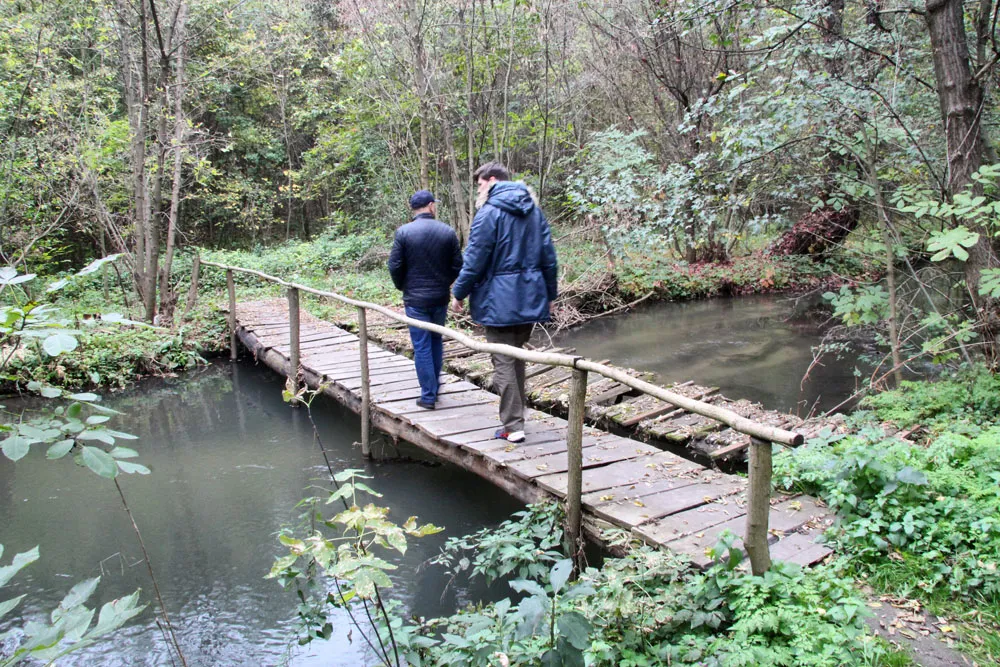
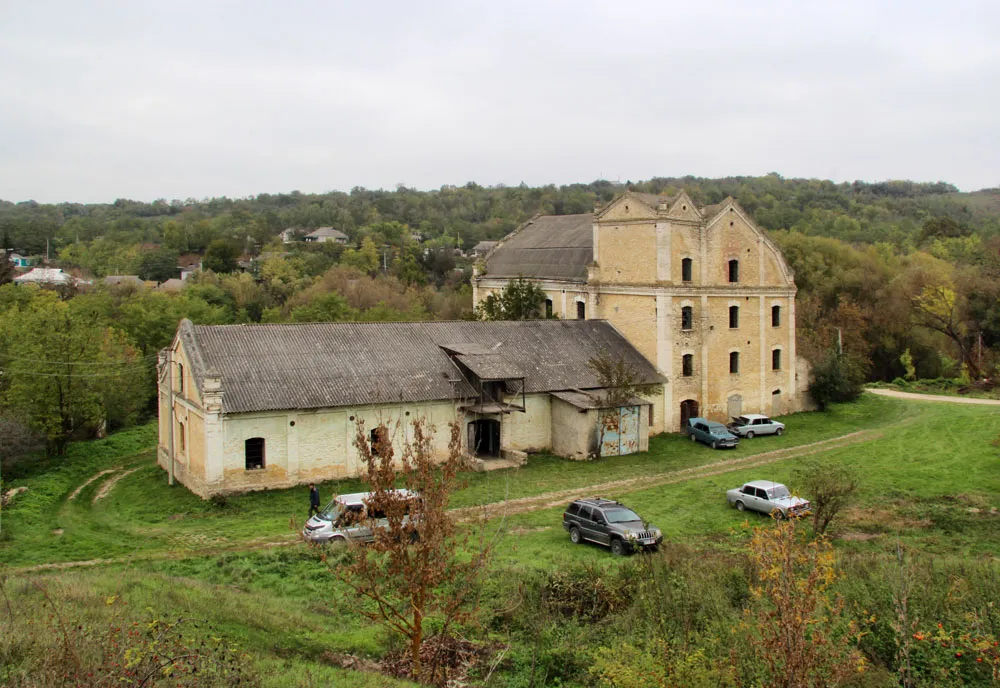
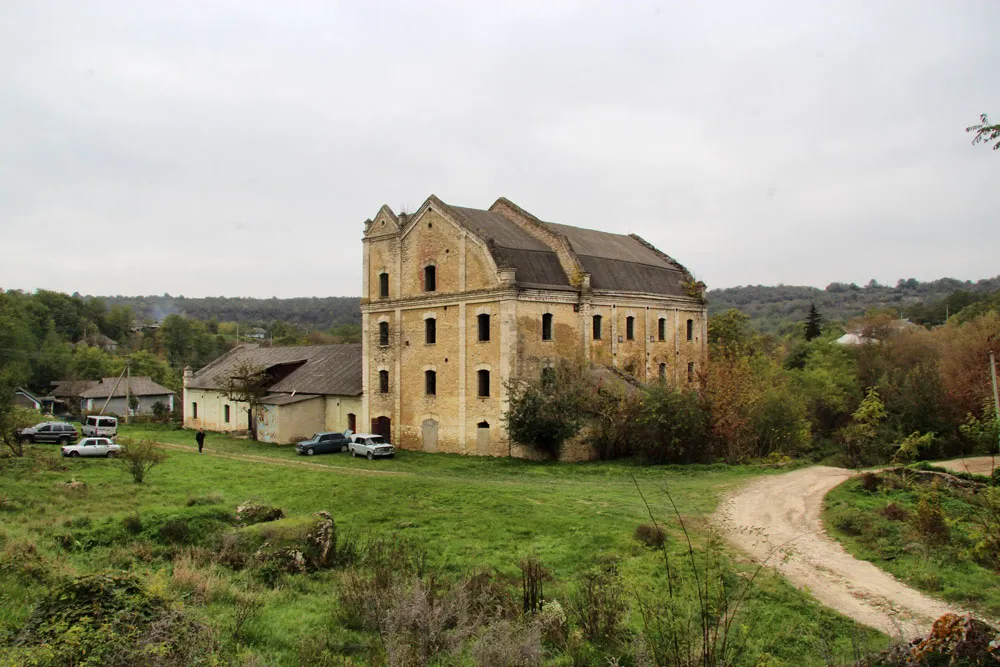
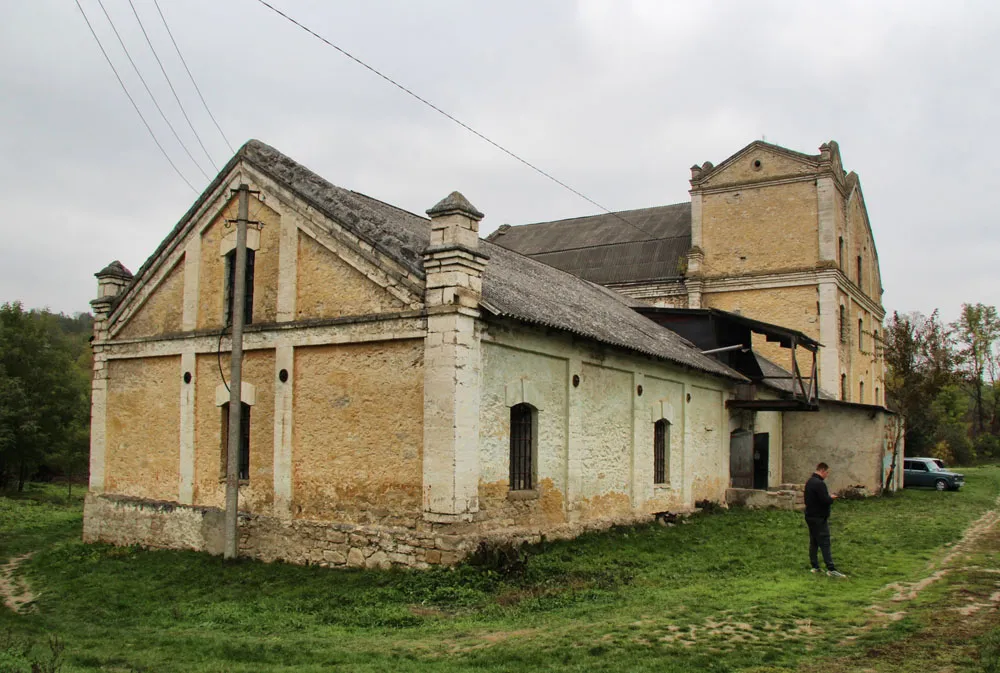
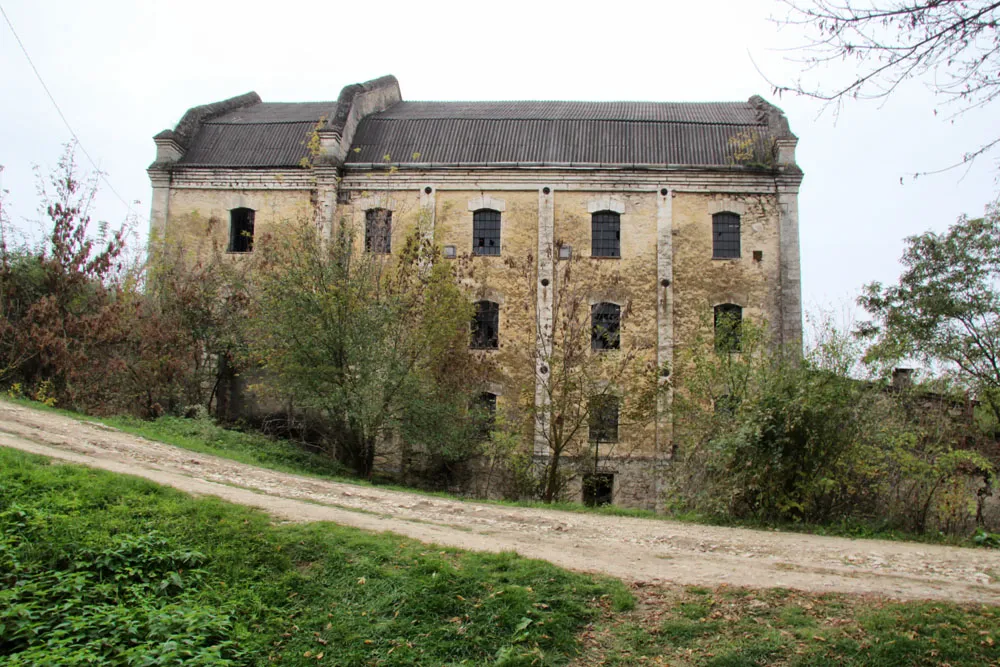
And Bolhan also has an incredible water mill. Locals call it the Red Mill, although nothing red is left on it: the paint has faded and it is now mostly sandy in colour. It was built at the beginning of the 20th century (1902) and has been wonderfully preserved. The Kamianka River flows alongside (it gave its name to the town that is now in Moldova-Transnistria). Considering the state of Ukraine’s rivers, this small river is surprisingly full. Part of it was diverted into a channel that turned the mill wheel. Today the wheel is gone, and the river flows in lovely branches surrounded by lush greenery.
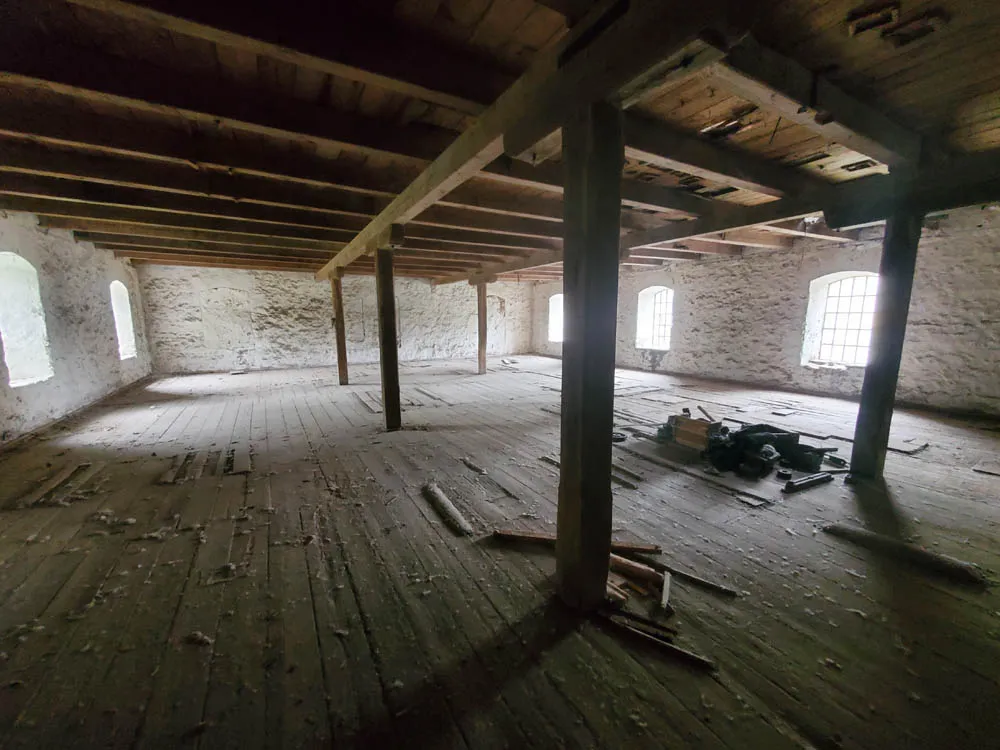
The main building of the mill has four storeys. To the left is attached a long single-storey storeroom with a utility section. The rooms are preserved and the wooden floors are sturdy, so you can walk around safely.
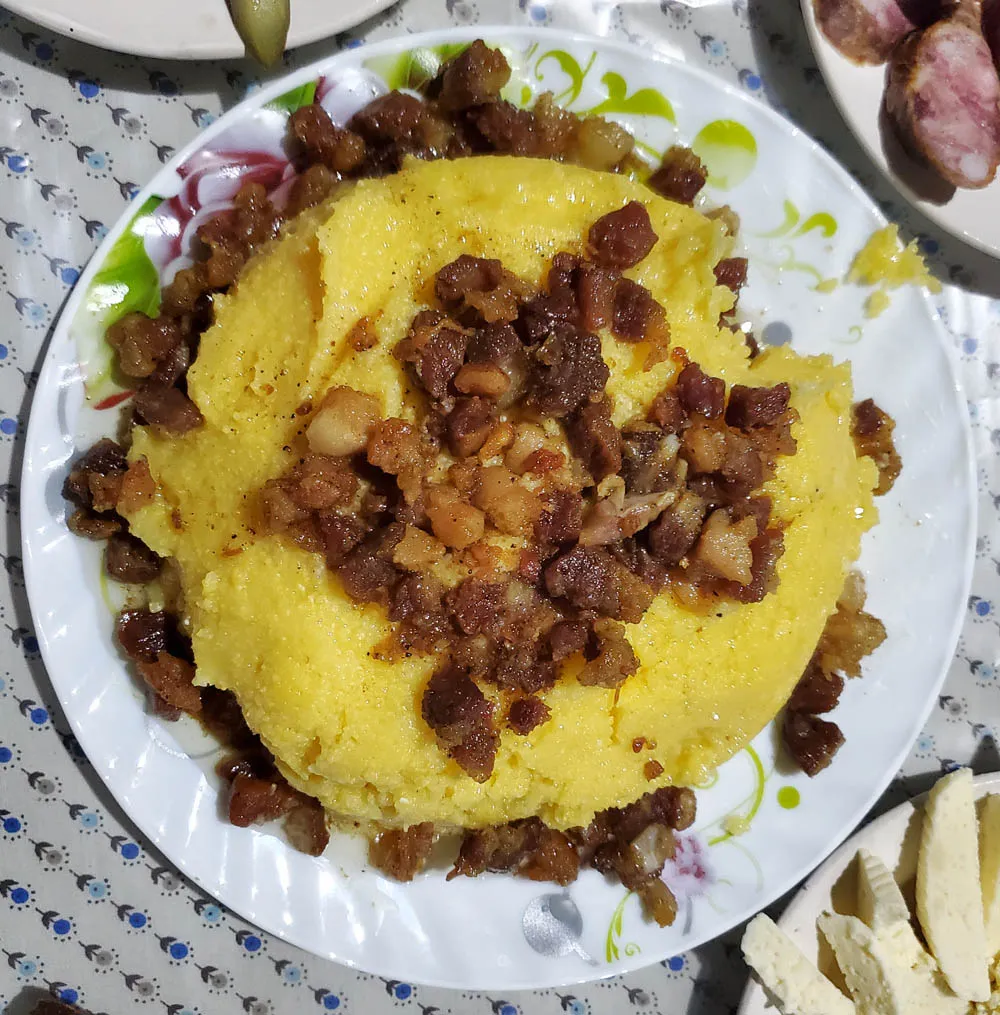
An incredible, little-known corner of Ukraine. Tourists never come here, yet there is plenty of interest, from incredible hills to streets lined with stone houses and stone fences. This is true not only of Bolhan but also of other villages. And in Bolhan, the waterfalls on the Kamianka River, as well as its many channels with footbridges, are a ready-made fairy-tale park. There is also incredible cuisine: Studenyany mamalyha, Bolhan vertuta, dishes from the list of intangible heritage of Vinnytsia Oblast, and also Podilian brynza. These tasty dishes were served to the participants of the forum “Tourist Routes of Podillia” in the Studenyany community, in the village of Bolhan. And it took place right in the mill.
Text and photos by Roman Malenkov.