Pidkamin. The rock outlier, the monastery and the cemetery

· 2 min read
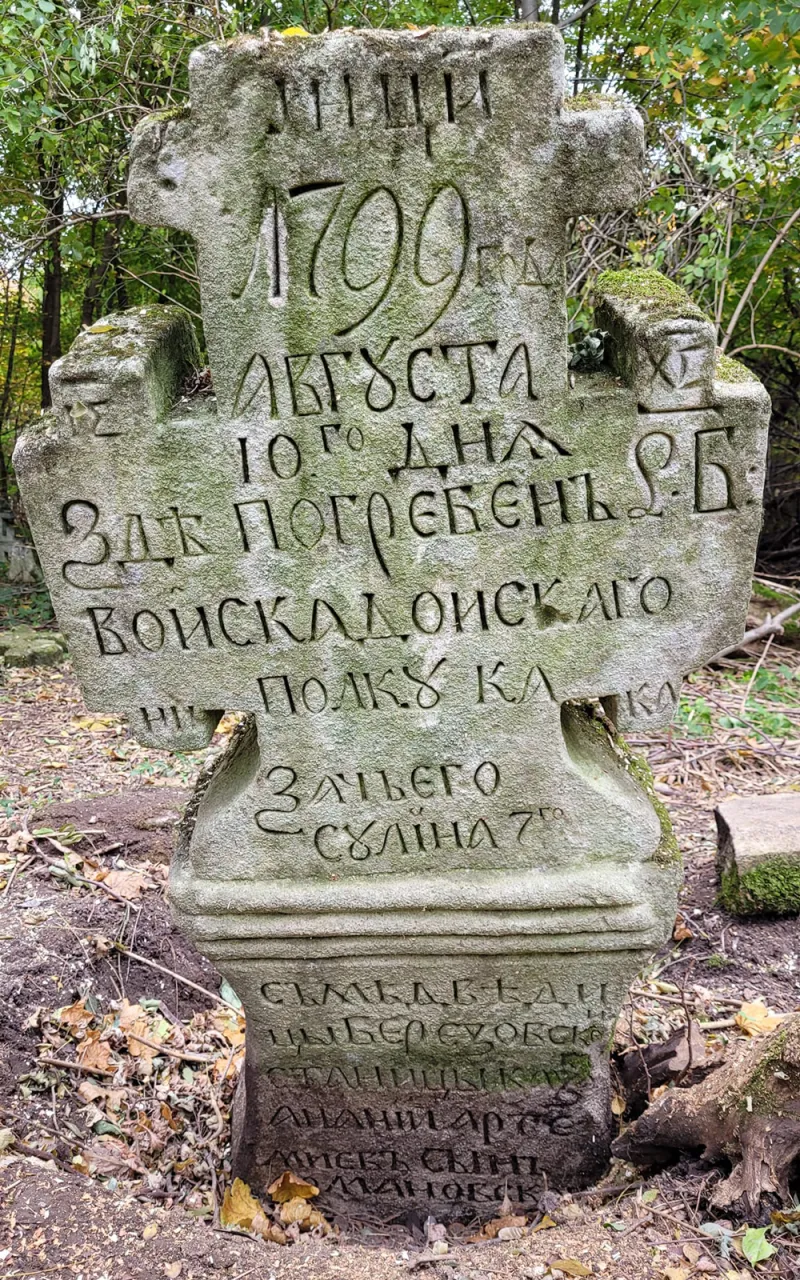
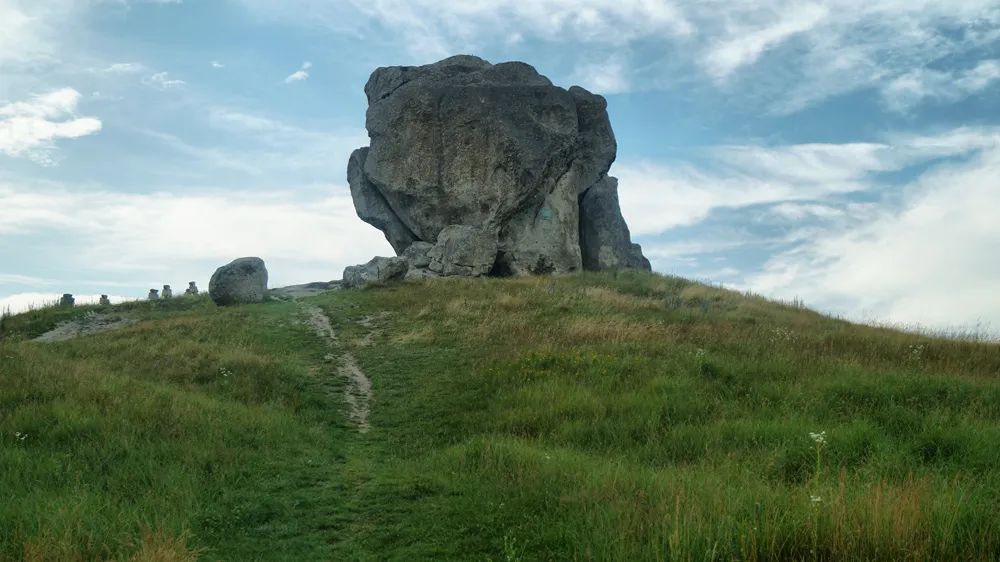
We have already written about the incredible Pidkamin, a village in the Zolochiv district of Lviv region, but we want to mention again this colourful, mystical place, which has the potential to become a “tourist Mecca”. Pidkamin has a mass of monuments (and what monuments): a large fortified monastery complex, the sixteen-metre rock Devil’s Stone, from which the settlement got its name, a cemetery beneath the rock with ancient Cossack crosses, and fairy-tale hills from which, on a clear day, the Pochaiv Lavra can be seen (or so they say).
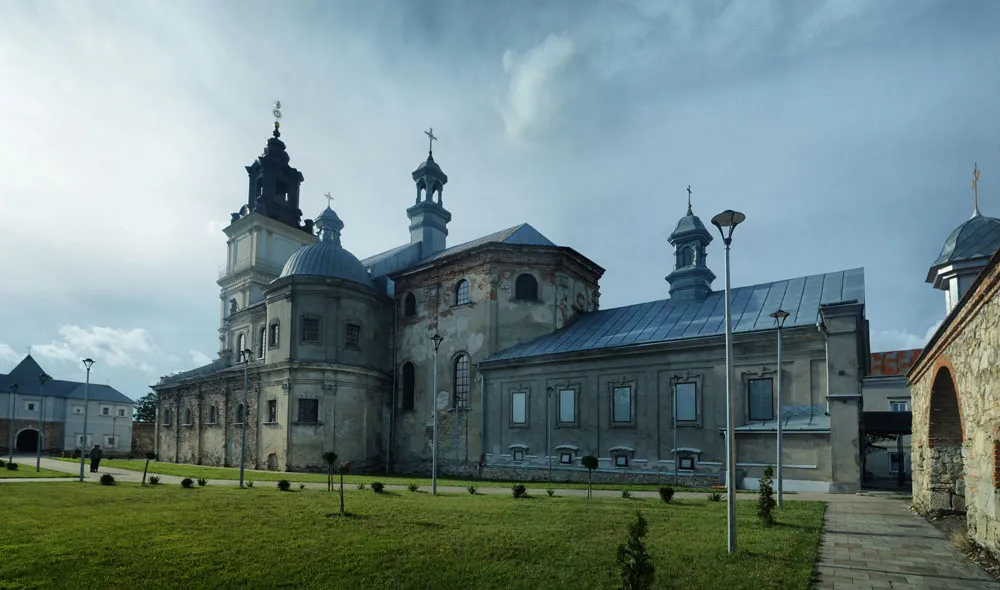
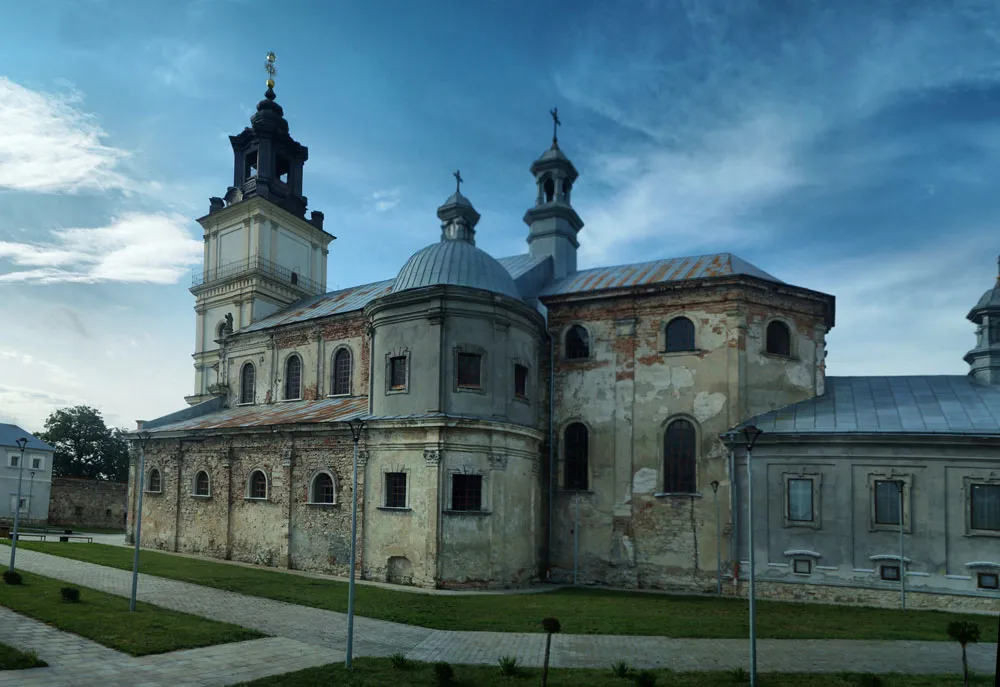
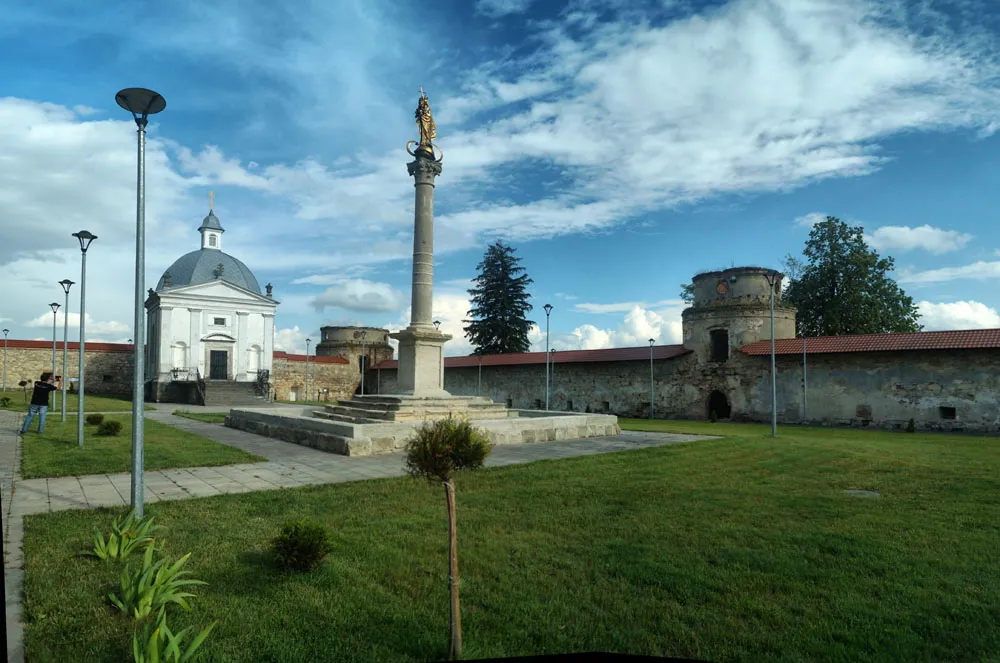
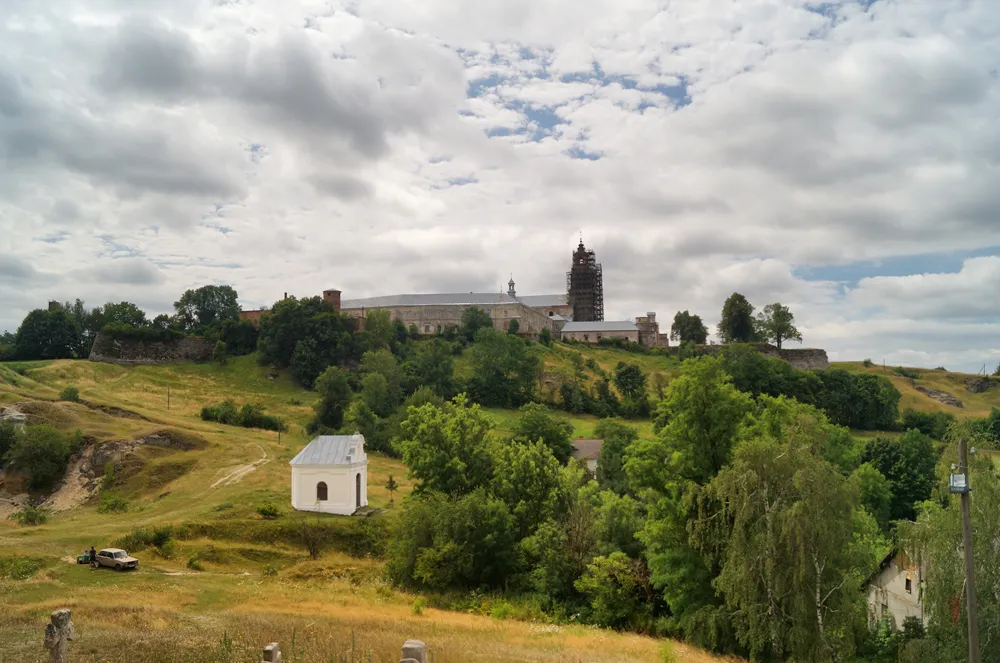
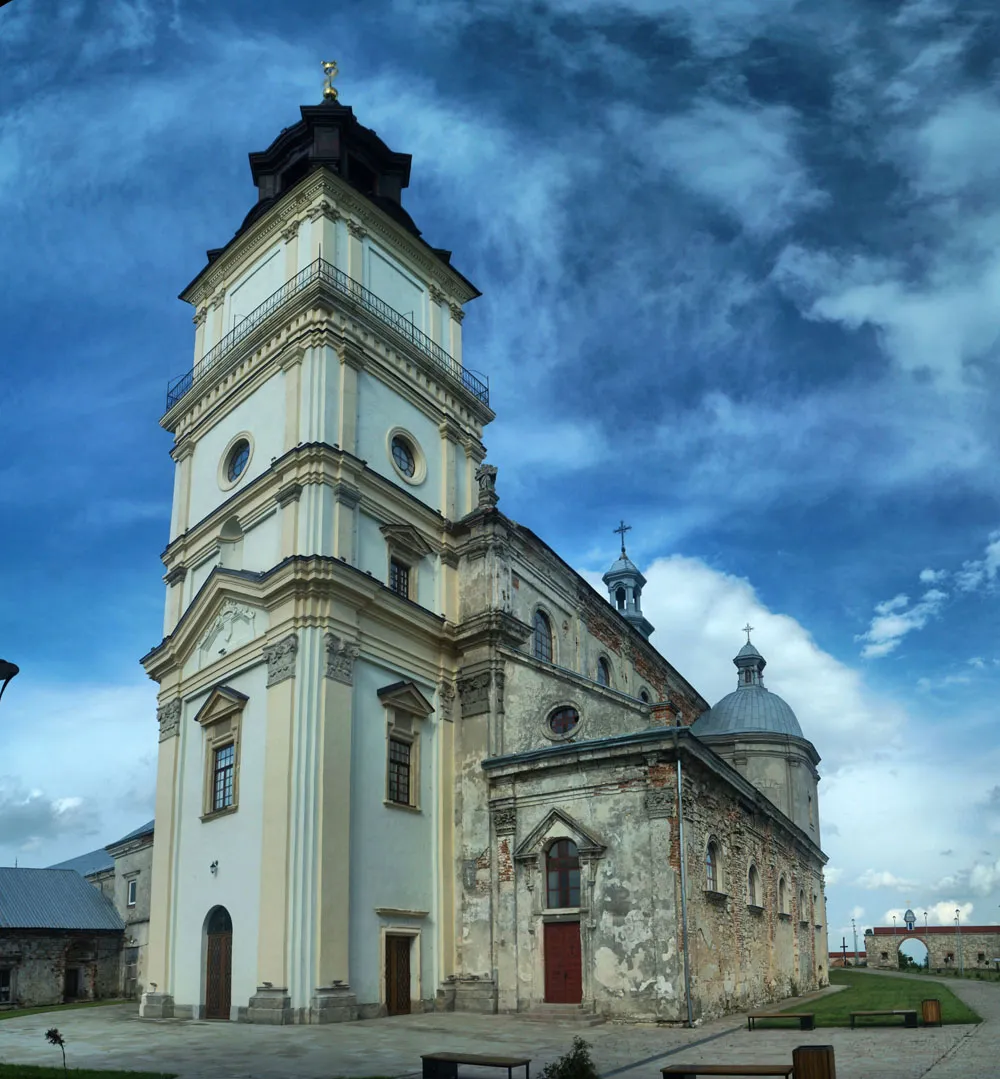
ASCII Kolor stitching | 8 pictures | Size: 4836 x 4059 | Lens: Standard | RMS: 3.06 | FOV: 111.22 x 93.36 ~ 17.57 | Projection: Spherical | Color: LDR |
The Dominican monastery in Pidkamin was built in the 15th century. It is first mentioned in writing in 1464. Even then it was a powerful fortress surrounded by walls and towers. The main church of the monastery was the Church of the Assumption of the Blessed Virgin Mary, which was built and extended over almost the whole of the 17th century. The bell tower was erected in 1761.
Founded as a Roman Catholic monastery, it now belongs to the Greek Catholics, who are gradually restoring it. In Soviet times a psychiatric hospital was housed here, and as late as 2017 it still occupied one wing of the monastery.
Very detailed information about the monastery is available on Wikipedia.
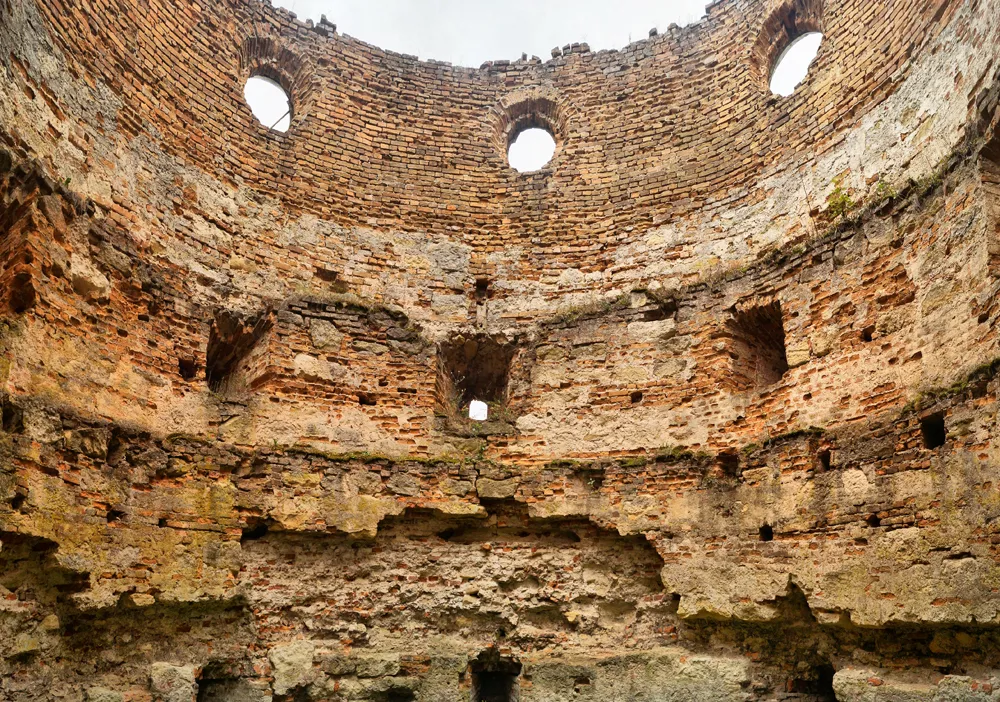
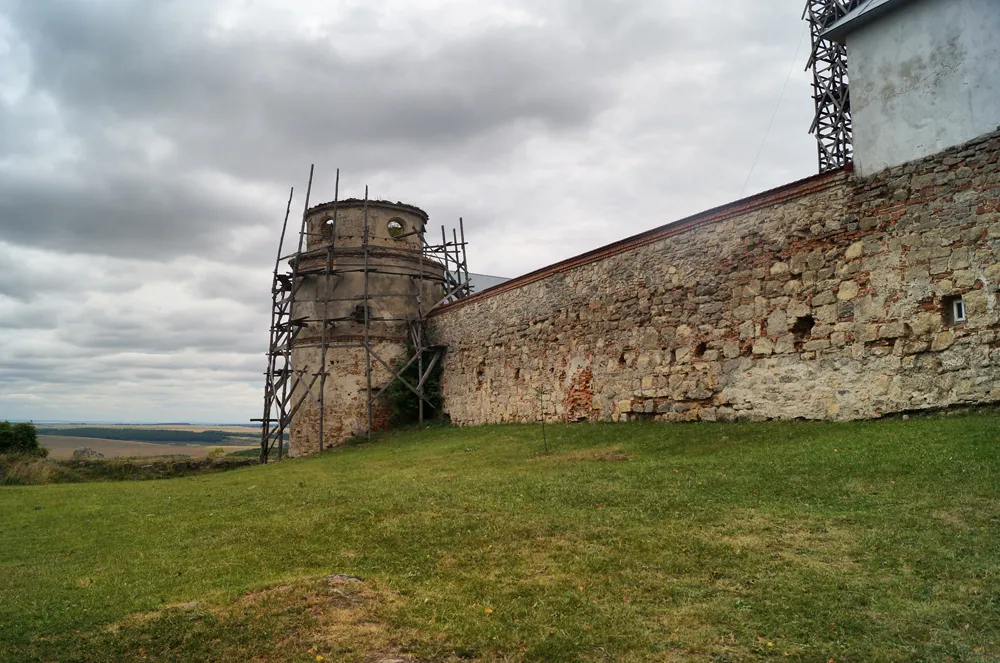
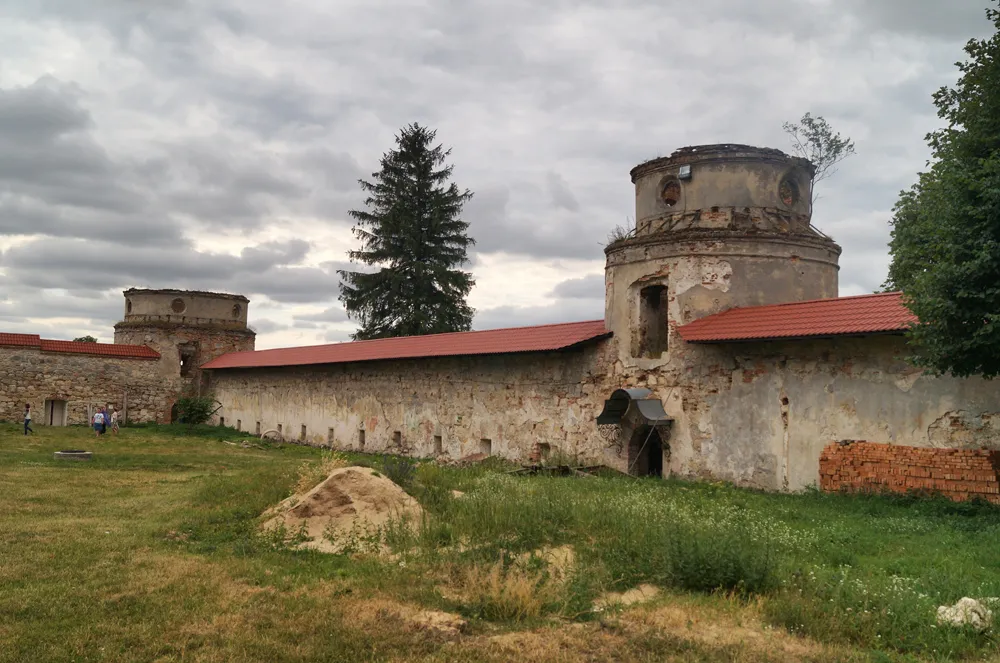
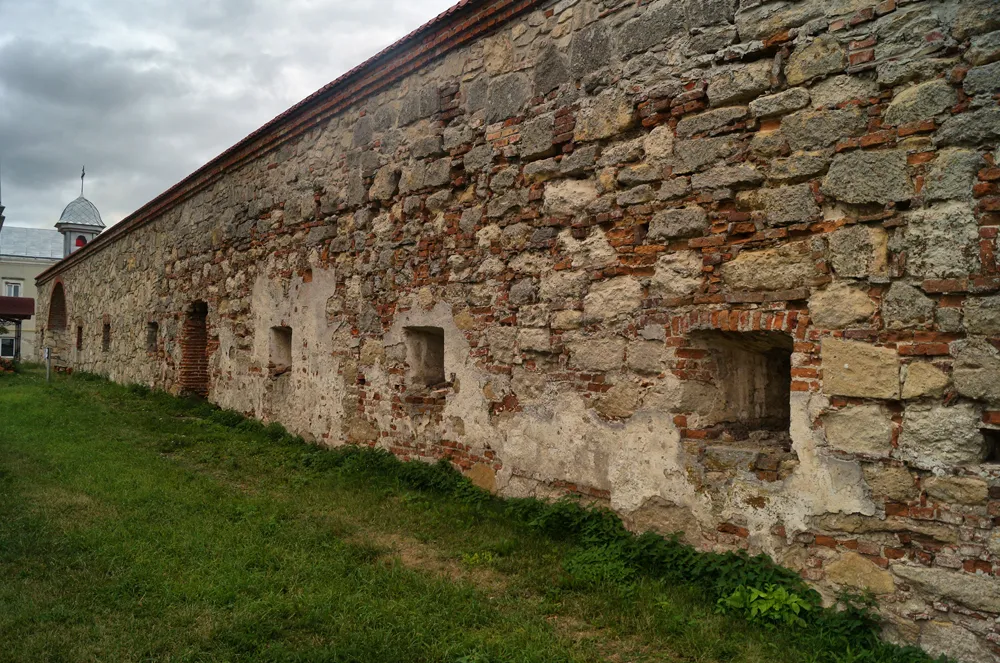
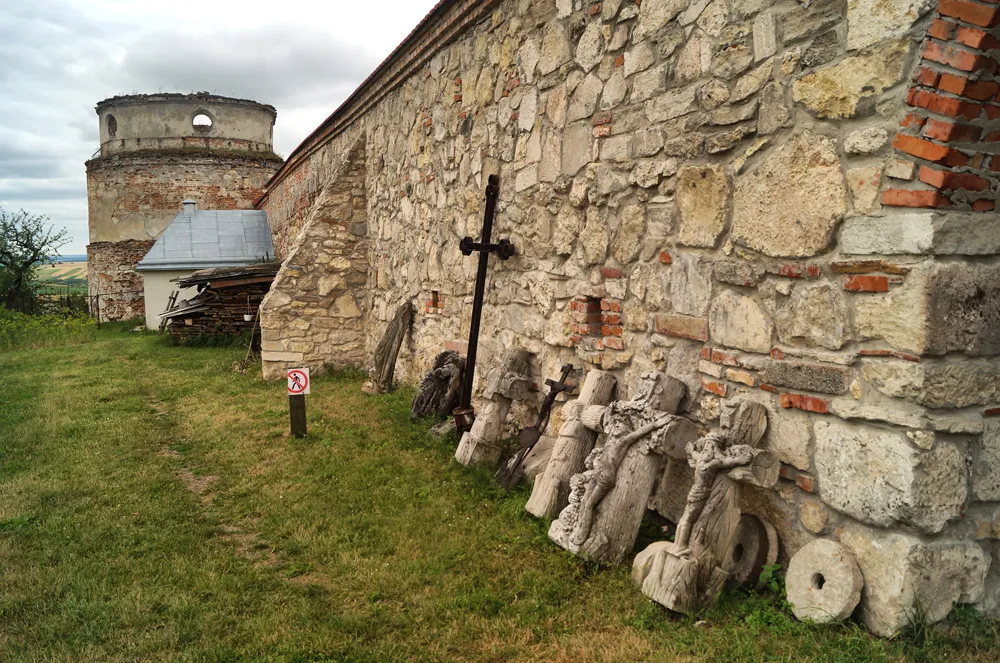
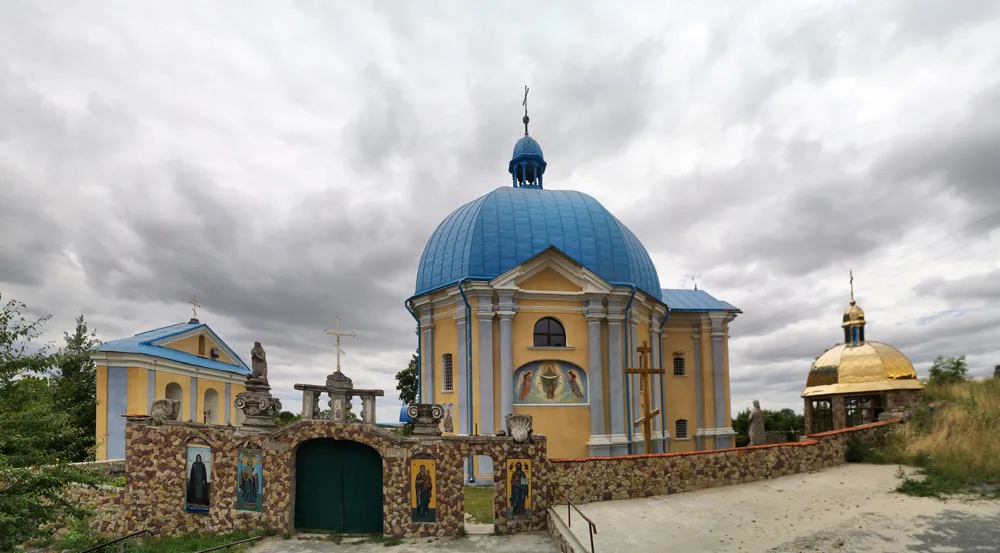
The defensive walls of the monastery, built in the 15th century and rebuilt in the early 18th (work began in 1702).
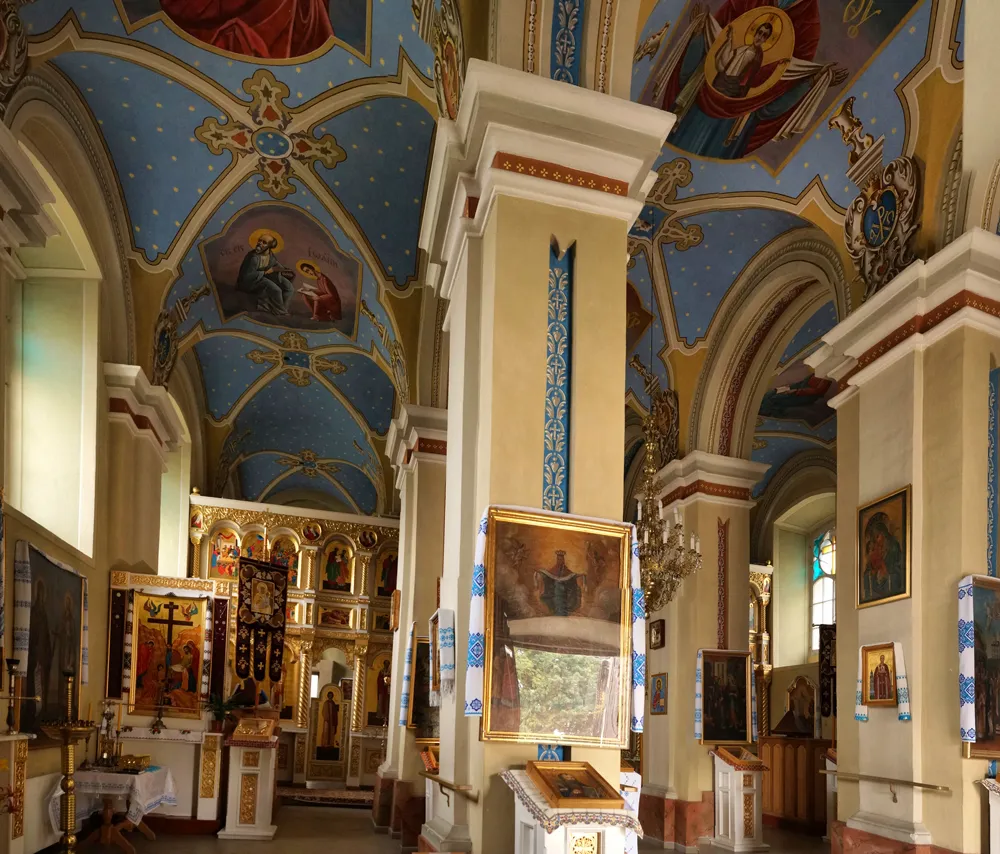
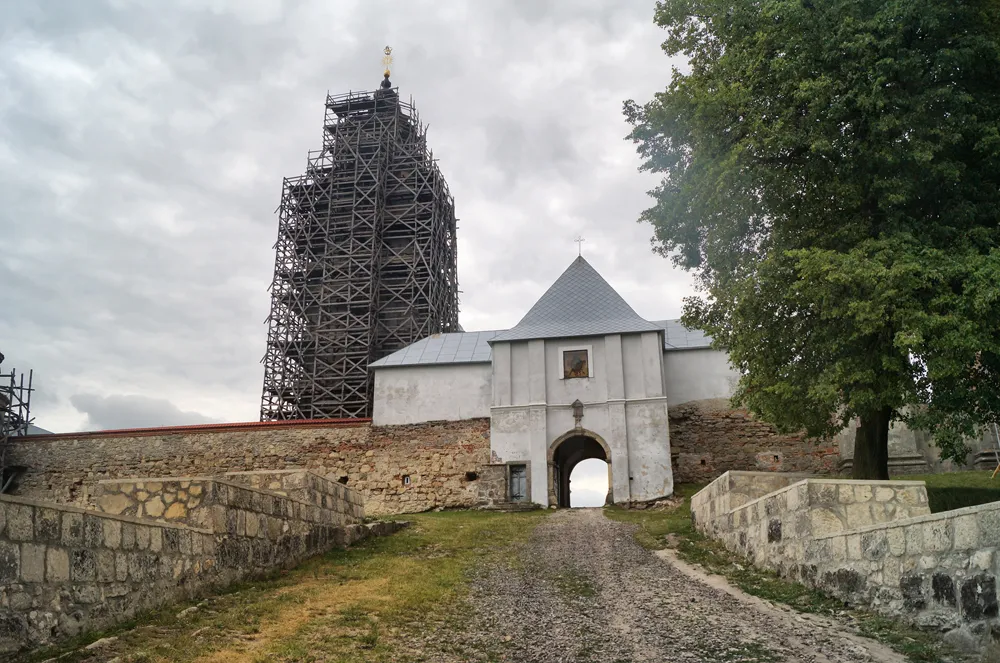
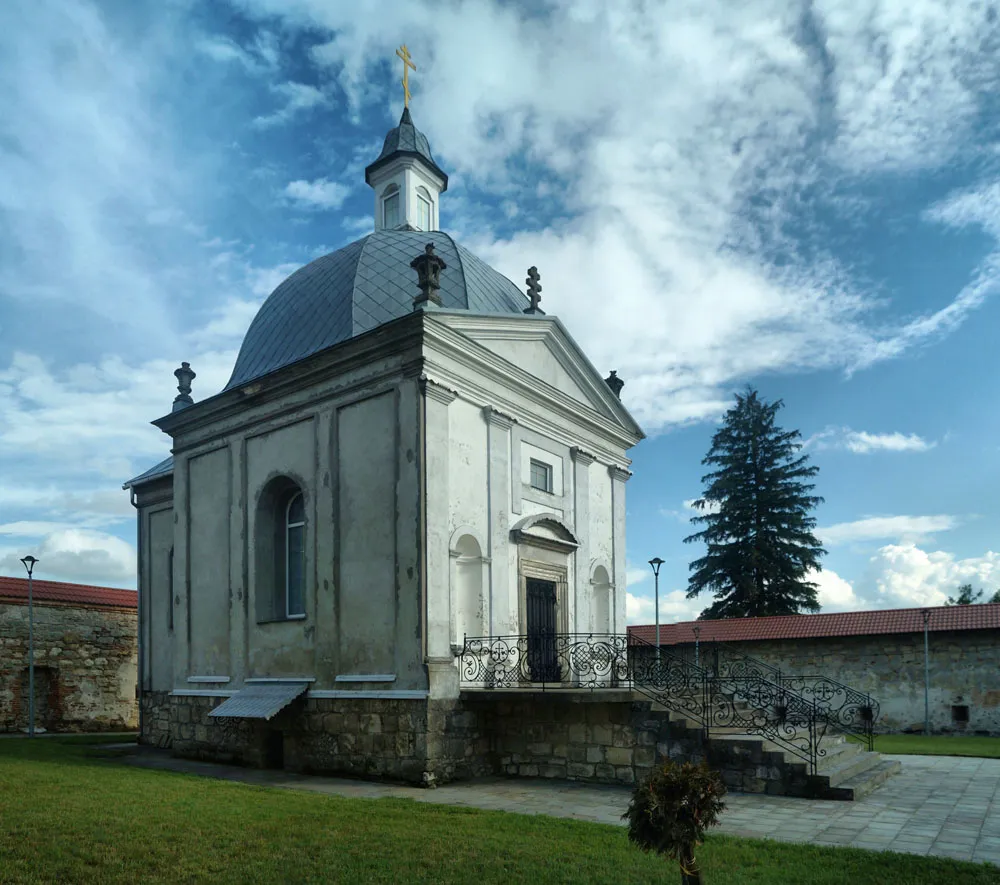
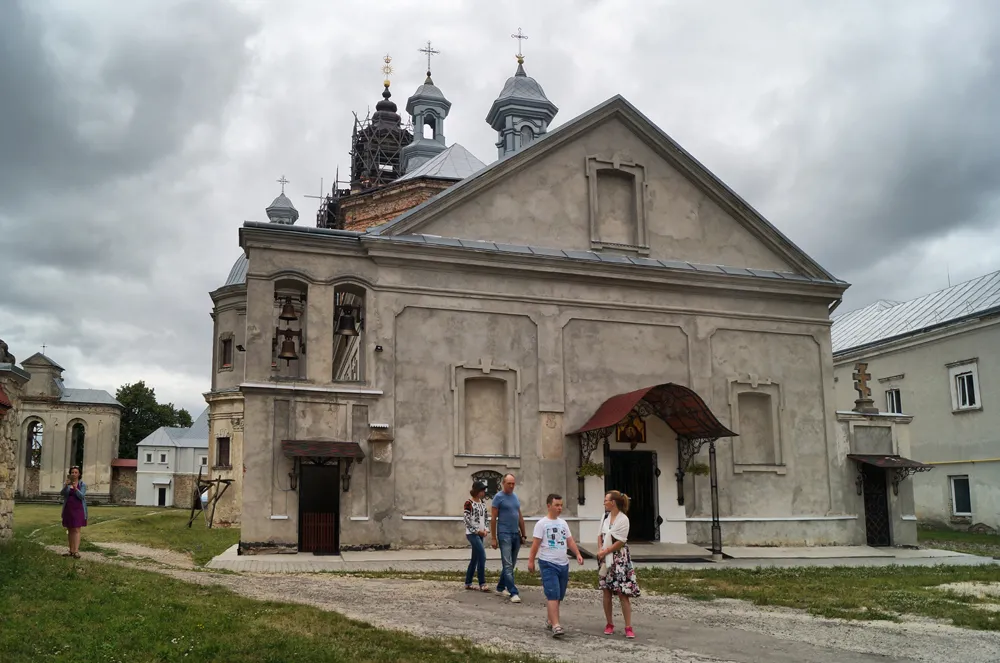
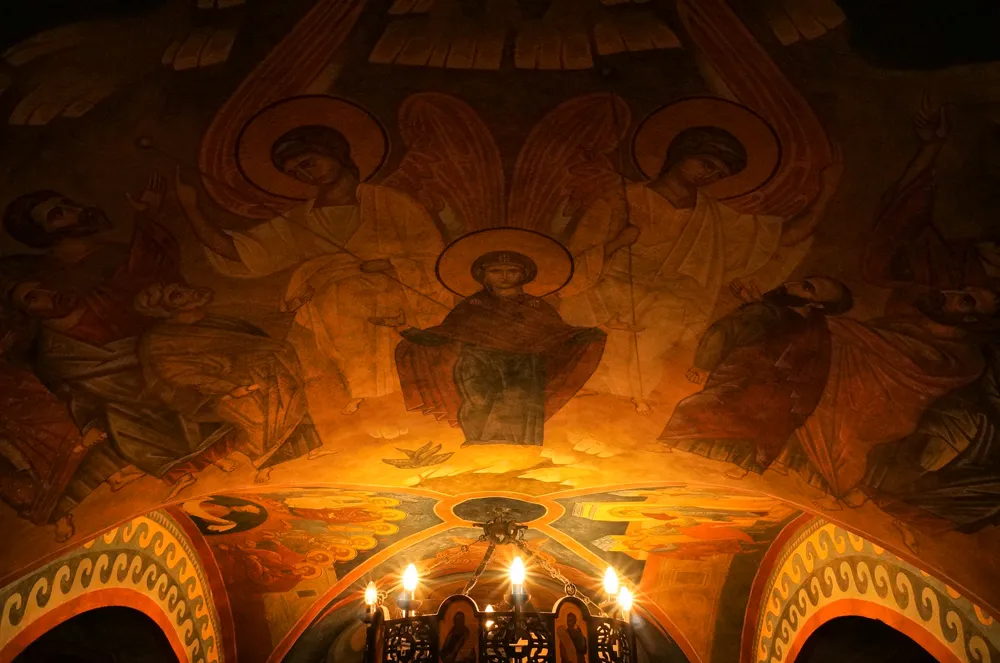
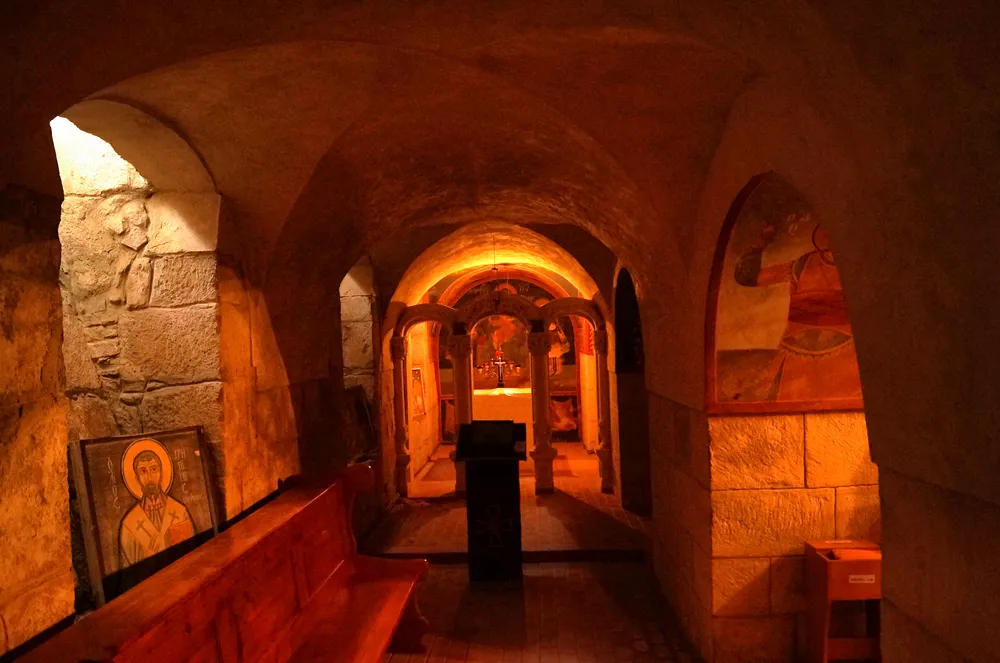
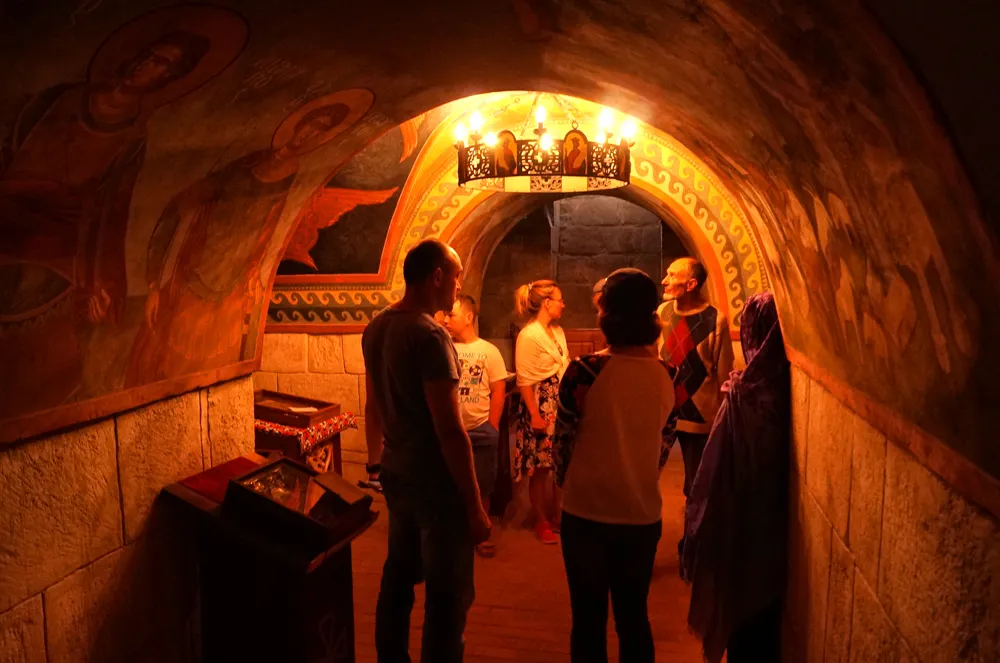
The monastery gate, the church and the crypts in which representatives of the Cetner and Ledóchowski families and the body of Stefan Aleksander Potocki were buried.
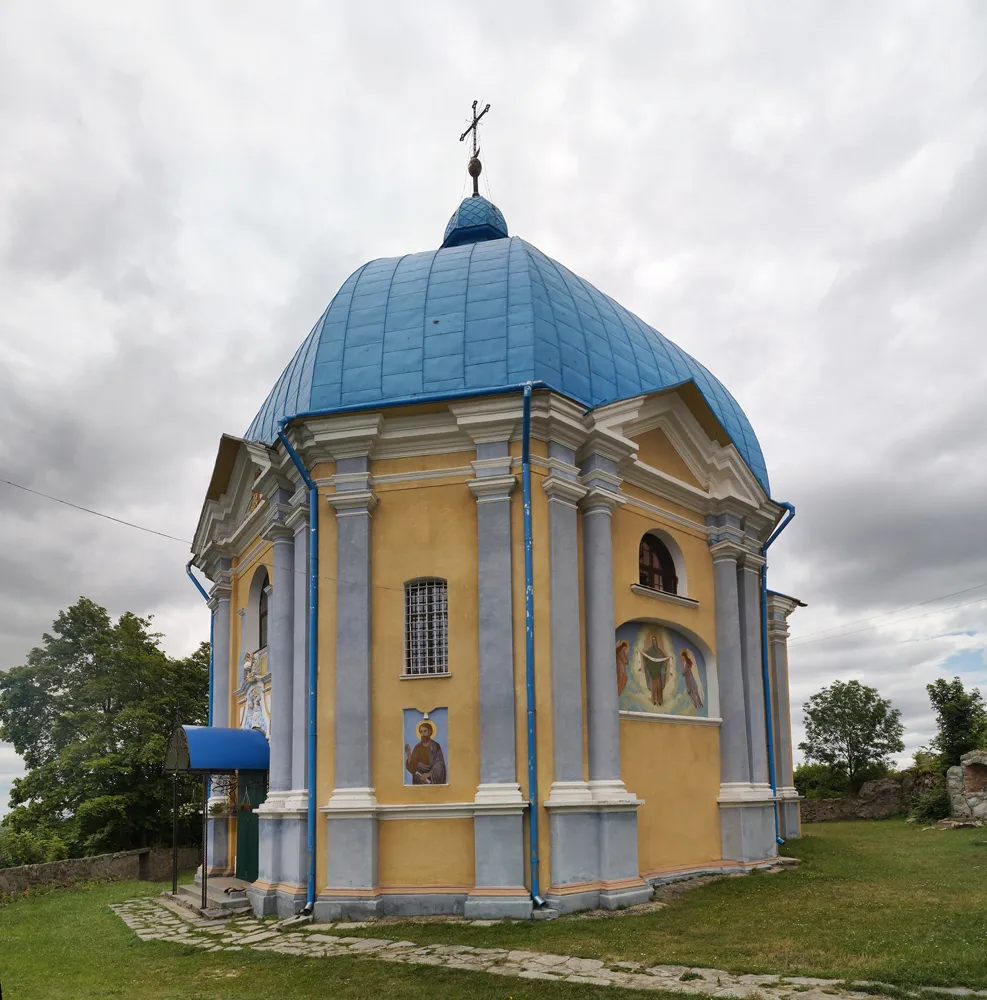
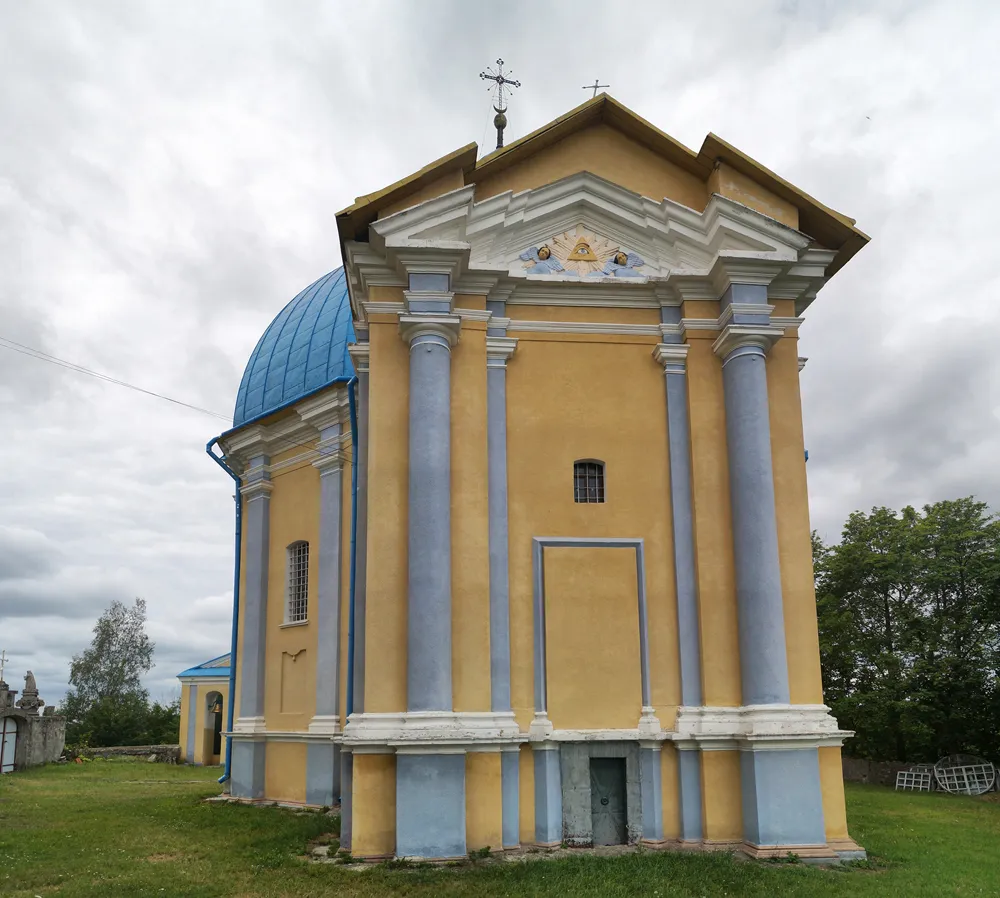
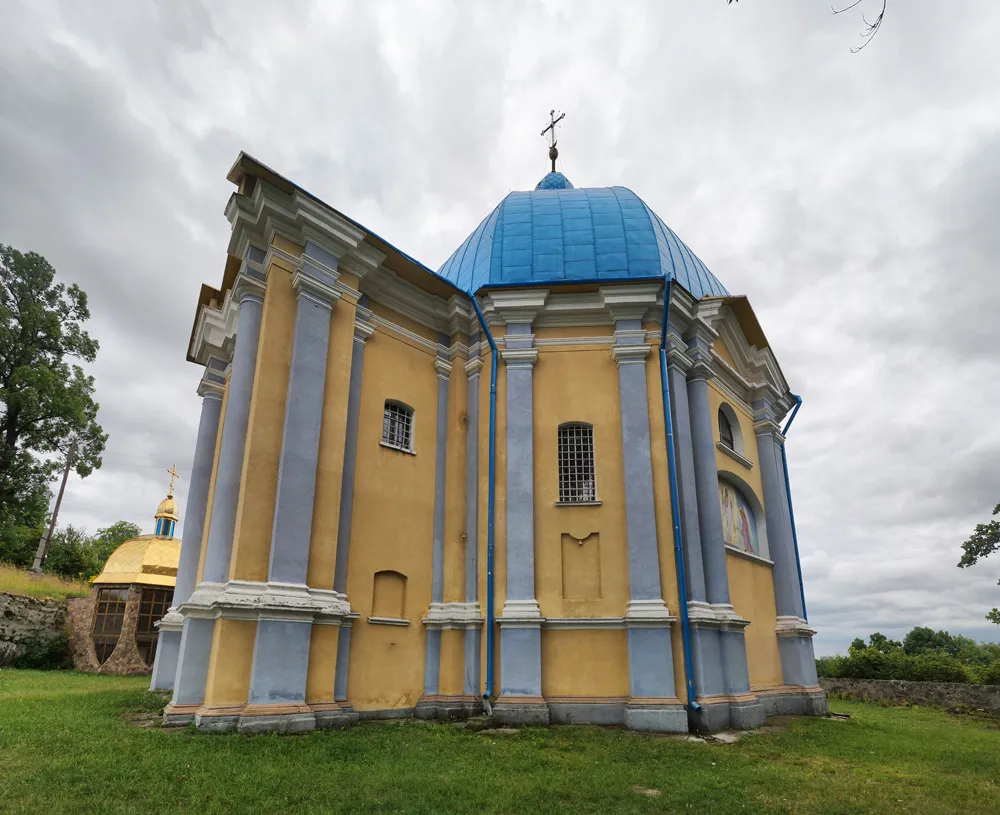
The rotunda chapel of St. Paraskeva, built to a design by the Italian architects A. Castelli and F. Capponi in 1739–1741. It stands on the mountain slope near the monastery.
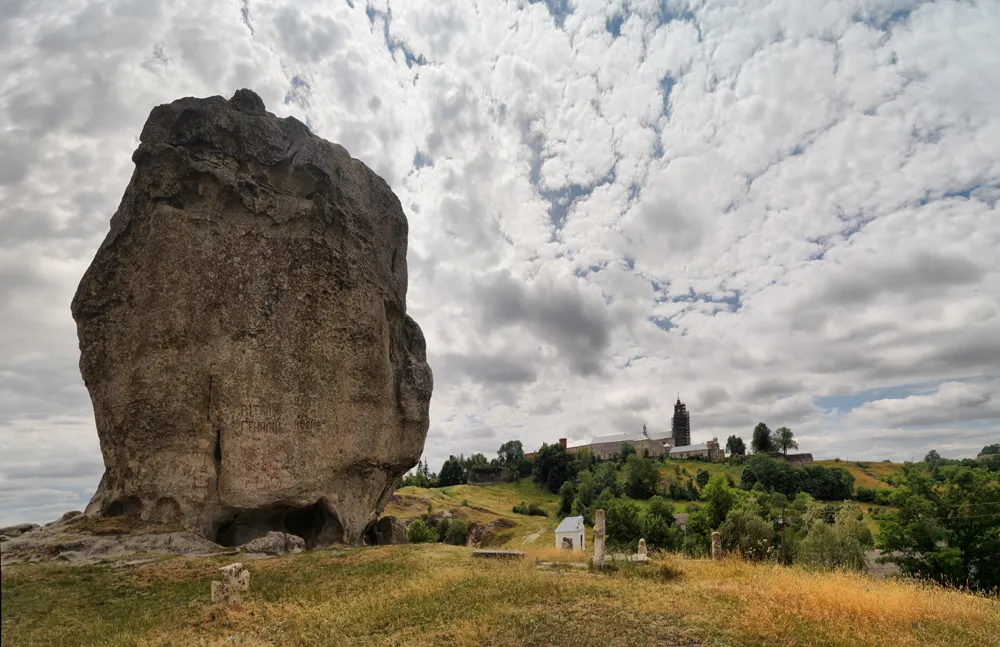
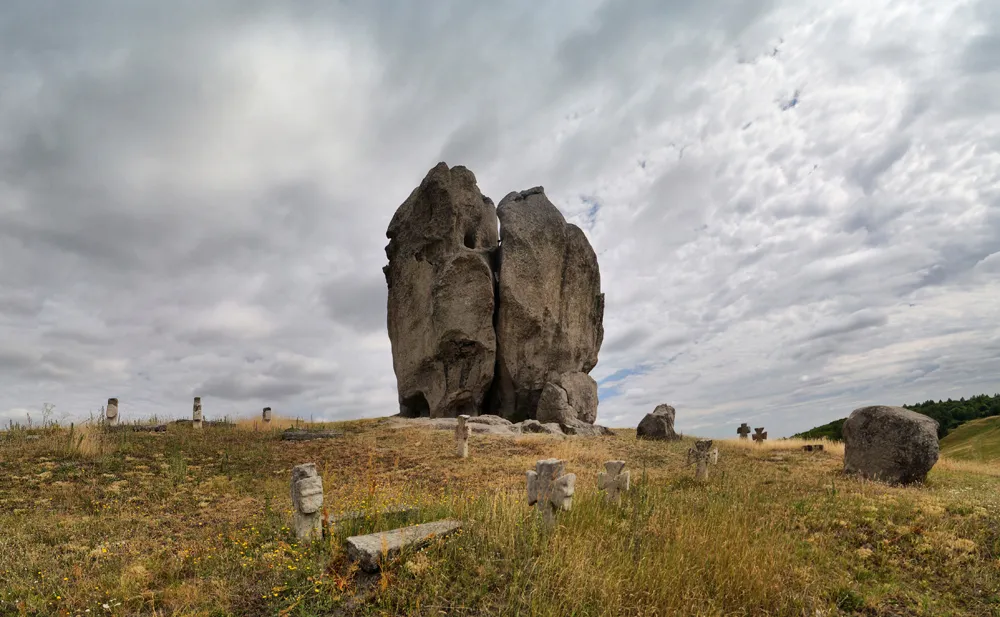
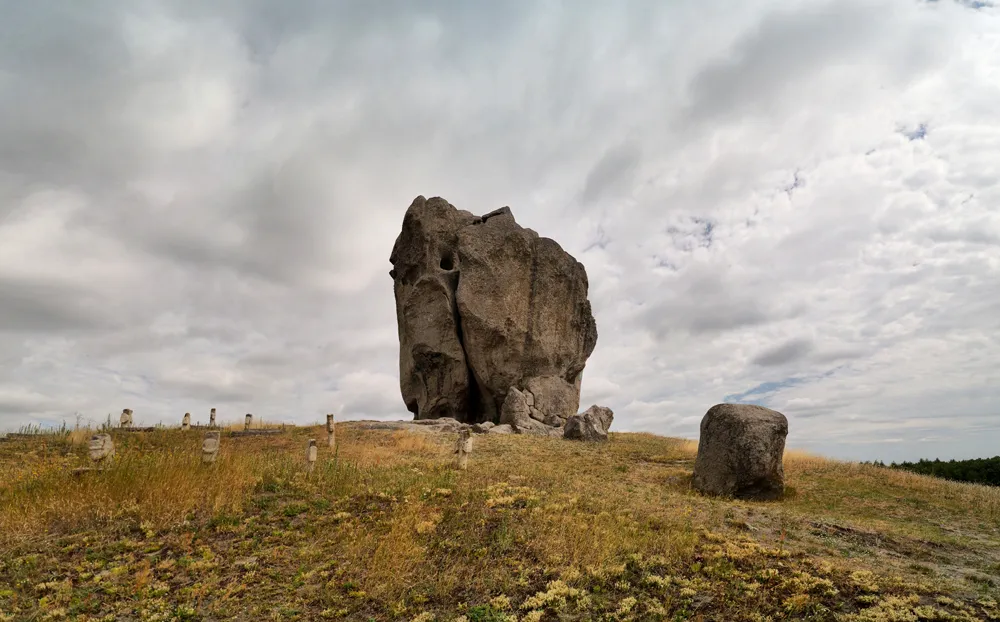
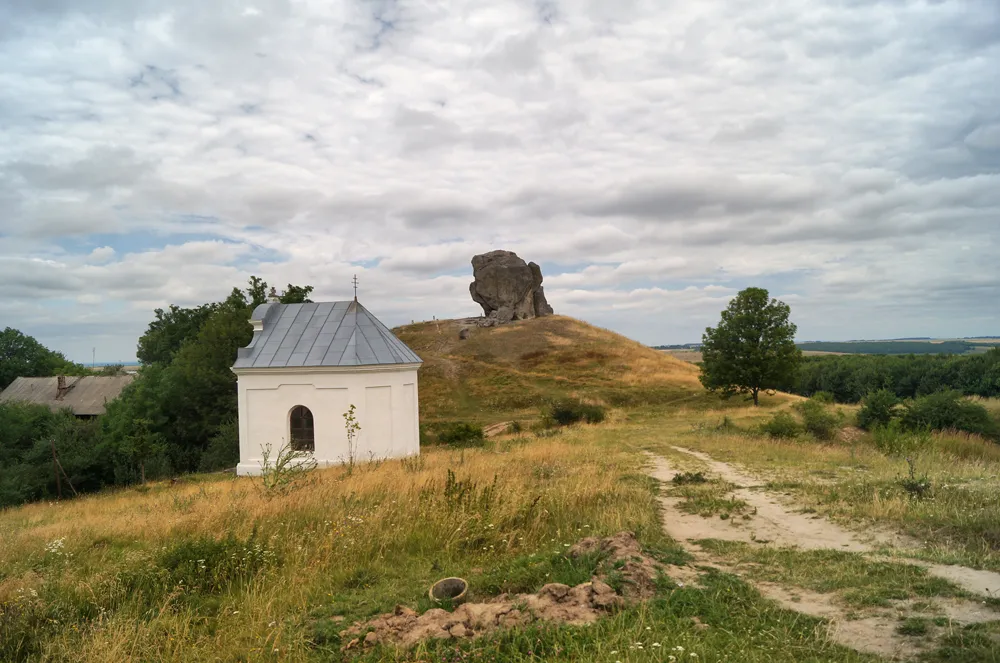
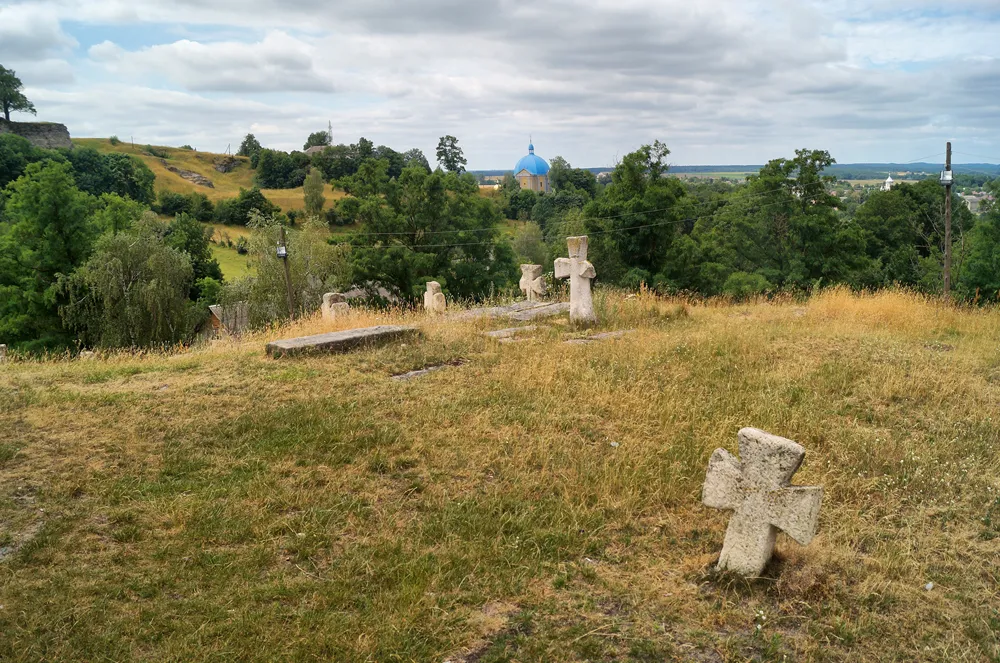
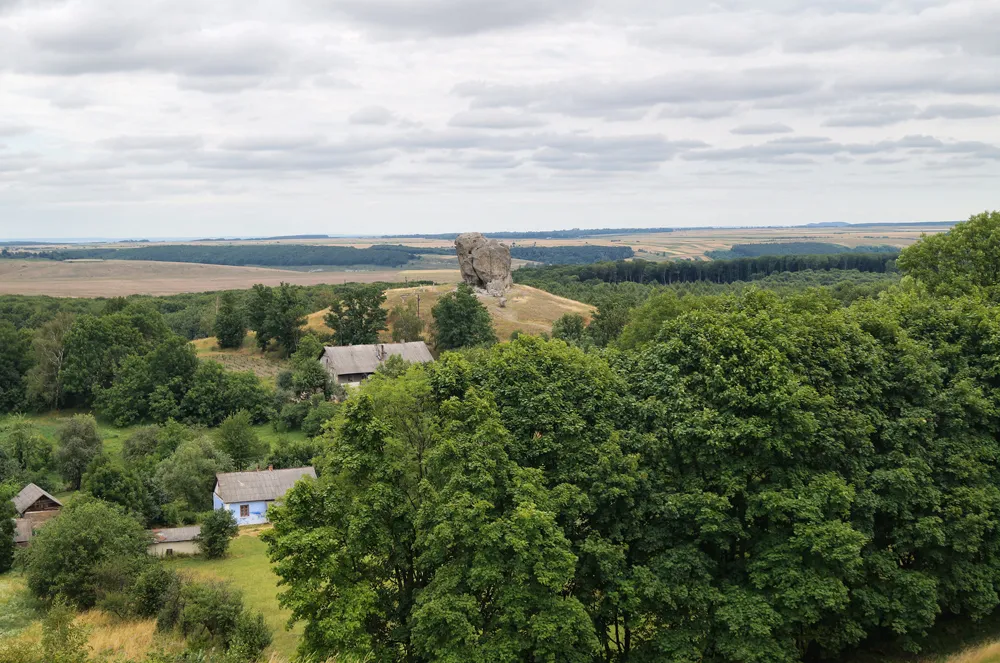
The Devil’s Stone is an erosional outlier of the Sarmatian-age marine reefs of the Tovtry, or Medobory. According to legend, it was brought here by a devil who wanted to use it to destroy the Pochaiv Lavra, but did not carry it far enough and dropped it. There are several other legends too, for example that the stone was dragged here by Oleksa Dovbush (every other stone has Dovbush behind it).
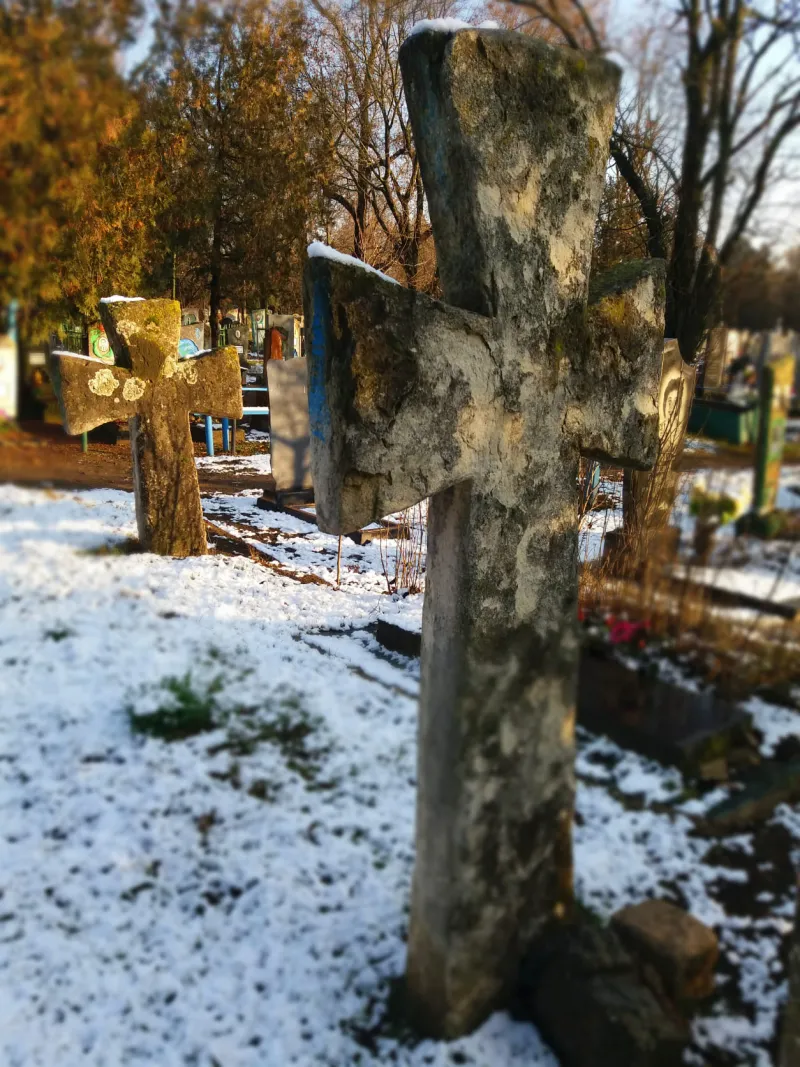
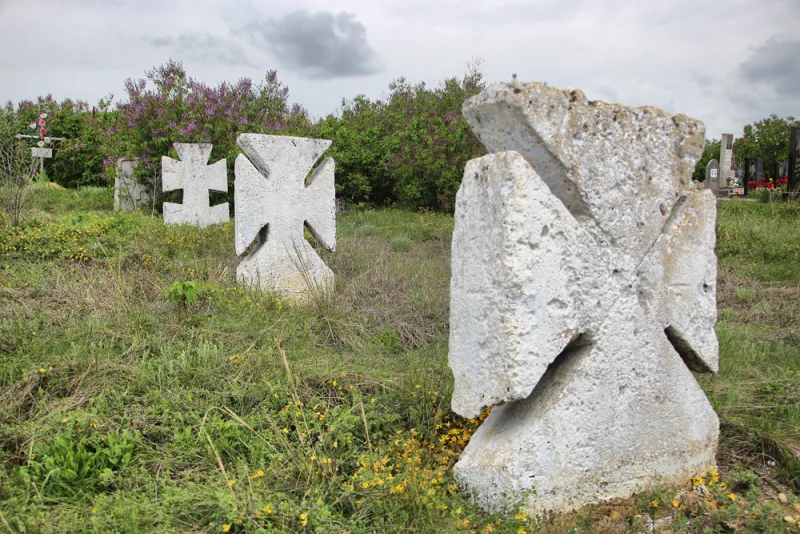
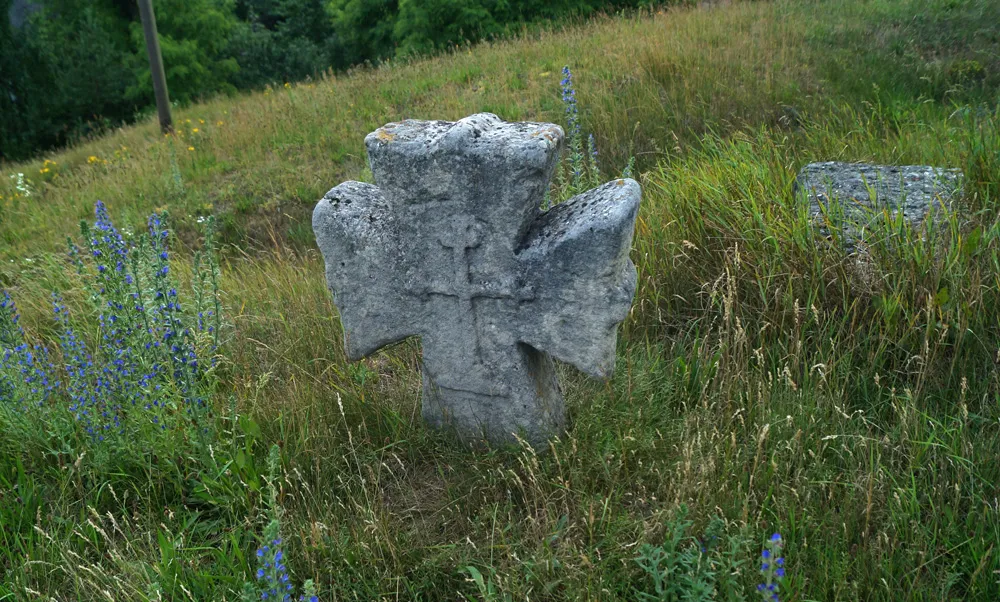
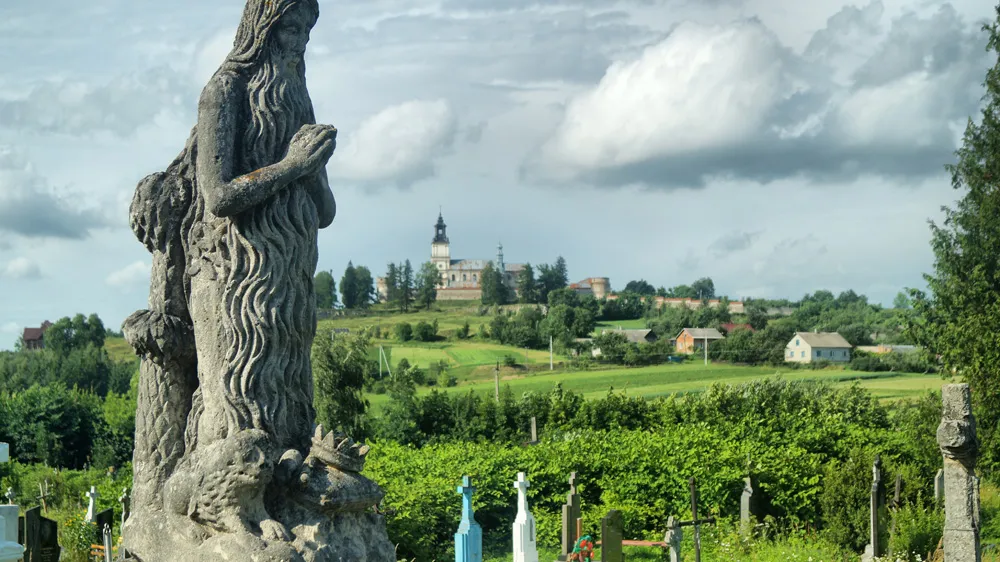
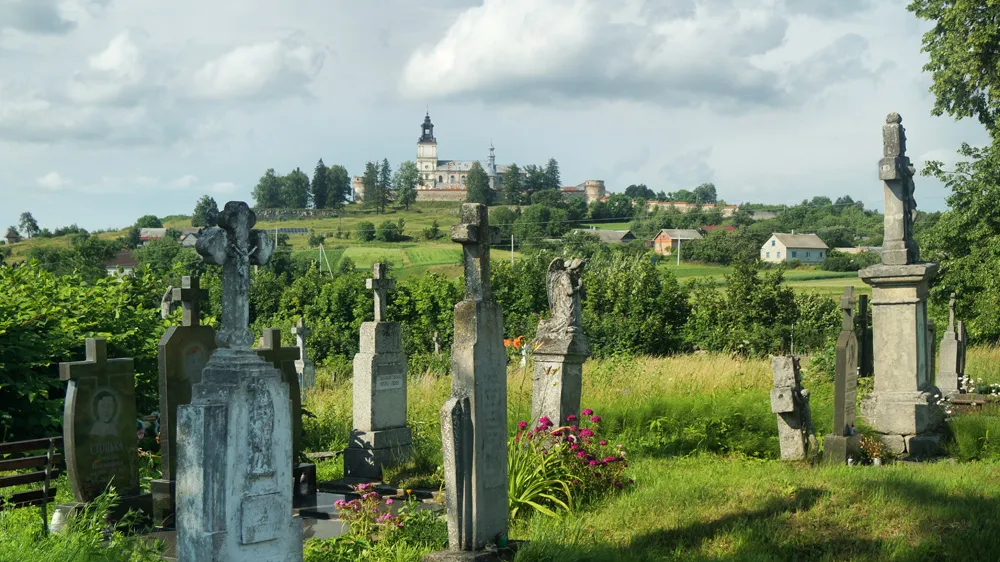
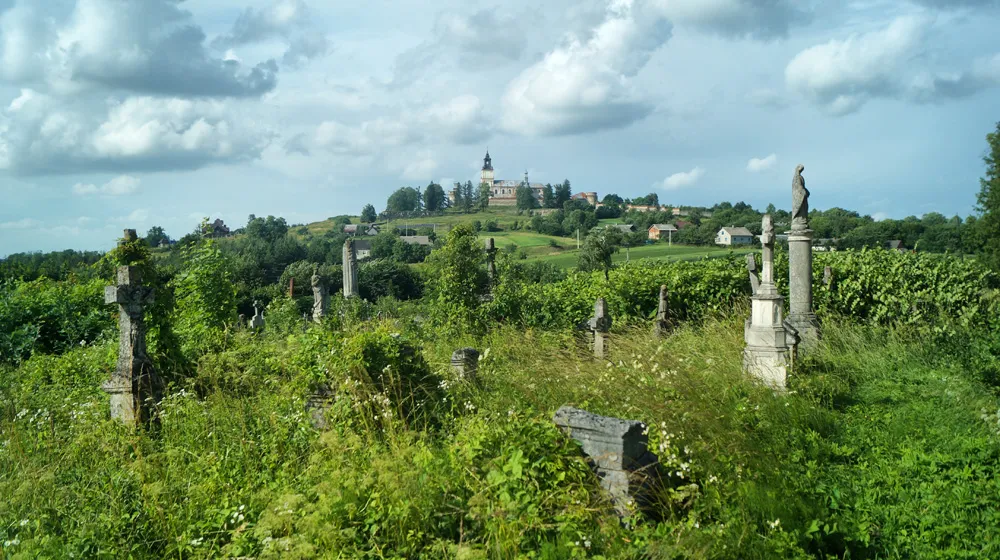
Beneath the stone lies an old cemetery, which the local population calls Cossack. We have yet to study this unique cemetery, because there is very little information about it.
Photos by Roman Malenkov.
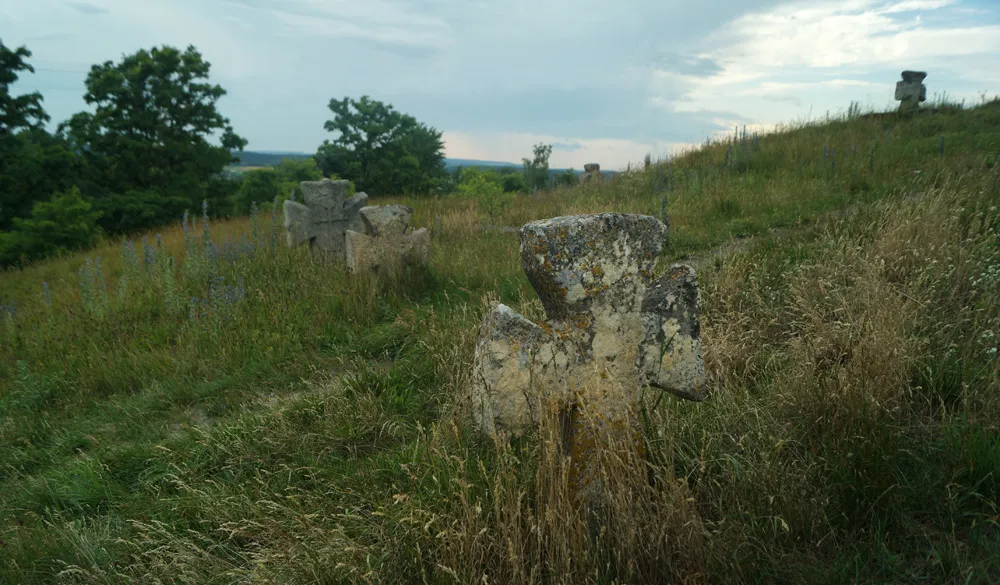
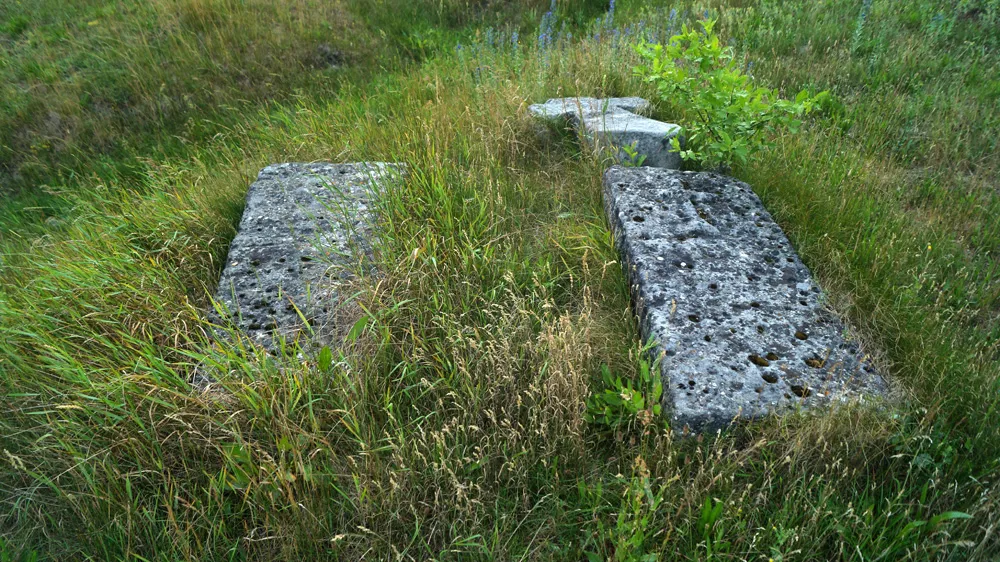
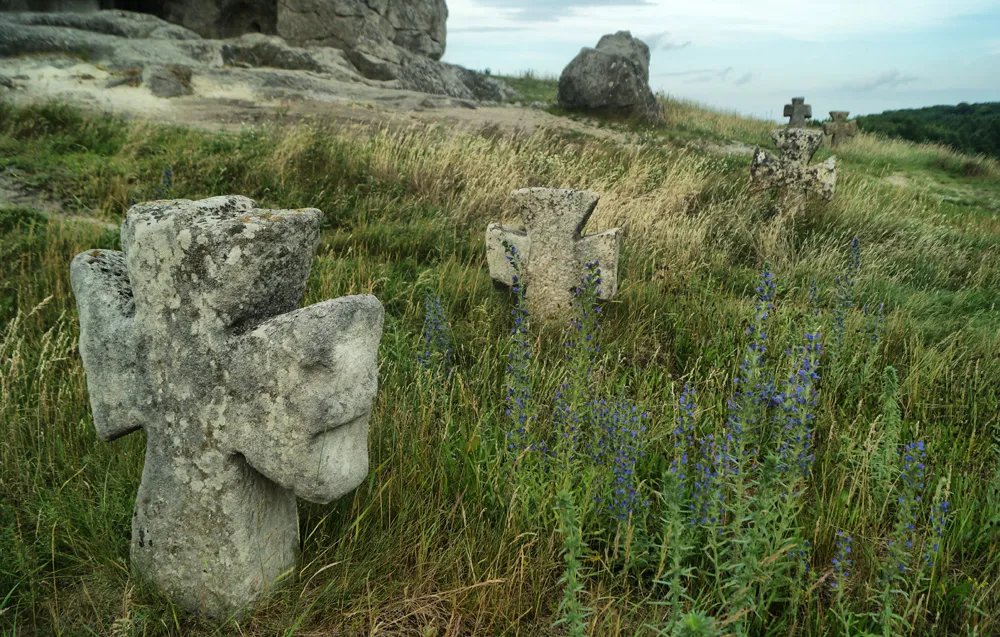
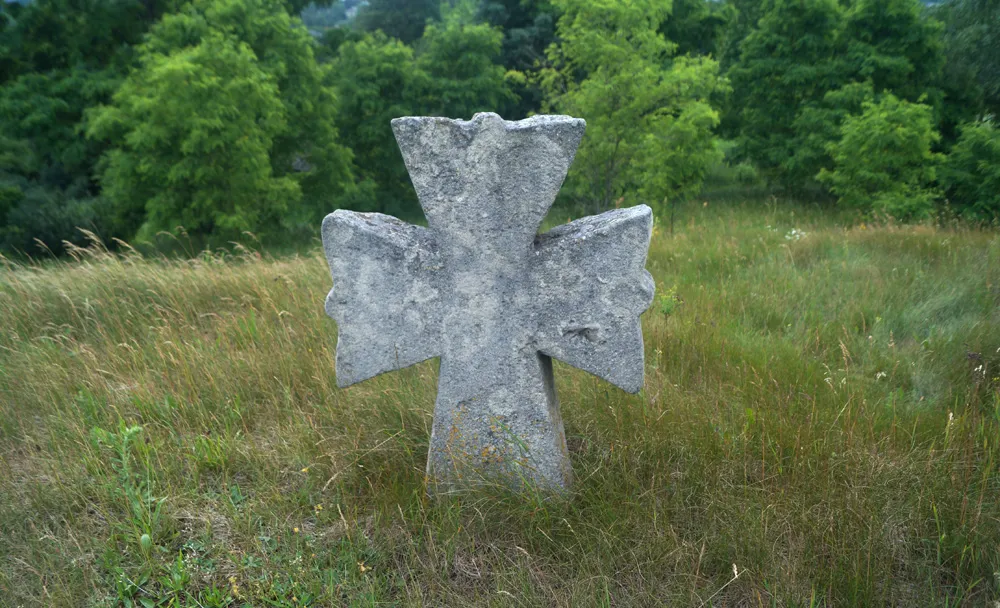
The cemetery beneath the Stone
The old cemetery that is not beneath the Stone