Adamivka. A Cossack cemetery, a 300-year-old pear tree and the ruins of a windmill

· 2 min read
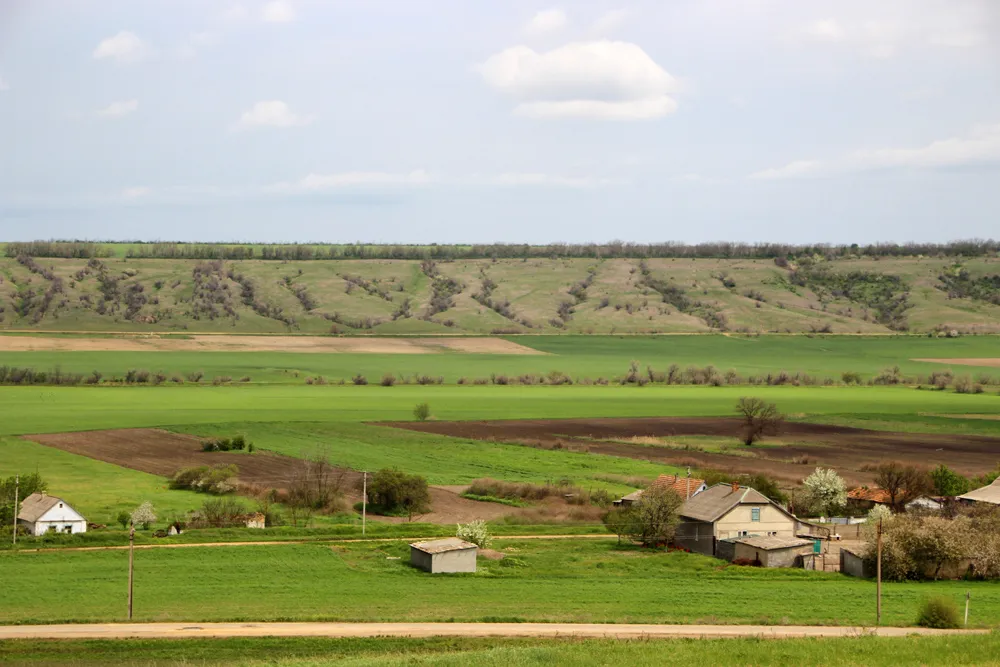
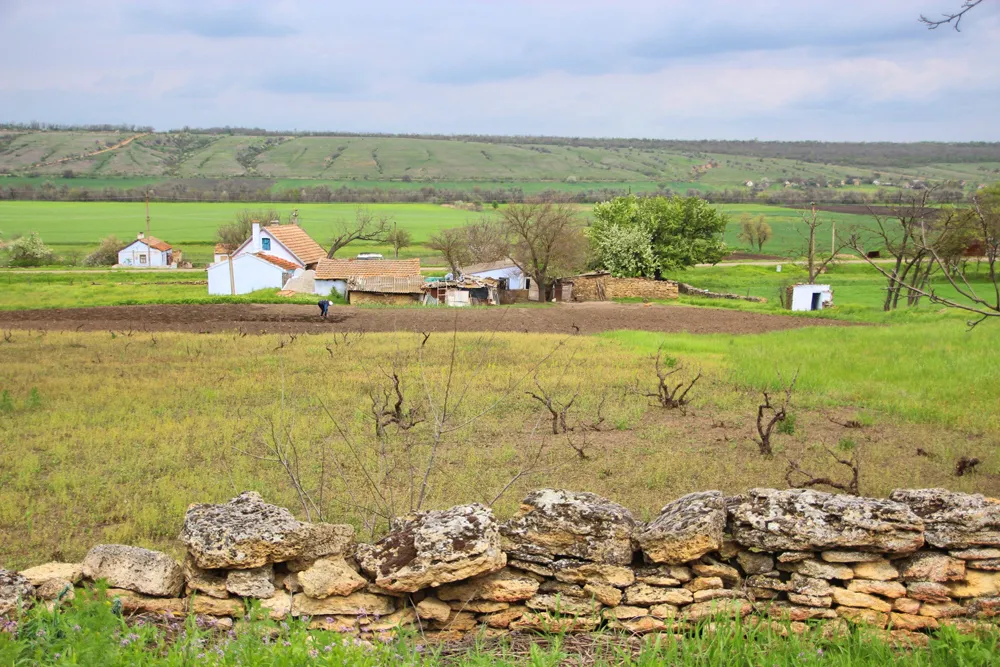
The village of Adamivka is located 60 kilometres from Odesa. Today it is in Berezivka district. The village is very long – it stretches almost ten kilometres along the valley of the Velykyi Kuialnyk River. But the population here is now small – according to 2021 data, 272 people are registered in the village, but only 186 actually live there. Comparing the size of the village with its population, one can understand that many more people once lived here, perhaps ten times as many. There are four cemeteries in the village – this also says a lot, first of all that there may once have been several villages here.
Indeed – in 1946 Adamivka united four villages that had once belonged to its village council: Vandalynivka (Vandalynka), Tarasova, Dibrova and, in fact, Adamivka itself. There is very little historical information about these villages. Wikipedia gives 1868 as the year Adamivka was founded – this is a mistake, since that is the year the village was renamed from Novo-Vandalynivka. When Vandalynivka and Novo-Vandalynivka were founded is not yet known to us.
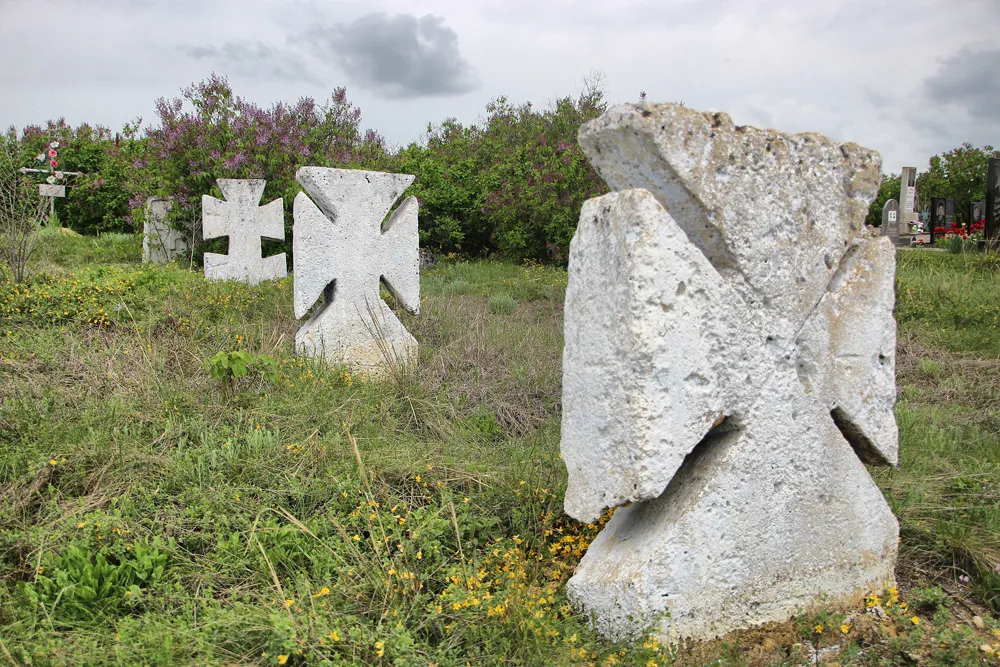
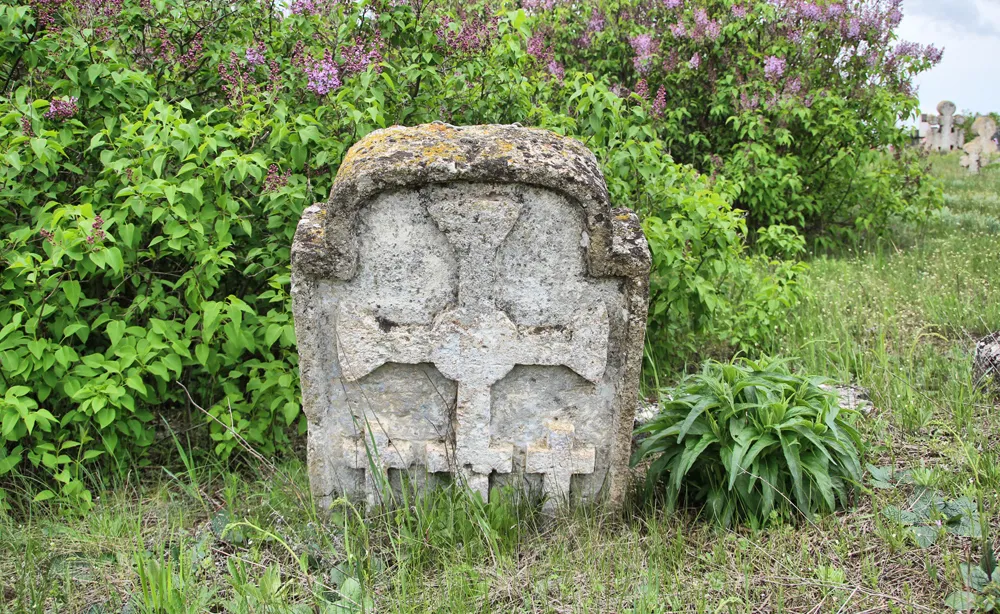
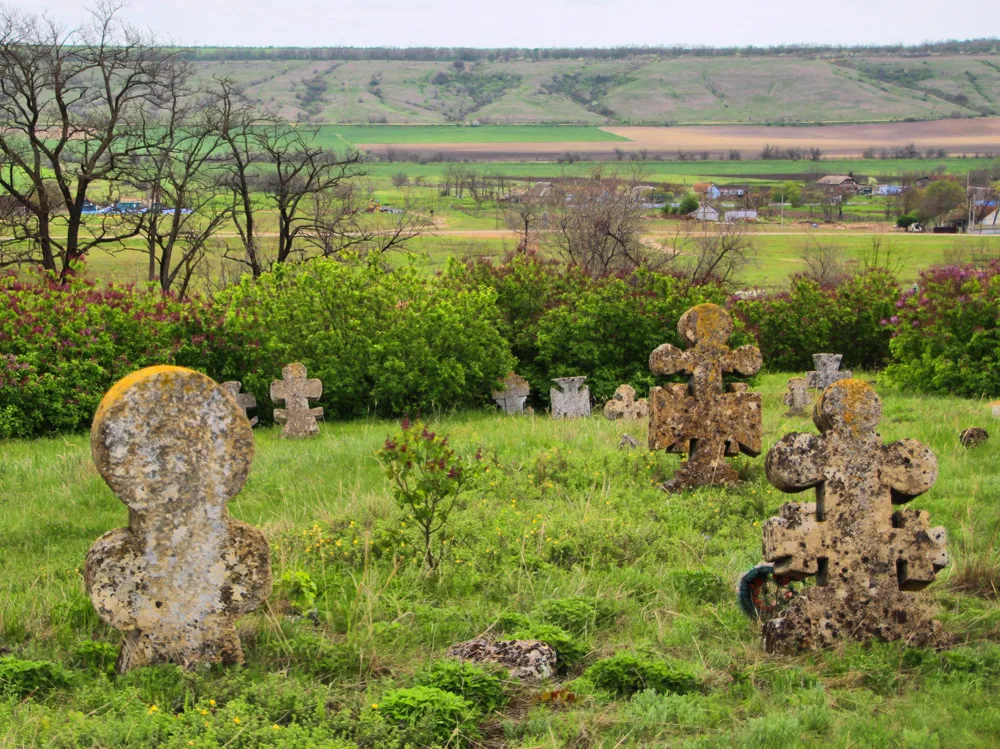
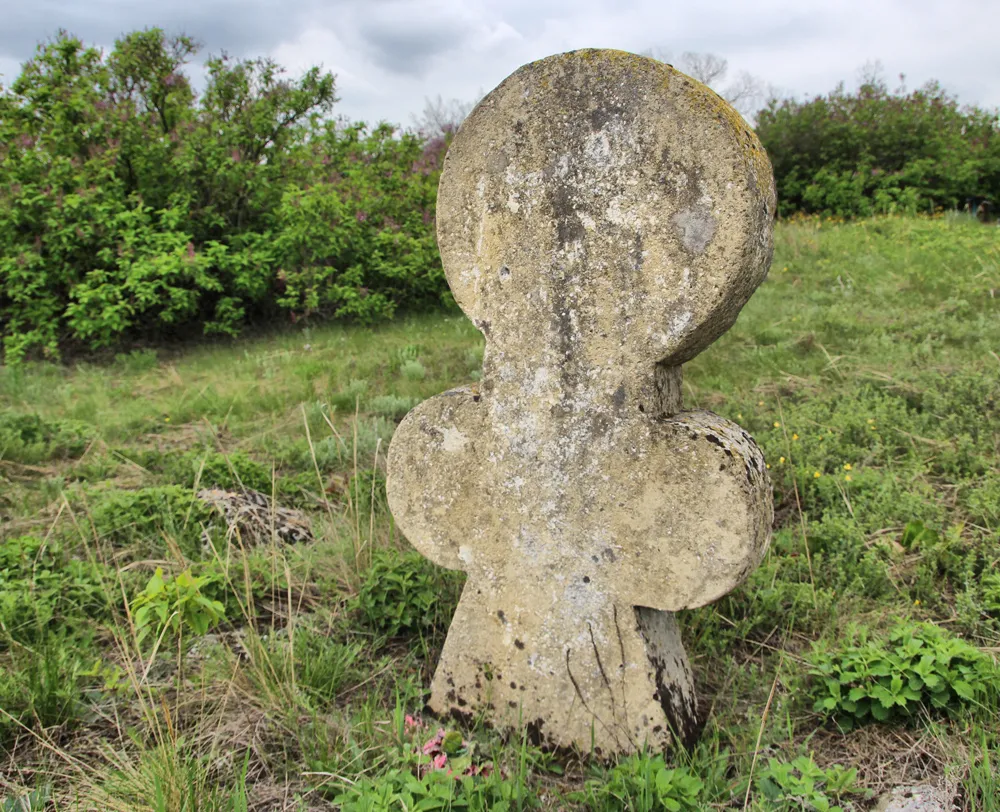
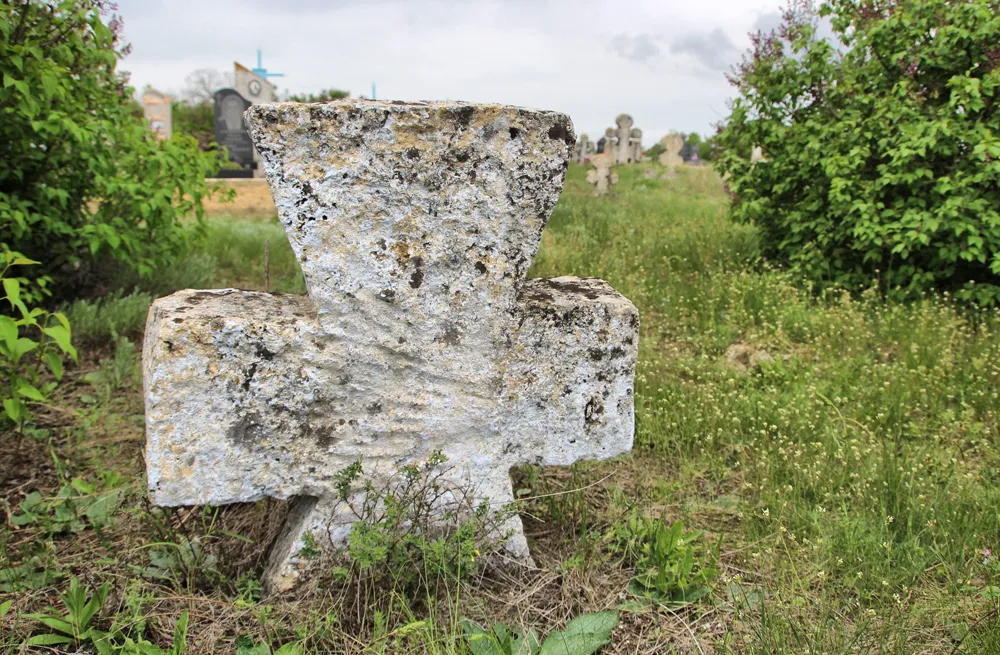
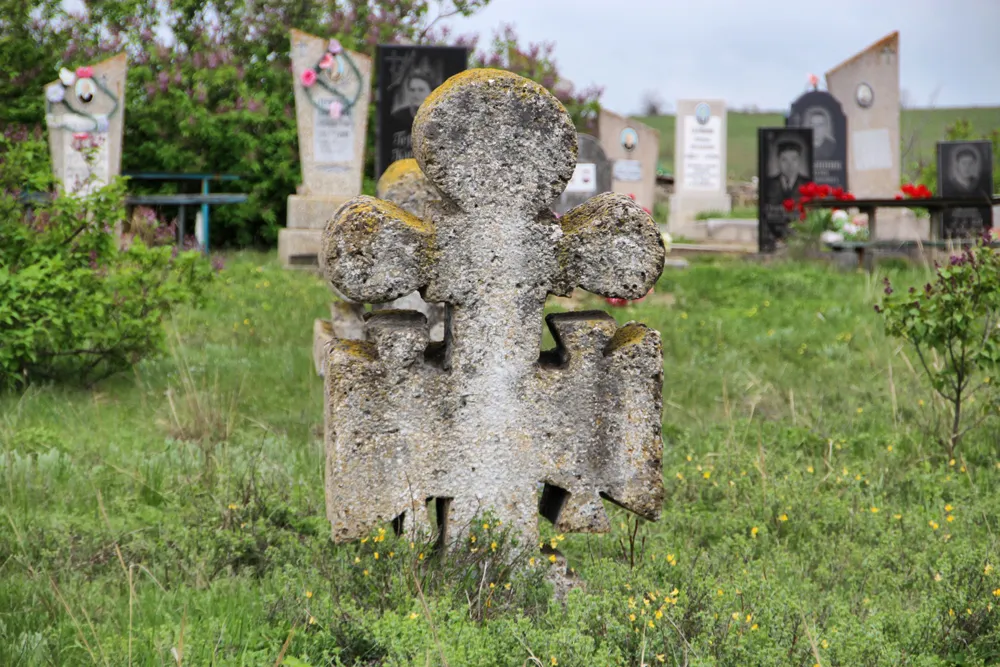
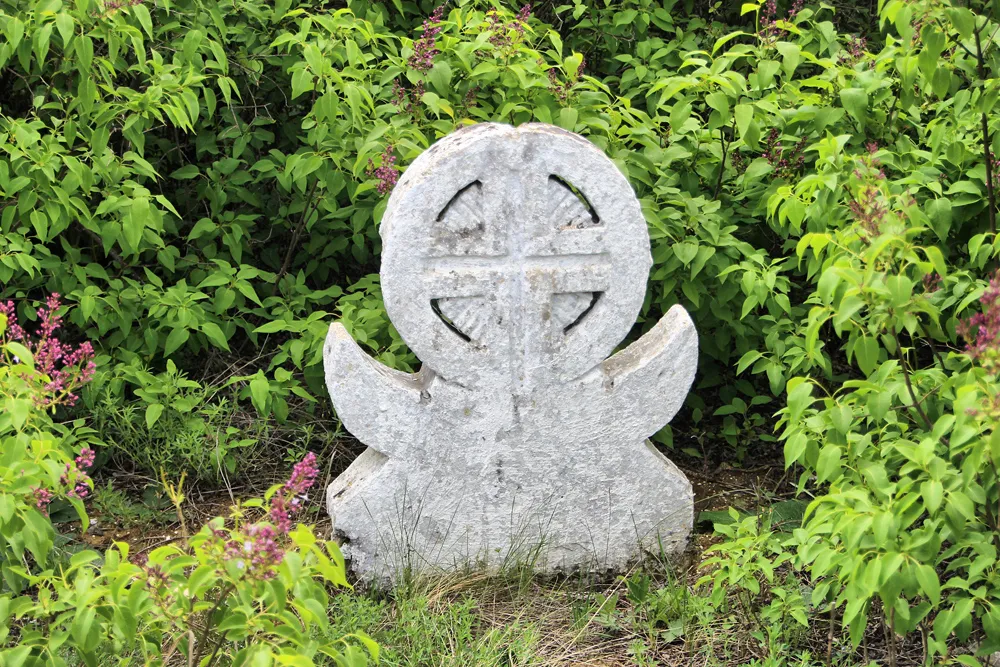
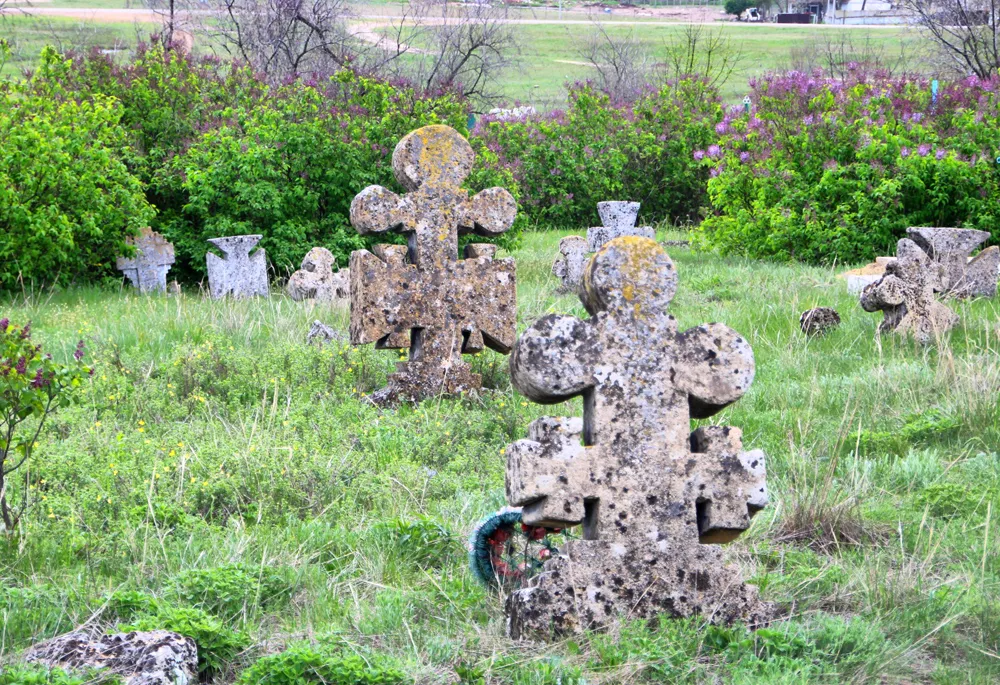
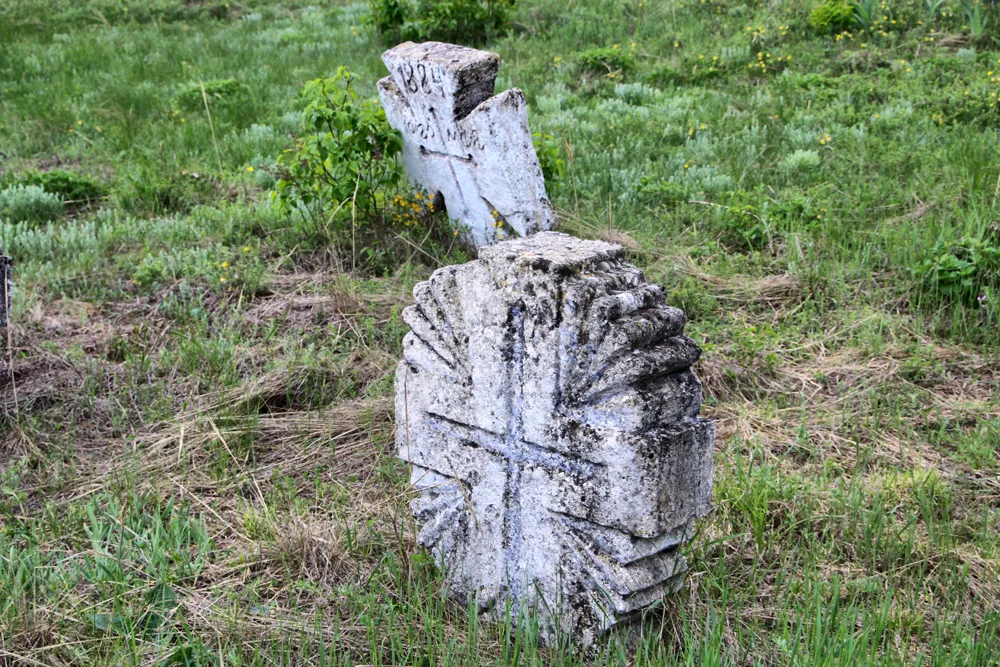
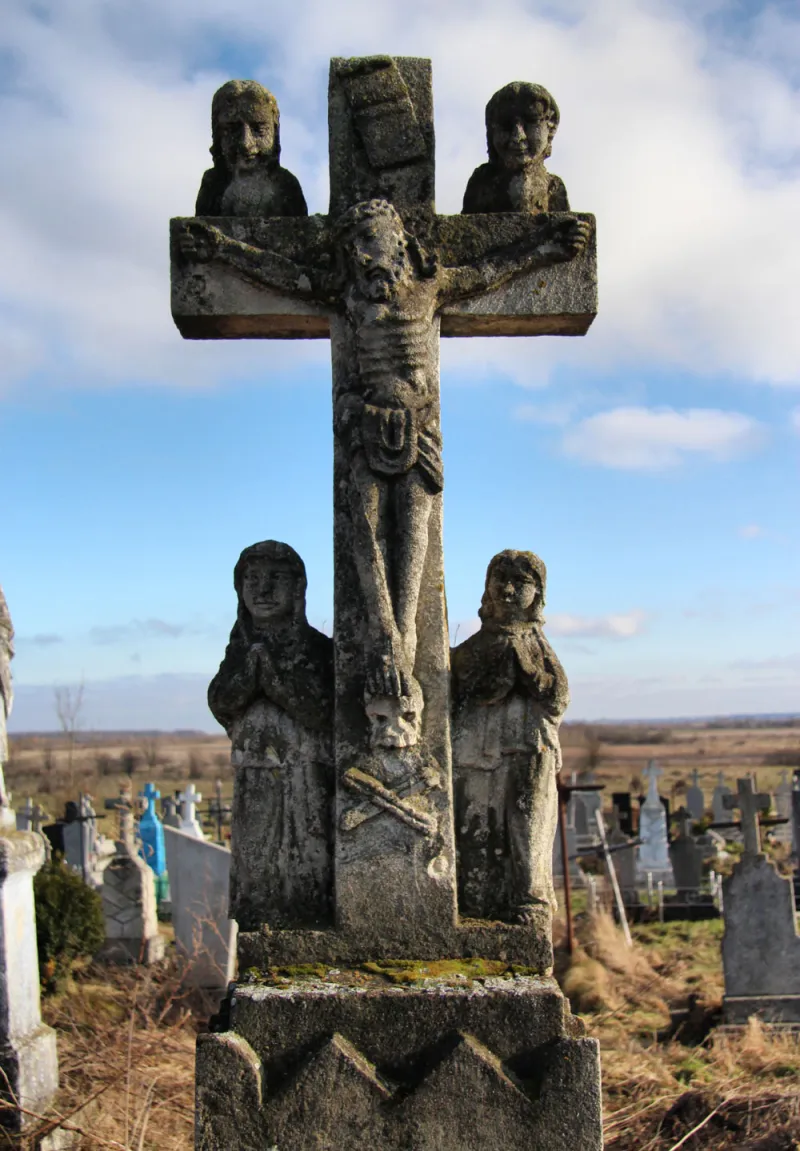
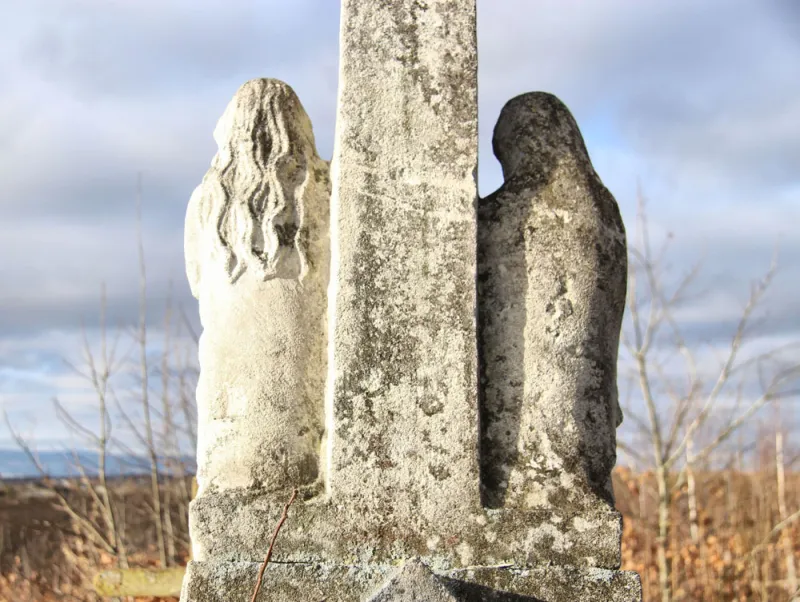
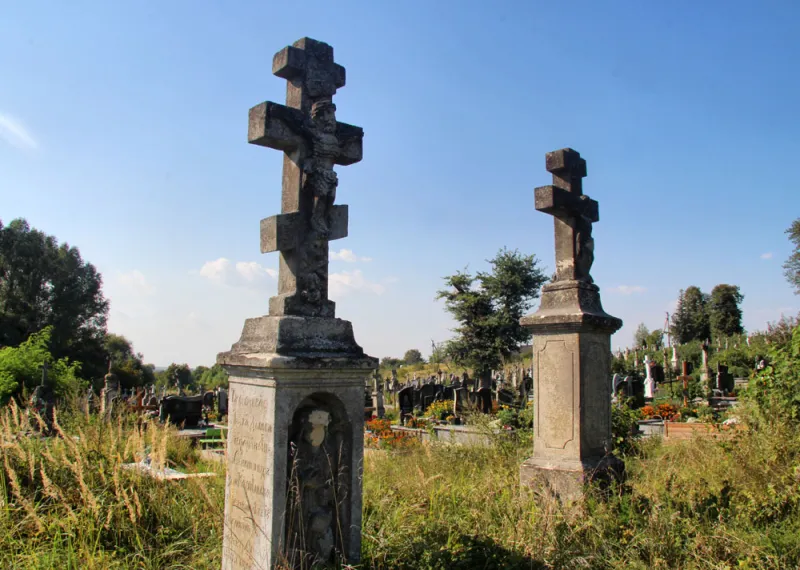
Officially, the main sight of Adamivka is a 300-year-old pear tree. The ruins of a stone windmill, quite picturesque, are also often mentioned. In our opinion, the main sights of Adamivka are precisely those four old cemeteries, one of which, in the part that was once Adamivka (Novo-Vandalynivka), can be considered unique, both in the form of its crosses and in their size.
The Adamivka cemetery preserves crosses of various forms typical of the Cossack cemeteries of southern Ukraine of the second half of the 18th and first half of the 19th century. These are crosses of the splayed-arm (Templar) type, star-shaped, round and cross-ended – according to the classification of the outstanding researcher of Ukraine’s stone crosses, Valerii Malyna. The average height of the crosses is about 120 cm; the tallest reach 180 cm. The crosses are made of local limestone. According to the surviving inscriptions, the oldest crosses date from the 1830s–1840s, but it should be noted that inscriptions on limestone survive much worse than on sandstone, so on most crosses they have not survived at all. It can safely be assumed that there are older crosses, and that the cemetery appeared as early as the end of the 18th century. The area of the cemetery is 5,500 square metres.
The cemetery of the former village of Vandalivka is smaller and younger – its crosses date from the end of the 19th century, and there are fewer of them. Our team did not manage to visit the other two cemeteries.
The cemeteries of Adamivka urgently need further study and inclusion in the Register of Monuments, because for all their uniqueness, they are not monuments in the eyes of the state.
Text by Roman Malenkov, photos by Maksym Nazarenko.
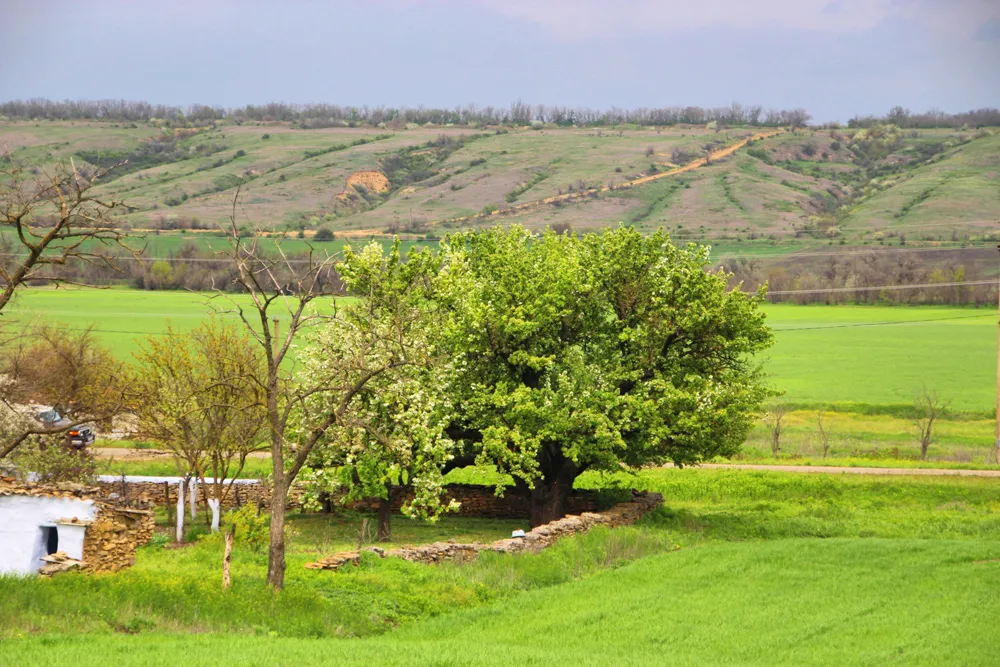
The 300-year-old pear tree
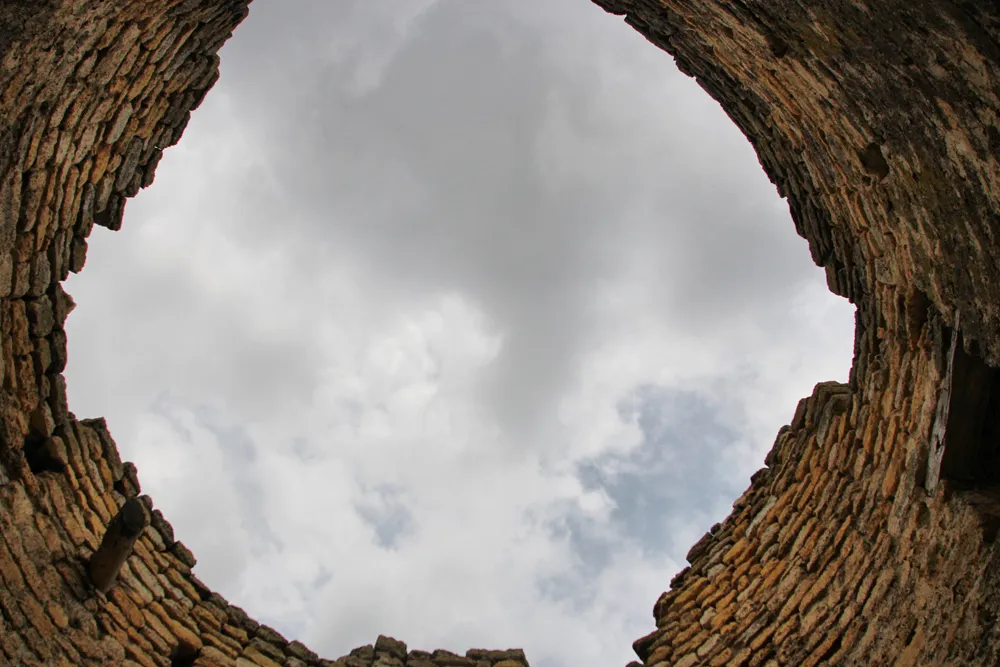
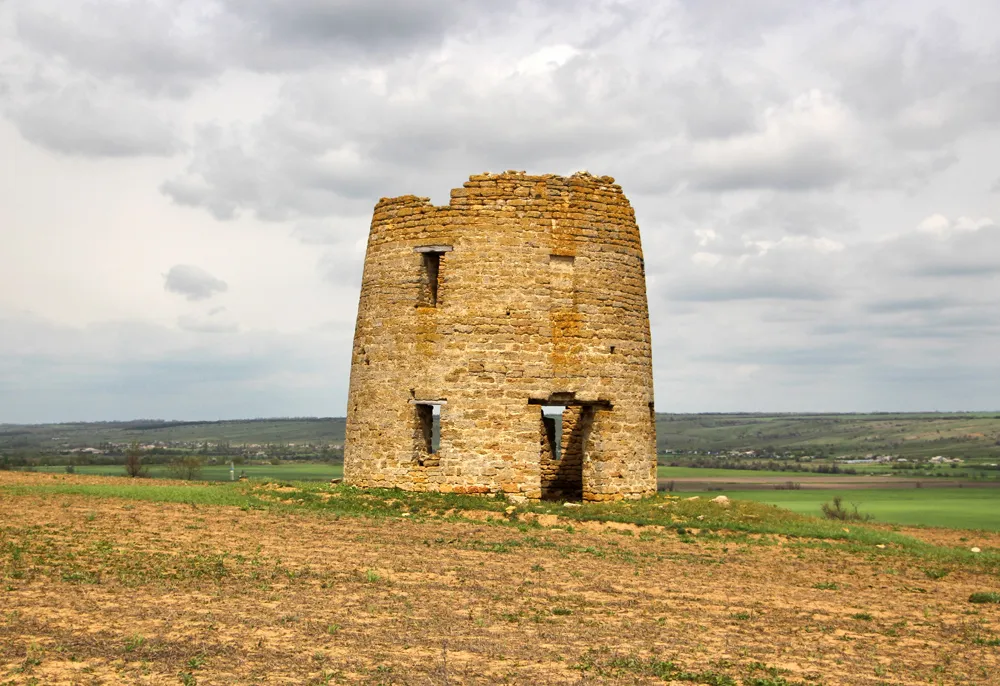
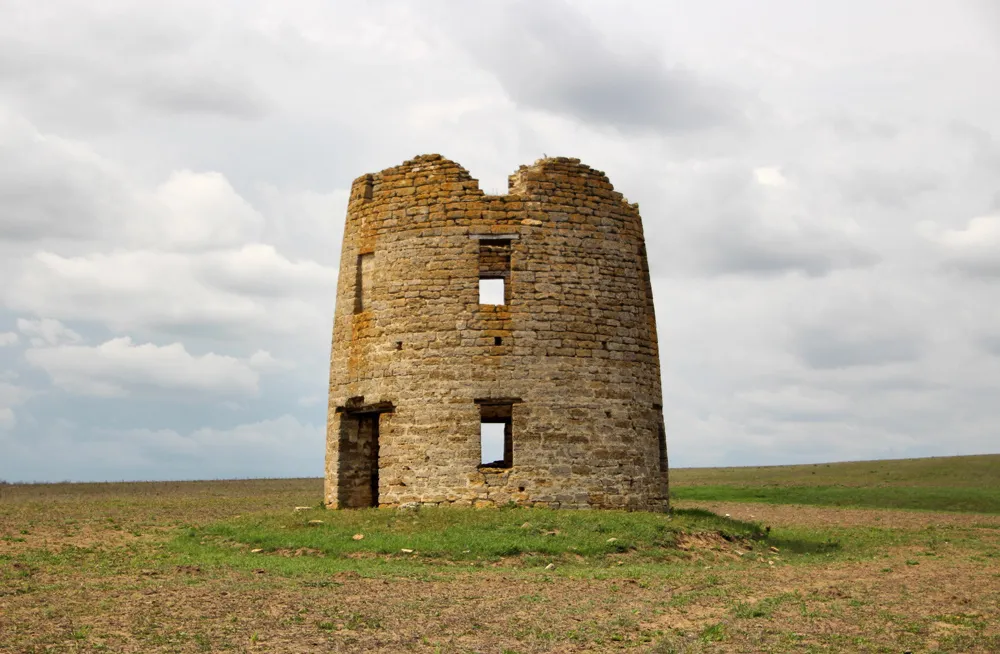
The ruins of the windmill