Kyiv Pechersk Lavra. UNESCO

· 7 min read
The oldest Orthodox monastery in the country, the largest, the most famous, the most beautiful, the richest – whatever epithets the Kyiv Pechersk Lavra is given – a true wonder and pride of Ukraine. It is precisely such architectural complexes that help a nation to identify itself – a majestic creation made by Ukrainians. Not by Poles, not by Austrians and not by Russians, but precisely by Ukrainians.
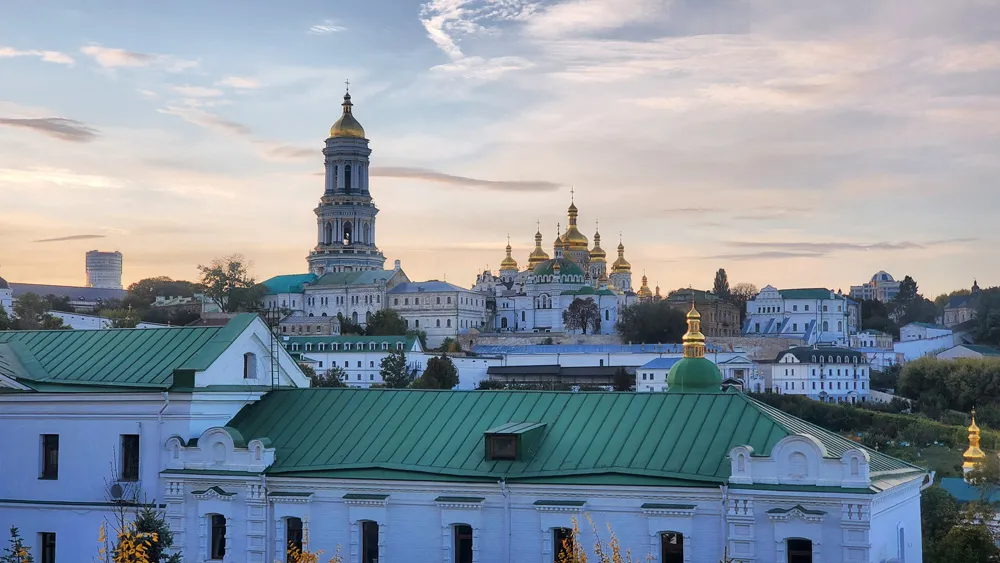
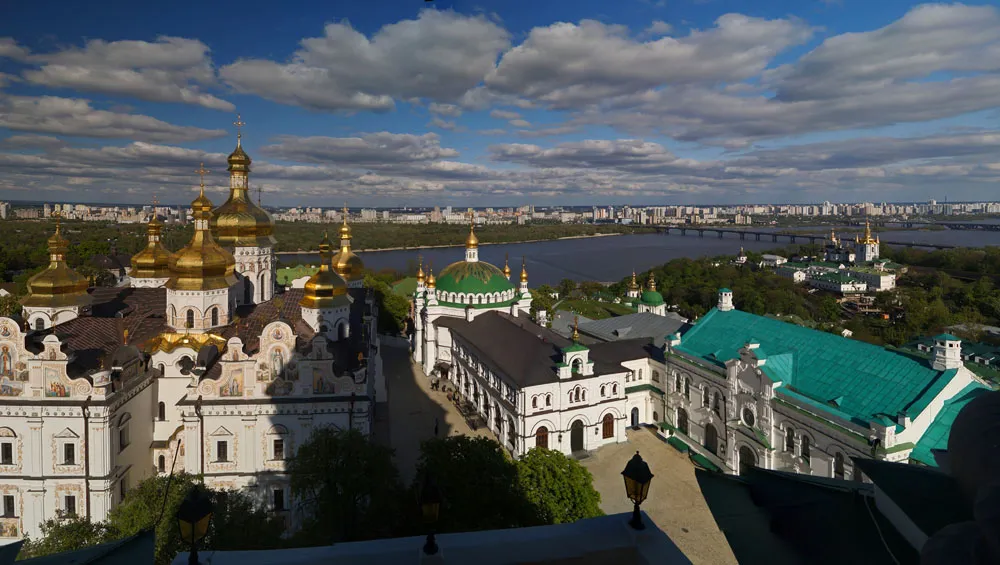
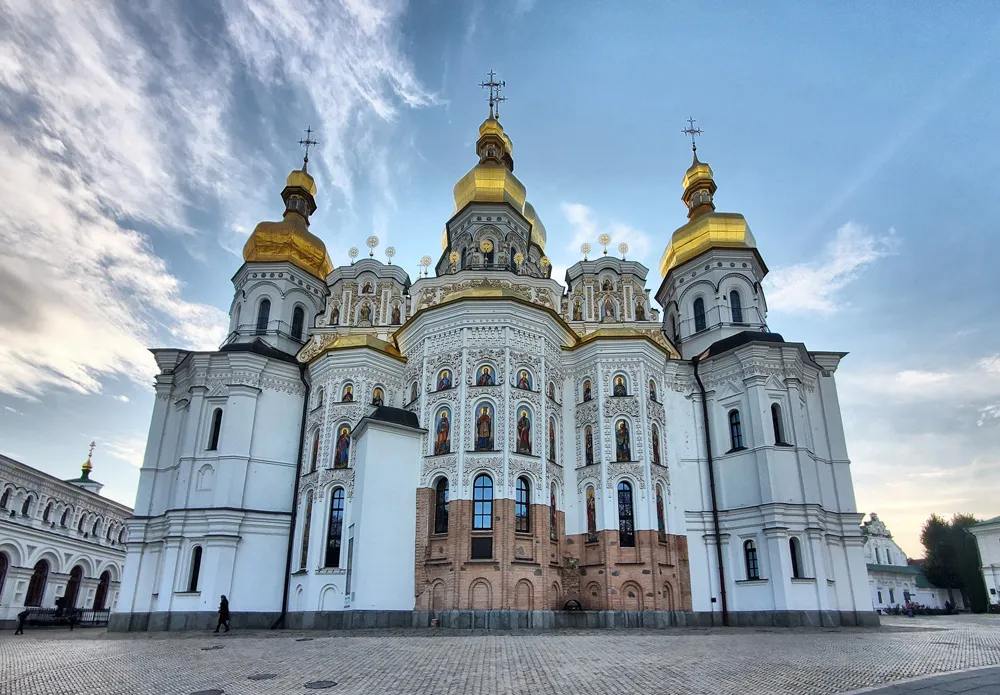
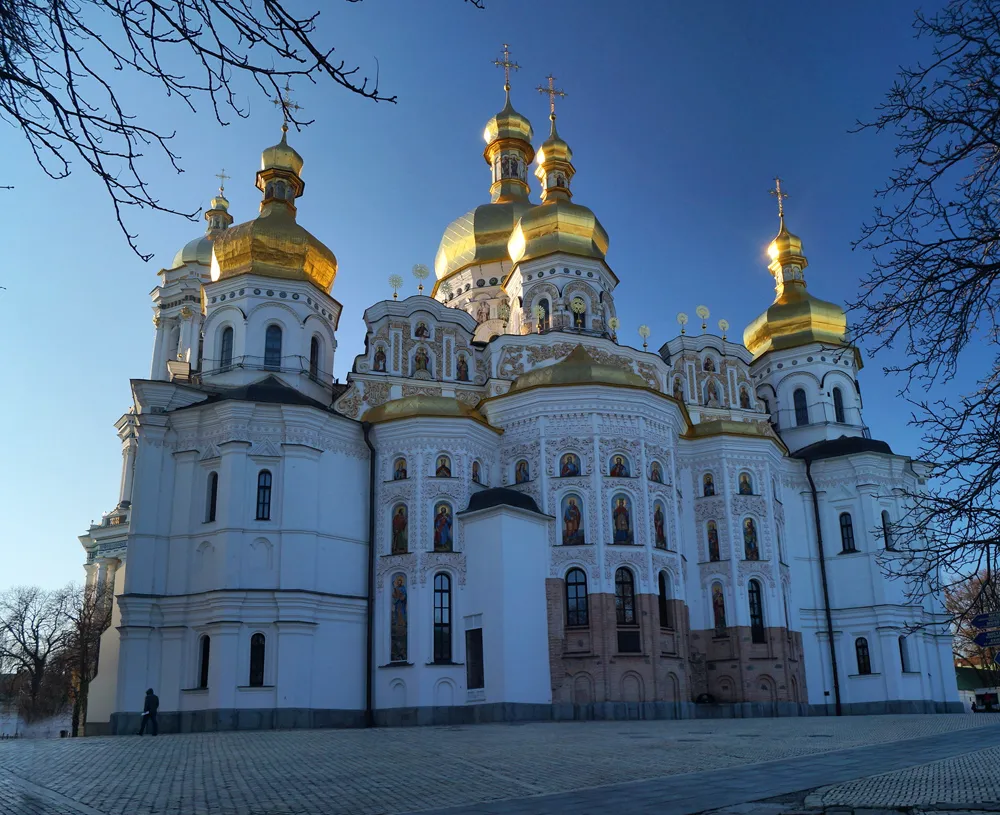
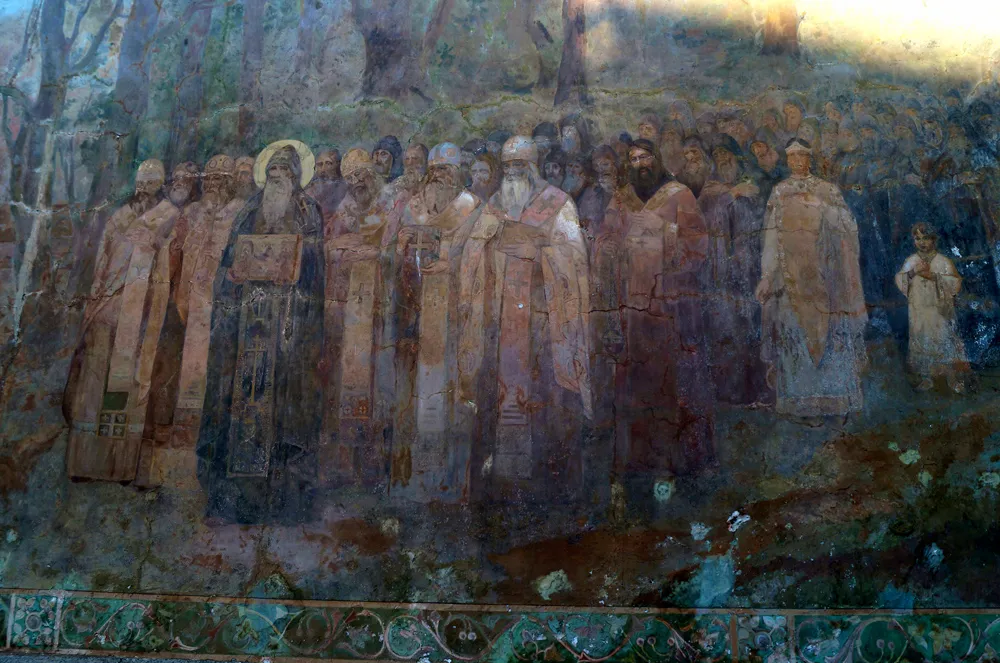
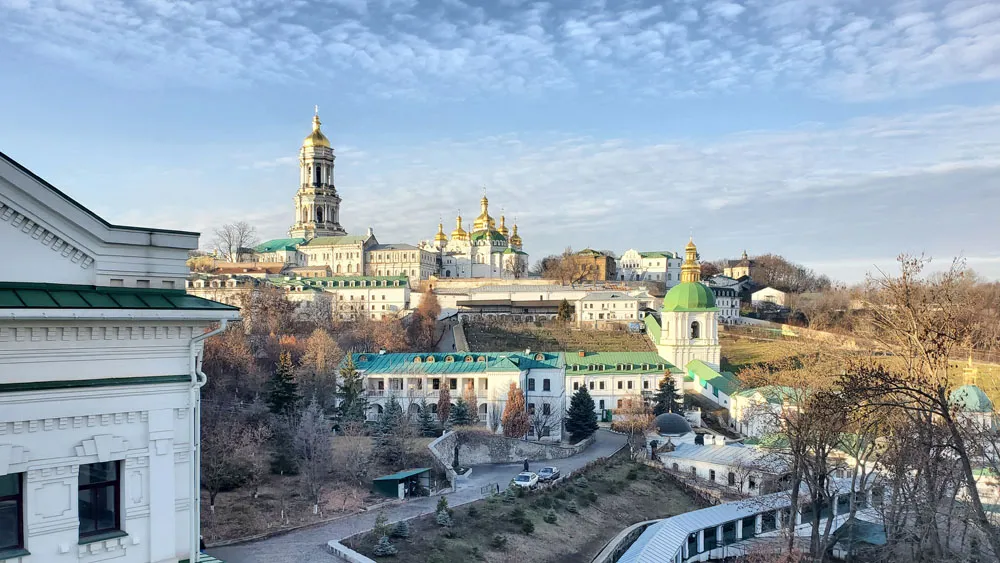
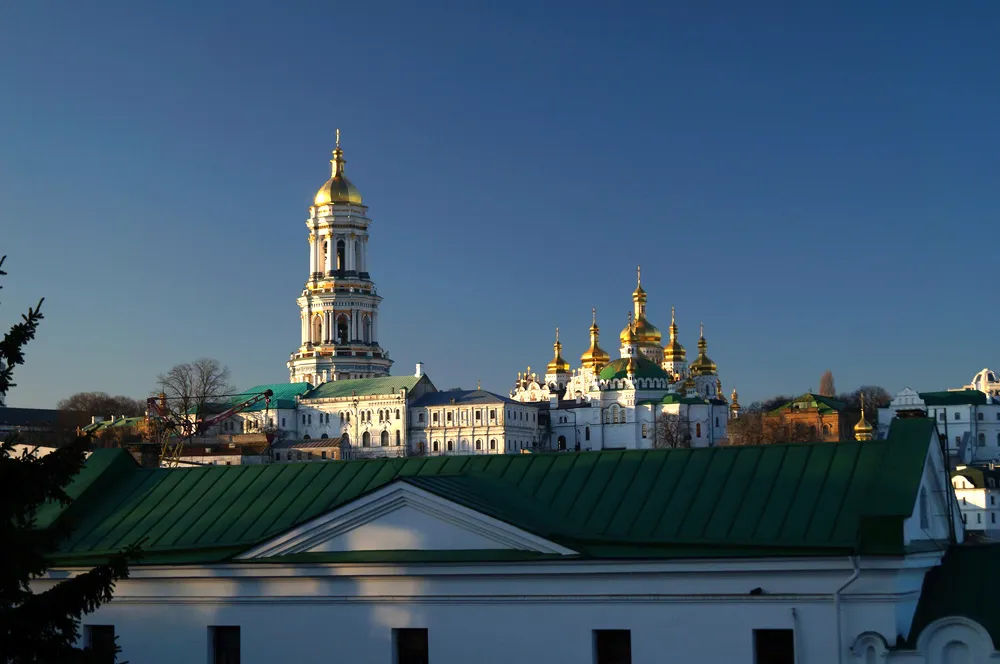
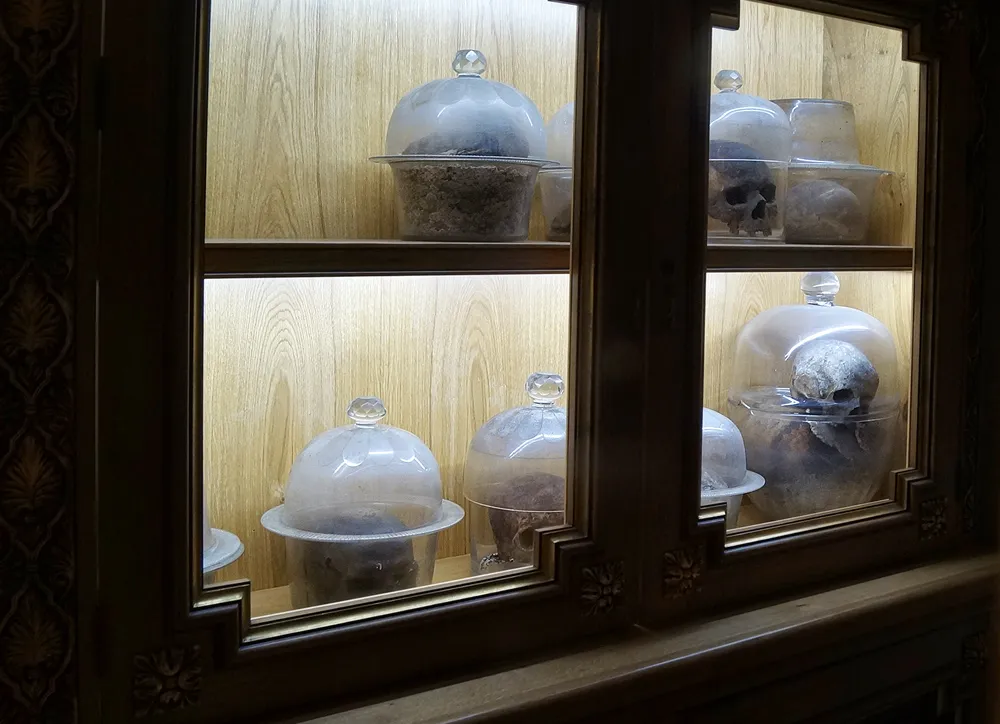
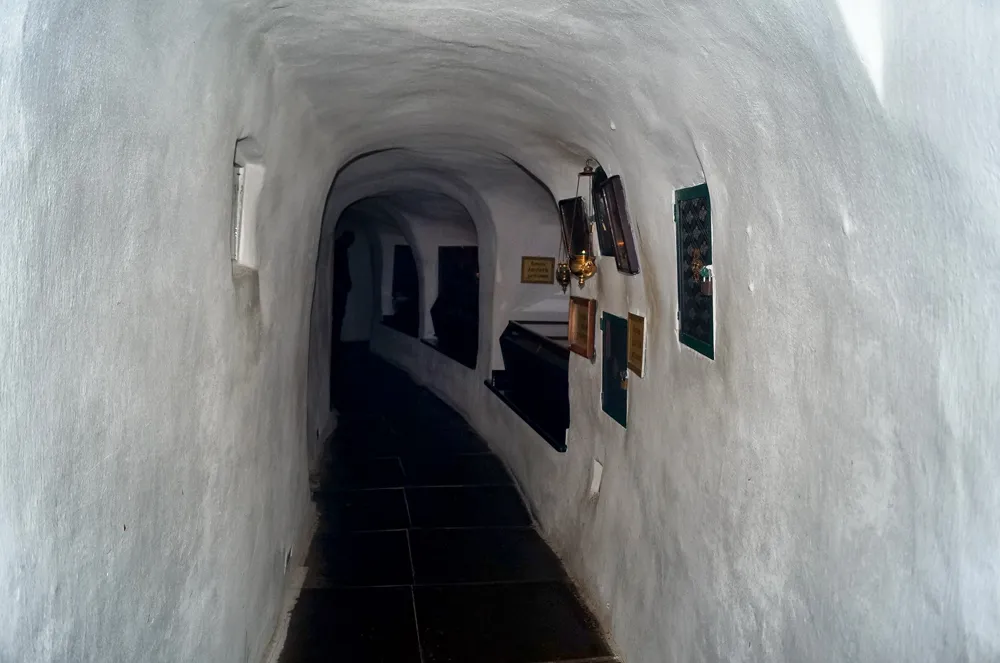
The Kyiv Pechersk Lavra is one of the largest monasteries in the world. It is consistently included in various rankings and tops of the most beautiful monastic complexes in the world. It is an impressive fortress and a city within a city, whose dominant architectural style is Ukrainian (Cossack, Mazepa) Baroque. On the 22 hectares donated to the monastery by Grand Prince of Kyiv Iziaslav Yaroslavych stand more than a hundred various structures, among them 14 churches, 3 bell towers, four fortress towers, a hospital, a printing house and dozens of cell buildings. In the depths of the Lavra hills lies a branching network of caves, which hold the relics of more than a hundred holy fathers of Rus-Ukraine, among them the monastery’s founders Anthony and Theodosius, the legendary warrior Ilya Muromets, the great Rus chronicler Nestor and others.
Most of the Lavra churches are considered architectural masterpieces that often have no analogues, not only in Ukraine but in the world, and not least thanks to the Ukrainian Baroque that dominates the monastery. Even the churches of the pre-Mongol period are crowned with pear-shaped domes and the ornamental decor of the main Ukrainian style, for the introduction of which in the largest monastery of the Russian Empire we have Mazepa and his colonels to thank, as well as the architects who developed the monastery in the 18th century – Kovnir and Schedel.
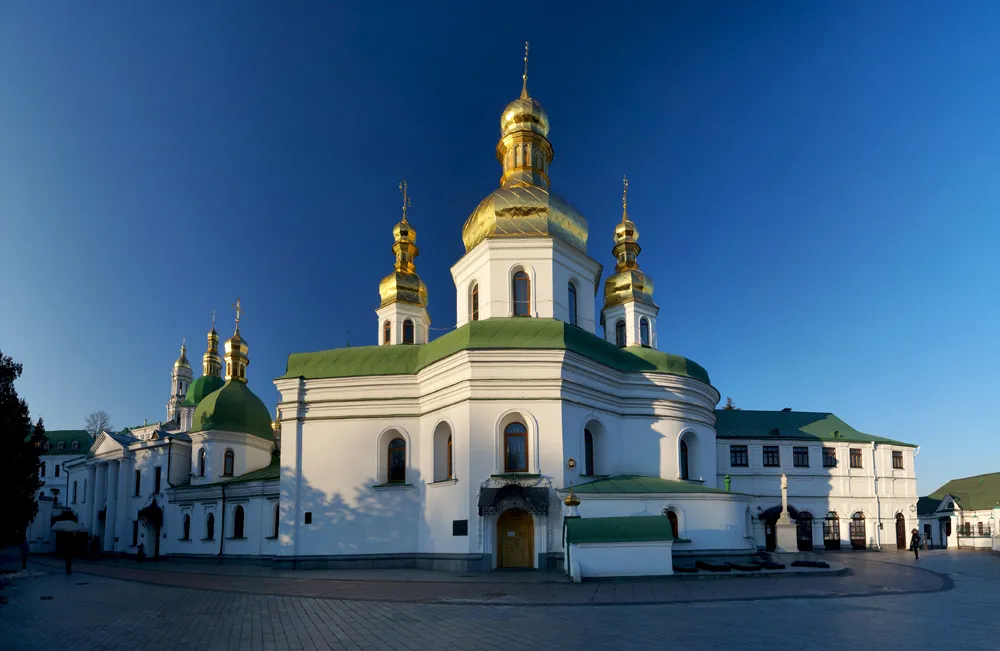
The image of the numerous golden-domed churches, which we can see from the window of a metro train or from the left bank of the Dnipro, is probably the main calling card of Kyiv. The Dormition Cathedral, the Church of Anthony and Theodosius, the enormous bell tower – the largest in Ukraine – surrounded by the other churches, walls and cell buildings, is the most popular image on Kyiv tourist magnets.
History
The founder of the Kyiv Pechersk Monastery was Anthony, a monk from Liubech (now a small town in the Chernihiv region), later called Pechersky (“of the Caves”). Having taken monastic vows on Mount Athos, Anthony came to Kyiv and dug himself a cave in the loess layer above the Dnipro. The monk’s ascetic way of life and his wisdom attracted to him a mass of disciples, followers and people who simply wanted advice and guidance. In time Anthony’s cave became a rather crowded place, and he dug a new one on the neighbouring hill… In 1051 Anthony received permission from the then Grand Prince Yaroslav Volodymyrovych and founded a cave monastery. After some time the caves could no longer hold the monastic brotherhood, which kept growing, so wooden churches above ground began to appear and Anthony turned to the new prince, Iziaslav Yaroslavych, with a request to grant the monastery land. Iziaslav gave the monastery 22 hectares, which are still the basis of the Lavra today.
Anthony’s successor was his disciple Theodosius, who greatly developed the monastery, turned it into the main centre for the spread of Christianity in Rus and a centre of spiritual education. He also built the Dormition Cathedral – the largest monastery church – the Great Church.
In the 12th century the monastery received the status of a lavra – the highest status of an Orthodox monastery. The monastery founded a considerable number of subordinate monasteries and sketes, received large lands and a significant number of serfs, gradually turning into one of the richest monasteries in Europe. The monastery owned three cities, seven towns, about two hundred villages and khutirs, factories, distilleries and apiaries. The monastery’s influence on the life of the country is also underlined by the fact that, already in the pre-Mongol period, 20 bishops came out of the monastery.
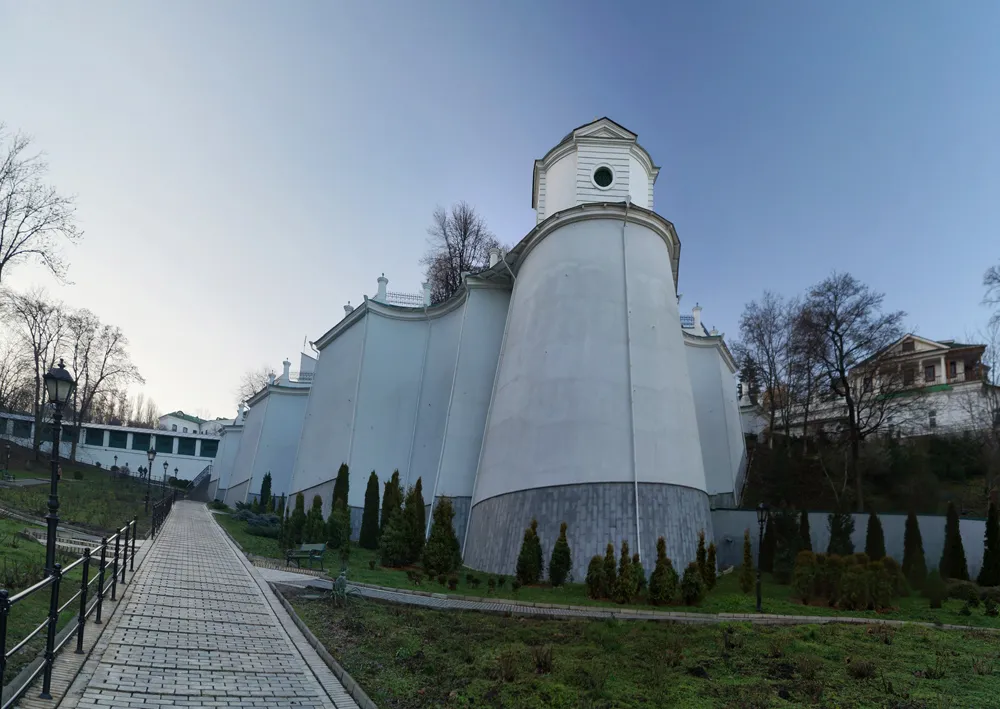
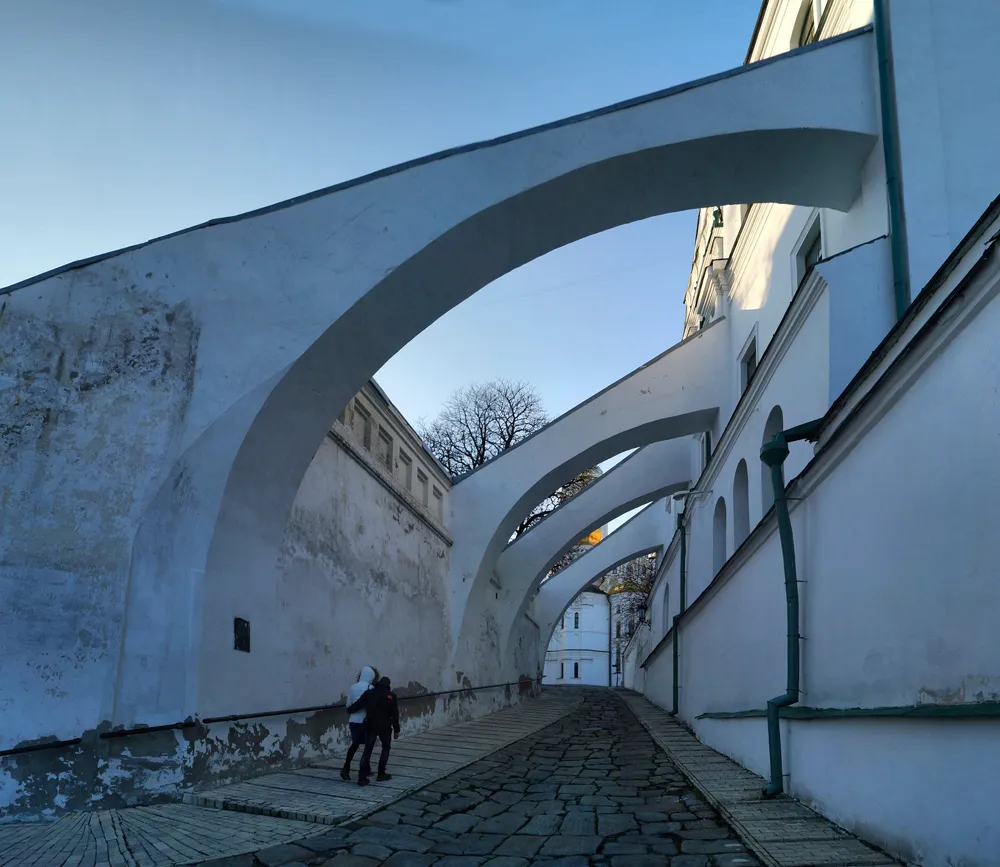
In the 11th century ramparts and a palisade were built around the Lavra, replaced by walls in the 12th century. However, the walls could not always protect the Lavra from plunderers, among them the Polovtsians, Torks, Berendeys and Rus princes from the east, notably Andrei Bogoliubsky. The monastery suffered its greatest destruction from the Mongol-Tatars of Batu, who in 1240 captured and burned Kyiv. Some of the monks died then, and some scattered across the boundless expanses of Rus, founding new monasteries and sketes.
It is not known exactly how long the monastery stood in desolation, but we know that in the 14th century it was already functioning and had considerable influence on the life not only of Rus but also of Muscovy. It was repeatedly plundered and burned by the Crimean Tatars, but thanks to substantial donations it quickly recovered.
After the Union of Brest of 1596 there were several attempts to convert the Pechersk Monastery to Greek Catholicism, there were even armed attacks, but the Lavra monks defended not only the monastery itself but also its property.
A new development of the Kyiv Pechersk Lavra began in the Cossack era. Old wealthy Cossacks generously endowed the main monastery of Rus-Ukraine. Hetman Samoilovych surrounded it with a high rampart, and Mazepa put stone walls on the rampart, turning the Lavra into a powerful fortress. Under Mazepa a true flourishing of the monastery began. The All Saints Church was built directly at the great hetman’s expense, and the Dormition Cathedral and most of the Lavra buildings then existing were repaired and restored. The hetman’s associate, Colonel Pavlo Hertsyk, built the Church of the Exaltation of the Cross – the main one at the Near Caves; Mazepa’s cousin Kostiantyn Mokiievskyi, the colonel of Bila Tserkva, built the Church of the Nativity of the Theotokos and the Church of Anthony and Theodosius (outside the Lavra wall). In addition the hetman allocated funds for the construction of the Great Bell Tower – 70,000 gold pieces. The bell tower was built only in 1744, when Mazepa had long been gone and was being anathematized in churches and monasteries on Peter I’s orders, but everyone knew that Mazepa had left the money for the bell tower.
Of the significant Lavra buildings erected after Mazepa, only the refectory chamber with the Church of Anthony and Theodosius is worth noting; generally, for the main monastery of Rus-Ukraine, the period of rule of the Russian tsars was a period of sluggish development and loss of most of its lands. With the arrival of the Russian Bolsheviks in Kyiv, the Kyiv Pechersk Lavra lost its monastic status altogether – it turned into a museum.
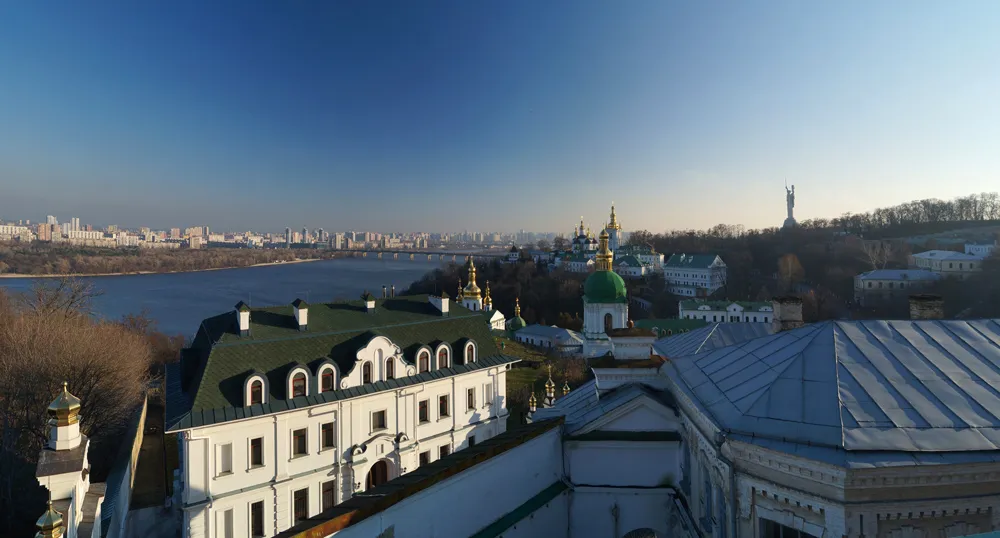
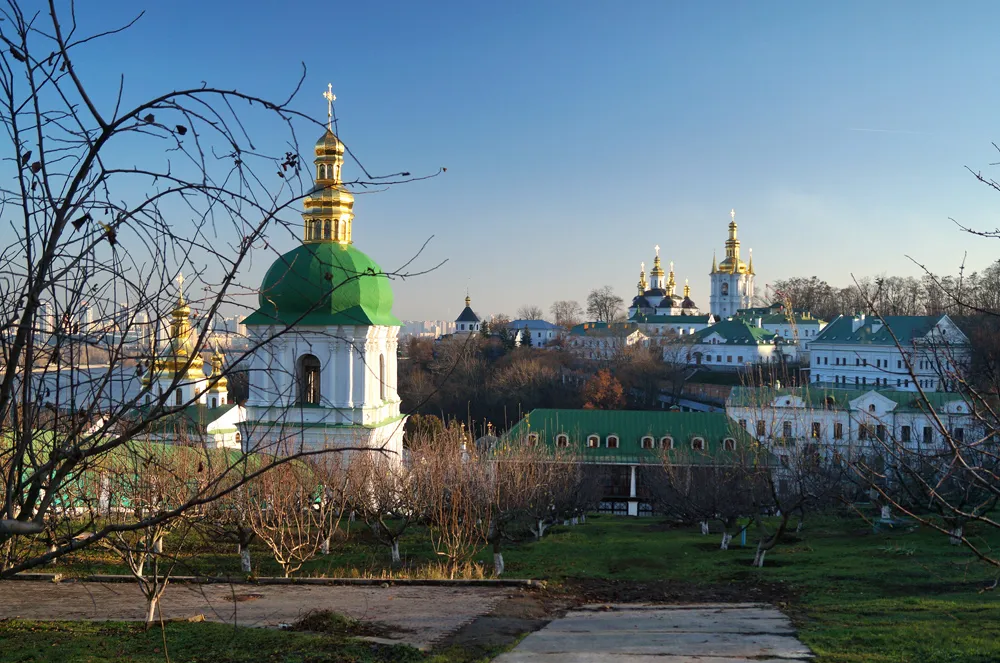
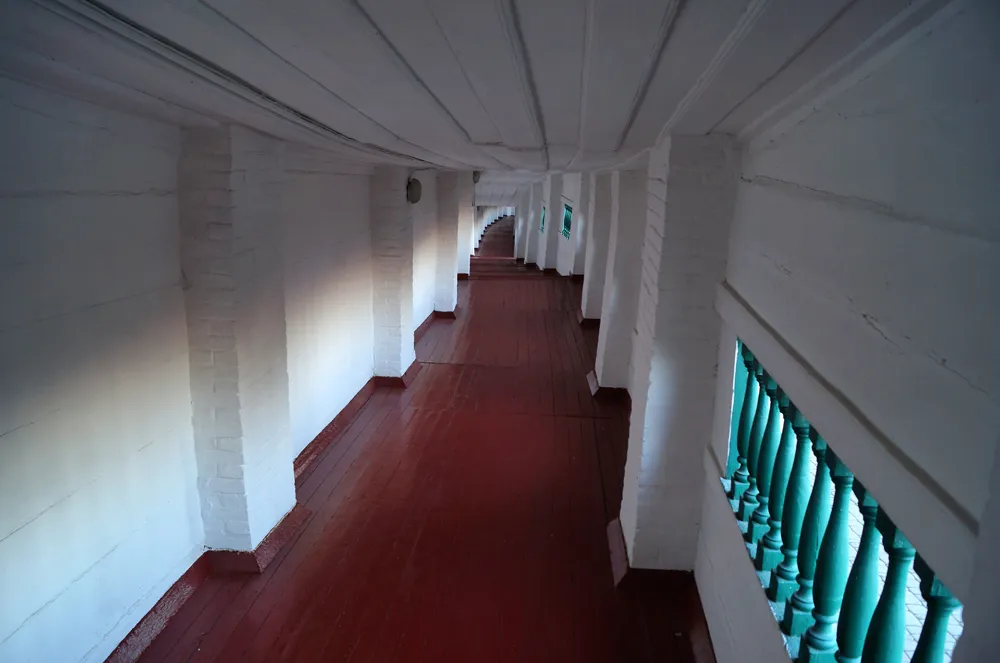
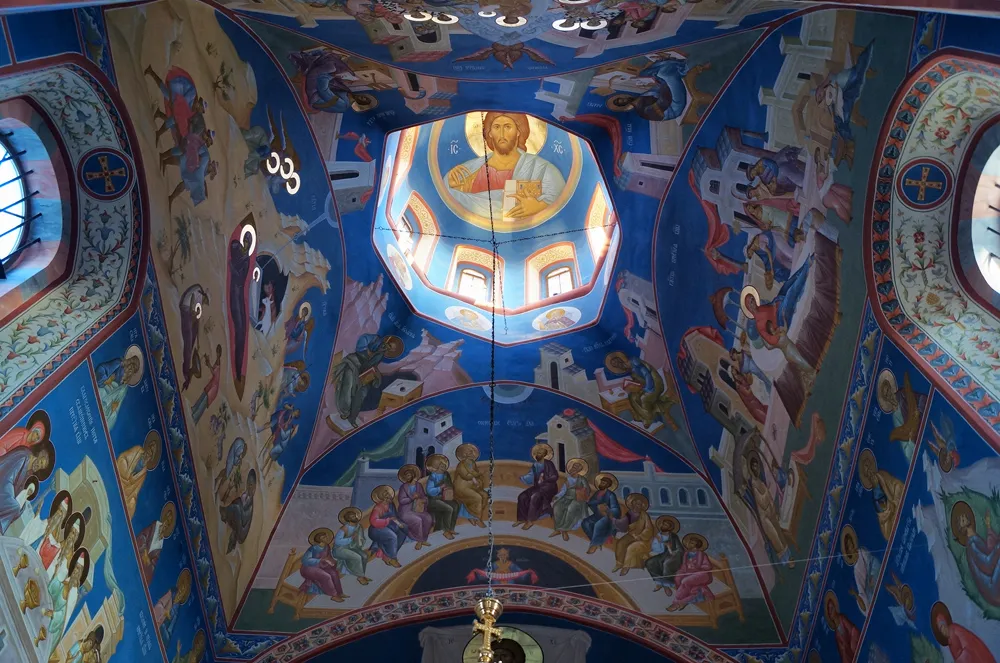
The Kyiv Pechersk Lavra is traditionally divided into two parts – the Upper and the Lower. In the Upper Lavra, which occupies the hilltop, stand the Dormition Cathedral, the Trinity, Refectory, All Saints and several other churches, the Great Bell Tower, the cell buildings and so on; outside the walls stands the Church of the Saviour at Berestove. The Lower Lavra occupies the terrace above the Dnipro and is still an active monastery. Here, in the thickness of the loess deposits, lies a branching network of cave passages – the Lavra began with them. In the caves lie the relics of more than a hundred saints and righteous men of the Lavra, and above the caves spreads a complex of newer buildings, the most valuable of which are the Churches of the Resurrection and of the Nativity of the Theotokos, and the incredible Baroque bell tower, the work of the brilliant architect Stepan Kovnir.
Today’s Kyiv Pechersk Lavra is a historical and cultural reserve and an active monastery. The reserve is subordinate to the state, while the monastery is run by church officials from Moscow – the Moscow Patriarchate – although, according to the logic of things, the Ukrainian Orthodox Church should be subordinate to the Ecumenical Patriarchate, and not the patriarchate of a neighbouring militarized country. And Mazepa, the main builder and patron of the Lavra, should be glorified in it rather than cursed, as Moscow demands.
Text and photos by Roman Malenkov.
Sites of the Kyiv Pechersk Lavra on our website:
Great Church of the Dormition of the Most Holy Theotokos (Dormition Cathedral)
Church of the Exaltation of the Holy Cross