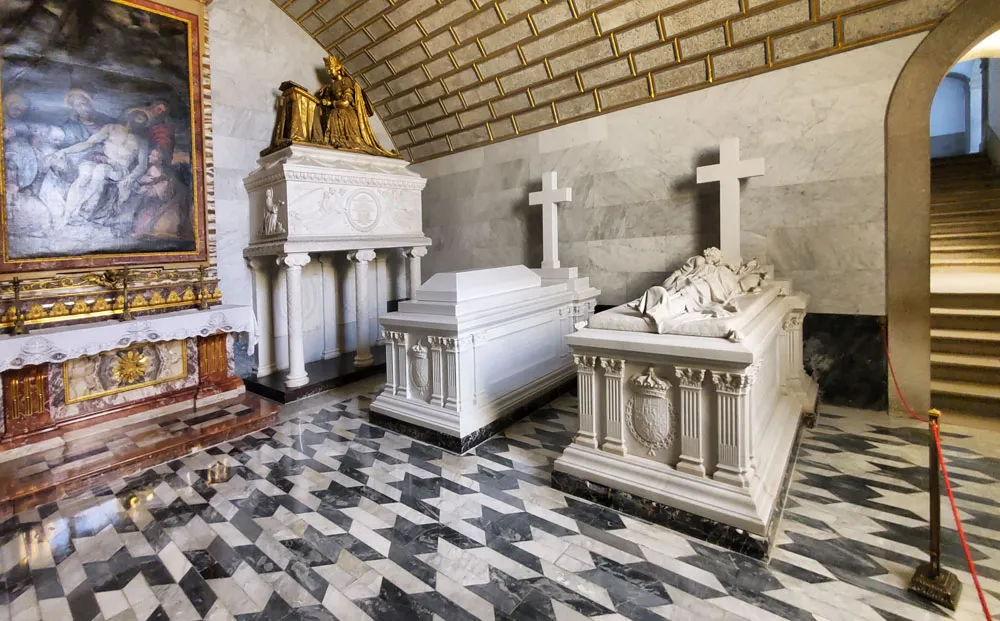
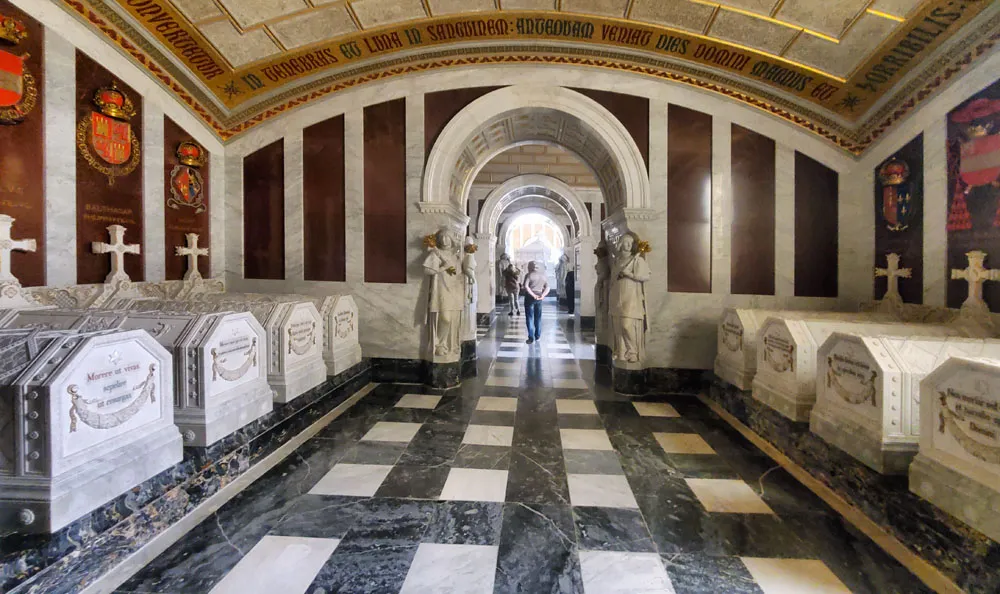
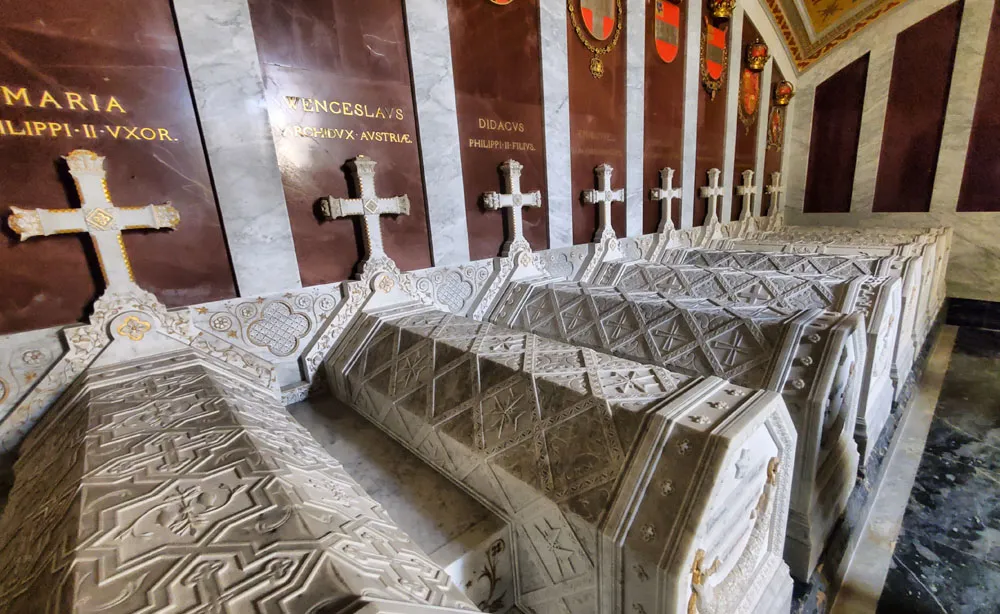
Spain. The Escorial: the largest royal burial place

· 3 min read
About forty kilometres north-west of Madrid lies the town of San Lorenzo de El Escorial. Such a long name is rarely used – more often people simply say the Escorial. The town grew up around a gigantic monastery that served as a royal residence and burial place. One can say that it is a major historical, cultural and tourist location for all of Spain and also a UNESCO World Heritage Site.
To be honest, I went to the Escorial as to a royal palace. The train from Madrid takes less than an hour. And you know, for a long time I was convinced that it was a palace beside which the kings had built themselves a home church. Only later did I learn that King Philip II was building “a palace for God and a hut for the king”.
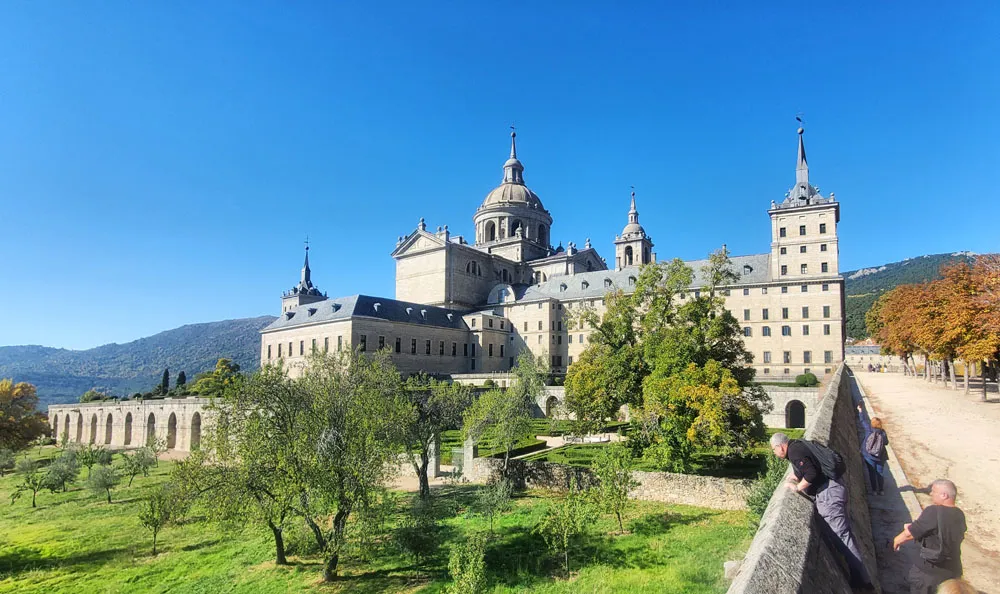
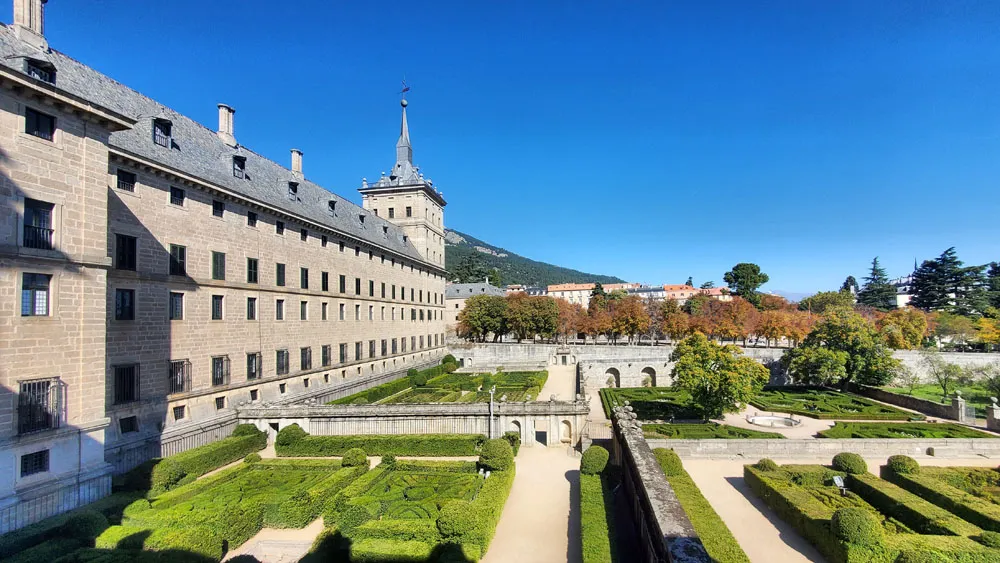
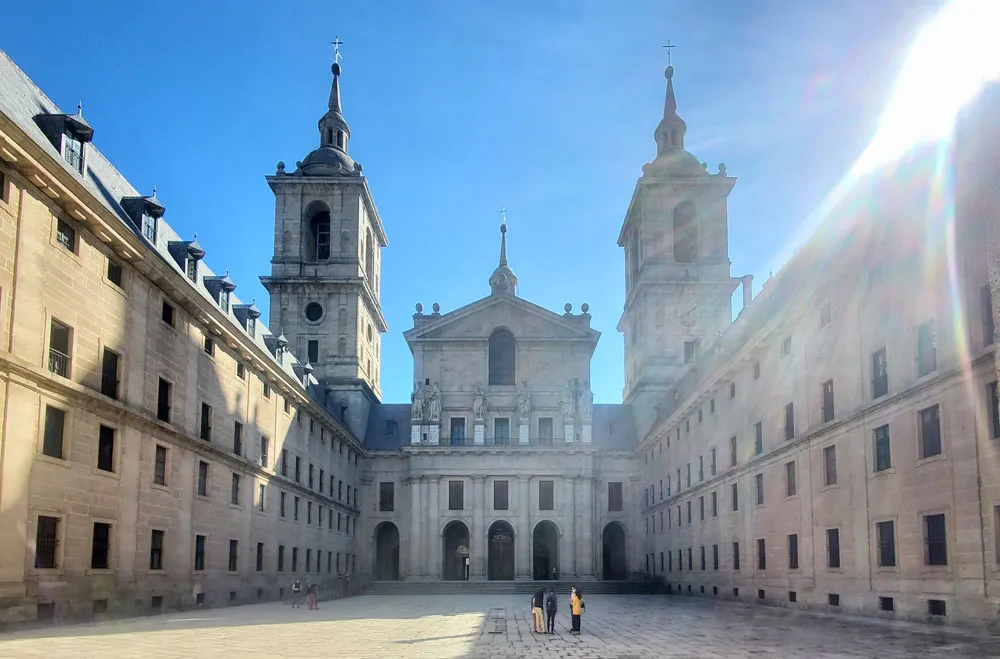
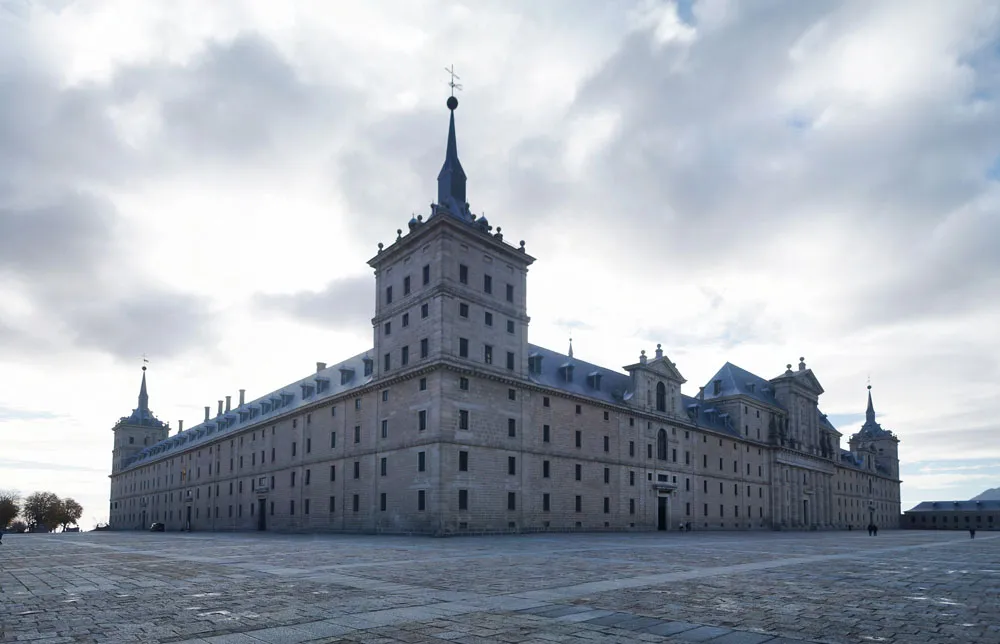
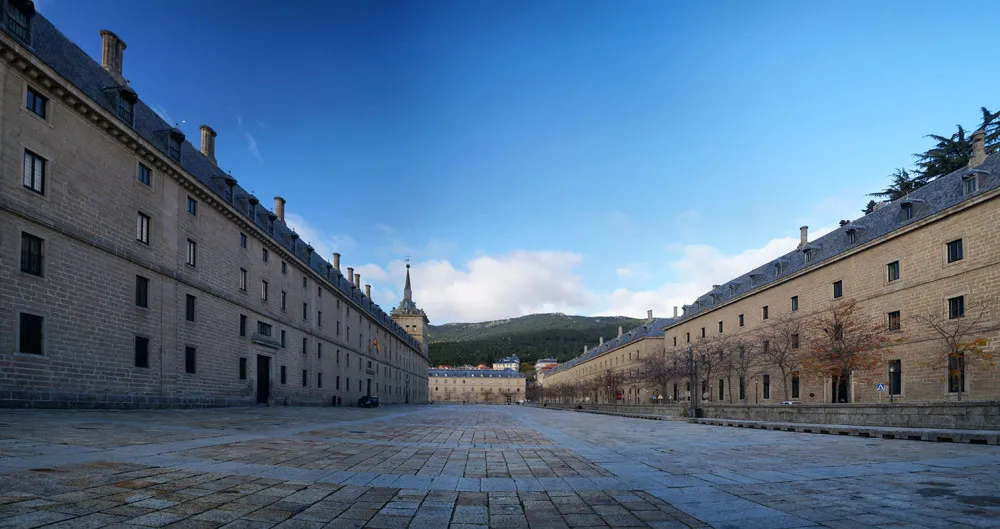
The Escorial impresses with its perfection and size; the only bad thing is that photography is forbidden inside. I do not understand such bans, so my rating is half a point lower. In every other respect it is something incredible, a ready-made location for any historical blockbuster. And, to be honest, I still filmed on my phone, on the sly.
In 1557, at the Battle of St. Quentin (in Flanders), Philip II’s army defeated the French. But the Spaniards accidentally destroyed the monastery of St. Lawrence (Lorenzo) there. Lorenzo is a Spaniard and very much revered in Spain, so the pious Philip II was upset and decided to restore the balance by rebuilding a monastery for St. Lorenzo not far from his capital.
Later it was decided to combine this monastery with a royal palace and a pantheon of the royal dynasty. Philip had poor health and therefore needed frequent rest from royal cares. He dreamed of resting among monks, so he became firmly set on building a monastery-palace. An expedition was sent to look for a good place not far from the capital. For a whole year architects and engineers searched for a site, and they found one. Construction began in 1563 and lasted 21 years.
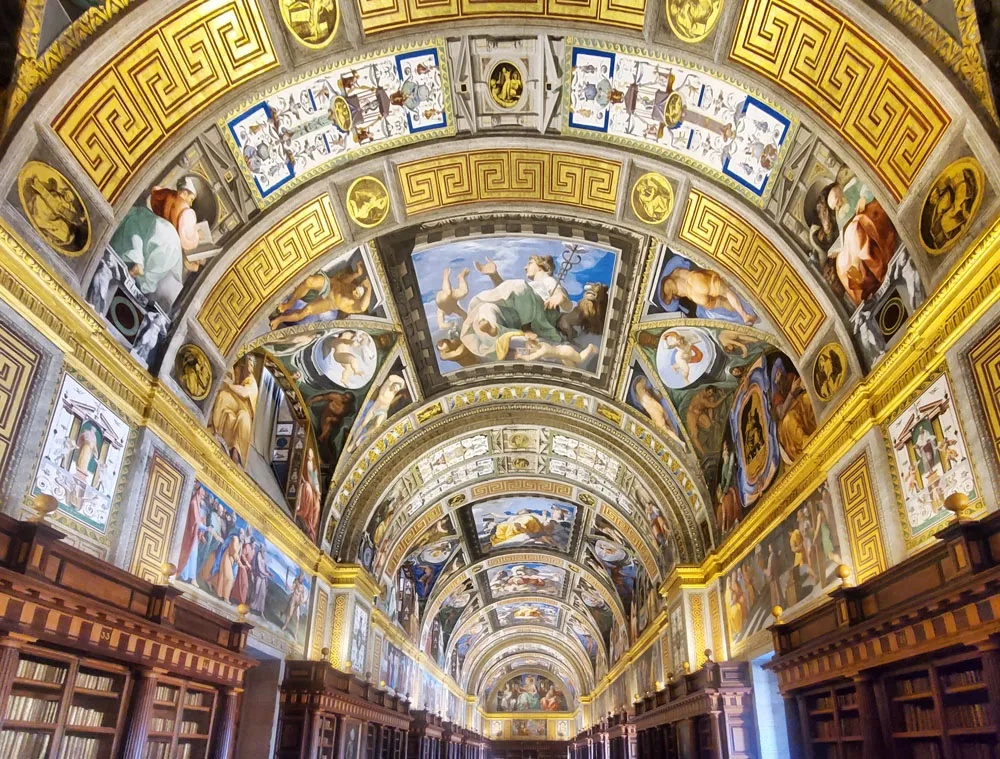
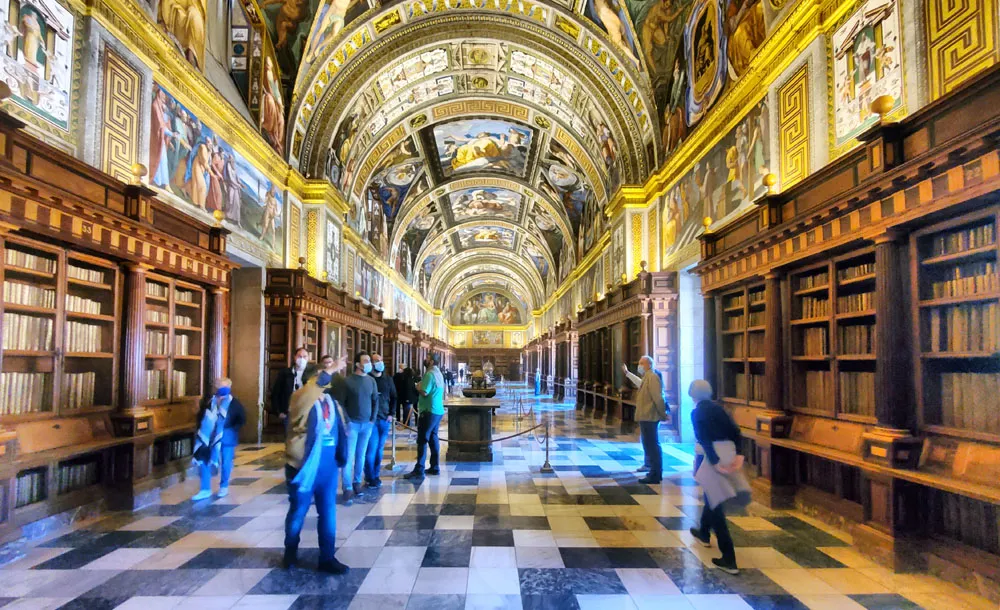
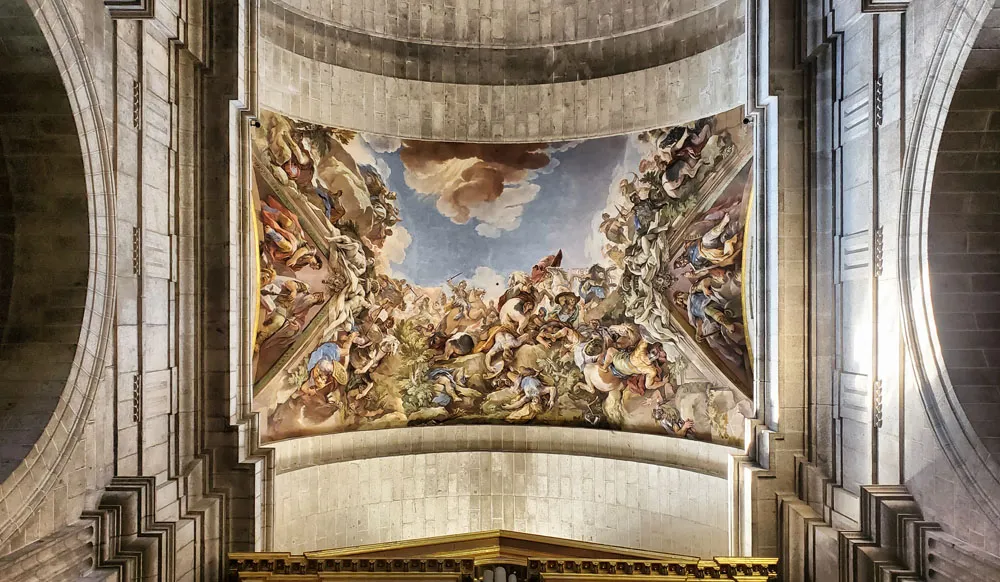
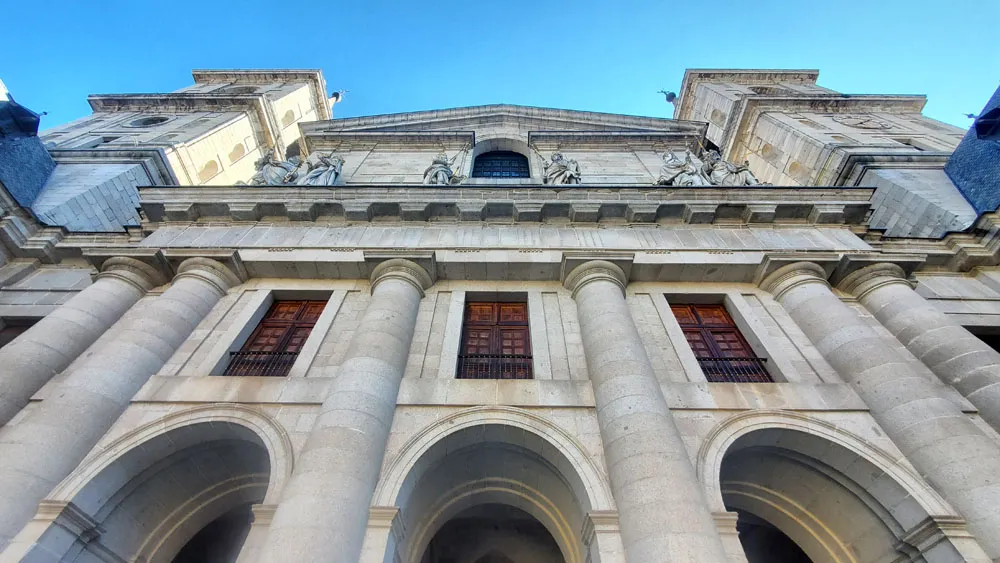
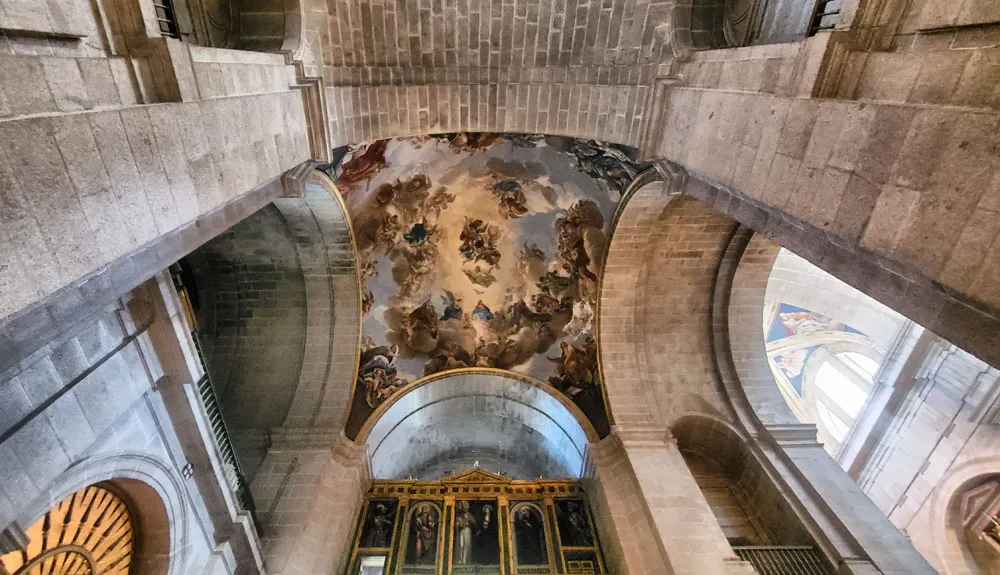
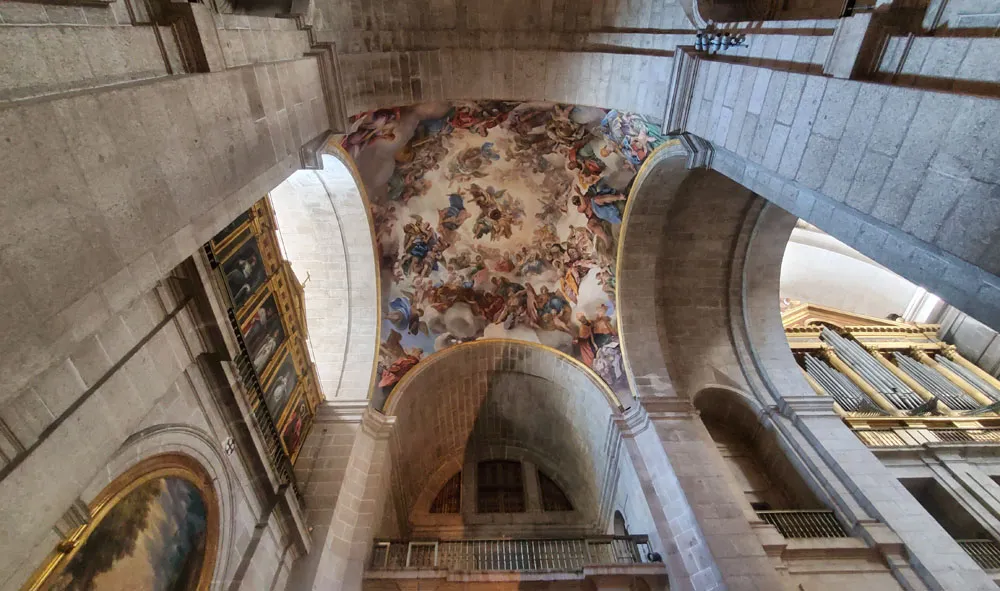
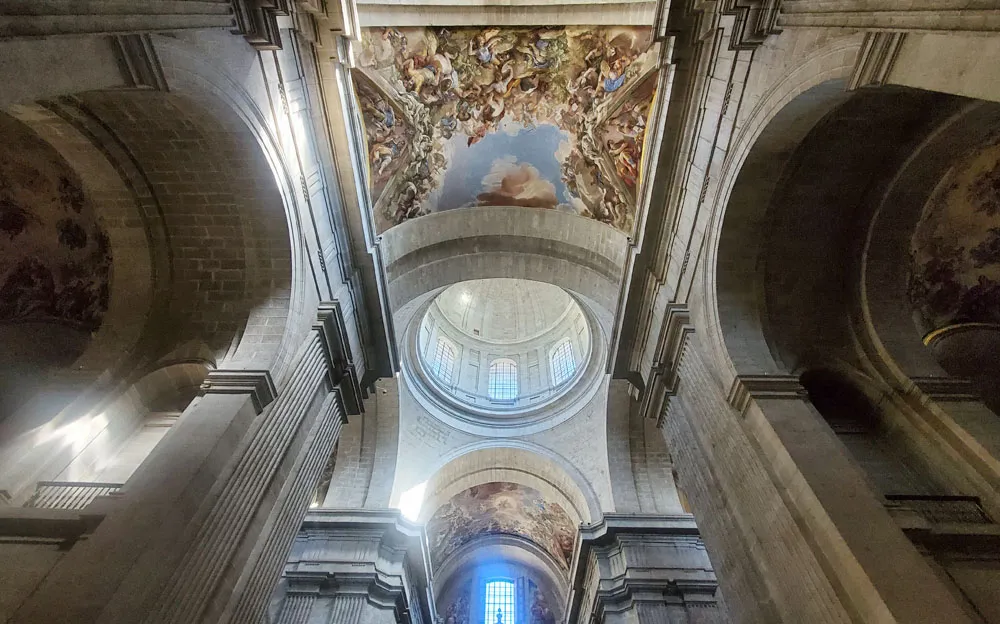
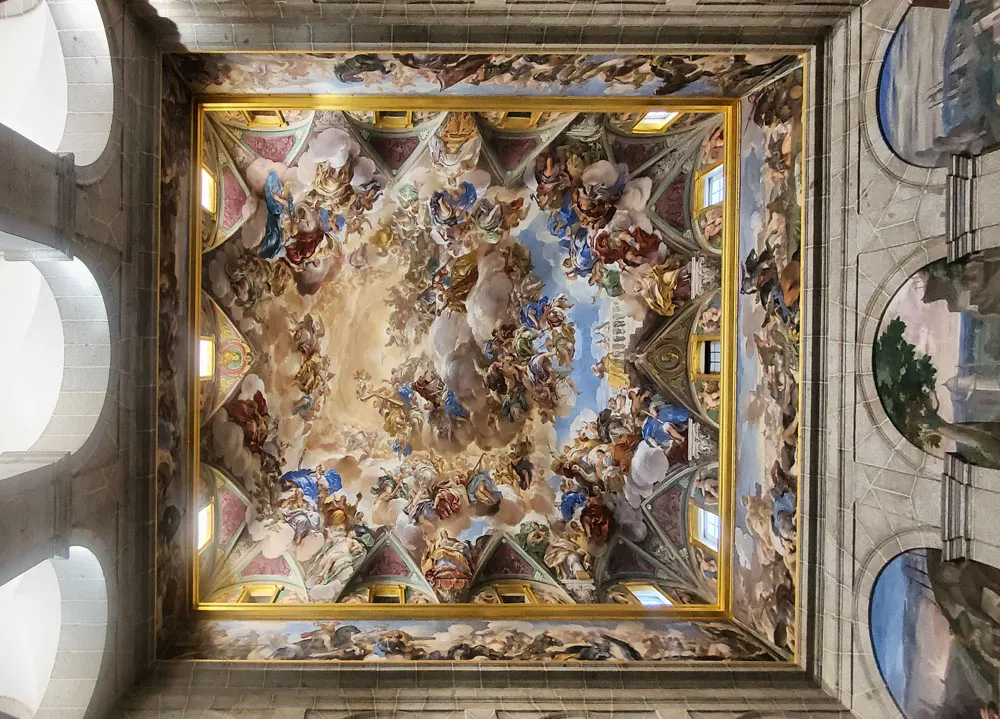
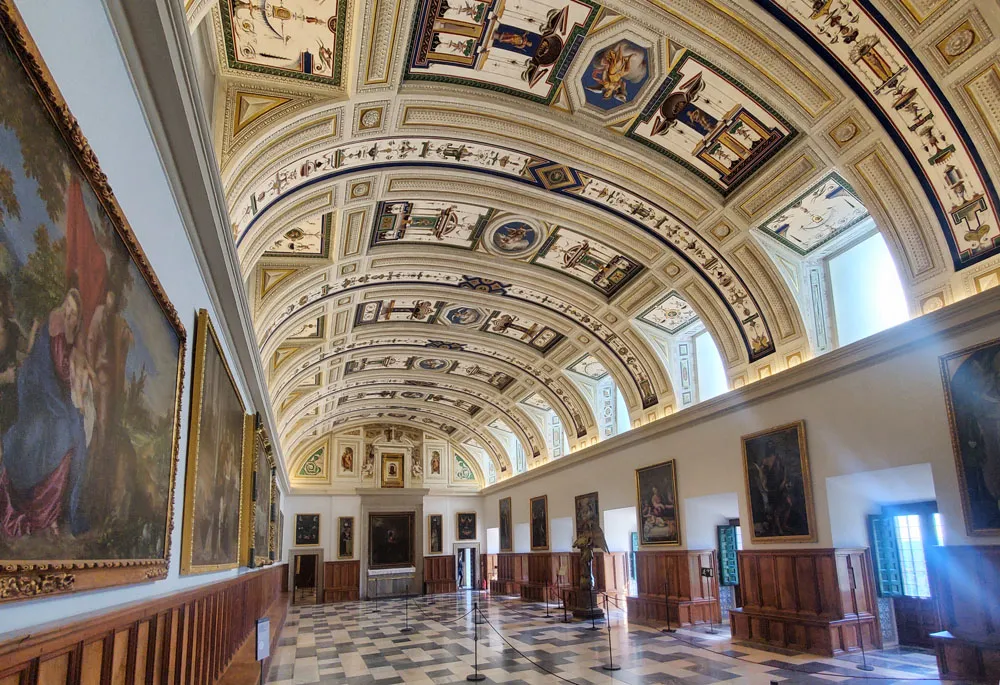
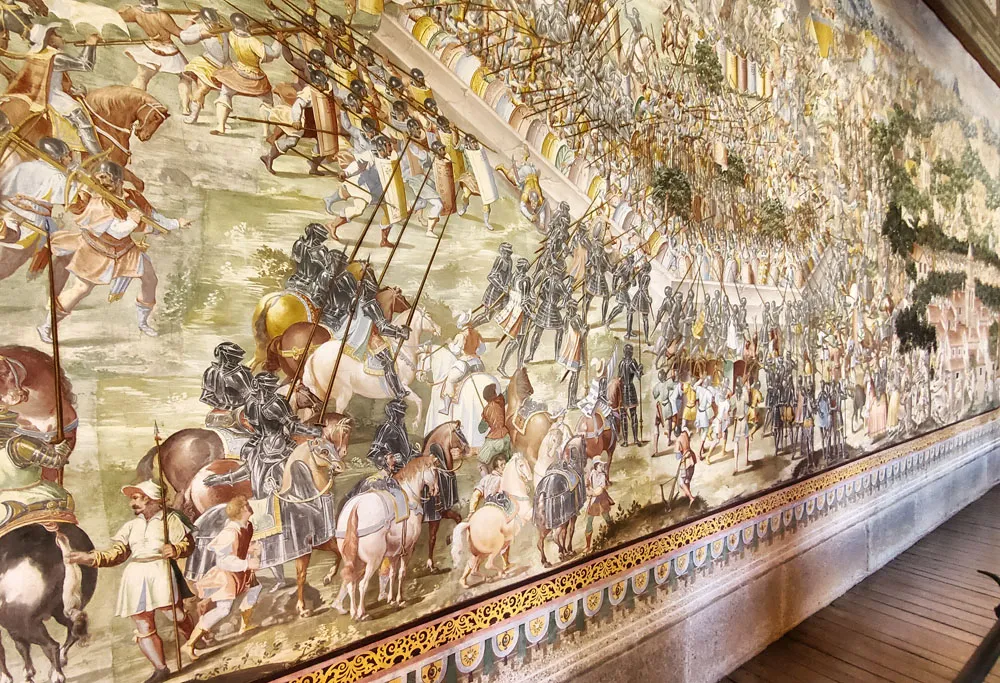
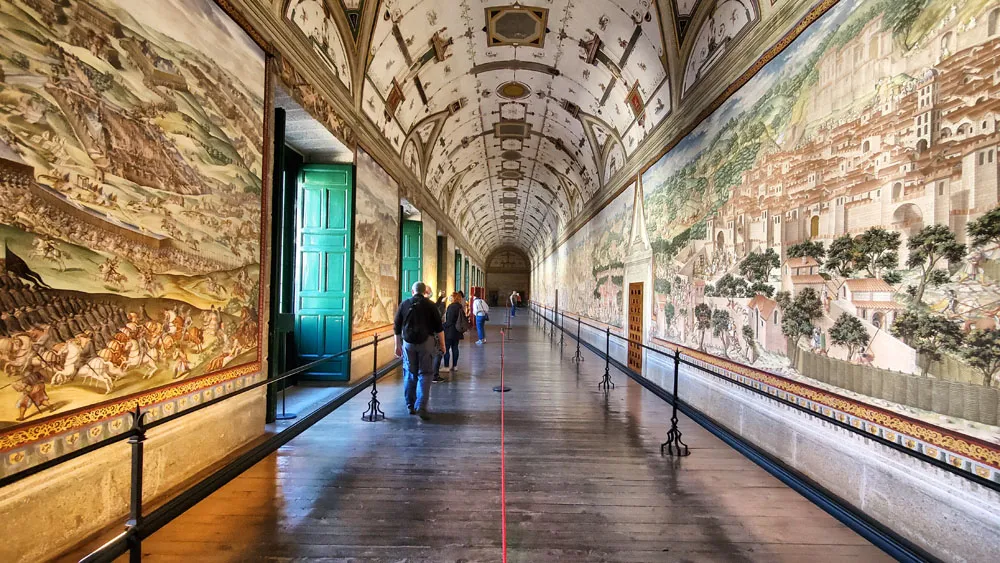
The king personally followed all stages of the Escorial’s construction. It was he who chose as the palace’s style a unique archaized Renaissance, without exterior decoration. The best craftsmen of Spain and other countries were invited for the building. The architect of the construction was Juan de Herrera, after whose name the new style began to be called Herrerian (herreriano).
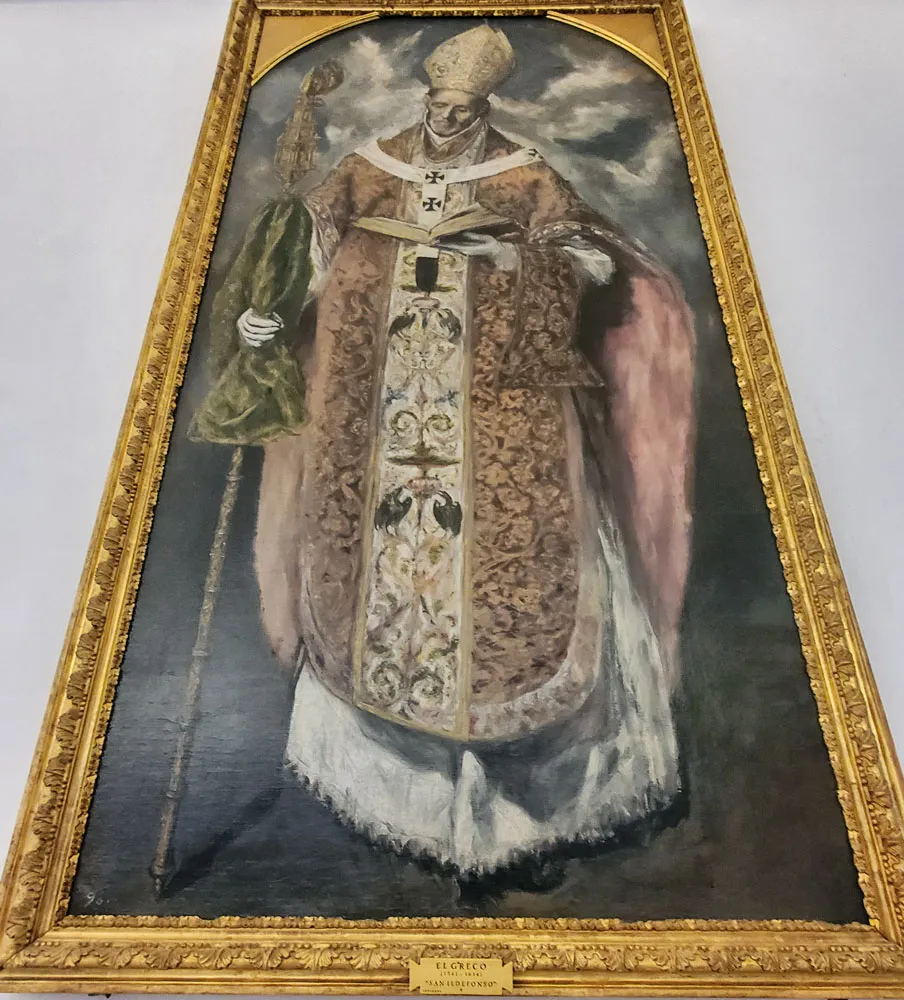
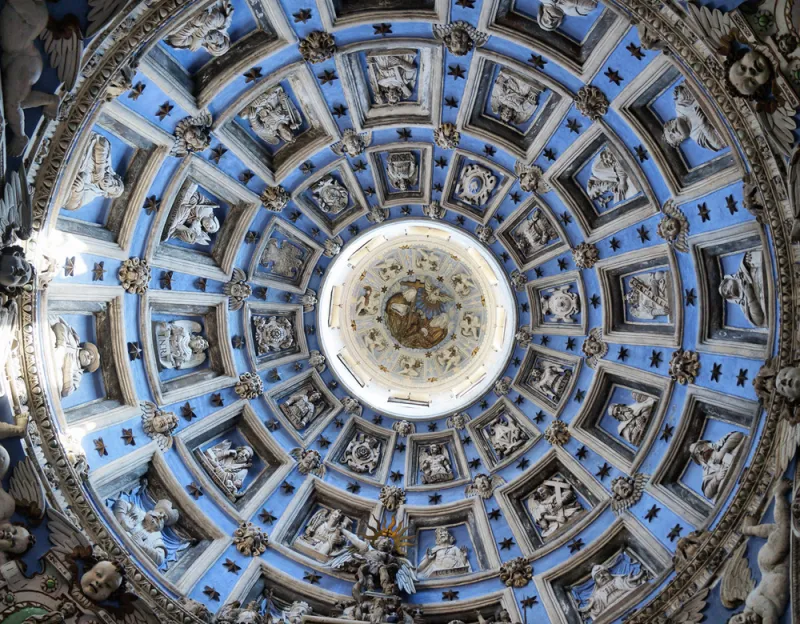
The interiors of the Escorial became a model of refinement, luxury and wealth. Wood carving, marble, beautiful sculptures and paintings by the best painters (Titian, El Greco, Coello, Ribera) – that is, in brief, the palace’s interiors. But Philip made his own chambers very ascetic. A hut almost entirely filled by a bed.
The following kings of Spain supported and developed the Escorial. Many of them were buried here, although all regarded the residence more as the monastery of St. Lawrence, cared for by the Hieronymite fathers.
Around the palace-monastery a town grew up over time, which exists to this day. I strongly recommend visiting it. The gigantic basilica, the royal library, the huge necropolis of kings, queens, princes and princesses – they truly impress.
Text and photos by Roman Malenkov.