Poland. Malbork (Marienburg). The largest castle in Poland

· 7 min read
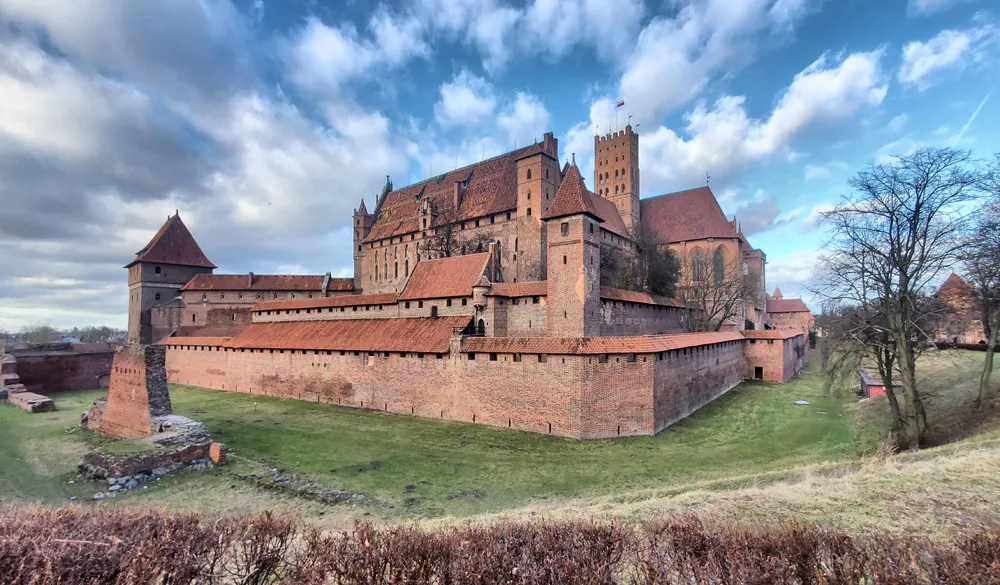
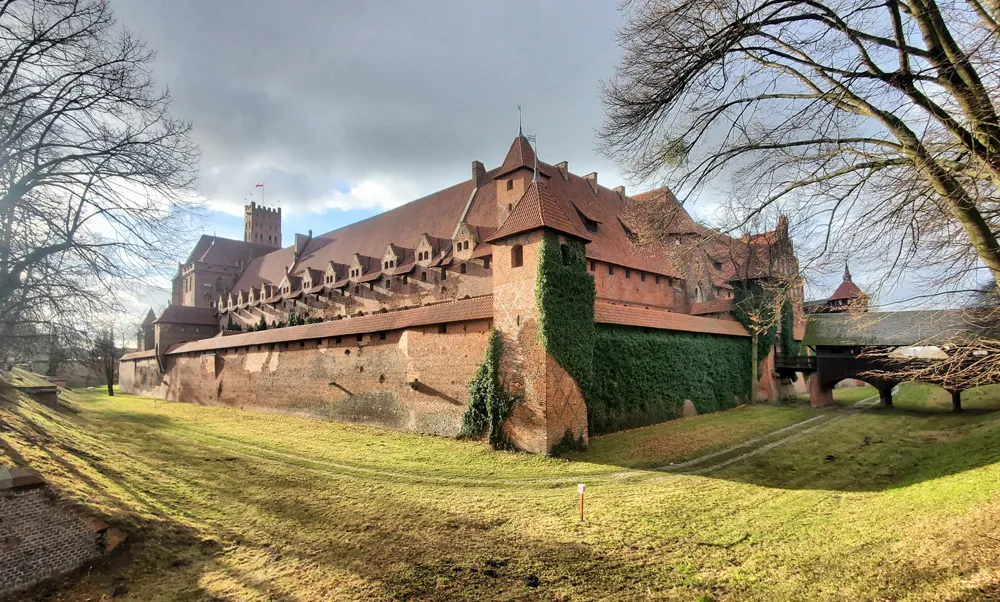
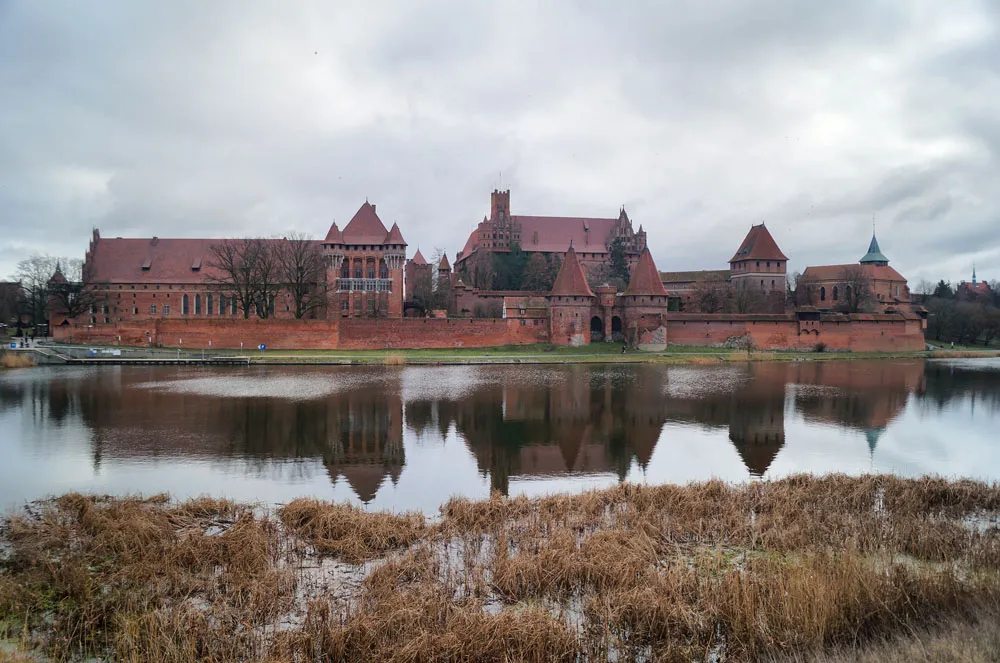
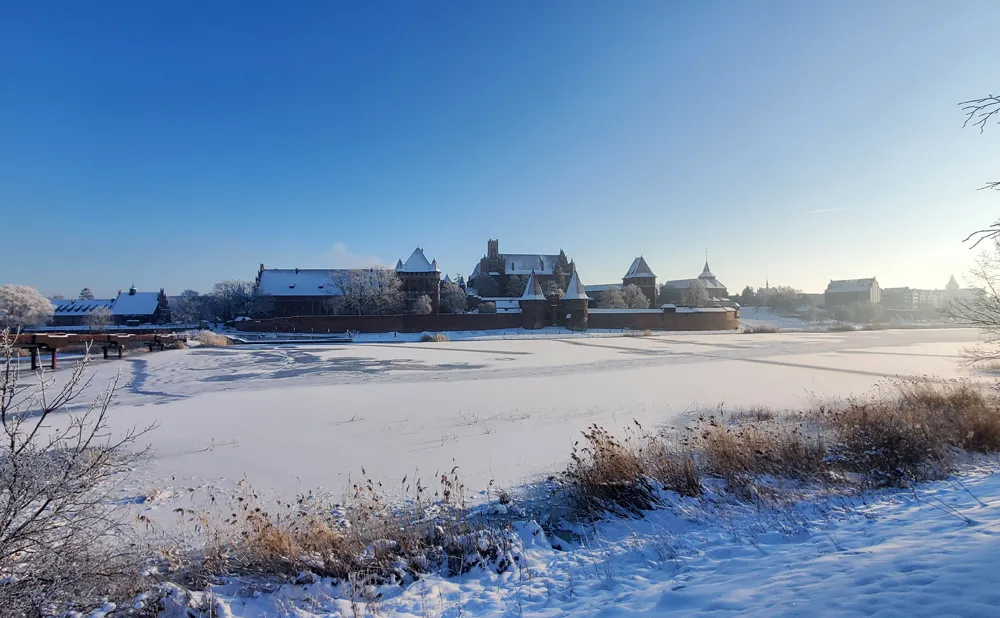
For those who are crazy about medieval fortifications, Malbork is the main attraction in Poland. The largest brick castle in the world, the largest Gothic one, a UNESCO World Heritage Site, an incredible ensemble of walls, towers, churches, palaces, barracks and outbuildings. The grandeur of the castle at Malbork is best seen from the opposite (left) bank of the Nogat River – a pedestrian bridge leads there from the castle, which stands on the right bank. I also like to view the castle from the rampart, opposite the south-eastern corner. I strongly recommend walking around the fortress along its perimeter – you will not regret it, especially if you love Gothic, because Malbork is the benchmark of a Gothic castle.
The castle covers 21 hectares. Its walls are joined to the town walls that survive along the river, which further heightens the impression of the fortress’s scale. It is hard to believe you are seeing such a thing in real life.
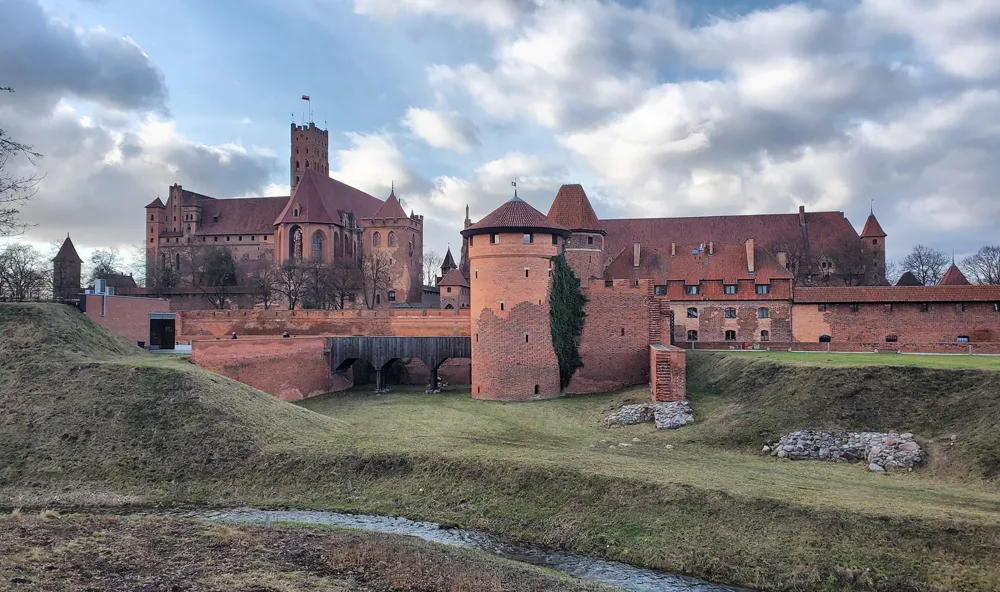
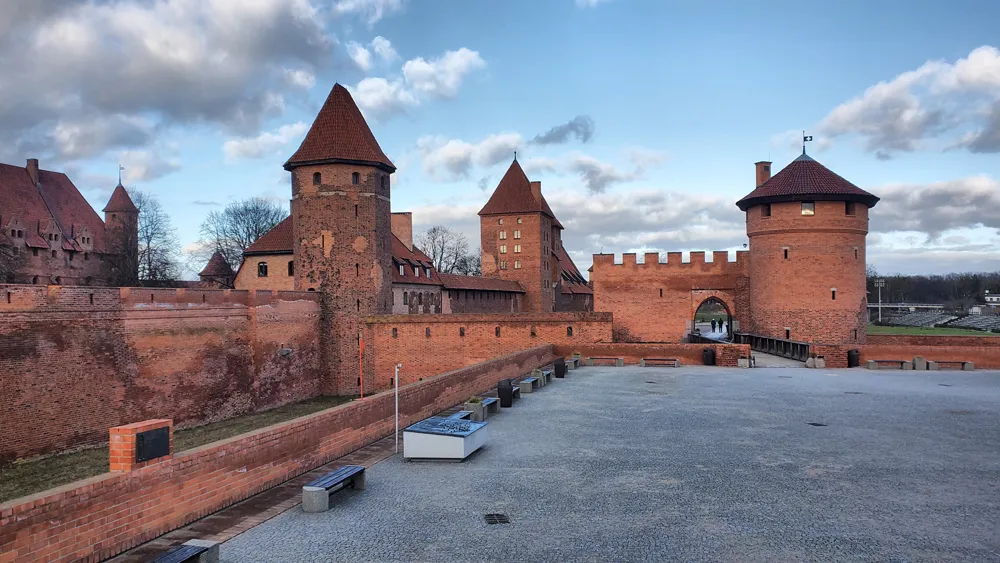
From 1309 until 1454 Malbork was the capital of the Teutonic Order. This was a military-religious state formation that occupied all the lands of East Prussia – today’s north of Poland.
The Teutonic Order was created by German crusader knights in the Holy Land, after the fall of the fortress of Acre, which became their first residence. Later, in 1220, the Teutons built themselves the fortress of Starkenberg. It remained the Teutons’ capital for 51 years, until 1271, when it was captured by the Mamluks. Then the Teutons moved to Venice.
Even earlier, in 1211, the Teutons, at the invitation of the Hungarian king, settled in Transylvania – they were to defend Hungary’s borders against the Cumans. But as early as 1225 the Hungarian monarchs forced the knights to leave their lands – they behaved too independently. Then the Teutons went to the north of Poland – they were to Christianise the pagan Prussians. On Prussian lands they created their state, which ruled for a century and a half and constantly expanded. Marienburg – the castle of St. Mary, present-day Malbork – was made the capital of the Order. This happened in 1309.
The Teutonic Order was headed by the Grand Master – the Hochmeister. The best-known Hochmeisters were Hermann von Salza and Siegfried von Feuchtwangen.
The Teutons pursued a policy of Germanising Slavic lands. Slavs were often destroyed, and peasants from Germany came to take their place.
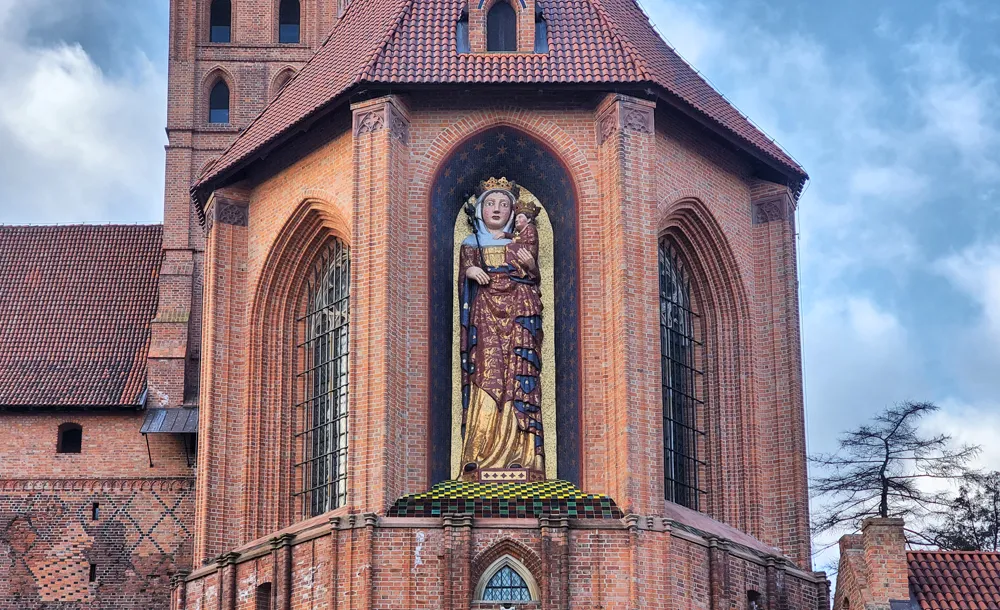
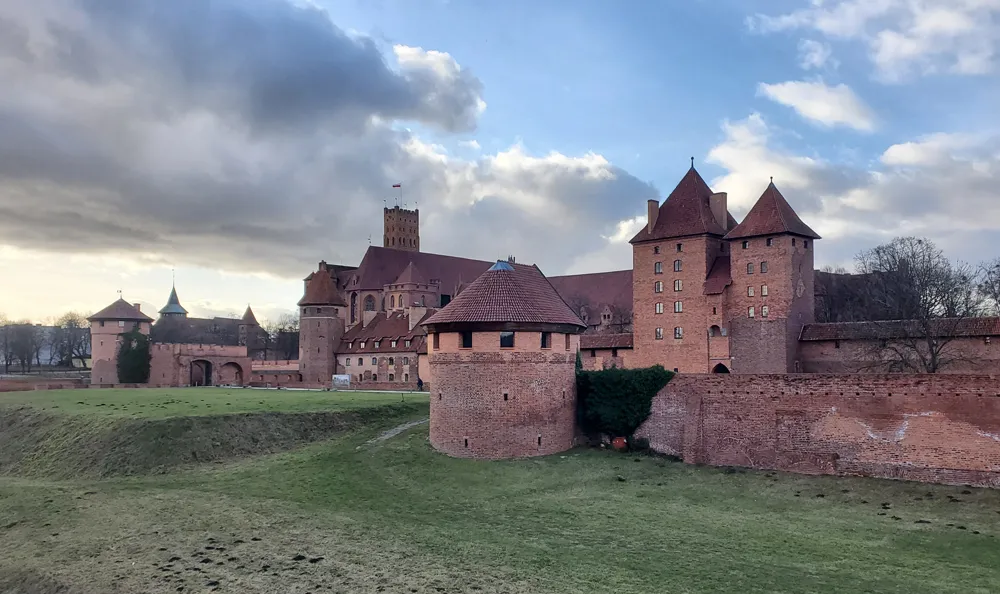
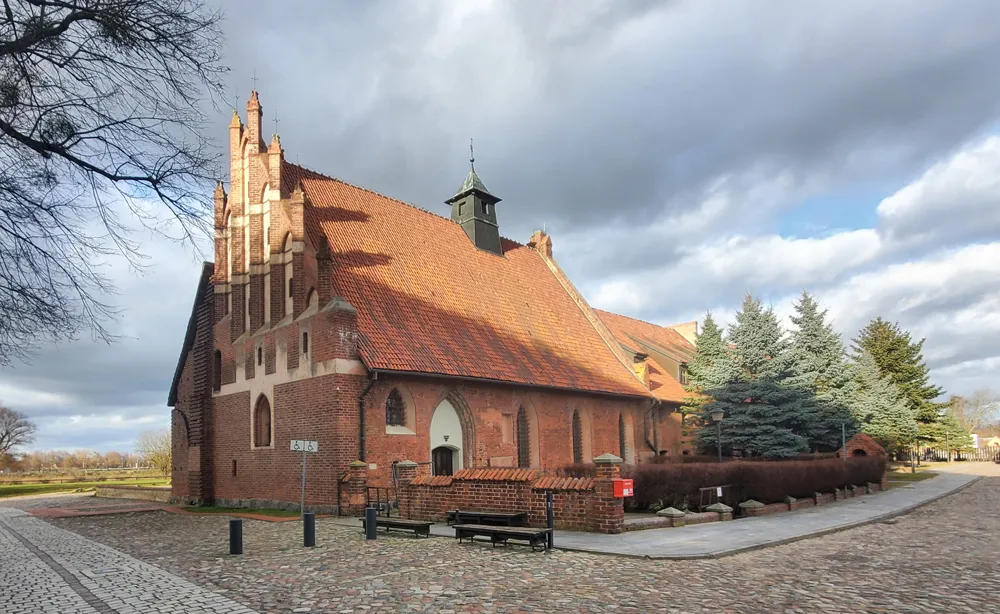
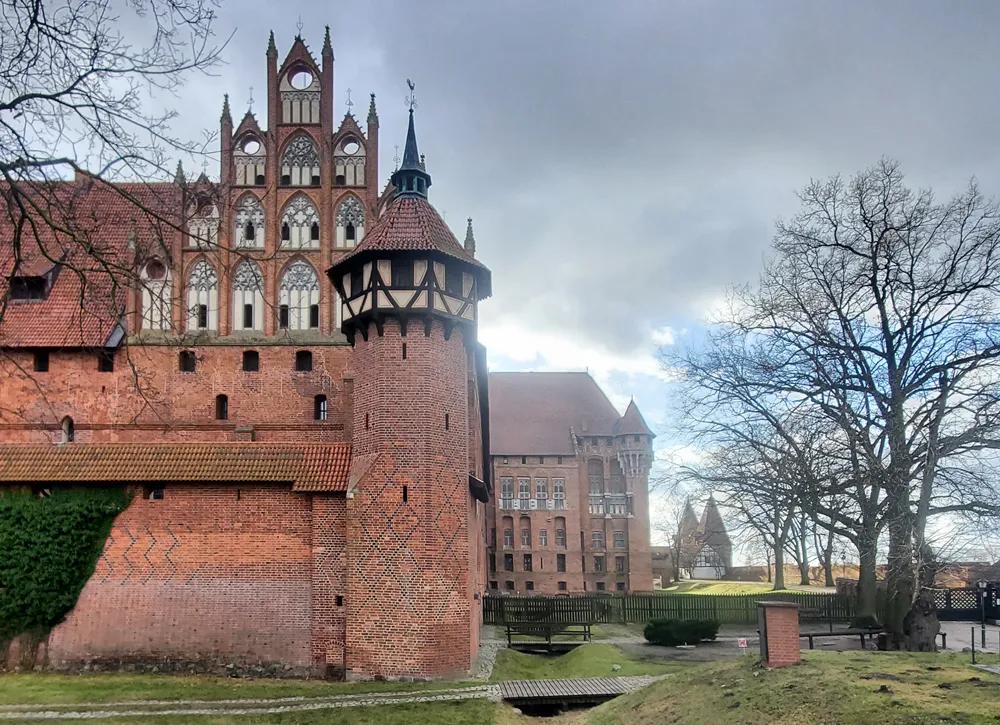
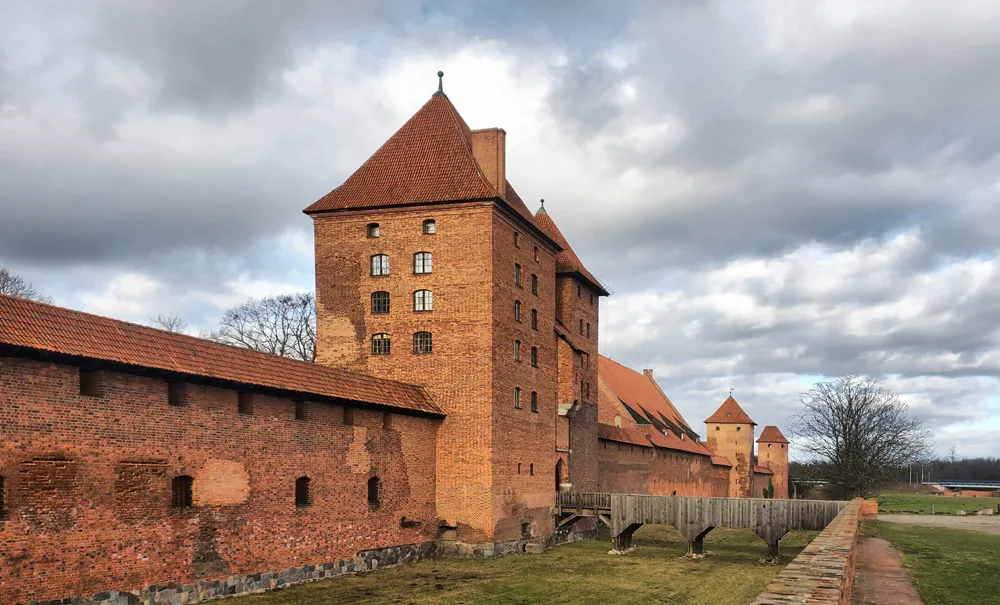
The Marienburg fortress was constantly being expanded. First came the High Castle – the main part with a tall tower, then the Middle Castle, in which the palace of the Grand Master was built, and last the Lower Castle, with the service area. In all, Marienburg had four lines of defence.
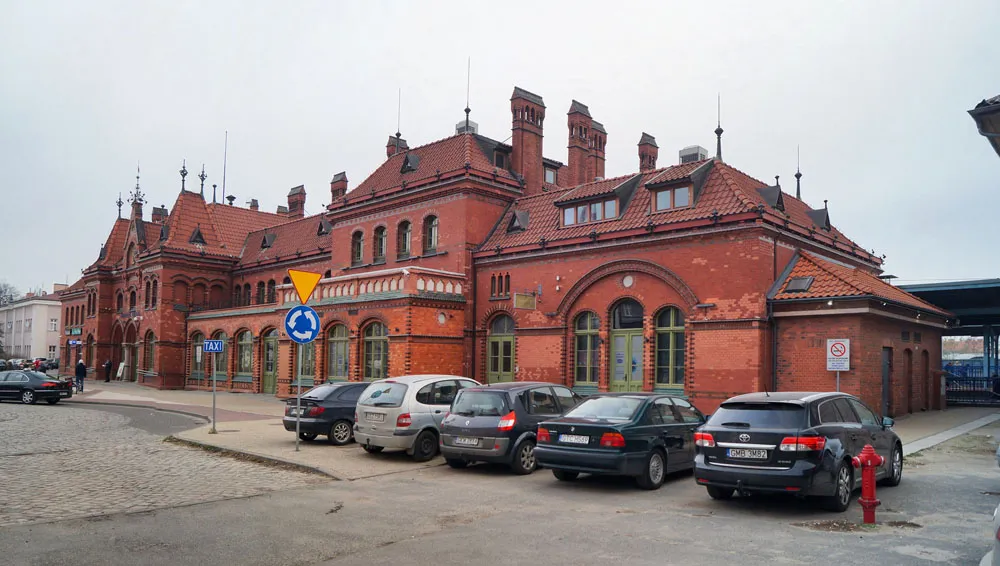
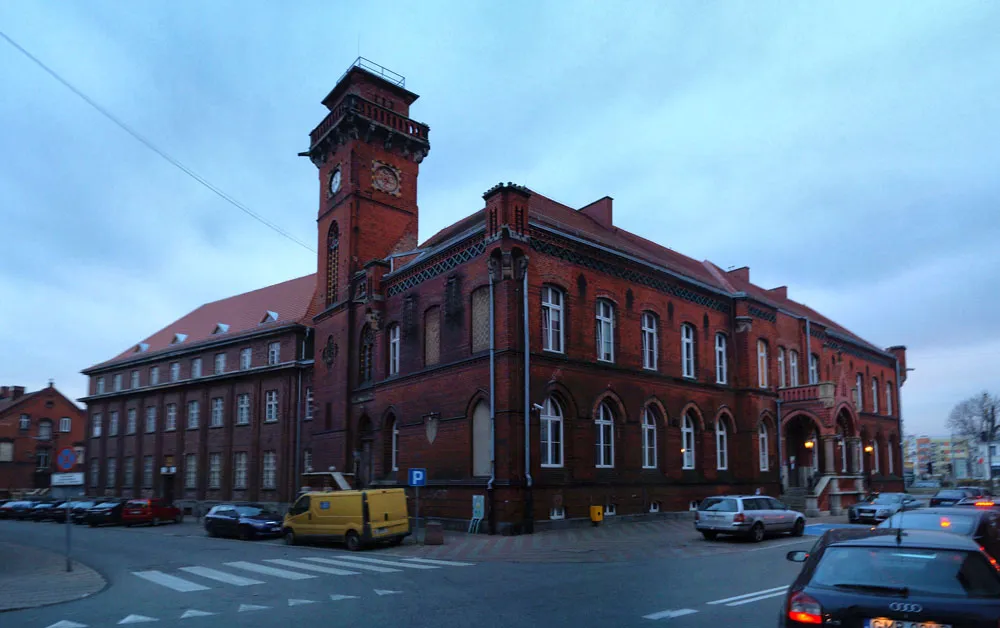
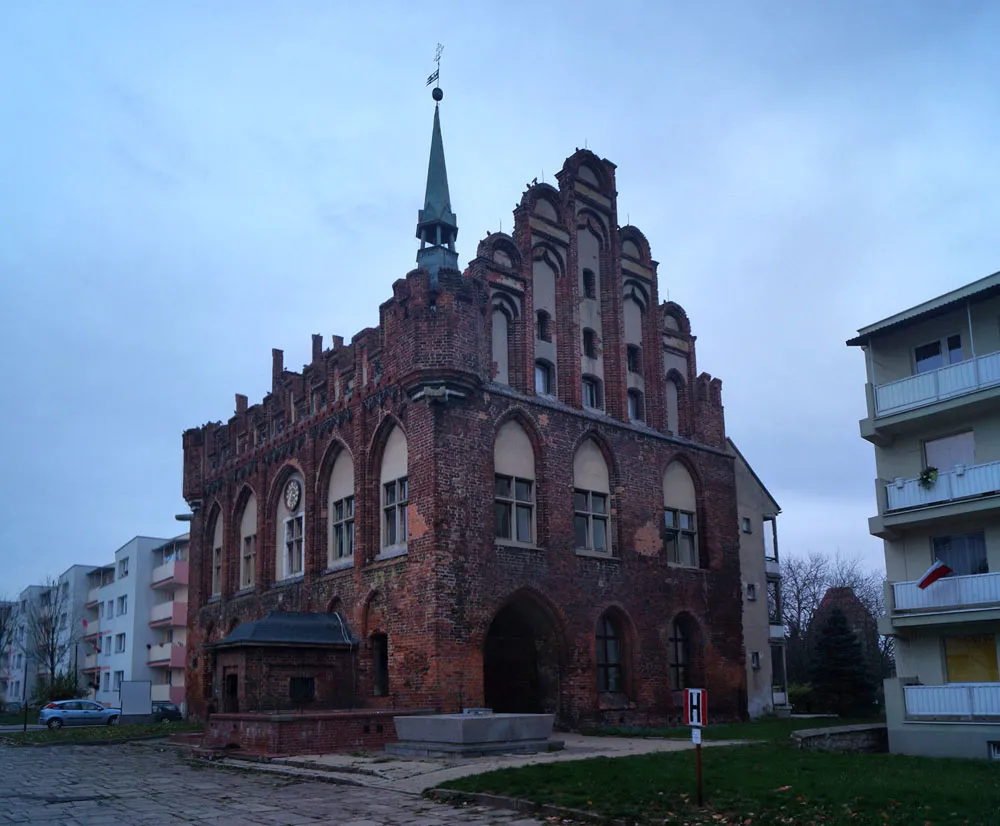
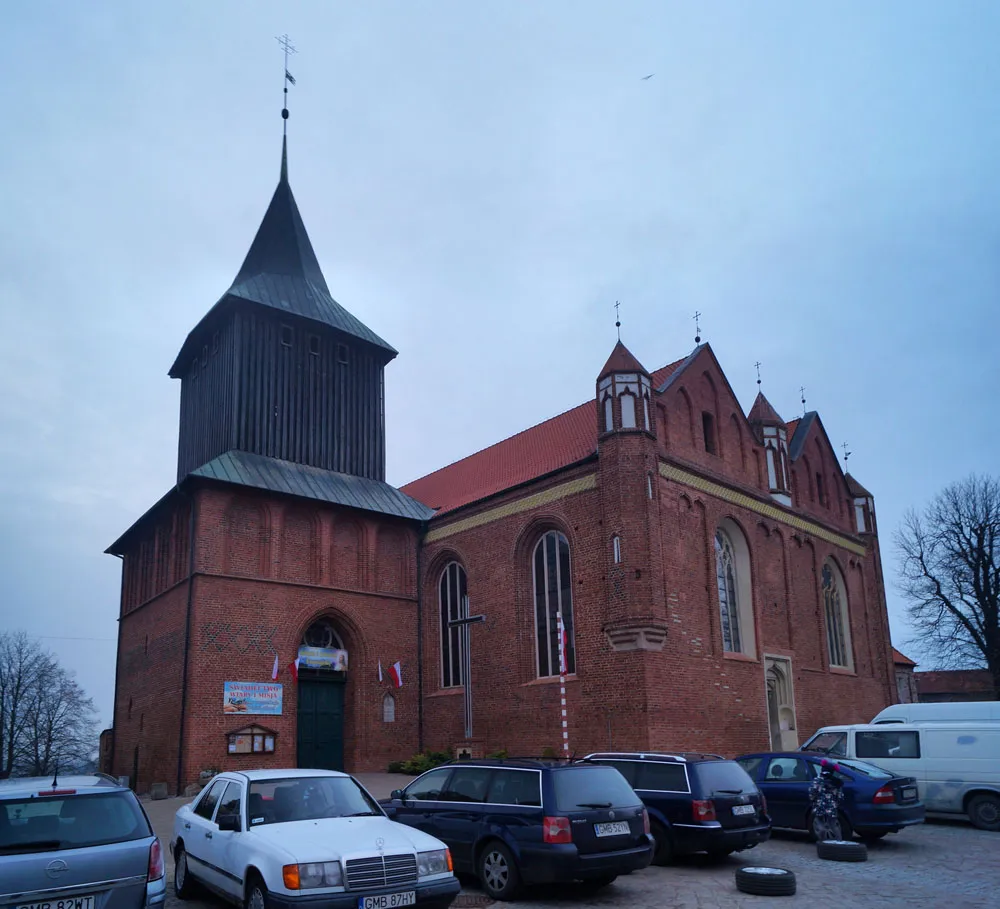
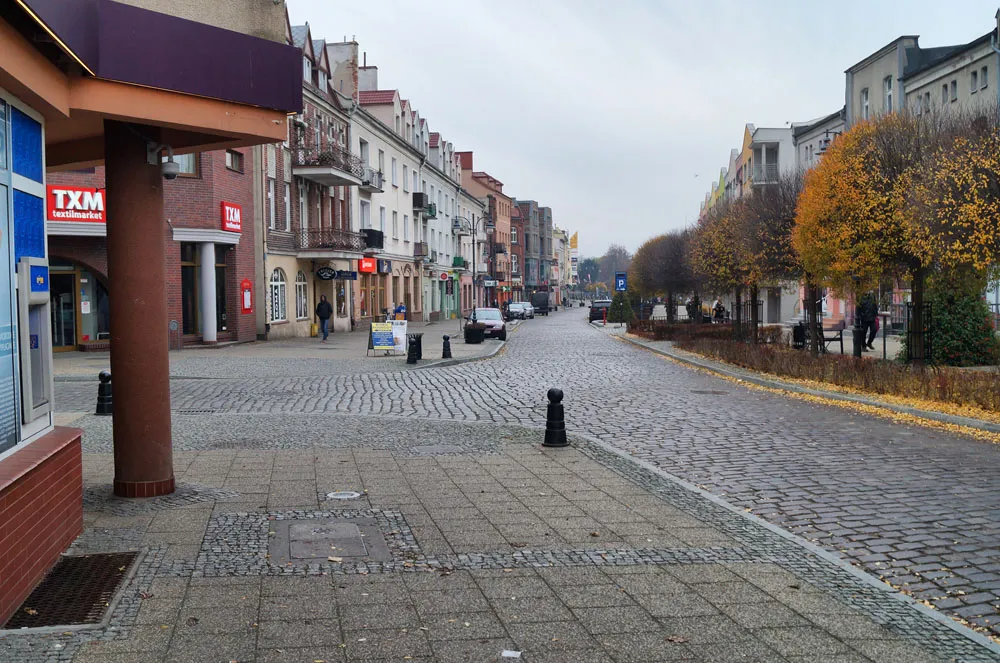
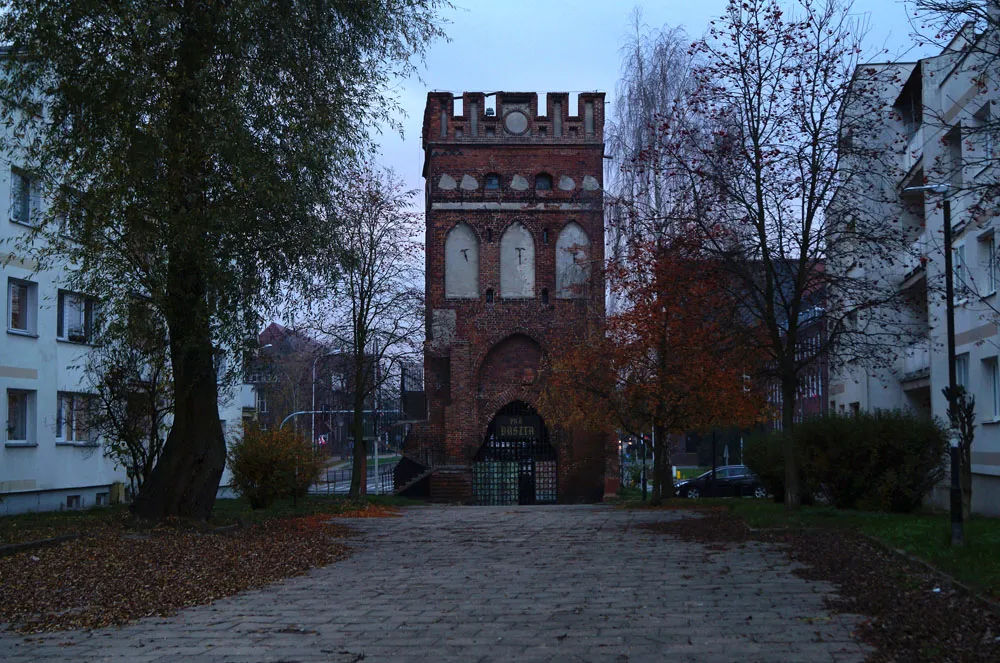
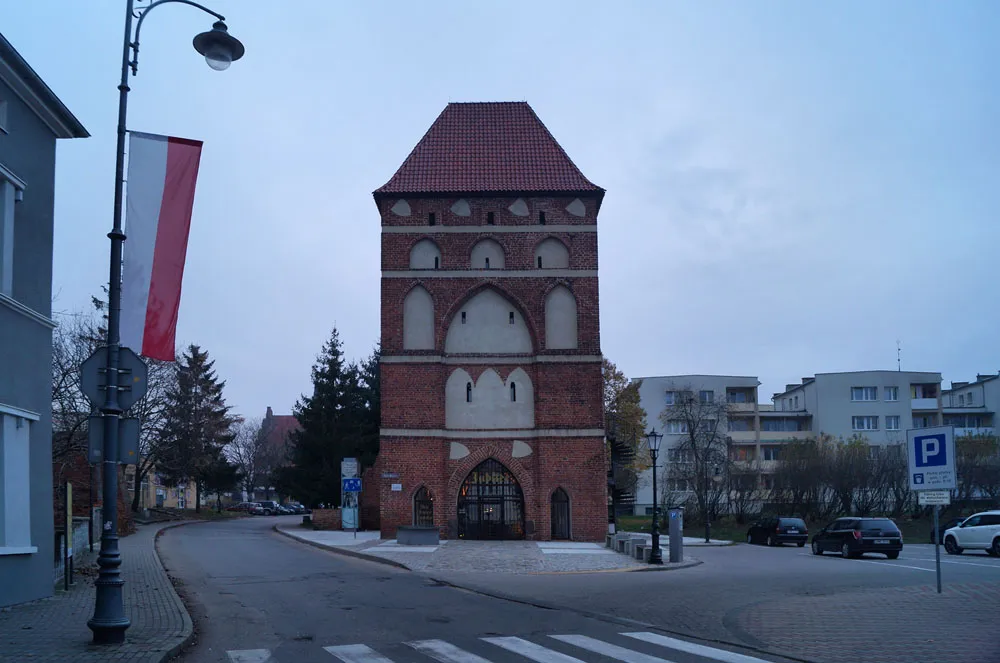
At the same time, town churches and townhouses were built outside the castle walls. This is how the town appeared, which was also surrounded by a wall. Unfortunately, not much remains of the town – the capital of a rich Teutonic state. It suffered its greatest destruction during the bombing of 1944–1945. The castle also suffered badly then, but it was rebuilt, while the town was not. Although in Malbork there is a tourist route – the Townhouse Trail, which covers twenty-five old buildings. True, I have been to Malbork about ten times, but I have never seen tourists on this trail – they are all in the castle.
I need about three hours to see the castle and its surroundings. Many people need more, so take that into account when planning your trip. To enjoy to the full the mighty, sombre Gothic and the incredible fairy-tale beauty of the largest brick and Gothic castle in the world, I recommend walking all the way round it along the outside perimeter, crossing the bridge to the other side of the river and looking from there – you will be enchanted by the sight of the numerous towers and walls, spires and loopholes, and especially their reflection in the calm water.
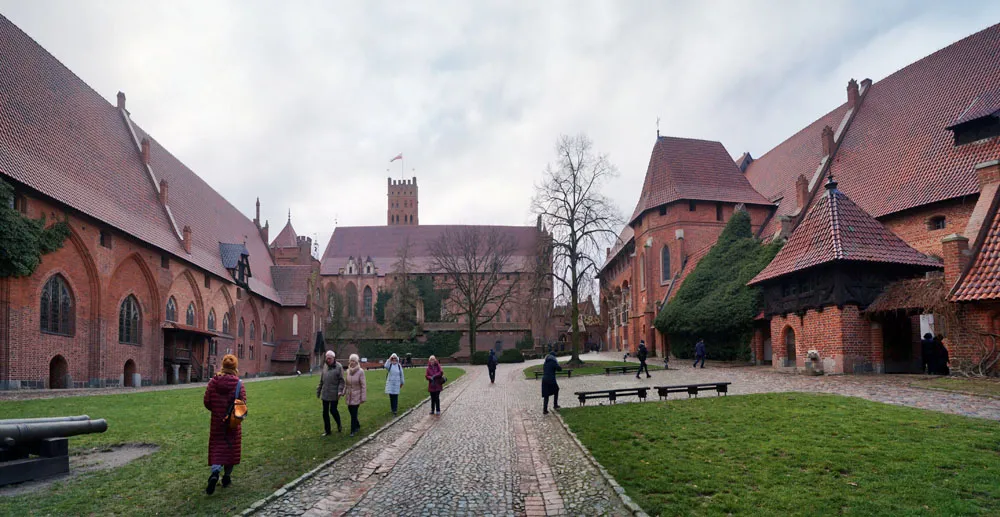
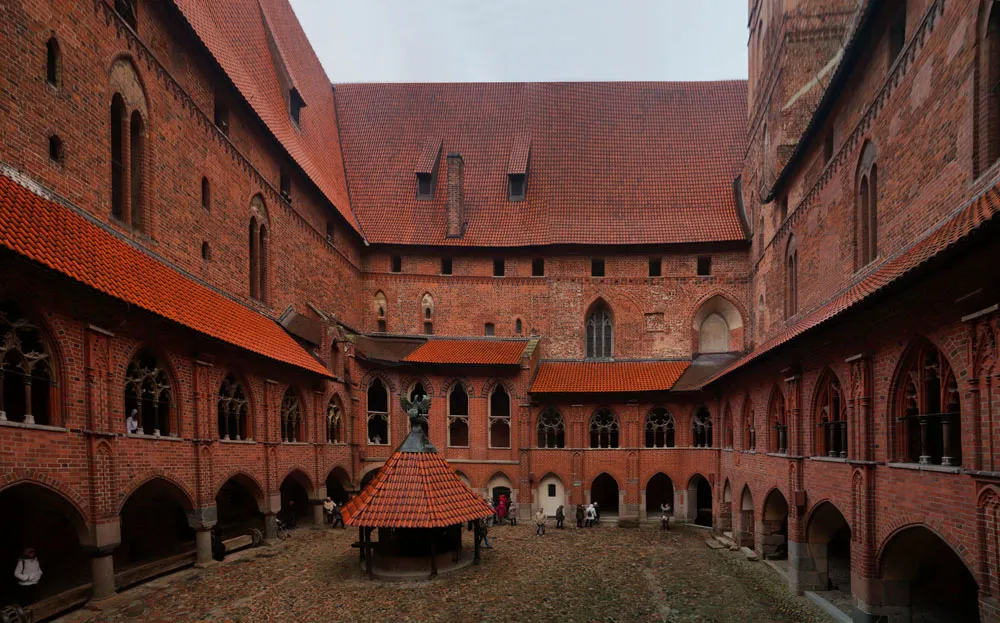
And then go inside and see the inner courtyards decorated with Gothic details, the palace of the Grand Master, the main church of the castle, the gdanisko (latrine tower) with its gallery, gates, passages, the necropolis of the Grand Masters and much more.
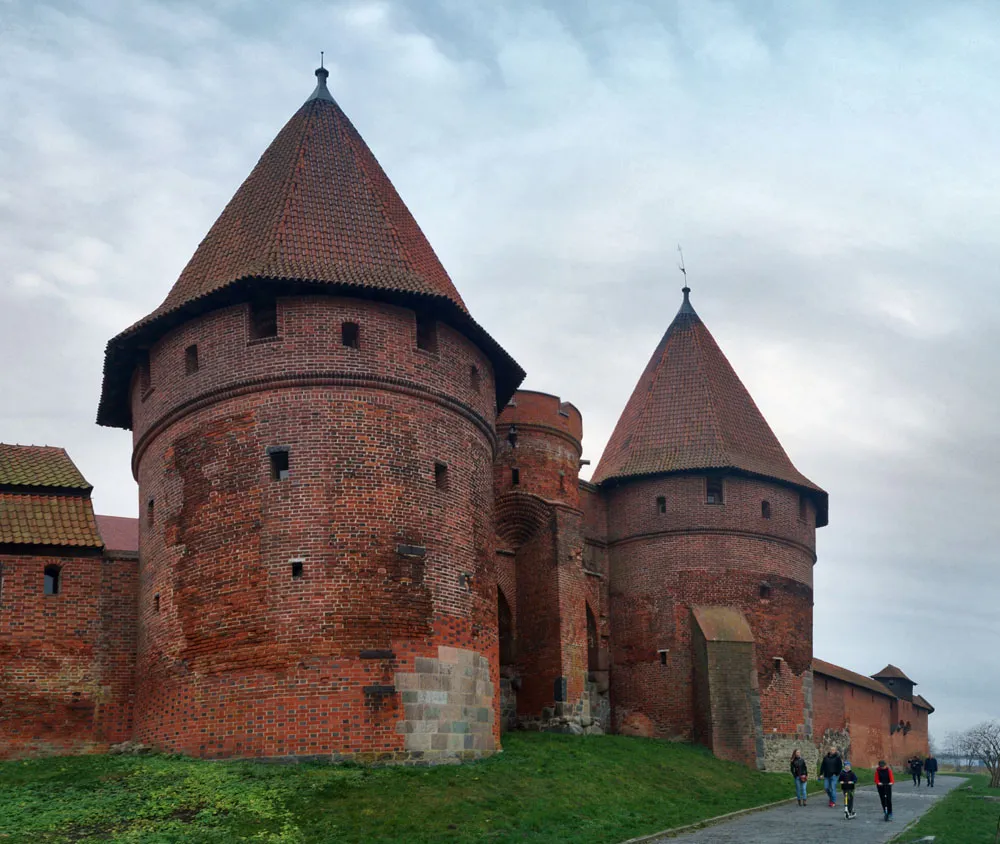
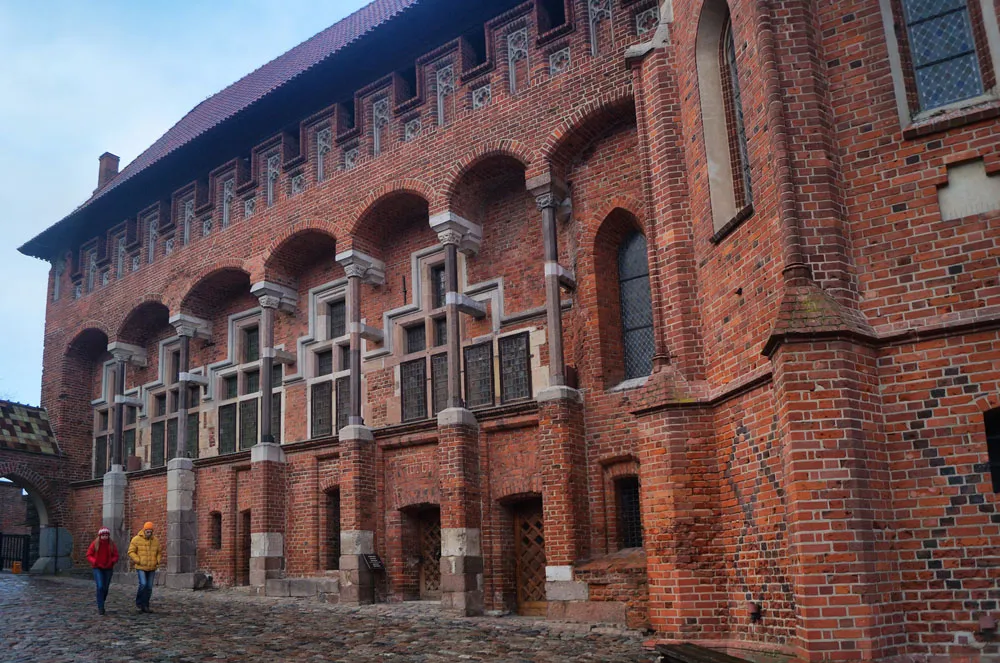
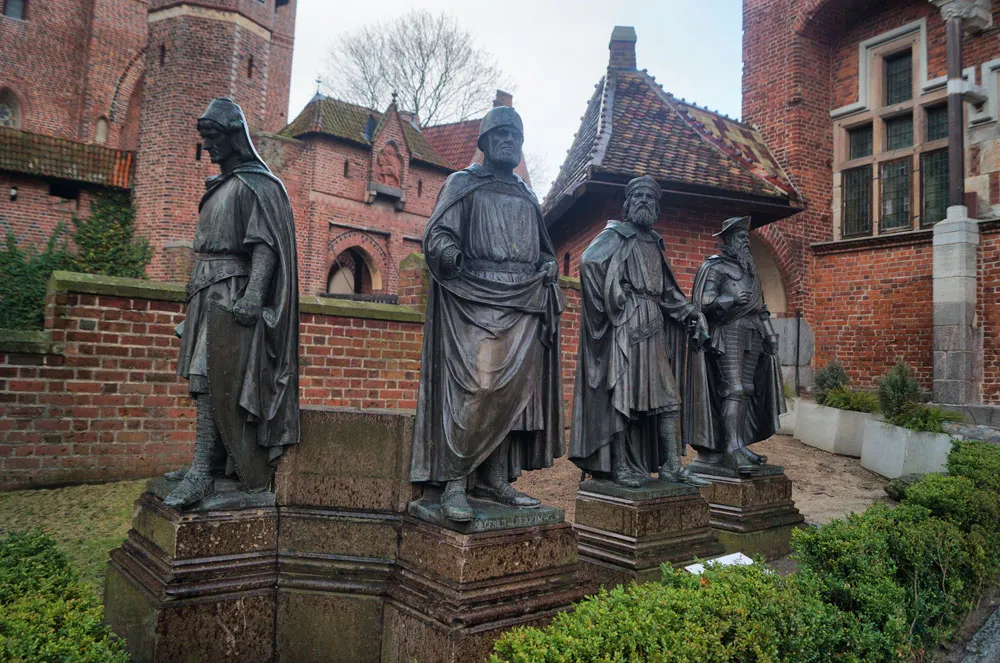
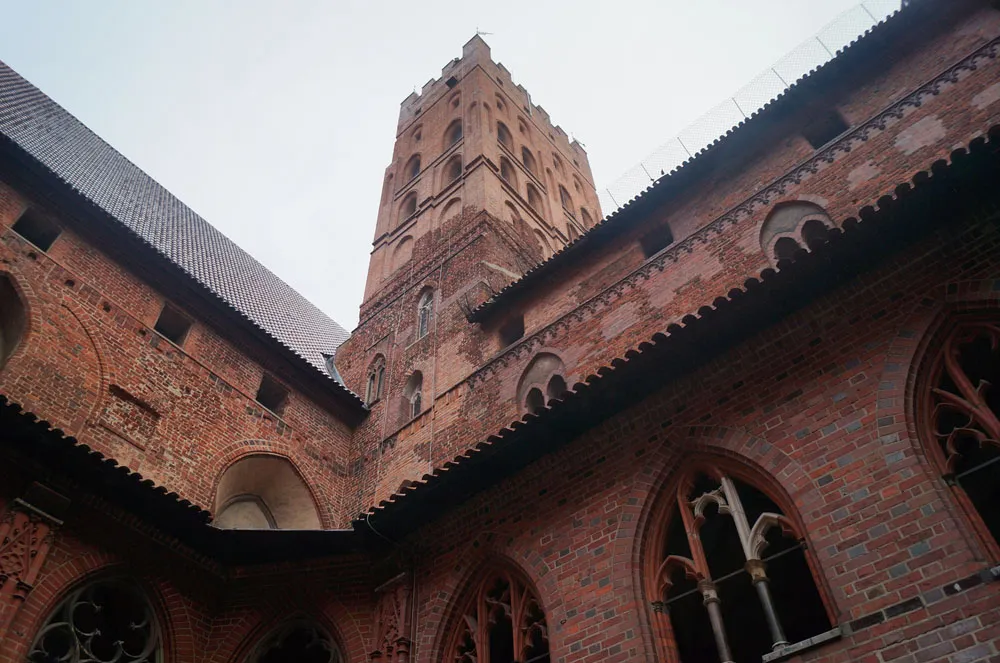
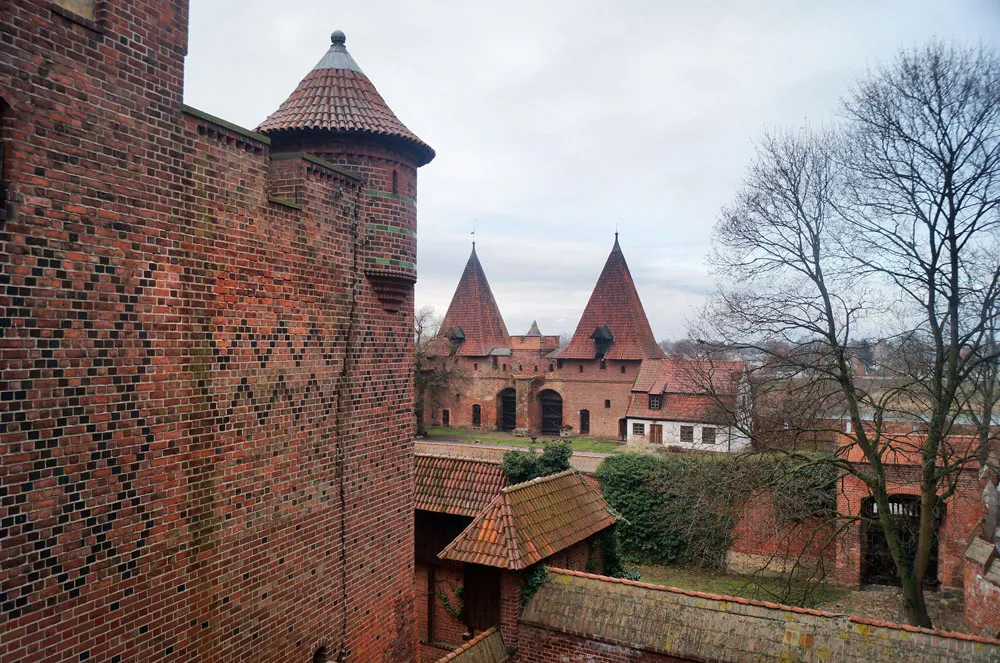
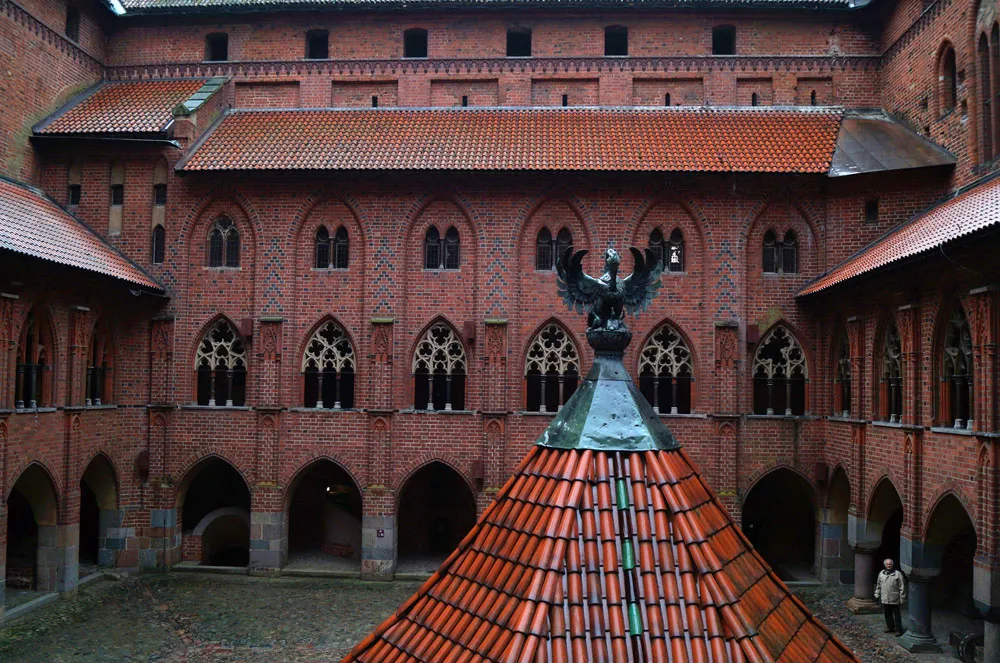
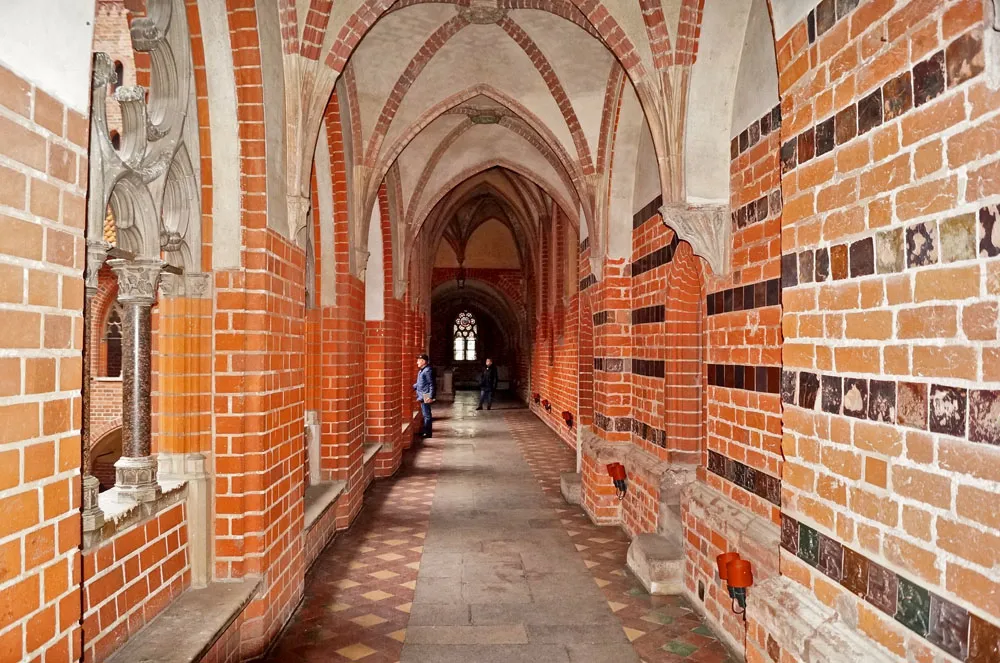
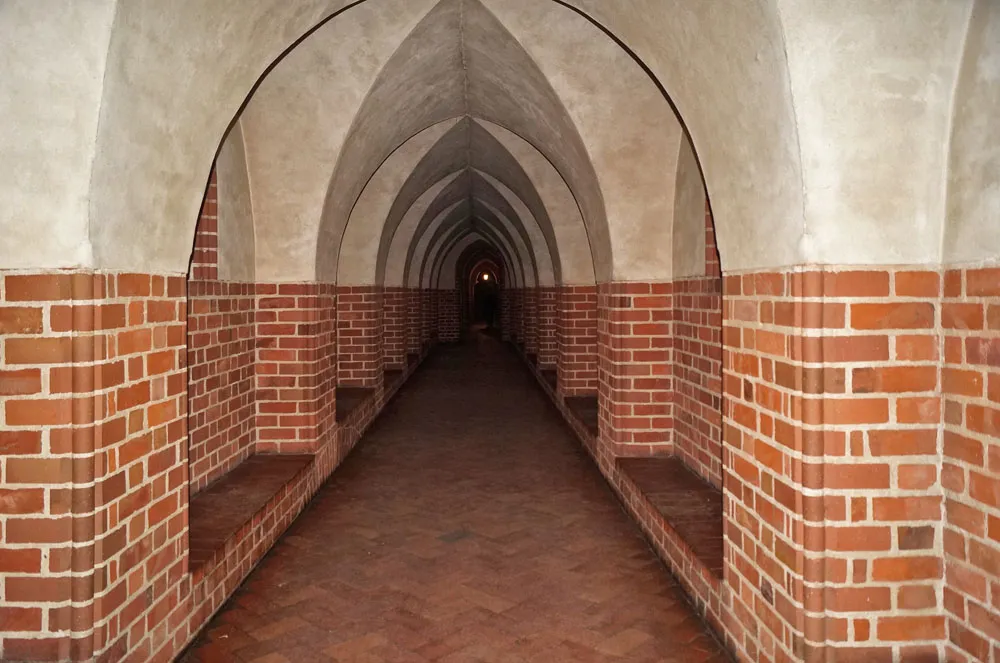
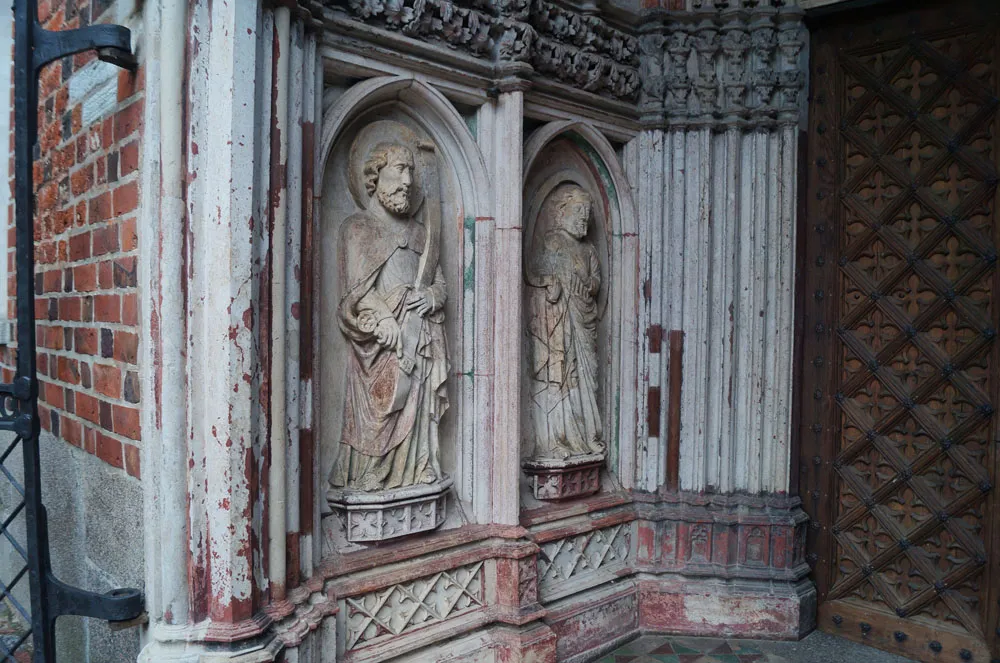
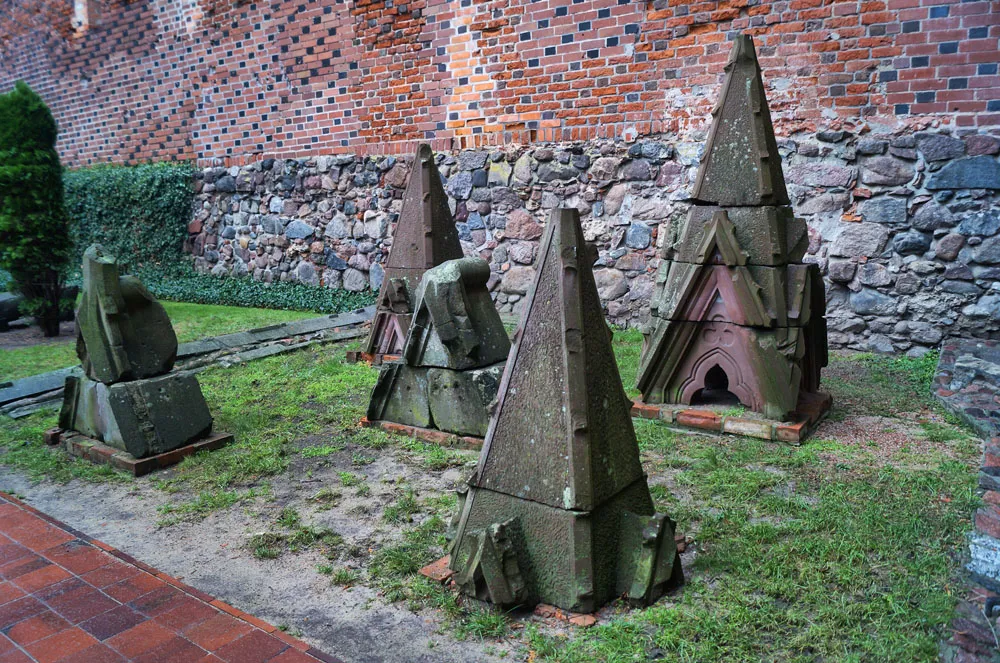
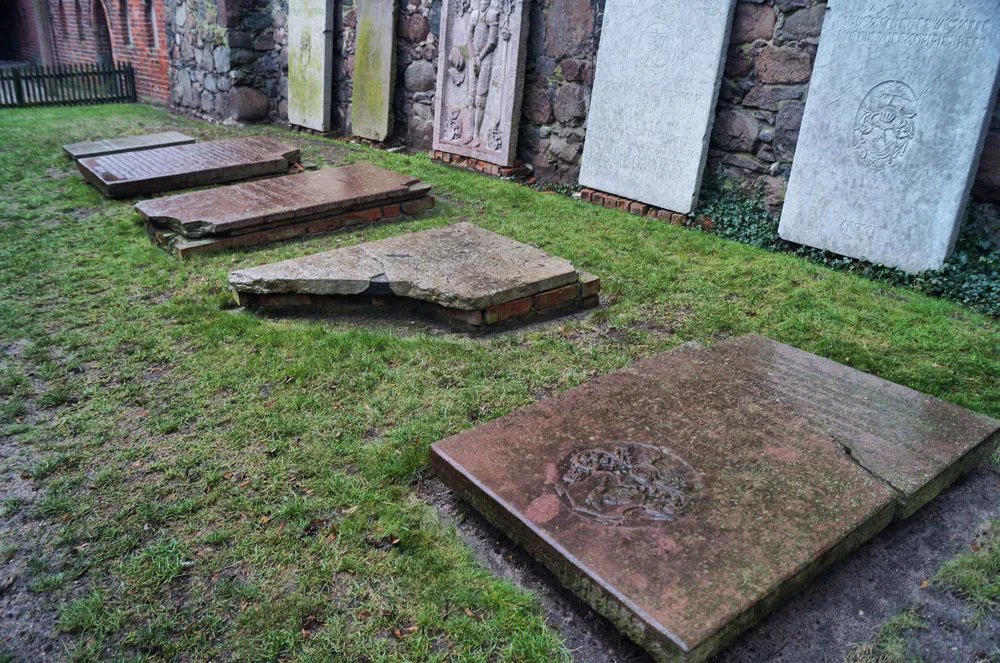
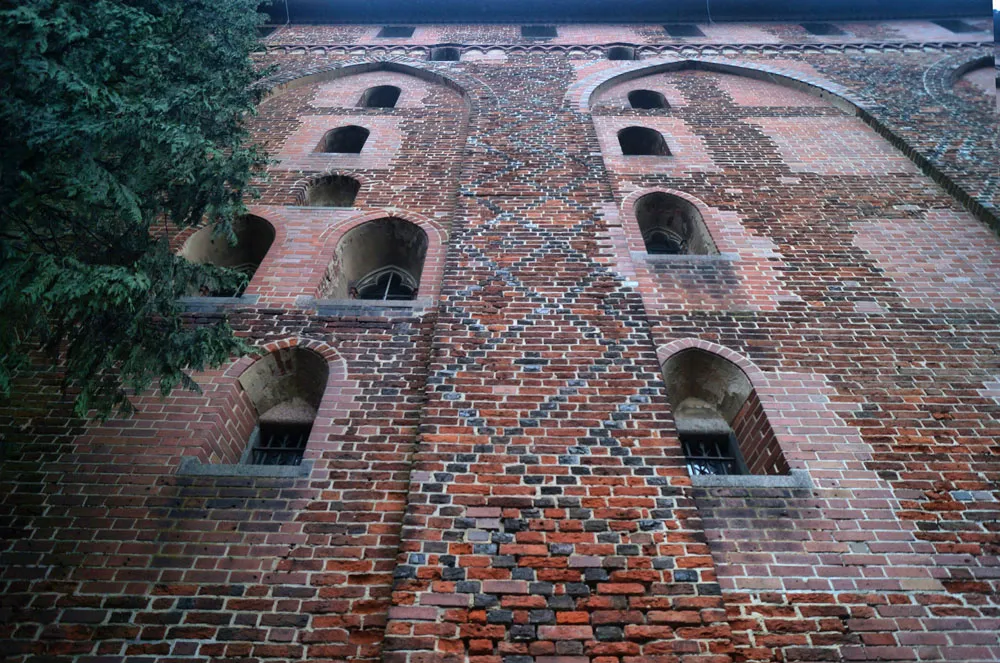
Its location on the Nogat River, near where it flows into the Vistula and the Baltic Sea, made Marienburg a powerful trading centre and a customs checkpoint for ships going up the Vistula from the sea, and vice versa – duty was collected from all. The Teutons had a monopoly on the sale of amber. Wealth promoted the development and prosperity of the Teutons. They expanded their possessions, seizing ever new lands. They joined the Hanseatic League, obtaining the right to hold large assemblies.
Marienburg prospered, and besides, the Teutons earned a reputation as invincible warriors – people were afraid even to provoke them. And only the king of the united Polish–Lithuanian union, Władysław II Jagiełło, in collaboration with the Lithuanian prince Vytautas the Great, was able not only to challenge the fearsome Teutons but also to defeat them in 1410 in the legendary Battle of Grunwald. Then the Polish-Lithuanian army, which included many Rusyns and Tatars, besieged the Teutons’ capital, Marienburg, whose defence was led by the knight Heinrich von Plauen. They could not take the town, but they badly damaged it.
After the defeat at Grunwald the Teutons never managed to fully restore their former power. To improve the economic situation the Grand Master ordered taxes to be raised considerably. Most Teutonic towns disliked this; they formed an official opposition and refused to submit to the Master. This happened in 1456, during another war with Poland – the Thirteen Years’ War. Having lost his financial flows, the Master was unable to govern the Order properly. The mercenaries who formed the core of the Grand Master’s army were not paid. The Poles, meanwhile, on the initiative of General Stibor de Poniec of Ostój, collected funds – charitable aid – from the inhabitants of Danzig (now Gdańsk). This money became compensation for the mercenaries for agreeing to leave the territory of the Teutonic Order and, in particular, Marienburg. In 1457 the Polish king Casimir Jagiellon entered Marienburg Castle in triumph, and, in gratitude for the help, granted Danzig several significant privileges.
The Poles renamed the town of Marienburg as Malbork, making it the centre of the Malbork Voivodeship of the newly created province of Royal Prussia. The castle of the Grand Masters was made the northern residence of the Polish kings, which it remained right up to the partition of the Polish–Lithuanian Commonwealth in 1772.
Polish kings often stayed at the castle, and balls and banquets were held here. Some of the buildings were turned into storage warehouses and others into an arsenal, the largest in Poland. From 1568 the castle housed the Admiralty (the Maritime Commission), and from 1584 a mint. Jesuits were invited to look after the castle’s sacred sites; they left the fortress in 1780, when it already contained barracks for the Prussian army and a hospital for the mentally ill – an almshouse.
Malbork found itself in the province of West Prussia. The new authorities did not know what to do with the castle. It was planned to demolish it. One of the castle’s saviours was the artist Friedrich Gilly, who drew several engravings that a well-known German publisher published. The engravings depicted the majestic Teutonic castle, and this drew public attention to it, and to the history of the Teutonic Order.
Napoleon visited the castle in 1807 and 1812, and in 1816 Prussia began its restoration, which lasted until the start of the Second World War. During this time the town and the castle were called Marienburg. In Germany it is still called that.
After the war the castle, badly damaged by bombing, returned to Poland. Restoration and reconstruction went on for quite a long time and are still not completely finished. But today the castle is – wow, neither photos nor stories can convey it. You have to see it. Fly to Gdańsk, and from there the train takes half an hour. It is a super-castle.
Text and photos by Roman Malenkov.