Spain. Segovia. One of the finest cathedrals

· 5 min read
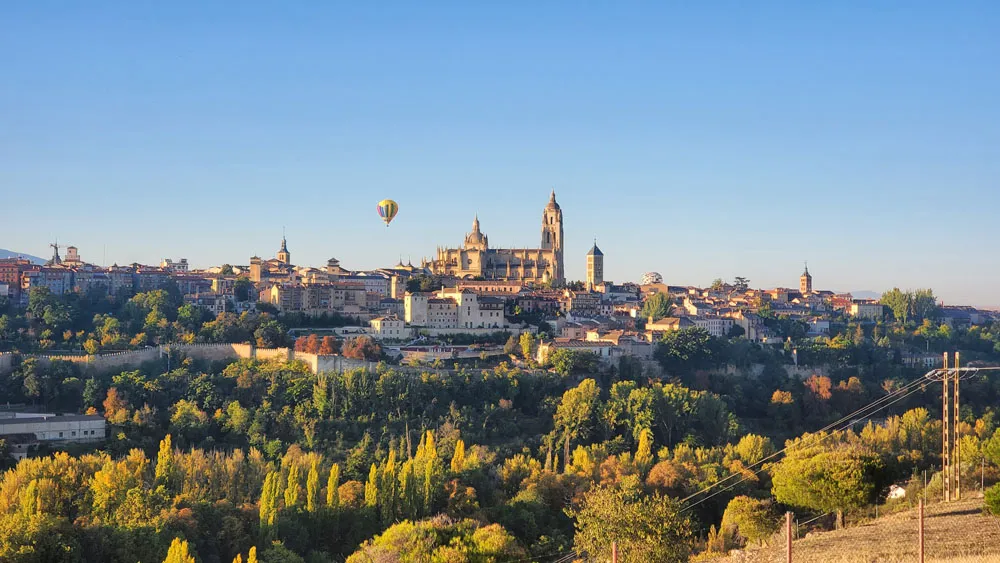
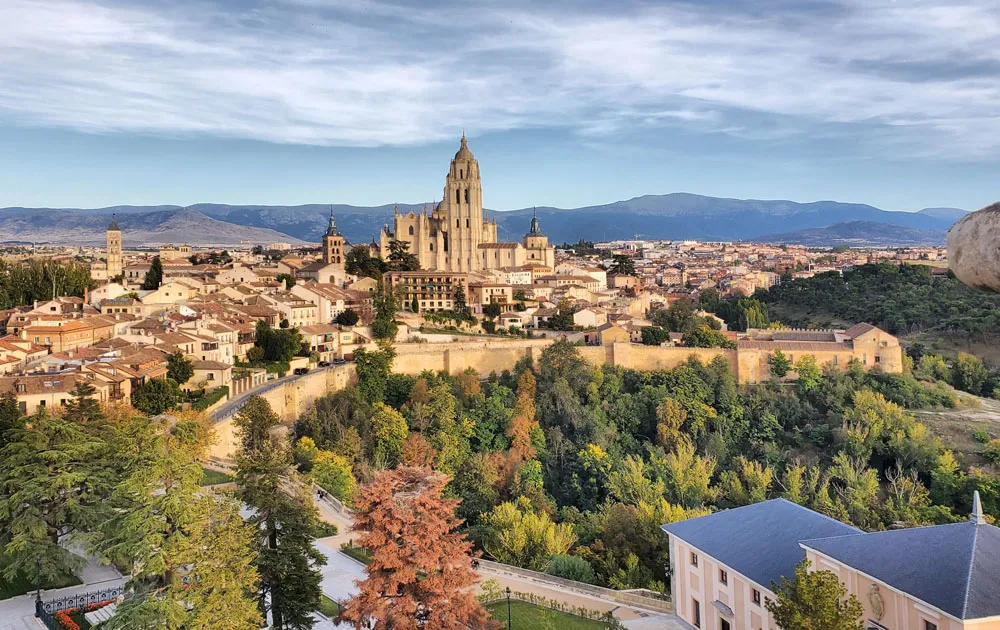
Ninety kilometres north-west of Madrid lies the town of Segovia. It has only 50,000 inhabitants, but so many monuments that it can be called one of the record-holders in Spain for the ratio of old churches, stone houses and other antiquities to the number of residents. Segovia’s castle is beautiful, but nothing compares with the town’s cathedral, one of the most beautiful and largest in Europe. For its beauty and interesting locations, and first of all for its incredible architectural ensemble and fairy-tale cathedral, the historic centre of Segovia was inscribed on the UNESCO World Heritage List in 1985. Segovia is awesome. I would not compare it with Toledo, Ávila and El Escorial, the three other UNESCO representatives from the Madrid region: they are all completely different, and Segovia is not in the least like any of those towns.
Segovia stands on a hill 750 metres above sea level. The town here, like many cities in the Pyrenees [sic], appeared in Roman times, although even before the Romans there was a Celtic settlement on the site of modern Segovia. Little is known about Segovia’s history under the Roman Empire, but it is known that after Rome converted to Christianity there was a Latin monastery near the town. Then the Visigoths ruled here, and in 714 Segovia was seized by Arabs and Berbers, whom Europe called Moors.
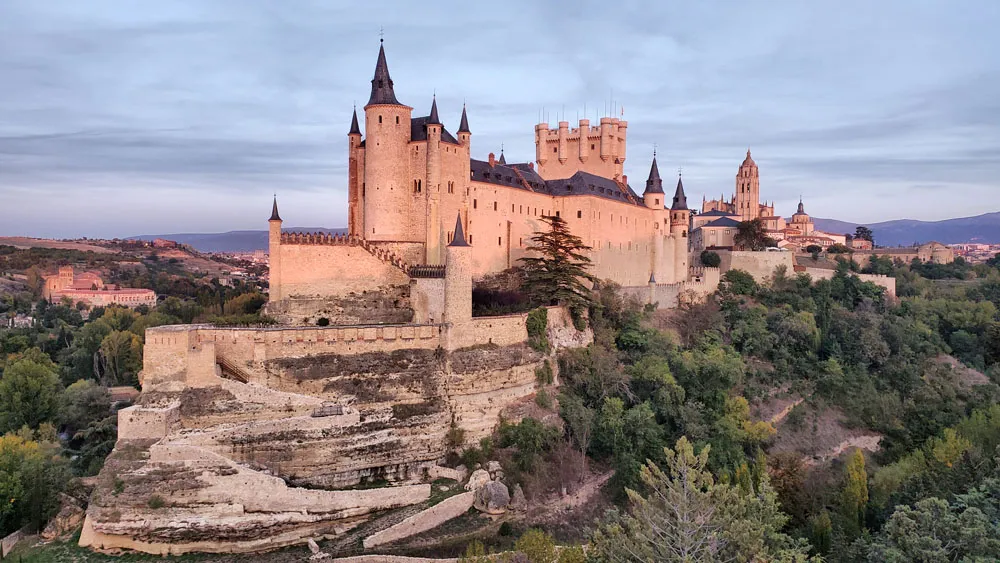
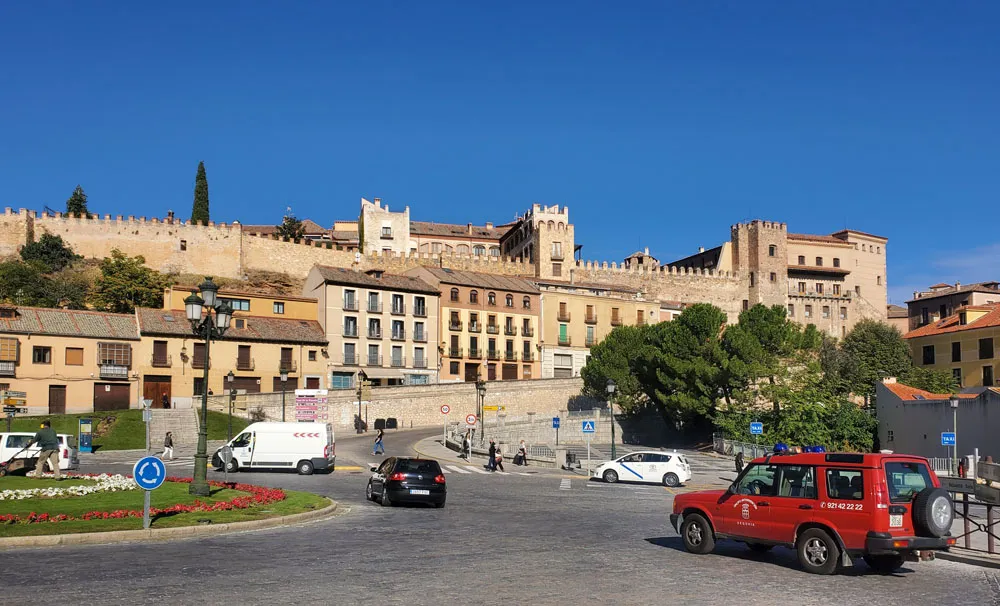
The Alcázar
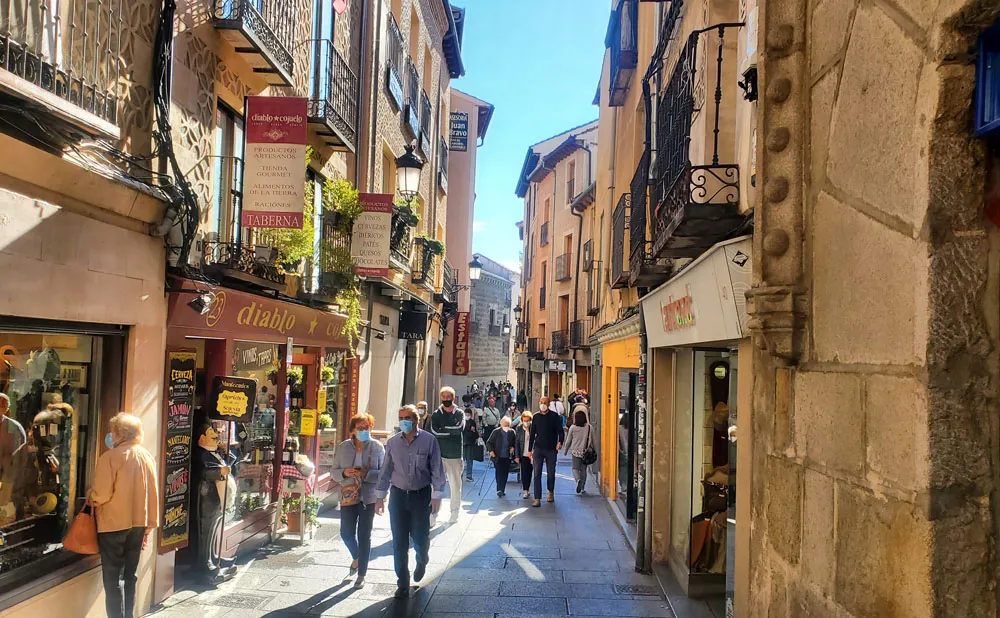
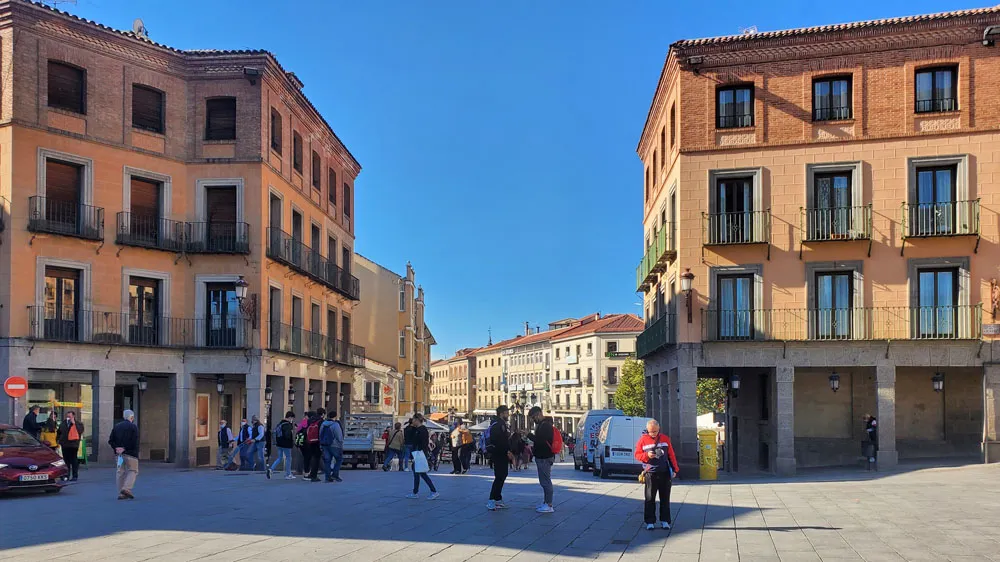
The town
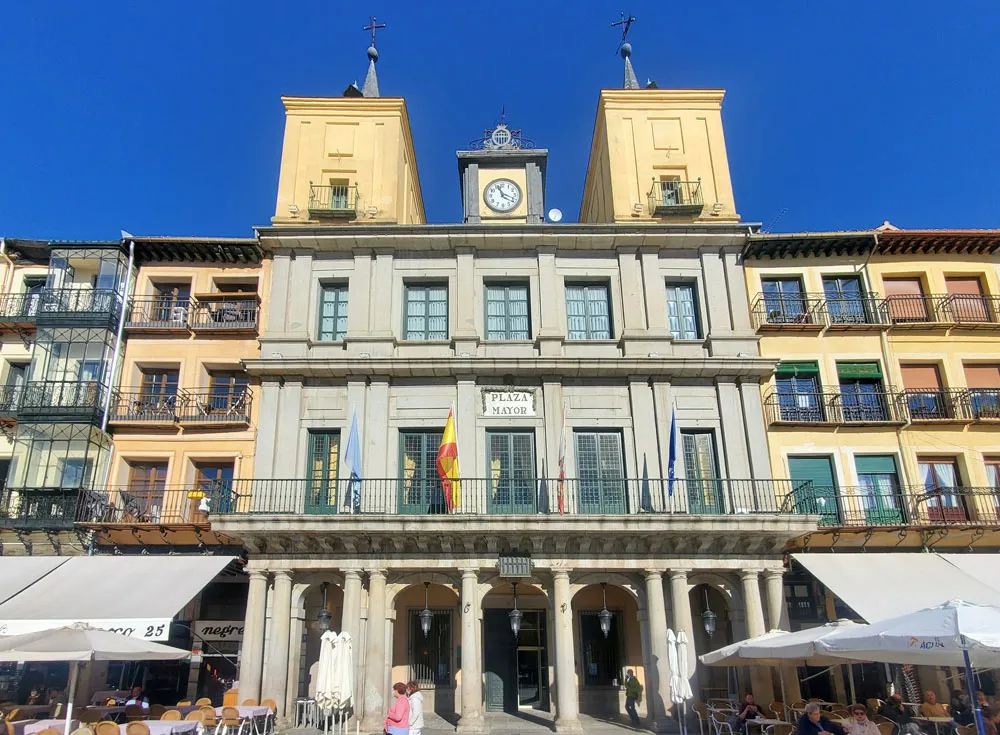
The cathedral
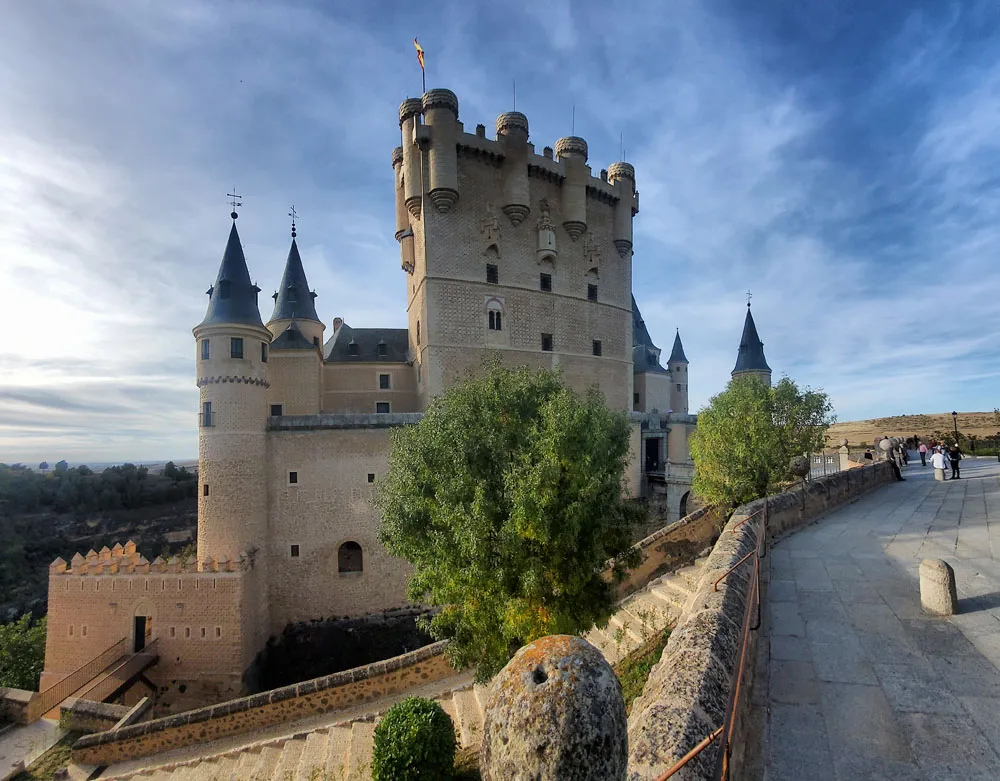
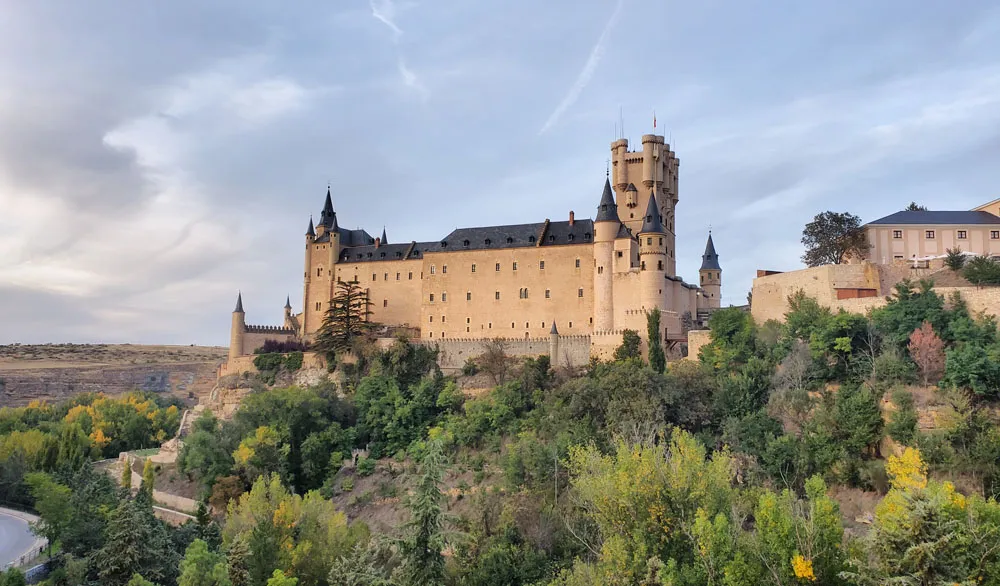
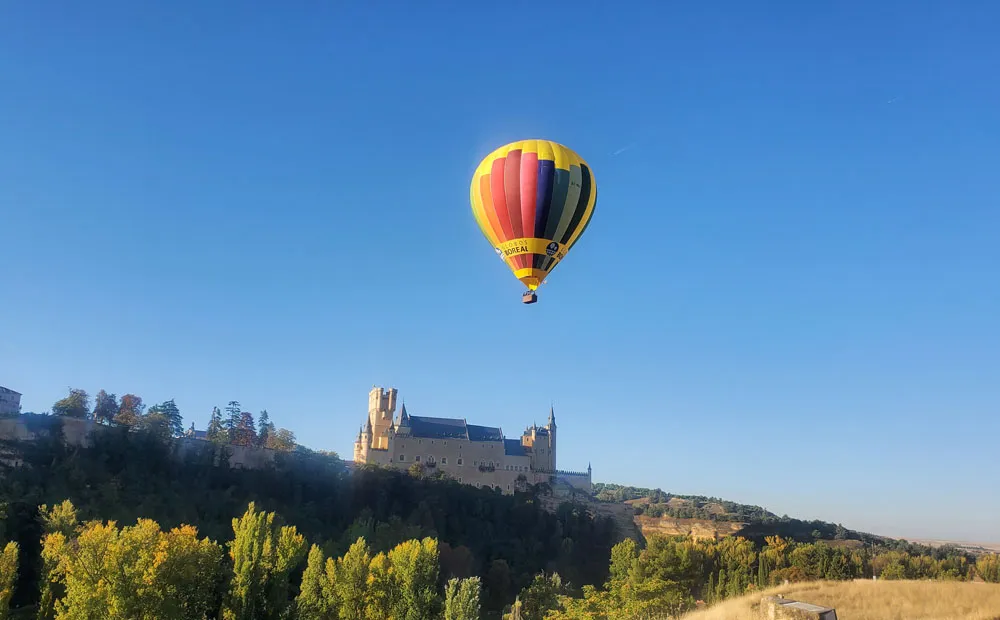
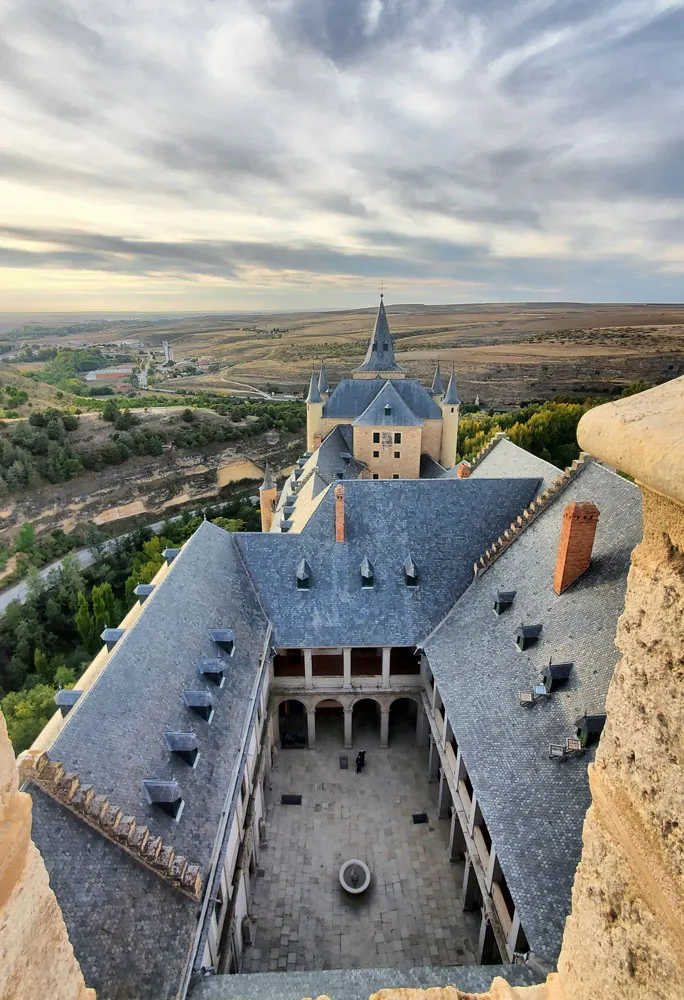
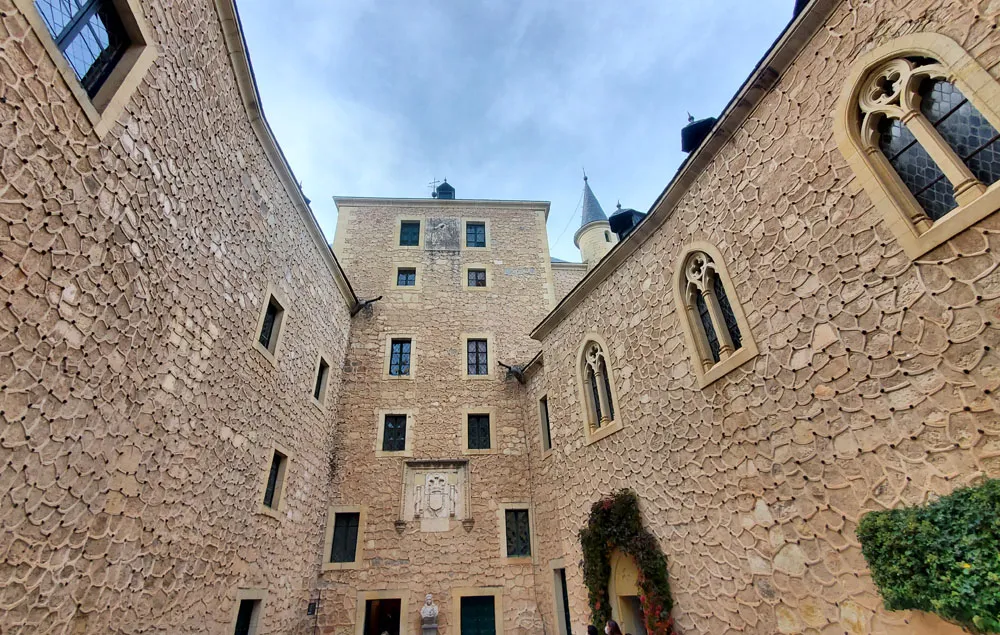
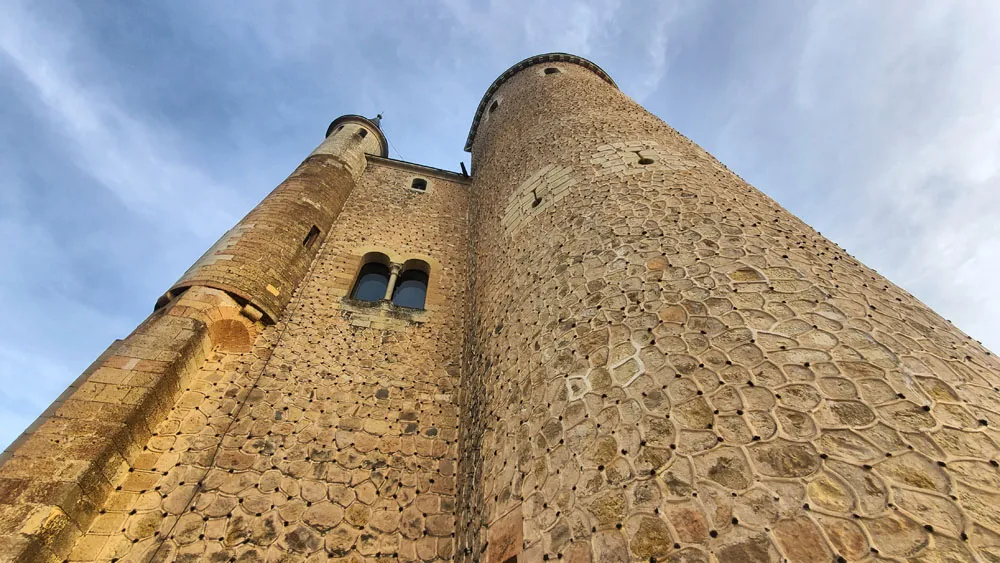
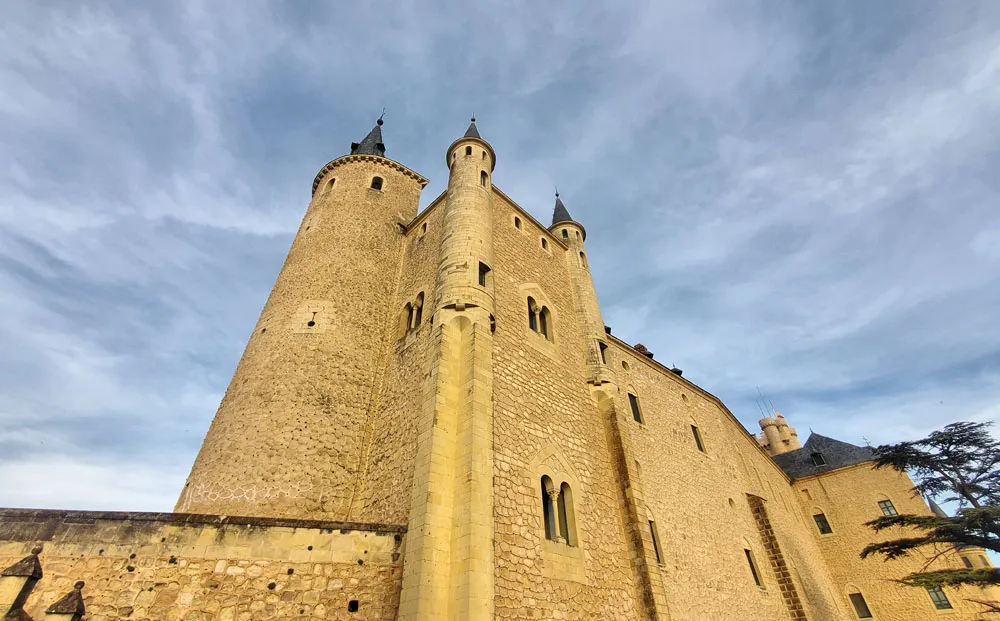
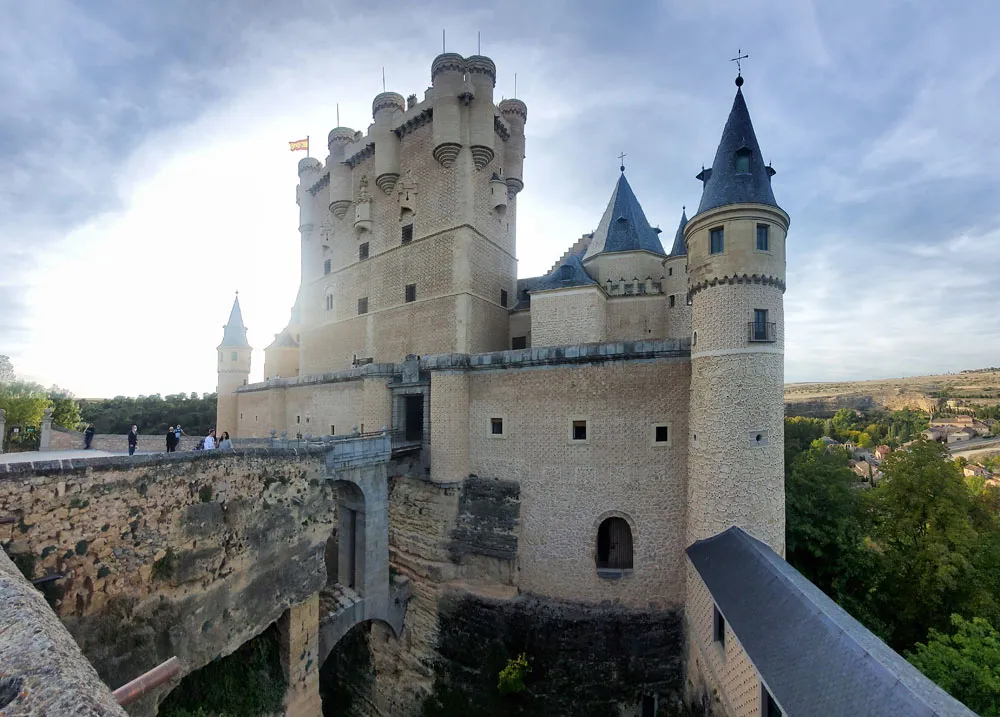
In 1085 the town was recaptured by King Alfonso VI of León and Castile. On the site of the Moors’ wooden fortification, the alcázar, the king built an impregnable castle, which still stands in Segovia today. The town became a royal residence. The kings of Castile and León, and later of Asturias too, often stayed and lived in Segovia. In 1471 the legendary Isabella I was crowned Queen of Castile, in the Alcázar of Segovia itself. It is also believed that it was here, in 1469, that the wedding of Isabella I and Ferdinand II, King of Aragon, took place. This marriage was the beginning of a new, united Spain. The Pope proclaimed Isabella and Ferdinand the Catholic Monarchs of Spain, so one may consider that the Spanish kingdom began precisely with the castle in Segovia.
The Alcázar of Segovia was rebuilt in stone by King Alfonso VIII; later, after additions, the castle acquired its present appearance. They say the castle of Segovia was one of the prototypes for Walt Disney’s fairy-tale castle. There is a resemblance, although it is known that the main prototype was Germany’s Neuschwanstein.
In the late Middle Ages Segovia became a significant trading centre of Spain. A large Jewish community settled here, crafts began to develop strongly, and textile manufactories appeared. The 16th century can be called the golden period in the life of the town. The population rose to 27,000, which in those times was very many.
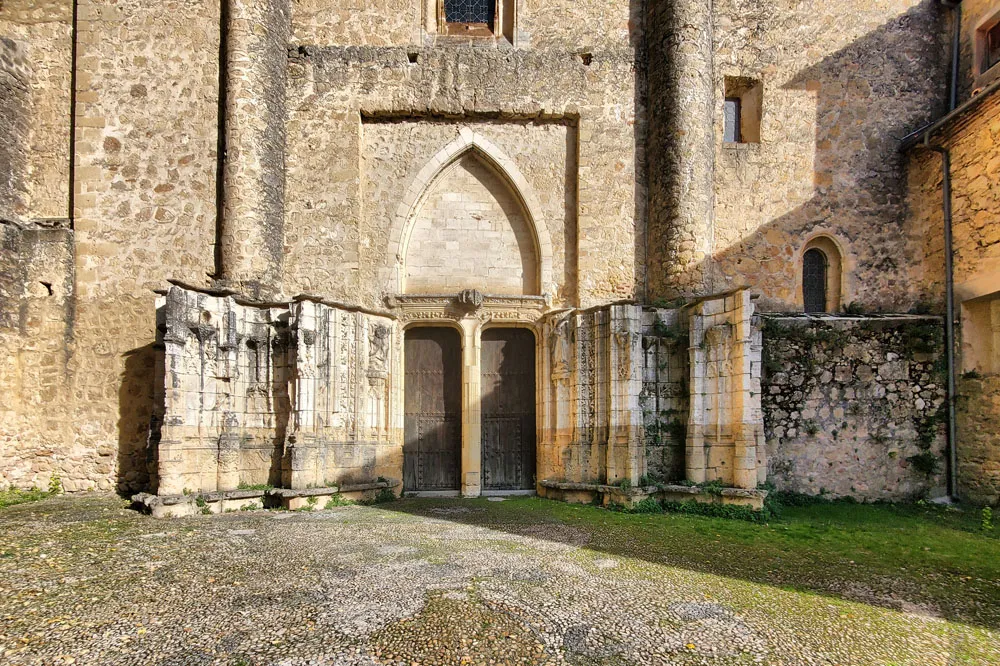
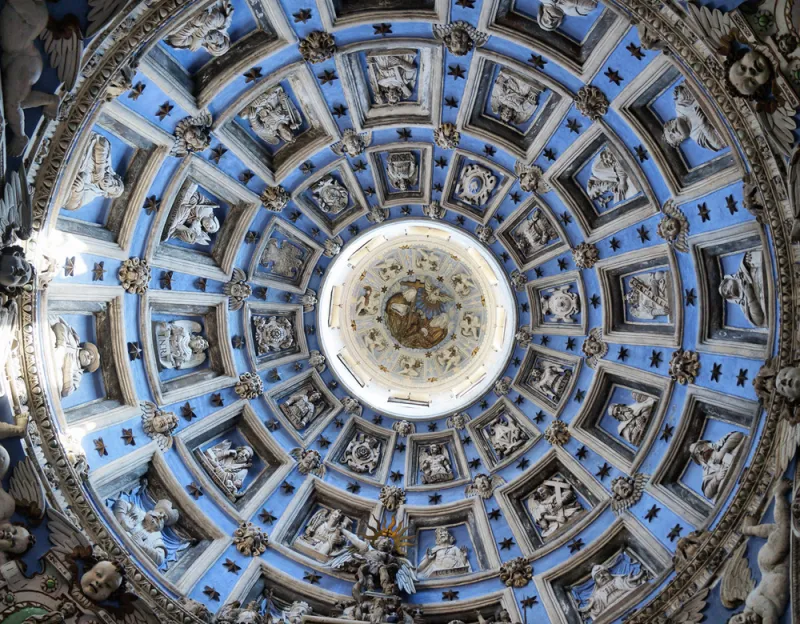
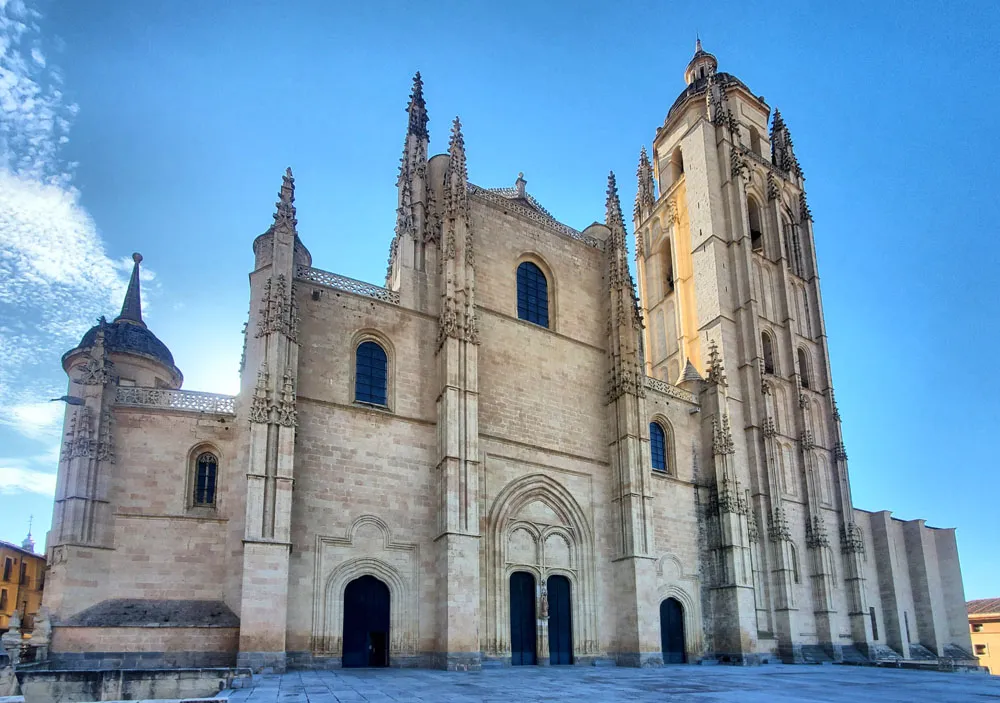
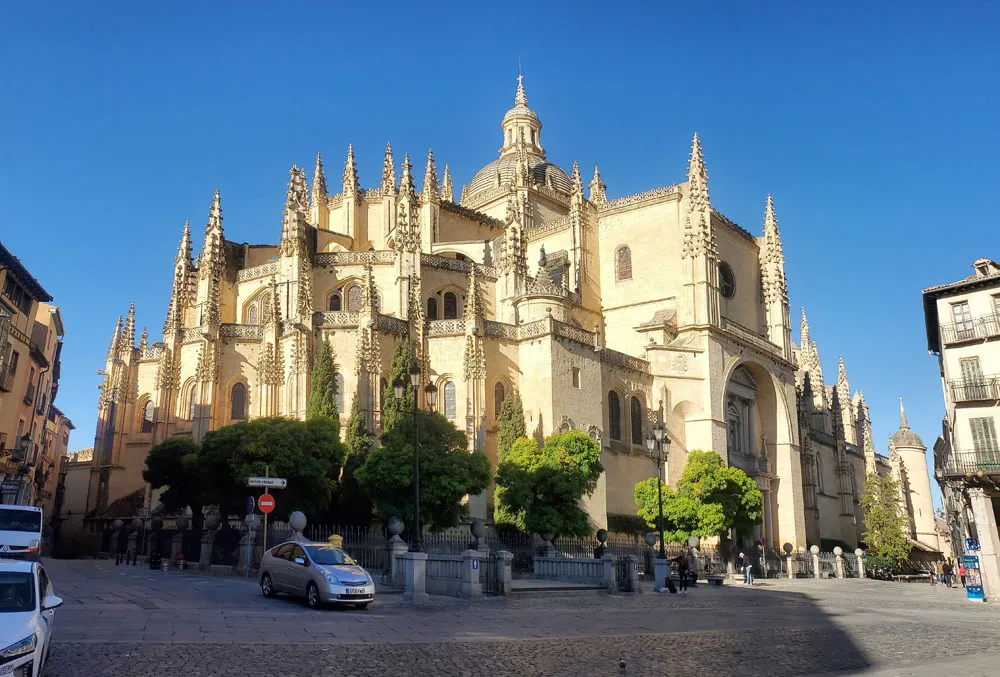
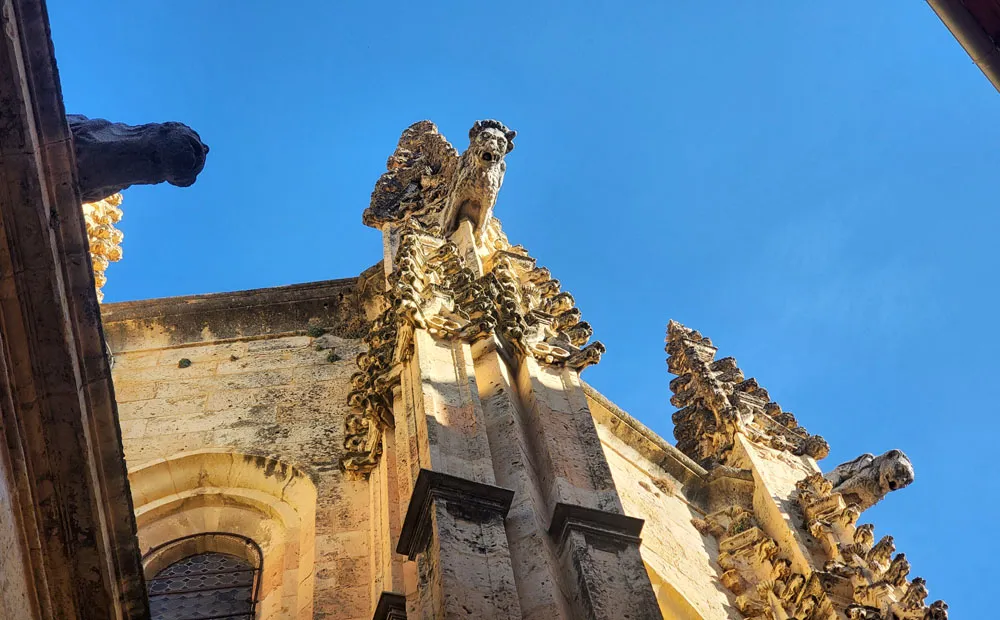
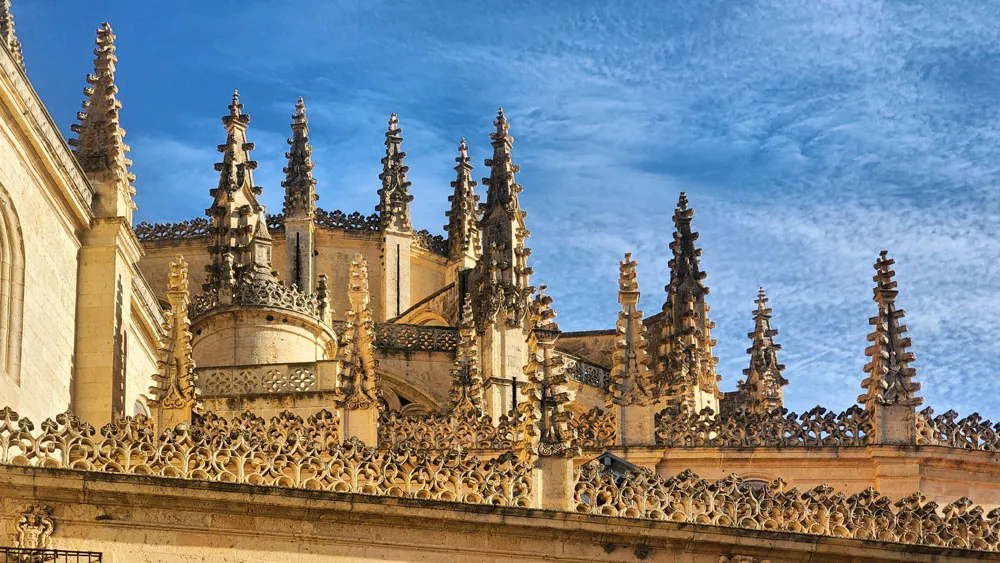
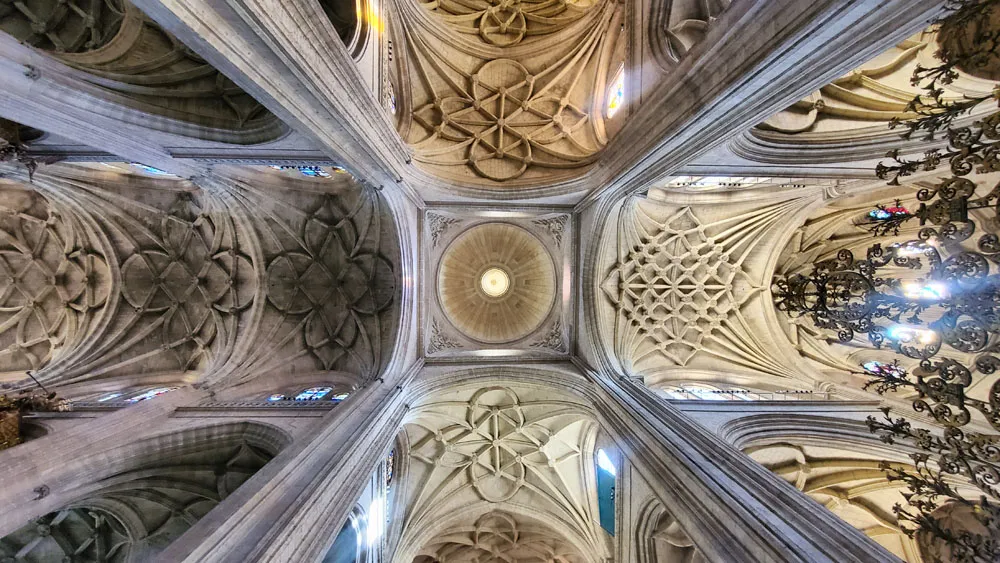
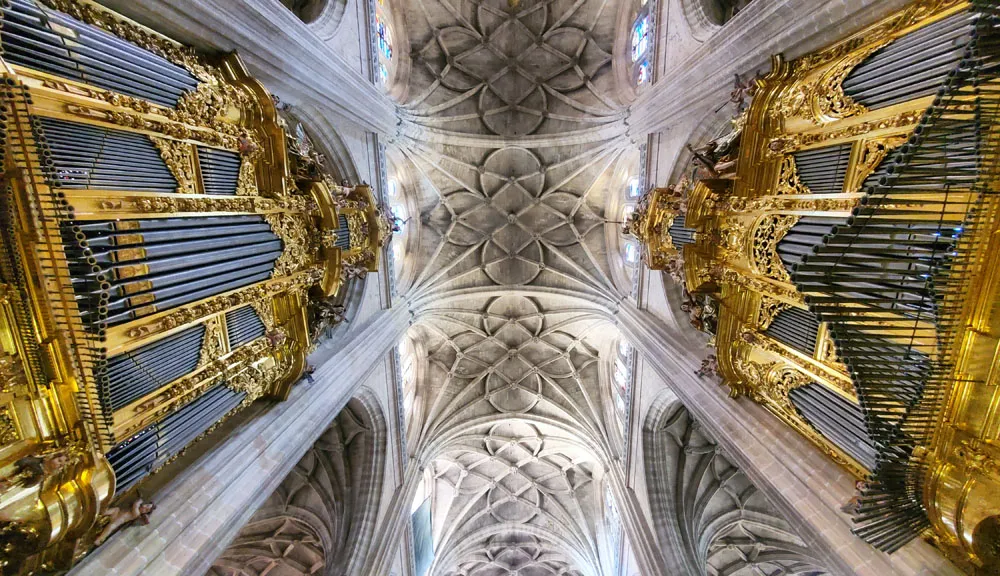
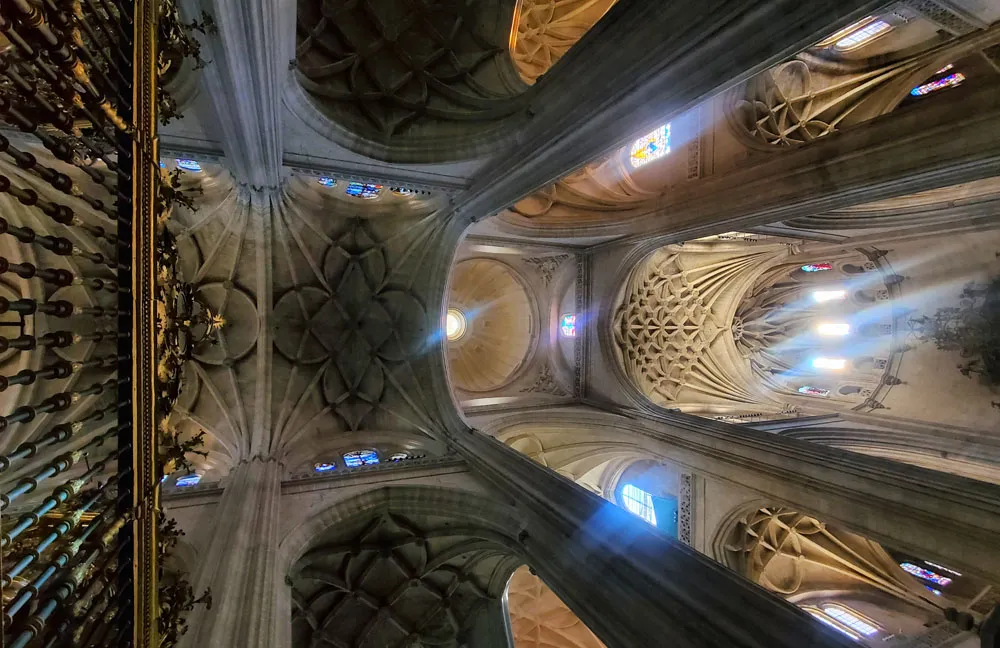
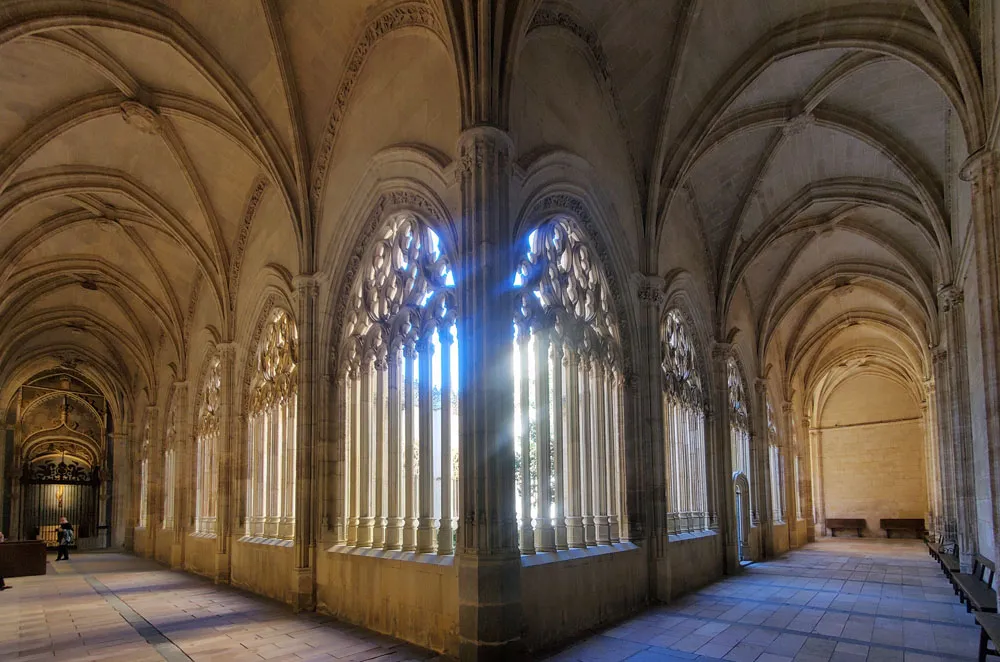
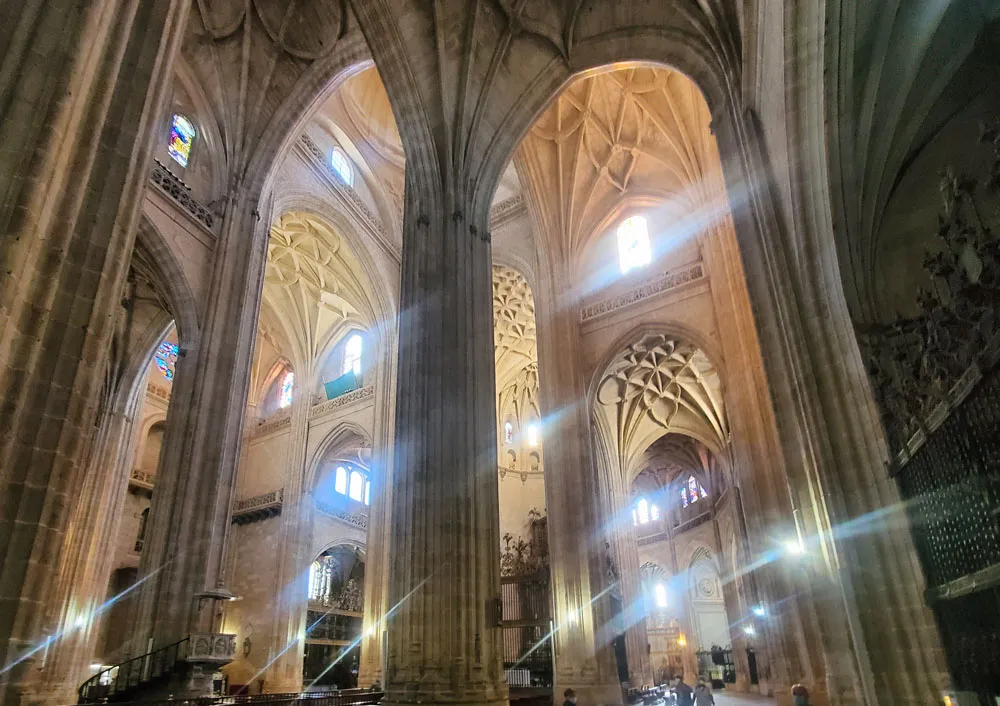
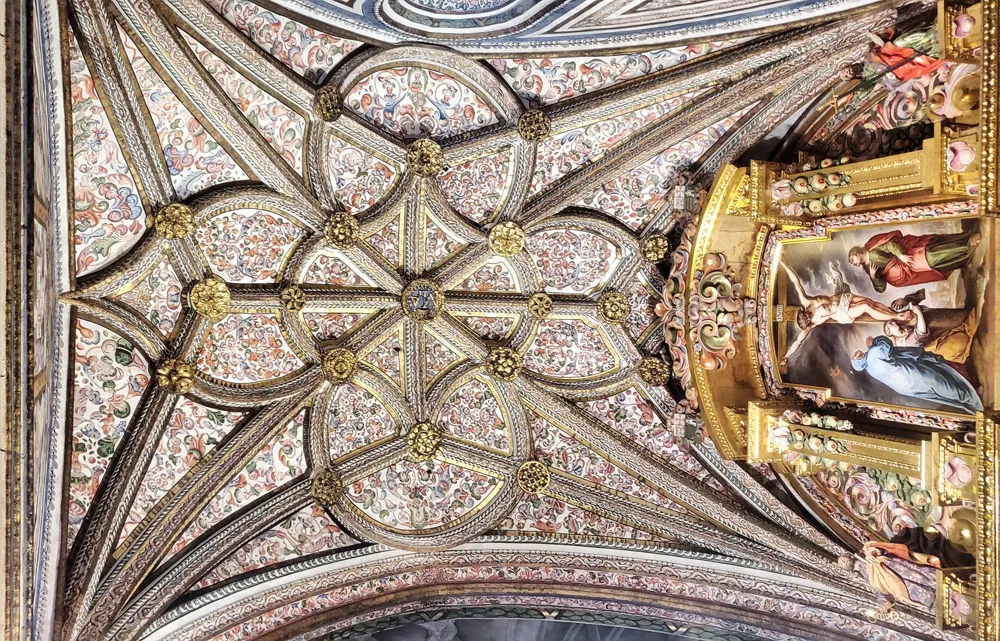
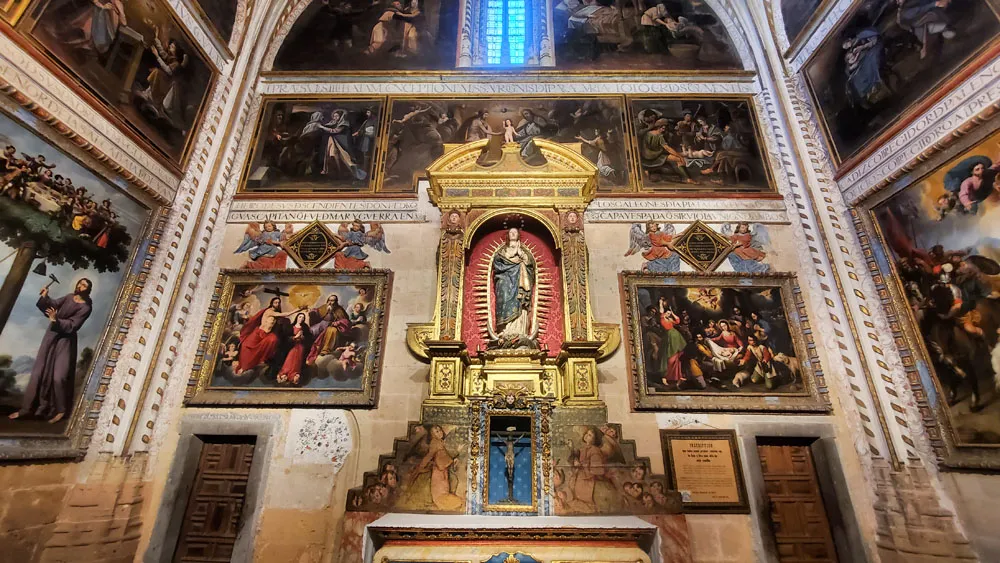
In 1525 King Charles I laid in Segovia its main present-day adornment, the Cathedral of the Assumption of the Virgin. It was one of the last great churches of Europe built in the Gothic style. The cathedral in Segovia is a celebration of Flamboyant Gothic.
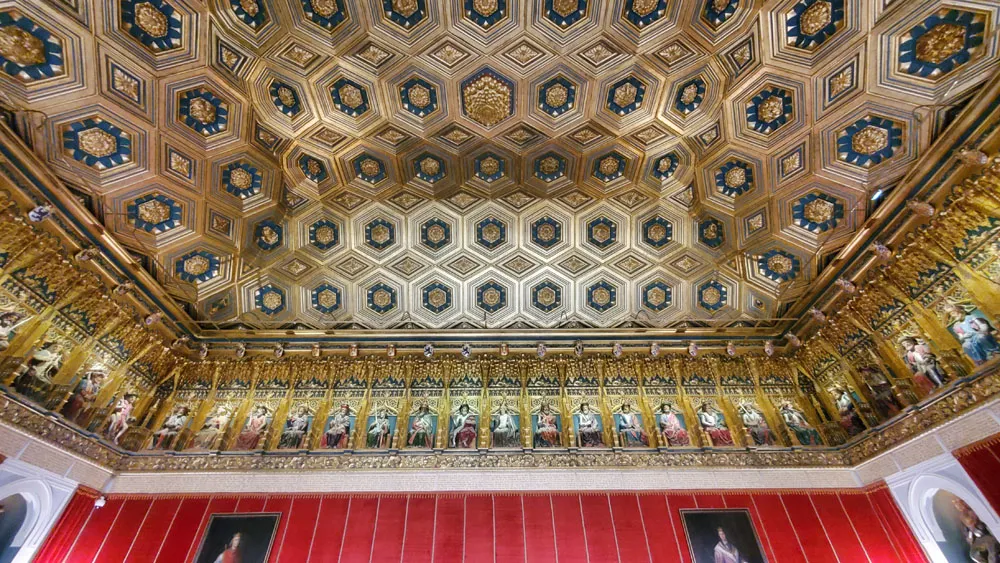
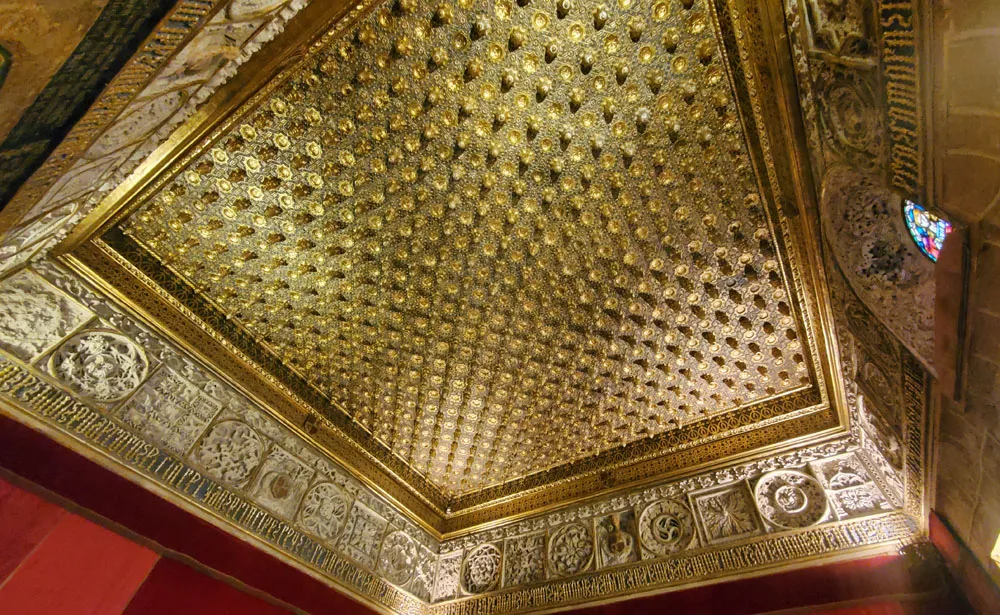
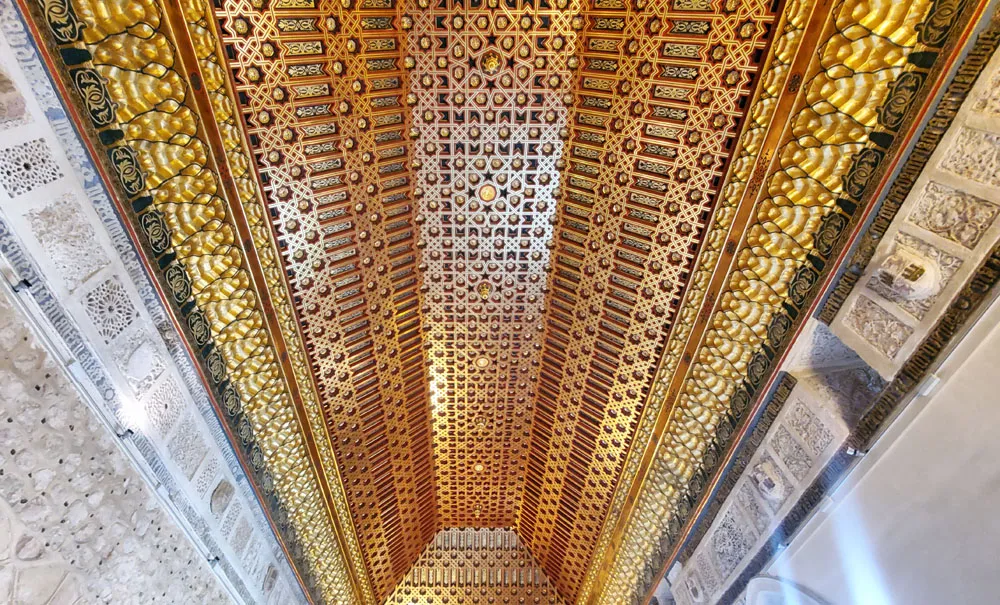
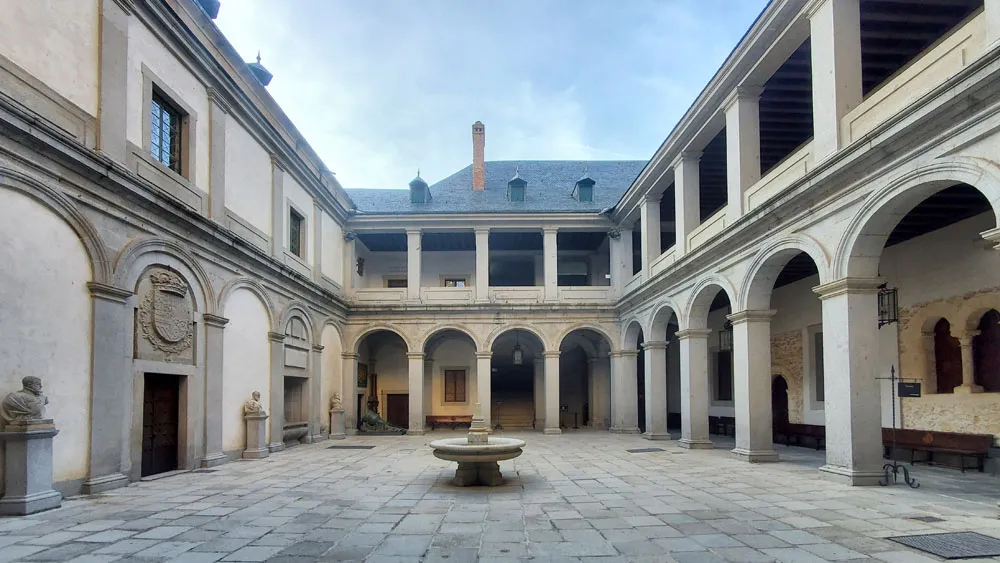
The main building work on the church was done in 52 years, but overall construction was completed only in the 18th century. The impressive size and incredible decoration, both outside and inside, make the cathedral an amazing attraction that is definitely worth visiting. The length of the church is 105 metres and the width 50 metres, the size of a football pitch. The height of the incredible Gothic vaults is 33 metres, and the height of the bell tower is 88 metres. In the past the bell tower was even taller, a hundred metres, but lightning destroyed the spire in 1614.
I have already visited many Spanish cathedrals, and this is something special. The size, the luxury of the decoration, the architectural thought… Among all I have seen, the Segovia cathedral is probably the most interesting.
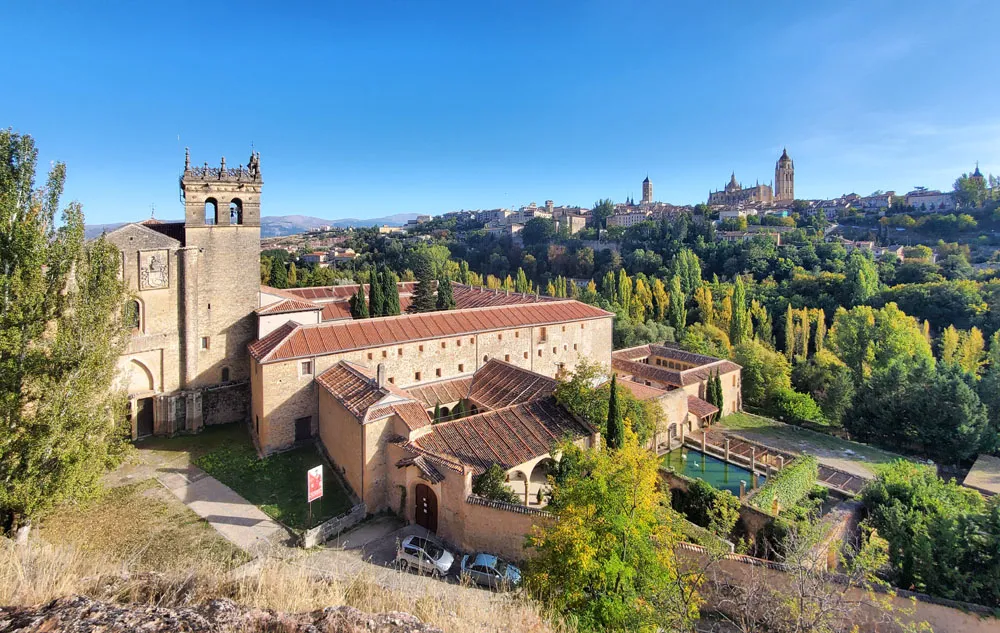
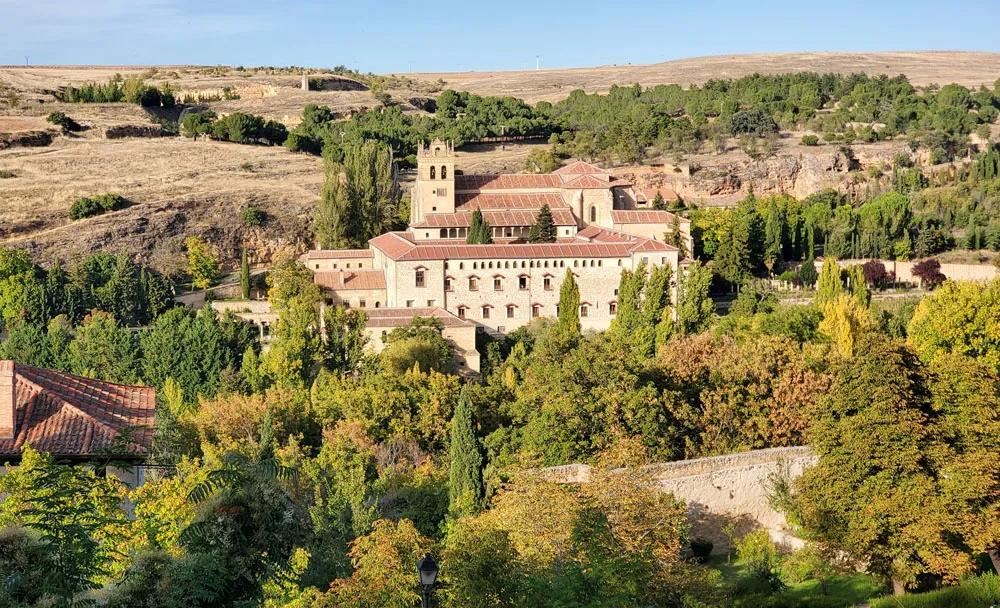
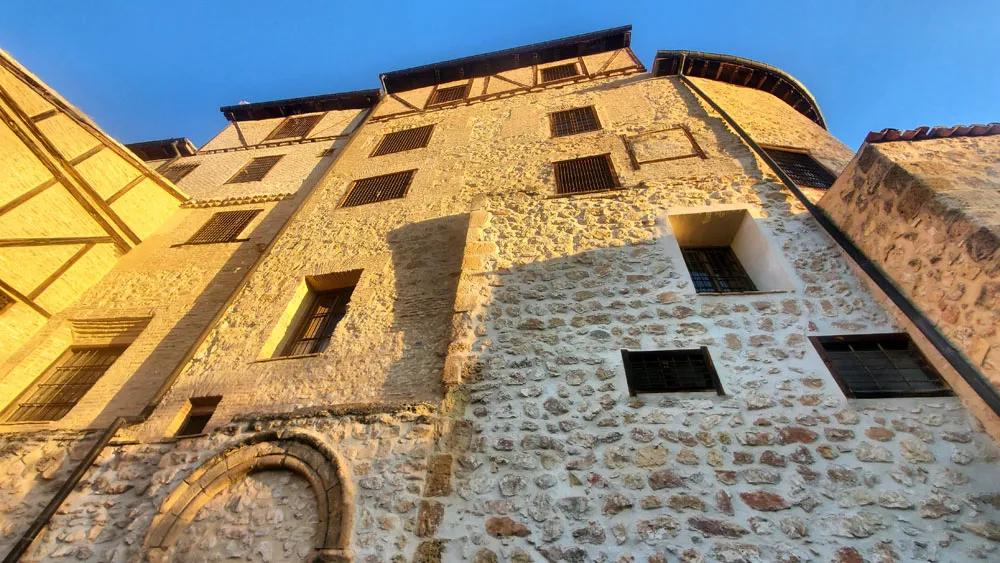
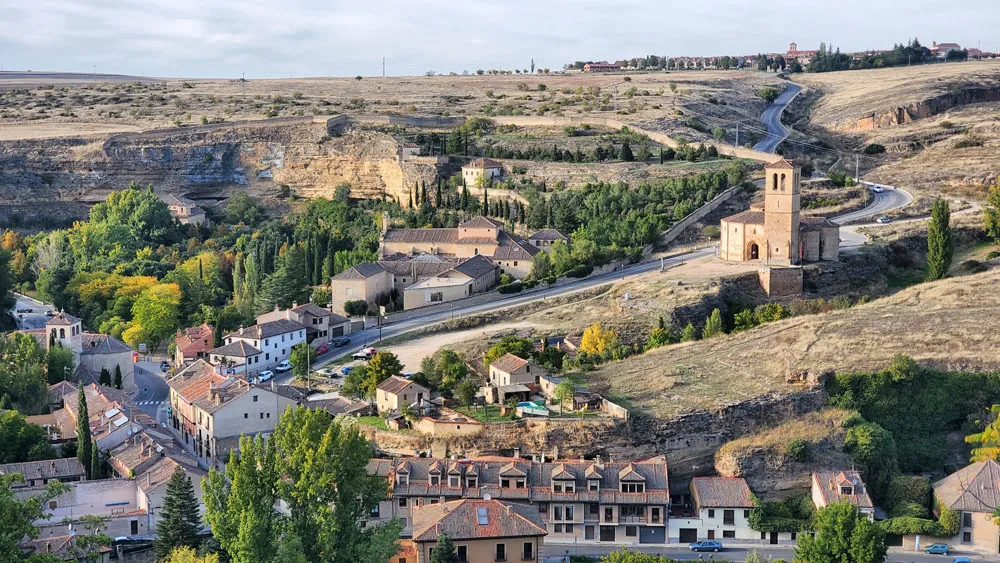
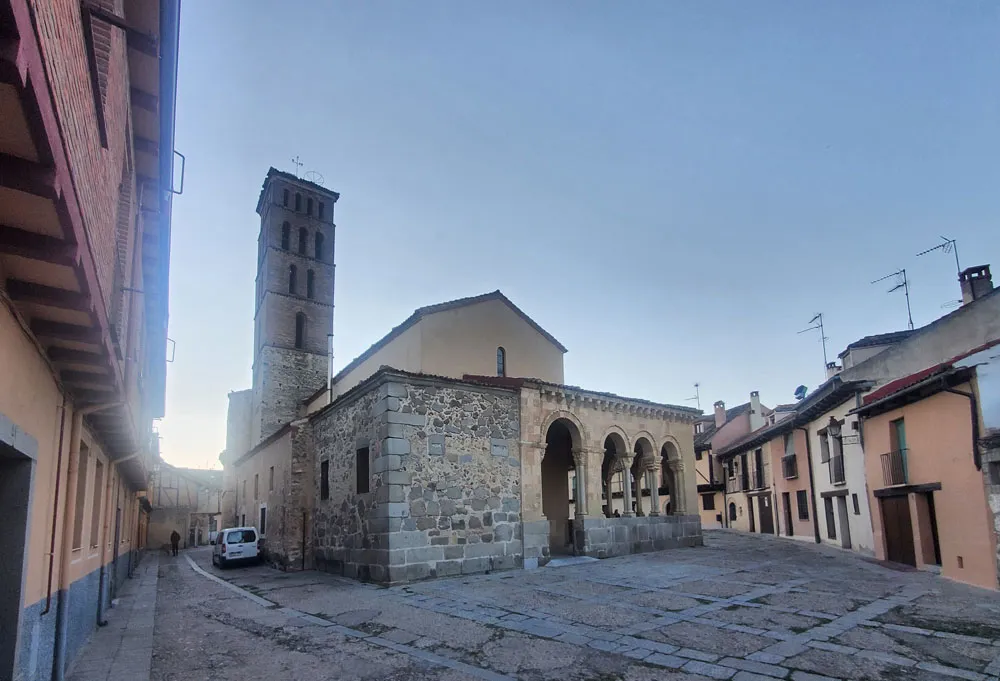
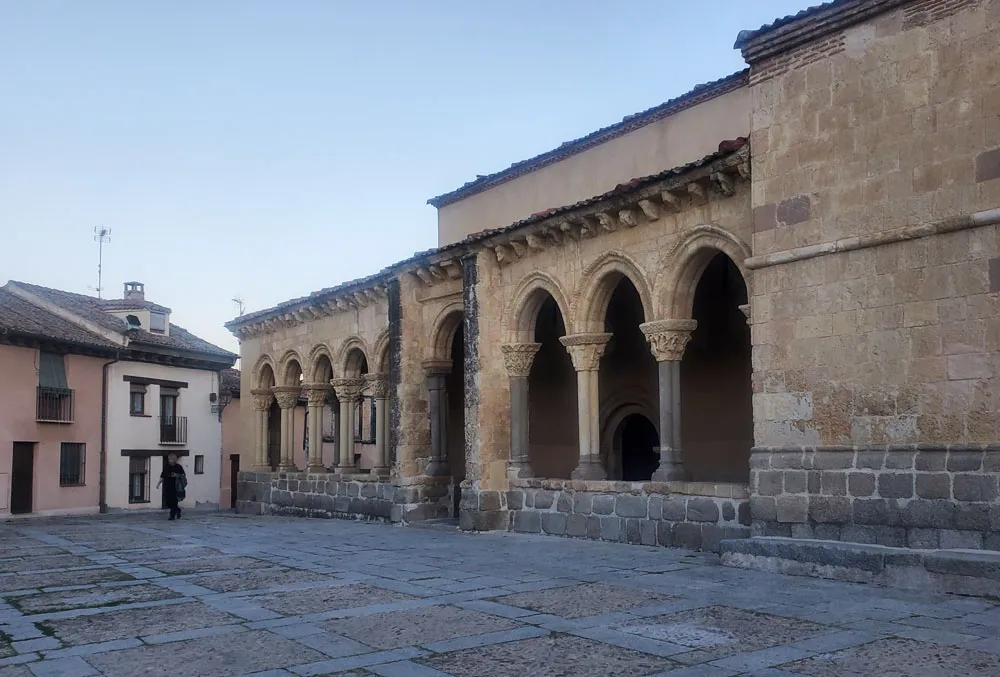
In the 17th century Segovia’s economic decline began, which even the kings could not stop with their reforms and decrees, so the present-day town is an incredible synthesis of medieval splendour and the Spanish countryside. On the hill, inside the walls, there is almost capital-city gloss: tall buildings, parks, narrow cosy streets, and heaps of boutiques and restaurants. Below, at the foot of the hill, is an old provincial town with ancient two-storey stone houses and numerous churches and monasteries. I highly recommend seeing both parts of Segovia, the town and the village; they are equally interesting.
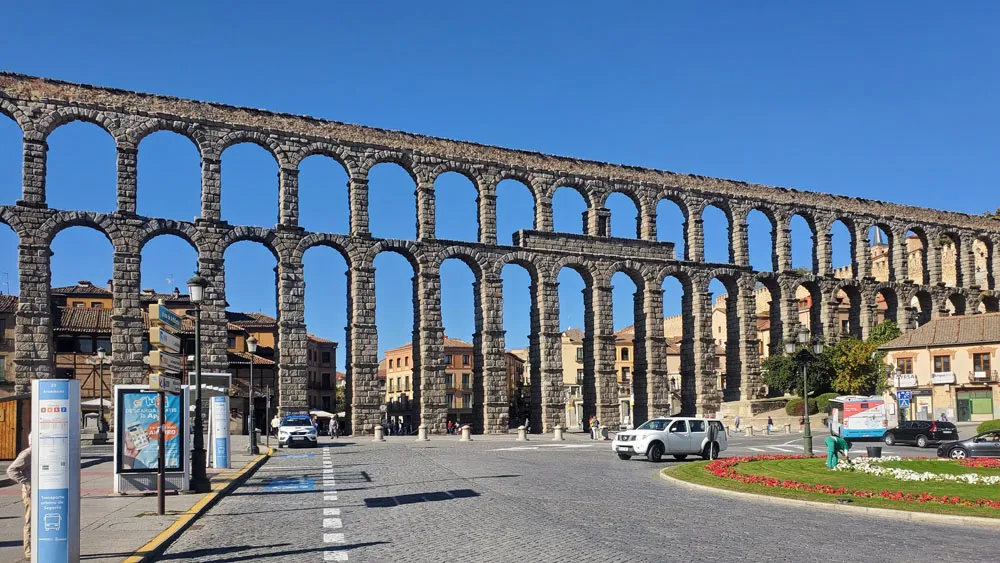
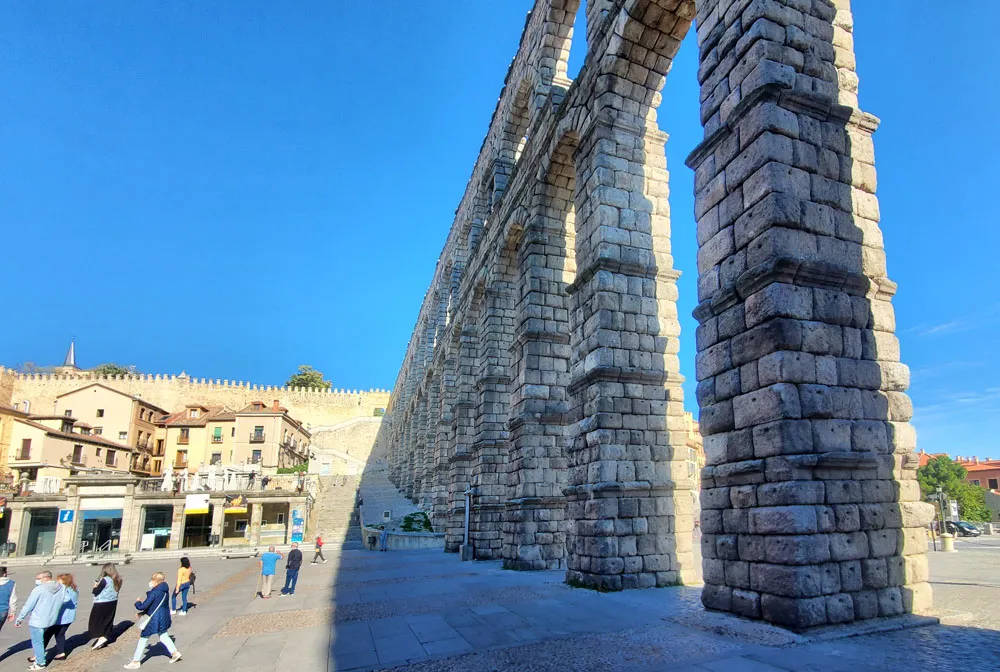
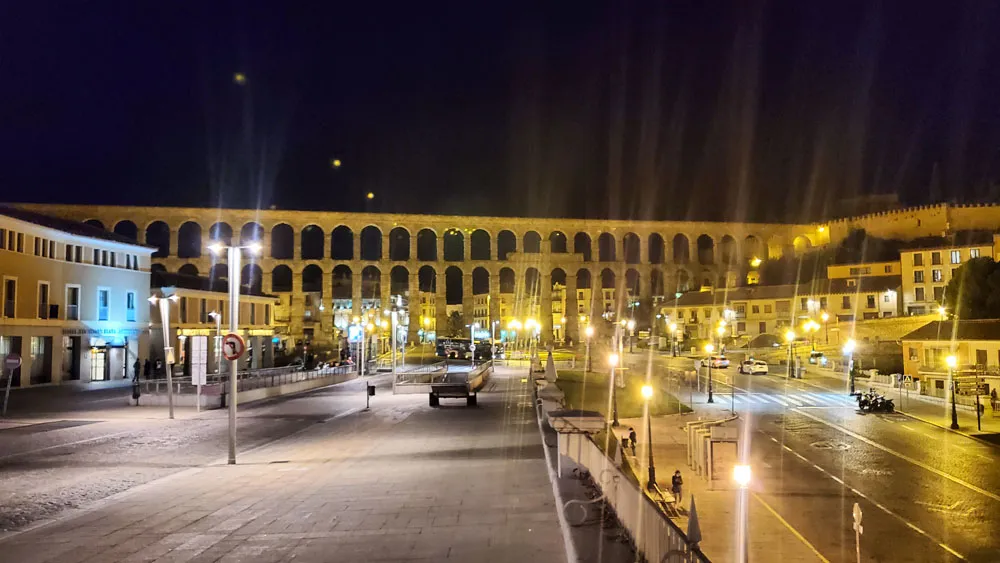
One of Segovia’s calling cards is the Roman aqueduct, built at the turn of the 1st and 2nd centuries. Its length in the central part of the town, over a ravine, is 728 metres. By this measure it is one of the largest in Europe. The total length of the water conduit is about 17 km, although it has survived far from everywhere. Built dry, without mortar, with foundations sunk 6 metres into the ground, the aqueduct proved resistant to earthquakes and so has been well preserved. Today, alongside the cathedral and the Alcázar, the aqueduct is one of the main sights of Segovia. At night, when the lighting is switched on, it is especially beautiful.
On the whole Segovia is a picture. An Instagram town where you want to photograph every piece of wall, every street, house and church. Do go.
Text and photos by Roman Malenkov.