Orikhiv. Cossack cemetery

· 3 min read
27.12.20
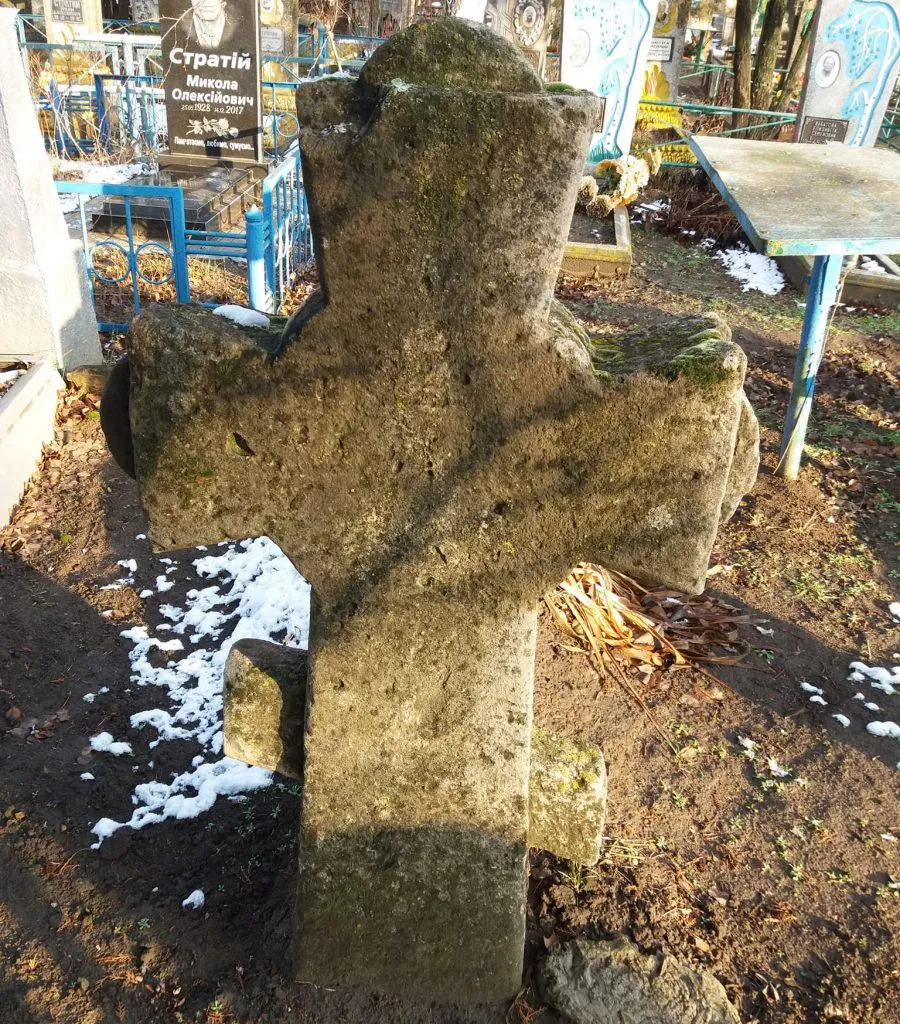
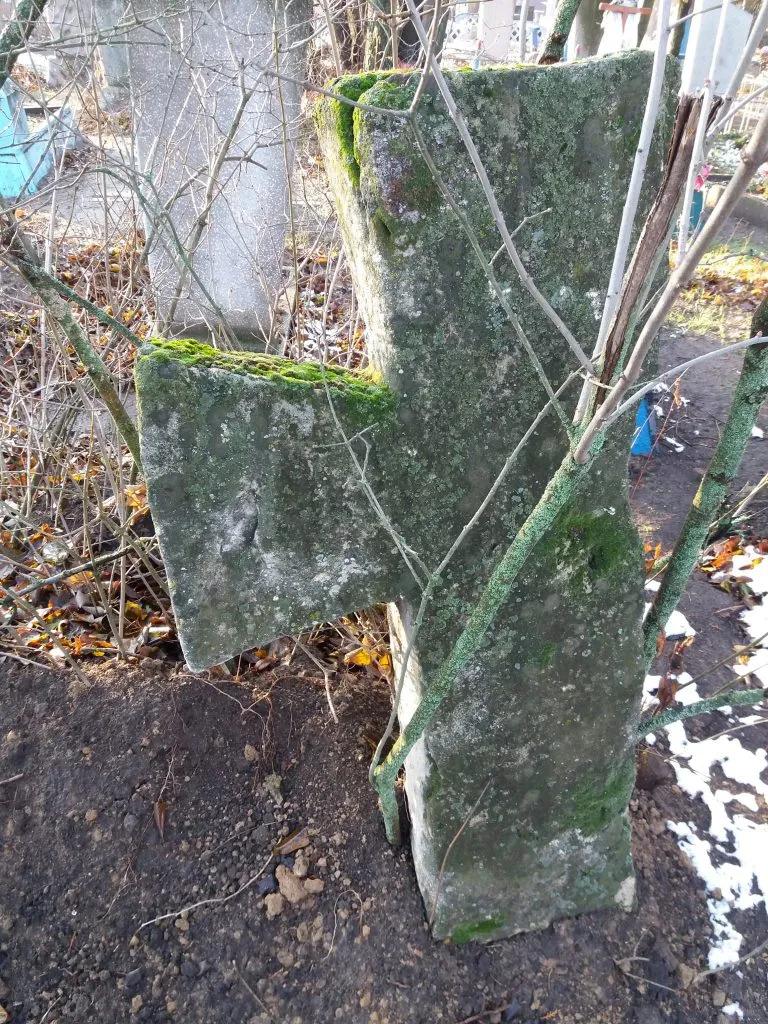
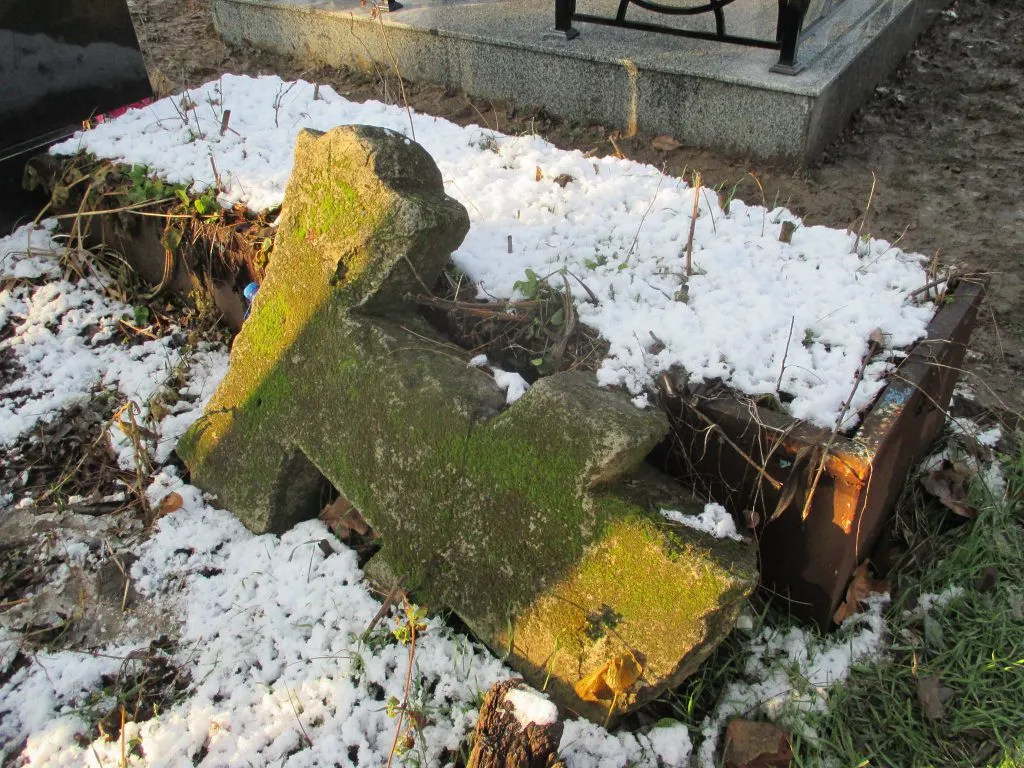
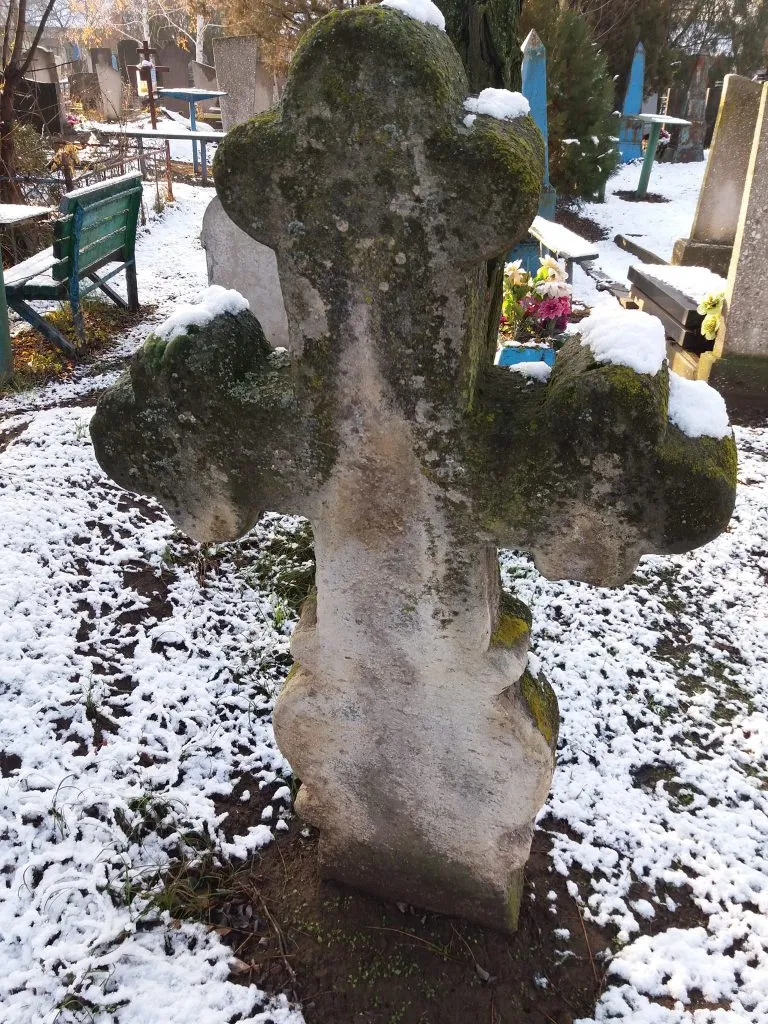
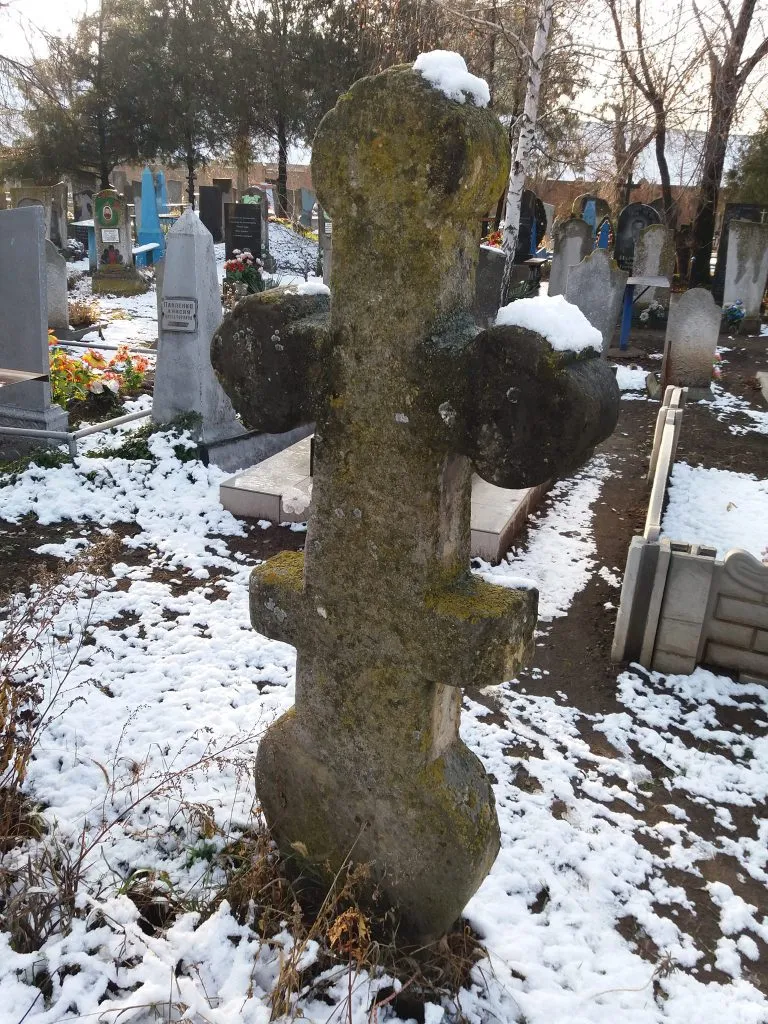
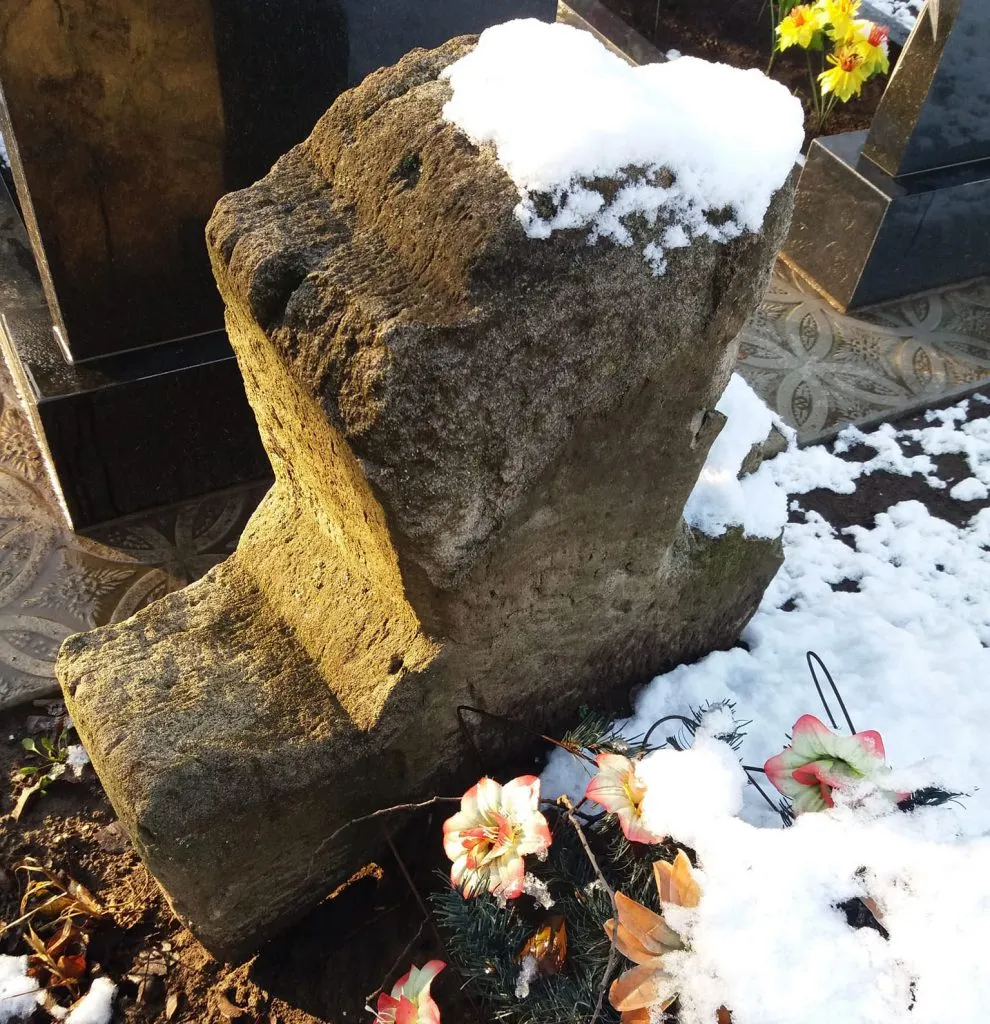
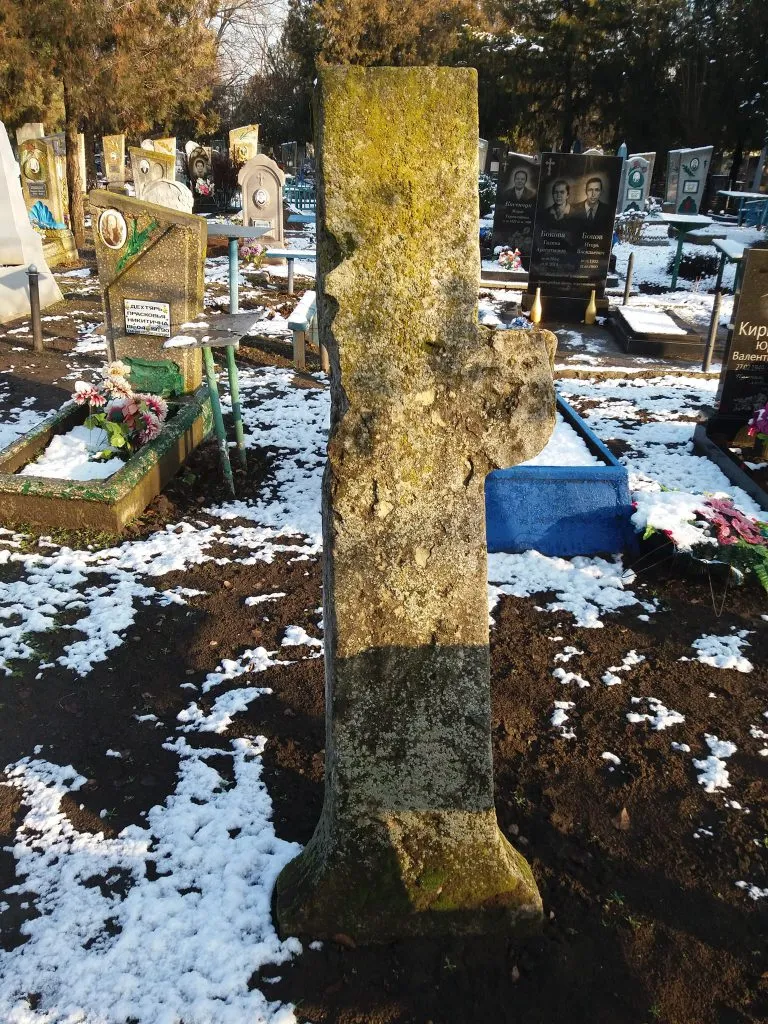
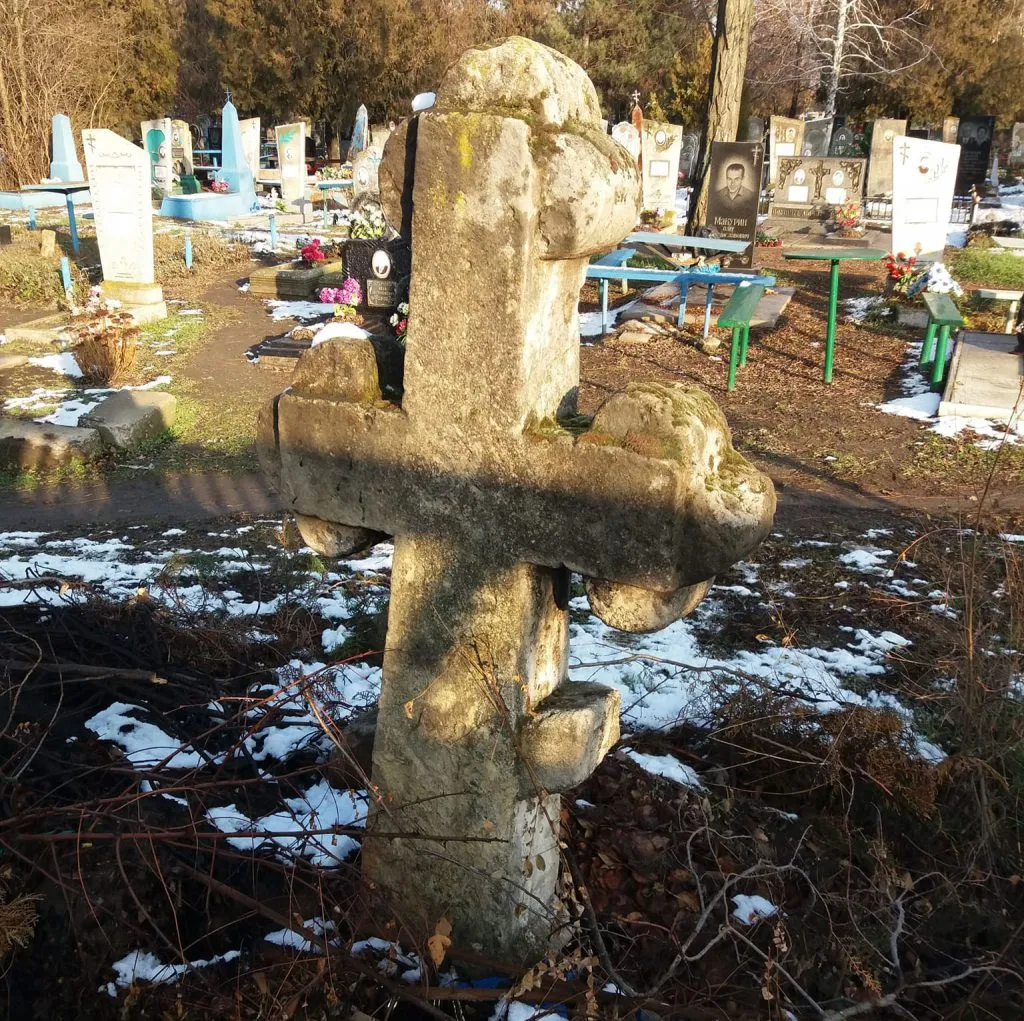
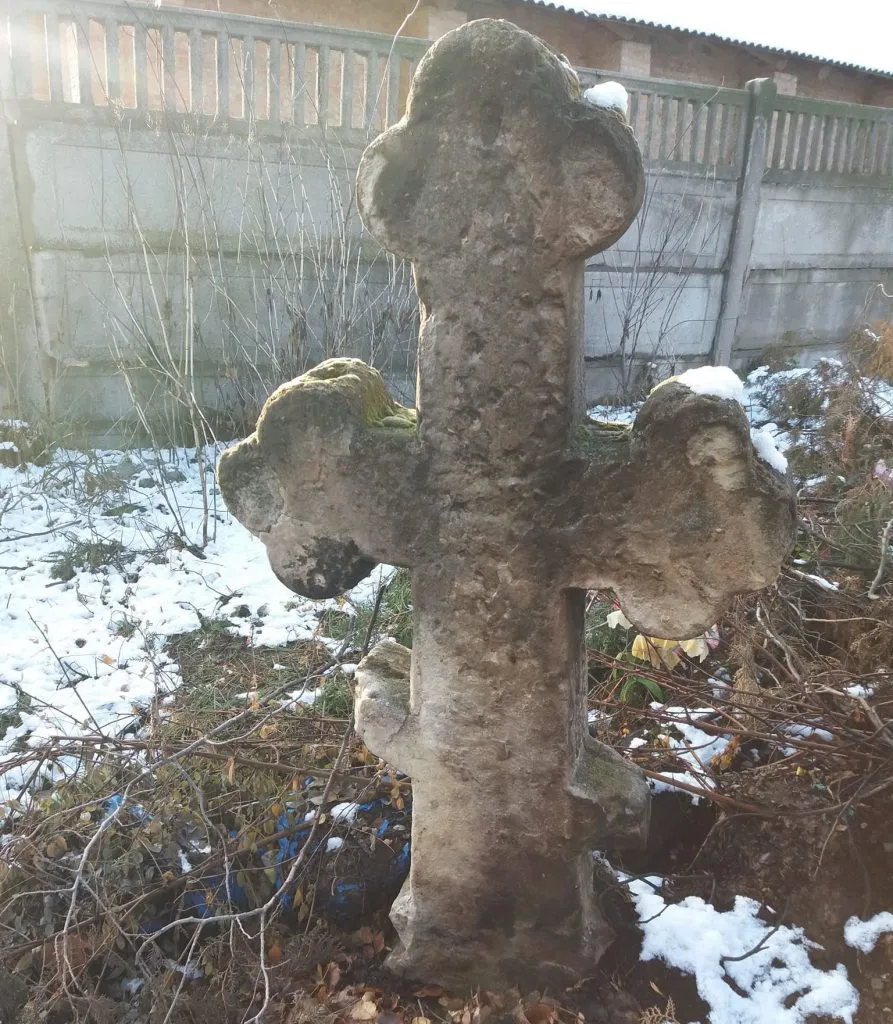
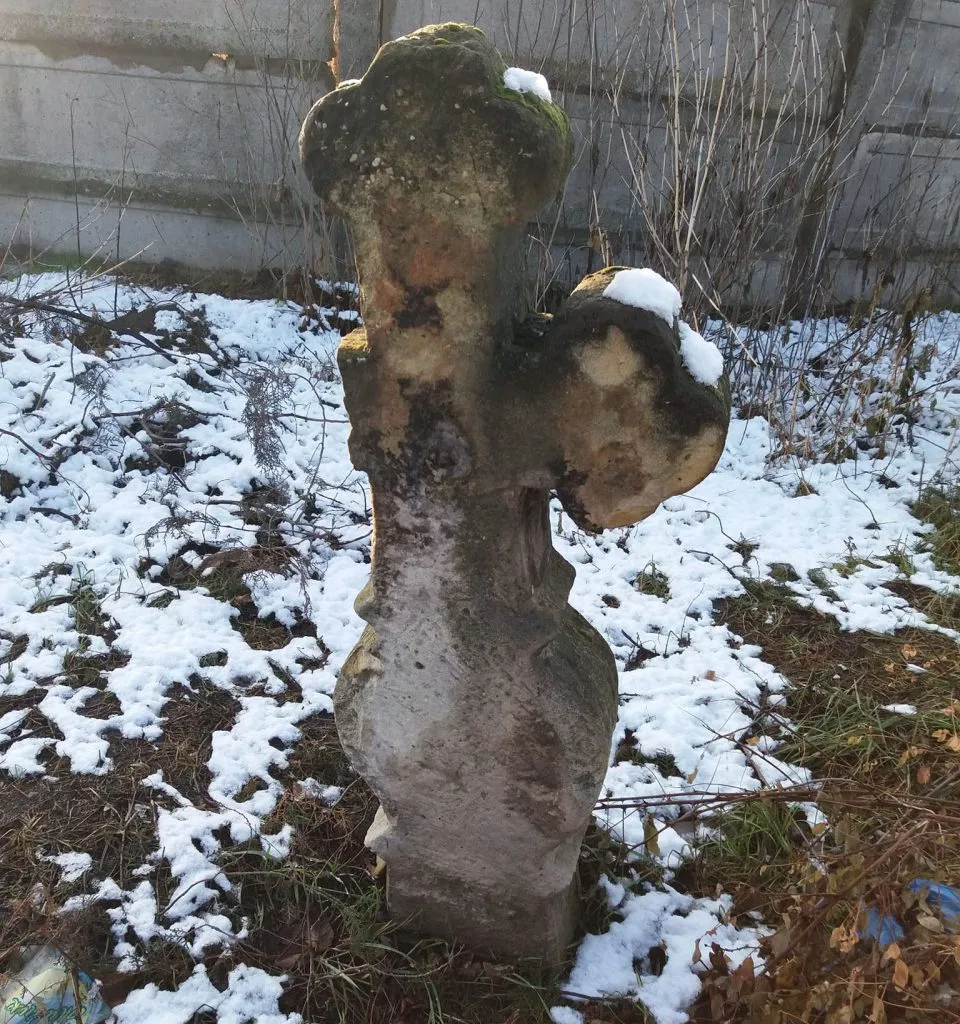
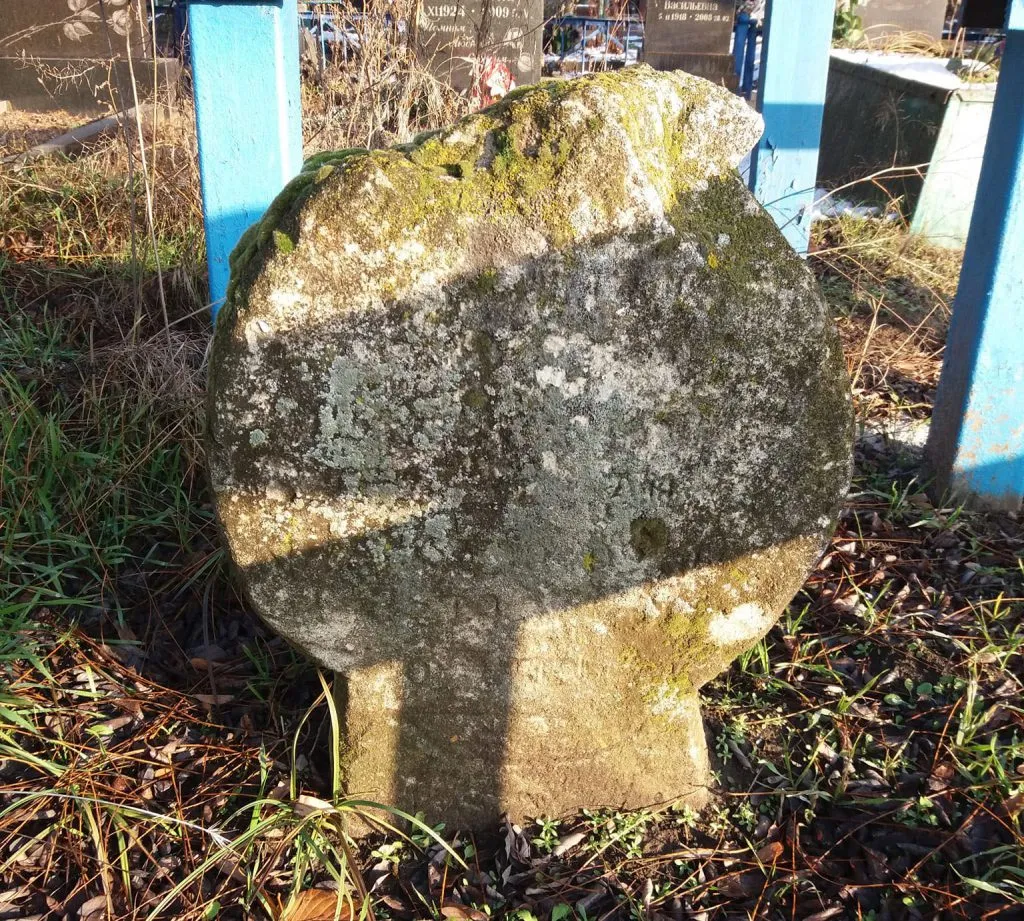
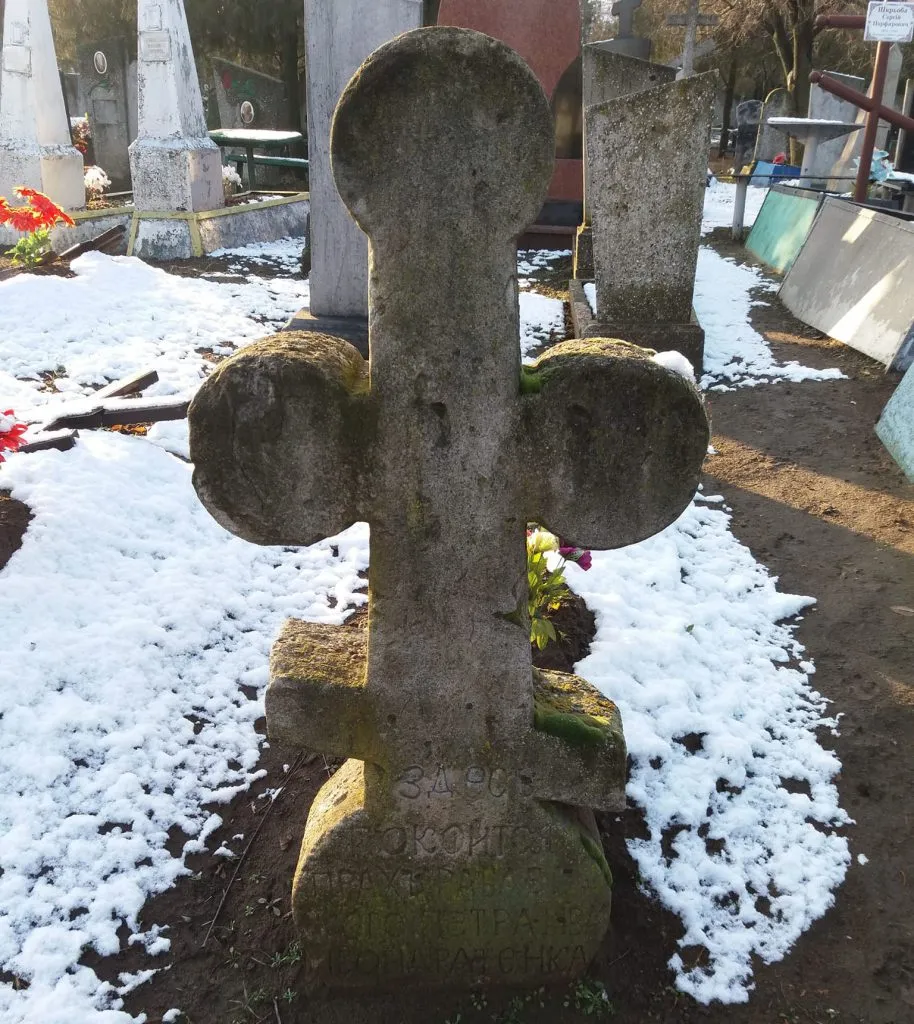
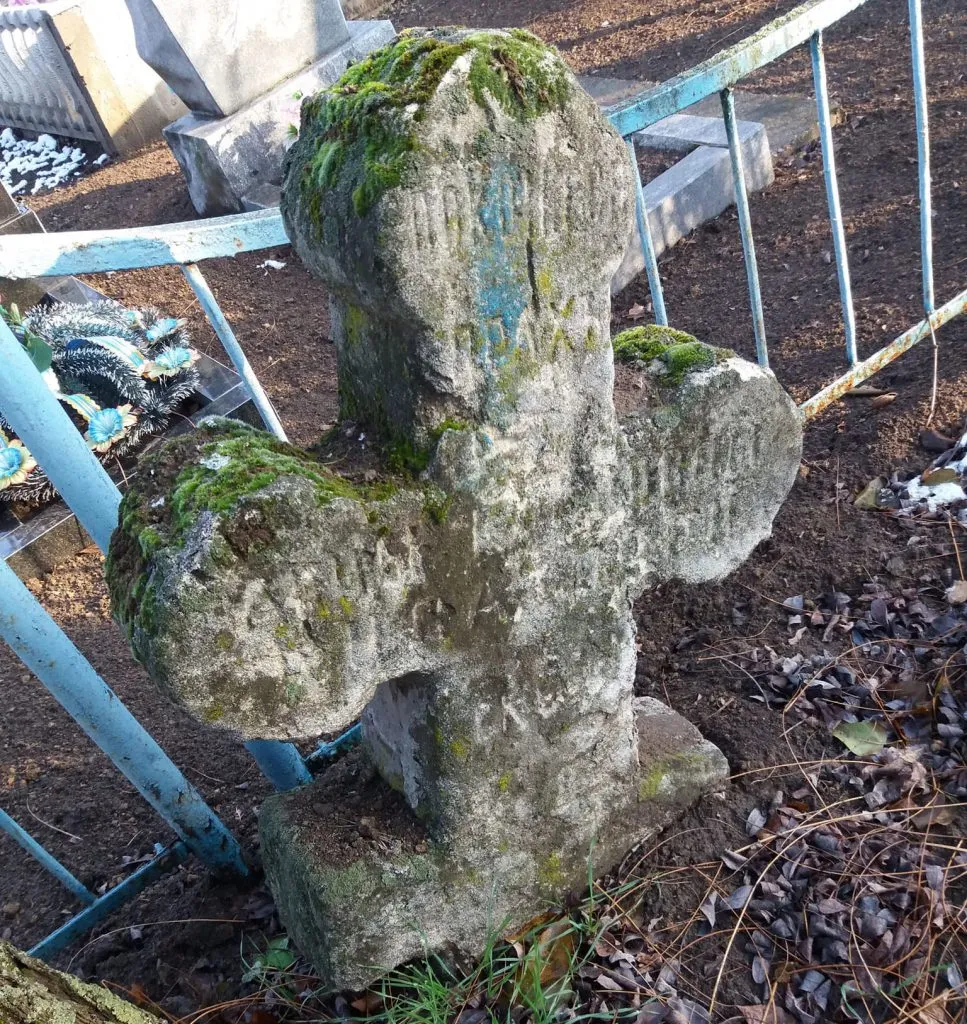
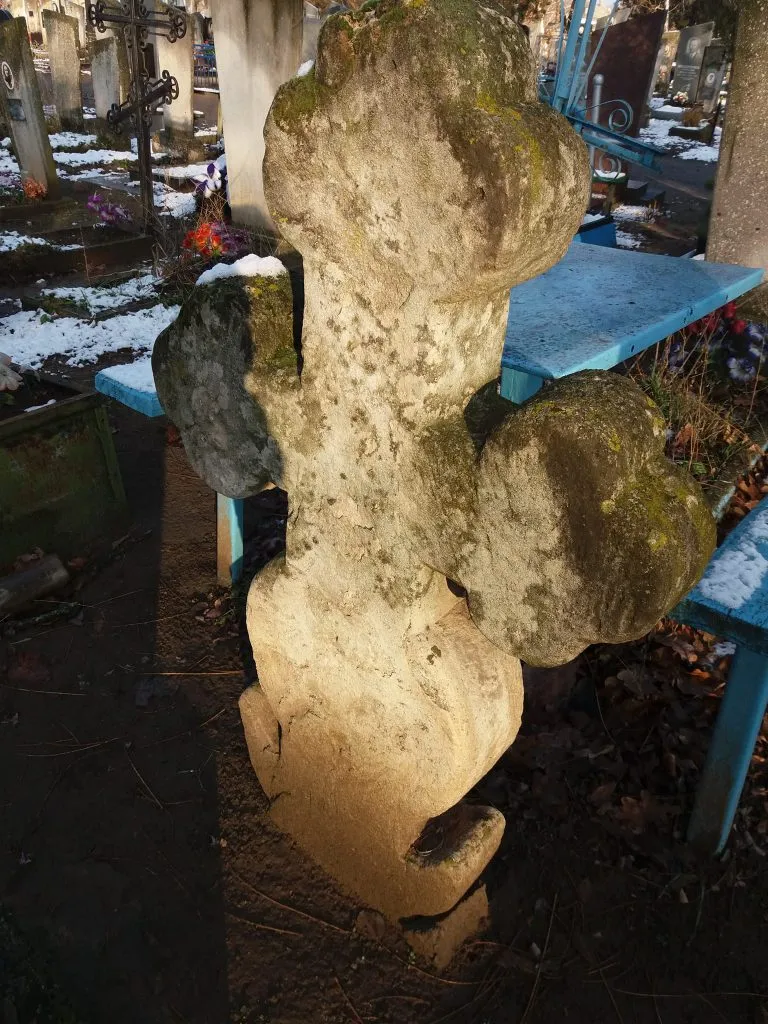
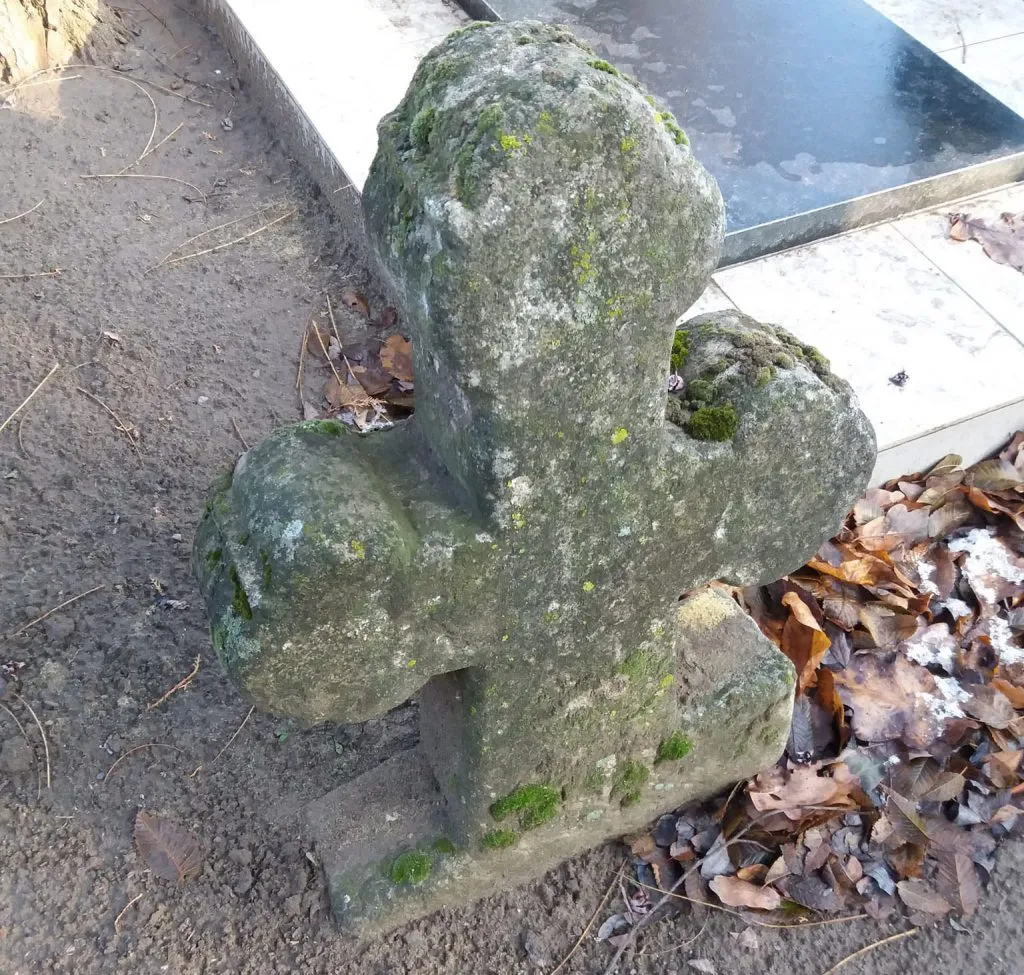
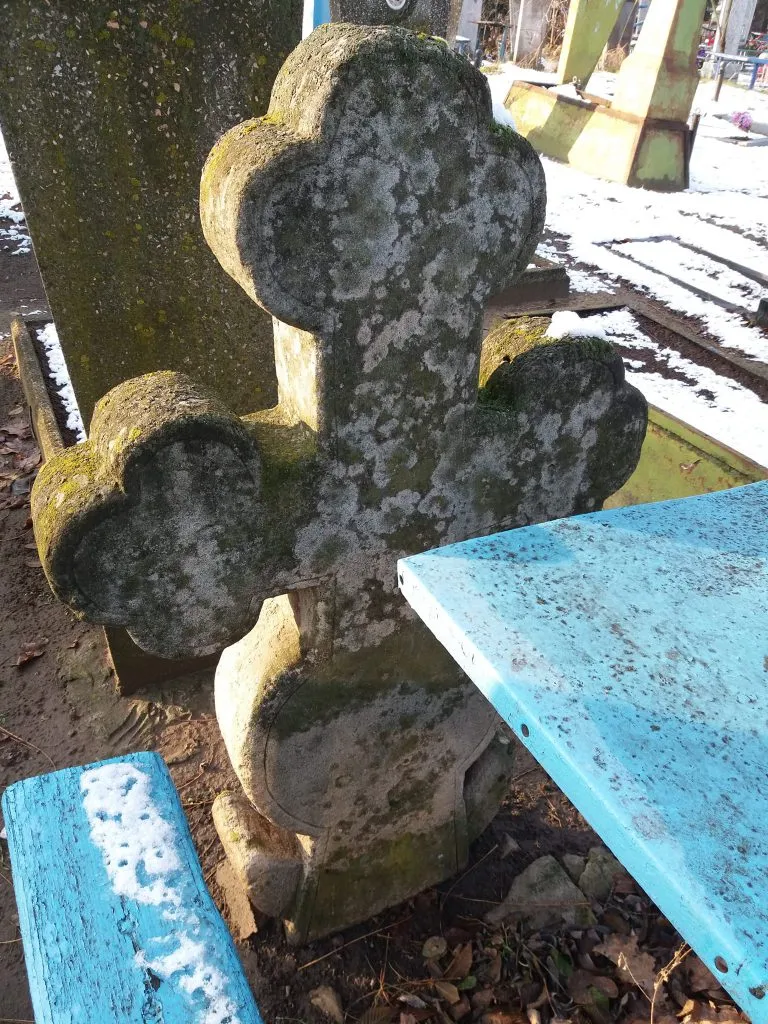
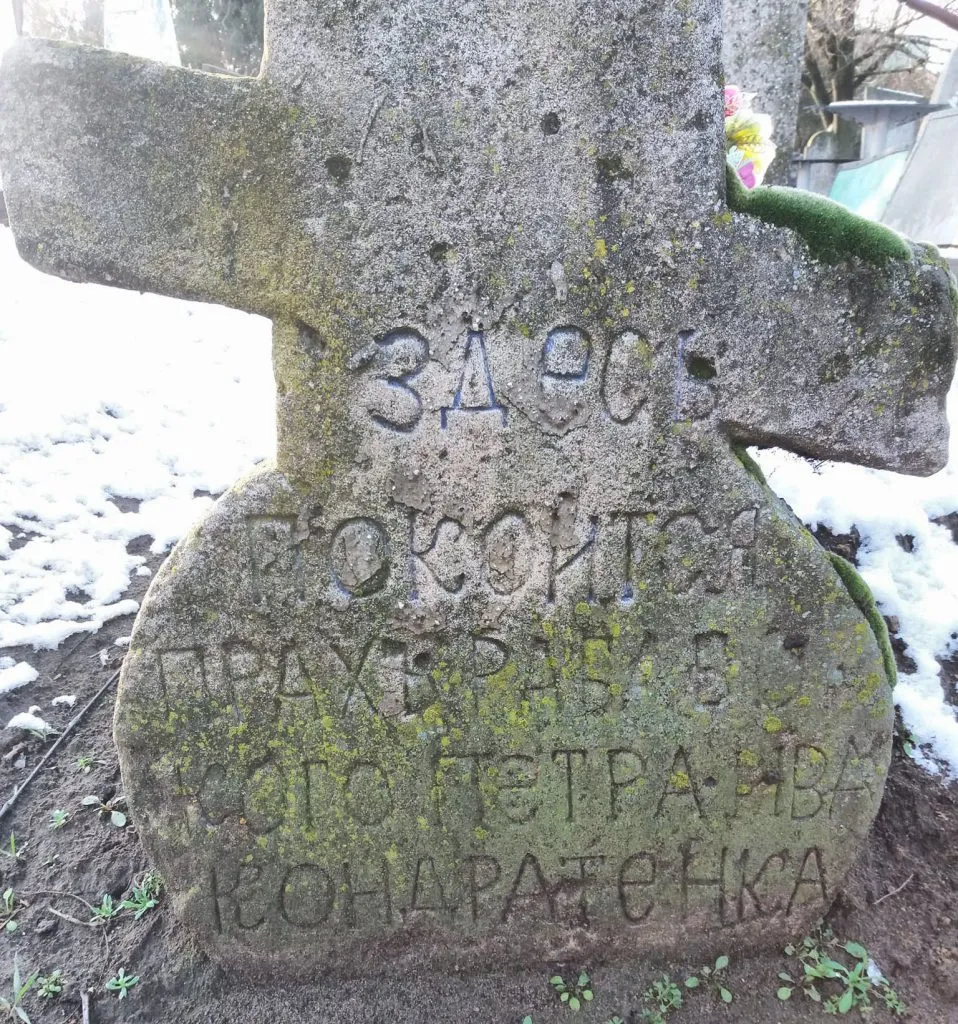
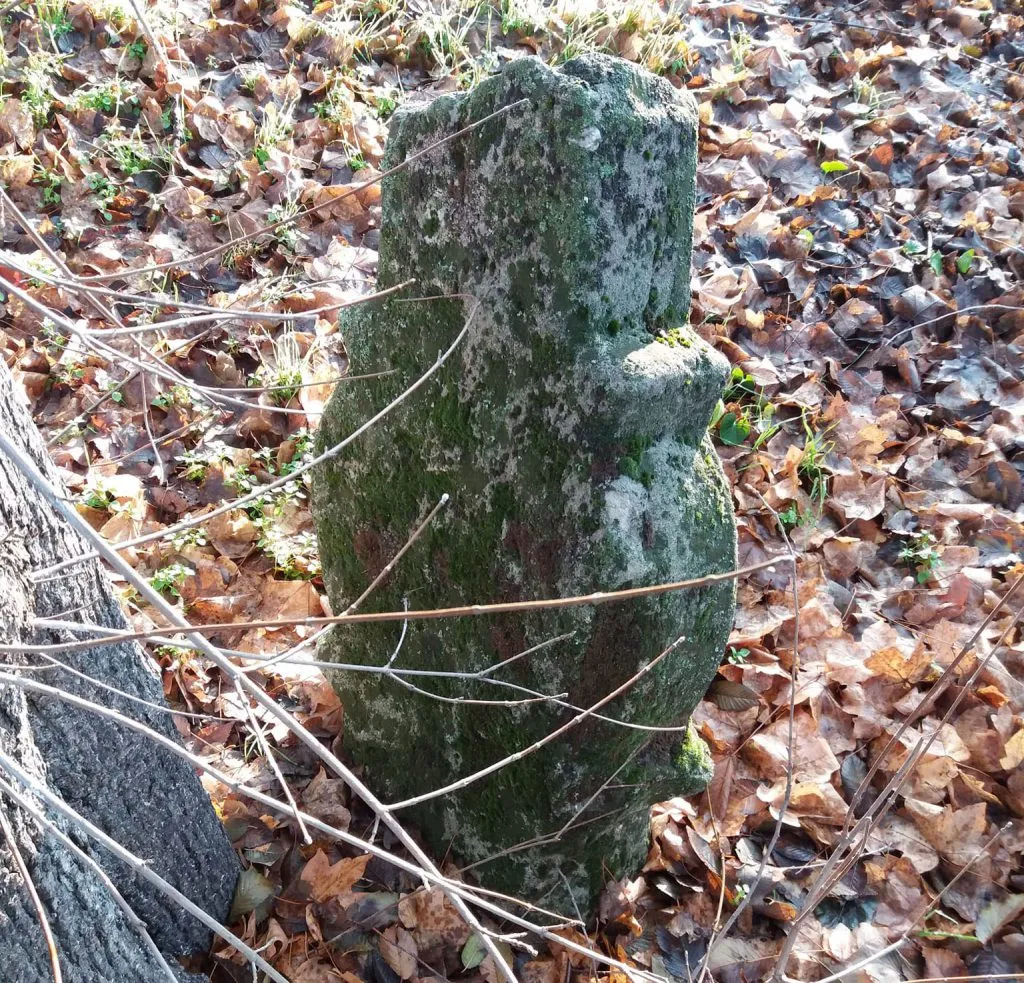
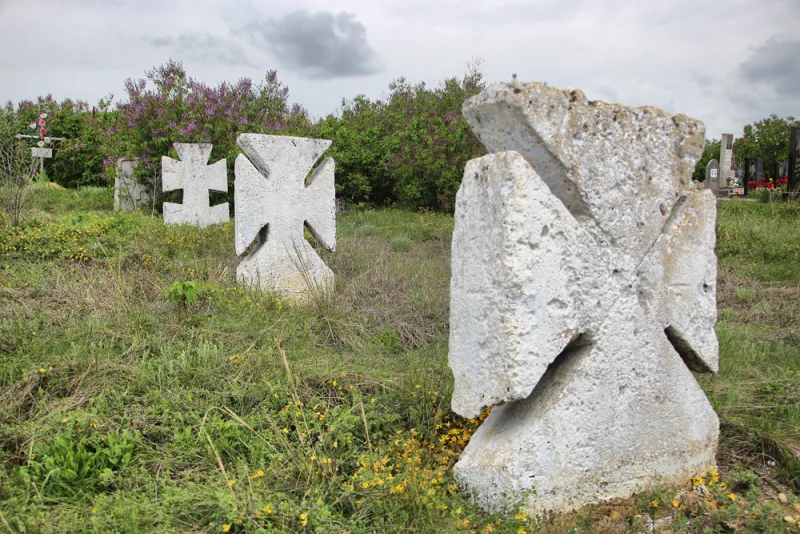
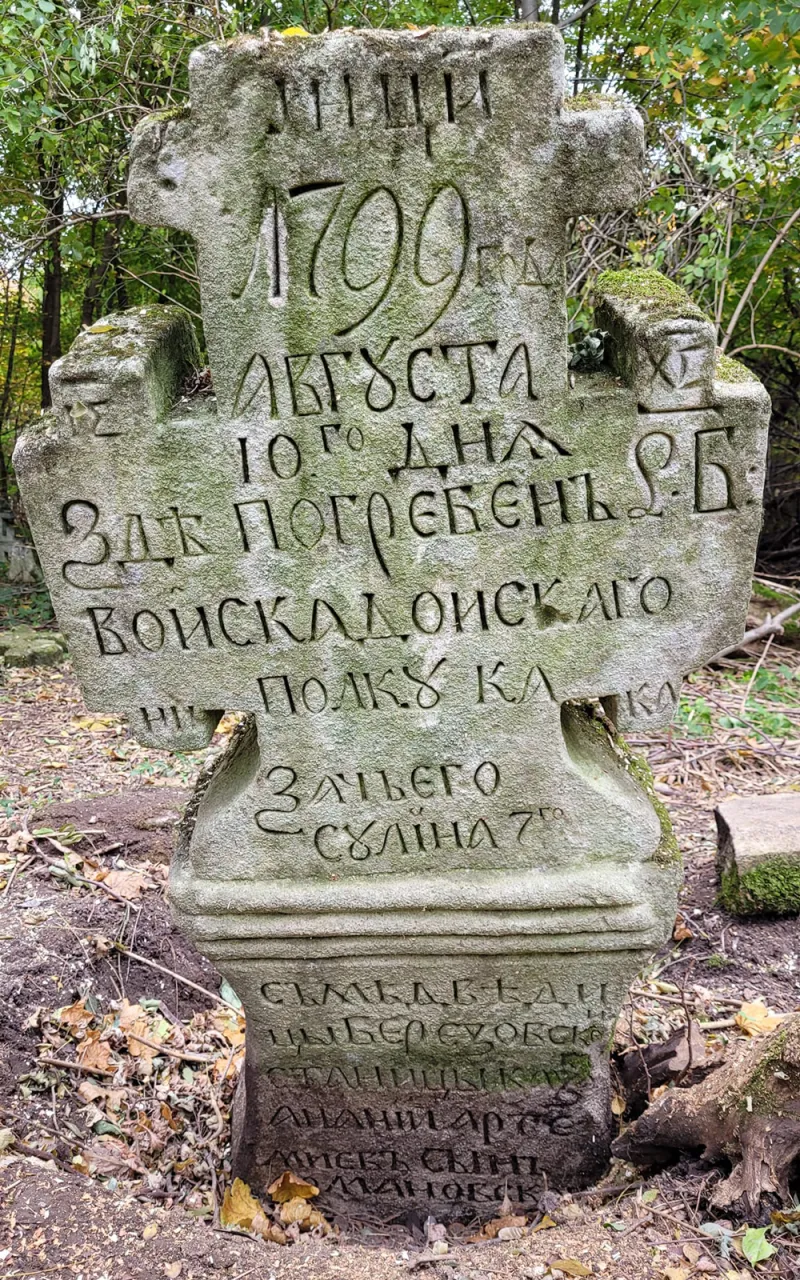
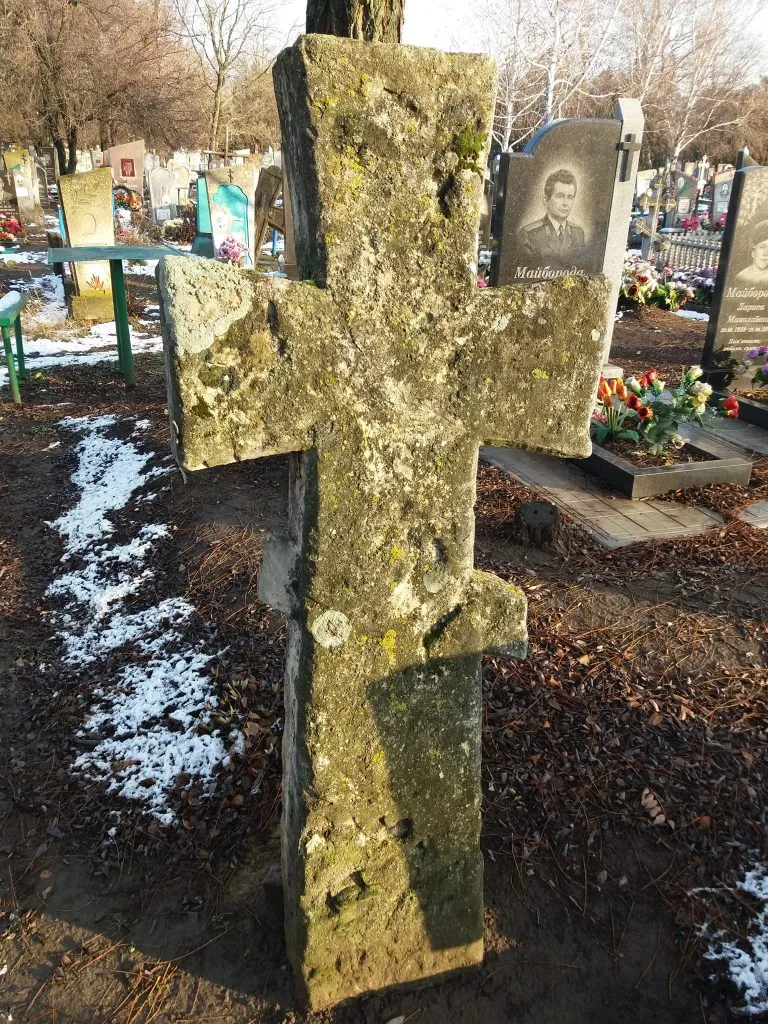
We found these two-metre-tall stone crosses at the old city cemetery of the city of Orikhiv.
Cossack! was the thought that came at once.
After all, according to the “History of Towns and Villages of the Ukrainian SSR”, the city arose on the site of a Cossack winter camp:
“In the days of the Zaporozhian Sich, the Cossack Lysko set up a large winter camp on the right bank of the Konka. The Konka was then a full-flowing river, with splendid pastures stretching along its sides, and the Dnipro floodplain wetlands spread all around.
At the end of the century, runaway peasants, Cossacks and soldiers founded several settlements here. This is how Orikhiv arose around 1783.”
The first settler was supposedly I. Yushka, a native of the village of Obmachiv near Baturyn. Later, peasants from Chernihiv and former Zaporozhians from Lysko’s winter camps moved here.
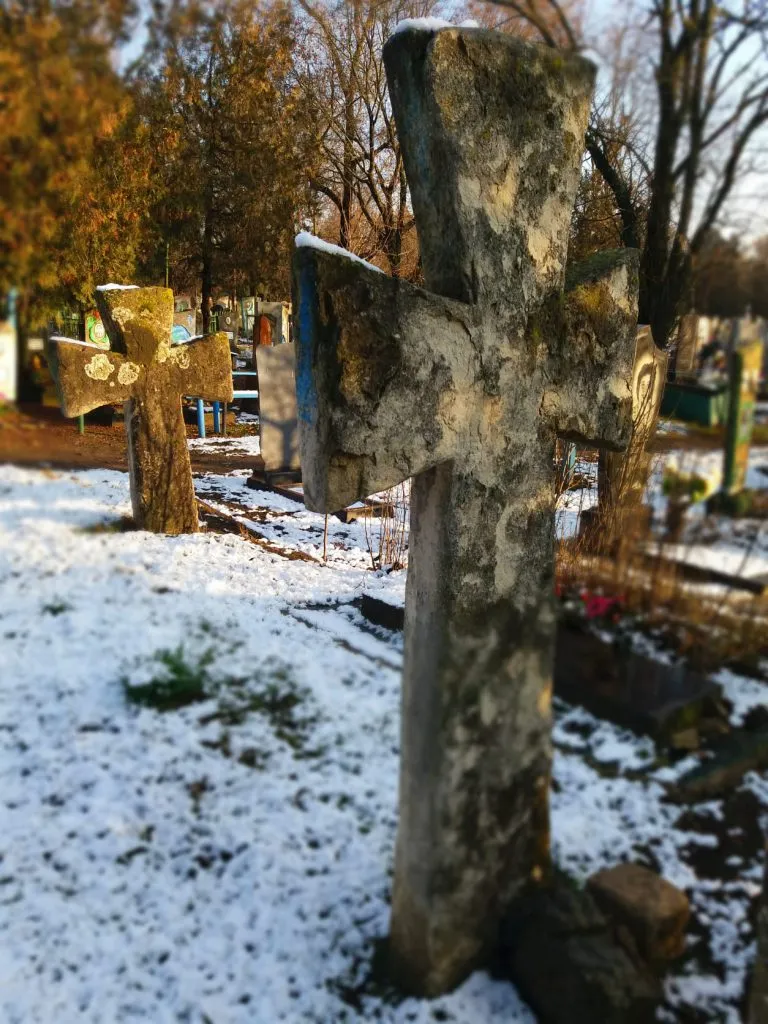
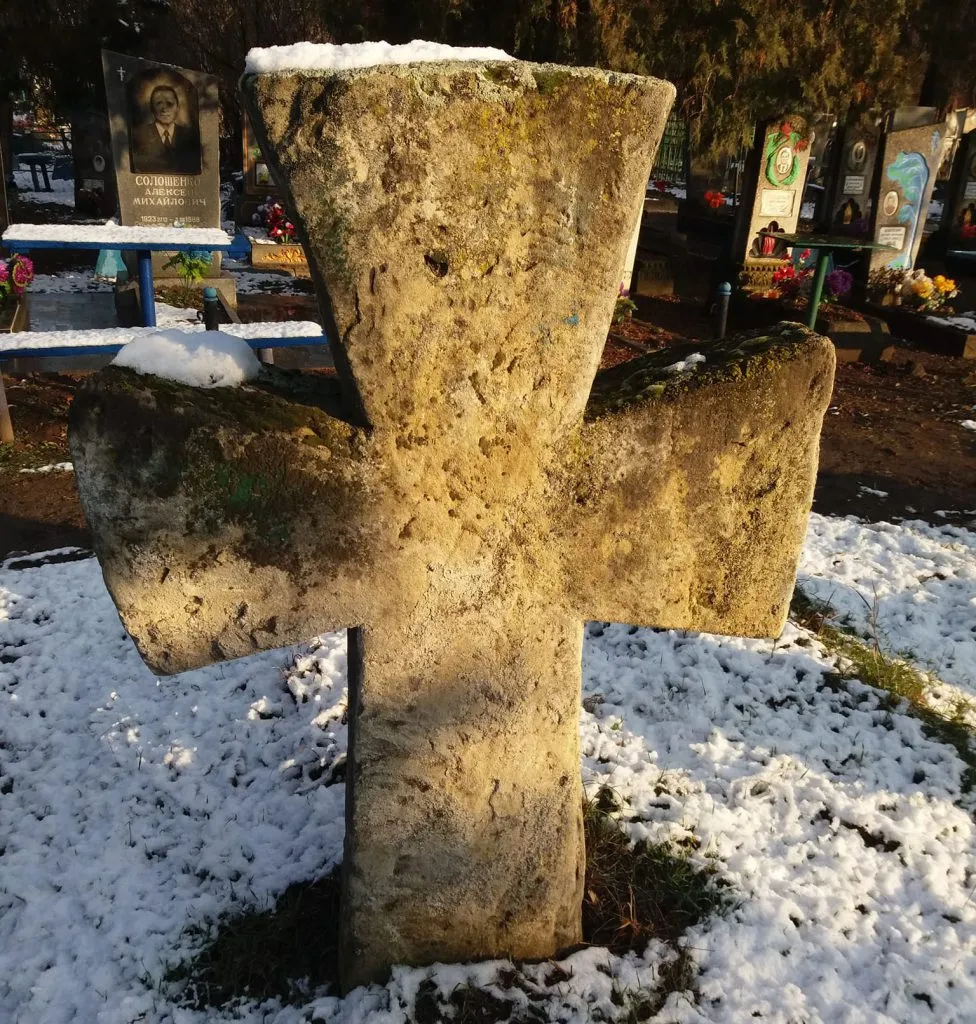
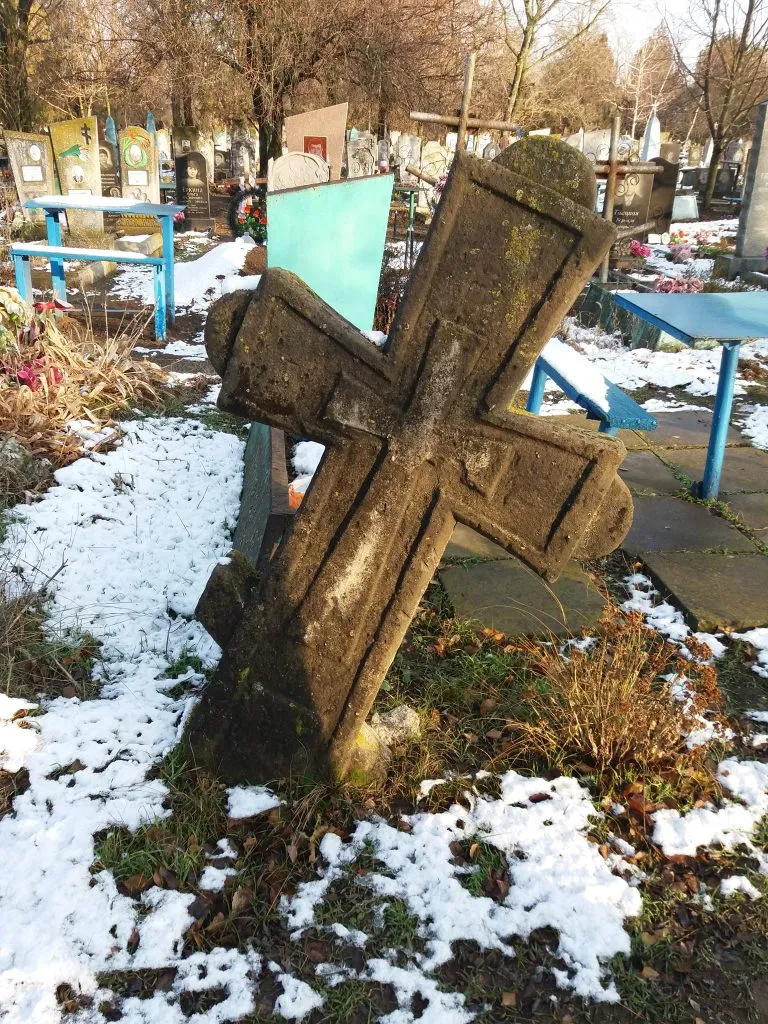
In 1787 the population was joined by a large group of Poltava people, among them natives of the village of Orikhivka in the Myrhorod region, who supposedly gave the new settlement its name, Orikhiv. However, folk tradition derives the name from hazel and even from the water chestnuts that grew in the Konka valley. So the Cossacks were the founders and first inhabitants of the village that later turned into a city. What is more, the village of Obmachiv, home of I. Yushka, still exists!
It is rather large, with more than a thousand inhabitants. Today it is in Bakhmach district, Chernihiv Oblast.
The village has quite an interesting history. It was founded in 1636. In 1649–1782 it was part of the Baturyn sotnia of the Nizhyn regiment. In 1654 Cossacks made up almost half (!) of the village’s inhabitants.
The Hetman capital Baturyn is fairly close, so in its time Obmachiv was one of the rank villages of the Hetman government. Indeed, Hetman Ivan Mazepa himself built an estate-farmstead for himself in the village during his rule.
Such are the interesting historical ties between Obmachiv and Orikhiv!
And has the Poltava village of Orikhivka survived? Yes, but now it belongs to Lubny district, which borders the Myrhorod district. One of the famous people born in Orikhivka is Volodymyr Mykolaiovych Leontovych (1866–1933), a Ukrainian public and political figure, Minister of Land Affairs of the Ukrainian State (1918), writer, patron of the arts, lawyer by profession, and publisher.
Volodymyr came from the old Cossack, later noble, Leontovych family of the Poltava region.
His paternal great-grandfather was a bunchuk comrade of the Ukrainian army in the Hetmanate era. His mother, Olha Ivanivna, was from the aristocratic French Albrand family. Her grandfather, Louis Albrand, emigrated to the Russian Empire during the French Revolution. His father, Mykola Pavlovych Leontovych, was a landowner and a staff captain of the Okhtyrka Hussar Regiment. (Wikipedia)
What an interesting history Ukrainian towns and villages have, long closely intertwined by family ties!
And these few crosses in the old cemetery of Orikhiv confirm the ancient history of our land. And also that Orikhiv is a true COSSACK CITY.
Text and photos by Kostiantyn Antonets