Serbia. Petrovaradin

· 2 min read
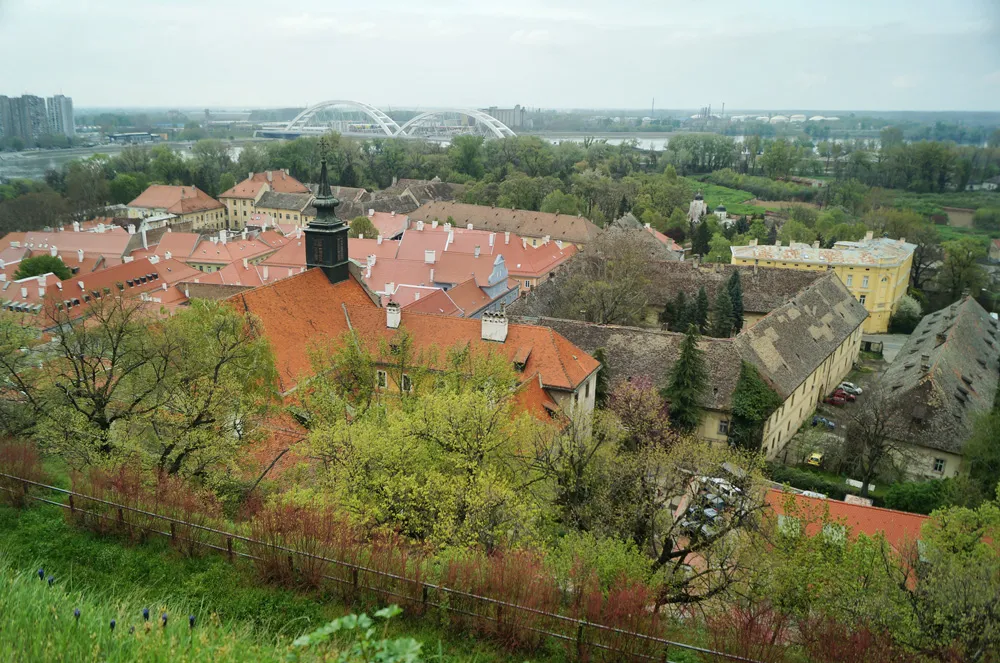
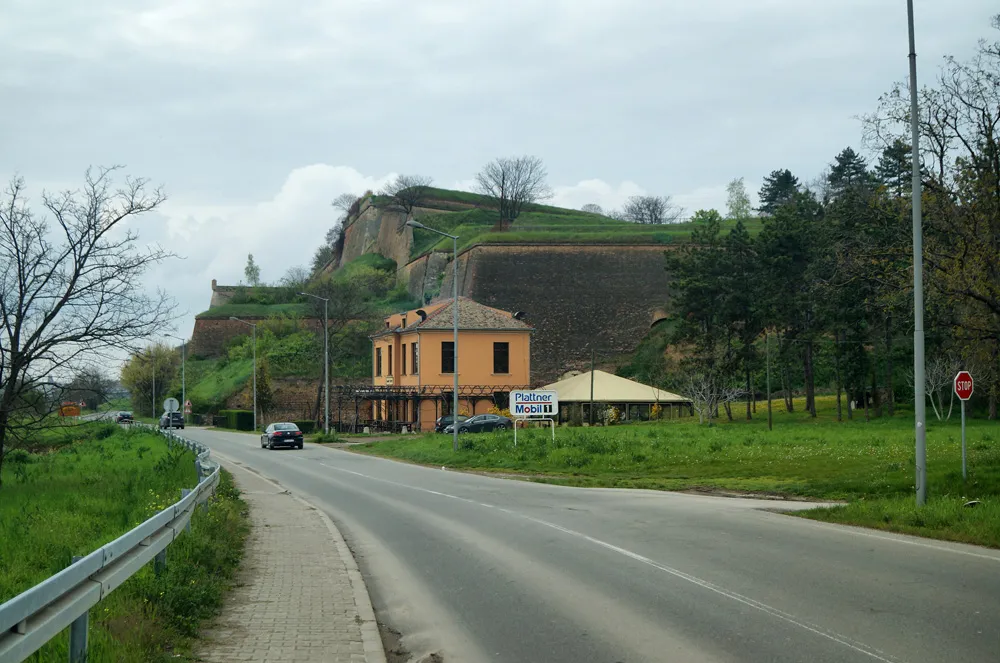
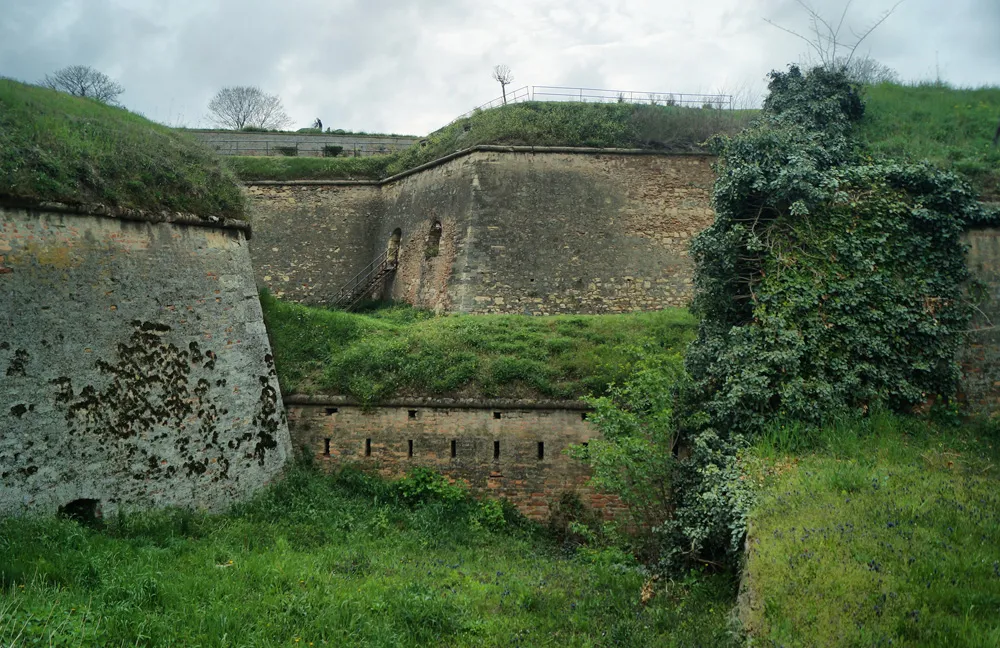
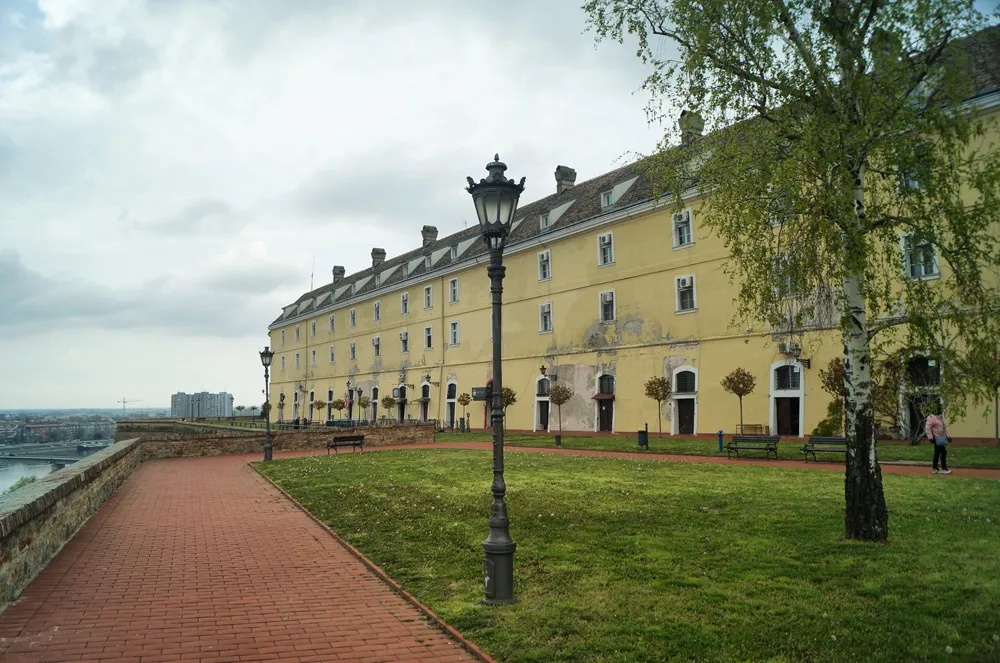
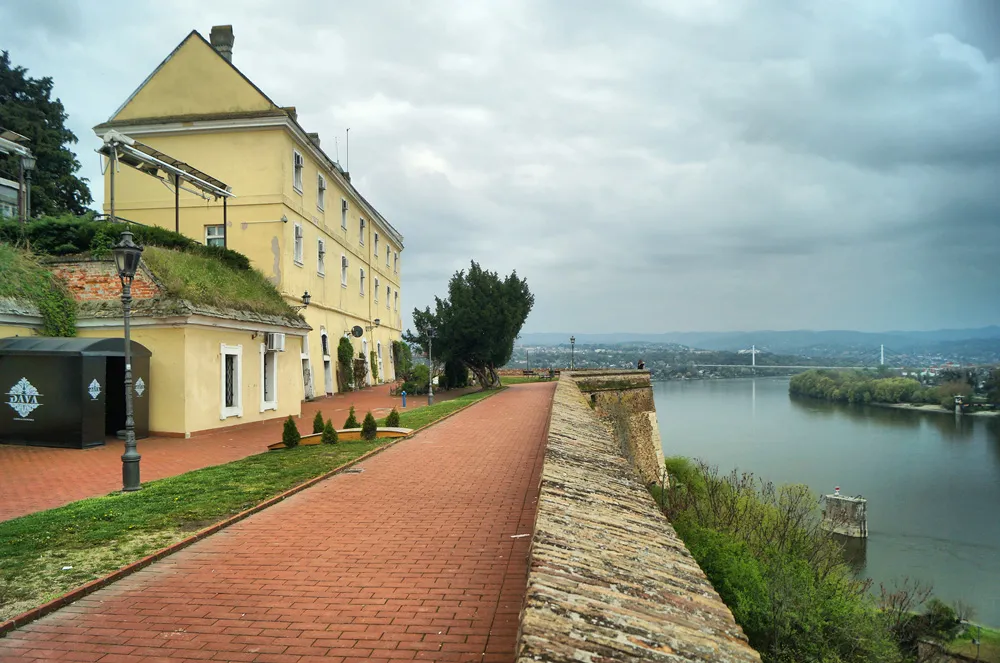
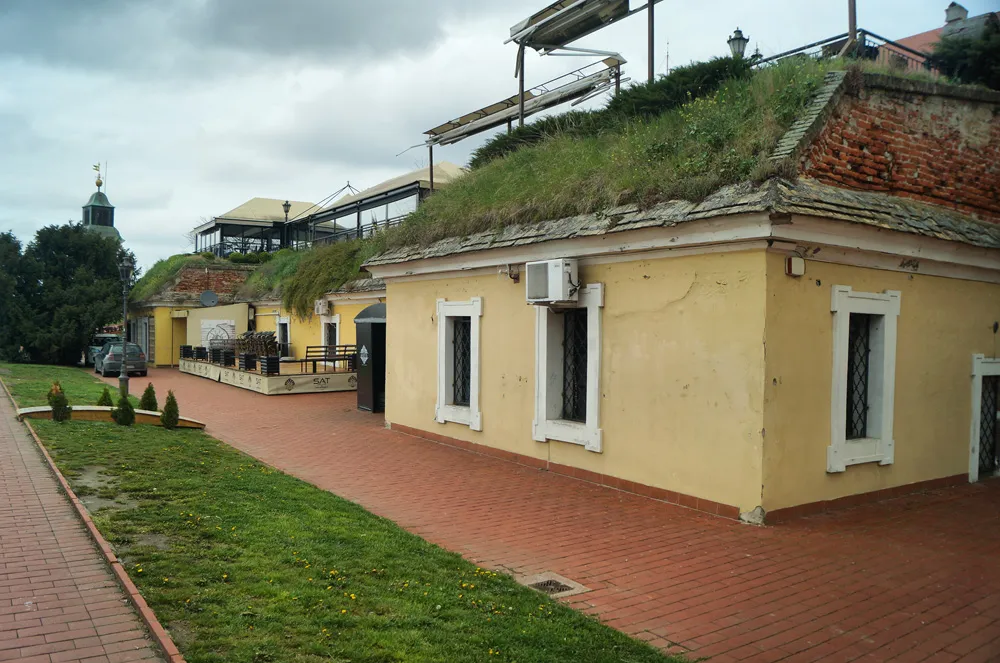
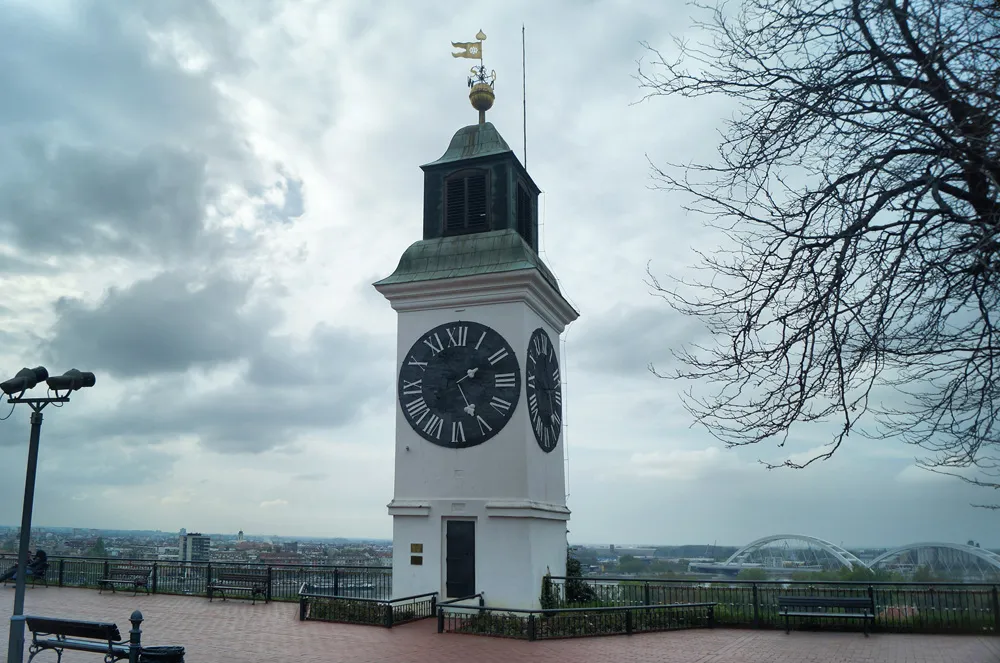
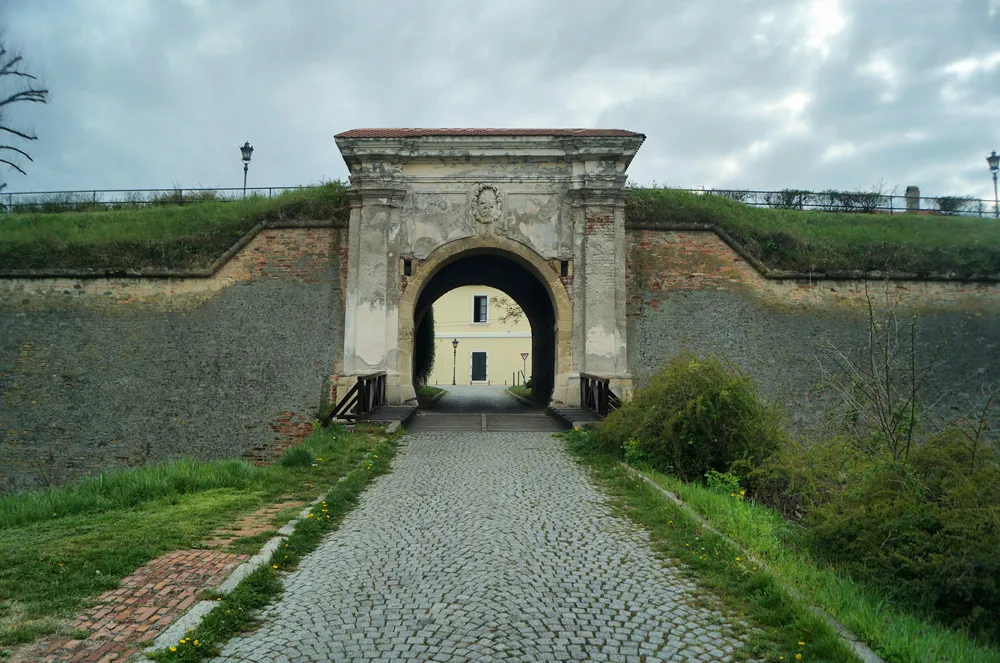
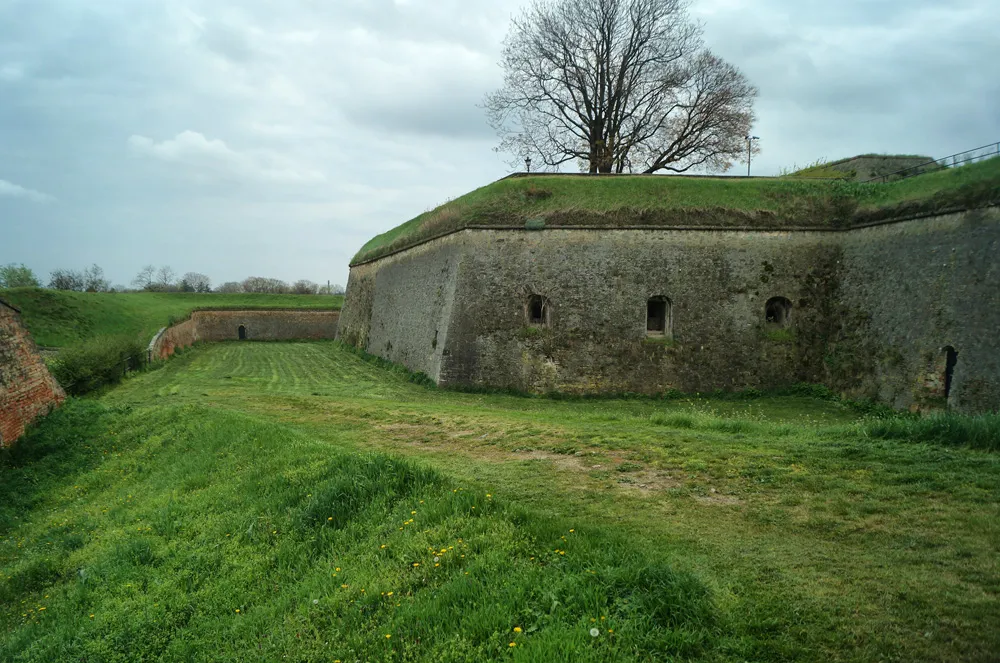
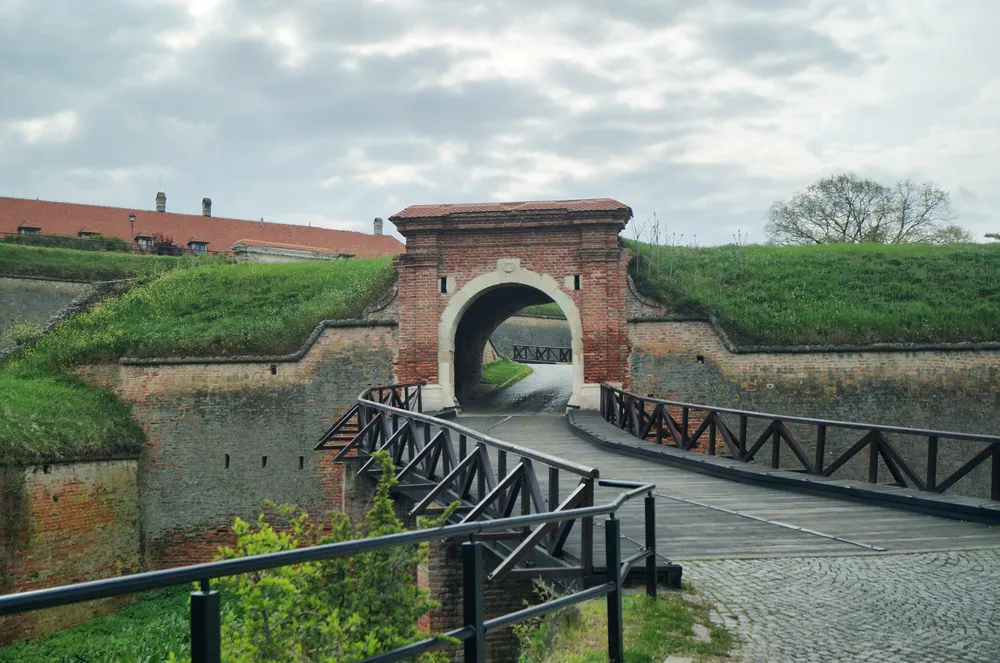
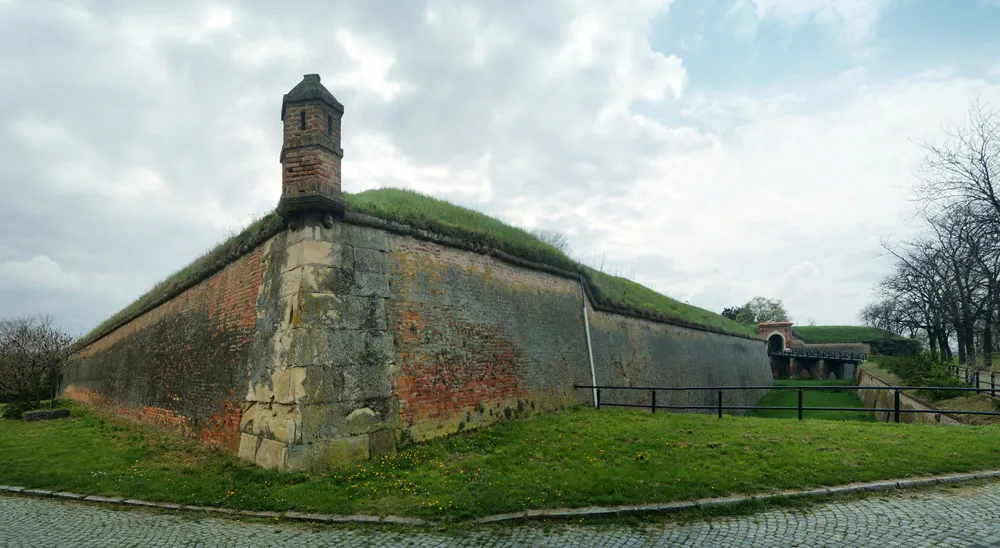
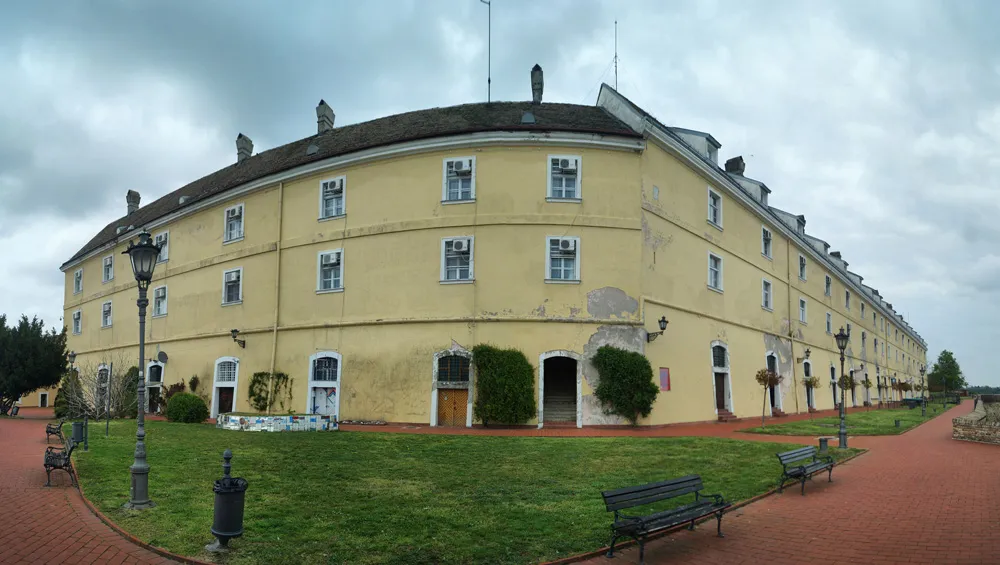
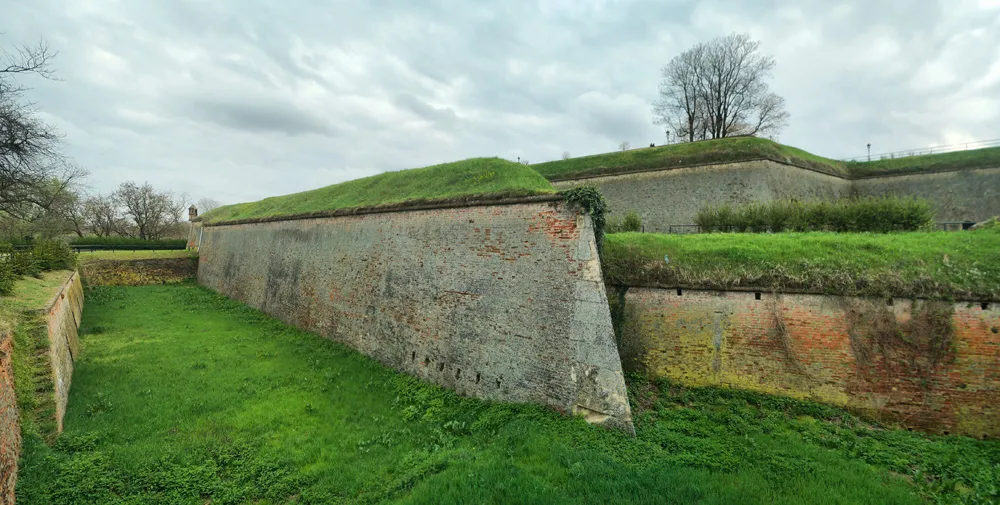
The Petrovaradin Fortress is one of the most grandiose fortresses I have seen. I am not sure that any other bastion-type stronghold in Europe has survived so well – I know there were plenty of them, and even our Kyiv (New Pechersk) Fortress was larger, but almost all of them are now destroyed, excavated or built over, while Petrovaradin has survived completely. You can wander for a whole day among these bastions, through labyrinths of passages. Some caponiers, ramparts, moats and posterns are so wide that cars drive through them, and there are even traffic lights. And right at the top of the fortress, in the barracks and officers’ buildings, there are museums, restaurants, cafés and souvenir shops. An incredible fortress.
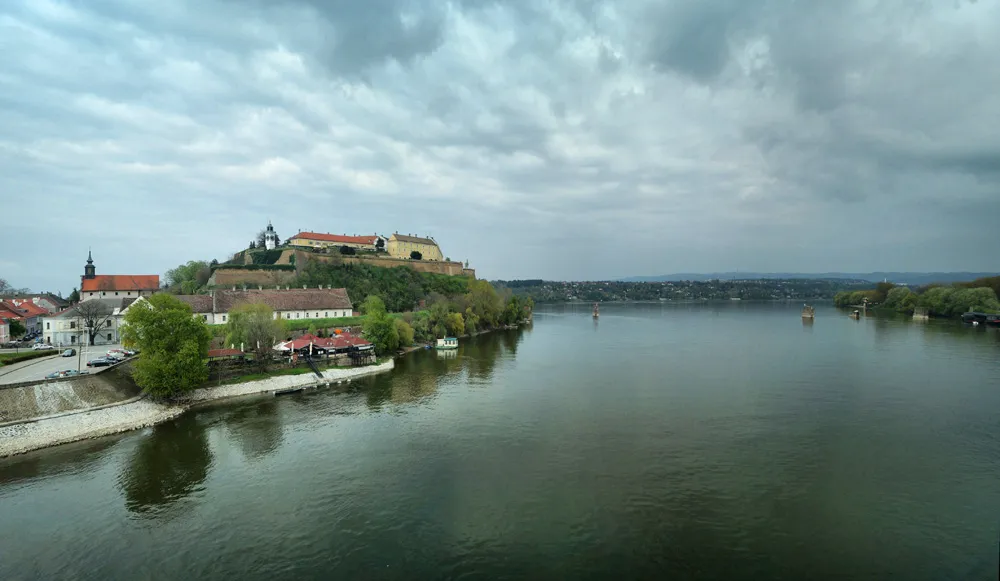
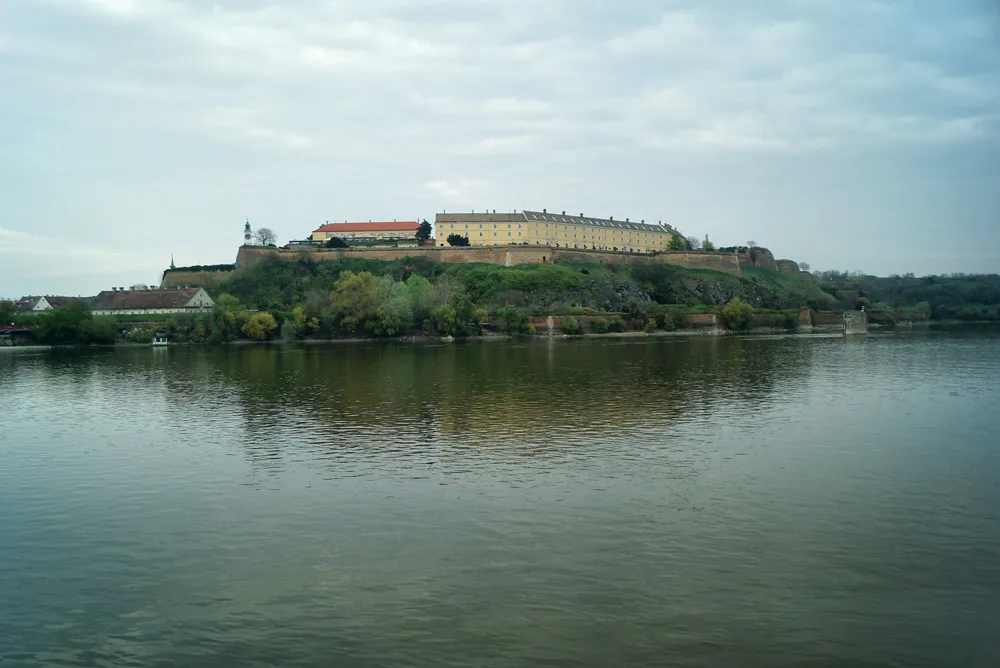
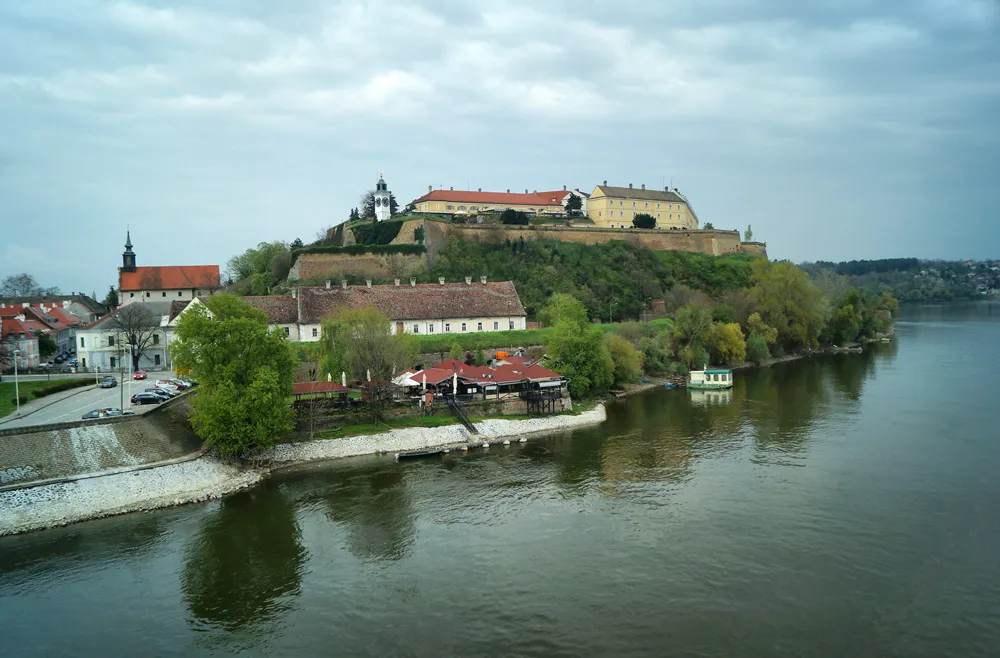
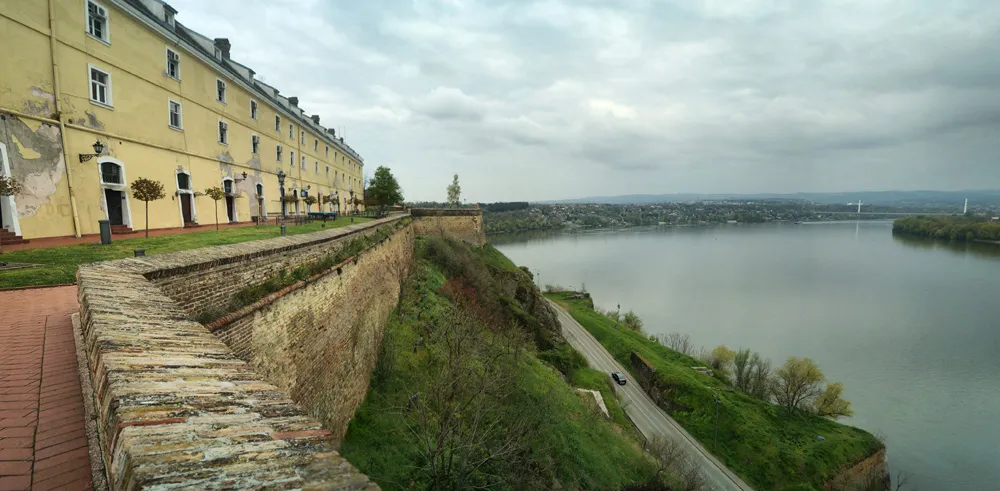
The best view of the Petrovaradin Fortress opens from the other side of the Danube, from the embankment in Novi Sad. From there you can clearly see how the walls and bastions rise in terraces from the very edge of the water, and above them, like an irregular stepped pyramid, rise much older buildings under tiled roofs. This fortress was once so powerful that it was called the Gibraltar on the Danube, and a huge Turkish army could not take it, even unfinished.
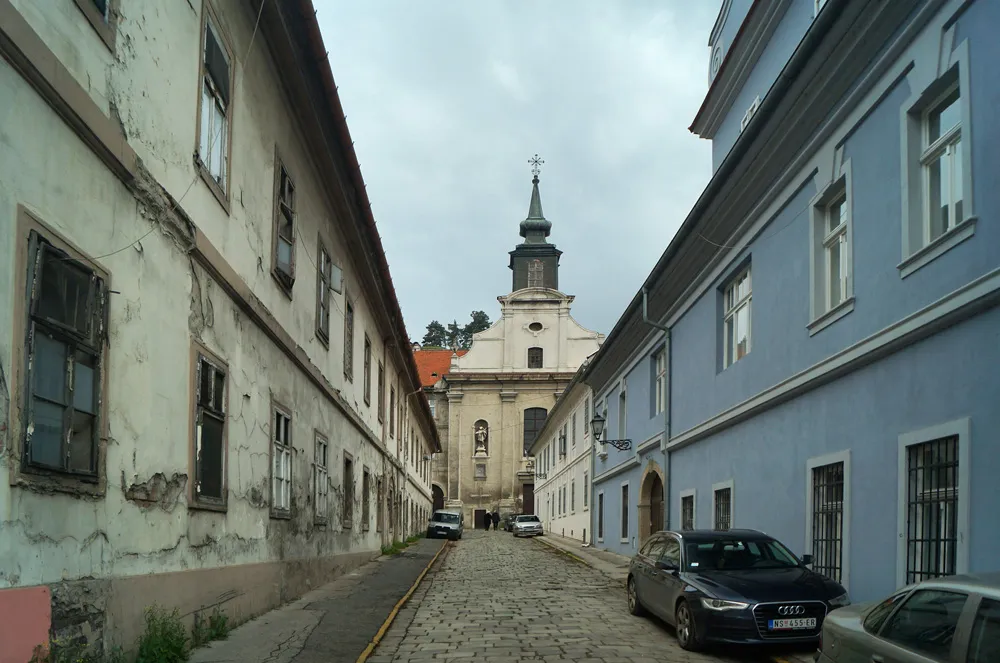
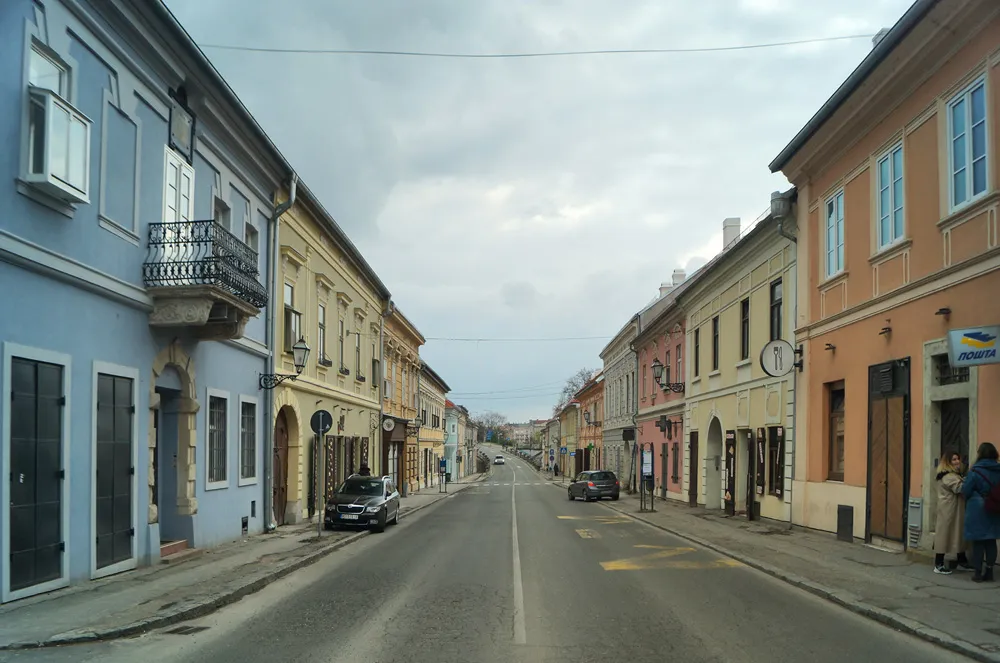
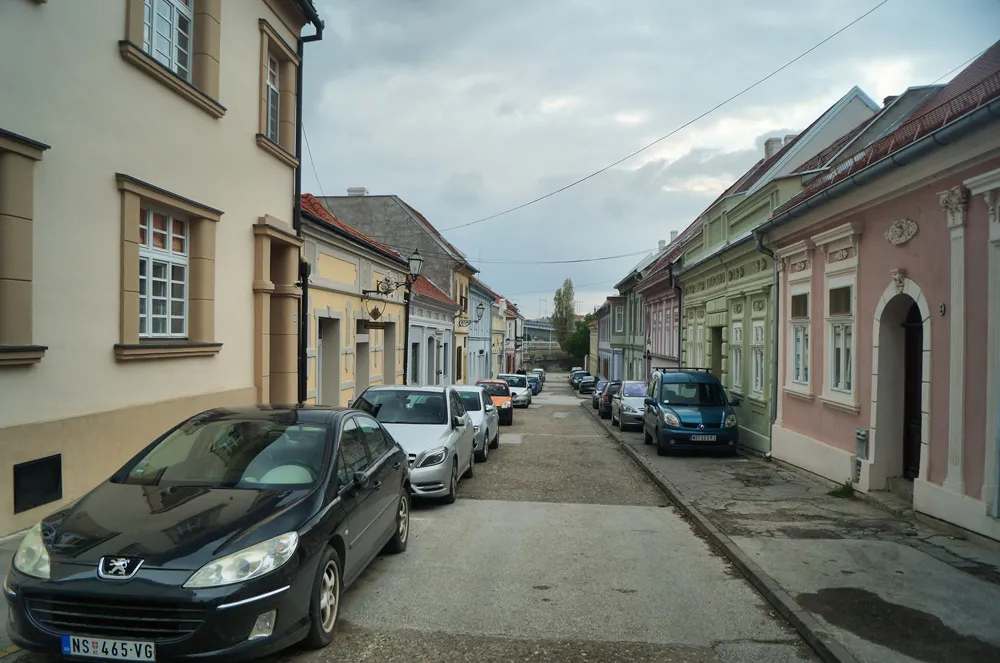
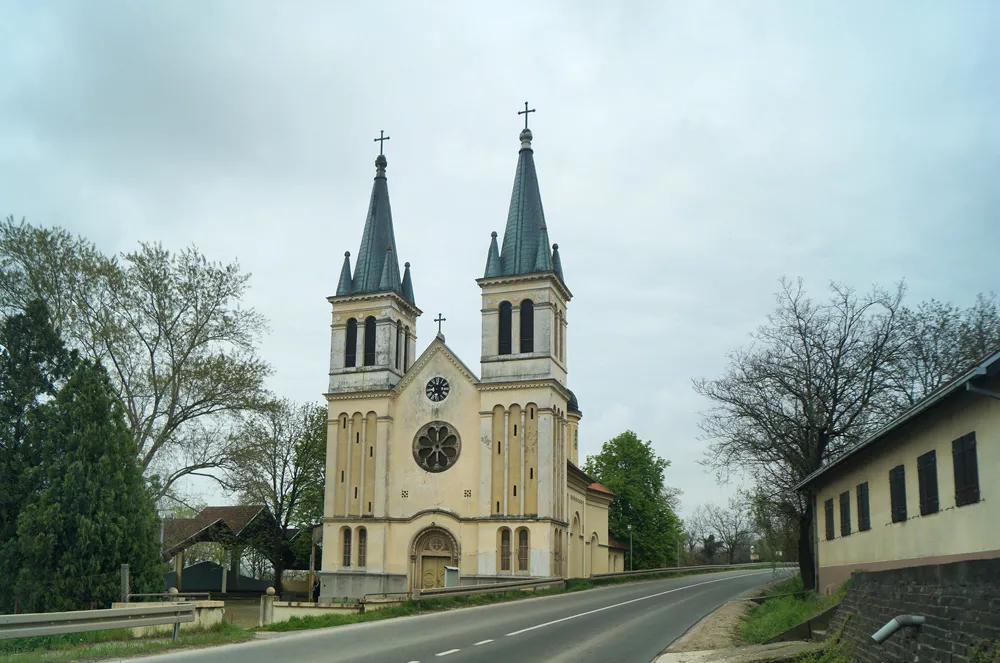
Below the fortress lies the small, pretty and very cosy town of Petrovaradin. The Austro-Hungarian buildings of the 18th century have survived here beautifully, and there are several churches and monasteries. The whole town is surrounded by the fortress walls and bastions. It reminded me somewhat of the small towns of Transylvania.
A fortified settlement on the site of the present fortress was first built by the Celts, who for a long time held Srem (Syrmia), the territory between the Danube and the Sava. Later the Romans were quartered here and strengthened the fortifications, and later still the Byzantines, who called the town Petrikon. The Byzantines were succeeded by the Bulgarians, and Petrikon became Petrik, and the Hungarians, the next rulers of the region, renamed Petrik as Péterváradja (vár means “fortress, town”).
In 1526 Petrovaradin was seized by the Ottoman Empire, which held it until 1683, when they were driven out of the town by the Habsburg armies.
In 1692 the foundation of the new Petrovaradin Fortress was laid. Construction began three years later. The stronghold was built by Serbian builders under the direction of the eminent French military engineer Sébastien de Vauban. He was considered an innovator in military fortification even at the end of the 19th century, and he built a great number of fortifications and fortresses in Europe. The Petrovaradin citadel became one of his finest creations.
In 1716 a great battle took place beneath the walls of the Petrovaradin Fortress – Prince Eugene of Savoy, at the head of the imperial Habsburg army, defeated an enormous army of the Ottoman Empire. After that the Ottomans made no more serious attempts to take Petrovaradin back from the Austro-Hungarians.
Text and photos by Roman Malenkov