Slavna

· 2 min read
In the Zboriv region there is a small village with the wonderful name Slavna (“glorious”). And how could one not drop in, with a name like that?
The village is mentioned in documents from 1765. And if one believes the legend about the village’s name, it is more than 100 years older. According to legend, after the Battle of Zboriv in 1649 some of the Cossacks stayed on Zboriv land, married girls from neighbouring Zastavie and settled with their families on a hill, which was named Slavna in honour of the Zboriv victory. Later the village was called that too.
In any case, this at least can explain the discrepancies in dating the church in Slavna. According to some sources it was built in 1680, according to others in 1790. And there is also a third date, 1710, and it is to this date that the local community inclined, celebrating the 300th anniversary of the church in Slavna in 2010.
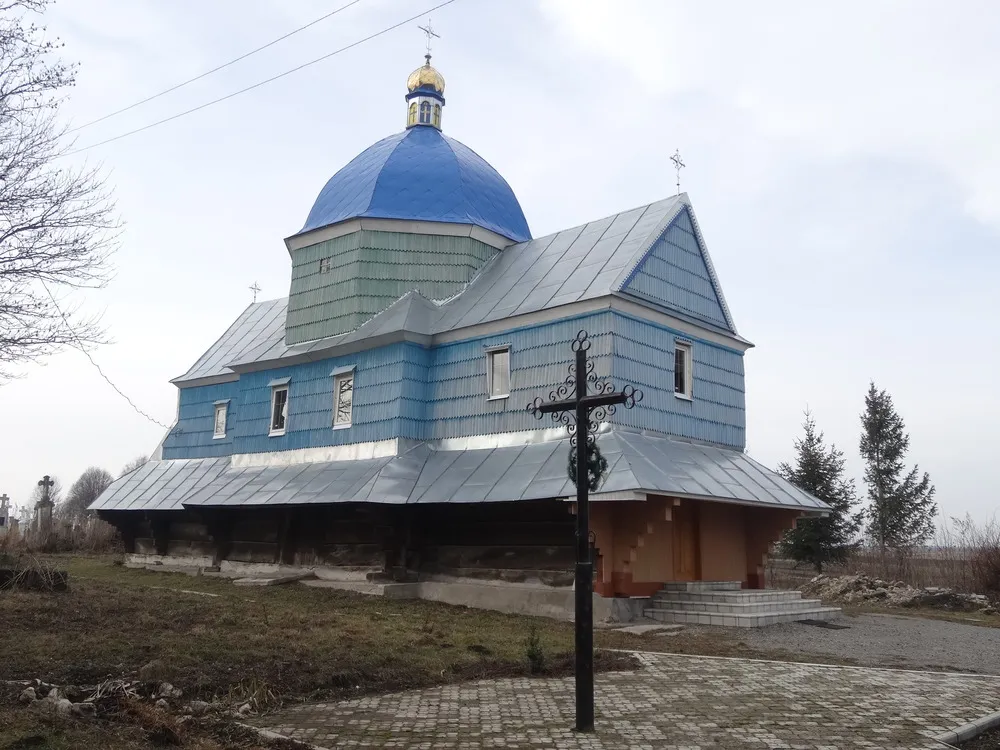
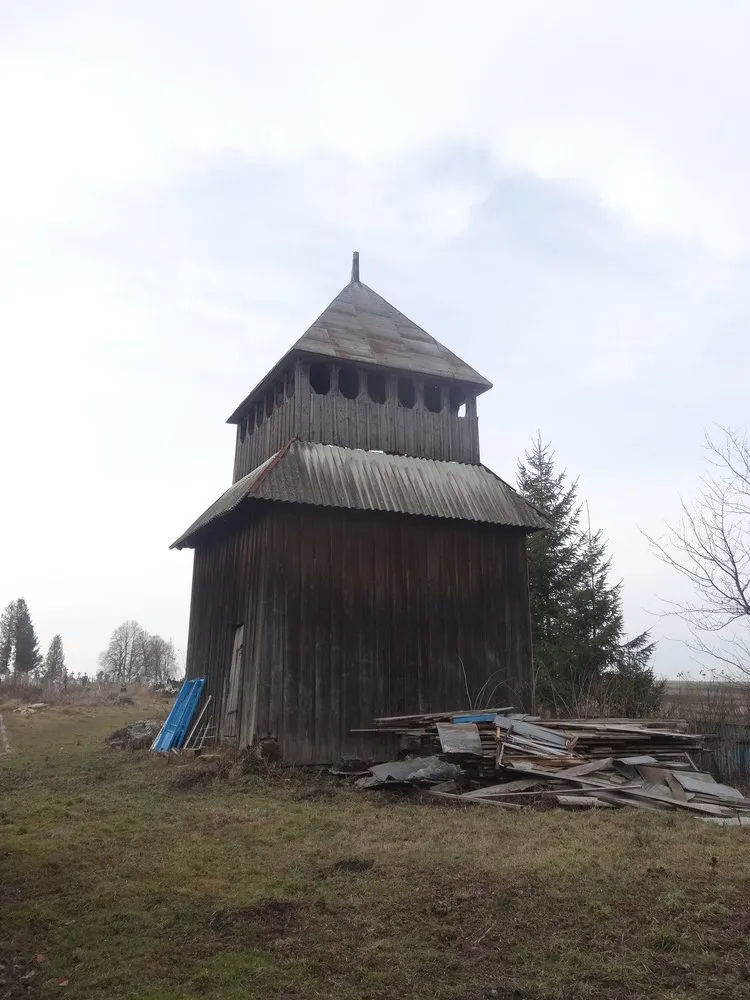
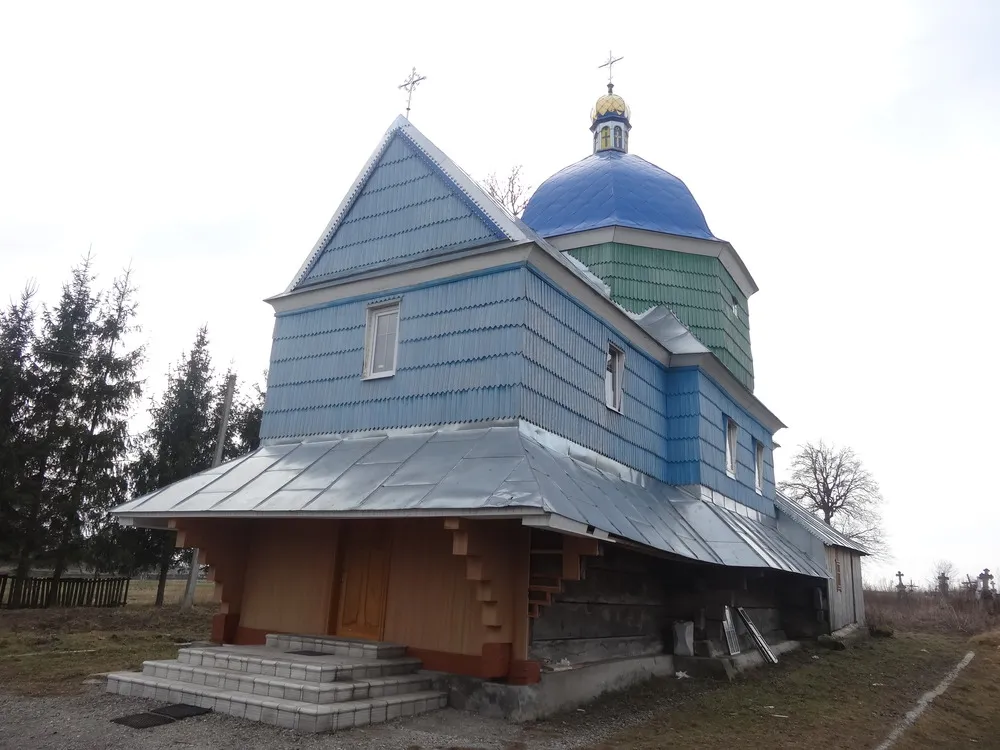
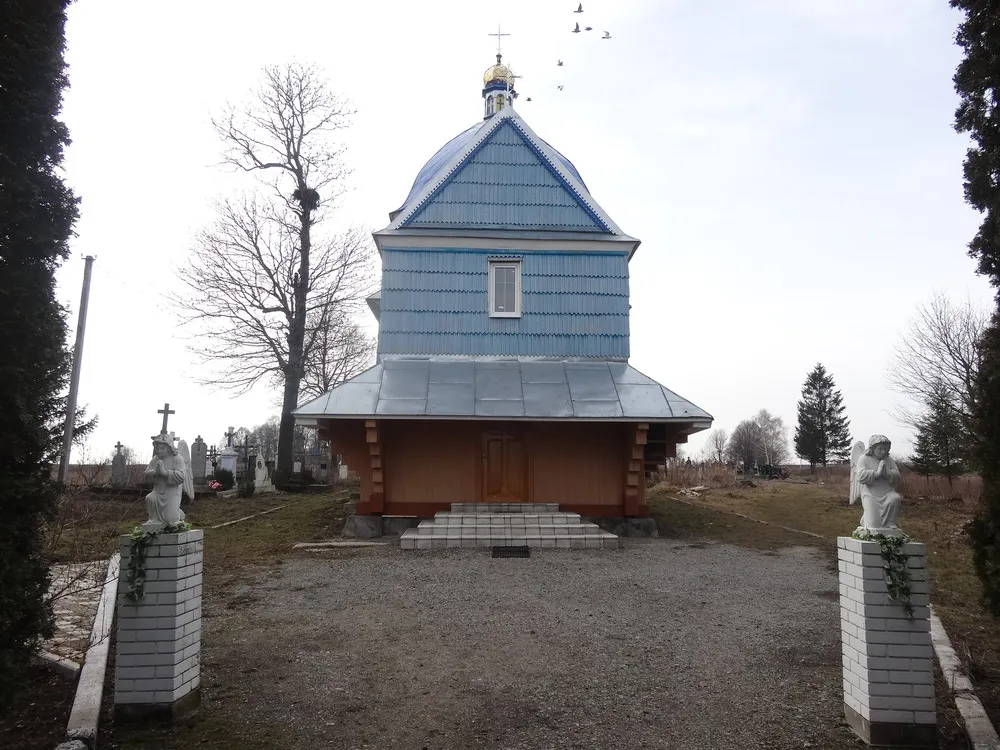
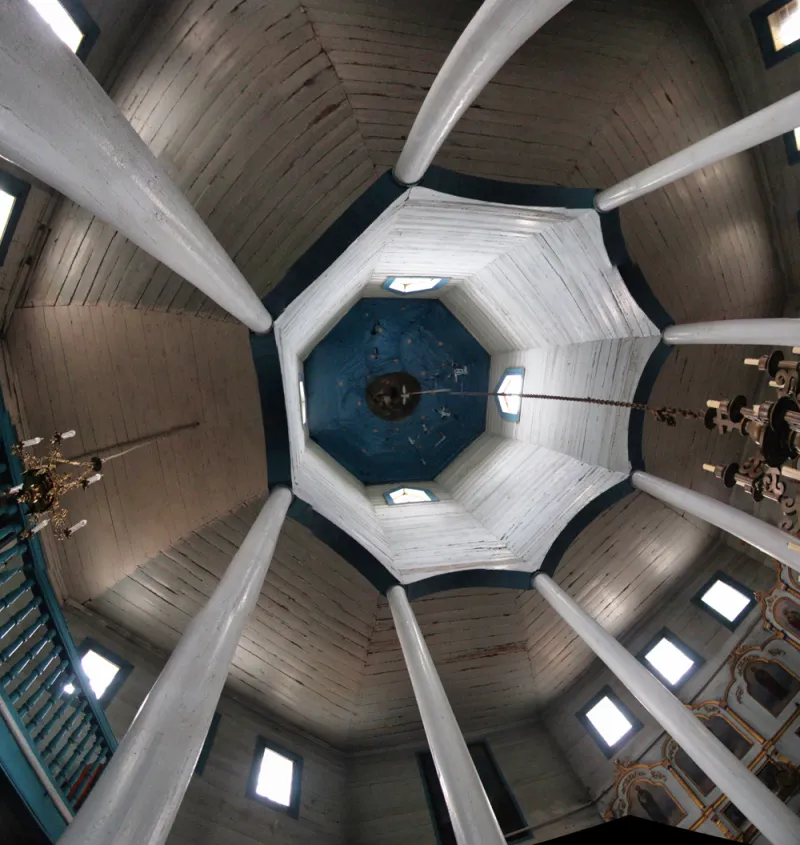
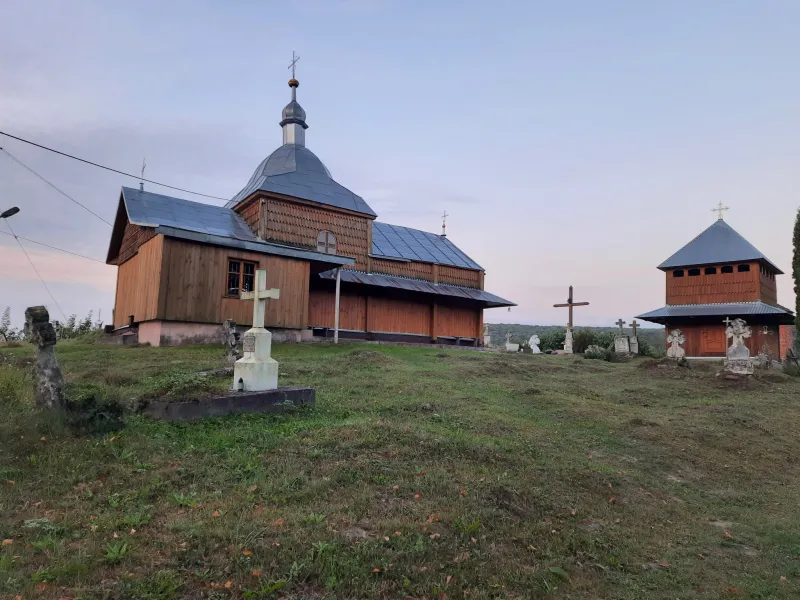
And the Church of the Intercession of the Most Holy Mother of God there is truly wonderful, though few know of it. And there is little information about it to be found anywhere. The church has three log sections and a single dome; the roof and the surrounding gallery are covered with sheet metal. That the walls above the gallery are covered with shingles is already a plus. And the log structure appears in its original beauty. It stands next to the cemetery. Next to the church are two bell towers, one old two-tiered wooden, the other modern brick.
It is said that the church had a miracle-working icon of the Most Holy Mother of God from the 17th century, which was taken in Soviet times to the museum in Pochaiv.
The church belonged to the UGCC until 1946 and has belonged to it again since 1991; between those years, in the Soviet period, it belonged to the ROC.
I learned only later that part of the manor of a landowner named Bondar still survives in the village, so I did not see it. But I heard that lion mascarons still exist on the estate, though only on one side, the others have already been knocked off, as has the coat of arms.
Text and photos by Ihor Dorozhok.