Krekhiv. The monastery, the church and the unfinished Catholic church
Krekhiv is a most interesting village in the Lviv region, not far from Zhovkva. It has a wonderful wooden Church of St. Paraskeva, built as early as the beginning of the 18th century, and an unfinished Polish Catholic church, but the real star is considered to be the fortified Basilian monastery, which is now in excellent condition and is quite a popular place to visit.
It is only 35 kilometres from Lviv to Krekhiv. The village was founded in 1434. It cannot be called large — about 800 people live there.
The monastery
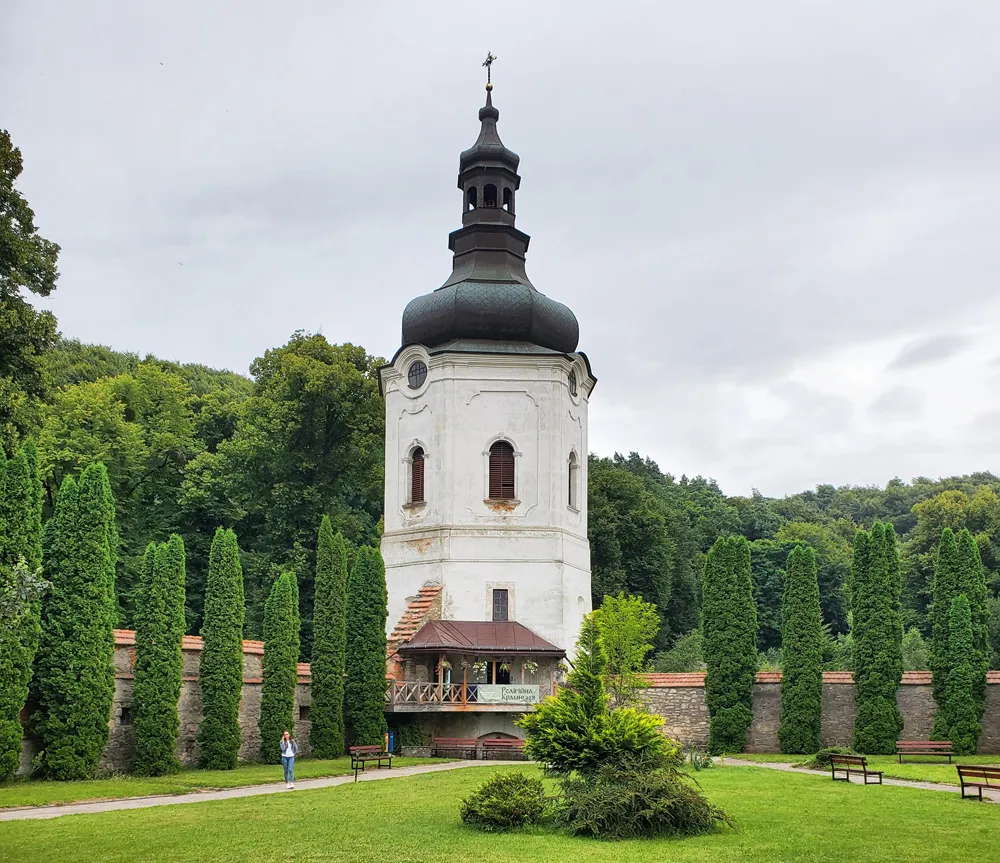
The Krekhiv Monastery, like most famous monasteries of Ukraine, and not only of Ukraine (recall the Polish lavra in Supraśl), was founded by monks of the Kyiv Pechersk Lavra. This time they were Ioil and Sylvestr, who in the 1590s hollowed out a cave near Krekhiv and settled in it. As always in such cases, a crowd of other monks and novices joined the hermits, and the cave monastery became known throughout the land. The owner of the local lands, Stanisław Żółkiewski (the same man who founded Zhovkva), also learned of it. He did not drive the Orthodox monks away, but on the contrary decided to help them develop the cloister, which was officially founded in 1612. Żółkiewski financed the construction of as many as three churches: of Saints Peter and Paul, of the Transfiguration and of the Trinity. A bell tower and monastic cells were also built.
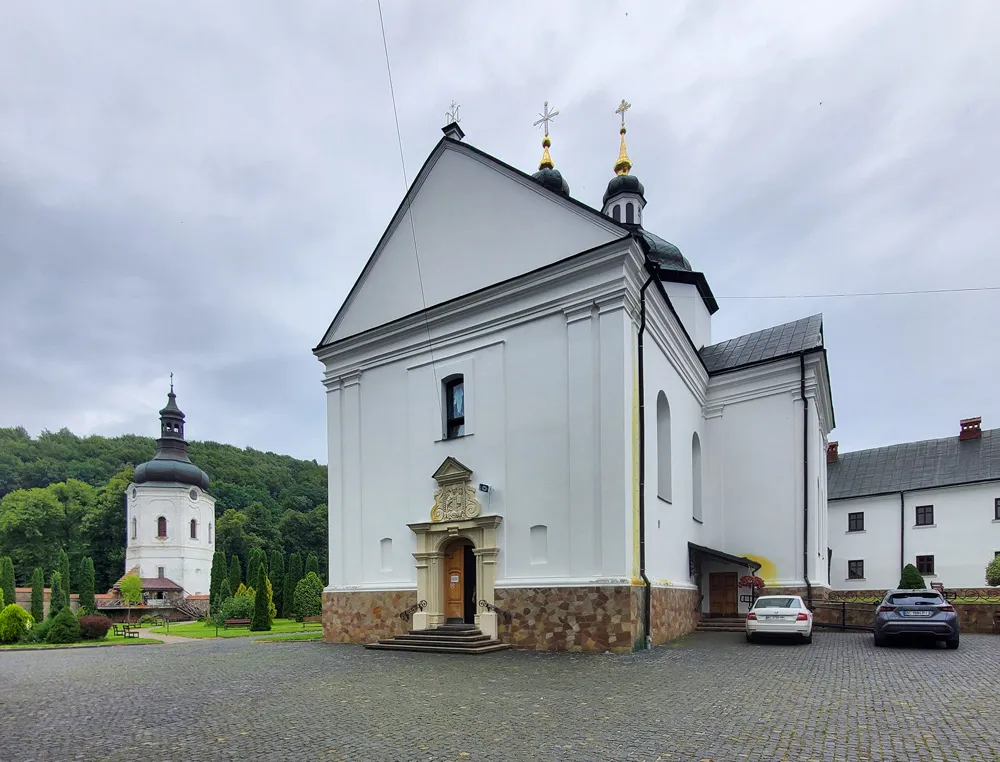
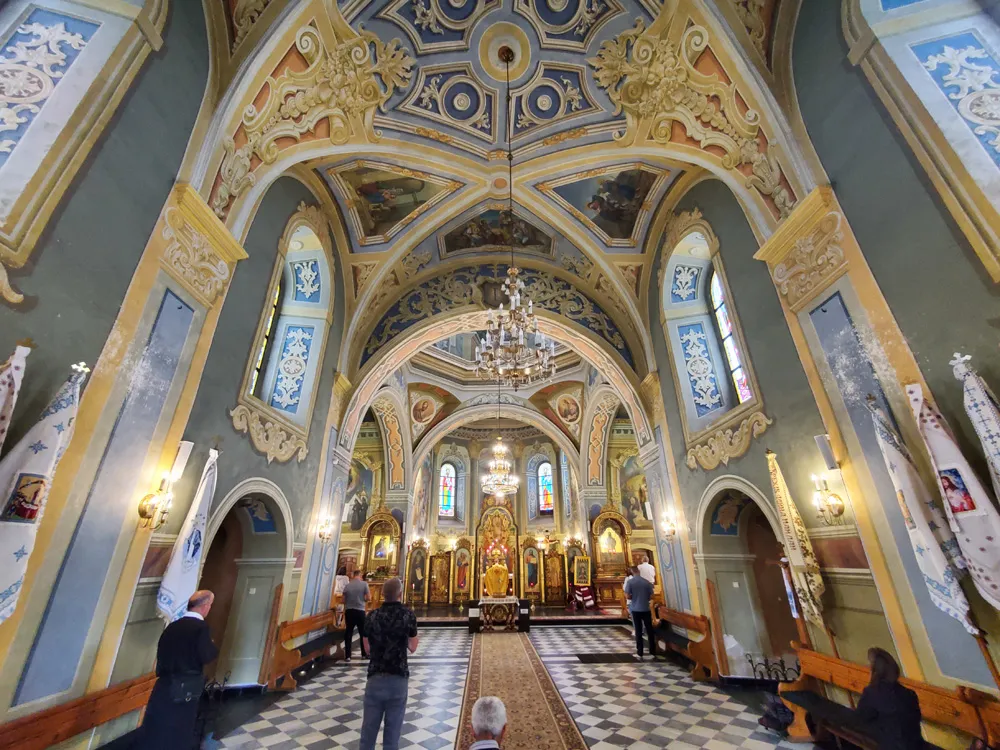
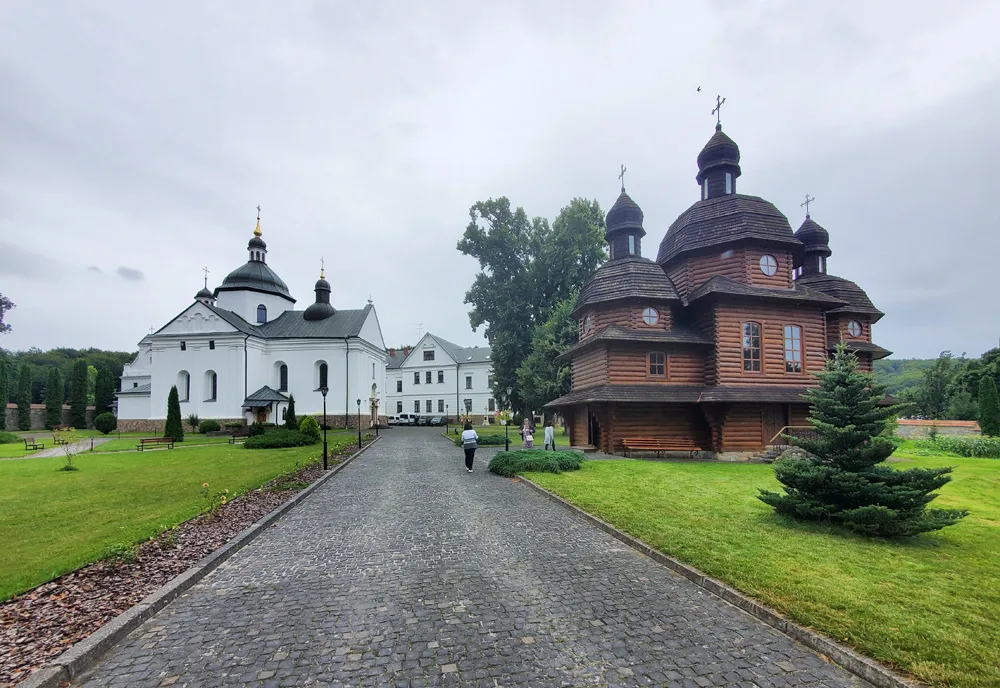
The Lviv Orthodox Krasovsky family donated to the monastery an icon of the Mother of God that was considered miraculous — believers and pilgrims flocked to the cloister from all around.
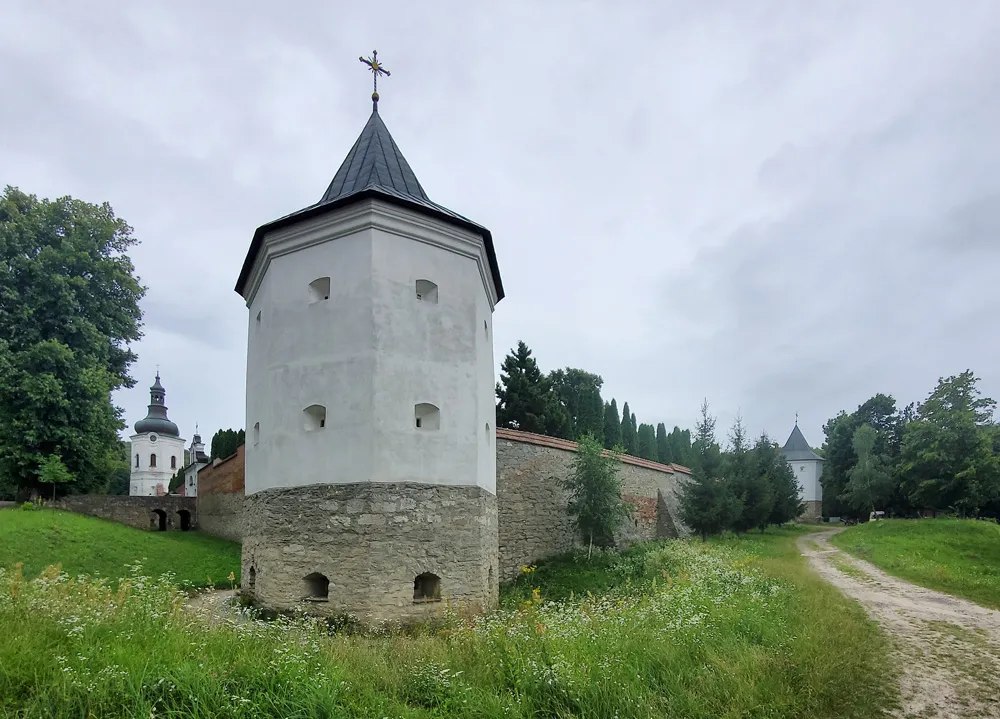
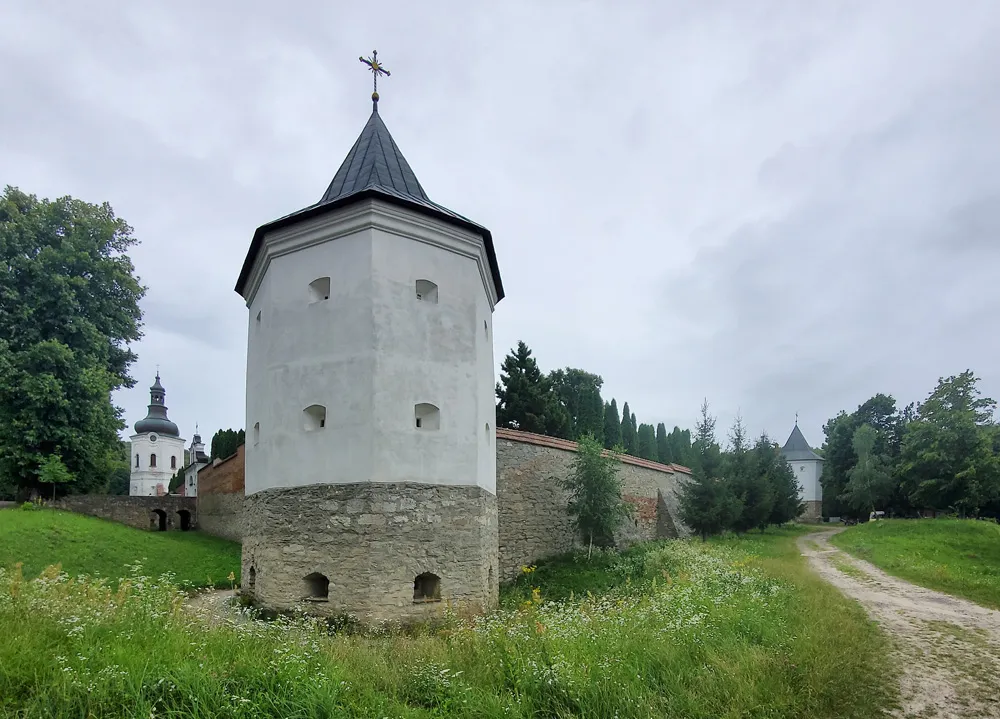
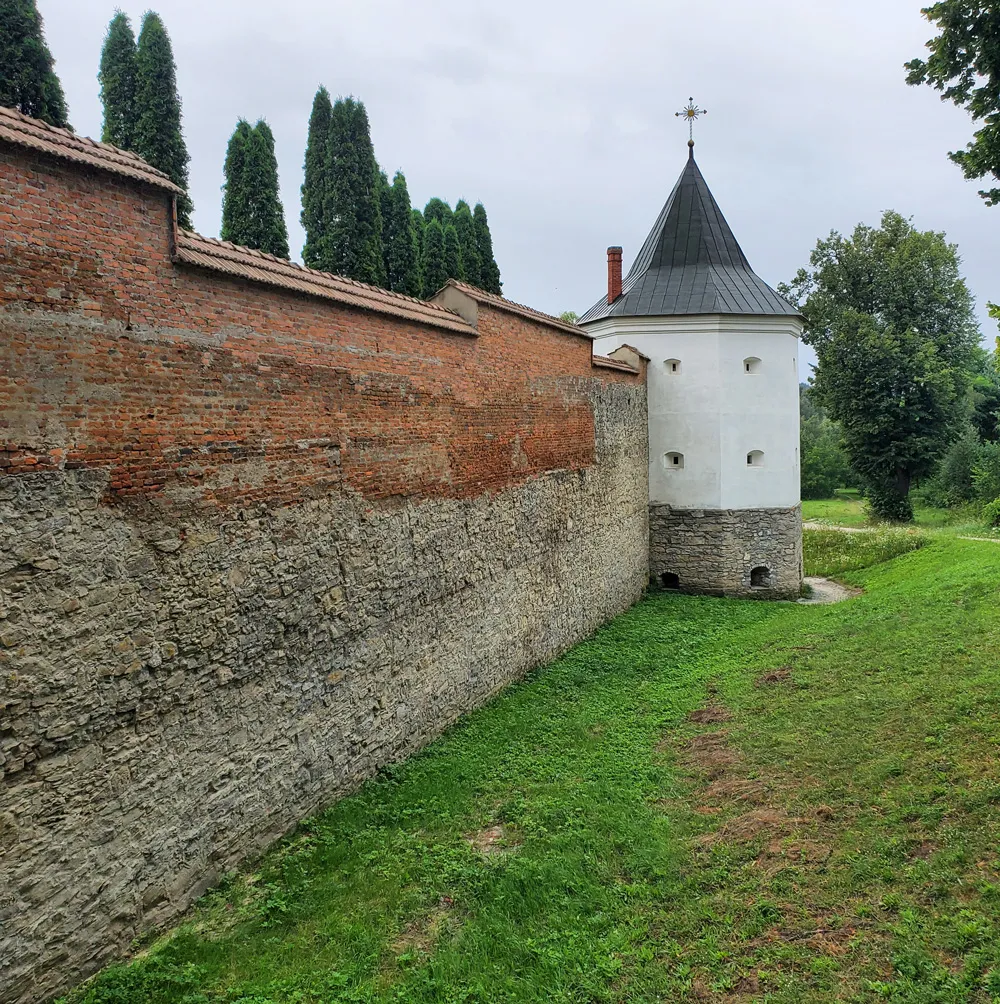
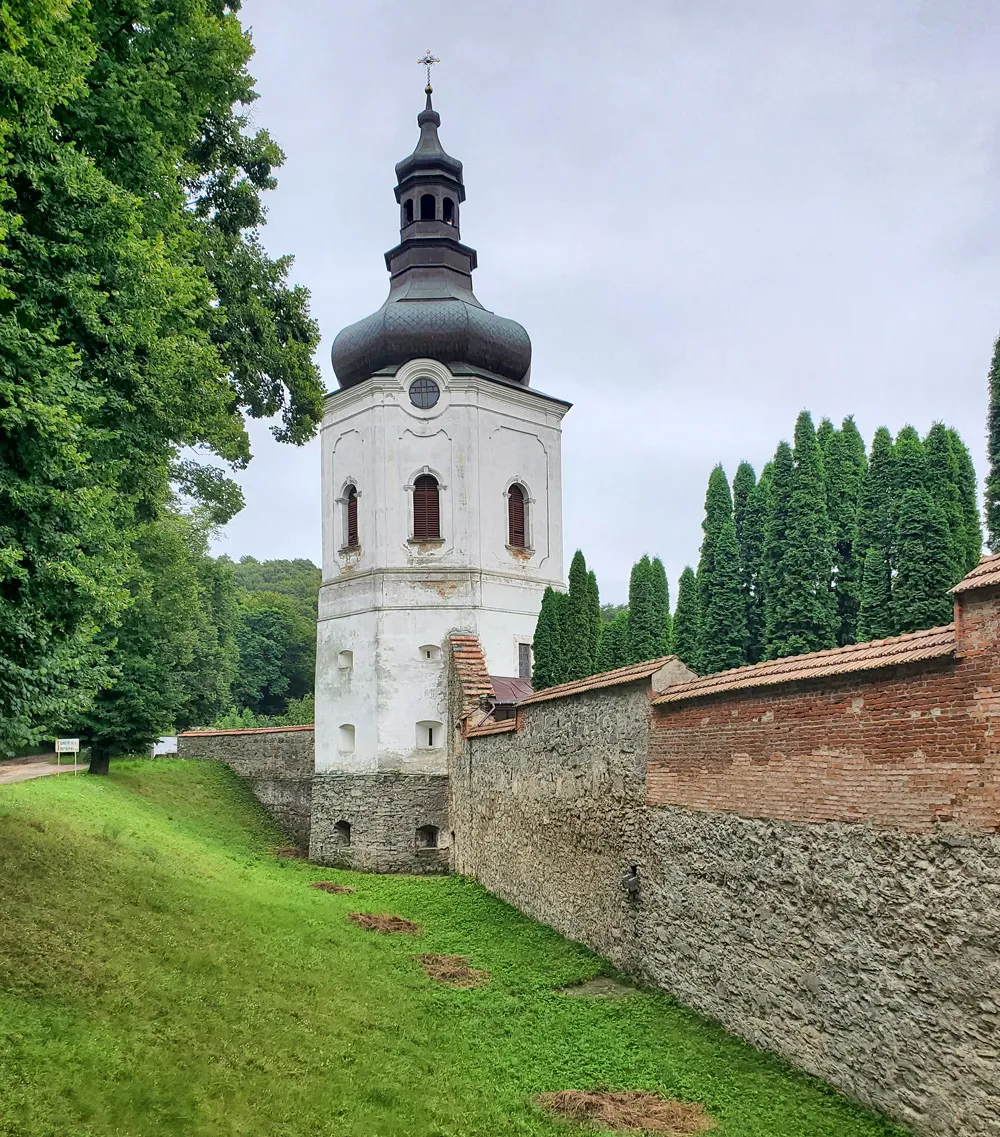
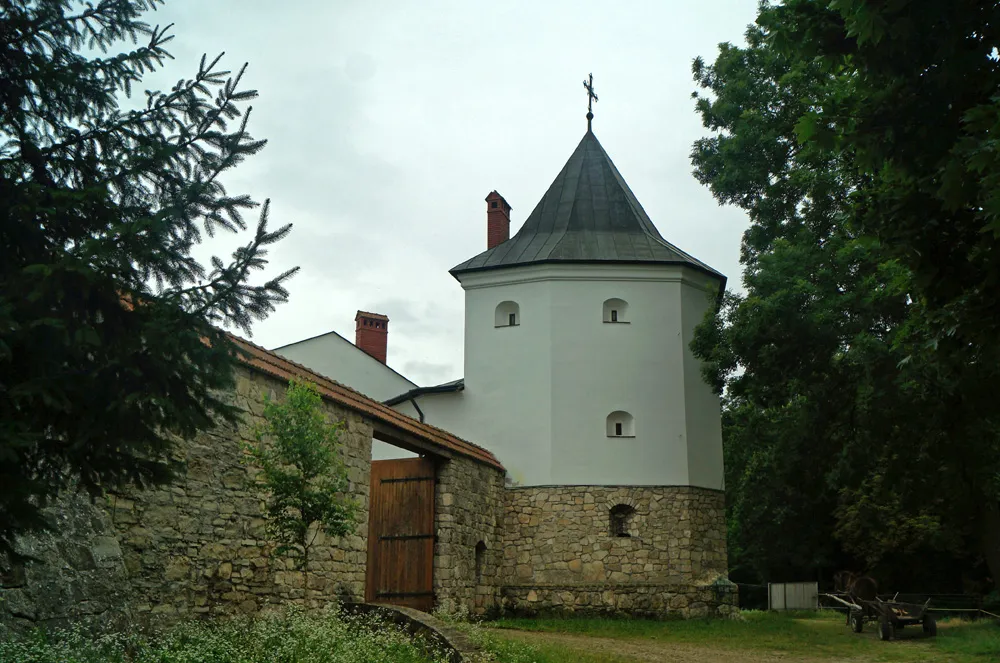
Probably all the original buildings of the monastery were wooden. In the 1660s, on the initiative of King Michał Korybut Wiśniowiecki, it was surrounded by a high fortress wall with four towers. And beyond the wall a moat was dug. The wall with its towers has survived to our day, so the monastery still resembles the mighty fortress it was in the 17th–18th centuries. More than once the inhabitants of the region sheltered behind its walls from the Tatars. During one of the Tatar attacks (1672) Ivan Mazepa took part in the defence of the monastery. And in 1698 the monastery was the venue of a meeting between King Augustus II and Peter I — there they signed an agreement on joint action in the war against the Swedes.
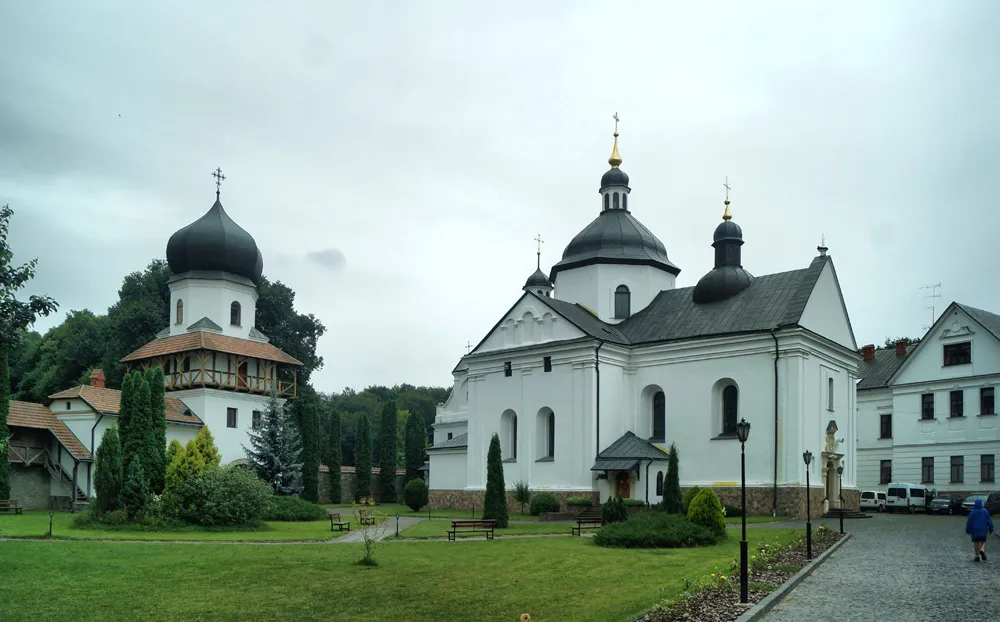
In 1721 the monastery became Greek Catholic — that was when its rebuilding in stone began. That was when the masonry St. Nicholas Church appeared, now re-consecrated as the Church of the Transfiguration. Its construction was completed by 1751.
In the 18th century the Krekhiv Monastery became one of the best known in Galicia. Here is how the outstanding traveller Vasyl Hryhorovych-Barsky (brother of the architect) wrote about it:
…From there we went to the monastery called Krekhiv, and arrived there for vespers. We were in the church and saw how everything was done in good order and beautifully. After that the hegumen and the brethren called us to the refectory, and there too we saw their virtue and were honourably received by humble, deferential, most good-natured monks. In the middle of the monastery there are four churches, and a fifth outside in the forest; they built first of all the one in honour of the Transfiguration of the Lord. Here the hegumen serves for only one year and is equal to the brethren in authority, only considered more worthy in name and dignity; in a word, a cloister praiseworthy in everything…
We will not retell the whole history of the monastery, since we have already mentioned it on our pages, and its history is described in detail on Wikipedia. We strongly recommend visiting this incredible place.
Church of St. Paraskeva
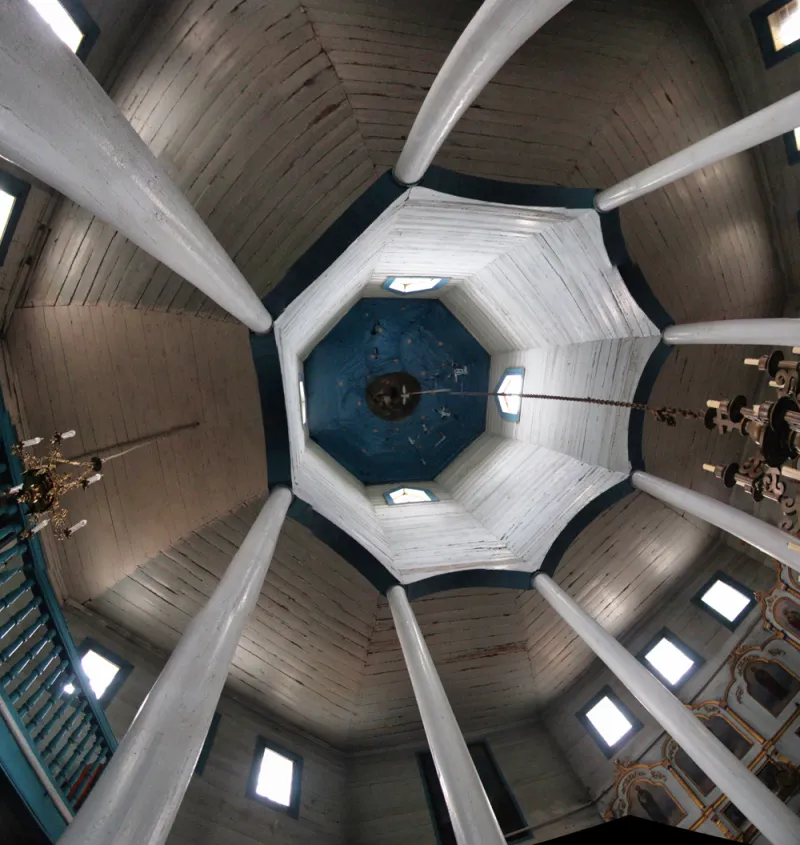
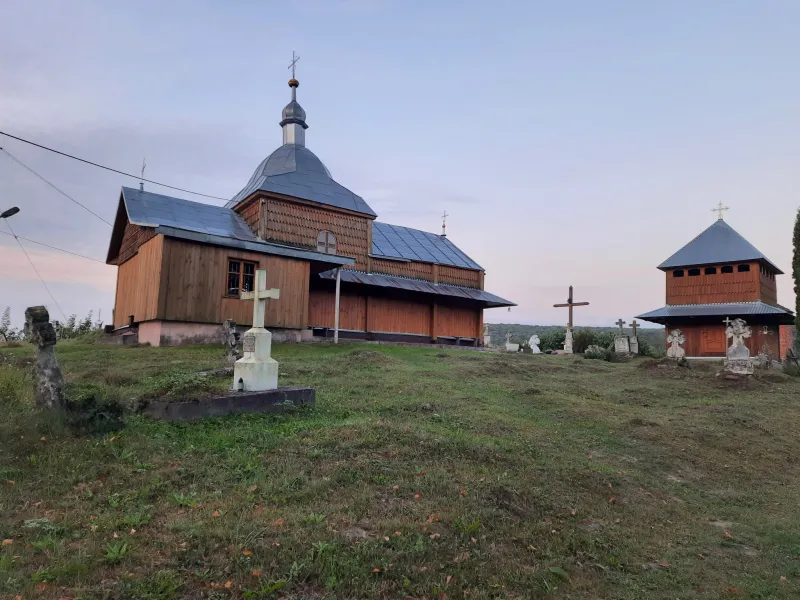
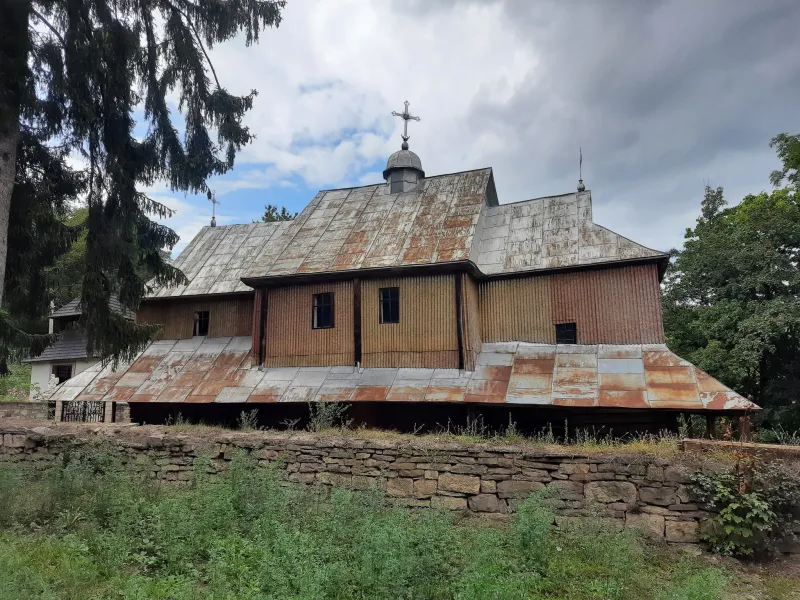
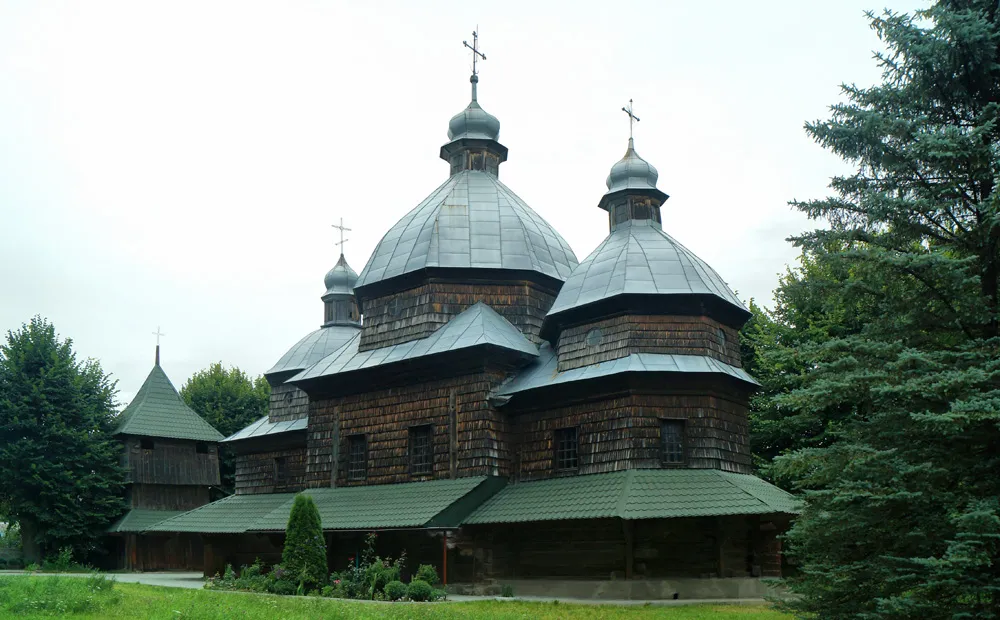
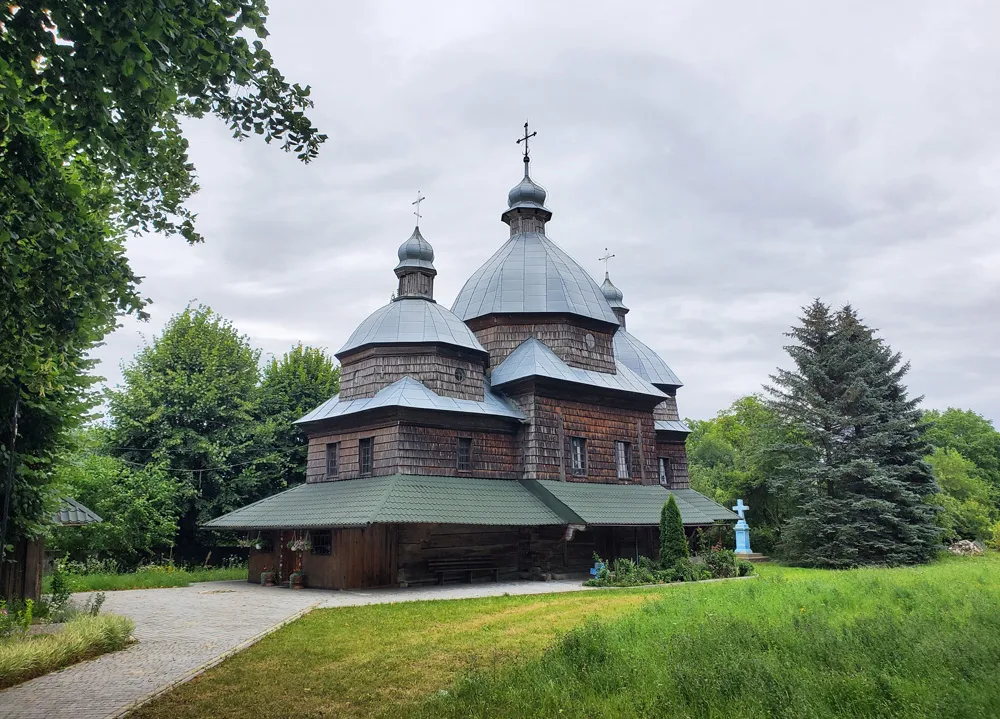
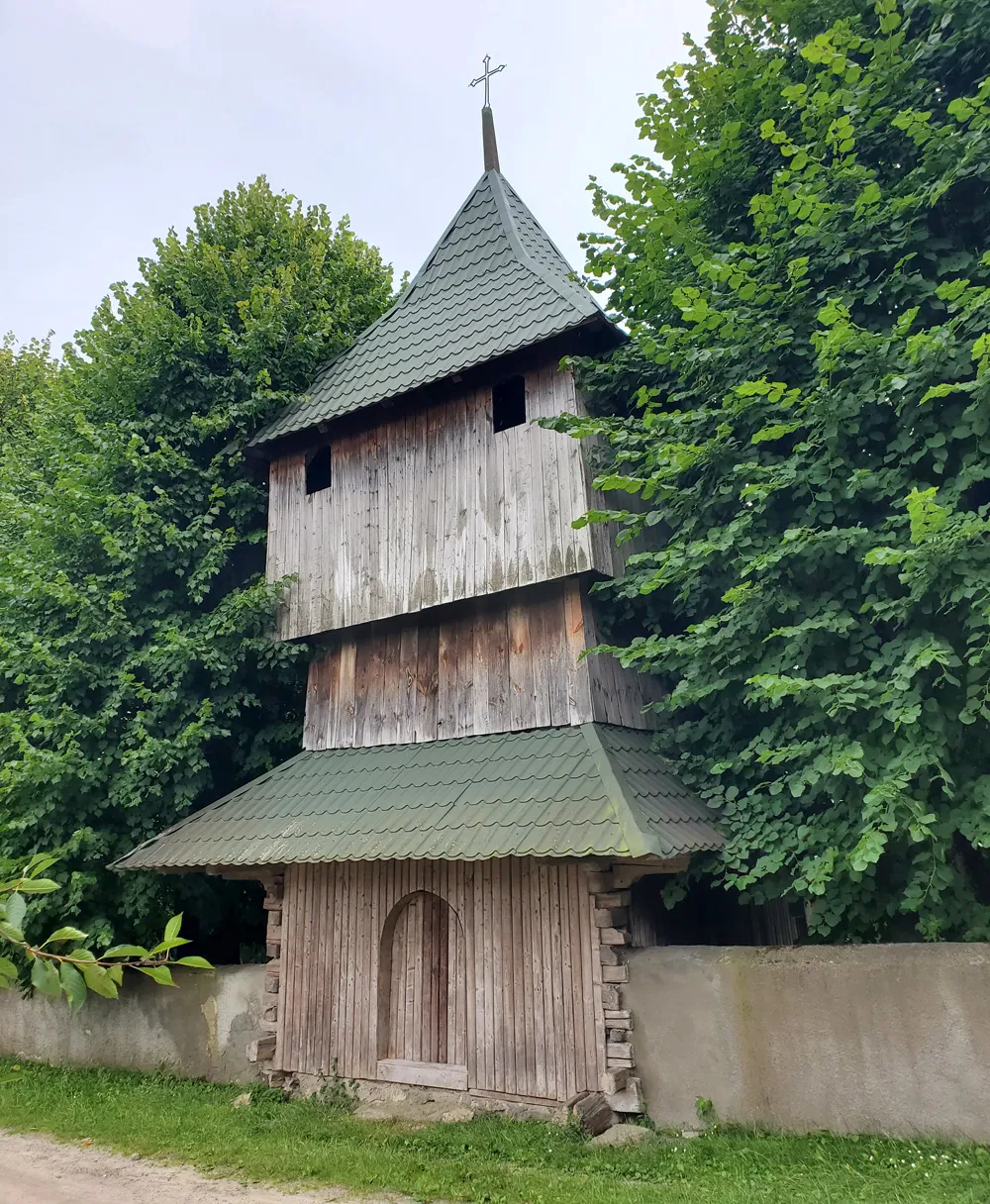
This wooden church was built in the second half of the 17th century. It is known that in 1724 the master Ivan Khomiuk repaired it, which is probably why its construction is sometimes mistakenly dated to that very year. A three-tiered wooden bell tower stands in line with the church.
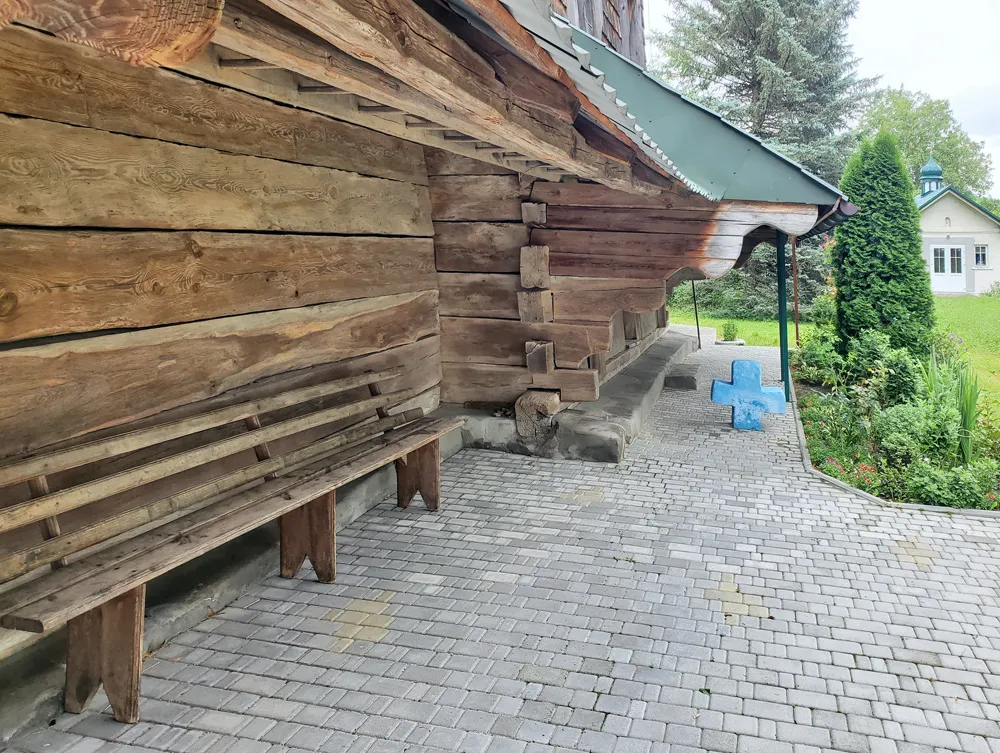
The Paraskeva church belongs to the wooden churches of the Galician type. The Trinity Church in Zhovkva can be taken as an example of this type. Unfortunately, the Krekhiv church has lost its shingle roofing and is covered with sheet metal, but in other respects it has survived wonderfully. It is of three log-built sections and measures 20.8 x 12.9 m. The church has preserved an iconostasis from the late 18th century, some of whose icons were painted by the well-known artist Ivan Rutkovych. You can see the church’s icons in photographs by Roman Brechko, in another post on our website.
The Catholic church
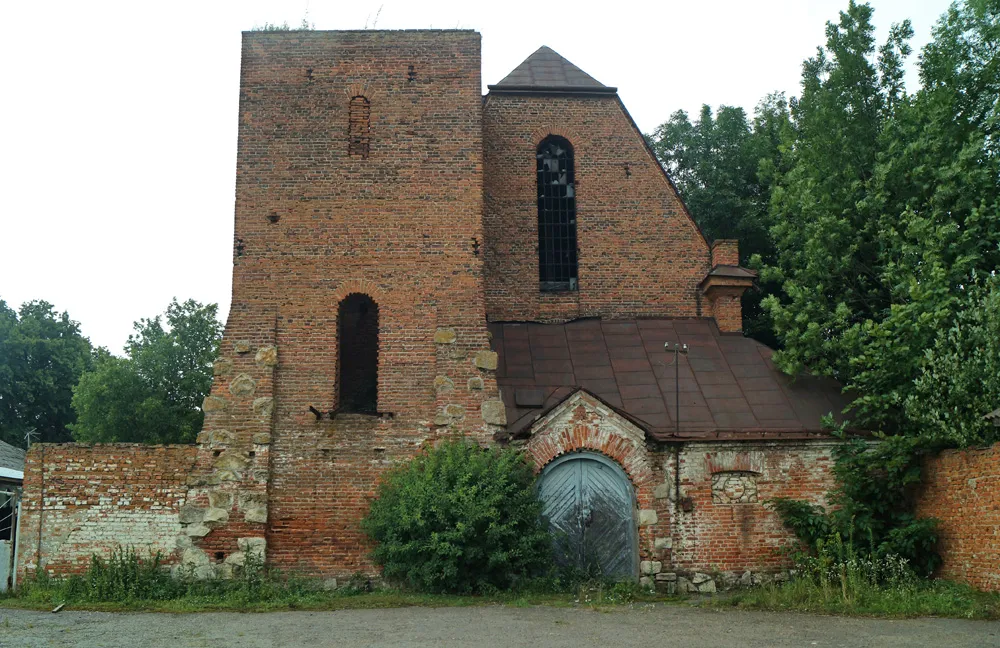
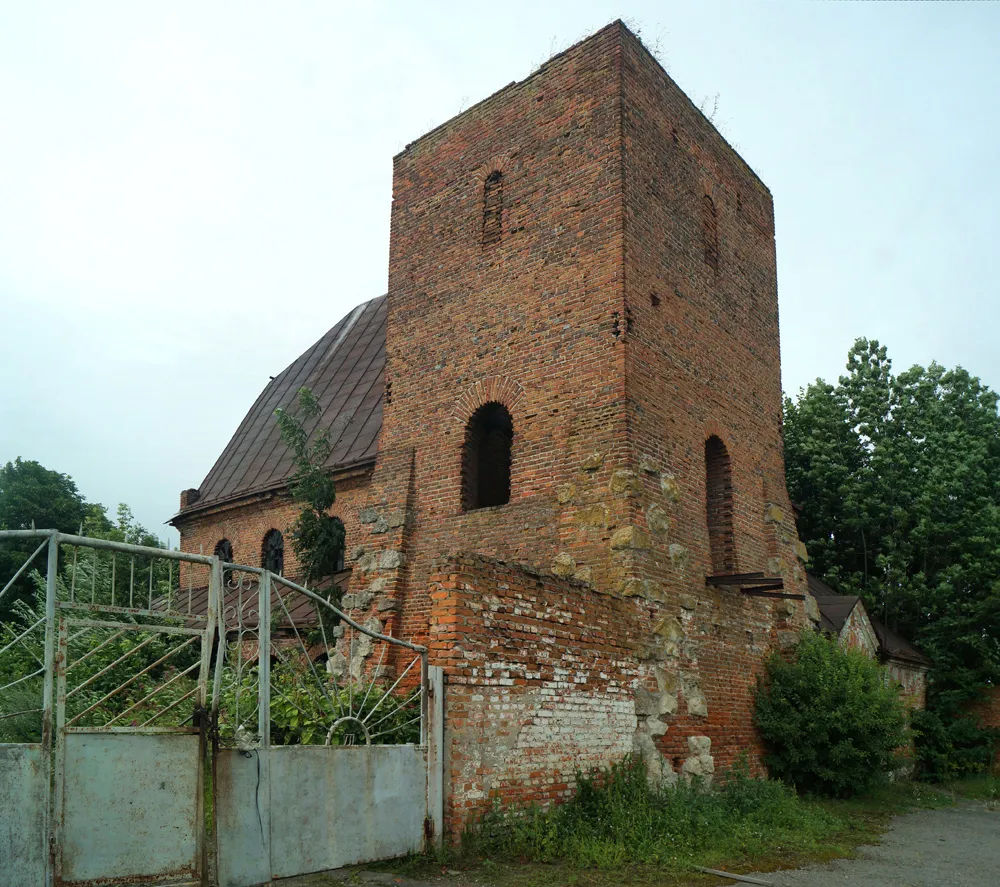
Roman Catholics have lived in Krekhiv since long ago. Having no church of their own, they went to Zhovkva and were assigned to the parish there. In the 20th century the Stanek family of wealthy landowners, who had considerable holdings in Krekhiv, allocated funds for the construction of a Catholic church, which began in 1930. The design of the church was made by the well-known Lviv architect Henryk Zaremba. The building was to be in the Historicist style, with elements resembling the Middle Ages, in particular a massive tower. But the Bolshevik seizure of Galicia stopped the construction. As it turned out — for ever.
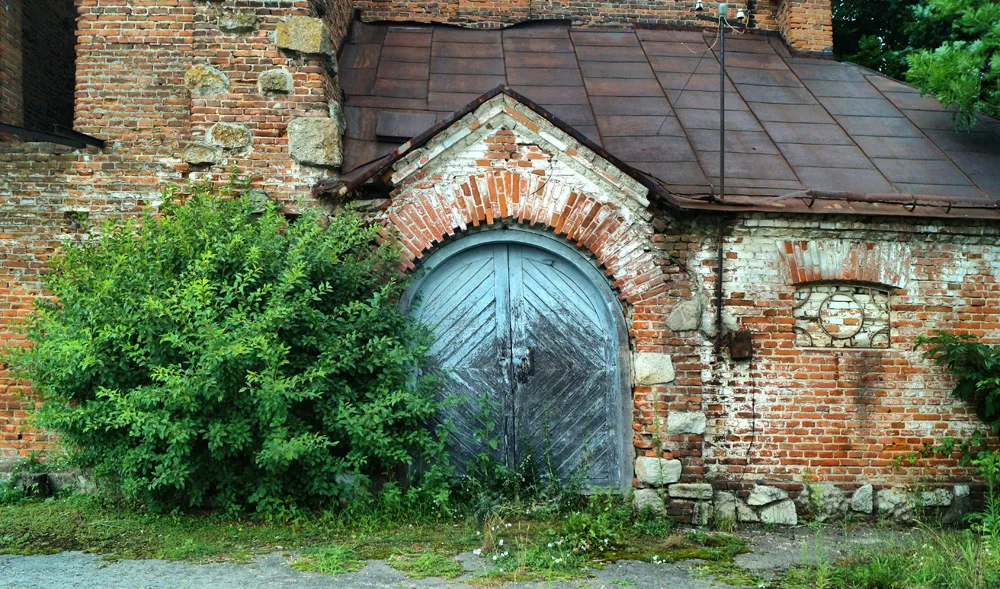
In Soviet times the church building housed a shop; now it stands empty.
Text and photos by Roman Malenkov.