Serbia. Belgrade

· 8 min read
If someone tells you that there is nothing to see in Belgrade, that it is an uninteresting city, do not believe it. That is exactly what I was told: that Belgrade is boring, that apart from the fortress there is nothing in it, and so on. I even considered not going there at all. But I did, and did not regret it in the least, because the city is interesting and beautiful, and the day and a half we had planned for it was too little. Let there be plenty of grey Soviet-style drabness here; it is quite colourful too. I would in general call Belgrade a tourist city, because it has everything a tourist needs: a large and very interesting fortress, old urban buildings, wonderful and sometimes masterly architecture, large pedestrian streets and zones in the historic centre, a huge number of nice restaurants, a developed hotel infrastructure, and fabulous rivers right in the city, the Sava and the Danube.
The main street of Belgrade is Prince Michael Street (Knez Mihailova). It is a pedestrian street, wide and long. There is a huge number of brand-name shops, boutiques, restaurants and cafés here, but the main thing is the splendid architecture of the street: large buildings of 6-8 floors built in the Art Nouveau (Secession) style, and more rarely in the Constructivist style. There is a great deal of masterly decor here: ornaments, mascarons, bas-reliefs, sculptures. The only downside of this street is that there are very many people.
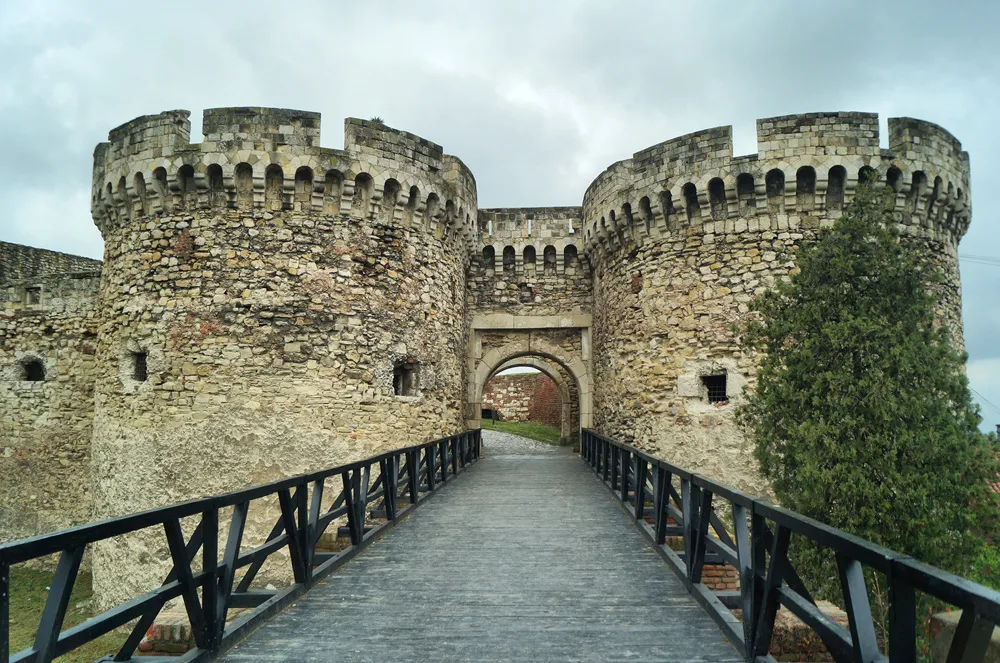
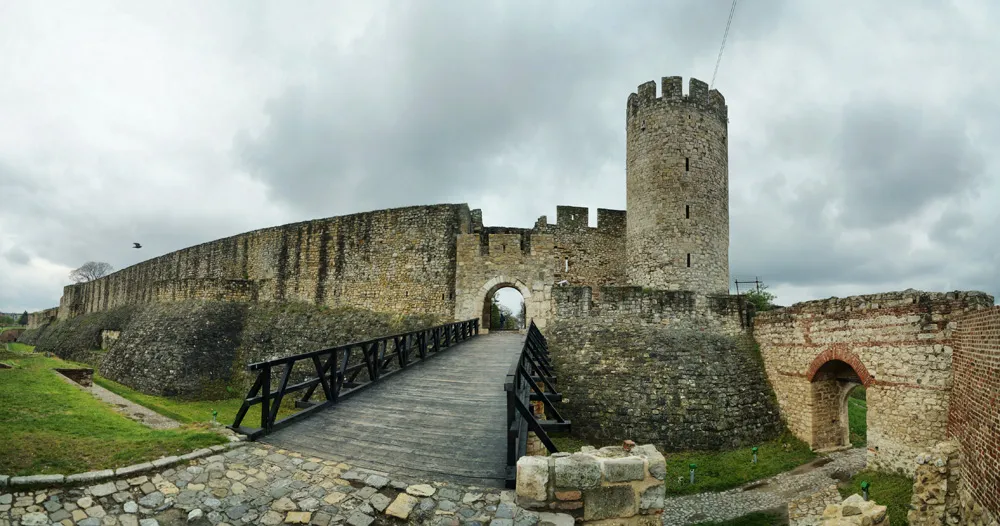
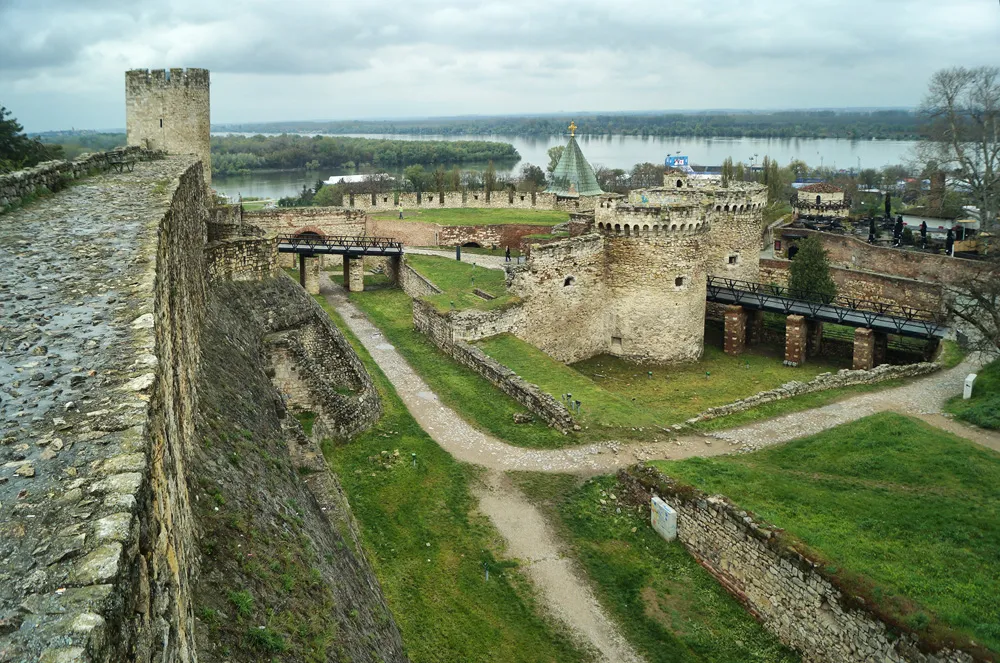
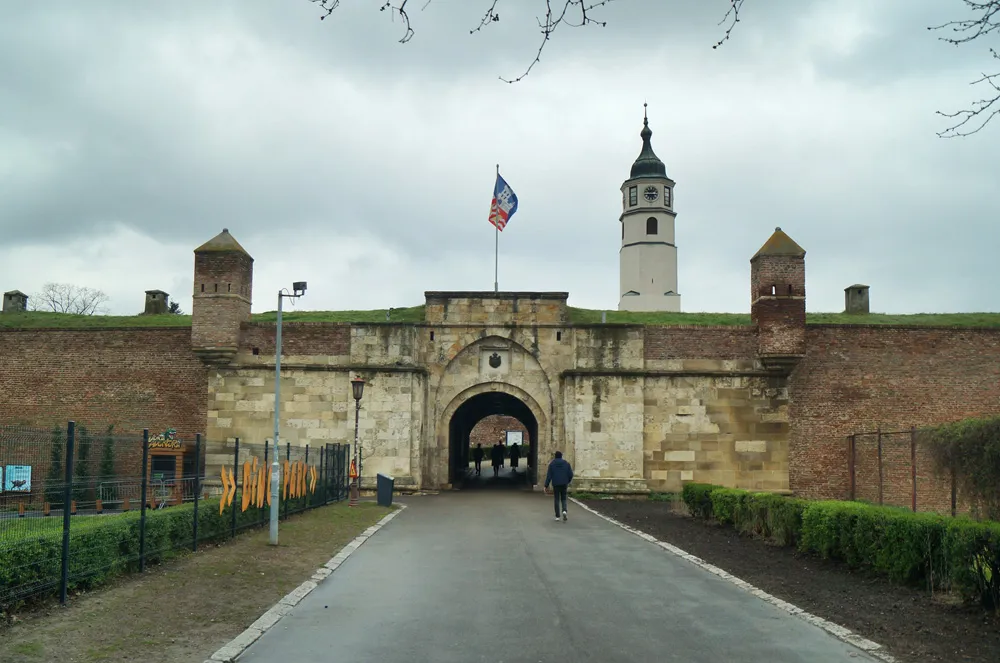
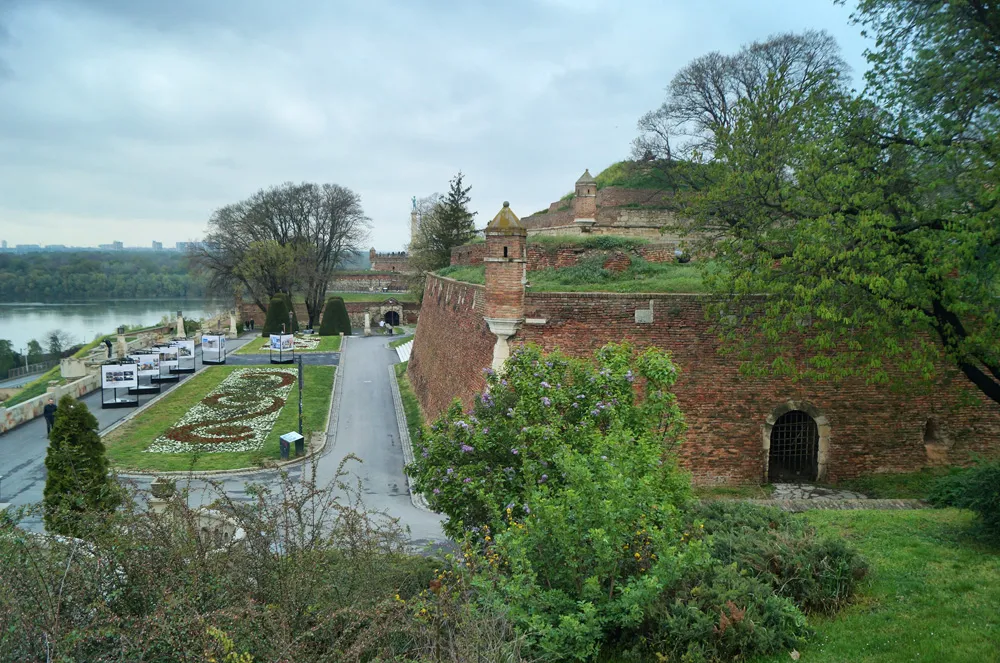
The main landmark of Belgrade is the fortress
From Prince Michael Street you can turn left onto Republic Square, where the National Museum and the theatre (pozorište in Serbian) stand. Even if you do not plan to go to the museum or the theatre, simply look at these wonderful buildings.
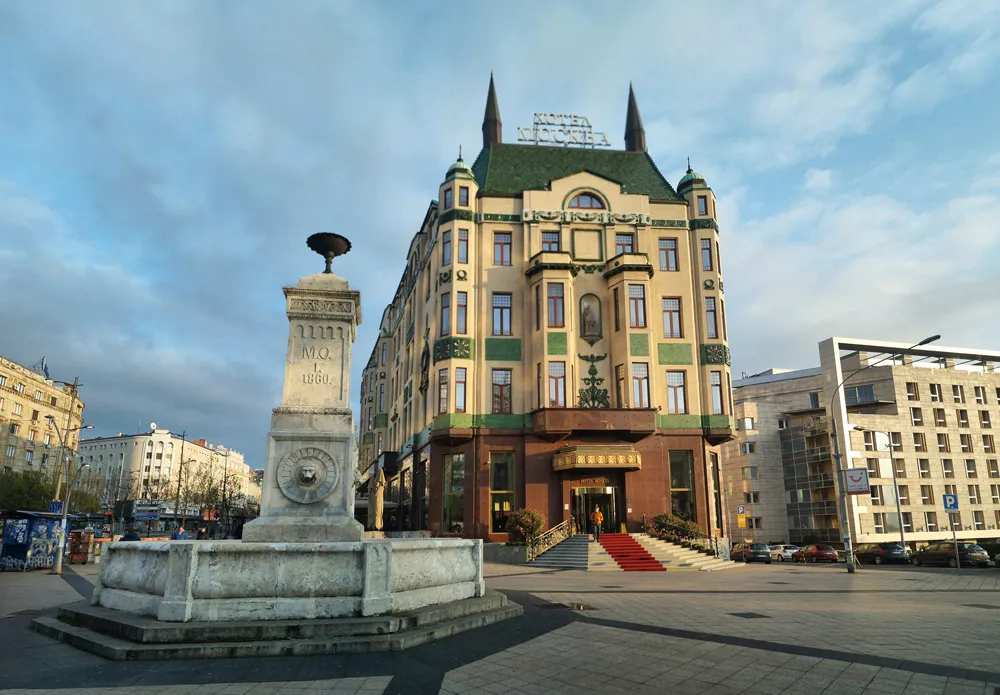
Prince Michael Street, from beginning to end, which is about a kilometre, is filled with tables from the neighbouring restaurants in the warm season. Smaller, narrower streets, also pedestrian, branch off in various directions, and at its eastern end it runs into King Milan Avenue (Kralja Milana), which is not as cosy, but where very interesting buildings are located, including the Hotel Moskva, the Skupština (city assembly), large apartment buildings of the early 20th century, and administrative buildings of the interwar period. If you walk along the avenue to the end you will reach the huge Cathedral of St. Sava. Construction began as early as the 1930s and has still not been completed. It is modelled on the Hagia Sophia in Istanbul. The Serbs call it the largest Orthodox church in Europe. Perhaps that is really so, or perhaps the cathedrals of St. Sophia and the one in Moscow are slightly larger, but all the same the building of Belgrade’s main cathedral is grandiose. The paintings and mosaics of the cathedral are fabulous. Be sure to visit.
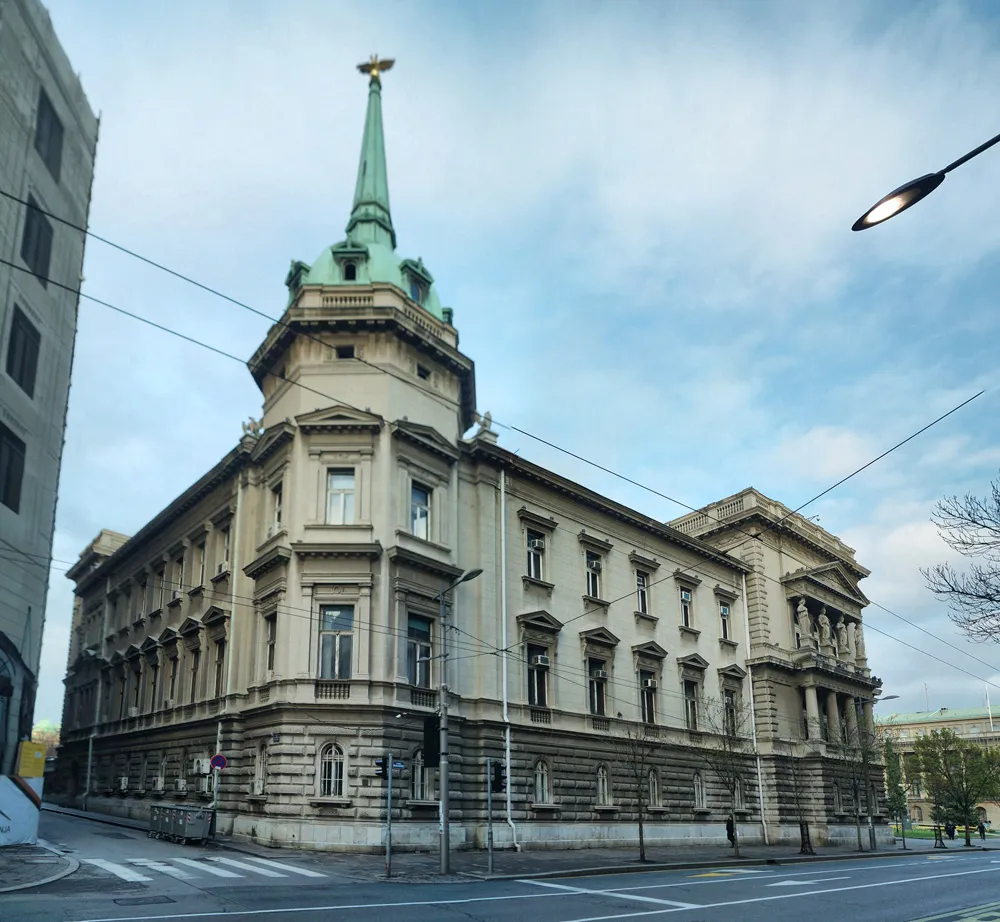
About 400 metres from the start of the avenue, pay attention to the large pompous buildings with columns and sculptures. One of them is the city assembly, and the other I do not know, but the style is the same: historicism. Turn left, and across a small park, on the parallel street (Dečanska), you will see the National Assembly of Serbia, the Parliament, one of the most beautiful buildings in Belgrade. It was built. ….
To the left of the Parliament stands the Historical Museum of Serbia, to the right a huge, grey, socialist building of the main post office. Behind the post office you can make out the domes of another very large church, the Cathedral of St. Mark, built in the interwar period in the historicist style with Neo-Byzantine features.
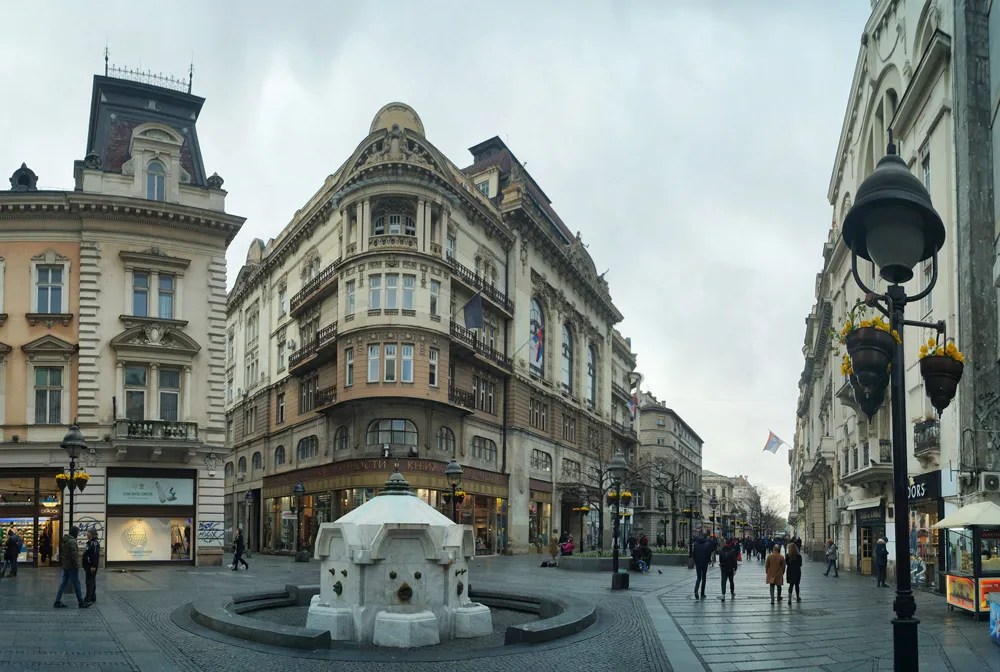
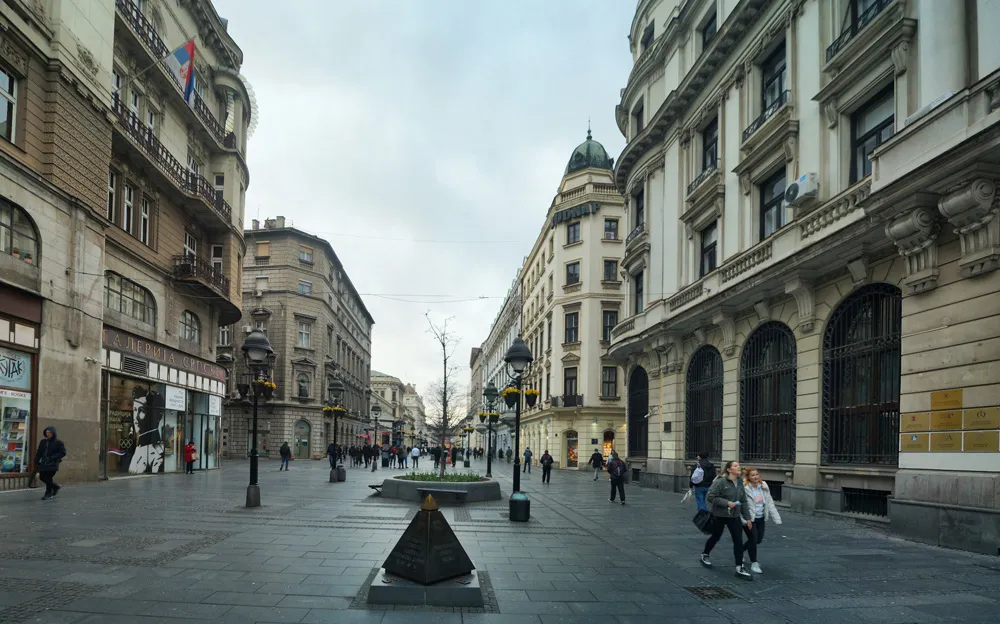
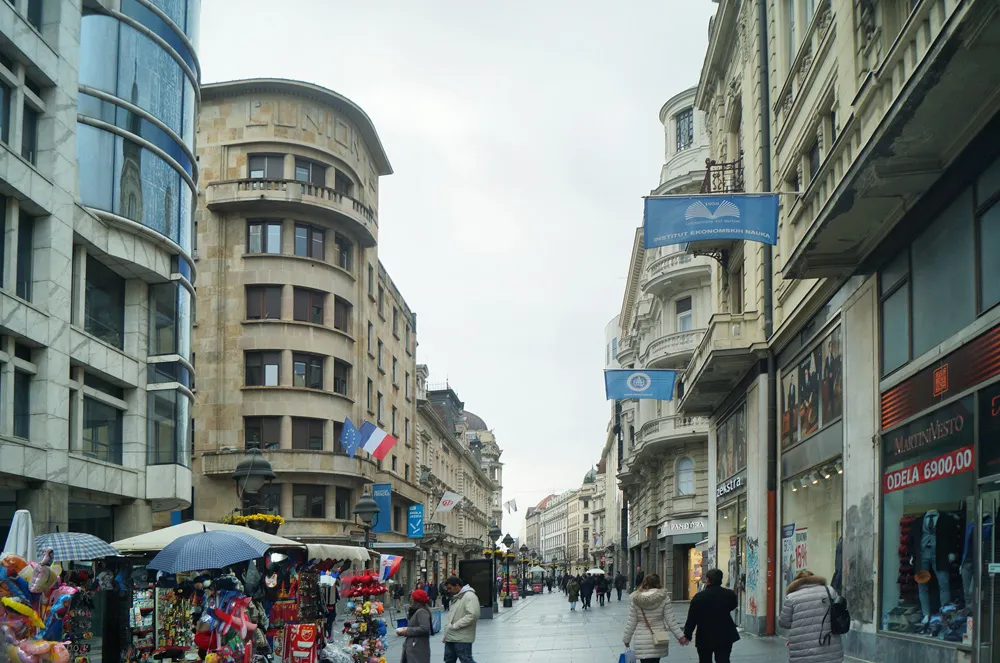
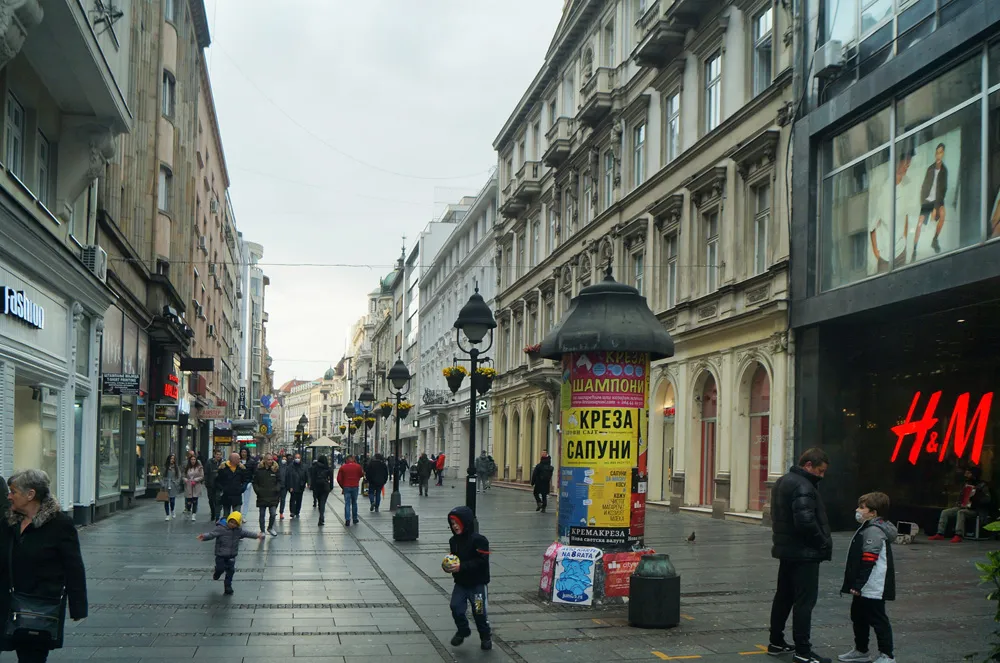
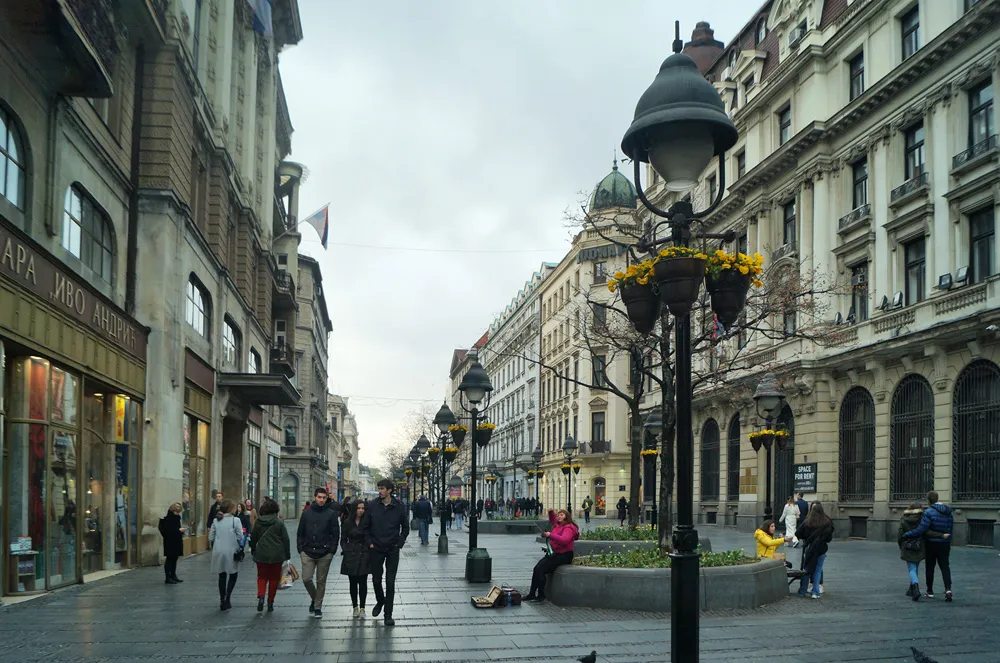
Prince Michael Street
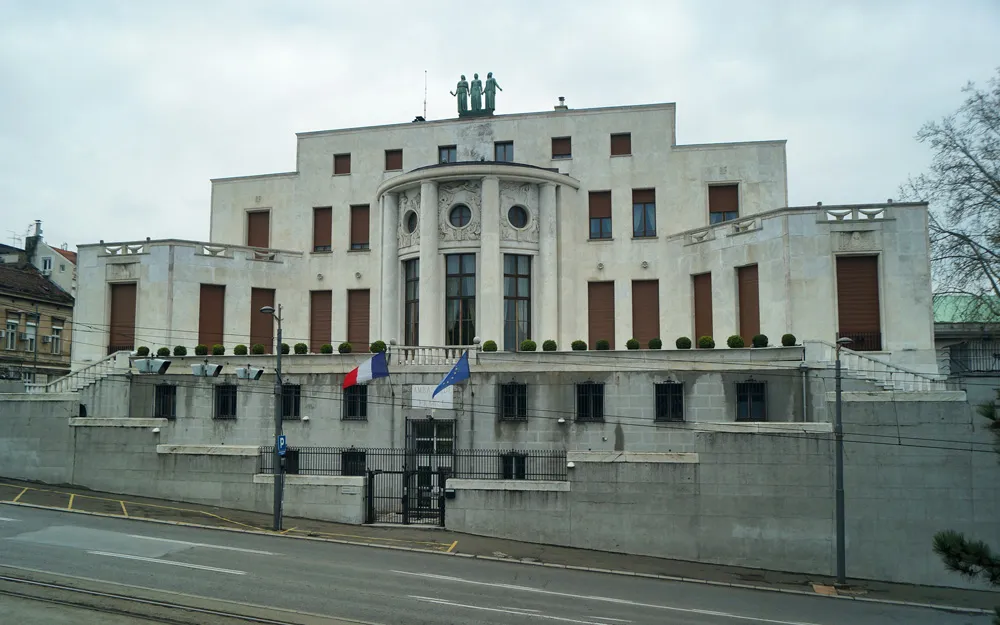
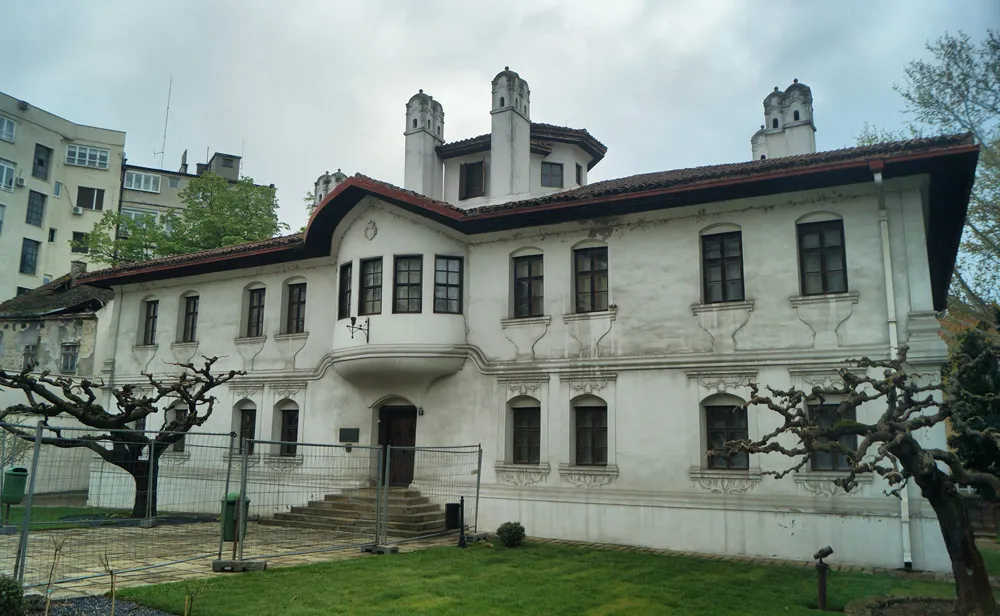
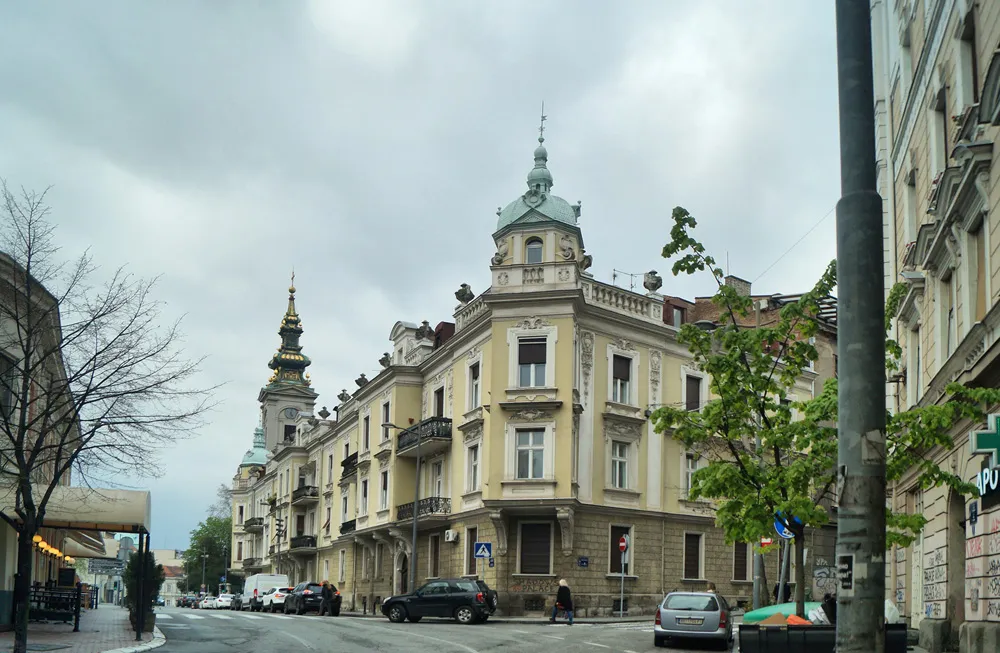
Closer to the Sava there are also many interesting streets, with large old buildings that are very similar to Viennese ones, for example Pop-Lukina Street, which turns into Pariska Street and stretches to Kalemegdan Park. Here stands the Cathedral Church of St. Michael, a Baroque building erected in the 18th century. I will not say it is incredibly beautiful: a long building of basilica type with a tall bell tower, a typical Hungarian church, very similar to a Catholic one, but Orthodox. Here stands the Palace of Princess Ljubica, now also a museum, and to the right, on Pierre de Mondésir Street, pay attention to the building of the French Embassy, very cool Constructivism with elements of historicism. And opposite the embassy is Kalemegdan Park, in which the main landmark of Belgrade, the fortress, spreads its bastions.
Belgrade is one of the oldest cities in Europe. It was founded by the Celts and named Singidunum, then conquered by the Romans, when it was a border fortress of the Roman Empire. In the 6th century the Slavs came here and settled on the outskirts of the city.
In the turbulent Middle Ages Belgrade repeatedly changed rulers: the Avars, Bulgarians, Hungarians, Serbs… At the beginning of the 15th century the Despot of Serbia Lazarević made the city the capital of the country, but after his death, under some agreements, Belgrade passed to the Kingdom of Hungary, and in 1521 it was seized by the Ottomans. It was part of the Ottoman Empire until 1878.
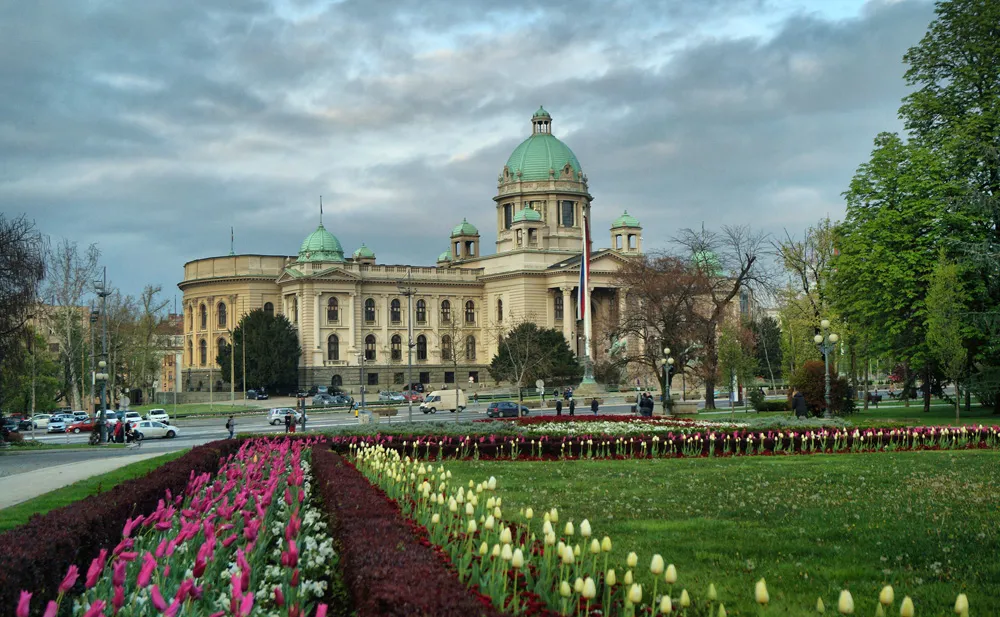
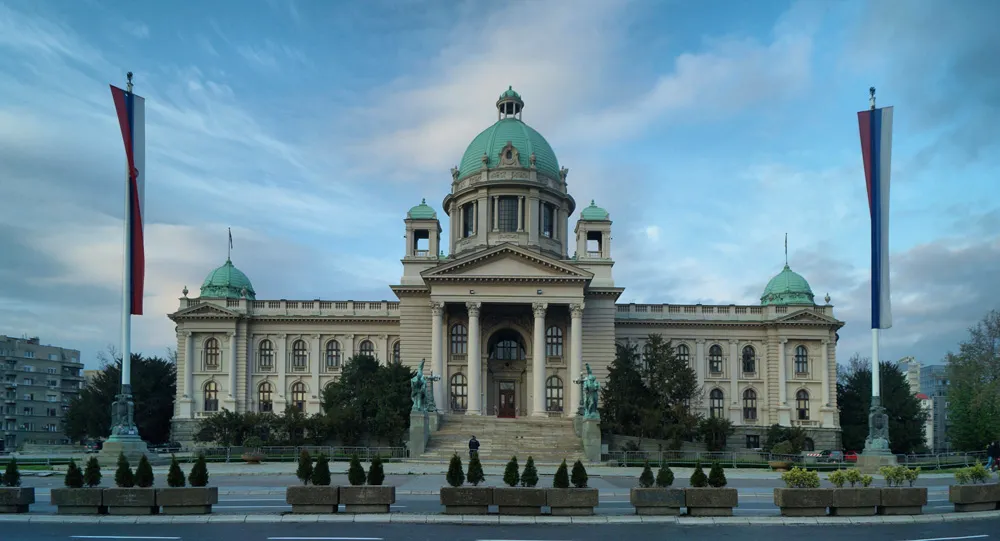
Parliament
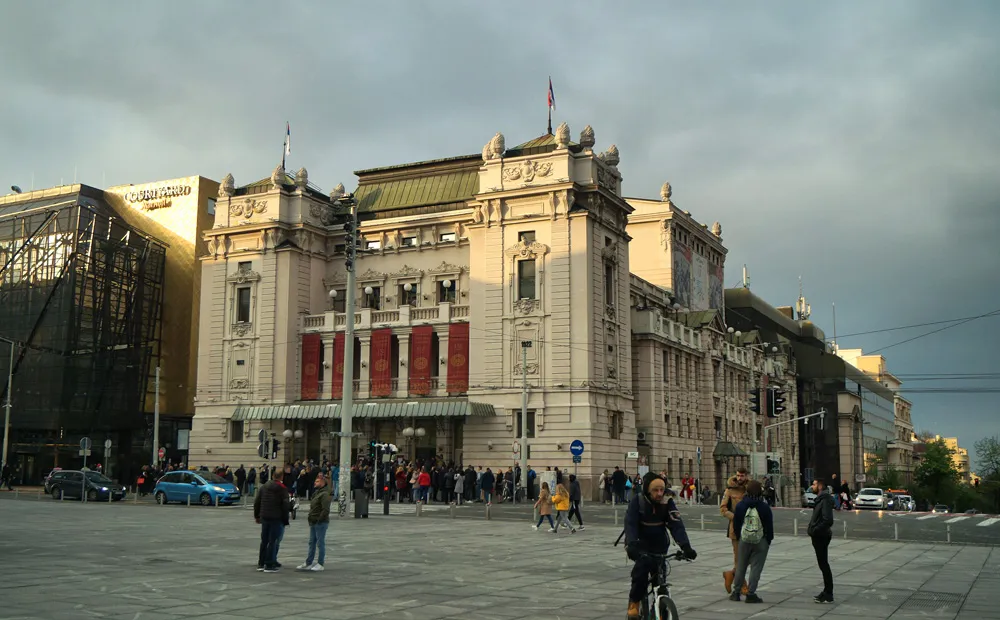
Theatre (pozorište)
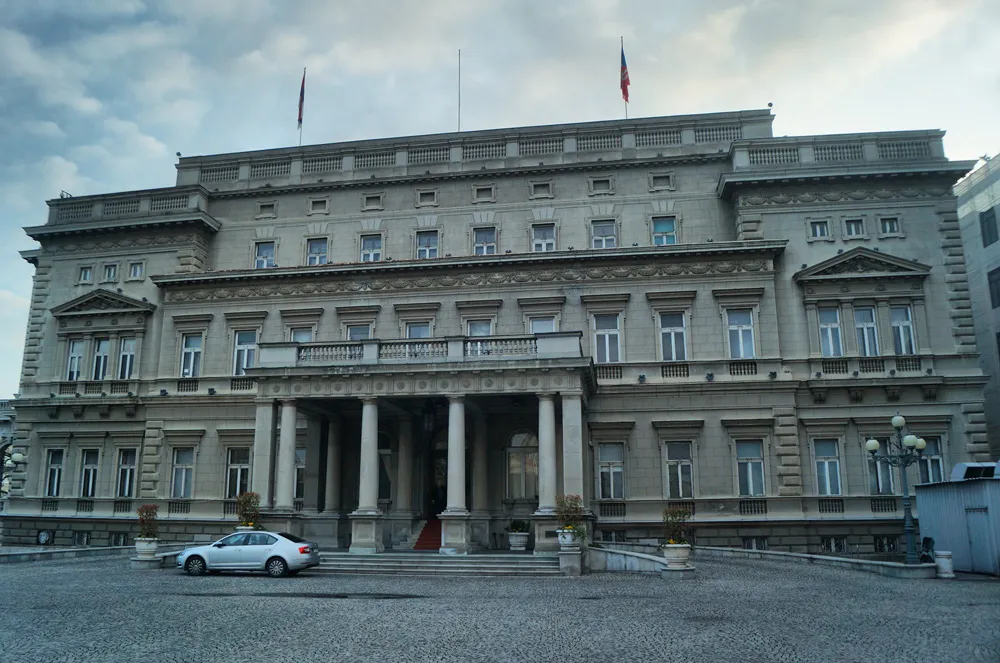
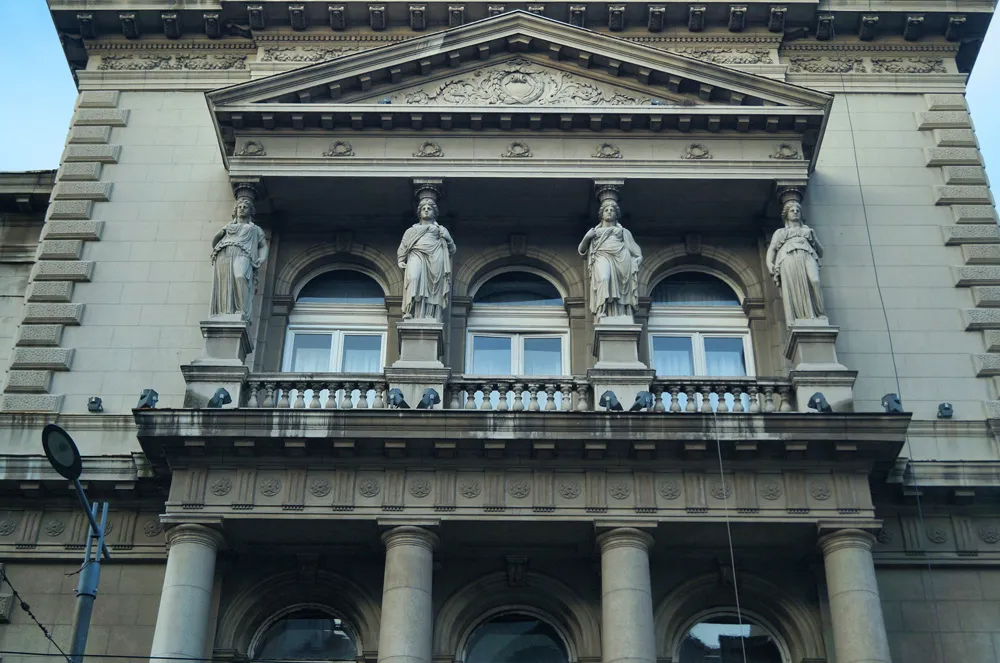
Town hall
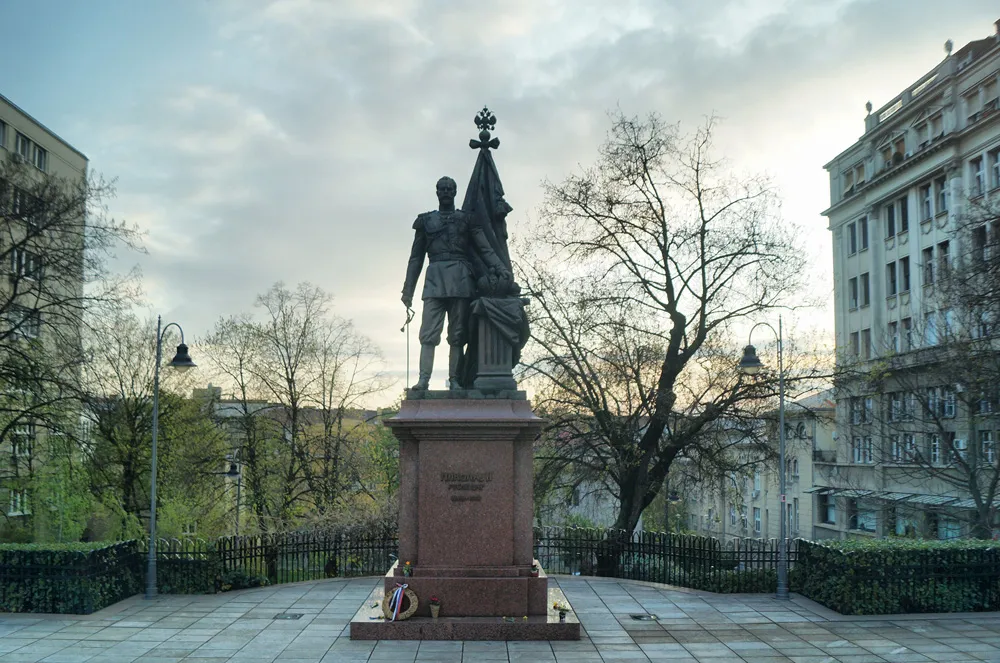
Tsar Nicholas II
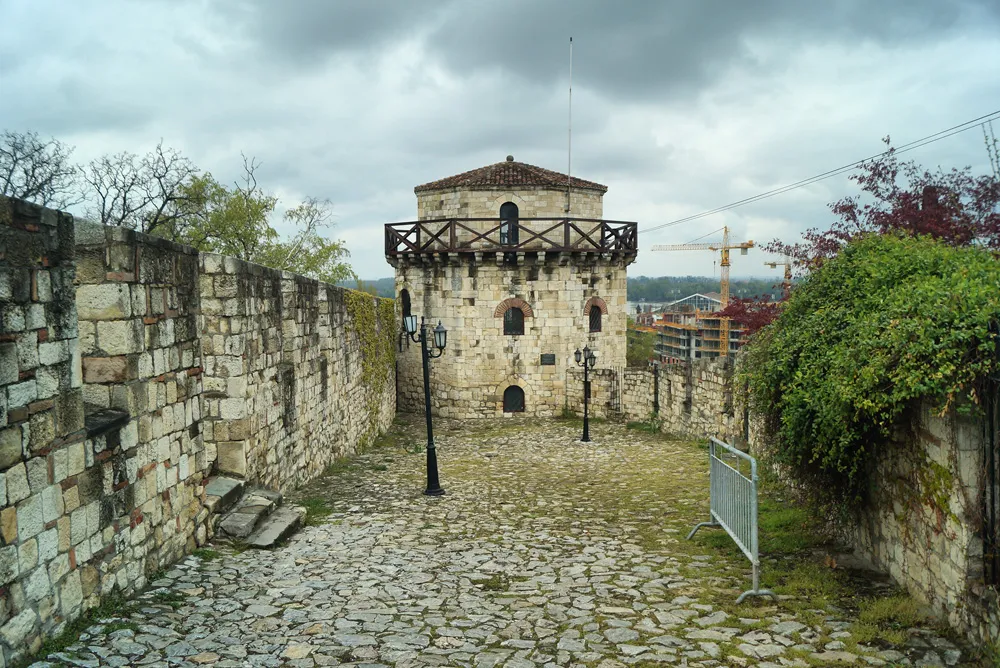
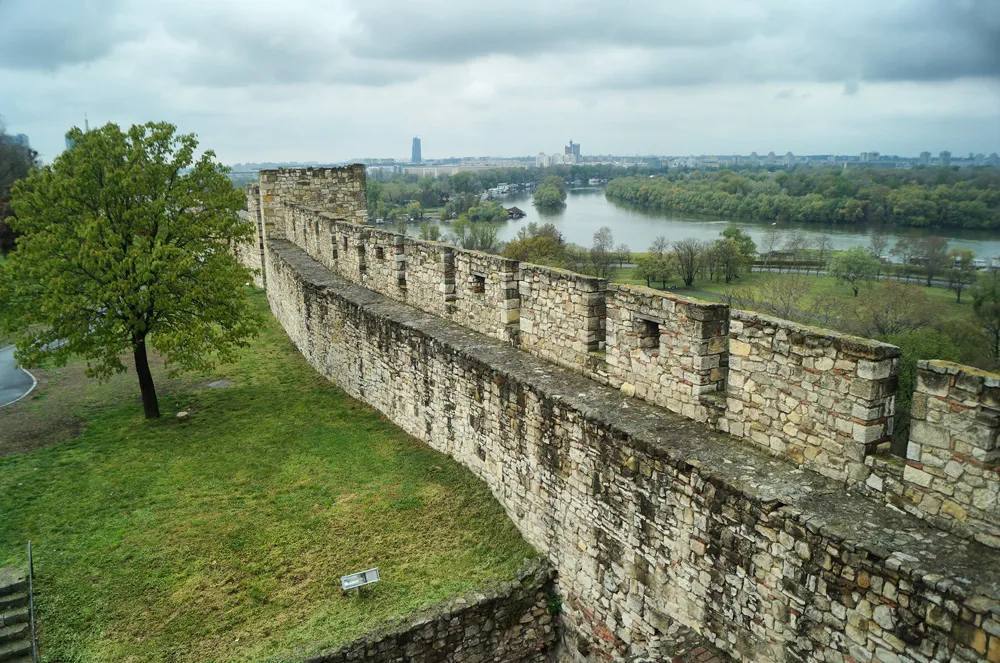
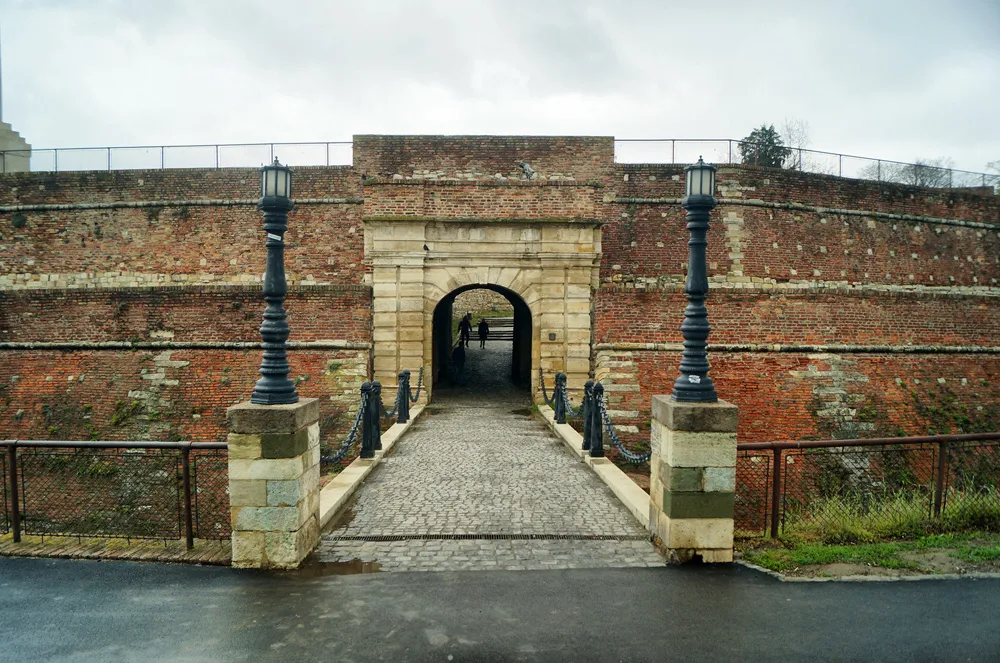
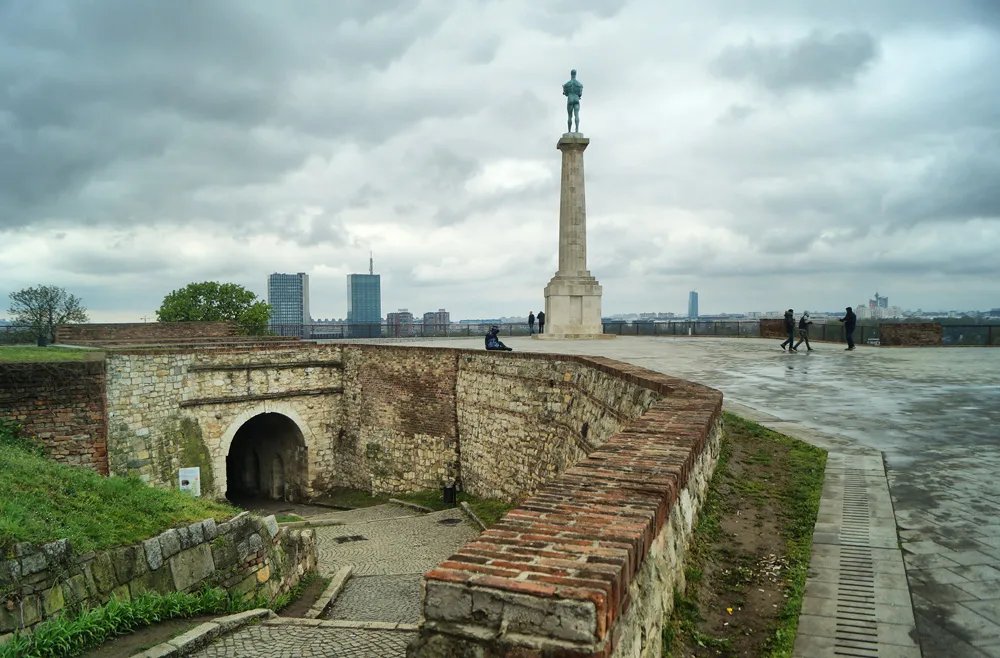
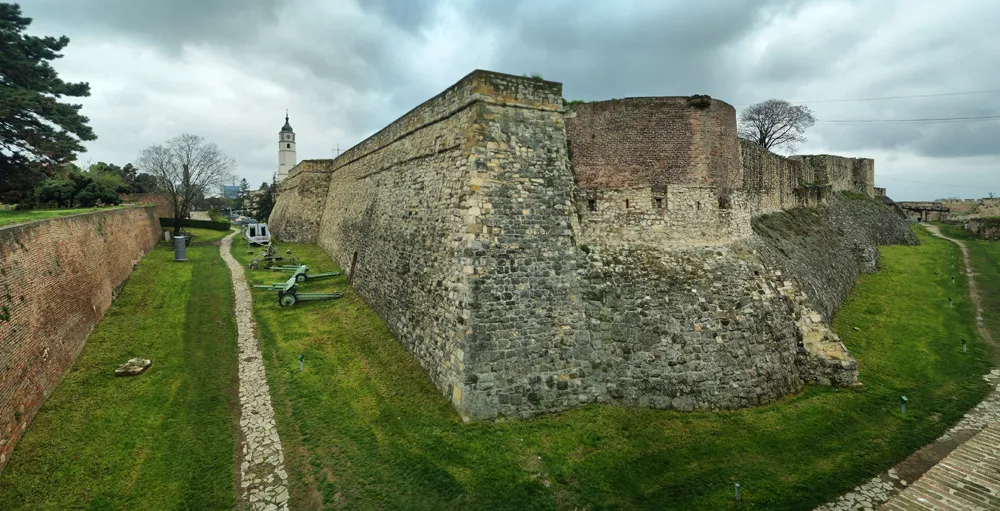
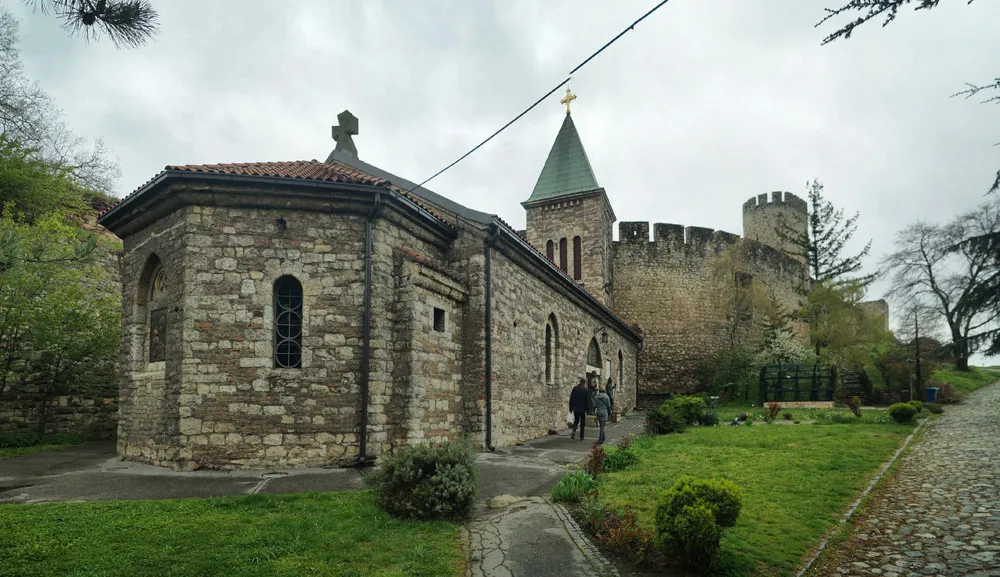
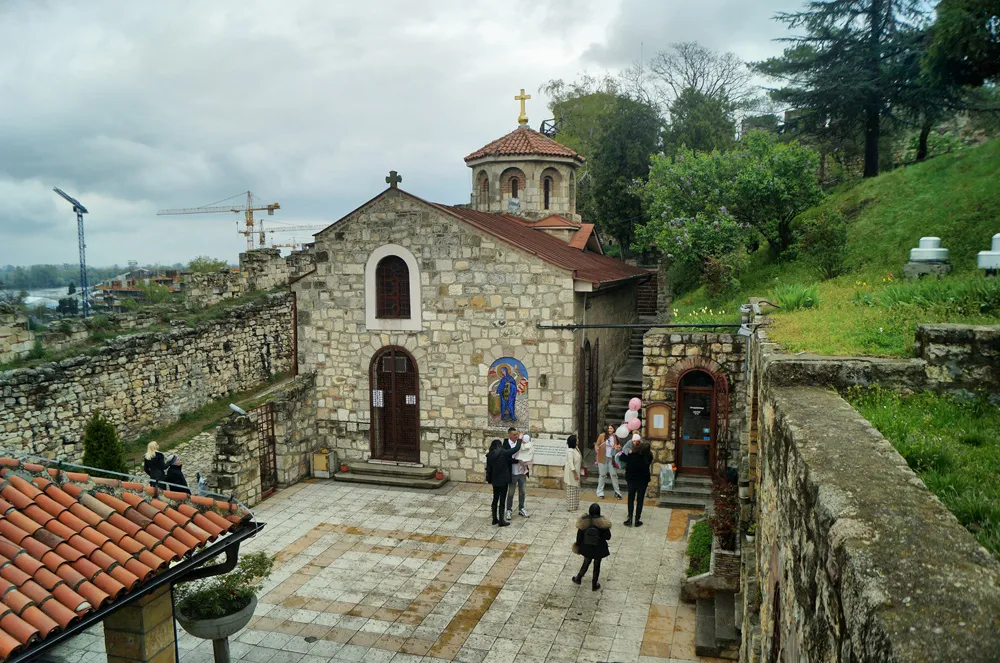
The main and most visited landmark and attraction of Belgrade is its fortress. It occupies a high terrace above the floodplain of the Sava River, right at its confluence with the Danube. Half of the fortress lies above the Sava, half above the Danube, and around it spreads Kalemegdan Park, a favourite place for townspeople, and tourists too, to stroll. There is also a zoo here, and a military museum with a huge collection of all kinds of equipment placed among the fortress walls. There is a natural history museum and a national observatory, and behind the main gate, the Zindan Gate built by the Ottomans in the 15th century, there are two churches, Ružica and St. Petka.
The Romans built the first fortifications of Singidunum as early as the 1st century. They were destroyed by the Huns, and the Byzantine emperor Justinian built a new fortress, Singidon, which was reinforced by subsequent Byzantine rulers, who with interruptions held Belgrade until the 15th century. In between, the Hungarians wedged into this possession, and the city was settled by Serbs in the 8th-9th centuries, who also named it Belgrade.
Within the fortress walls, besides the barracks, were the houses of the town nobility, while the poor lived below, outside the walls.
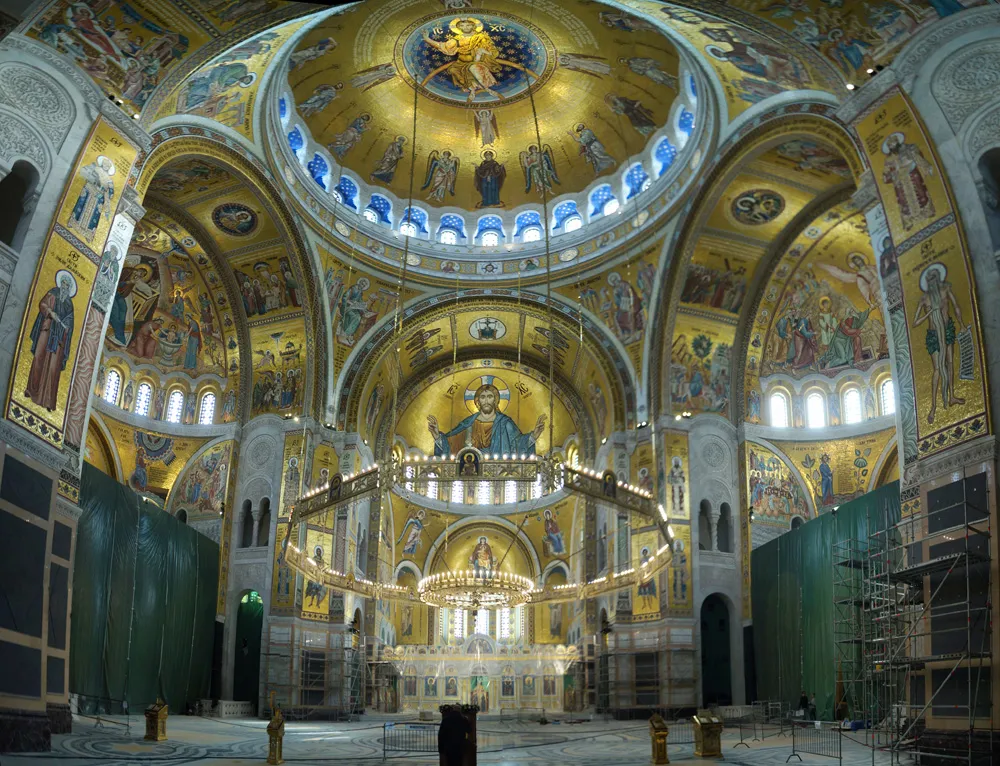
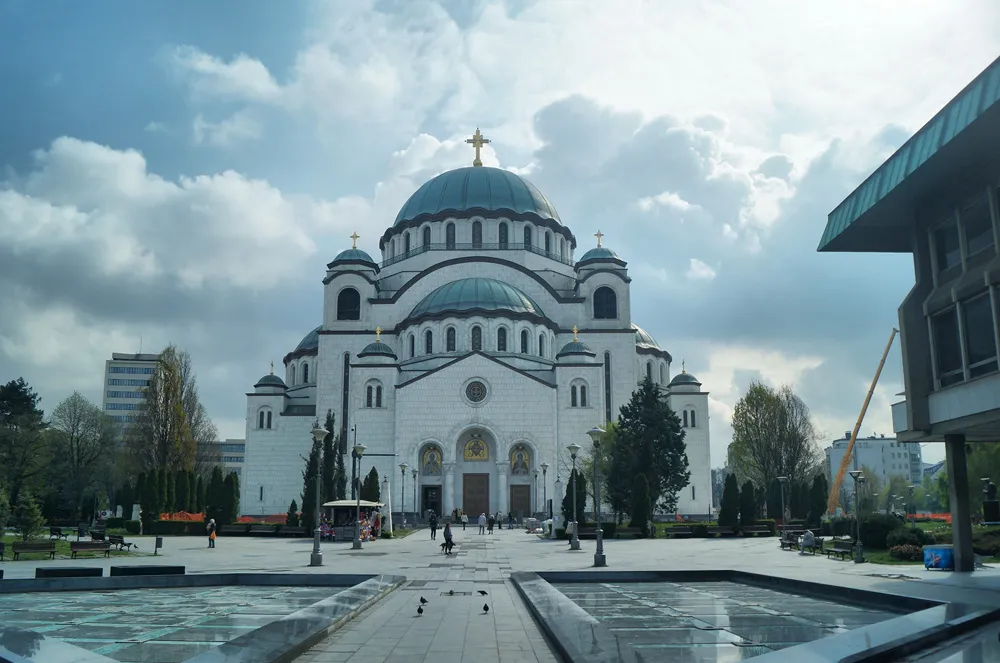
Cathedral of St. Sava
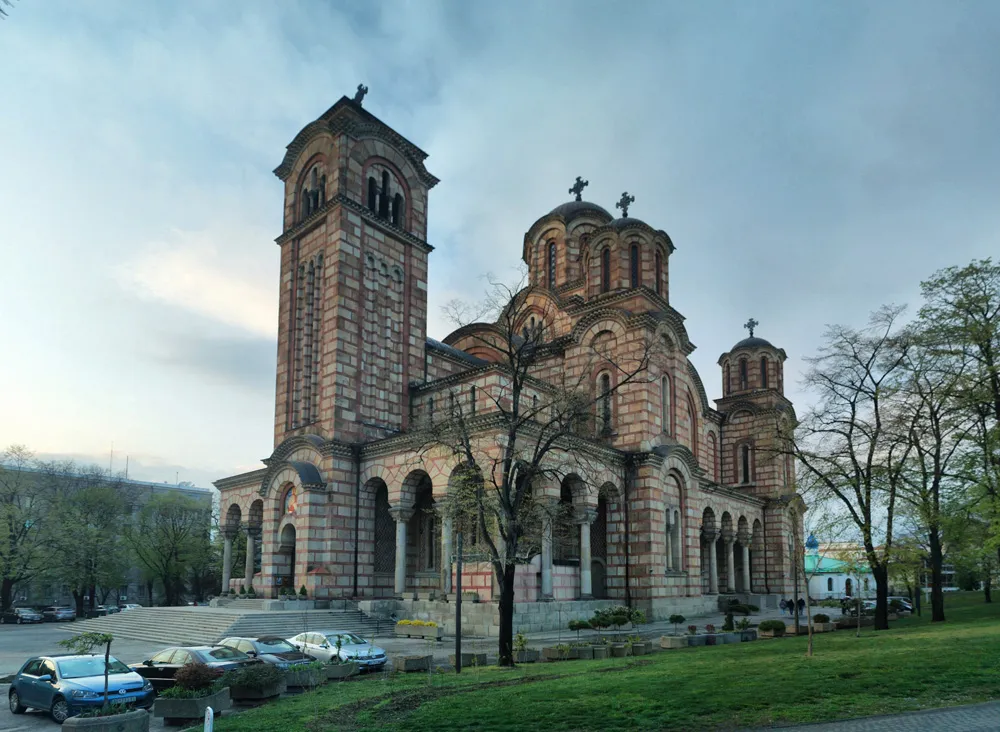
Cathedral of St. Mark
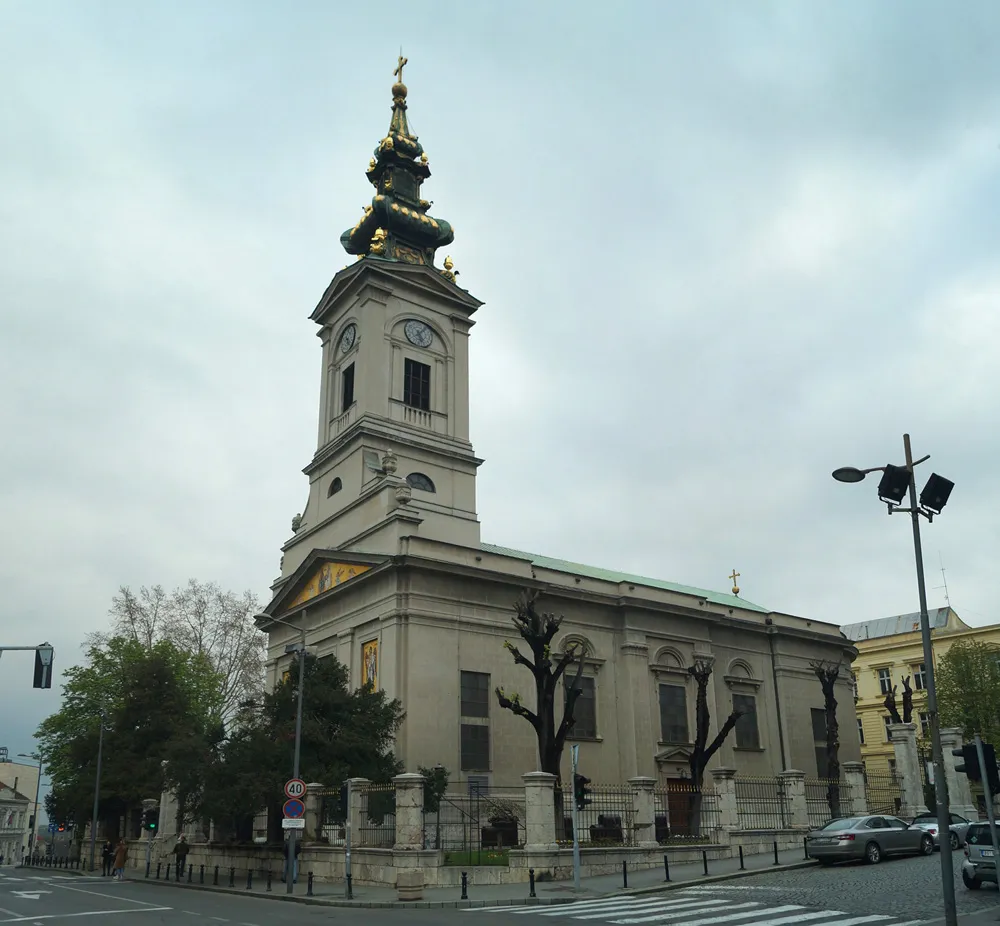
Cathedral Church of St. Michael
The Serbian rulers of Belgrade received the title of despot from the Byzantine emperors. They fortified the city fortress in the 15th century, withstanding the blows of the Ottoman Empire. In 1440 Sultan Murad II was unable to take Belgrade, and in 1456 neither could the conqueror Mehmed II Fatih. But in 1521 the fortress could not withstand the assaults of the army of Suleiman I, and the city was taken.
The Ottomans greatly rebuilt the fortifications, and then they were strengthened by the Austrians, who held the city in 1688-1690, 1717-1739 and 1789-1791. In the 19th century the fortress no longer had military significance and gradually turned into an ordinary military unit, and since 1946 it has been a monument of history and culture.
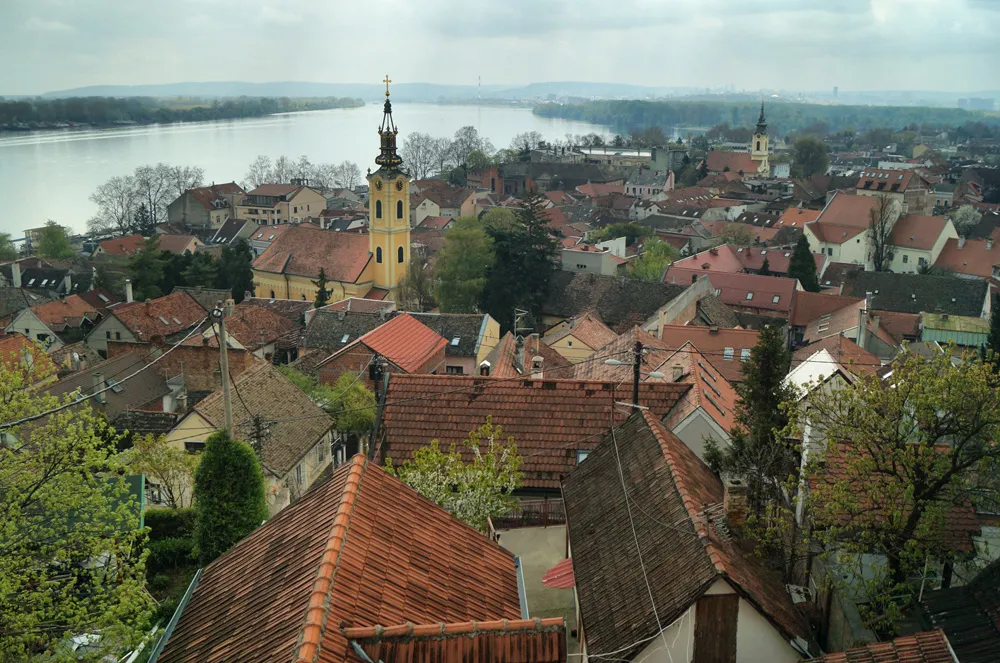
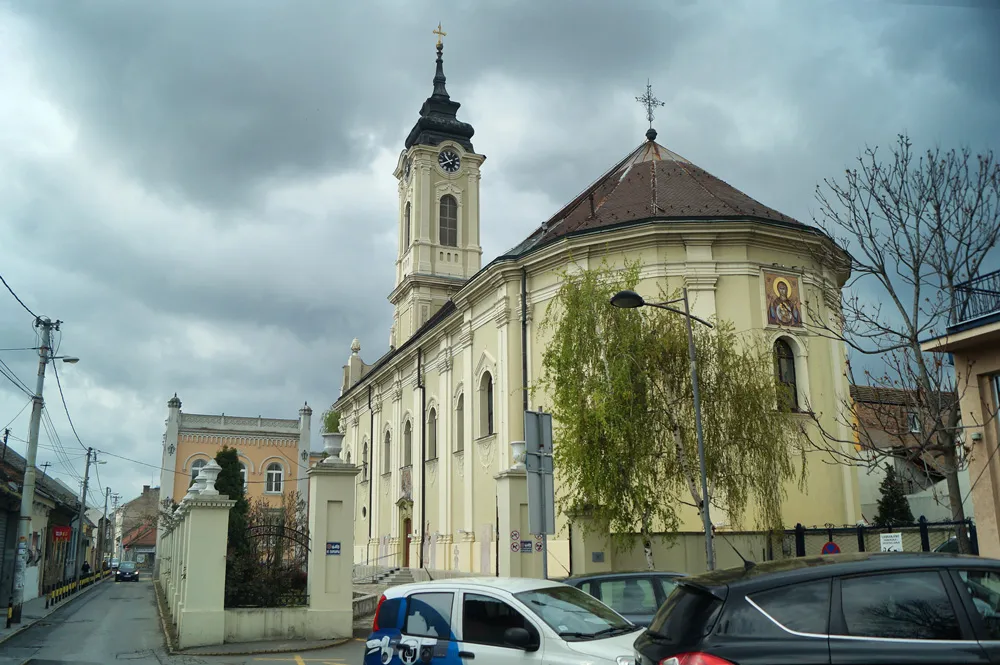
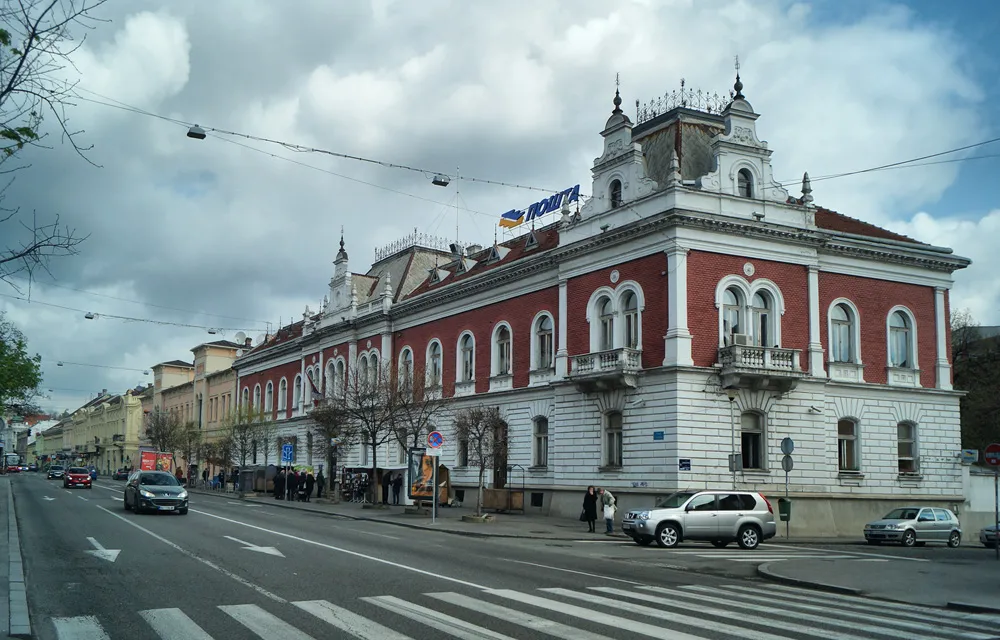
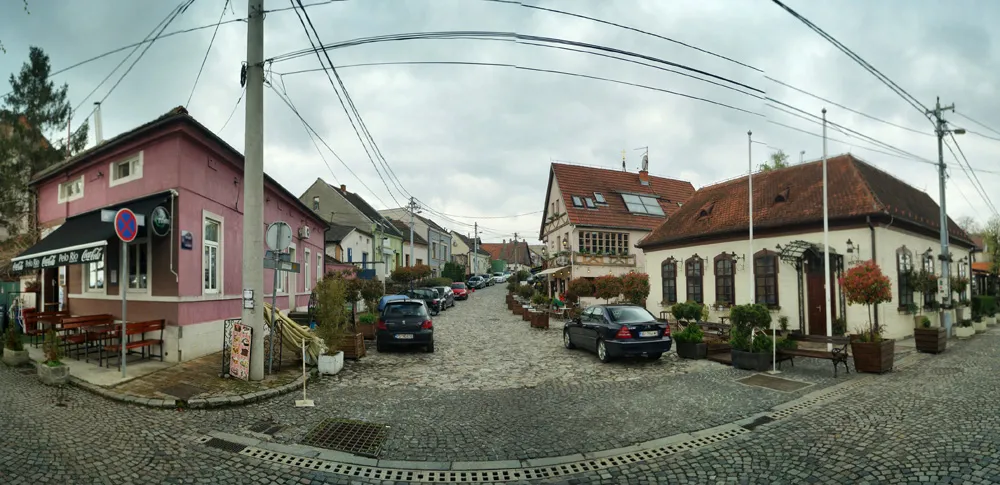
Special attention in Belgrade is deserved by the district located on the left bank of the Sava, Zemun, which until 1944 was a separate city. In its buildings the old part of Zemun differs quite strongly from Belgrade and resembles a small provincial Hungarian town, with houses of one or two storeys and a mass of small churches, with a large market, Jewish quarters, a heap of shops and a synagogue. From 1718 Austria-Hungary was in Zemun, and across the Danube were the Ottomans, so the difference between the various districts of Belgrade today is quite substantial.
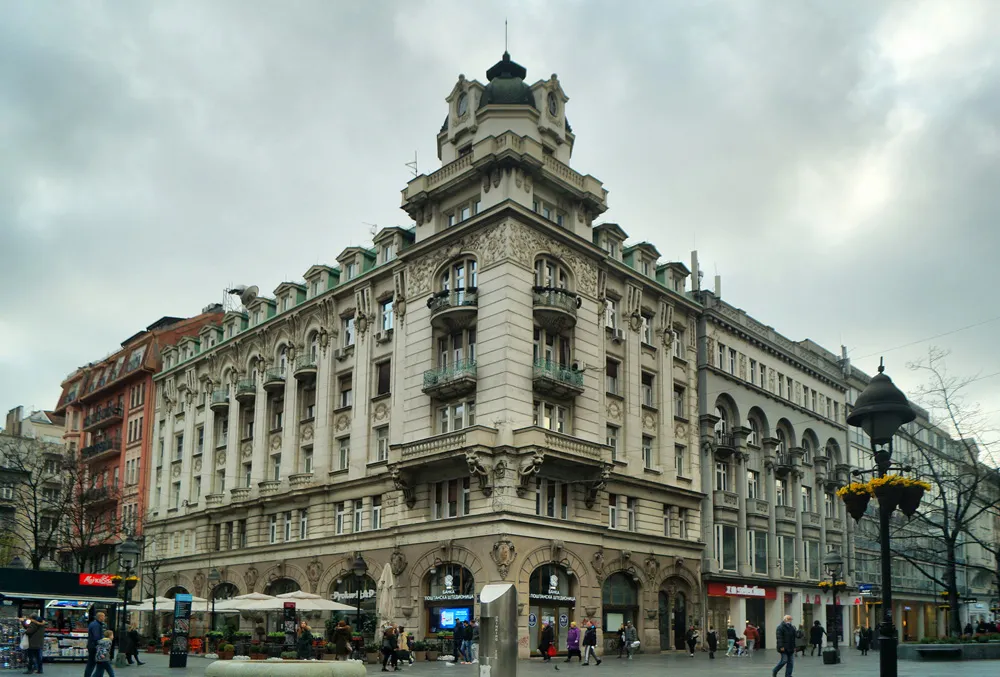
Unlike Belgrade, the streets of Zemun are very cosy and not pompous, especially closer to the Danube embankment. There are many small restaurants here, so in season there are very many tourists.
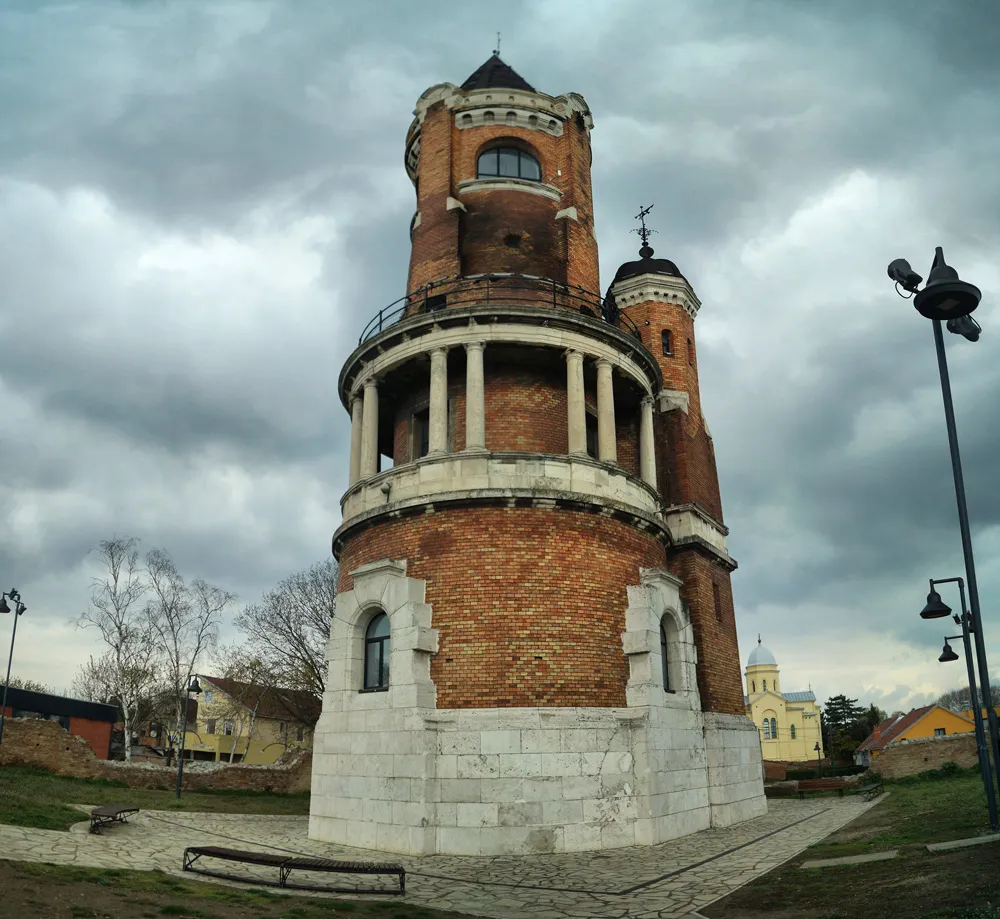
The high-rise dominant feature of Zemun is the Gardoš Tower, located on Castle Hill. Of the castle, remains of walls and corner towers have survived, which reminded me of the fortress of a children’s play town. I am not sure that these are really the remains of an old castle; perhaps it is a decorative stage-prop element of the Gardoš Tower, built in 1896 to mark the thousand years of the Hungarians’ existence in Europe (or something like that). In total seven similar towers were built then, one even near our Mukachevo. The Zemun tower turned out to be the southernmost.
Near the Gardoš Tower there is a wonderful viewing platform from which a magnificent view opens: the red tiled roofs of Zemun, among which Baroque church bell towers stick out. And behind them is the Danube. Beauty. Without seeing Zemun you will not form a full impression of the beautiful and interesting city of Belgrade.
Text and photos by Roman Malenkov.
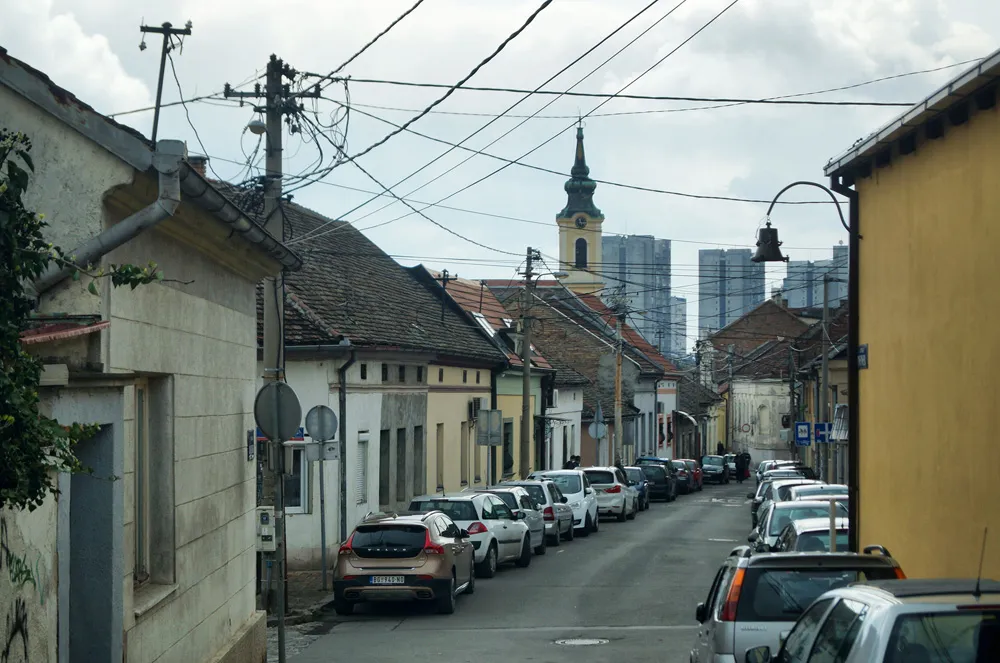
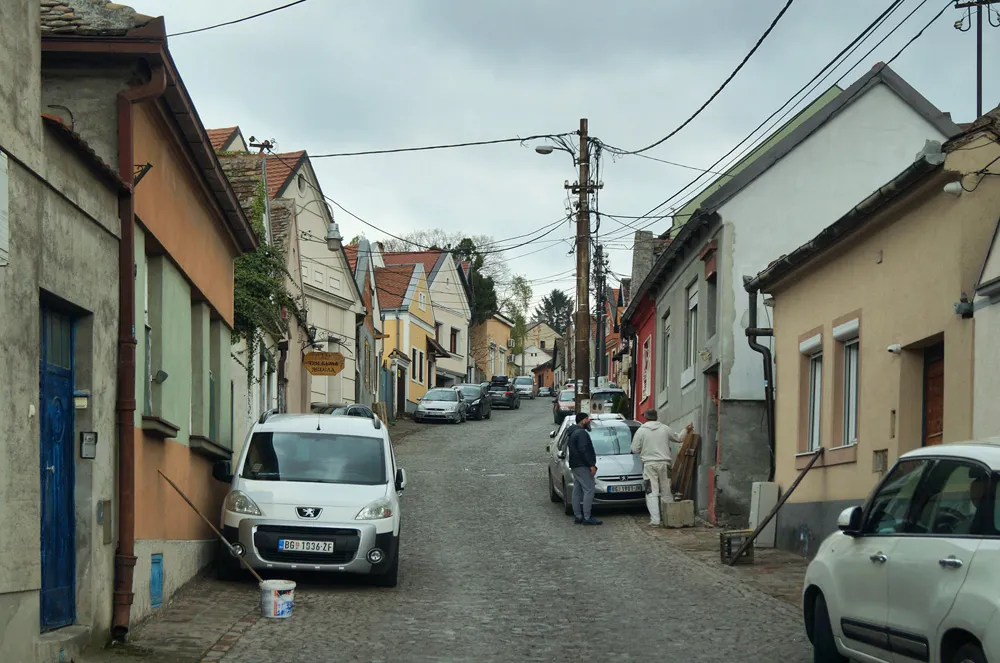
Zemun