Trnava. The Slovak Rome

· 4 min read
Oh, how undeservedly tourists neglect Trnava, one of the most interesting towns not only in Slovakia but probably in all of Eastern Europe. The town, called the “Slovak Rome”, is one of the main sacred centres of the country, with a multitude of churches, including the huge and striking Basilica of St. Nicholas, a historic centre encased in walls, a town hall, colourful townhouses, tasty taverns… And tourists, Ukrainian ones in particular, bypass this town, heading north to the famous Orava Castle. In vain.
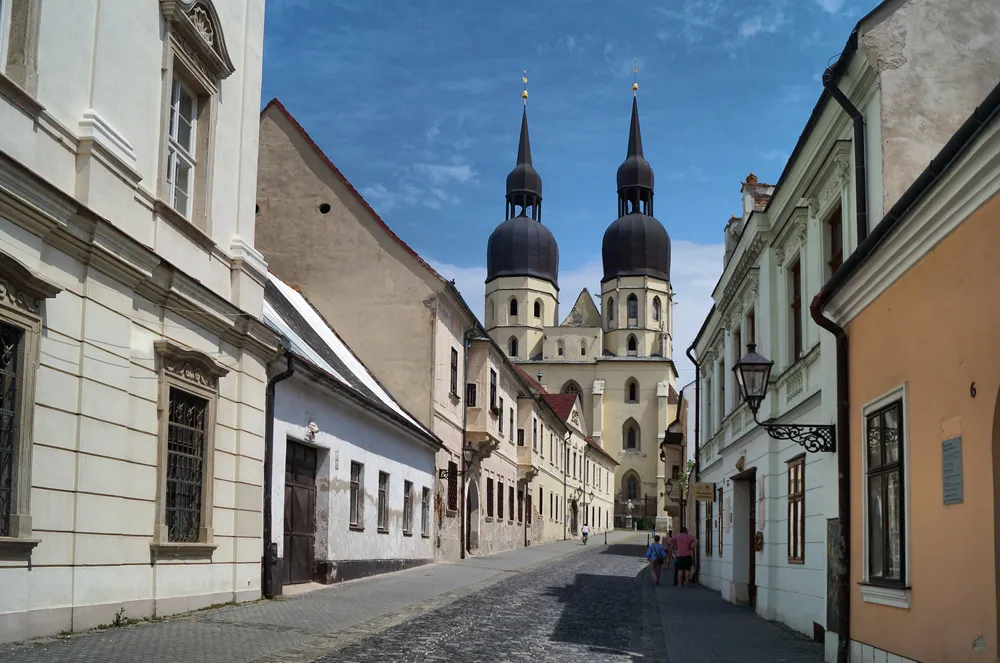
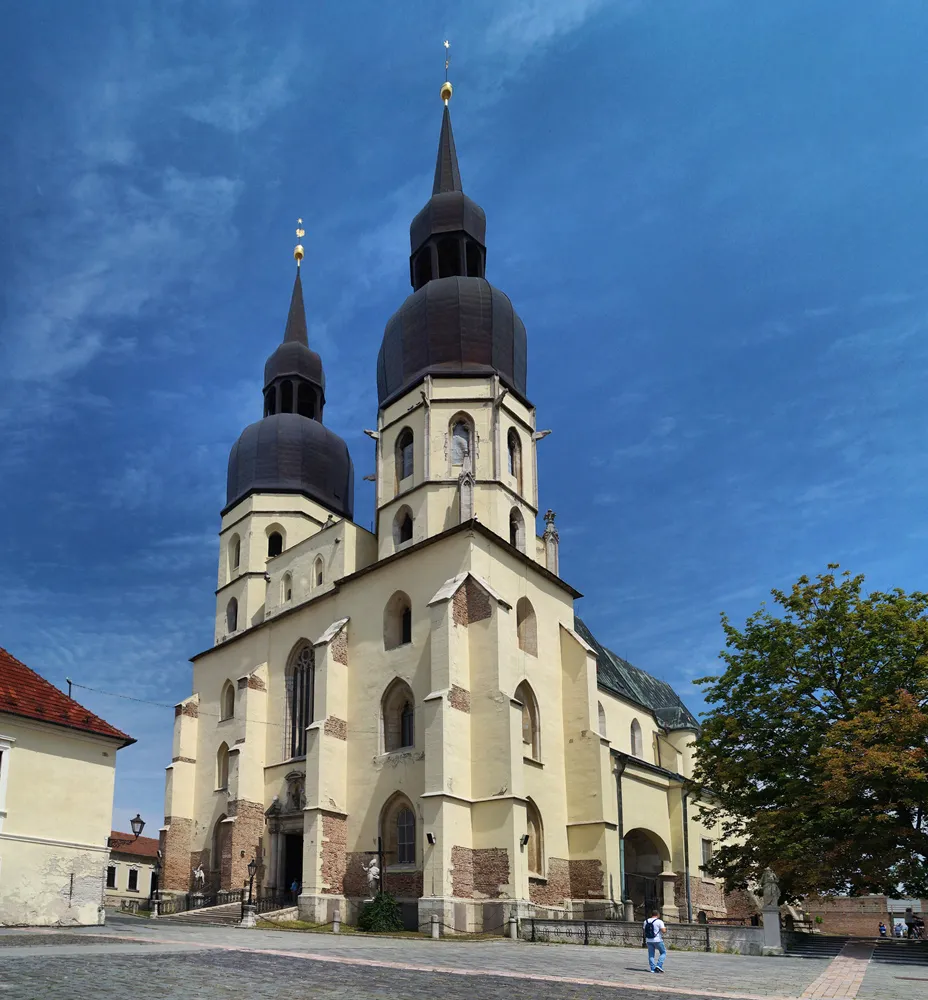
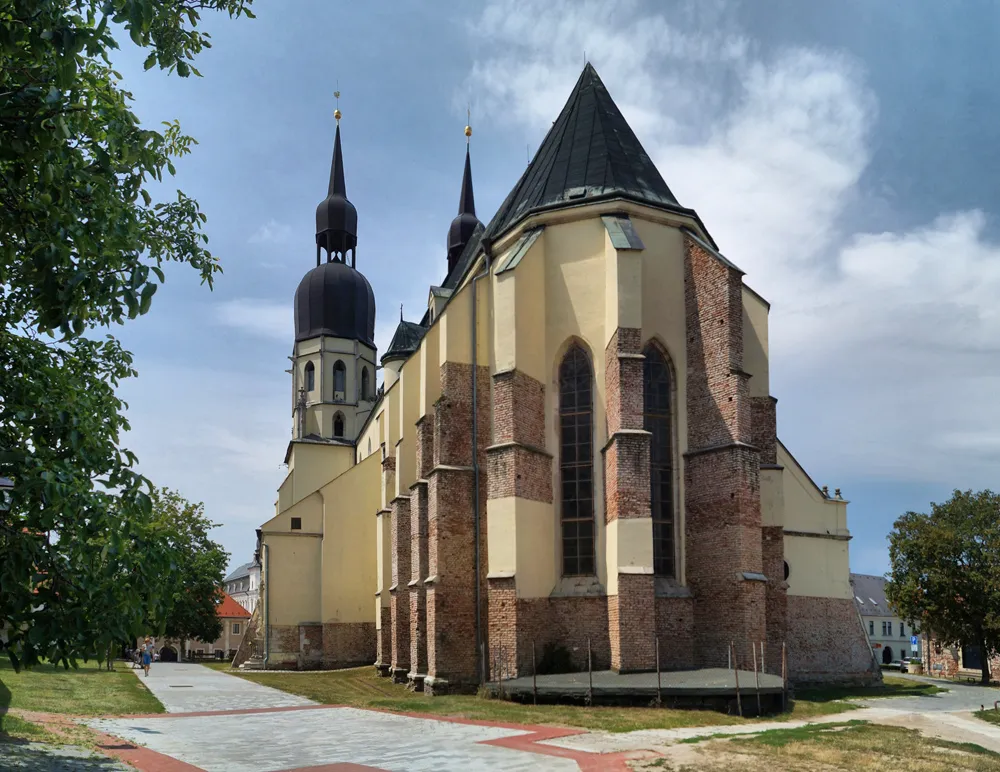
Basilica of St. Nicholas
Ever since I became interested in football statistics, or rather its historical and chronological side, I have known the name of Trnava. “Spartak” plays here. How could one not know the namesake of the hated Moscow “Spartak”? The Trnava club won the Czechoslovak championship five times and the cup five times, and even reached the semi-final of the European Champion Clubs’ Cup, which is not bad at all, and amazing. The question simply gnawed at me: how can a team from a town with a population of fifty thousand reach the semi-final of the most prestigious club tournament in the world? And from the socialist bloc at that. Trnava managed it. But I first visited this town only in 2018. I liked it very much.
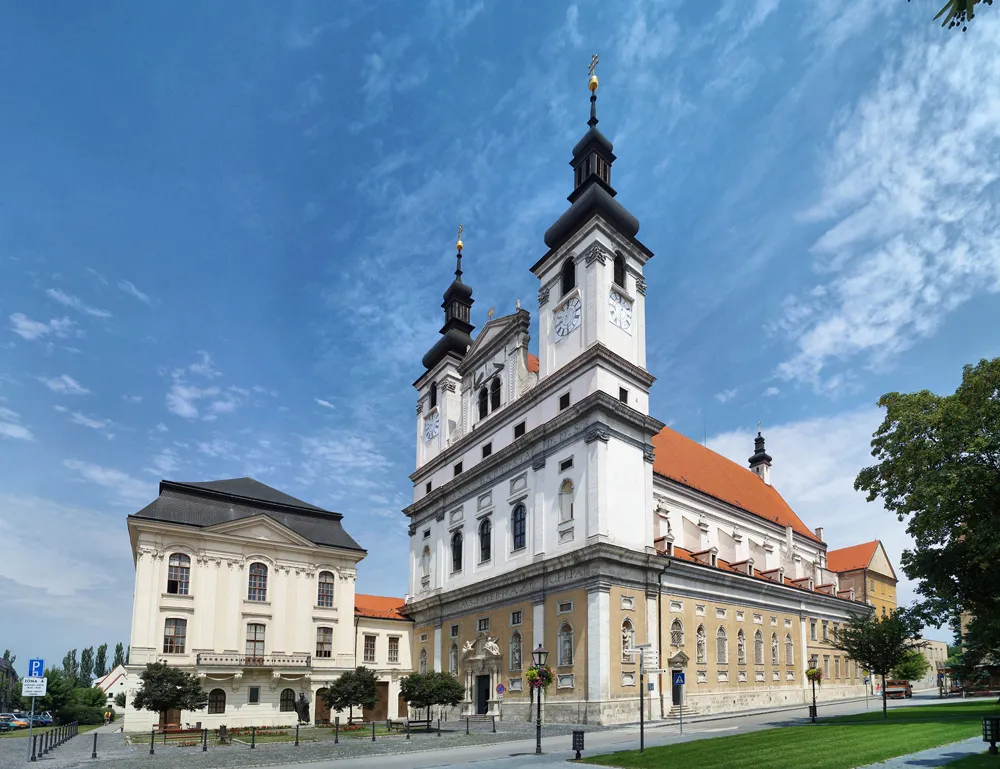
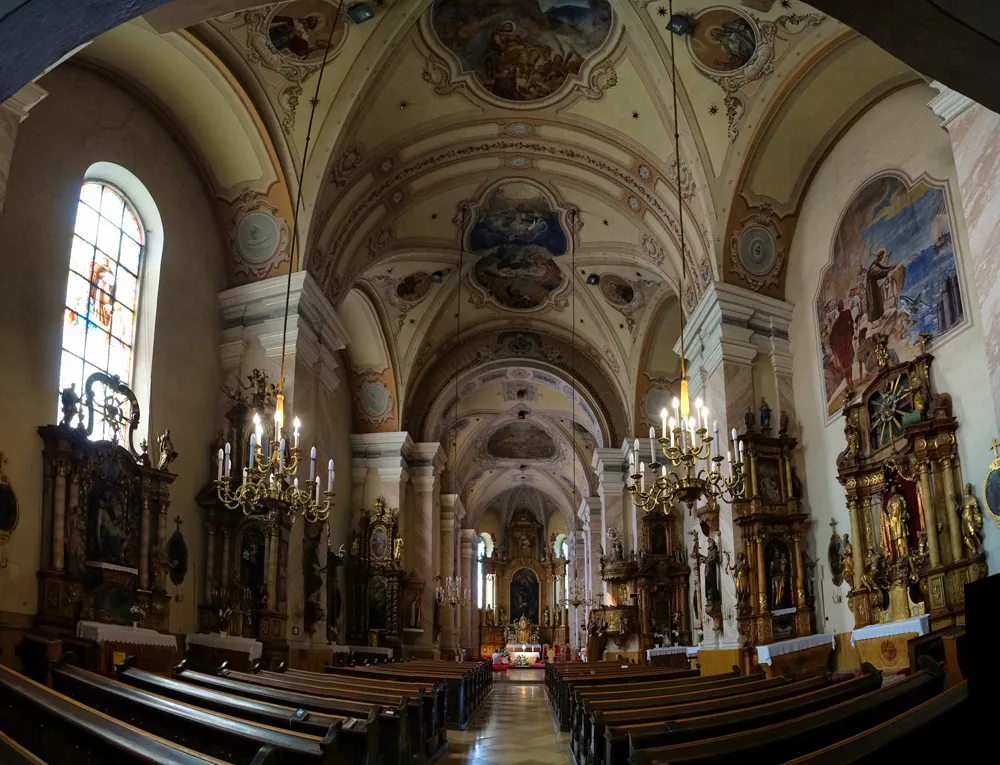
From the 16th century Trnava was a bastion of the Roman Catholic Church. It has been the centre of an archdiocese since 1541, and its main church, the Basilica of St. Nicholas (Mikuláš), not only makes everyone exclaim “Wow!” because it is so massive and beautiful, but is also the burial place of four archbishops of Esztergom and a multitude of lesser church hierarchs. It has two organs and one of the largest bells in Europe, the bell of St. Nicholas. The basilica is 60 metres long and 31 metres wide.
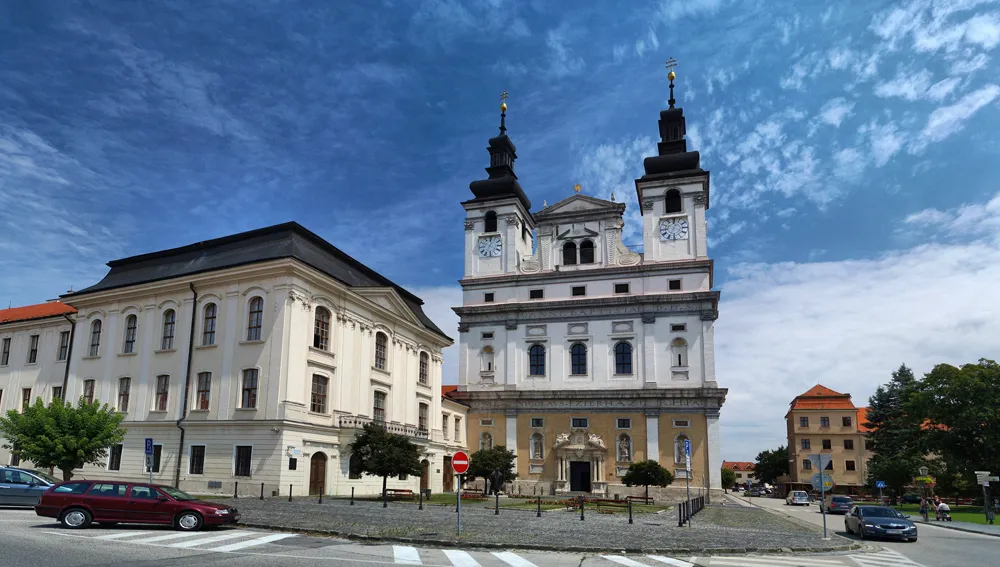
The Basilica of St. Nicholas was built in 1380–1421. In 2008 the Pope granted the church the most revered status in the Roman Catholic Church, that of a Minor Basilica. But, strange as it may seem, the main church of Trnava is a different one: the Cathedral of St. John the Baptist, a Baroque church built in the 17th century as part of Trnava University.
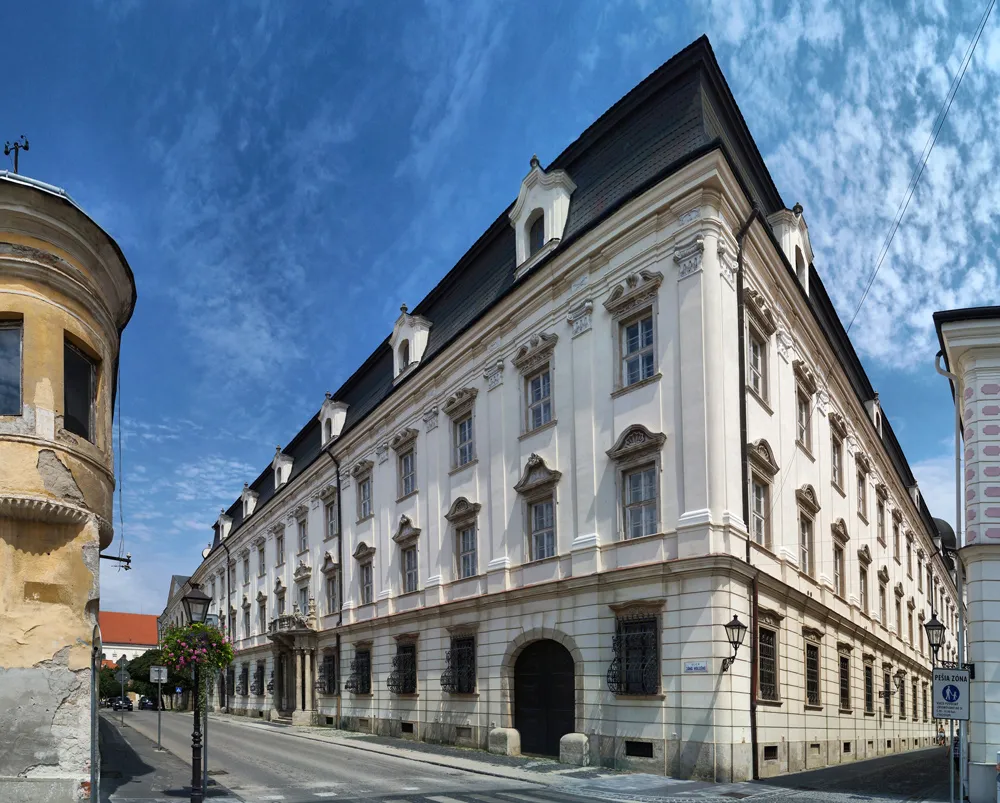
After the Turks conquered Esztergom, the main sacred and educational centre of the Kingdom of Hungary, the Habsburgs decided to found a university in Trnava. Construction began in 1635 and was financed by Cardinal Pázmány. In 1777 the university was closed by the Austrians, but its complex of buildings has survived to our time, and the main church is now a cathedral.
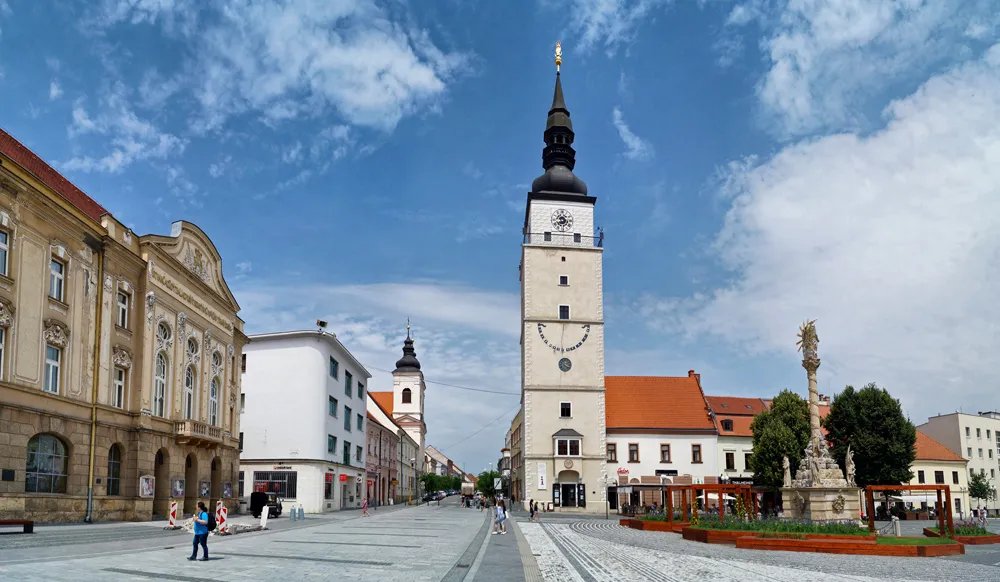
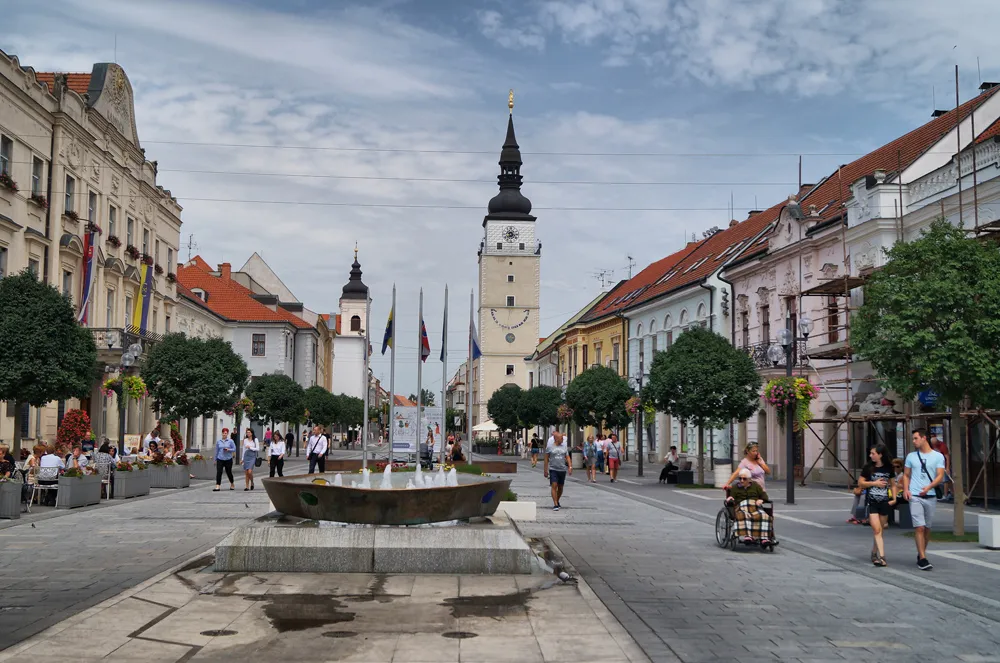
Town hall (the tower is 57 metres high)
Town centre
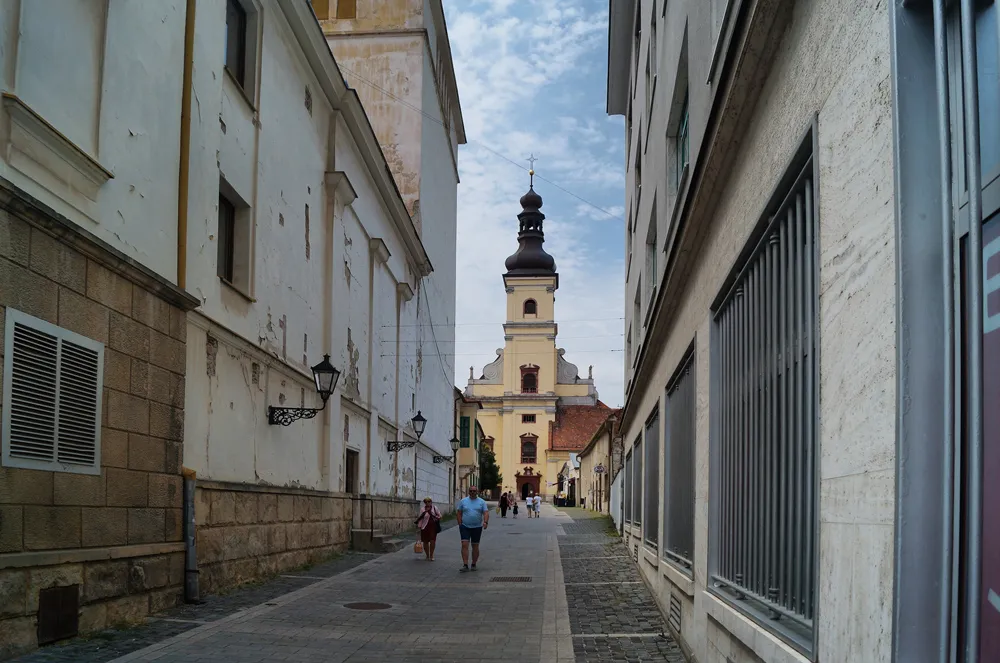
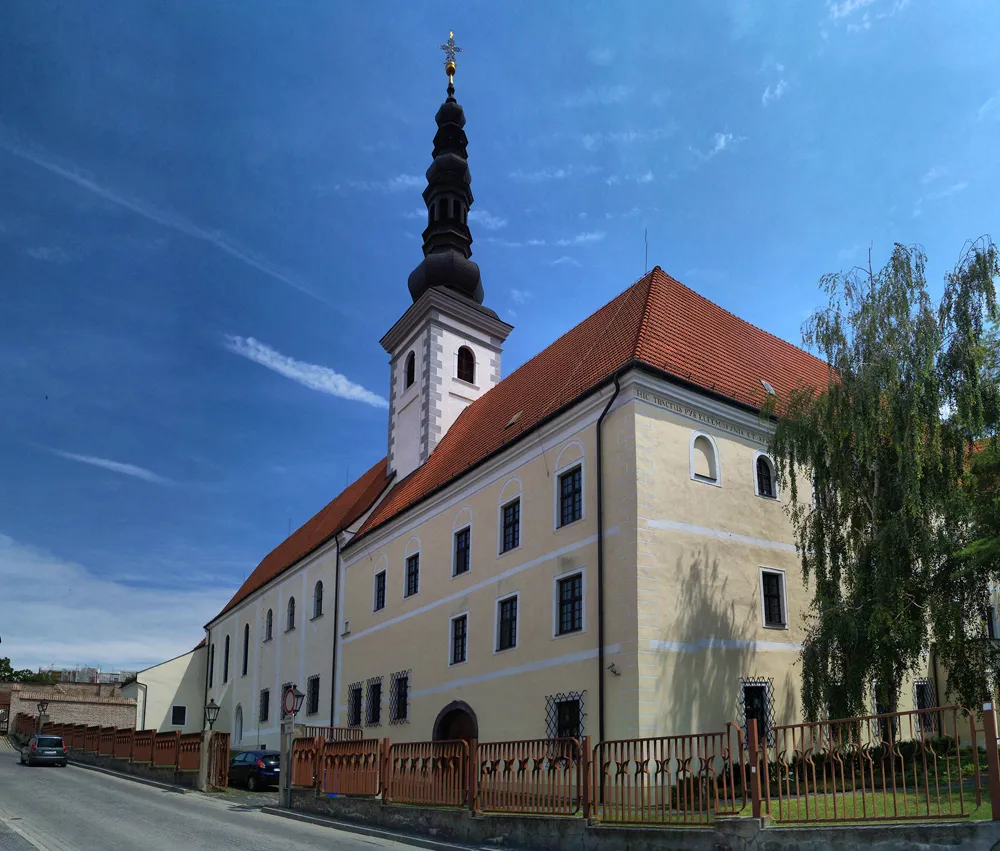
Franciscan monastery
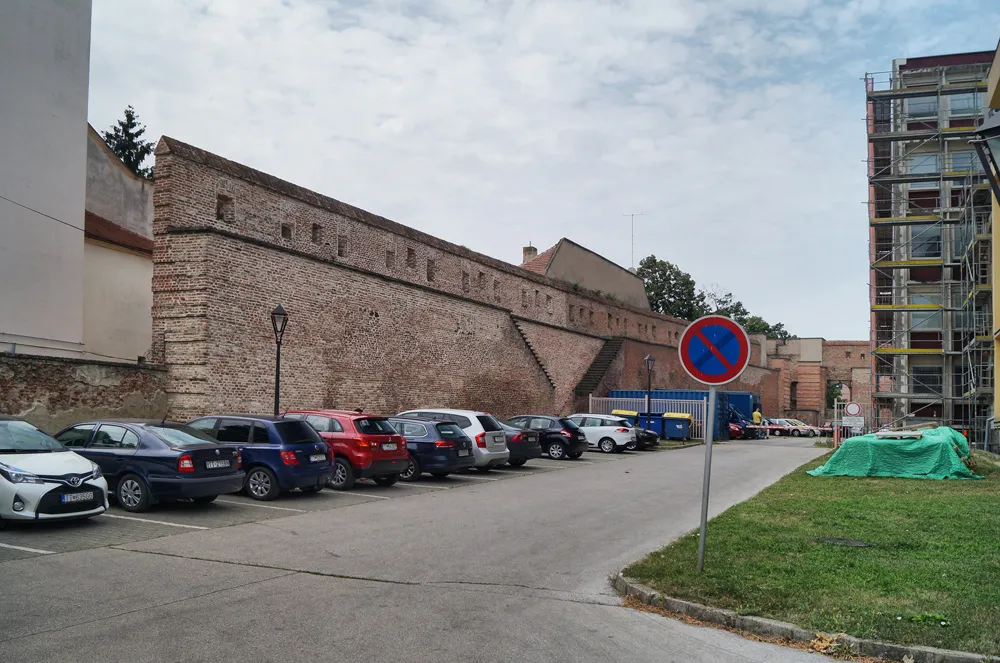
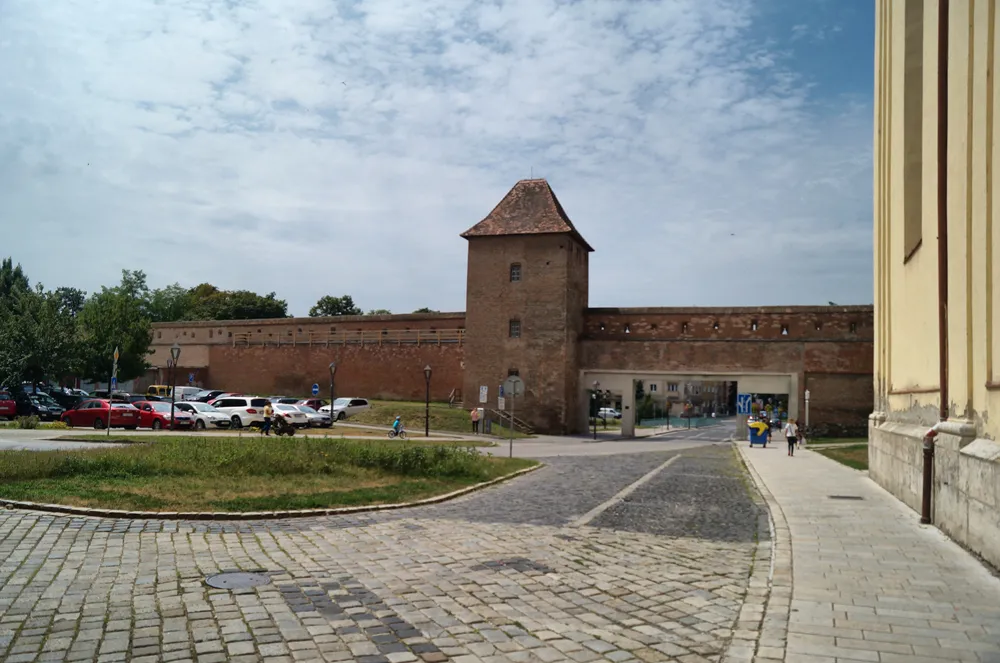
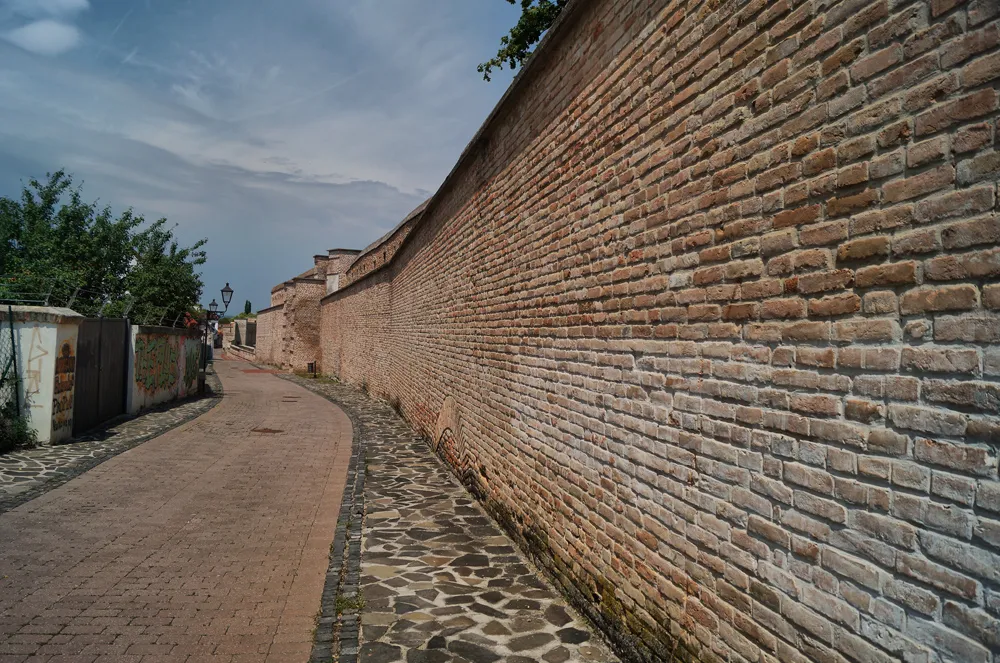
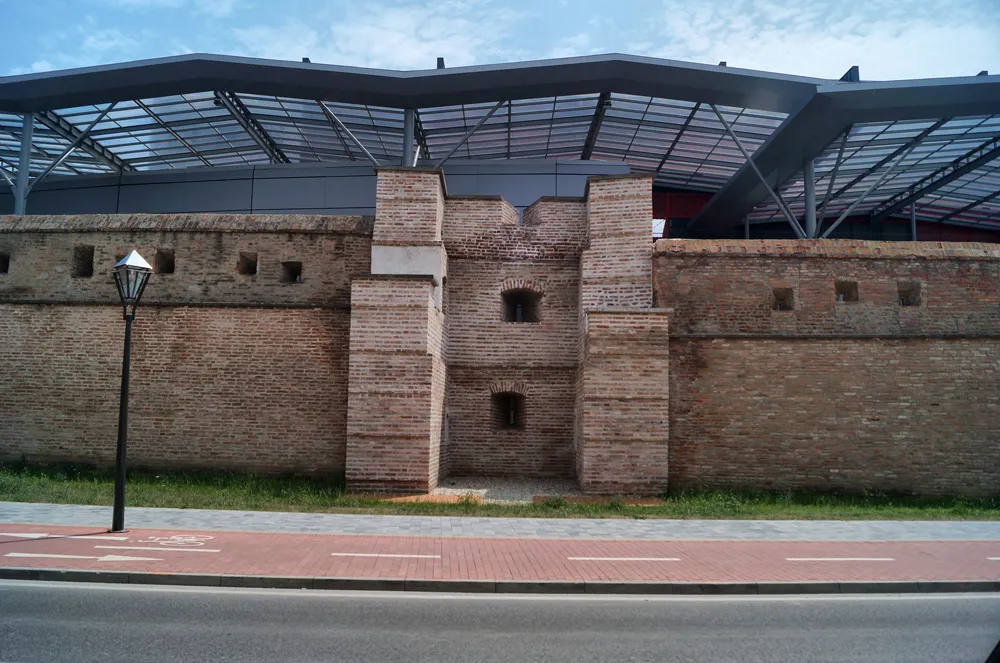
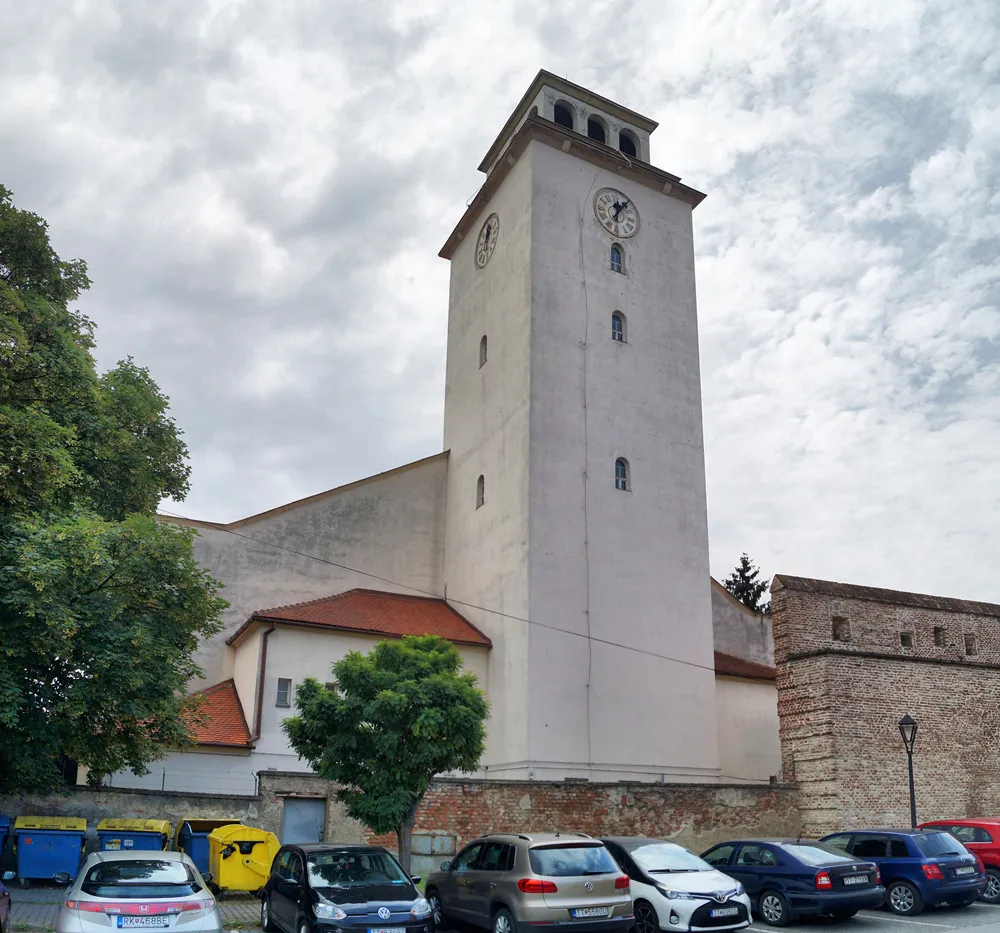
City walls
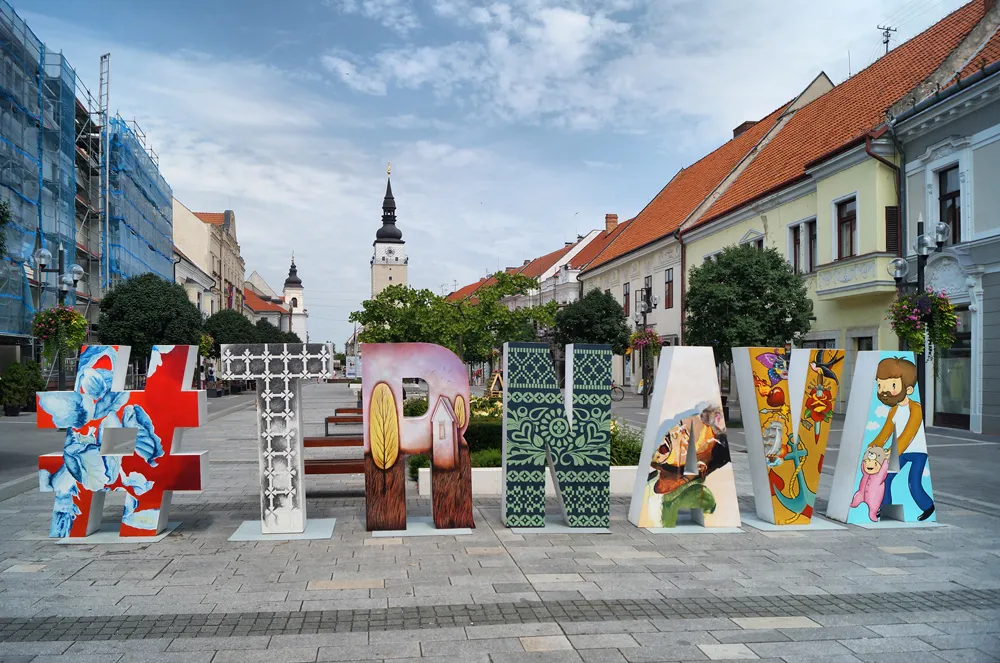
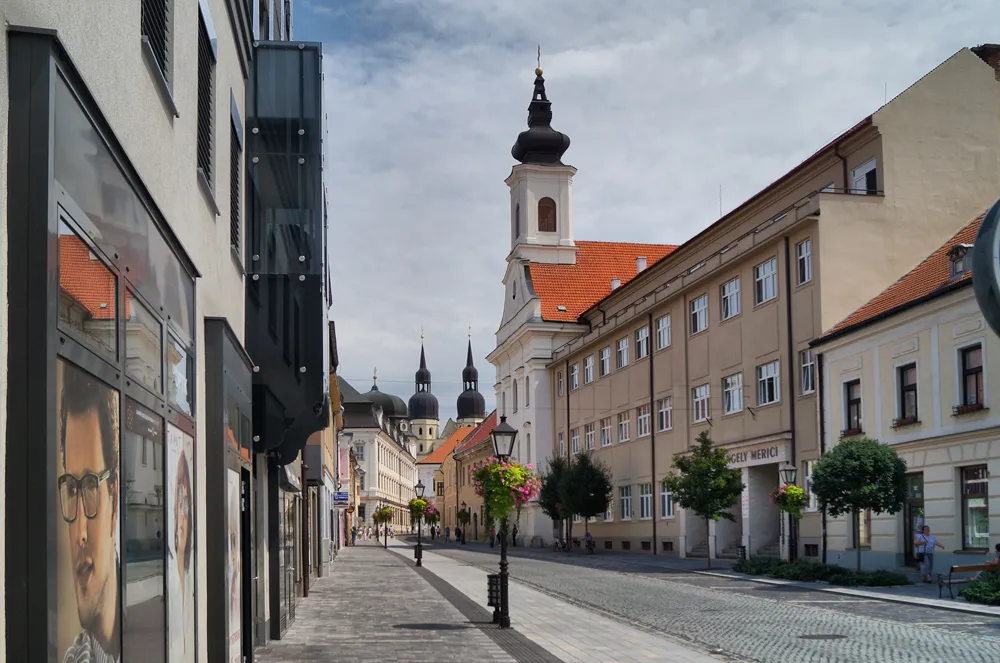
Town centre
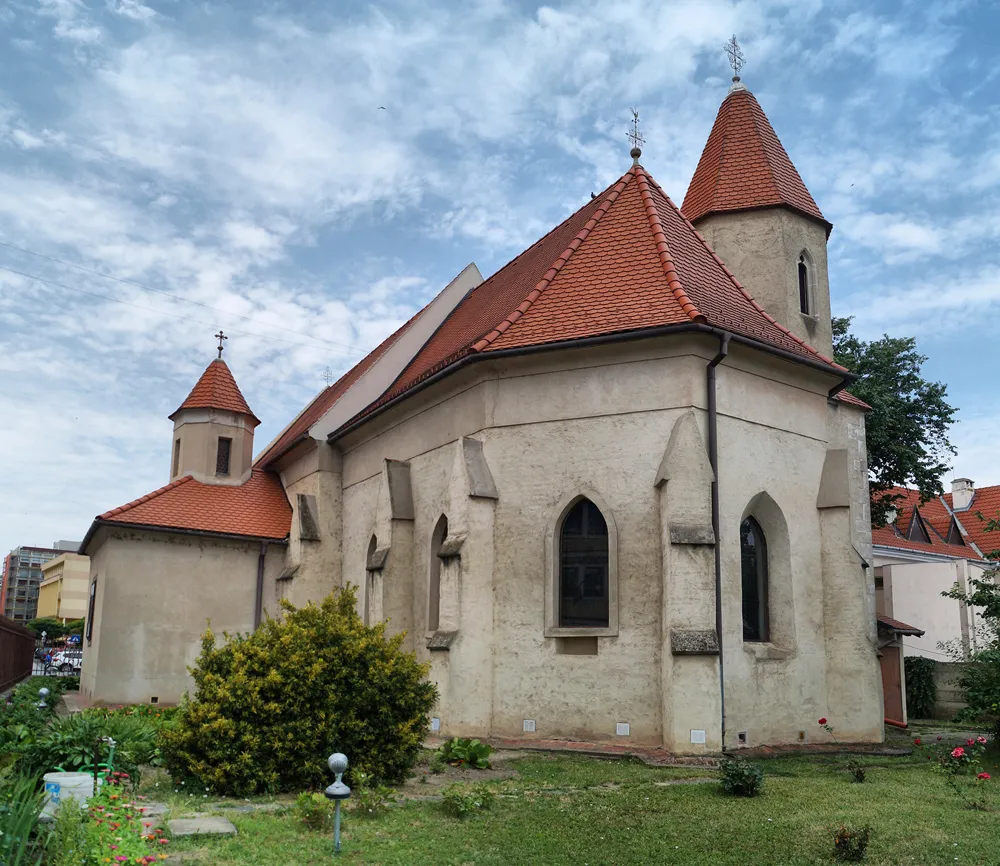
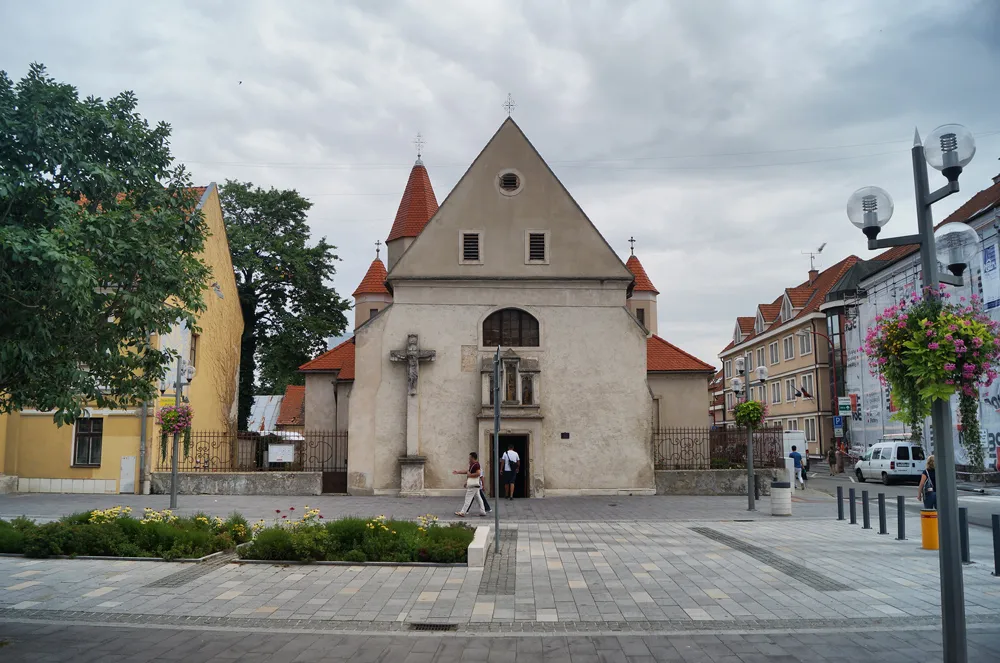
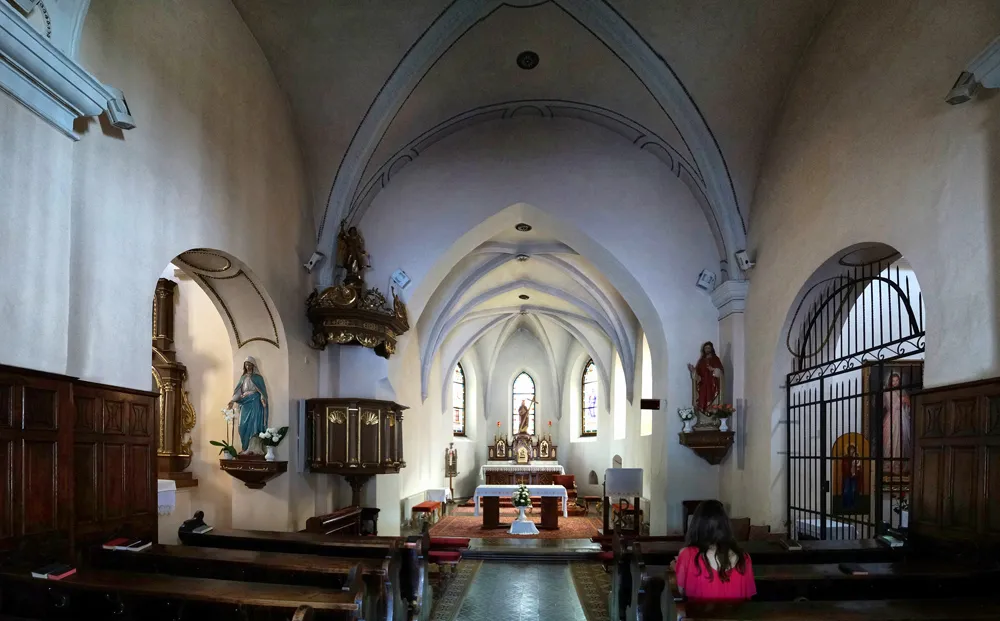
Church of St. Helena
Trnava arose as a merchants’ settlement at the crossroads of trade routes. The first mention of it dates from 1211, and in 1238 Trnava, the first among the towns on present-day Slovak territory, received the status of a free royal town. At about the same time the town, its built-up area and market, was surrounded by wooden walls. Later the wooden walls were replaced by powerful masonry ones. The area of the town within the walls was 60 hectares, and these walls have survived to our time. Ancient gates lead into the town through the walls, and from the walls begin narrow, cosy little streets lined with old townhouses.
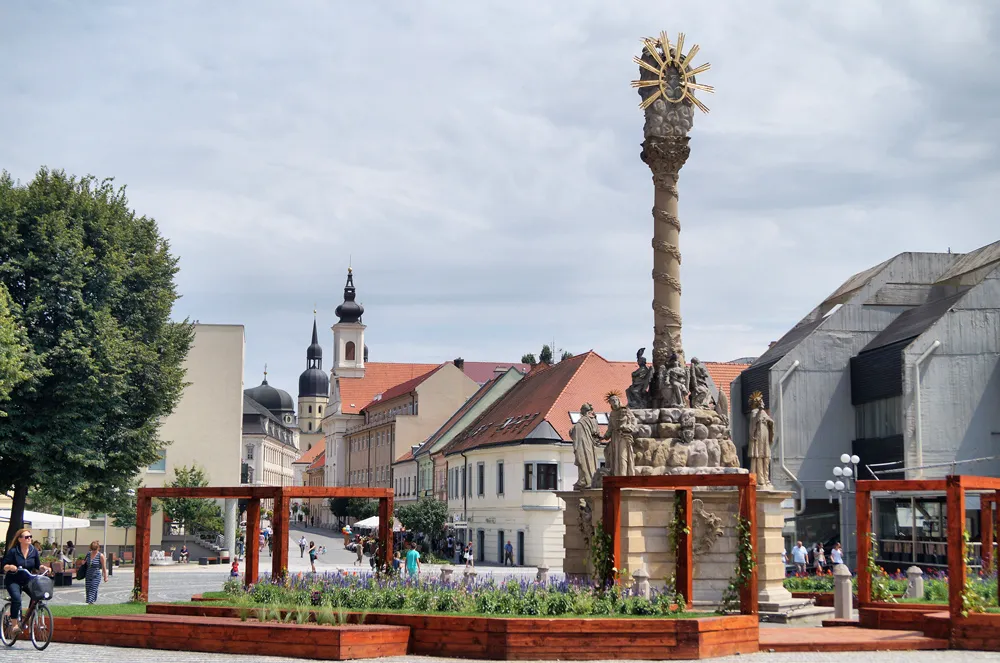
The heart of Trnava is Trojičné námestie (Trinity Square), with a plague column in its centre. Here stands the town hall with the Town Tower, 57 metres high; the town theatre (divadlo) is also here, and nearby, in a side street, is the Church of the Holy Trinity, built by the Jesuits in 1729. From the square, past the theatre, runs the short Divadelná Street, which ends at the former Franciscan Monastery of St. James.
I will not list all the churches of Trnava; there are many of them here, it is the “Slovak Rome” after all, but I also want to mention the Gothic Church of St. Helena, which I liked very much for its ancient character. It is considered the oldest church in the town. Its construction is believed to have begun in the 13th century. There is also a 19th-century synagogue and, next to it, a café that is also called “Synagogue”. Unfortunately, I did not go into that café, so I do not know what they serve there.
If you are in Slovakia, not far from Bratislava, drop in at Trnava
Text and photos by Roman Malenkov.