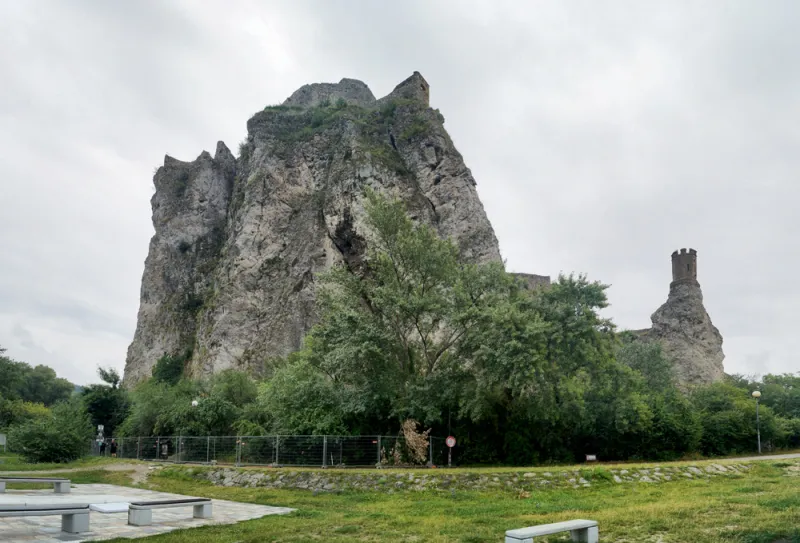
Slovakia. Jasenov Castle (Jasenovský hrad)

· 2 min read
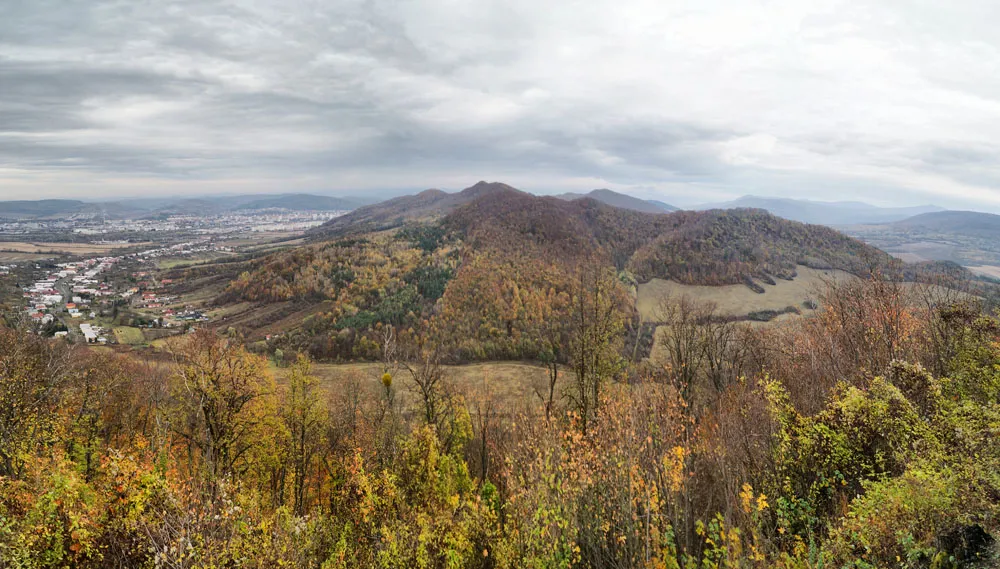
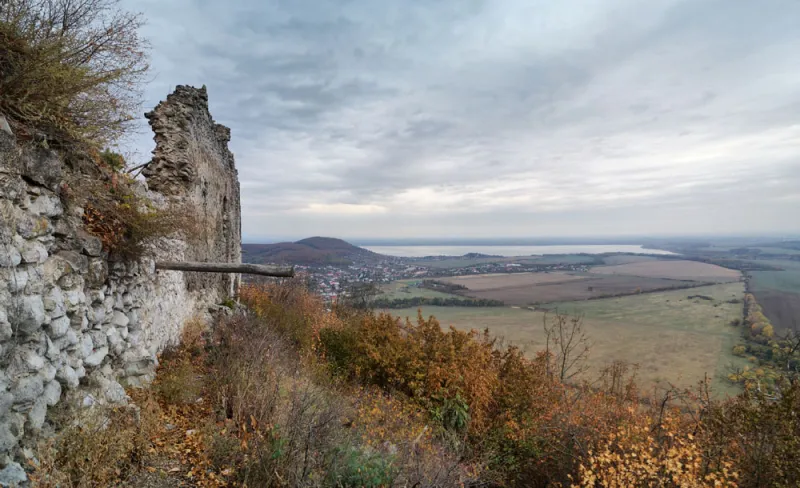
Fifty kilometres from the Ukrainian border, in the Prešov Region, within the low Carpathian ridge of Vihorlat, lies the old village of Jasenov. It has 1,186 inhabitants, 7% of them Greek Catholics and Orthodox – descendants of Ukrainians who had long lived within Vihorlat, which, incidentally, begins in Ukraine. Admittedly, only 0.8% of the population now identify as Ukrainians, and 0.7% call themselves Rusyns. But the truth cannot be hidden – 83 people in Jasenov are Ukrainians or people of Ukrainian origin who now call themselves Slovaks.
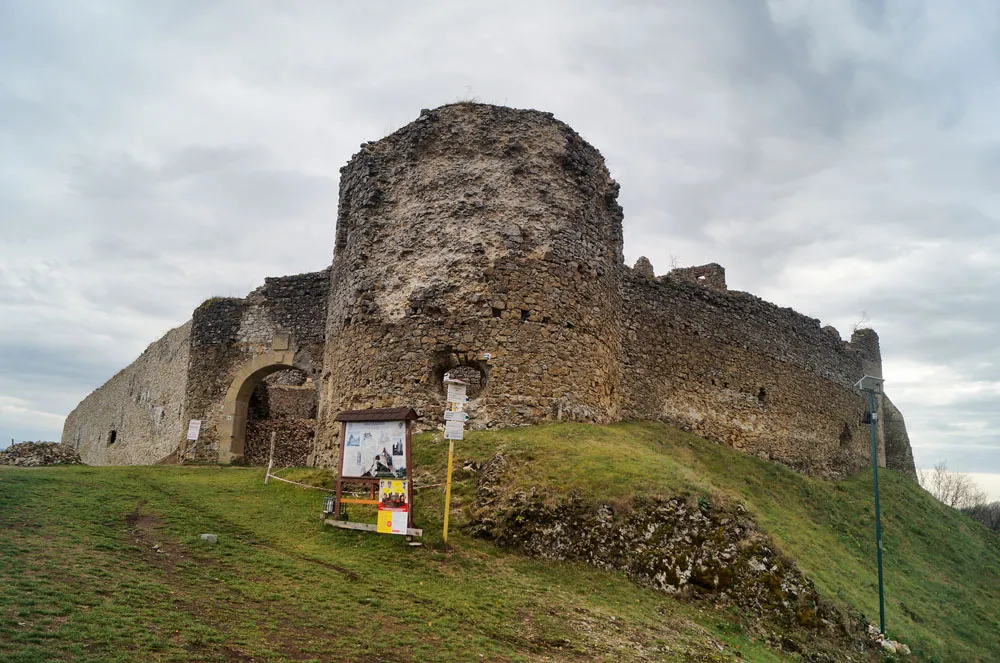
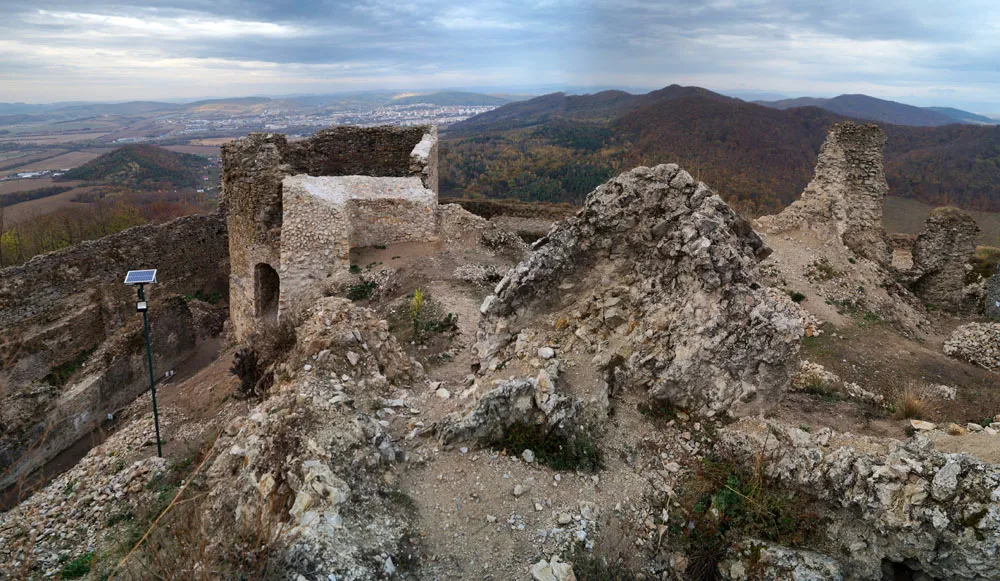
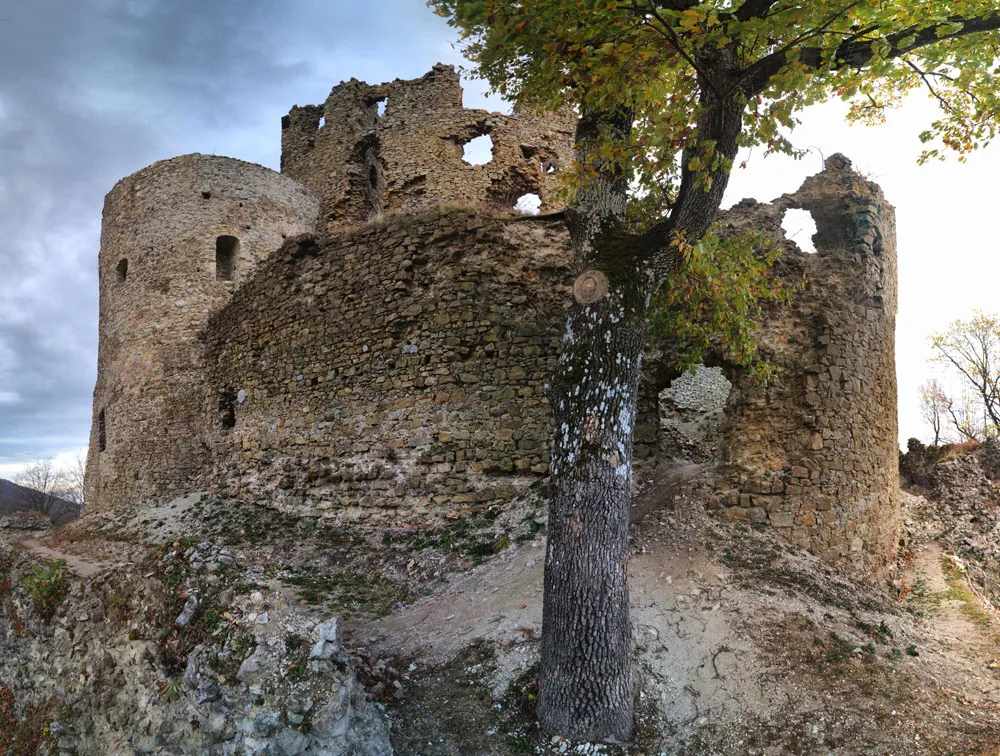
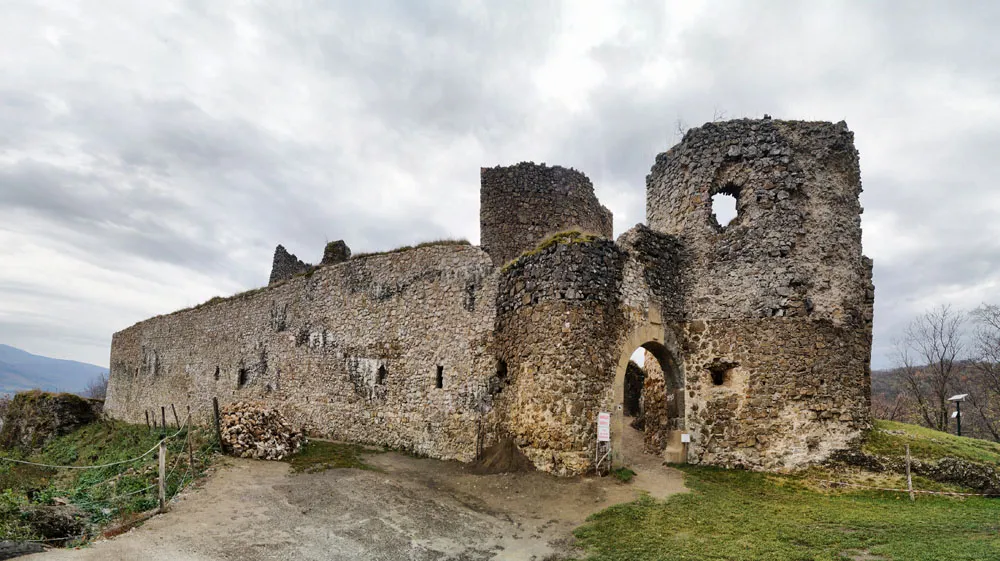
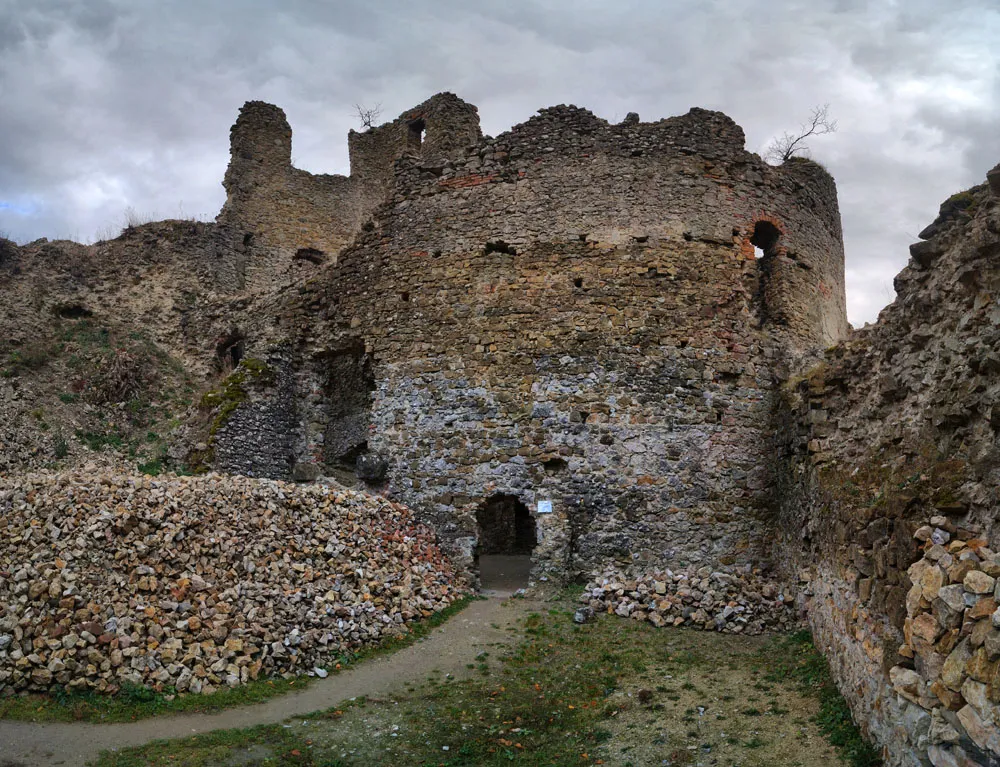
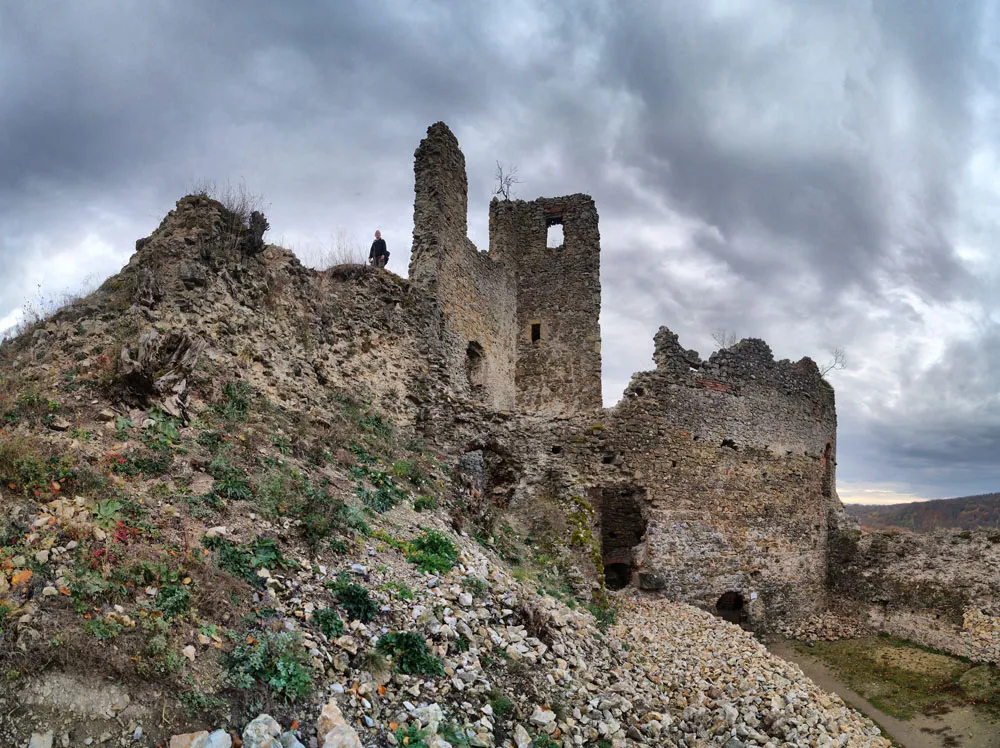
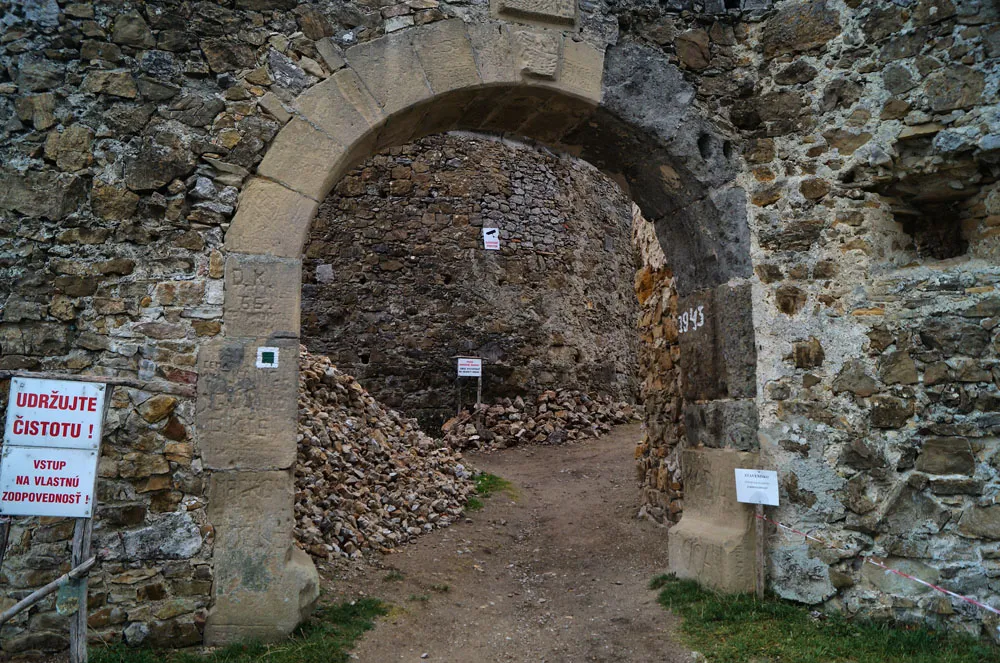
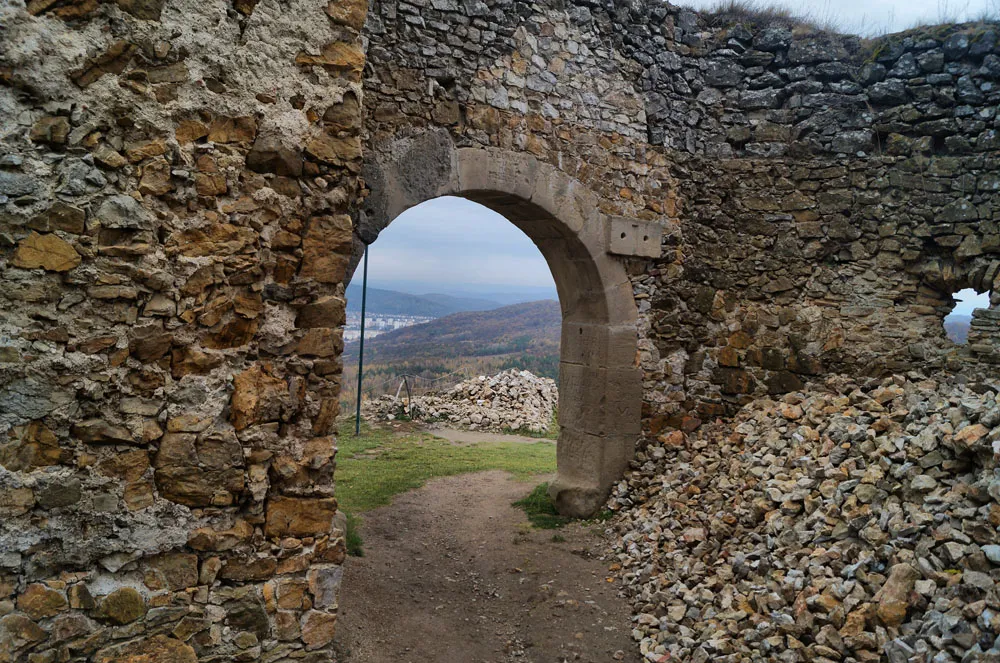
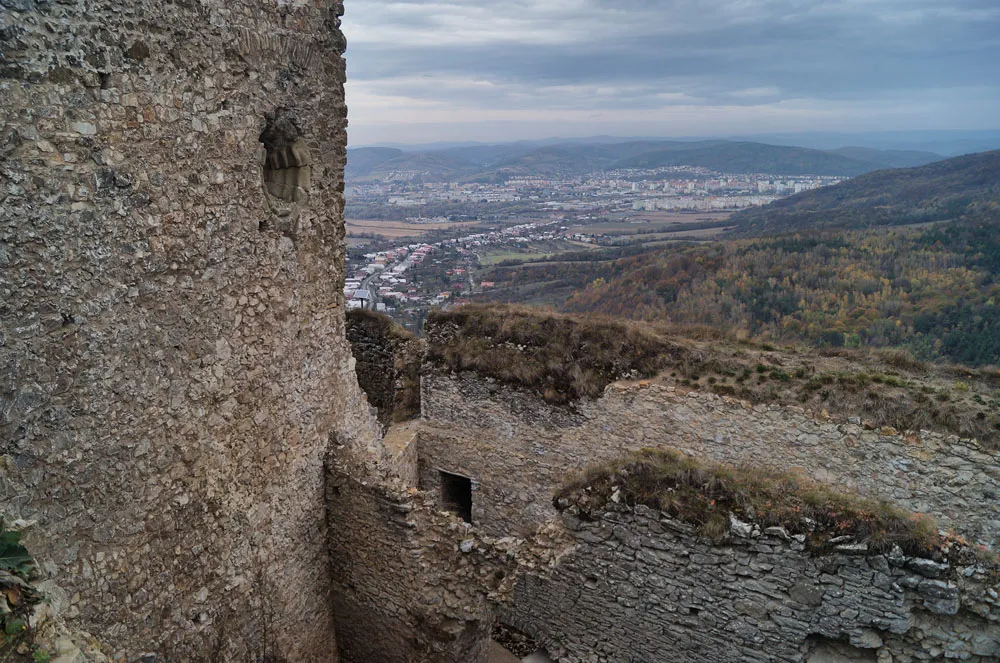
Wikipedia says that a kilometre from the village of Jasenov, at an altitude of 392 m above sea level, stands Jasenov Castle (Jasenovský hrad). It was the goal of our visit to Jasenov. Wikipedia says it is only a kilometre from the village, but we walked that kilometre for almost an hour, because there is a considerable climb, and the road was muddy and slippery. On the way, though, we met a man who represented the local community. He said the community plans to lay asphalt up to the castle and turn it into a full-fledged tourist attraction. Whether the road has been built by now, I do not know.
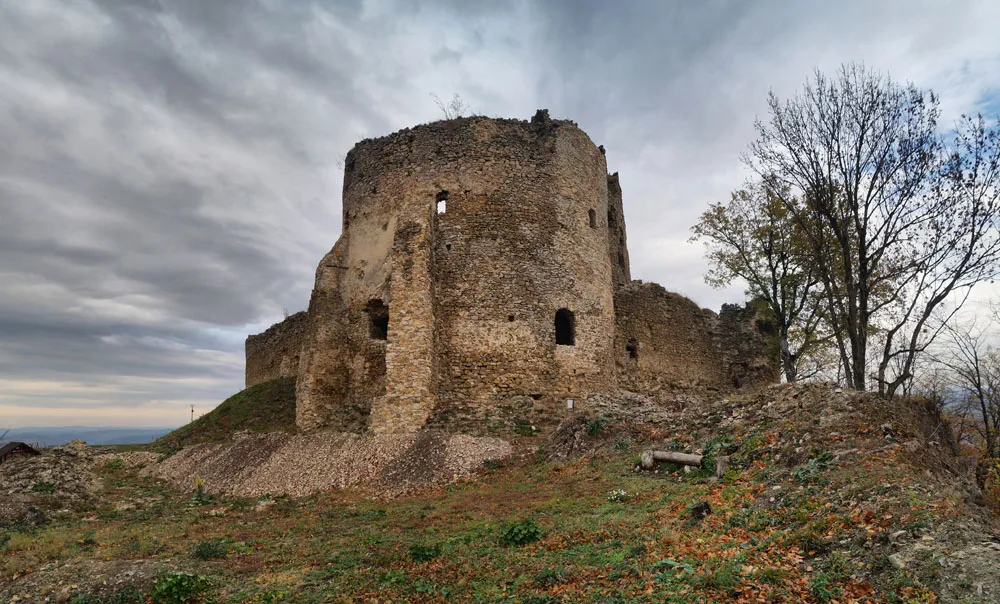
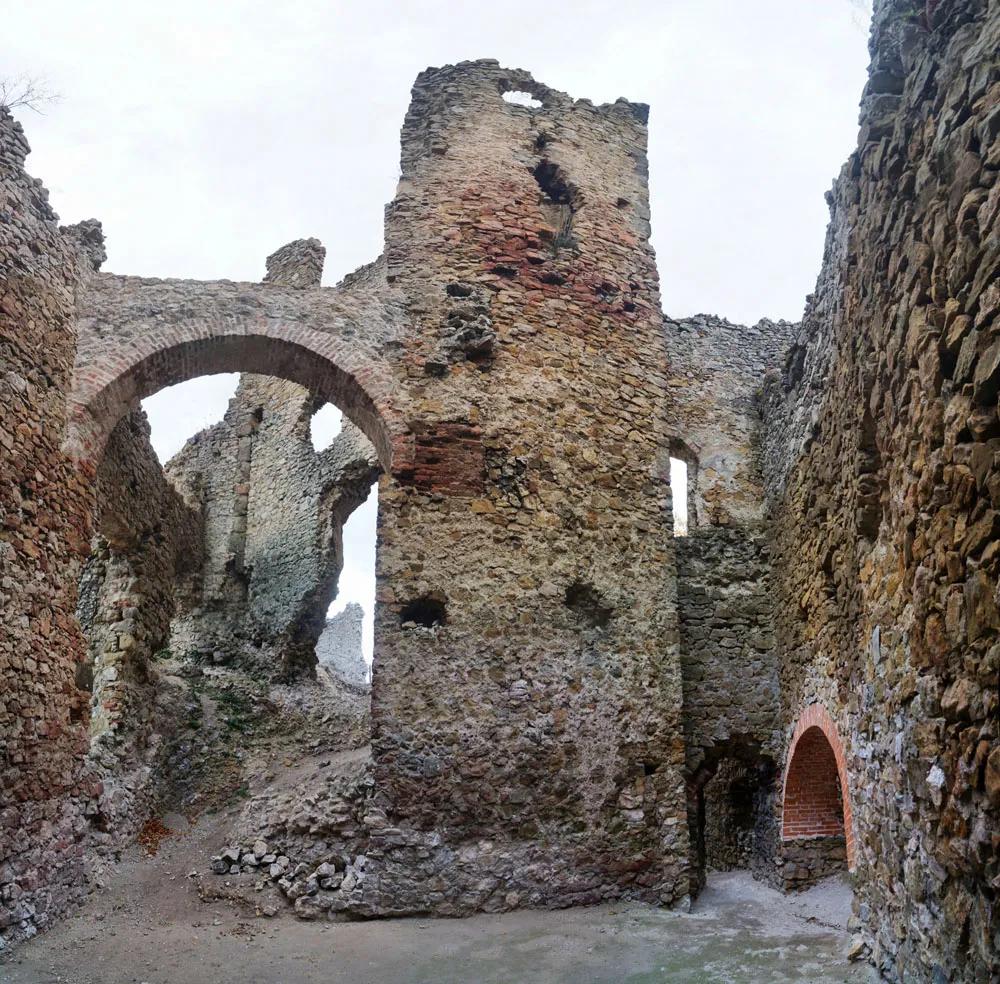
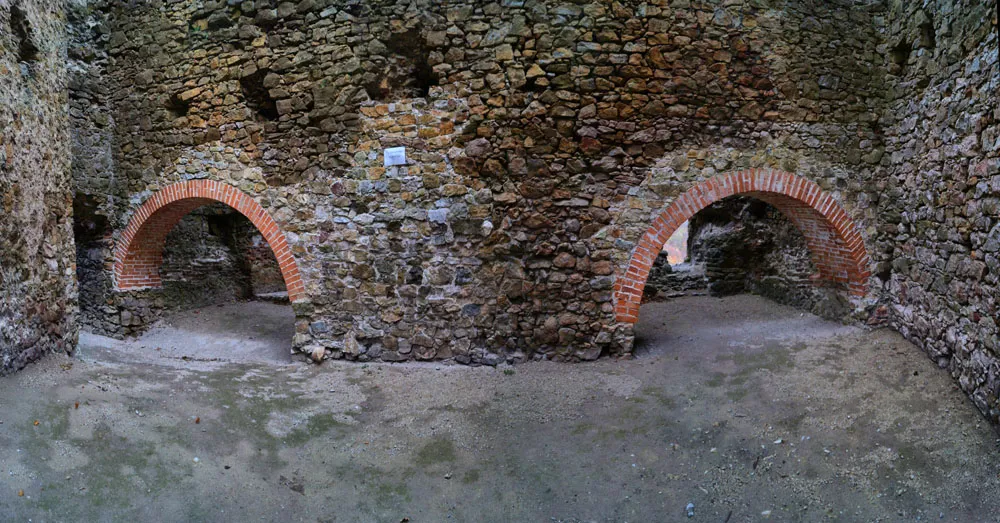
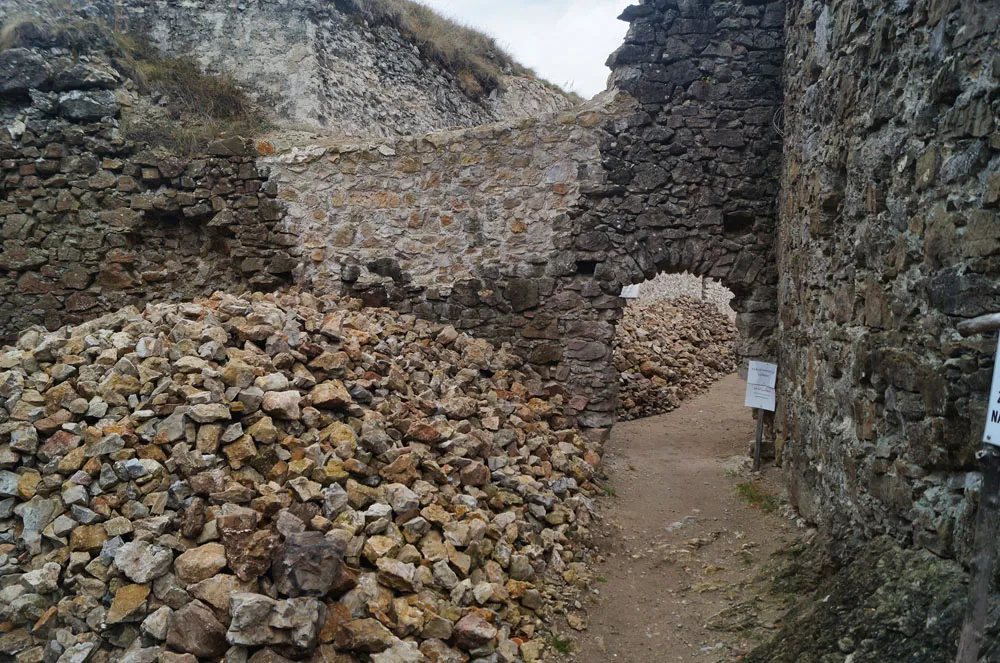
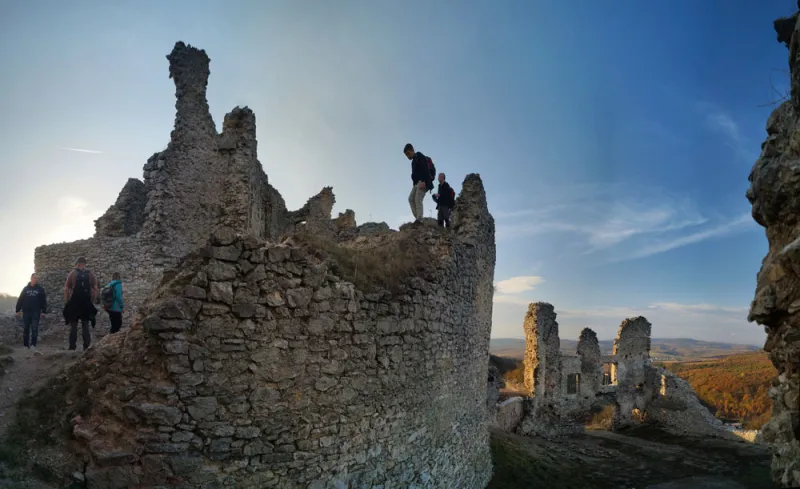
Jasenov Castle was probably built in the 13th century, after the Mongol-Tatar invasion, but the first documentary mentions date from 1328. From then on the castle belonged to the Drugeth family and was one of their residences. In time even their palace appeared here, and there was also a workshop for making counterfeit money. The castle belonged to the Drugeths until 1644, when it was captured and destroyed by the Prince of Transylvania, György Rákóczi. At that time Transylvania was a member of the anti-Habsburg coalition, while the Drugeths were probably on the Habsburg side. Since then nobody has restored the castle, and the ruins stood until 2011, when the local authorities, together with the civic association for the rescue of Jasenov Castle, took up its reconstruction. A great deal has been done by now. I recommend it to everyone – a wonderful castle.
Text and photos by Roman Malenkov