Turkey. Midyat

· 3 min read
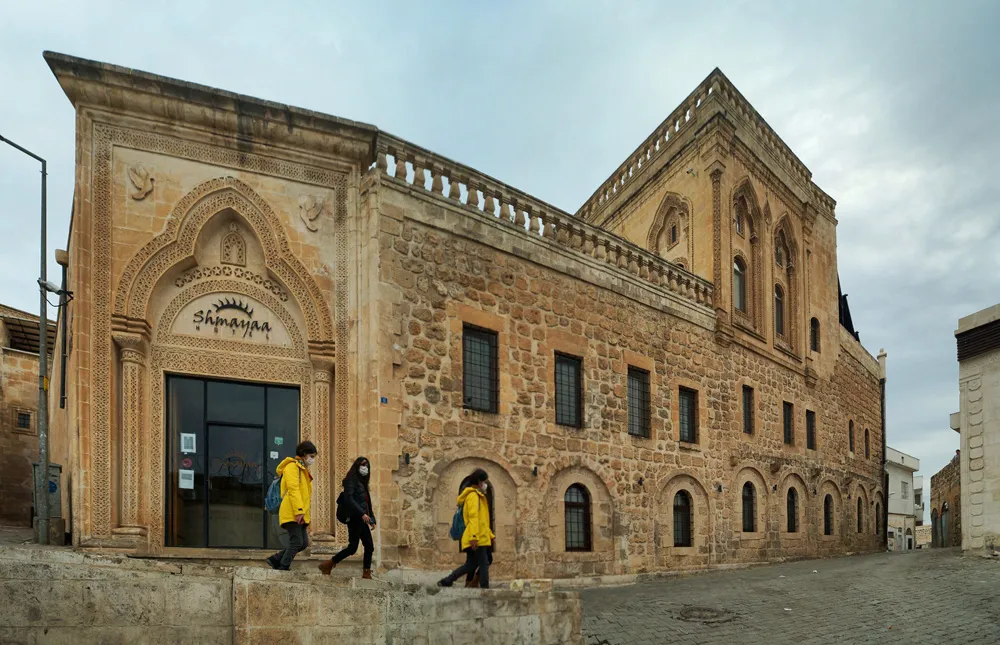
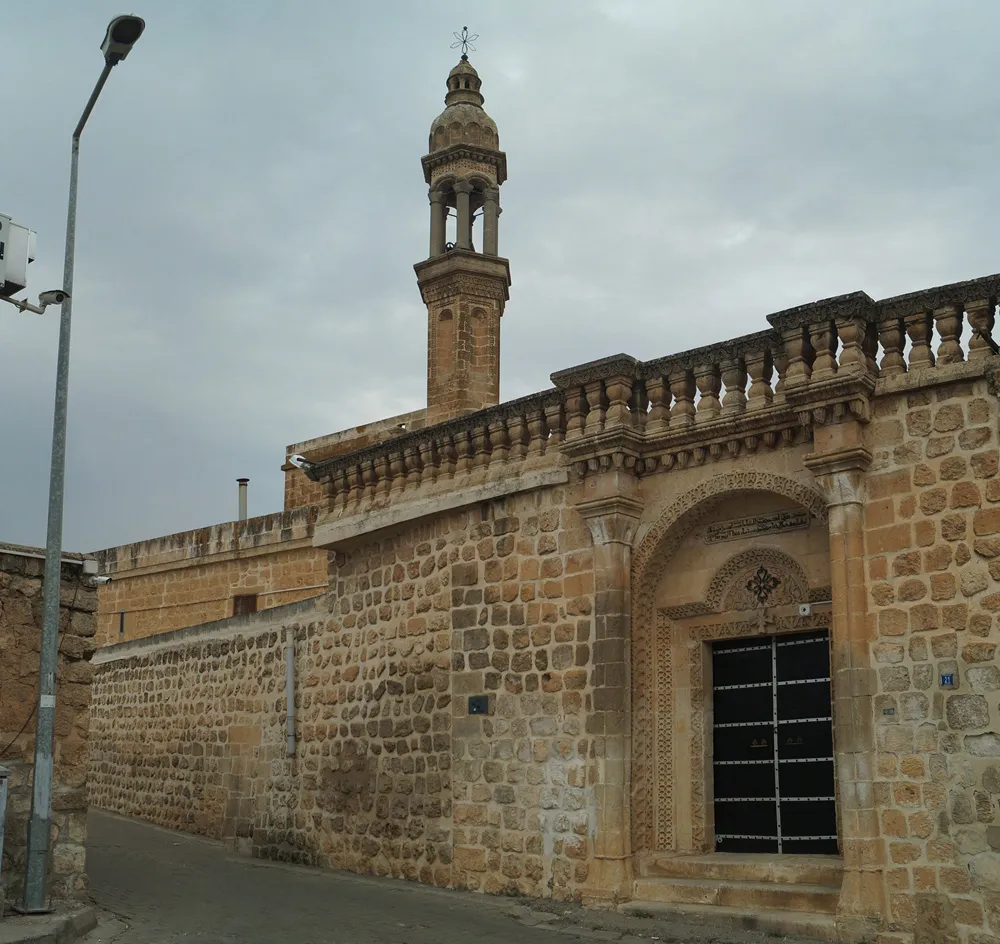
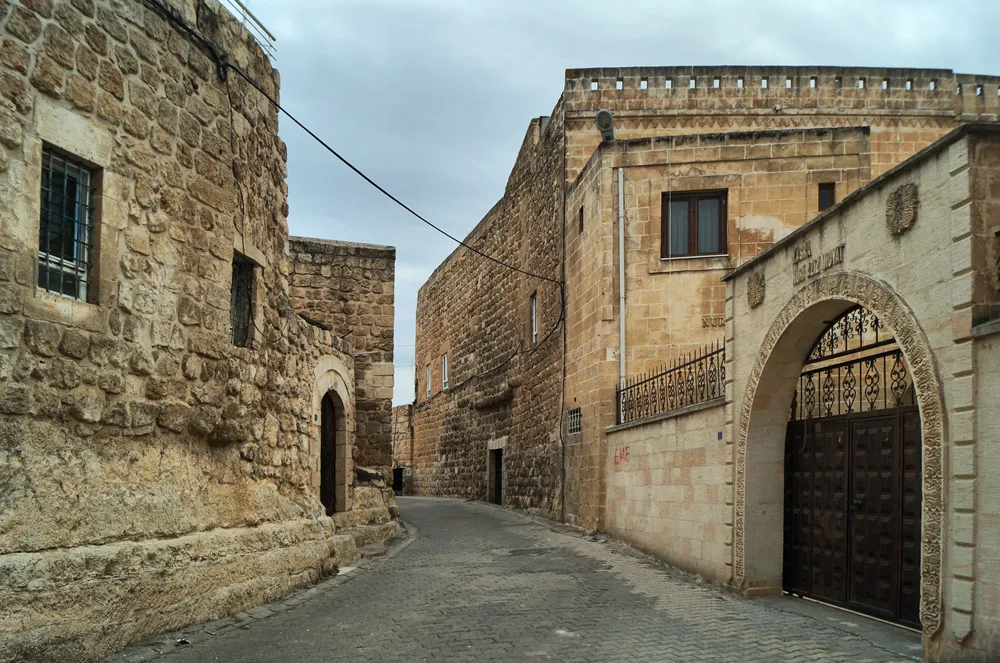
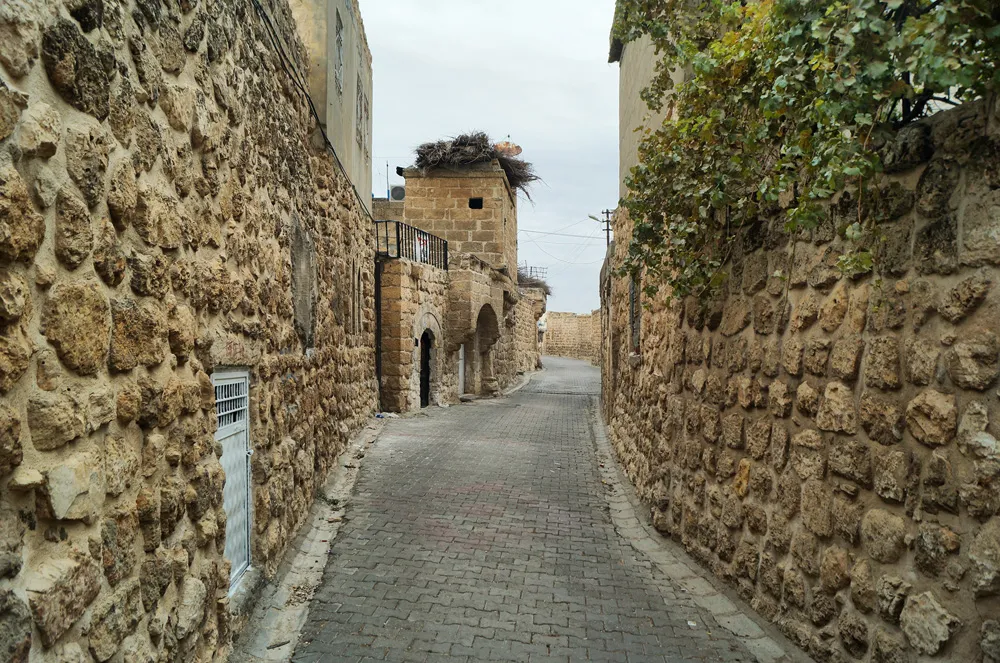
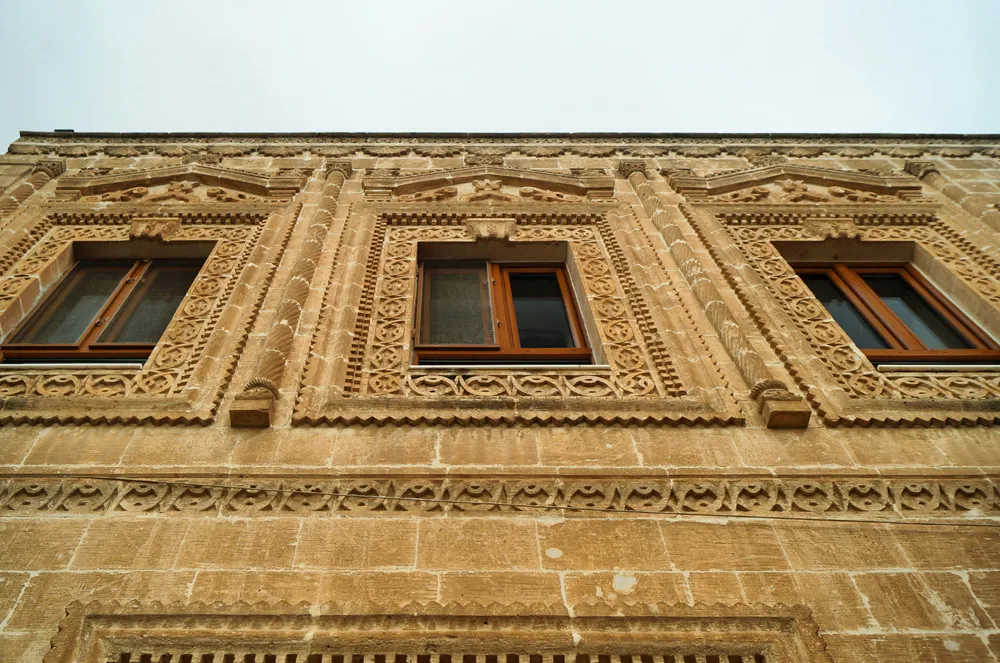
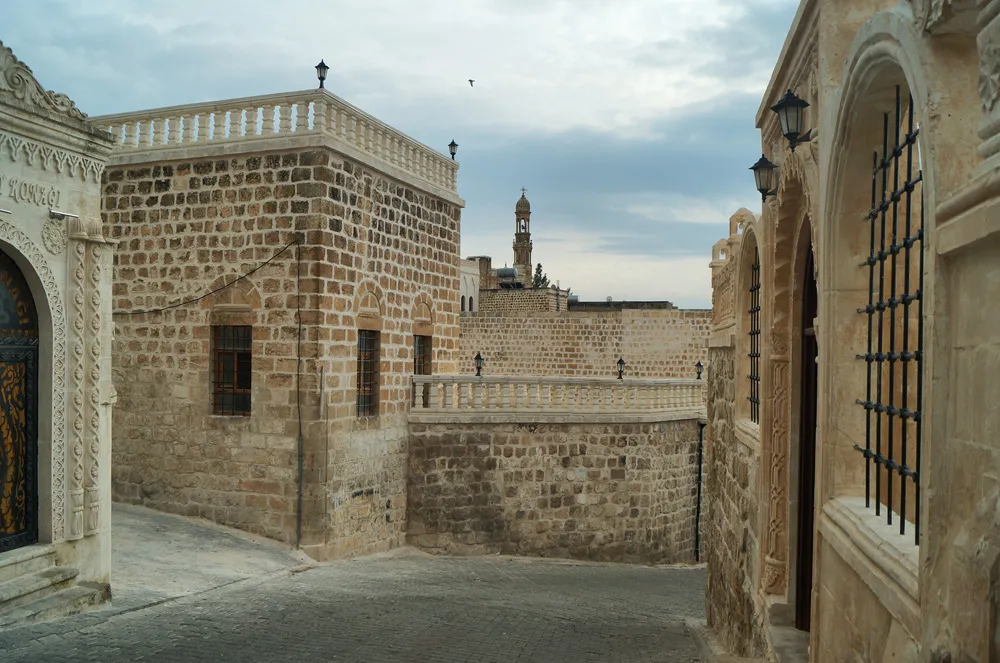
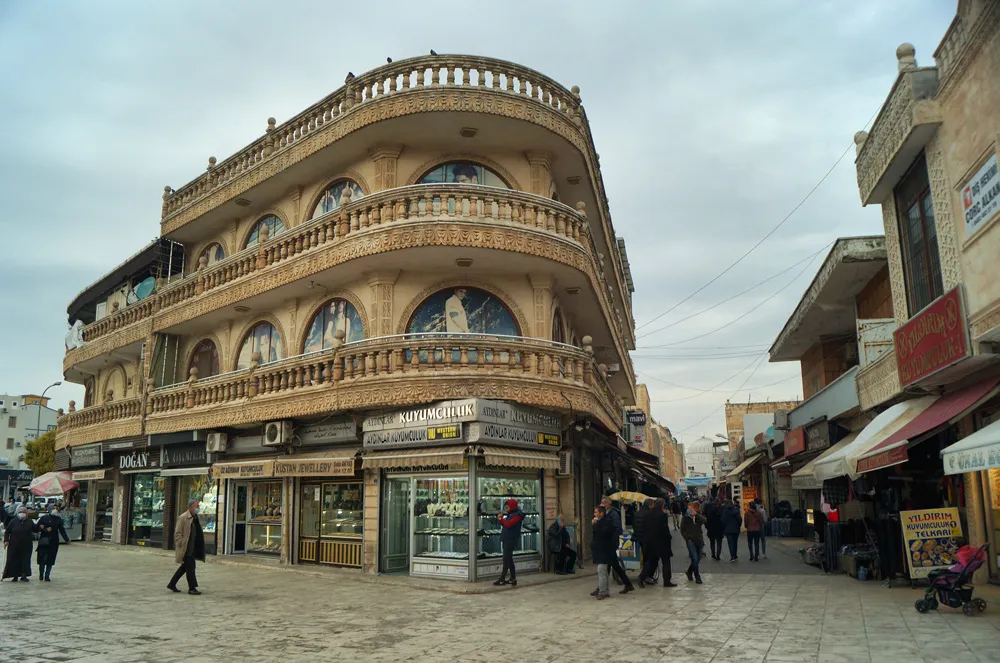
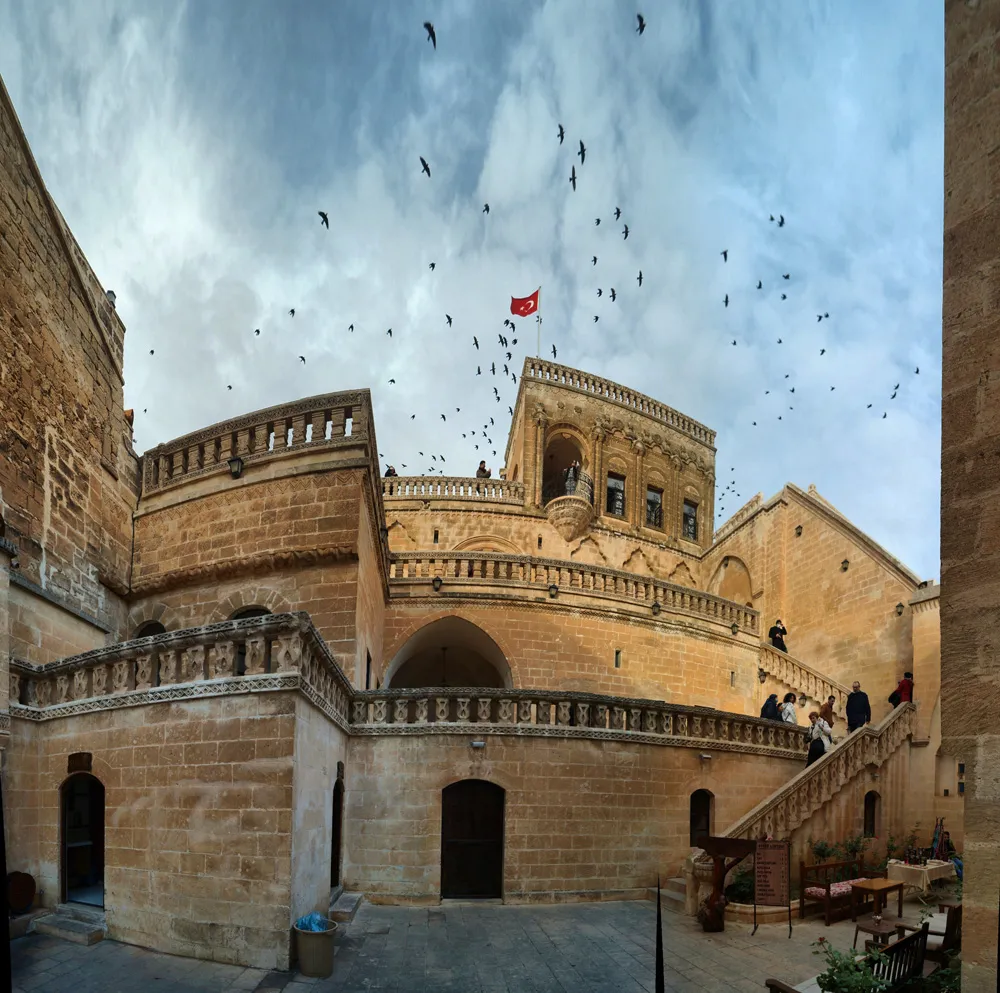
Midyat is another city that can be counted among the most beautiful in Turkey, the former unofficial capital of the Turkish Assyrians, an open-air museum of architecture in which people live, a city of delicate stone lace: one can find a heap of epithets. It can be called a successful synthesis of Europe and Asia in architecture: this is deep Asia, but on the streets of Midyat, which until 1915 were 95% inhabited by Christians, you feel as if you were in Spain or Italy. I, for example, would compare them with Toledo and Ávila, although Spanish cities do not have such large-scale, refined stone carving, which simply mesmerises: you cannot look at it enough.
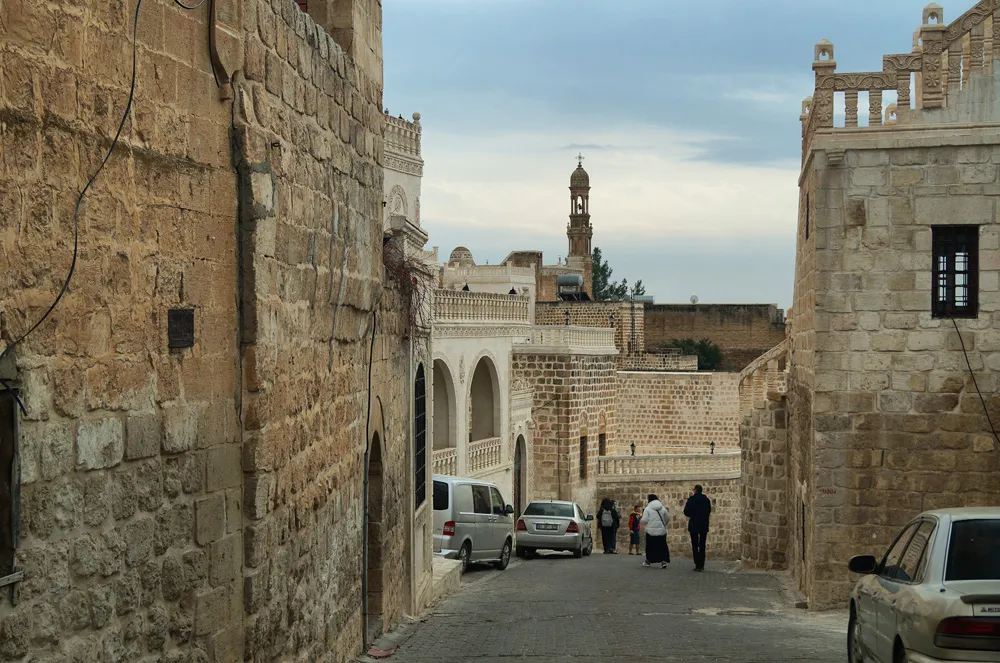
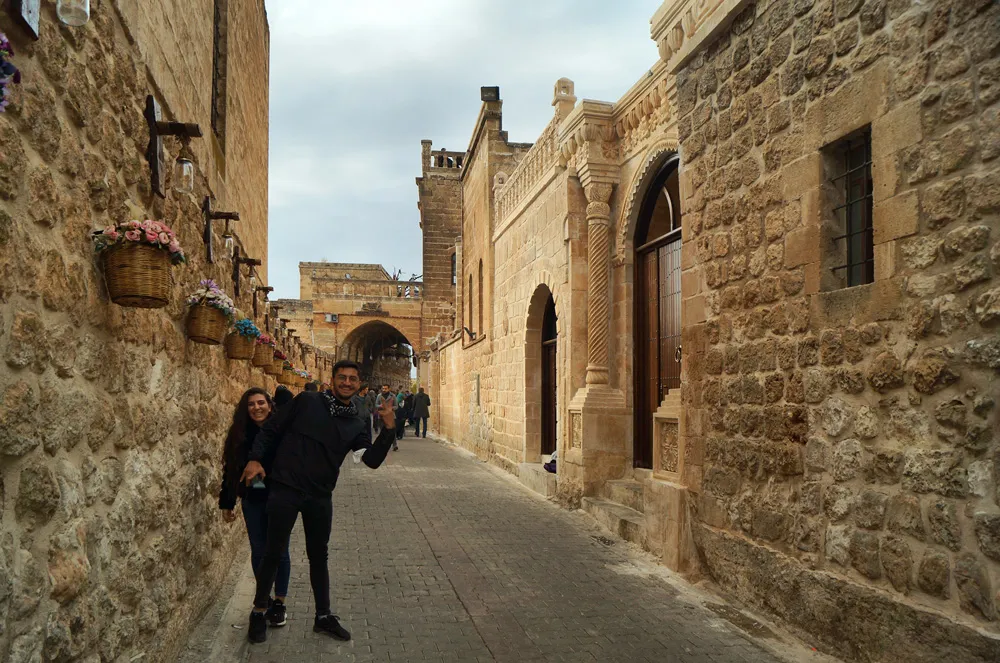
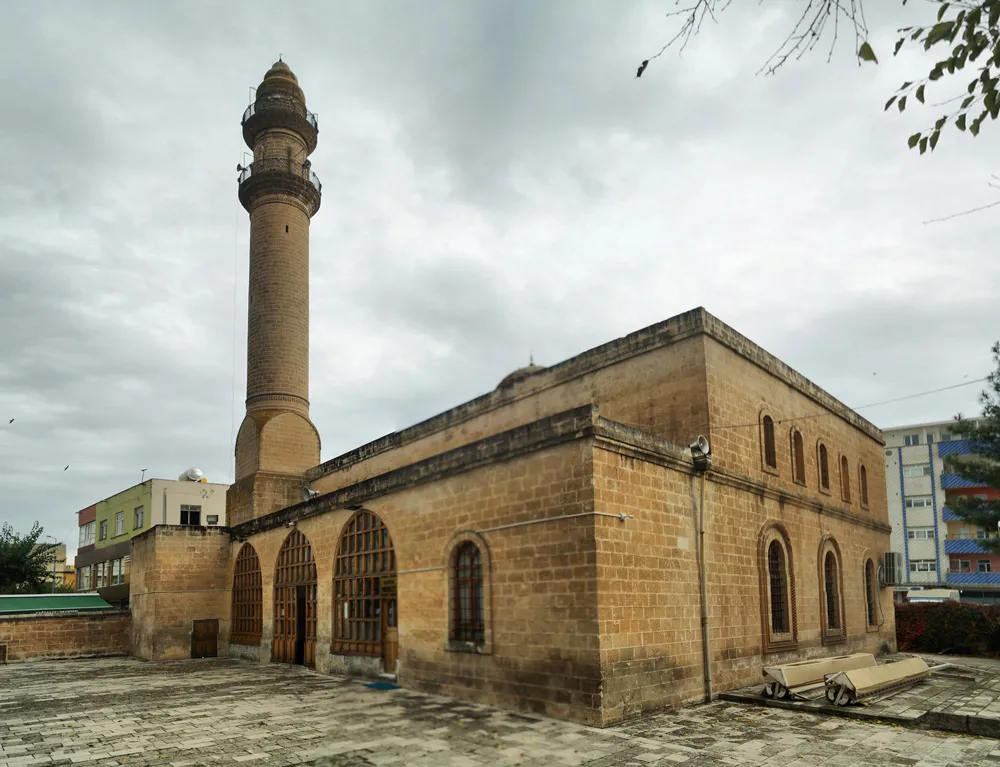
Midyat, like neighbouring Mardin, often serves as a backdrop for Turkish films and TV series. The Turks call it the city of languages and religions, since there are perhaps more of them here than anywhere else in the country: besides Muslims and Christians, Midyat is also a religious centre for the Yazidis. Although there are now very few Christians here: two thirds of the Christian population were killed in 1915 by Muslims, mostly Kurds, who settled in the Christians’ homes and now make up 90% of the population of the old town, while the new town, with its modern high-rises, is inhabited mostly by Arabs. Turks make up no more than 10% in Midyat, and Assyrians a couple of percent, but they already feel much more comfortable, with their own souvenir shops and wine shops. The wine is of very high quality. When the seller found out that we were from Kyiv, he began to show us a cross and say that he was an Orthodox, like us.
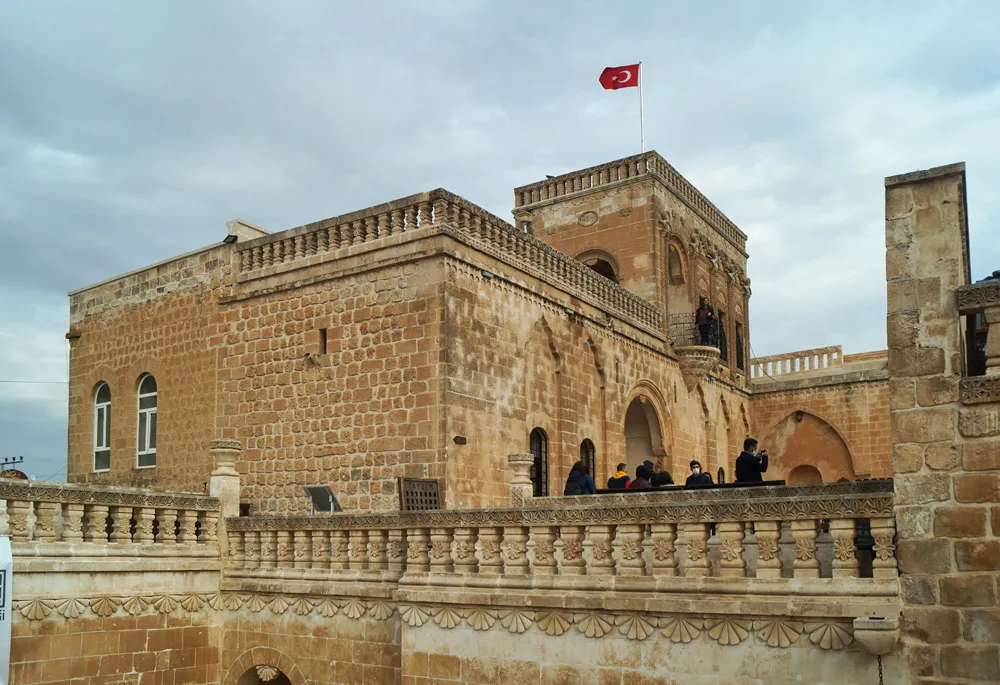
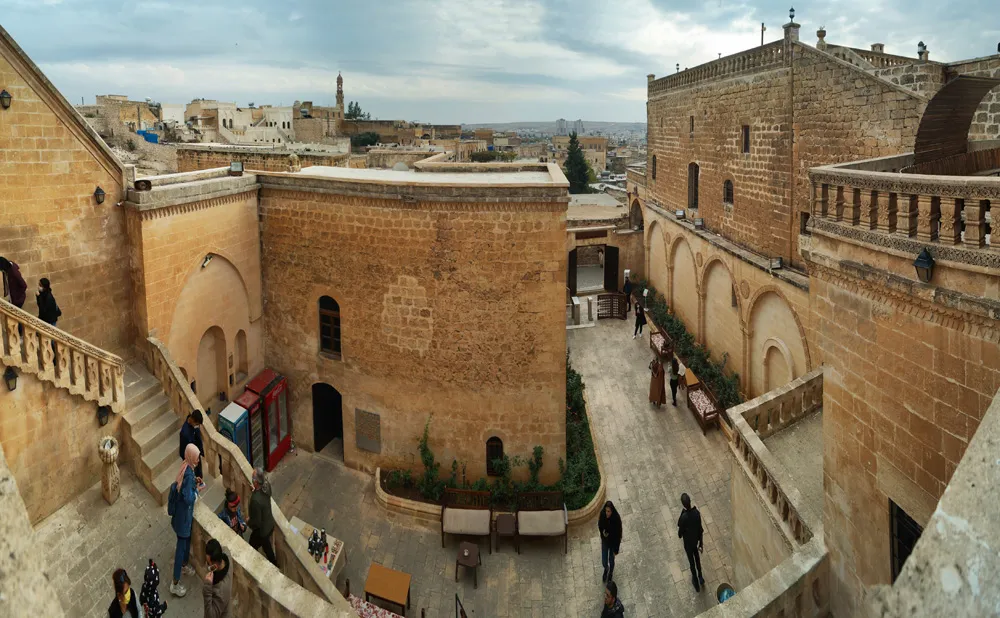
Quite recently the centre of Midyat was nicely repaired and restored. Christian churches that stood closed only ten years ago have opened, and museums, apart-hotels and restaurants have appeared. The streets are full of tourists from various countries. And the good thing is that the historic centre of Midyat is relatively small: you can walk around it in 3-4 hours, then have lunch somewhere in a tasty place and set off to see the surrounding monasteries, one of which is located in the city itself.
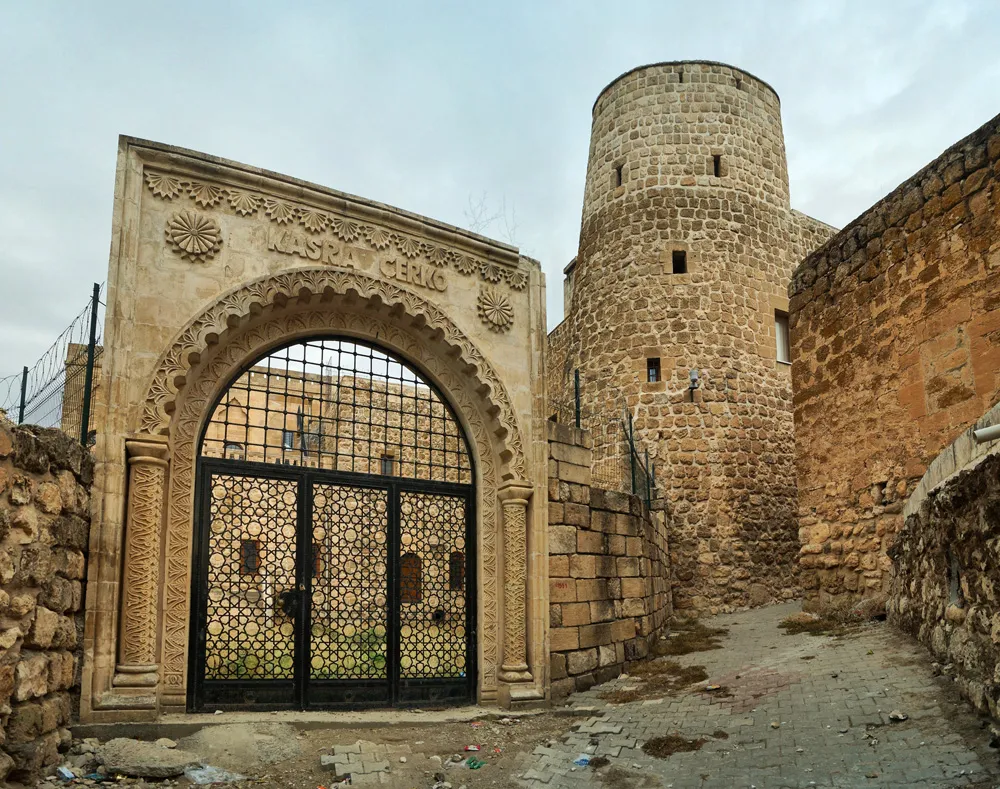
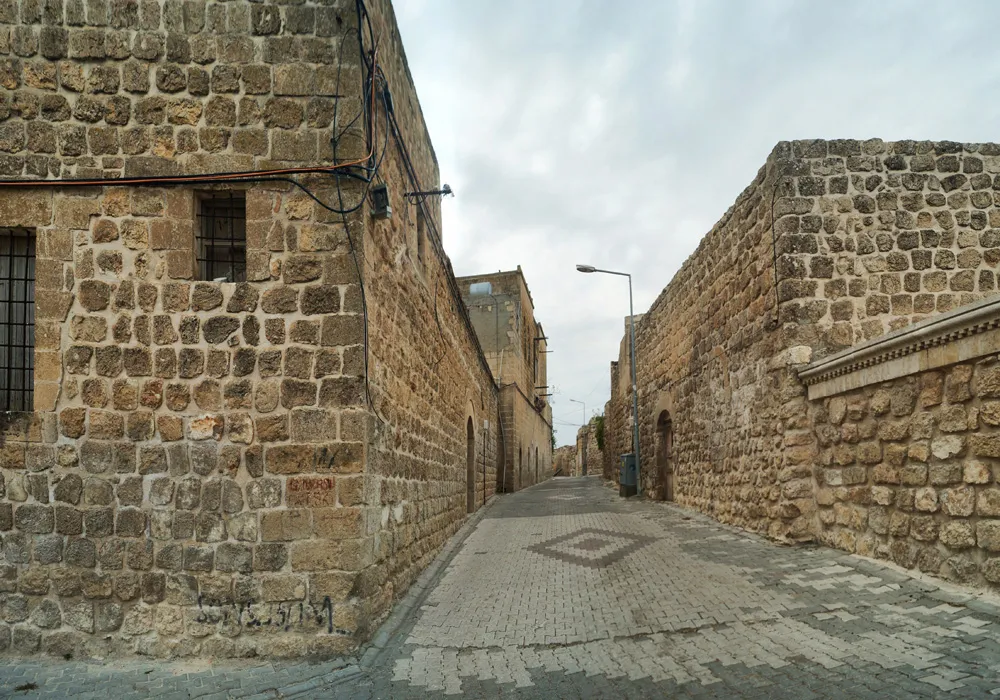
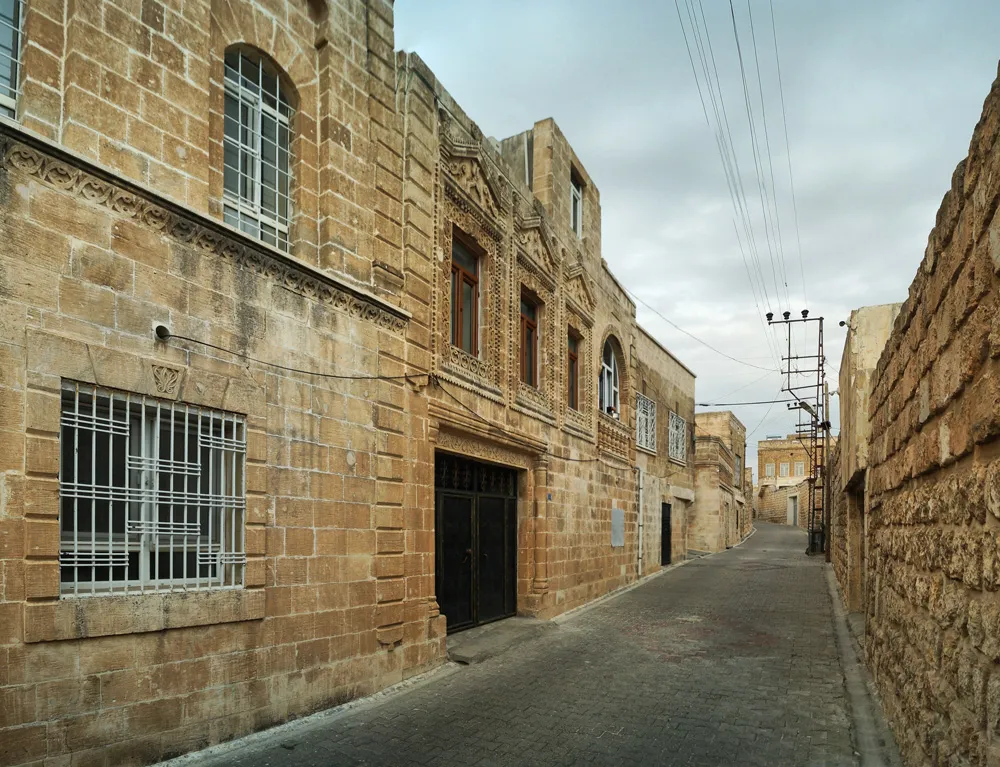
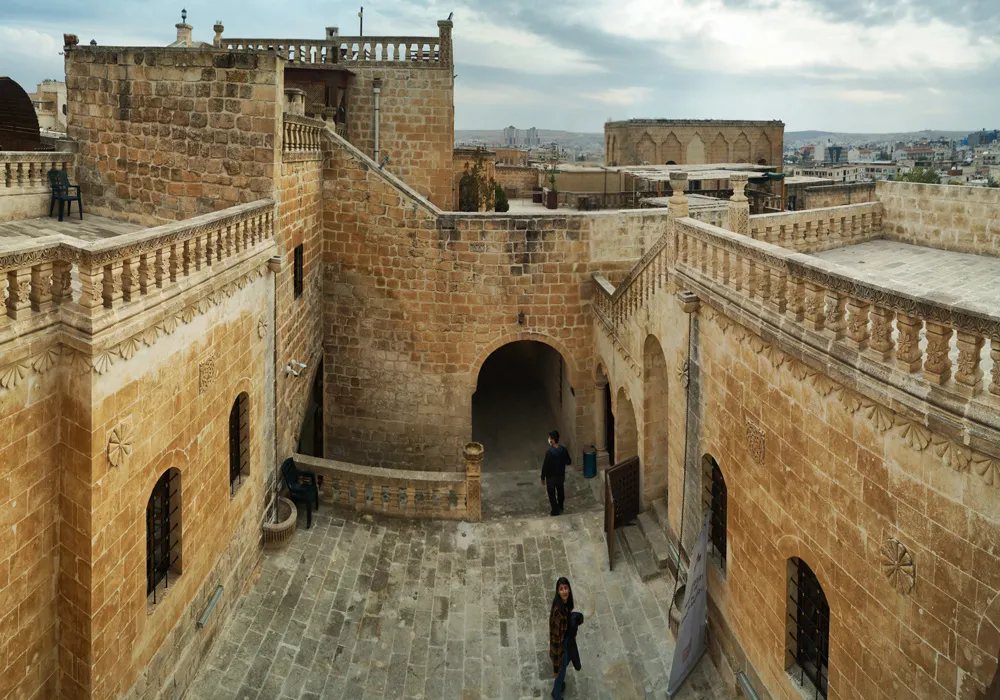
The first mentions of Midyat date from the 9th century BC. Then the city was called Matiat, which in Aramaic, the language of the Syrians at that time, means “my homeland”. Assyrians, Arabs, Mongols, Greeks, Ottomans: who has not ruled this city during its very long history. Although this can be said of the whole of Mesopotamia, to which Midyat belongs.
Midyat is a city on a plain, its old centre is almost flat, and the mountains on the horizon are quite far away, but it is actually mountainous, as it lies at an altitude of 1,070 metres above sea level. A mountain climate is felt here and the winter is quite cold. That is why in almost every yard there are large piles of brushwood (there are few trees here to harvest firewood), and it is dried on high masonry fences. This looks very picturesque: walls resembling fortress walls, covered with a layer of brushwood.
Text and photos by Roman Malenkov.