

Uçhisar. Cappadocia
· 2 min read
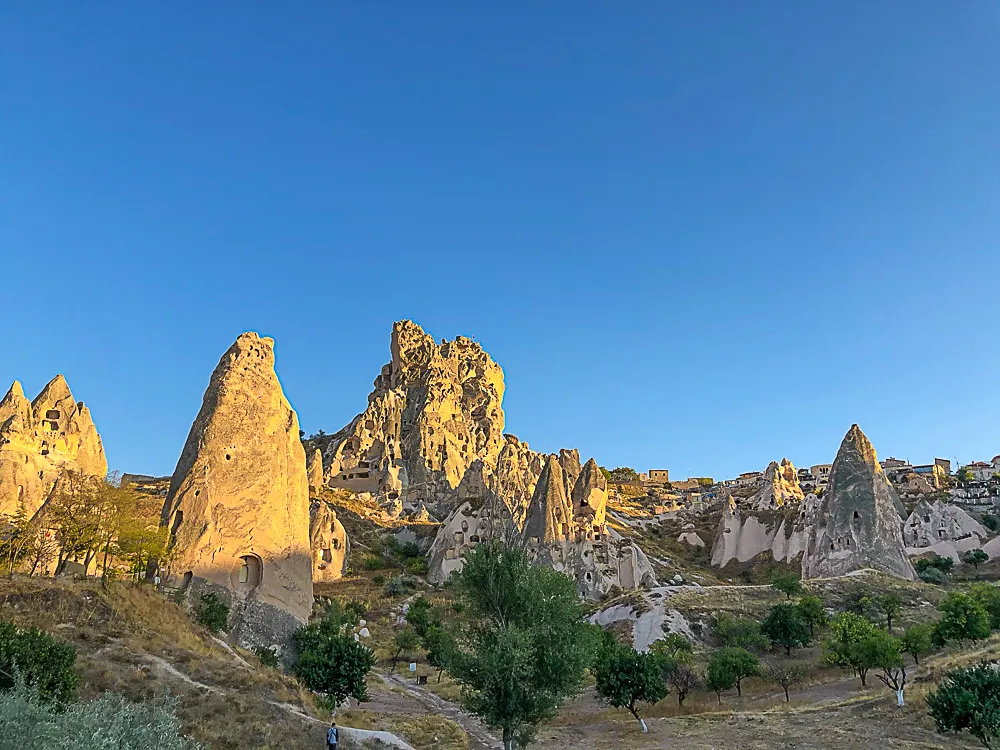
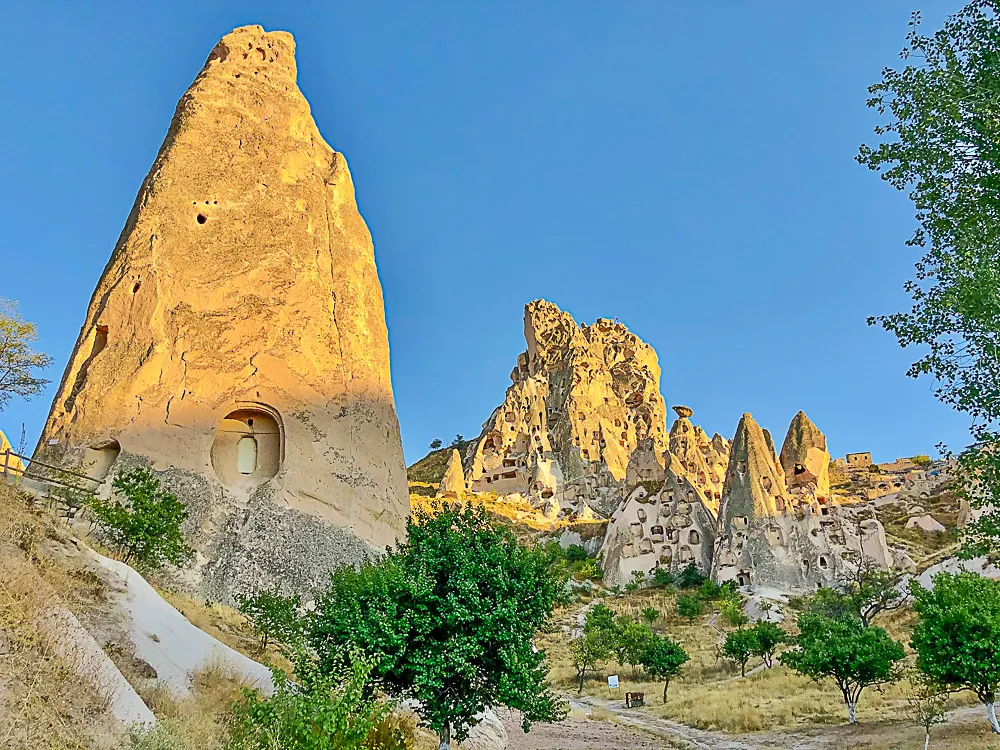
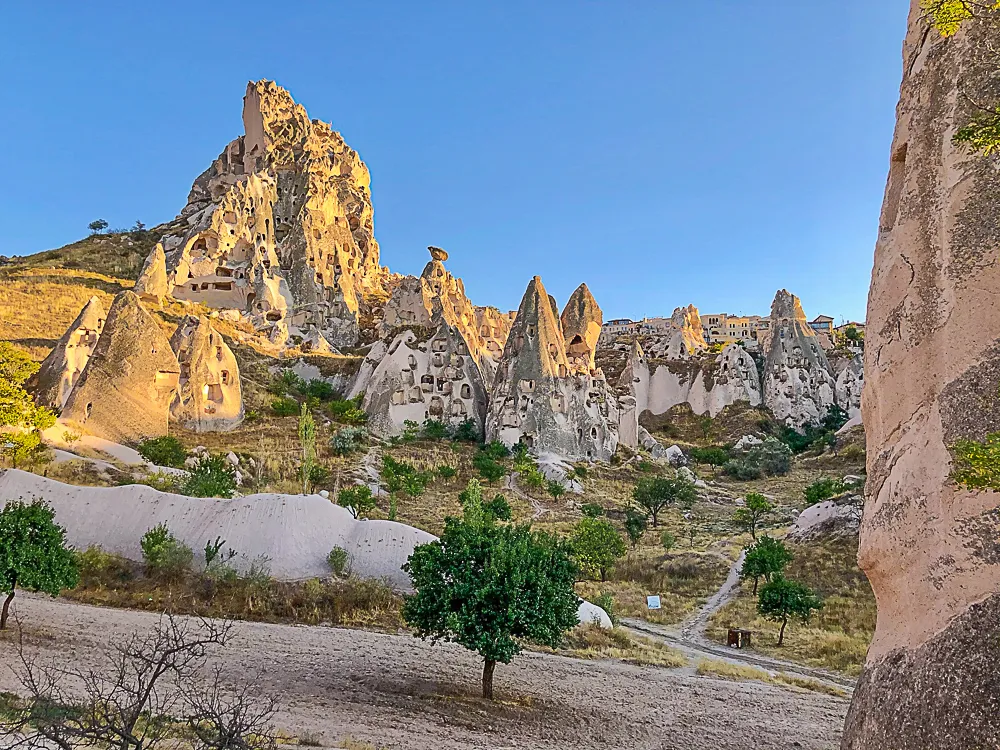
If the word “fortress” conjures up in your head images of sturdy walls, big towers, knights resembling a tin can with a long metal thing, hungry dragons and beautiful princesses (oh, it seems the last characters are superfluous), then the fortresses of Cappadocia will surprise you.
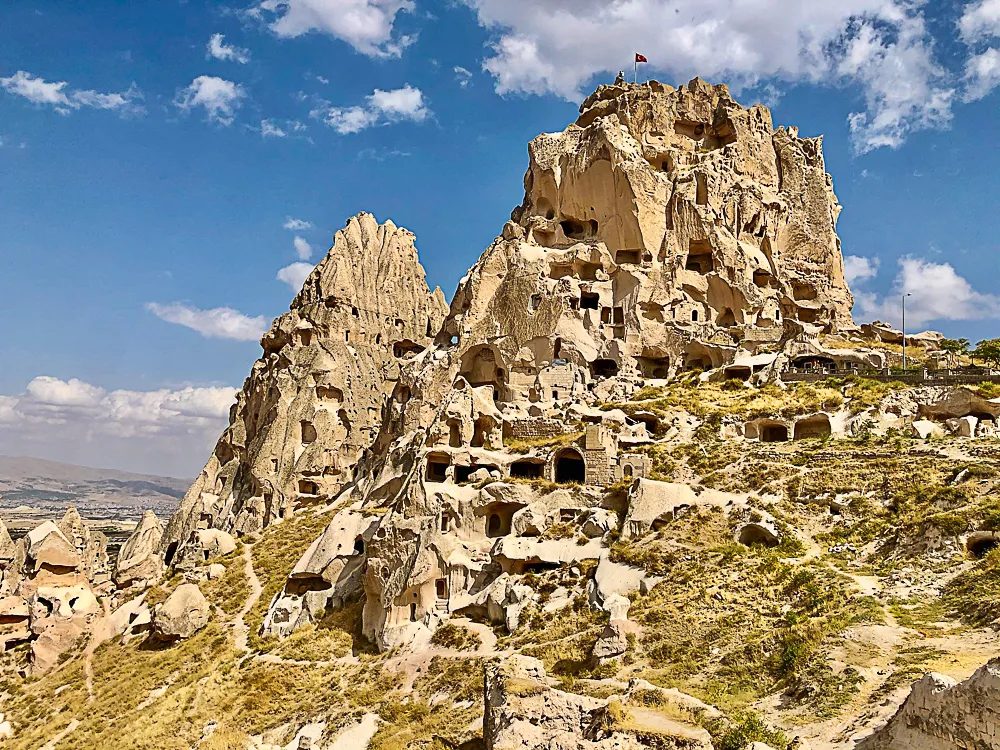
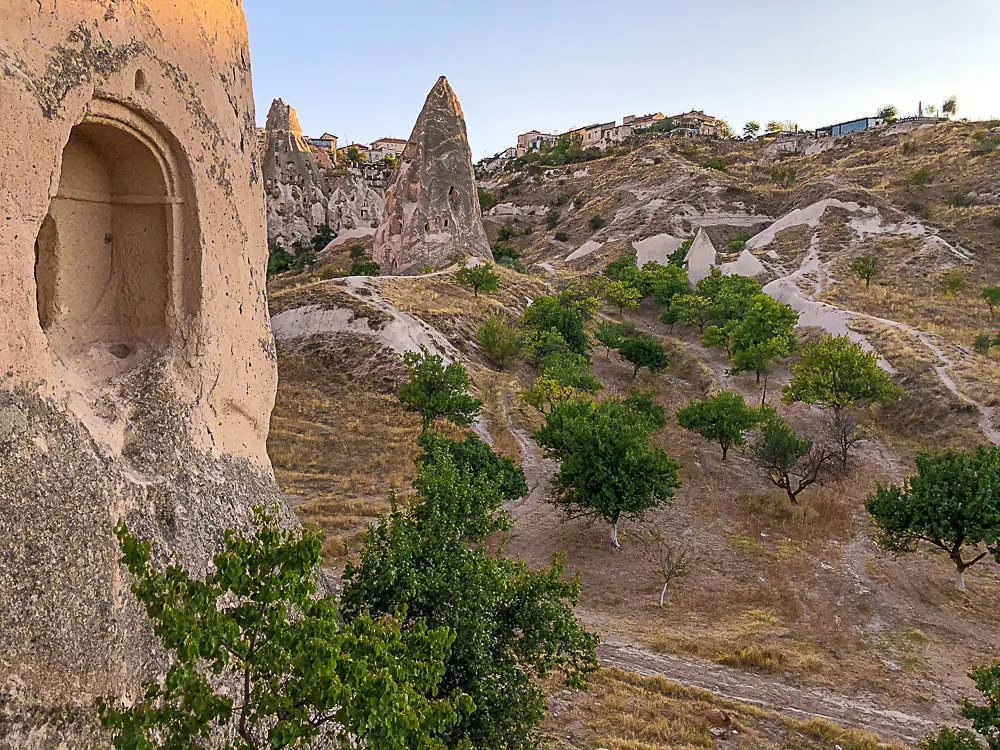
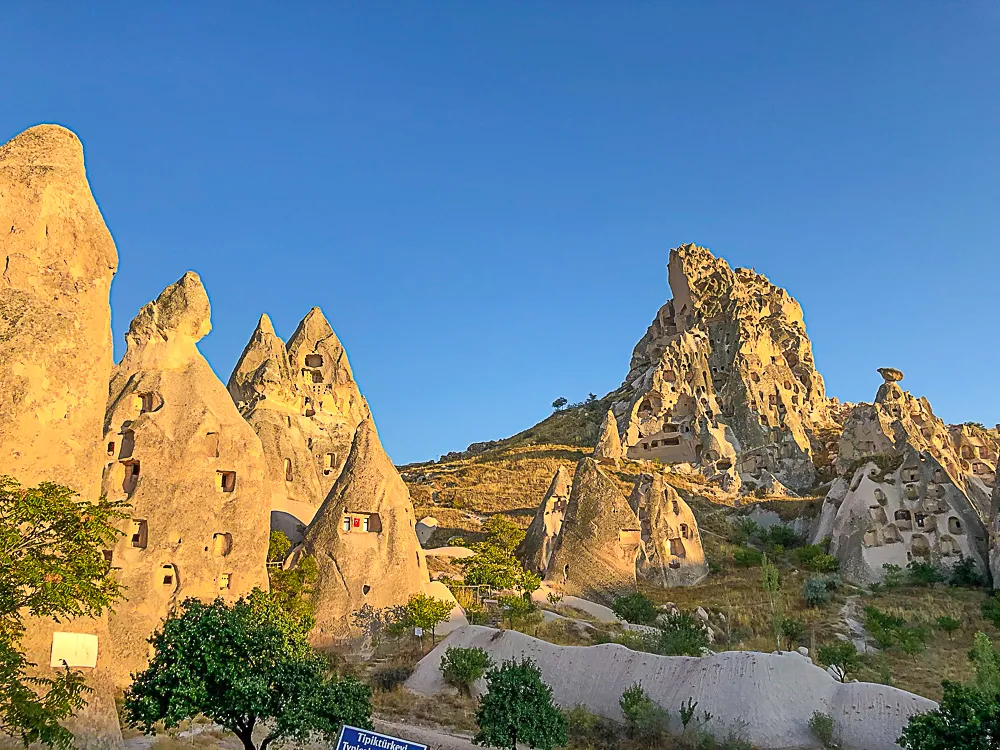
Yes, besides hot-air balloons, Cappadocia has fortresses. As many as three: Ürgüp (Başhisar), Ortahisar and Uçhisar. True, they look more like giant anthills, or wasp nests, or, to my eye, a head of cheese. In fact they are rocks of volcanic tuff that began to form 10 million years ago, after the eruption of three volcanoes at once: Erciyes, Melendiz and Hasan.
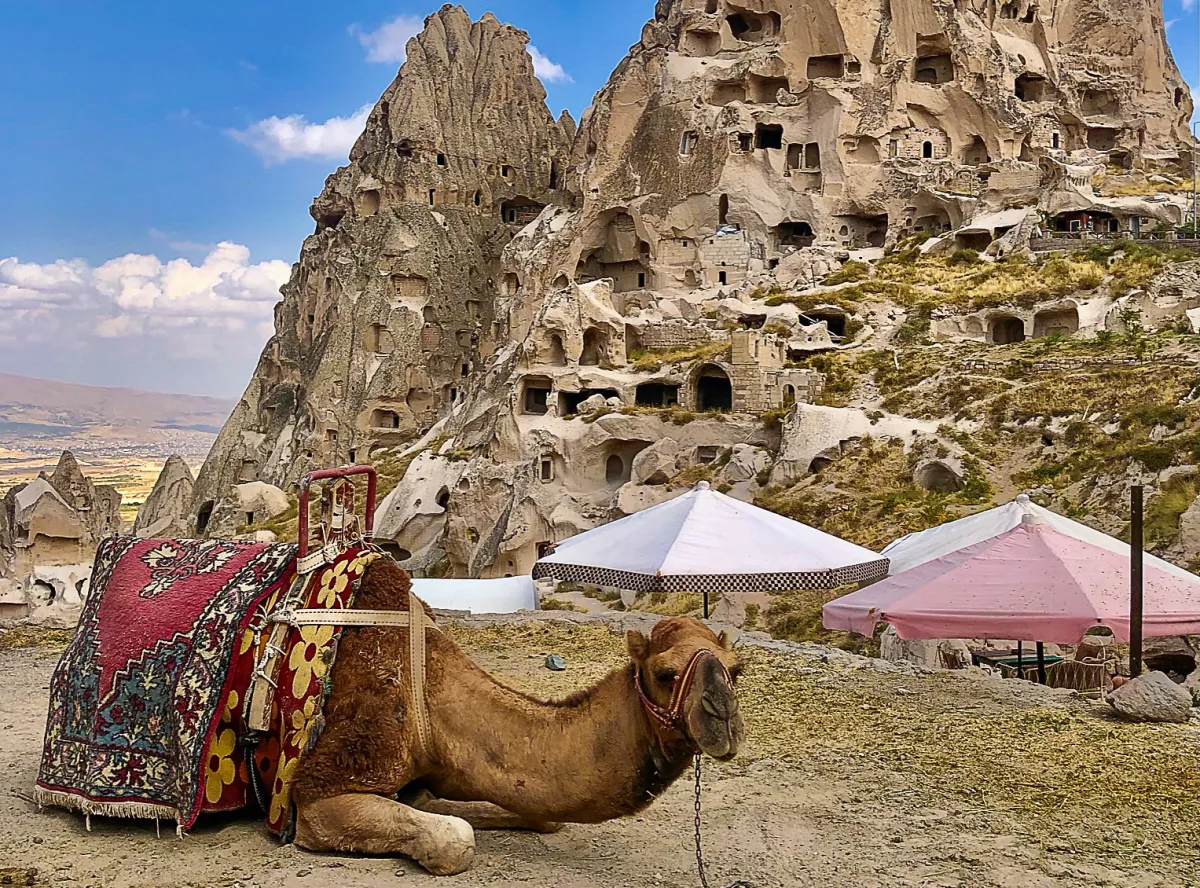
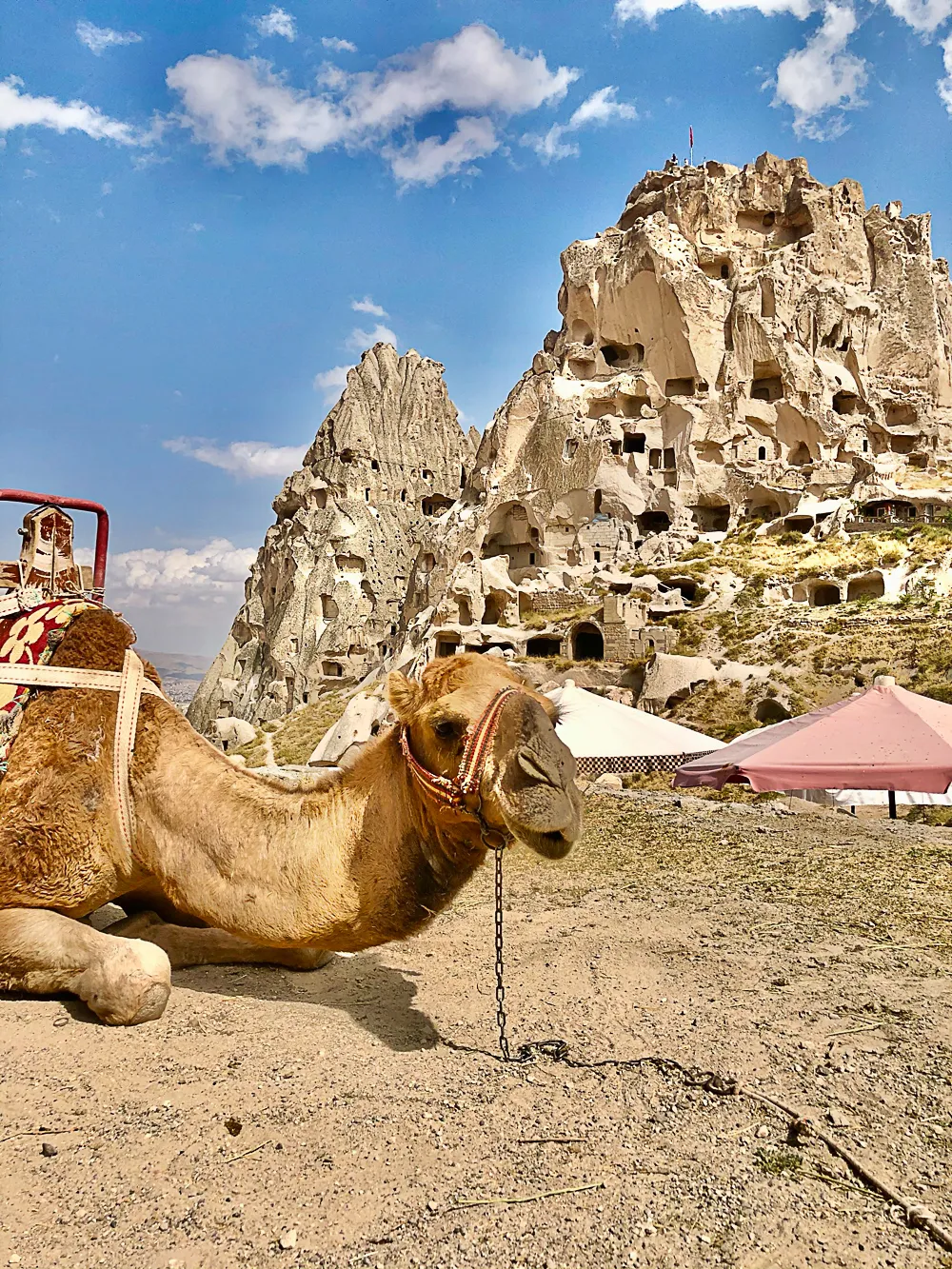
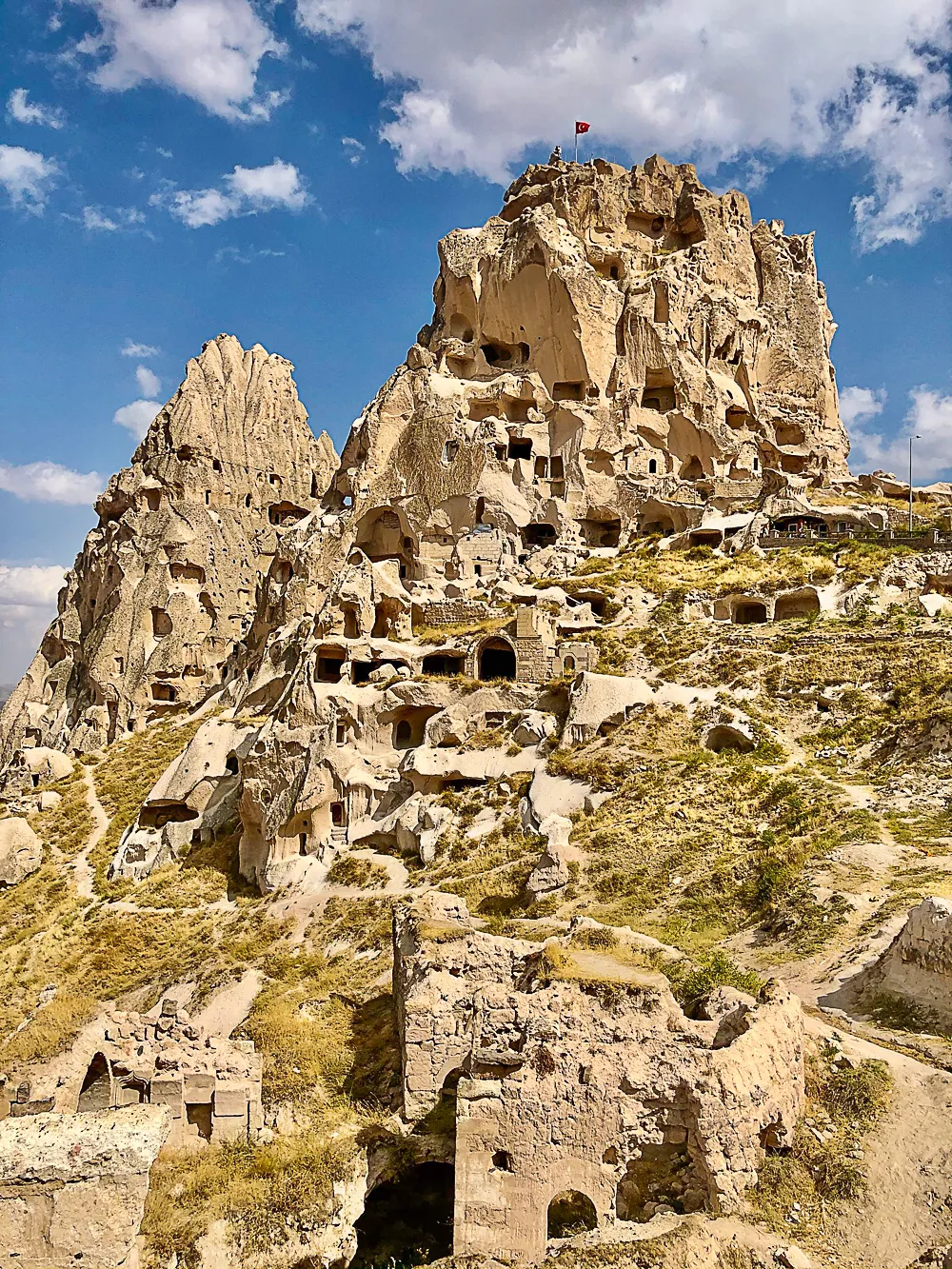
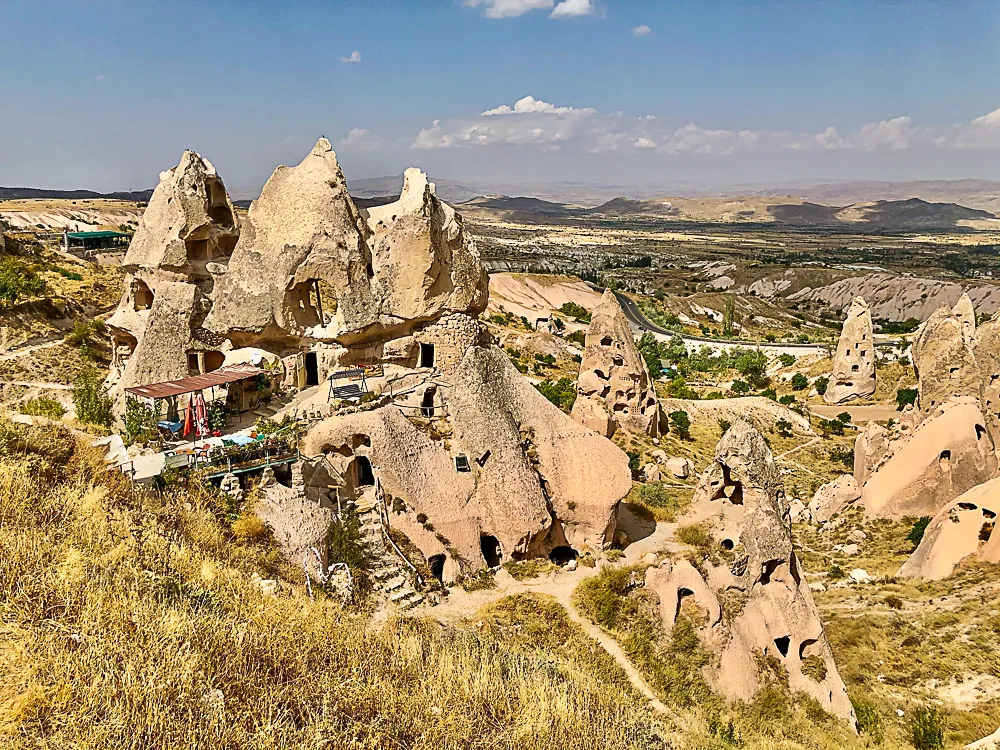
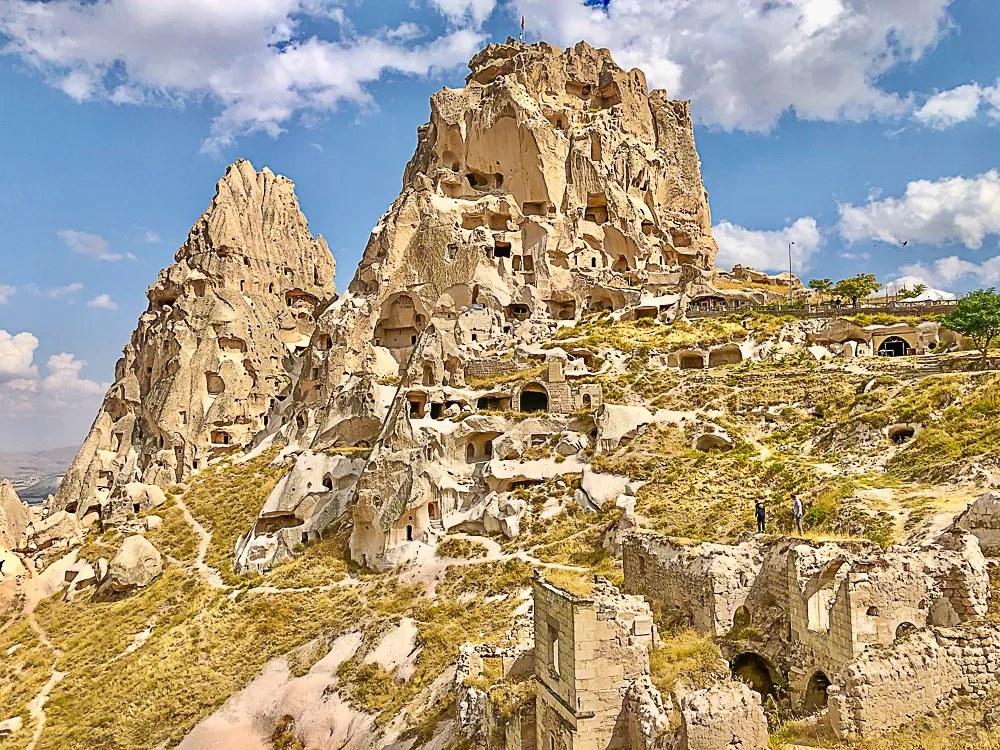
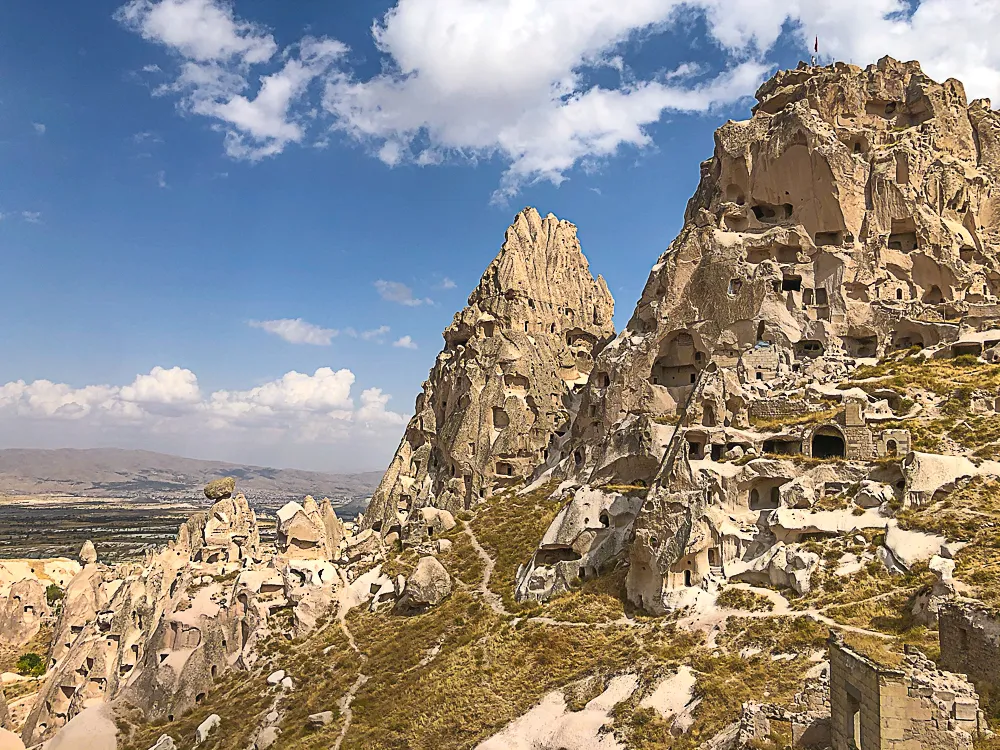
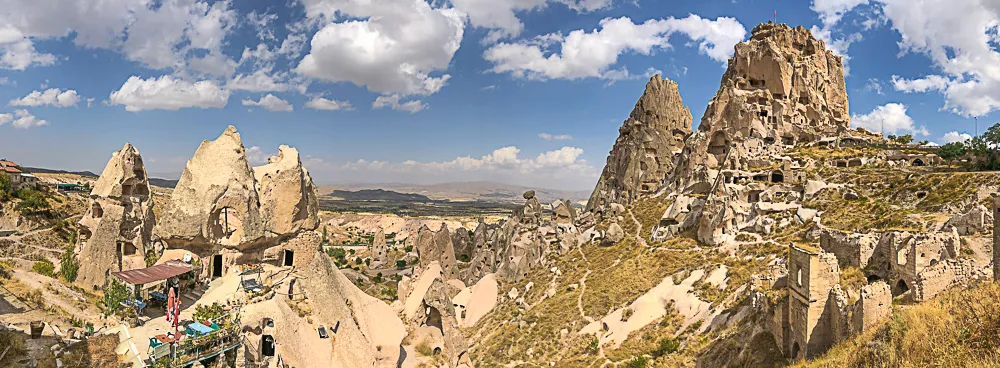
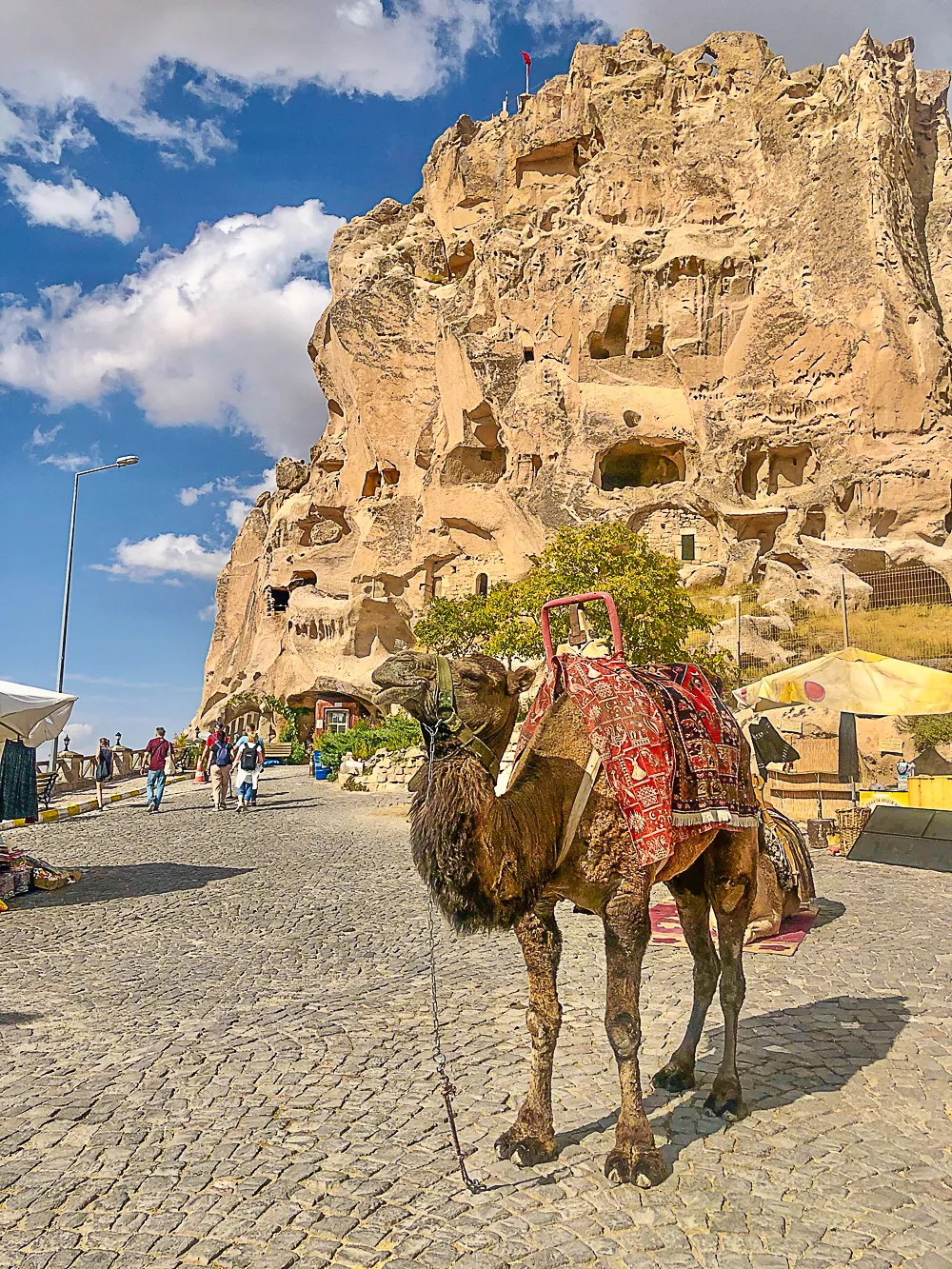
The Hittites had already turned them into fortifications (it was the Hittites who first began to worship the two-headed hen, sorry, eagle; invented a constitution before Pylyp Orlyk; and wrote “nu-nu” before every word. Well, you nu understood nu how cool they were nu in the 2nd millennium nu BC). The burrows hollowed out in the rocks for defence against enemies were later leased by the Romans, Byzantines, Seljuks and Ottomans. In the 15th century about 3000 people lived in the fortress. Water was supplied by an aqueduct about 3 km long. Inside, the fortress is cut through with numerous tunnels and rooms. So it is no surprise that such active use, together with rockfalls and spalling, caused part of the outer walls to collapse, revealing to outsiders all the treasures, rooms and passages.
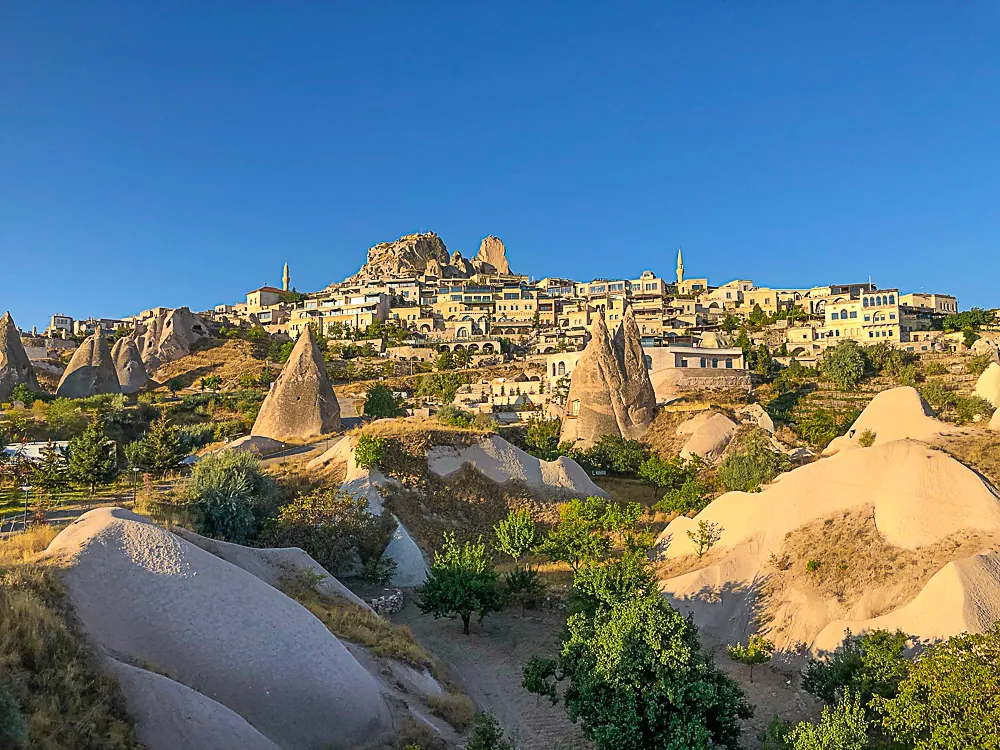
Uçhisar is the largest and tallest rock, about 60 metres high; its name means “outermost fortress” (uç – edge, hisar – fortress). It lies in a village of the same name, and you do not even think that its height is 1400 m above sea level.
You can climb to the top of the fortress and enjoy stunning views of Cappadocia, the neighbouring village of Göreme, the Pigeon Valley and, in good weather, even see one of the creators of this beauty, the volcano Erciyes.
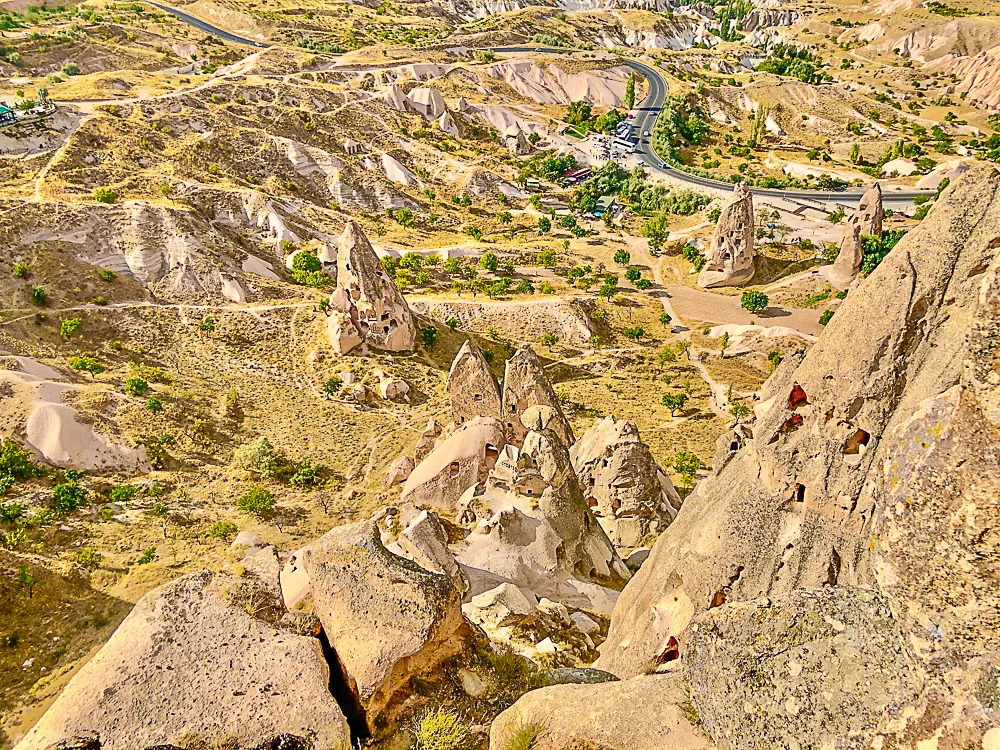
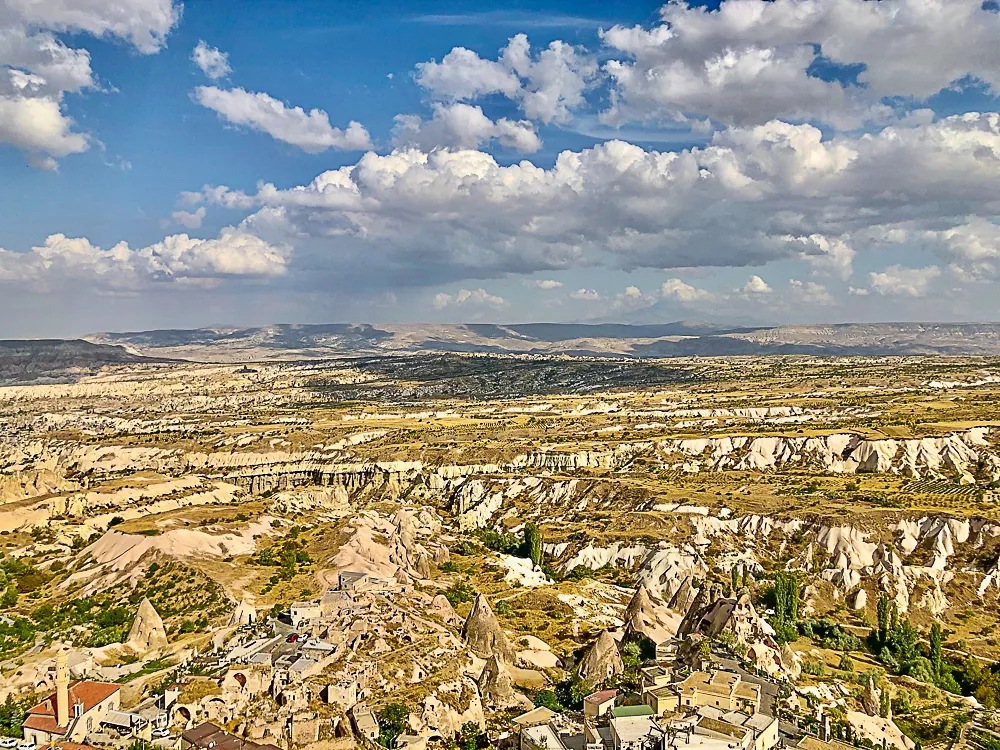
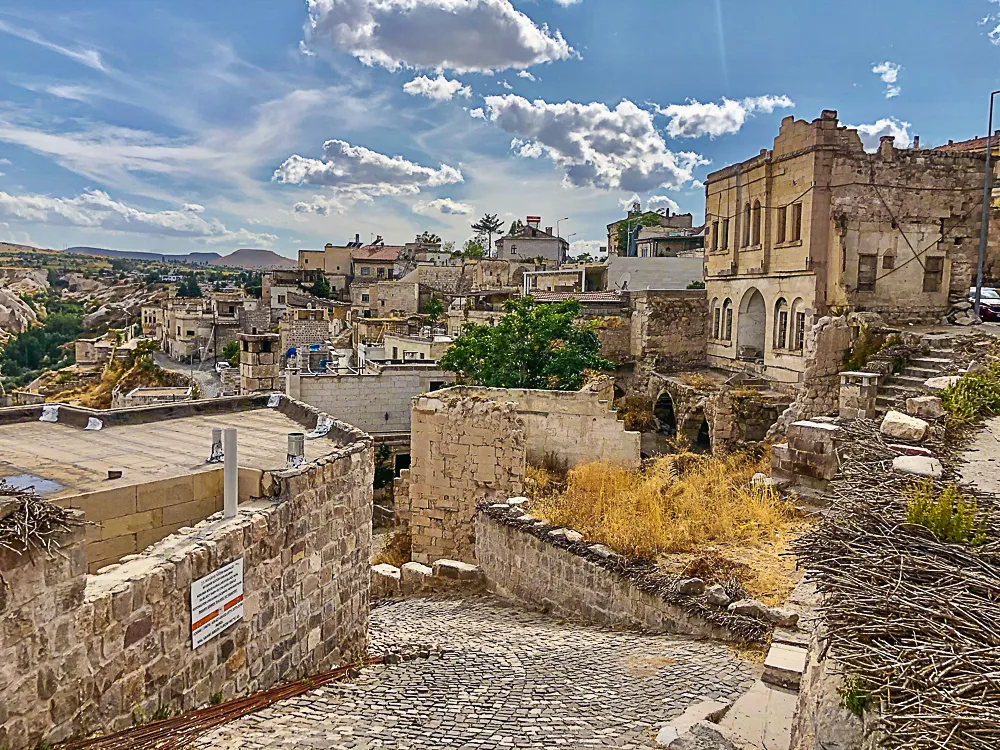
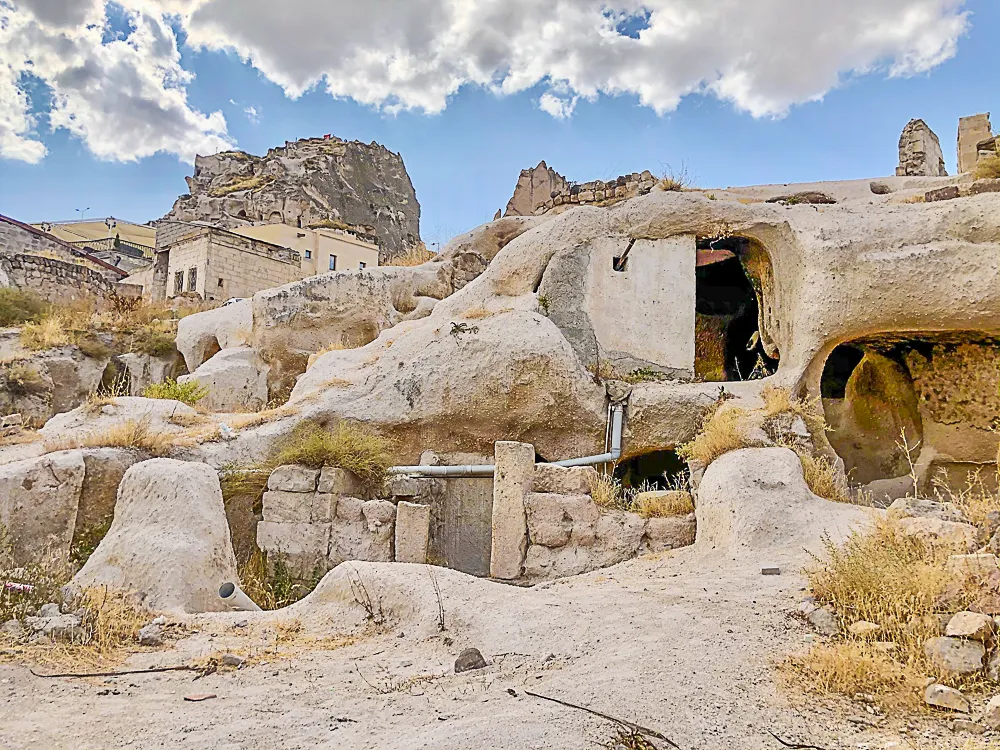
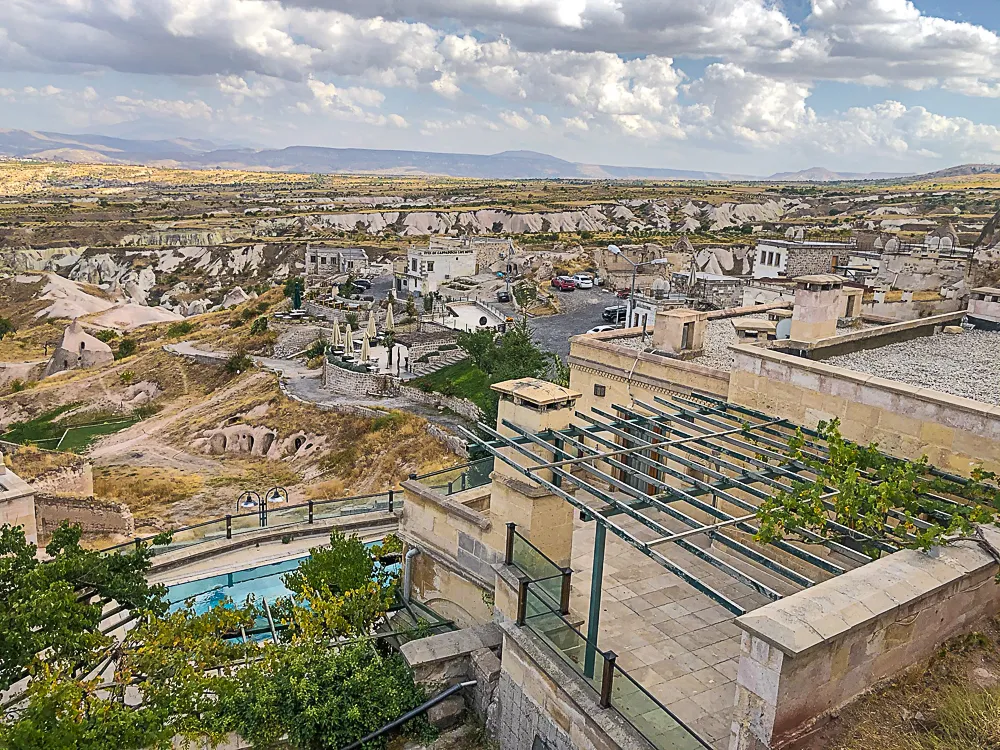
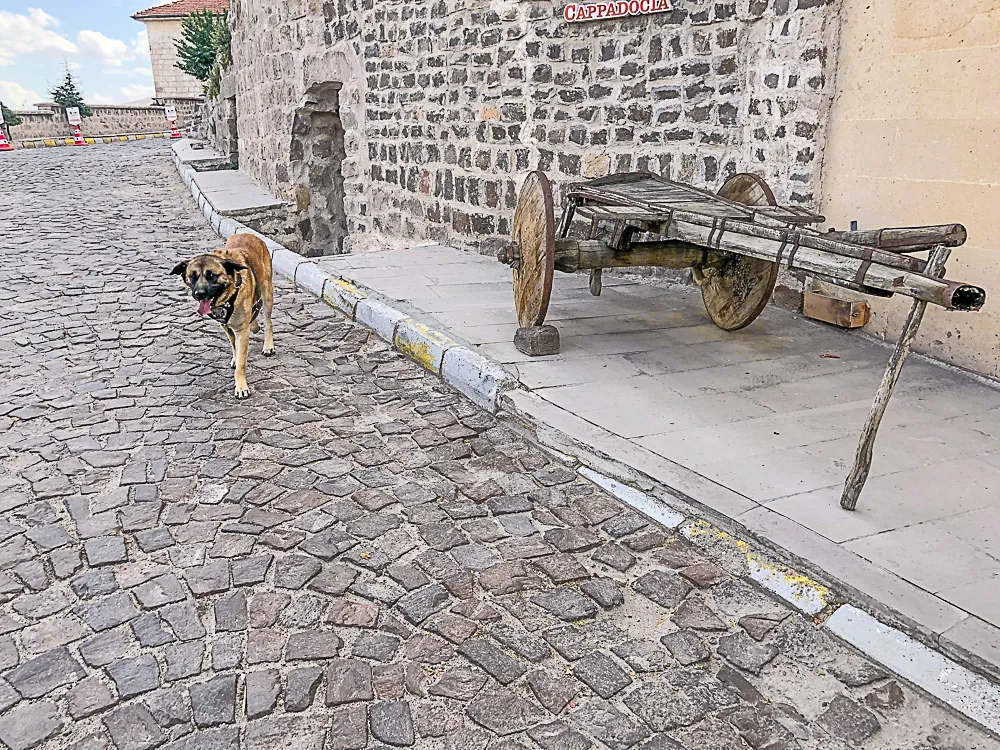
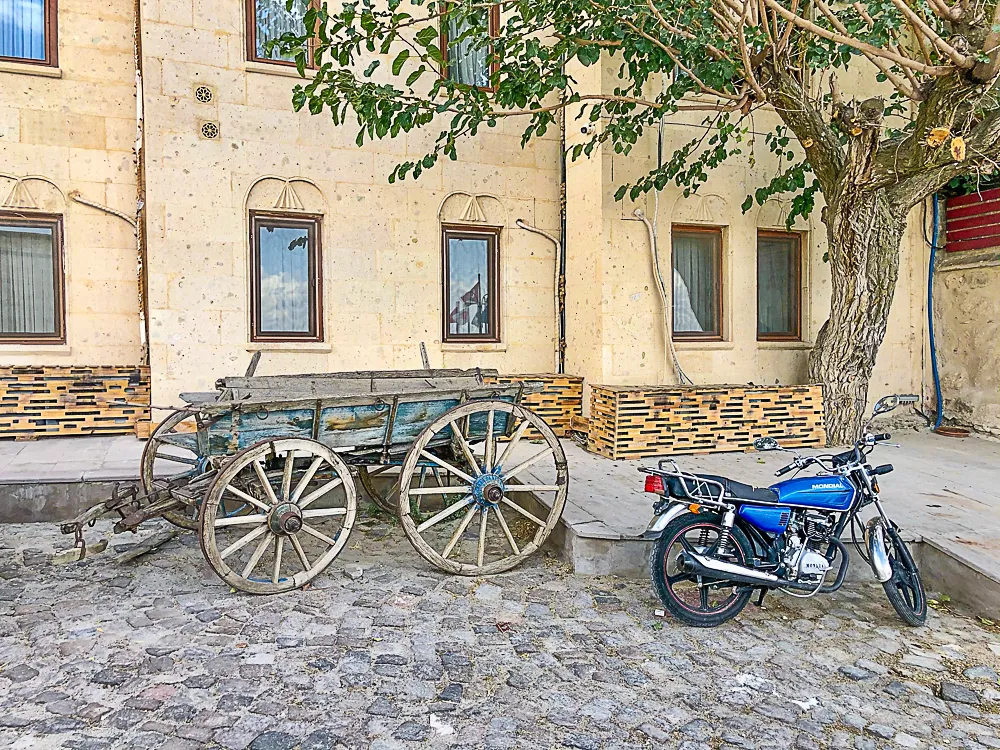
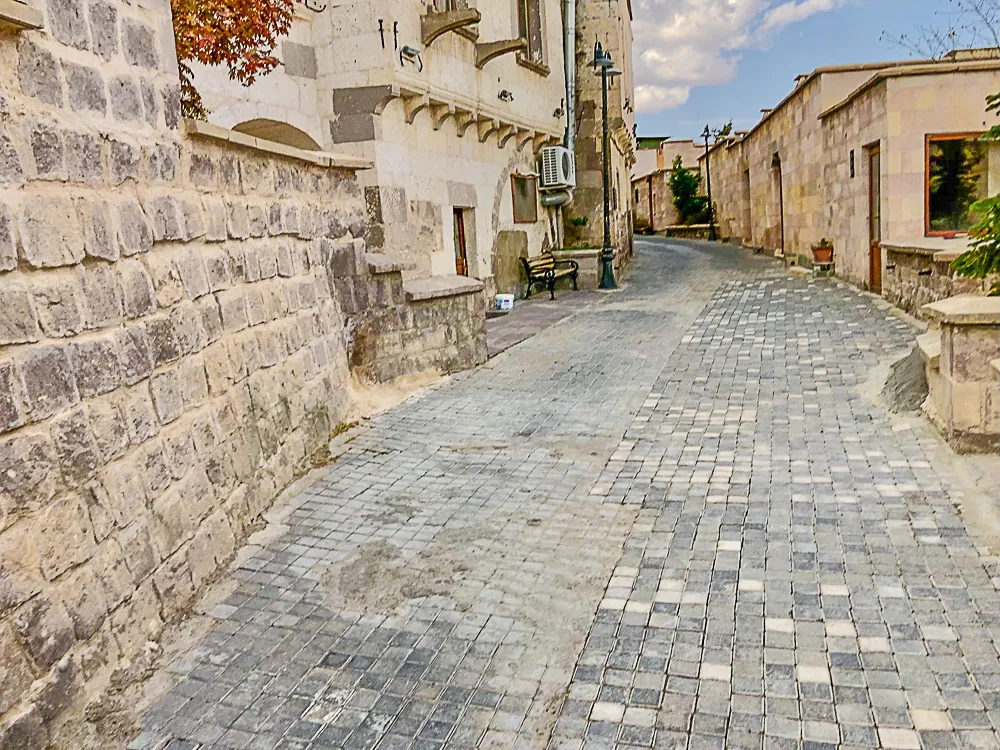
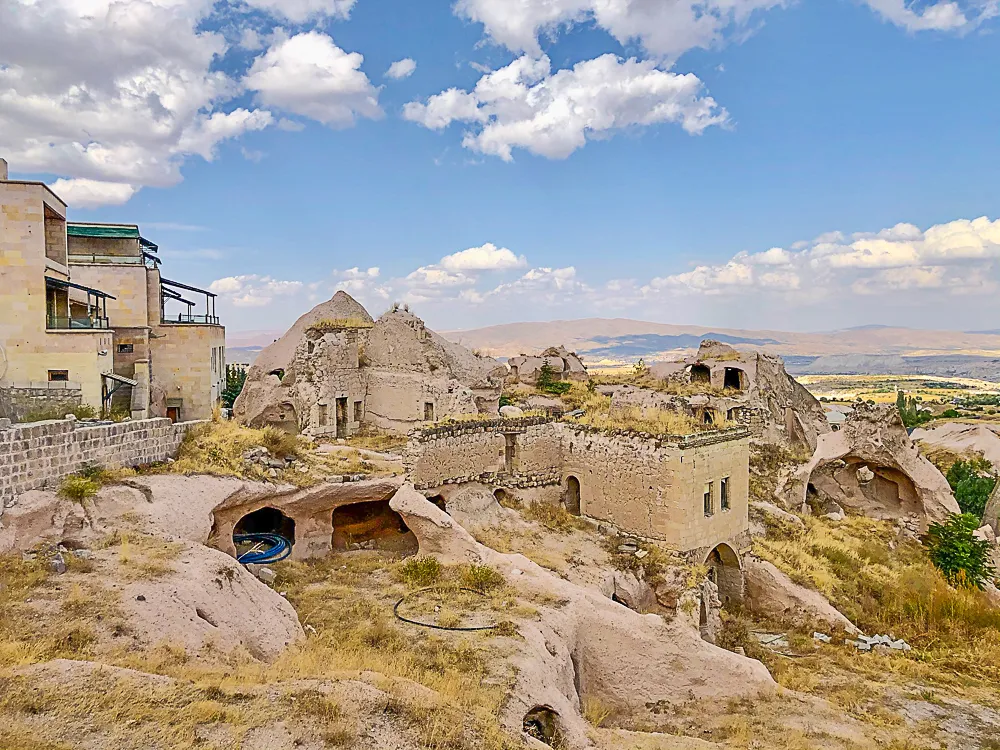
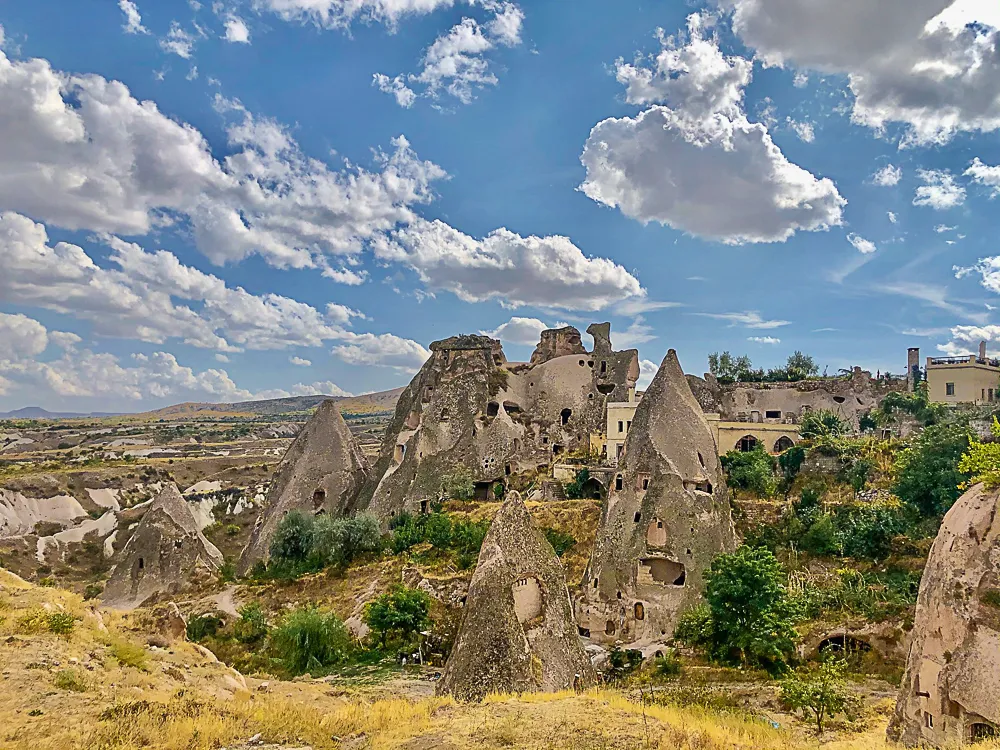
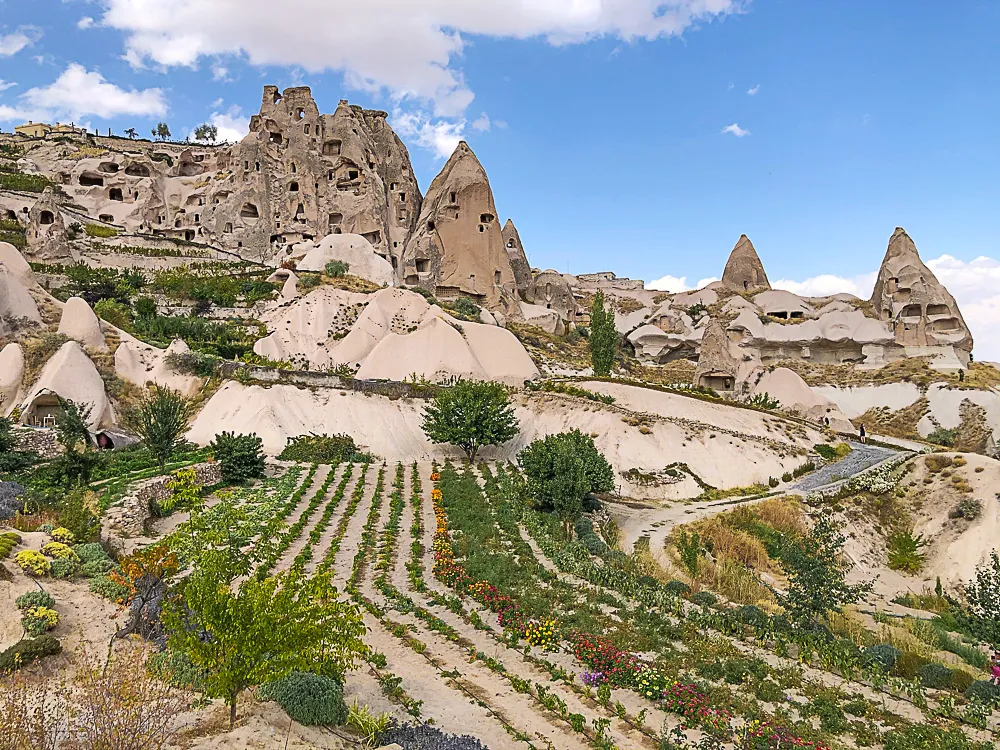
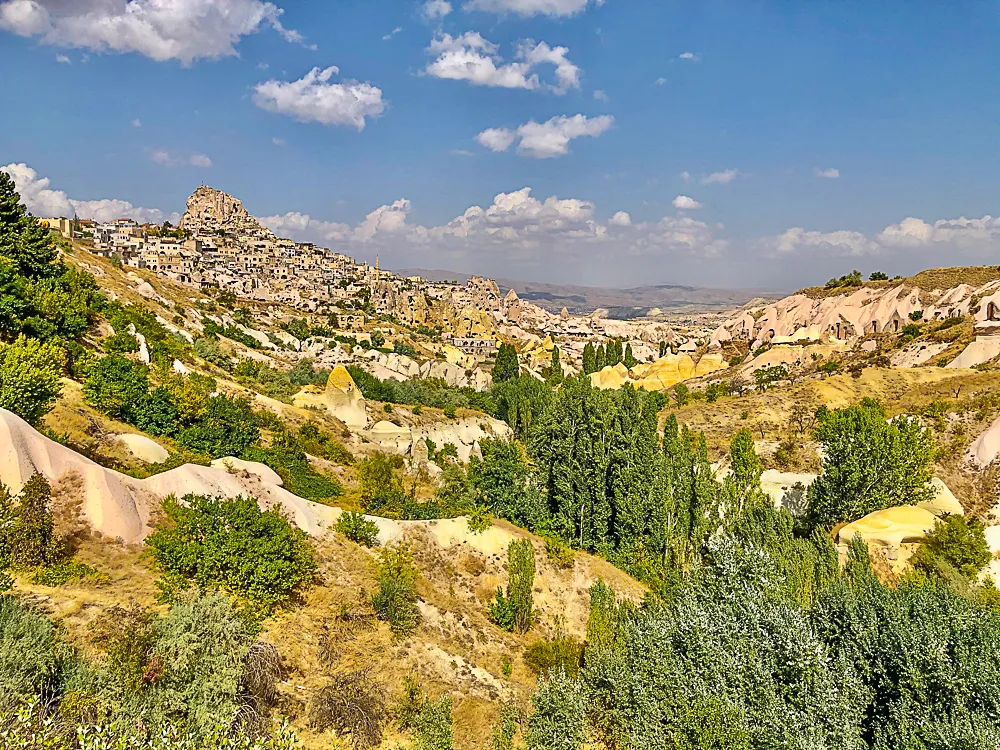
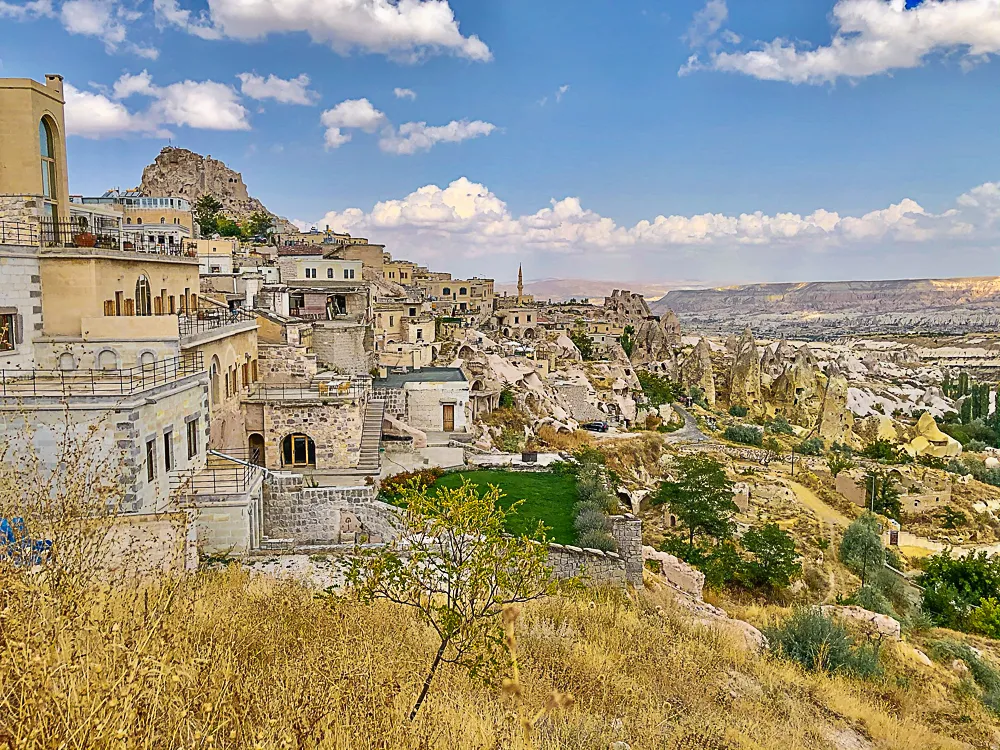
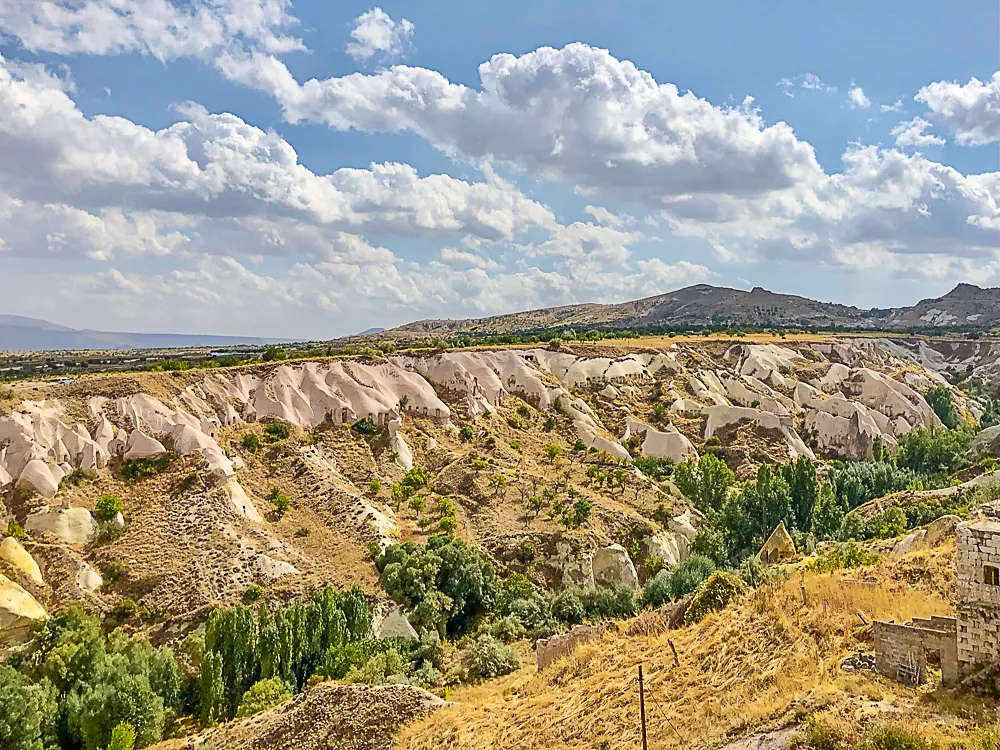
Despite the size of the rock, until the end of the Ottoman period it was a very small village. Today it should be called Photohisar, because by the number of photographs this part of the globe will soon overtake the Eiffel Tower.
From here it is best to head to all the valleys of Cappadocia. But about them and the two other fortresses, another time.
Text and photos by Serhii Shcherbii



