Univ Lavra

· 4 min read
Let me say at once: Univ Lavra is an exceptionally beautiful place, both in its aesthetic content and in the inner feeling of the soul it gives. Even though there is always a considerable number of people here, since it is the only Greek Catholic lavra in Ukraine.
Univ Lavra is unlike other lavras of Ukraine. There are no tall golden domes visible for many kilometres: the Univ monastery, on the contrary, seems to hide among the tall hills of the massif called Hologory. Until 2003 the village of Univ was called Mizhhiria, which is understandable why. But the name Univ is older and appears in written documents as early as the 14th century. And there was already a monastery in the village then.
At the end of the 14th century the Rus prince of the Gediminid dynasty, a cousin of the Polish king Władysław II Jagiełło, Fedir Liubartovych, founded an Orthodox monastery in Univ. Construction was completed in 1400. The monastery was placed under the Metropolitan of Kyiv.
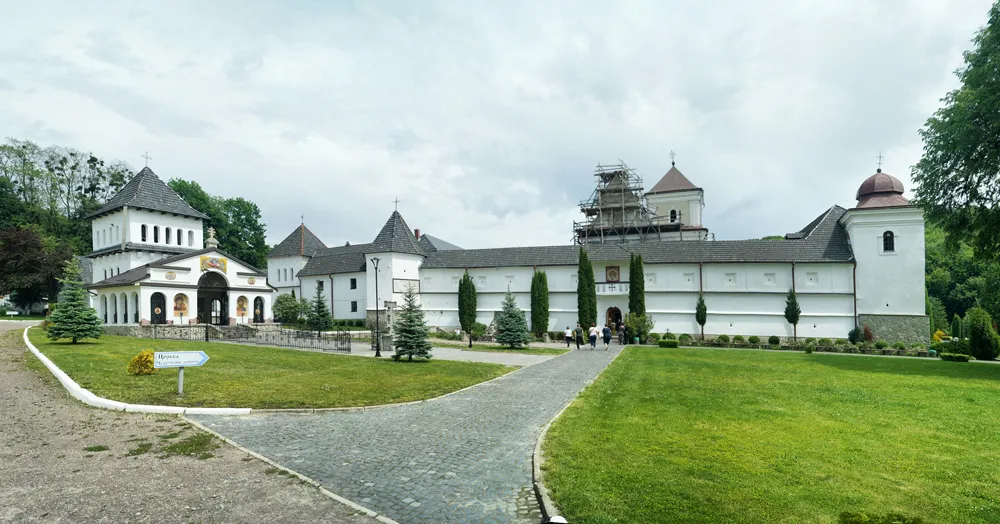
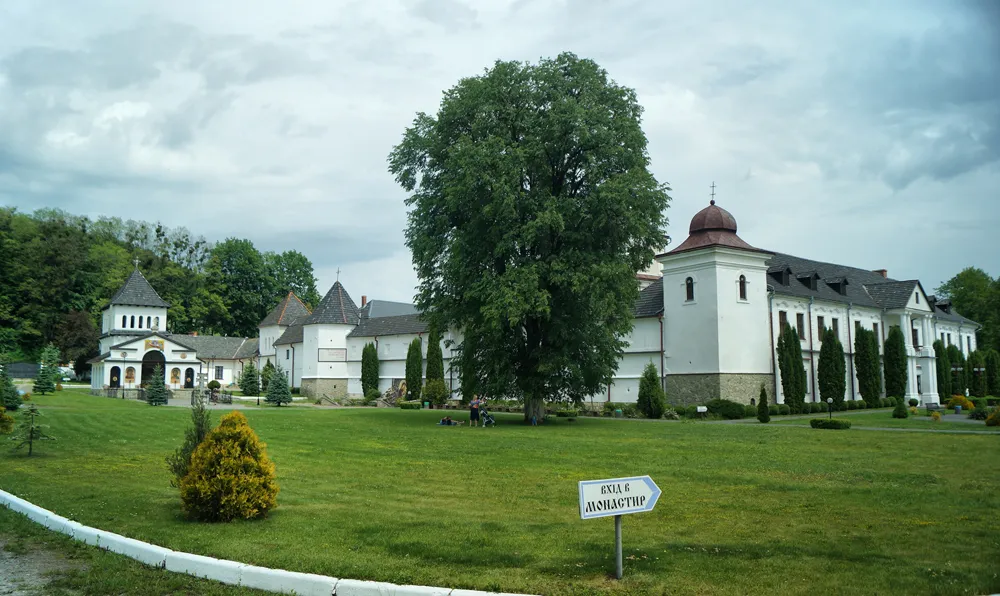
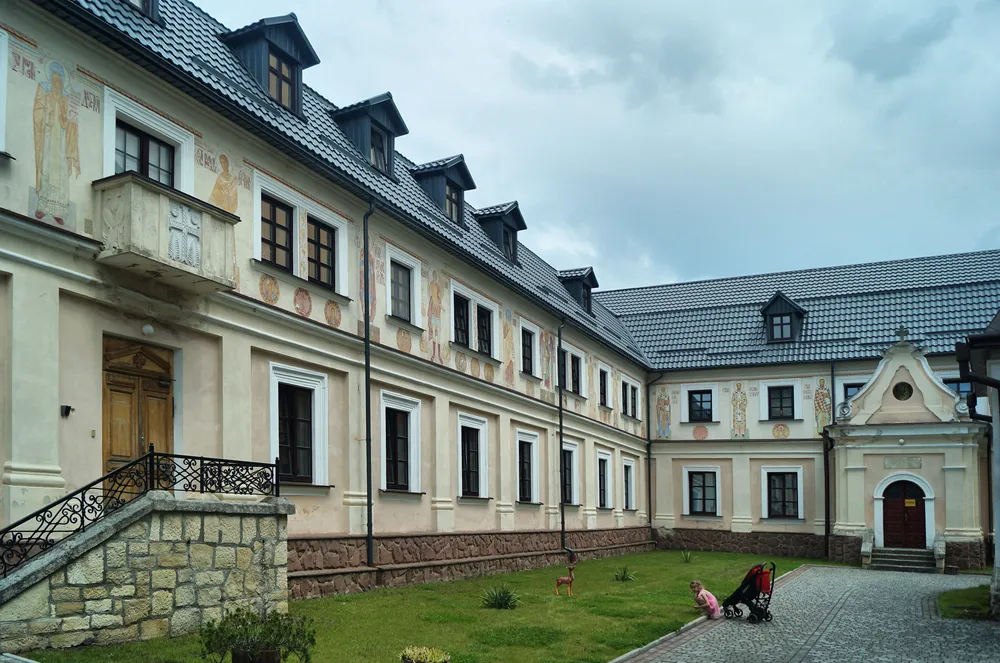
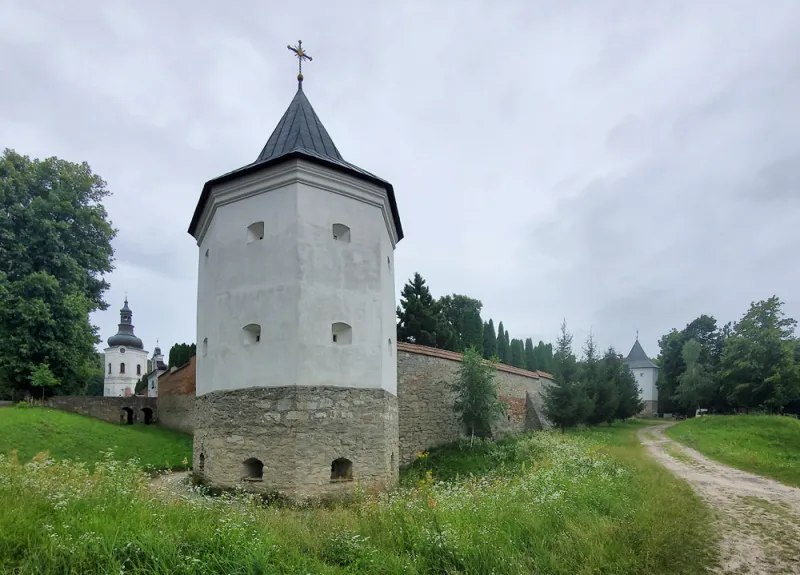
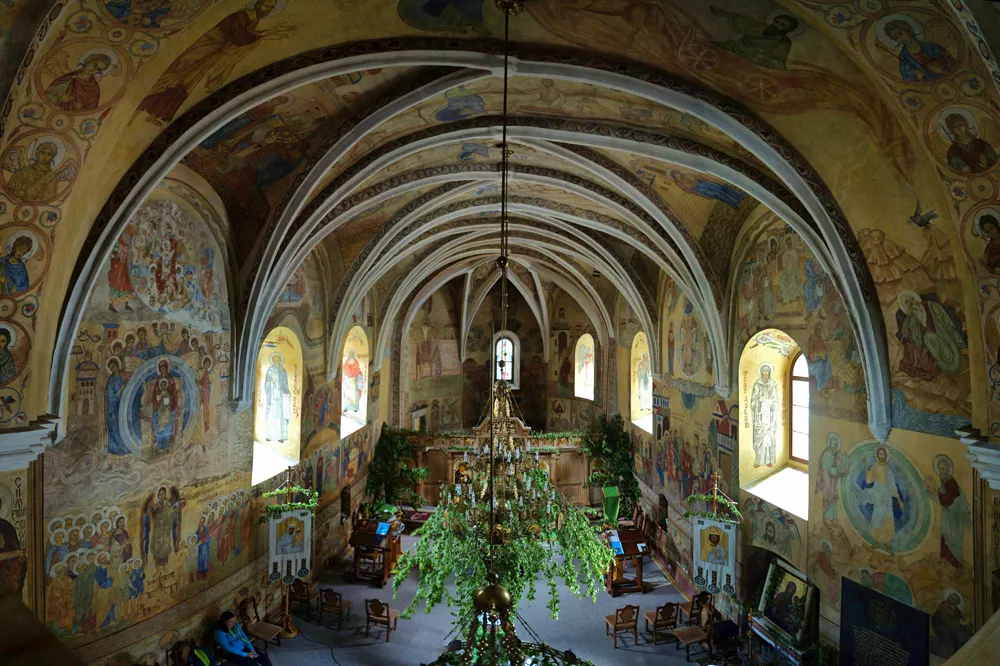
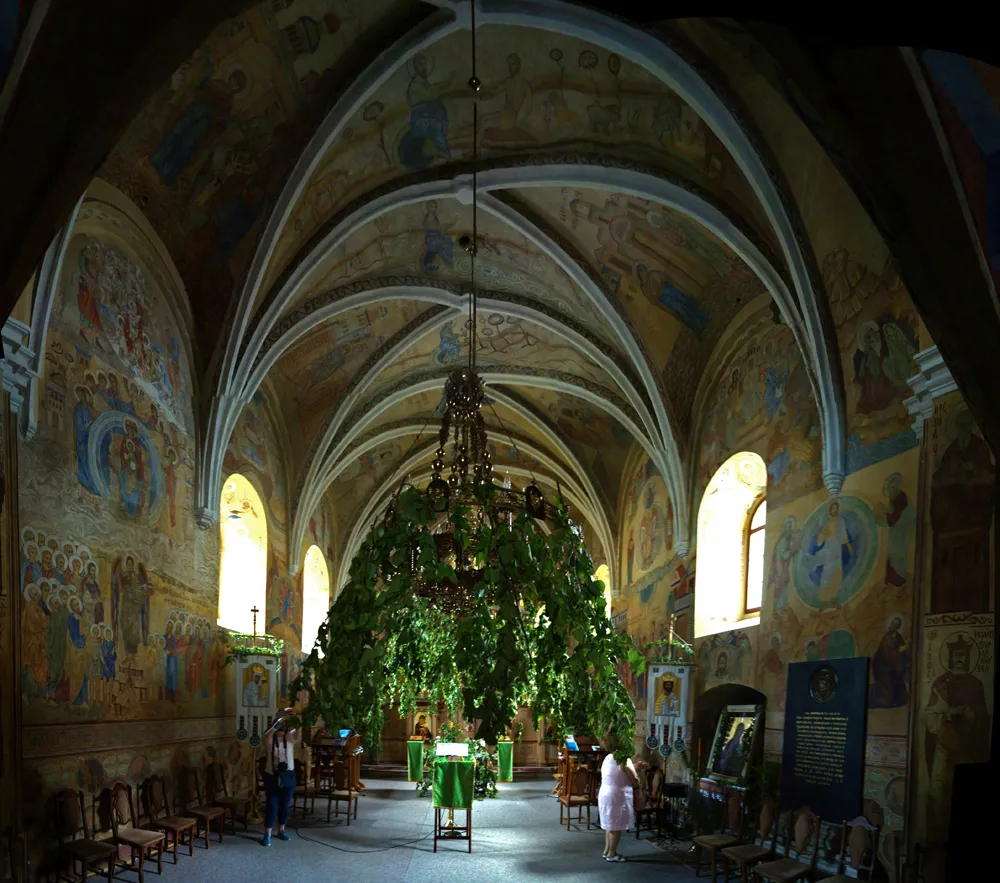
At first all the buildings were wooden, so they were repeatedly burned by the Tatars. The last known destruction of the wooden monastery dates from 1549. After that fire the first stone buildings appeared. Defensive walls and towers appeared then, and it was surely then that the fortified Dormition Church, the monastery’s main church, was built. Its construction was begun in the Gothic style (in the lands of the Polish-Lithuanian Commonwealth the Gothic style lingered until the 16th century) and completed in the Renaissance style. In synthesis with its thick defensive walls, powerful buttresses, narrow windows and loopholes on the upper tier (in the frieze), the church’s style can be called unique.
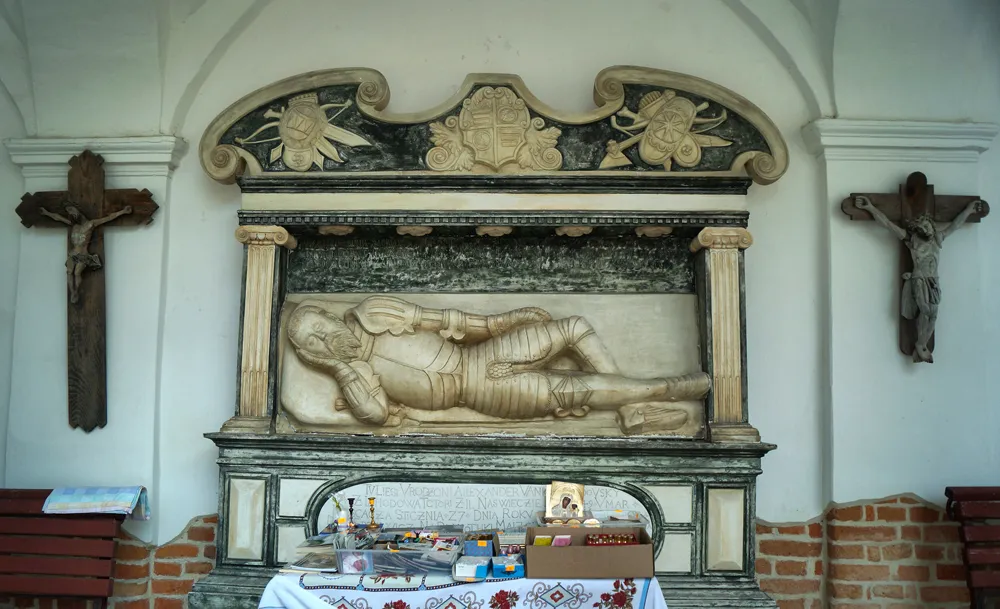
The church is believed to have been founded by the Rus nobleman Oleksandr Vanko Lahodovskyi. According to tradition he had some illness of the legs and could hardly walk. The Mother of God appeared to him in a dream and advised him to find a spring east of his estates and wash in it, and everything would be healed. How he searched for it with his sick legs is anyone’s guess, but he found it. Near the remains of the burned wooden monastery. He washed and was healed, and vowed to revive the burned monastery. Some time later, over the healing spring, Lahodovskyi founded the masonry Church of the Dormition of the Mother of God. After his death the nobleman was buried on the monastery grounds, supposedly over the spring. I did not notice the spring, but there is a gravestone created in the Renaissance style.
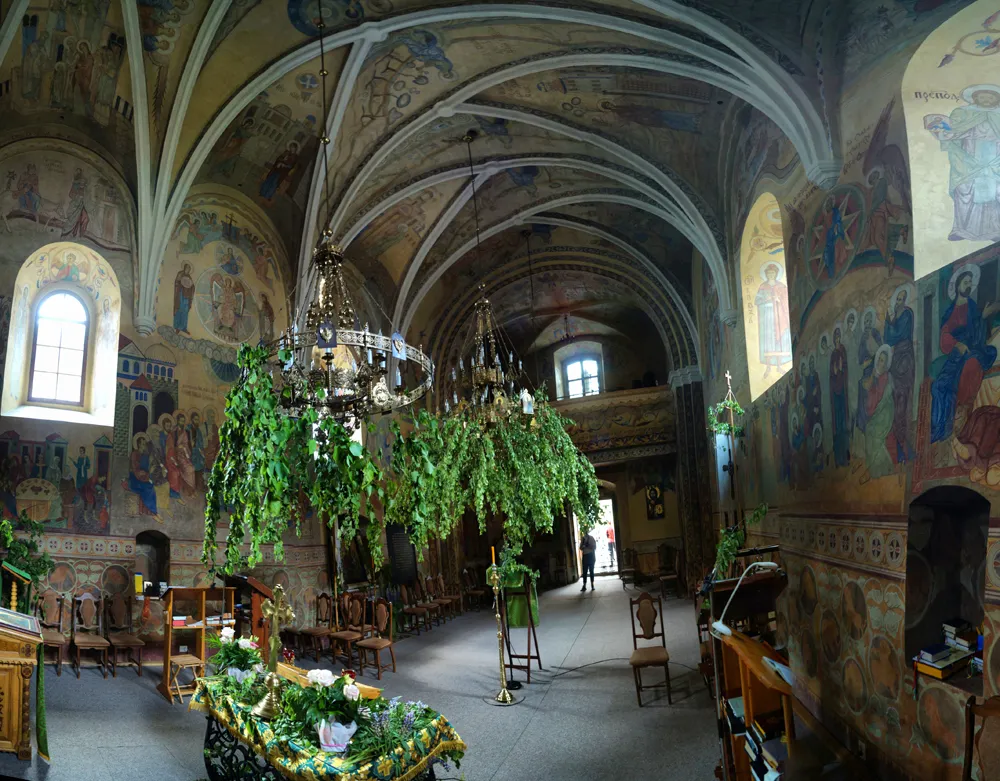
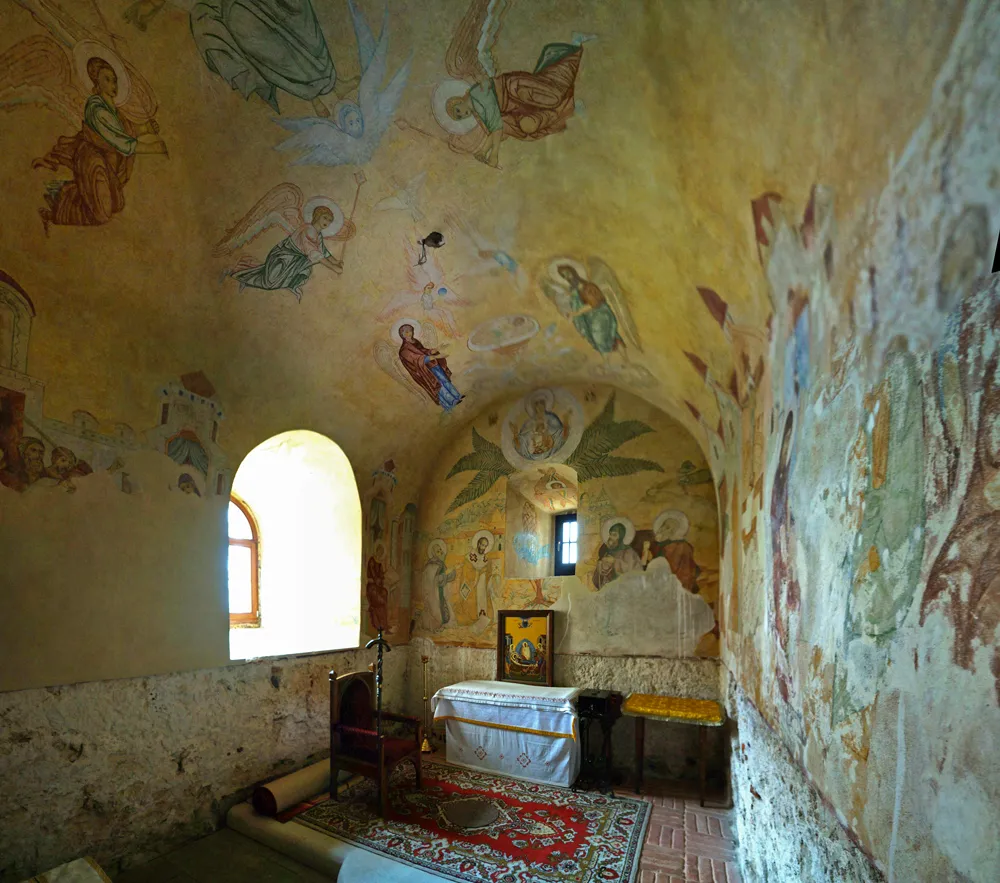
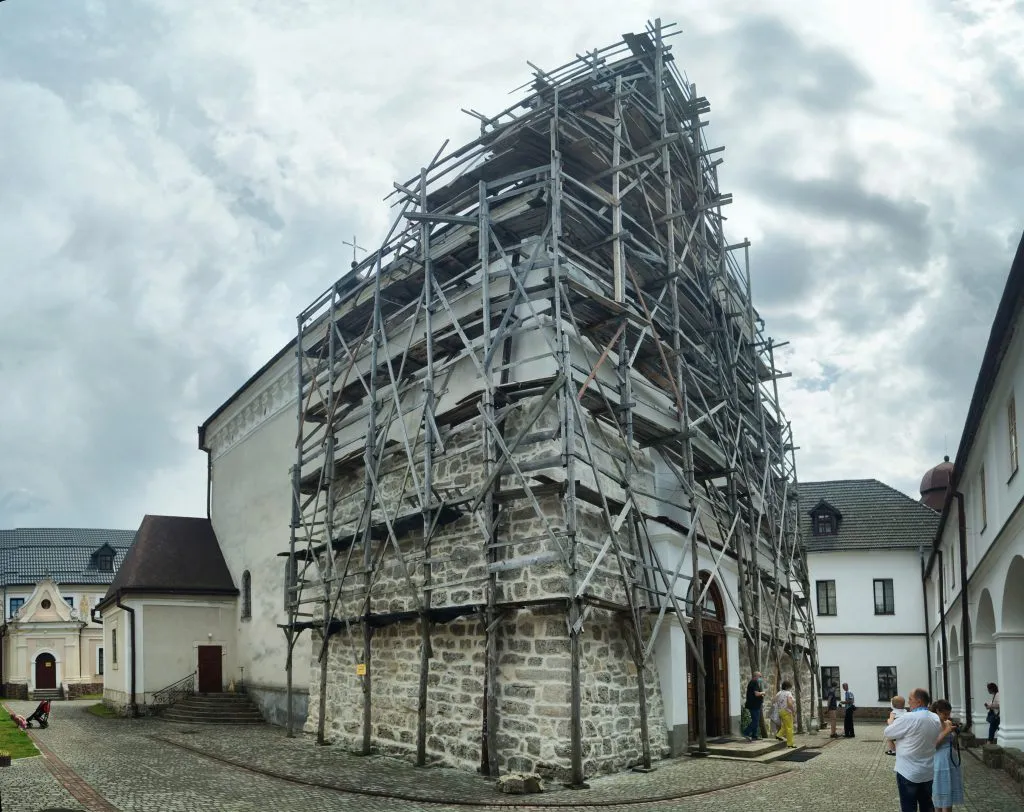
The church was surrounded by a quadrangle of walls, corner towers were placed at the angles, and moats were dug around.
The fame of the monastery at the beginning of the 17th century is attested by the fact that in 1606 Ivan Vyshenskyi lived in it for some time, after his wanderings on Mount Athos. Here he wrote the “Epistle to the Elder Dominikia”.
From 1648 to 1770 a printing house operated at the monastery.
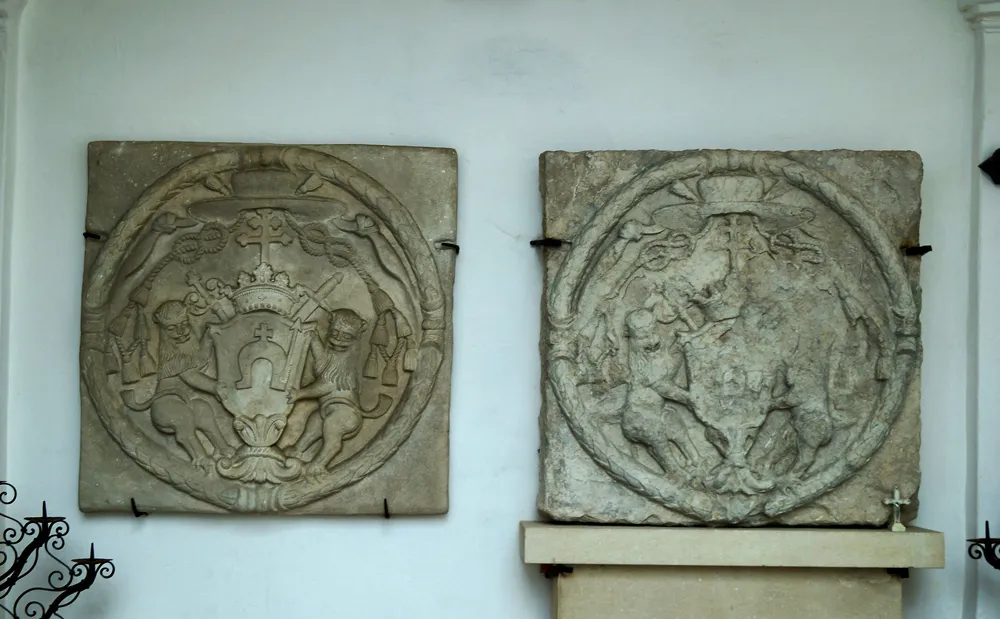
In the 17th century the monastery joined the Union. Its archimandrites were representatives of the Sheptytskyi family: Varlaam (1668) and Atanasii (1713). This was a period of flourishing and development of the monastery. It is no accident that one of the buttresses bears the Sheptytskyi coat of arms.
In the first half of the 19th century, already under Austrian rule, the Univ monastery was cared for by Mykhailo Levytskyi, Metropolitan of Halych and Archbishop of Lviv. He was buried in the monastery, and after his death (1858) the Austrian authorities closed it.
The reopening of the monastery and its new flourishing were achieved by another outstanding representative of the Sheptytskyi family, Andrei. In 1919 he moved Studite monks from Sknyliv to Univ. After that the monastery received the status of a lavra, the largest men’s monastery with a special status.
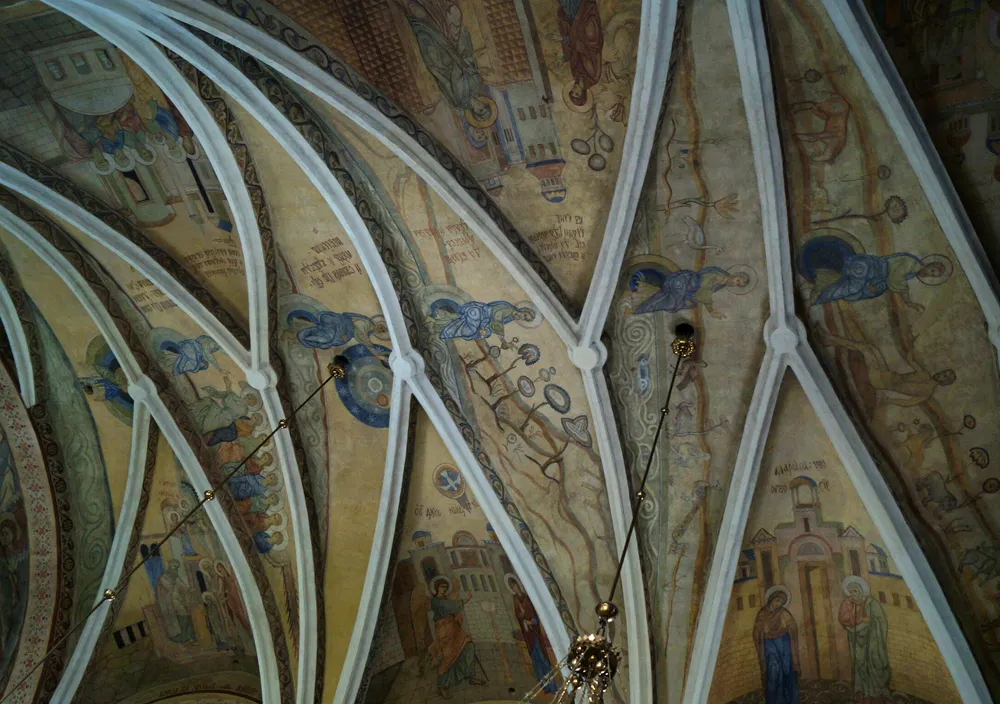
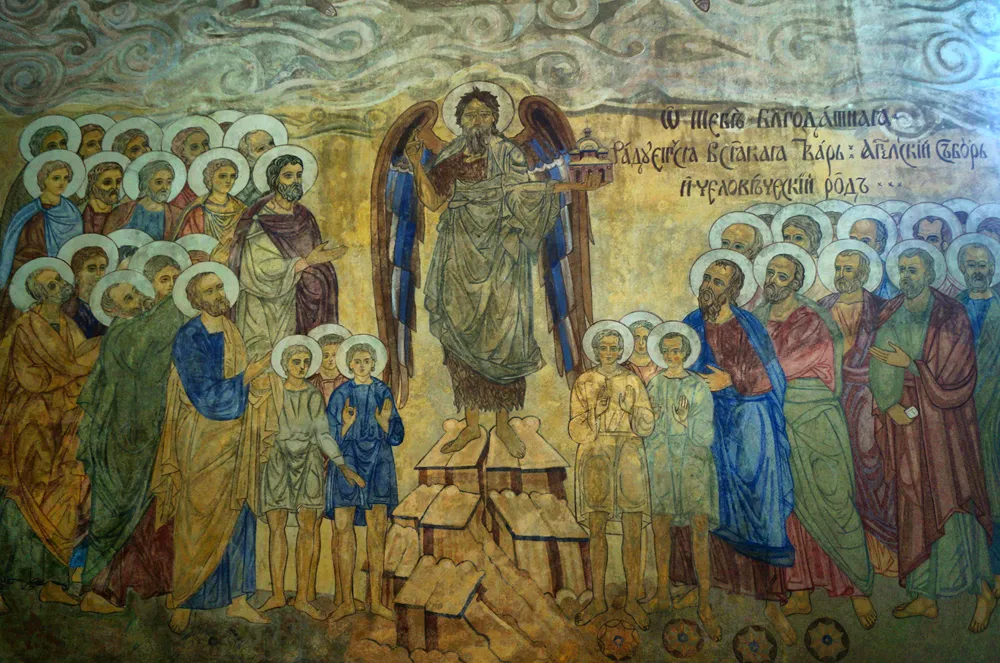
In 1939 Soviet rule came to Galicia and the monastery was closed, and in 1944 the Greek Catholic Church was banned altogether. Then a concentration camp for Uniate clergy was set up in the monastery. The paintings in the church were whitewashed, and numerous monastery gravestones were destroyed.
Monastic life returned to the monastery in 1991, after the collapse of the Soviet Union.
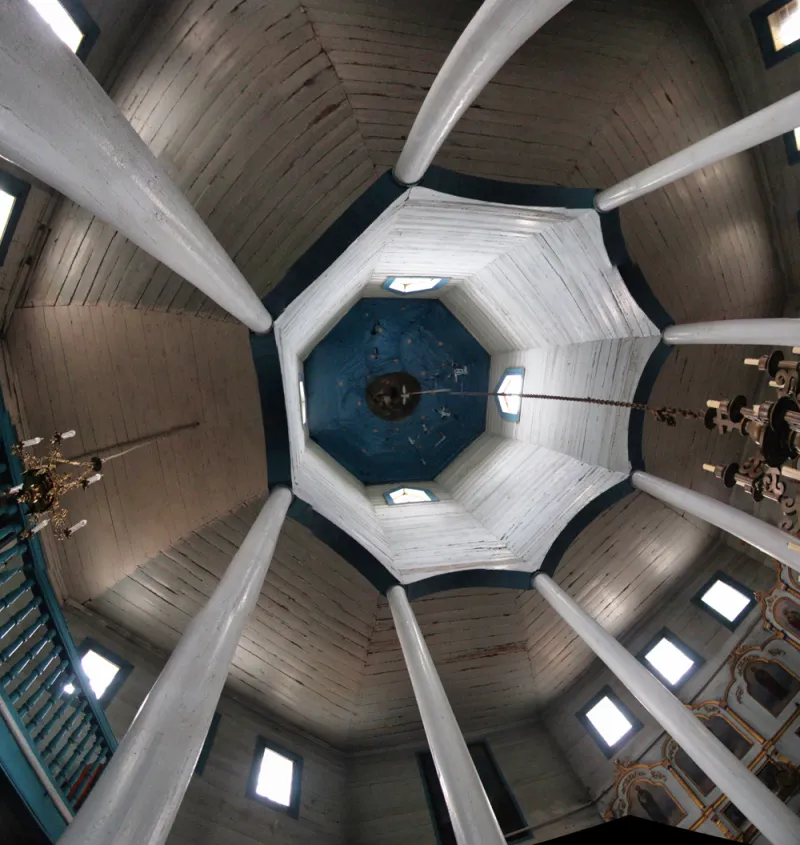
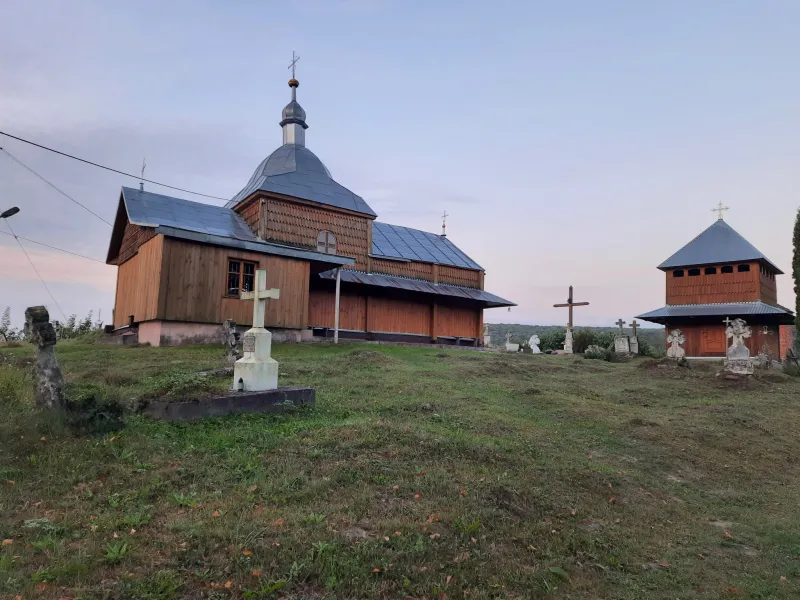
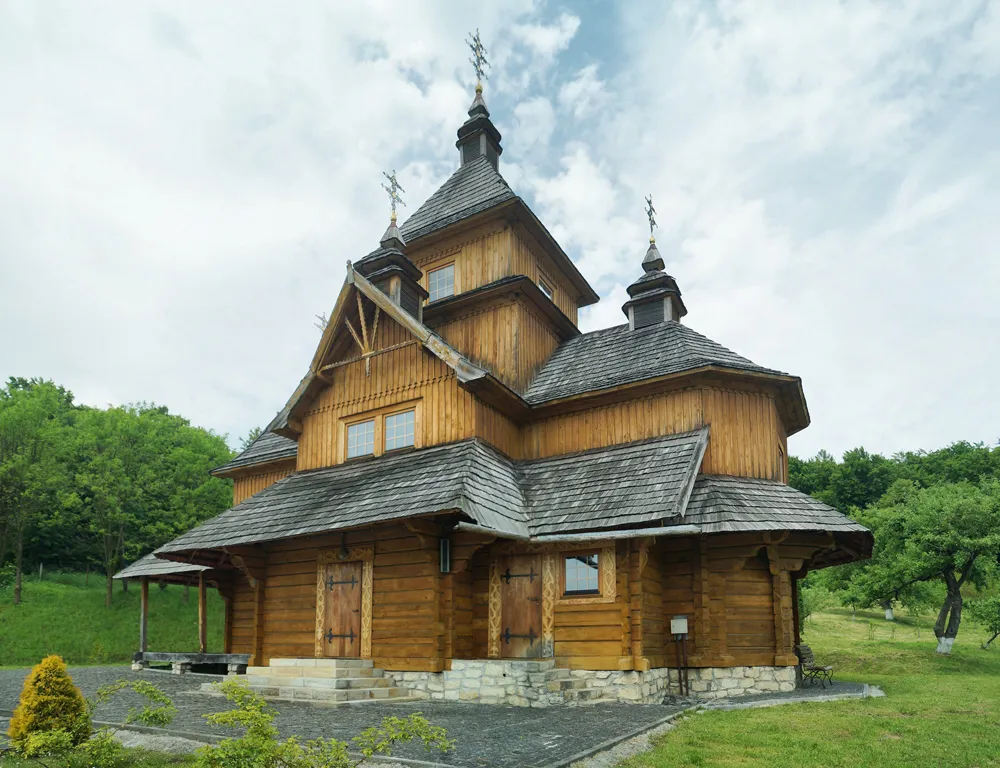
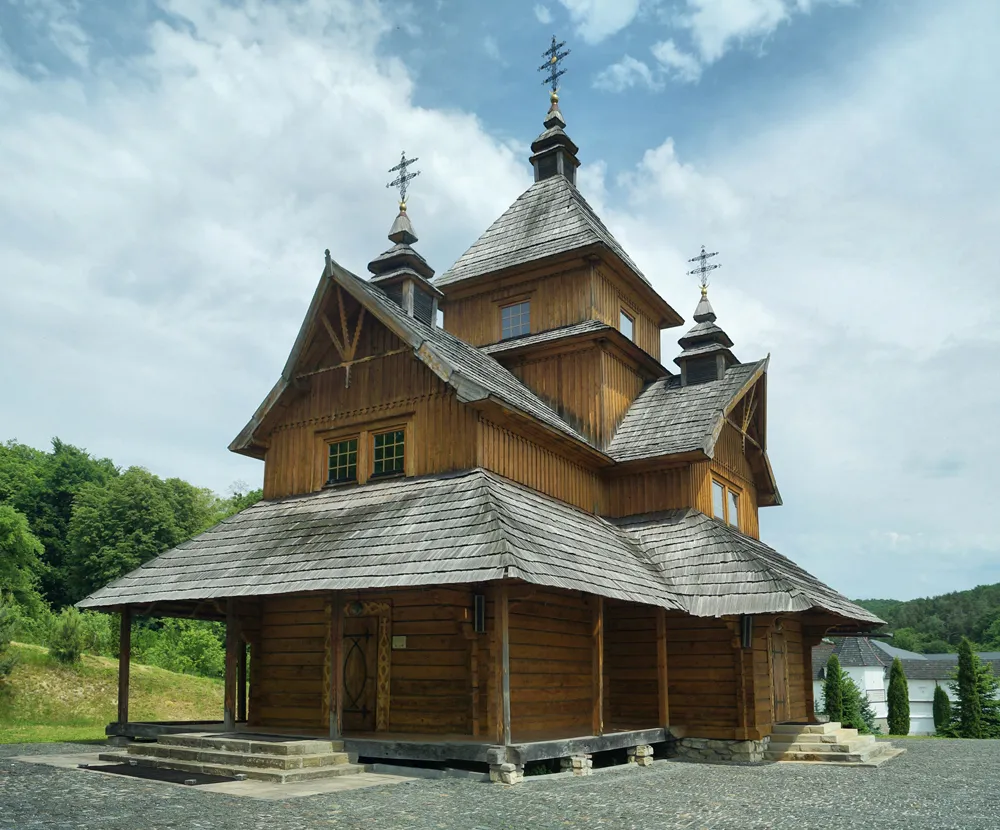
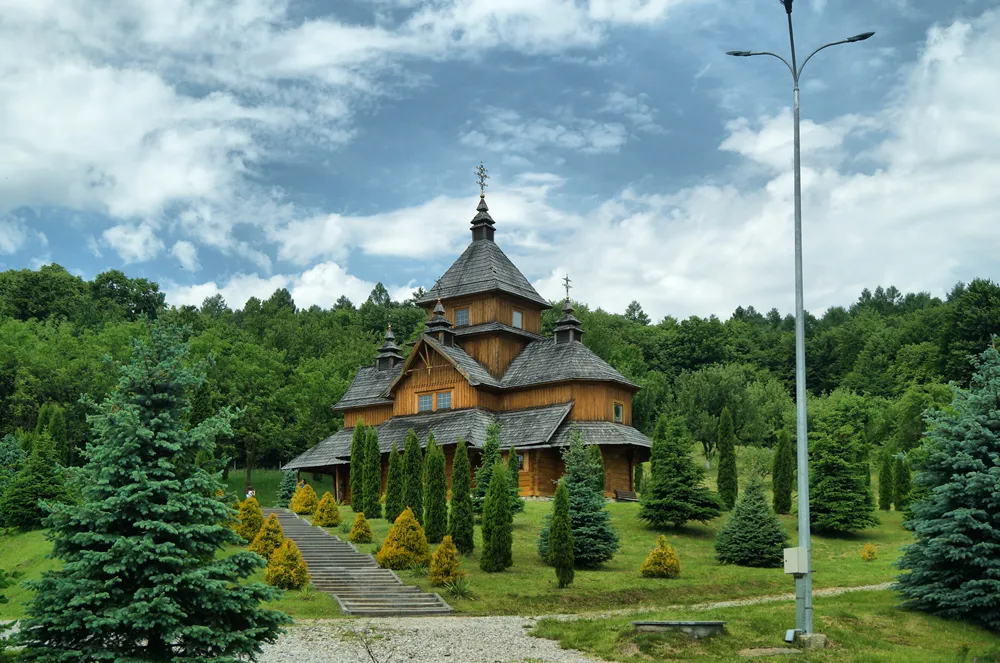
The monastery has been fully restored. All the buildings were restored, and in 2007-2008 another church was built, the wooden Church of Sts. Clement and Leontius. Today the monastic community has 84 monks.
Text and photos by Roman Malenkov
Read other materials about Univ Lavra on our website.