Armenia. Alaverdi

· 2 min read
The town of Alaverdi is located near the Sanahin Monastery. Or rather no – the monastery is now officially within the town limits. We know the same word (alaverdi), which means something like passing on a toast at a festive Caucasian feast. Whether it is connected with the name of the town is unclear. The name itself comes from the Turkish words “Allah” and “verdi” – “God” and “to give”. So Alaverdi is something like “Bohdan” (“God-given”).
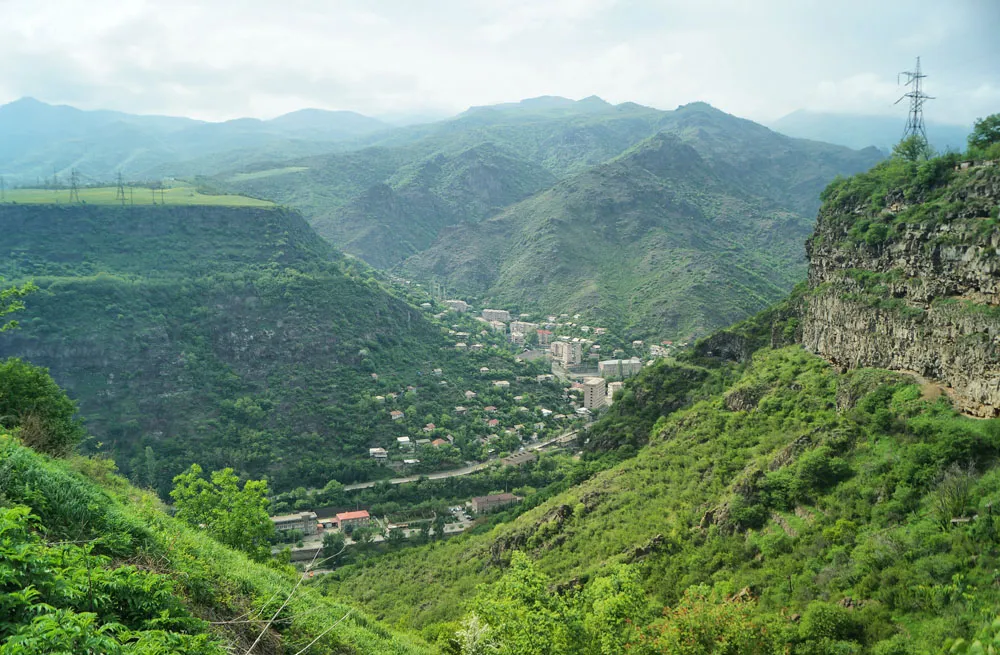
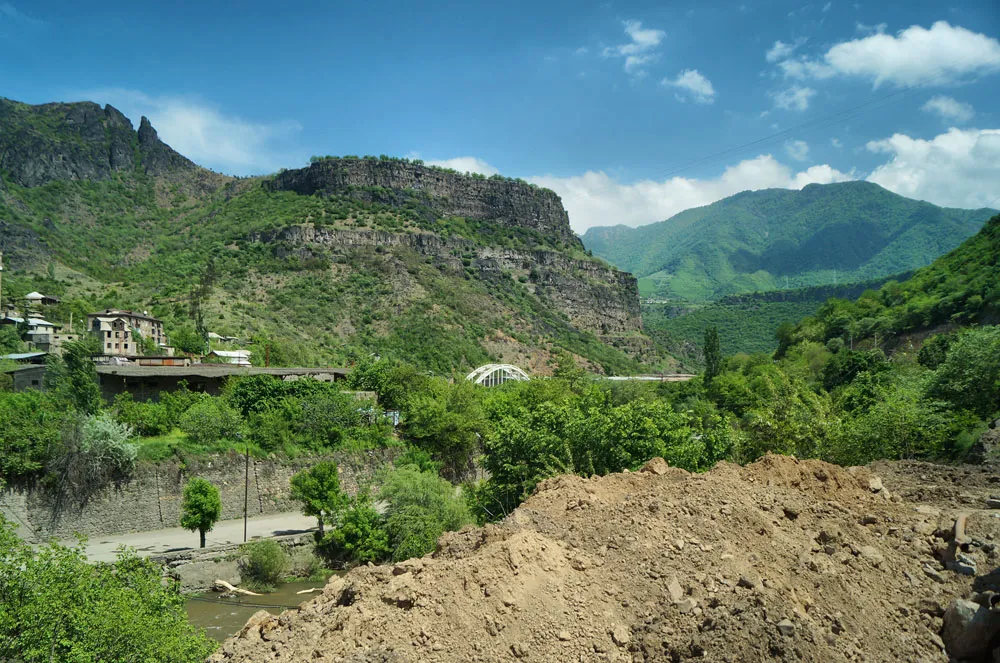
The town lies on the bank of the quite powerful mountain river Debed. Houses are scattered over the slopes and high terraces, among them multi-storey Soviet blocks. The part that used to be the village of Sanahin looks especially striking from a distance – it is situated very high up.
The town of Alaverdi already existed in the 3rd century BC. Then it was called Manes. It was a fortress town in which copper mining began in the 13th century. In the 18th century Greek miners came here, built a copper smelter and expanded copper production.
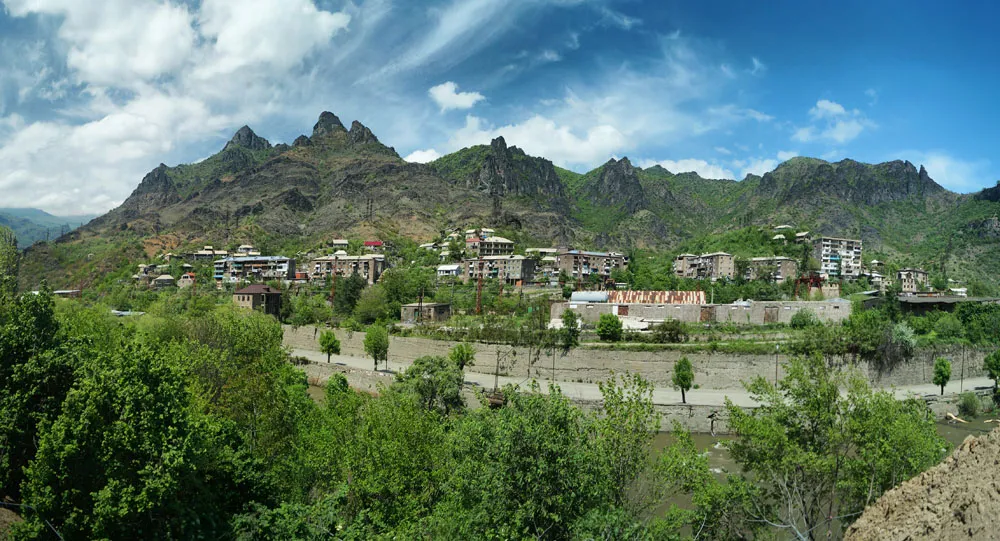
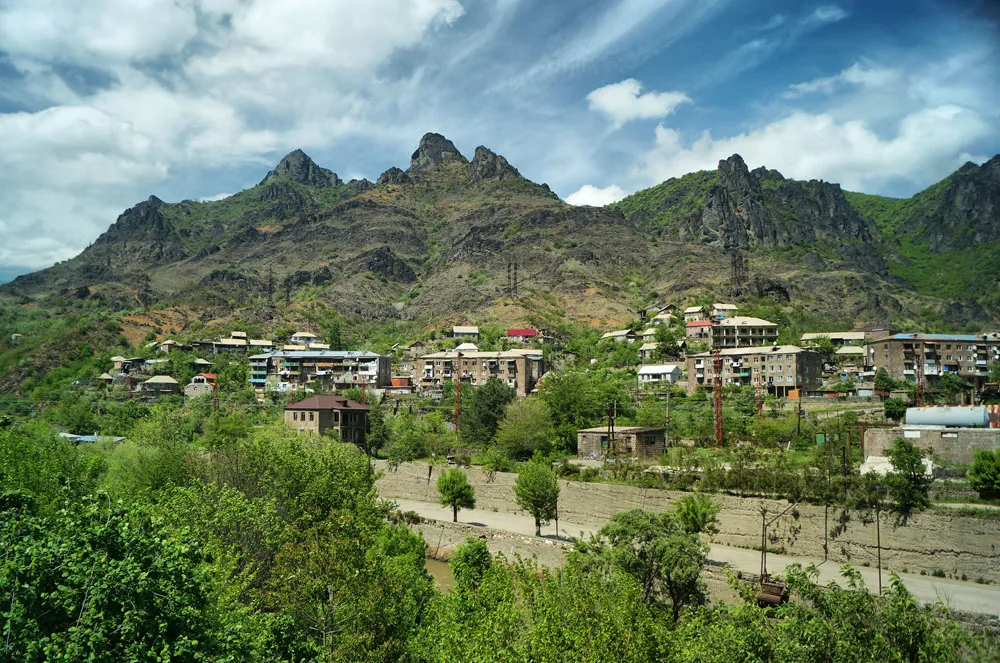
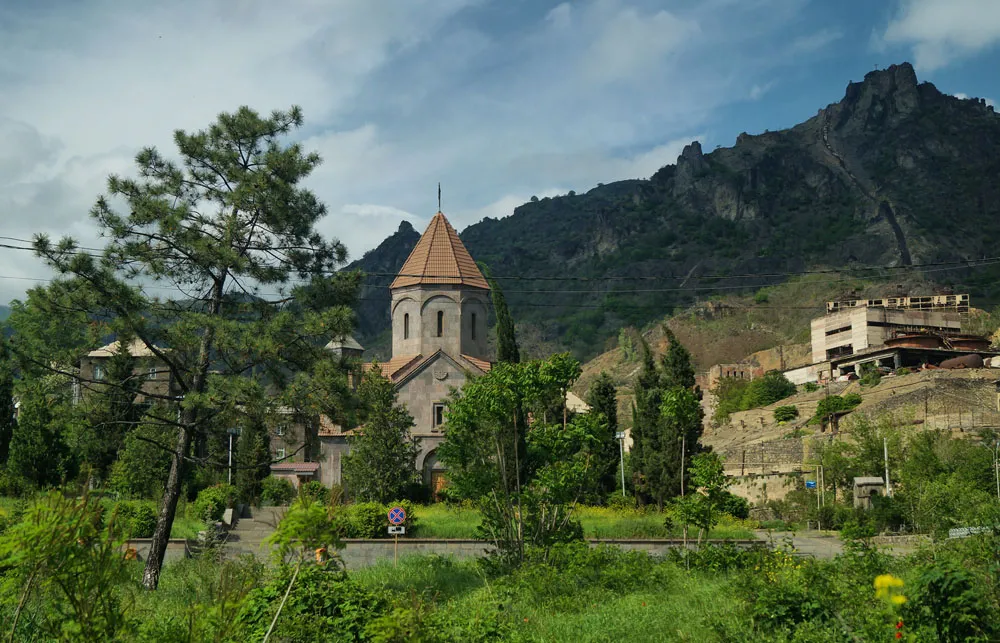
In 1801 Alaverdi was seized by the Russian Empire, which worked the copper mines for a while and then sold them to the French, who took up mining more vigorously. An even greater boost to the development of the town came from the Alexandropol (now Gyumri) – Tiflis (now Tbilisi) railway, built in 1899, which ran through Alaverdi.
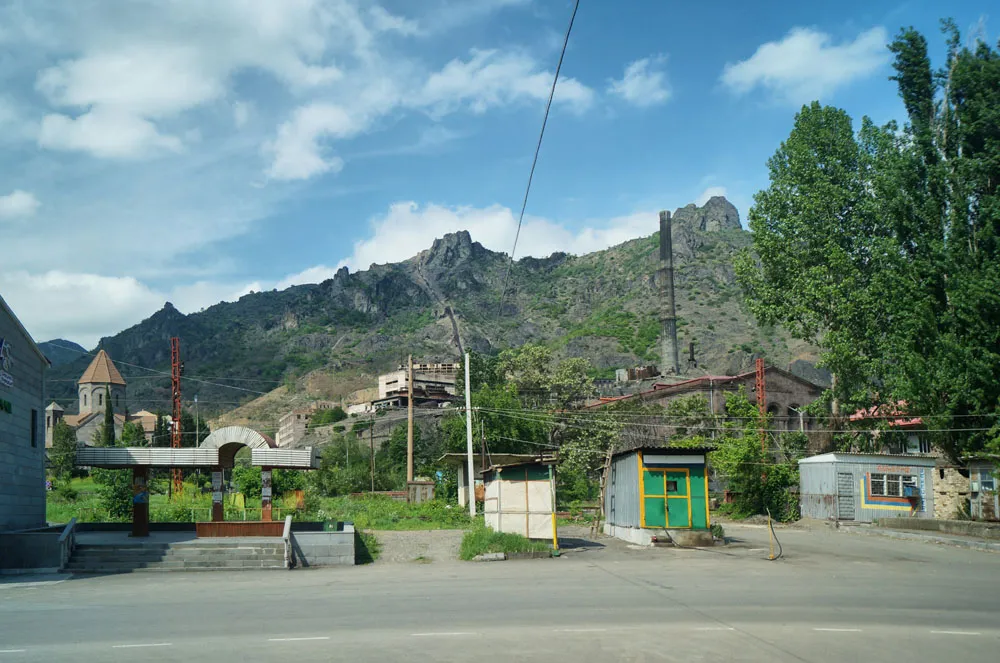
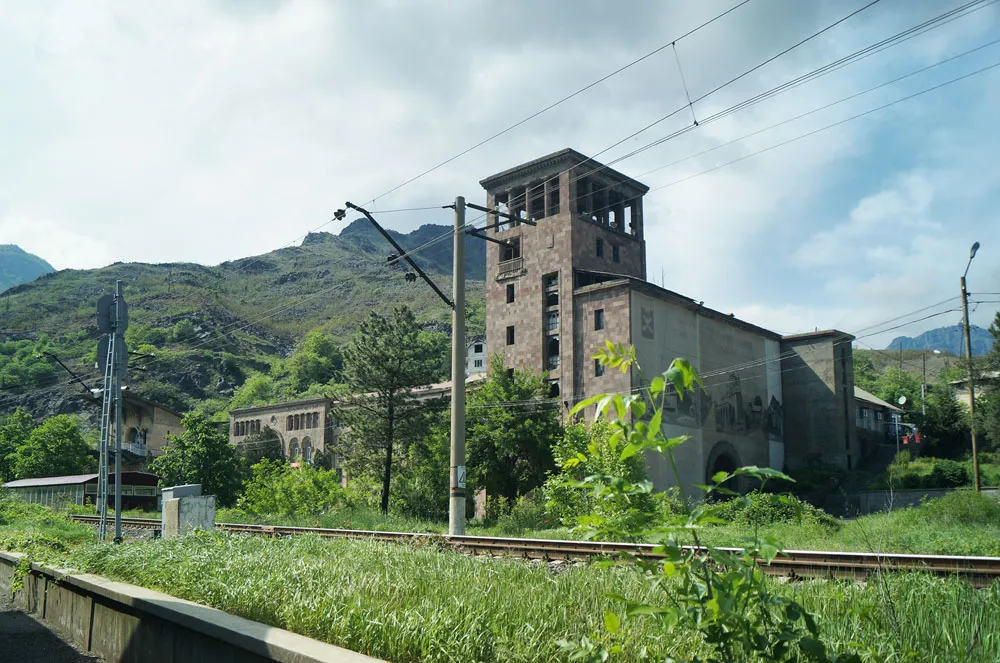
In 1921 Soviet power was established in Armenia, and large factories began to be built in Alaverdi. A luxurious, enormous railway station and a house of culture were built… Today the factories stand empty, without windows and doors. I do not know whether the mines are working, but the copper-smelting plants are certainly dead.
Alaverdi leaves strange feelings behind – a picturesque setting, a river and beautiful mountains, and at the same time desolation and poverty – we could not even find a decent restaurant in the town centre. We had to go to Sanahin, where there are restaurants, one of them very nice, right above a precipice, with viewing platforms and its own cave. And how tasty the stuffed cabbage rolls are there – dolma in Armenian.
Text and photos by Roman Malenkov.