Armenia. Dilijan

· 2 min read
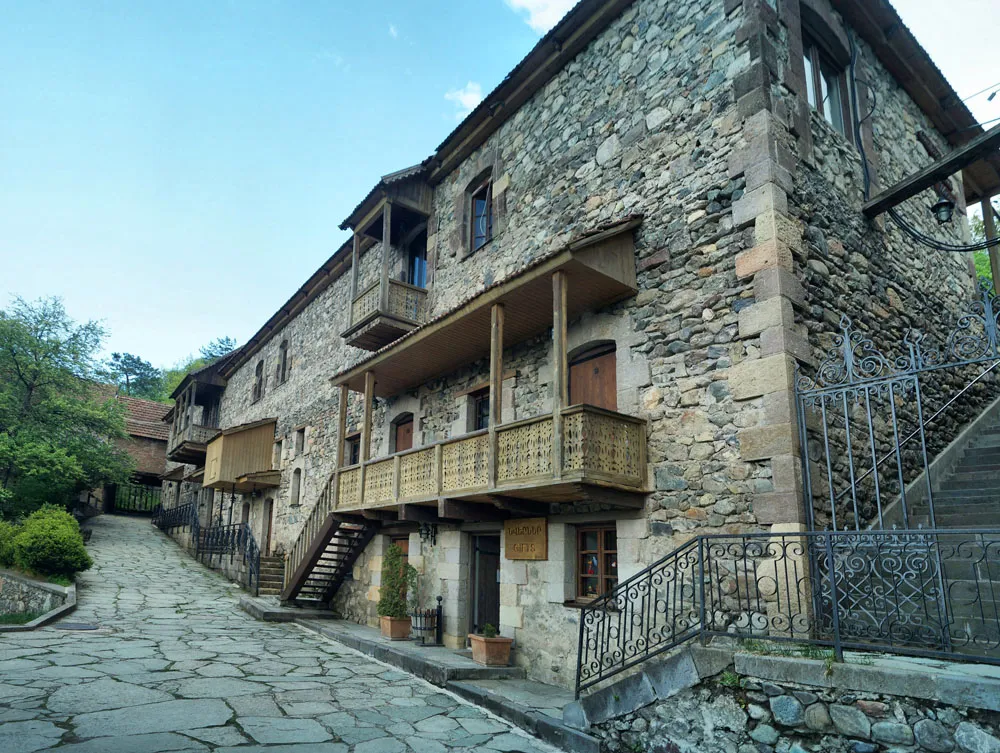
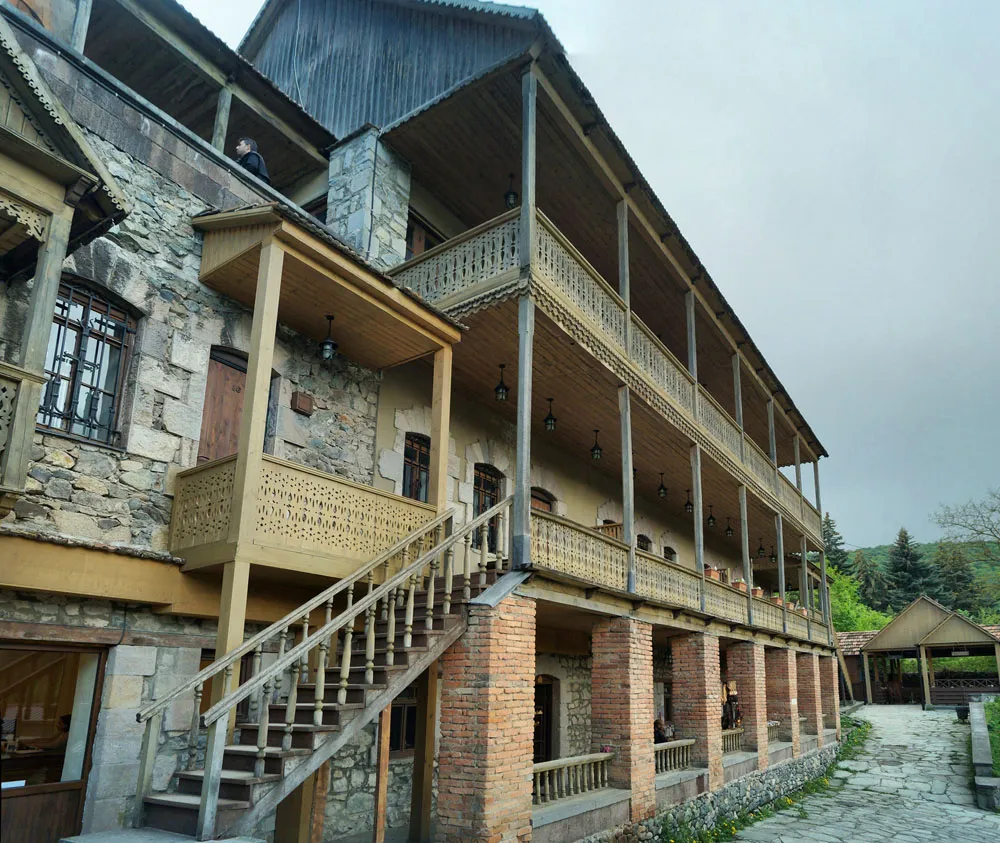
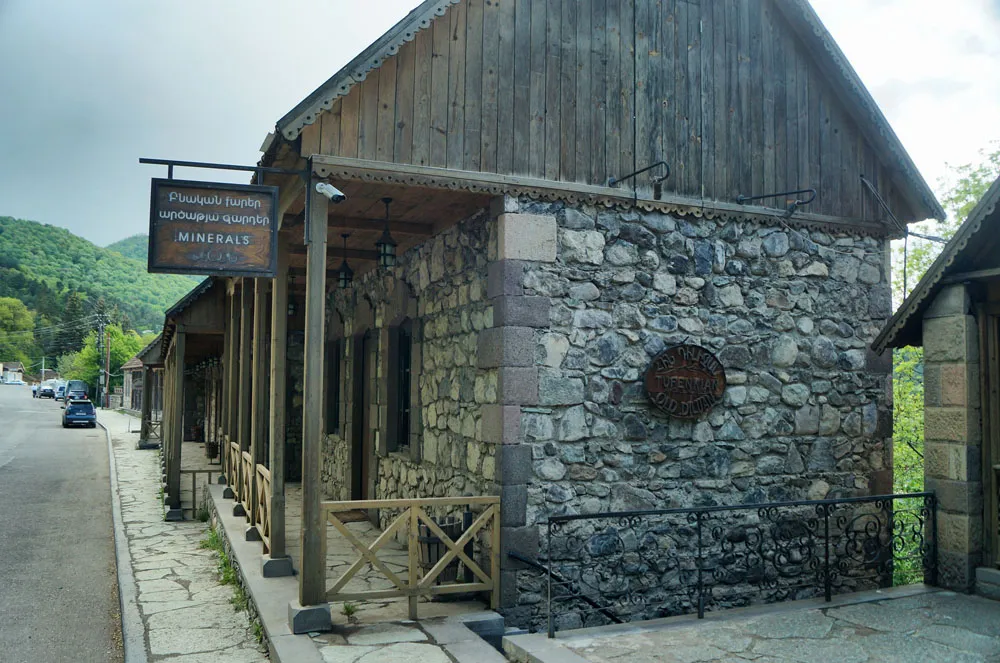
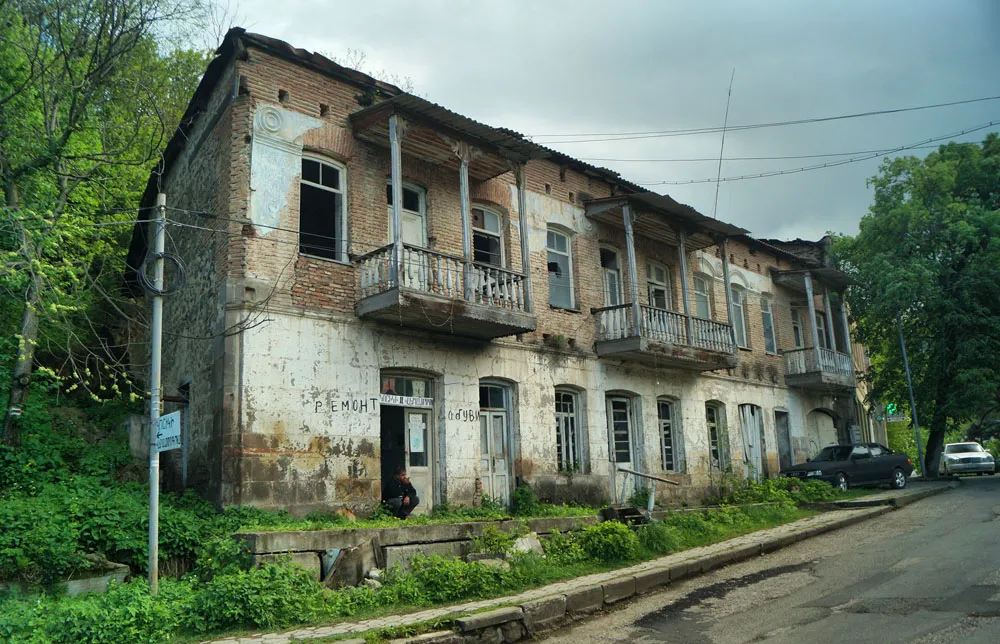
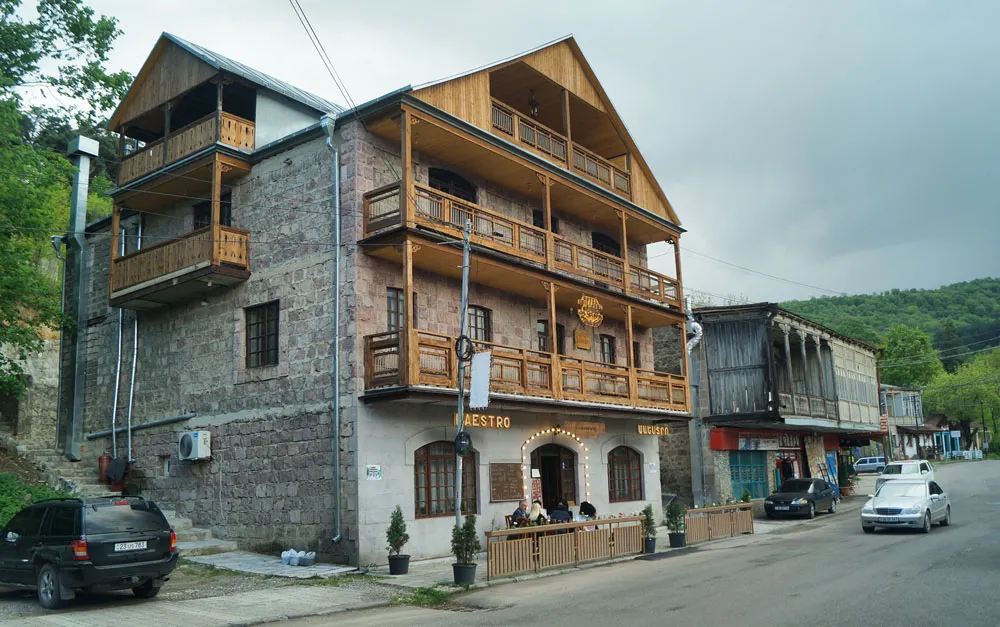
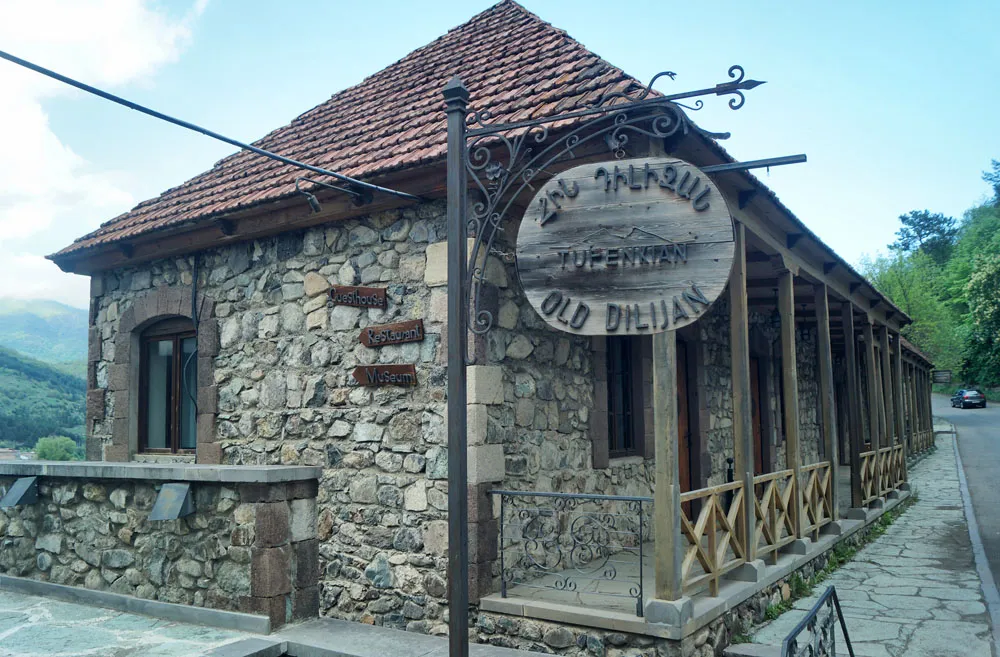
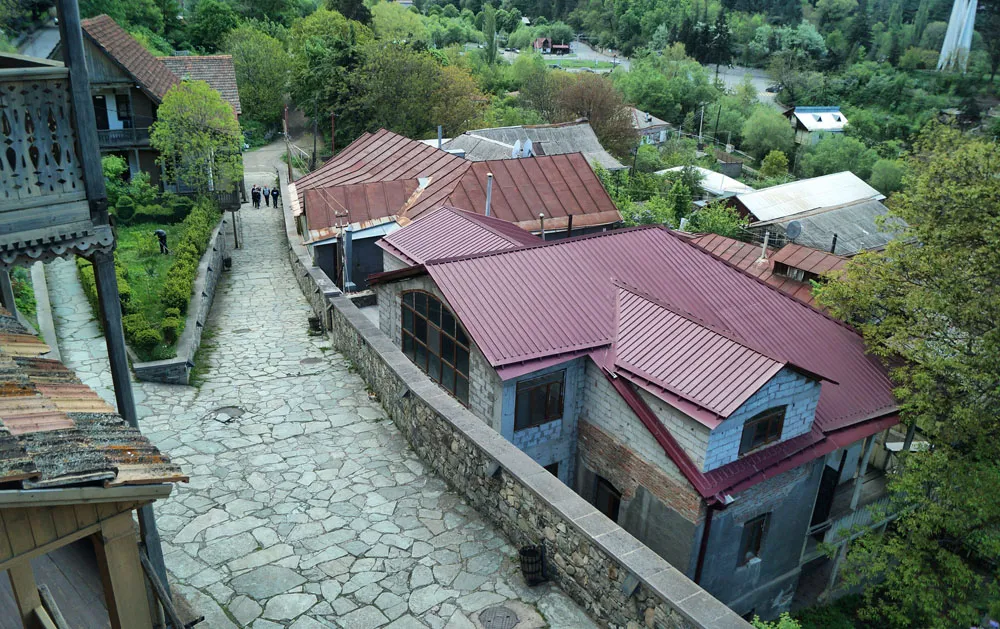
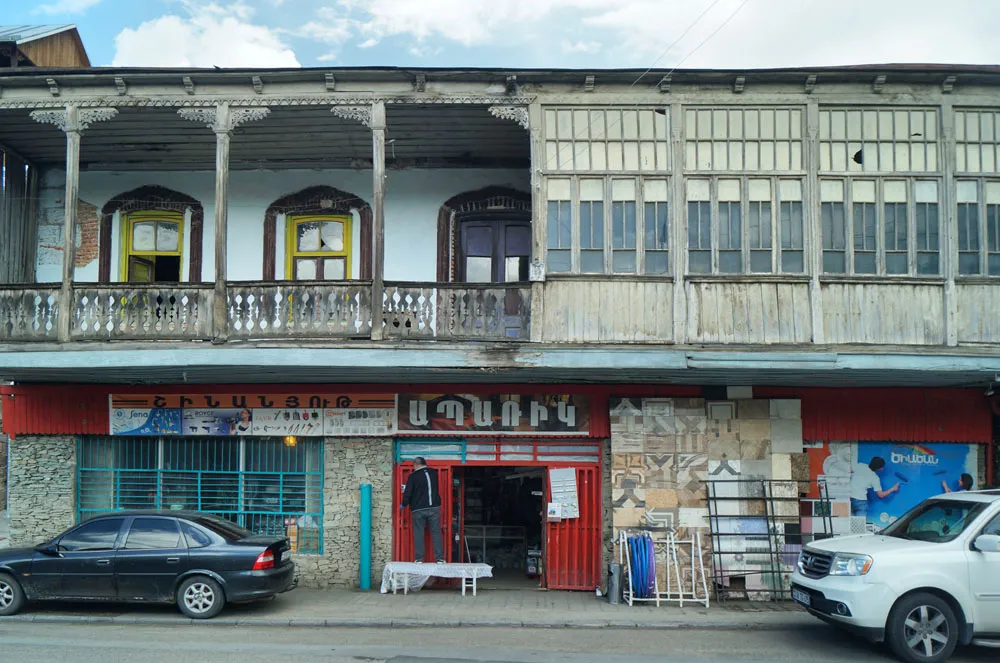
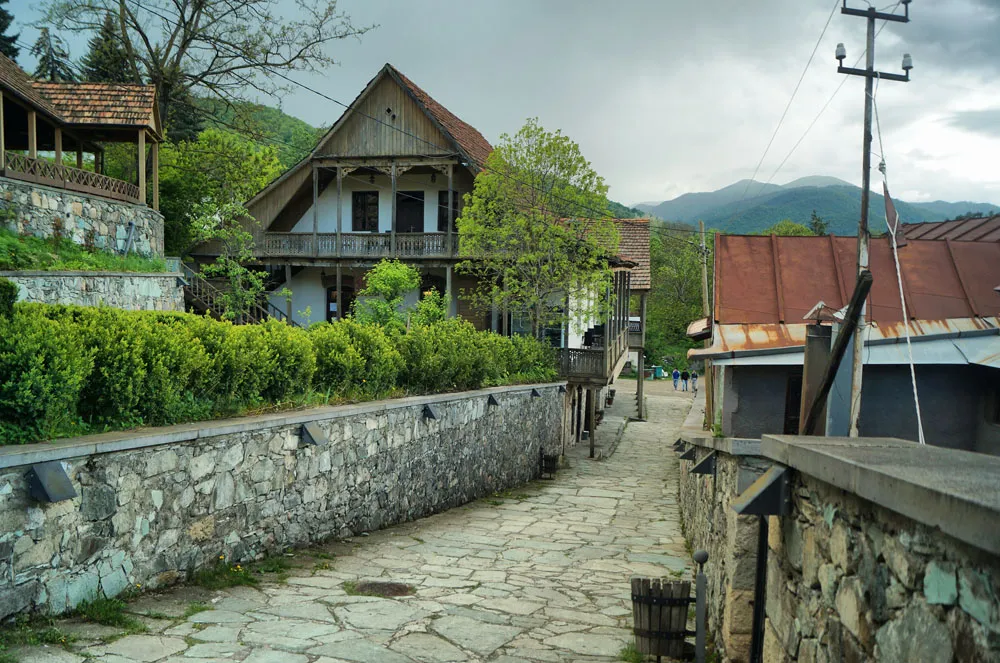
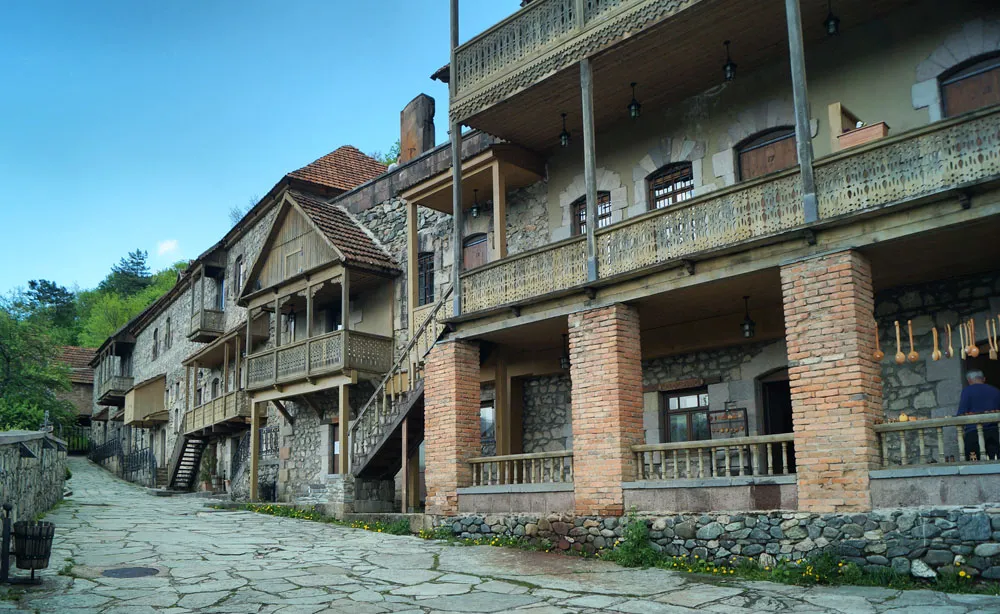
Guidebooks and Wikipedia say with one voice that Dilijan is one of the main resorts of Armenia. Personally, it did not seem so to me. Yes, the forests around are beautiful and the nature is fairy-tale, but that is how it is everywhere in Armenia. Dilijan is not at all like a typical resort town such as Zakopane or even Truskavets. The streets here are scattered over mountains and hills; there are only a few for a leisurely stroll and, for photography, really only one, with old stone houses. If it were not for the fantastic Haghartsin Monastery, 14 km from Dilijan, and the Goshavank Monastery, where I did not go, Dilijan could be left out of an ordinary sightseeing trip, since it is a resort for those who plan at least several days of viewing natural beauty combined with recreation, or even several weeks in a sanatorium, not an hour to take a few photos.
Dilijan is called the most intellectual city of Armenia: many writers, poets, artists, sculptors, directors, composers and scholars live here, every kind of bohemia. Perhaps that is exactly why Dilijan is so praised, although tourists cannot see it: bohemians are not sights, people live in their own quiet to create, not to peddle their faces on the streets. That is why the streets are simple, apart from one or two. One of the city’s main attractions is a modern monument to the heroes of the Soviet film “Mimino”, located near a lively crossroads where we could not find a place to park, so we did not photograph the monument. And Dilijan also has a cool music school that turns out super musicians.
Dilijan has many rest homes, where recreation-seeking tourists go to relax, but for a resort centre there are not very many restaurants and cafes, and we did not find a place to have lunch right away. Probably everyone has lunch in their own sanatoriums and guesthouses. Strange. There are also nice expensive hotels here, but they are all hidden away in cosy corners on the mountain slopes. There is also a mineral water plant and a dairy plant.
Text and photos by Roman Malenkov.