Armenia. Noravank

· 2 min read
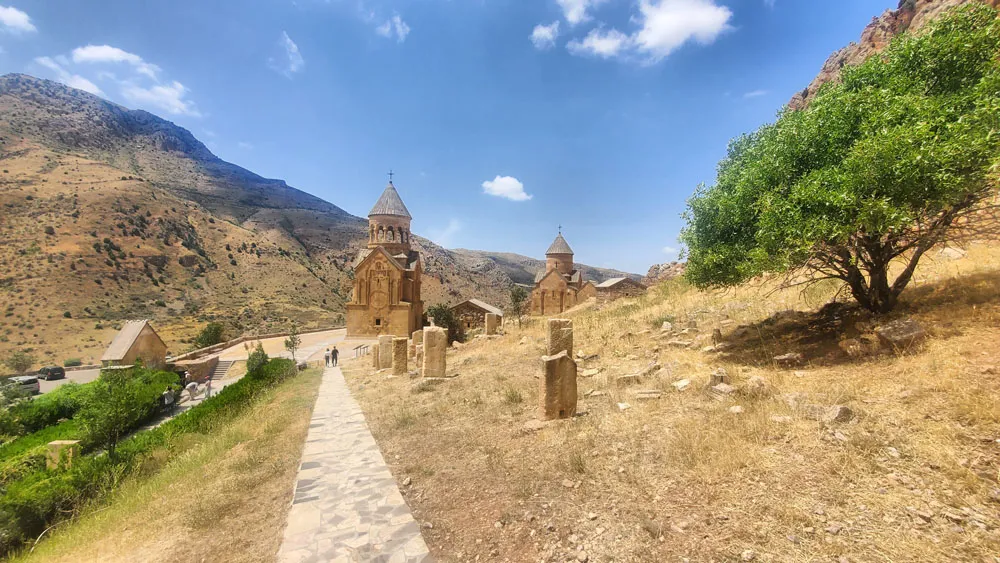
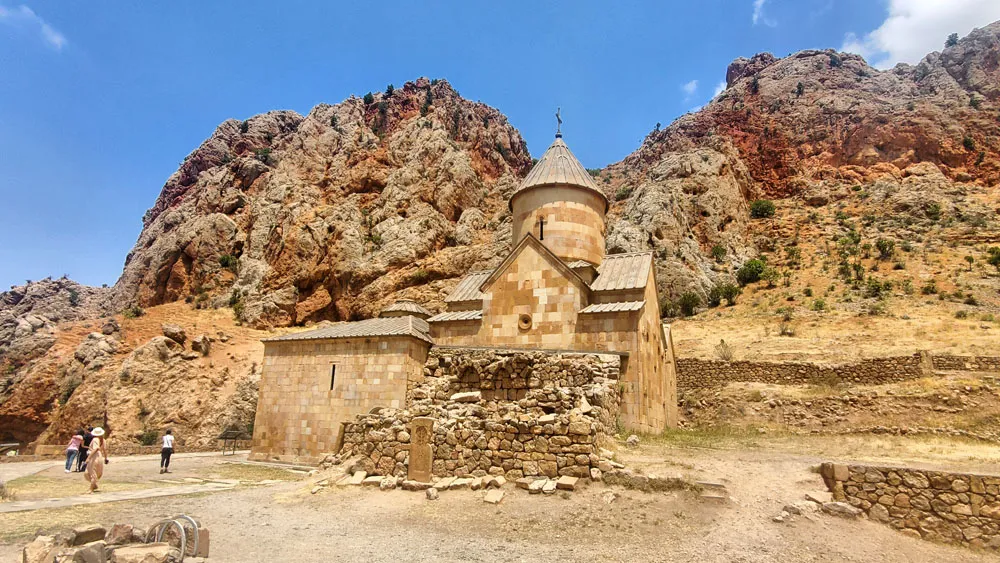
Noravank means “new monastery”. It is new only in comparison with many other famous Armenian monasteries; in fact it is not so new, as it was founded in 1205. The founder of the monastery was Bishop Hovannes, and the donors were the Armenian princes Orbelian.
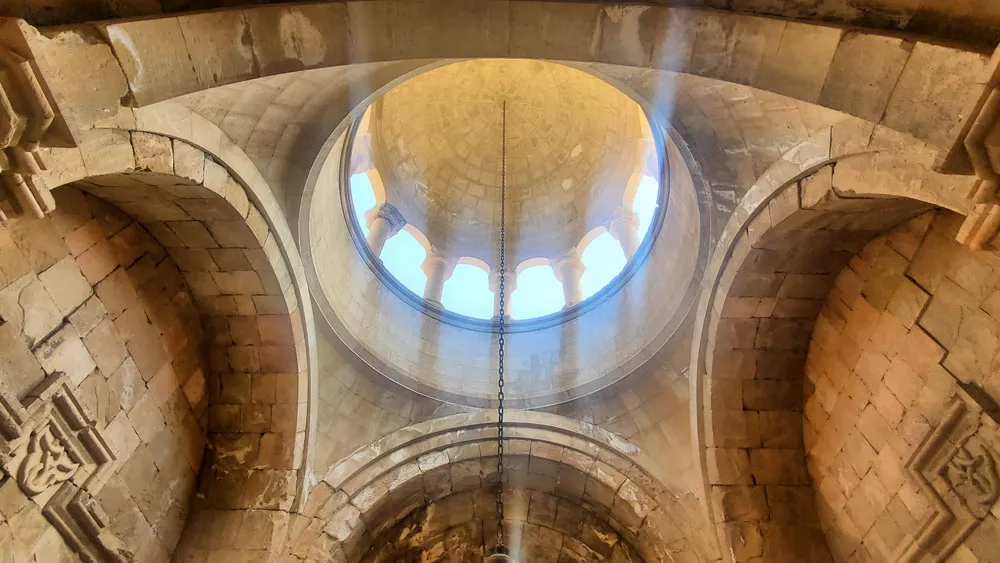
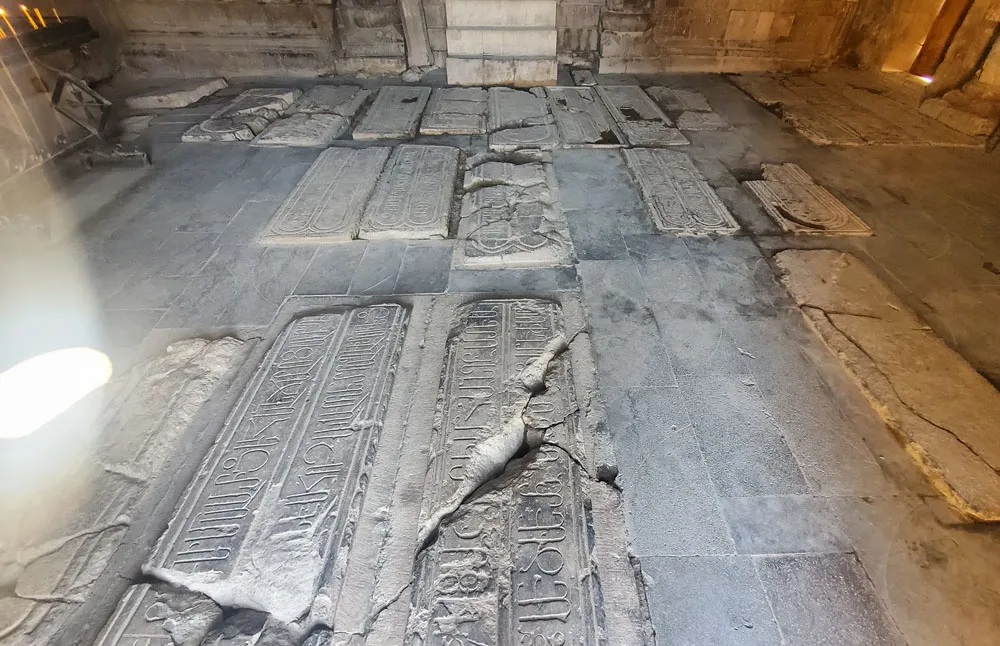
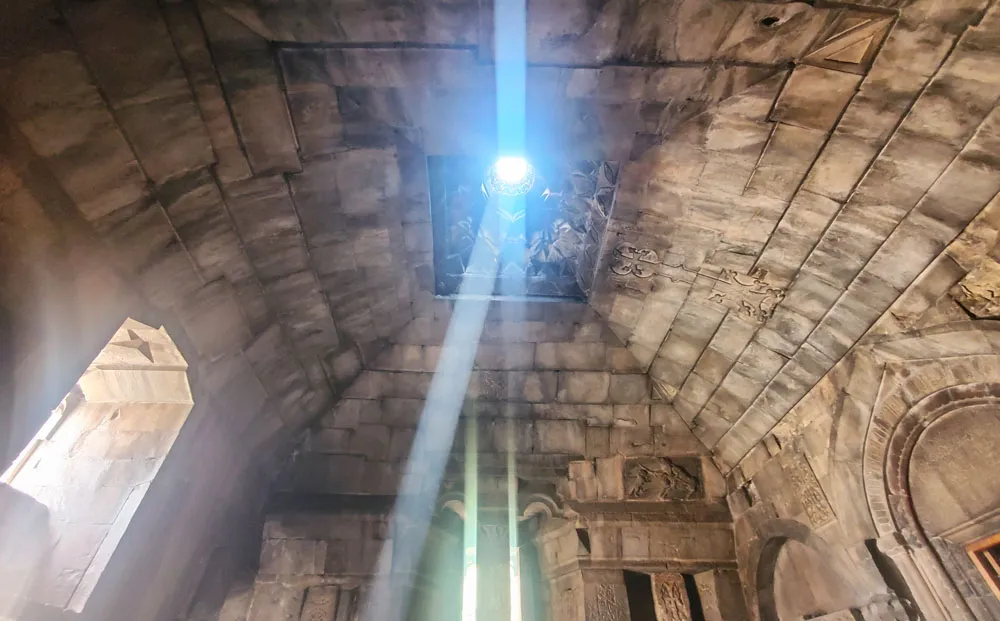
The first church of the monastery was destroyed by an earthquake, and only its foundation remains. In 1216–1227 the present main church was built: the Church of Surb Karapet (St. John the Baptist). It is a typical example of Armenian architecture: a cross-domed building with an attached narthex, a gavit. The floor of the gavit is full of gravestones, which is traditional for Armenian churches, so that people pray on the graves of the wealthy. Somewhere here is the burial of the Orbelian princes, but I did not identify it.
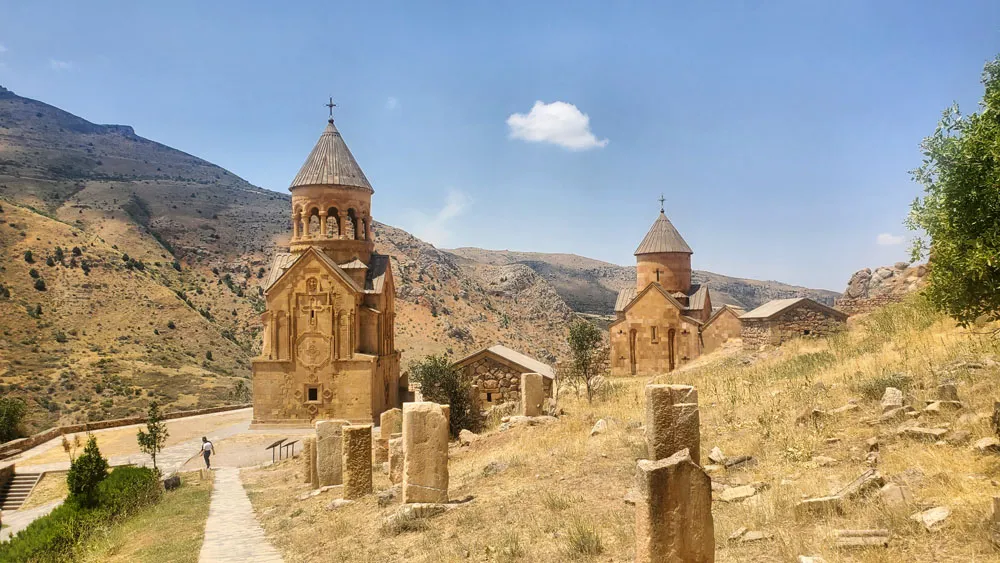
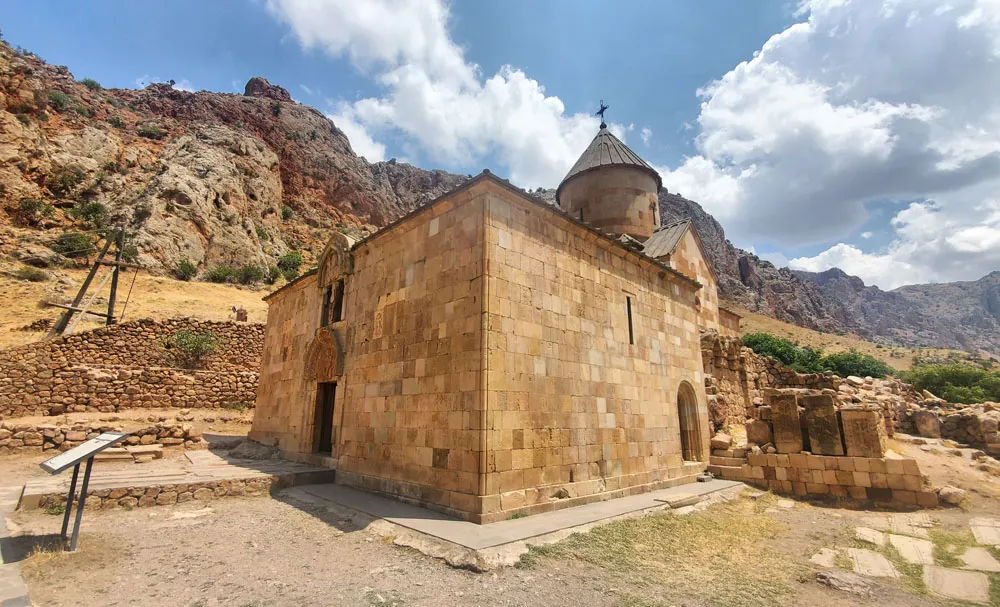
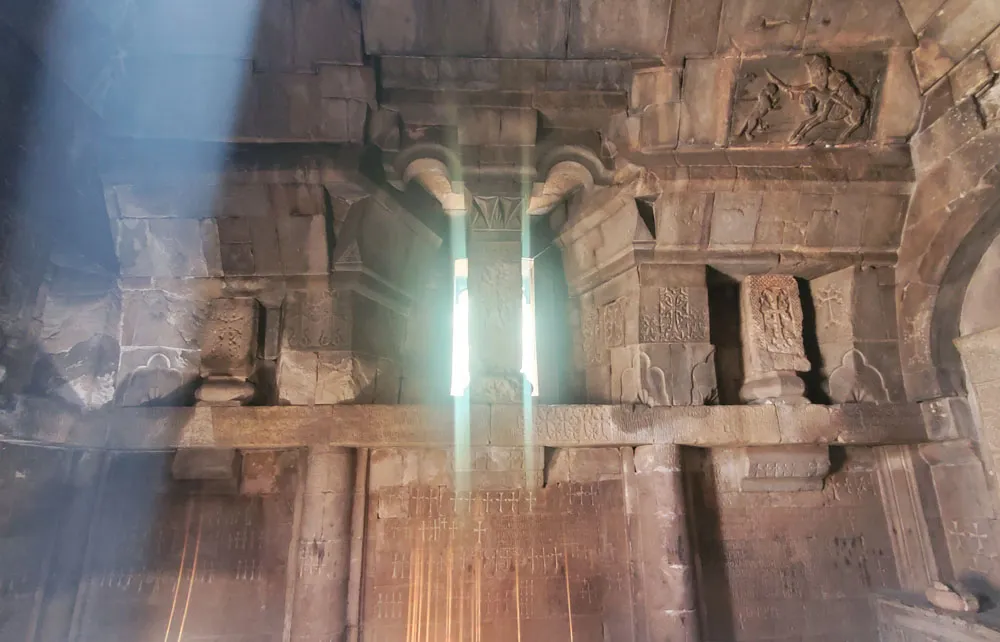
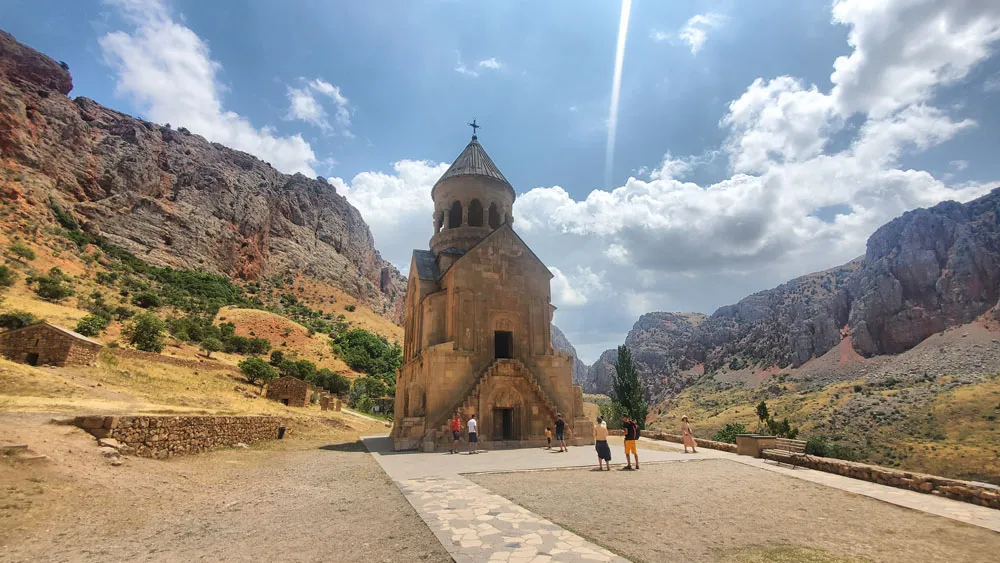
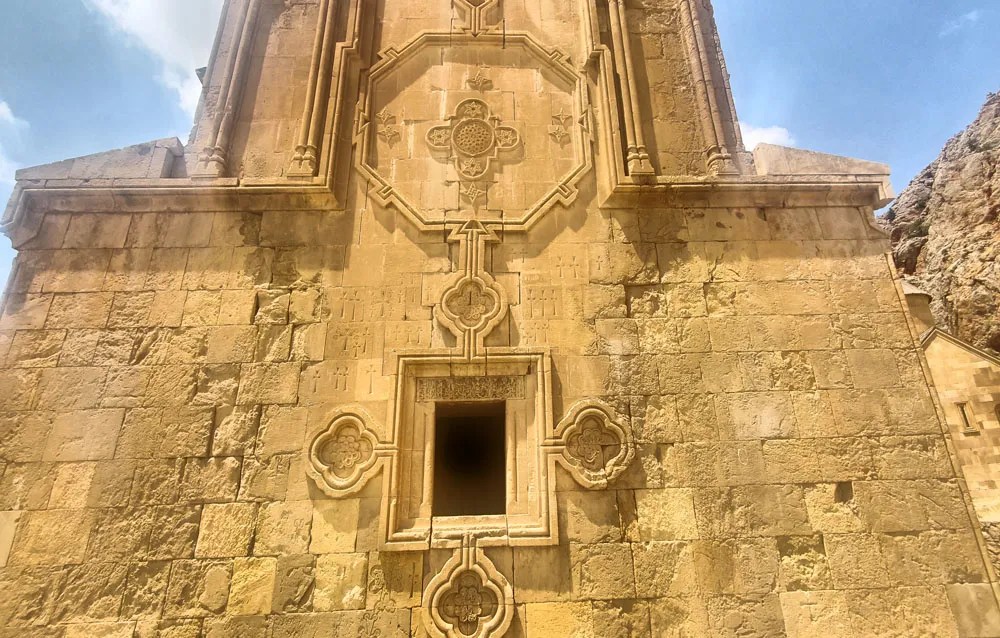
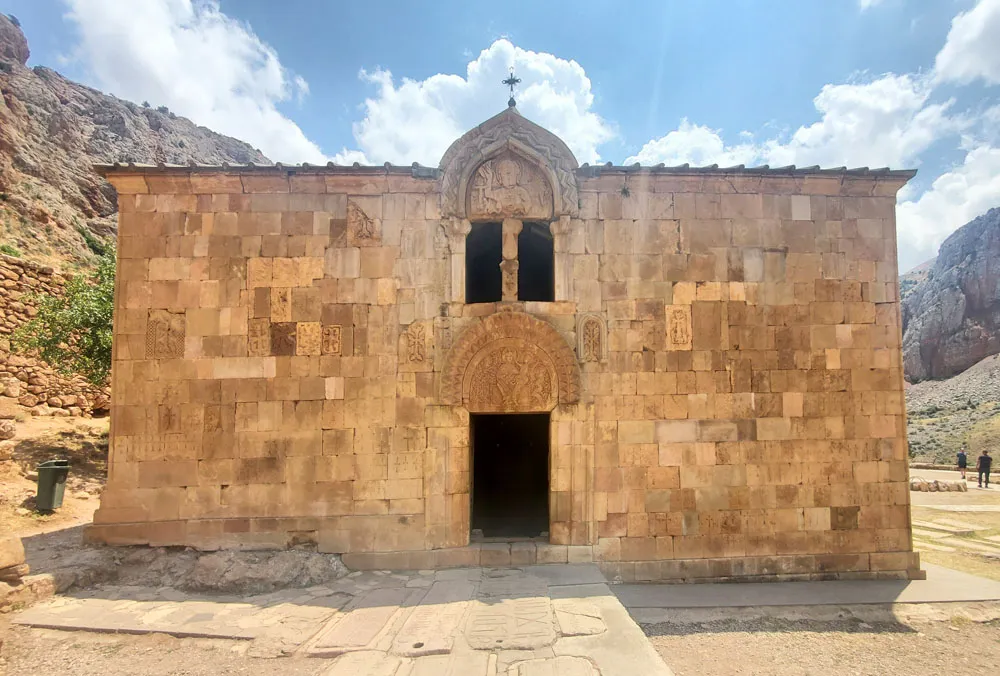
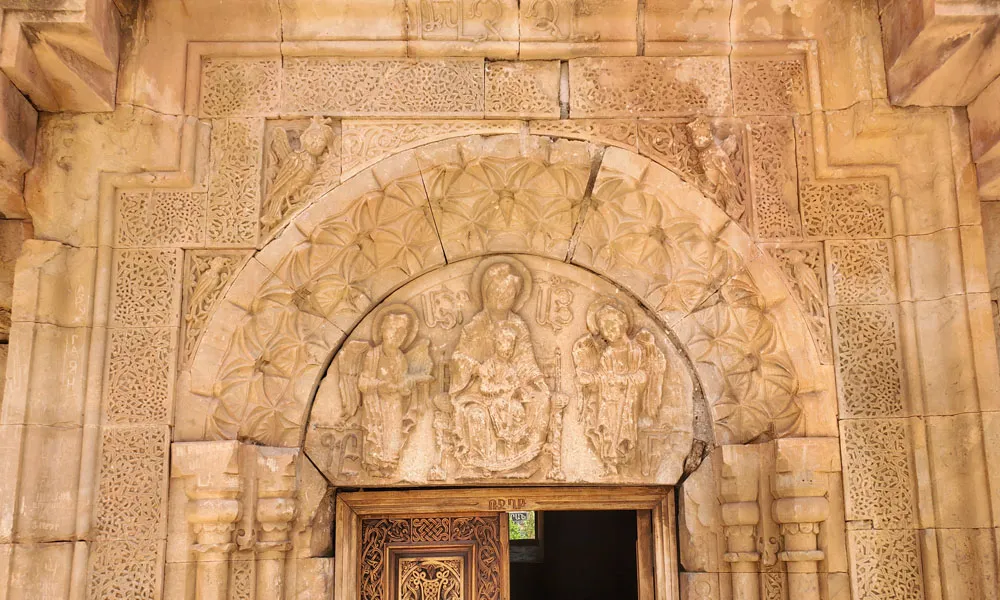
The second church of the monastery is dedicated to the Mother of God: Surb Astvatsatsin. It is one of the most perfect Armenian churches. It was built for the Orbelians by the outstanding architect Momik. Construction was completed in 1339. The church has two storeys. A narrow staircase leads to the second floor, located above the entrance to the first floor, on the outside.
The monastery has a museum of Momik, who was not only an architect but also a sculptor and painter, a versatile artist. For a long time he served the Orbelians, who had their residence at Noravank.
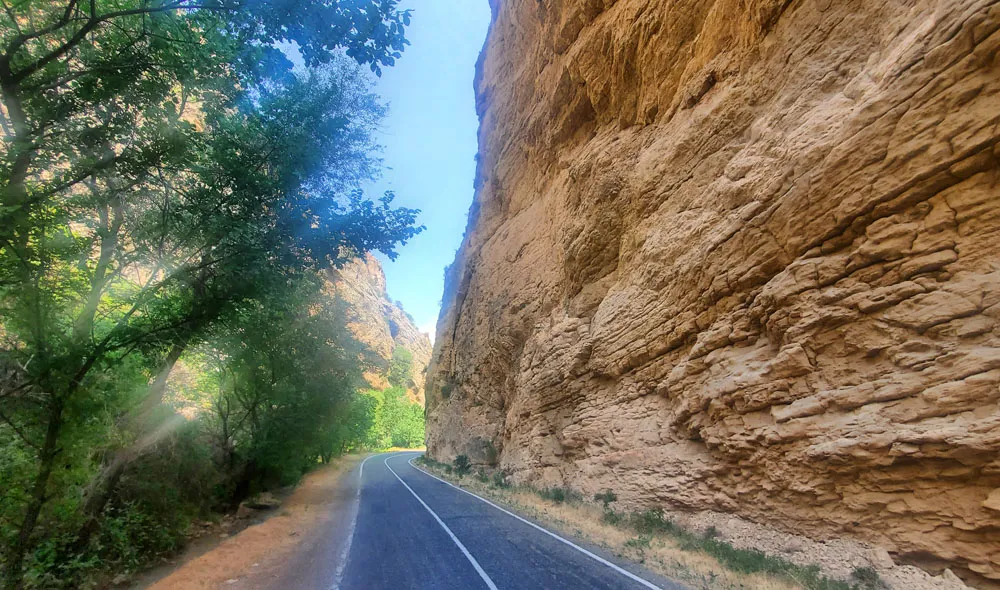
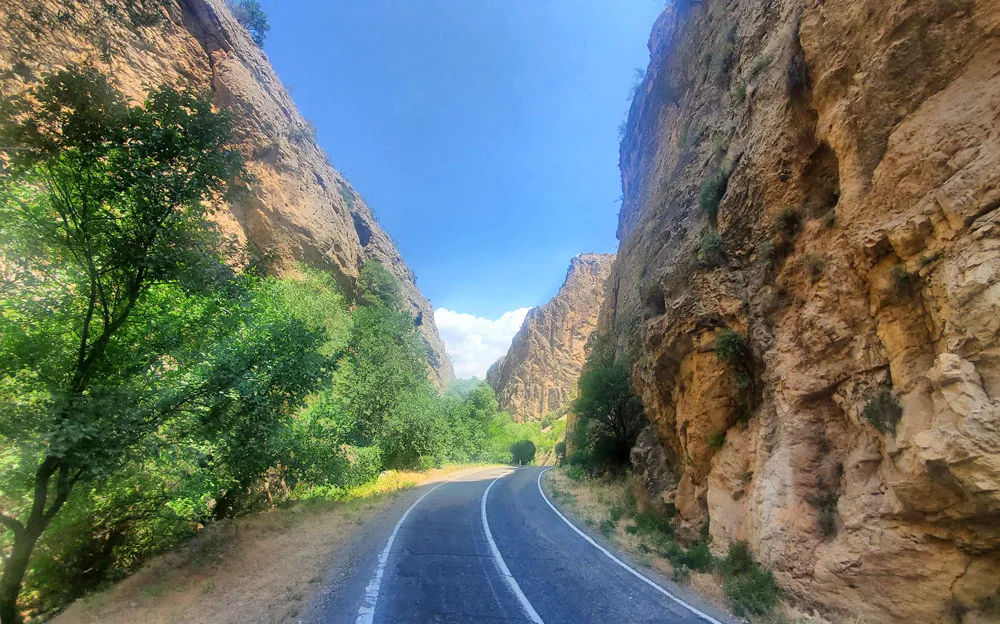
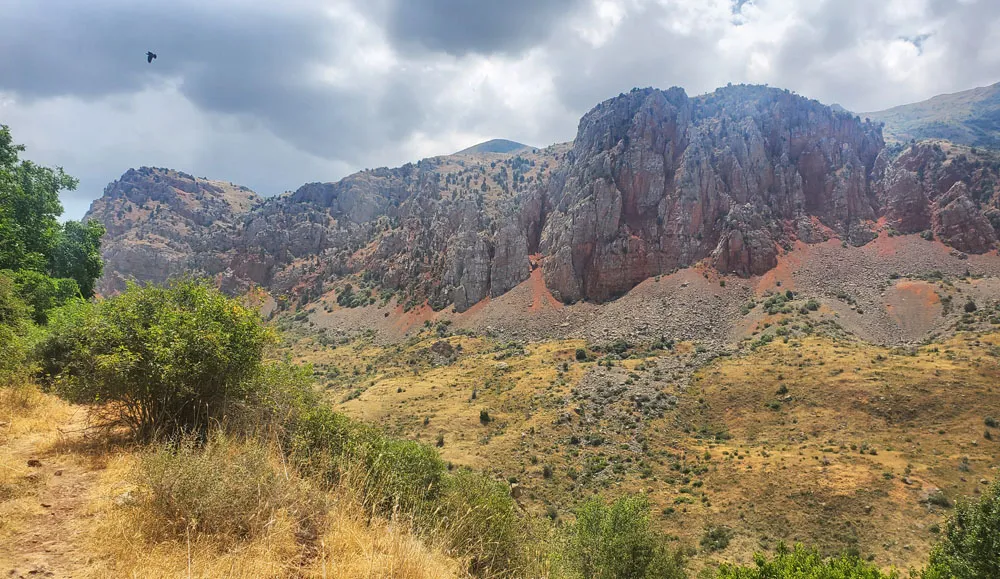
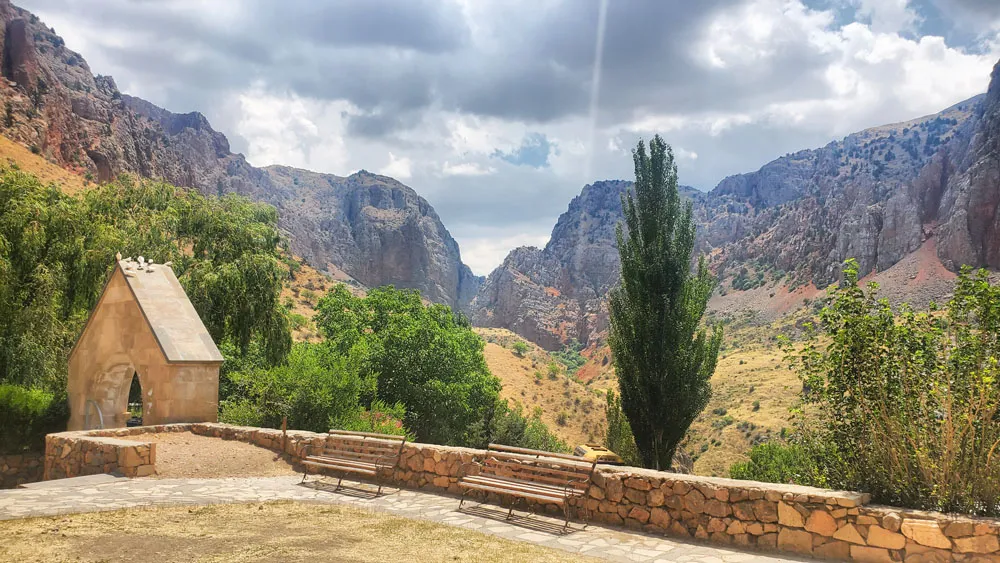
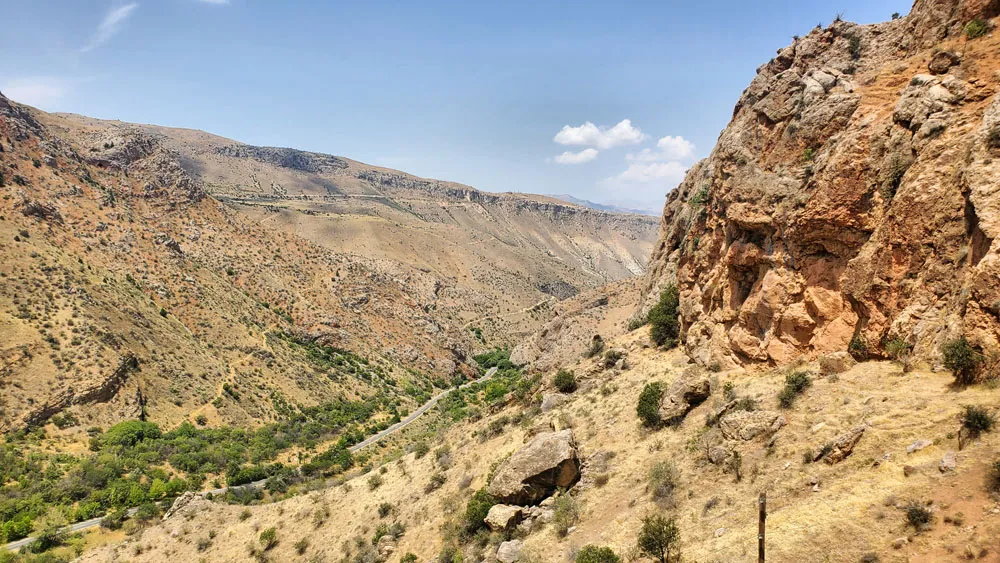
Noravank Monastery stands in the exceptionally picturesque valley of the Arpa River. In places the valley is a real gorge, very photogenic. Opposite the monastery the valley widens and rises in red cliffs. Together with the monastery, the Arpa River valley is a candidate for inclusion in the UNESCO List.
It is 125 kilometres from Yerevan to Noravank. The nearest village is Areni. The village has a church that was also built by Momik.
Text and photos by Roman Malenkov.