Armenia. Hovhannavank

· 2 min read
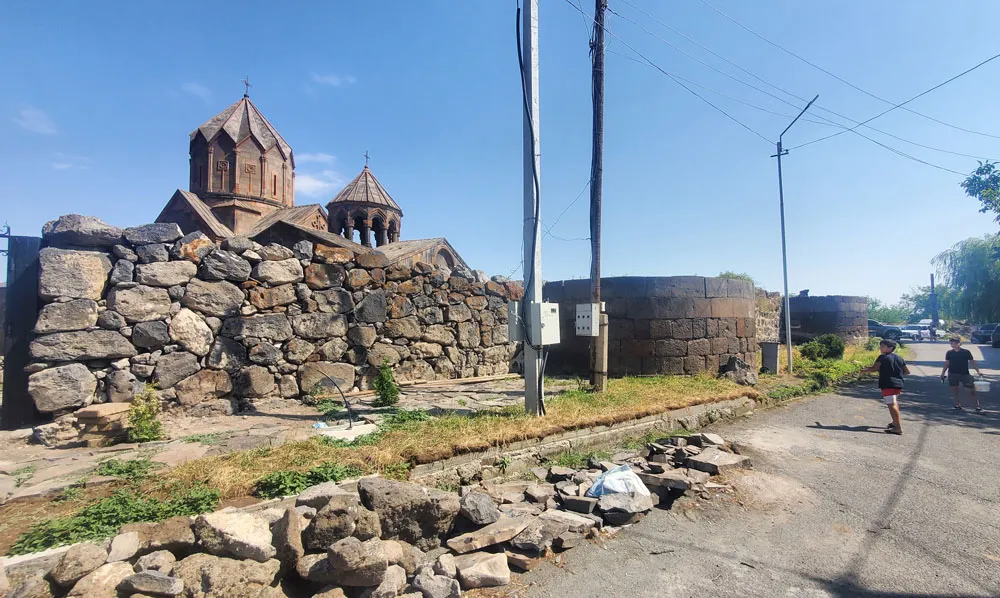
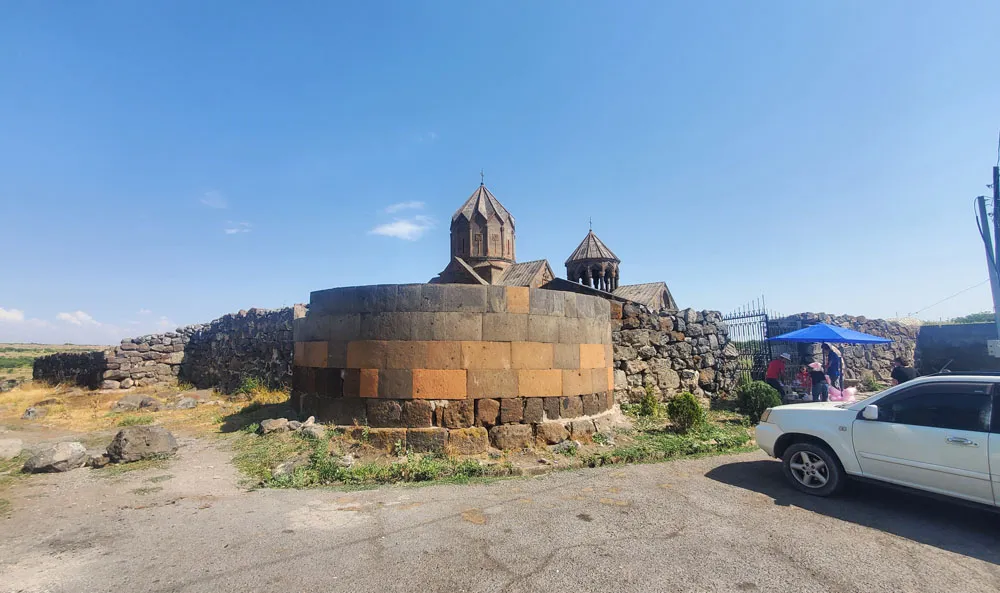
Thirty kilometres from Yerevan, in the village of Hovhannavank (Ohanavan), stands the Hovhannavank monastery. We came here on a holiday when mass water-dousing takes place, which is fortunate, and numerous weddings: dozens, if not hundreds, of cars of guests and entourage create serious traffic jams. So it was this time too, so we left our car far from the monastery and walked.
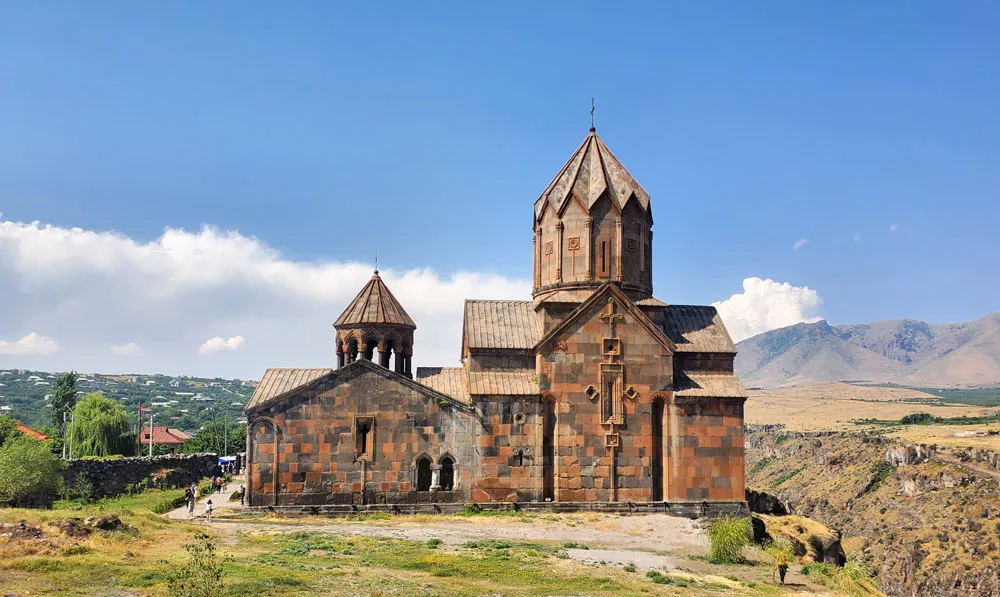
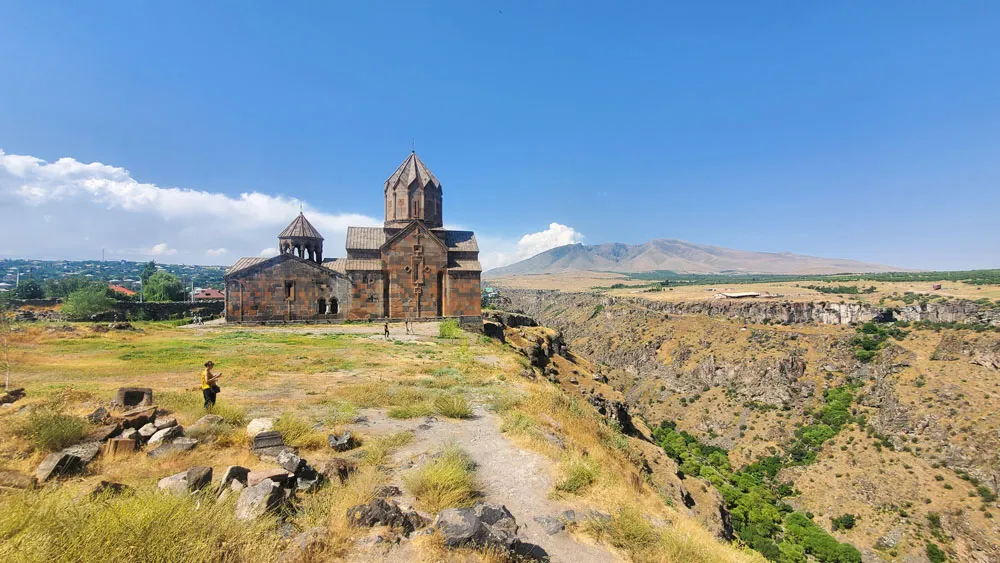
Hovhannavank is among the most beautiful monasteries in Armenia. It stands above the very deep and strikingly picturesque gorge of the Kasagh River, whose rocky walls reach 200 metres in depth. Above the same gorge stands the neighbouring Saghmosavank monastery.
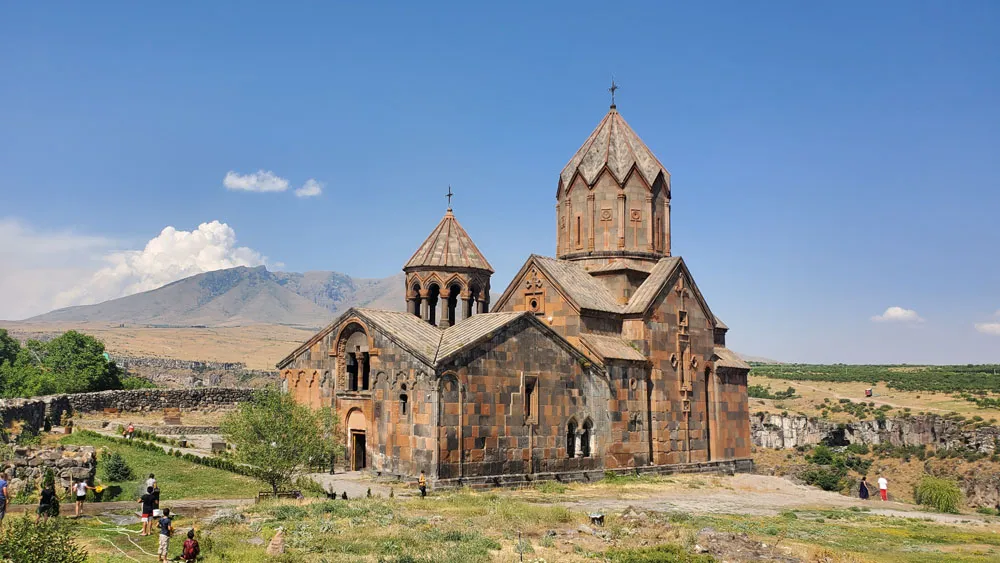
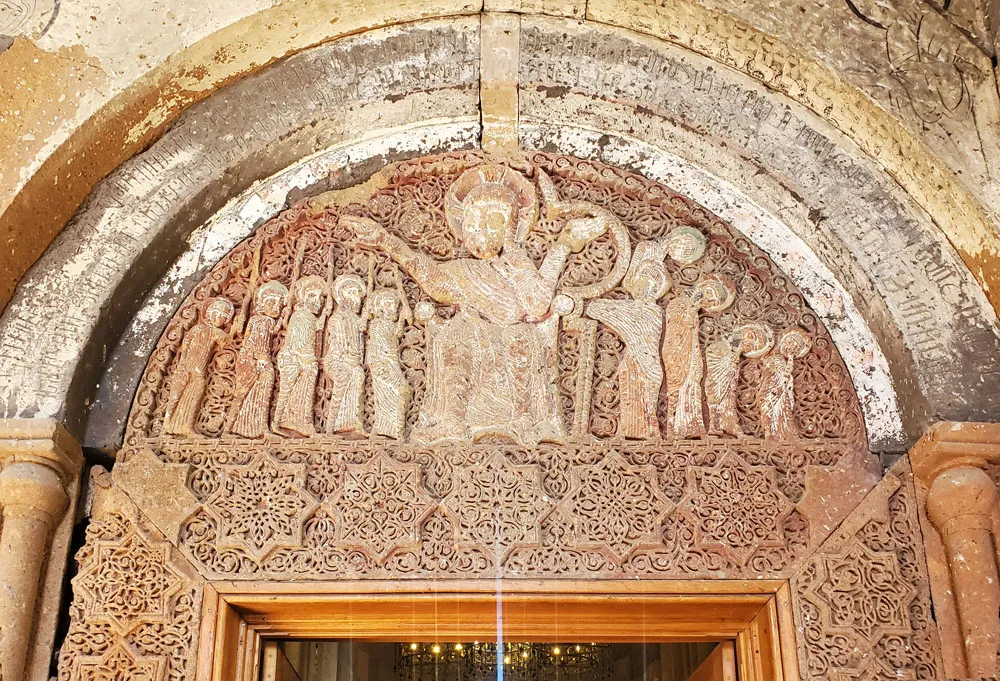
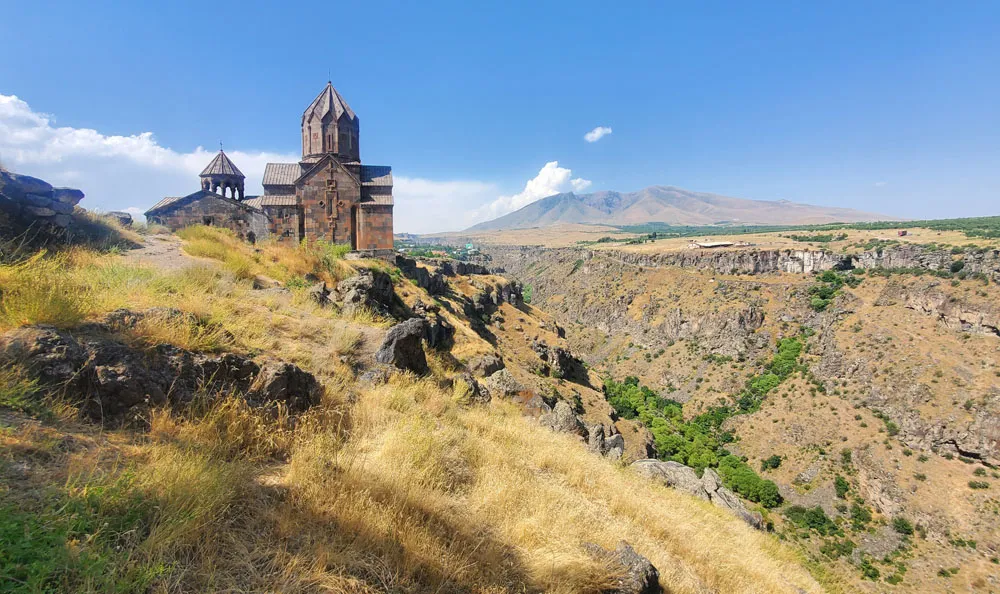
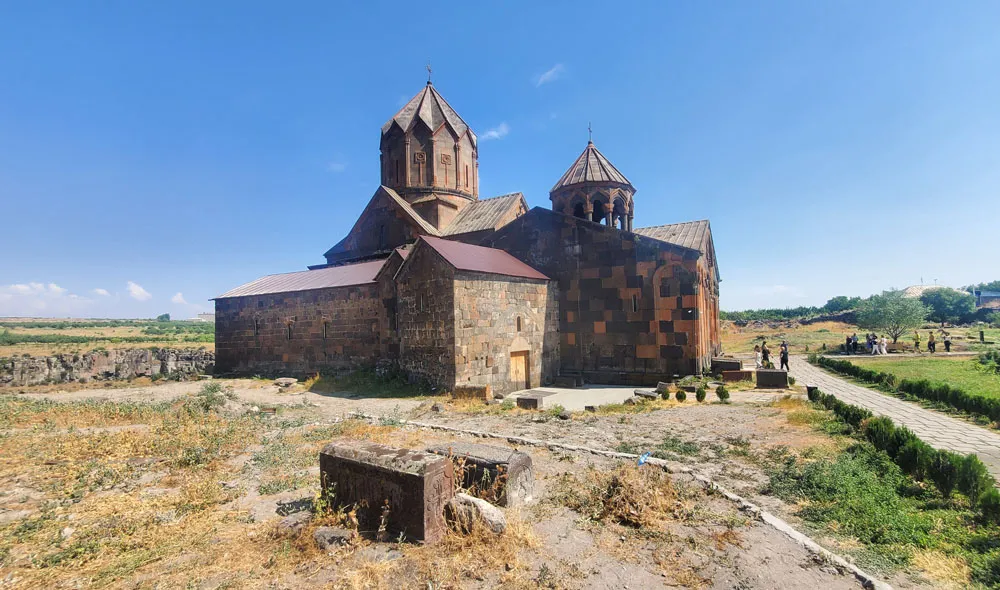
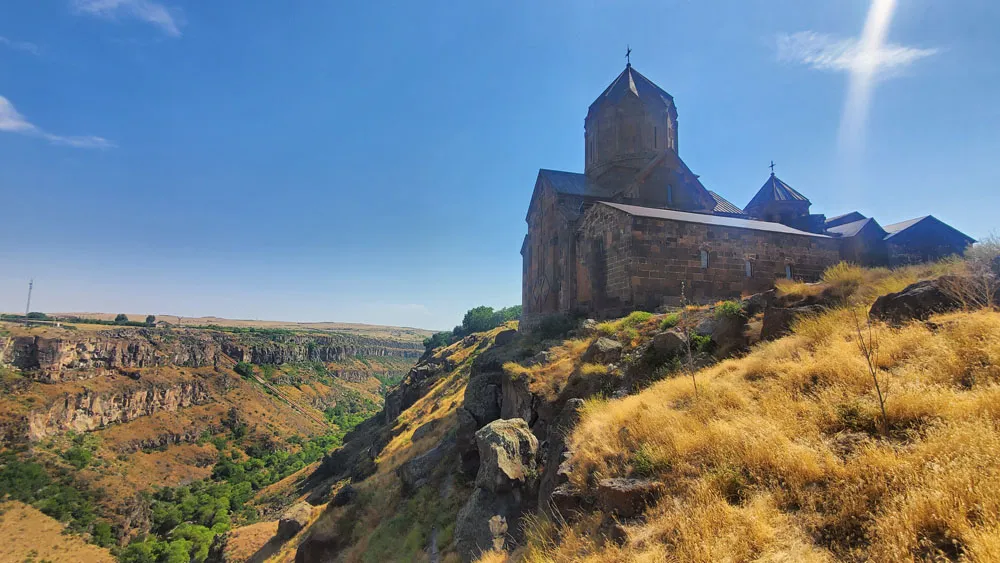
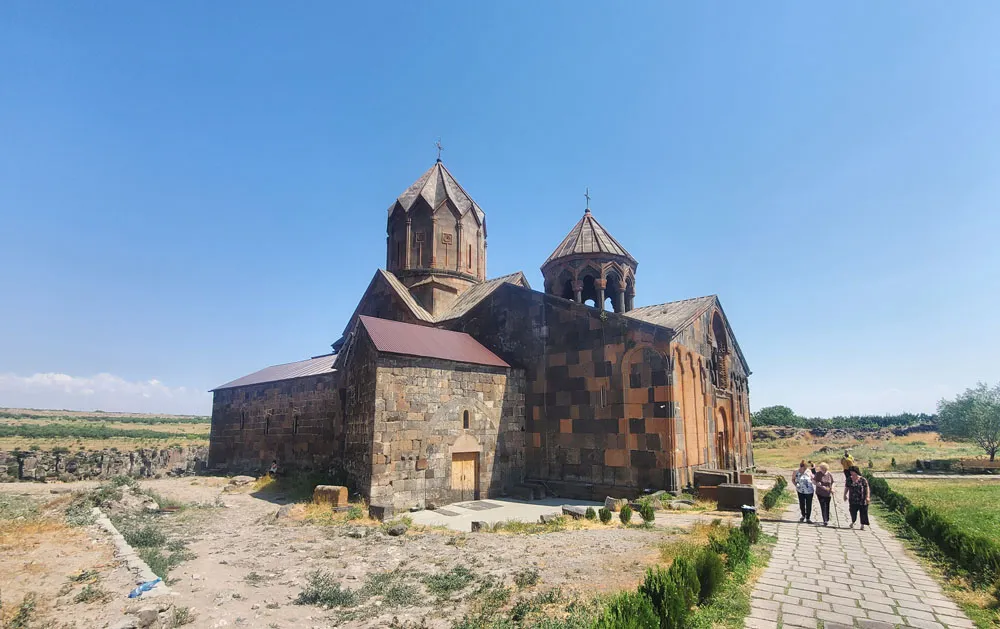
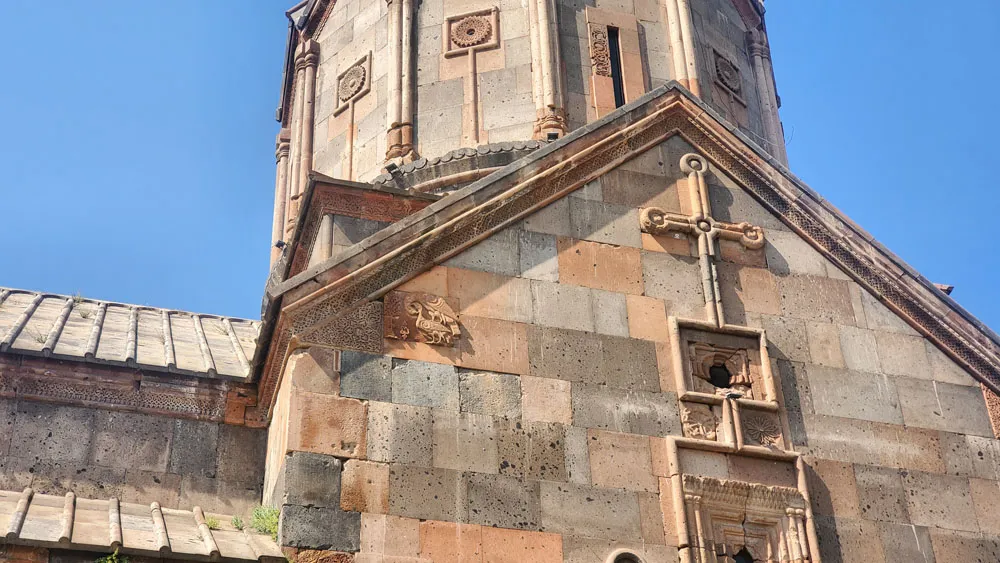
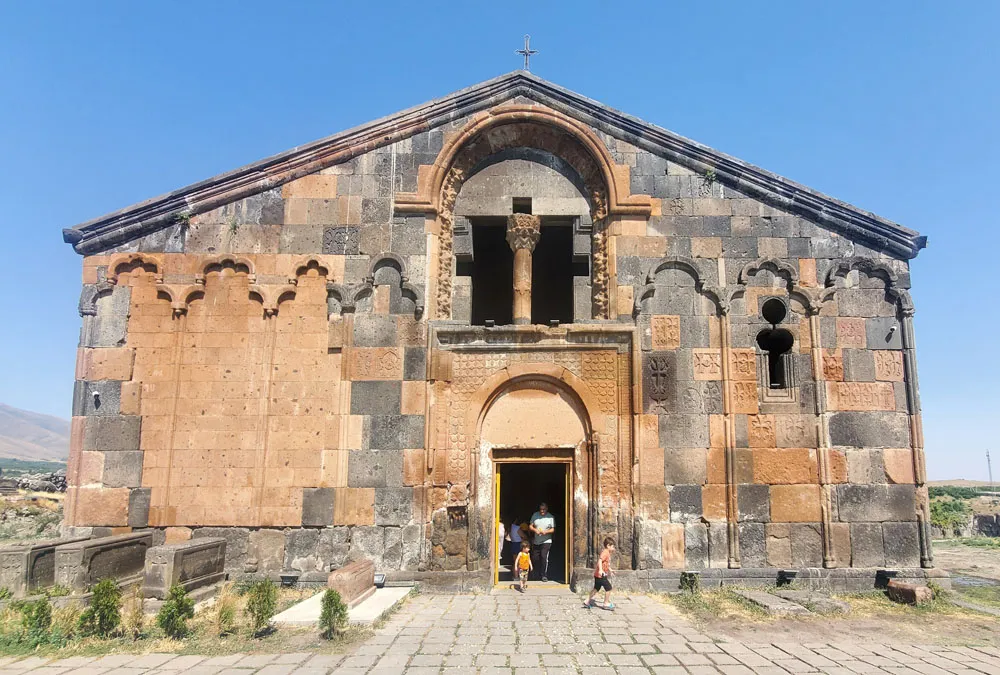
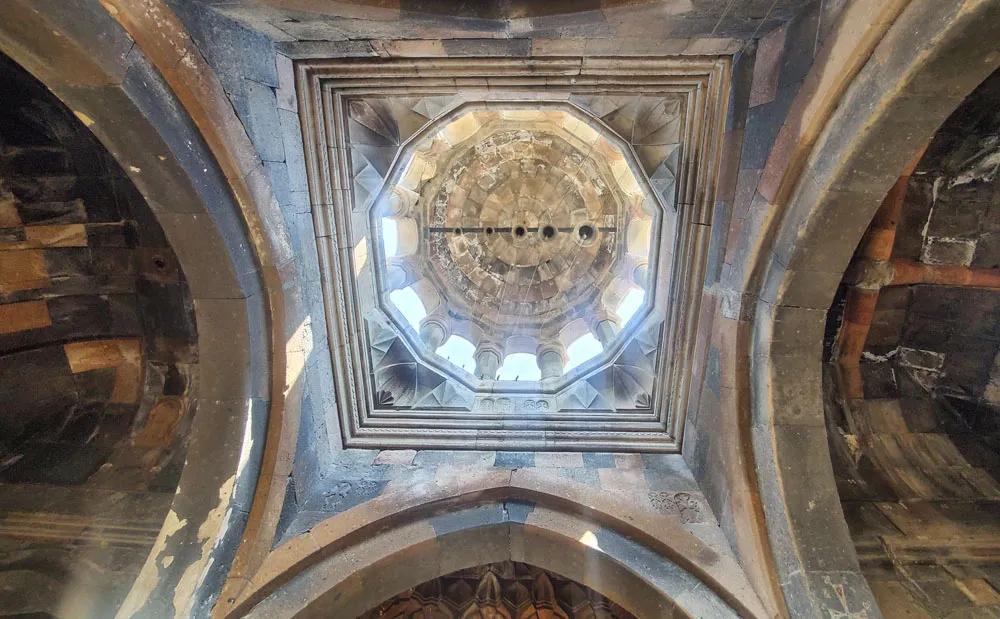
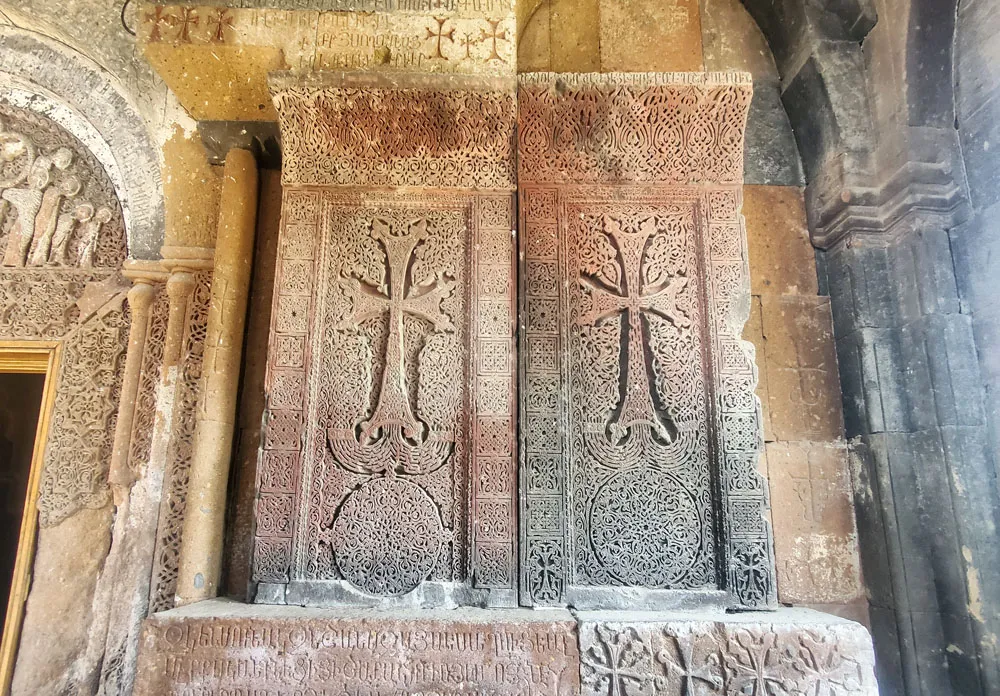
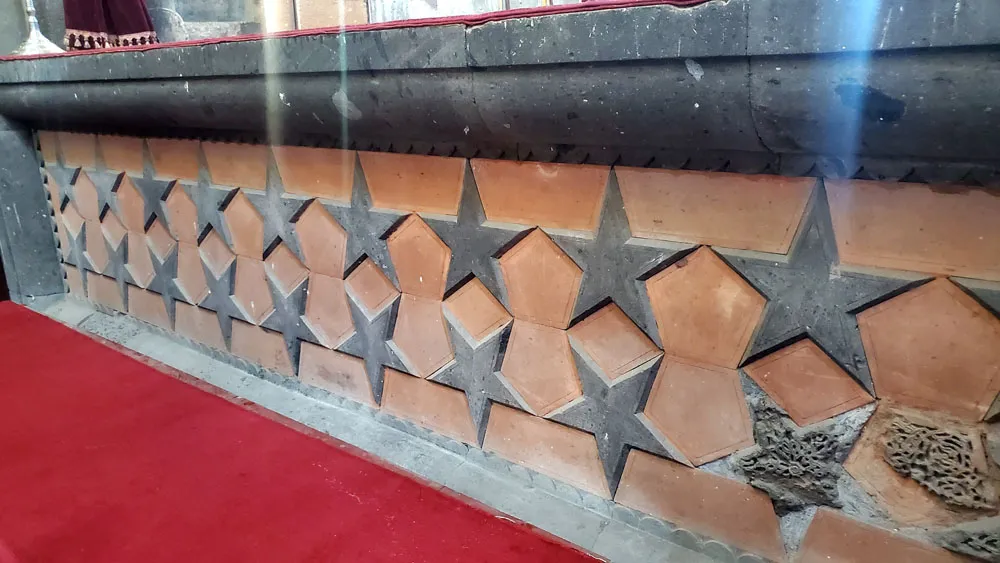
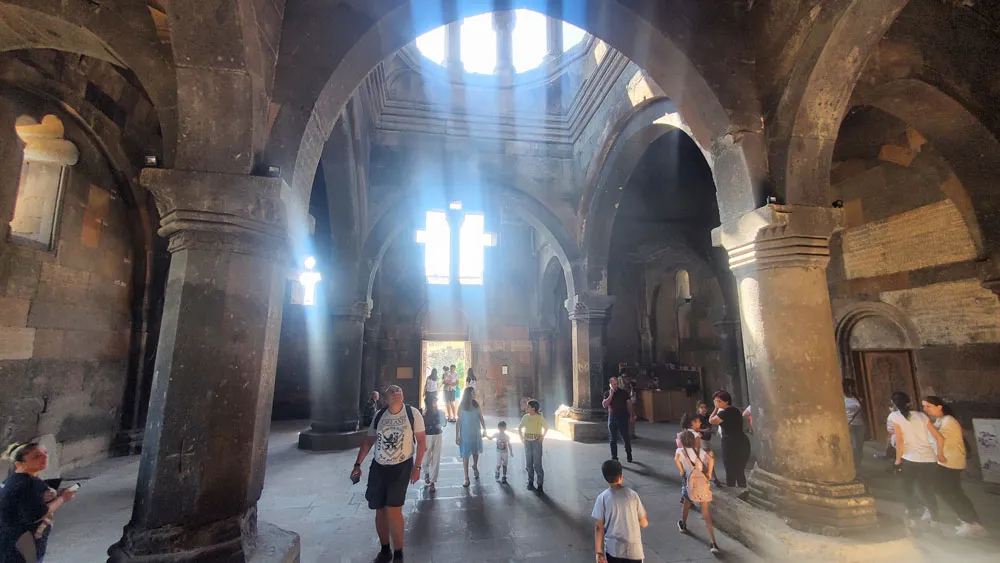
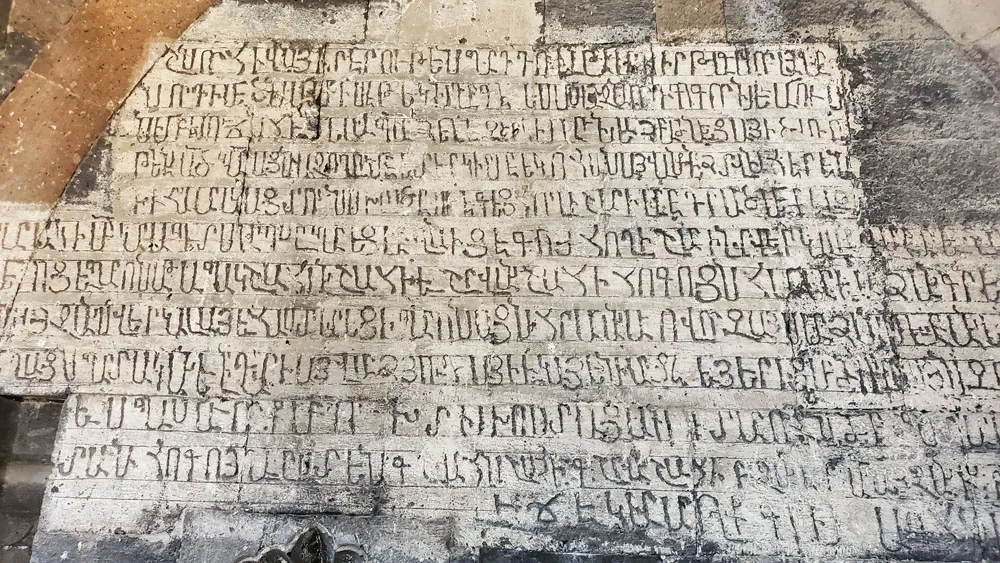
The main church of Hovhannavank is the large Surb Karapet (St John the Baptist) church, built in 1216–1221 at the expense of Prince Vache Vachutian. It is cross-domed, with a large gavit (an Armenian type of narthex) decorated with numerous bas-reliefs, whose dome has a round opening like that of the Pantheon. In my opinion the gavit is more interesting than the church itself, although the church is quite interesting too.
The Hovhannavank monastery was founded in the 13th century, when the Surb Karapet church was built, along with the fortress walls and towers that have survived, though ruined, to our time. It was once one of the most important monasteries in Armenia. The shroud in which Jesus Christ was wrapped and the nail that pinned his right hand to the cross were kept here. Later the right hand of St Stephen was placed in the monastery. Today these relics are no longer at Hovhannavank.
The oldest church of the monastery is the basilica of Surb Grigor (St Gregory), built in the 5th century, long before the monastery was founded. The basilica stands to the left of the main church. It contains an iconostasis, a rare thing in Armenian churches.
Text and photos by Roman Malenkov.