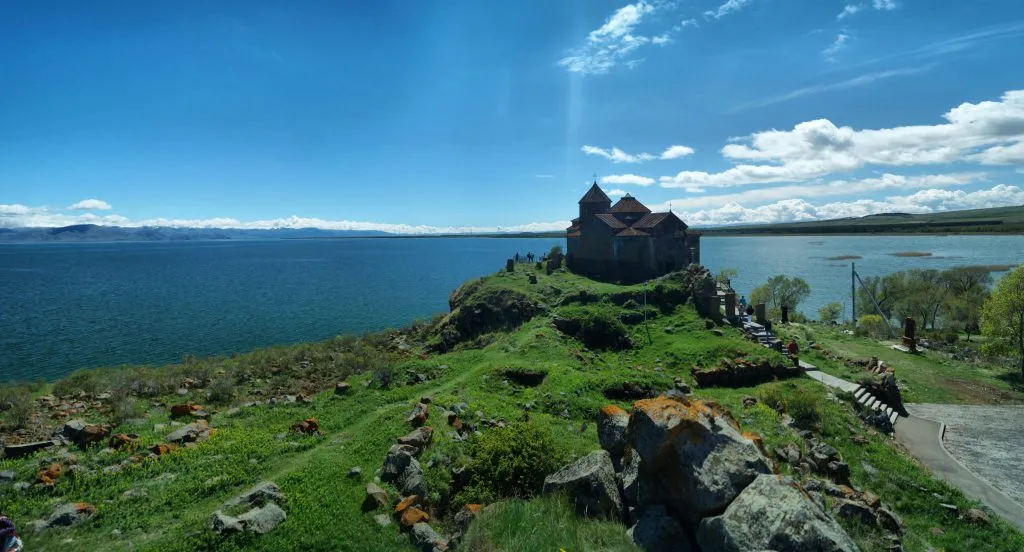
Armenia. Lake Sevan

· 1 min read
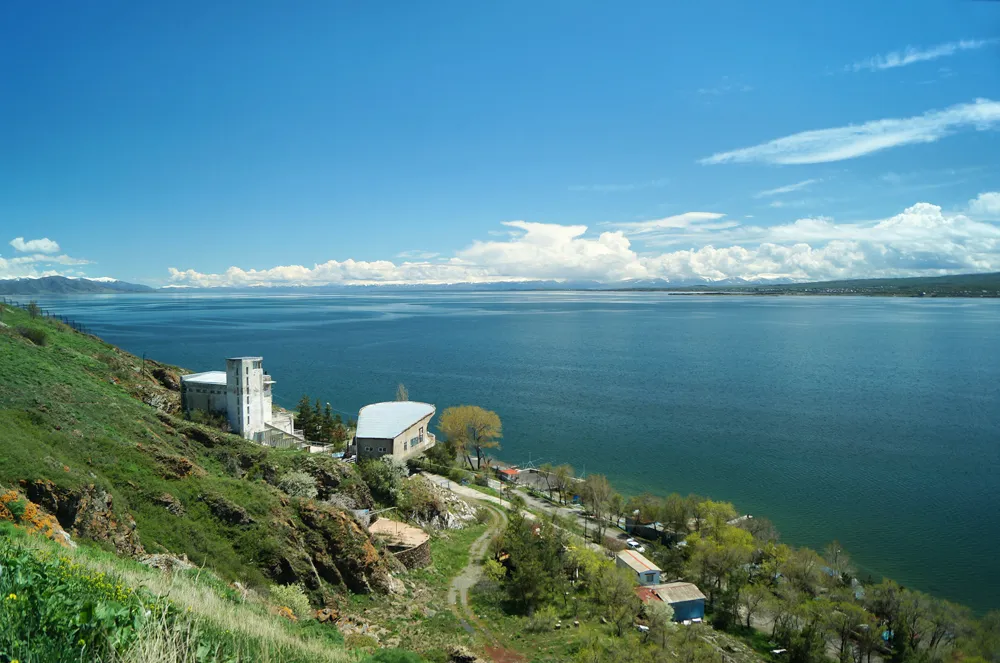
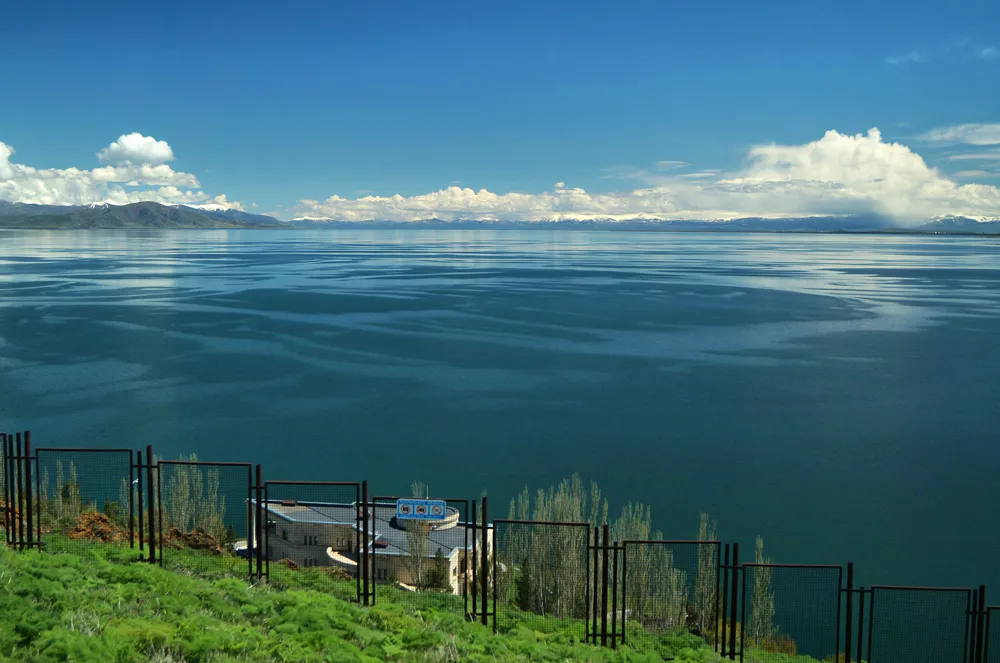
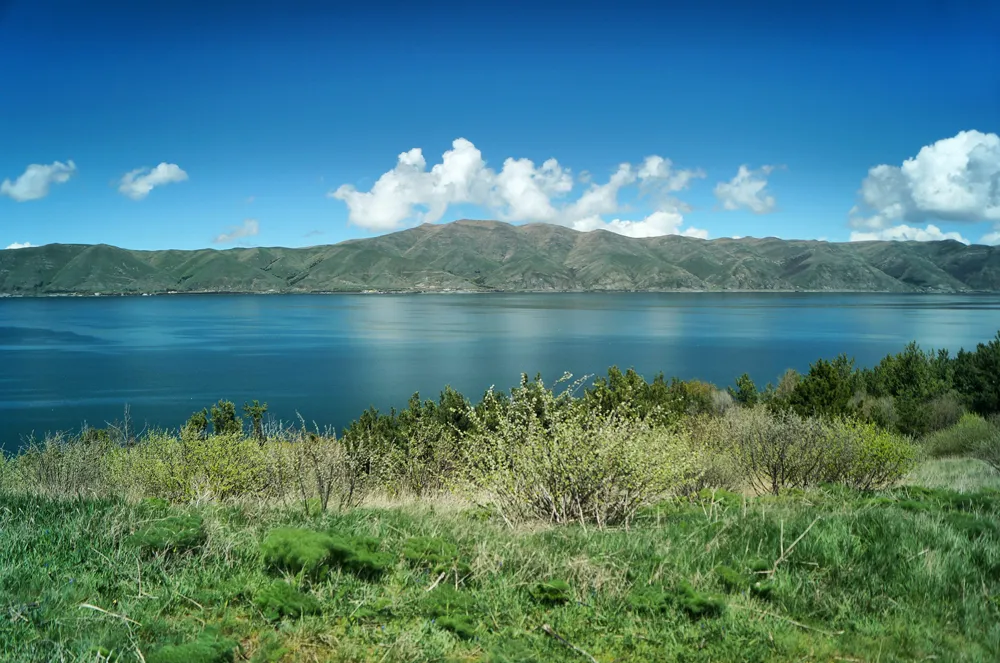
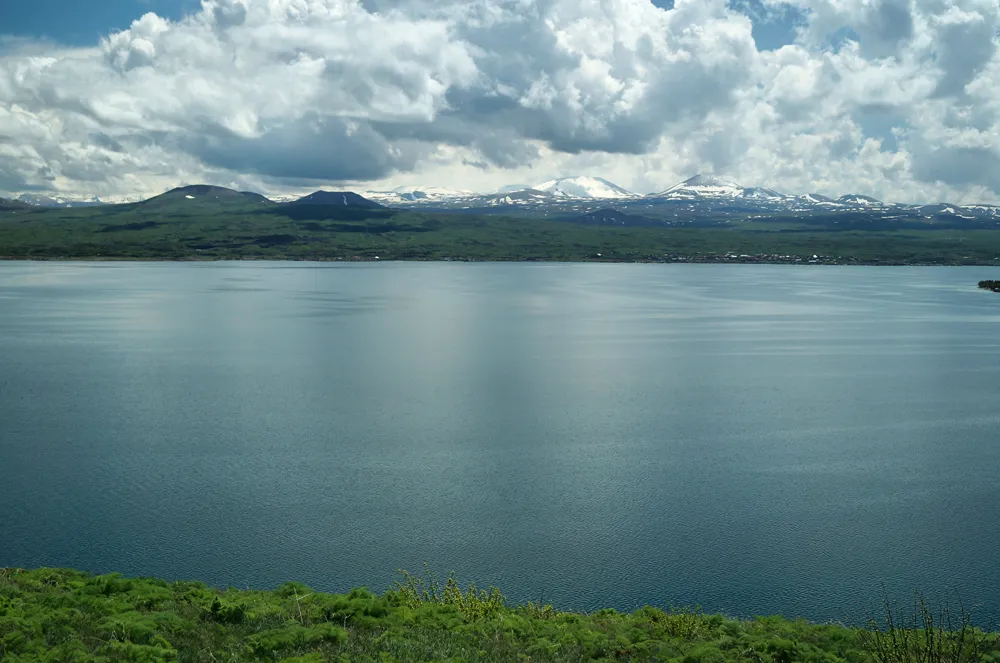
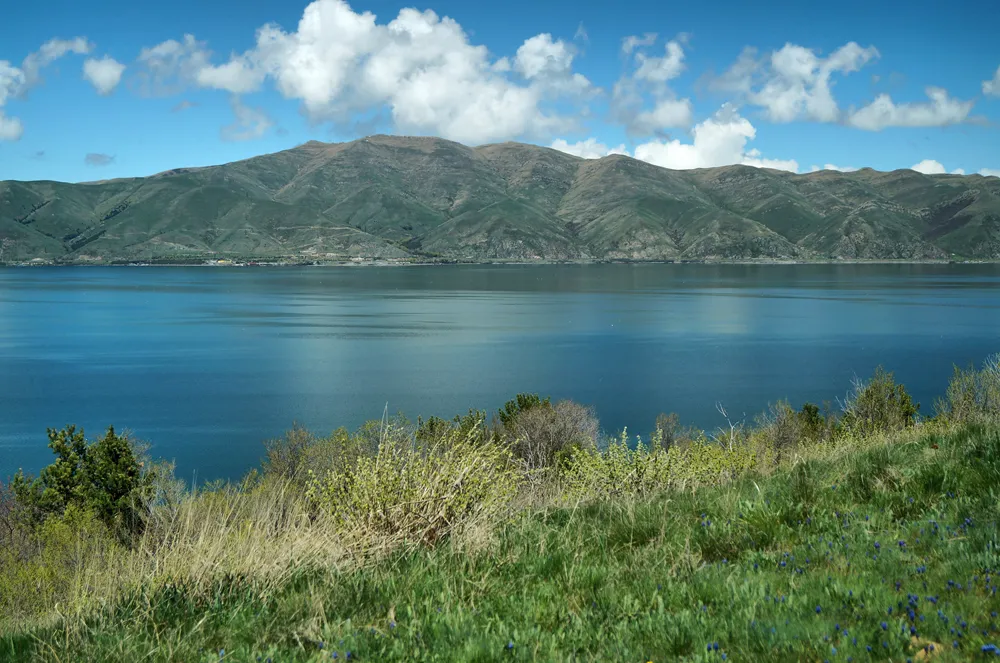
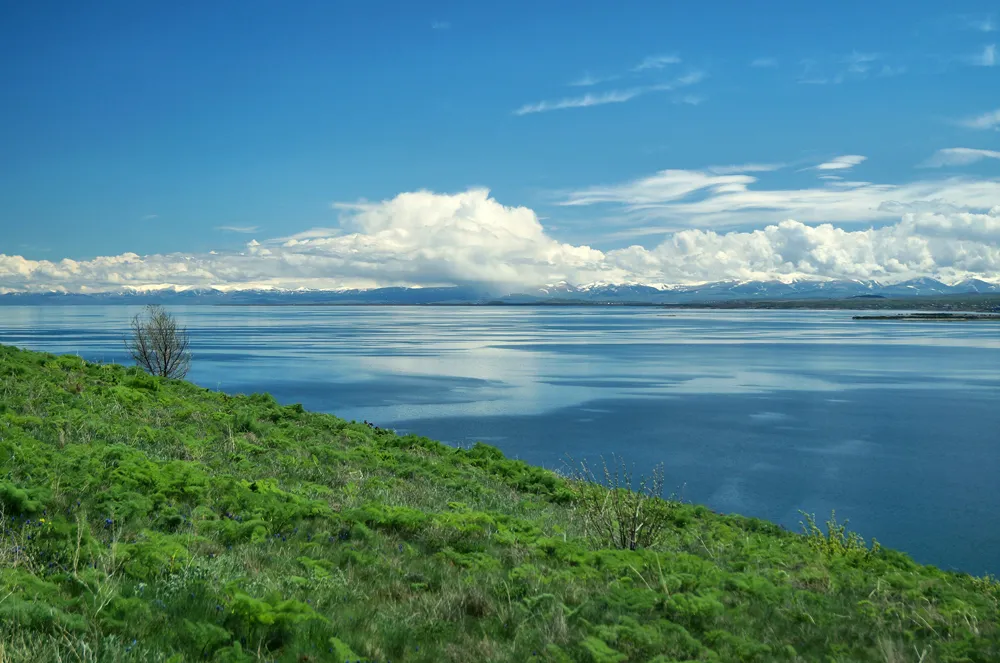
Sevan is one of the main natural landmarks of Armenia. It is the largest lake in the Caucasus, and they say the most beautiful. It is located at an altitude of 1,900 metres above sea level. Its length is 78 km and its width 56 km. The average depth of the lake is 26 m, and the maximum about 80 m. By area (1,243 km²) it is larger than, for example, the Kyiv Reservoir.
Sevan is a lake of tectonic-barrier type. The valley through which 28 rivers flowed was blocked by lava, which, once solidified, formed a natural dam, driving all the rivers into one lake. The Hrazdan river, a tributary of the great river Aras, flows out of the lake.
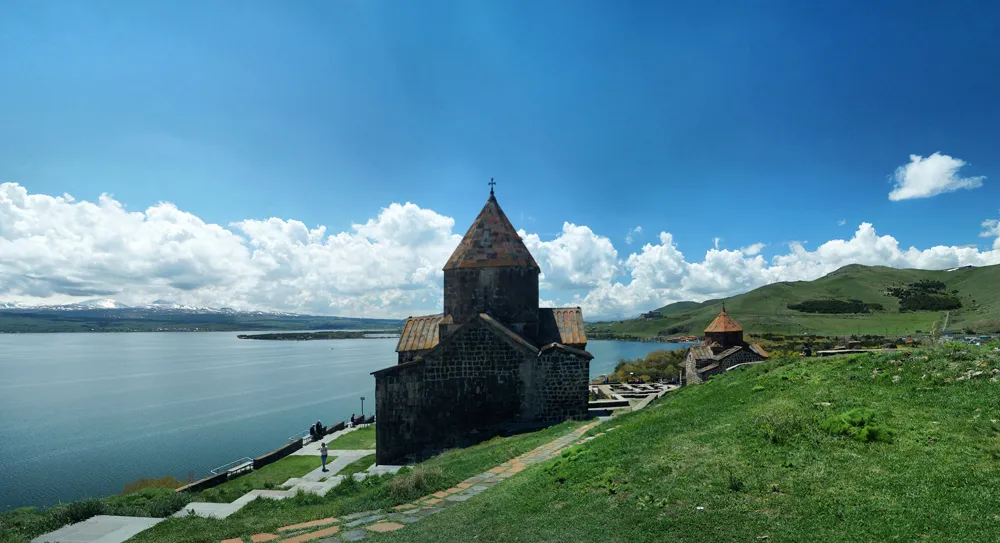
In Soviet times they wanted to drain Sevan, on the grounds that a lot of water evaporates from such a large water surface, whereas this way all the rivers would flow from the lake down into the valley and there would be enough water for irrigation. The level of the lake was lowered by 18 metres through a system of tunnels. It is because of this that the island of Sevanavank, on which stands the famous monastery and the presidential dacha, turned into a peninsula.
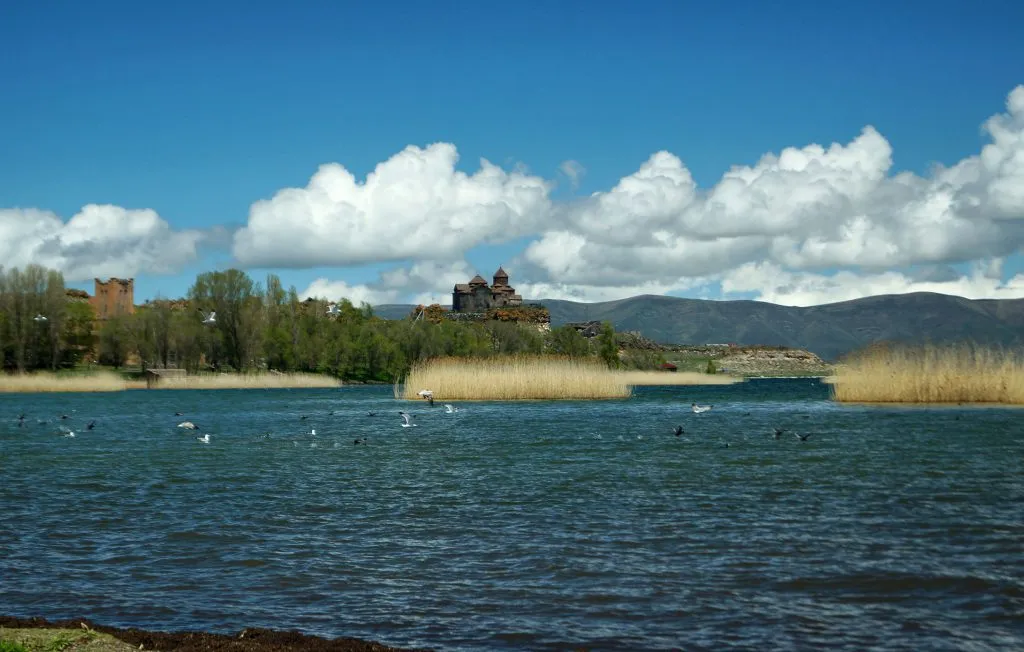
Sevan is one of the main recreational zones of Armenia. Along its shores there are heaps of sanatoriums, guesthouses, hotels and restaurants. There are also outstanding historical and cultural monuments here: besides the aforementioned Sevanavank Monastery, there is Hayravank Monastery and the village of Noratus, whose cemetery preserves up to a thousand khachkars of the 10th–18th centuries.
Lake Sevan is a protected area. In its basin operate the Sevan National Park, four nature reserves and ten wildlife refuges.
Text and photos by Roman Malenkov.