Armenia. Sanahin

· 3 min read
The large monastery of Sanahin stands 180 km from Yerevan, not far from Haghpat Monastery, within the town of Alaverdi. It used to be a separate village spread over a high rocky terrace above the Debed river, but in the 20th century high-rise blocks were built here and the village was administratively merged with the town.
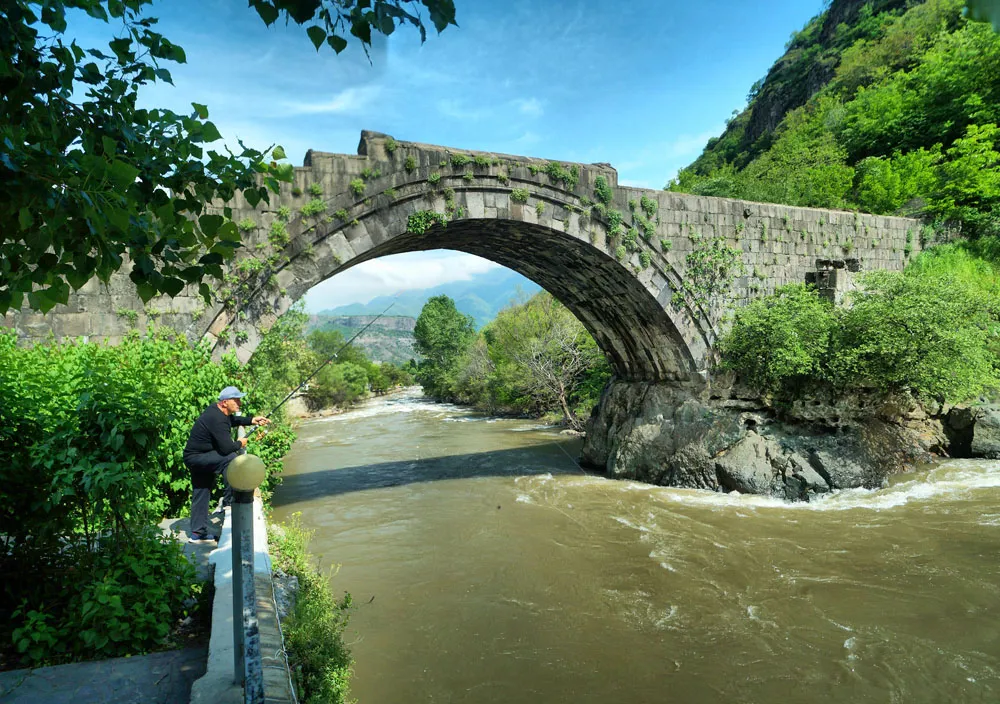
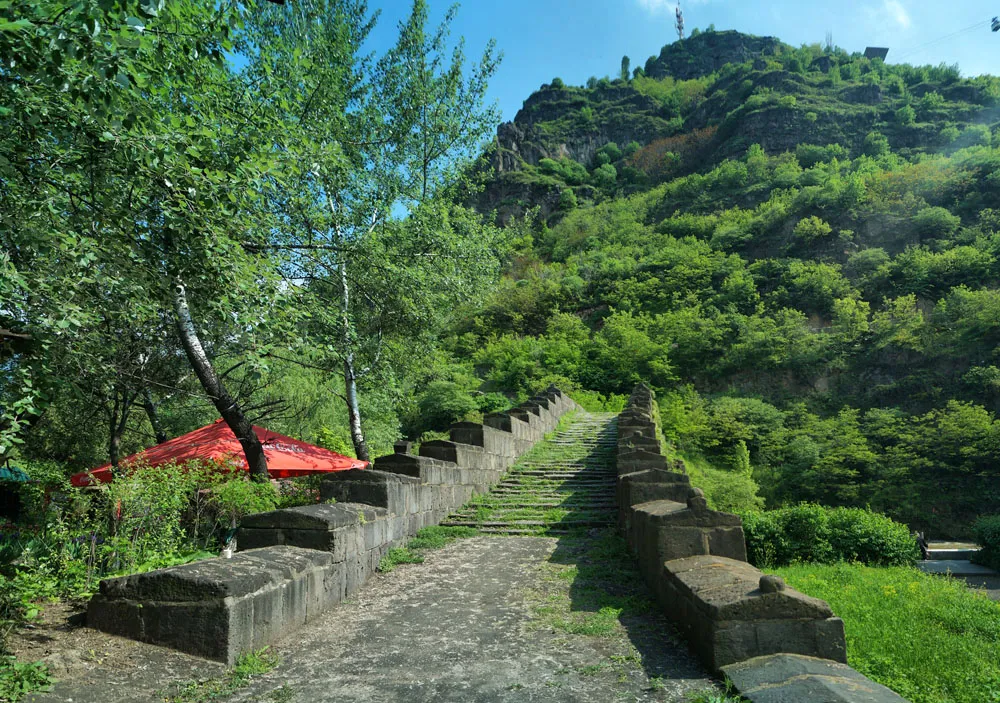
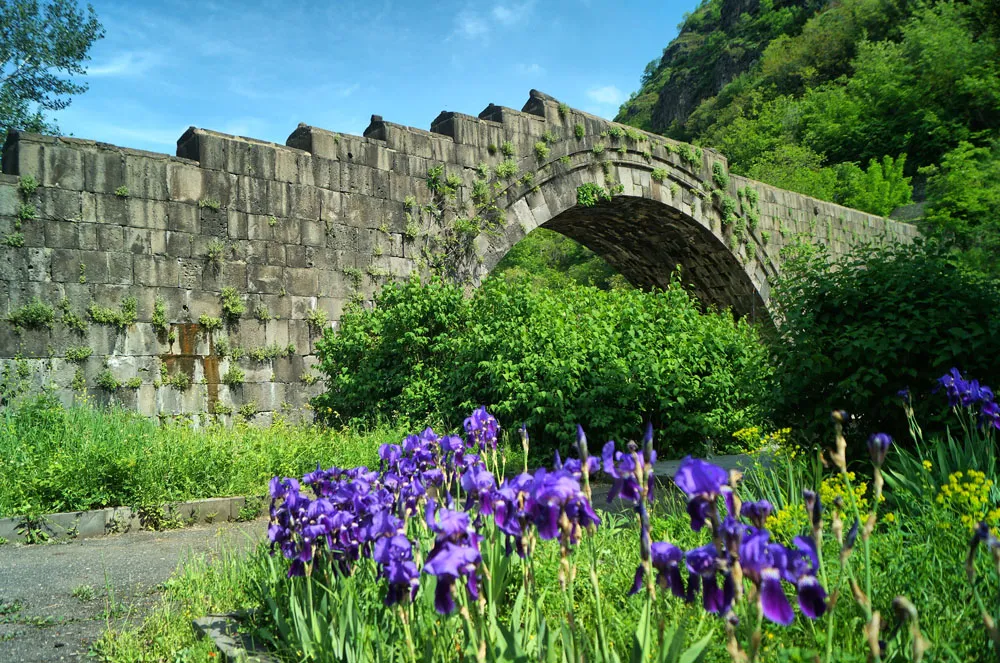
In the 12th century a bridge was built across the Debed with funds from the princely Zakarian family, and it is now considered one of the oldest in Armenia. It is 18.6 m long and was once the only way across the river, from which a winding road began, climbing up to the monastery. Today there are several road bridges, and this one is simply a handsome monument and a photo subject. Everyone drives to the monastery rather than walking, and the road is quite different.
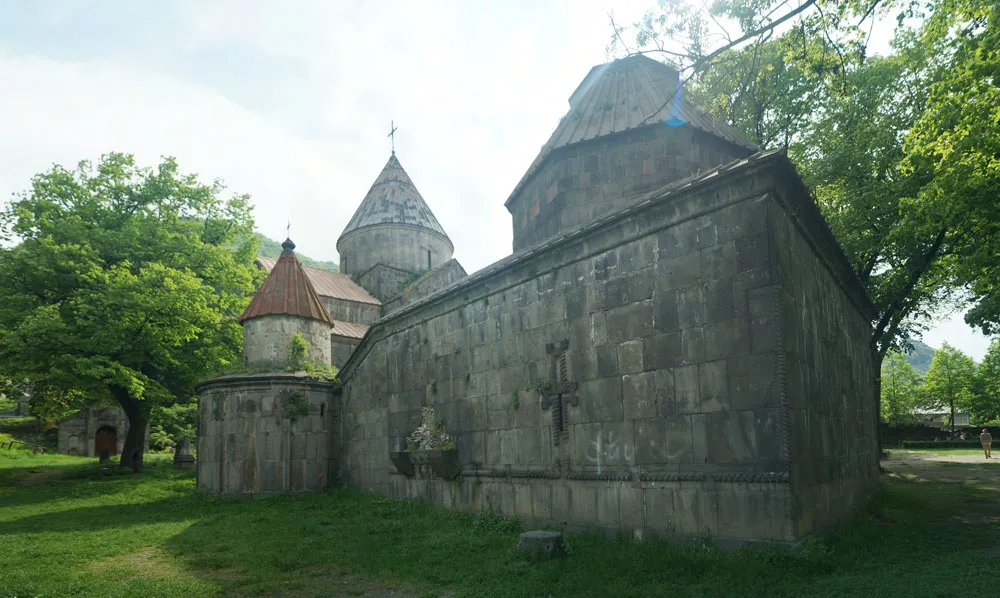
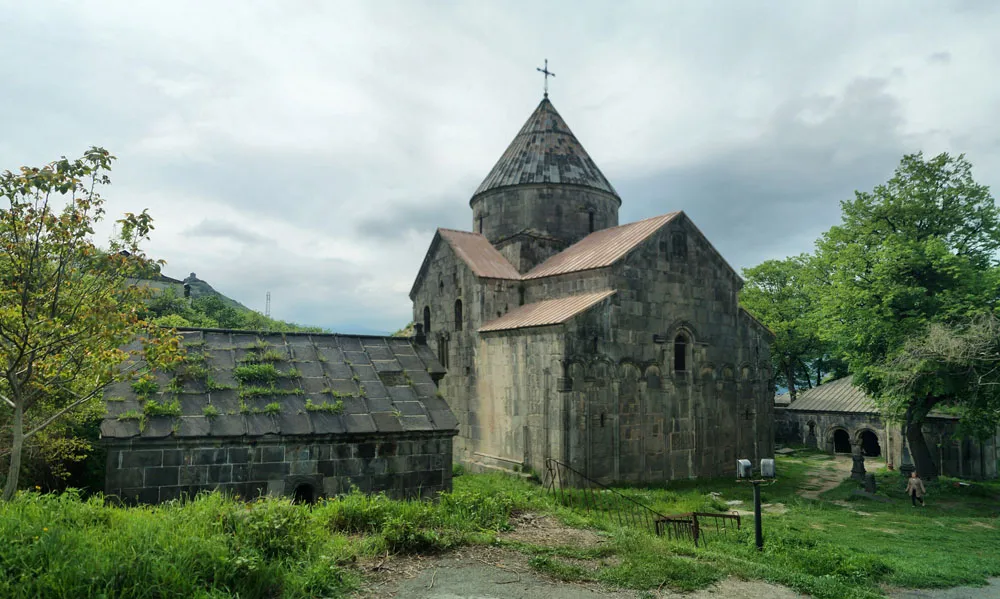
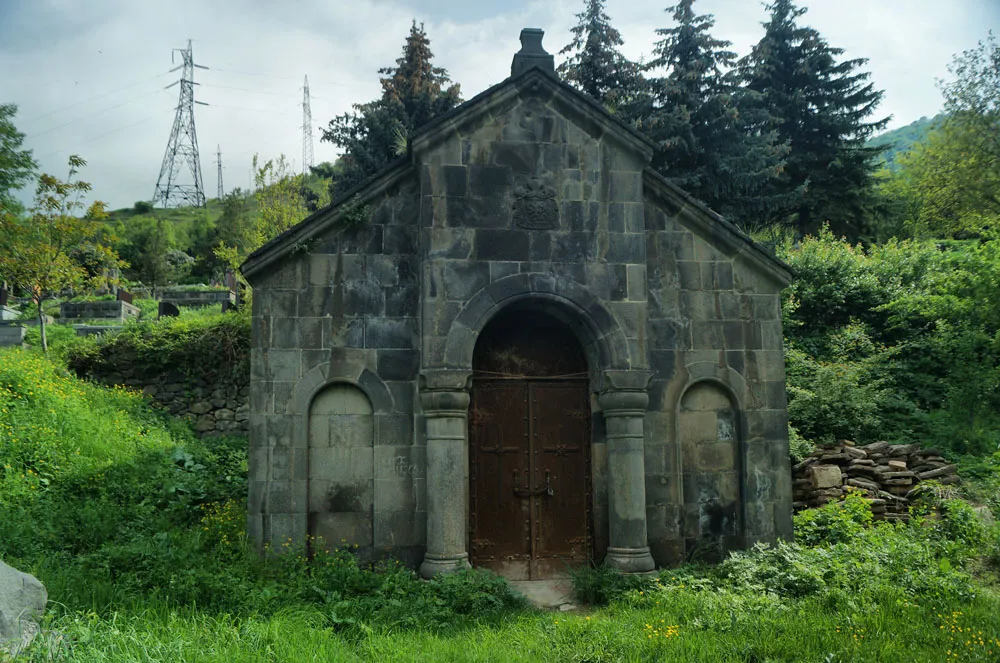
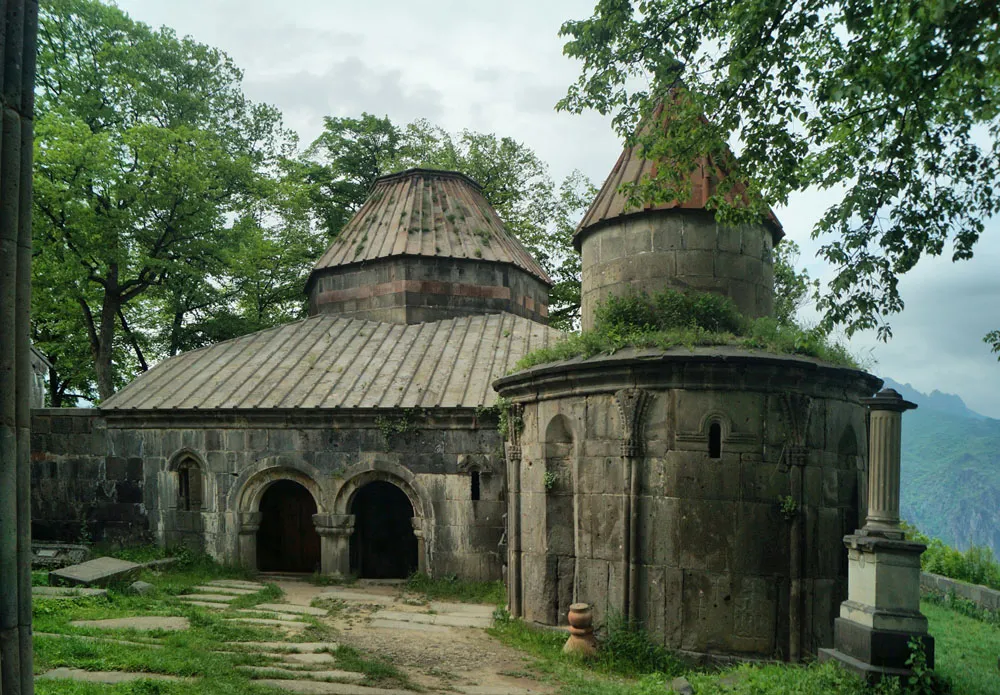
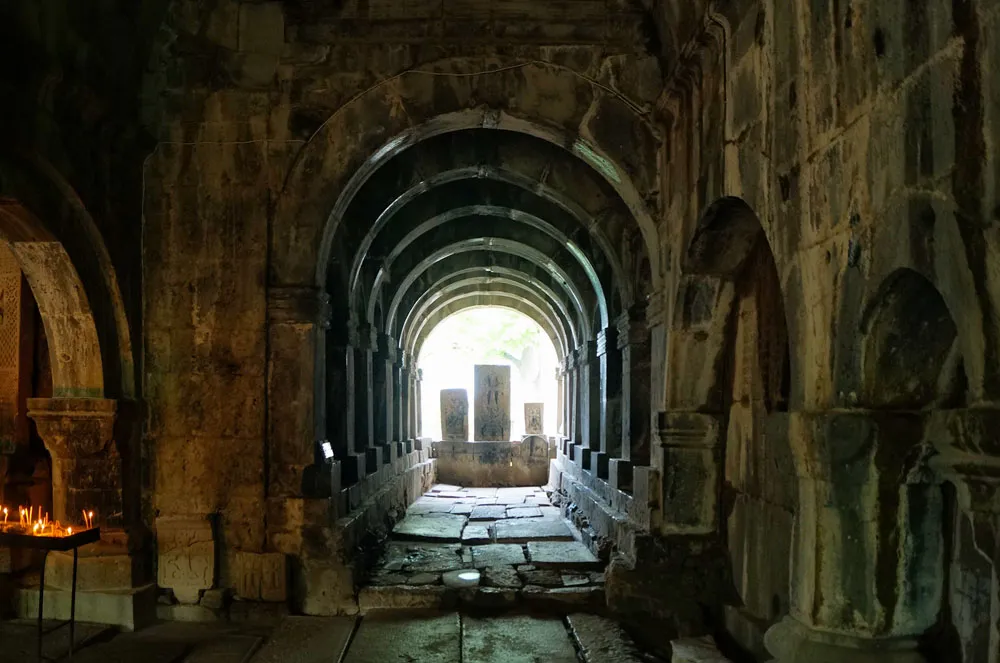
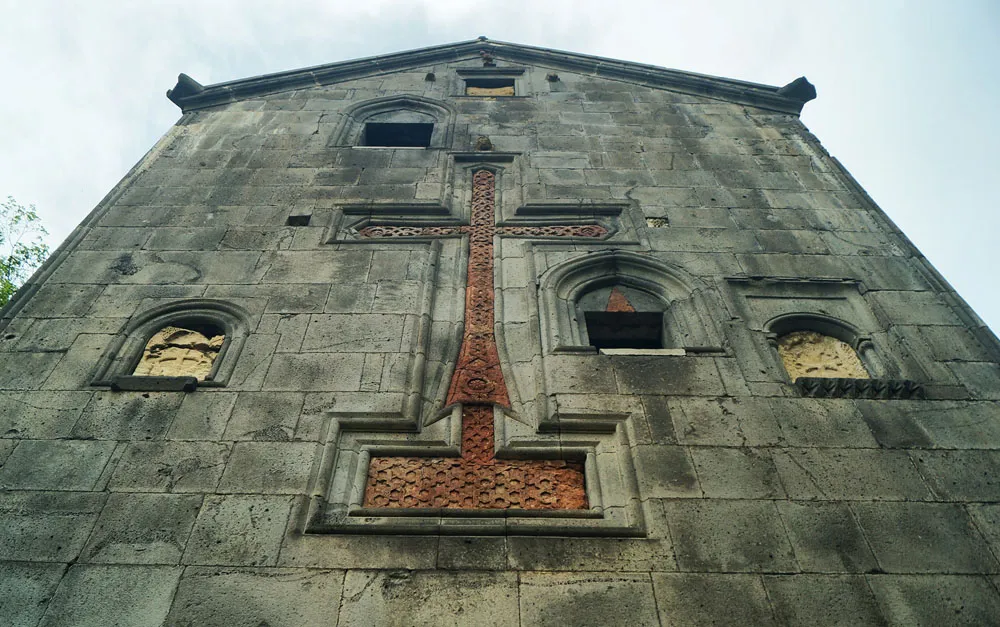
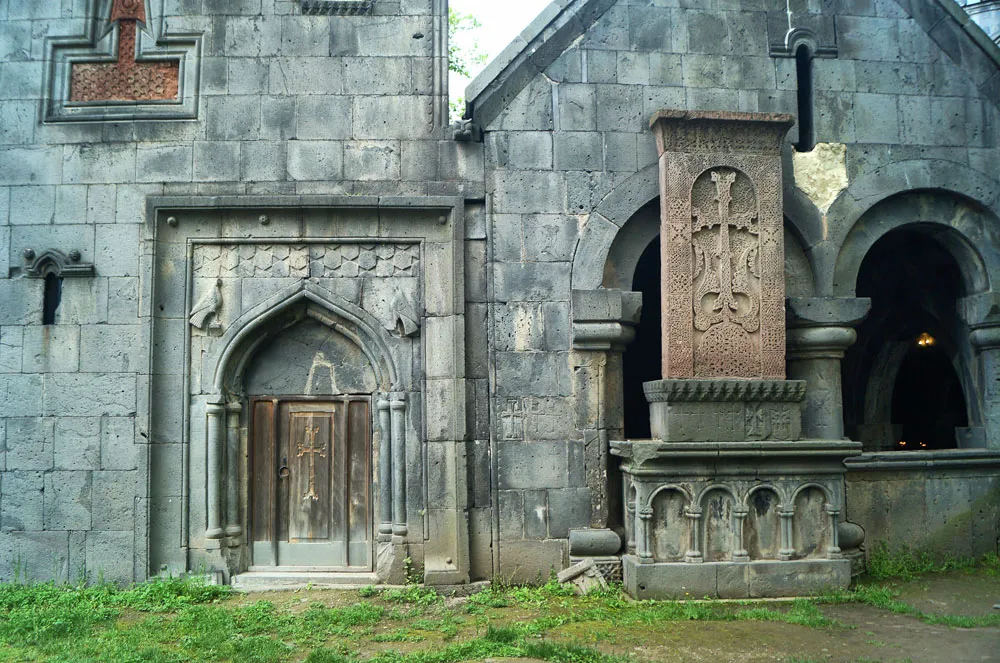
Sanahin Monastery has far fewer tourists than neighbouring Haghpat, although the complex here is no less interesting and no smaller in size, is also a UNESCO World Heritage Site, and in historical significance for Armenia is perhaps even weightier than Haghpat Monastery. It consists of two churches, an academy building, a chapel, a book depository, a gavit (narthex) and a bell tower. All the structures are connected to each other, which is how the complex was made sturdy during earthquakes.
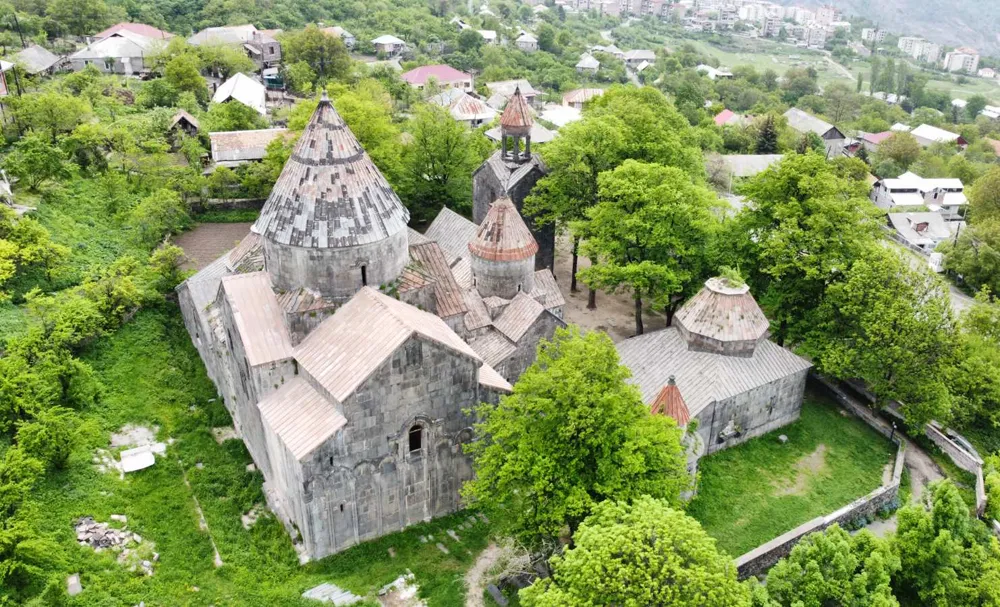
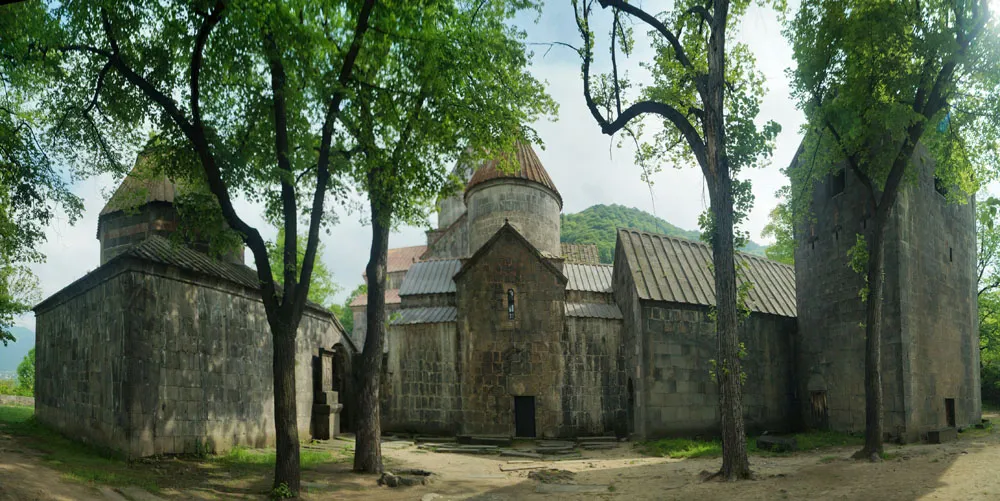
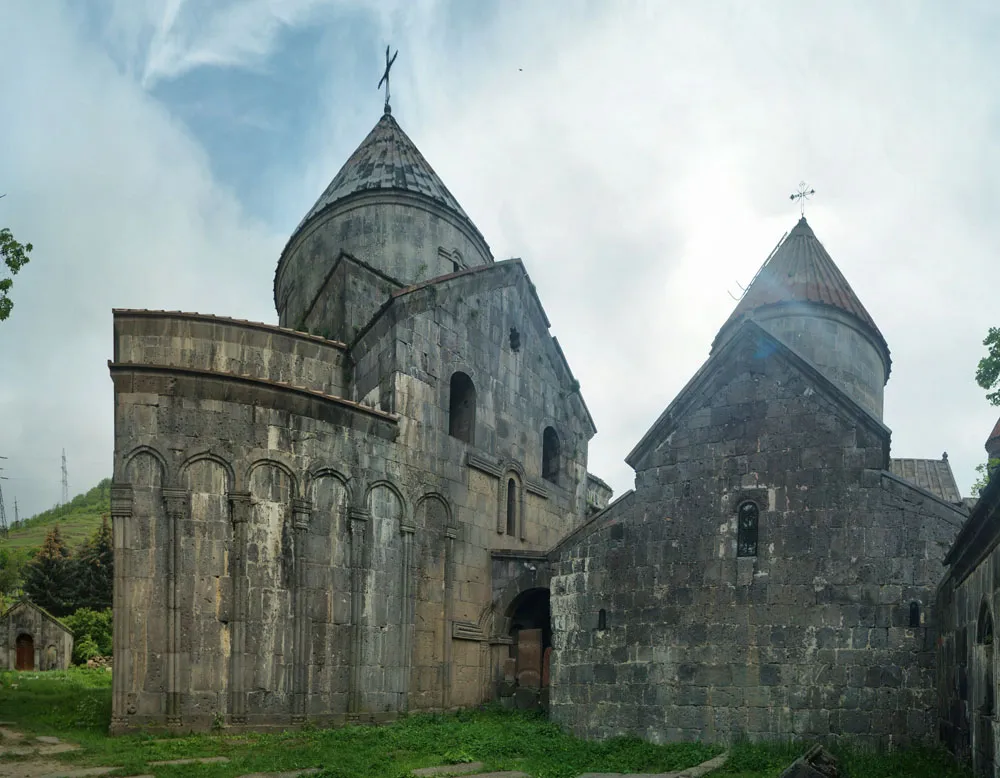
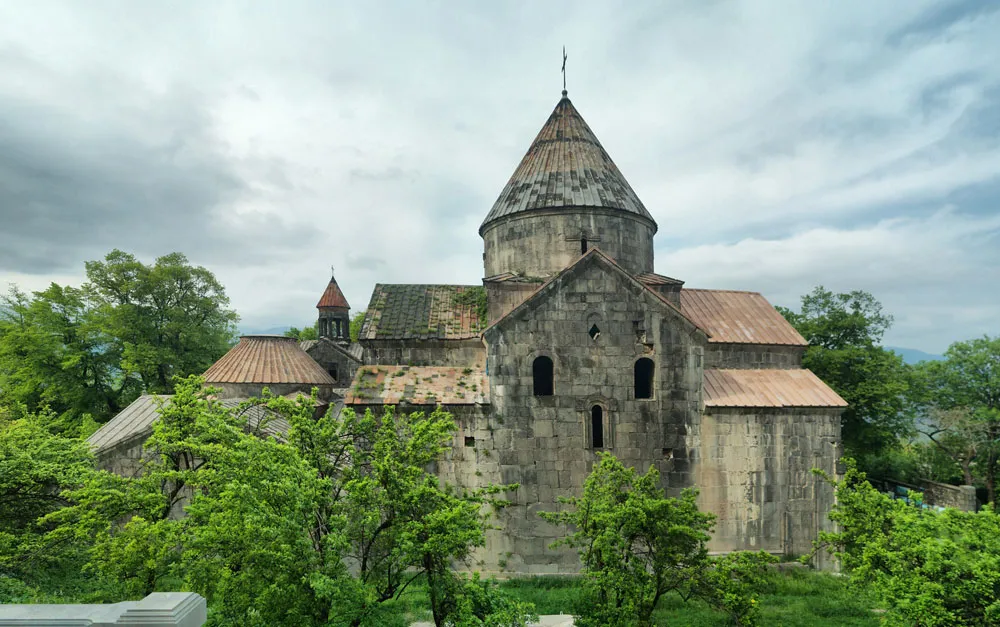
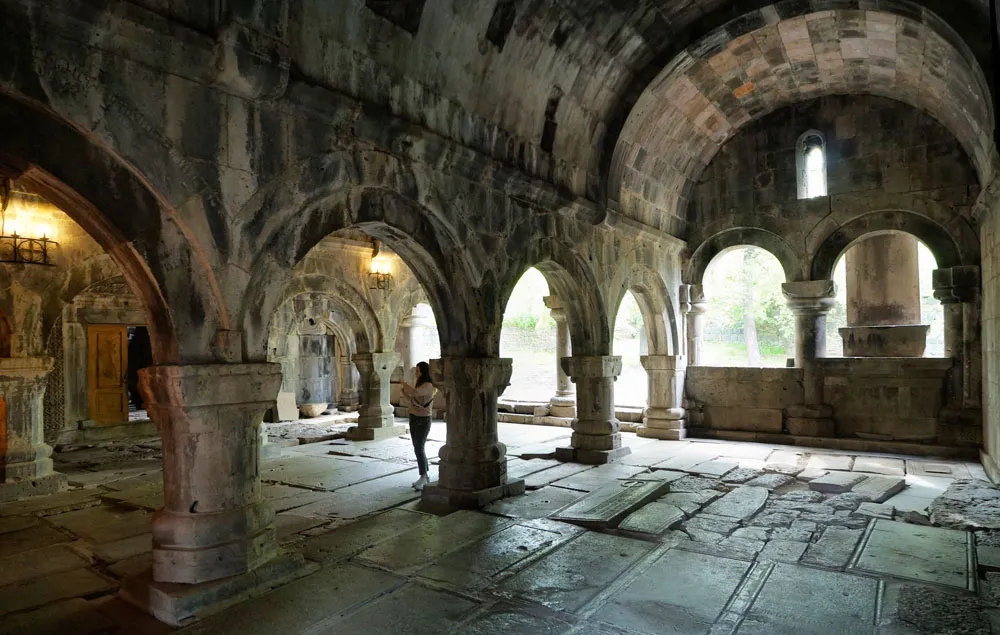
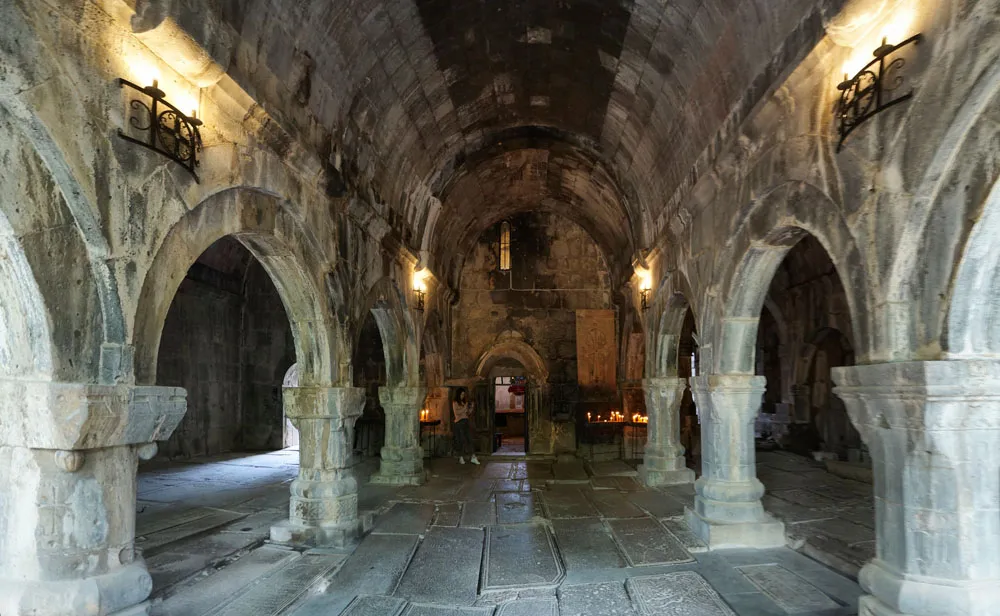
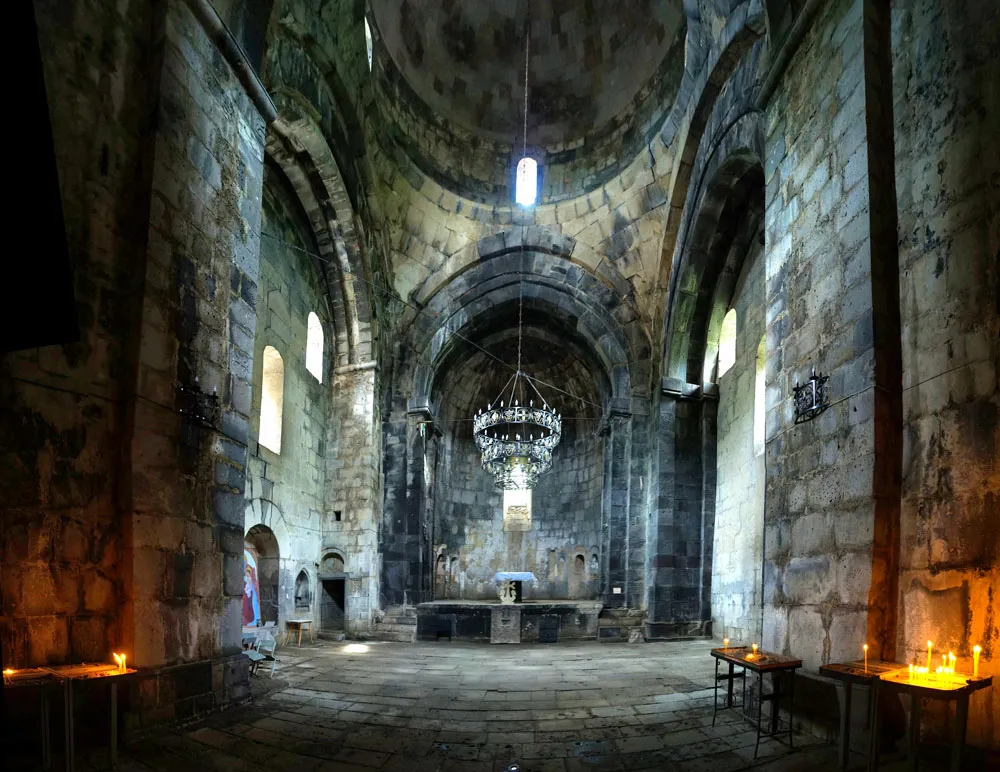
The monastery buildings, especially the churches, the gavit and the academy, have unique interiors, albeit rather gloomy ones. This is called the Armenian-Chalcedonian style, although to my mind it is also close to Romanesque. According to legend the monastery was founded in the 4th century, but of the present buildings the oldest in the monastery is the Church of the Holy Mother of God (Surb Astvatsatsin), built in 951. In 957 the building began of an enlarged copy of the Church of the Mother of God, the monastery’s main church, the Church of Amenaprkich (the All-Saviour). The remaining buildings were built in the 11th to 13th centuries, when the monastery became one of Armenia’s main centres of learning. The number of monks at that time reached 300 to 500. It is supposed that Armenian priests expelled by the emperors from Byzantium were received here. Among them were scholars and cultural figures. It was then that the Academy of Grigor Magistros Pahlavuni appeared at the monastery, where philosophy, rhetoric, mathematics and other sciences were taught, and the scholars who often came out of this academy were popularly called the Sanahin scholars.
The Church of Amenaprkich was built of hewn basalt blocks. It has a cross-domed plan, like the Astvatsatsin church. The main funds for its construction and decoration were given by the kings Kyurike I and Smbat II, and for this their figures, holding a church in their hands, were placed in a bas-relief composition in the upper part of one of the church’s façades.
Unlike Haghpat, Sanahin is hard to photograph, as it is almost completely hidden by trees. Only from one corner, from the cemetery behind the monastery, can one photograph the bell tower and the two domes of the churches, but not the whole complex. Perhaps that is why there are fewer tourists here than at Haghpat, although the trees create considerable cosiness and emphasise the colour of the monastery buildings.
Text and photos by Roman Malenkov.