Myra Demre
· 11 min read
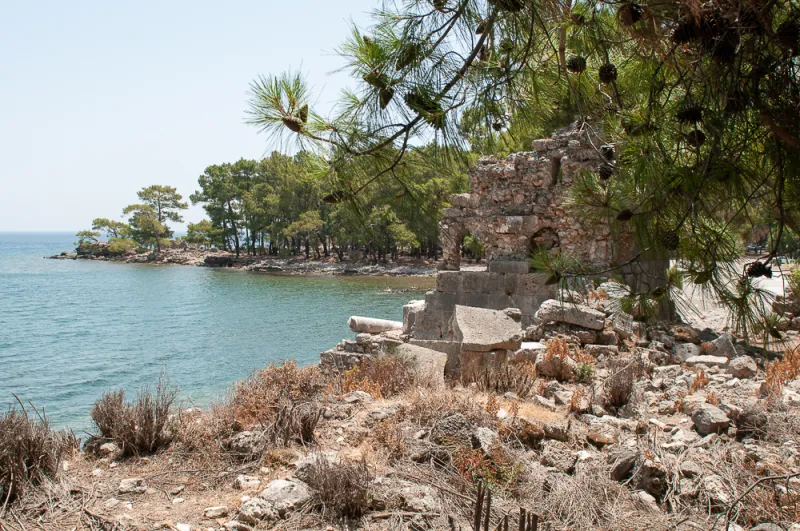
Where does Saint Nicholas live? Ukrainian Google will tell you that it is the village of Pistyn in Kosiv district. But to the question of where the English-speaking Santa Claus lives, the answer will be the village of Joulupukki, Joulupukin Pajakylä, in Finland. Although there are some contradictions here, since this is Joulupukki, not St. Mykolaj. The latter, according to some versions, lives at the North Pole. Be that as it may, the Lycian city of Myra (Mira, Myra of Lycia; Greek Μύρα, Latin Myra) is very far from Kosiv, from the North Pole and from Finland. And it is right here, in the south-west of Asia Minor, near the modern town of Demre in the Turkish province of Antalya, that the true homeland of Bishop Nicholas of Myra, who became a saint, is located. Lycian Myra itself turned into Turkish Demre.
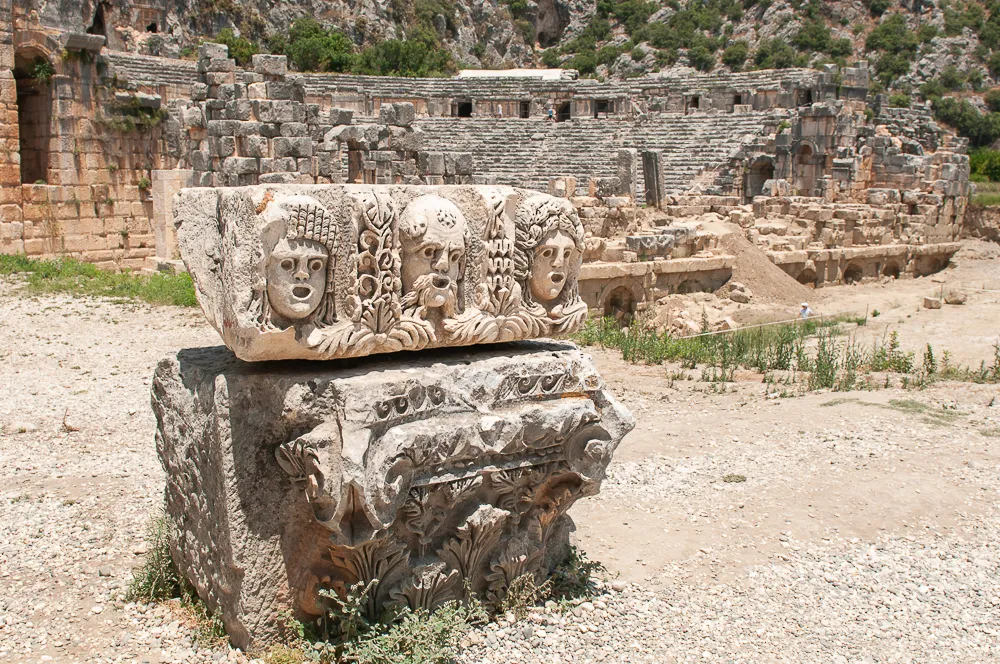
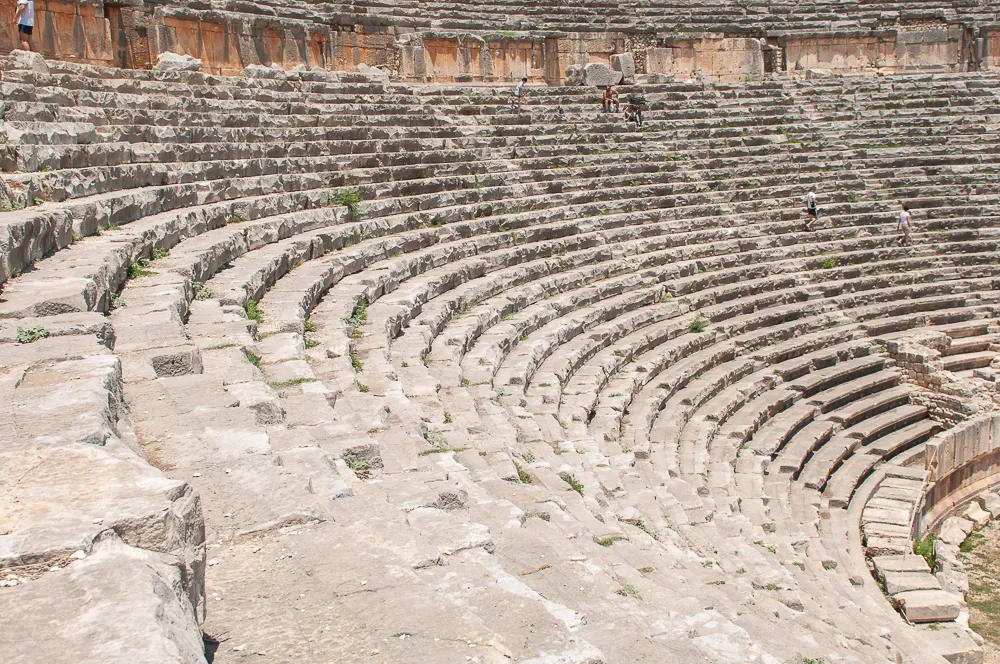
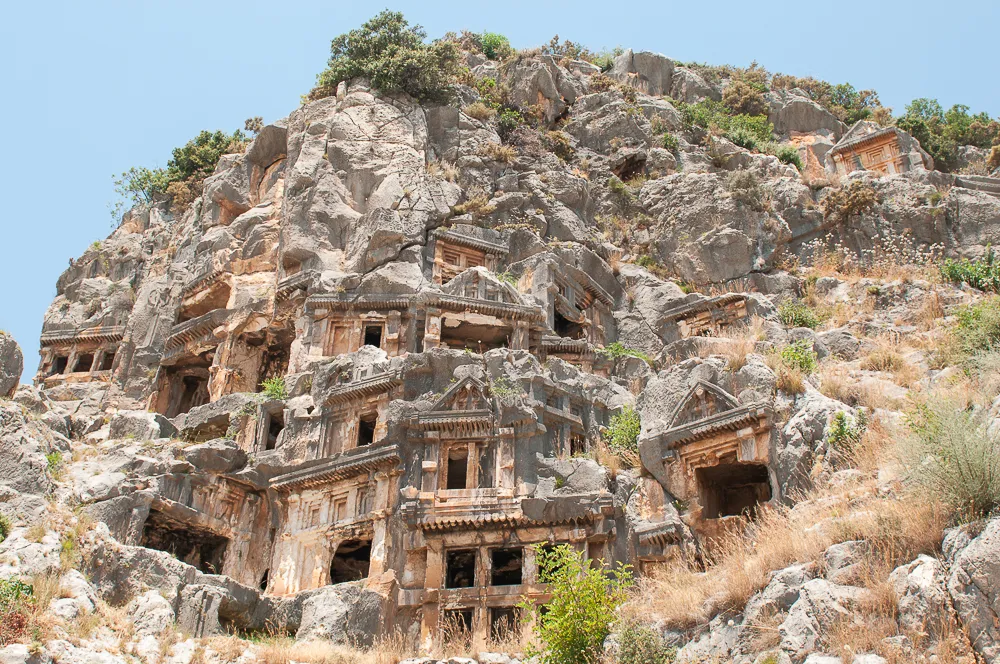
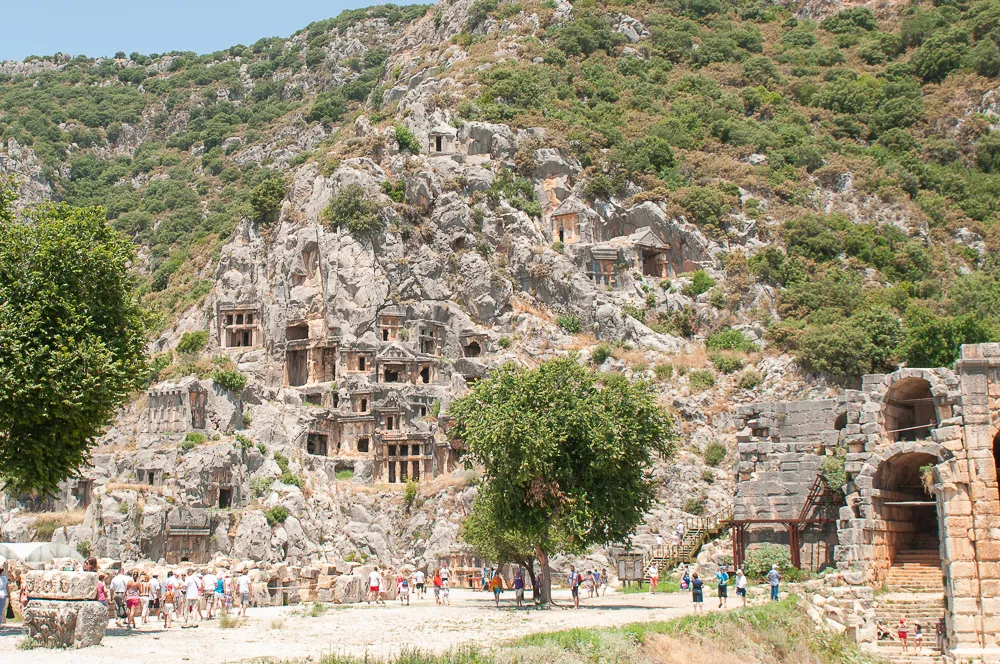
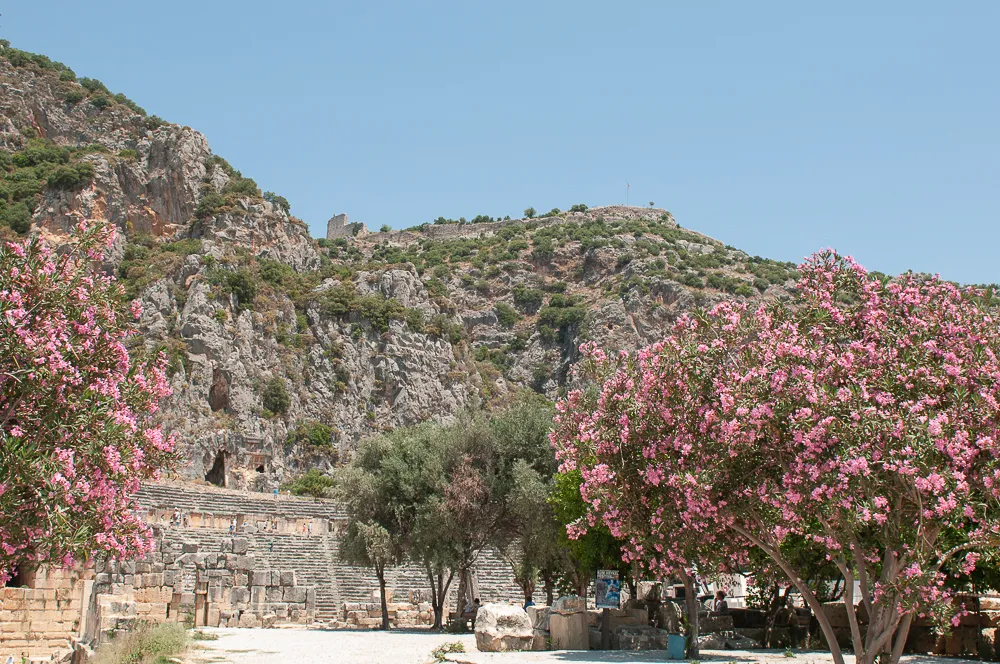
So, let us begin with Myra, one of the main Lycian cities in the confederation of ancient Lycia. The founders of the city, not far from the sea with a wonderful harbour (which would be named Andriake) on the Andrakos river, evidently found the place excellent. The port and the river brought prosperity to the city and also ruined it in the 7th century, when the city was flooded with sand and silt from the river. All that can be seen is the excavated Greco-Roman theatre and the tombs carved in the rocks.

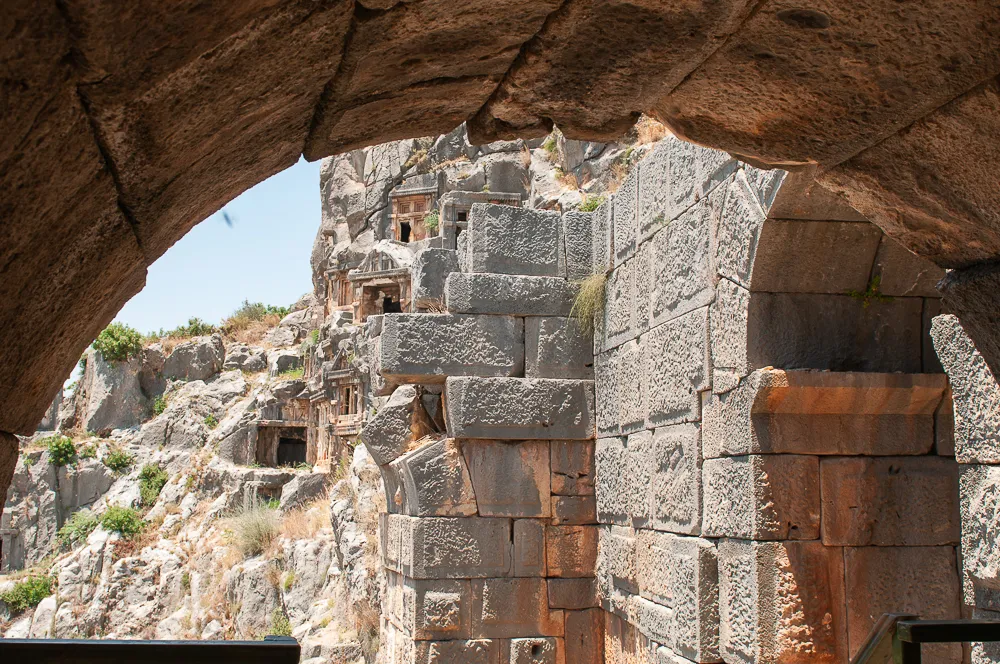
The Lycians believed that the higher the deceased was toward the sky, the easier it would be for him to get there. I do not know whether the inhabitants of the tombs reached the dwelling of the gods, but it saved them from being flooded by the river waters. However, they were robbed much earlier. The whole rock looks like a big birdhouse. Besides this large complex, which can be seen right at the entrance to the reserve, there are also the so-called “sea” and “river” necropolises on the other side of the rock.
The Byzantine emperor Constantine Porphyrogenitus visited the city several times. Yet it seems the inhabitants liked the emperor Tiberius Germanicus more. In honour of the latter’s visit the townspeople set up a monument in the main square.
In 60 AD Saint Paul stopped here, but it was Saint Nicholas, Nicholas the Wonderworker, Nicholas the God-pleaser, Nicholas of Myra, the Hierarch Nicholas, who made Myra famous throughout the world.
In 1953, after studying the relics kept in the city of Bari, the Italian professor Luigi Martino drew up a portrait of Nicholas the Wonderworker: a man of medium height, 167 centimetres, of strong build, with dark skin. He has a high forehead, dark brown eyes, a grey skipper’s beard. His nose is like an eagle’s. He does not eat meat, only plant food. Does that differ from your idea of the grandfather with a mitre on his head? Yet it is roughly this description that the fellow on the monument in Demre matches.
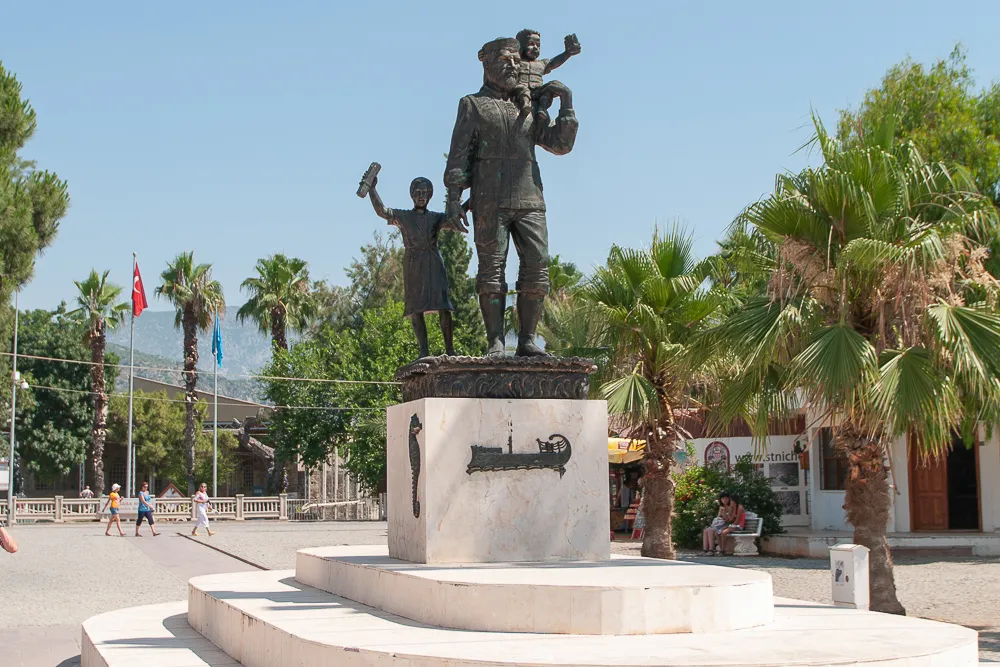
According to historical tradition, Nicholas was born sometime between 270 and 286 AD in the city of Patara. And then it is typical and apocryphal. The boy was the only son of wealthy and deeply religious people. Growing up in a religious atmosphere, he became an ascetic and generous person who could come to help at any time. Then there must be grief: after the boy came of age, his parents died. Nicholas moved to the city of Myra, where his uncle, a bishop (also a saint, by the way), ordained him a priest.
The modern tradition of giving presents comes from such an act of Nicholas, not yet a saint (by the way, at what moment does one become a saint: when one performs deeds or when one is granted the “title” of saint?). Nicholas heard that a certain impoverished man had no dowry for his three daughters. He decided to help this family. At night he threw a little bag of gold through the window as a dowry for the eldest daughter. The next night he did the same for the middle one.
On the third night, so that it would not suddenly be noticed, he threw the gold not through the window but down the chimney. Beside the hearth in the room the little shoes (or stockings) of the youngest sister were drying, and it was exactly there that she found the wonderful gift. Here the story about the daughters ends. And I wonder whether their marriages were successful?
Nicholas was credited with a multitude of miraculous deeds: the rescue of three inhabitants of Myra unjustly sentenced to death, the saving of military commanders who were groundlessly accused of preparing a rebellion, the rescue of sailors in a storm. He worked even more miracles after his death.
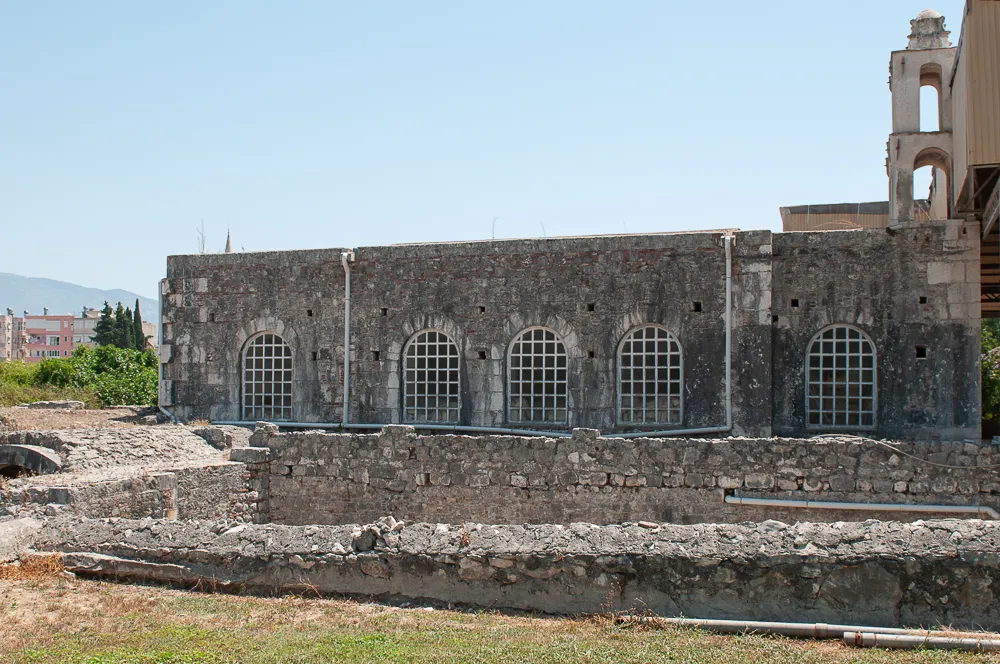
Naturally, immediately after death the body of the saint began a) to exude myrrh, and b) to be an object of pilgrimage. In the 6th century a basilica was built over the grave, and at the beginning of the 9th century the Church of St. Nicholas, which can still be seen in Demre.
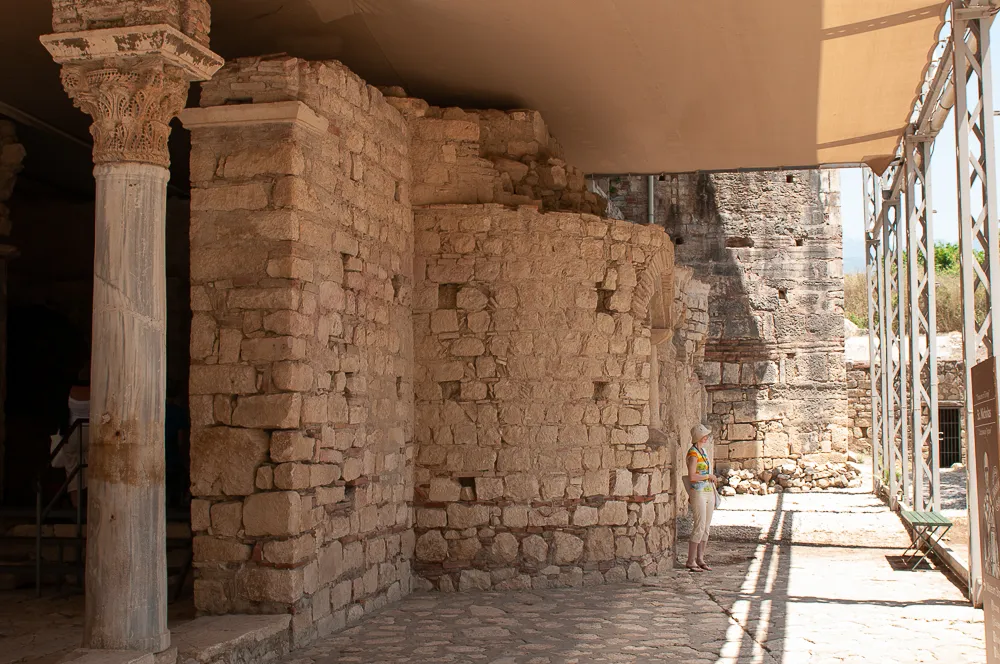
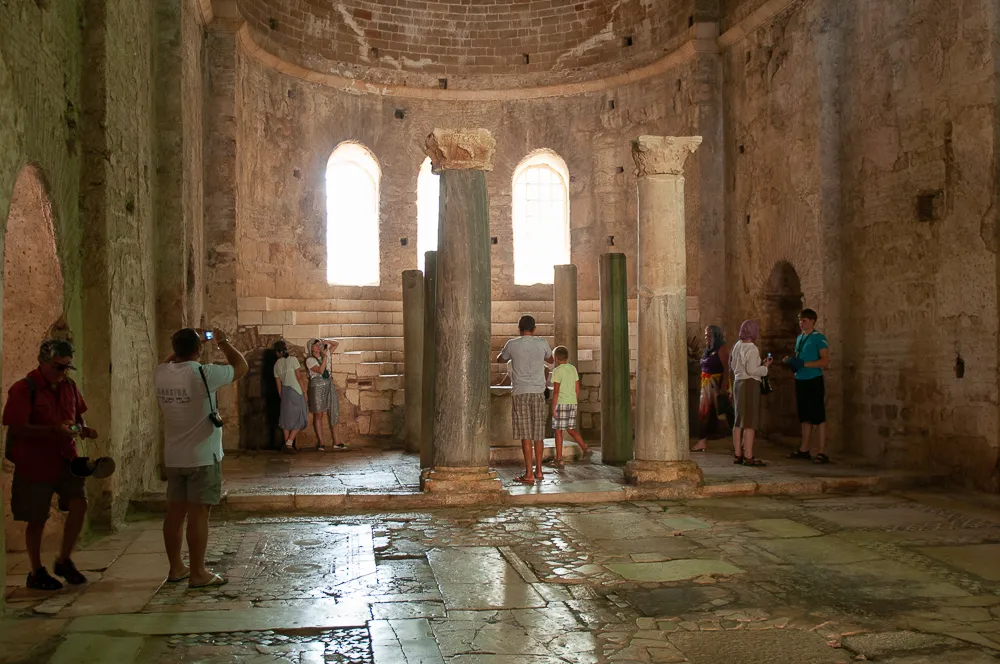
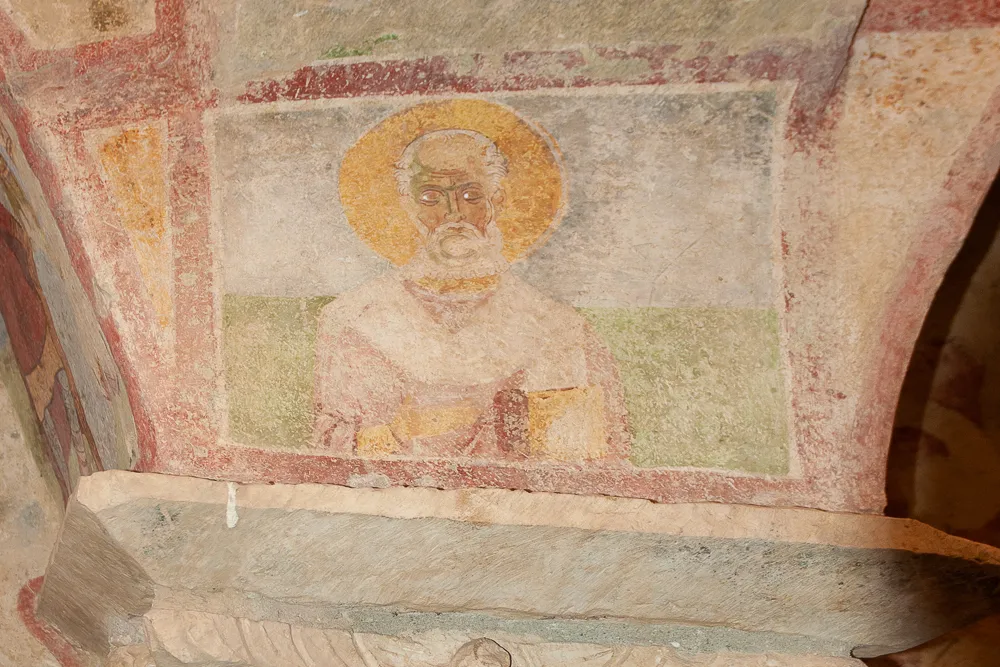
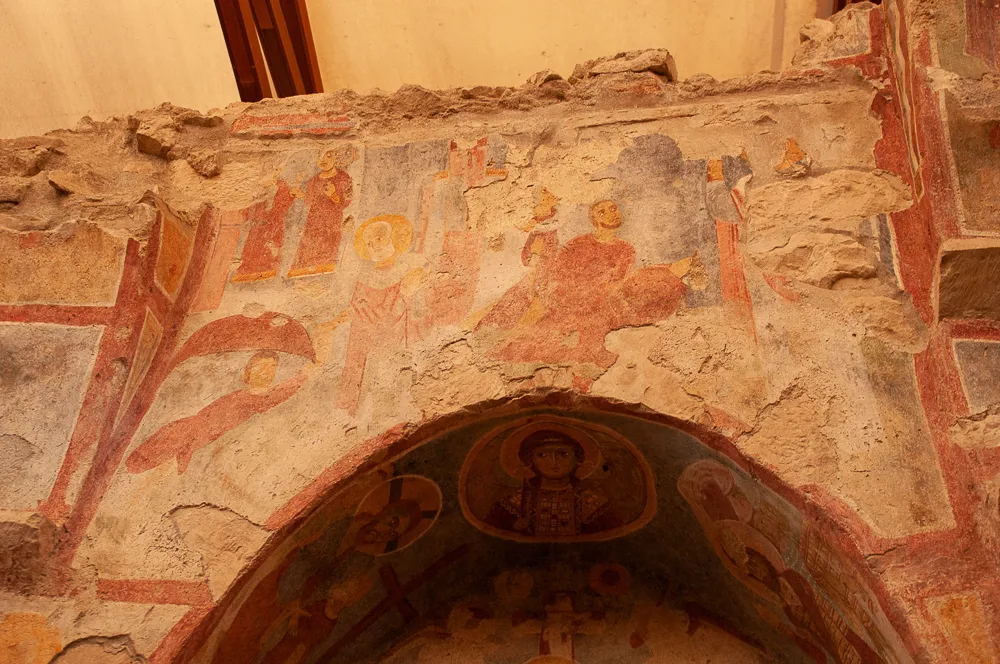
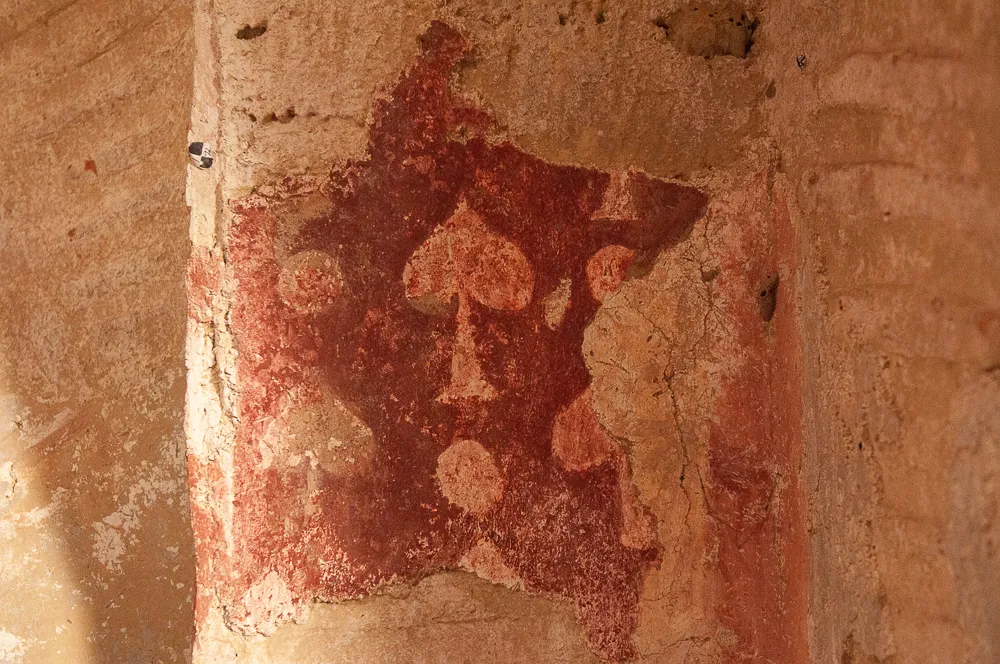
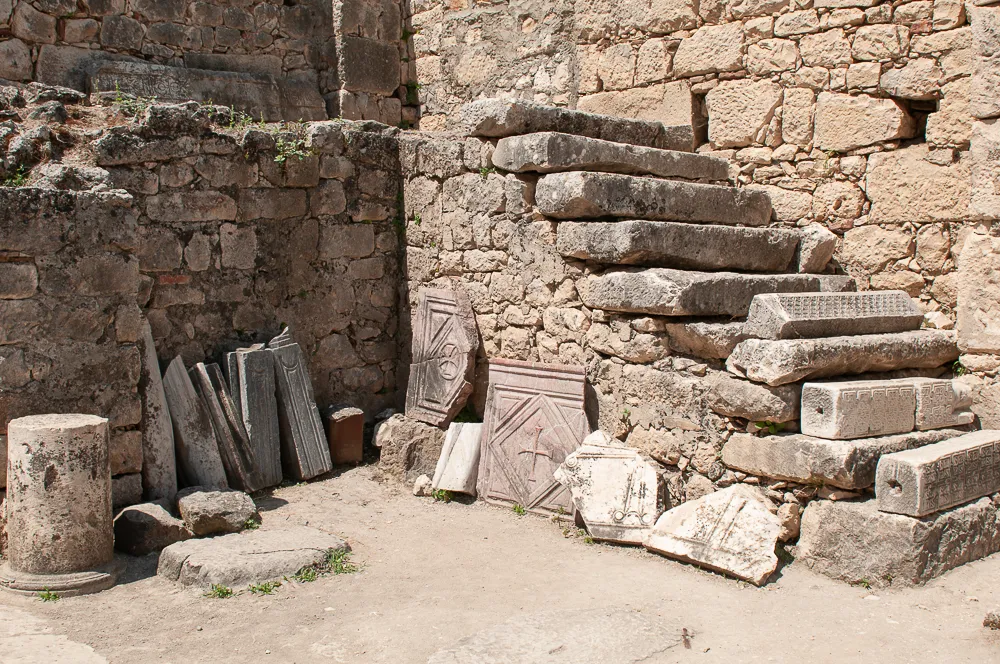
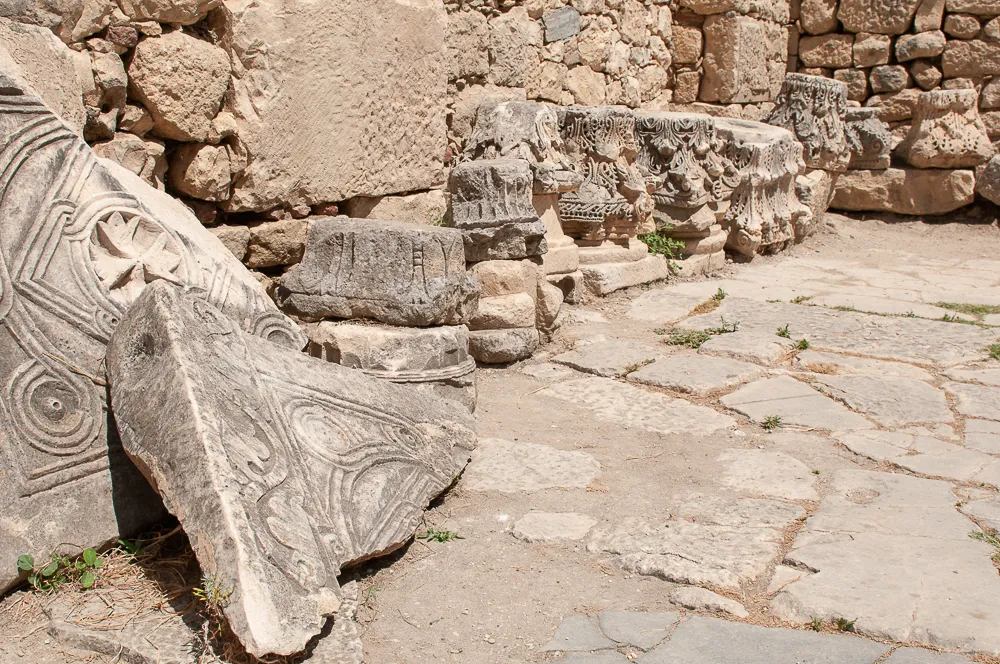
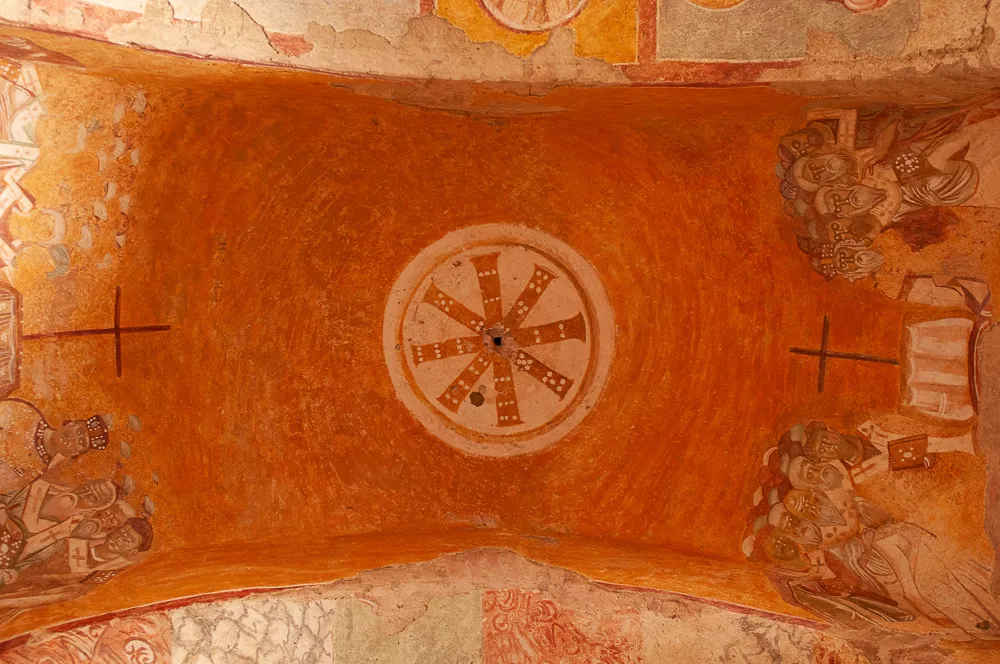
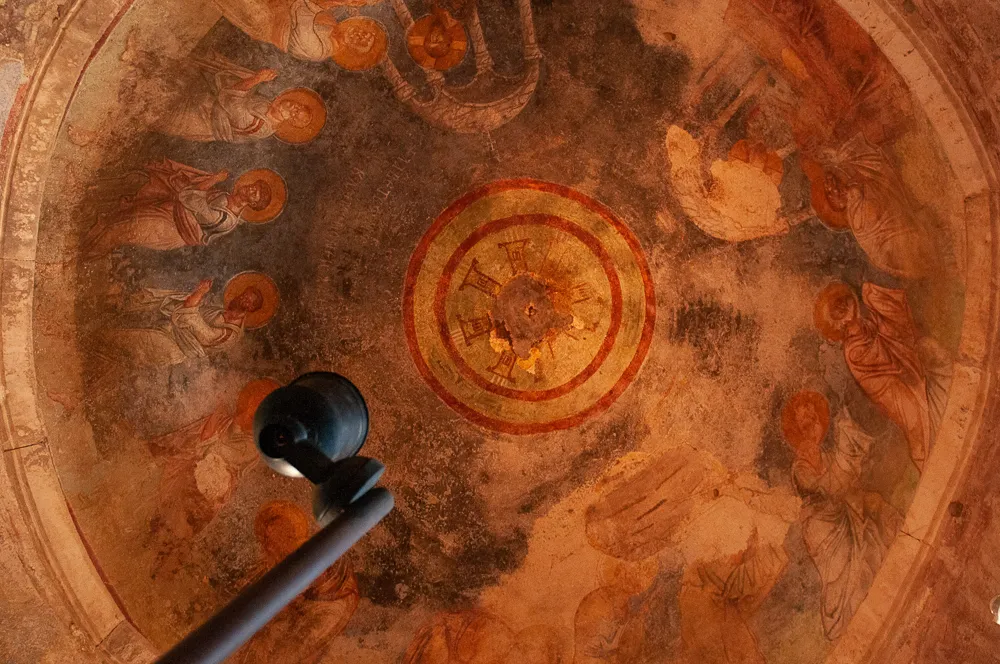
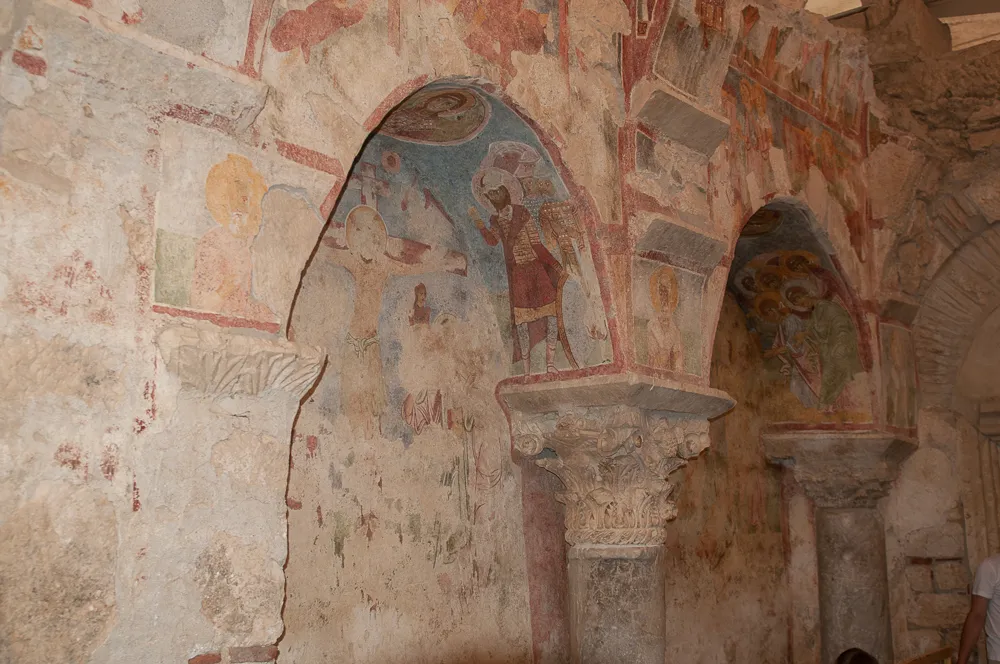
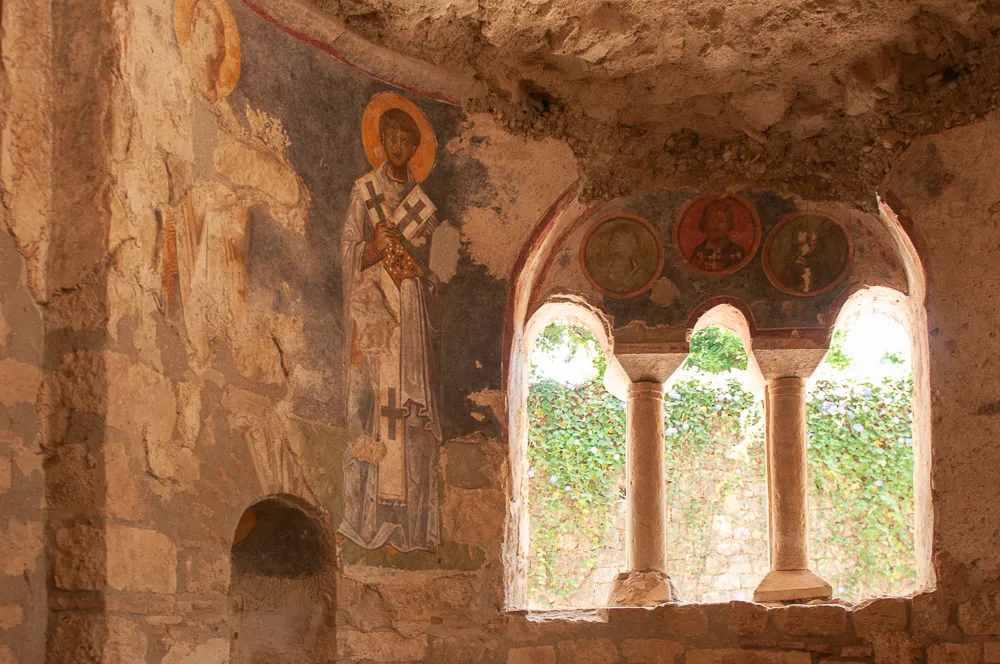
The relics, however, were stolen in 1087 by a specially equipped expedition from the city of Bari. Now, to be sure, this is called politically correctly: the day of the translation of the relics from Lycia to Bari. The feast of our “spring Nicholas” is on 22 May.
Create a flow of tourists (then called pilgrims) and you are guaranteed a never-drying river of cash. In the Middle Ages it was a matter of prestige to have in one’s home city the relics of many saints, who also became the patrons of the city. The people of Bari badly lacked some saint. They had missed both all seven heads of John the Baptist and that kilogram of nails from the Crucifixion.
Perhaps the choice fell on Nicholas the Wonderworker not only because of the saint’s personality but also because of the fairly easy “delivery” of his relics to Bari. As the relic robbers found out, the relics were guarded by four monks. To the arriving “pseudo-pilgrims” they proudly and gladly showed the sarcophagus. As they tell it in Bari, Saint Nicholas supported the translation of the relics: during the conversation the vessel with myrrh from the relics fell onto the marble floor but did not break. In the end they nevertheless revealed their plan to the monk guards, but for some reason the latter were not delighted. The men of Bari tied up the stubborn guards. Still, an alarm was raised in the city. The men of Bari had to hurriedly break the tomb and take the holy relics out of the shrine filled with myrrh and fragrant oil.
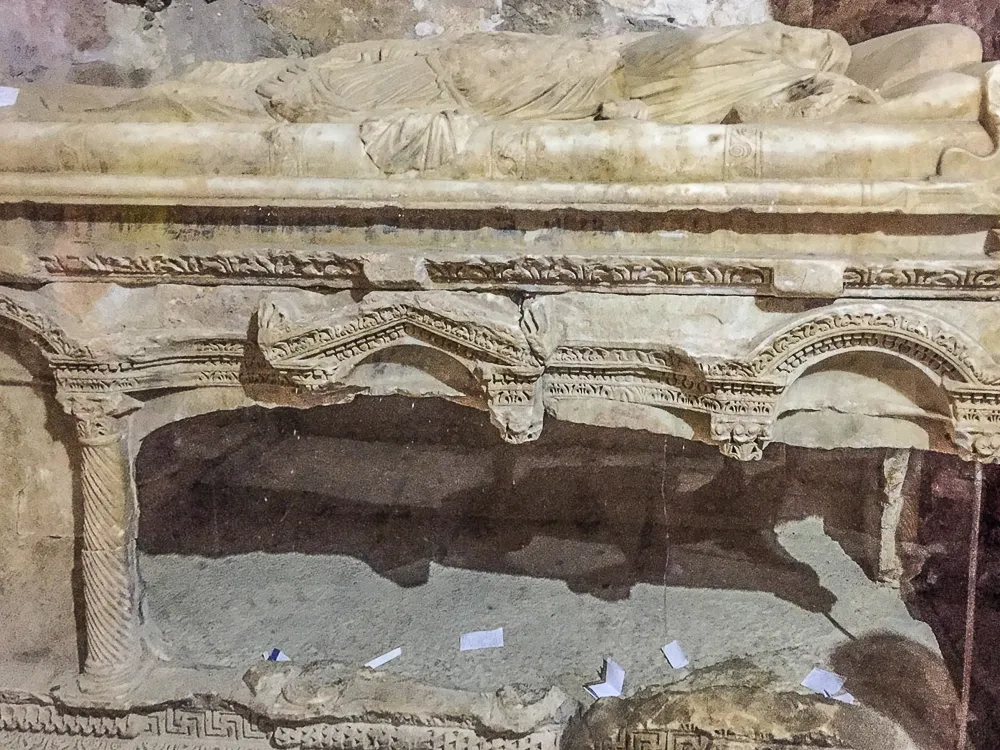
A sailor named Matteo took the head and other parts of the saint’s relics. Considering the impossibility of reliably making out all the holy remains in a shrine filled with liquid (that is, in plain language, considering the terrible haste), it is quite natural that part of the relics remained in the shrine. And one cannot gather much in one’s hands, and in the haste Matteo found neither a vessel nor a sack.
The people of Myra hid the remains of Nicholas after the robbery, but not for long. A few years later they ended up in Venice by another route, but do not think a more noble one. In 1096 the First Crusade was proclaimed by Pope Urban II. Venice did not stay aside. Before setting out on the campaign, the bishop of Venice blessed the Venetian troops and fleet in the church of San Niccolò on the Lido island, chiesa San Niccolò a Lido. The thing is that in Venice, besides the holy apostle and evangelist Mark, there are two more patrons: the holy Great Martyr Theodore Stratelates and the Hierarch Nicholas.
The bishop set off on the campaign with the army. When they came level with the Lycian shores he remembered the relics of the Hierarch Nicholas. The Venetians entered the Basilica of St. Nicholas and found, like the men of Bari, only four monks. They lamented greatly, swore, showed the broken shrine of the relics and said that the vermin from Bari had come and already taken everything.
The Venetians did not believe the Greeks and dismantled the tomb, where they found only water and “oil”, and then turned the whole church upside down. What would one not do for a God-pleasing cause — one may even torture the wretched guards. One of them could not stand the torture and asked to be allowed to speak with the bishop. The bishop urged him to tell where the relics lay, but the guard only began to beg to be spared the futile torments. A foolish little monk he was. So they began to torment him again. The patience of the tormentors was greater than the strength of the martyr — he revealed everything he knew: the relics of two other holy bishops, predecessors of the Hierarch Nicholas: the hieromartyr Theodore and Saint Nicholas the uncle.
One can never have too many relics; they were loaded onto the ship and they were about to sail off. And in the church, I understand, the stench of the burnt body of the little monk had just dispersed, and the most thrifty of them, who were still packing up all sorts of odds and ends, noticed a wonderful fragrance in one of the church annexes.
Then they scorched the servants a little again, and these “remembered” that on great feast days the bishop did not conduct the service in the church but went to a room located nearby. A portable altar was set up there, on which he served. On the ceiling of the room, moreover, there was a fresco depicting the Hierarch Nicholas. Thus the fragrance and the icon showed the Venetians where to look for the relics of the Hierarch.
Then the Venetians returned to the church, broke up the floor of the altar, began to dig and found another floor beneath a layer of earth. They broke that one too and found a thick layer of some glass-like substance, inside which lay a great deal of something dark and petrified. When it was opened, a wonderful fragrance spread through the whole church.
The bishop of Venice wrapped the relics of the Hierarch in his episcopal mantle. Right then the first miracle at the relics of Saint Nicholas occurred: the palm branch brought by the Hierarch from Jerusalem and laid with him in the tomb put out shoots. The Venetians took the branch with them too.
After returning home the participants of the campaign were met with great celebration. The relics were placed in the church of the Hierarch Nicholas of the Benedictine monastery on the Lido island, from where the army had set out on the campaign. In 1634 a new church was built and the relics of the three Lycian saints were transferred to a new marble shrine, in which they are kept to this day. The Lido island is a natural barrier protecting the Venetian lagoon from winds, floods and enemy invasions, and therefore Nicholas fully works off his keep in Venice as a protector.
Now the “mightiest” relics of Nicholas the Wonderworker are in Bari, in the basilica built in 1087 precisely for them, and fragments of the relics are in Venice
The new feasts, 19 December (the day of the death of Saint Nicholas, “winter Nicholas”) and 22 May (the day of the translation of the relics from Lycia to Bari, “spring Nicholas”), were introduced into the Ukrainian church calendar in the 11th century by the Kyiv Metropolitan Ephraim.
Incidentally, in Eastern Europe the cult of Nicholas the Wonderworker was begun precisely in Kyiv. In 988 Volodymyr the Great hauled much treasure from Chersonesos, among which was an icon of Saint Nicholas.
In Kyiv, it seems, the greatest number of sites by the beginning of the 20th century were connected with Saint Nicholas. Judge for yourself. Churches: the St. Nicholas Church on Askold’s Grave, the Military St. Nicholas Cathedral (“Great Nicholas”) and the St. Nicholas Hermitage Monastery (“Little Nicholas”) in Pechersk (located on Mykilska Street, which began at the Mykilski Gate in Pechersk), the St. Nicholas Hospital Monastery in the Kyiv Pechersk Lavra, the Podil churches of Nicholas the Good, Nicholas the Embankment and Nicholas Prytysk, the St. Nicholas Cathedral of the Intercession Convent, the Mykilsko-Yordanska church, the St. Nicholas Roman Catholic church, the St. Nicholas school church at the 4th boys’ gymnasium, the school church of Nicholas of Myra at the 1st boys’ gymnasium and the St. Nicholas house church in the governor-general’s house.
Kyiv streets (besides the already mentioned Mykilska): Mykilsko-Botanichna, Prytysko-Mykilska, Mykilskyi Lane. Let us also recall the Mykolaiv Chain Bridge. Unfortunately, the Soviets managed to tear out very thoroughly the traces of the popularity of Saint Nicholas from Kyiv’s toponymy.
Text and photos by Serhii Shcherbii