Olympos
· 2 min read
“Many travellers were lost here: pirates, floating houses, great river galleys. Since then they have wandered, lost in this gloom, seeking the sun and unable to find it, until madness or hunger takes their lives. Spirits that know no peace fly in the air here, and the souls of people doomed to torment hide under the water.
The places here were evil and stank of despair and death. A sunken temple emerged from the grey gloom. Further on, the travellers passed marble steps that stuck out of the swamp like a snake and ended in a broken edge in the air. Beyond them other outlines could be dimly seen: shattered pillars, headless idols, trees with their roots.
It was the most beautiful and richest city on the whole river, Chroyane, the city of feasts and merriment.”
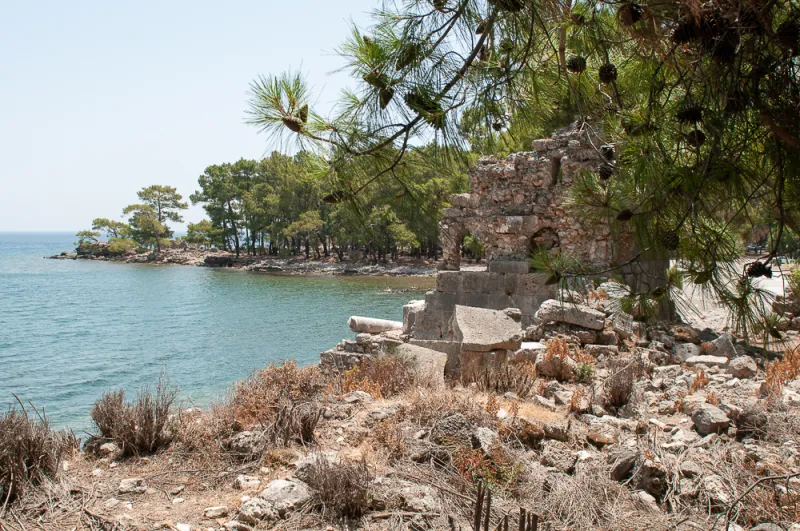
It is precisely this description of the city of Chroyane, or “Sorrows”, by old man George Martin that kept turning in my head, despite the sun, the heat and the turtles. The story of ancient Olympos in the bay of Çıralı, some 70 km from Antalya, is not so sad, but on its ruins shivers ran down my spine. Paradoxically, on Chimaera, which is right next door, there was nothing of the kind. But about the flames another time.
Olympos is considered the first Lycian city mentioned in history. Built in a gorge between high mountains, with a river and a wonderful bay, it could have become a famous and majestic city rather than ruins. It is the same with a person: natural gifts do not always contribute to a person’s success.
The city was founded by the Greeks, then it became a pirate base, then a Roman city, then pirate again, then Byzantine and Ottoman… In a word, Martin would have had room to get going, if there were more historical evidence.
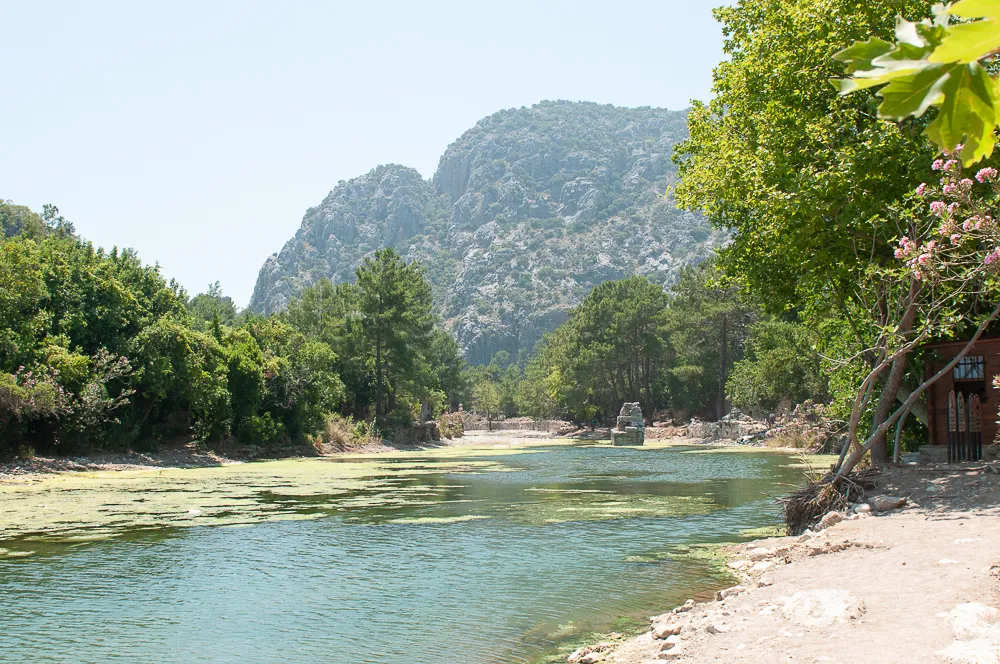
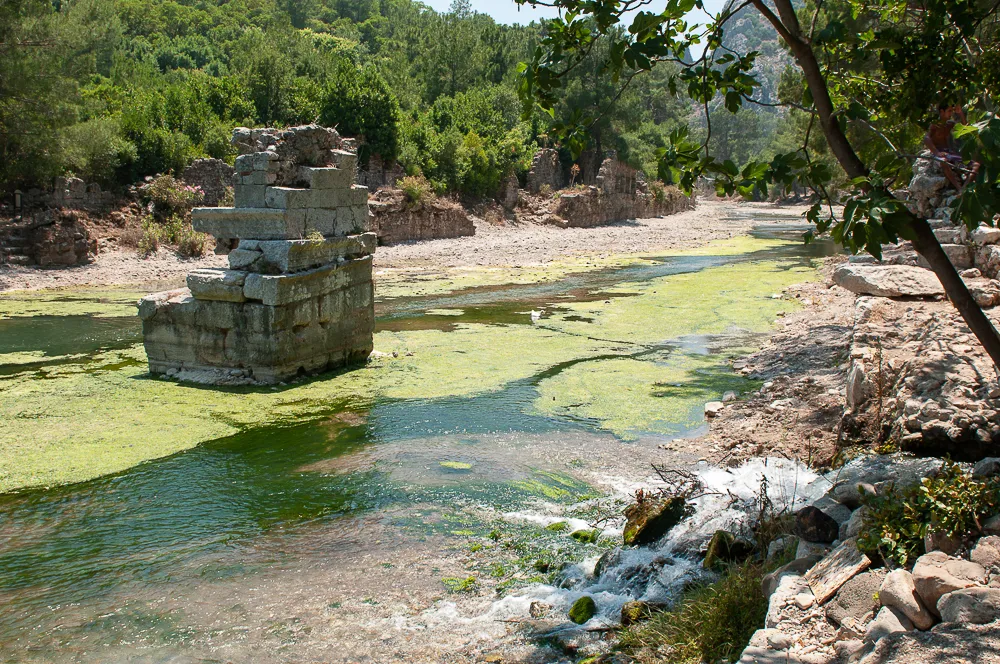
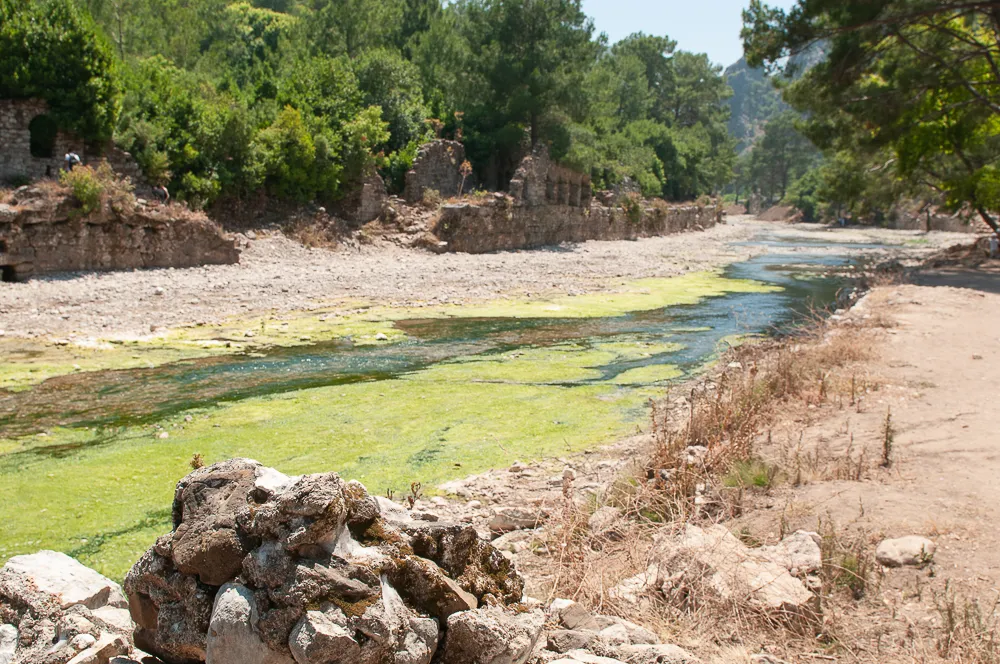
The ancient city was divided into two parts by the mouth of the Ulupınar river. Perhaps it was once full-flowing, but not now. Although the ruins of a bridge in the middle of the river give food for thought.
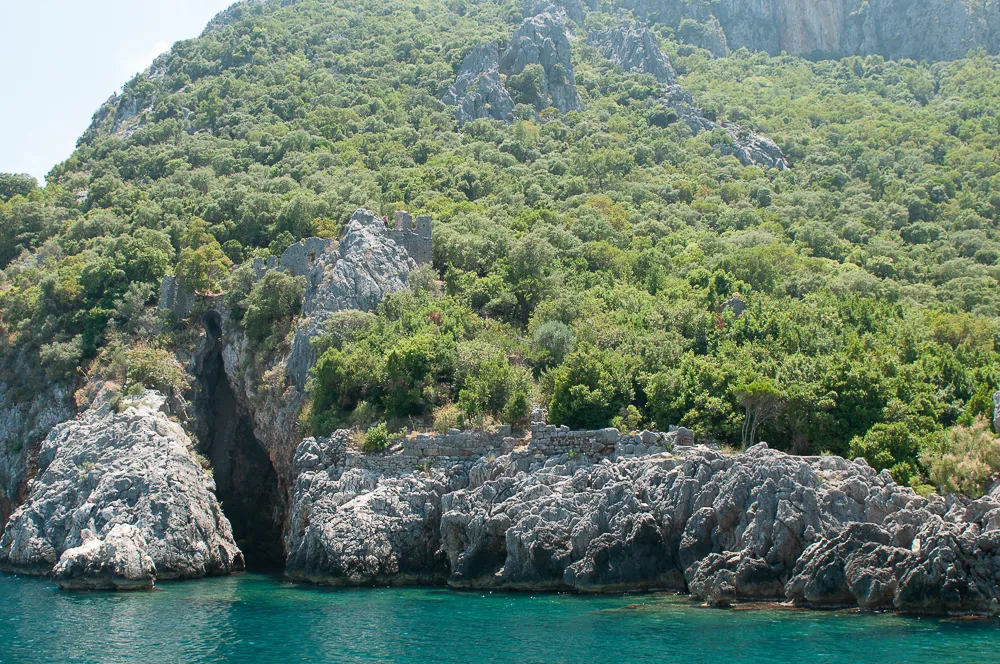
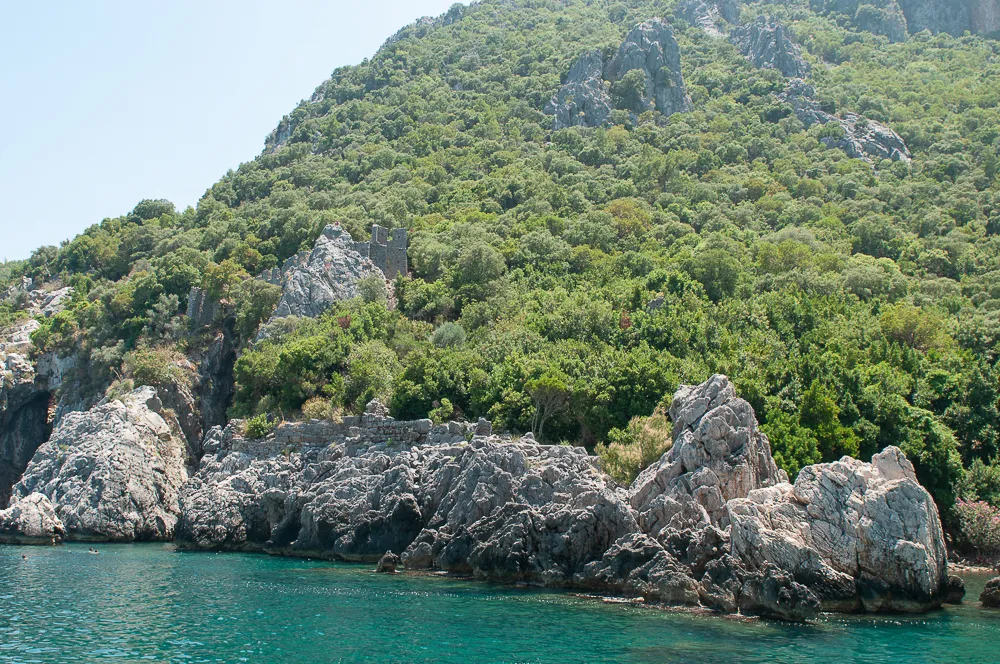
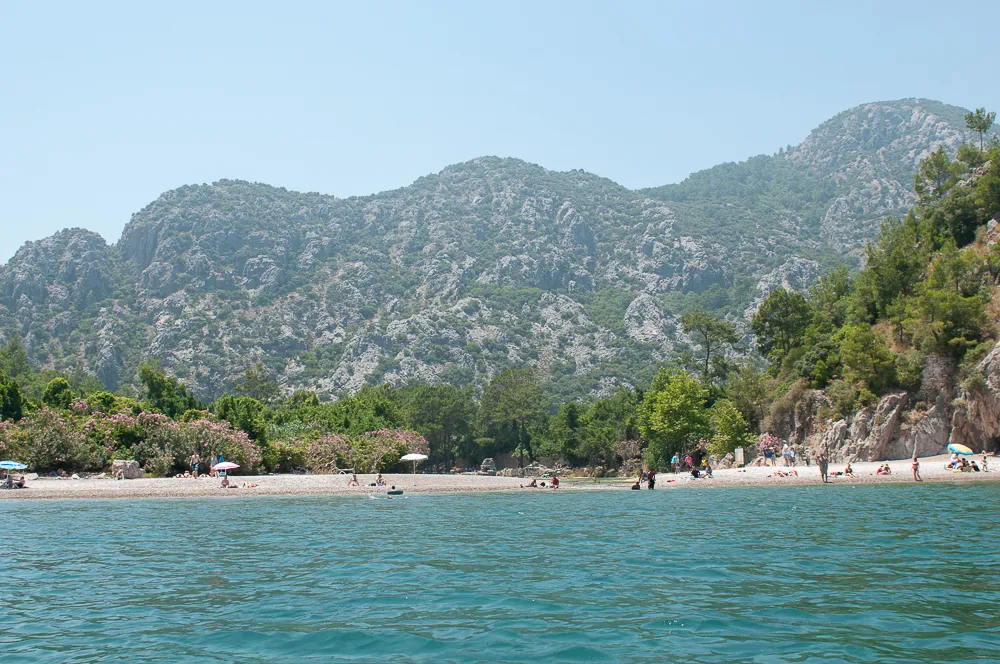
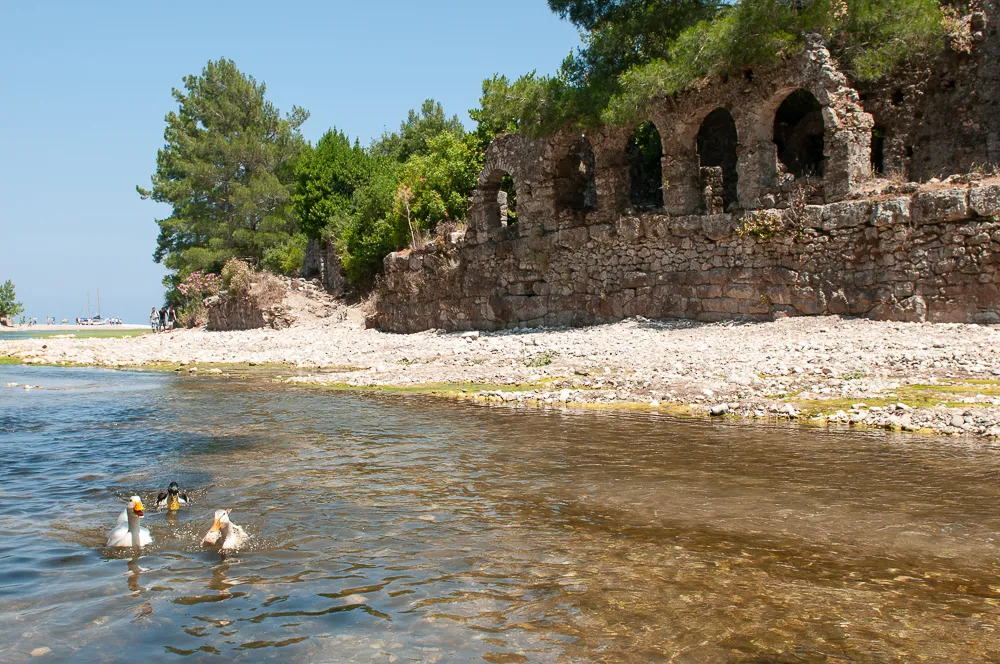
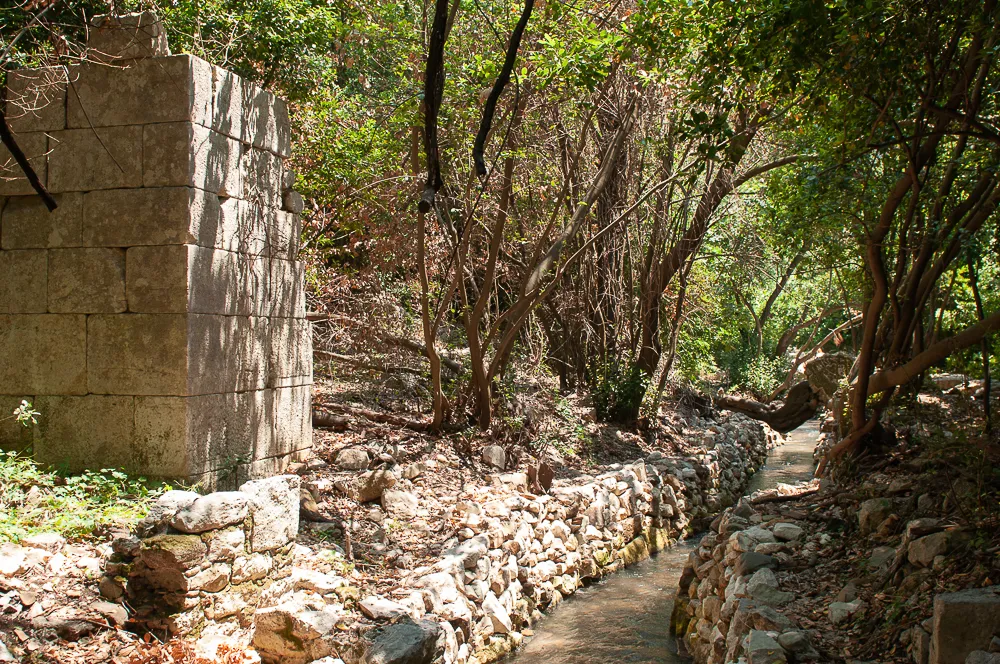
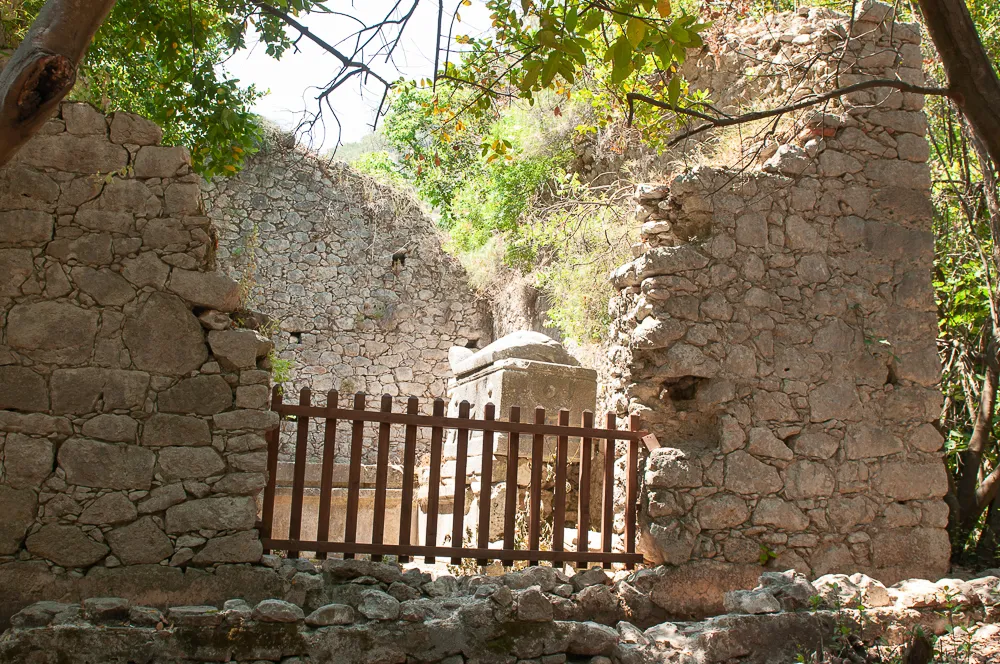
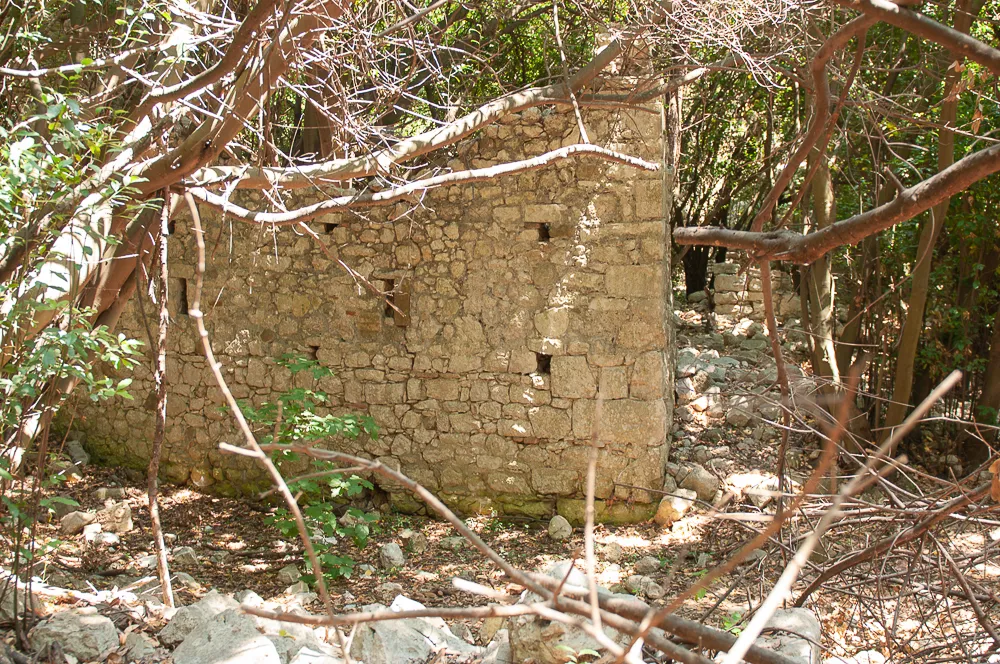
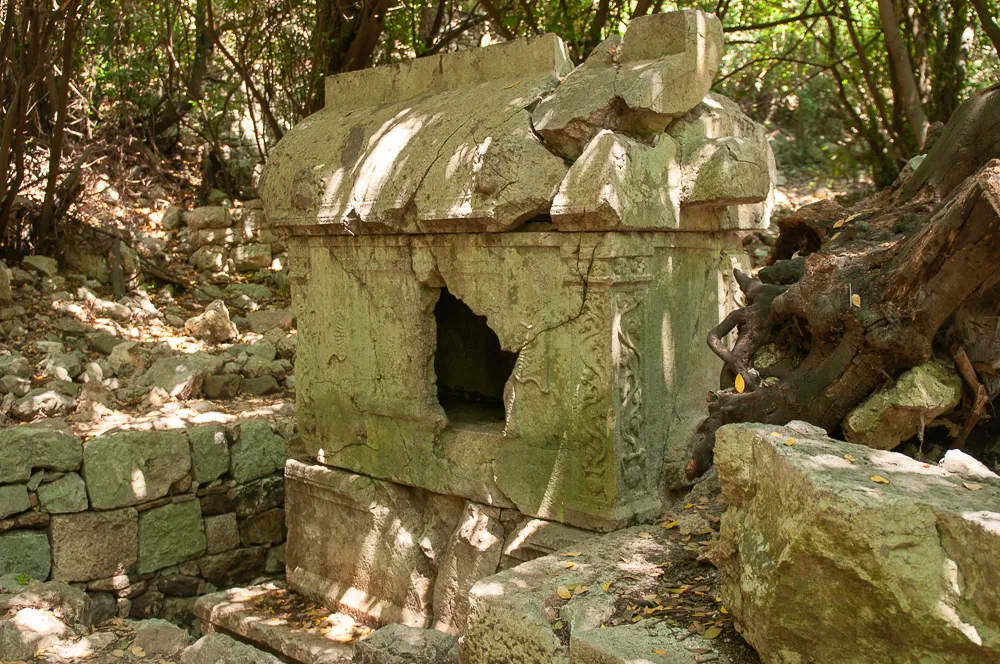
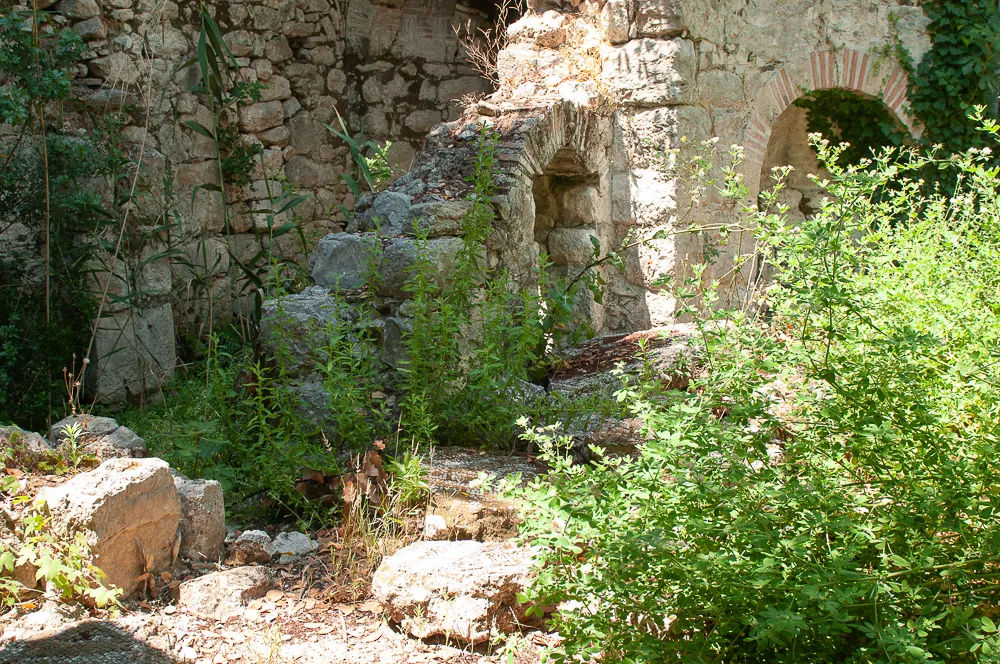
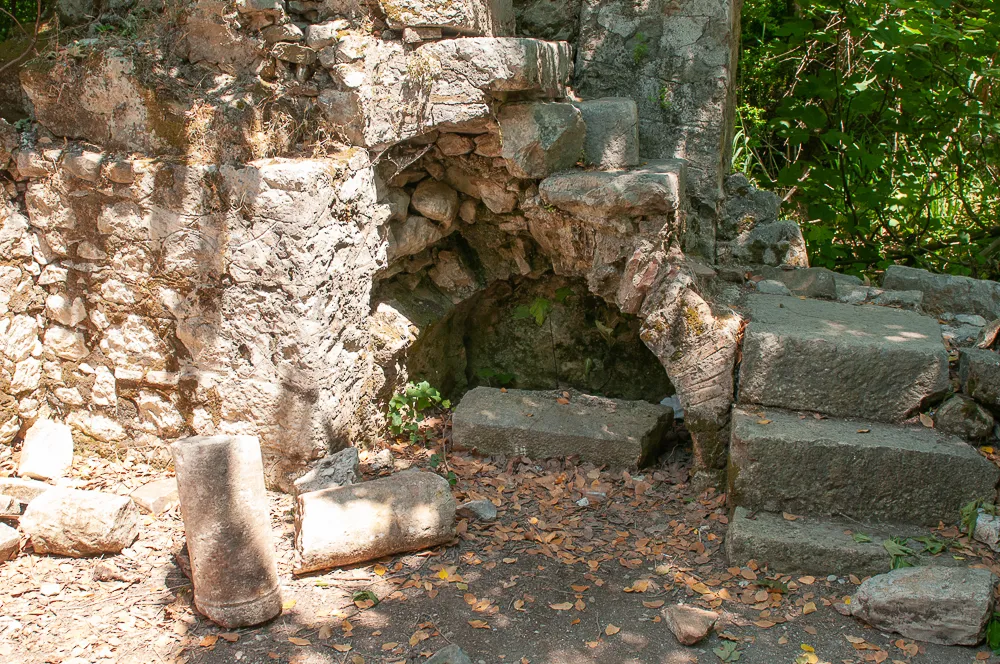
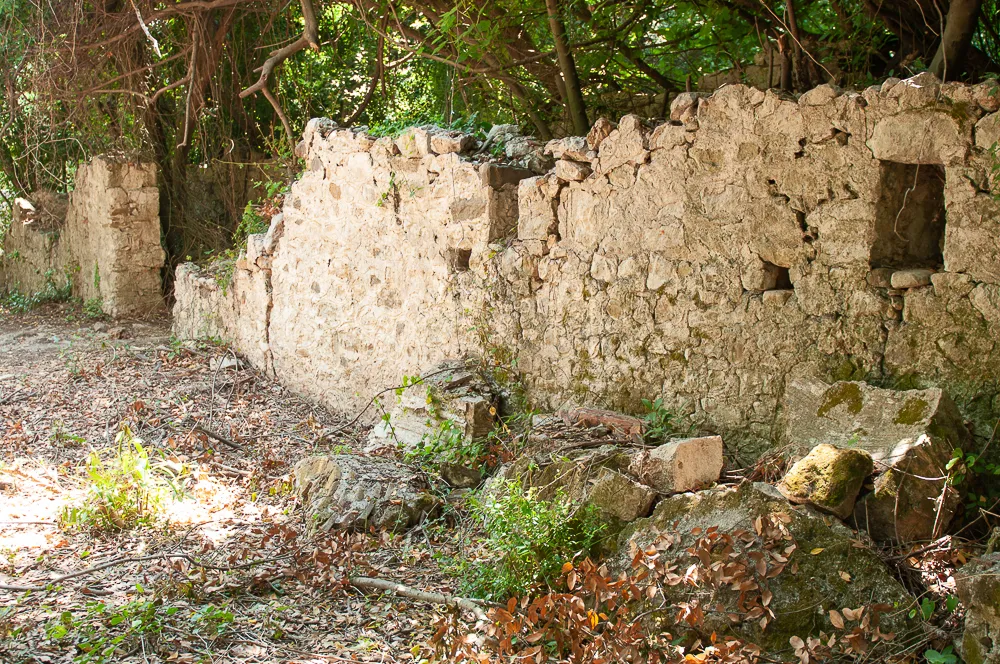
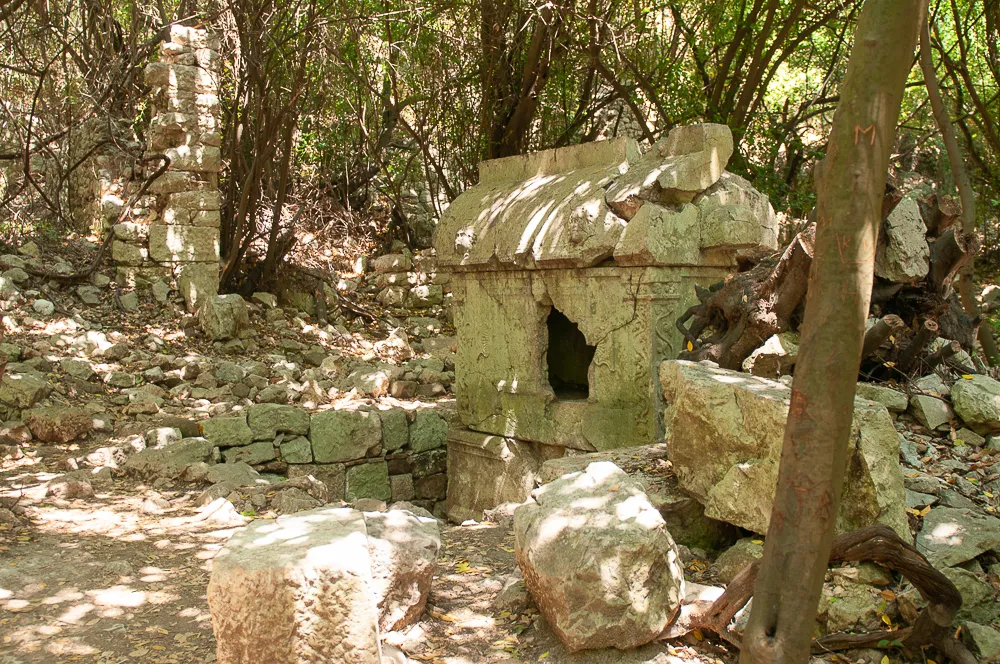
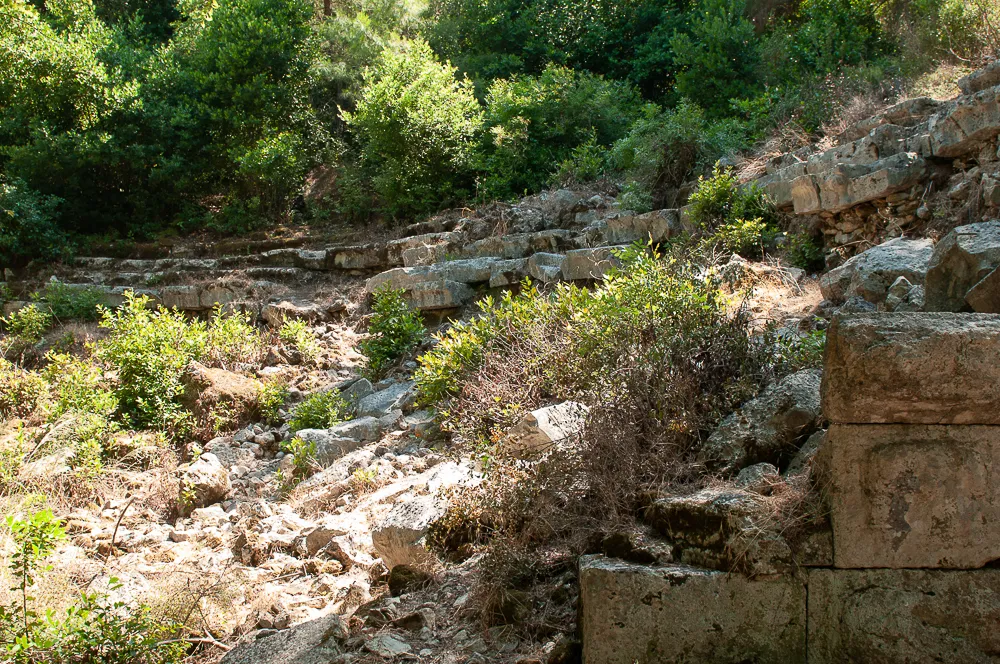
The entrance to the bay was guarded by two small fortresses built on steep rocky slopes. Their ruins can still be found. A large city, hundreds of stone buildings and dozens of streets are hidden among the plant jungle. No more than ten metres on each side of the mountain river have been reclaimed from the thickets. In places the city water supply system still works. Everywhere there are ancient ruins, fragments with samples of ornament and “gnawed” sarcophagi.
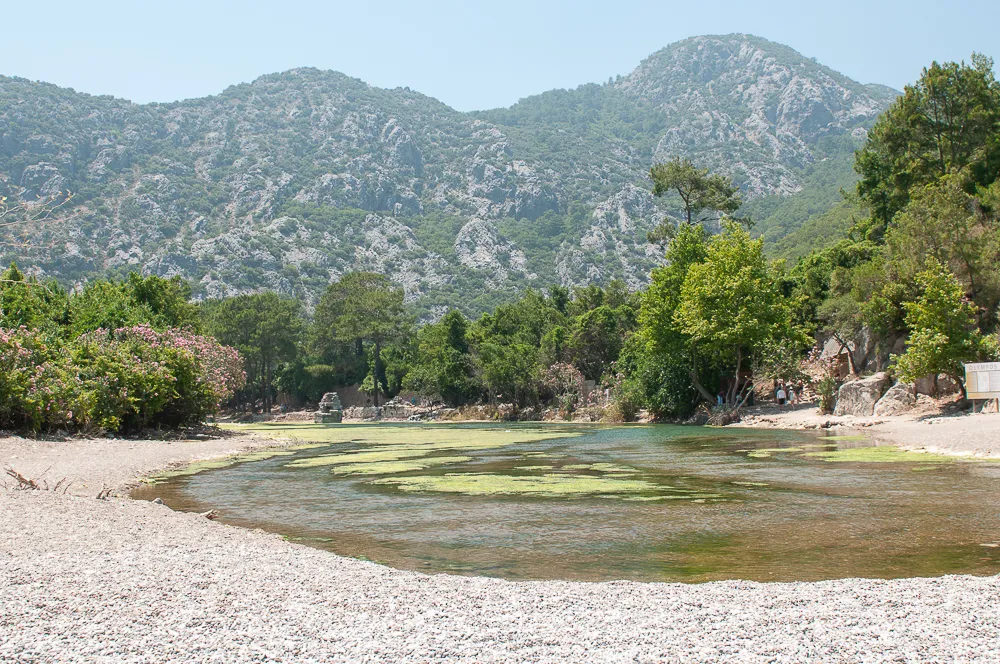
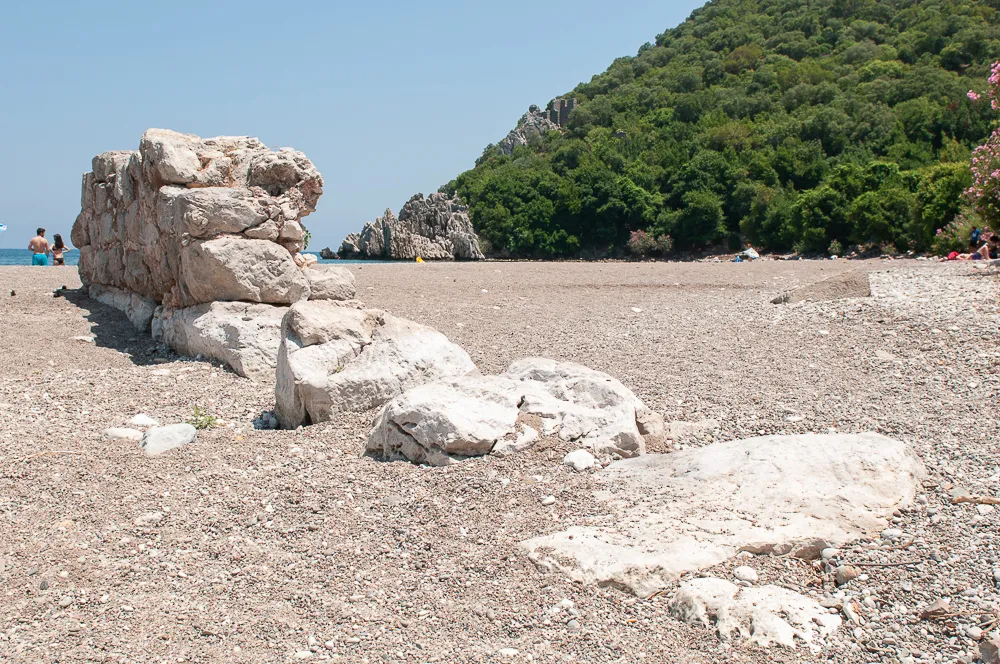
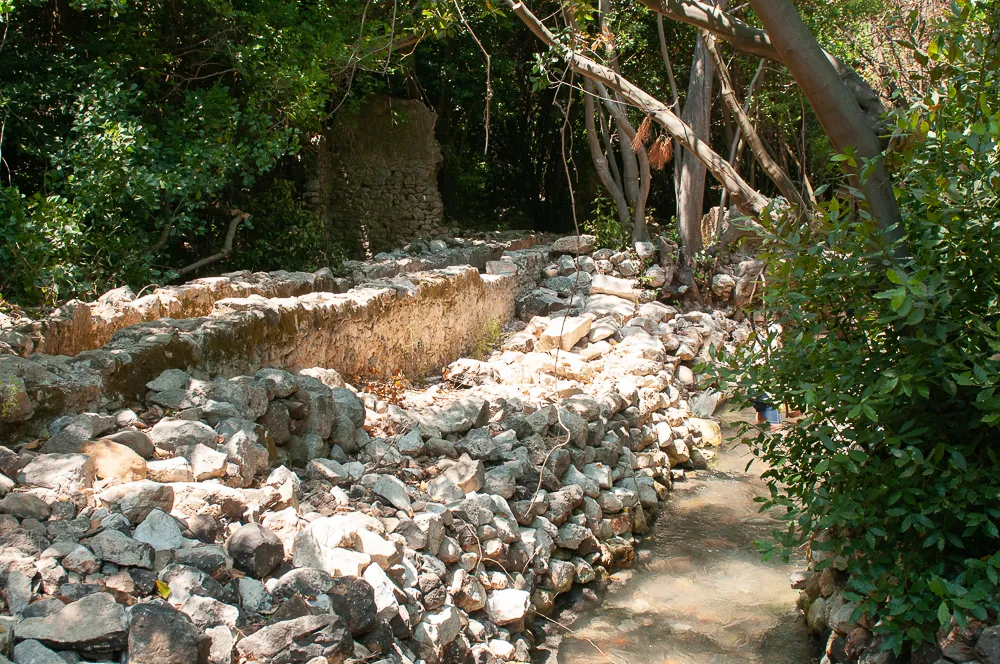
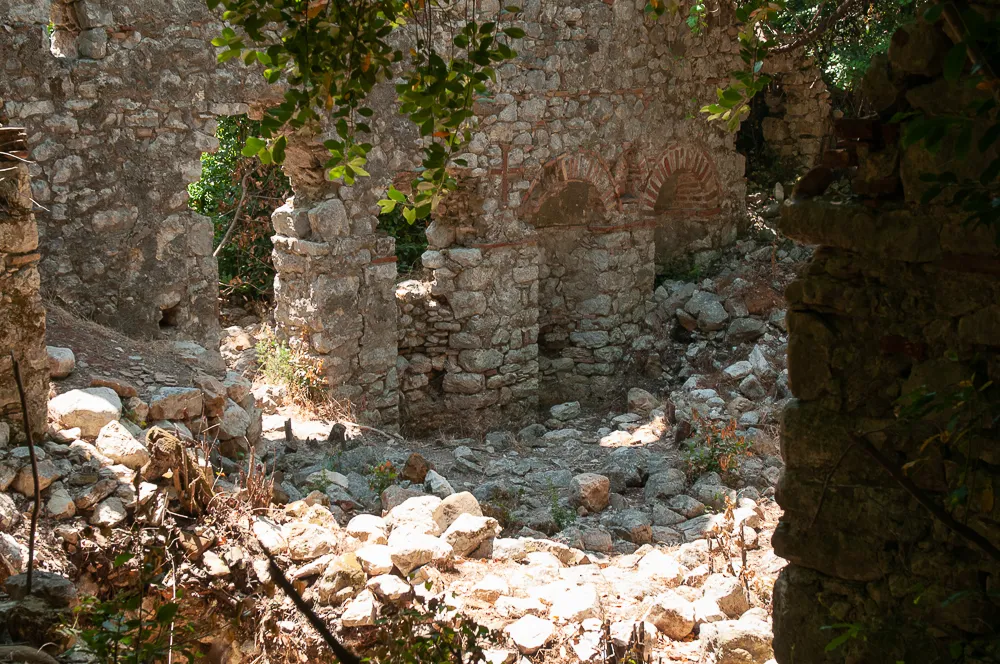
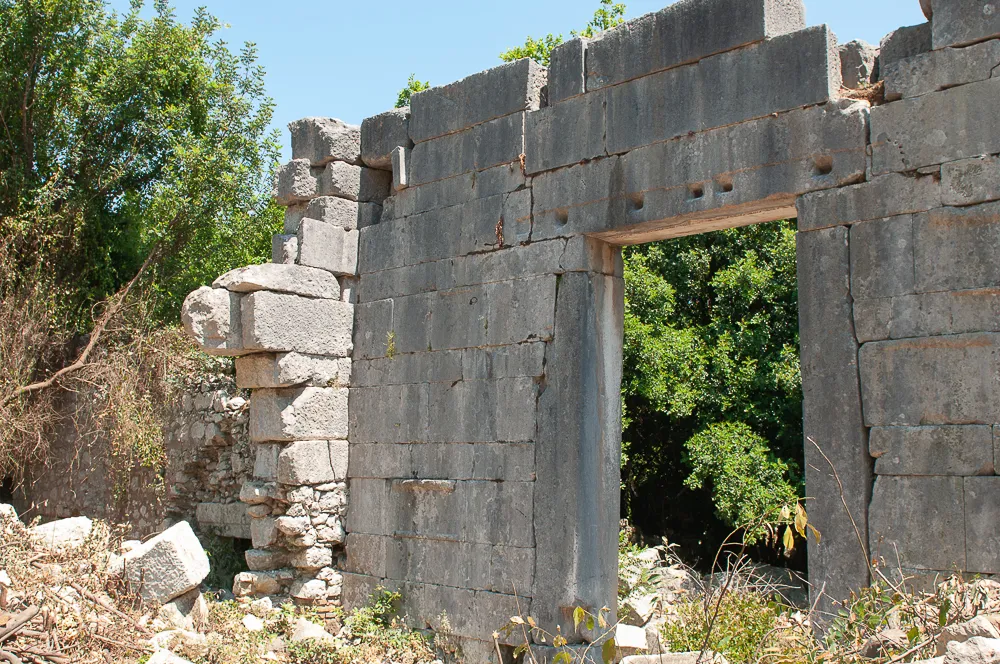
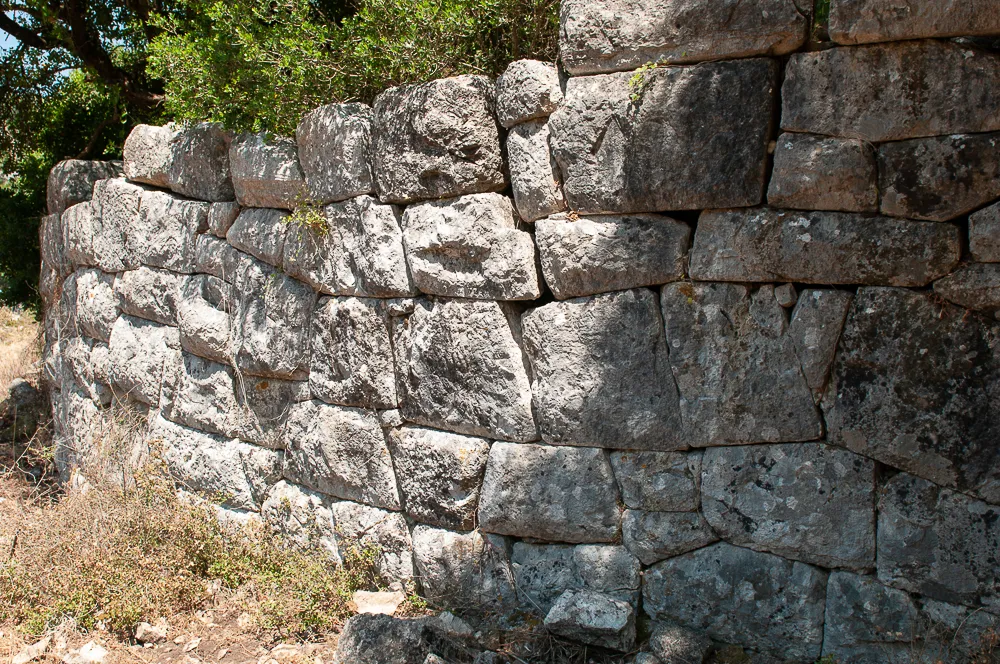
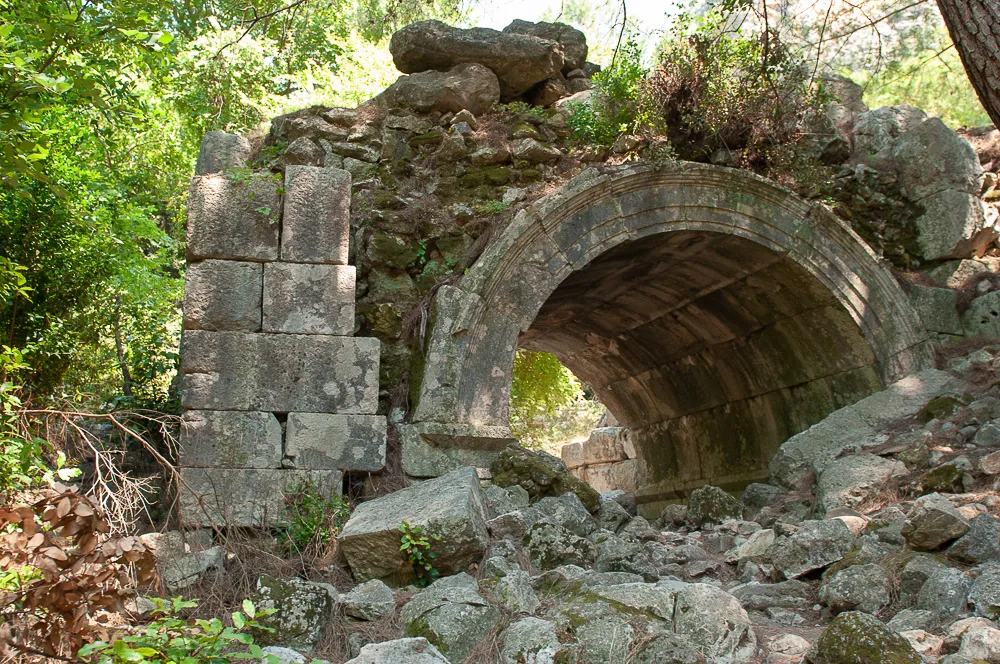
Once again one can see, probably because Turkey has countless historical monuments, that there is simply not enough time to excavate, study and restore most of them.
Text and photos by Serhii Shcherbii and George Martin