Italy. Muggia

· 2 min read
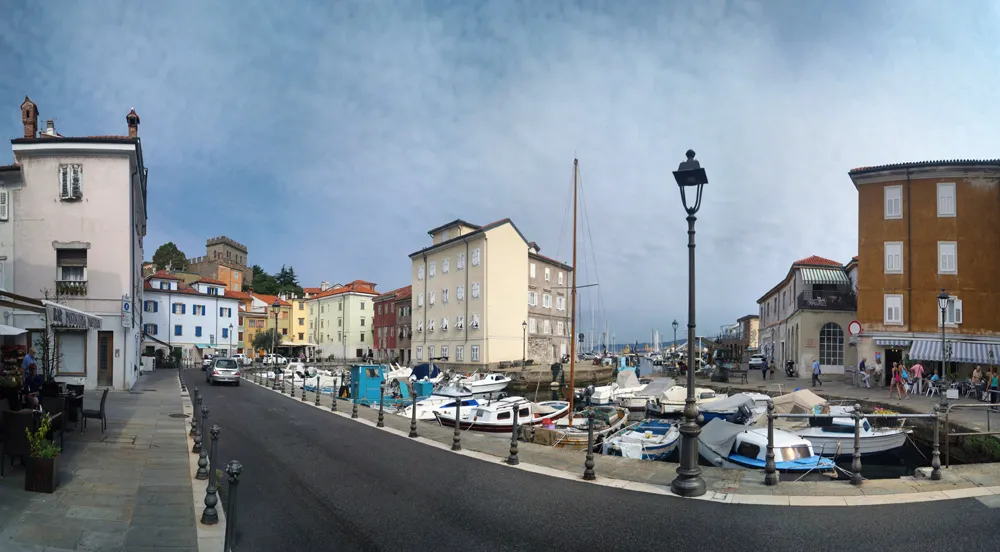
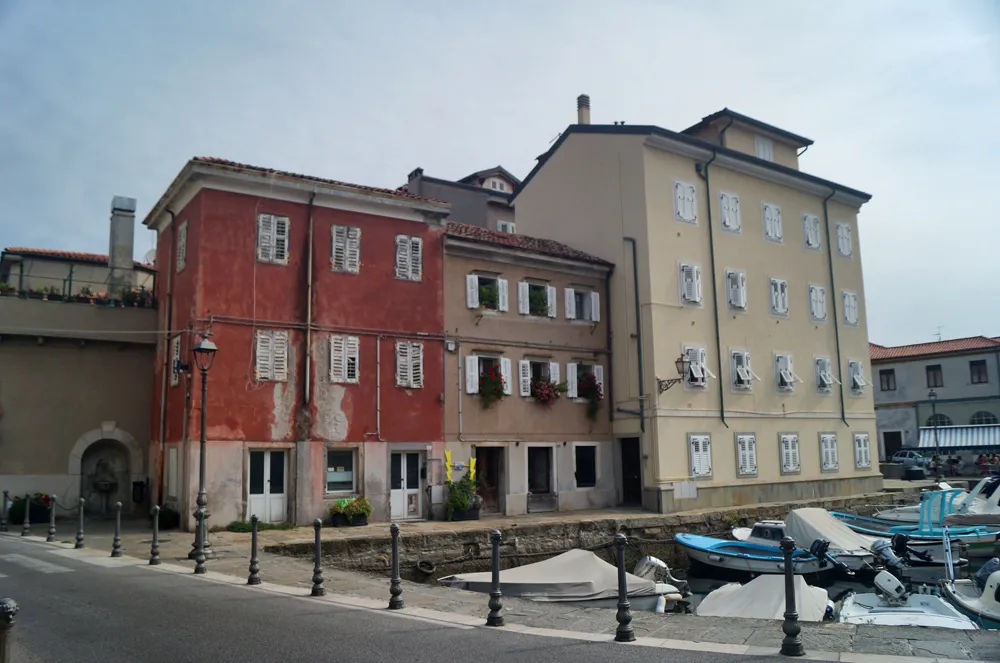
On the border with Slovenia lies the small town of Muggia. A low mountain ridge, cut through by a road tunnel, separates it from Trieste. Today Muggia has about 13,000 inhabitants and is quite small, although there is plenty to see on a stroll: a beautiful sea coast and wonderful Venetian architecture, with a castle on a hill.
Muggia appeared in the 8th-7th centuries BC as a fortified village, a castelliere. In 178 BC the Romans came here and built a fortified camp, Castrum Mugla. Later Muggia was held by the Ostrogoths, Lombards, Byzantines, Avars and Franks. In 931 the village passed into the possession of the Patriarchate of Aquileia, to which it belonged for five centuries, until 1420, when Venetian rule arrived here. Until 1797 it was a fortification of the Venetian Republic. After the fall of the Republic, the Austrian Empire became master of Muggia. In the 20th century, after the First World War, the town passed to the Kingdom of Italy, after the Second World War to the Free Territory of Trieste, and only in 1954 did it become Italian again, and this time for good.
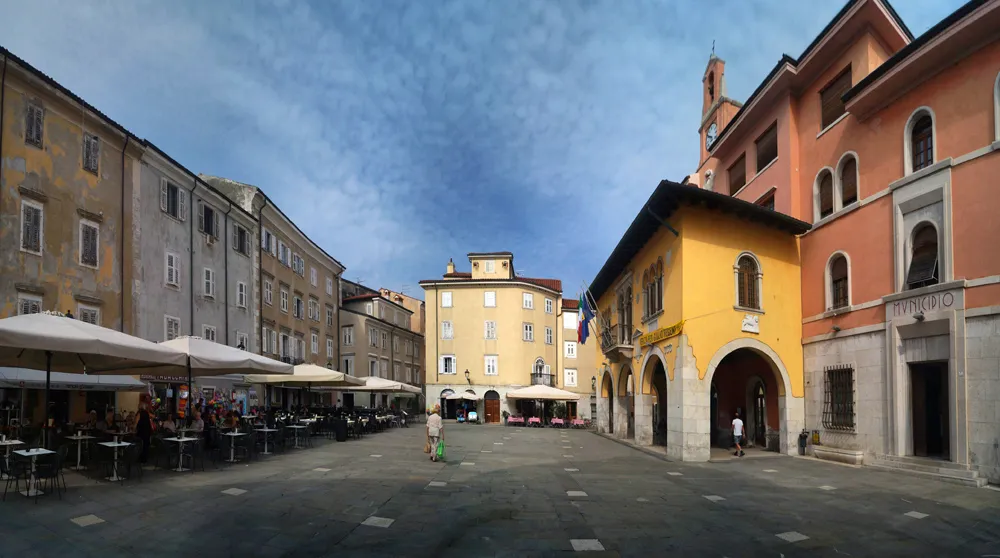
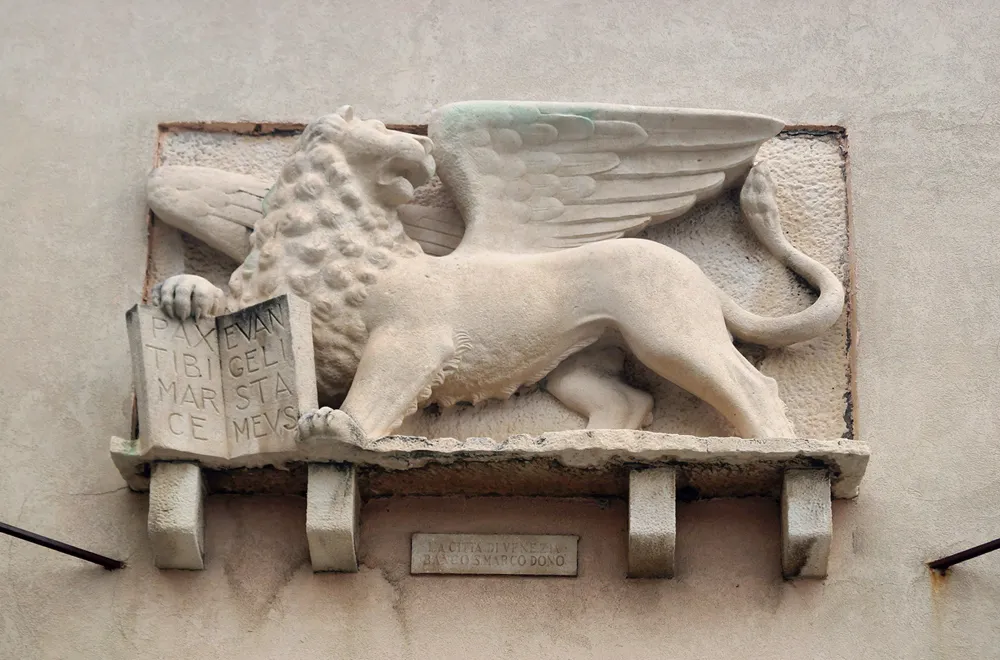
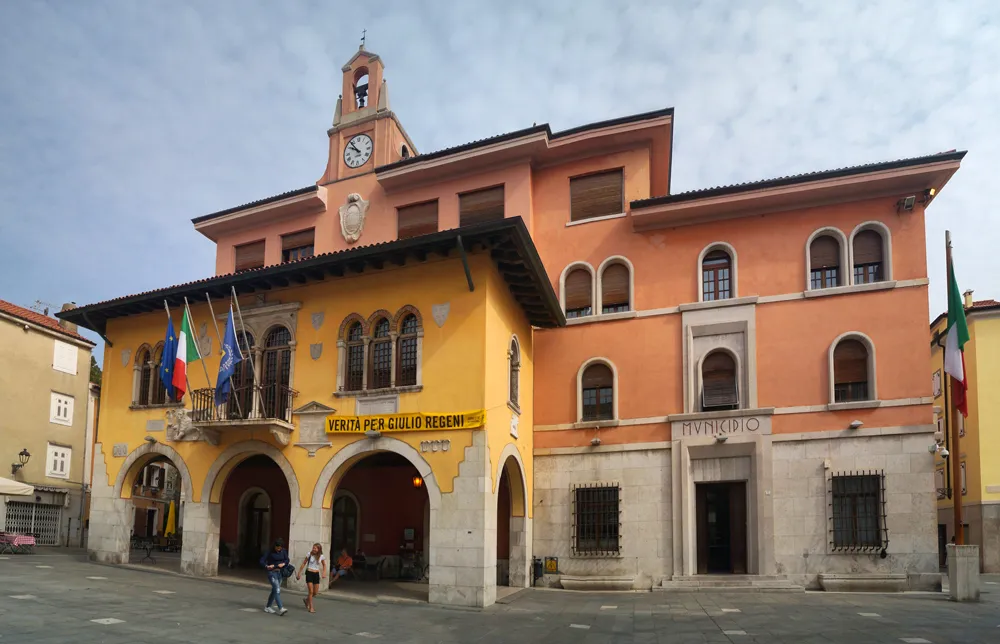
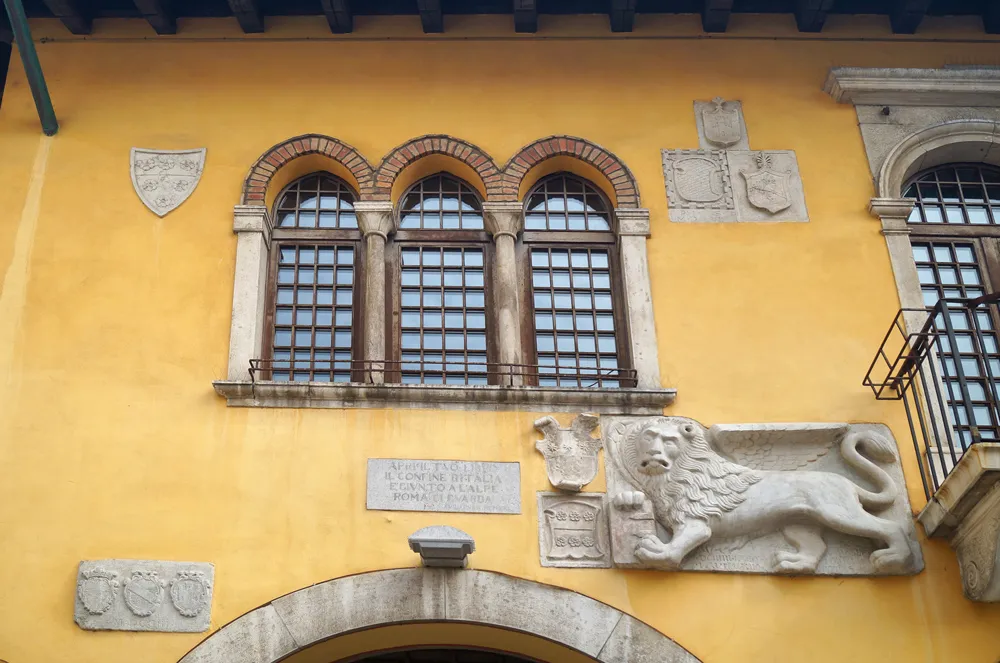
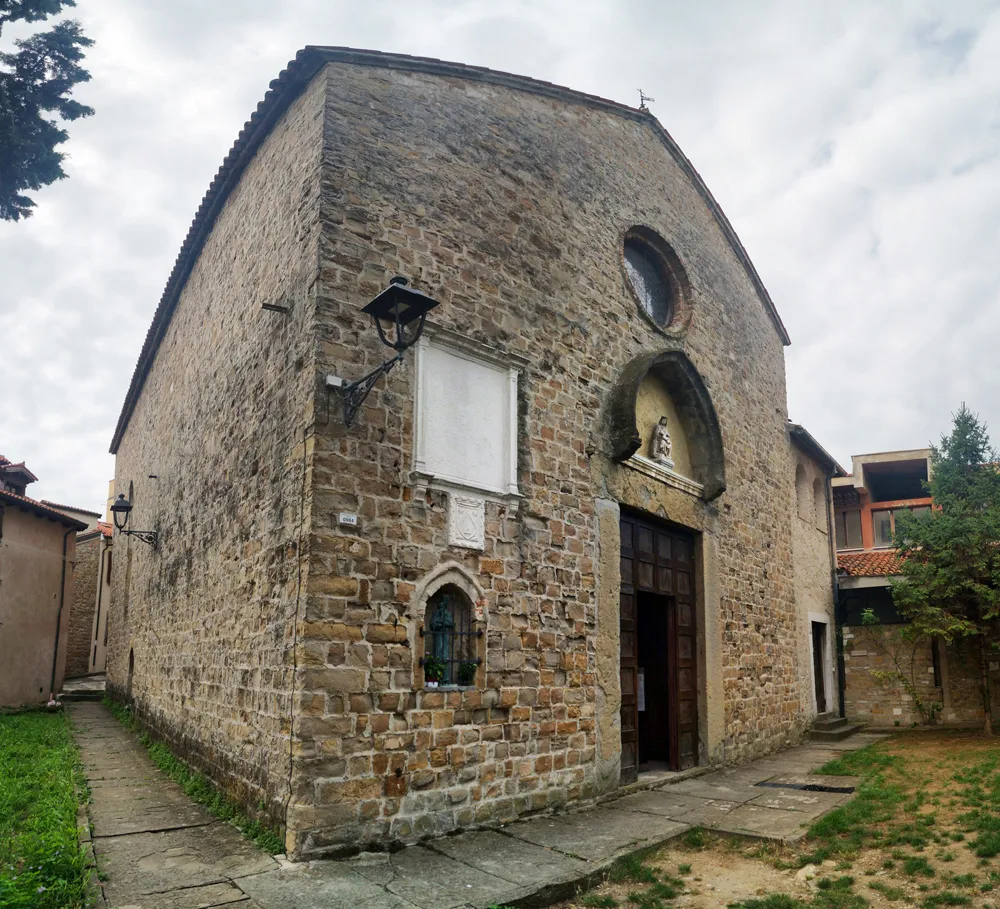
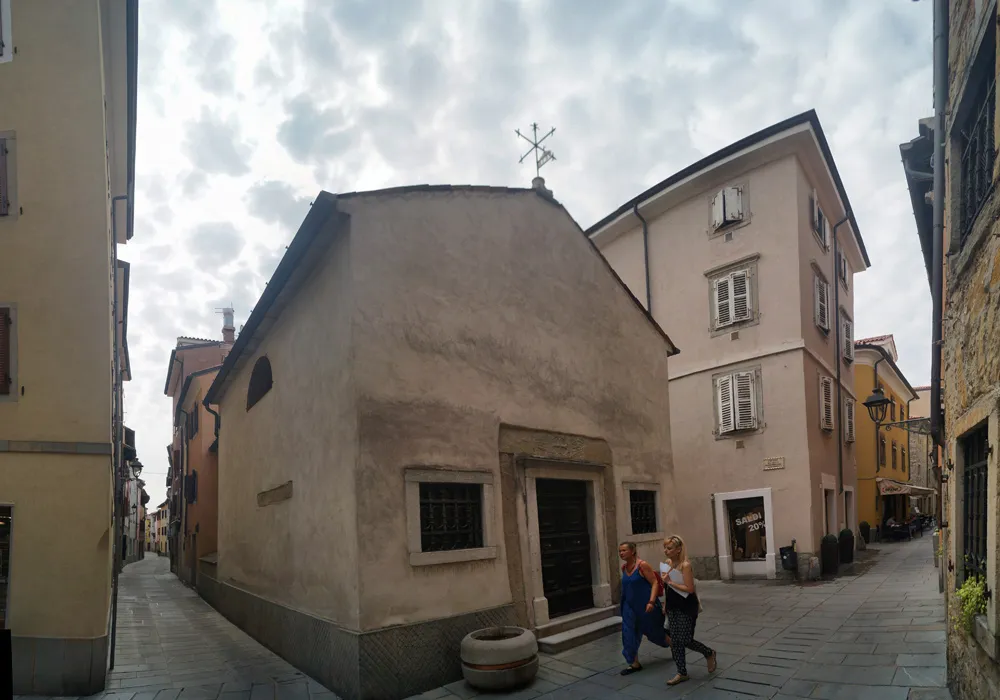
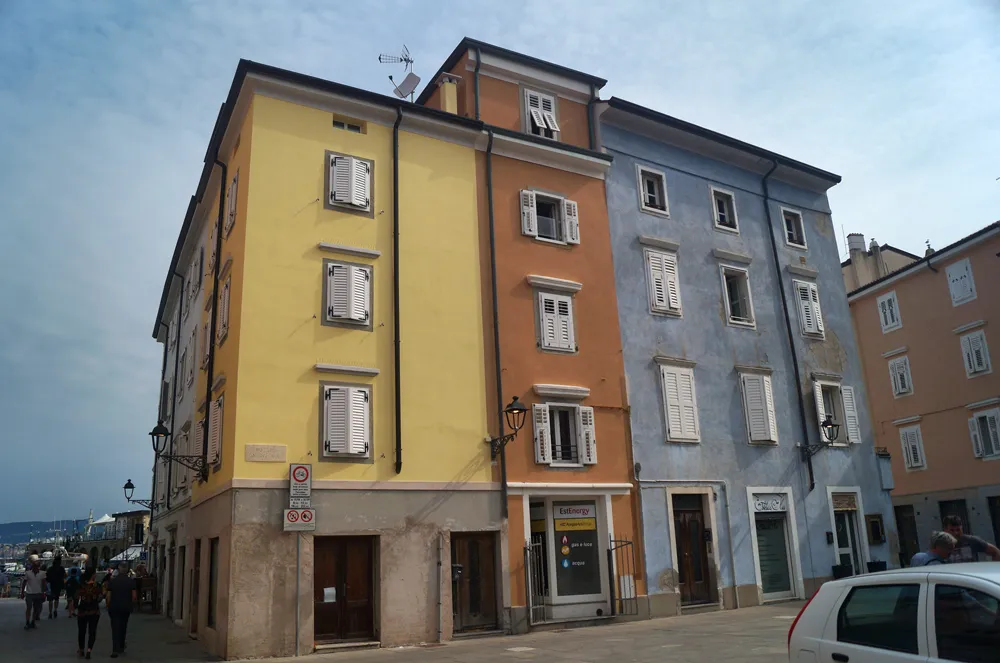
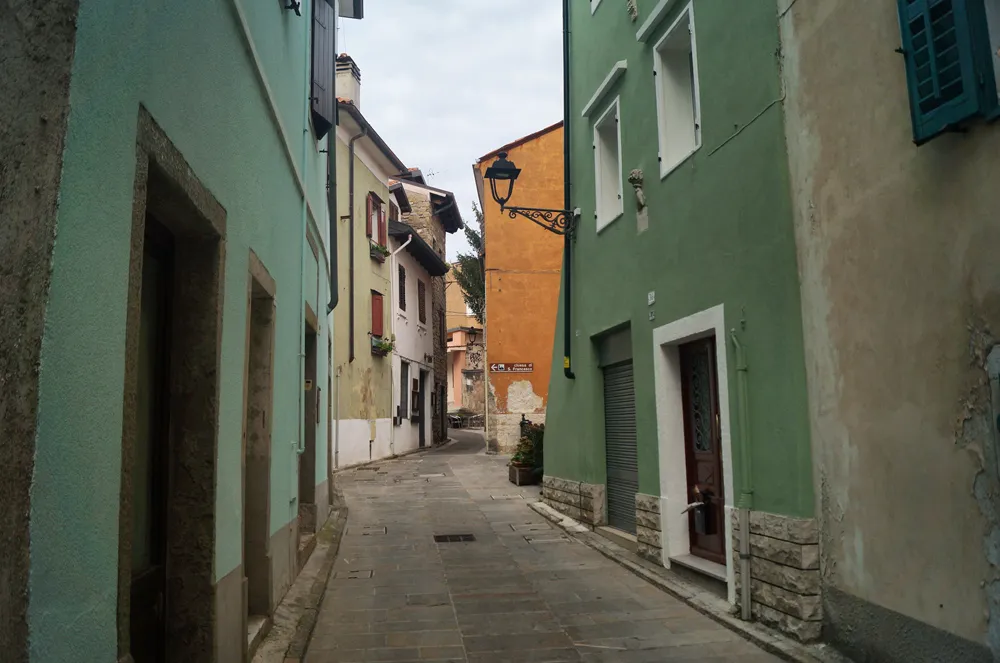
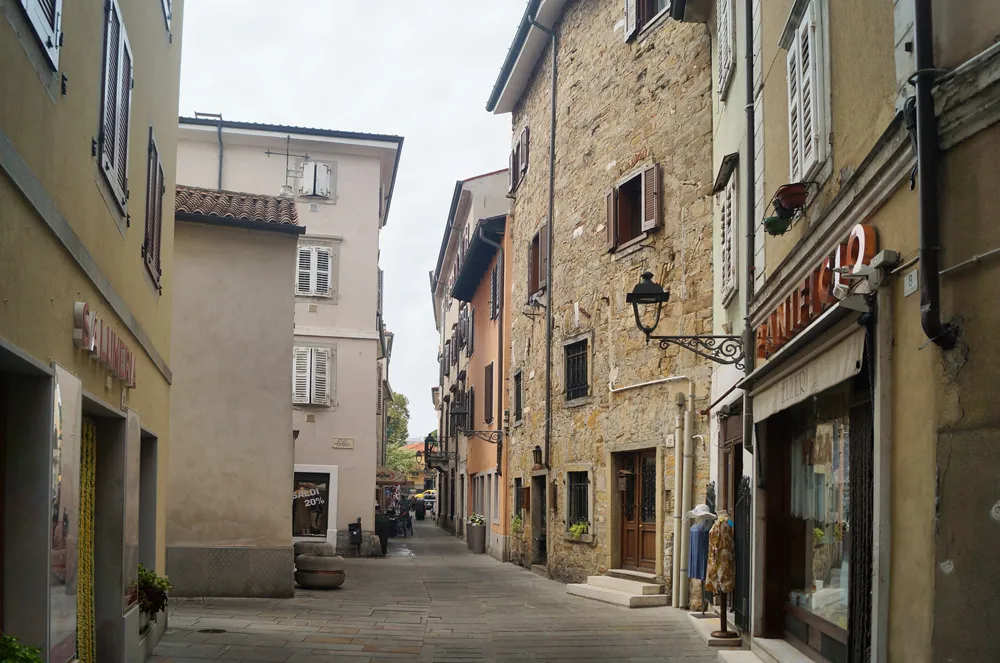
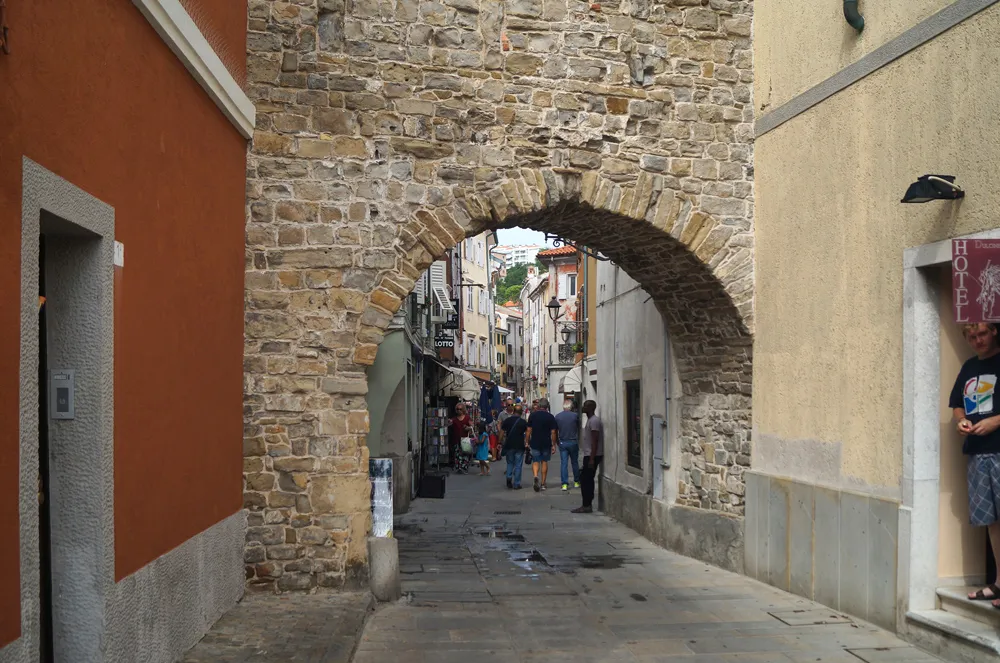
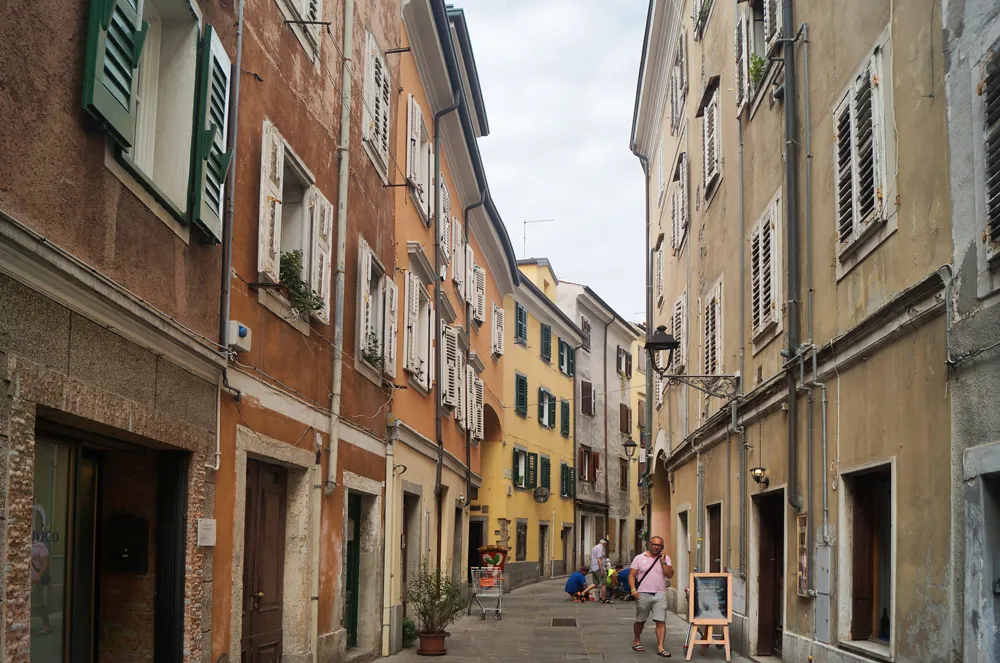
Tourists rarely visit Muggia: on the road from Slovenia they all hurry on to Venice, skipping a whole heap of curiosities, including fairy-tale Trieste. Muggia is a preserved corner of Gothic-Venetian architecture, with loggias, arches, wooden shutters and old coats of arms on the facades. All this is gathered into narrow streets that flow together to the main square, a genuine Venetian “campiello”, with the town’s main church, the town hall and the palaces of the town’s aristocracy. The main church is the cathedral of Sts Peter and Paul, built in 1293. At that time it was probably a Romanesque structure, but in the 15th century its facades were reworked in the style of Venetian Gothic.
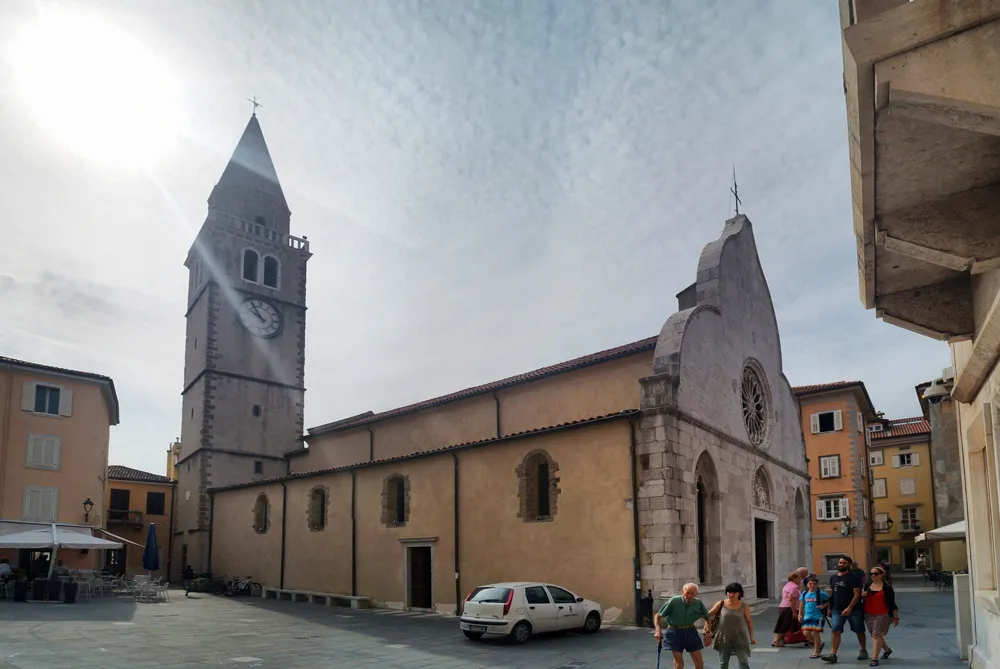
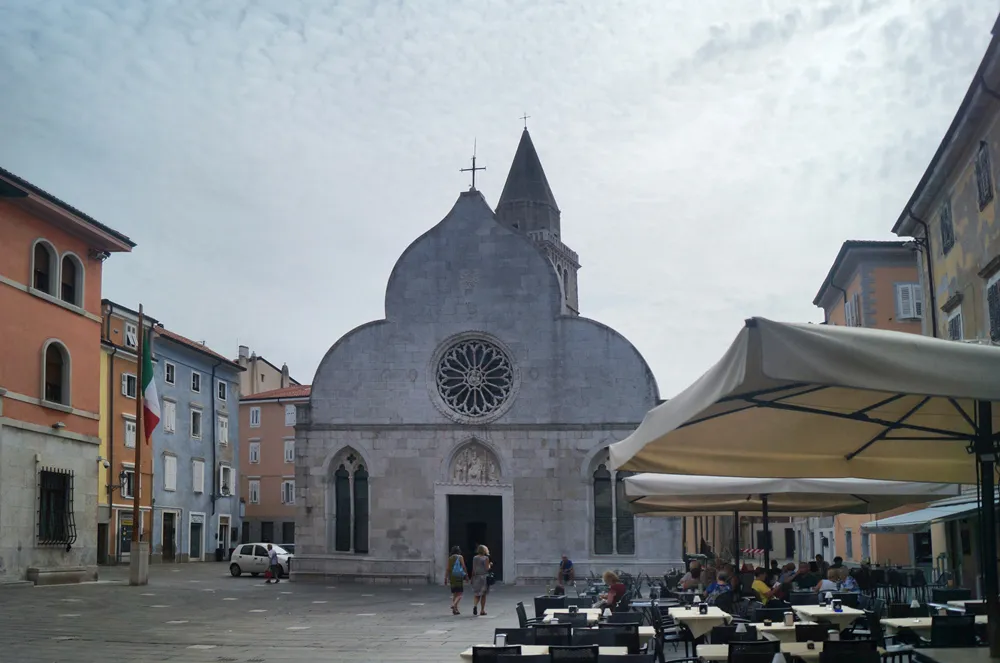
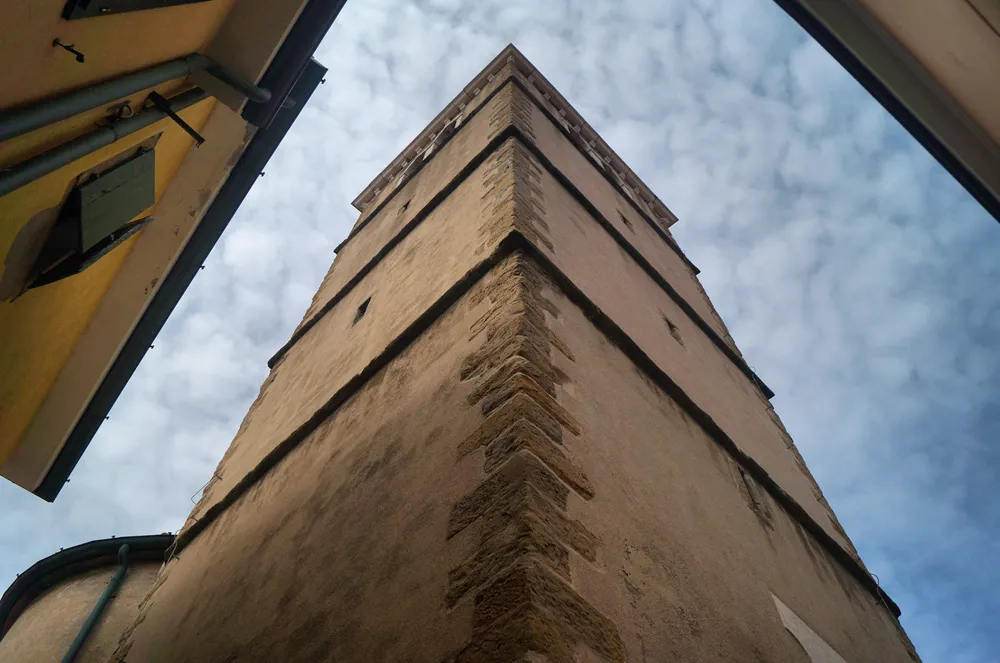
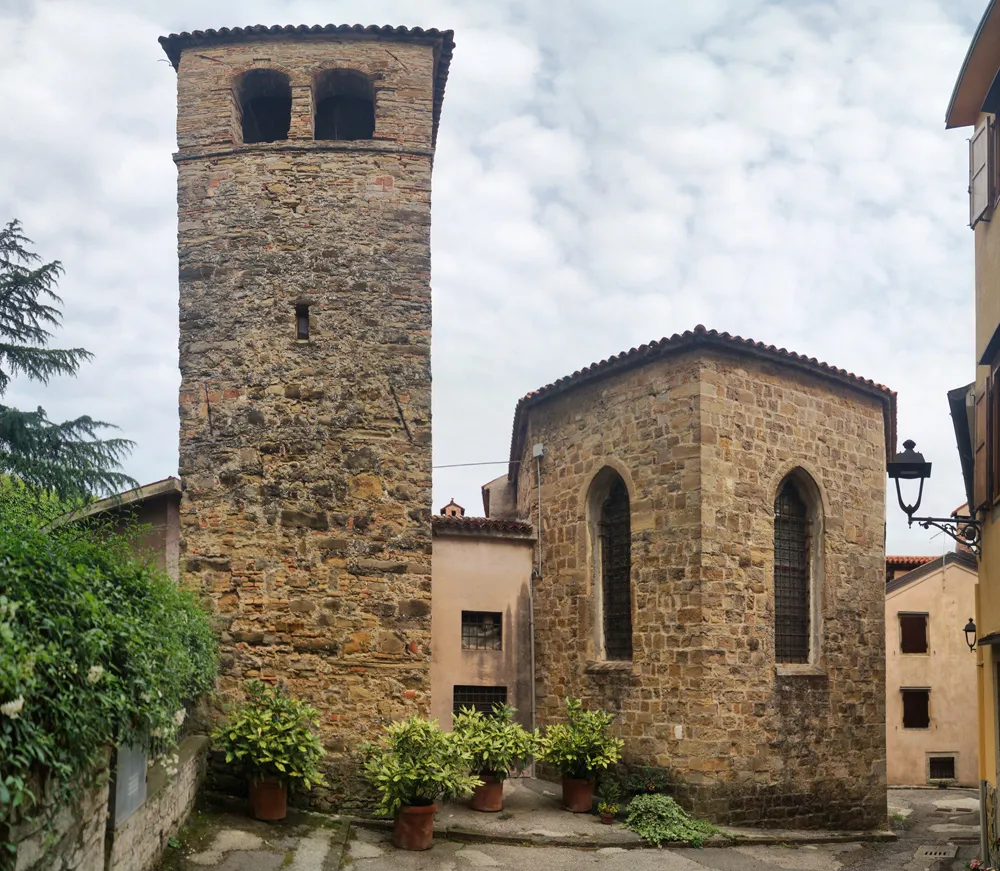
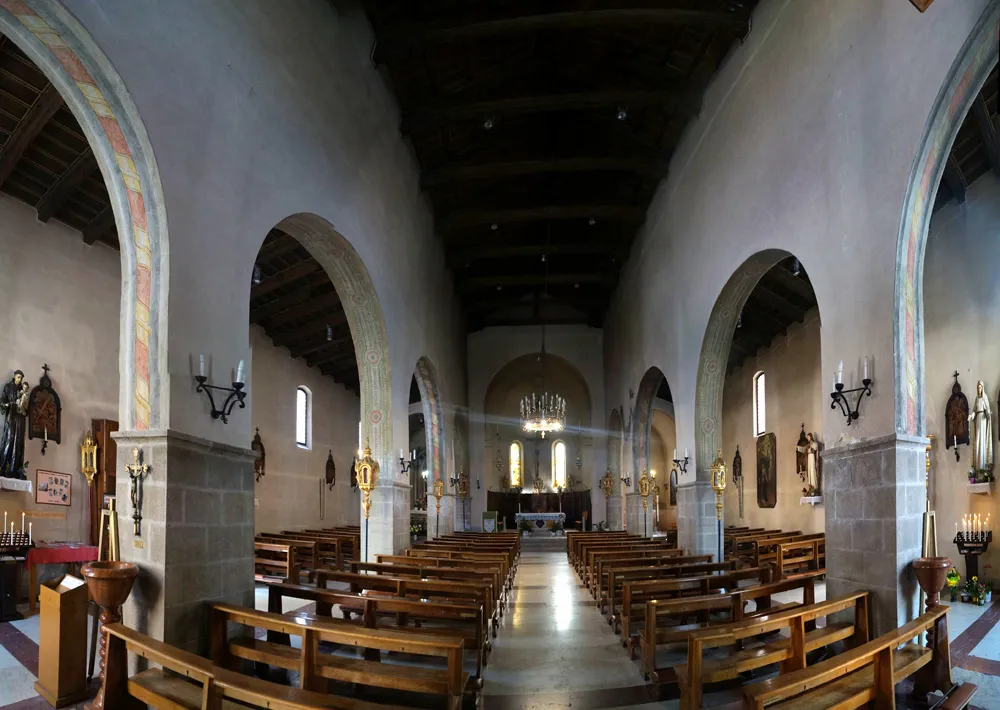
Cathedral
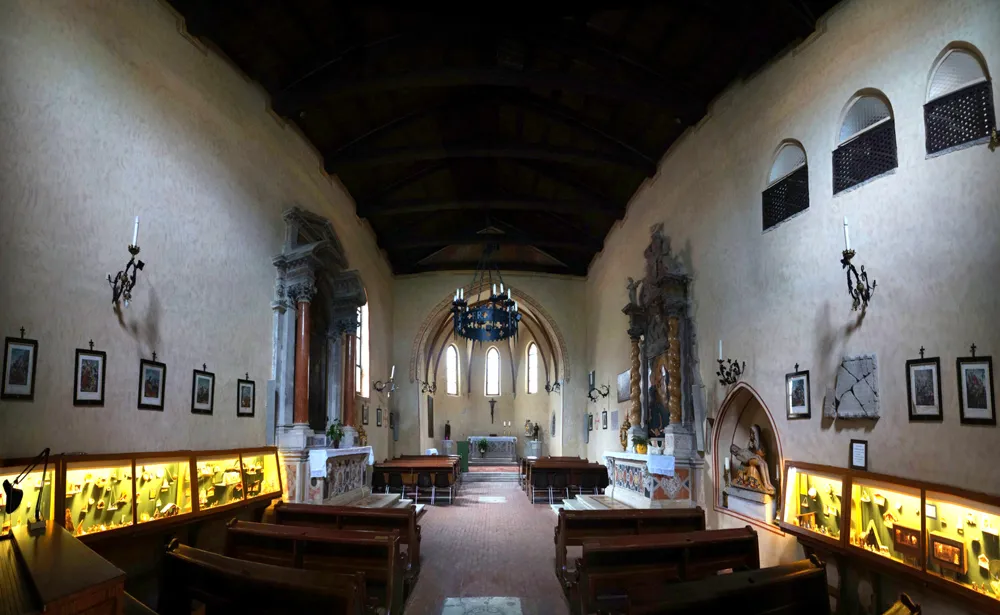
Muggia has a few more old churches (it is worth dropping into the Basilica of Santa Maria Assunta, built in the 10th-13th centuries, with wonderful 15th-century frescoes), hundreds of old stone houses, and on a hill above the town rises Santa Barbara Castle, built in the 10th century to defend the borders of Istria from the Hungarians. In 1353 it was destroyed by the inhabitants of Trieste, and in 1374 it was rebuilt, and the donjon tower that still exists today was built then. In the 19th century the castle fell into complete decay and stood for a century as a half-ruin, until the sculptor Willi Bossi bought it into private ownership and restored it. Today it is private territory, although with advance booking visitors are admitted for tours.
On the outskirts of the old town is the Muggia Vecchia archaeological park, and there are also remains of the Roman Castrum. Muggia has plenty of interest, so do not pass this town by.
Text and photos by Roman Malenkov.
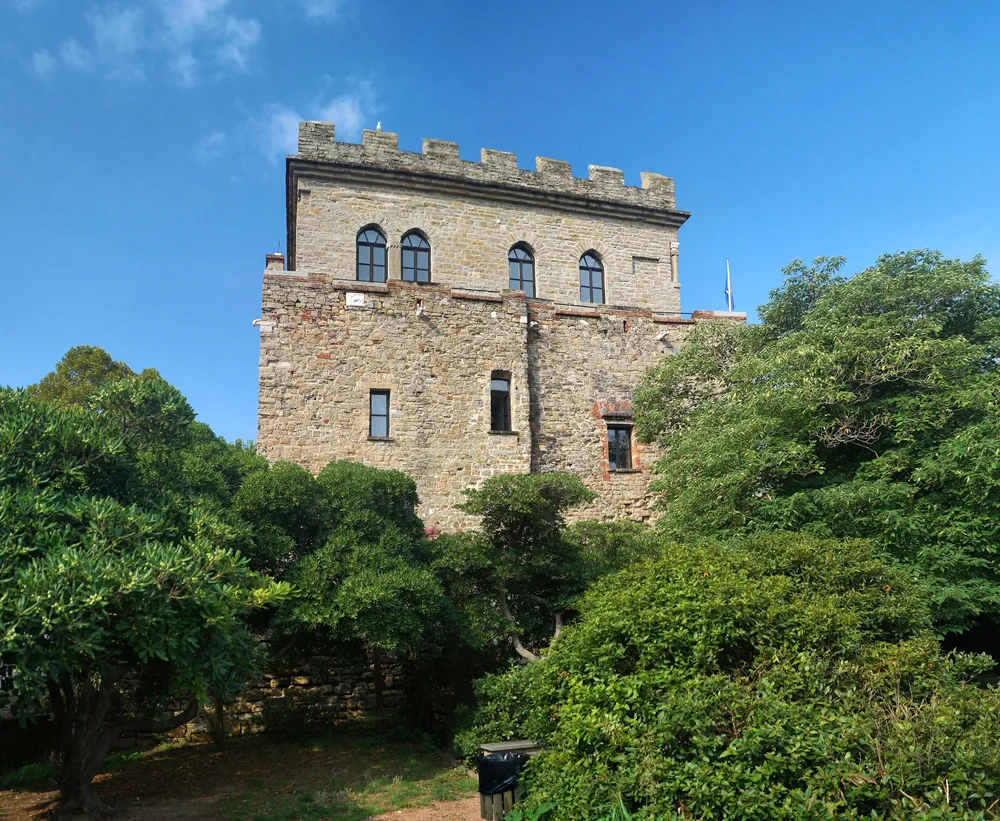
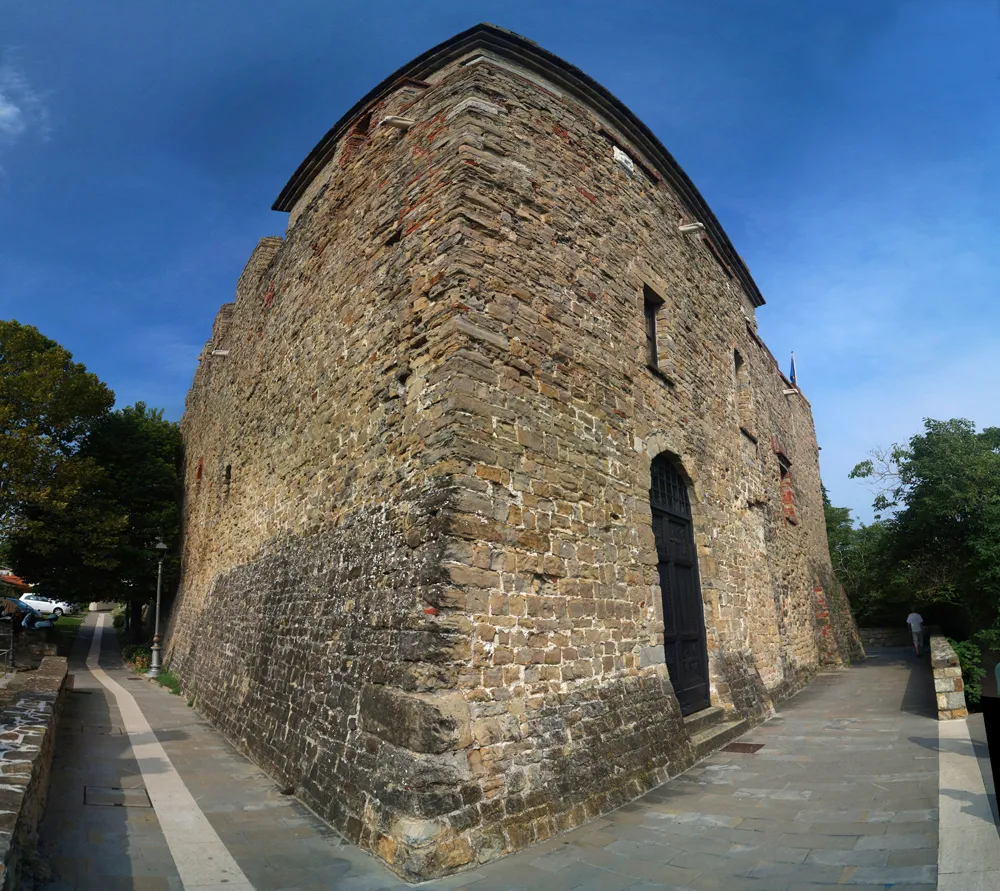
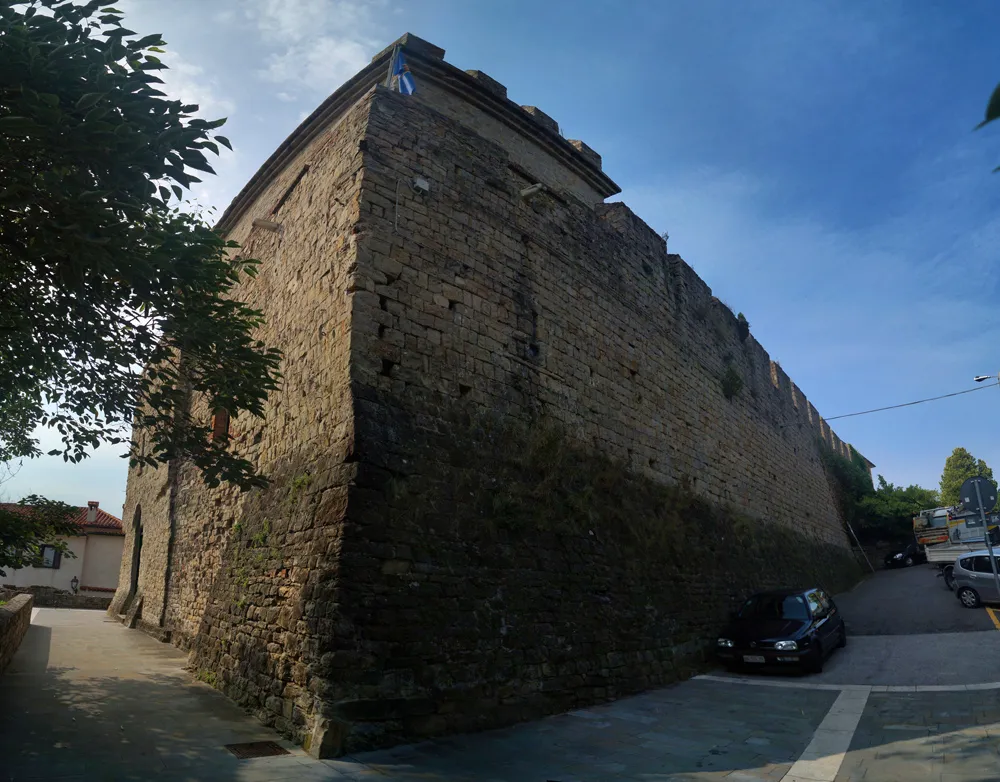
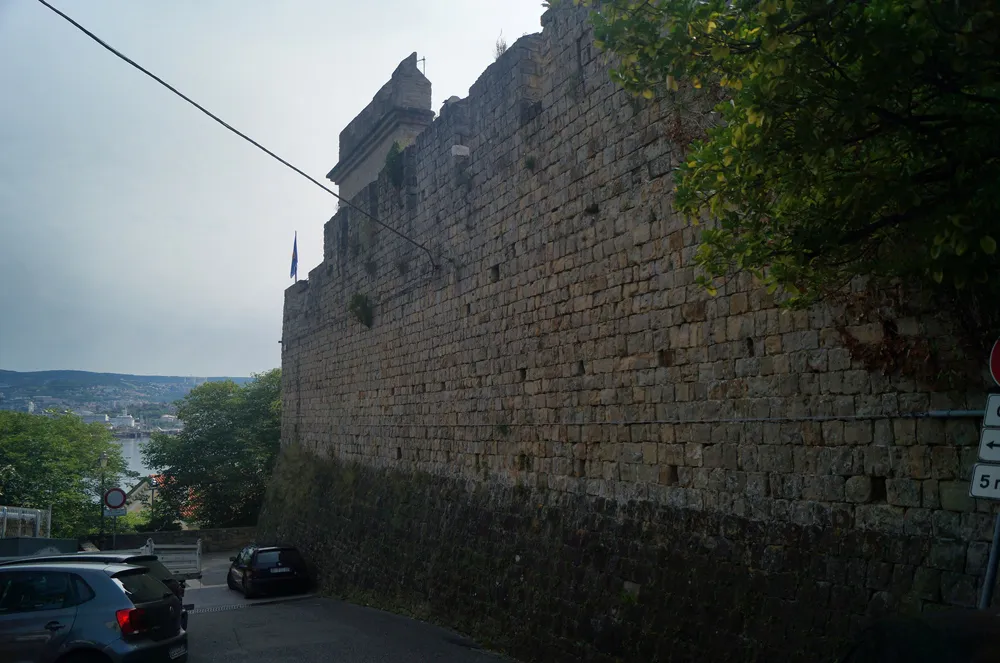
Muggia Castle