Latvia. Jūrmala

· 3 min read
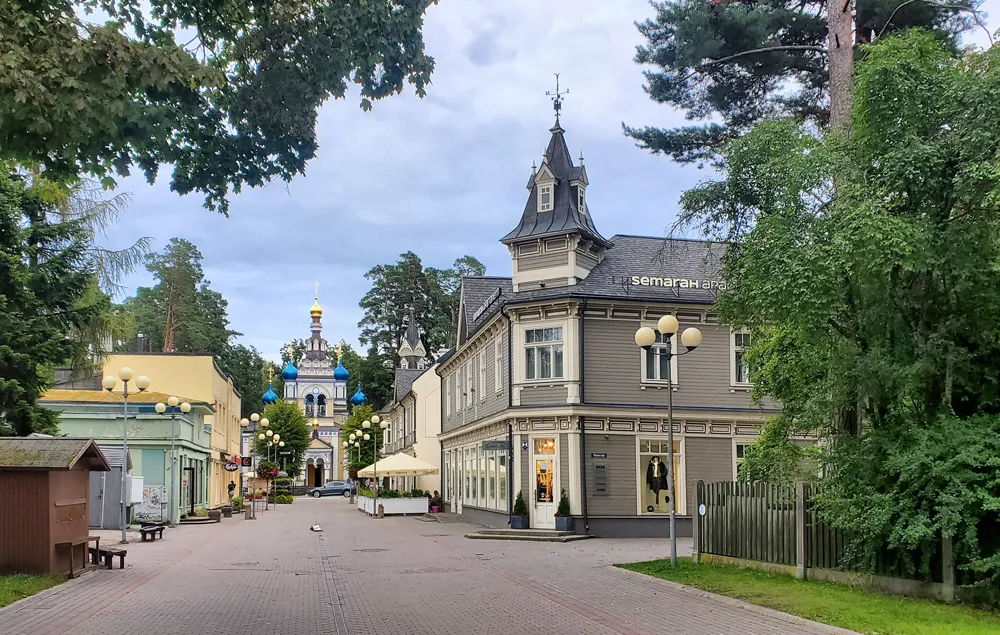
Jūrmala: it seems I have known this name almost since birth, although, trying to recall, I probably first heard it in the late 1980s or even the 1990s. All sorts of music festivals were held there, and my mother tried not to miss them, so I caught glimpses of them too. Then Jūrmala became more famous and fashionable: KVN, Comedy Club and some other Russian concert gatherings were held in it. And my daughter said she knows the name Jūrmala because it was there that President Zelensky, in front of the Russian bohemia, called Ukraine… well, you know what.
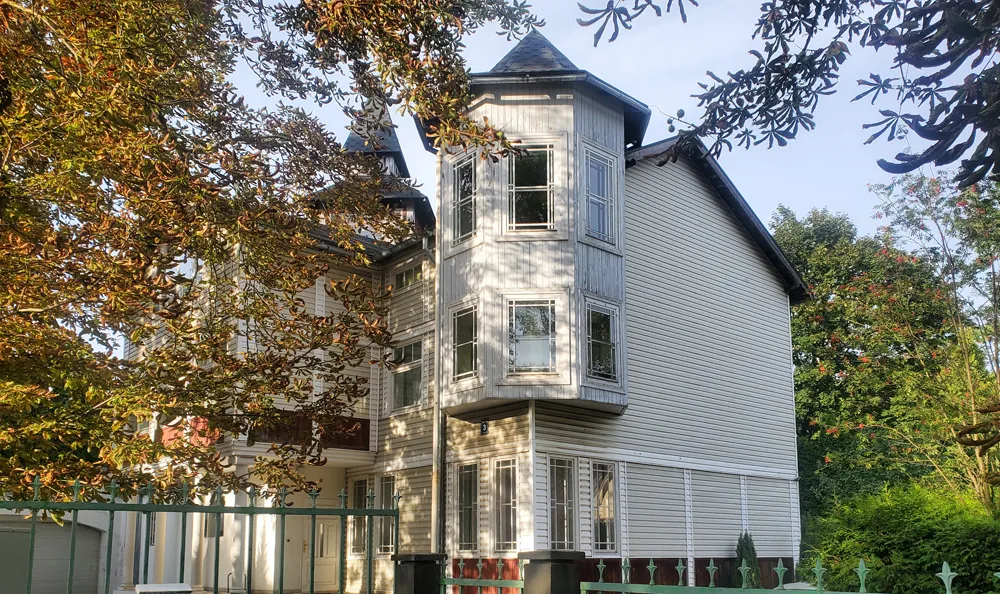
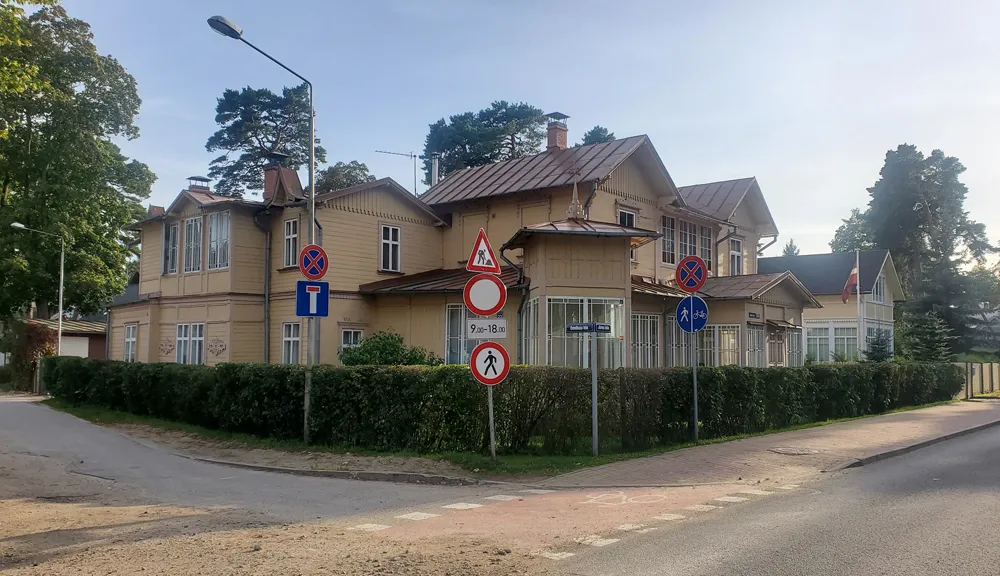
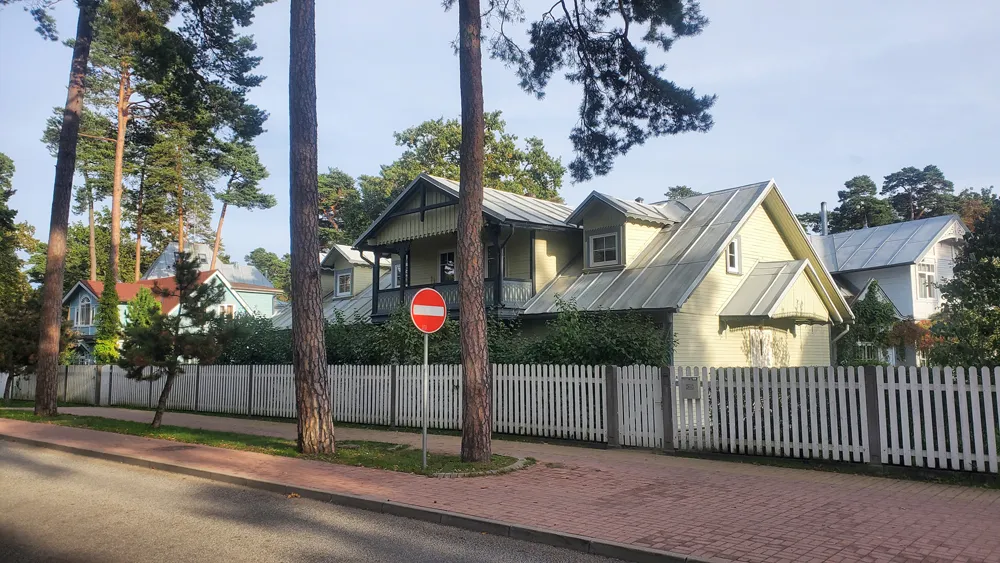
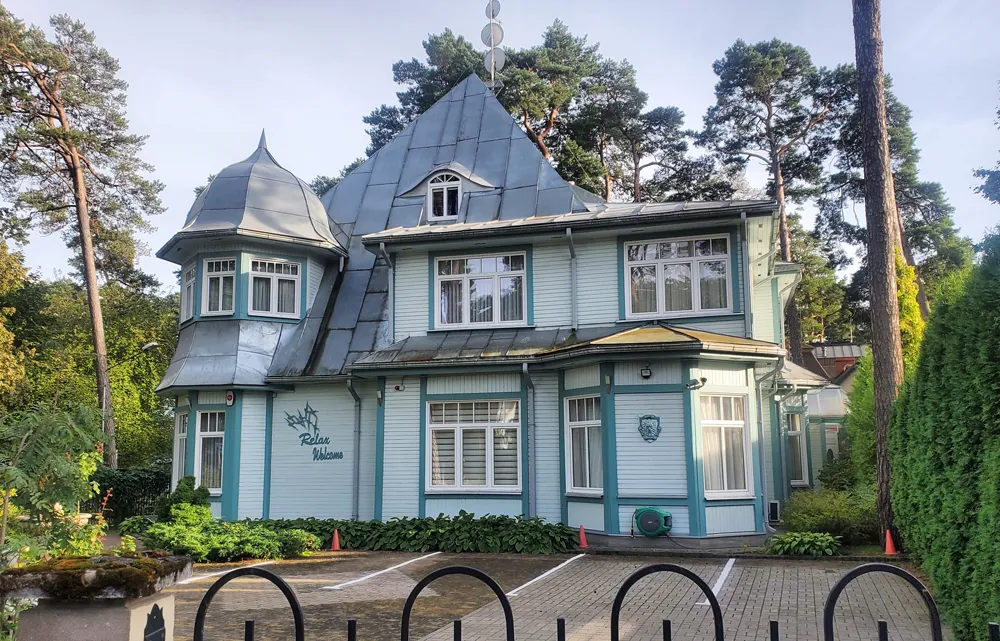
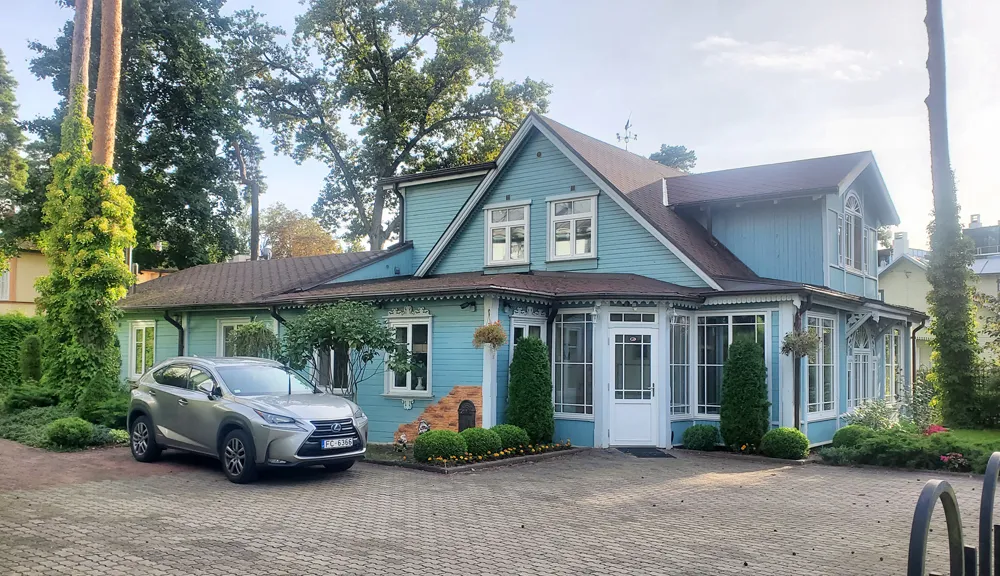
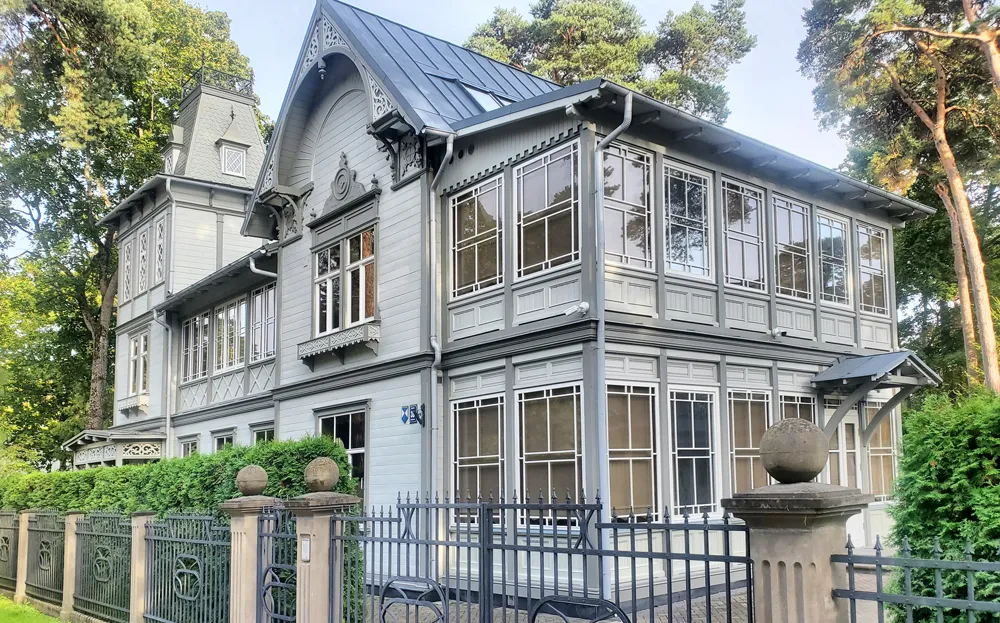
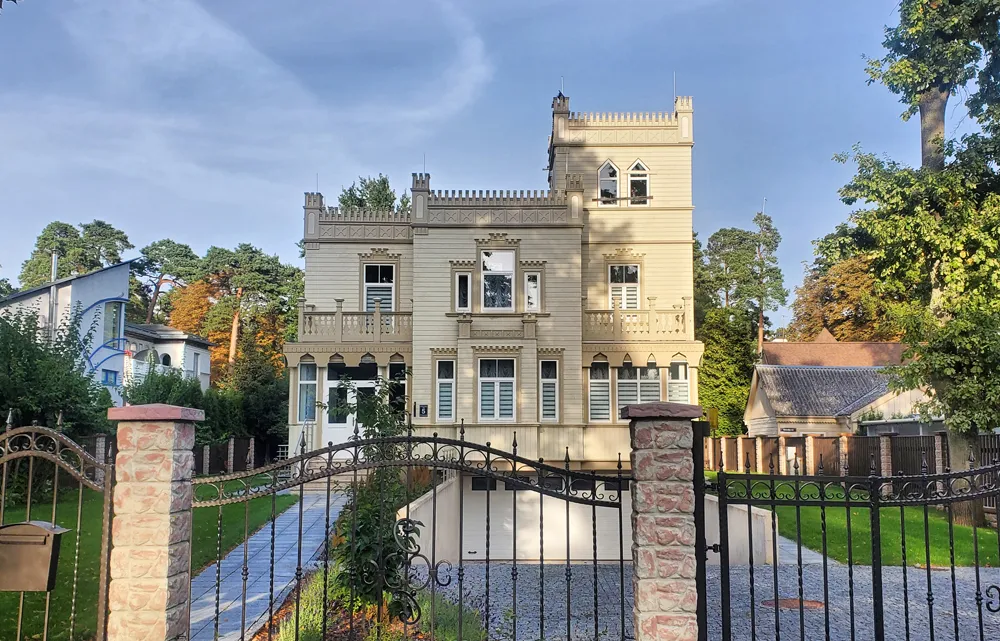
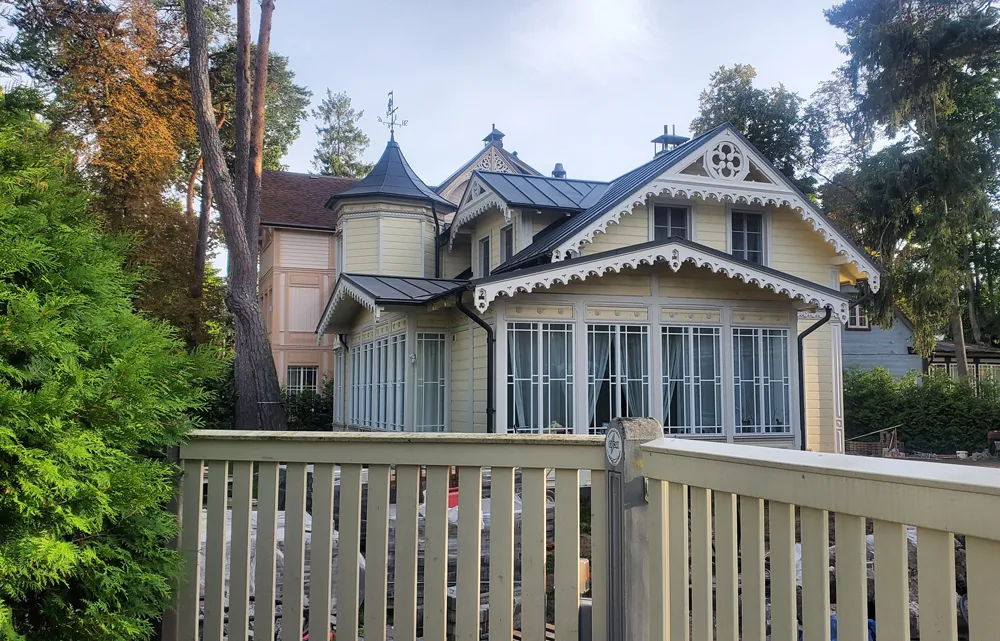
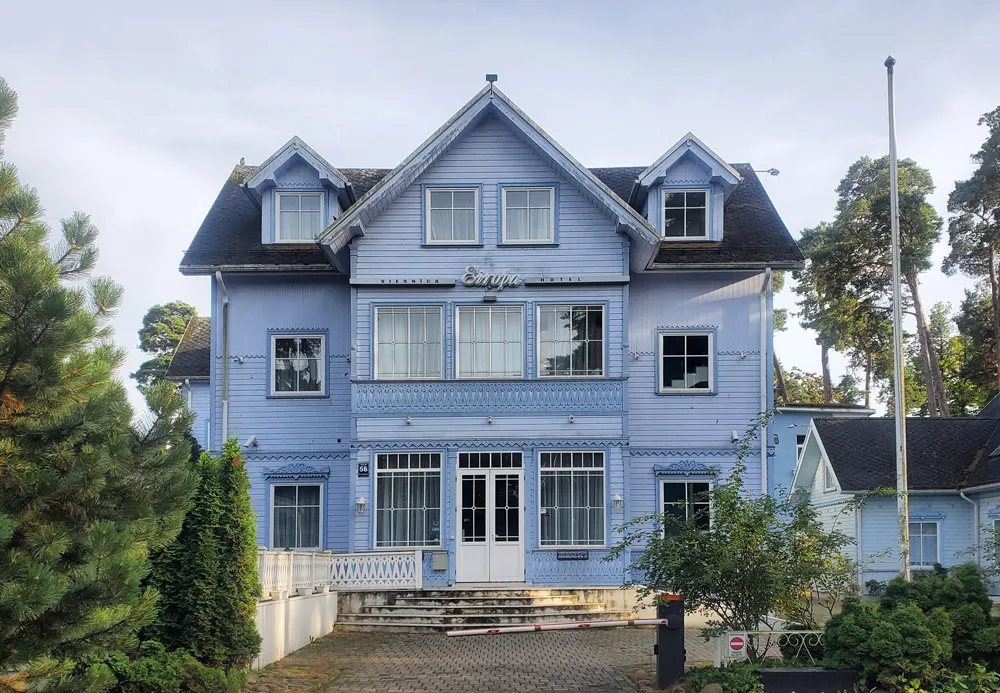
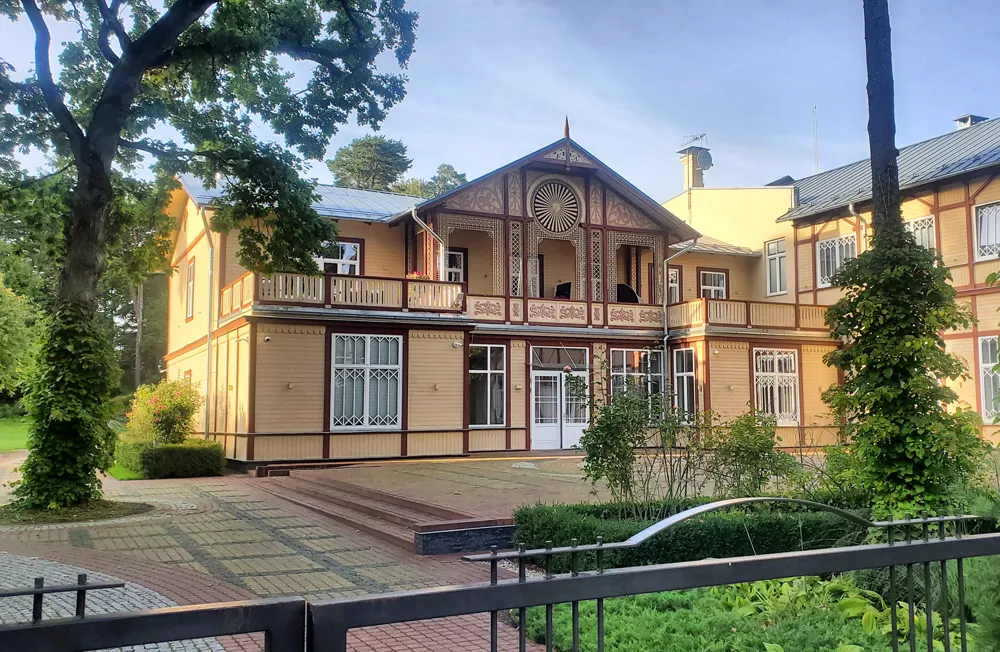
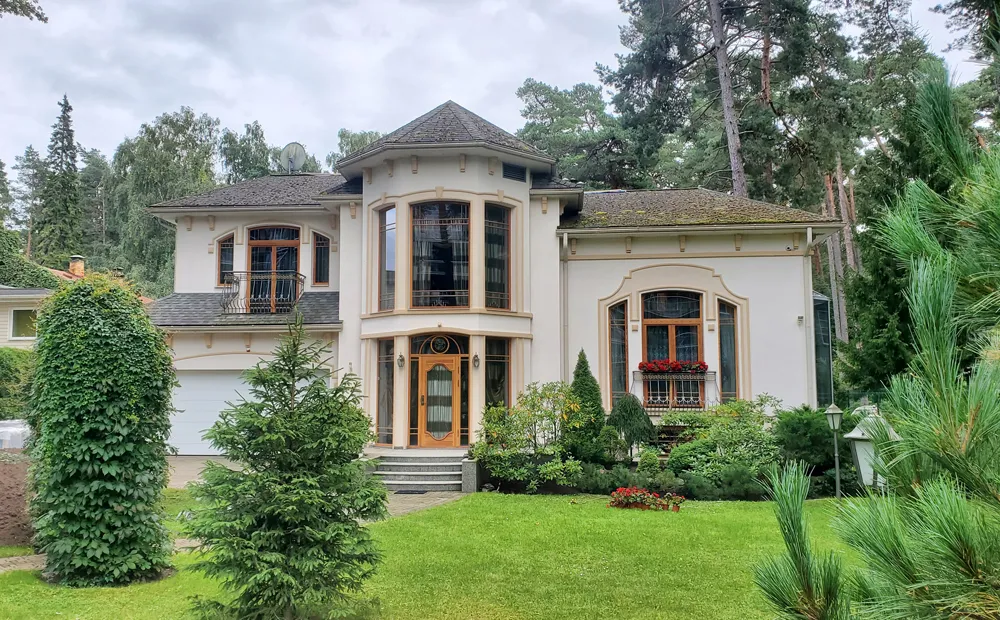
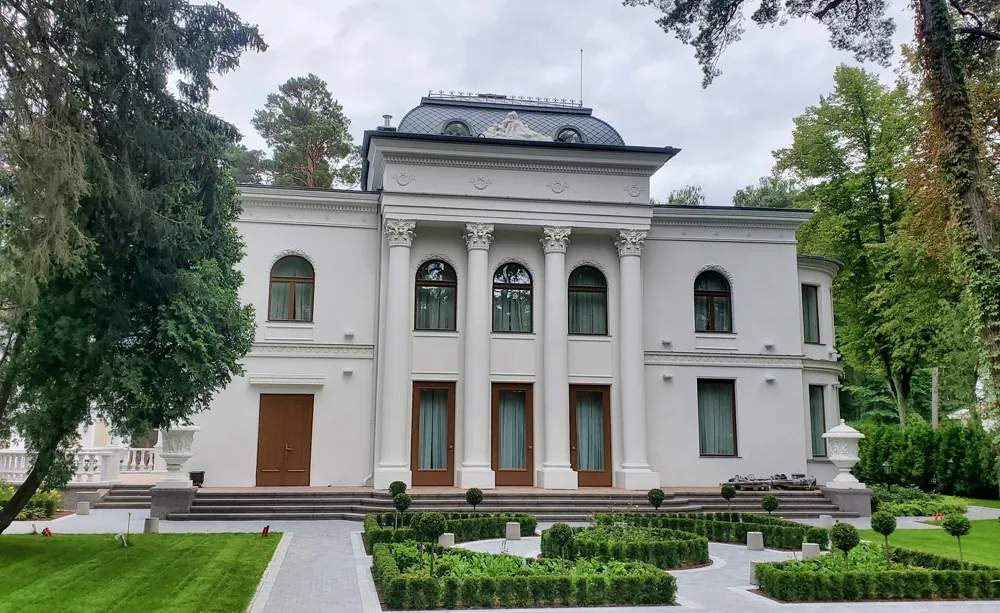
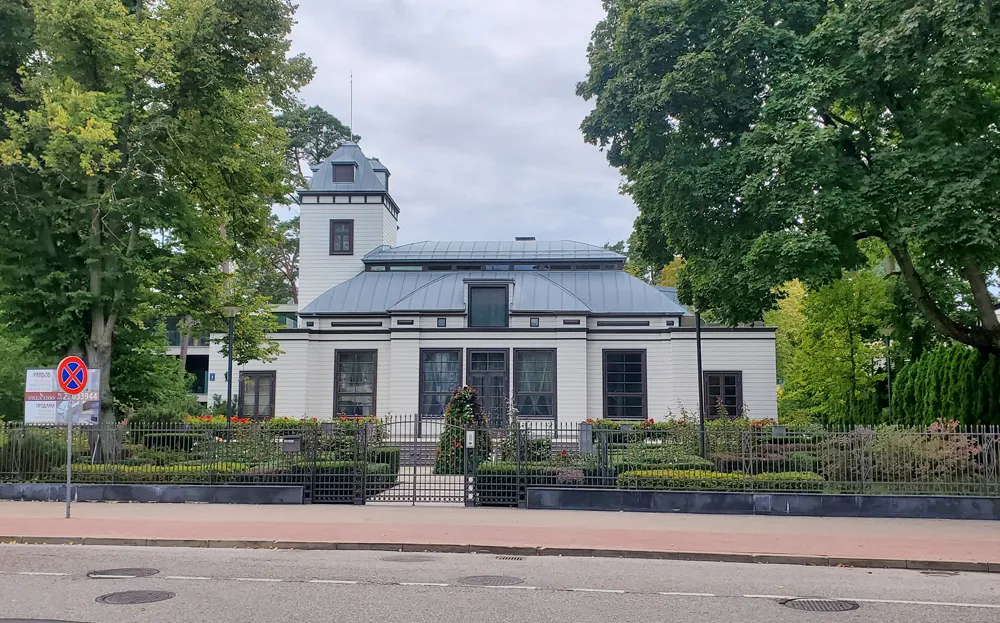
Why is Jūrmala so famous in the post-Soviet space? I understood this after I visited the city twice. Jūrmala is a centre of cosiness and luxury, a city of perfect wooden (and not only wooden) villas, small palaces and palaces. I am not sure there was another polis in the USSR with so much wonderful dacha architecture. Imagine Pushcha-Vodytsia, only much larger in size, with all its old dachas well kept and lived in, with quite a few real palaces among them, and all of it standing on the seashore.
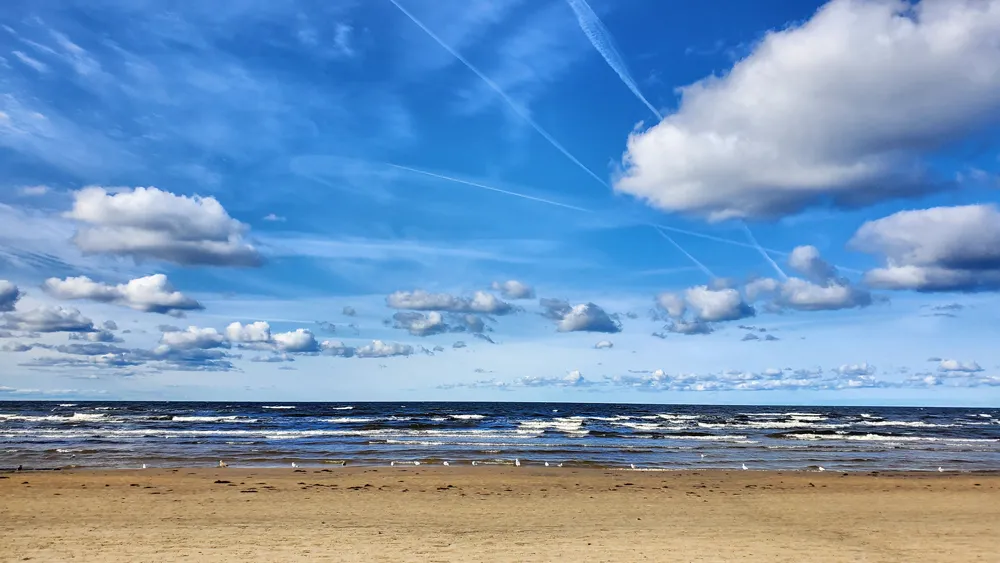
Jūrmala is 32 kilometres long. It stretches as a narrow strip along the Gulf of Riga of the Baltic Sea. The local beach is 26 km long, which is incredible. I saw blue flags flying on it, which means it is very clean. Although by early September the sea is very cold; who knows when people swim here, they say in July–August. Mostly people simply walk and stroll here.
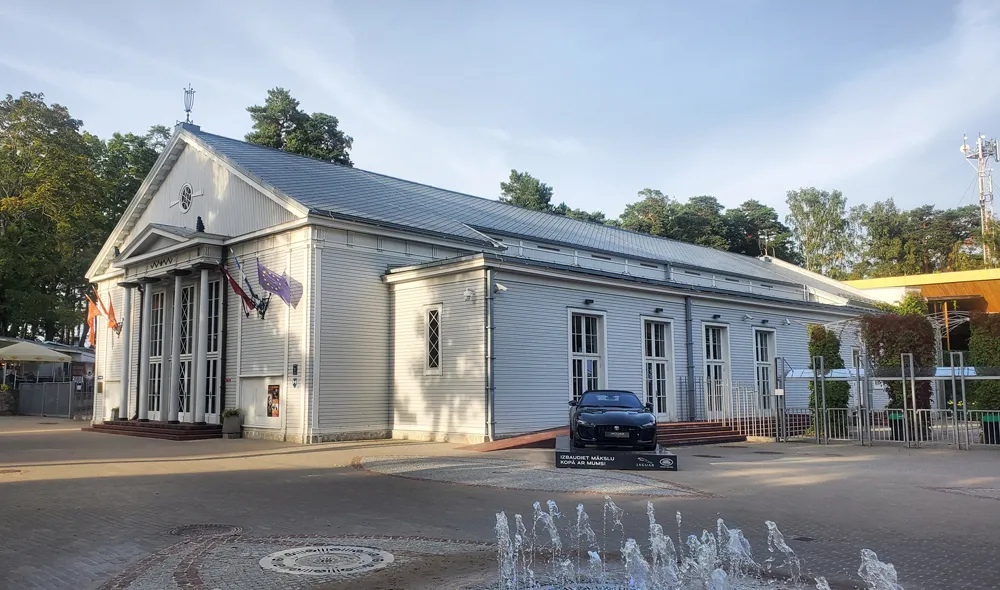
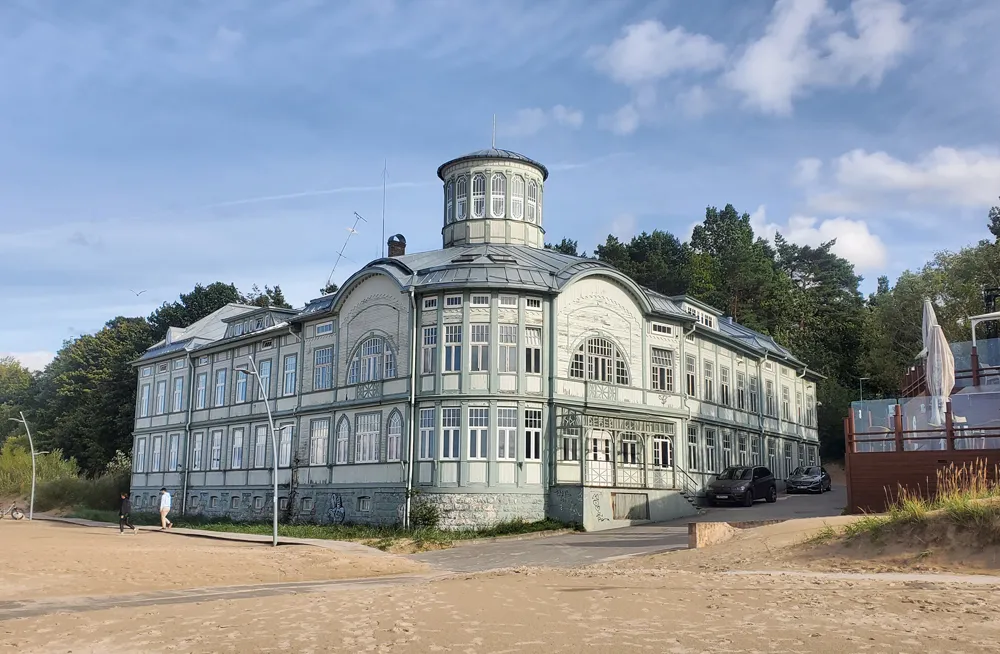
Dzintari Concert Hall. The oldest
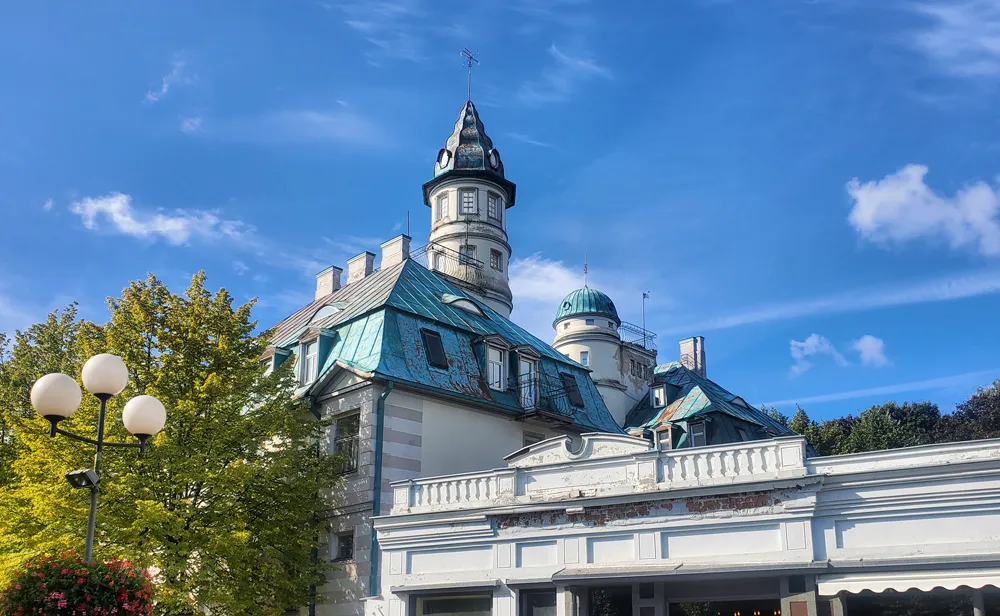
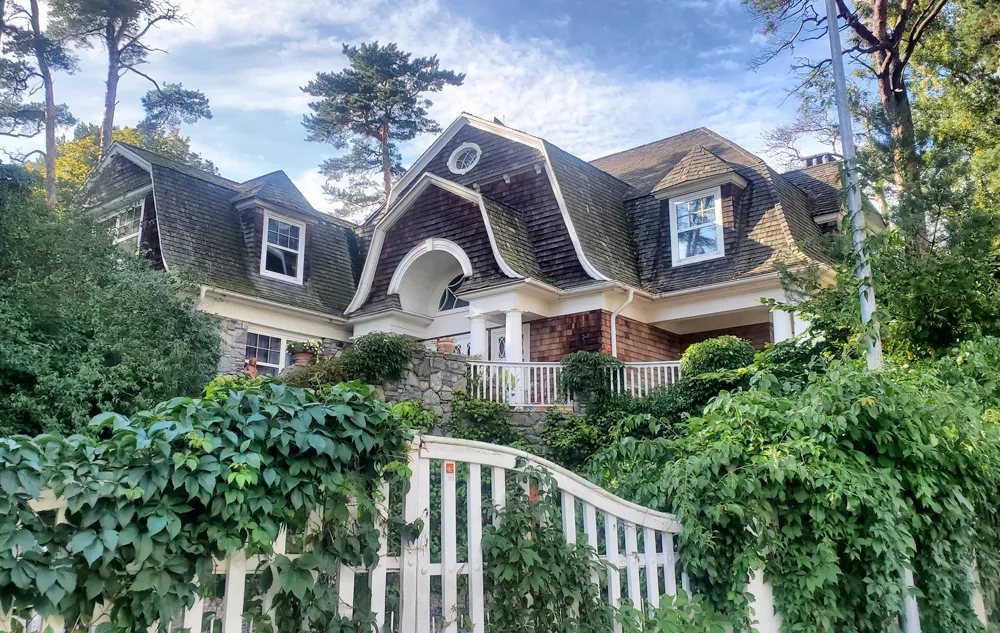
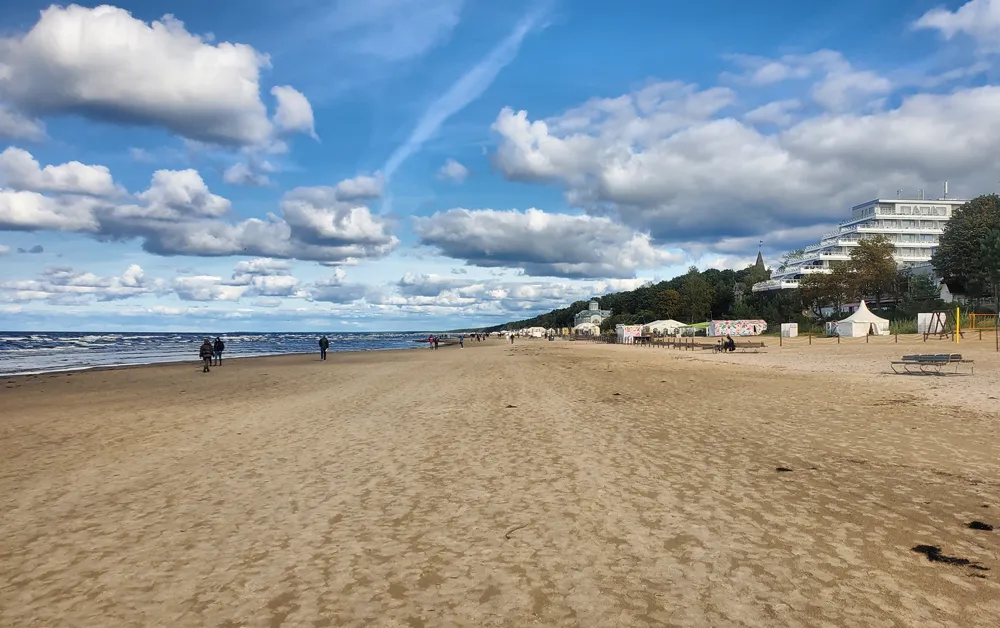
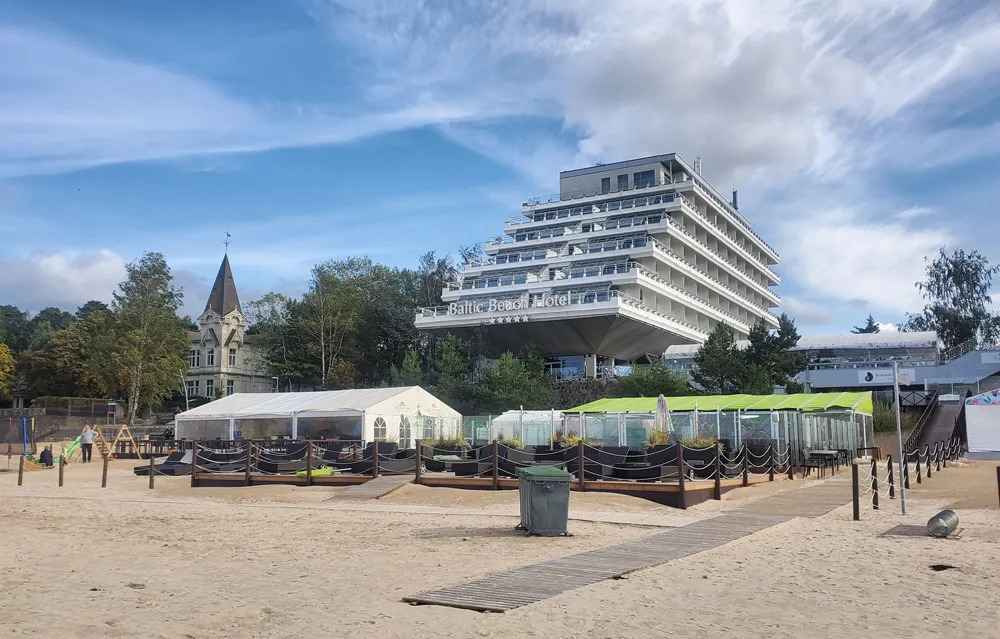
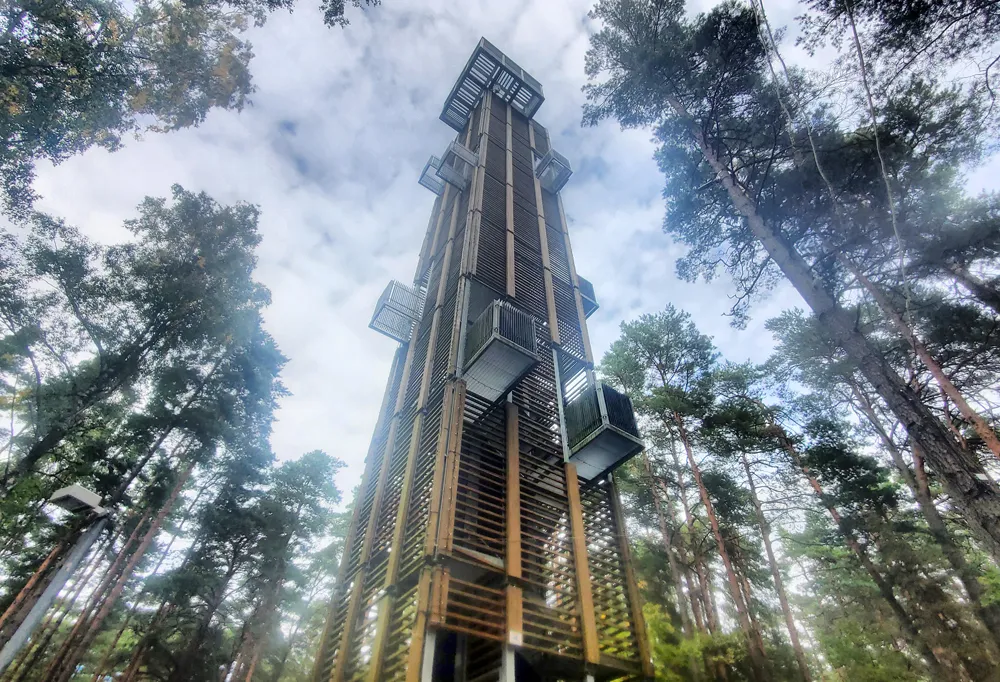
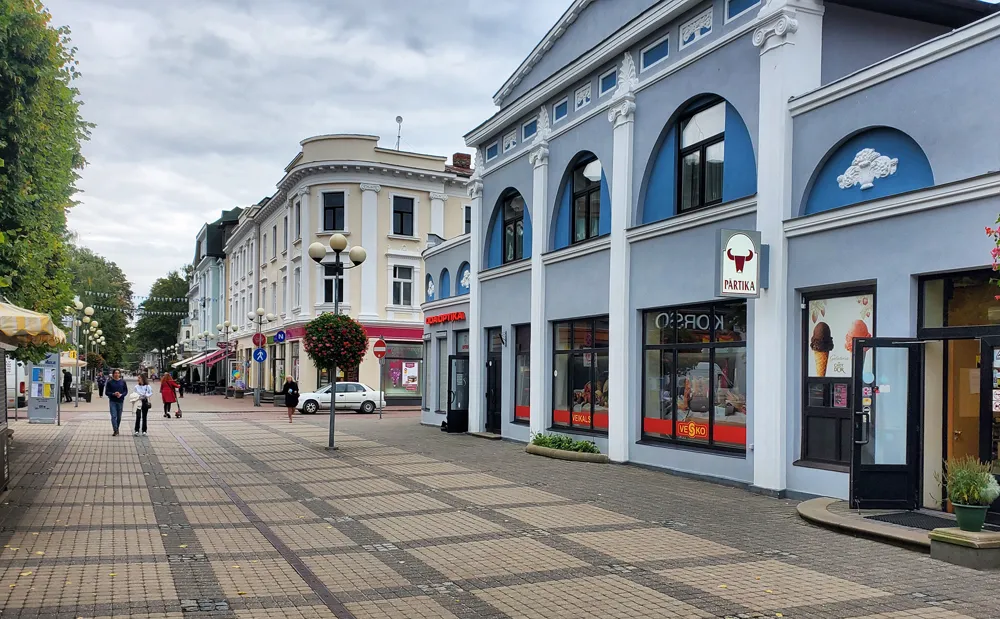
There are plenty of places to stroll in Jūrmala: the pedestrian Jomas Street with souvenir stalls and little restaurants, and numerous parks, into which the surrounding pine forest has been turned into a wonderful park with footpaths, cycle paths, little bridges and huge rope attractions. I was very surprised by the free observation tower that rises above the pines. Beautiful. And once, in the 19th century, these were poor fishermen’s settlements.
Modern Jūrmala consists of many former villages and hamlets that occupied the narrow seaside strip. As early as the beginning of the 19th century, when Latvia was part of the Russian Empire, the first bathing places were organised in the settlement of Dubulti (Russian: Dubelnoye). In parallel, the healing properties of the local mineral hydrogen sulphide waters were studied, on the basis of which a mud and water clinic was created. Later resorts were opened in the neighbouring villages and in the town of Kemeri. The latter received the status of a State Resort of the empire in 1838. Naturally, state officials went to a state resort. A great advertisement. Construction of dachas began, real palaces started to appear…
In the 19th century all the settlements of Jūrmala had German names. They were adapted to Russian pronunciation or renamed, but today they are parts of the city and have Latvian names: Majori, Dubulti, Lielupe, Asari, Bulduri, Dzintari. After the concert hall was built in Dzintari in 1936, the centre of Jūrmala moved to this very part. The concert hall itself, wooden, by the way, became famous as one of the best in Latvia, at that time (1918–1940) an independent country. Then it was popular in Soviet times, it was extended and enlarged, and in 1986 Central Television chose the Dzintari concert hall for an all-Union song contest, and by then everyone had learned about Jūrmala.
At the end of the 20th century and the whole beginning of the 21st, Russians bought up real estate in Jūrmala. They say they make up 80% of holidaymakers here in summer, and in general I did not hear the Latvian language here at all; everything was Russian. Mass Russian concerts took place in Jūrmala until 2014, the year of Russian aggression against Ukraine. After that, many representatives of Russian show business were banned from entering Latvia, and only Latvian concerts remained. How it will go further, who knows. Everyone likes Jūrmala, and I think it will not be lost even without Pugacheva and Kirkorov.
Text and photos by Roman Malenkov.