Vilnius

· 8 min read
Vilnius is the former capital of a major European state, the Grand Duchy of Lithuania, and ours as well. Sarai, Kraków, Warsaw, Vienna, Moscow, Saint Petersburg, Vilnius: lacking a state of its own, Ukraine had many capitals, and Vilno, as the city was then called, was not the worst of them. Most of its rulers were very loyal to Rus and the Ruthenians, and some members of the Lithuanian princely dynasties took such deep root in the Ruthenian lands that they came to be regarded as Ruthenian (Ukrainian) princes: the Czartoryskis, the Wiśniowieckis, the Ostrozkis.
Ukraine has so many ties with Vilnius that they cannot all be listed, from the Metropolitan of Kyiv and All Rus, for whom Vilno was a residence for a long time, to Taras Shevchenko and many other outstanding Ukrainians who lived in the Lithuanian capital. And Kyiv, Dnipro and Donetsk are Vilnius’s sister cities.
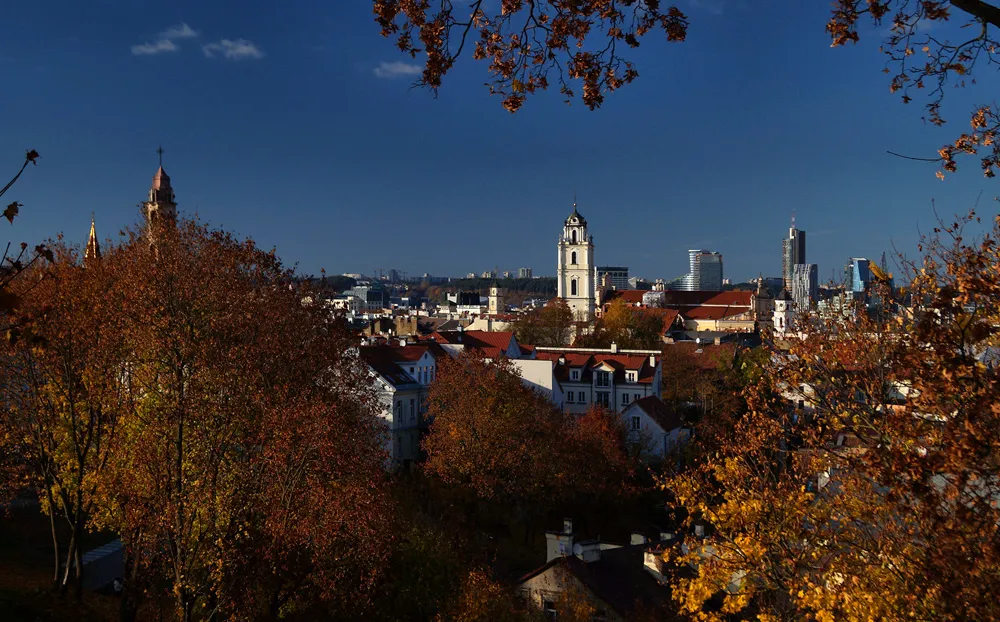
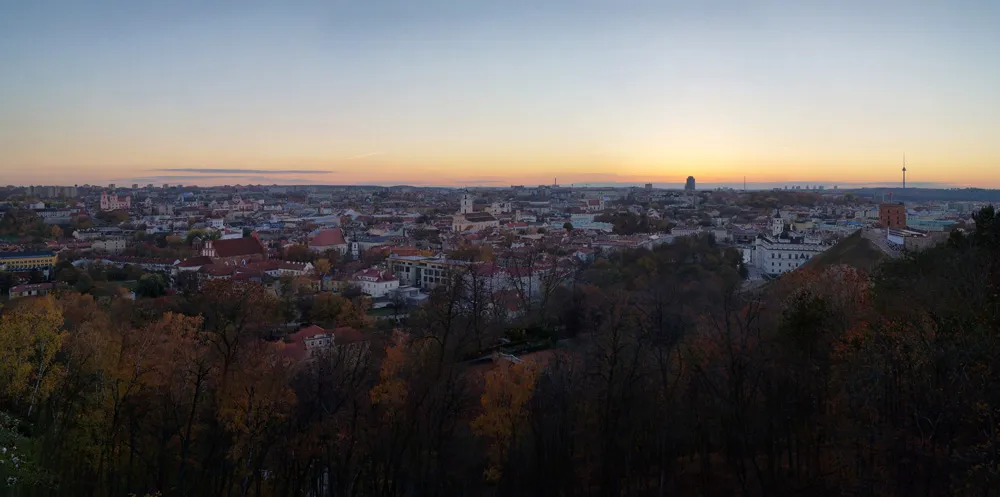
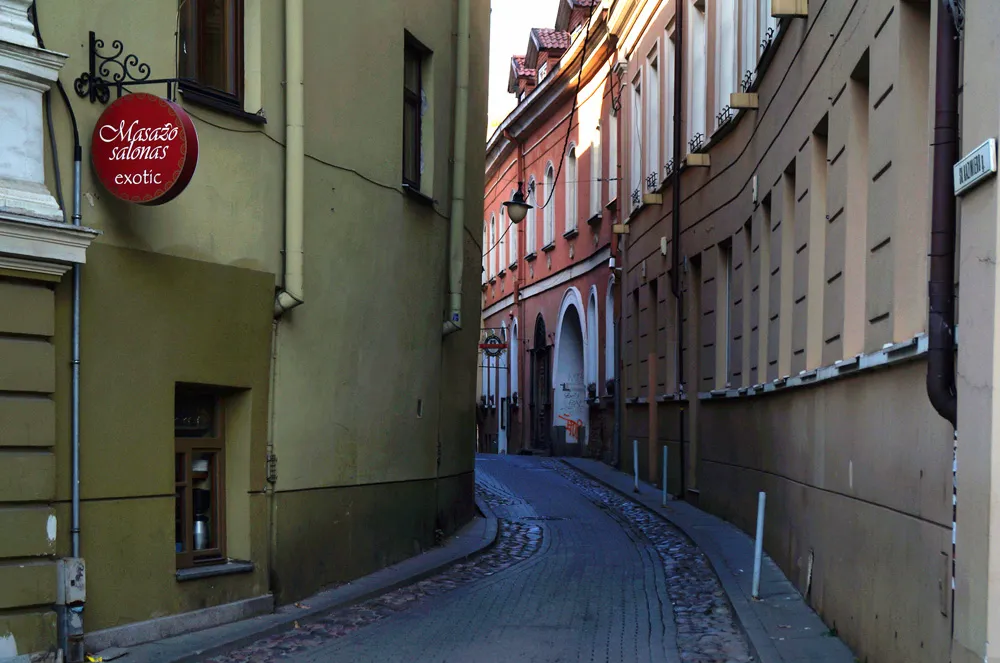
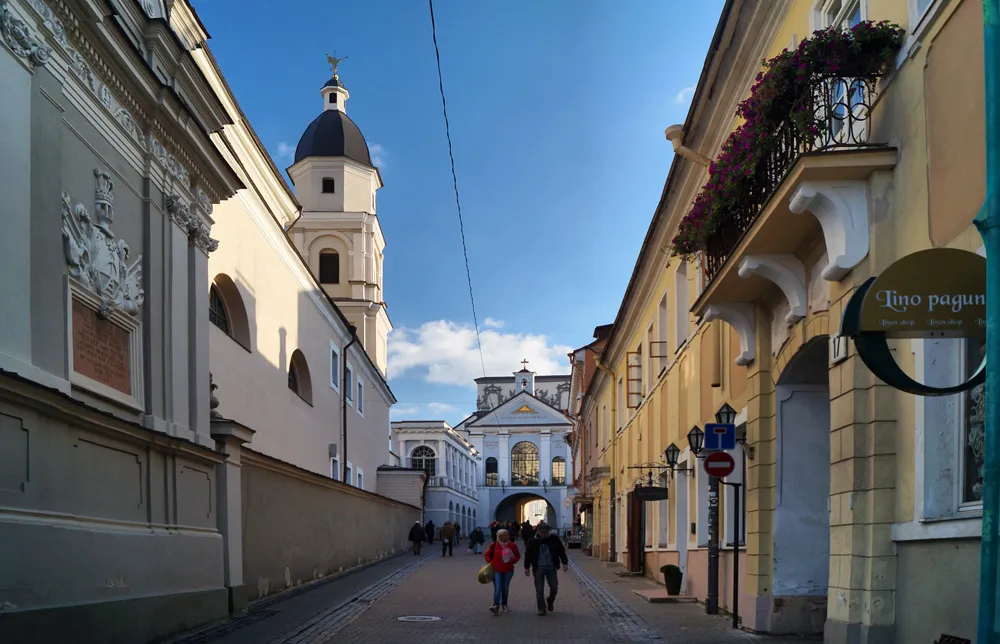
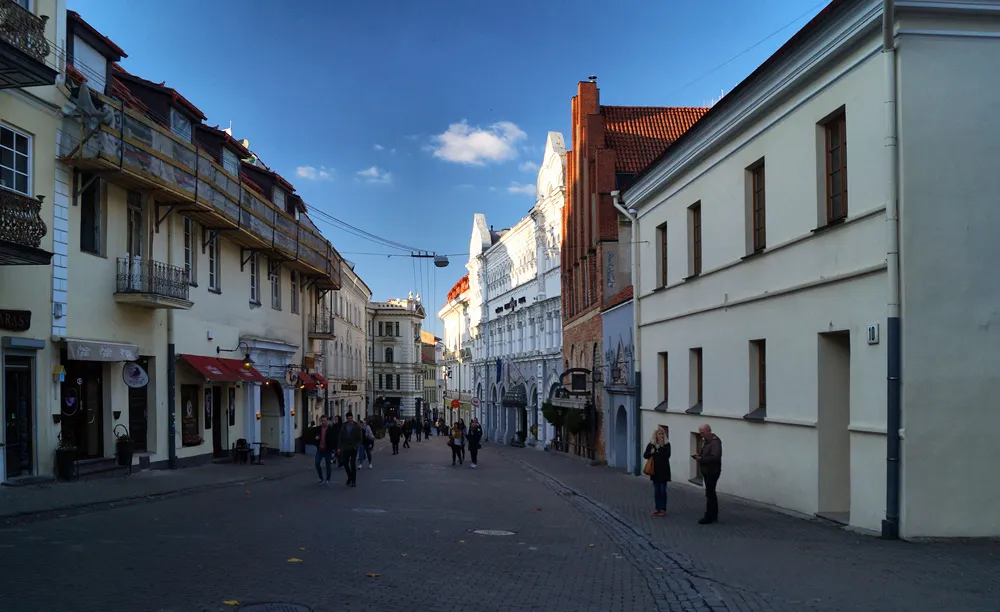
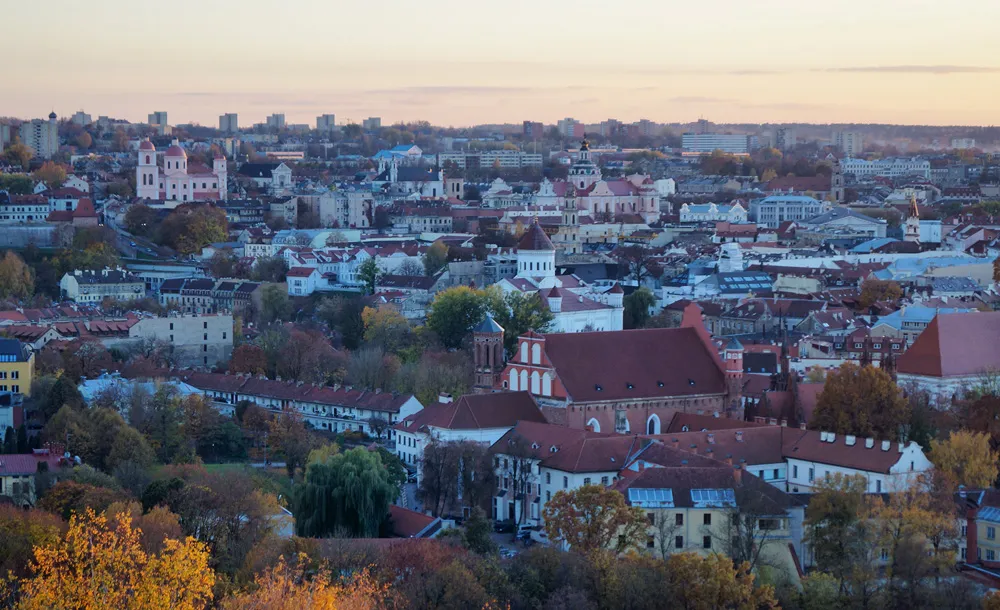
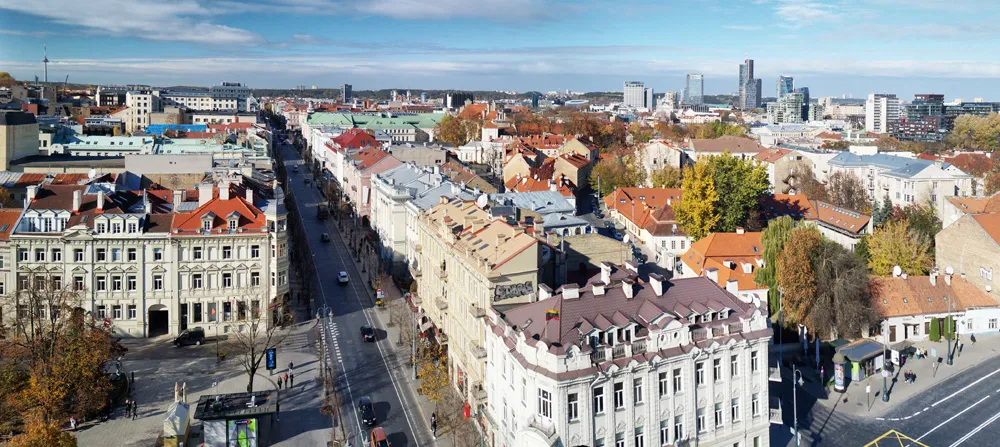
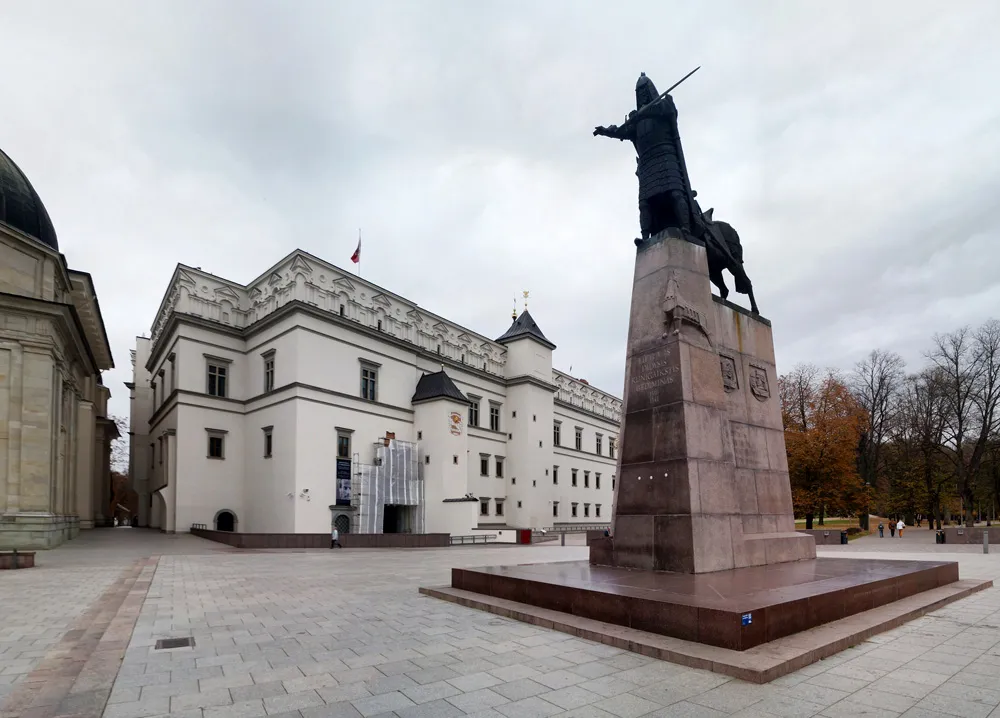
Modern Vilnius is the largest city in Lithuania. It has 600,000 residents, almost a quarter of the entire population of the country. It covers a large area and in places looks very modern; for example, it has more handsome glass skyscrapers than its Ukrainian sister cities. But Vilnius is interesting not for its skyscrapers but above all for its huge historic centre, which began to take shape in the time of Gediminas, when the first mentions of Vilnius appeared, in the 13th–14th centuries. Then, on the hill where the lone tower of Gediminas Castle now rises, and below it, a powerful fortress formed, the residence of the Grand Dukes of Lithuania. At first they lived at the top; later, as the city fortifications expanded, they moved to the Lower Castle, which in time was turned into a palace. The princes found the palace more comfortable to live in, and at the beginning of the 19th century it was demolished altogether.
Today the site of the Lower Castle is occupied by a whole host of buildings, museums and exhibitions, and it is hard to tell what is authentic and what is new construction. But the church standing next to it, practically in the very centre of the old town, is certainly authentic: it was built in 1387. “Wait,” you will say, “that is Classicism.” Quite right. This cathedral is a fashionista and has changed through every style like a set of clothes. At first it was Gothic; then, after a fire, in 1429 Prince Vytautas restored it and considerably enlarged it, again in the Gothic style.
In 1529, in the Cathedral of Saints Stanislaus and Ladislaus (which is its proper name), Sigismund II Augustus was crowned Grand Duke of Lithuania, and almost immediately afterwards the church was badly damaged by fire. It was rebuilt in the Renaissance style. At that time new chapels and crypts were added to it. In the 17th century the church acquired Baroque forms. Its present Neoclassical appearance is the result of the reconstruction of 1779–1801.
Near the cathedral, on Cathedral Square, all the main events of Vilnius take place, including the Christmas market. From here you can see the main tall landmark of the city centre, the Three Crosses monument on the hill of the same name. It was erected on the site where seven Franciscan monks were executed. According to legend, these monks came from somewhere in Podillia; Prince Algirdas invited them to found a monastery, but during his absence power in Vilno was seized by pagans, who dealt harshly with the Franciscans. At the beginning of the 17th century three wooden crosses were erected, and in 1916 they were replaced with concrete ones. The Soviet authorities demolished the crosses in 1950. They were restored in 1989 as a monument to the victims of Stalinism.
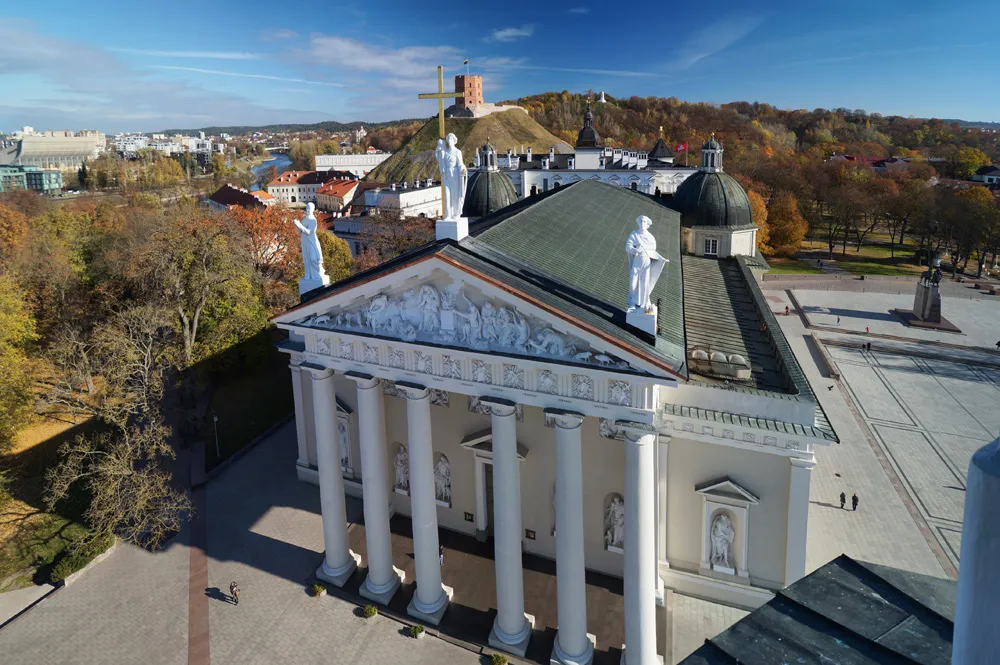
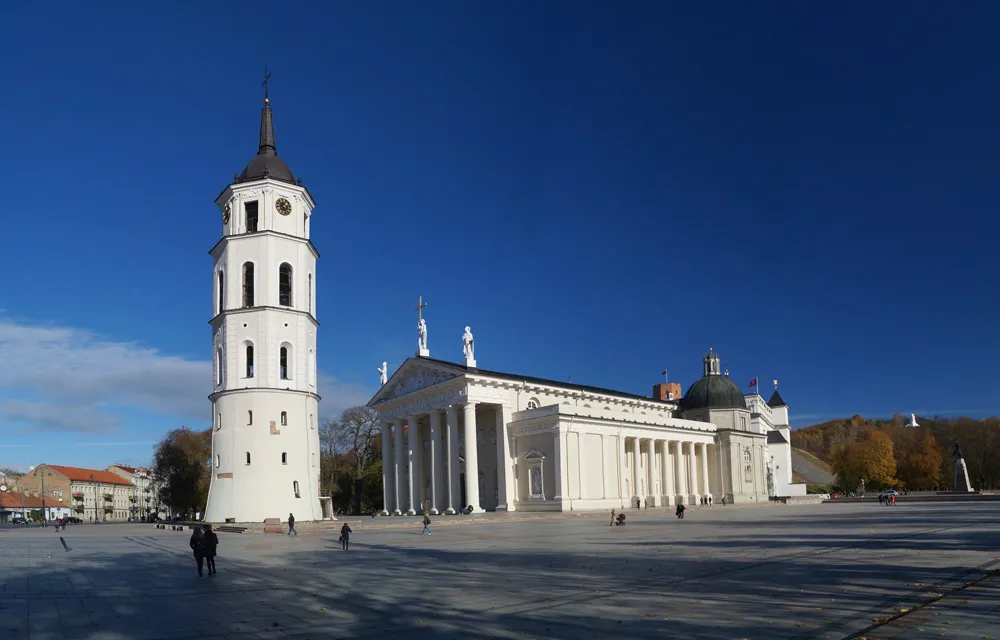
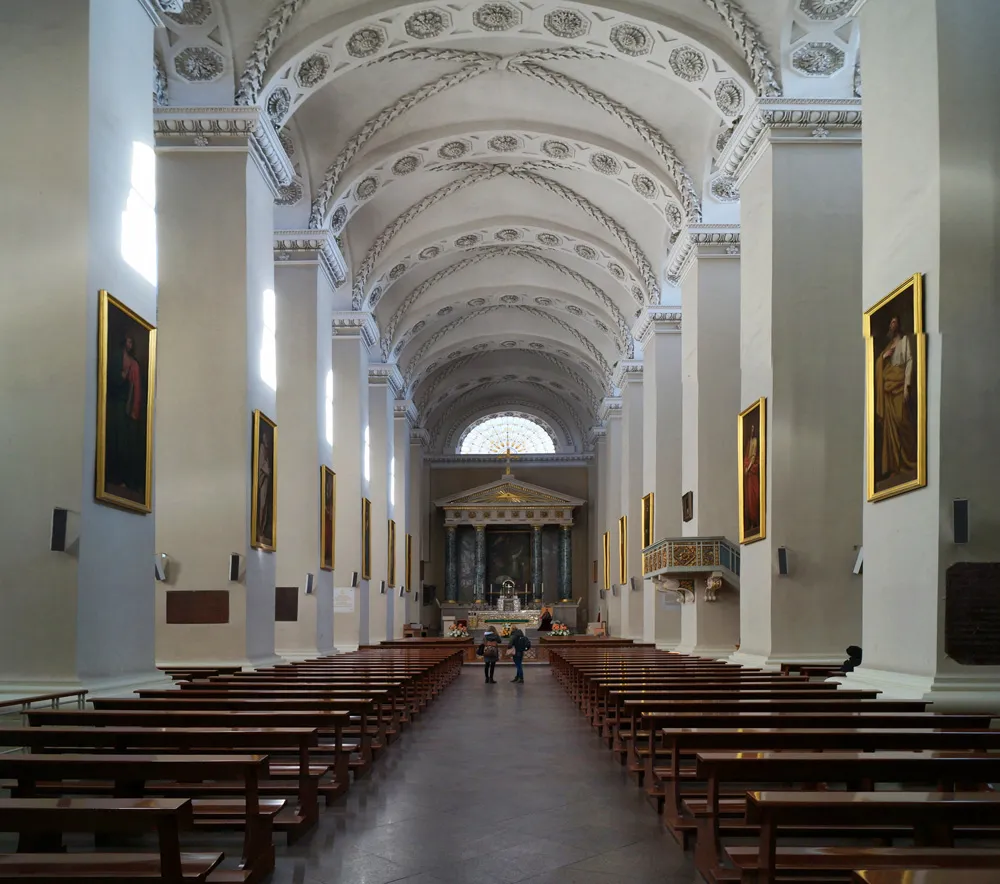
The Cathedral
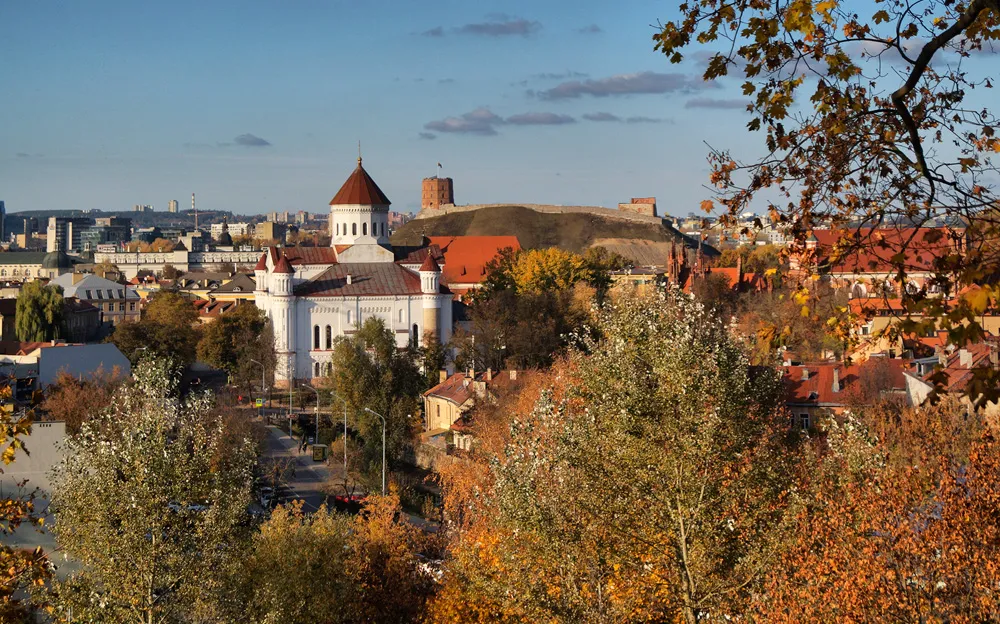
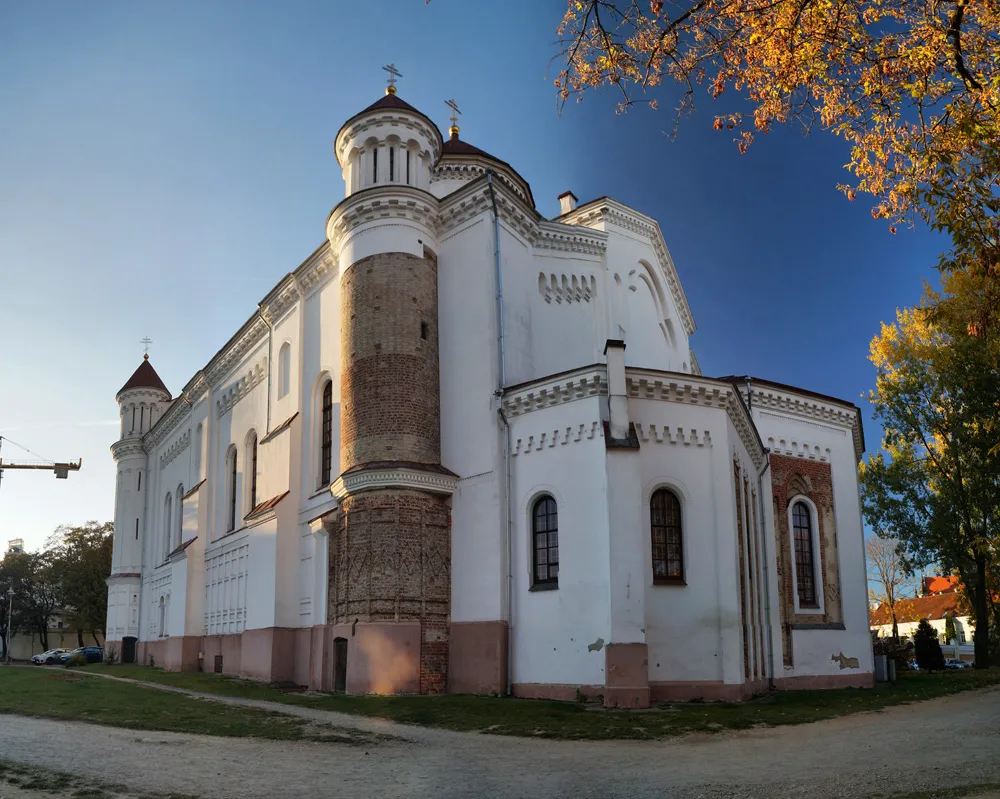
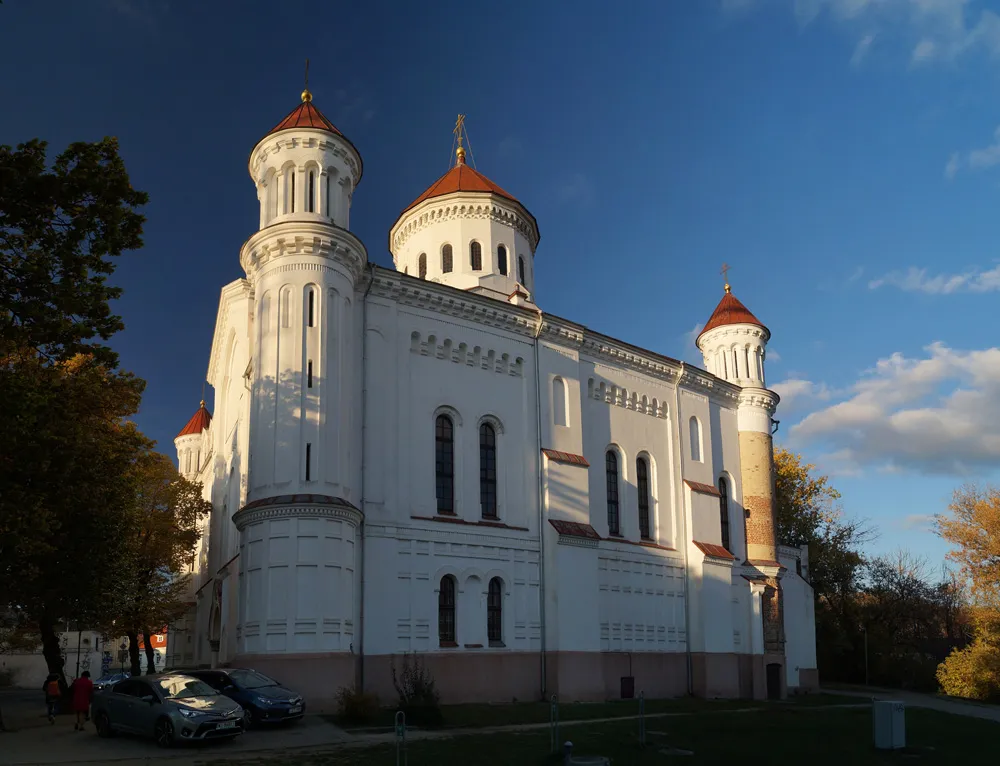
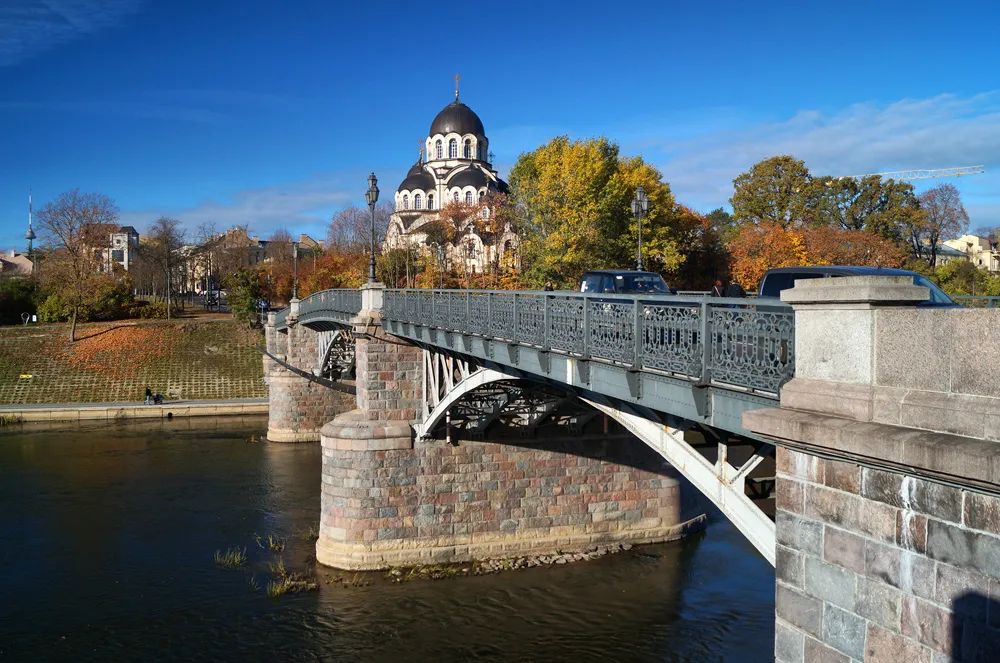
The Assumption Cathedral of the Most Pure Mother of God (Prechystenskyi)
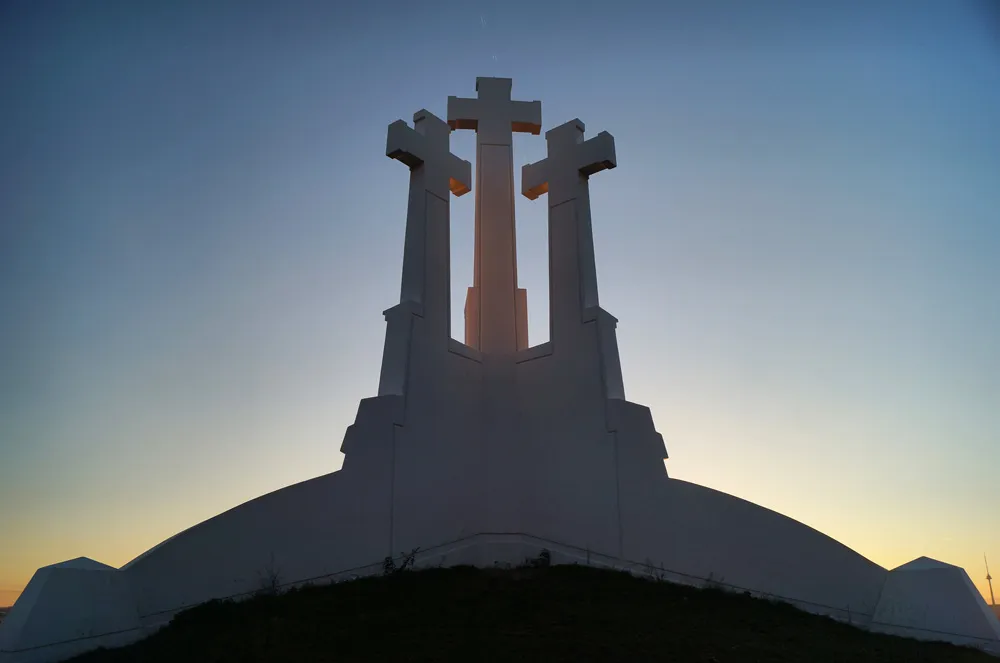
The Three Crosses
From the hill, from the Three Crosses, wonderful views open onto the old town with its numerous churches and red roofs. The nearest is the Catholic Church of St. Anne, a beautiful Gothic church built in the 14th century and rebuilt in the 15th and 17th. It is called one of the most beautiful churches in the Lithuanian capital.
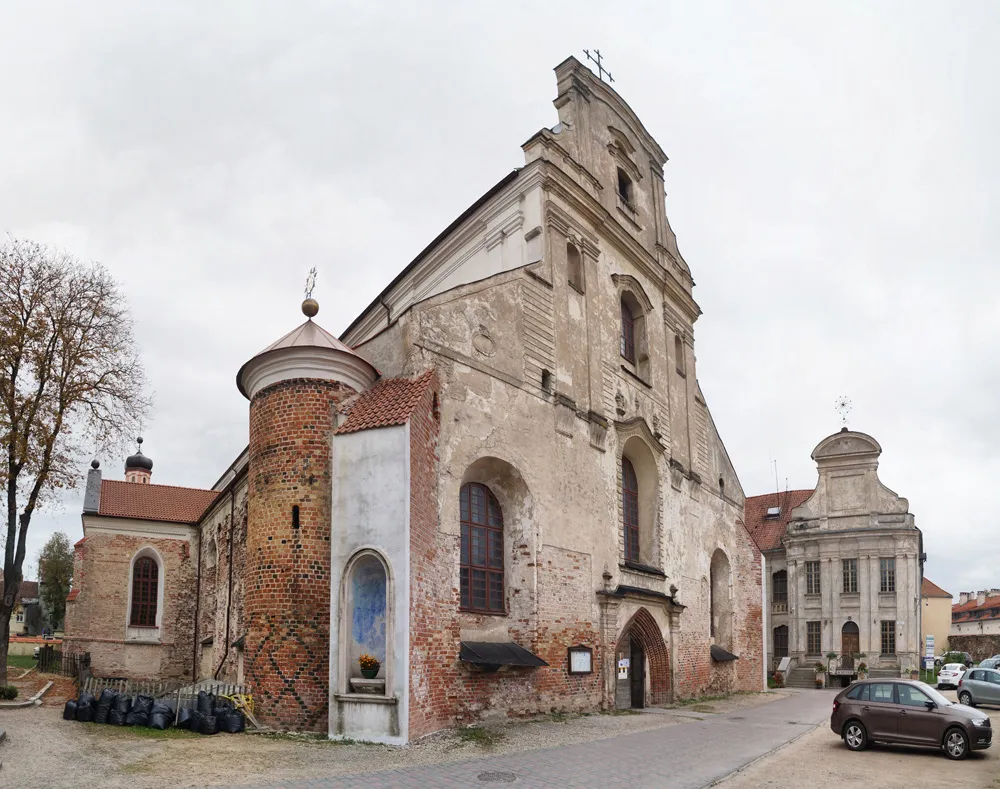
Behind the church rises a much larger church, the Church of St. Francis and St. Bernard, with the former Bernardine monastery. It is a splendid example of the Lithuanian national style, Vilnius Gothic. True, it has acquired some Baroque forms, but that only does it good.
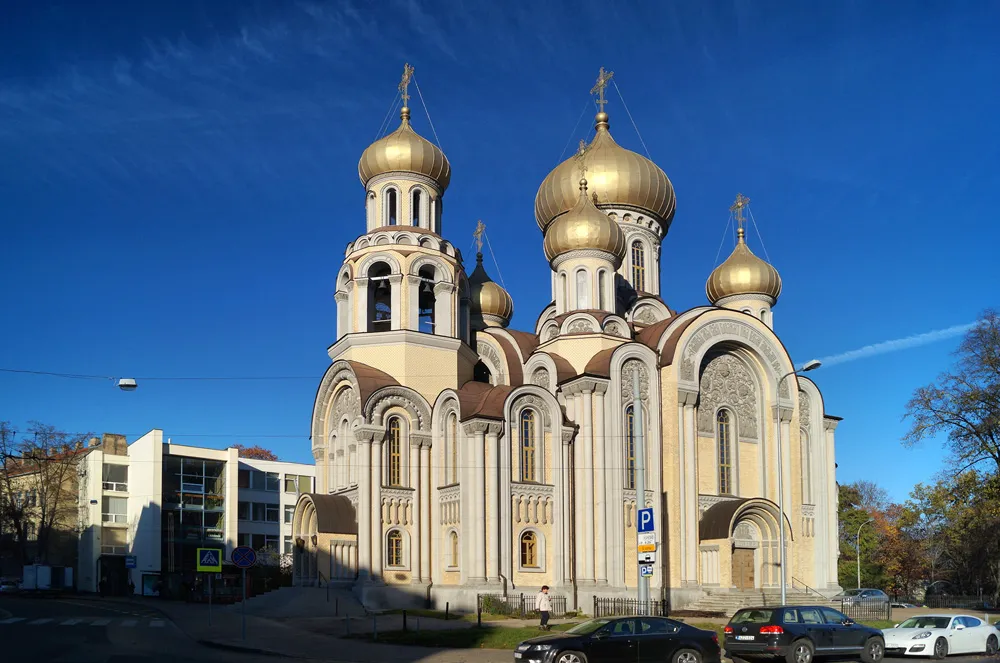
150 metres from the Bernardine monastery stands another outstanding church, the Orthodox Assumption Cathedral of the Most Pure Mother of God (Prechystenskyi). It was founded in 1346 by Grand Duke Algirdas. For a long time it was the residence of the Metropolitan of Kyiv, then it passed to the Greek Catholics, who were banned by the Russian occupiers, and in the 19th century the church was turned into a grain store… The present appearance of the church is the product of numerous rebuildings, with a Georgian-Armenian tented top and corner towers inherited from Vilnius Gothic.
The Church of St. Casimir deserves attention: it is the first Baroque church in Vilnius, built in 1604–1618 in honour of the first Lithuanian saint. The church was built following the motifs, popular at the time, of the Roman church of Il Gesù, with a large number of architectural innovations added, notably a large stepped lantern dome with a large crown, which makes the church especially conspicuous.
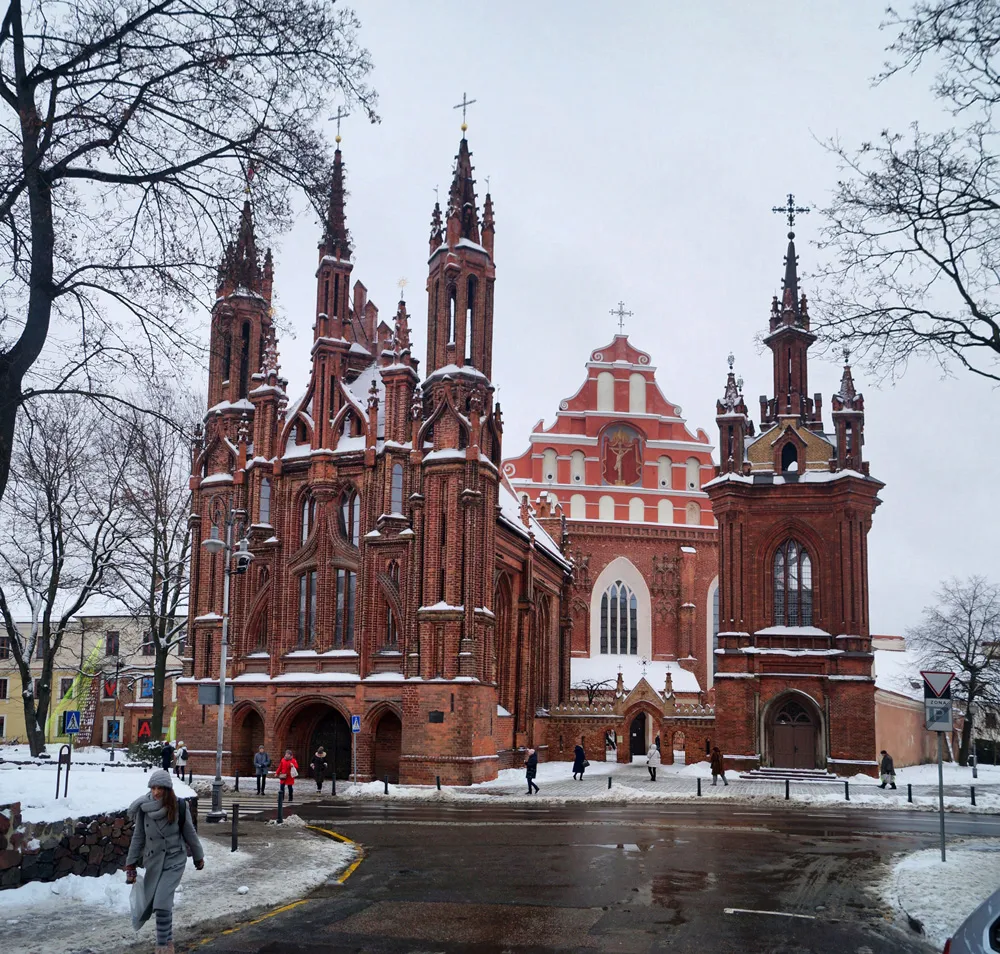
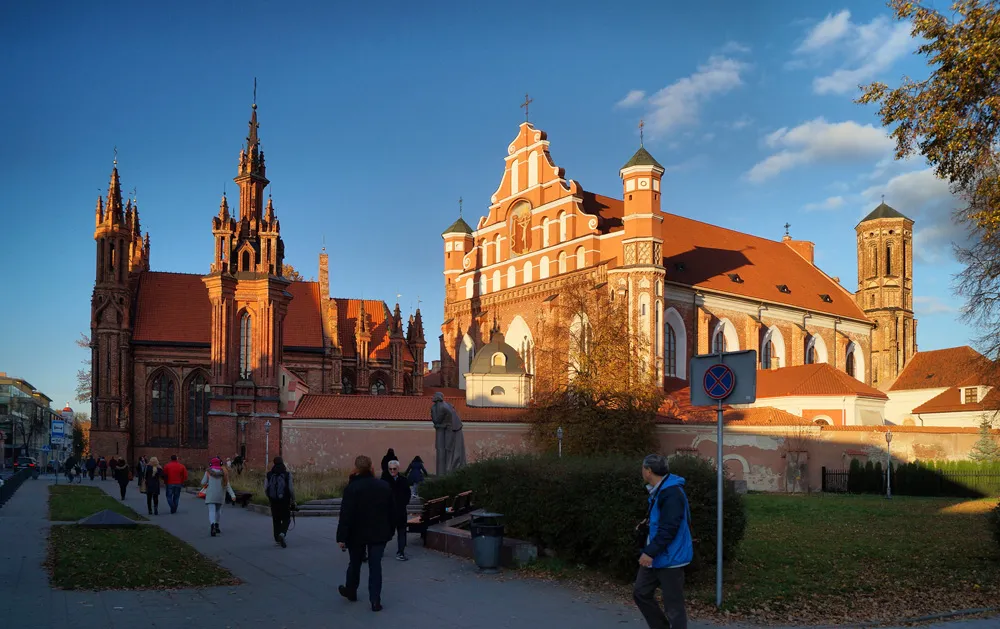
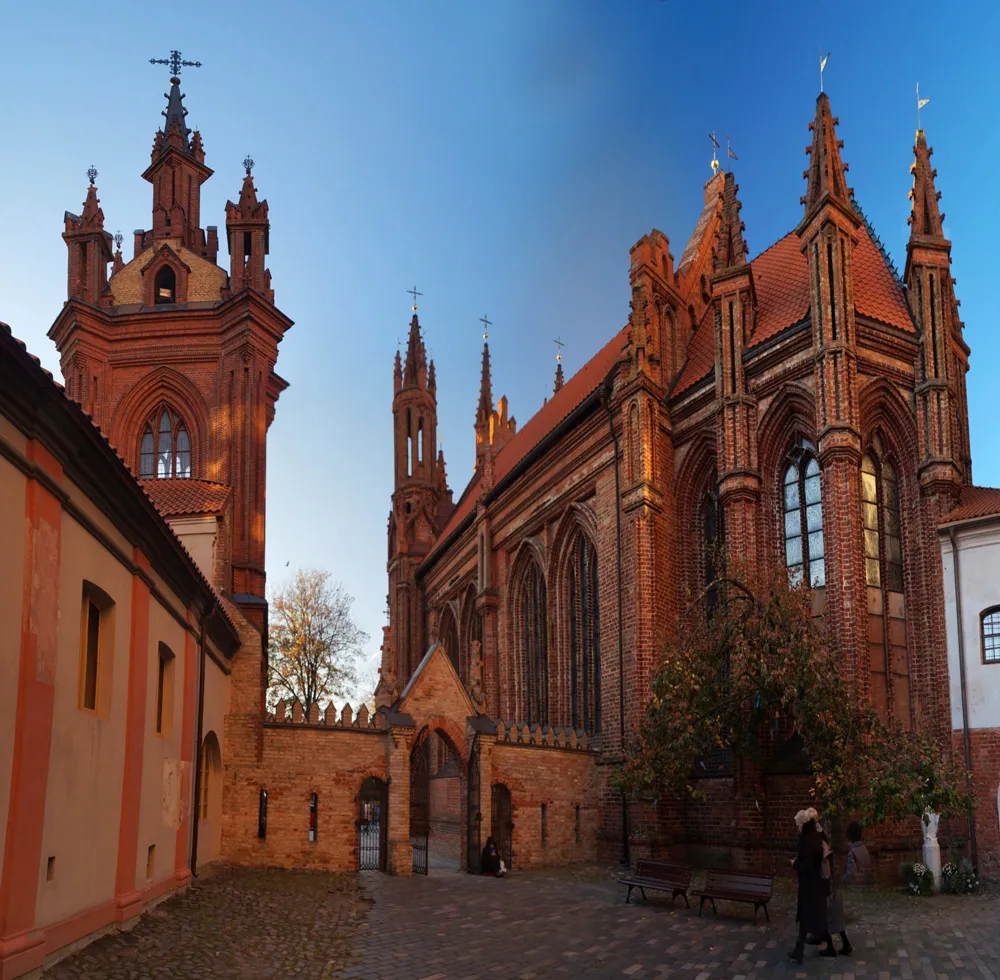
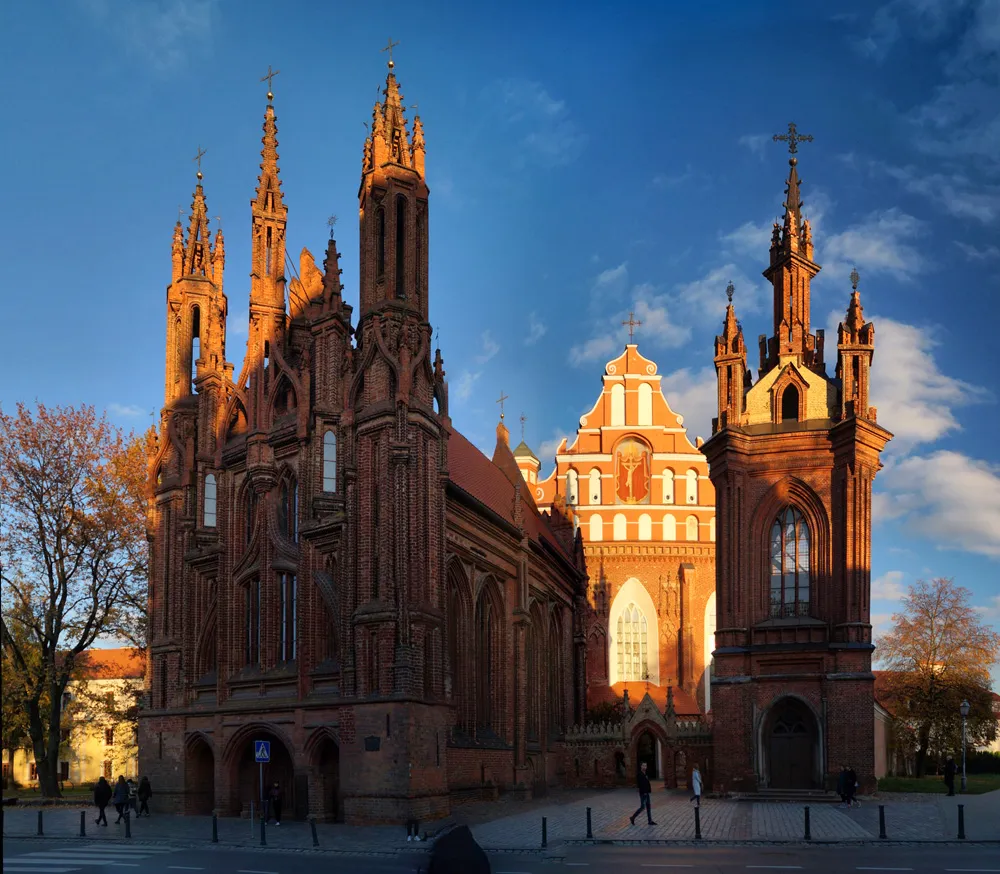
The Church of St. Anne and the monastery
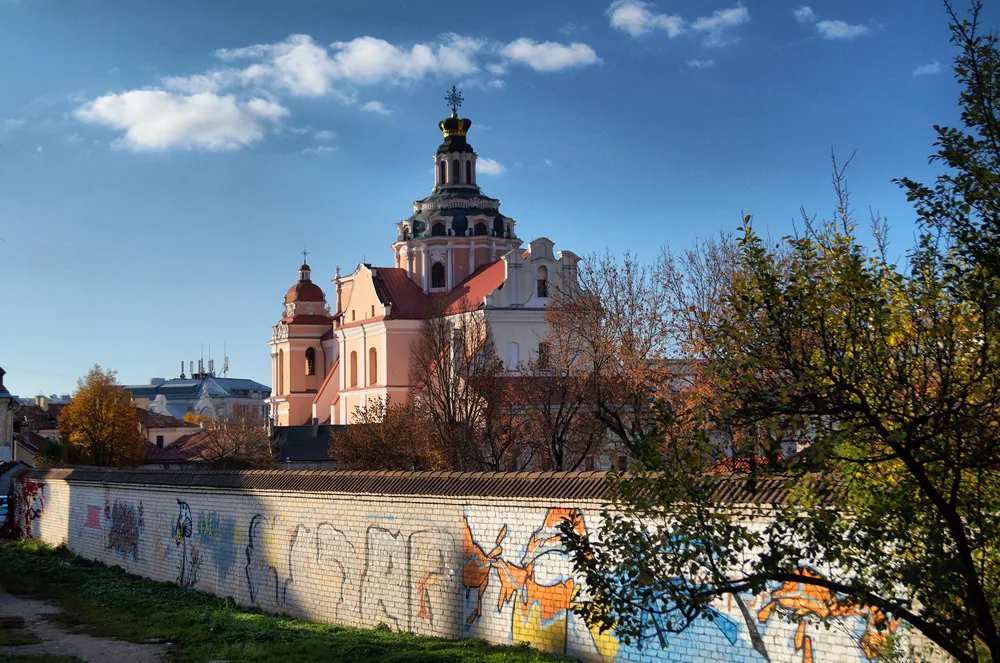
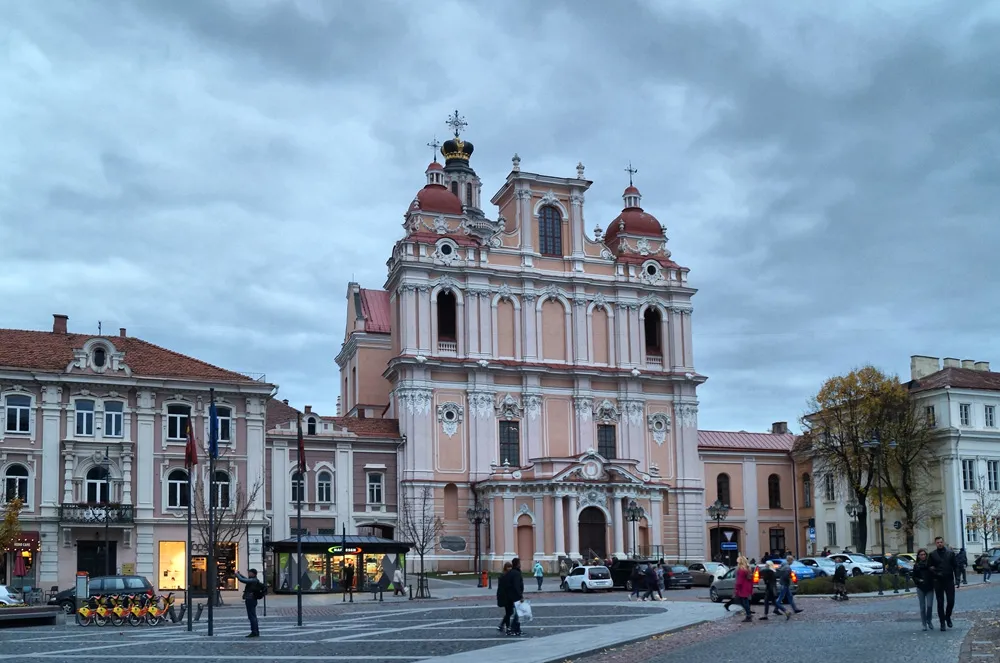
The Church of St. Casimir
The Old Town was once completely surrounded by walls. Today only fragments of them remain, one of which is the large semicircular 17th-century bastion in the south-east. Another well-known fragment is the Gate of Dawn in the south, with a large piece of wall. Another name for the gate is Ostra Brama, and under this name it is known to the Christian world, because in the small chapel above the gate is kept an outstanding icon, the image of Our Lady of Ostra Brama. There is a constant queue of pilgrims and ordinary tourists here, and around the icon everything is hung with hundreds of expensive silver votive offerings for healing. In Lviv there is a Constructivist Church of Our Lady of Ostra Brama with a very tall campanile.
Vilnius has countless churches, and it is impossible to describe or mention them all, but I want to draw your attention to one more, the Church of St. Peter and St. Paul, located outside the old town. It was built by the Grand Hetman of Lithuania Michał Kazimierz Pac. It is very beautiful outside, and inside it is a real masterpiece. It is a festival of Baroque relief decoration: every bit of wall is covered with relief images. Saints, demons and skeletons: there is everything.
Construction began in 1668 under the architect Jan Zaor, who designed it. From 1671 the building was supervised by Giovanni Battista Frediani, who finished it in 1676. The interior was decorated by Italian masters, but Pac did not live to see it completed: he died in 1782 and, according to his will, was buried under the steps of the church.
Another magnificent church in Vilnius is the Church of St. John, founded back in the 16th century. It has a very tall bell tower. It was here, around 1570, that the Jesuits founded their monastery and a school, which King Stephen Báthory later (in 1578) turned into a university. Today Vilnius University is one of the most visited tourist sites in the city. I recommend taking a tour of its old buildings. It now has 12 faculties, 7 institutes and 20,000 students.
Tourists very much like Užupis, a district next to the old town that is called a city within a city. Bohemians live here, artists and musicians, and there are plenty of small galleries, art workshops, art restaurants, small museums and souvenir shops.
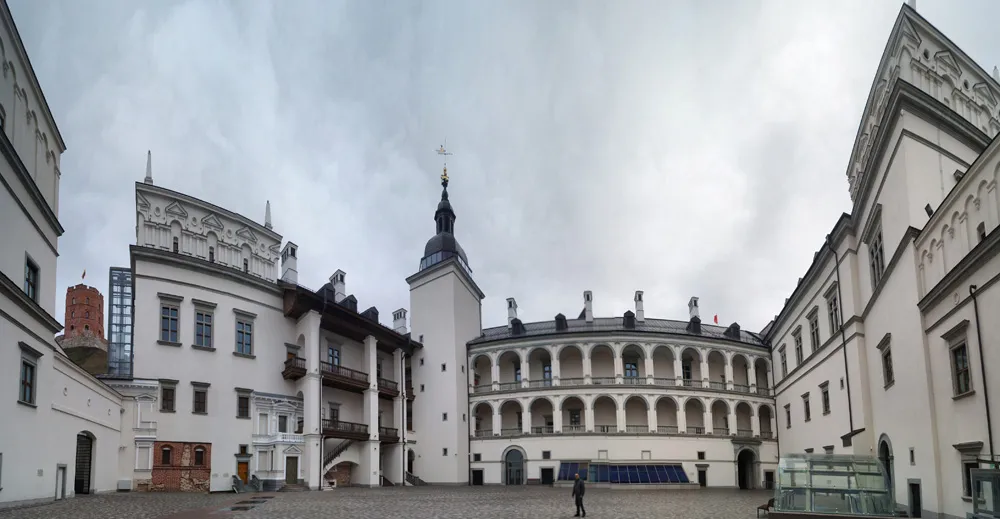
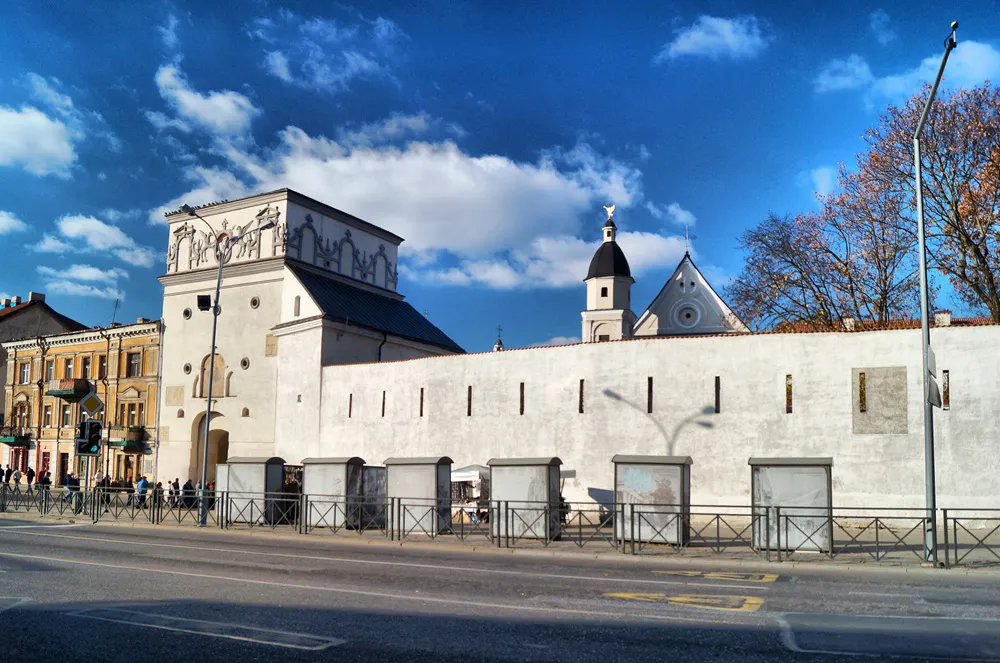
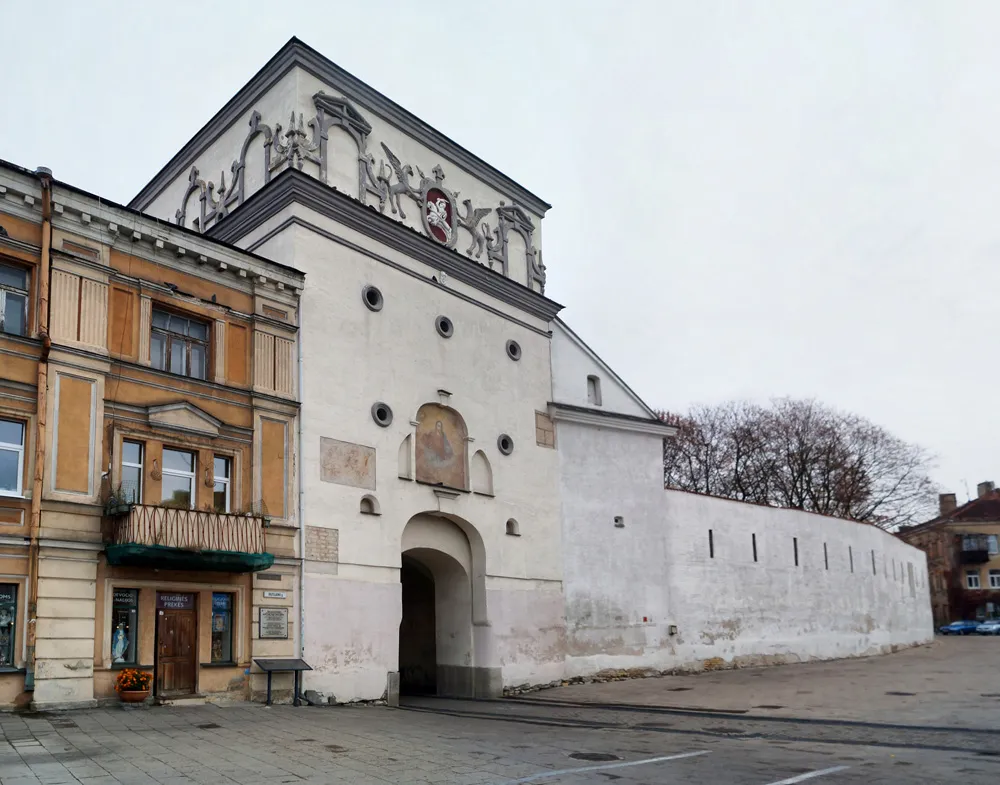
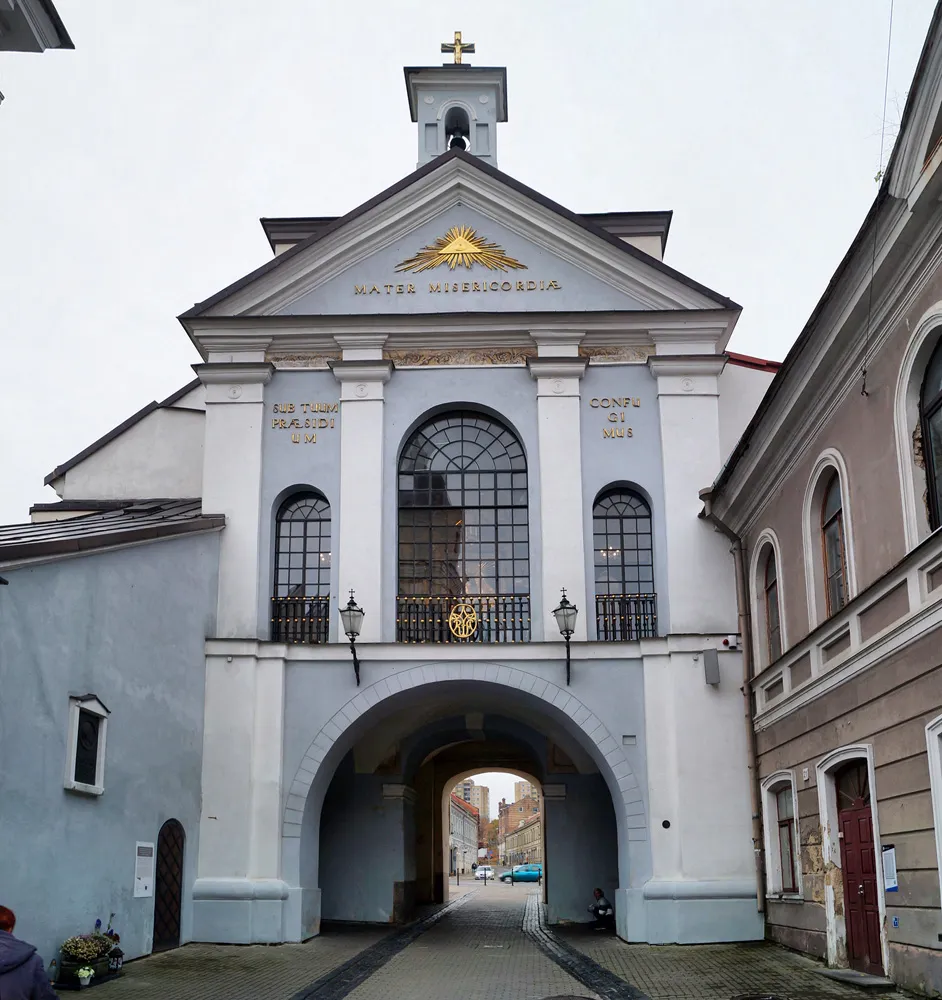
The Lower Castle and the Gate of Dawn
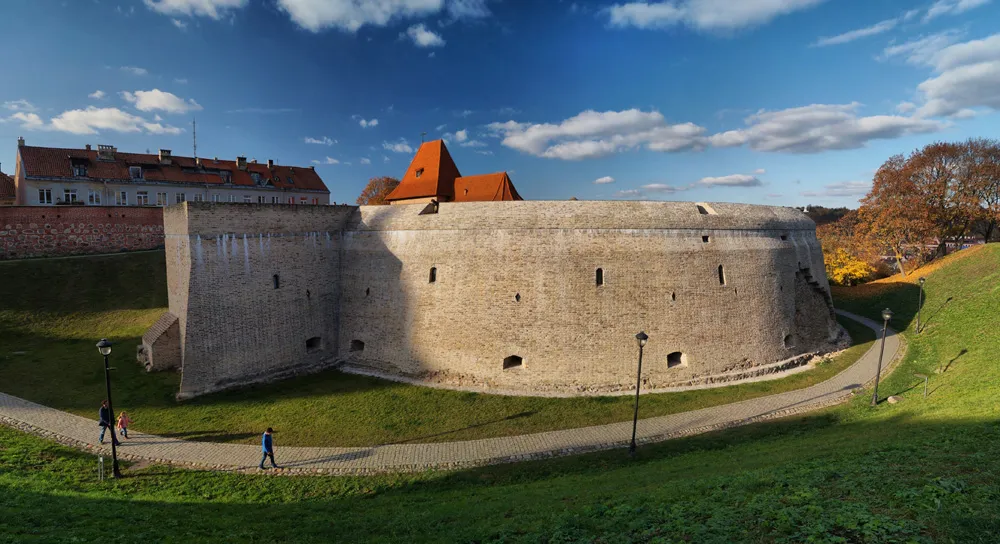
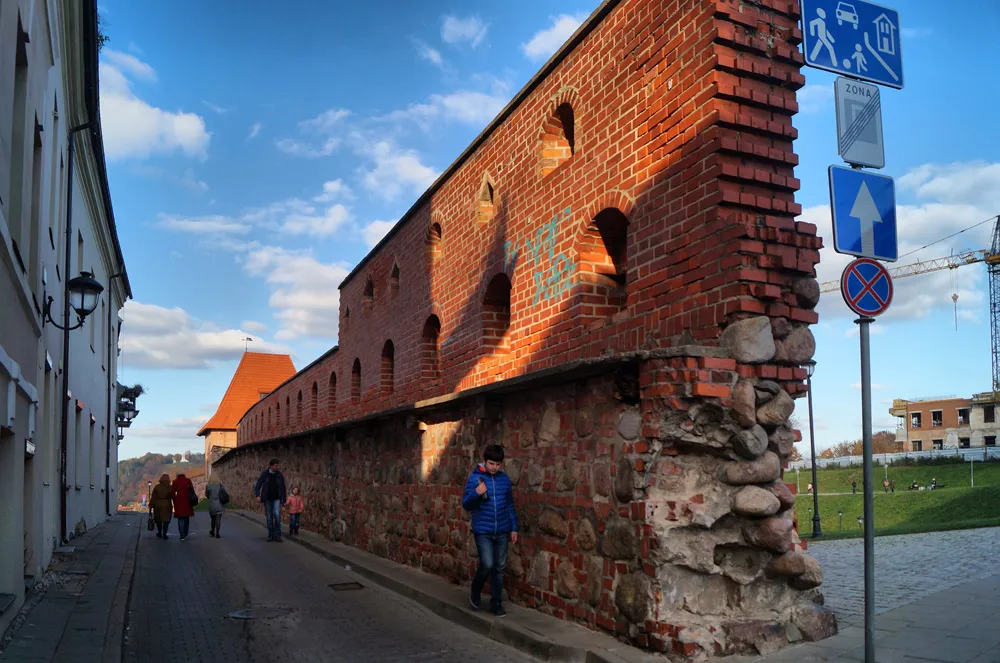
The city fortifications: the round bastion
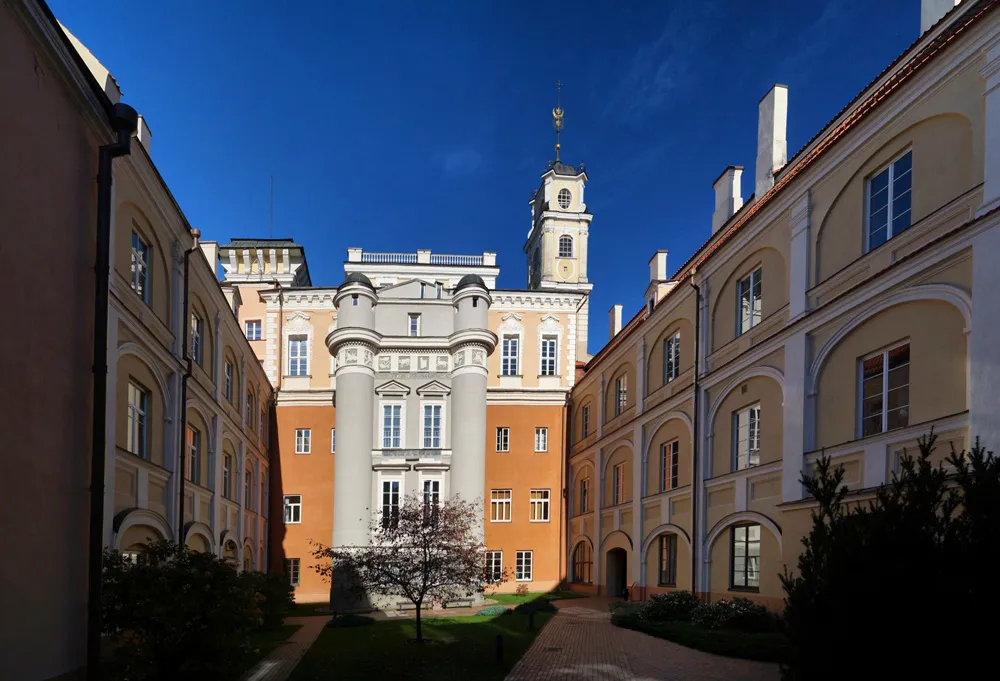
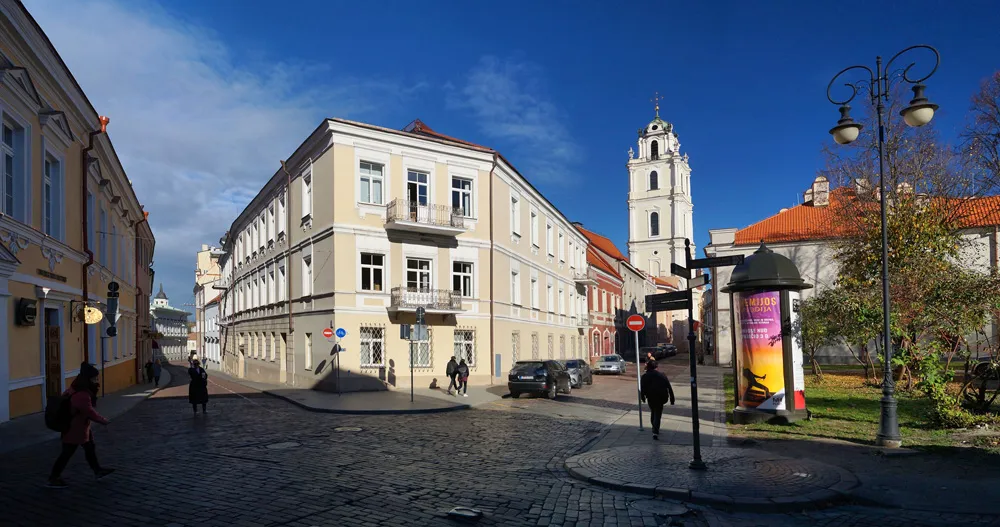
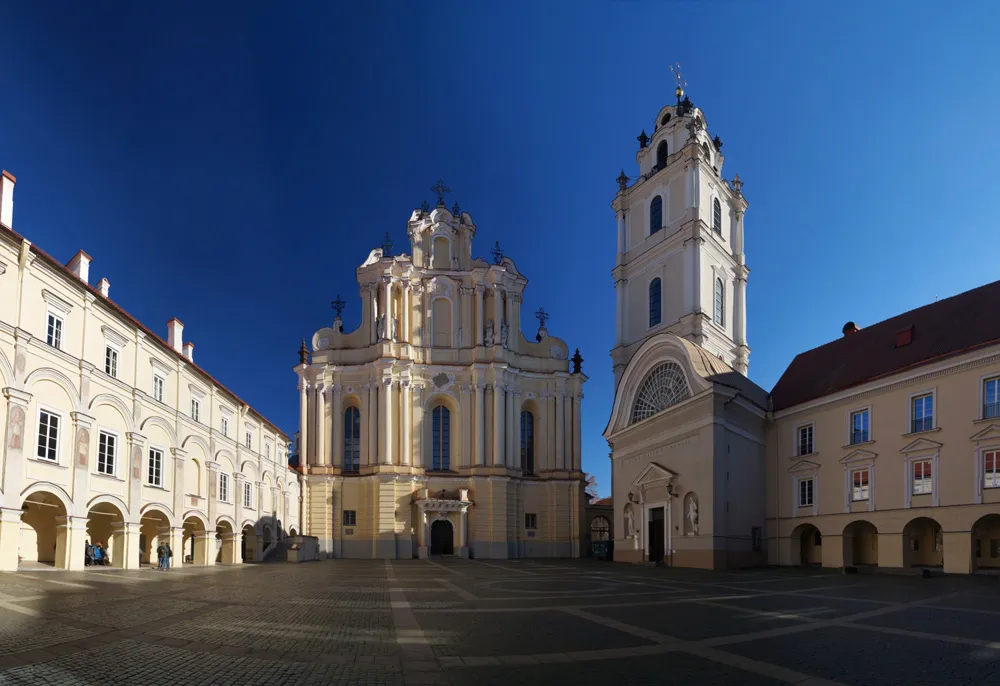
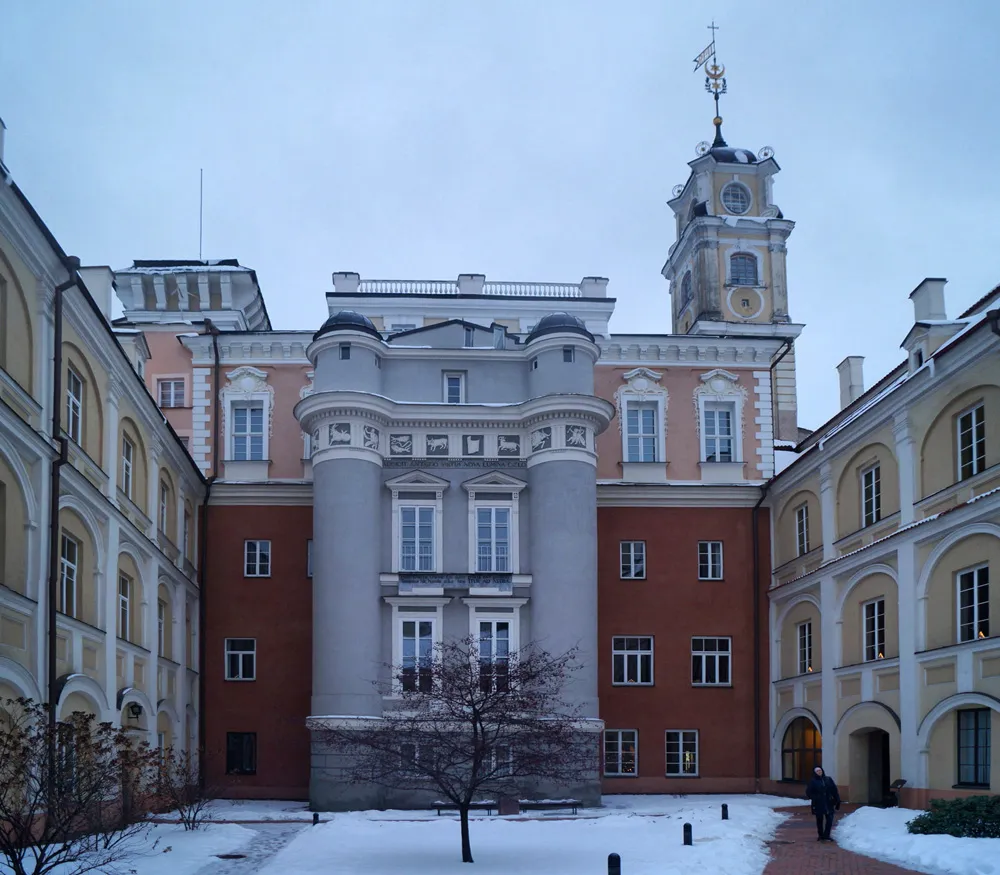
The University
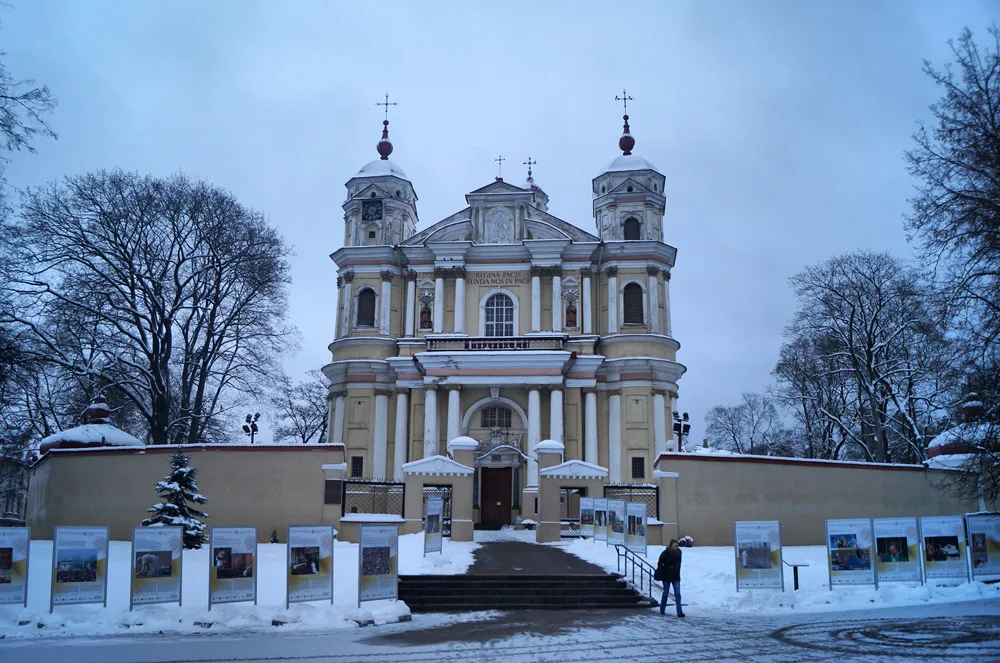
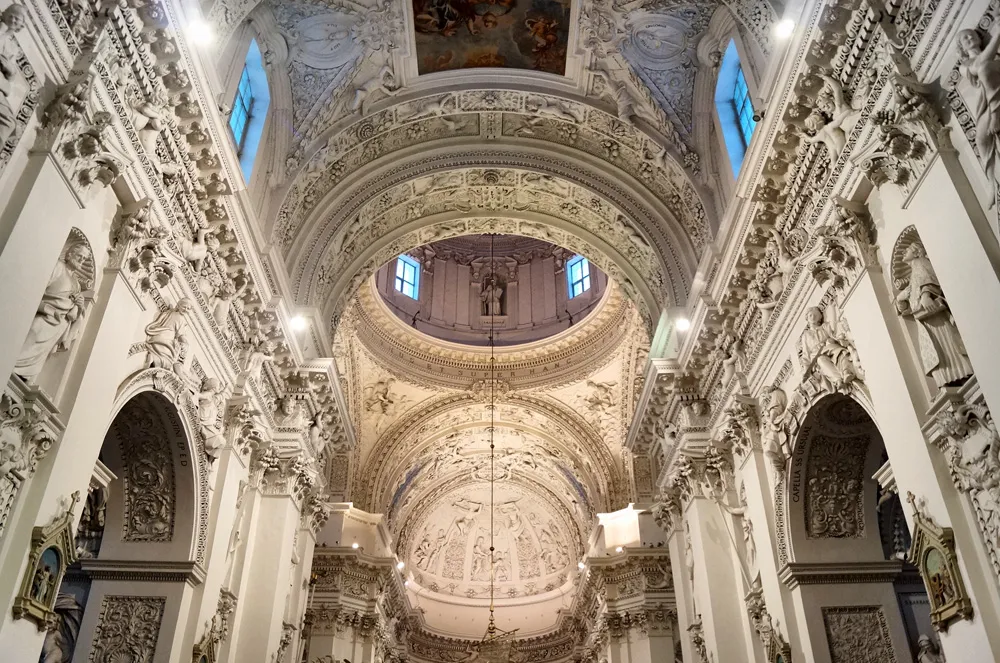
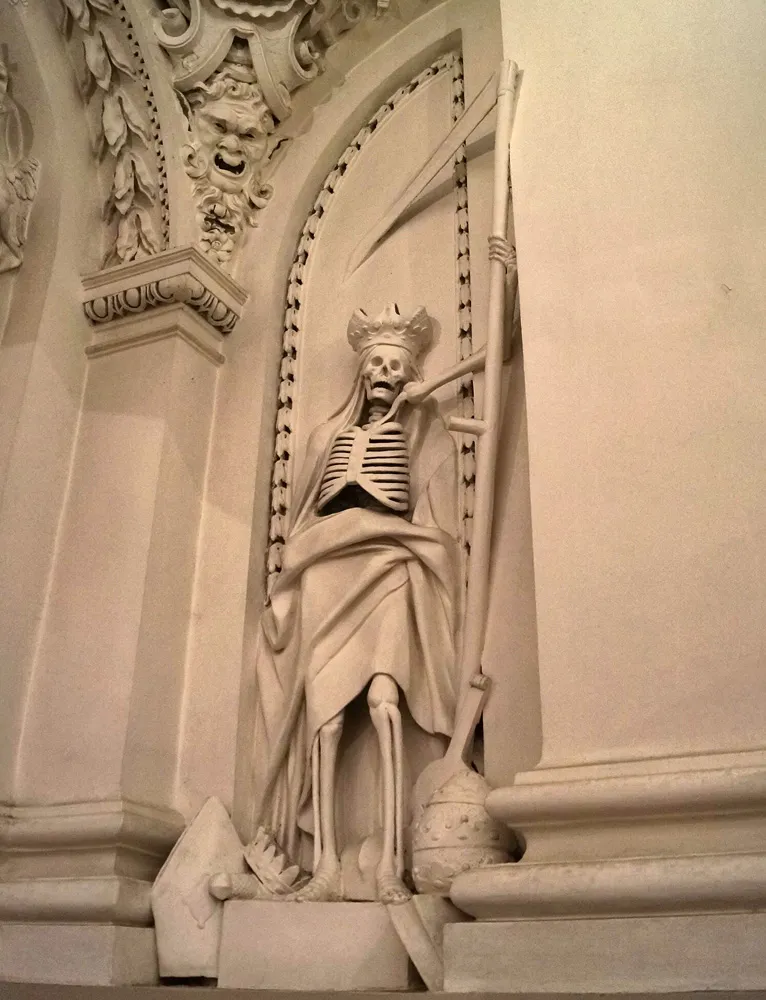
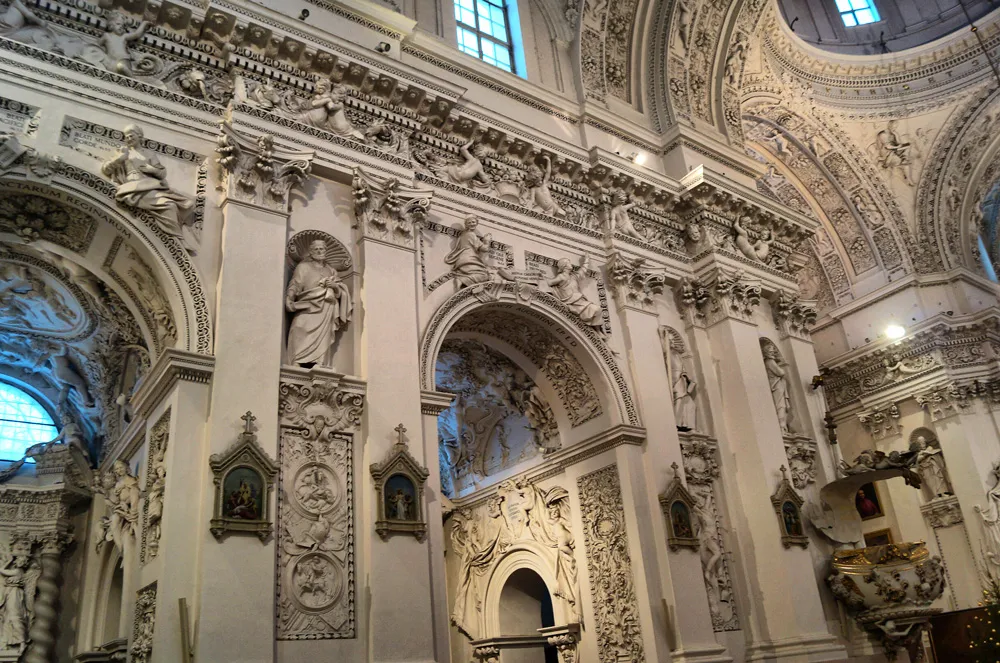
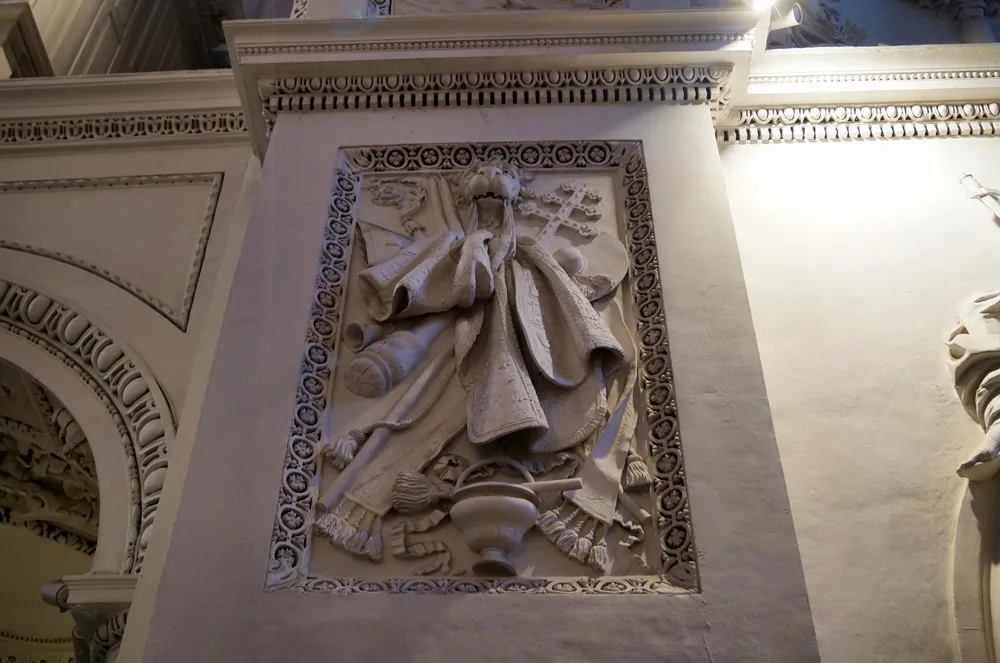
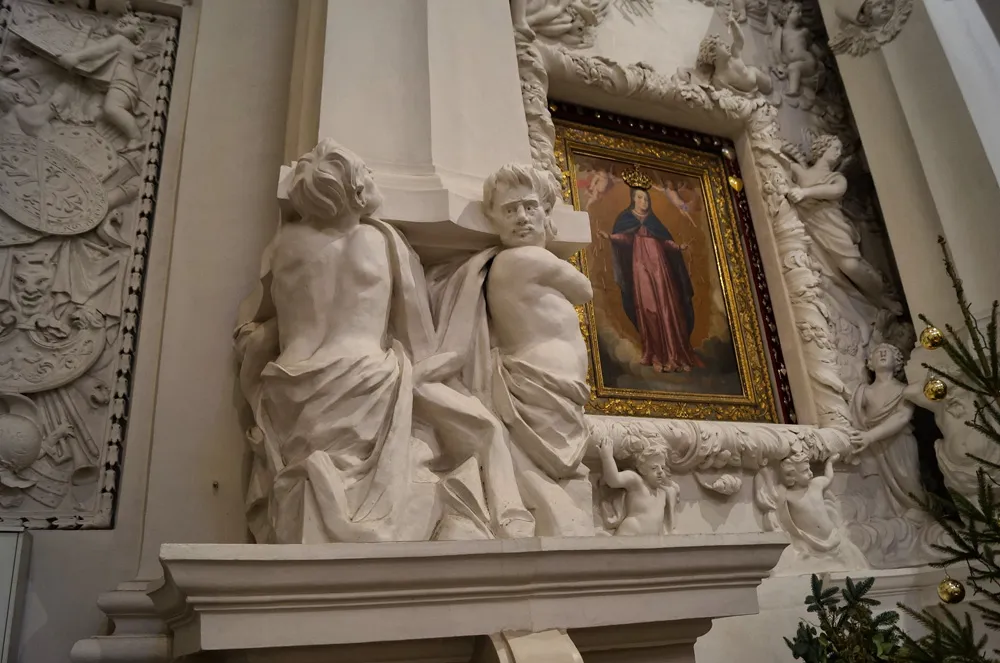
The Church of St. Peter and St. Paul
In 1998 the residents of Užupis proclaimed their own republic, with a president, a constitution, a currency and an anthem. It was a clever tourist move, after which tourists began to visit Užupis in large numbers. We went to the Šnekutis restaurant in Užupis. It is a place serving national cuisine, with its own chain, and I recommend it to everyone. I personally had cepelinai with meat and stewed cabbage. Cepelinai are a kind of huge dumpling. Very tasty, though people say it depends on the establishment. I also advise everyone to try Lithuanian beer: there are many kinds here and all of them are good.
Overall, I am very pleased with Vilnius. I have been to the city three times, I want to go again, and I recommend it to you.
P.S. I almost forgot: in the Rasos Cemetery, in the grave of Józef Piłsudski’s mother, lies the heart of the great marshal, the creator of the Second Polish Republic. He was Lithuanian-born and considered Vilnius a Polish city, as quite a few Poles do today. Needless to say, there are many Poles in Vilnius, and there is a real pilgrimage to Piłsudski’s heart.
Text and photos by Roman Malenkov.
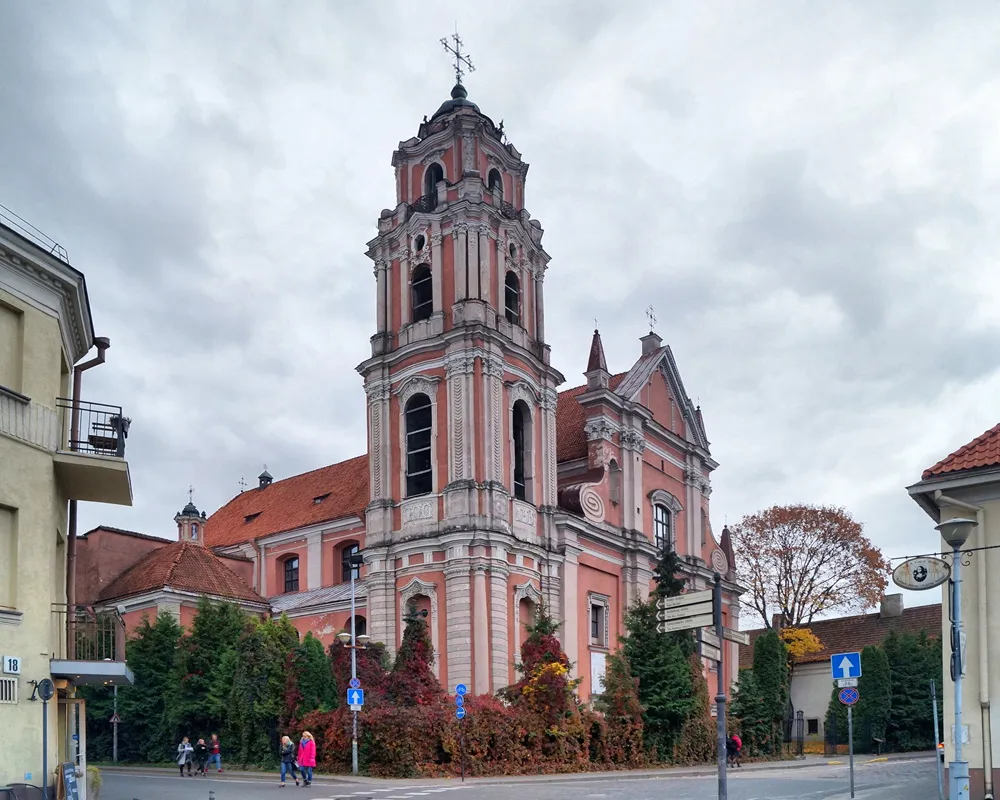
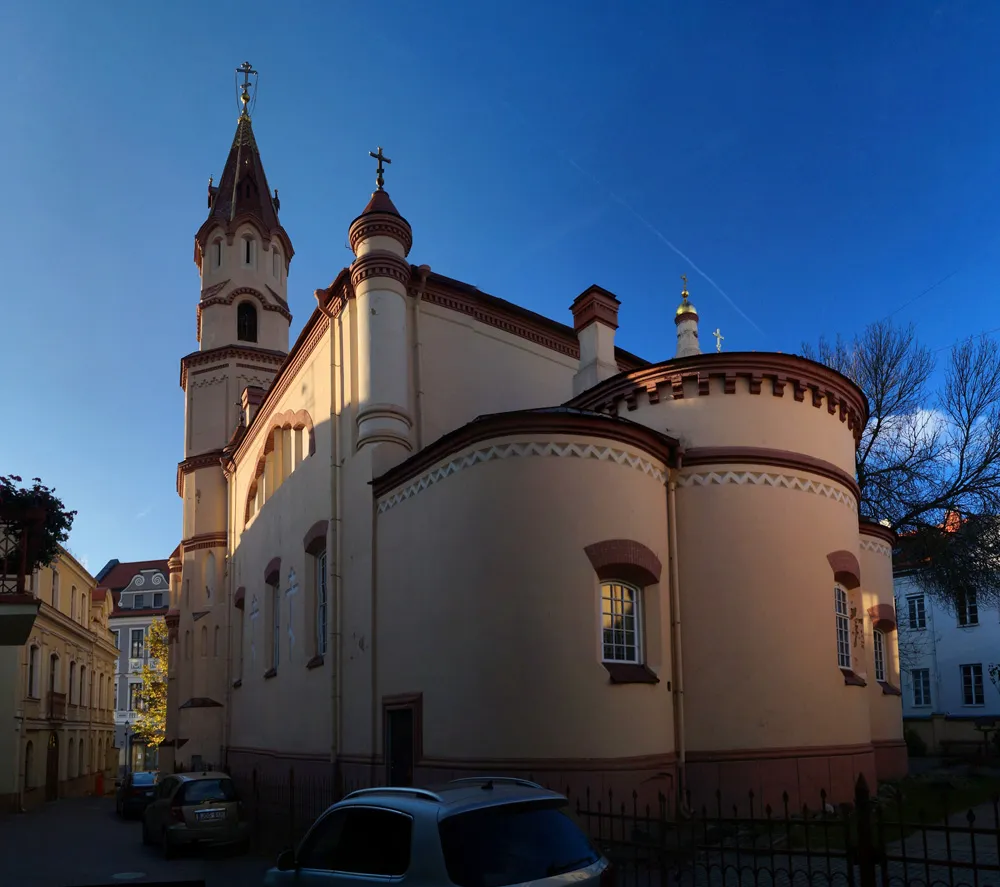
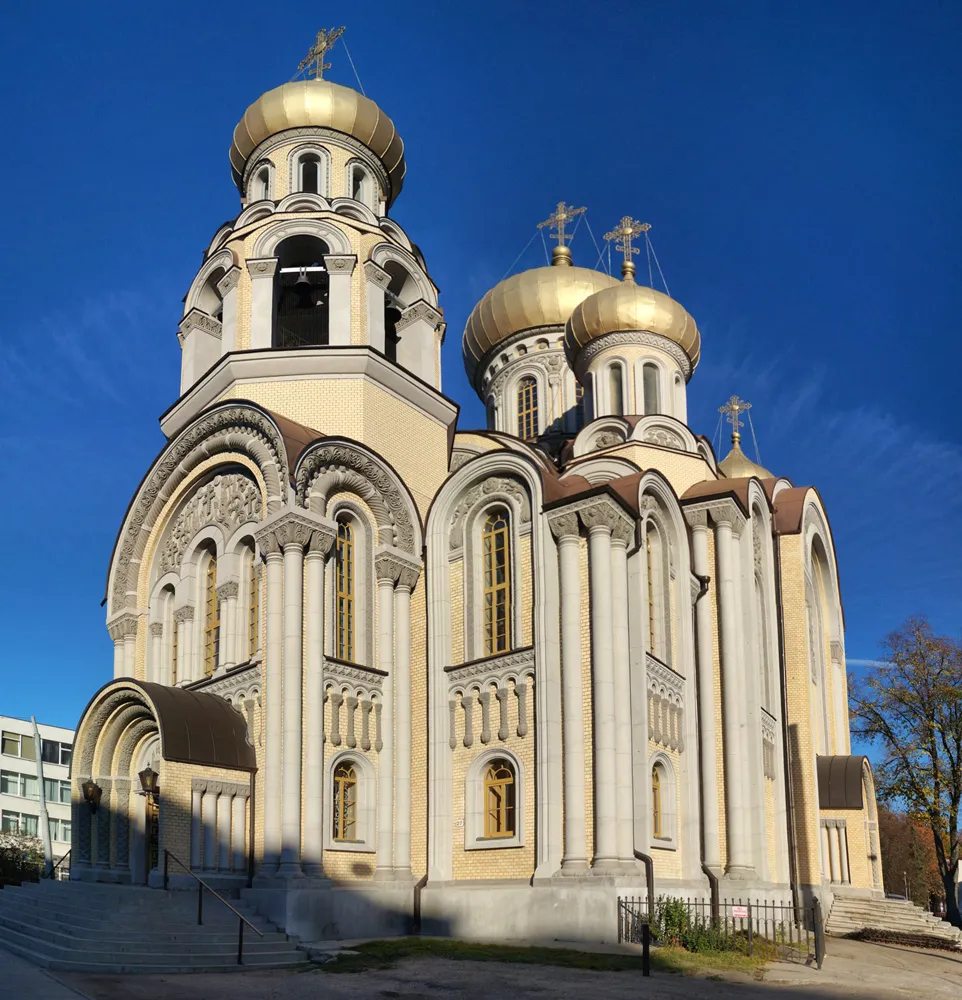
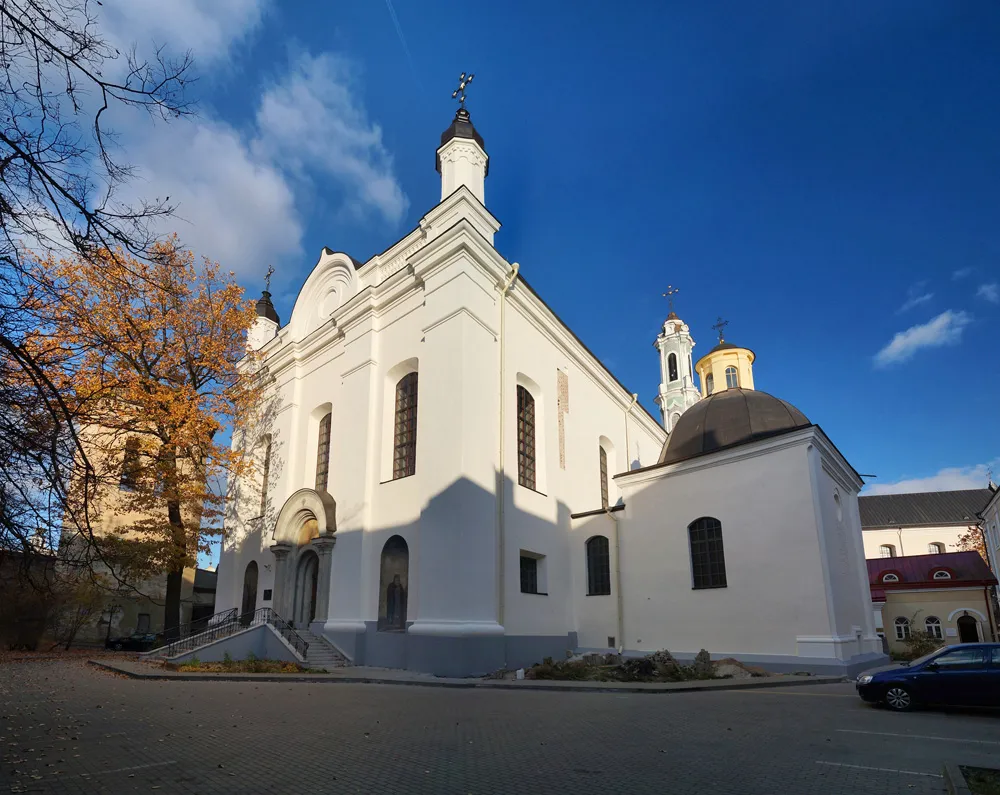
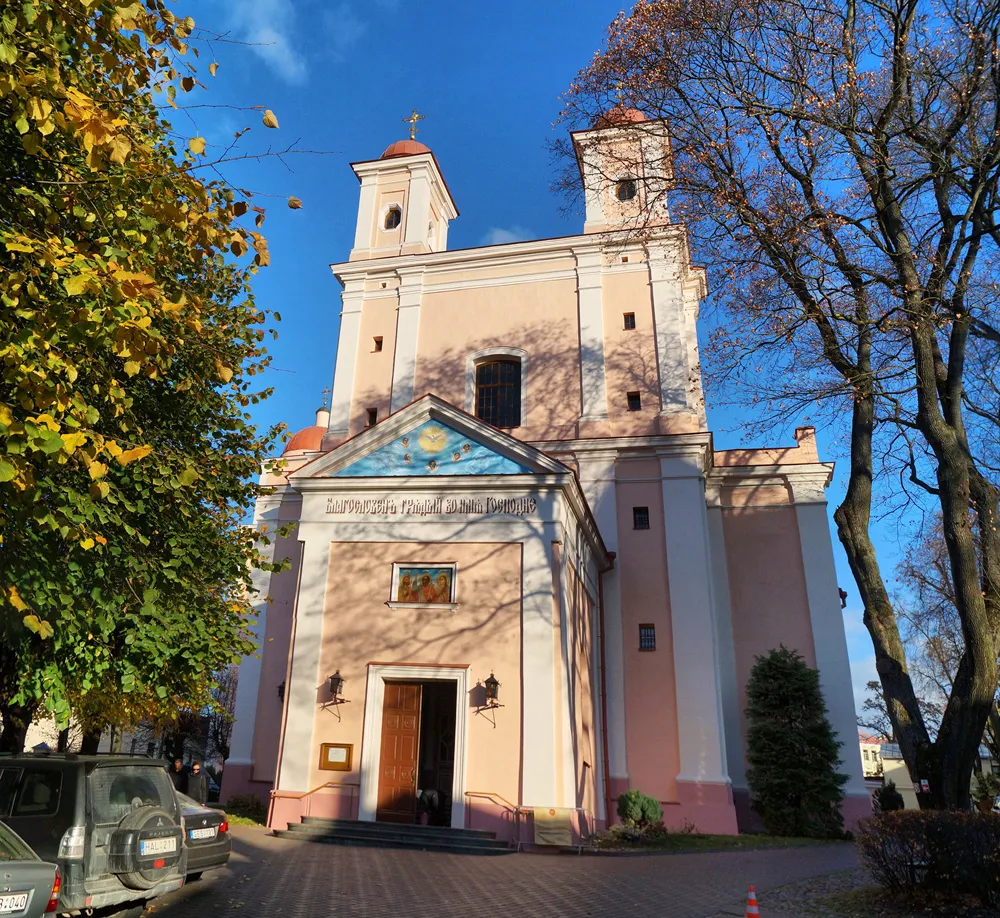
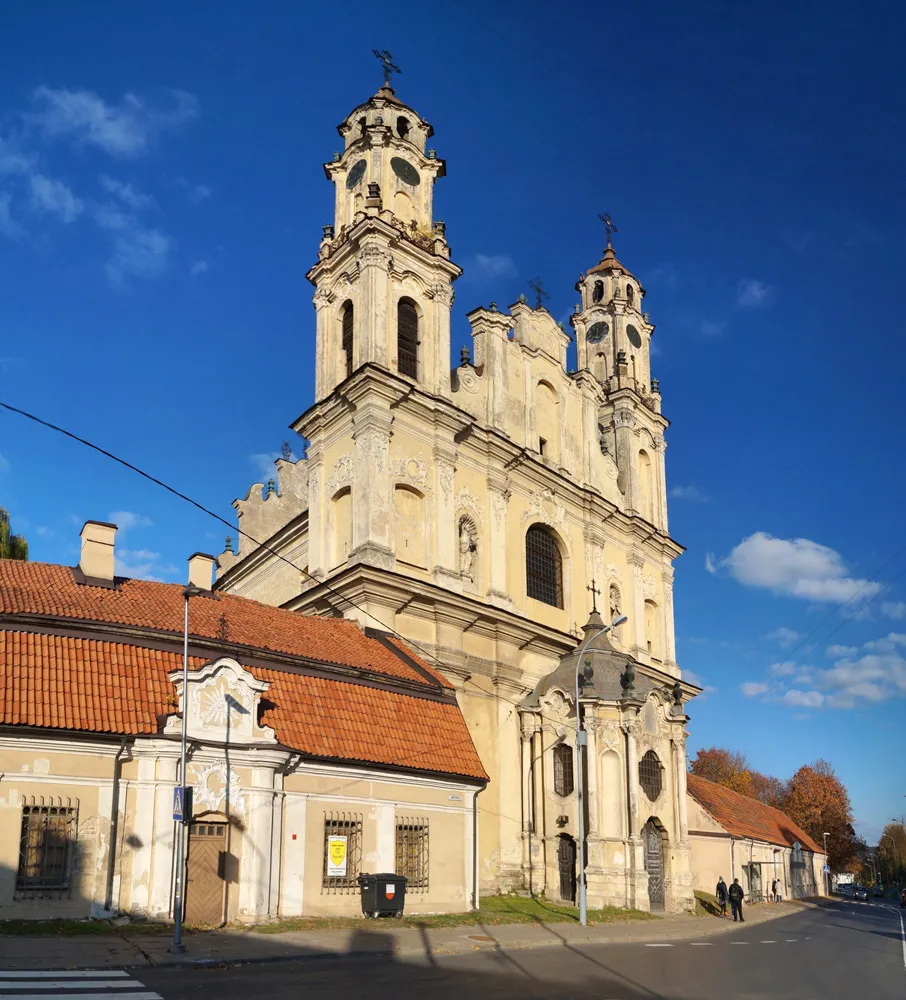
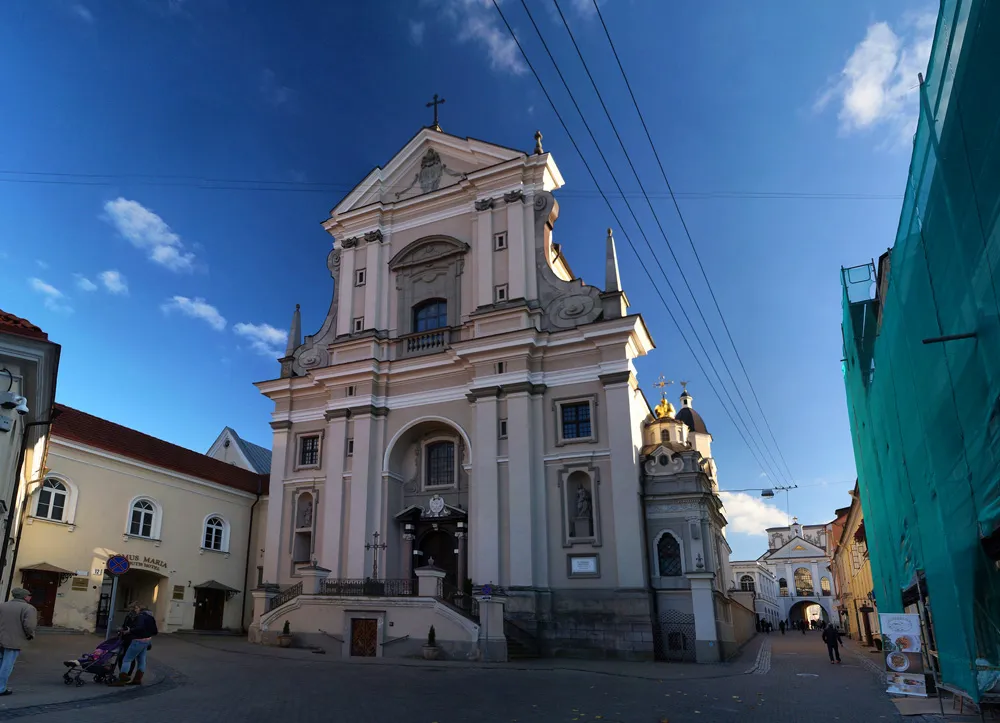
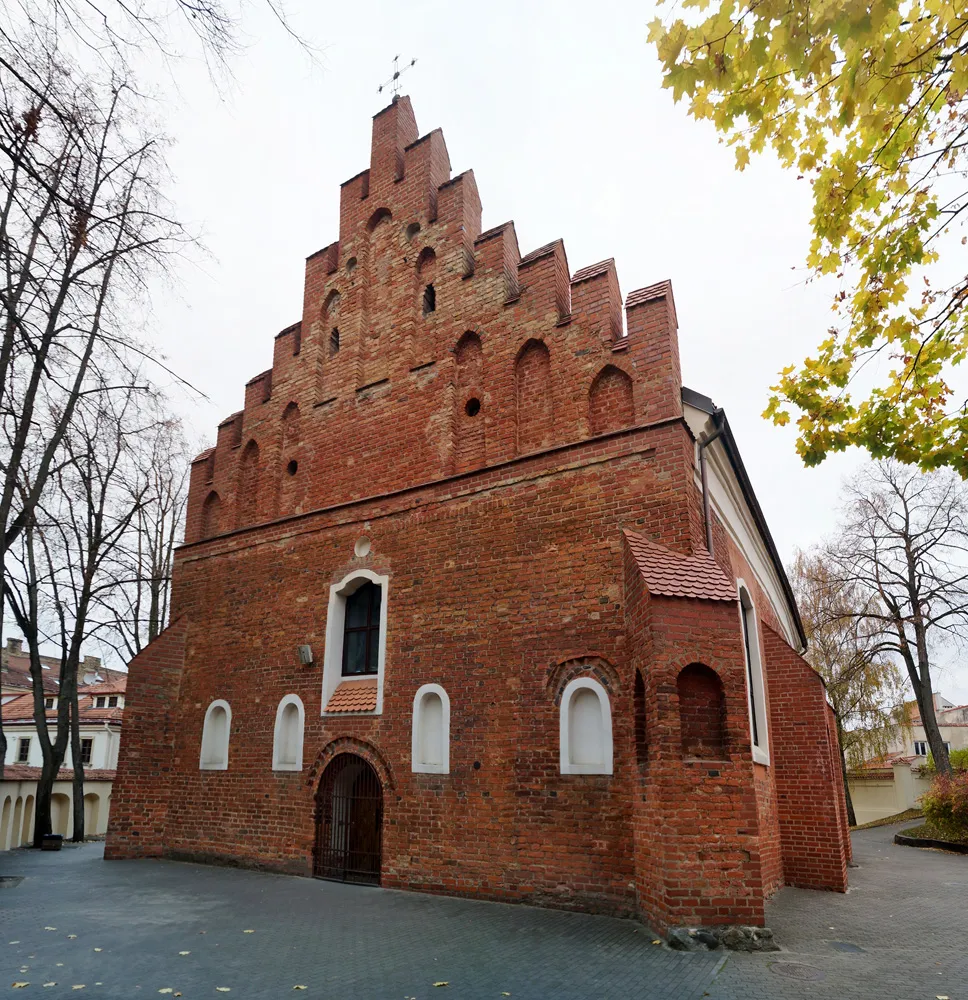
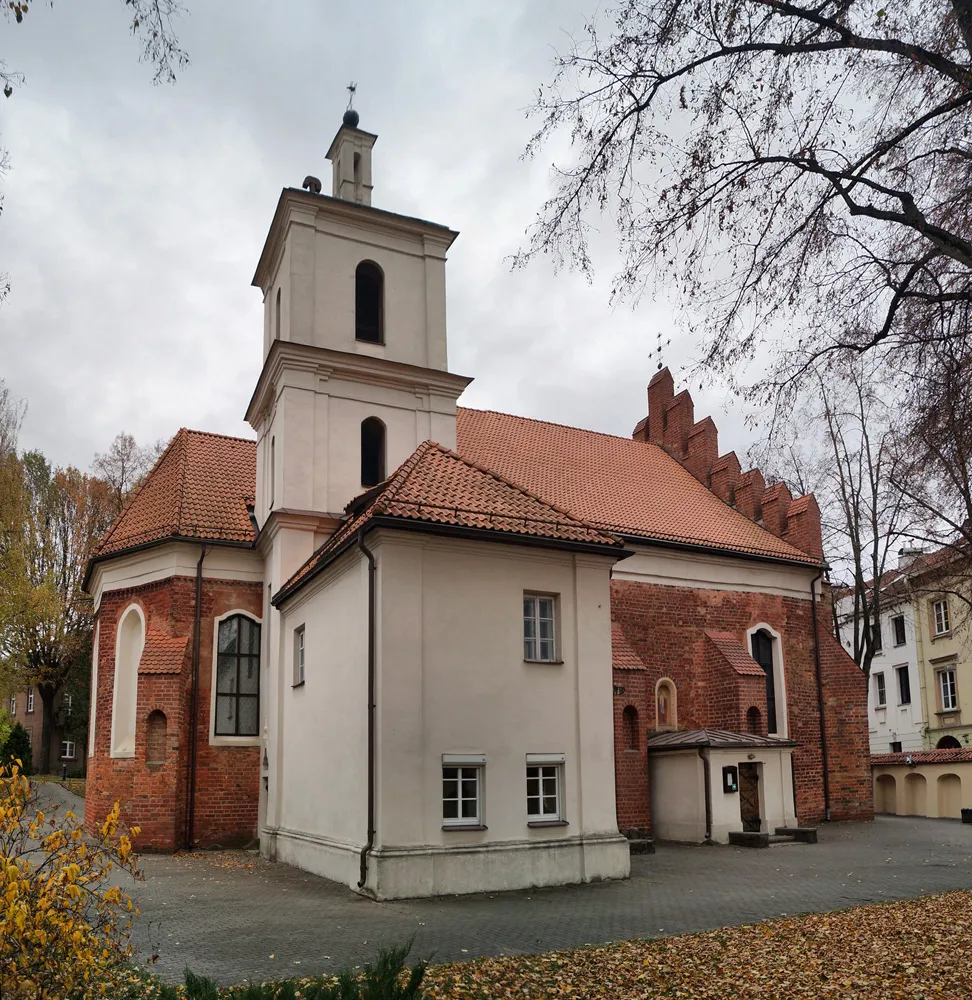
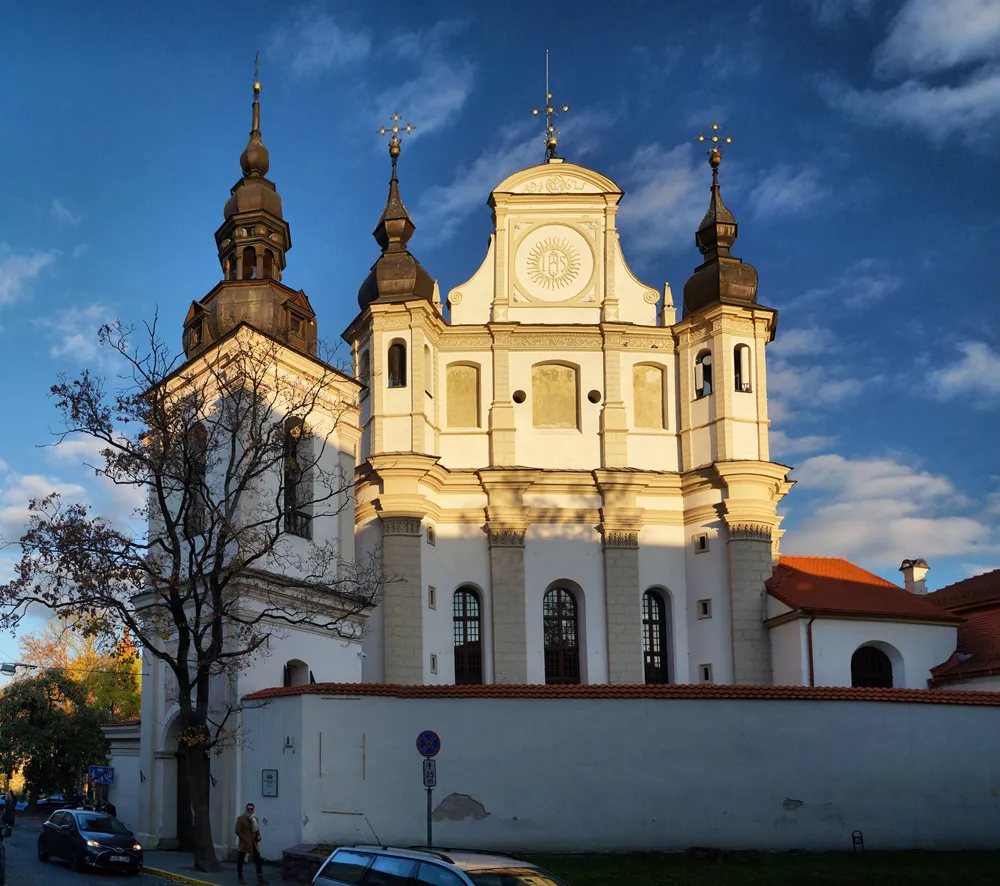
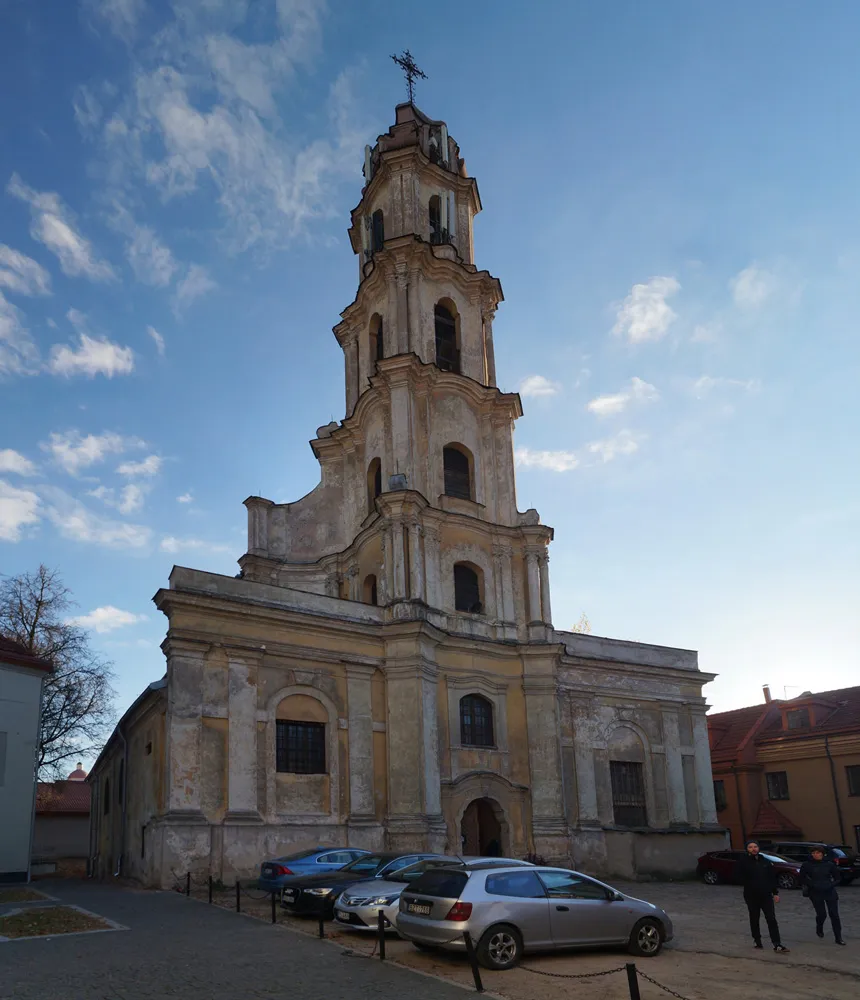
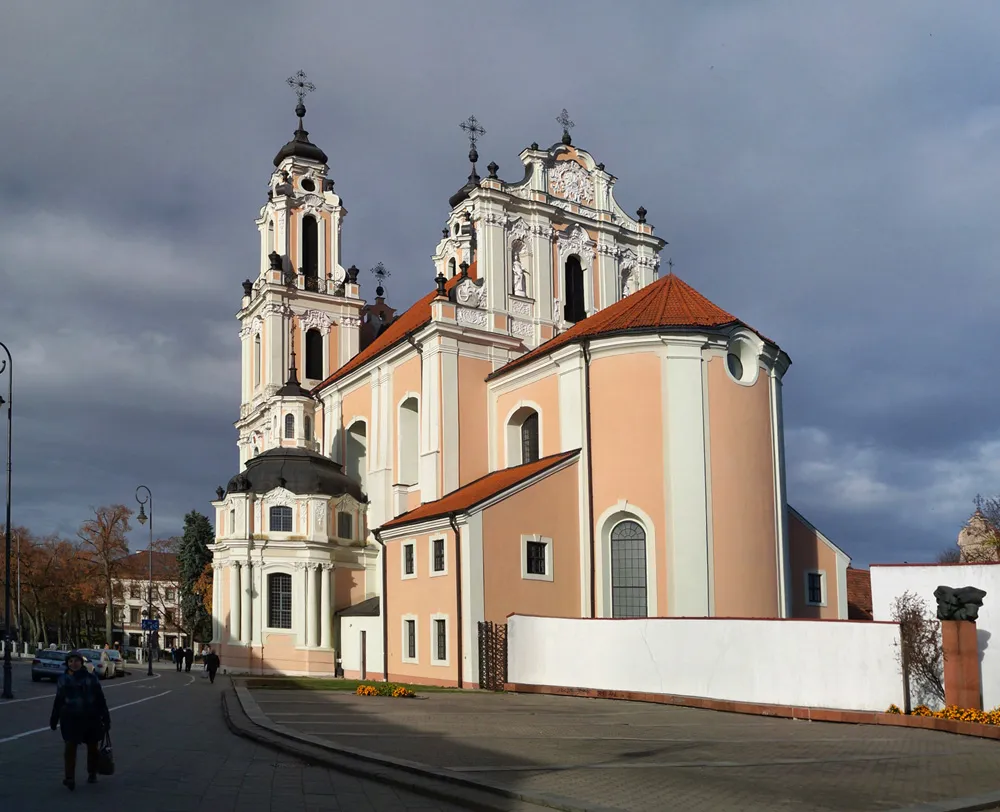
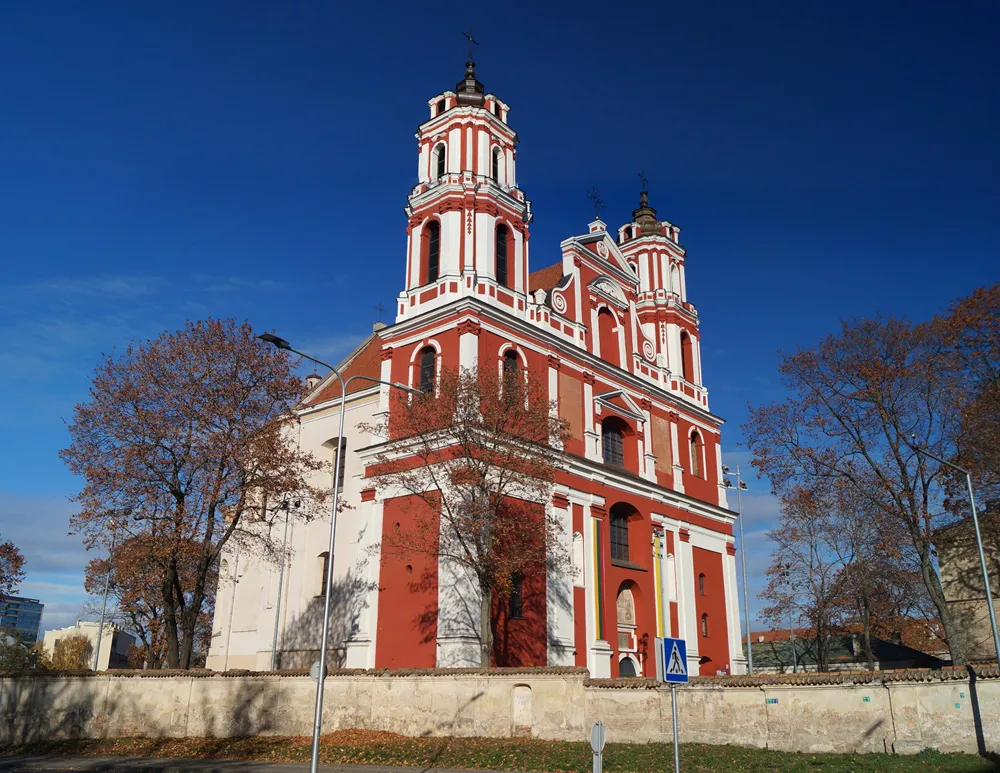
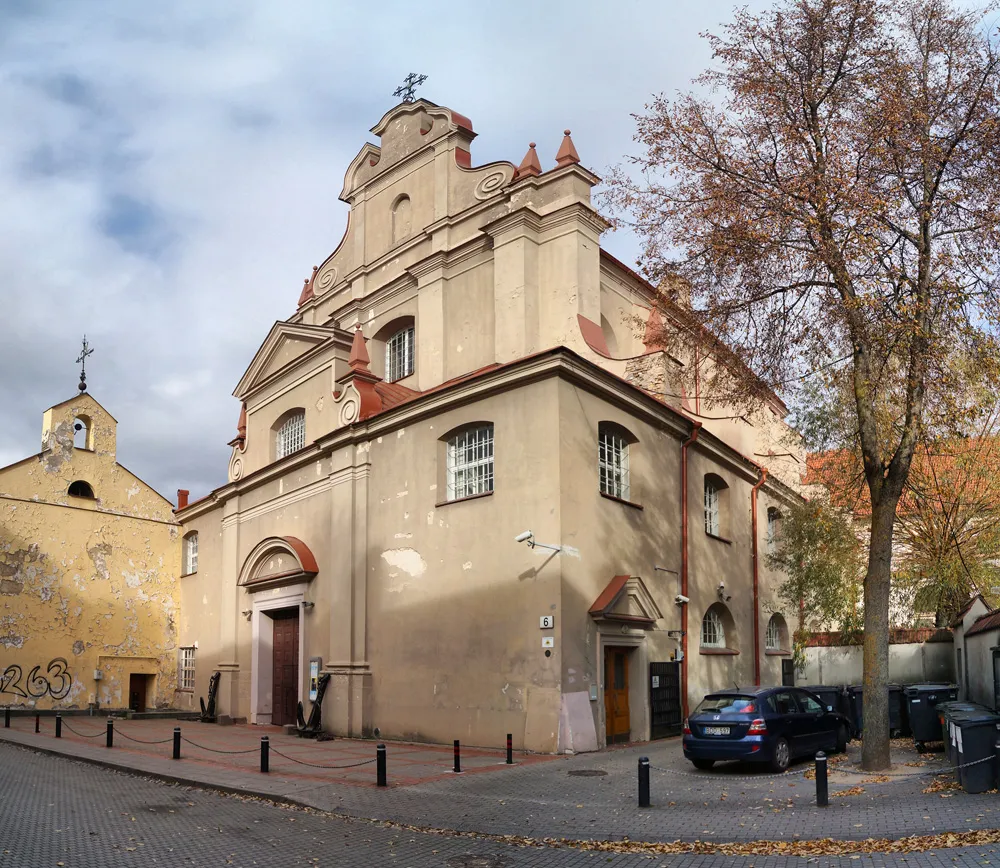
The numerous churches of the historic centre