

Malta. Sliema

· 5 min read
The taxi from the airport to the town of Sliema, where I had rented accommodation, cost about 5 euros. A narrow but well-lit street, an old house (the owner said it was 200 years old), a modern apartment with a separate kitchen and a terrace (that is what I called a piece of blind inner courtyard) – beautiful. The only inconvenience, at first, seemed to be the very low passage from the bedroom to the bathroom, hollowed out of some stone monolith. But later I realised that a piece of cave right in the apartment is rather colourful – probably when the house was built a piece of rock was walled in, and then a passage was hollowed out in it, or maybe it was there before.
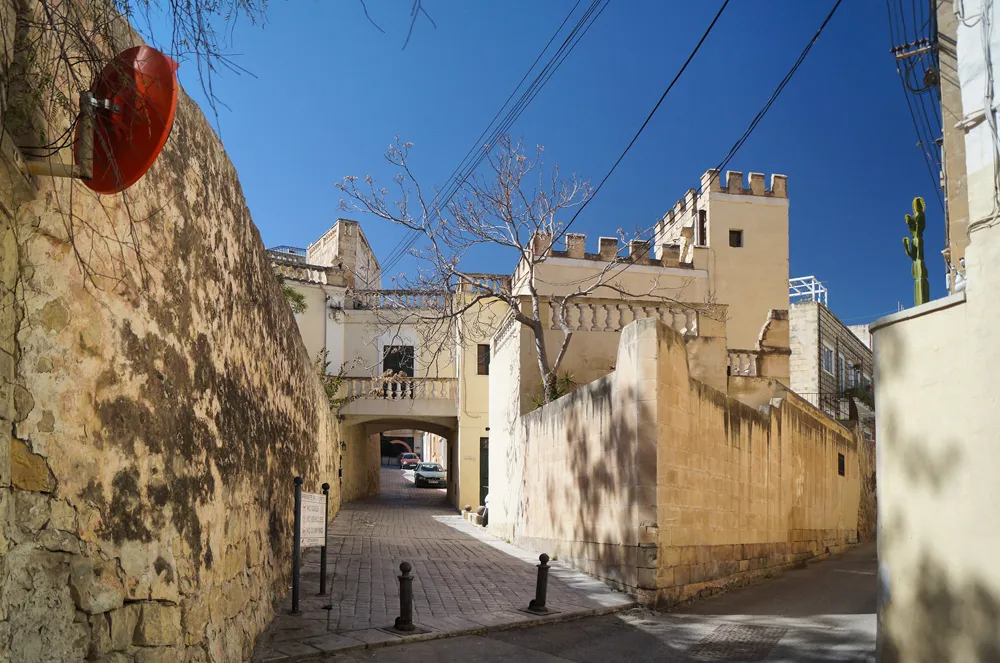
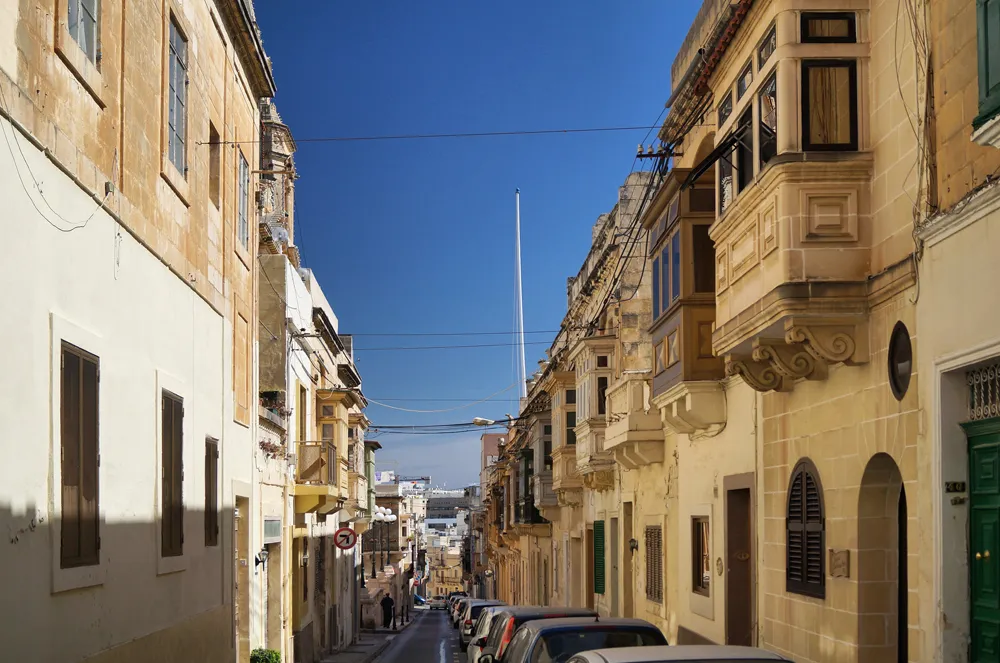
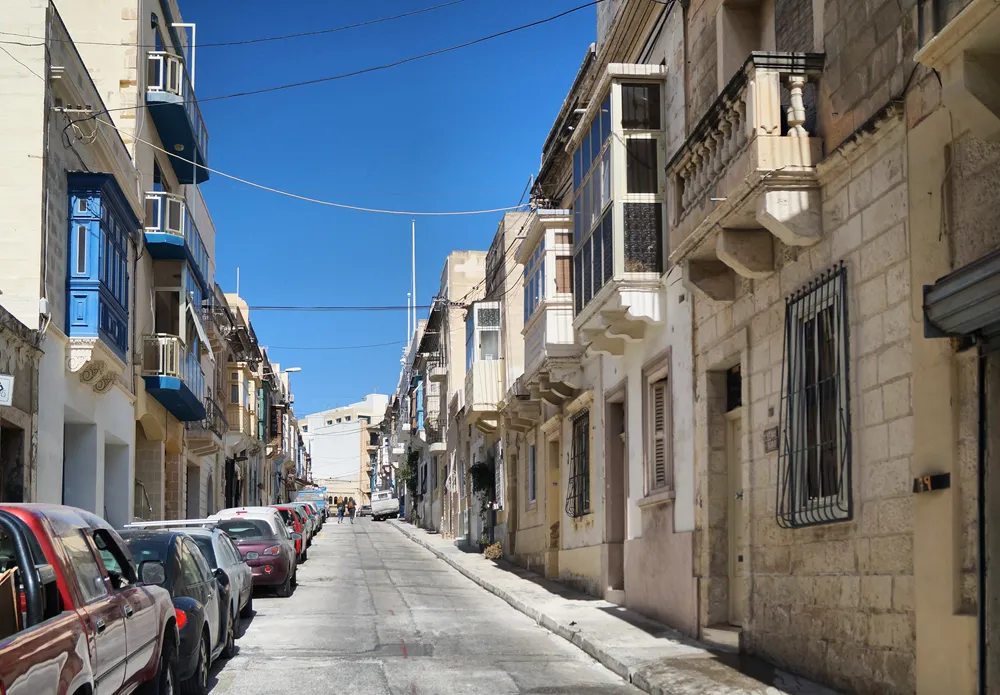
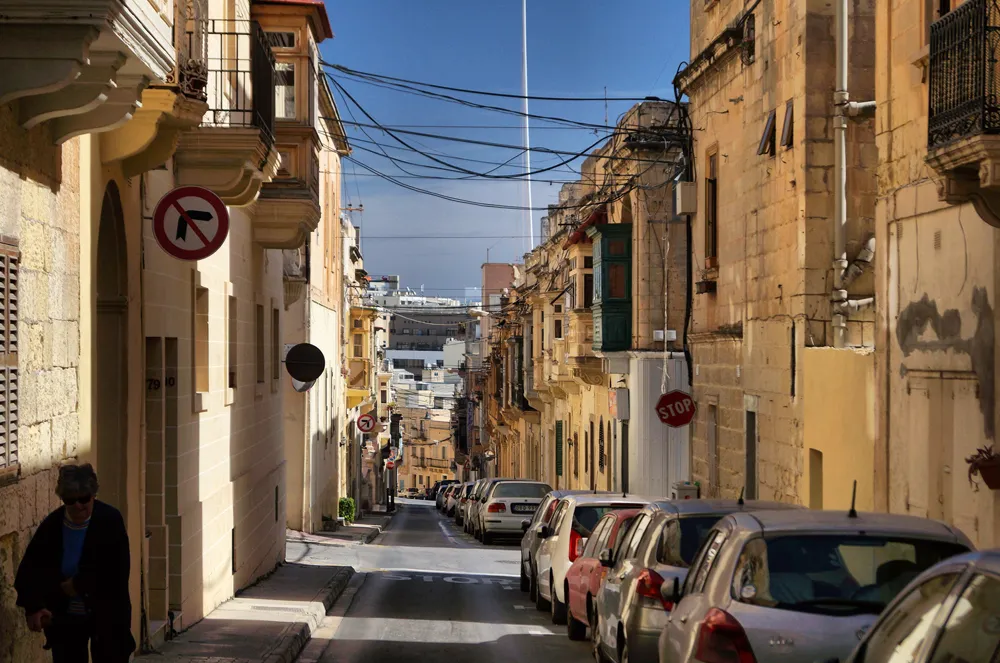
Going out into the street in the morning I saw solid old buildings – two-storey stone houses with small multicoloured balconies. These balconies are one of Malta’s hallmarks, and the houses are built of local stone – the owner of the apartment called it “lime stone” – only later did I google that in English it is “limestone”, simply the stone called vapniak in Ukrainian, only it has to be written as one word, while written separately it would be a “lemon stone”, and what kind of stone that was I could not work out at all – in Sliema they build two-storey houses, still today, as two hundred years ago, with a similar technology, so they all look old, although they may have been built a couple of years ago.
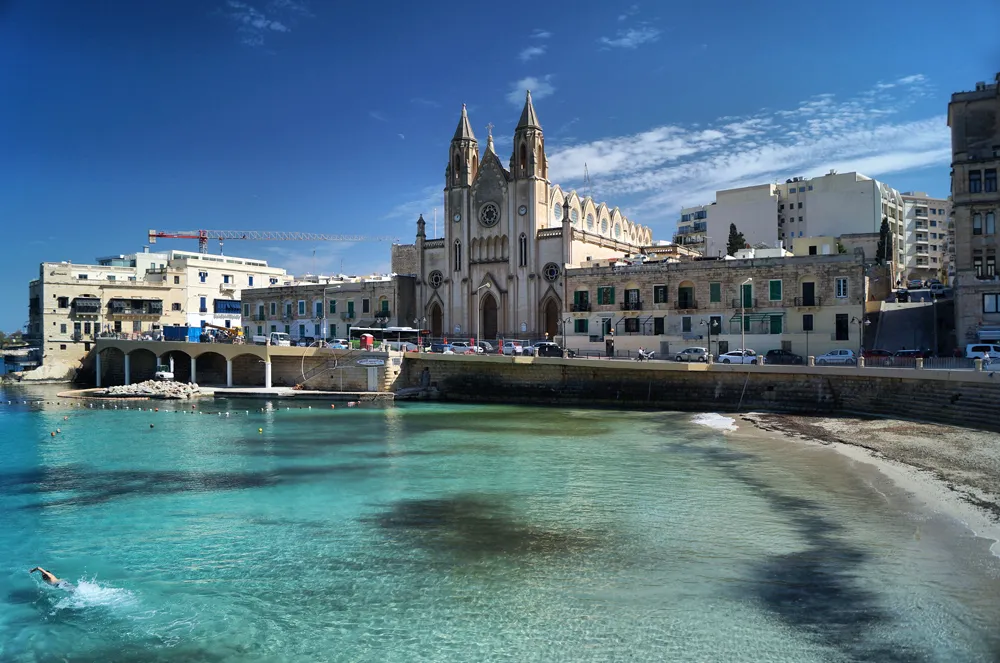
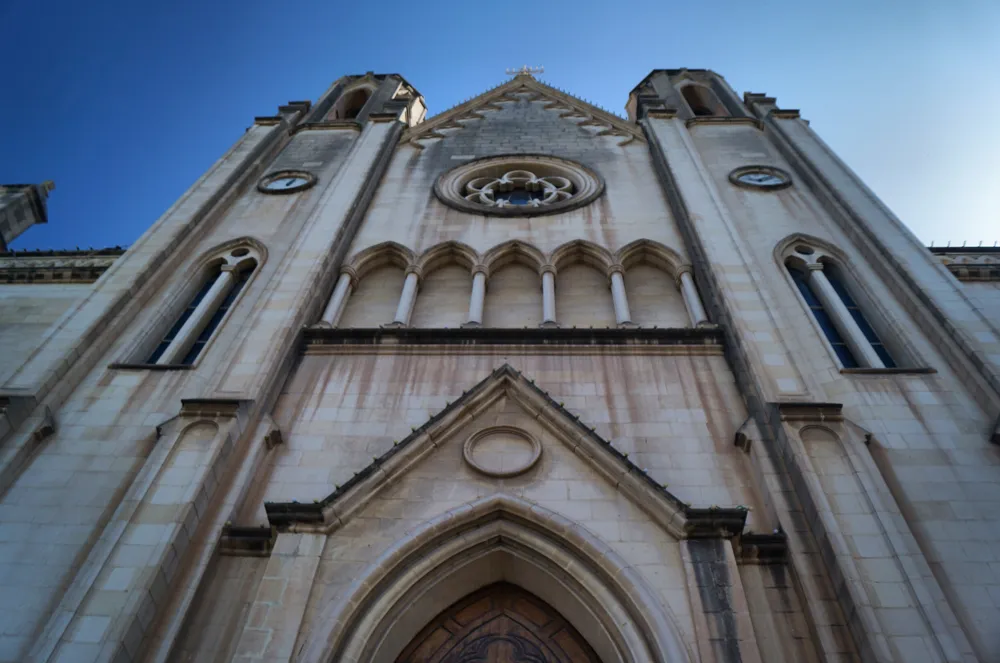
The Church of Our Lady of Mount Carmel.
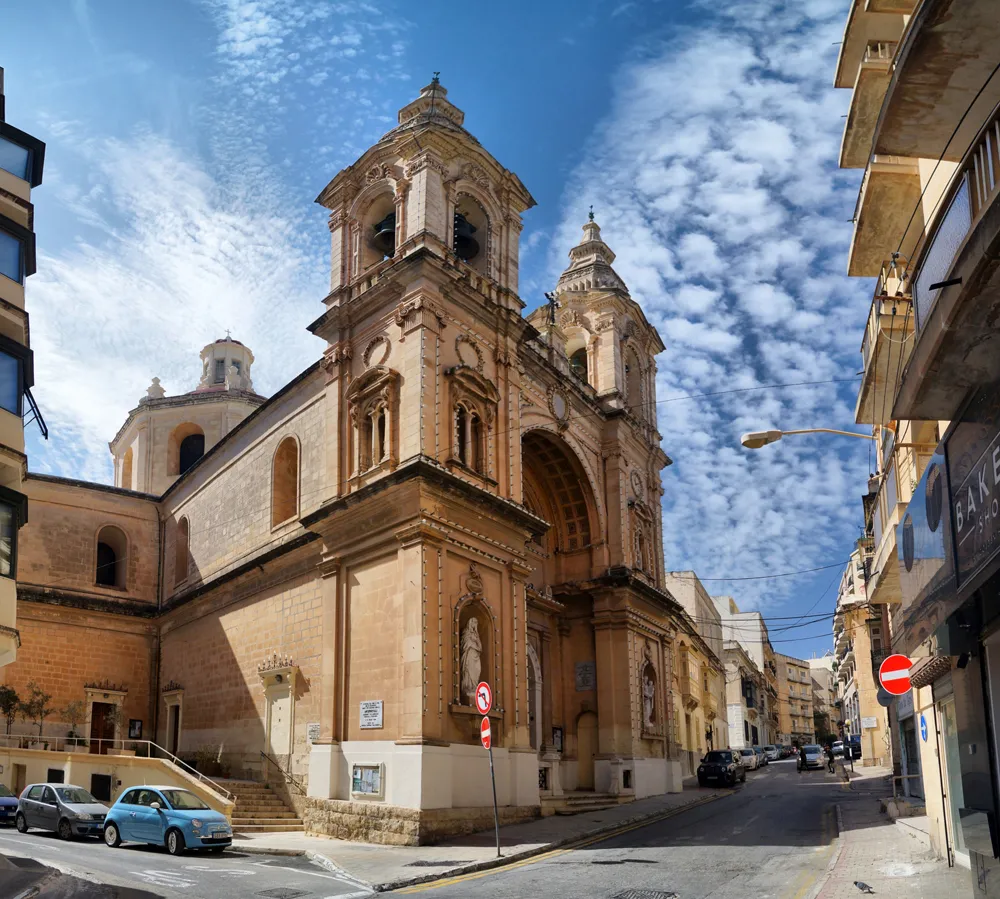
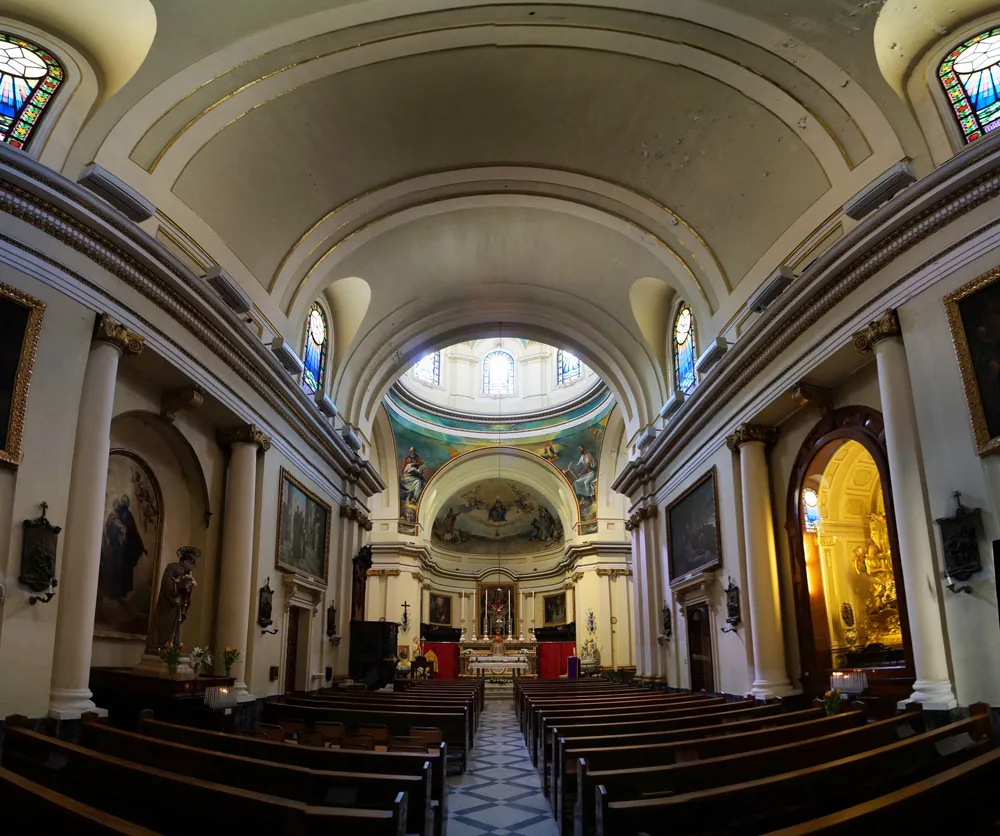
The Church of Stella Maris.
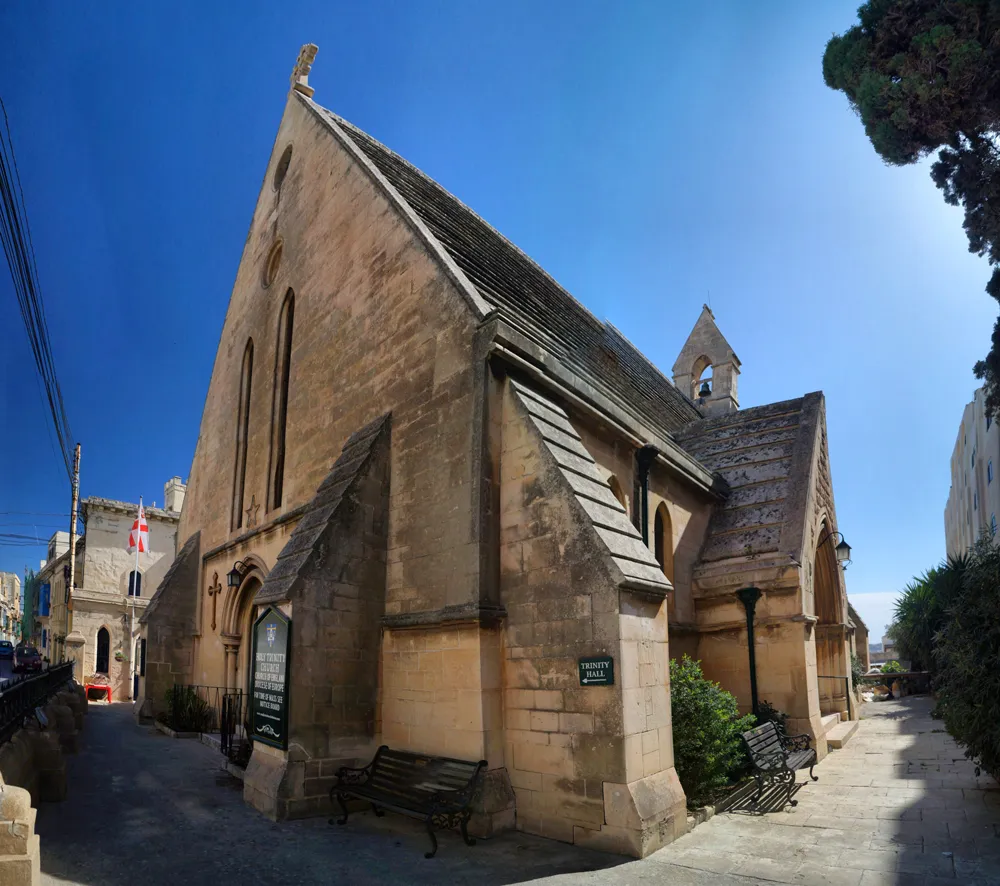
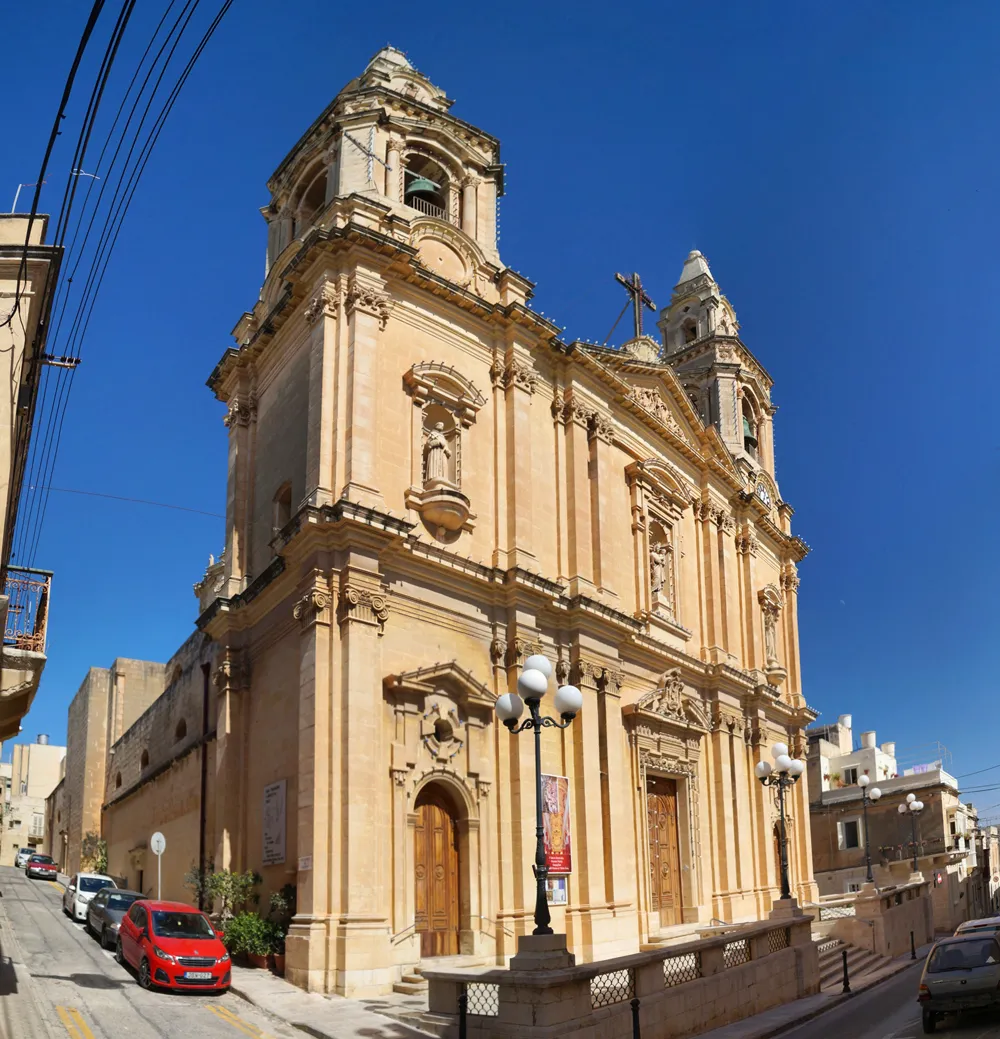
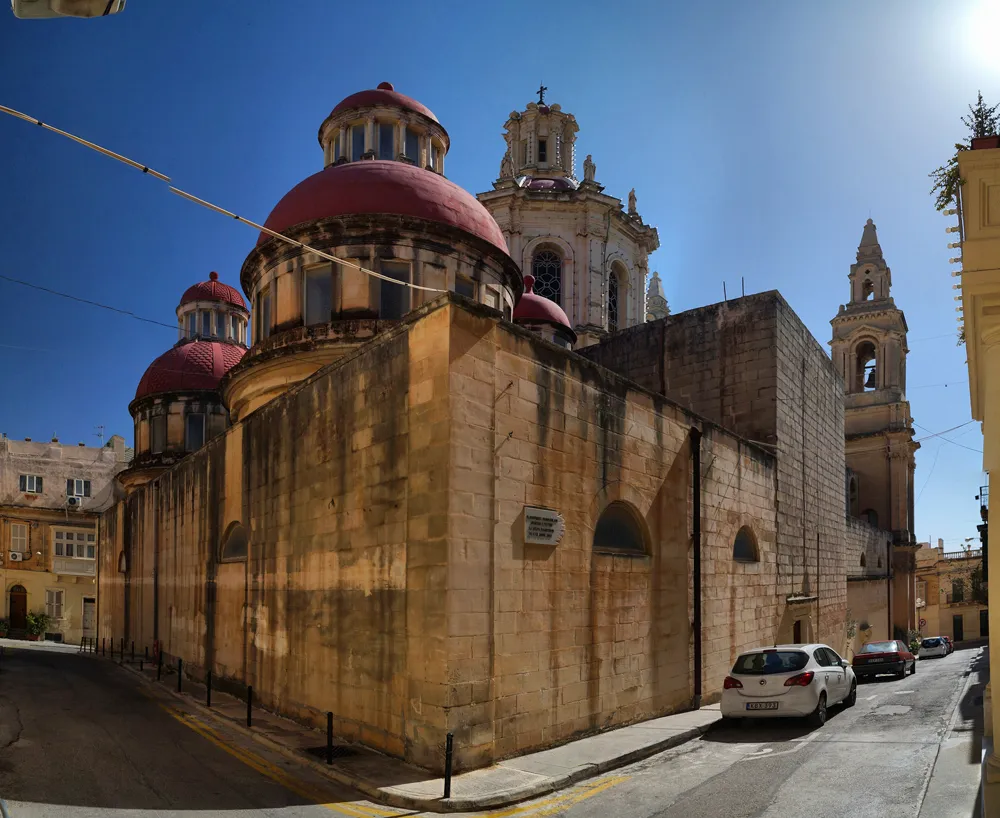
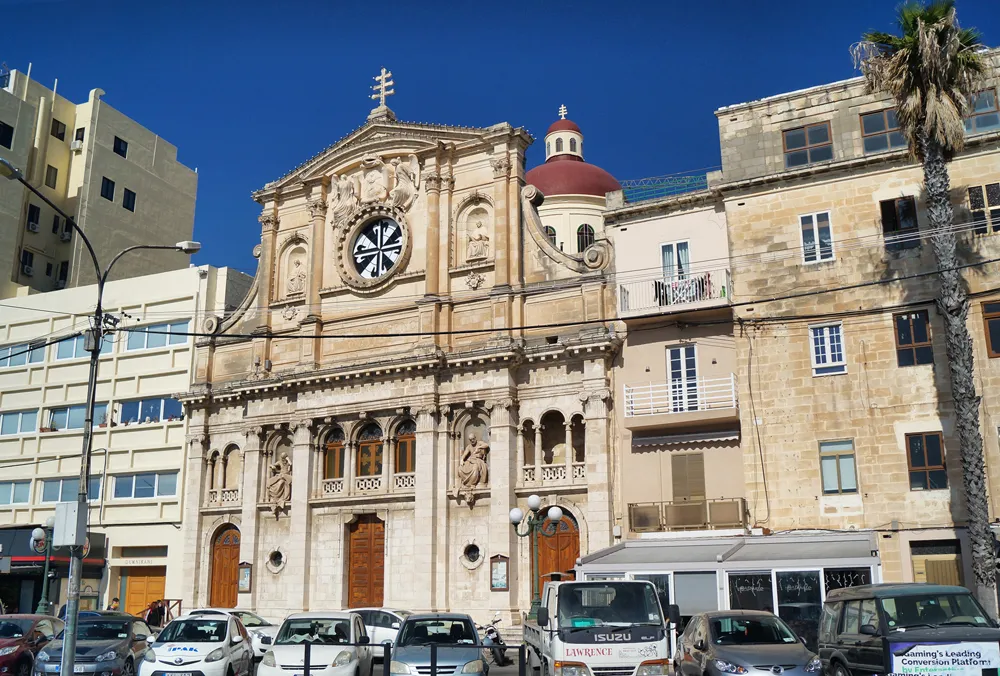
Other churches of Sliema.
The streets of Sliema enchanted me. I walked the inner quarters for a long time and photographed non-stop. My apartment was separated from the sea by some 150 metres, but I reached it two hours later. I do not just wander the streets aimlessly; in most cases I use the same system – I mark reference points on the map – churches, palaces, fortifications – and walk from point to point, looking at everything interesting along the way and taking photos. I did the same this time, taking churches as my reference points.
Not far from my apartment stood the Church of Stella Maris, which I liked enormously, so I quickly typed the word “churches” into Google Maps, looked at a few accompanying photos – wow, they are all so cool – and decided to see as many as possible. Later I found out that a considerable part of Malta’s churches were built under British rule, already in the nineteenth century, including the Church of Stella Maris and the Church of Our Lady of Mount Carmel – a very colourful Neo-Gothic church built right over the water – and the large Church of Jesus of Nazareth, in Sliema’s port, by the ferry crossing to Valletta.
The Maltese word sliem means “peace” and was used in the Maltese language as a greeting or salutation, or at the beginning of many prayers. The name of the town of Sliema is linked precisely with the prayer of sailors (Hail Mary – Sliem Għalik Marija), who began it on seeing a chapel-lighthouse on the shore where the town now stands. That chapel no longer exists – on the Sliema shore there are now forts, beaches and a great number of hotels. The hotels are very modern, mostly of concrete, metal and glass, and before the pandemic they were full of tourists, even in winter, and not only Chinese ones. The beaches are strange – most often it is solid flat yellow stone, the limestone from which most of the old buildings are made. In Sliema these beaches descend into the water in steps, and there are quite a few people on them even at the end of February, and many swim.
Among Sliema’s fortifications I want to mention the pretty St. Julian’s Tower, located on the northern edge of the town – next to it are lots of assorted little restaurants – and especially Fort Tigné, built by the Knights in 1793–1795 to defend the entrance to Marsamxett Harbour, opposite the heroic Fort St. Elmo.
Fort Tigné is one of the oldest polygonal forts in the world – so says the British Wikipedia, and I have no reason not to believe it, but I do not understand the term “polygonal”, in the sense that I do not know of any non-polygonal forts at all; perhaps it means forts with very complex configurations, with more than five angles. On the site of Fort Tigné, the commander of the Ottoman army, Dragut, built a battery in 1565 that shelled Fort St. Elmo; later there were quite a few proposals to build some fortification on this strategically advantageous spot, but it was built only at the end of the 18th century, and rebuilt in the era of British rule. Fort Tigné was at the disposal of the army until 1979. Today it is a tourist site.
Fort Tigné was the first building of the town of Sliema, which grew up on the northern shore of Marsamxett Harbour in the nineteenth century. In the time of British rule it was a popular resort of wealthy residents of Valletta – villas began to appear here, often quite luxurious ones, which can still be found on the town’s inner streets. Present-day Sliema is the main base for the numerous tourists who arrive in Malta from all over.
Text and photos by Roman Malenkov.
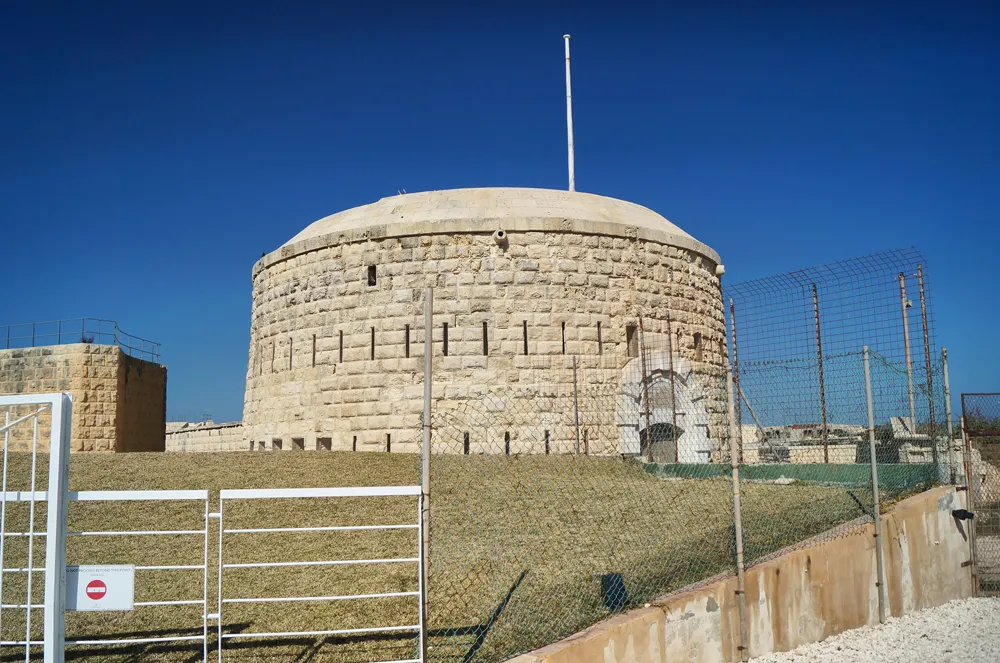
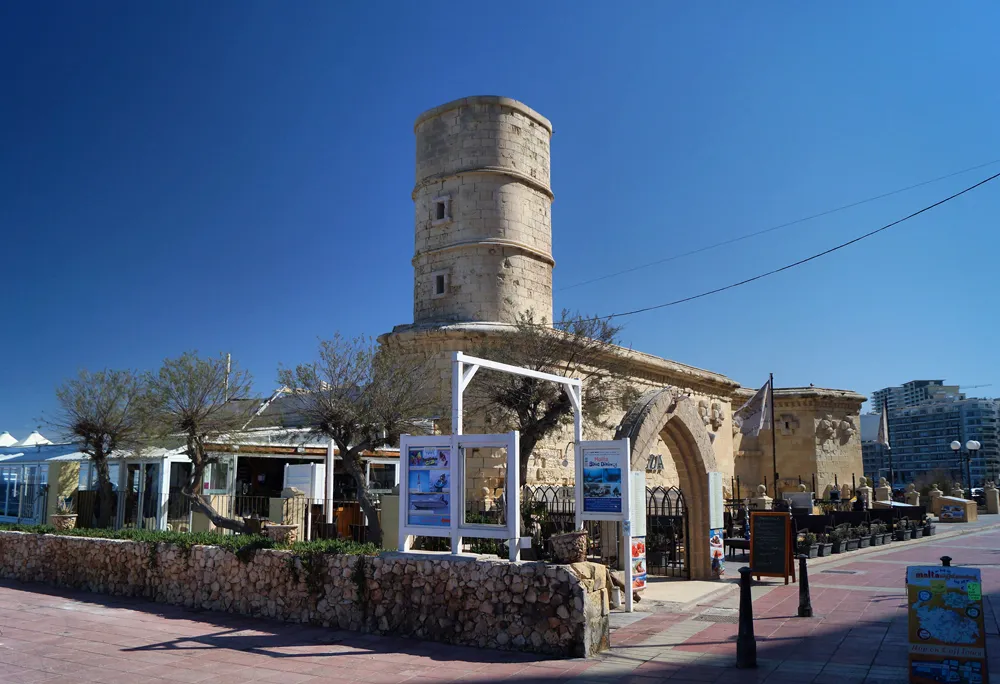
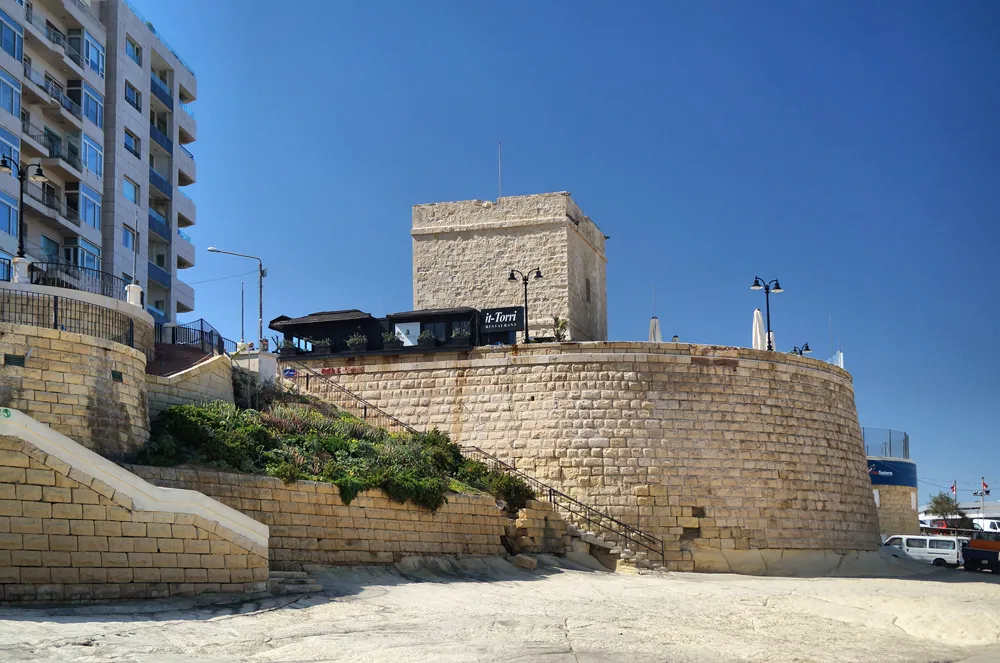
Sliema’s fortifications.
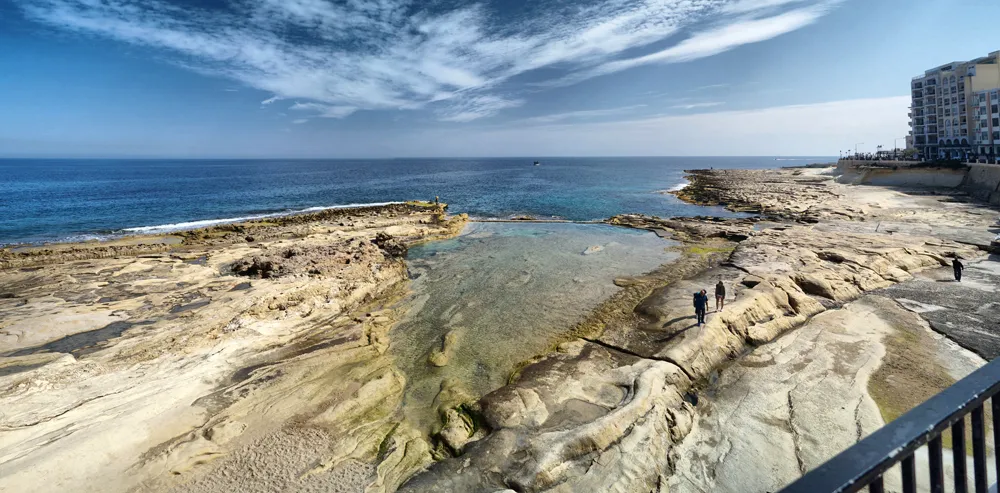
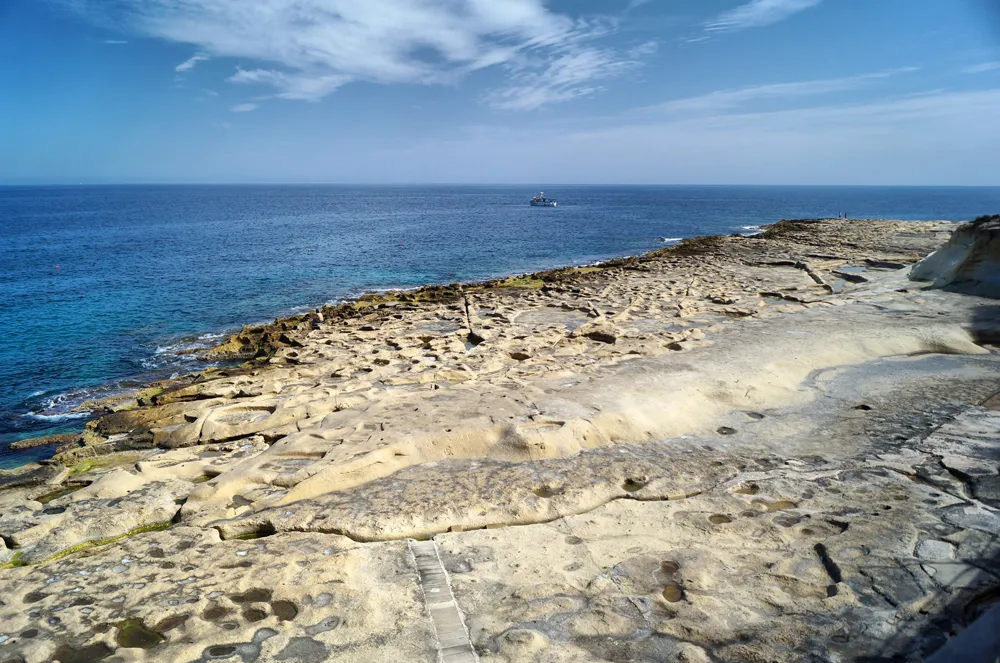
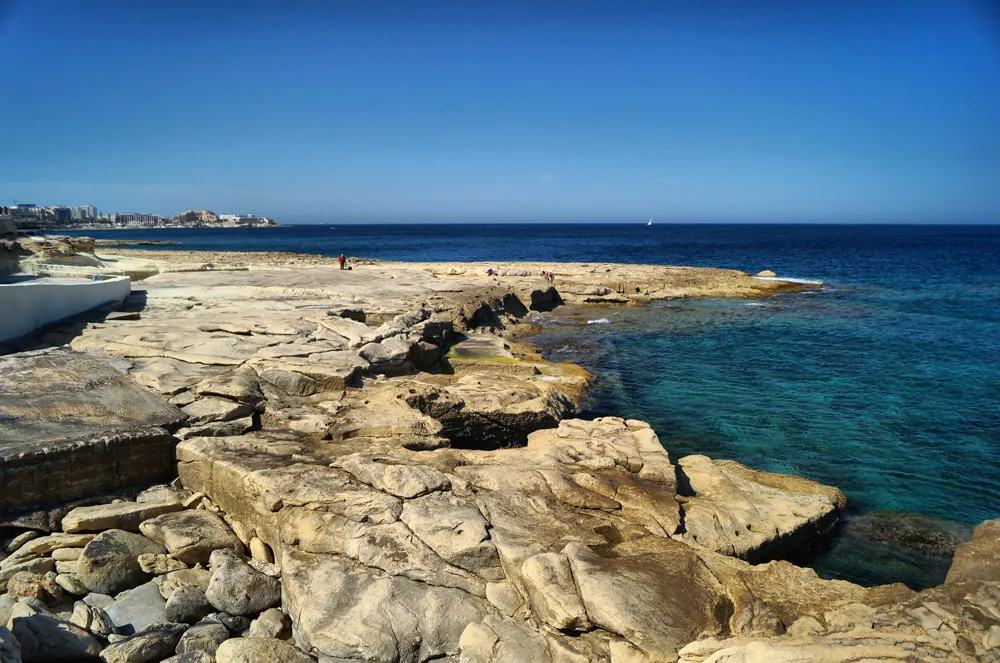
Limestone beaches.


