

Perast

· 4 min read
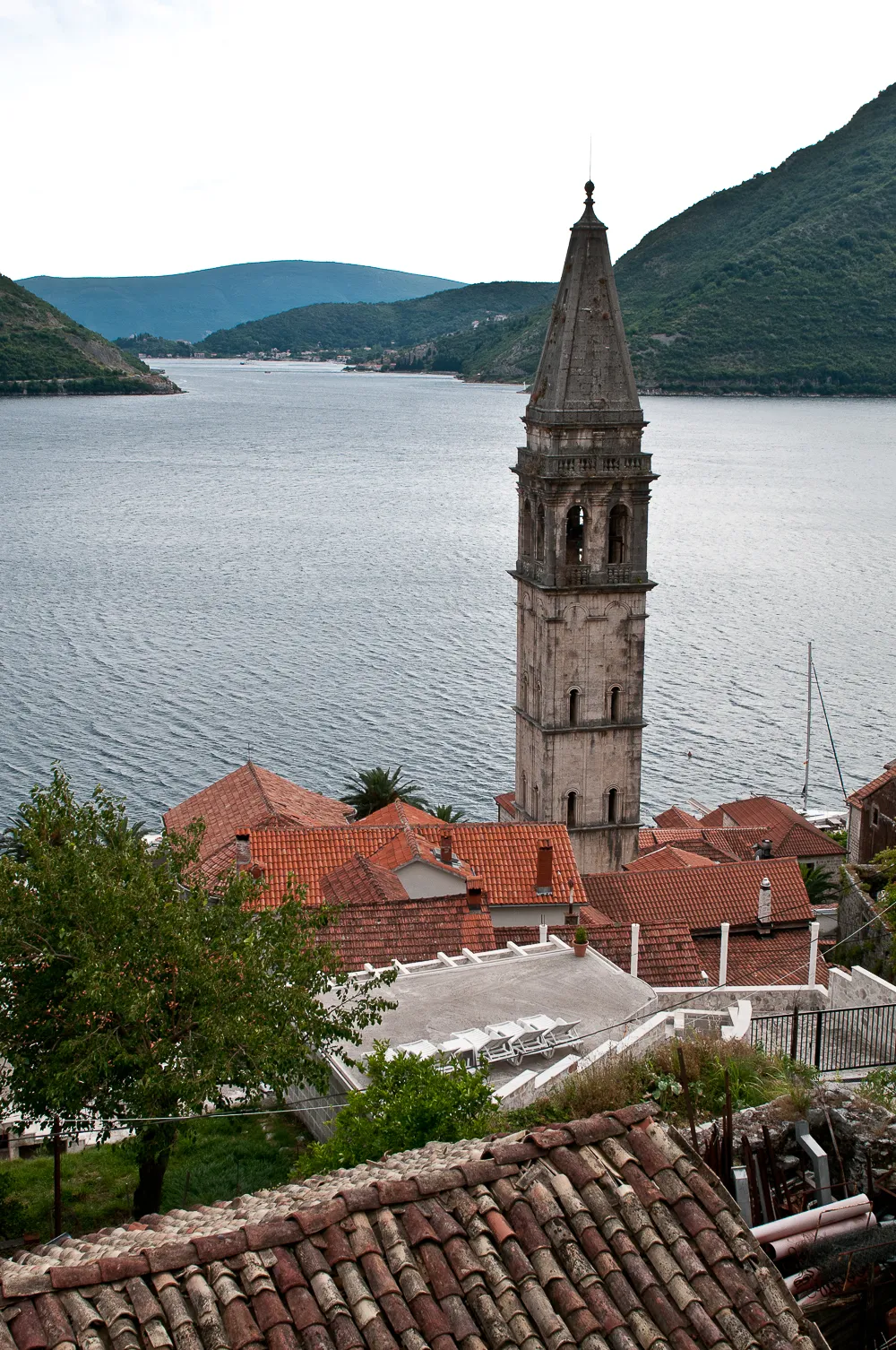
Perast is an old town in Montenegro on the shore of the Bay of Kotor of the Adriatic Sea, at the foot of Mount St. Elijah (873 m).
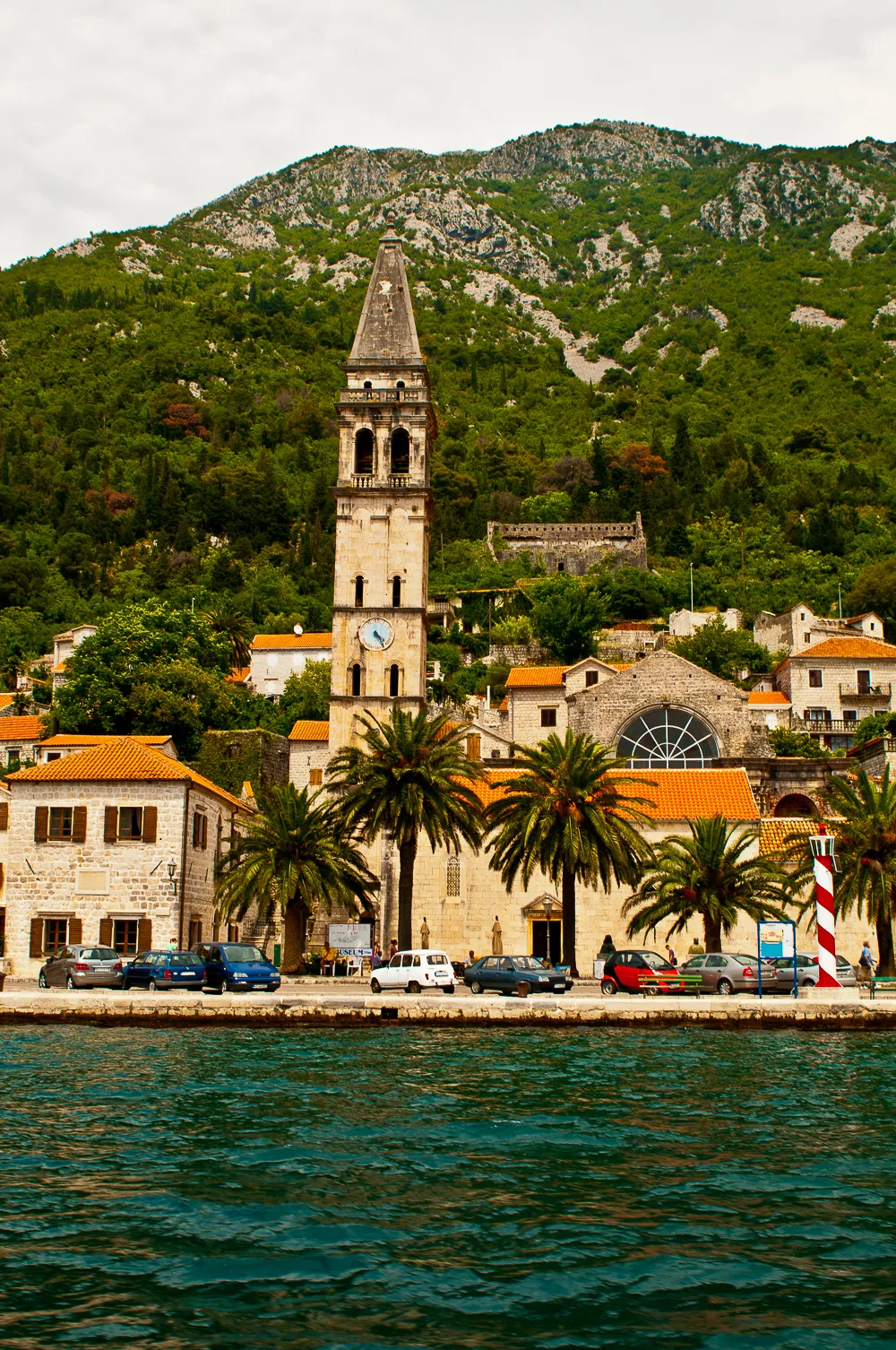
The town lies on a promontory that divides the bay into the Risan and Kotor bays, right opposite the narrowest part, the Verige strait. This water barrier was the border between the Bosnian and Serbian kingdoms, and later between the Republic of Venice and the Ottoman Empire.
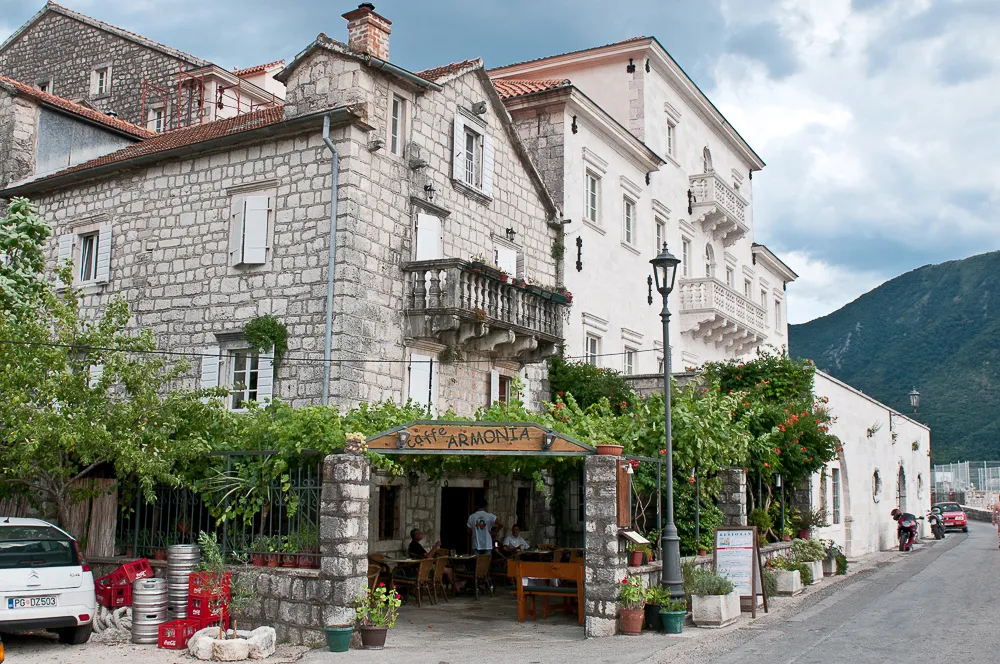
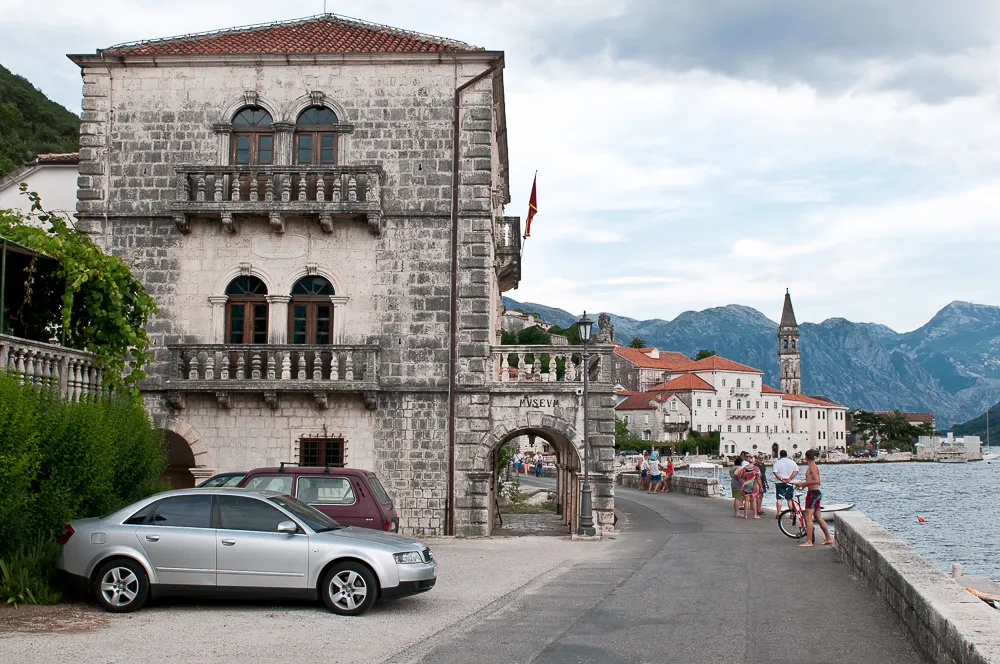
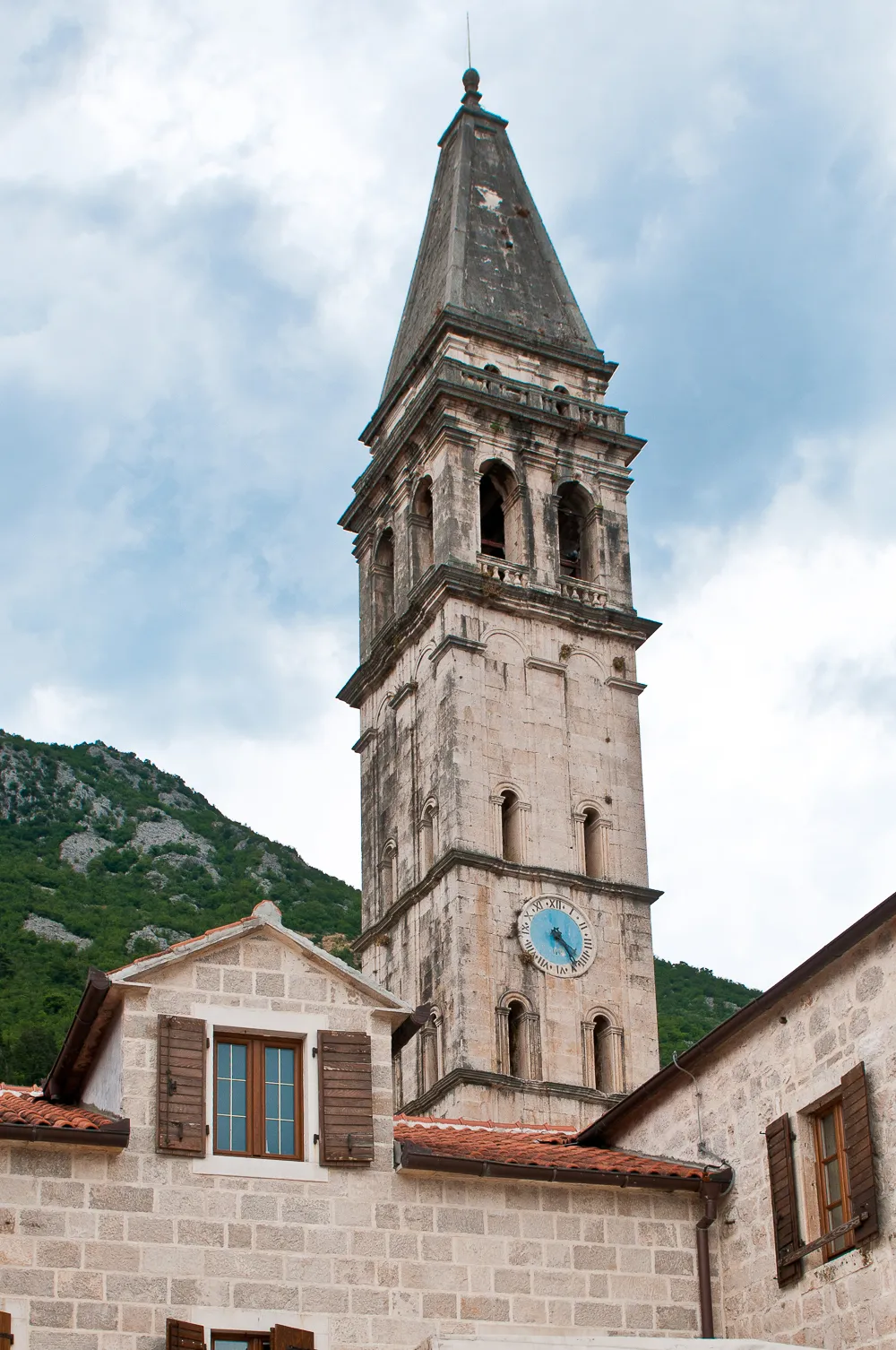
Perast is tiny and can be seen in literally an hour, even with a climb up the tower of the Church of St. Nicholas. All the houses are lined up along the waterfront. Apart from it there is only one small street.
It is noticeable that the town has a great many ruined buildings; after an ancient earthquake they were never rebuilt. The reason is banal: owners of homes are strictly forbidden to change anything in a building’s exterior. The houses must remain as they were several centuries ago. You cannot rebuild, add a few storeys, glaze a balcony, or hang an air conditioner. How do they, poor things, live? Horror. It is we in Ukraine who can glaze a balcony on an architectural monument or stick in an air conditioner. There are practically no beaches in the town either; people swim straight from the pier. At the same time Perast is often called the “town of millionaires”. Supposedly any authentic house, even a ruined one, costs more than a million euros. There are rumours that this is where well-known Russian and Ukrainian politicians and businessmen buy their “dachas”.
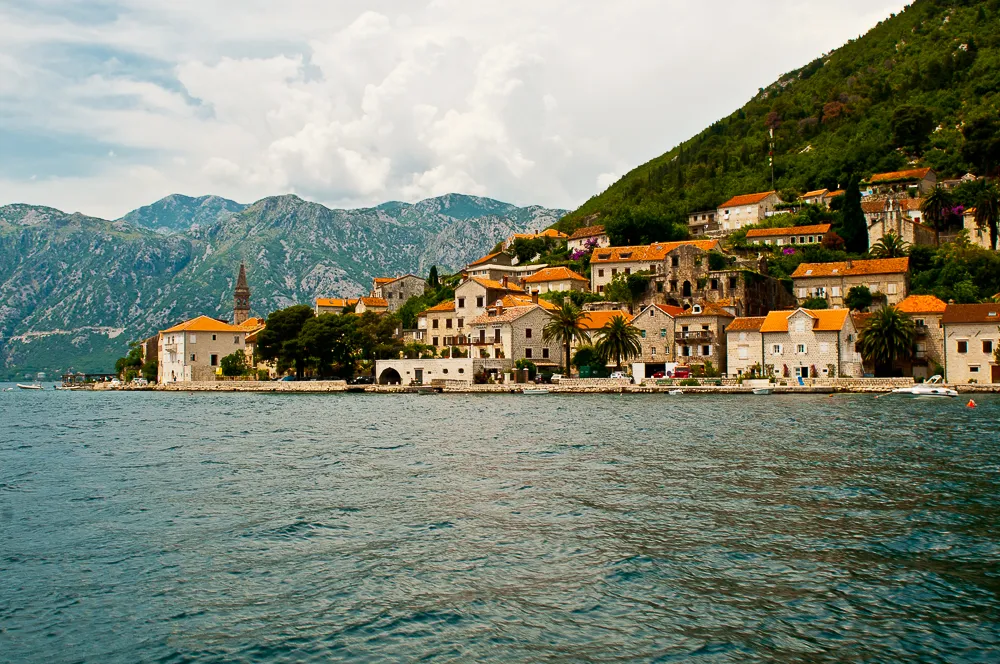
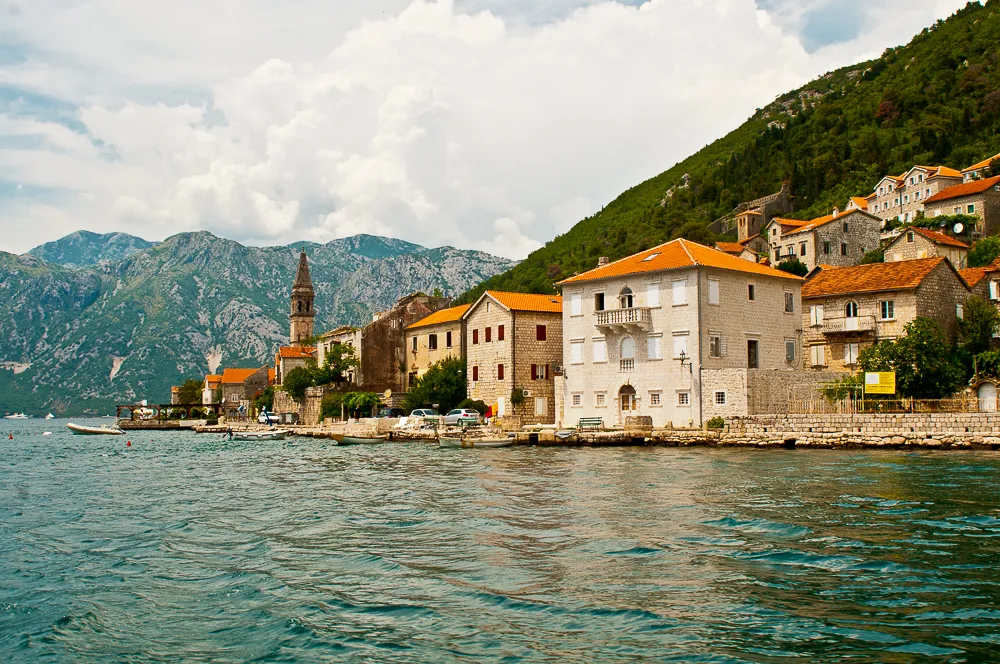
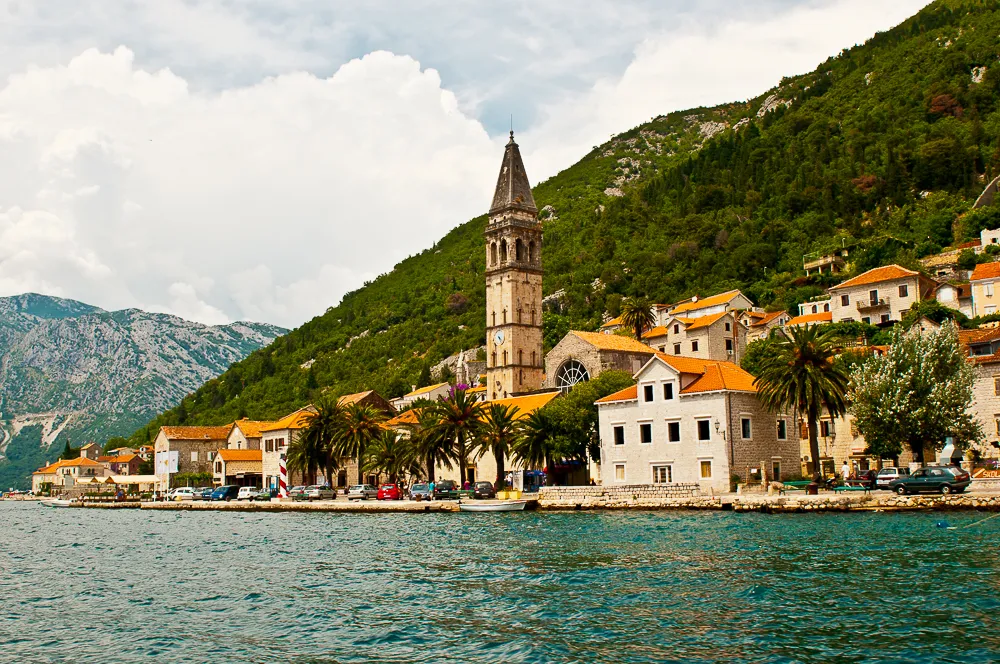
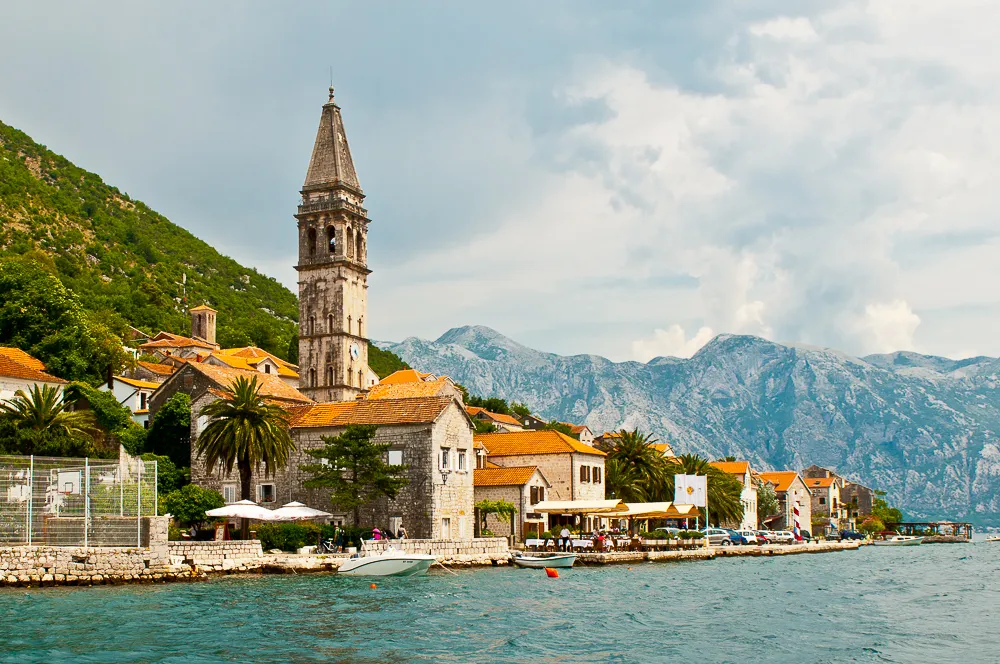
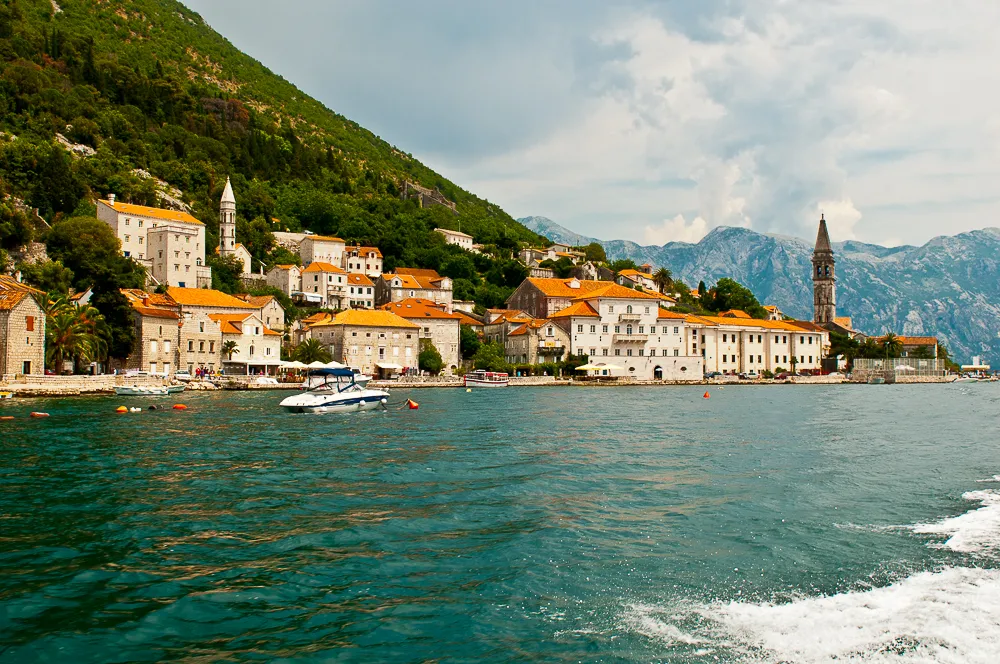
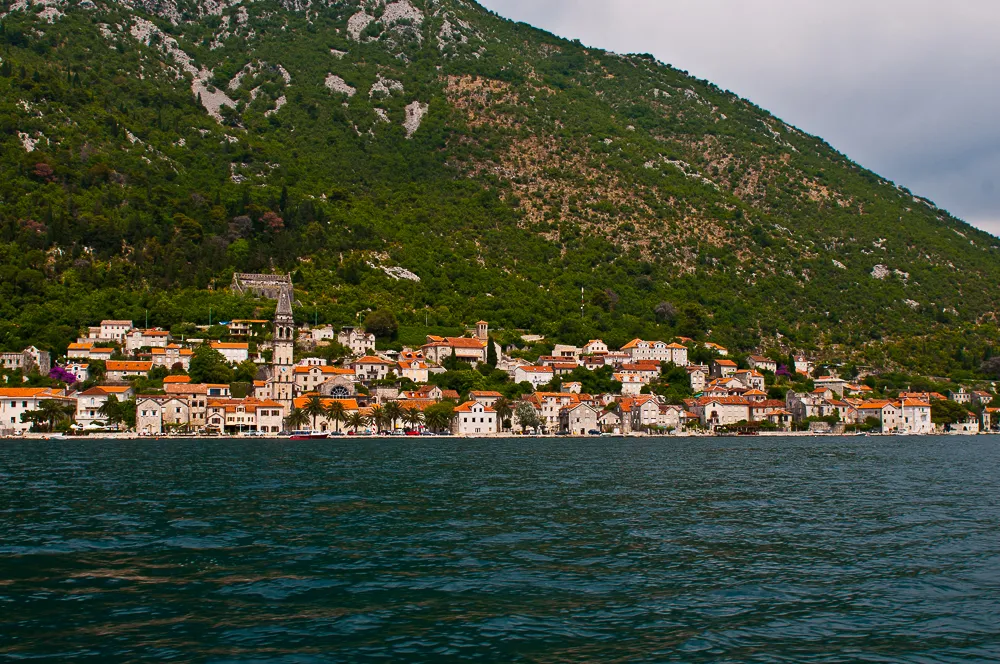
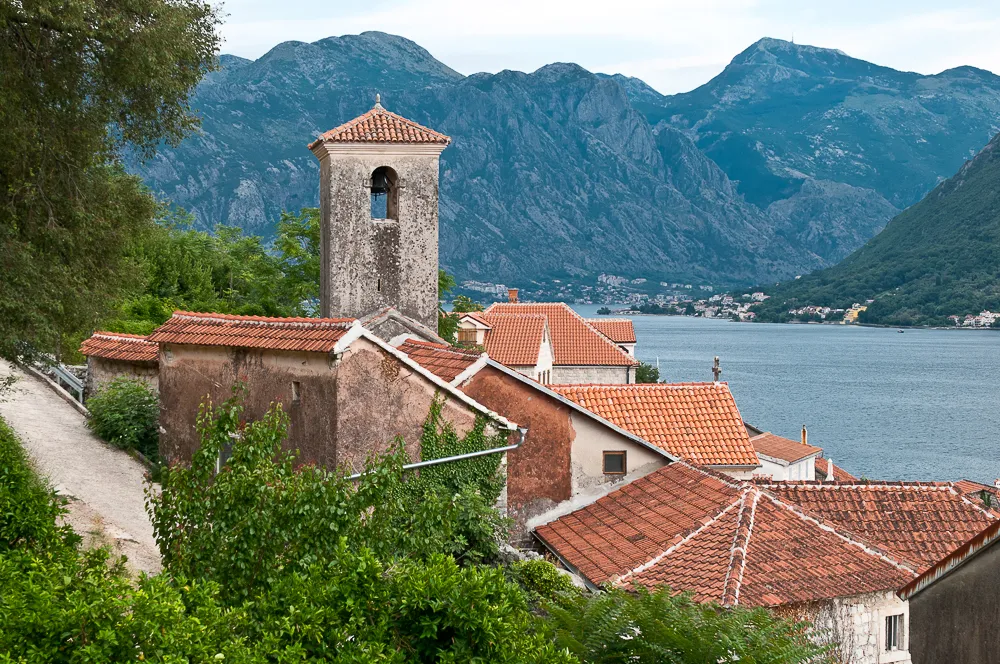
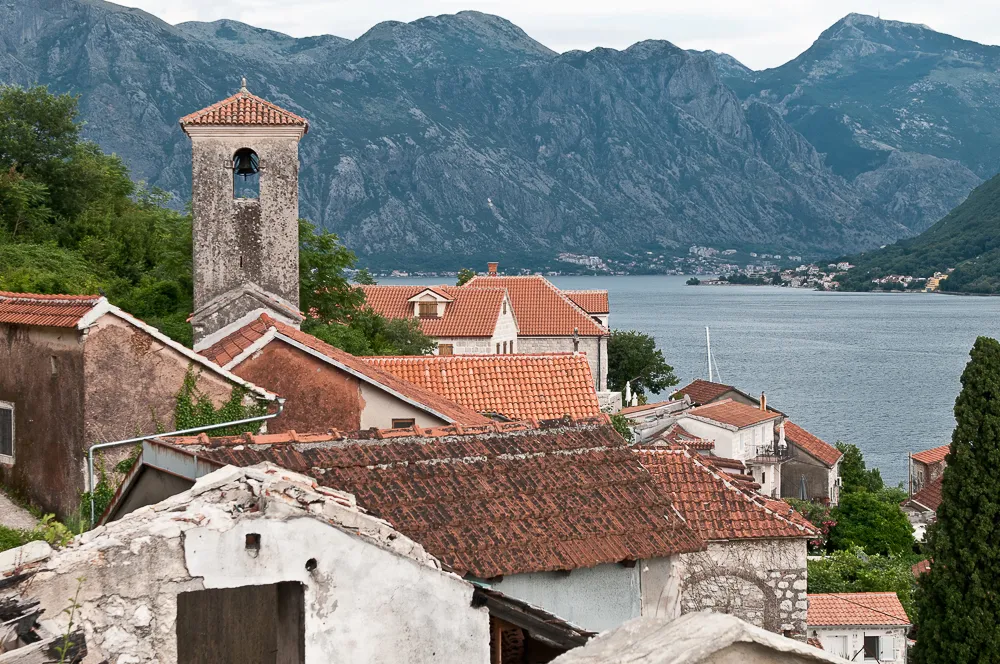
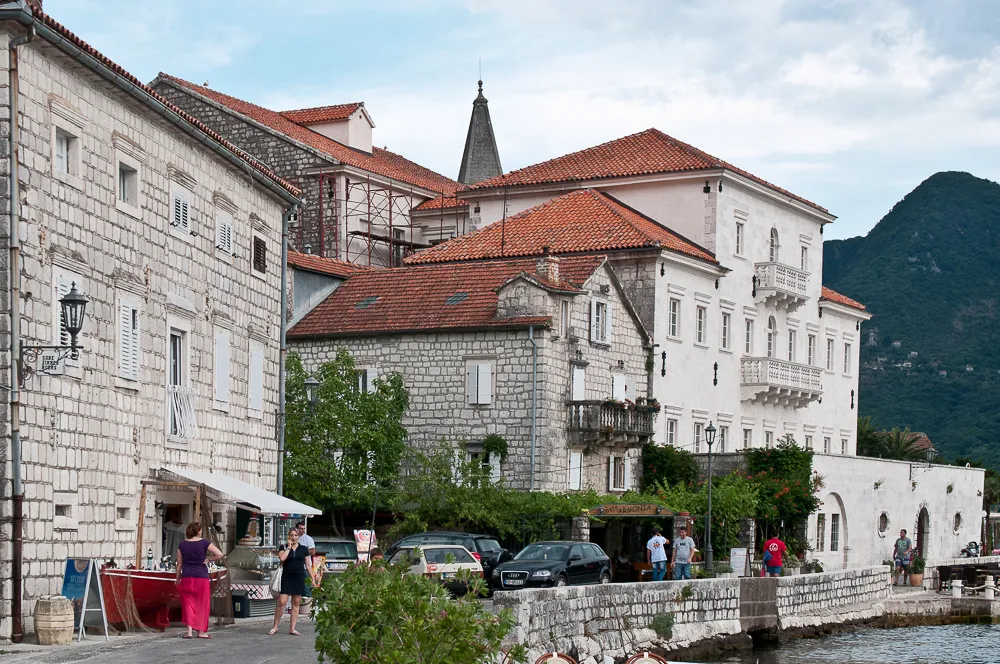
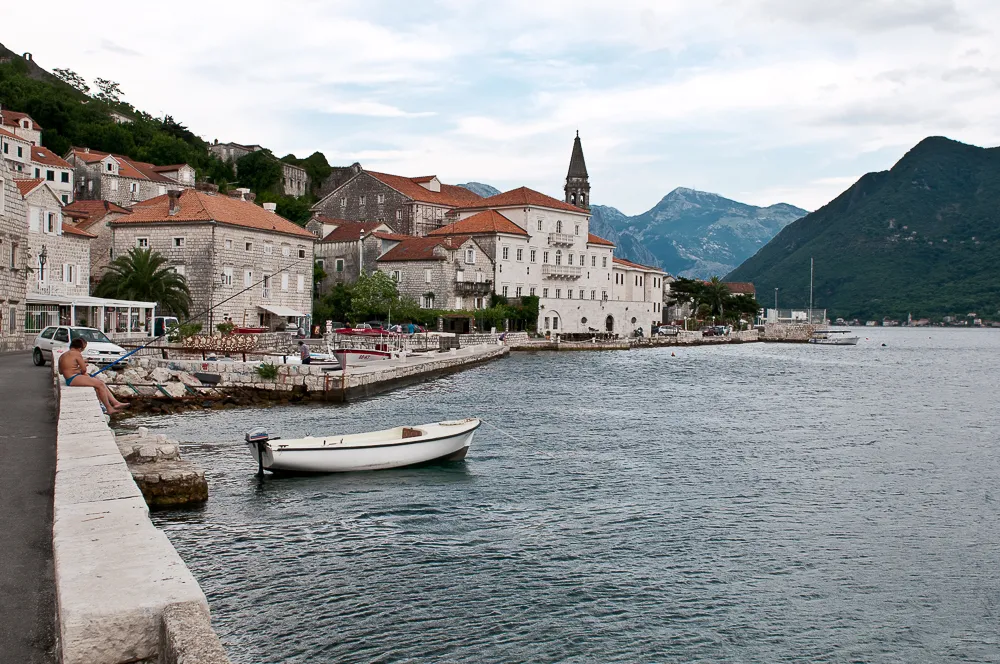
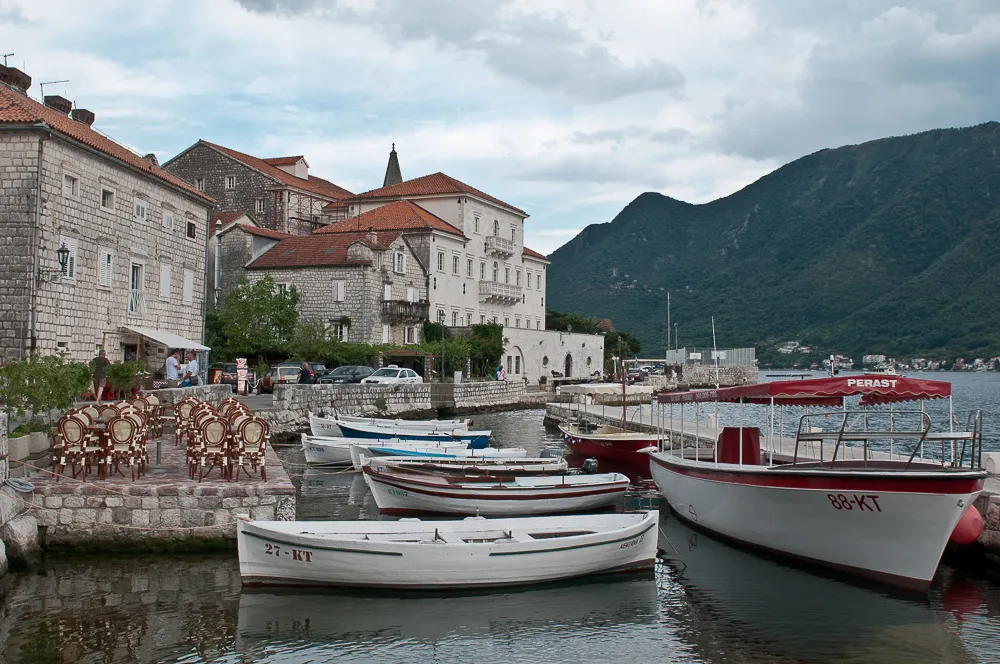
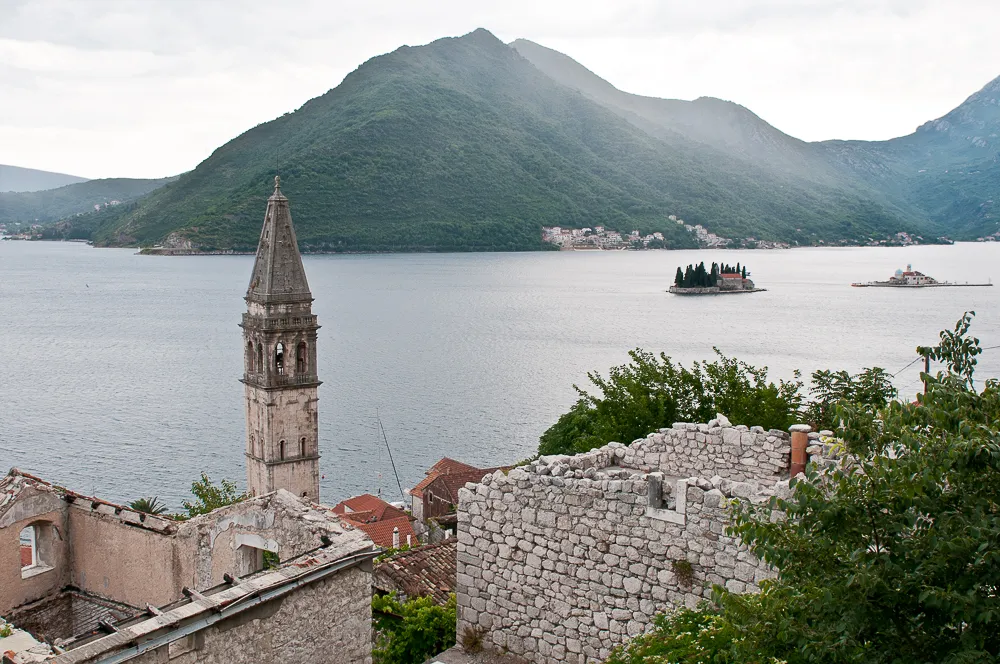
According to archaeologists’ assumptions, the town was founded by the Illyrians and named after one of the local tribes, the Pirusts. The first mentions of the small fishing village of Perast date from 1336. Prosperity came to the town in the Venetian period, when it became an important outpost on the border with the Turks. In the 15th–17th centuries 10 chardaks (defensive towers) were built, as well as the Fortress of the Holy Cross. A chardak is a two-storey, almost square building scattered around the town, which served for defence and shelter in case of a long siege. The oldest of them, that of Marković or Martinović, was built by the inhabitants at the beginning of the 16th century on St. Nicholas Square. The Fortress of the Holy Cross was built in 1570 next to the church of the same name from the 9th century. To strengthen the defence, the Verige strait was blocked with chains at night.
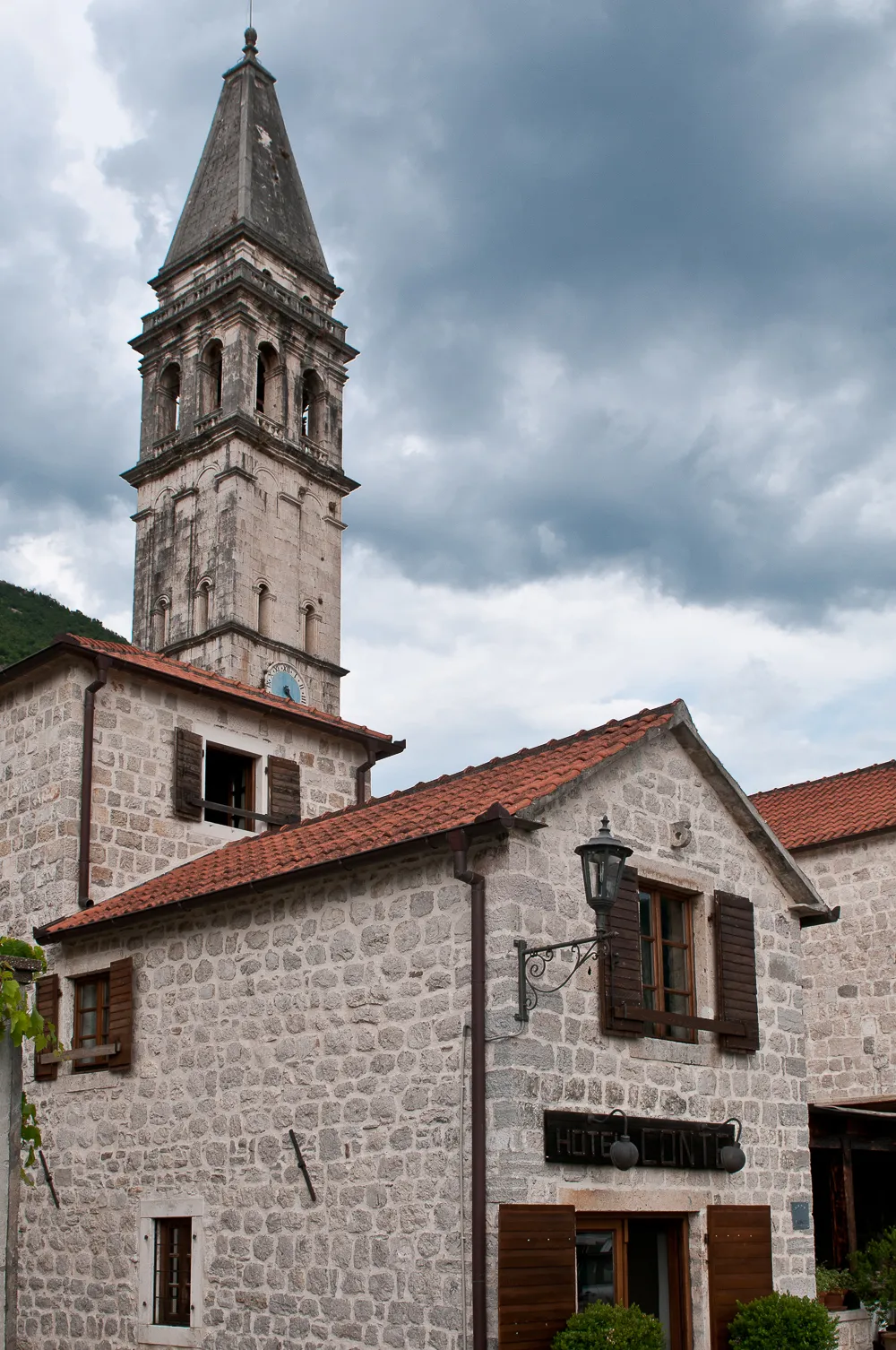
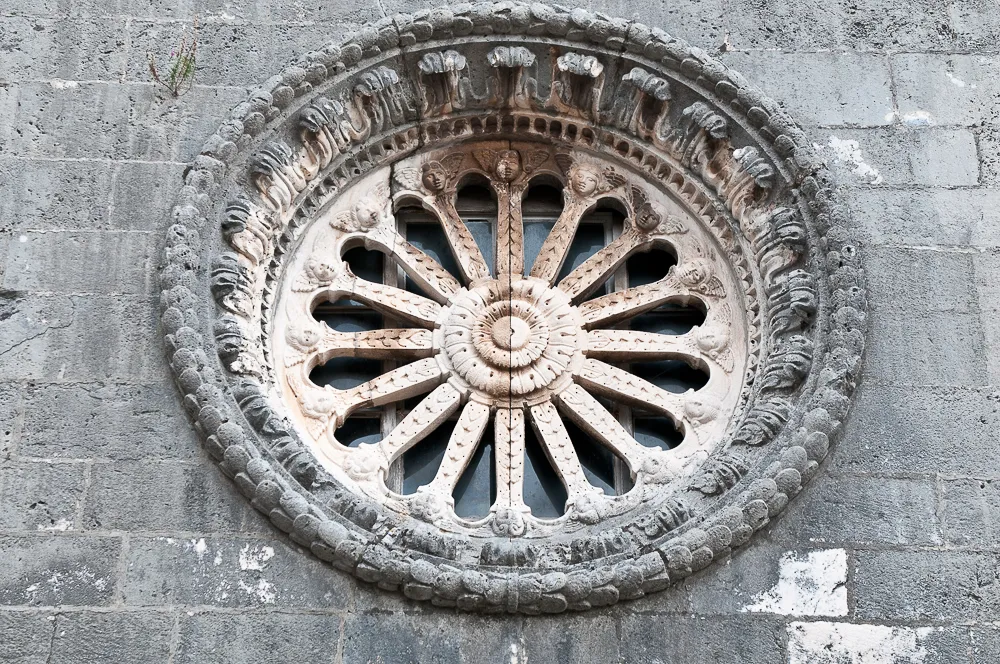
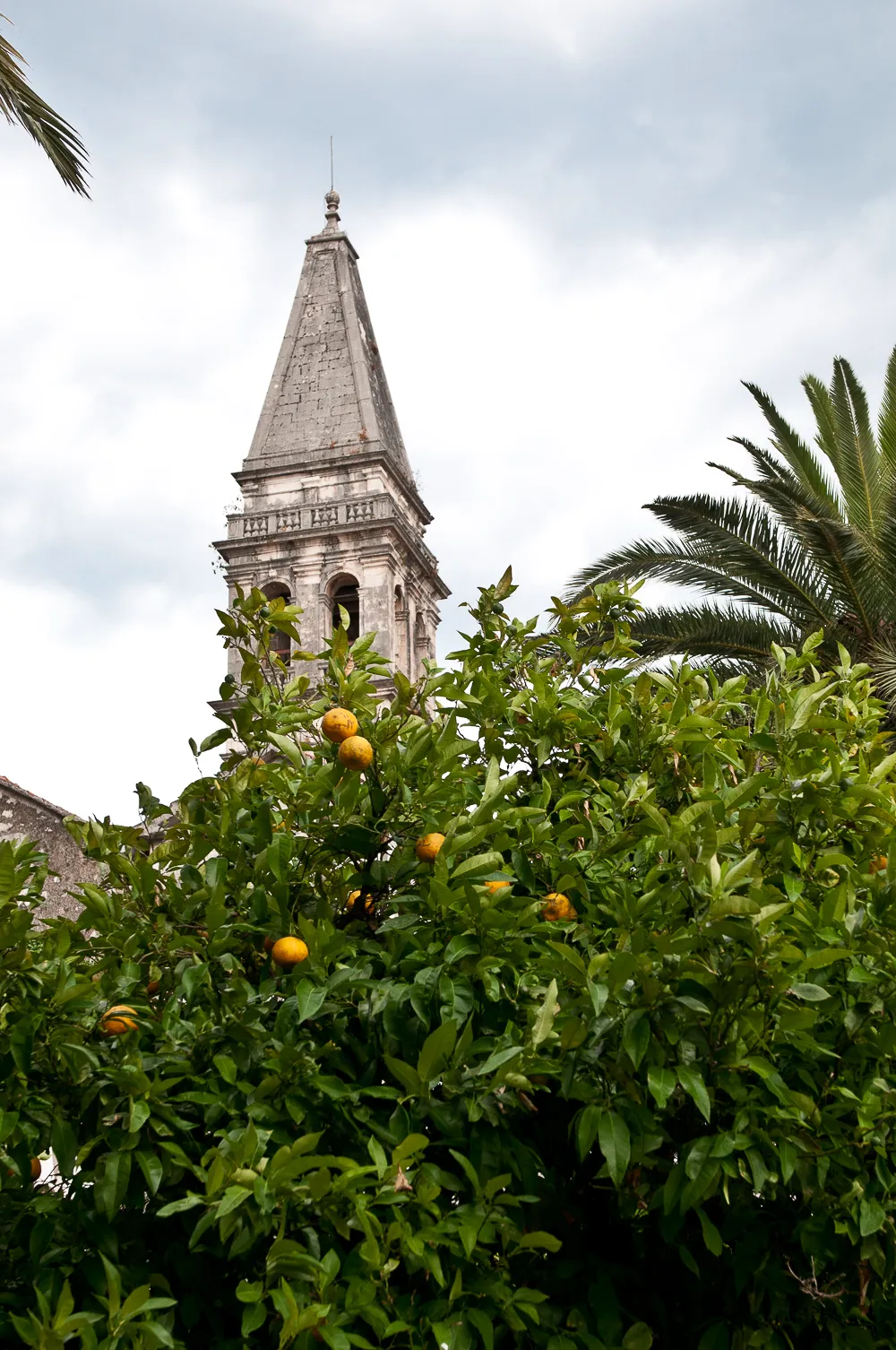
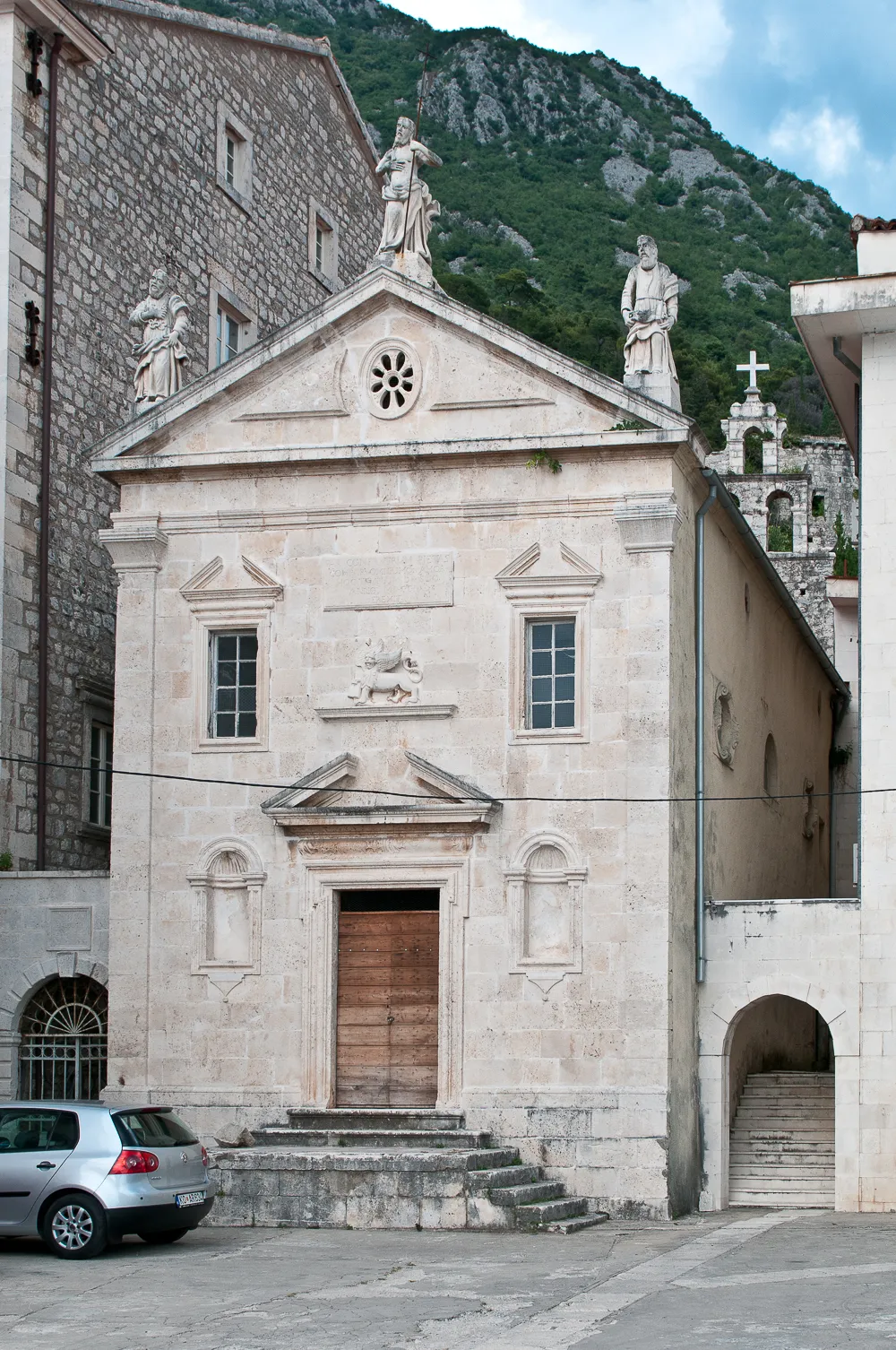
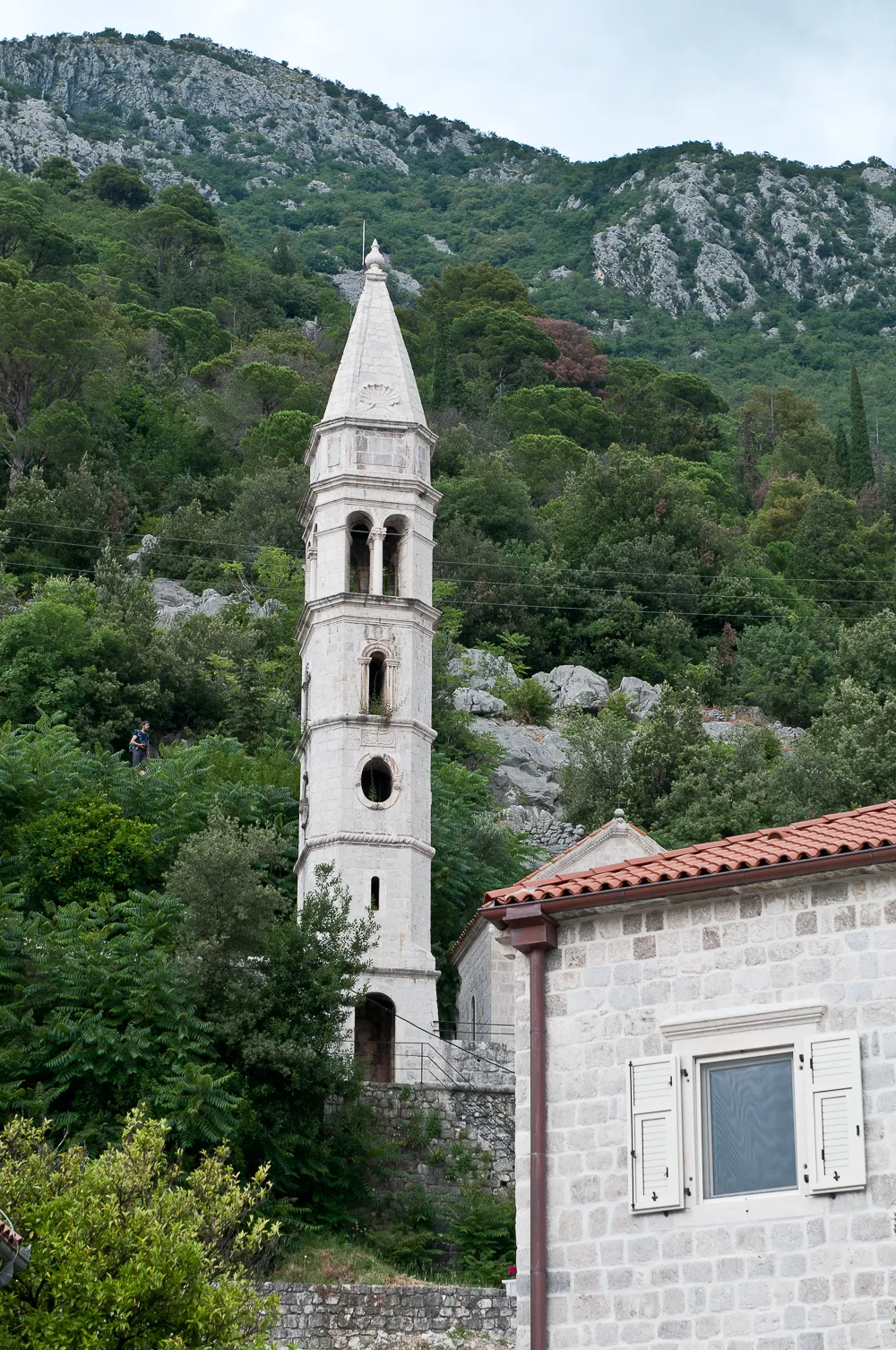
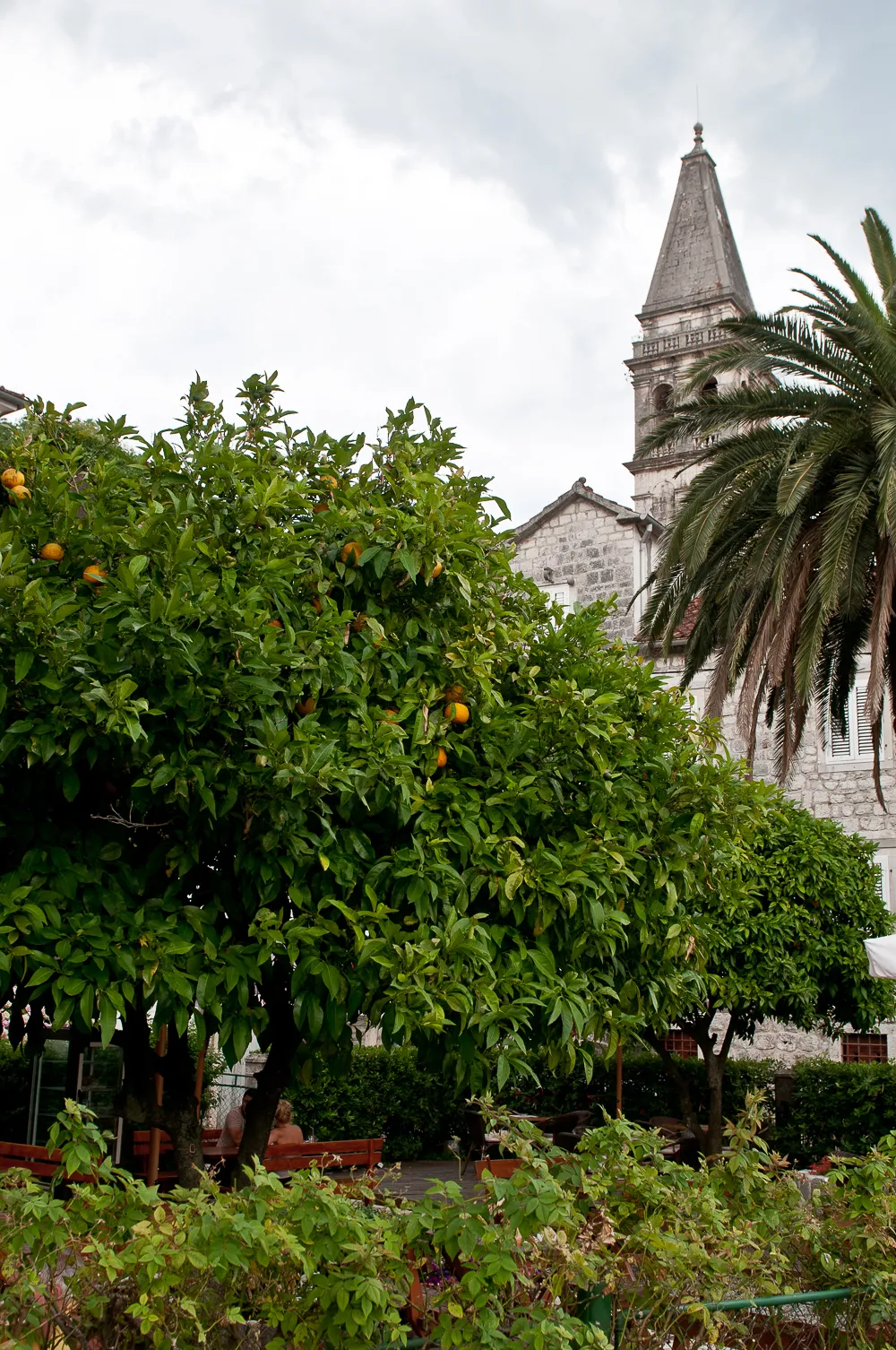
The defences withstood several sieges and attacks. The enrichment of the town is evidenced by the palaces of 12 noble and wealthy families and quite a few churches. The town’s main church is the Church of St. Nicholas, built in 1616. Its 55-metre bell tower is slightly younger, from 1691. The bells delivered from Venice in 1730 still hang on it. Perast has quite a few more churches built in the 17th–18th centuries: of St. Anne, of Our Lady of the Rosary, the Franciscan Church of St. Anthony, the church of St. John the Baptist, the Church of St. Mark, the Orthodox Church of the Nativity of the Most Holy Mother of God, and several very small ones. Among the palaces the oldest is the Visković mansion, and the most beautiful is the Bujović palace, built with money from the Republic of Venice.
When Napoleon crushed the Republic of Venice, the decline of Perast began. The French were replaced by the Austrians, then the Italians and the French again. Having again come under Austria-Hungary, the town belonged to the empire until the latter’s defeat in the First World War.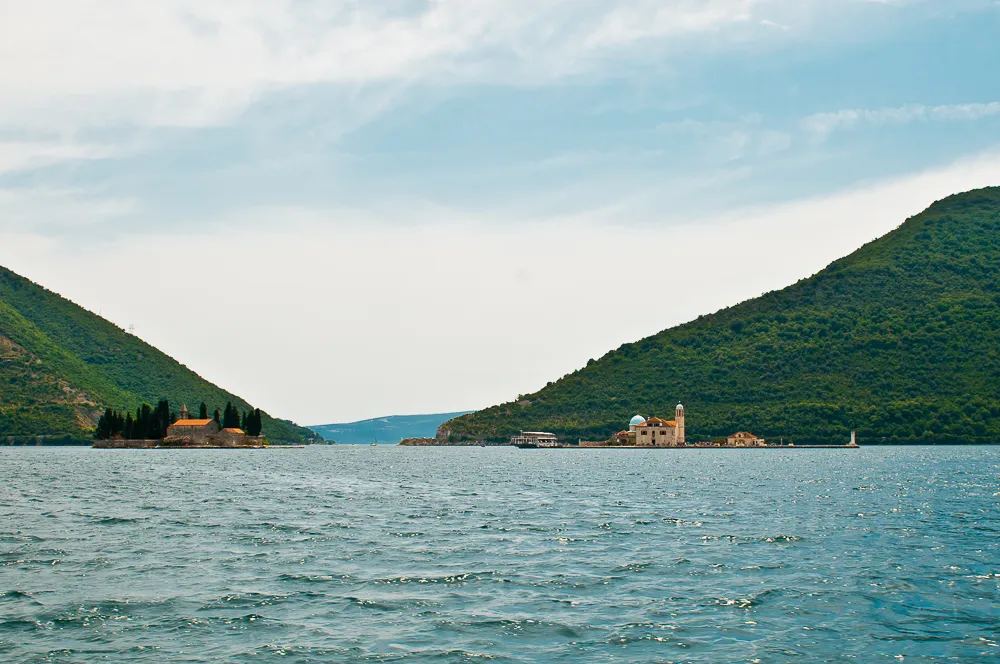
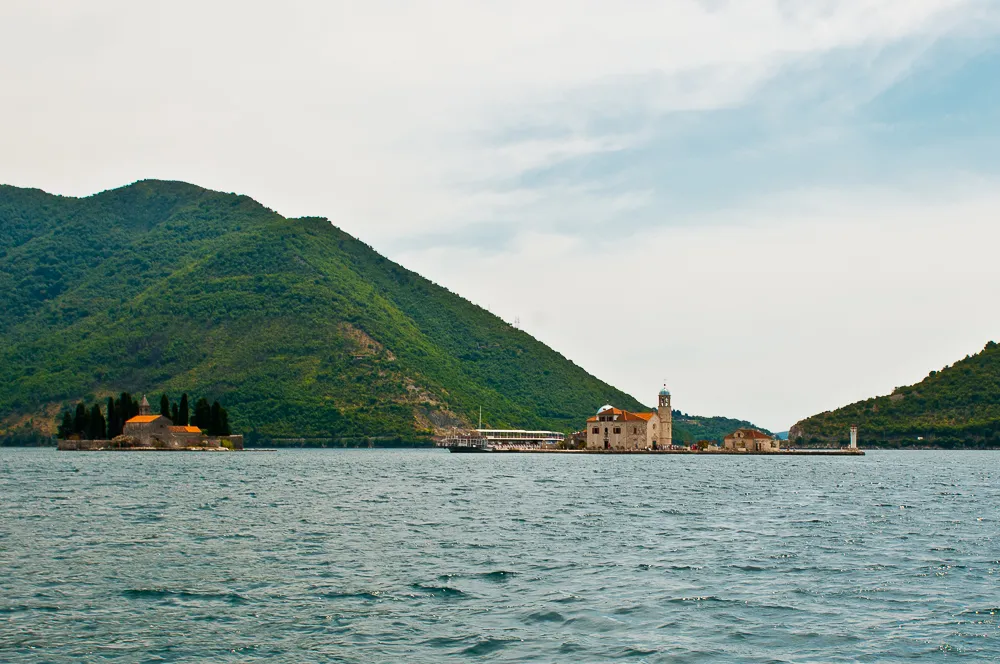
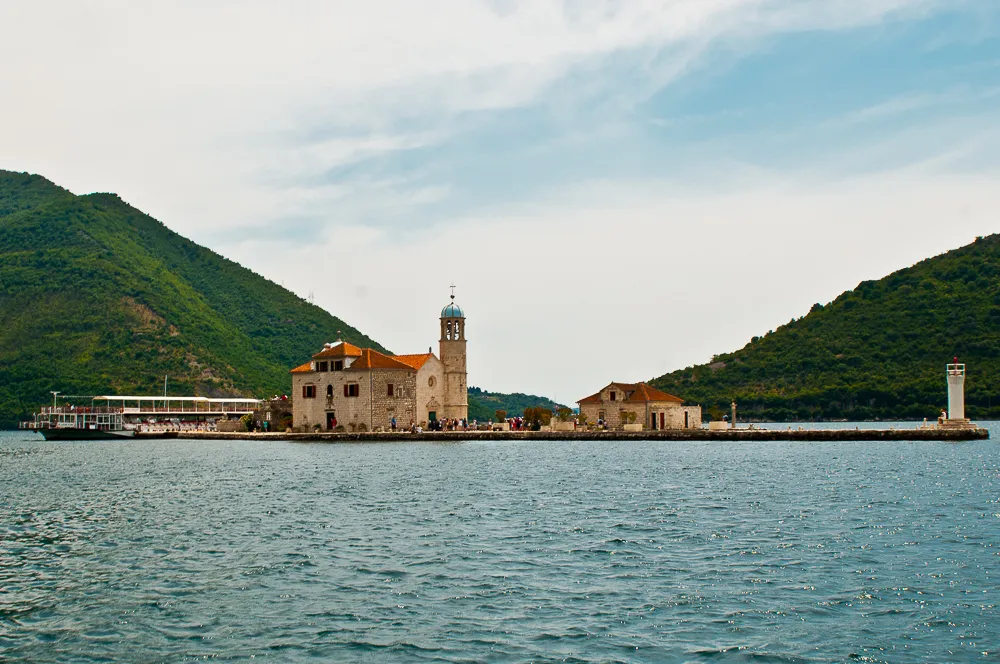
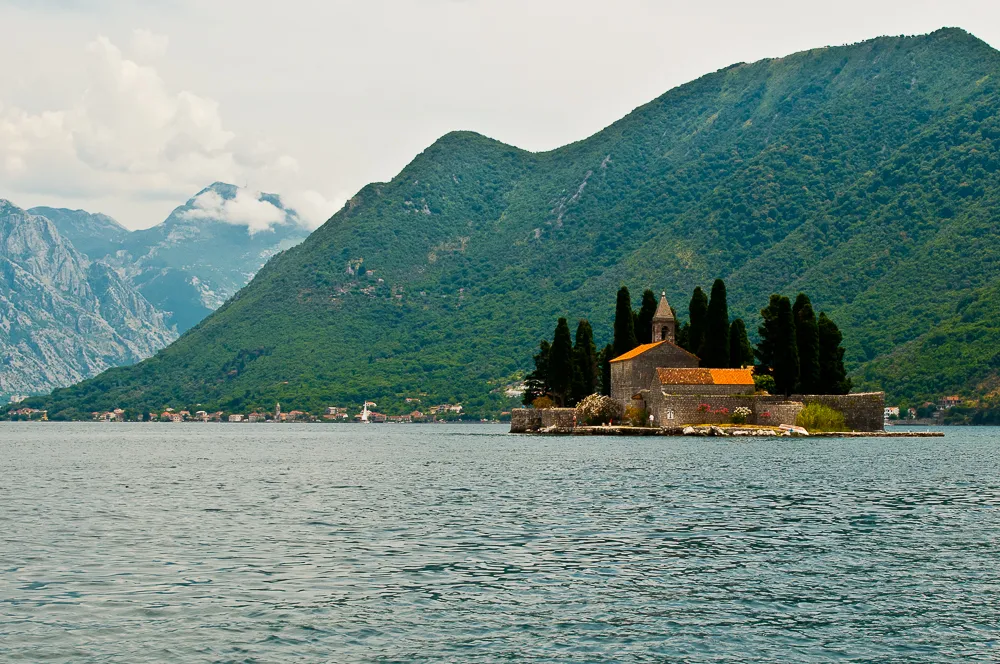
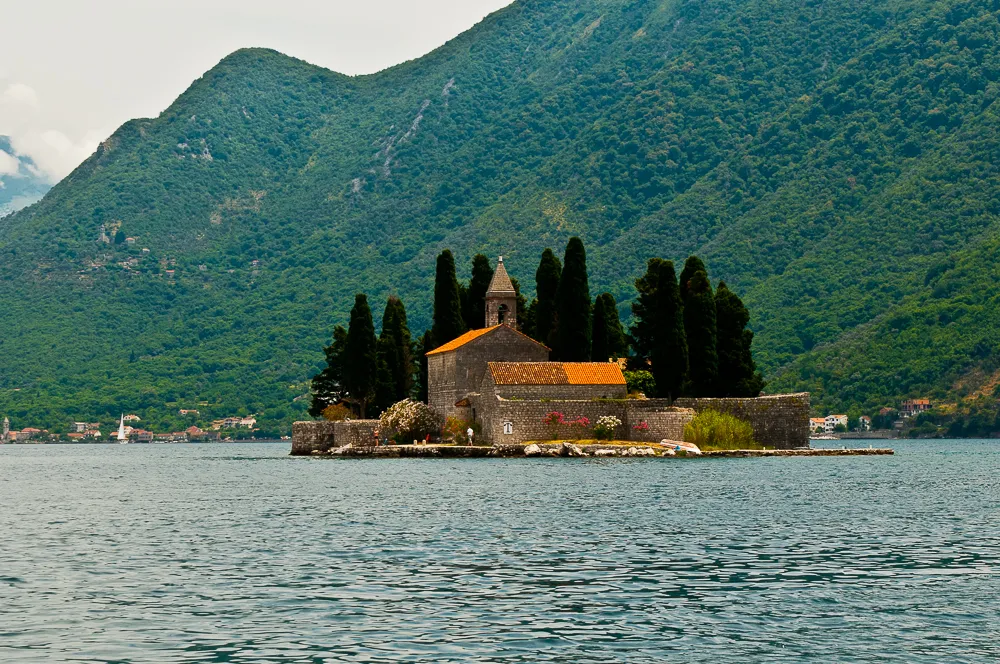
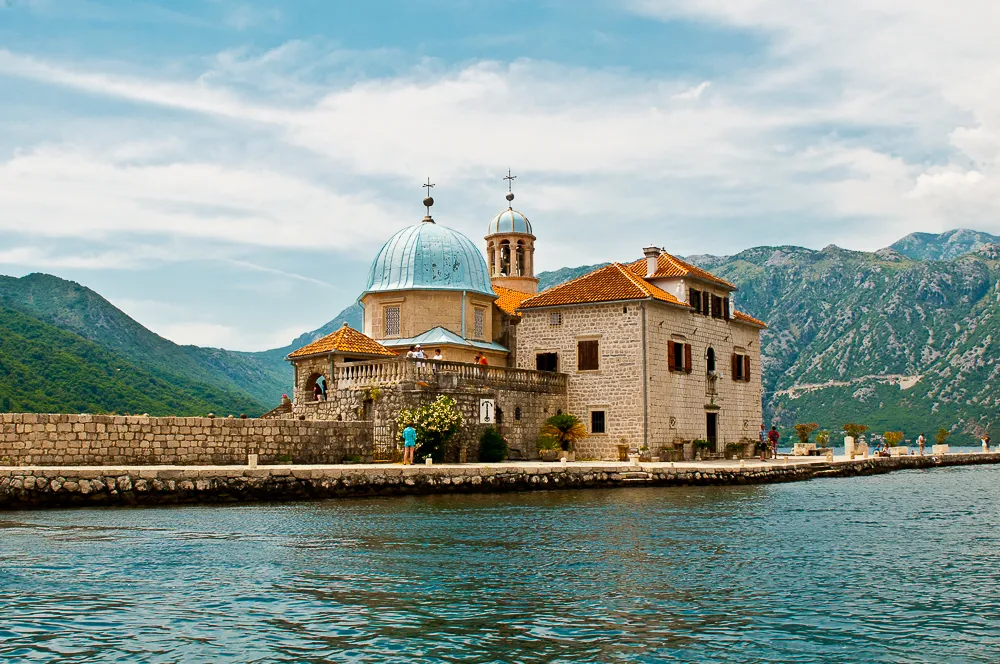
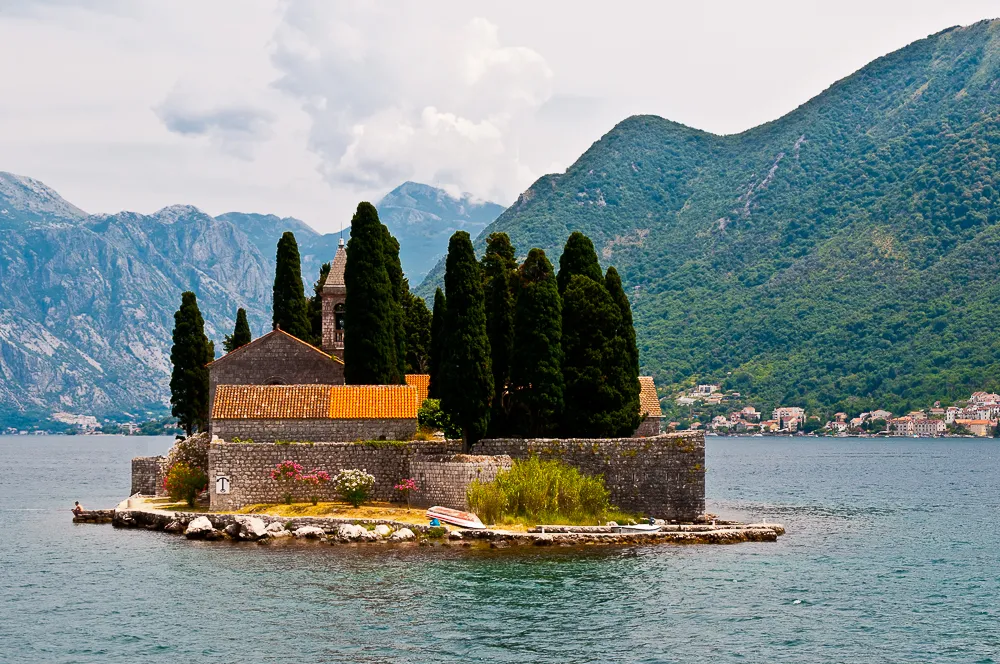
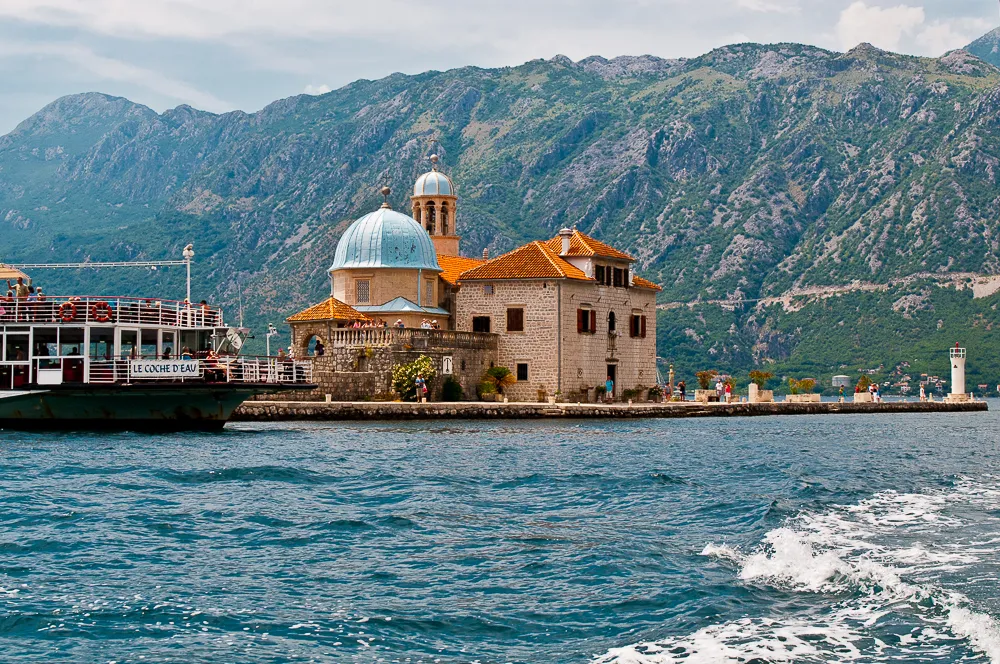
Right from the town’s waterfront there is a fantastic view of the Bay of Kotor, the Church of Our Lady of the Rocks, Gospa od Škrpjela, and the island of St. George. On the island of the saint there is an old cemetery and a Benedictine monastery, first mentioned in 1166, but, unfortunately, visiting this island is not possible.
The Italian name of the island is Madonna dello Scarpello, that is, “Madonna on the Reef” or “Mother of God on the Rock”. This island is man-made and was built in 1452 after, according to legend, two sailors of Perast found an icon of the Mother of God on the reef. For almost 200 years enemy and pirate ships were sunk here, and later a law was adopted that every ship passing the island had to drop a stone to the bottom. In this way an island of about 3,030 m² was created. The custom of renewing and expanding the island has survived to this day. Every year on the feast day the locals load their boats with stones and drop them at the designated place.
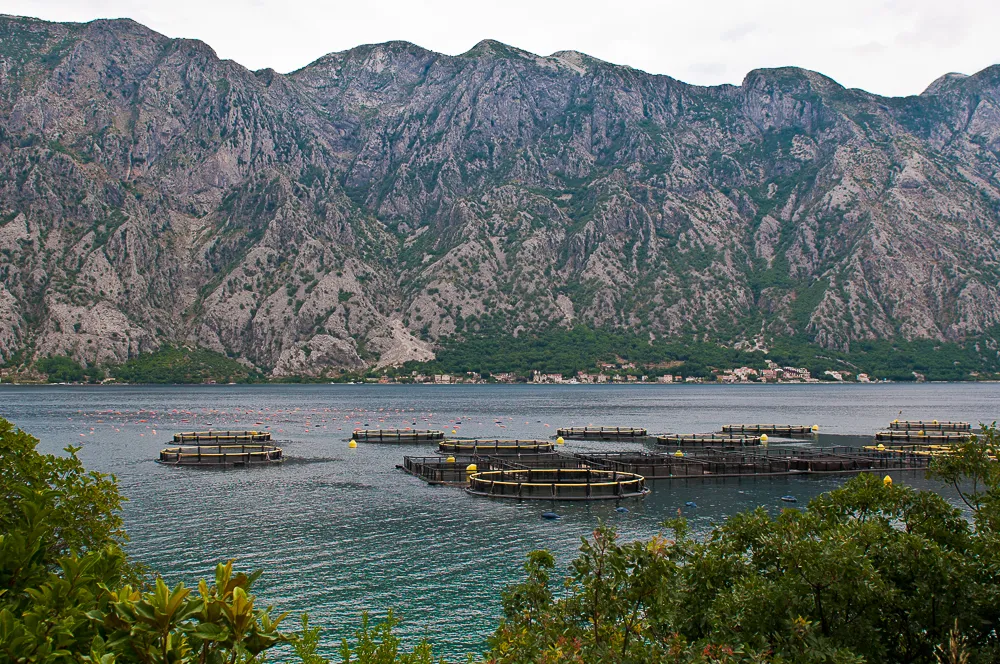
Those who like oysters can try the freshest. In the vicinity of Perast there are several farms that raise them. But keep in mind that the owners are not always there. Call; as a rule, the phone number is on the sign. Enjoy!
Text and photos by Serhii Shcherbii



