

Şirince (Shirindzhe)
· 3 min read
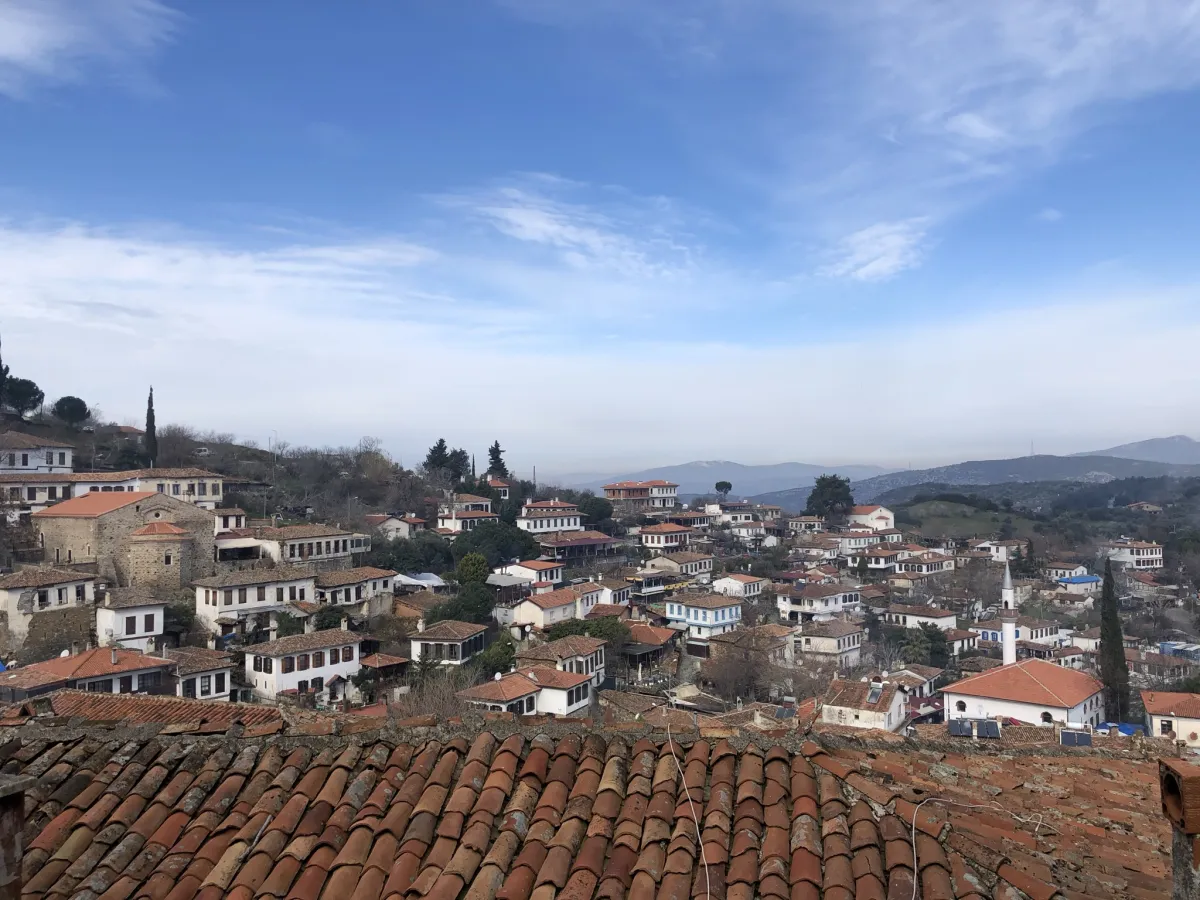
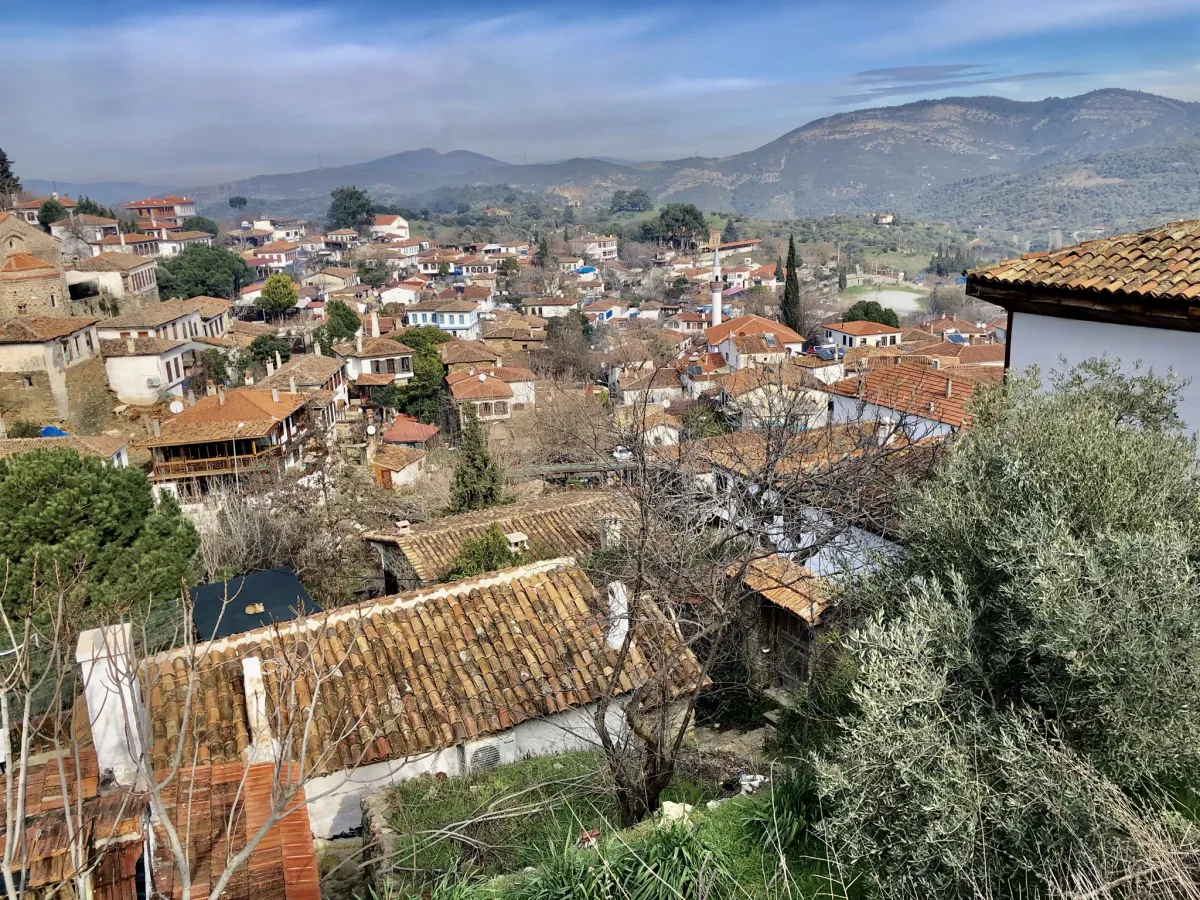
8 kilometres from Selçuk (Ephesus), at an altitude of about 350 metres above sea level, lies the small enchanting village of Şirince. There are different views on the time of its appearance. Both the 5th century and later dates are named. From Turkish, the modern name, which appeared only in 1926, translates as “pleasant, sweet”.
Before that the village was called Çirkinçe (Shyrkintse), that is, “ugly” in Turkish. There is a story that the village was settled by freed Greek slaves, who gave it a name that reflected a wish to discourage visits to their dwellings.
Another legend says that the village was named after the original number of settlers, of whom there were forty – Kırkınca (Kyrkynja), that is, “Fortieth”. “Thanks” to the Greeks’ pronunciation, the Turkish Kırkınca became Kirkince, which the Turks, hearing and pronouncing it, took as Çirkinçe (Chirkindzhe), that is, “ugly”.
Be that as it may, the places here are beautiful. Şirince is one of the few truly beautiful historic villages remaining on the western coast of Turkey.
In the 19th century it was a Greek village. After the well-known events of the early last century, the Greeks, who were the majority, were expelled from Şirince.
The left-wing writer Dido Sotiriou, well known in Greece but not among us, also set the main characters of her novel “Bloody Land” (Ματωμένα Χώματα) (English title Farewell Anatolia) here. The writer was born nearby in Aydın. This fairly autobiographical work tells of the trauma of Greek-Turkish relations in the last century and the expulsion of Greeks from Asia Minor.
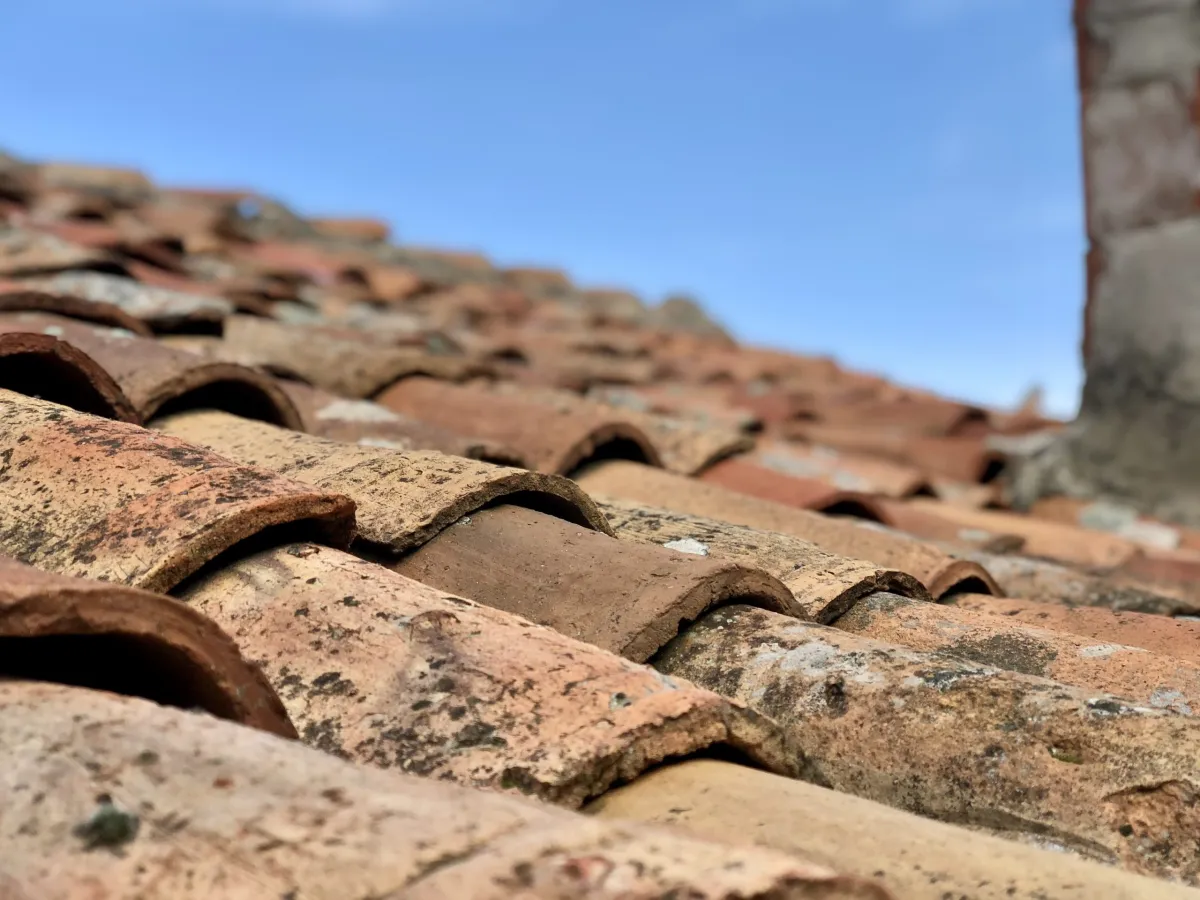
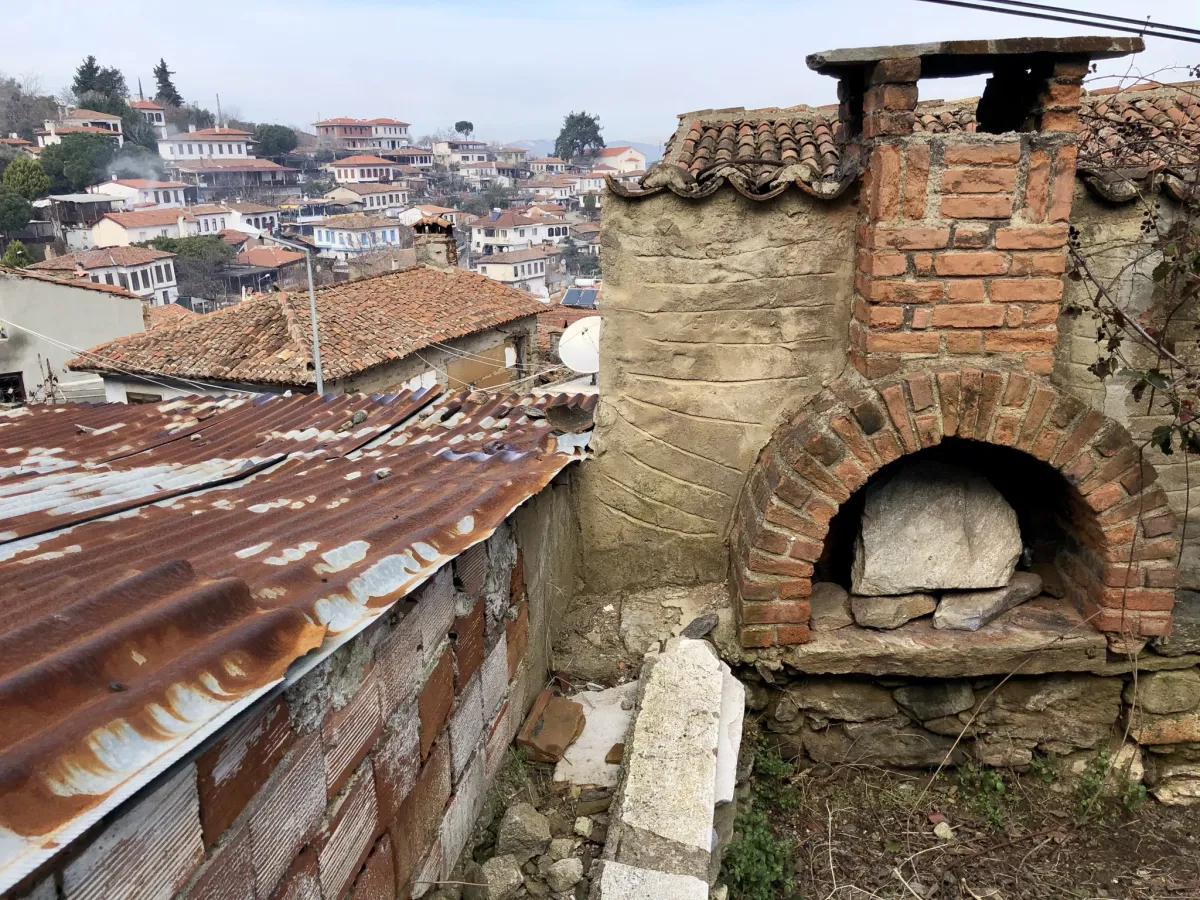
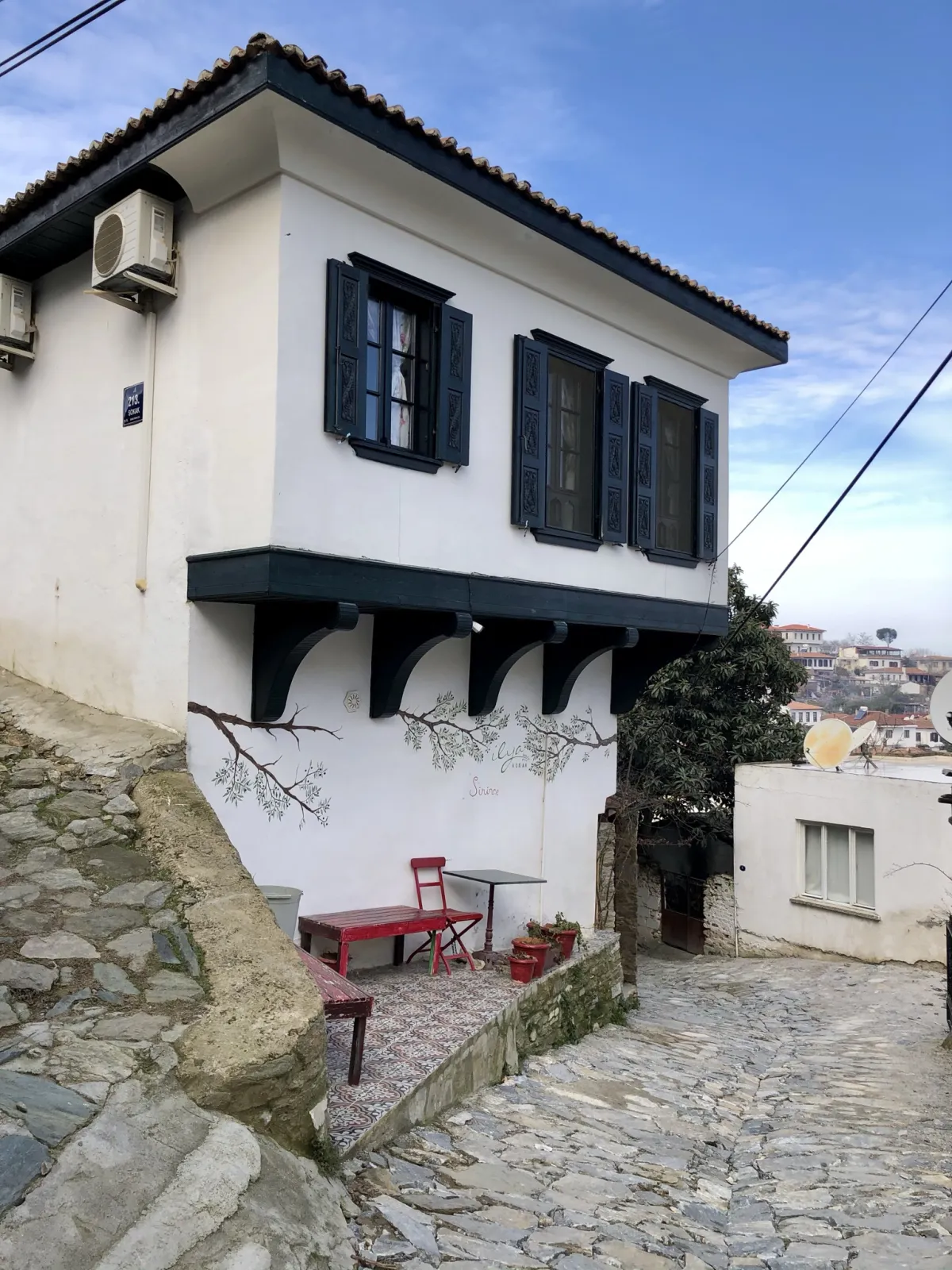
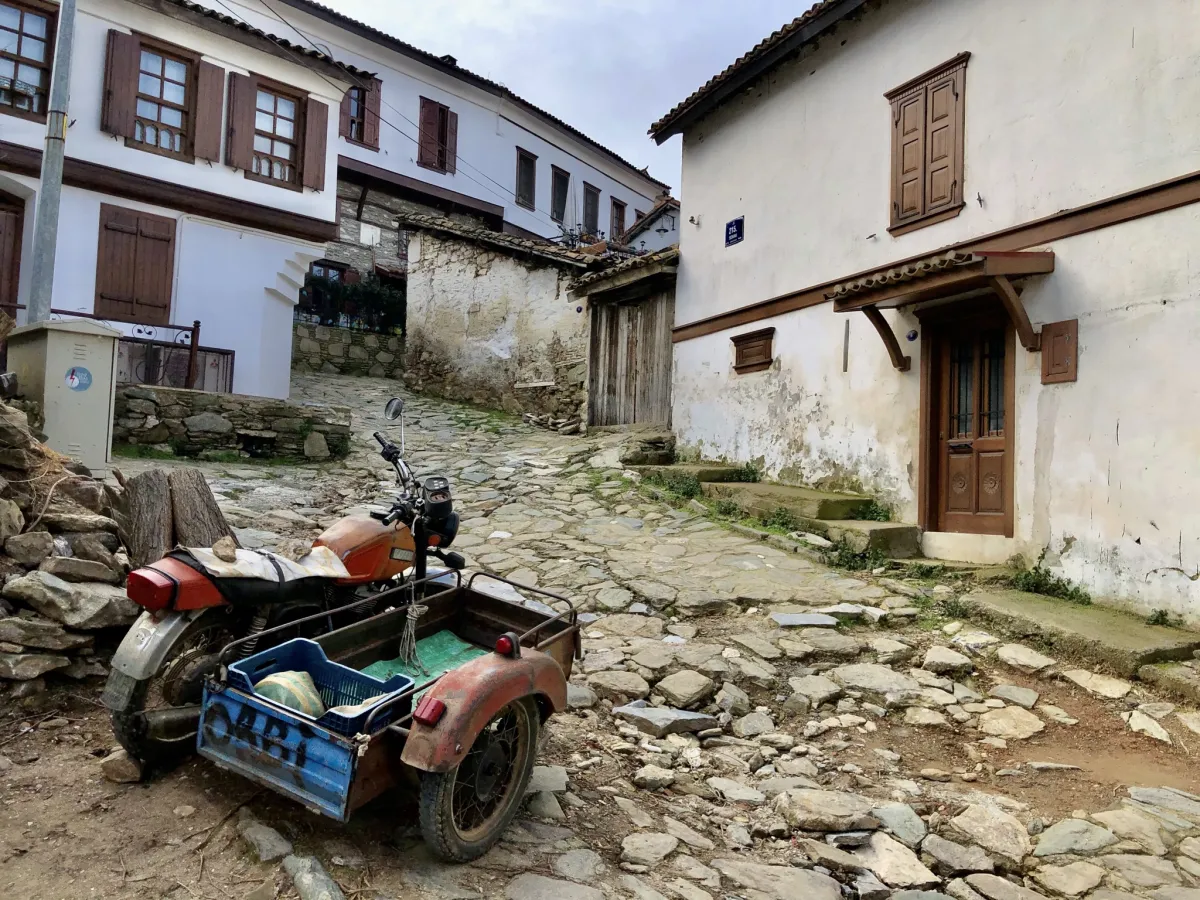
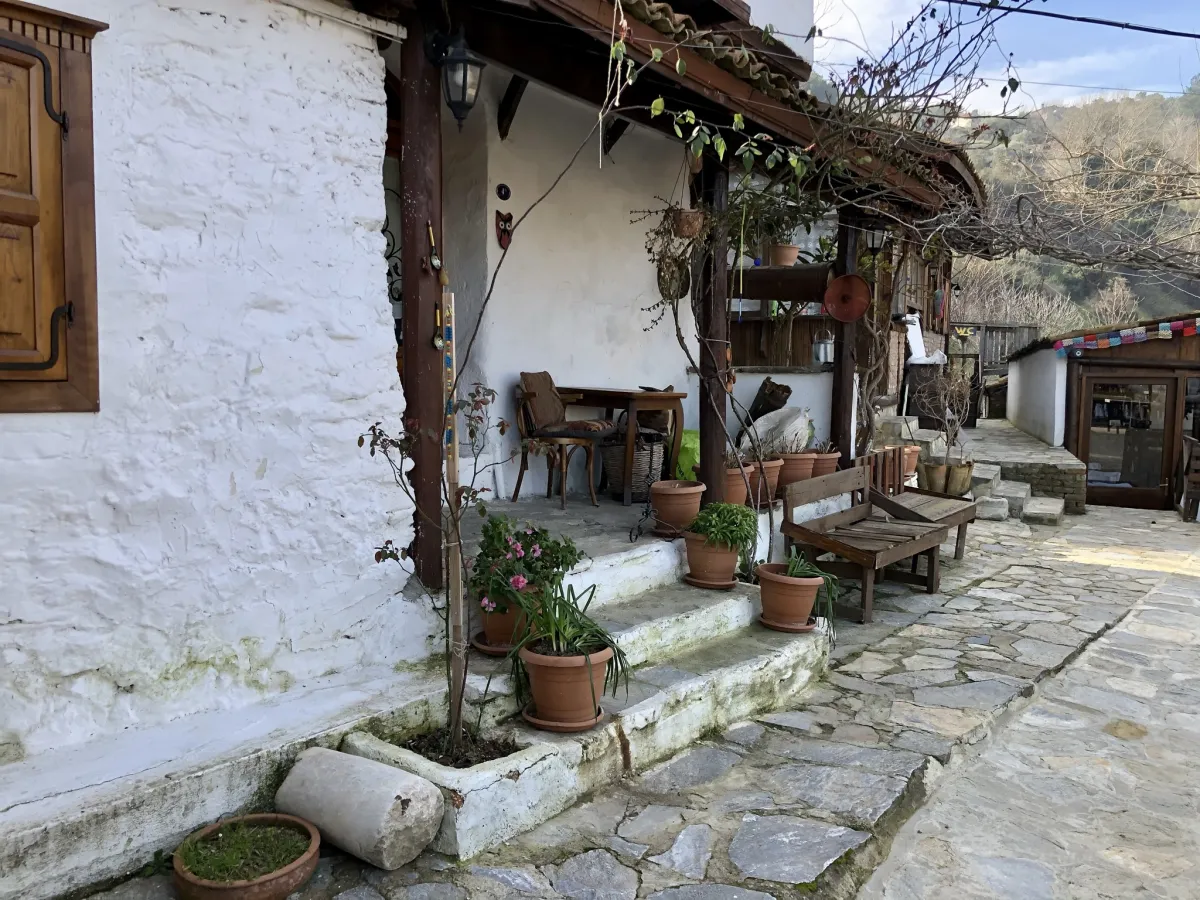
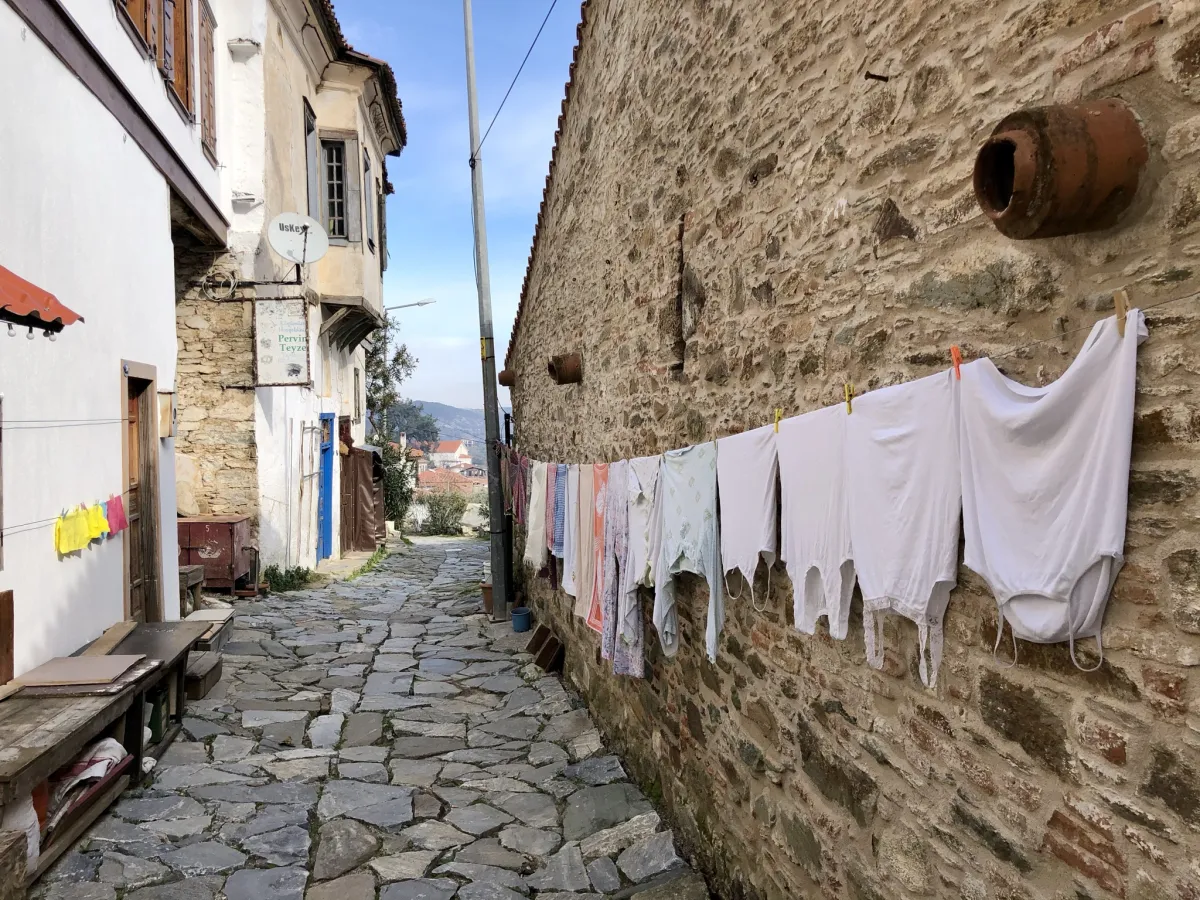
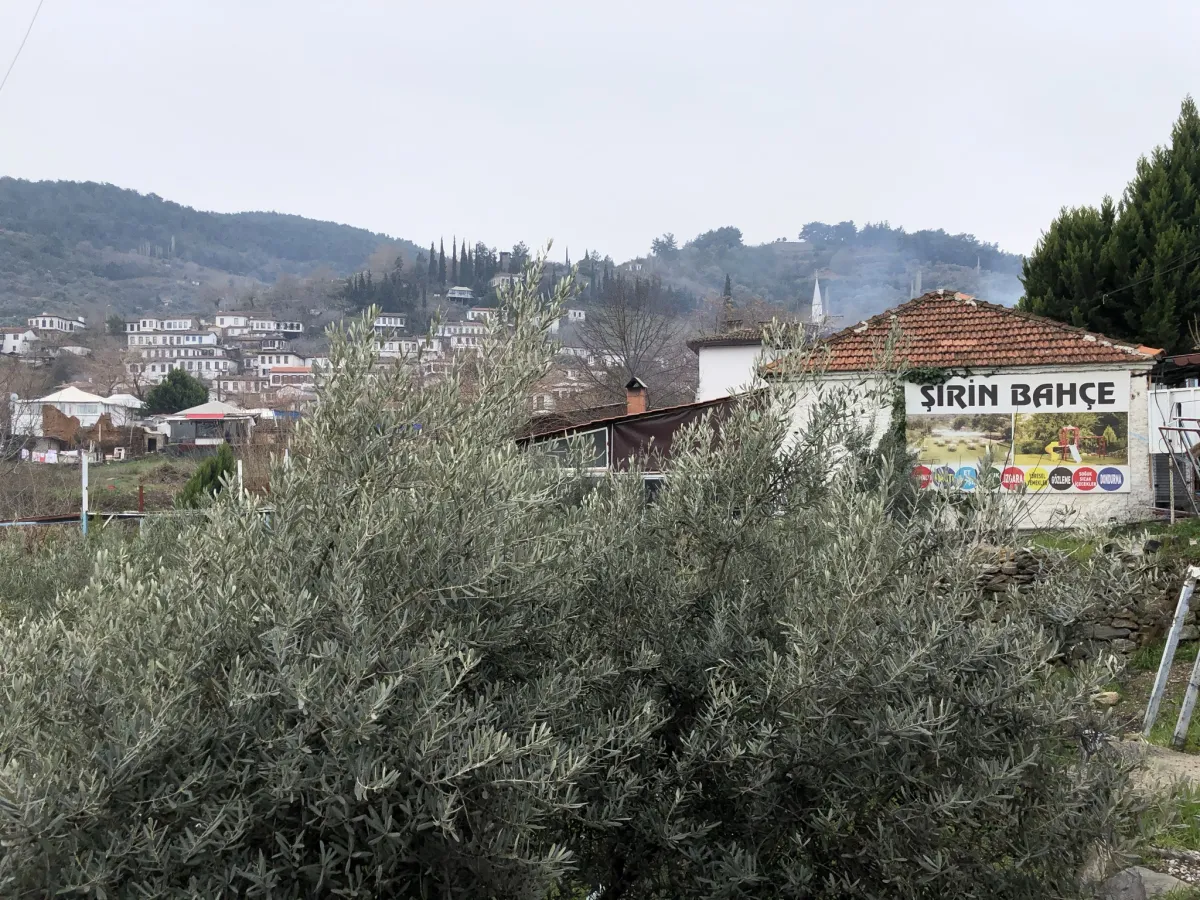
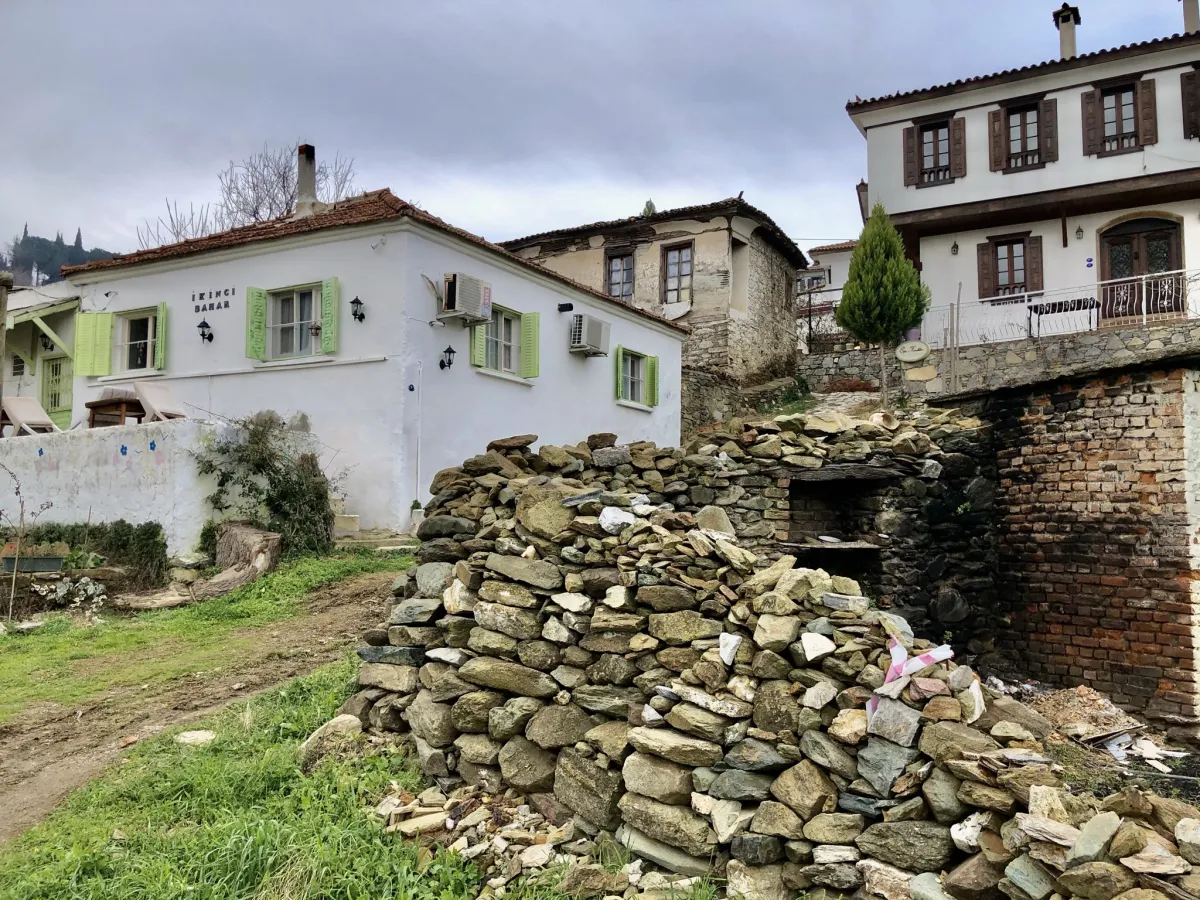
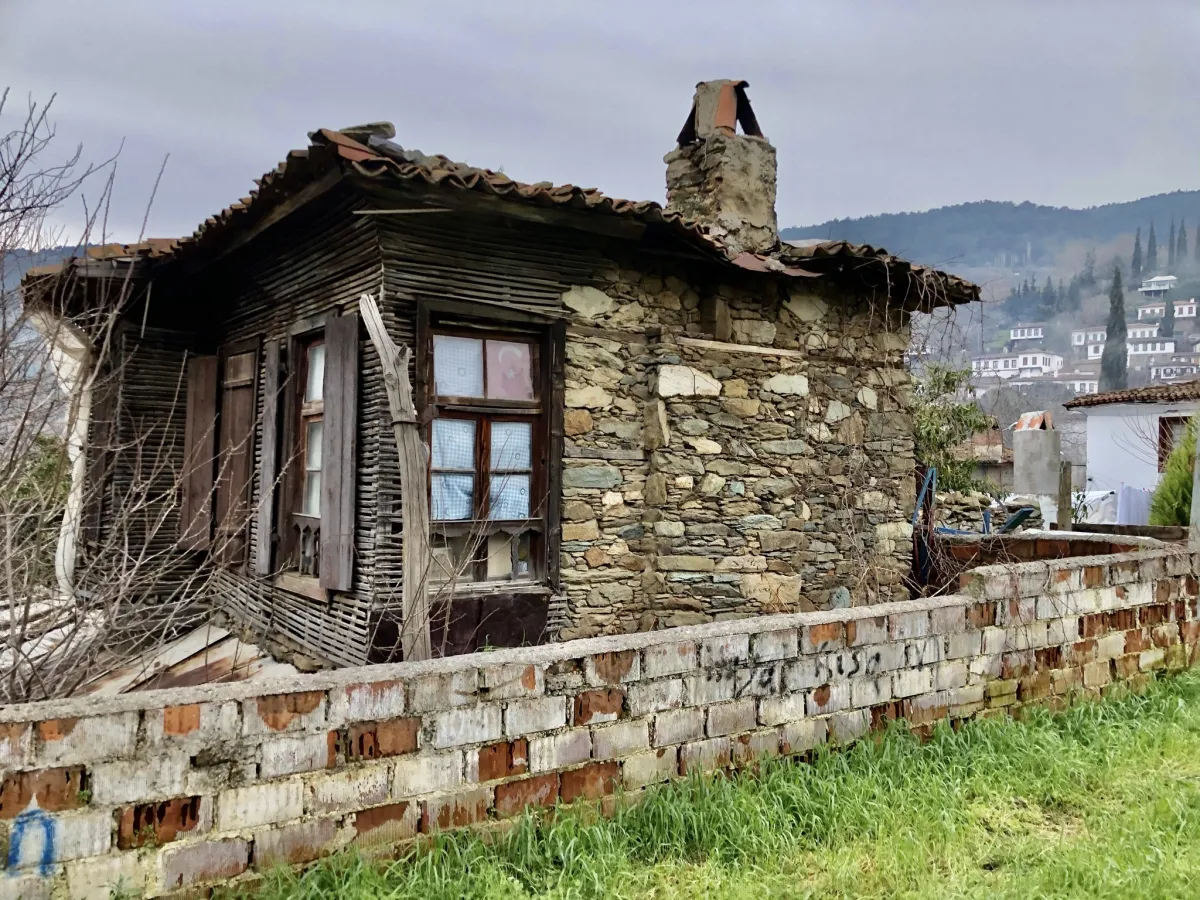
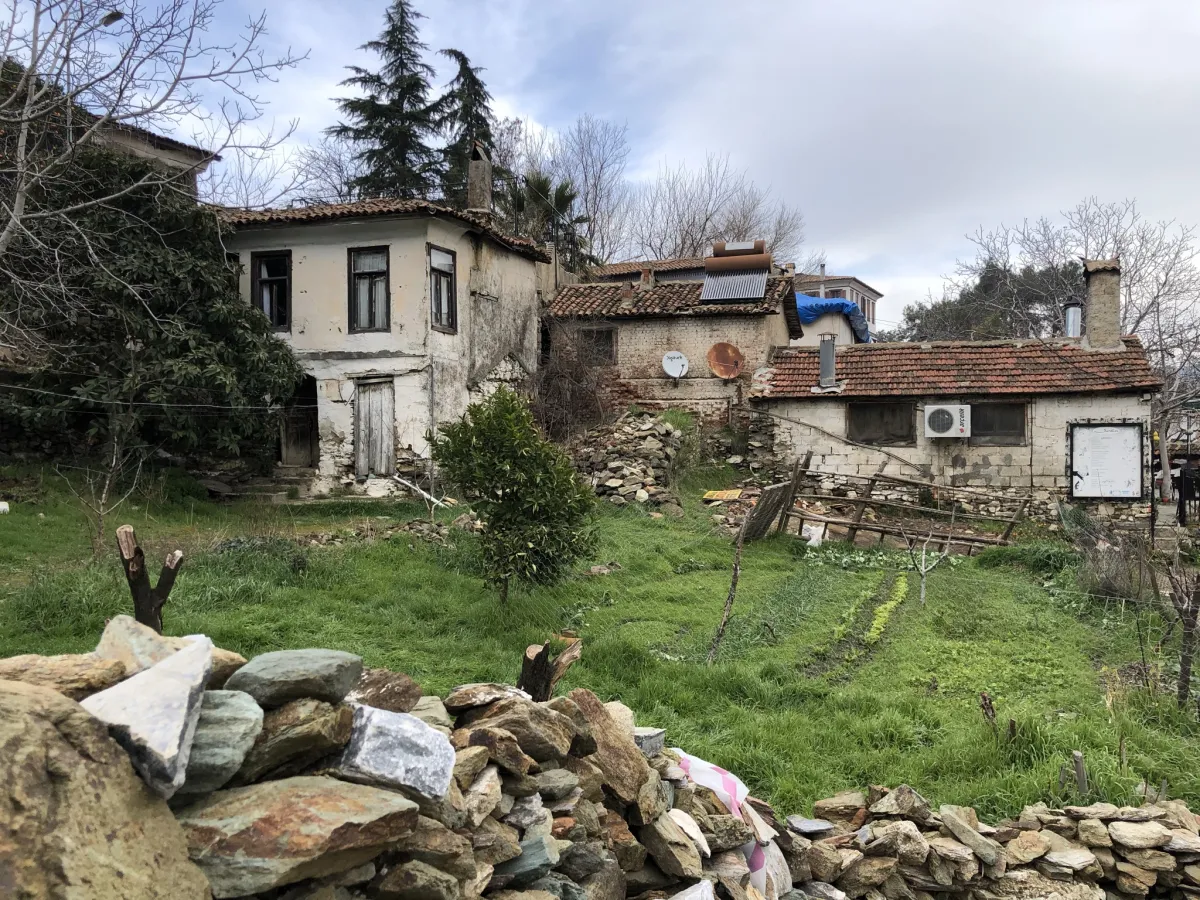
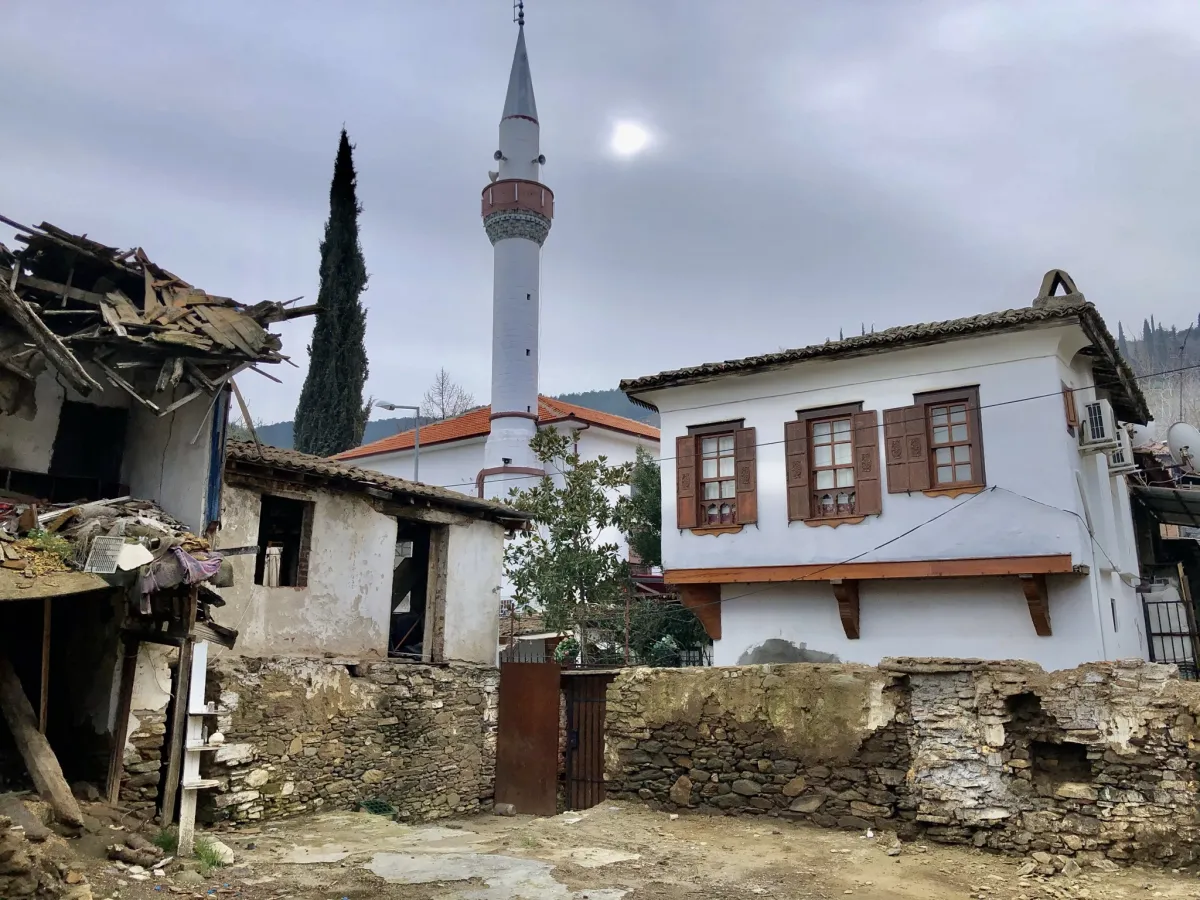
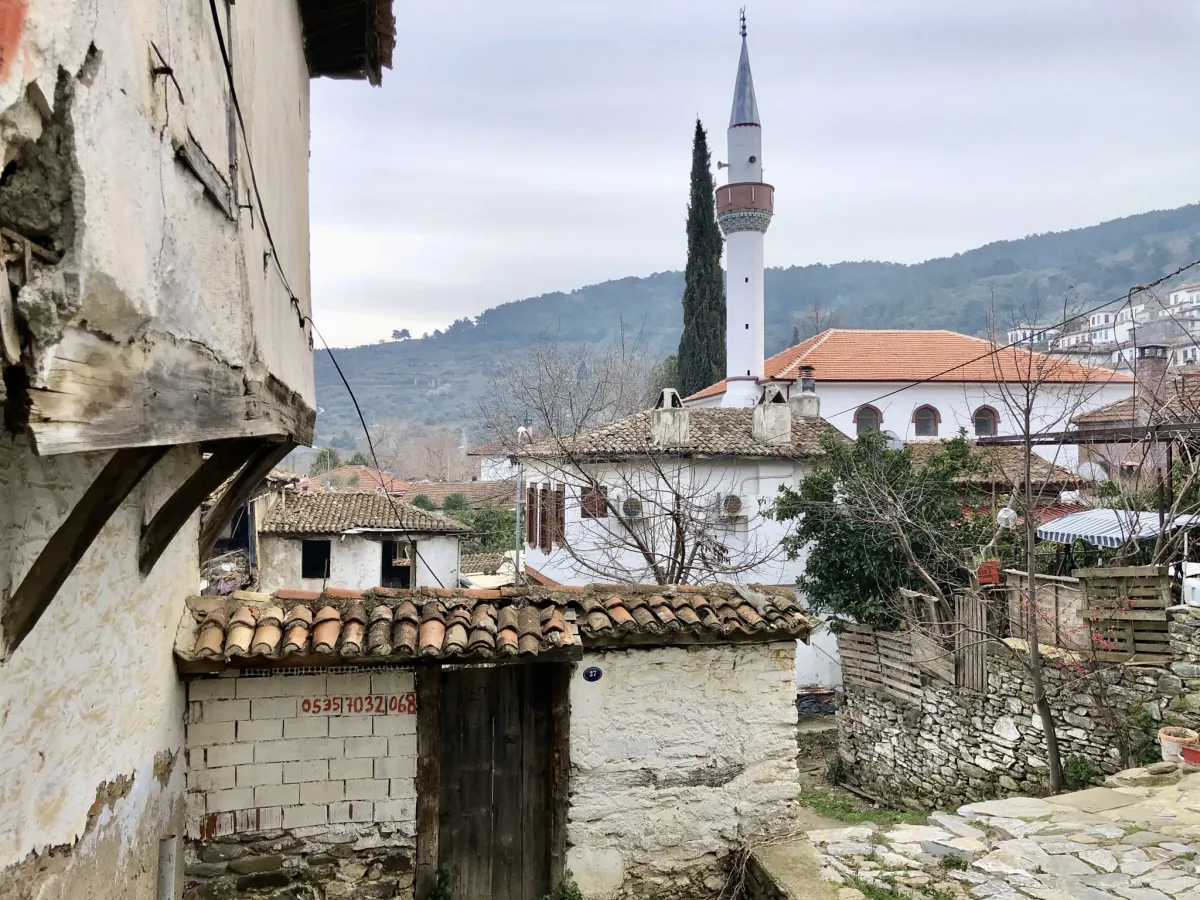
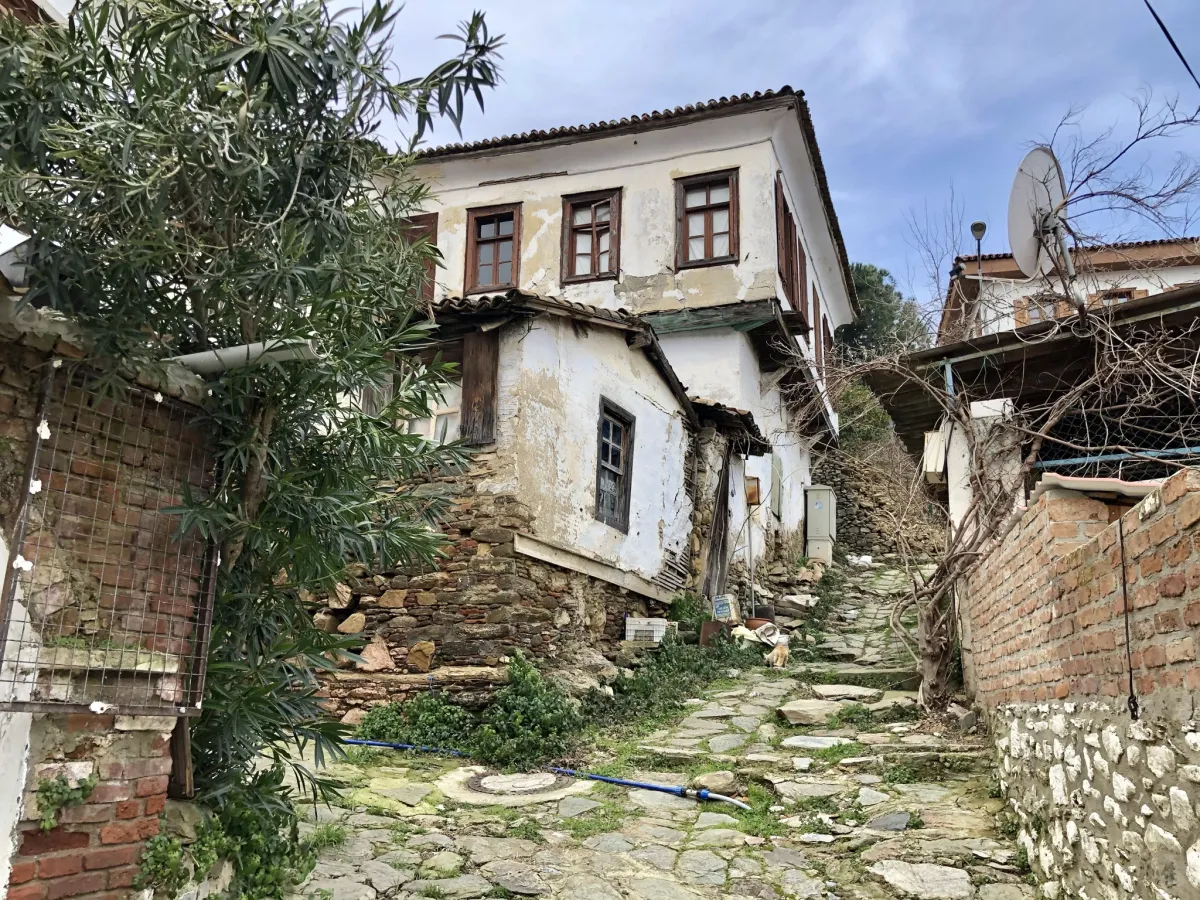
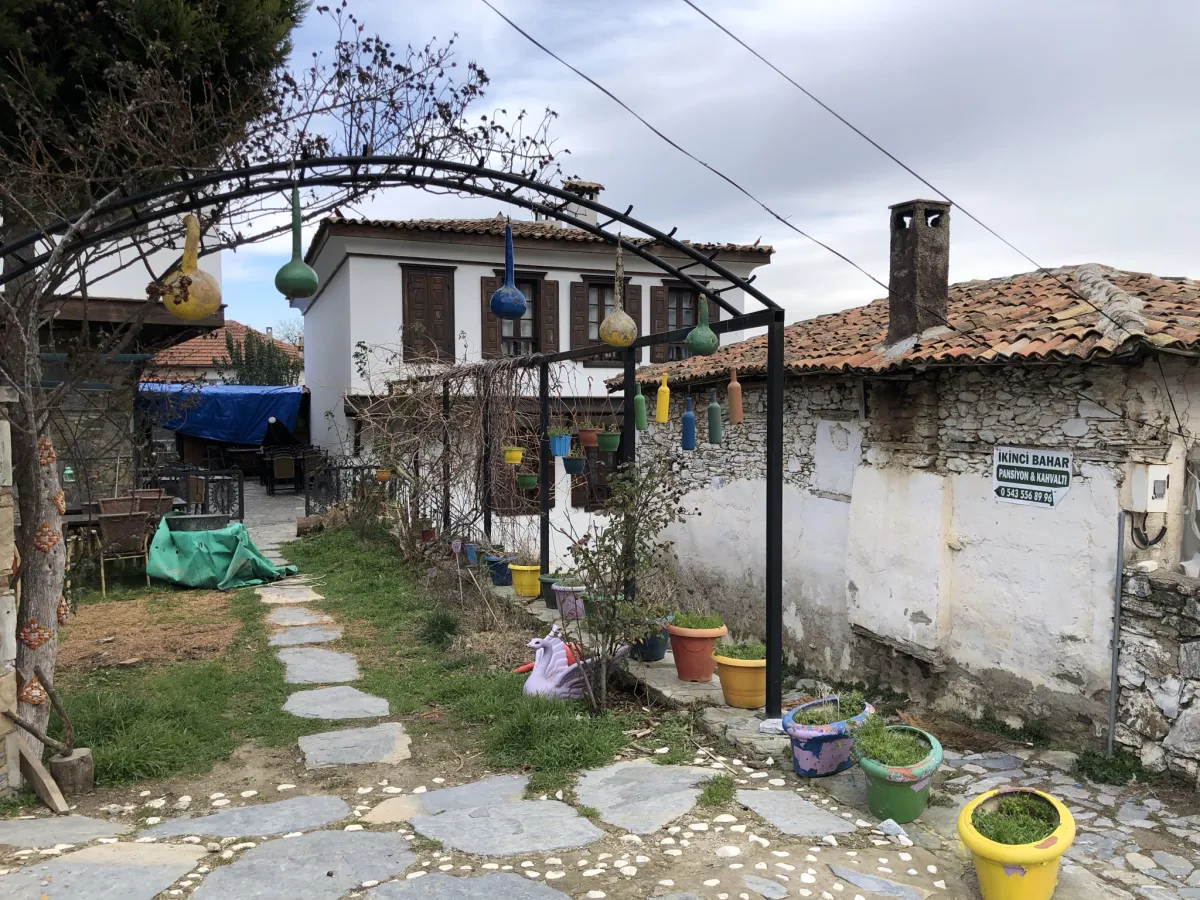
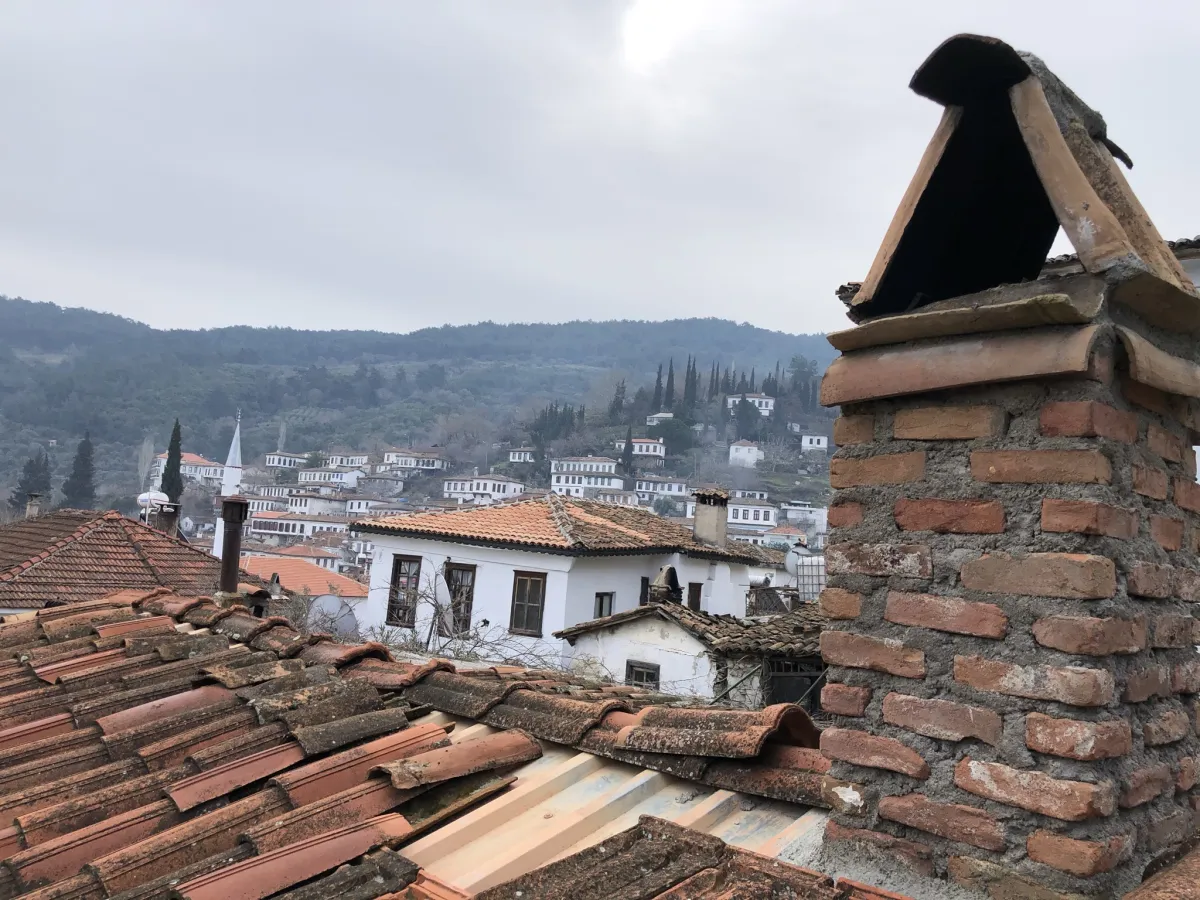
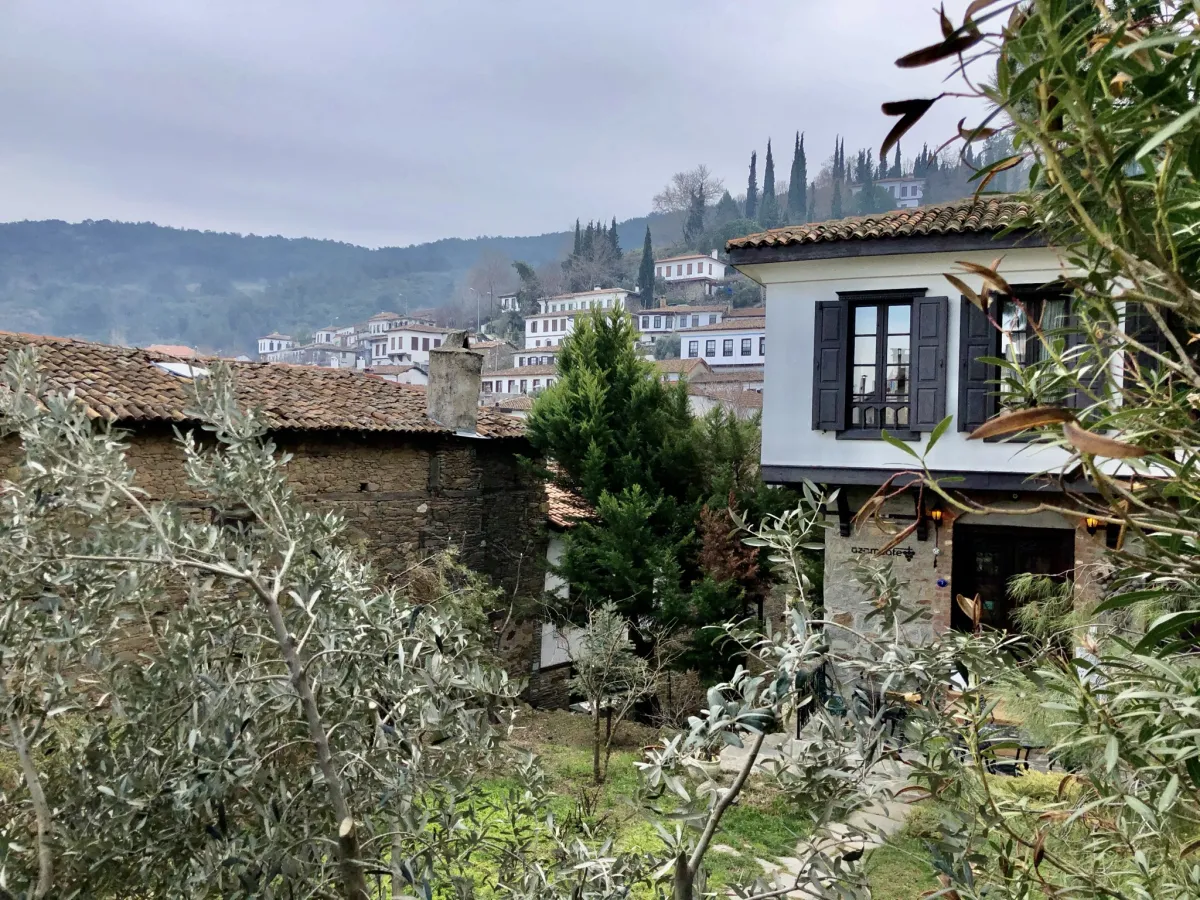
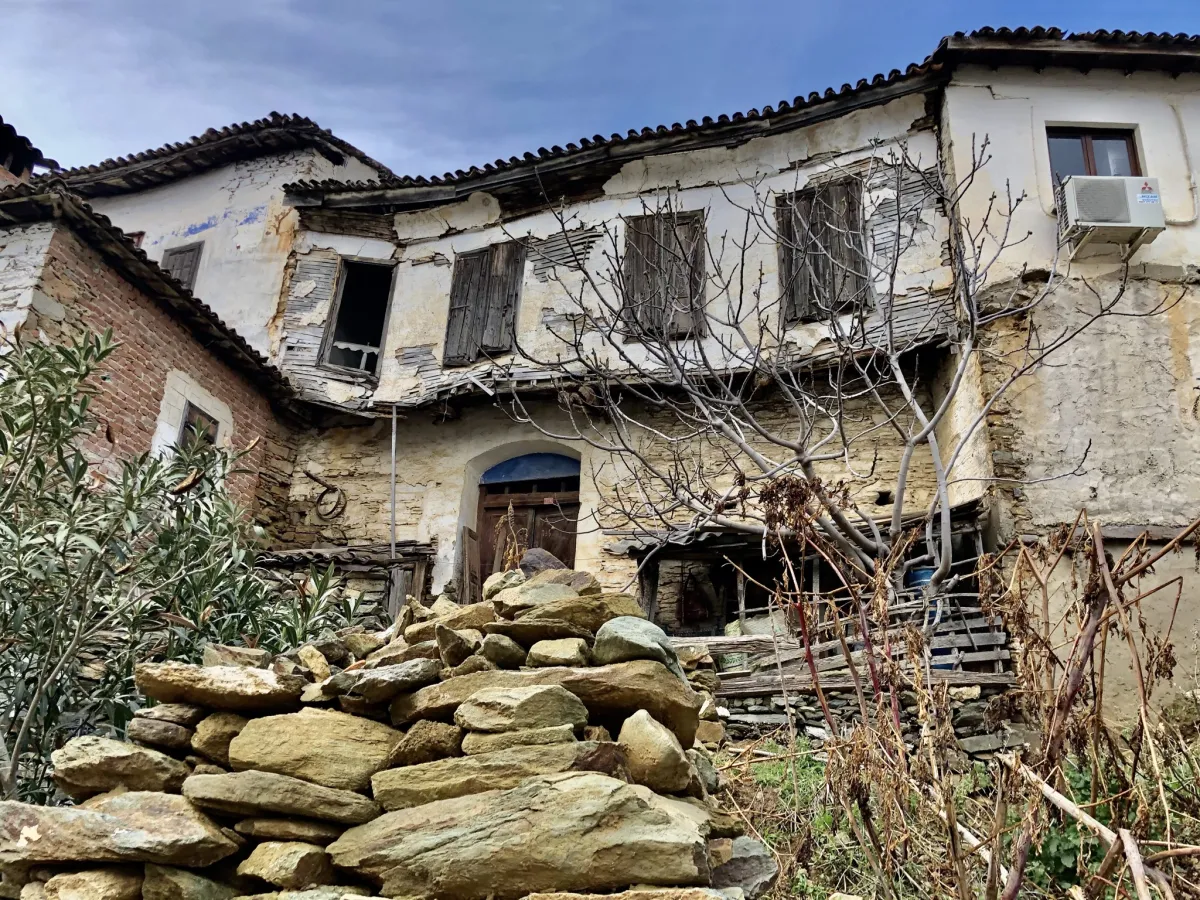
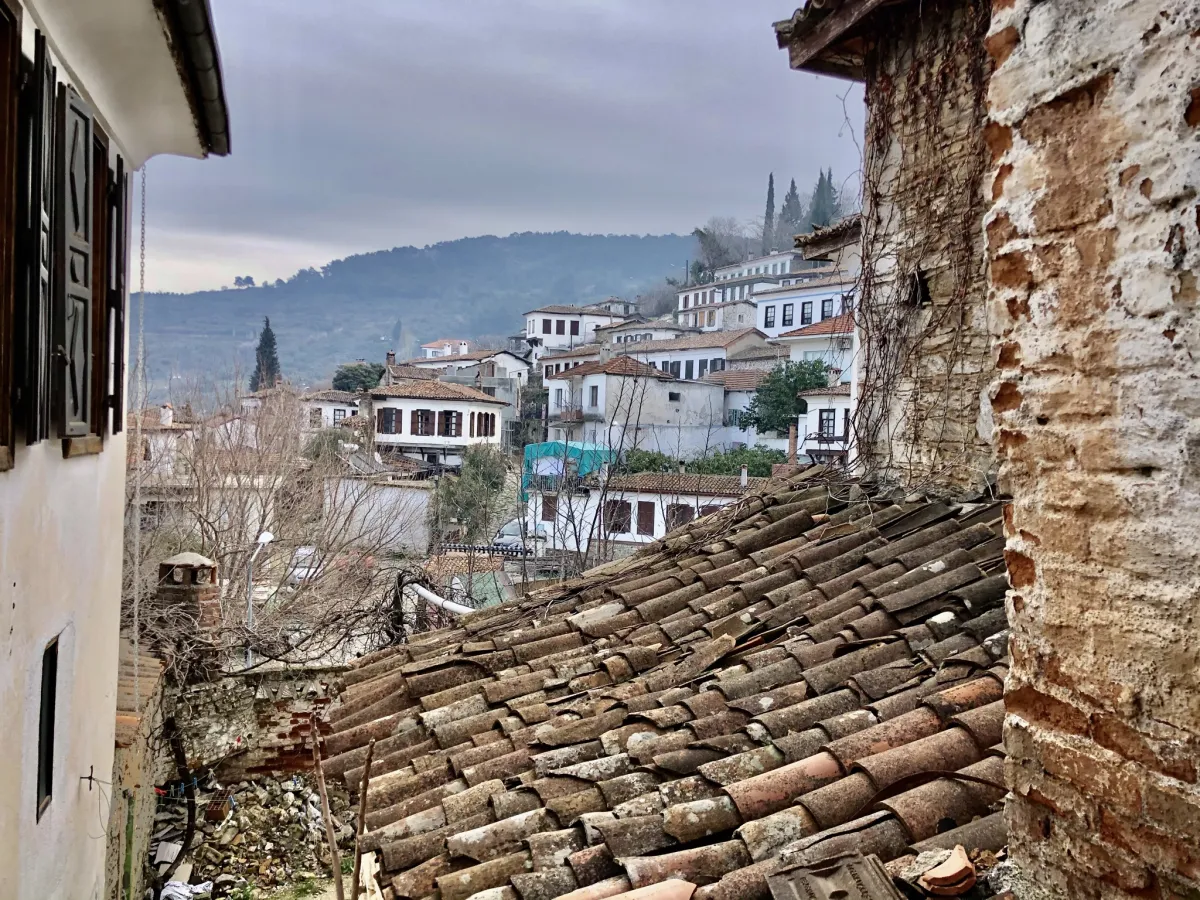
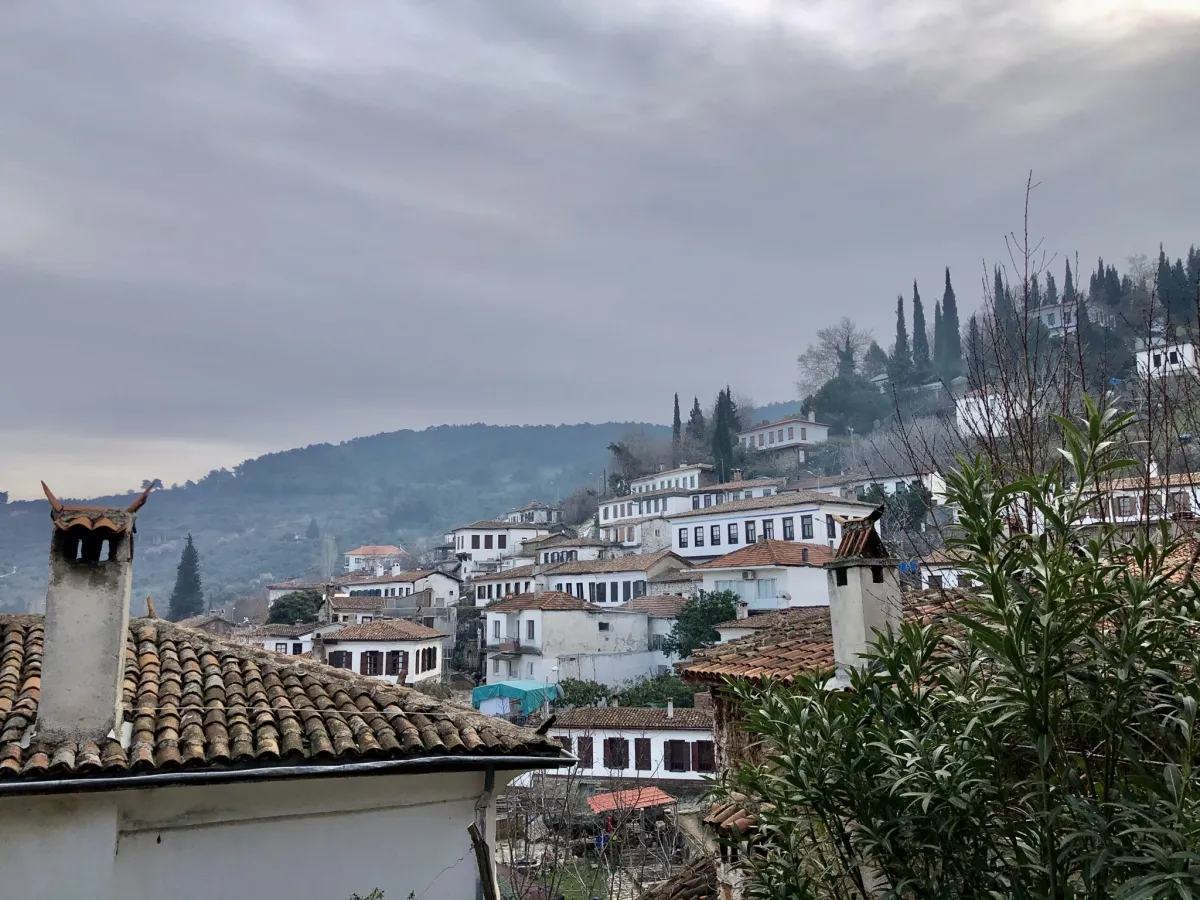
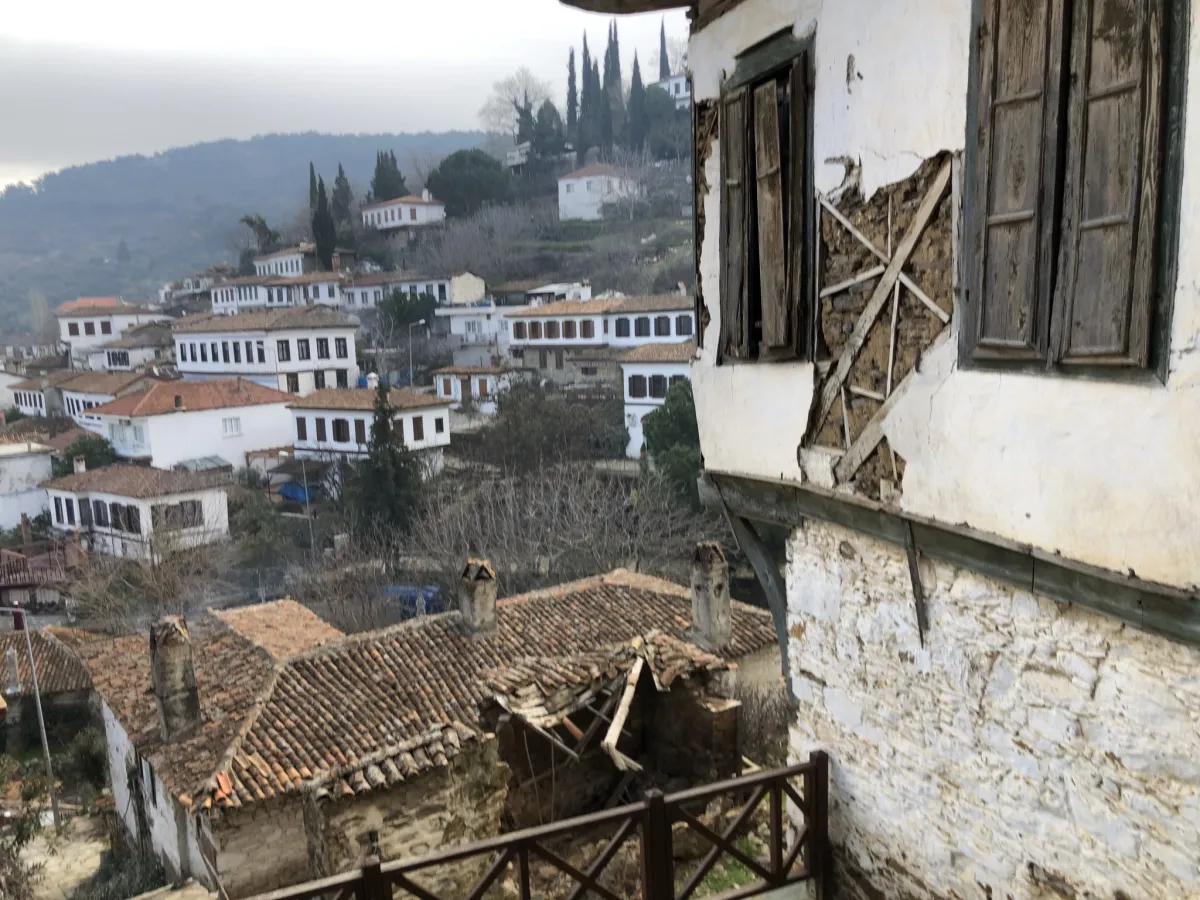
They write that until the mid-1990s the village was very neglected. Even now far from all the houses have been restored and populated. And it is precisely these snow-white two-storey 19th-century houses, built of stone and brick, with tiled roofs and many windows and balconies of the same size, that are the magnet that draws tourists. Greek on the outside, Turkish on the inside, the buildings may not be rebuilt. Muslims and Christians live here: 1 mosque and 2 churches.
With the appearance of hotels in the little houses and the attention of the German Helmut Krauss, things took a turn for the better. He was co-owner of the German company Weinkellerei am Goldberg GmbH, which produced fruit and berry wines. The most popular was blackberry. In 1996 the blackberry crop failed in Germany and Scandinavia, and Krauss had the excellent idea of starting a parallel production of blackberry wines in Turkey, where there were plenty of blackberries. Now the Artemis Şirince winery and restaurant from Şirince enjoys nationwide popularity in Turkey and has “shone” in Europe. And not only there – Koreans have overtaken the Germans on the list of main importers of the winery’s products. Besides grape wines, Artemis Şirince continues to produce several fruit ones: from blackberry, black mulberry, raspberry, apple, peach, pomegranate, melon and cherry.
In the village now practically every house sells home-made wine, as well as olive oil, soap, olive-oil-based creams, spices, jam and in general anything you like.
People go to Şirince to relax and stay overnight in one of the cute guesthouses, to eat, perhaps drink some wine, and to wander the narrow stone-paved streets among pine forests and hills covered with olives and vineyards.
Text and photos by Serhii Shcherbii



