

Šibenik
· 4 min read
There is something cheerful and desperate about the name of this Croatian city: Šibenik, in Italian Sebenico. Perhaps because it is one of the few cities in Croatia with Croatian roots rather than Greek, Roman or Illyrian ones. The city has been known since the 11th century. Then it repeats the history of the whole former Roman province of Dalmatia: a lost confrontation with Venice, later the Turkish threat, against which the Most Serene Republic was now defending it. Old granny Austria-Hungary gave the city development and electric lighting, and she was succeeded by the Italians and finally the Croats again. The circle was closed.
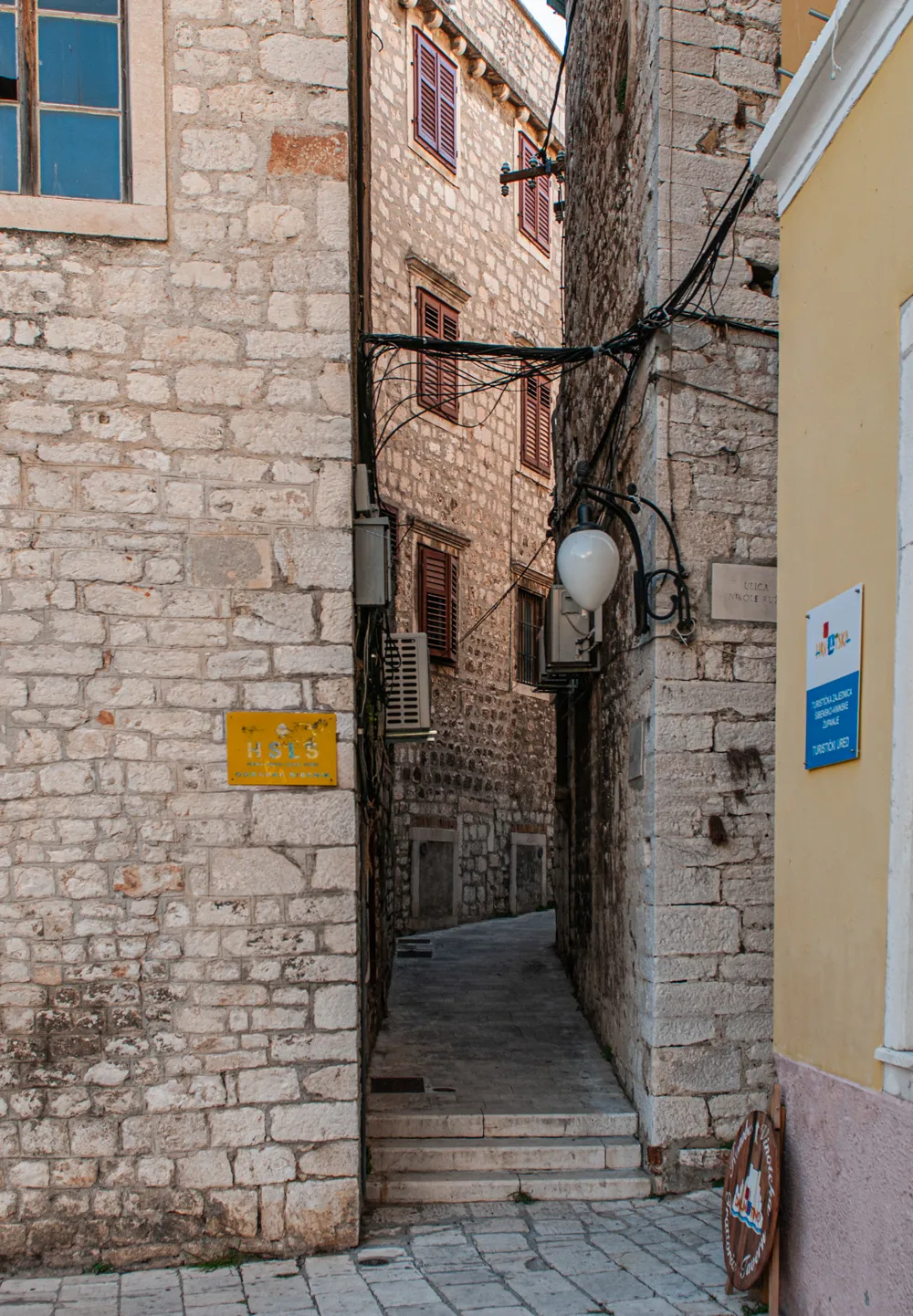
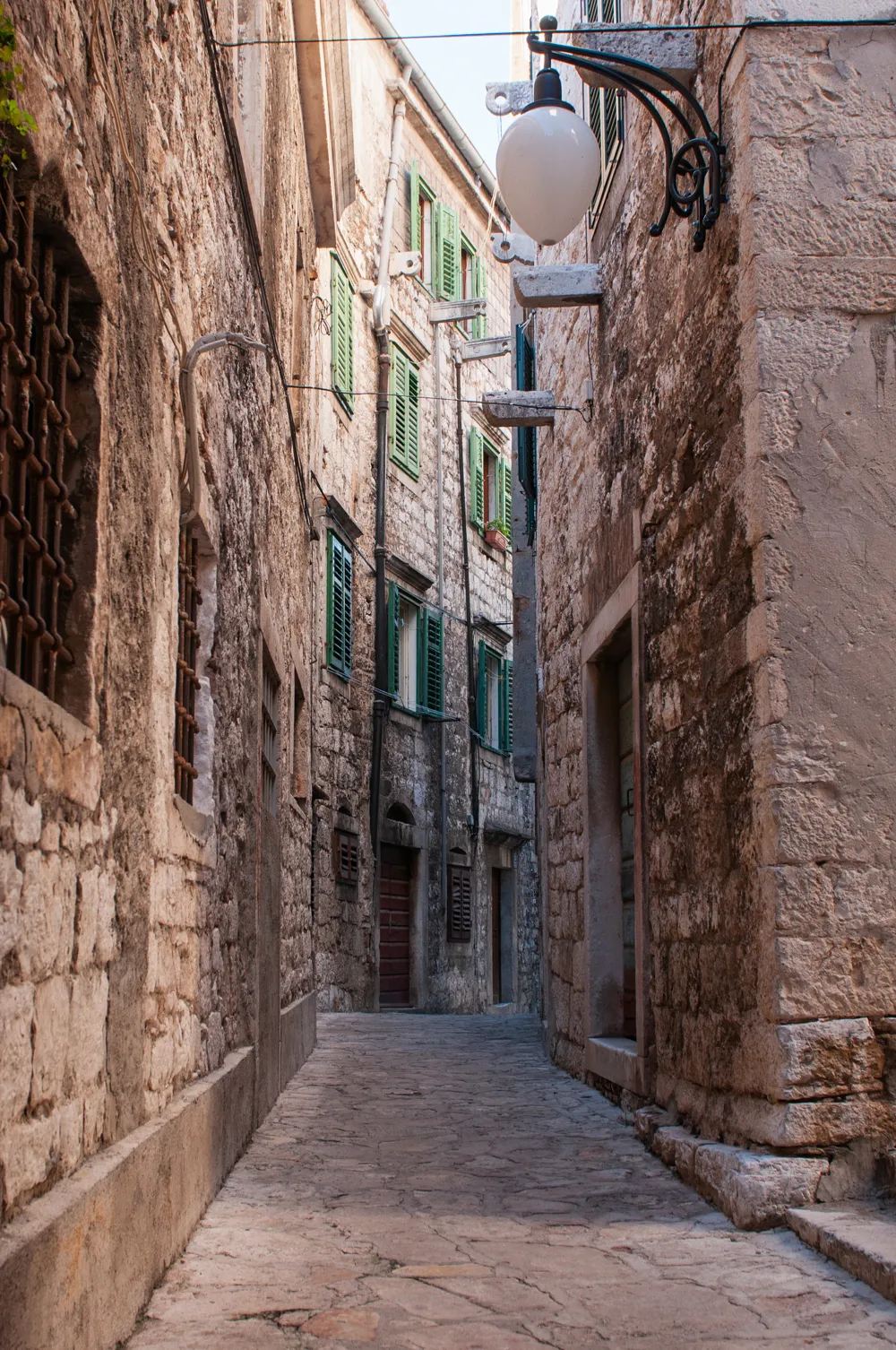
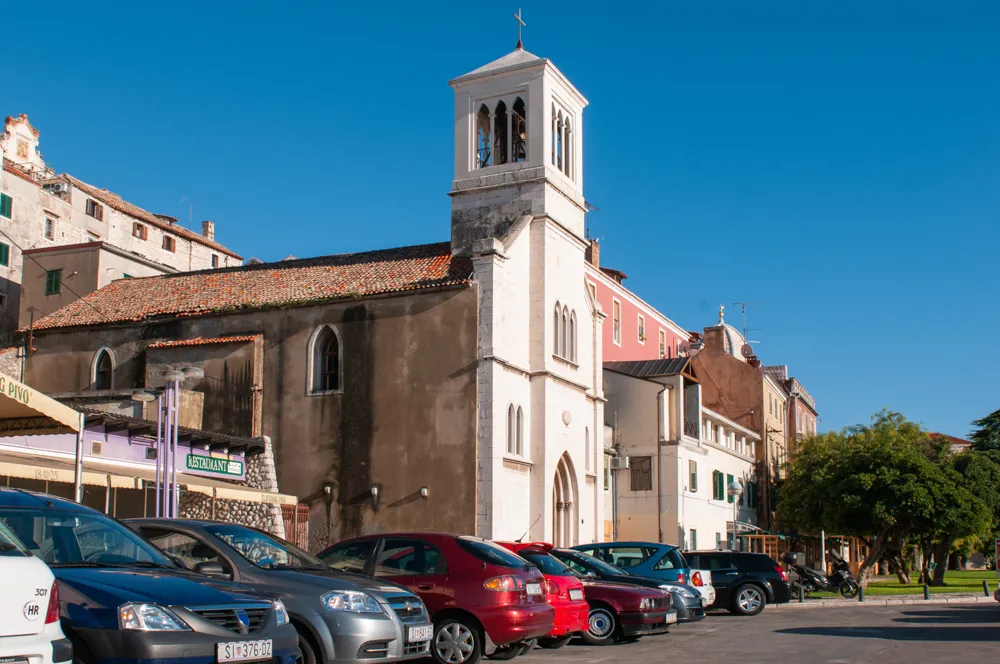
The very narrow seaside streets are typical of any Mediterranean city, where it is easy to get lost both in space and in centuries.
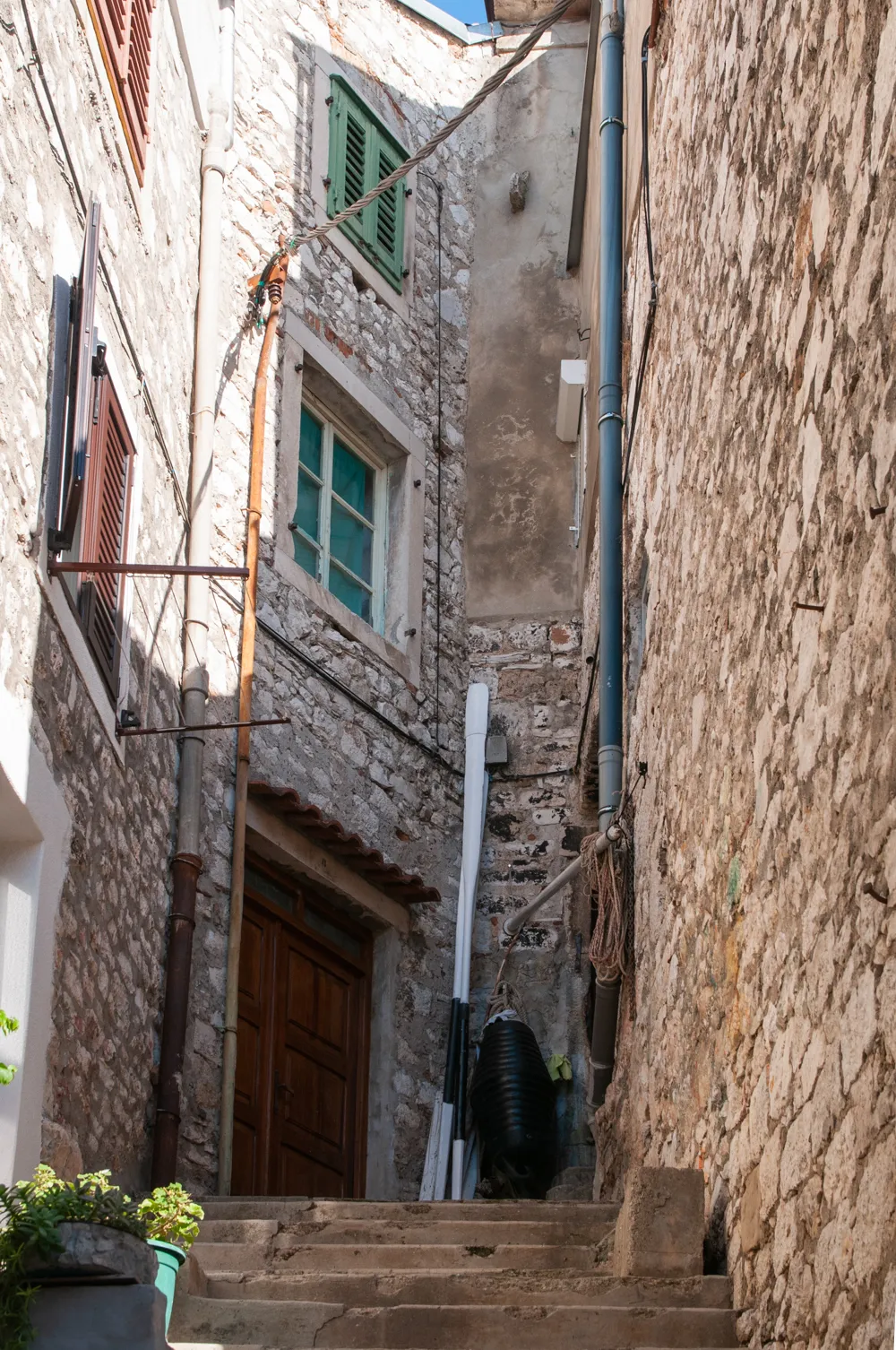
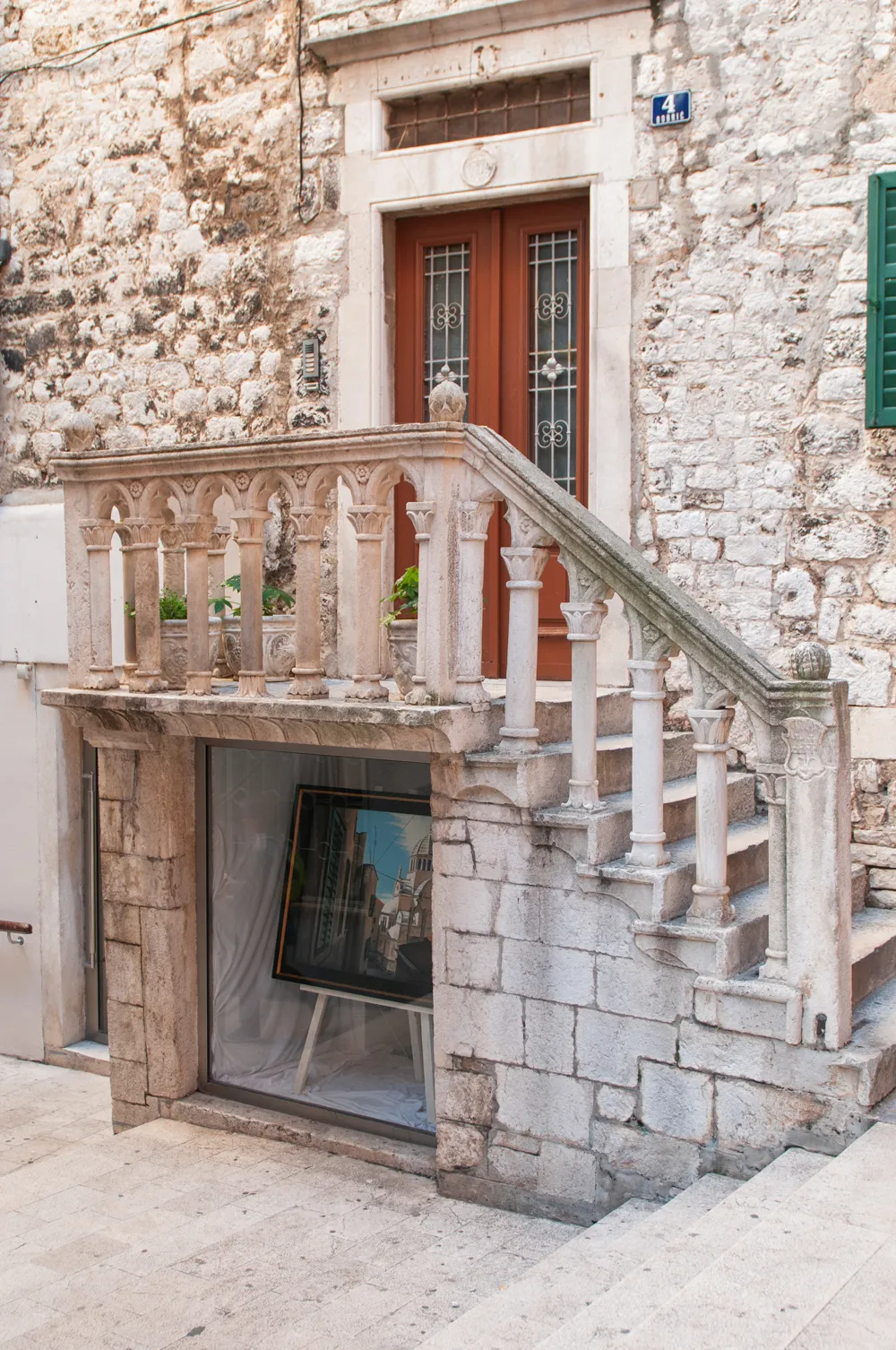
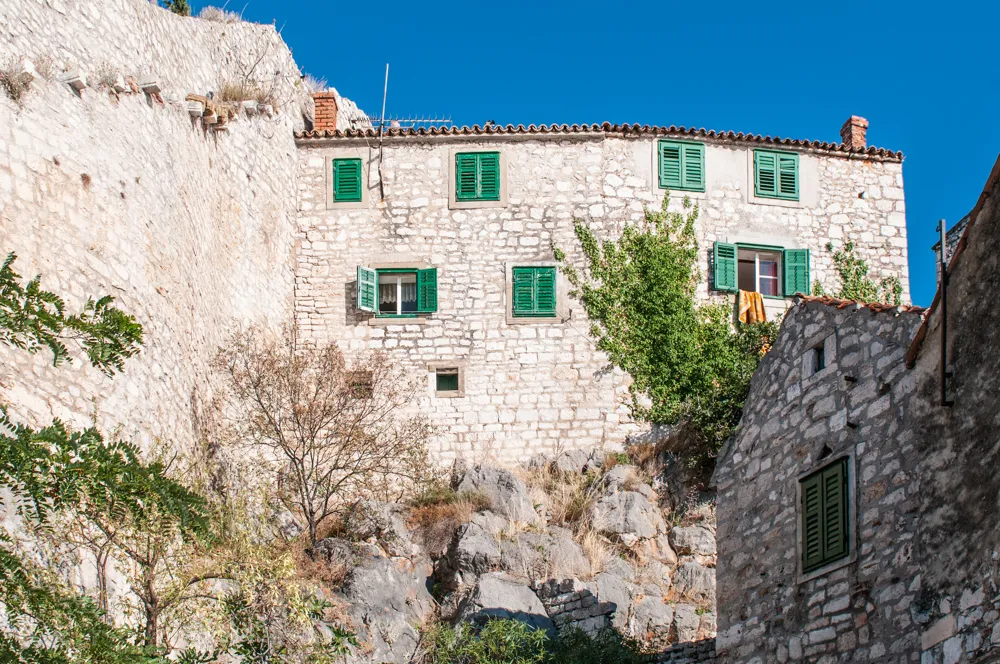
Šibenik is a very steep old town, in the sense that it is built on a slope. I would also call it a city of stairs. They are everywhere: they lead to neighbouring streets, to house entrances or to courtyards with washing hung out. A real labyrinth and, which is especially pleasing, an empty one. Not to be compared with Dubrovnik and its crowds of tourists.
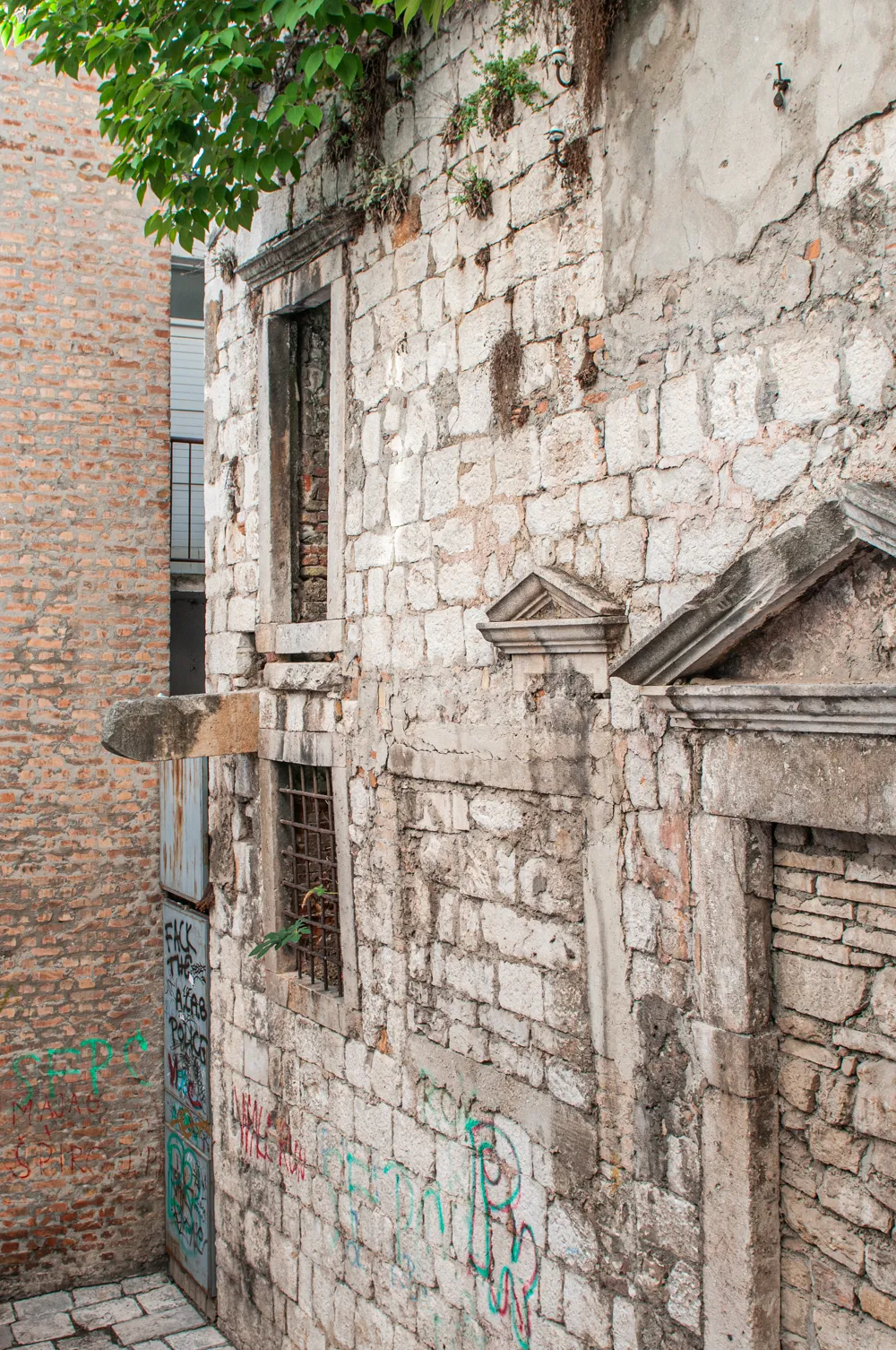
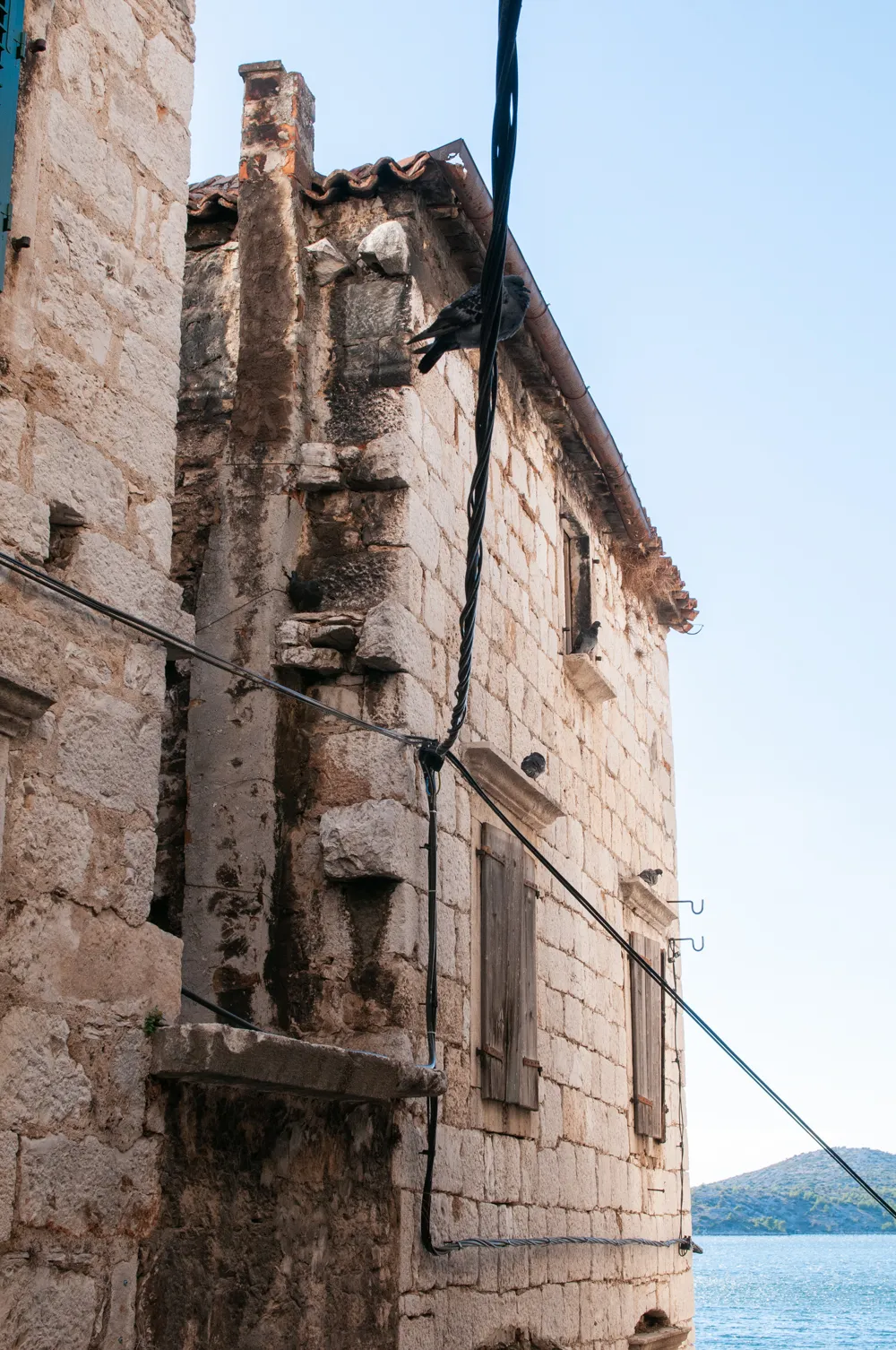
Another detail: there are very many green shutters. A trifle that creates a feeling of stylistic unity and harmony, much like the Greek white houses with blue windows and doors.
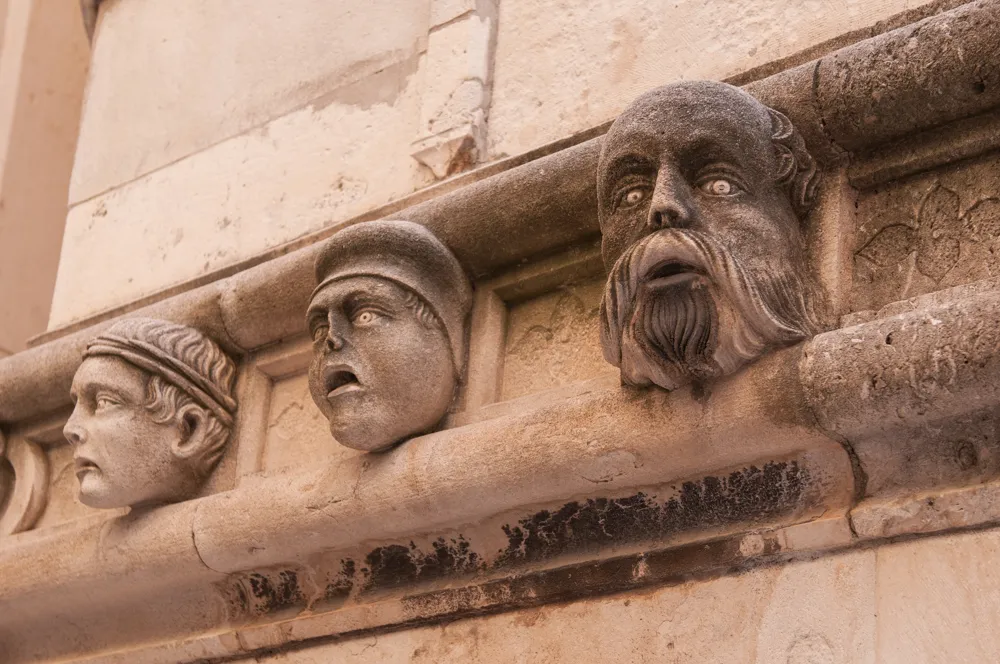
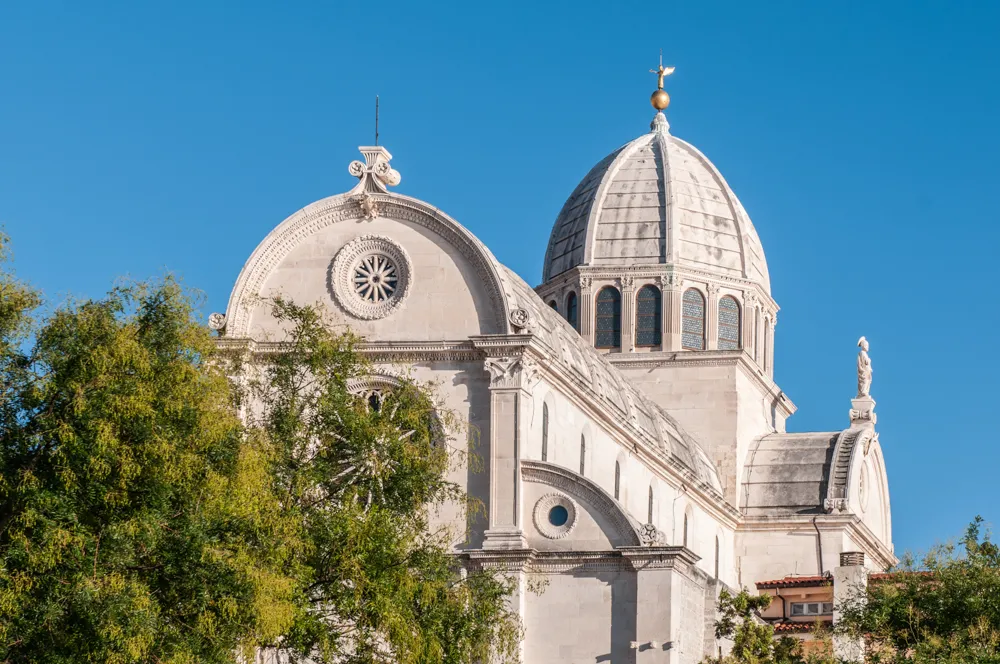
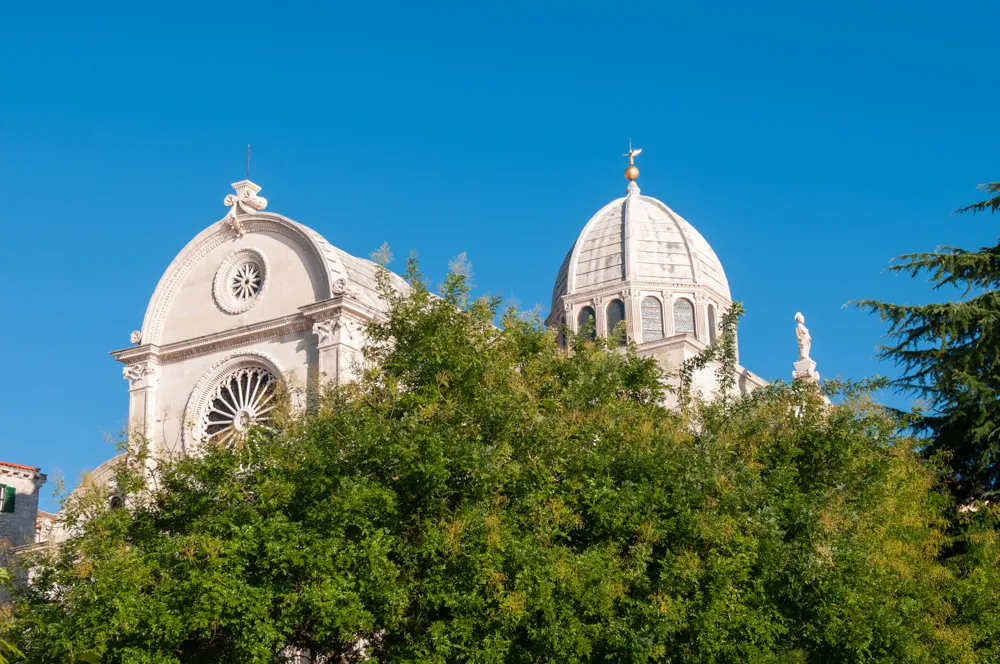
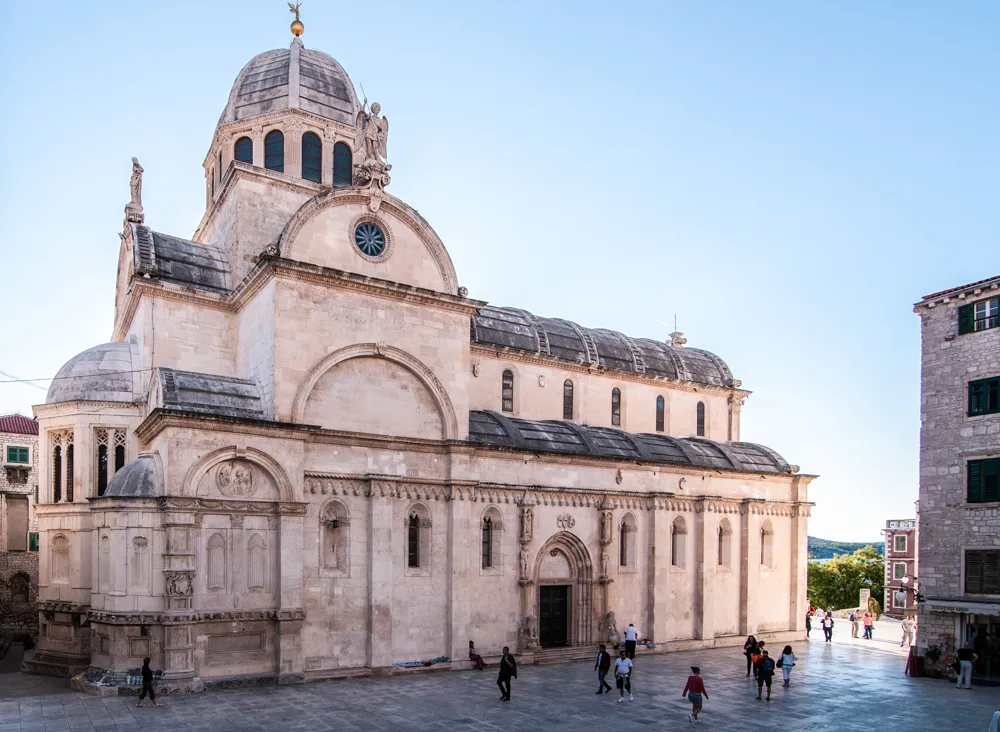
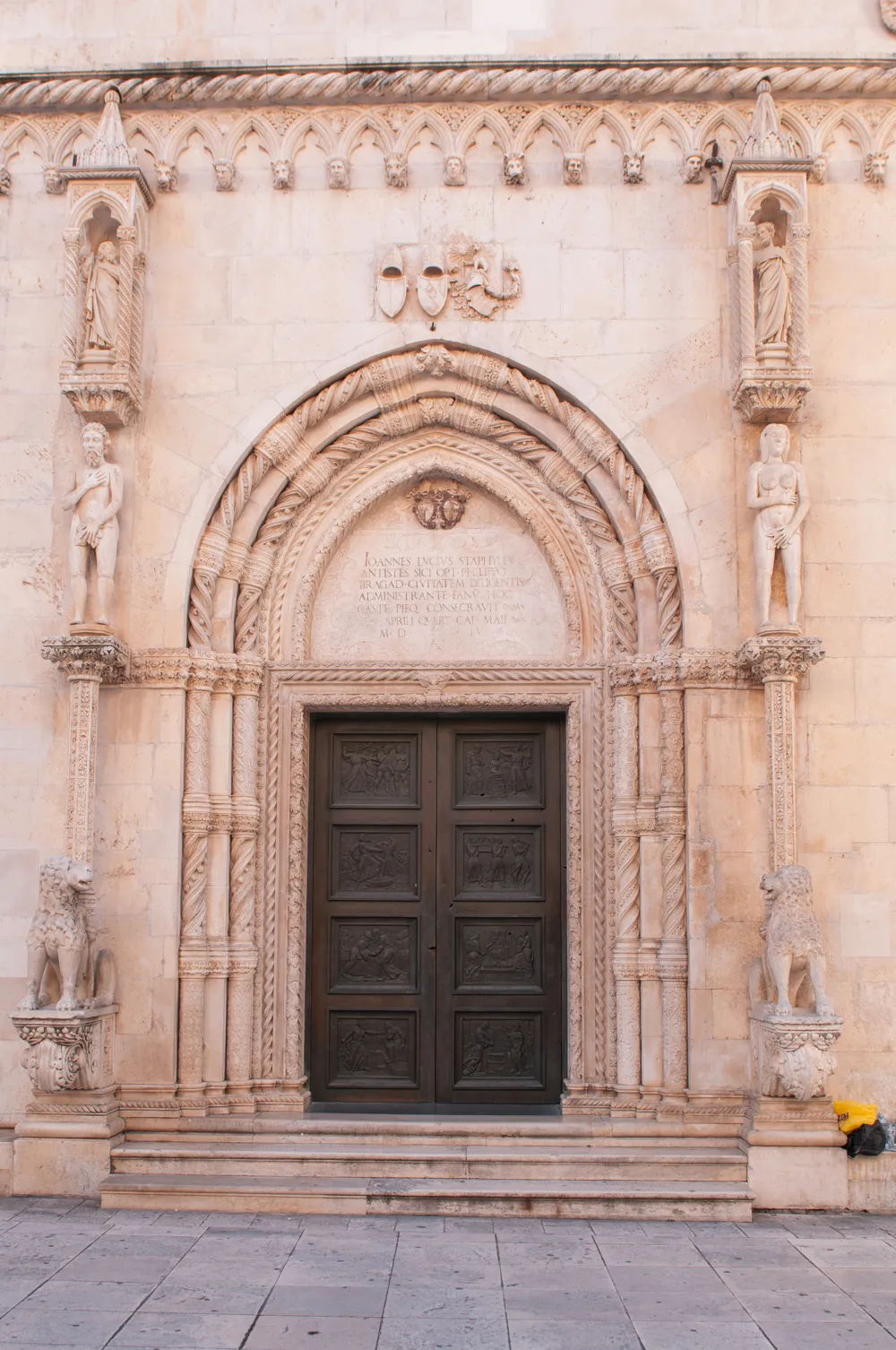
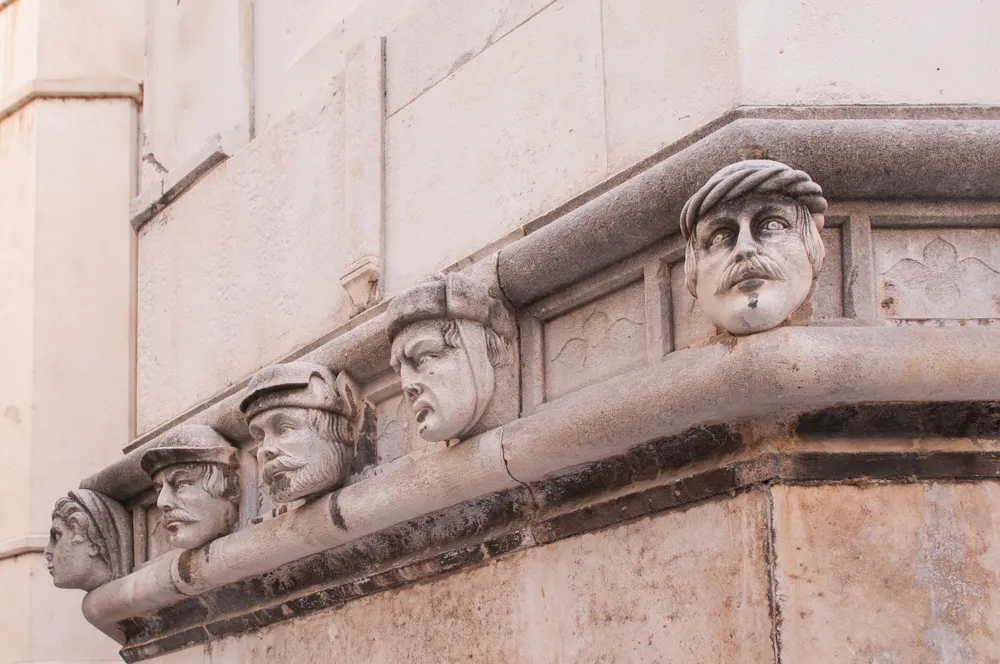
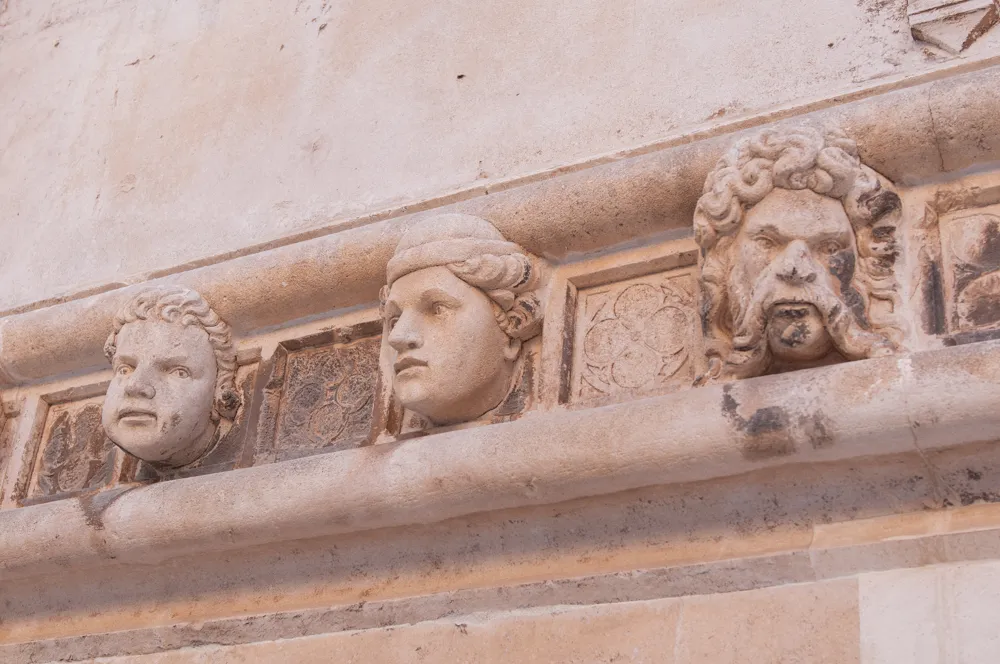
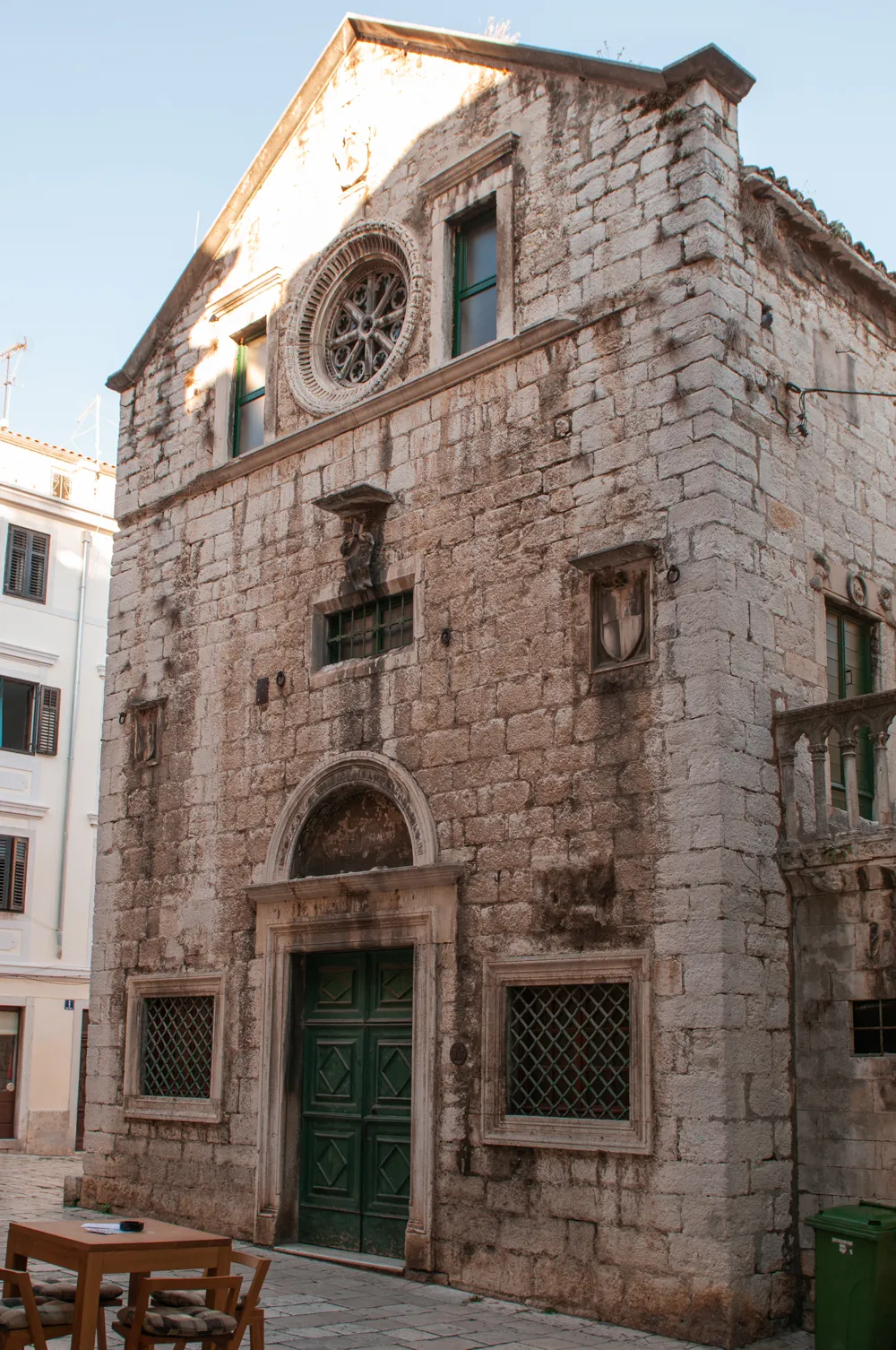
What is there to see in Šibenik when you are tired of wandering the labyrinth of streets? The Cathedral of St. James in Šibenik (Katedrala sv. Jakova u Šibeniku), after all, a small basilica on the UNESCO World Heritage List. All around the cathedral, more than seventy heads of people who once lived, worked and, I hope, were happy in this city laugh, marvel, rejoice and watch you. Nearby is a sculpture of the author of this masterpiece. The pride of the Croats is the architect, sculptor and town planner Juraj Dalmatinac, also known in Italian as Giorgio Orsini, in Latin as Georgius Dalamaticus, and, to confuse everyone completely, as Giorgio da Sebenico, Giorgio of Šibenik. Phew, but the funniest thing is that the architect’s surname is unknown. They say one of the heads is a portrait of Juraj Dalmatinac himself, only nobody knows which one. Construction of the cathedral began in 1432 and lasted more than a century, so both Gothic and Renaissance can be found in it. The city has plenty of other small and slightly larger churches.
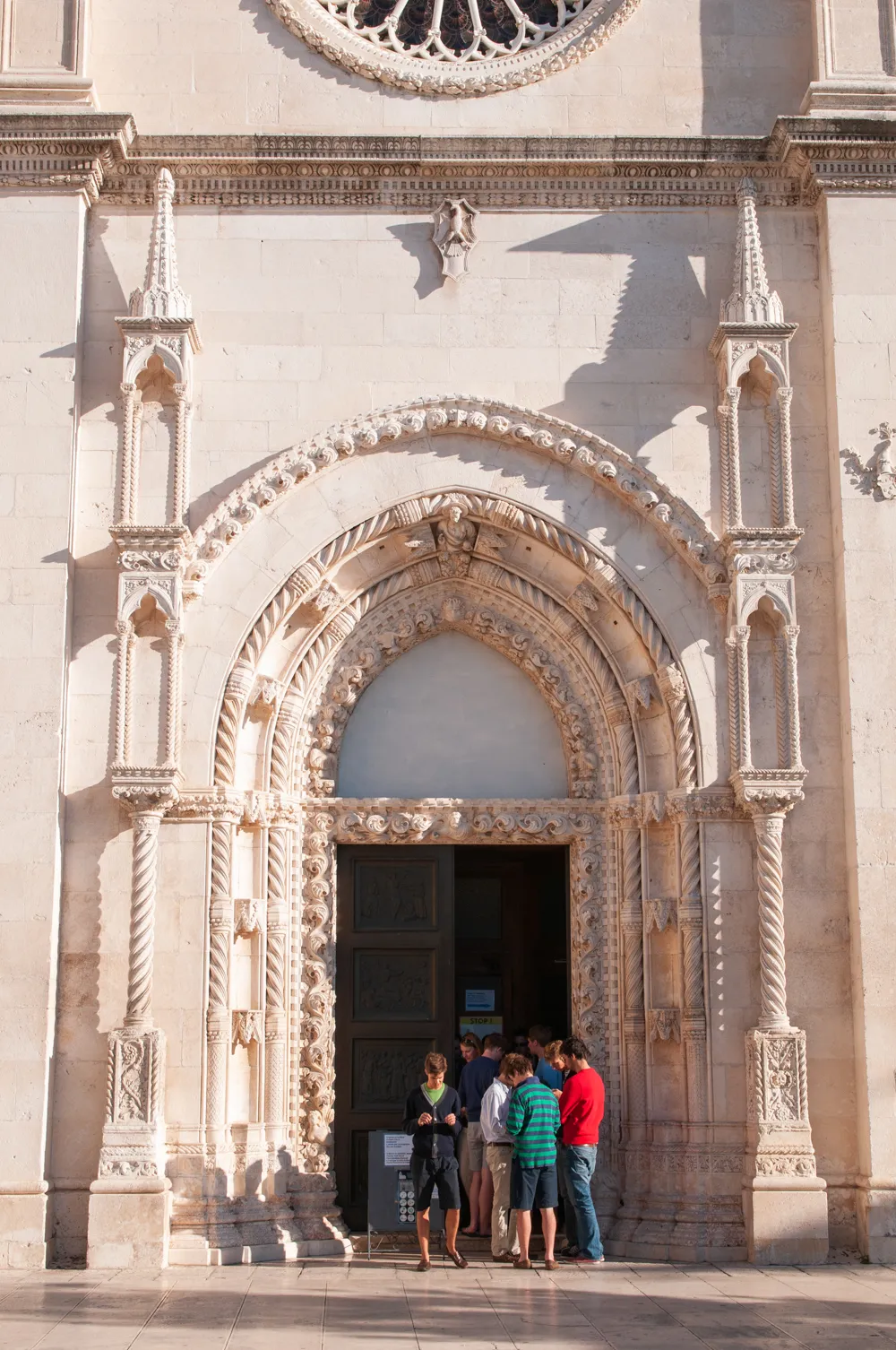
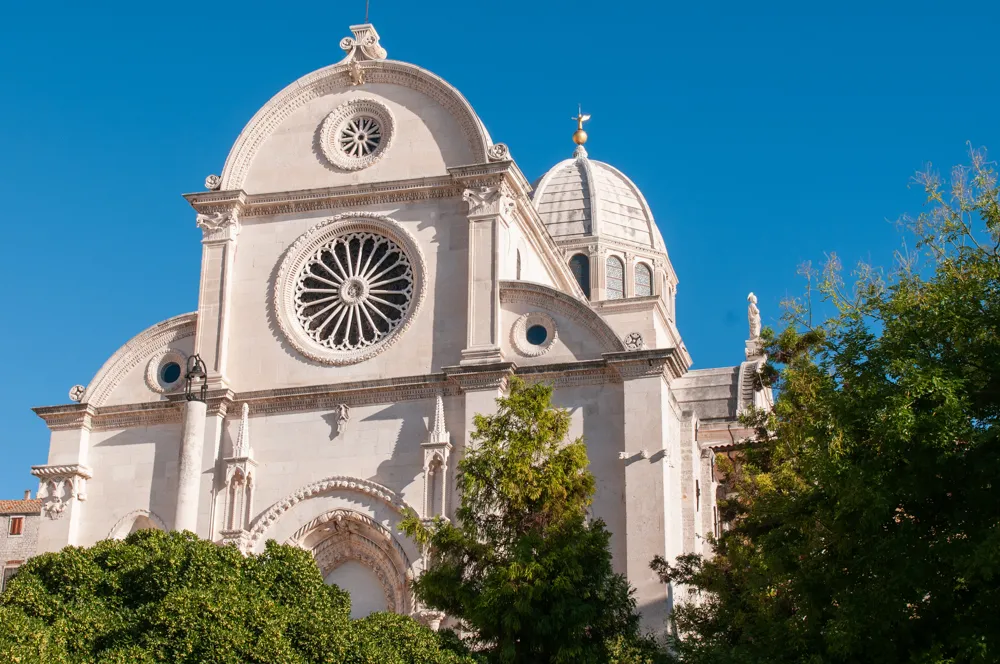
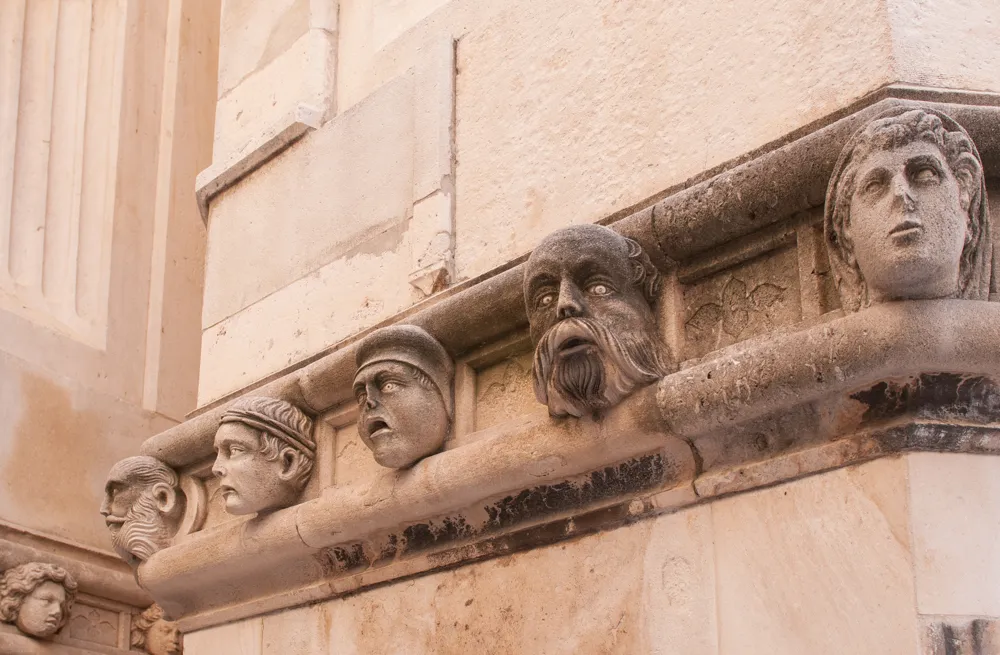
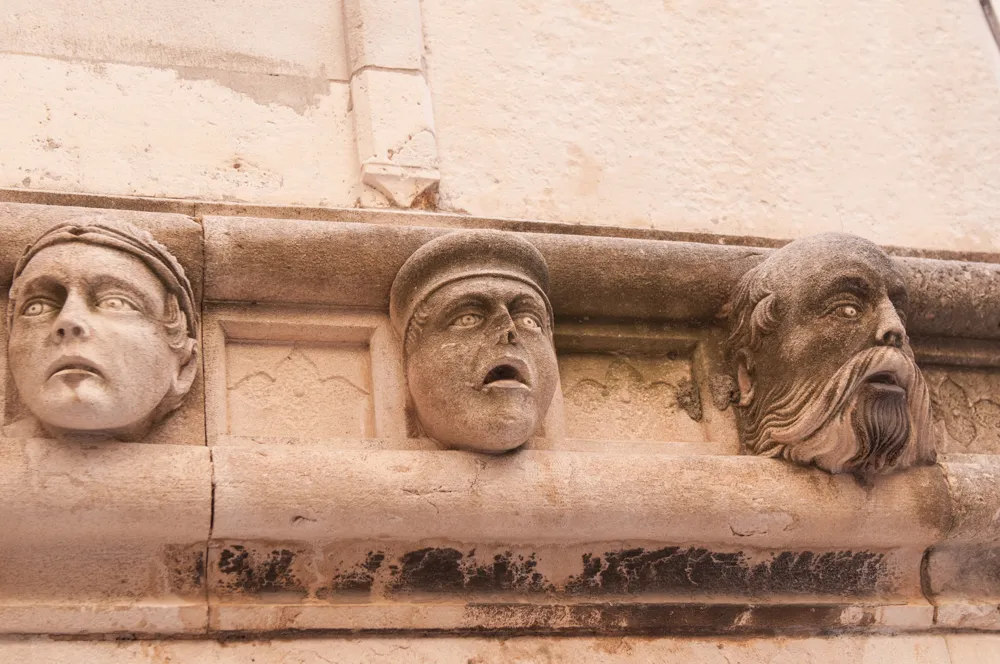
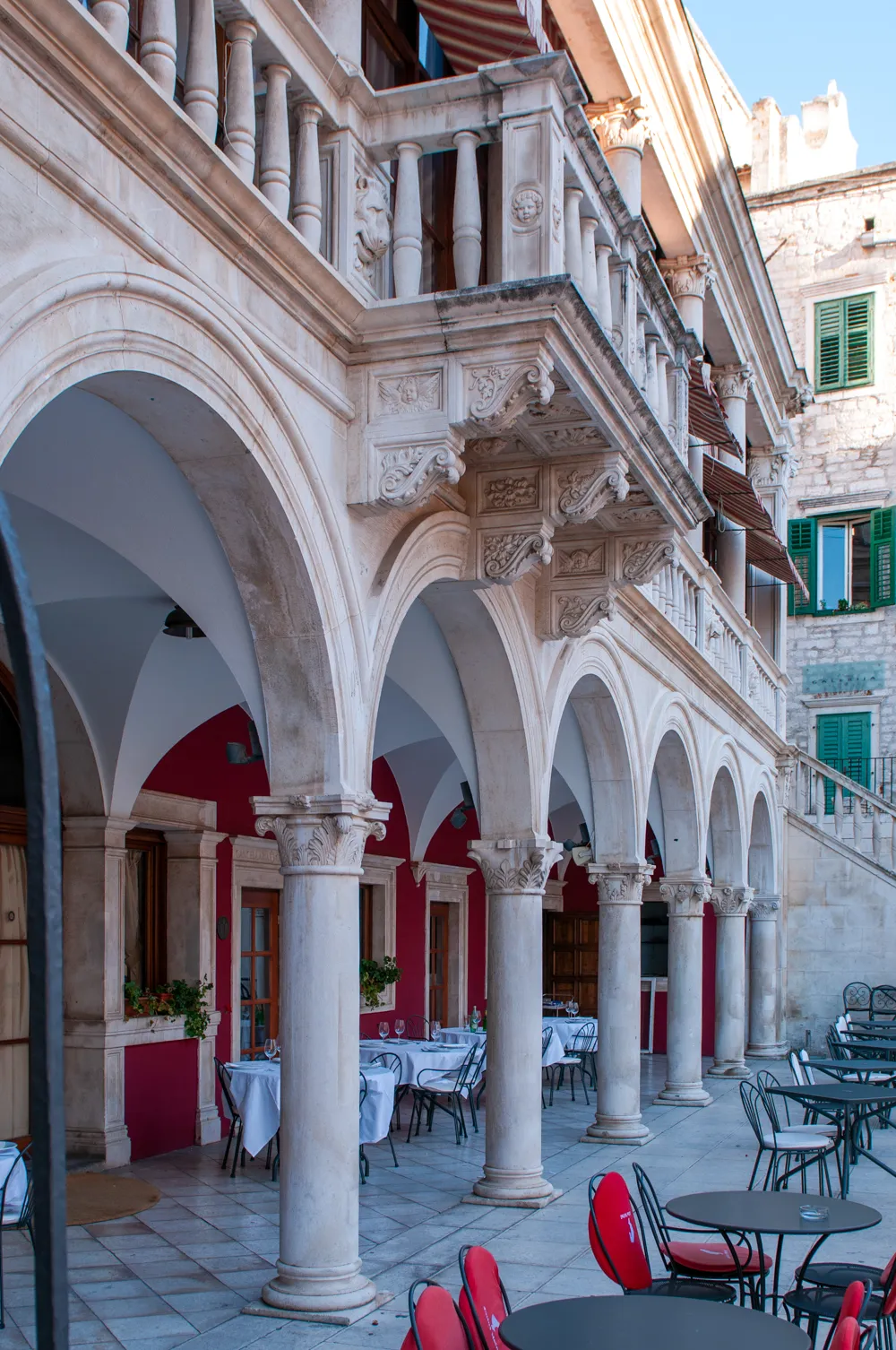
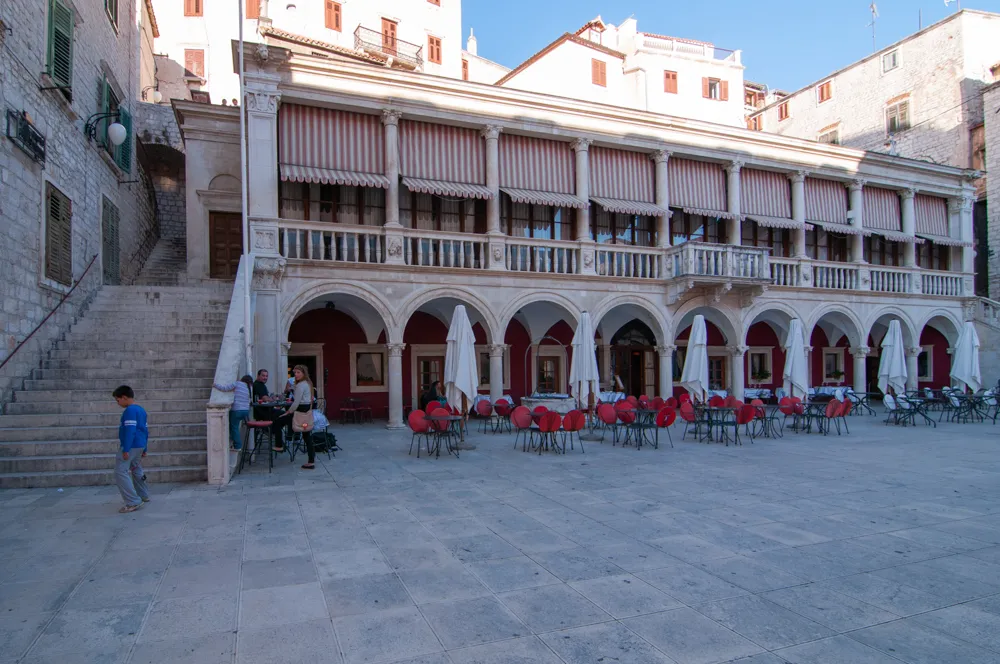
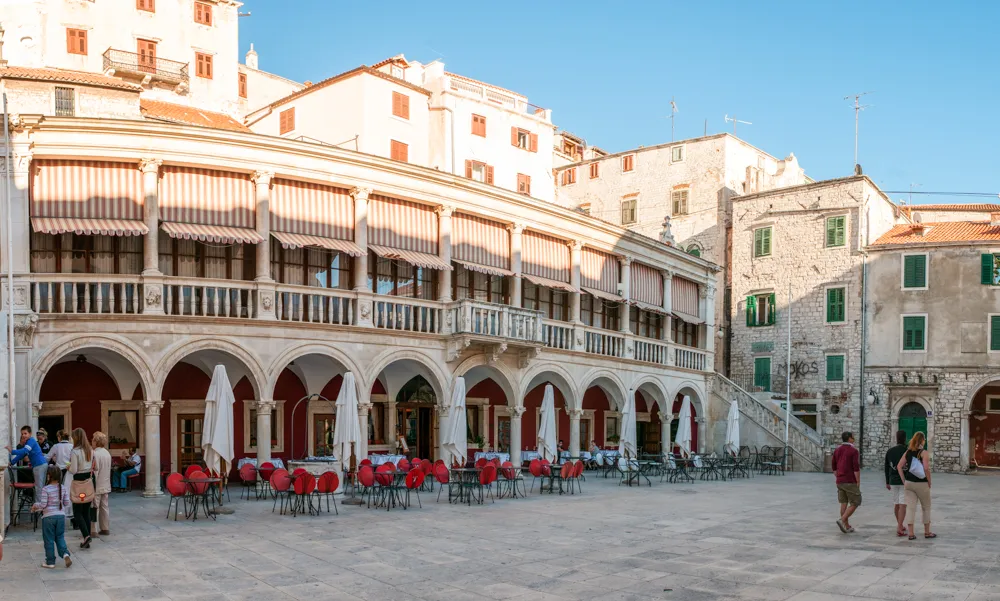
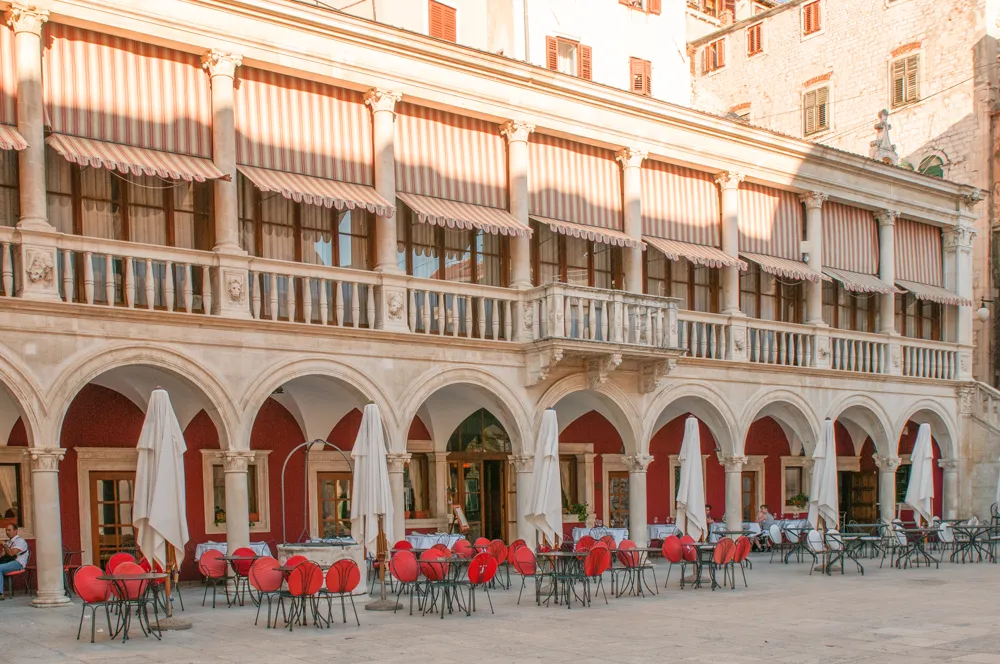
The Town Hall stands right opposite the Cathedral of St. James, but you have to guess that it is the Town Hall and not a restaurant, which the tables and chairs hint at. Some consider this Renaissance beauty the most beautiful in Croatia.
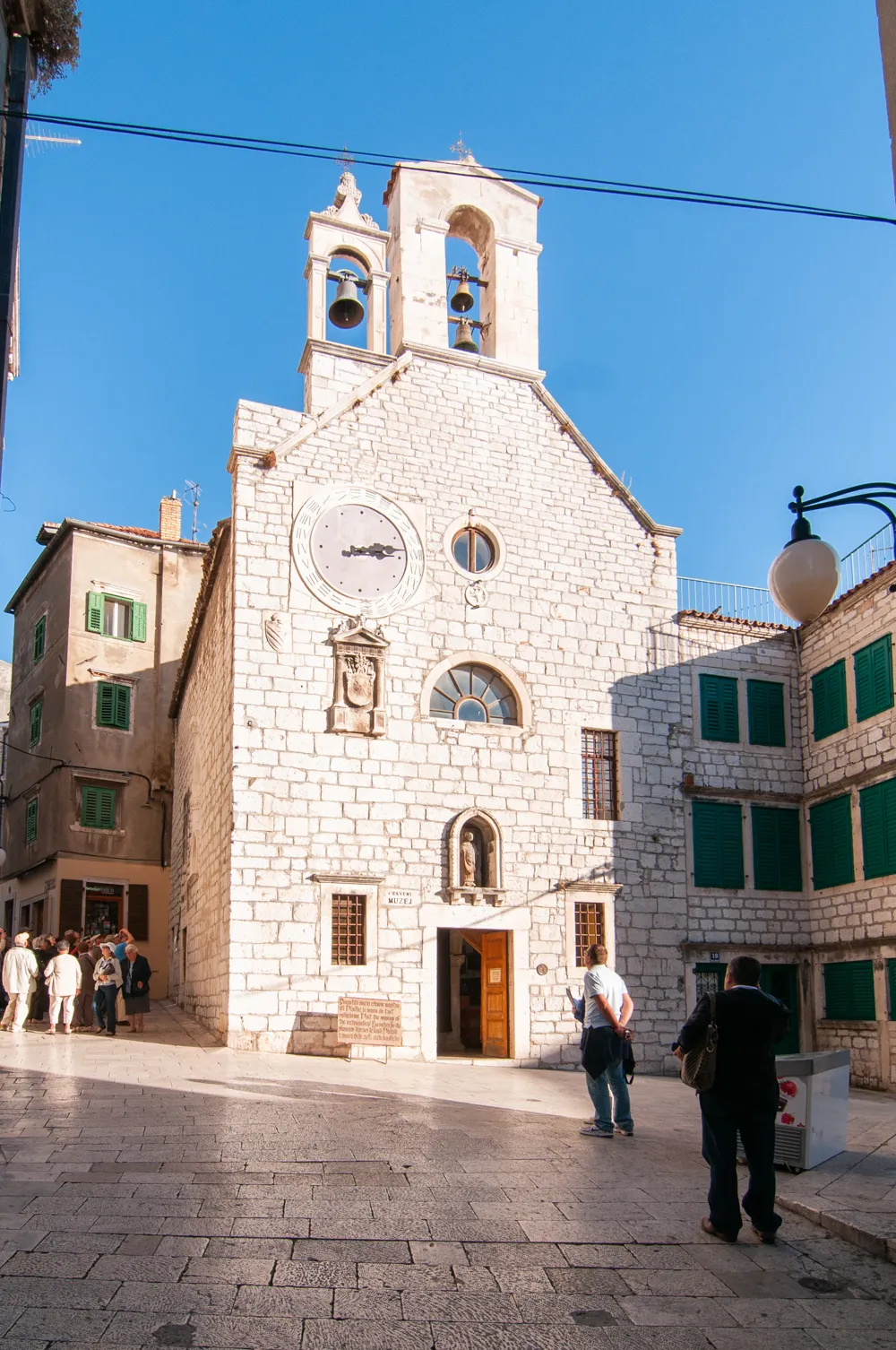
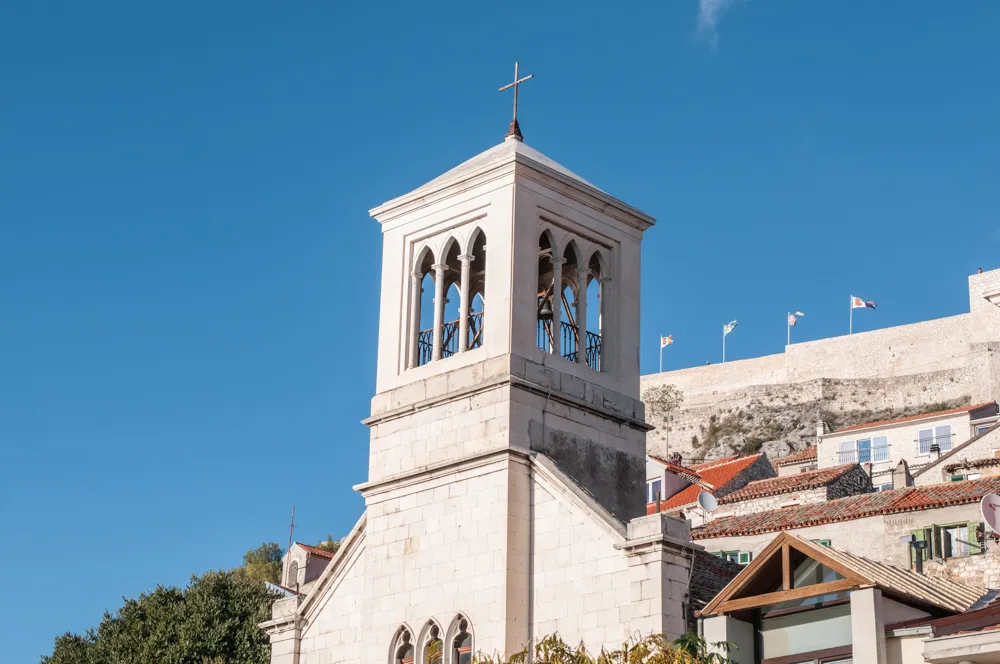
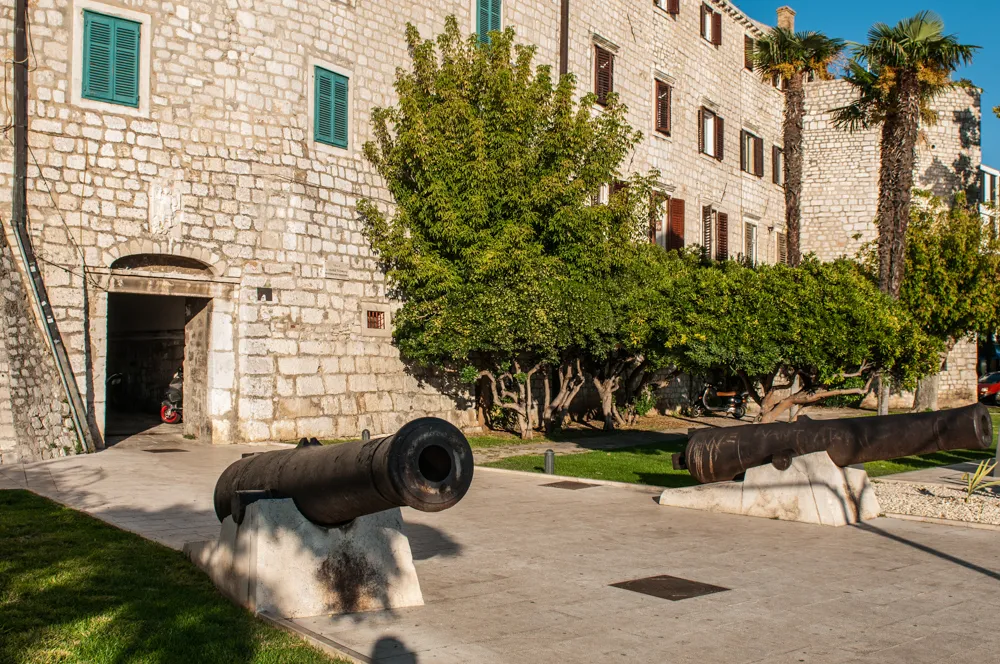
Nearby spreads the complex of the Muzej grada Šibenika, which masquerades as a fortress. You are being tricked by the cannons and the bas-reliefs with images of a lion, the symbol of Venetian rule. Moreover, the outer facade of the palace is a fortress wall that protected the city from the sea, and in the southern part of the building there is a square tower. The museum is housed in the former palace of the cathedral’s prior, one wing of which was shared by the highest representative of Venetian state power in Šibenik, the city prince-captain. Among the interesting palaces are Rossini, Foscolo and Pellegrini.
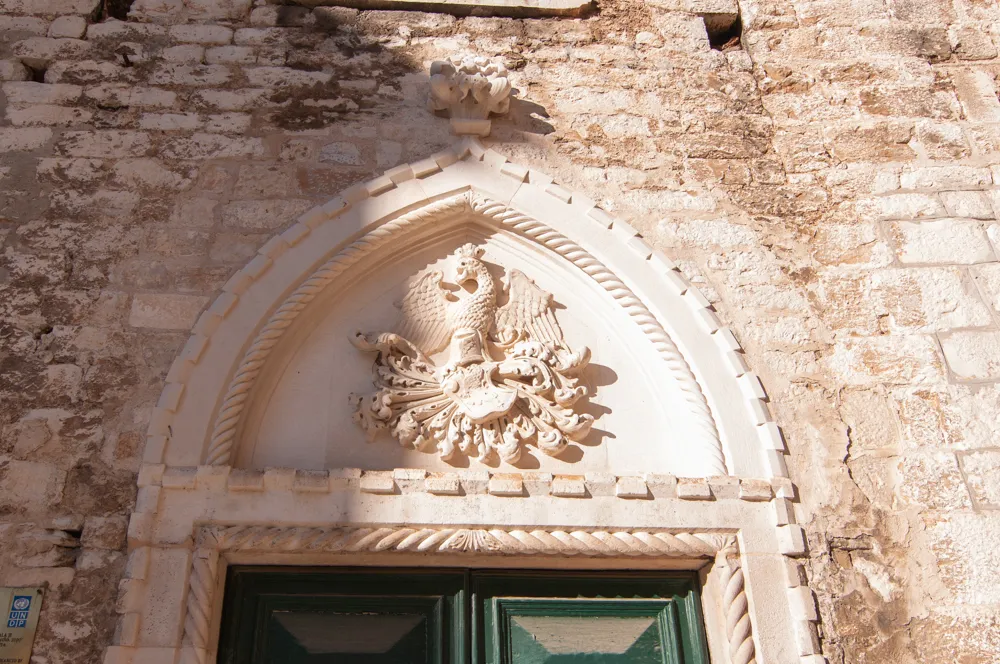
The sights of Šibenik also include numerous real fortresses. St. Michael’s, built by the King of Croatia and Dalmatia Petar Krešimir IV, from which the city began. This fort used to bear the name of St. Anne, which survives today in the name of the old necropolis outside the fortress walls. From the fortress of St. John, there would probably be a panoramic view of Šibenik, were it not for the restoration. But the Barone fortress is open to visitors. However, they will get a separate page, as will the fortress of St. Nicholas, which protected the city from the sea.
In the series “Game of Thrones”, in as late as the fifth season, Šibenik played a not so minor role: Braavos, the richest and most powerful of the nine Free Cities. The Cathedral of St. James became the mighty Iron Bank, which, as is known, always gets its due. Although, in my opinion, computer graphics made it such that you would not recognize it without a hint.
Text and photos by Serhii Shcherbii



