

Stari Bar
· 3 min read
In Montenegro there is Bar. That is, there are hundreds of bars there, but Bar, spelled with a capital letter, is one. Actually, there are two of those as well: Stari Bar (Old Bar) and Bar (the new one). The town is first mentioned in chronicles in the 9th century, but under the name Antibarium (Antibarum), that is, the Bar opposite the ancient Italian Bari, located 227 kilometres away on the other side of the Adriatic Sea. The town lies a few kilometres from the sea on a steep plateau at the foot of Mount Rumija.
The name Bar appeared already in the time of the Slavs’ migration to the Adriatic coast and their creation of the principality of Doclea (Duklja), which bordered the Bulgarian Kingdom and the Byzantine Empire.
The town was the residence of an archbishop and became part of Raška (this is no joke, but the name of the first Serbian state under the Nemanjić dynasty).
In 1242, in their quest to reach the “last sea” on the Adriatic coast, the Mongols appeared for a brief moment. Among other towns, they burned Bar too.
The memory of independent Doclea has survived, but the name of the land gradually fell out of use — after the name of the river Zeta, the former Docleian lands were more often called Zeta. In the 15th century the town changed hands several times, until in 1443 it was conquered by the Republic of Venice. In 1571 the Turks seized the town for 300 years.
Only in 1878 was the town liberated from the Ottomans. During the assault the gunpowder stores were blown up. By whom exactly, arguments continue to this day. However, the destruction was so severe that King Nikola I founded New Bar on the seashore.
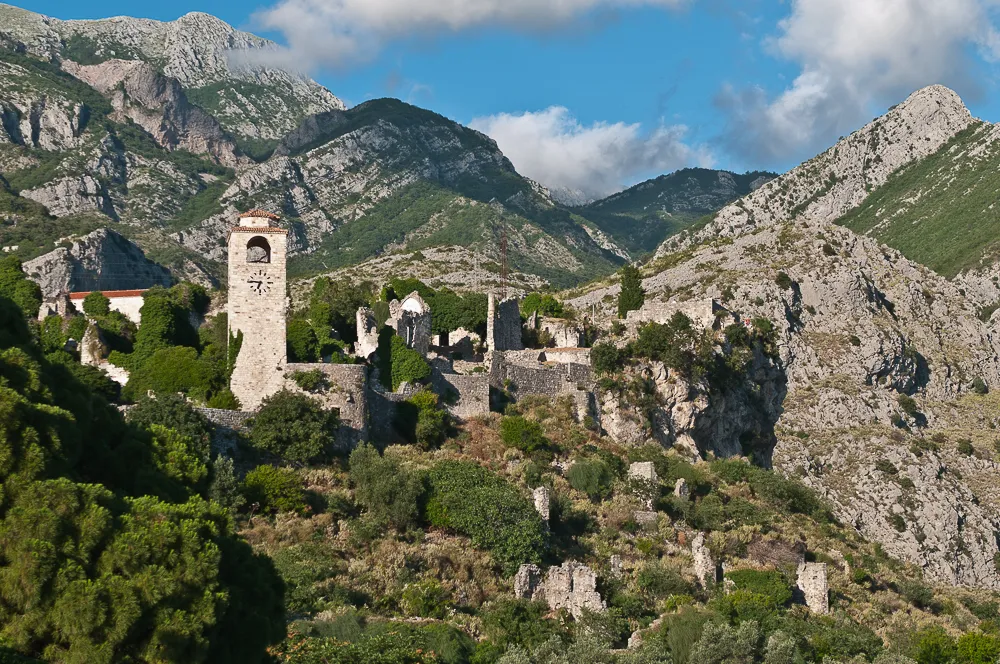
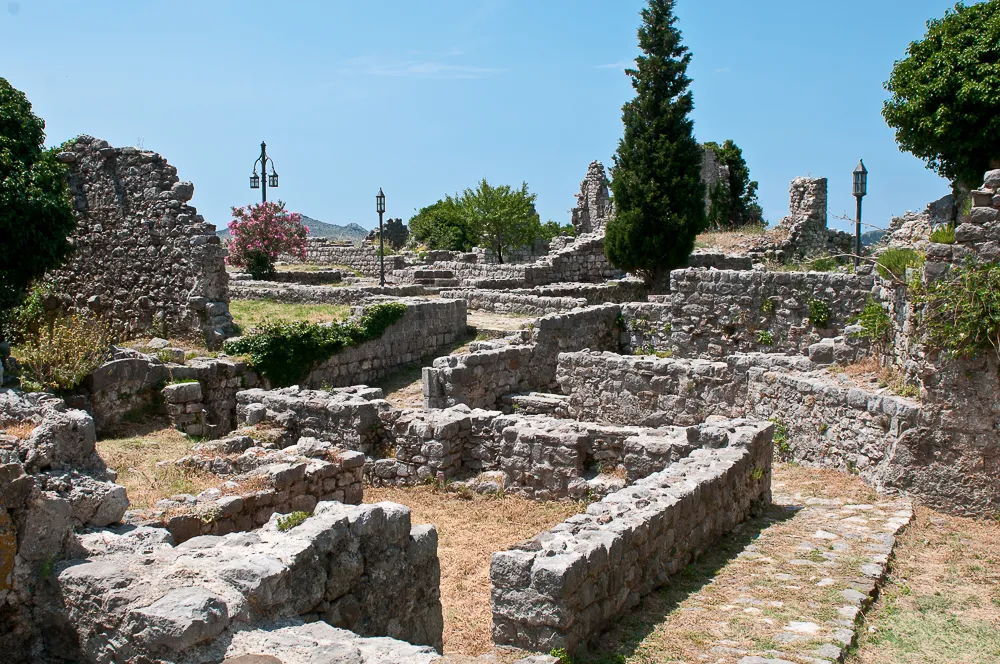
The earthquake of 1979 added further destruction, and so most of the buildings within the fortress walls, unfortunately, are ruins in various states of preservation: from foundations to almost whole buildings that have been restored. Although this gives the town a certain atmosphere, its 2,500 years of history are not felt.
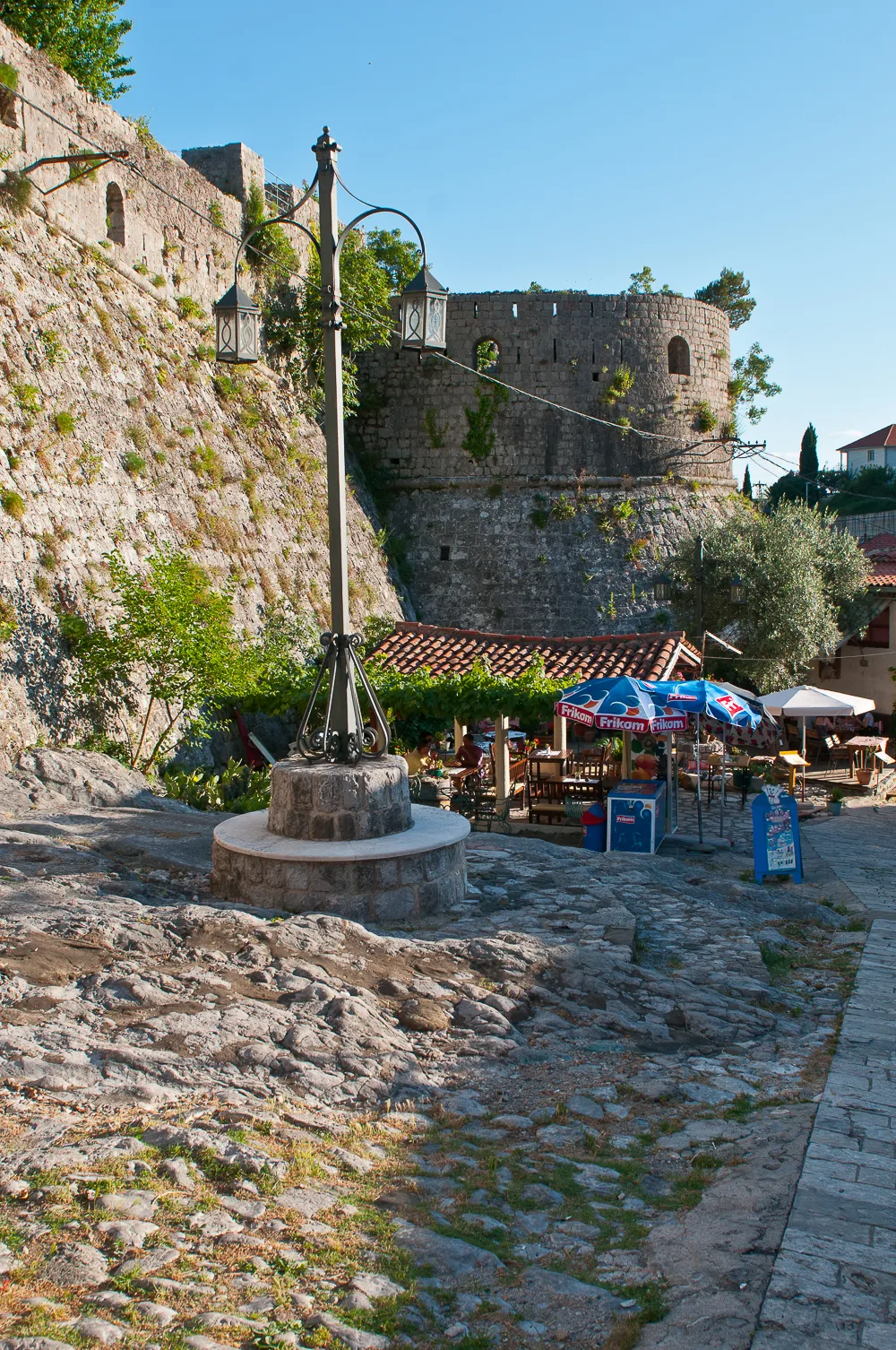
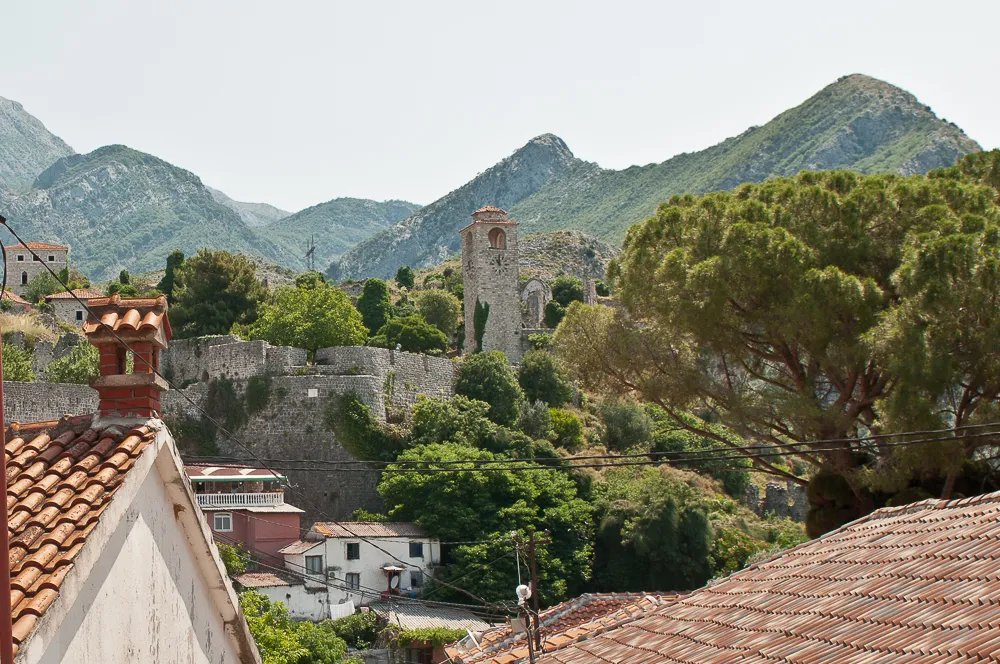
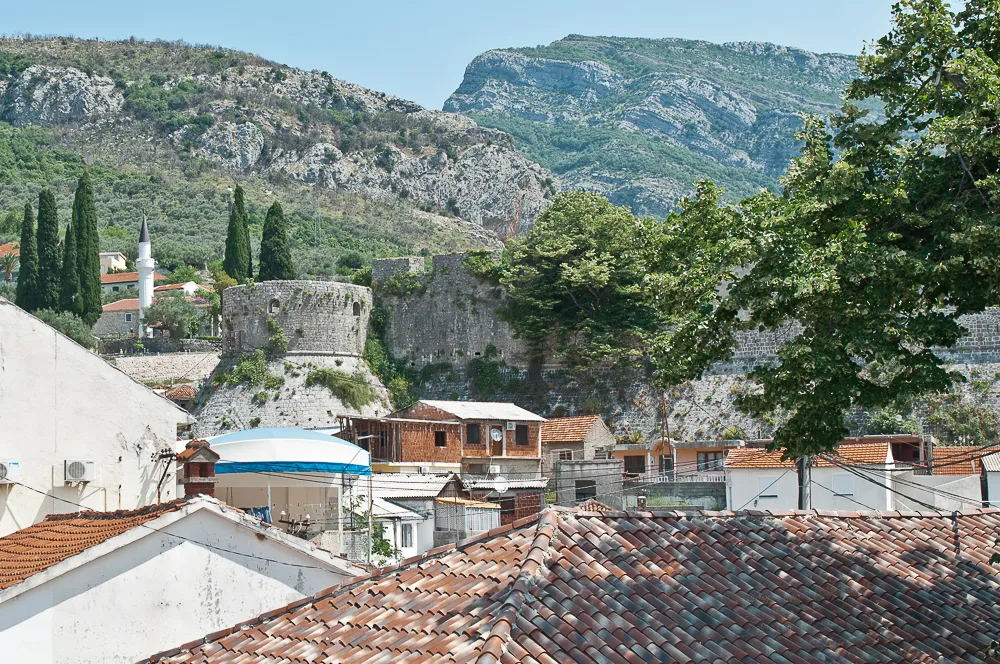
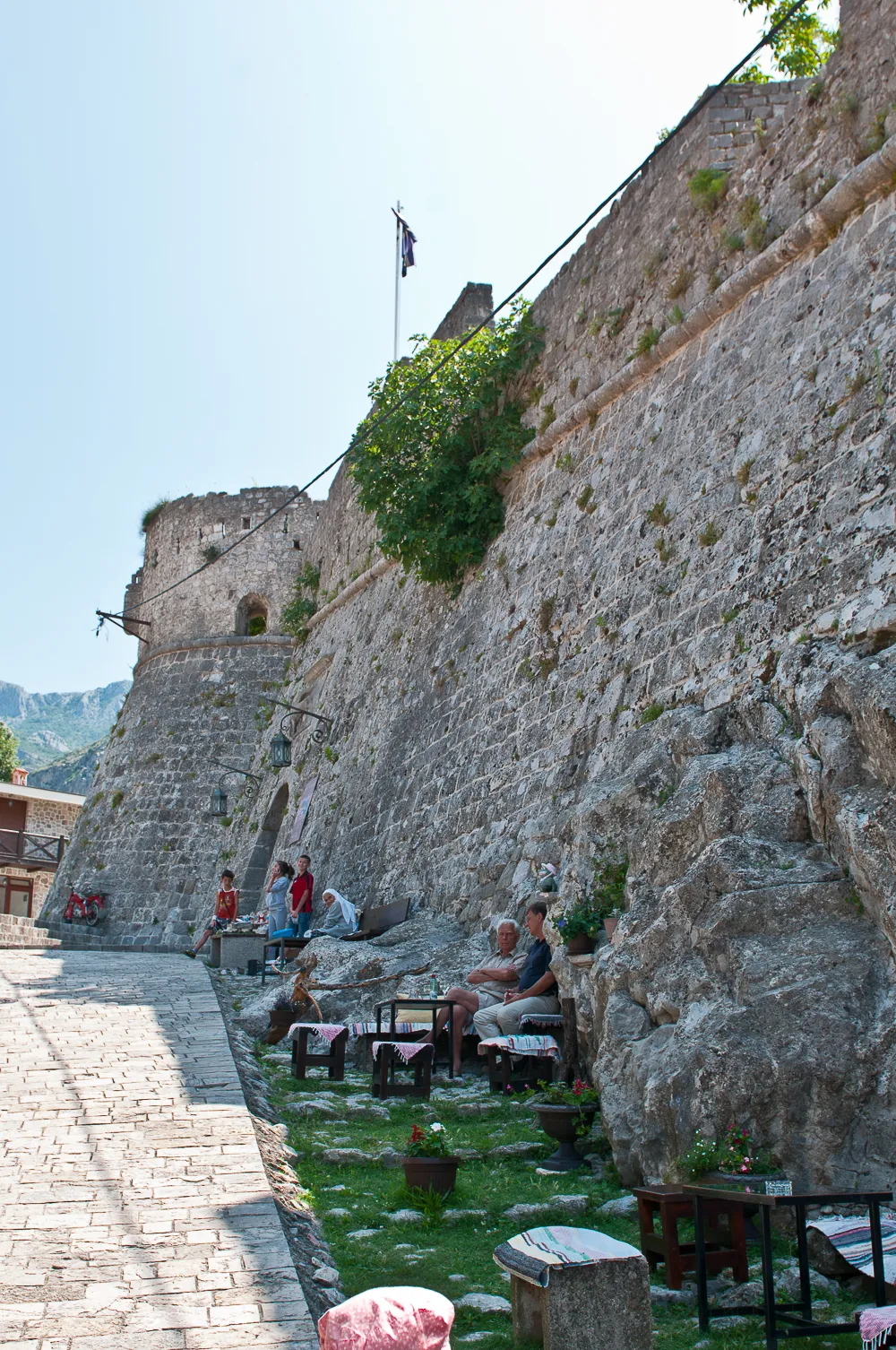
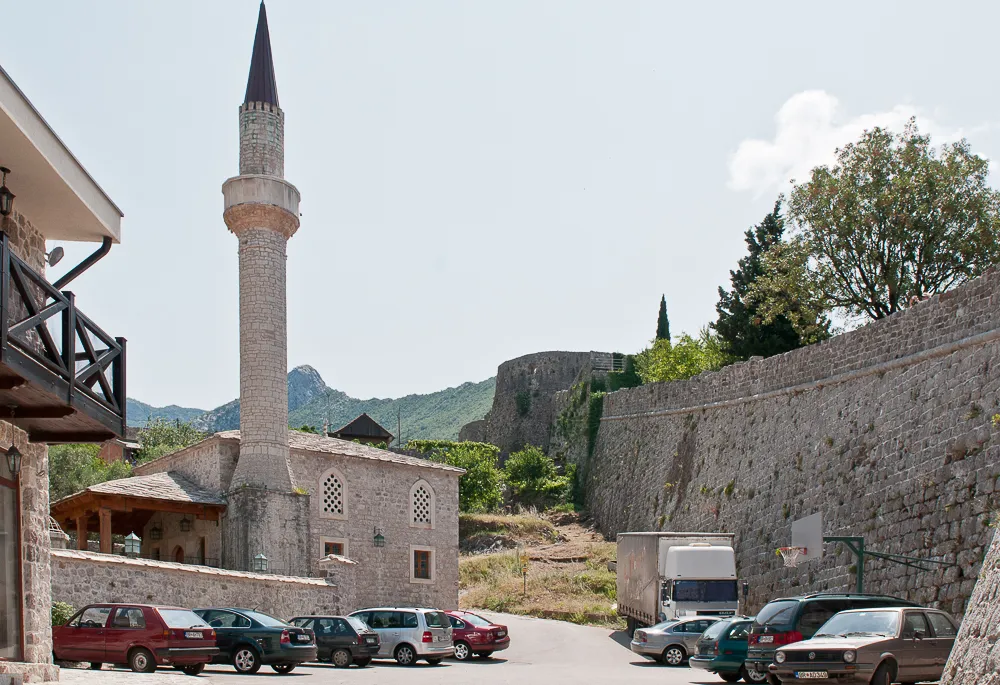
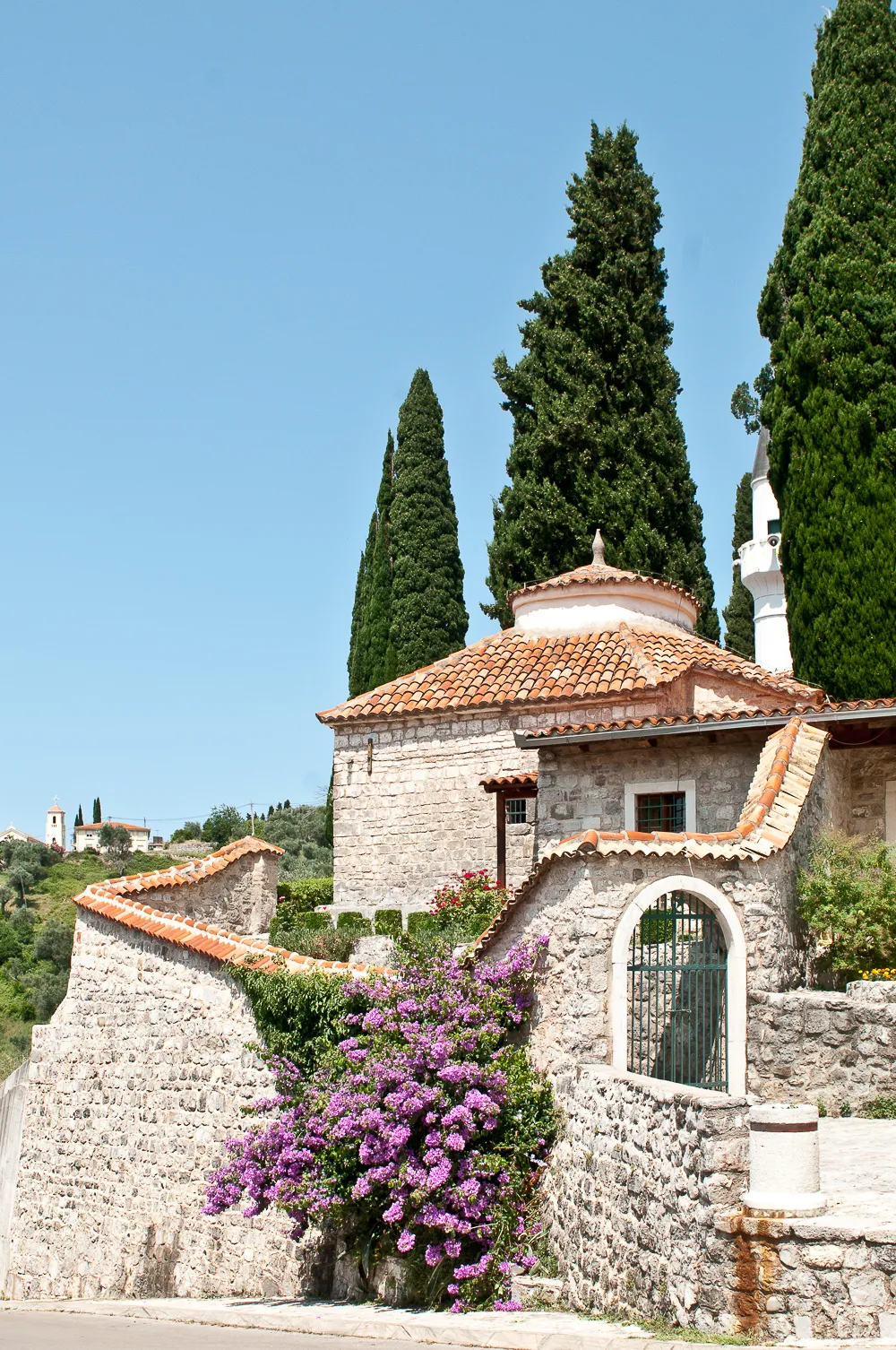
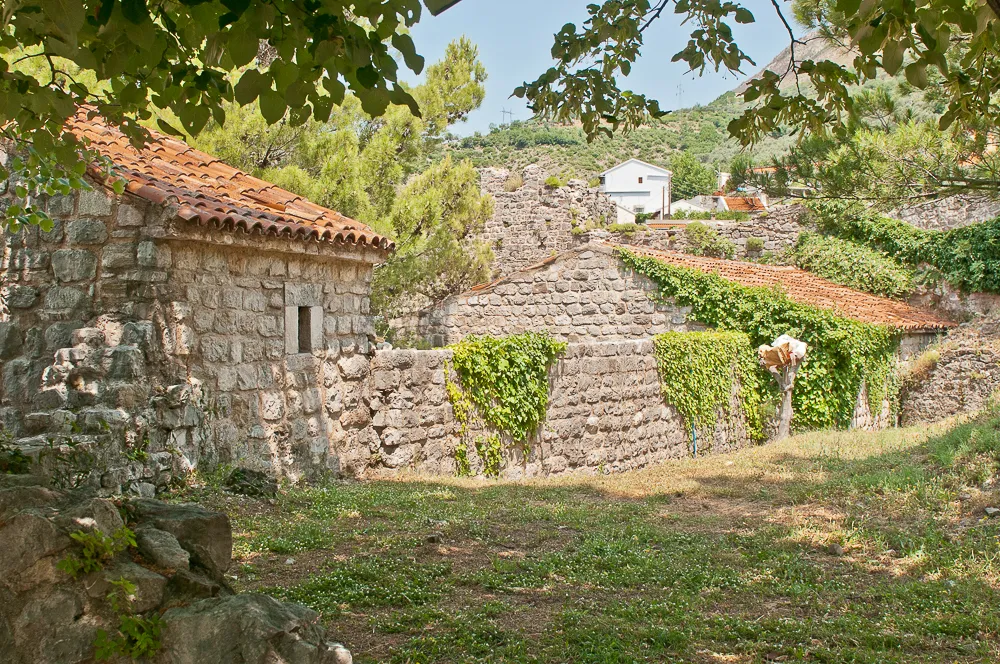
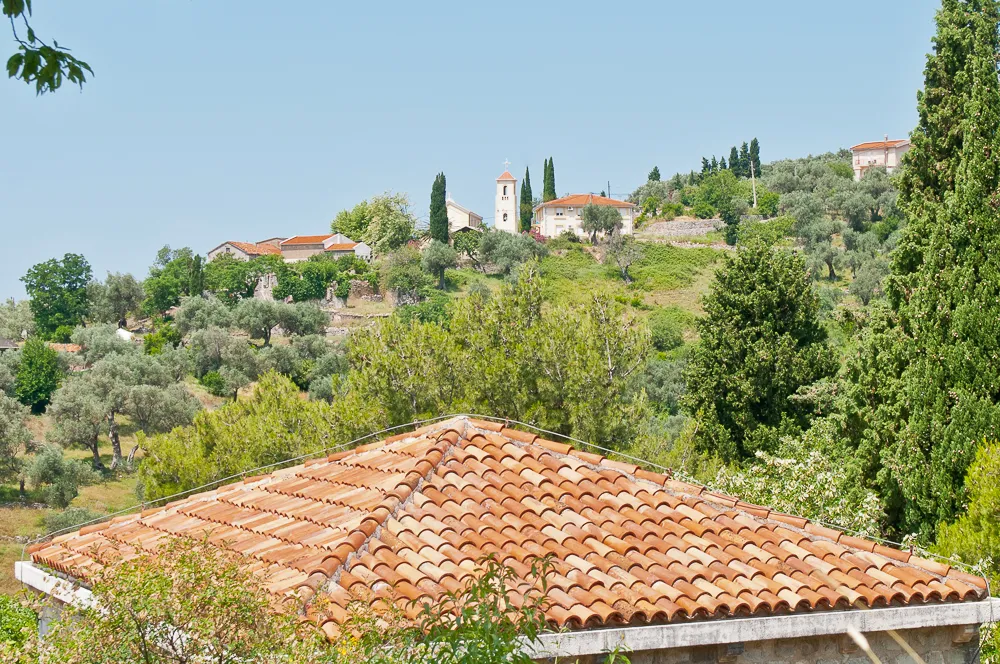
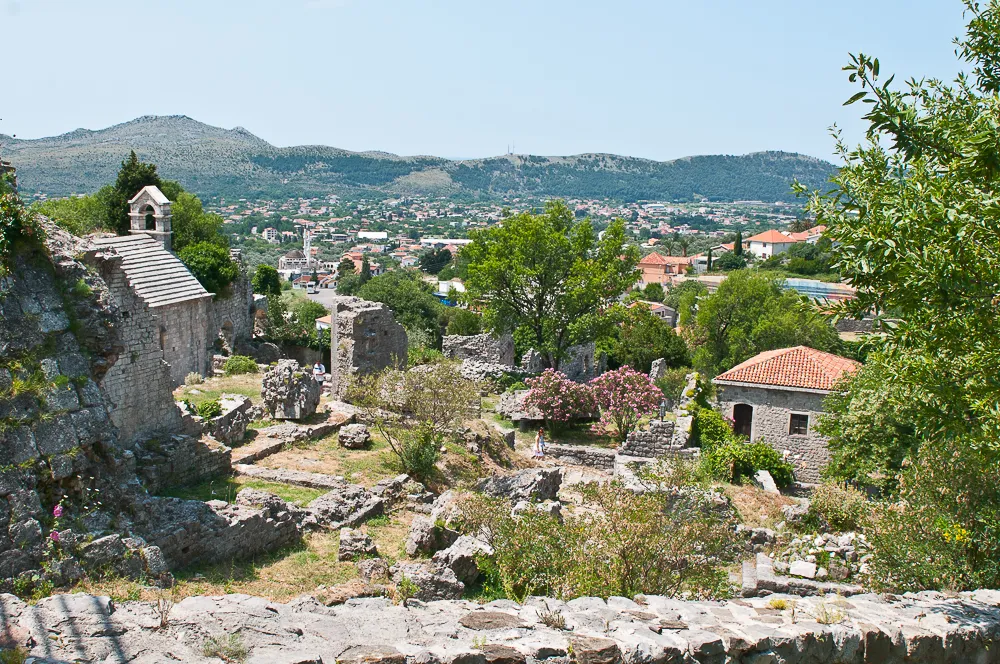
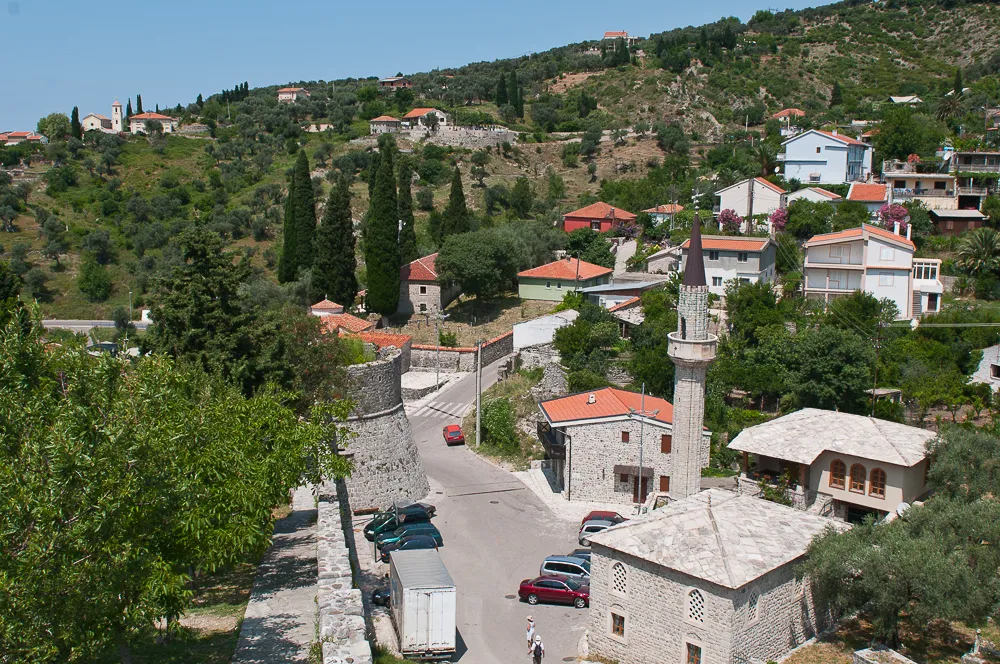
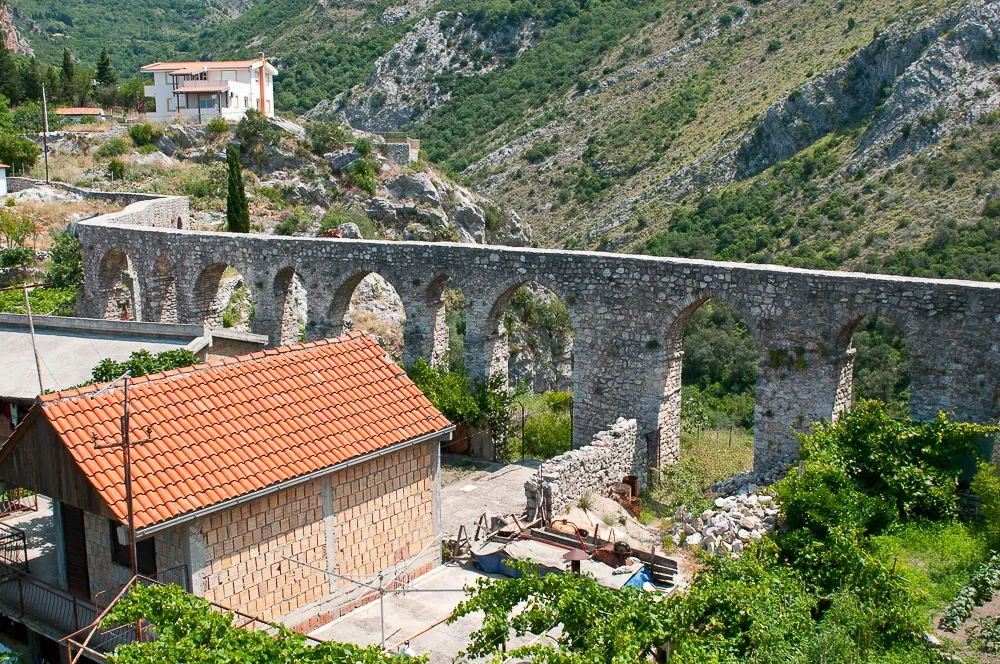
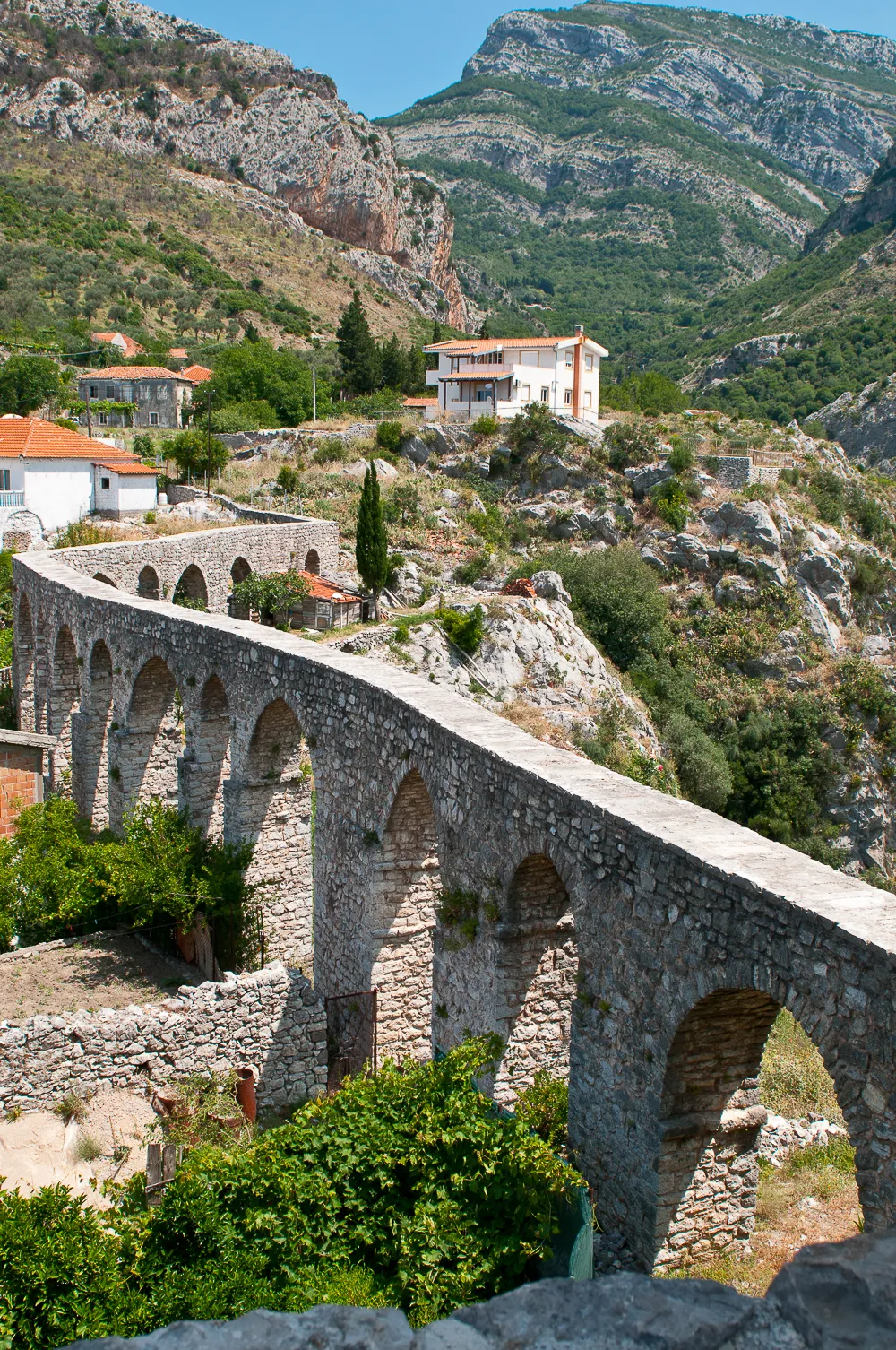
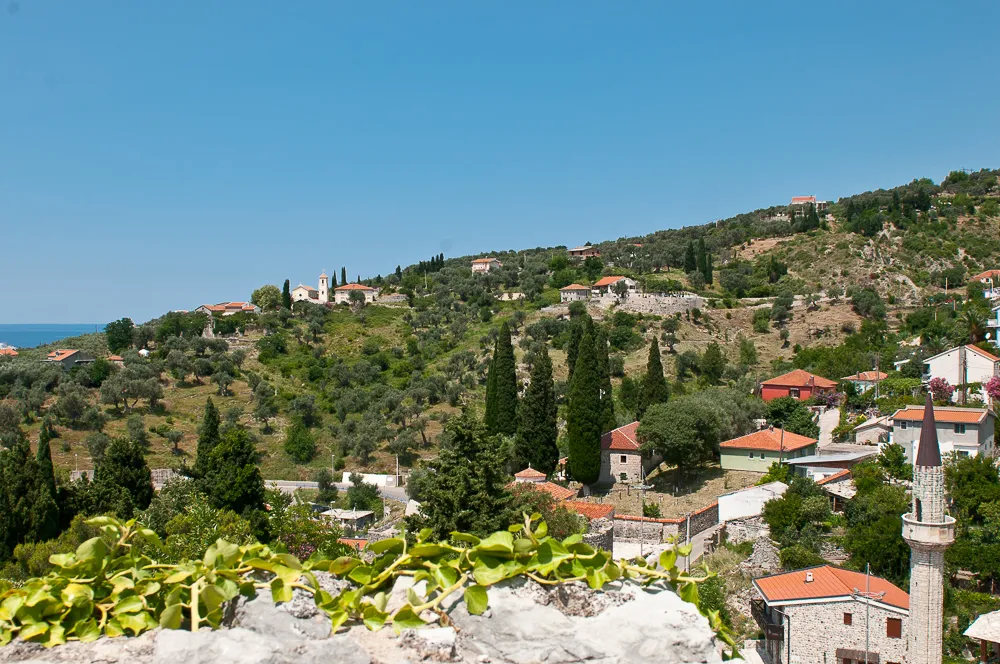
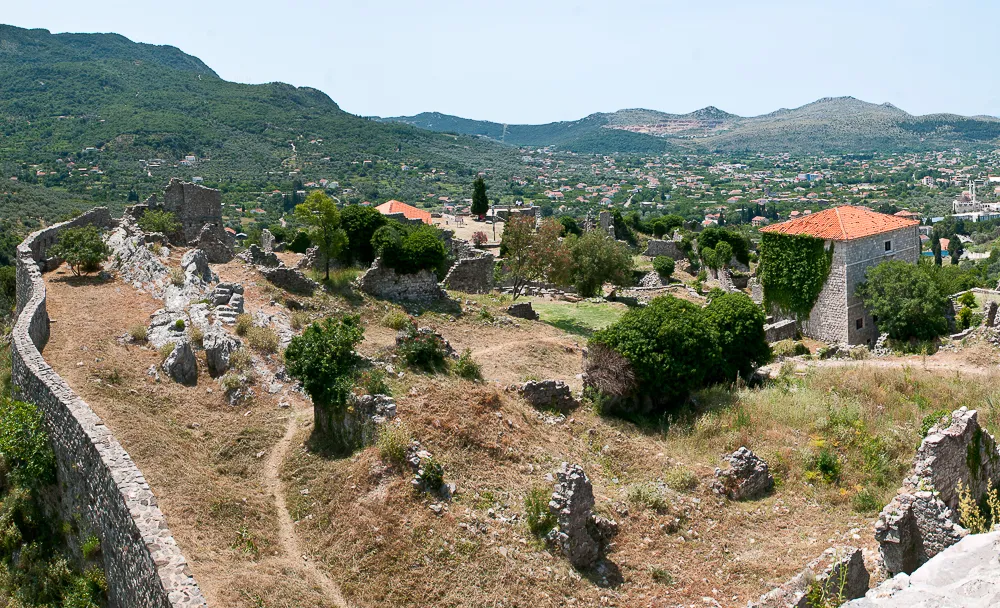
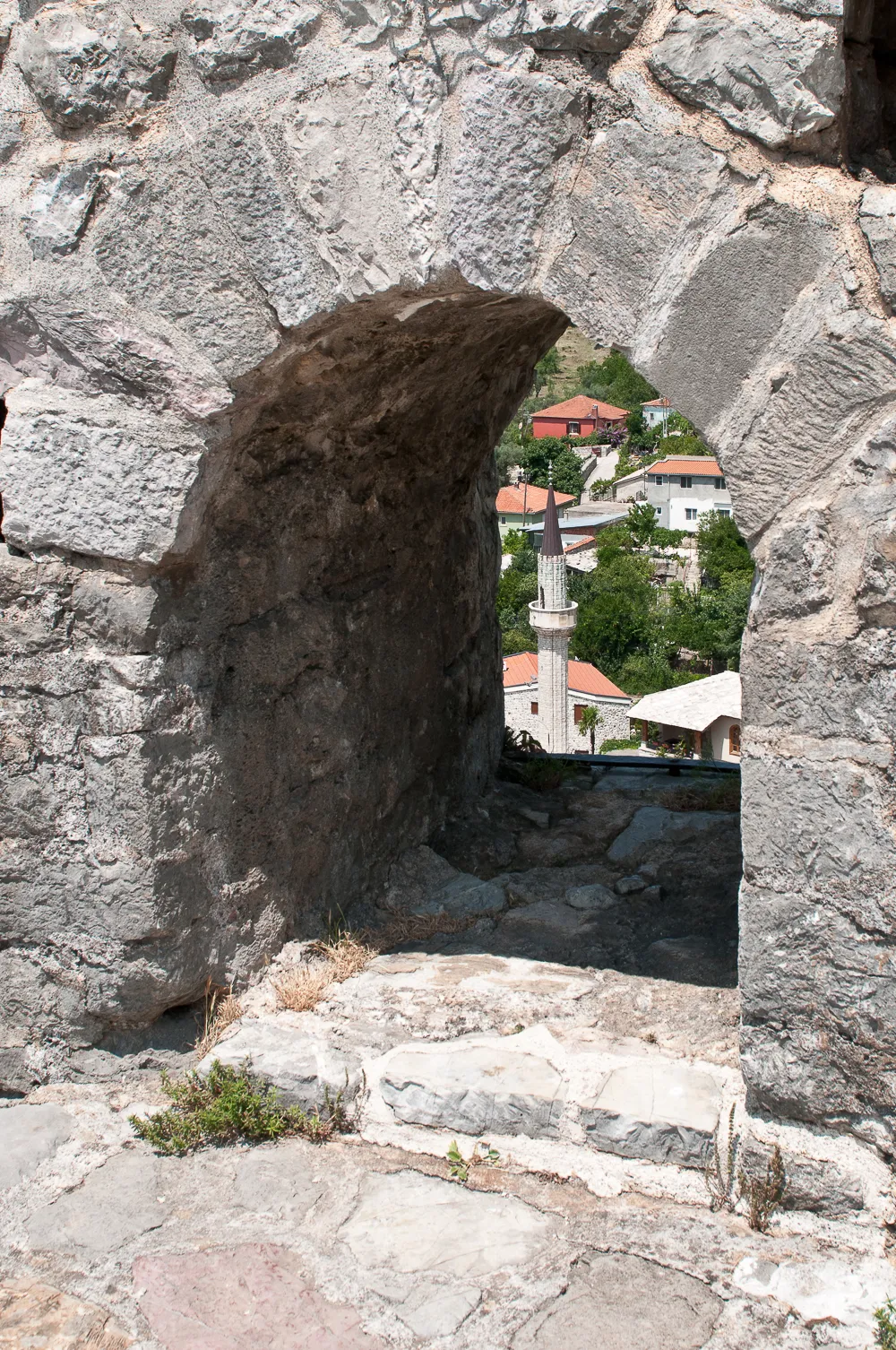
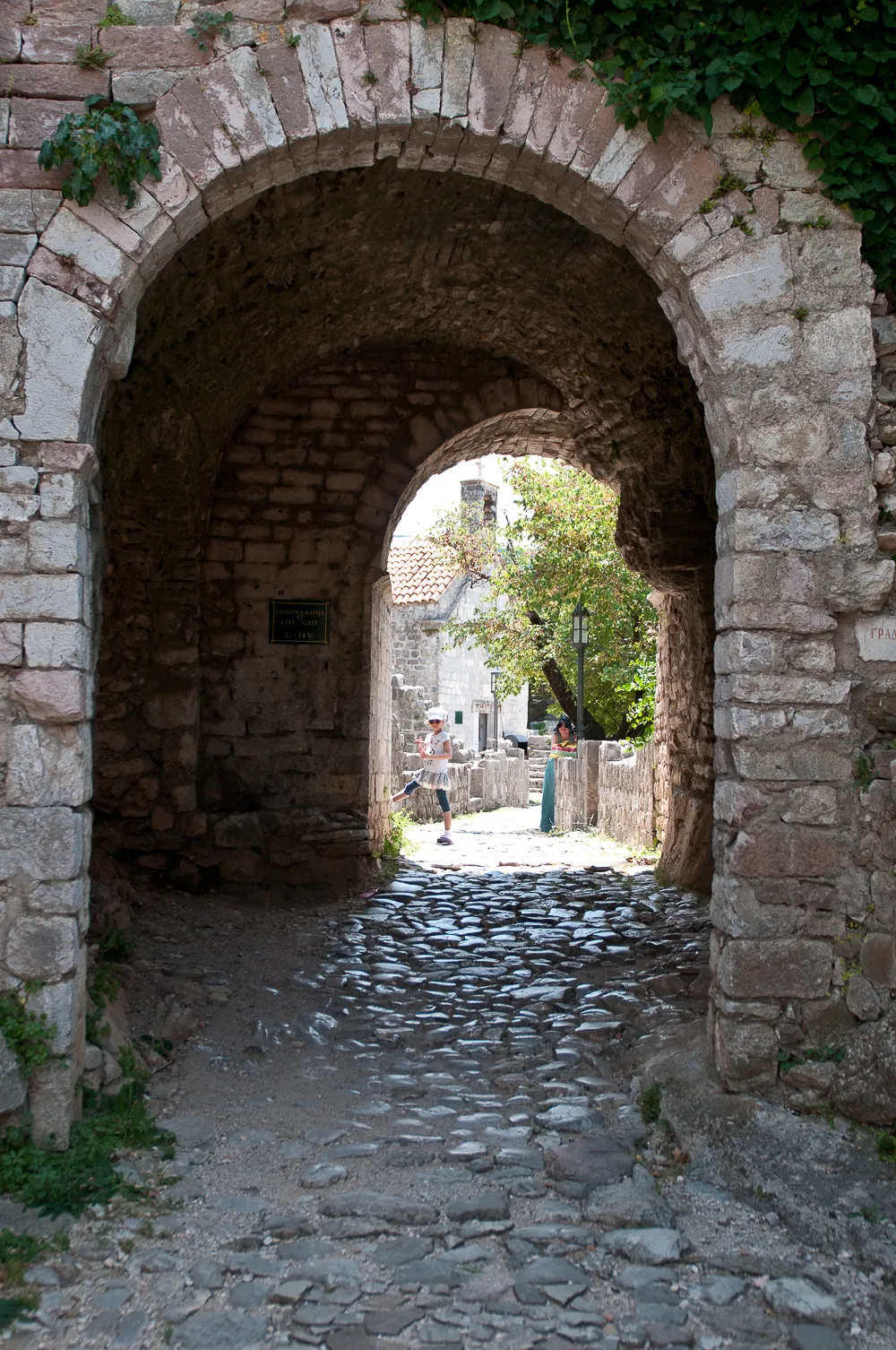
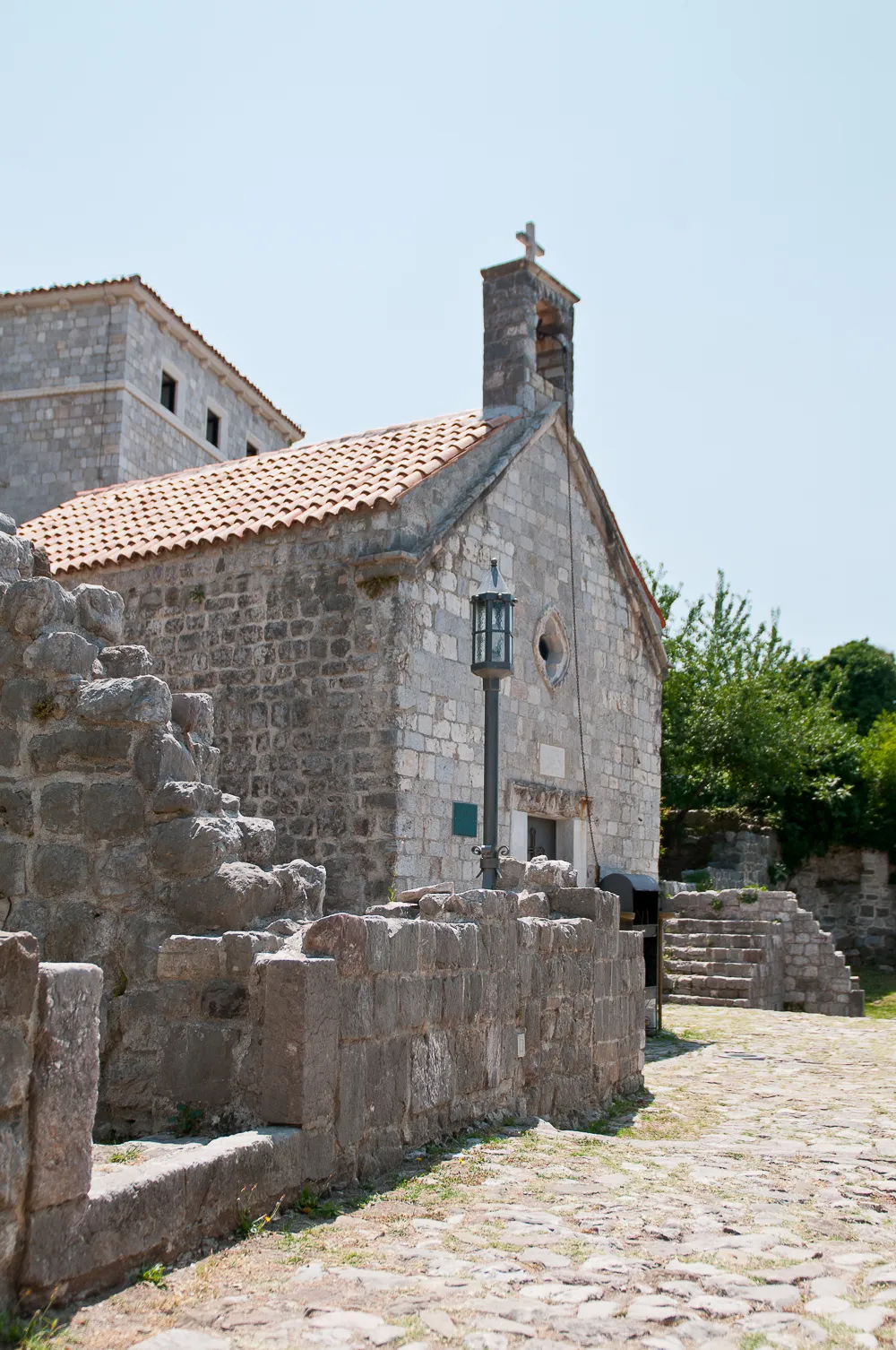
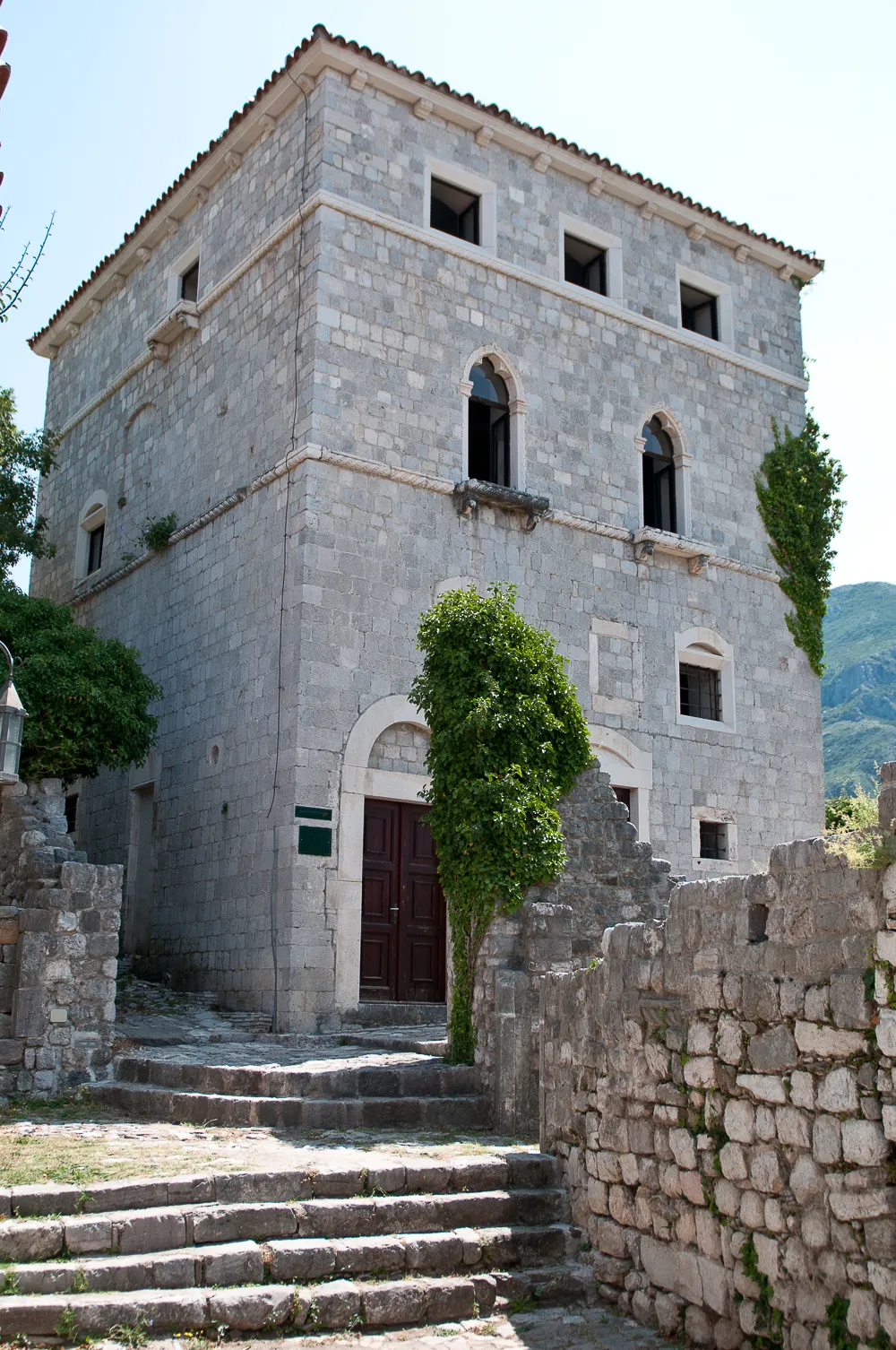
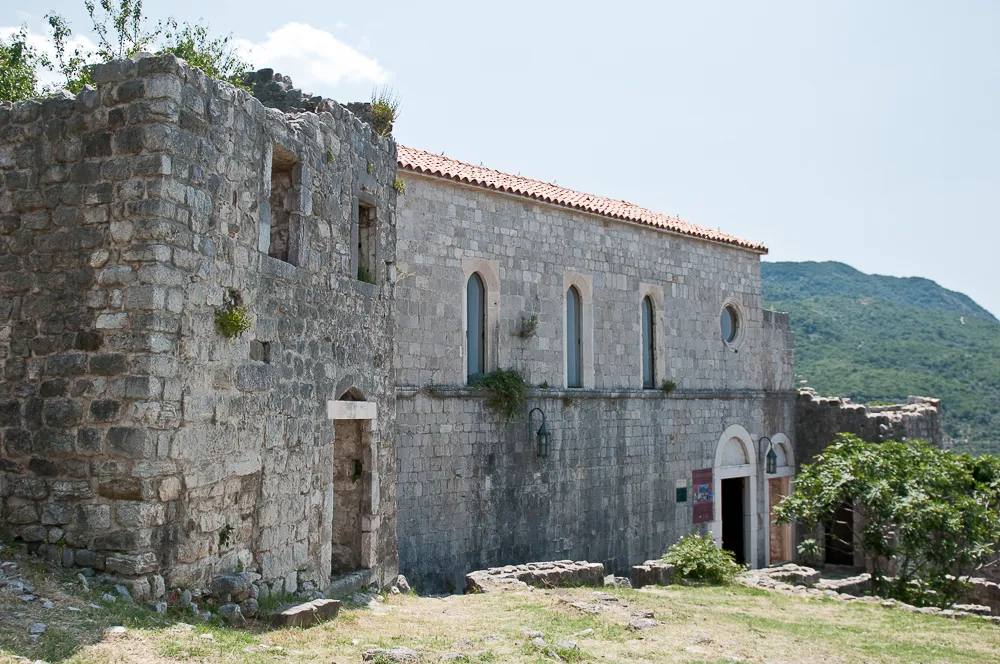
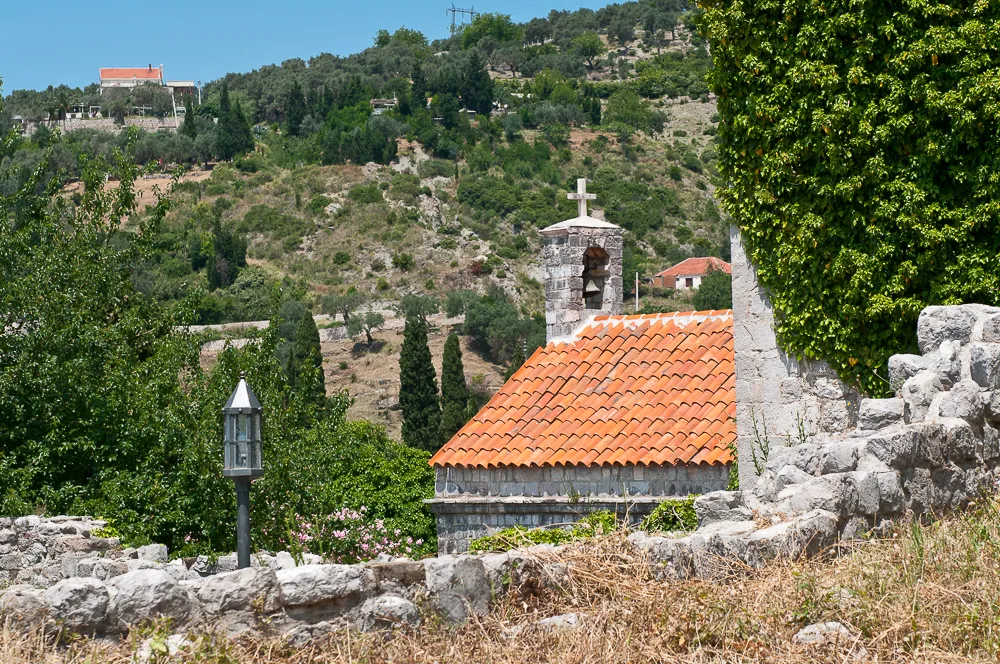
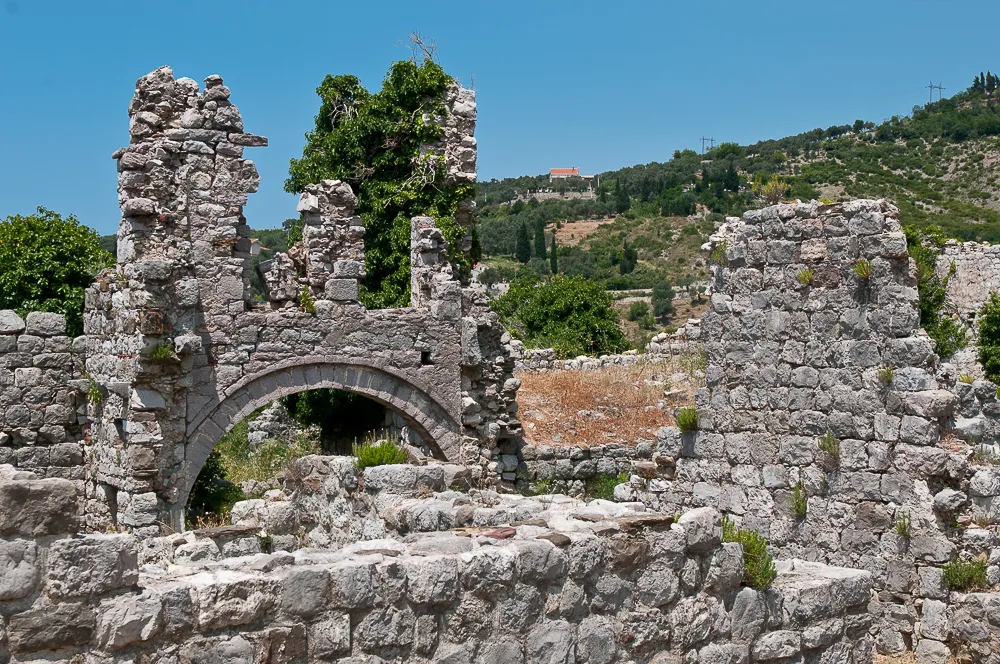
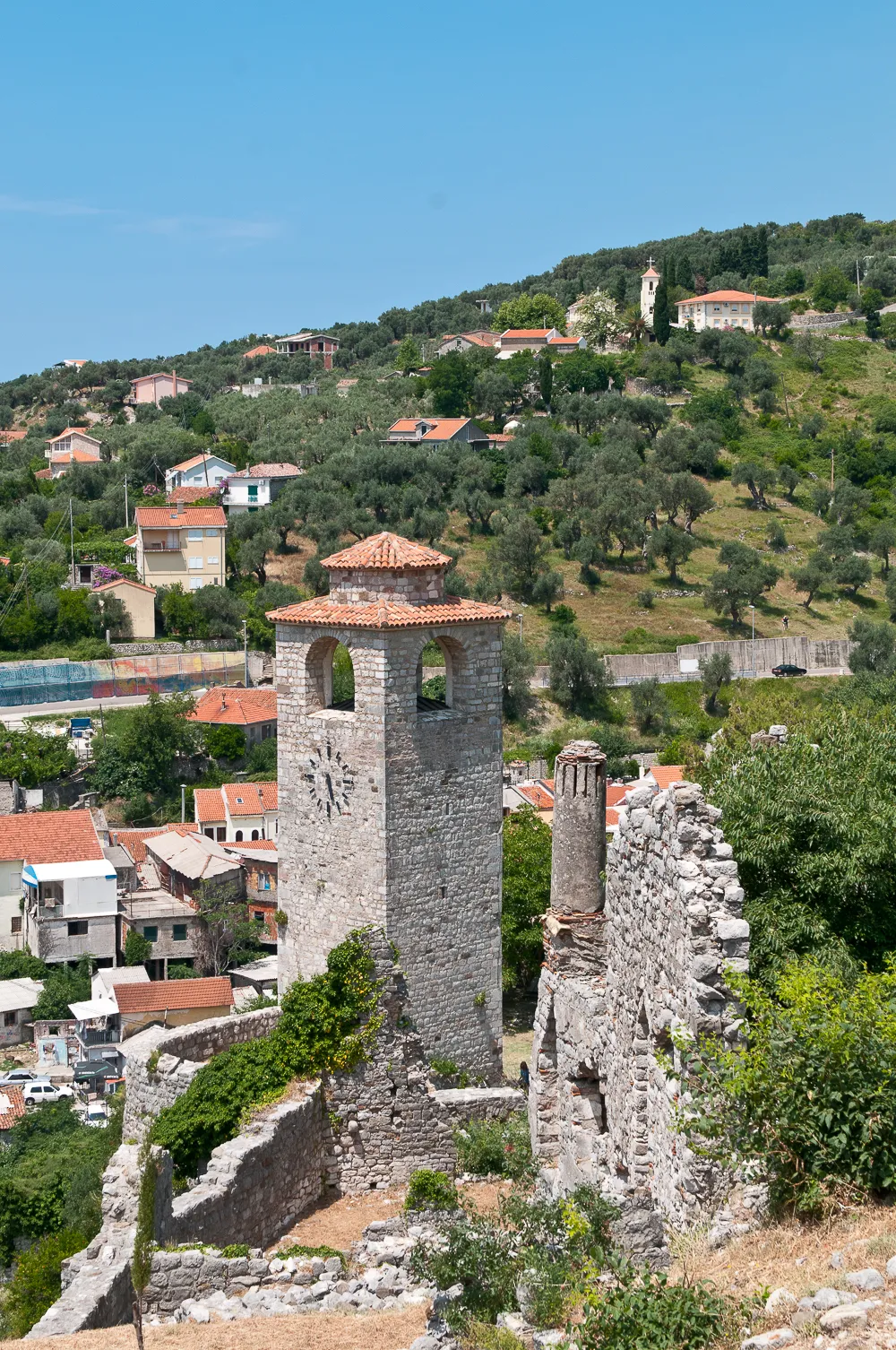
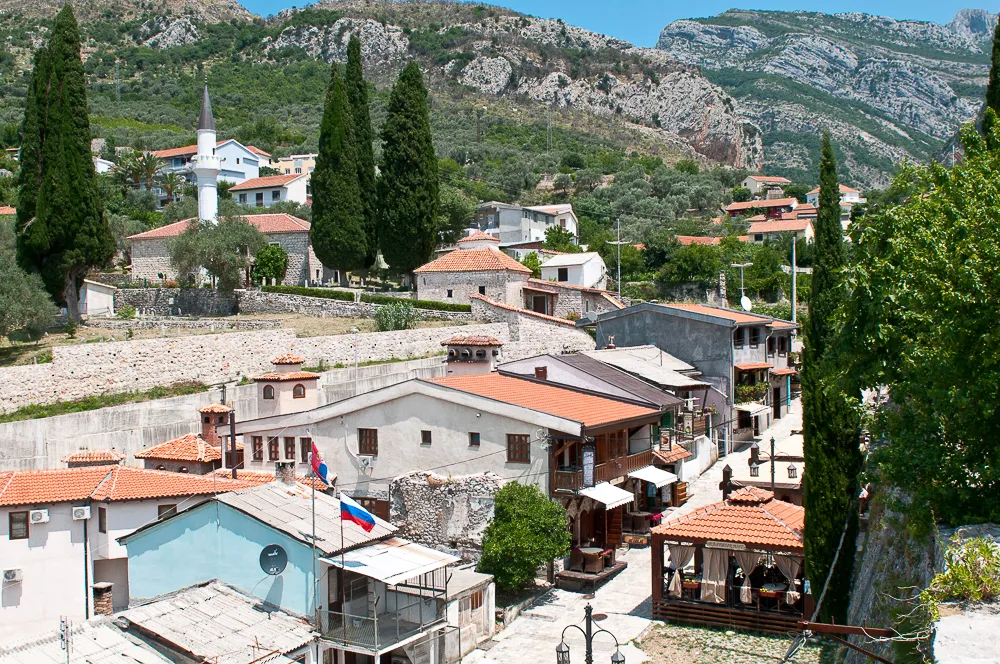
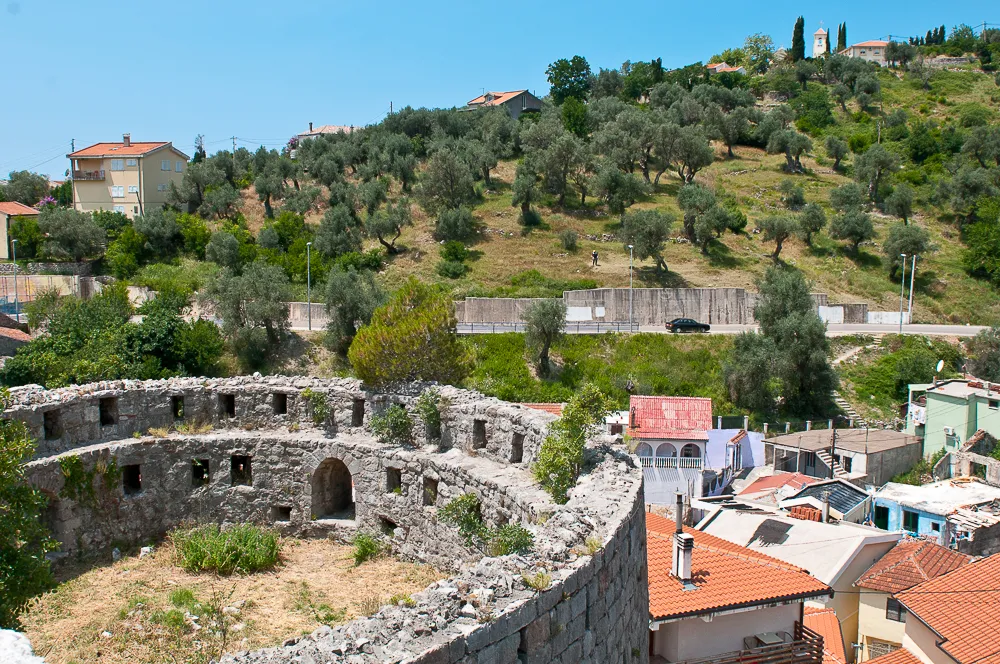
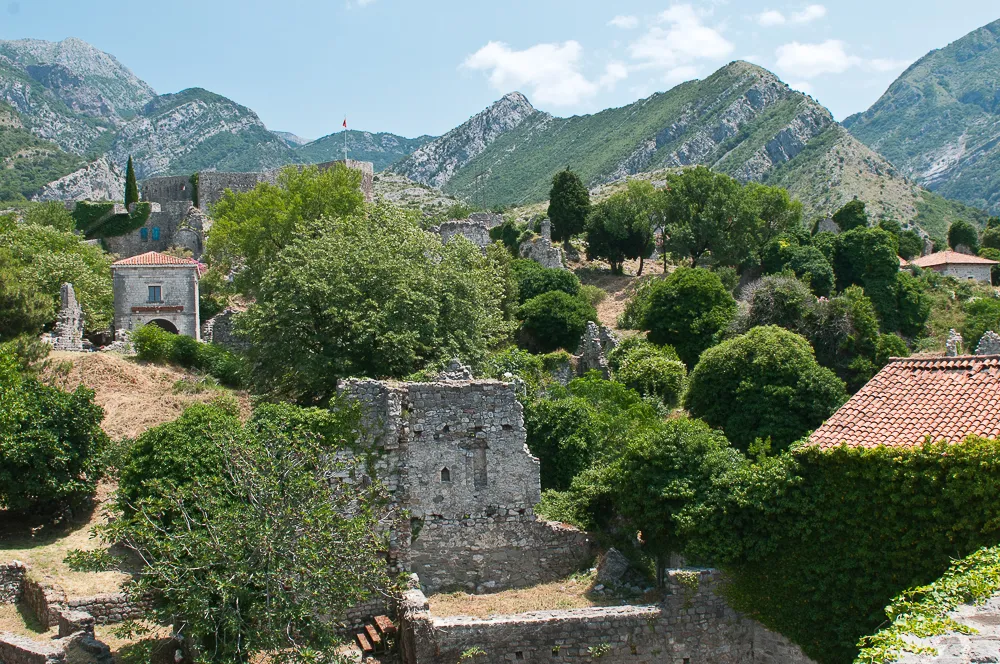
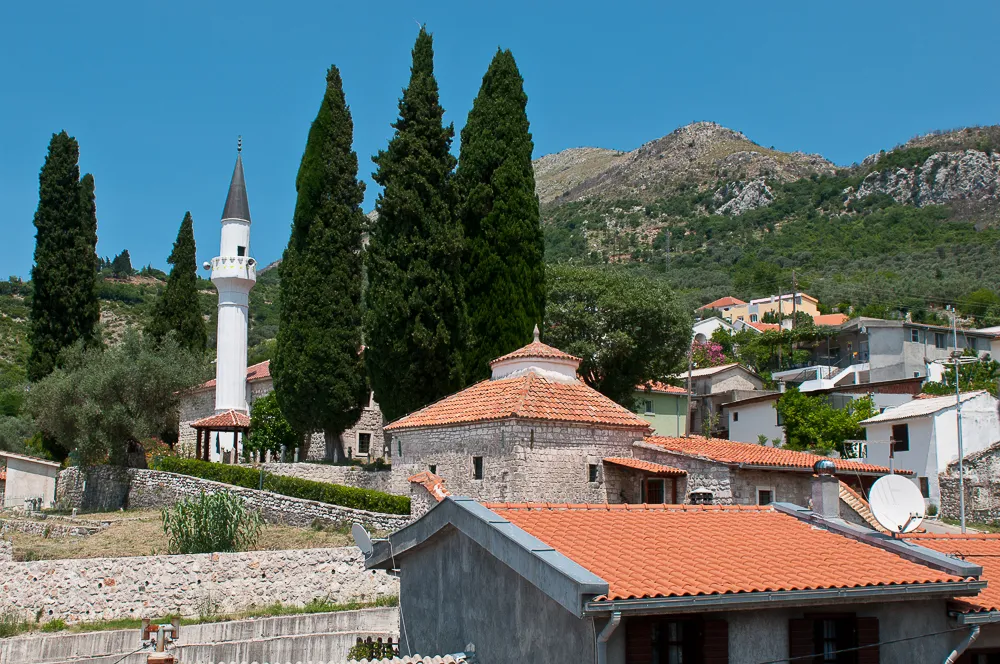
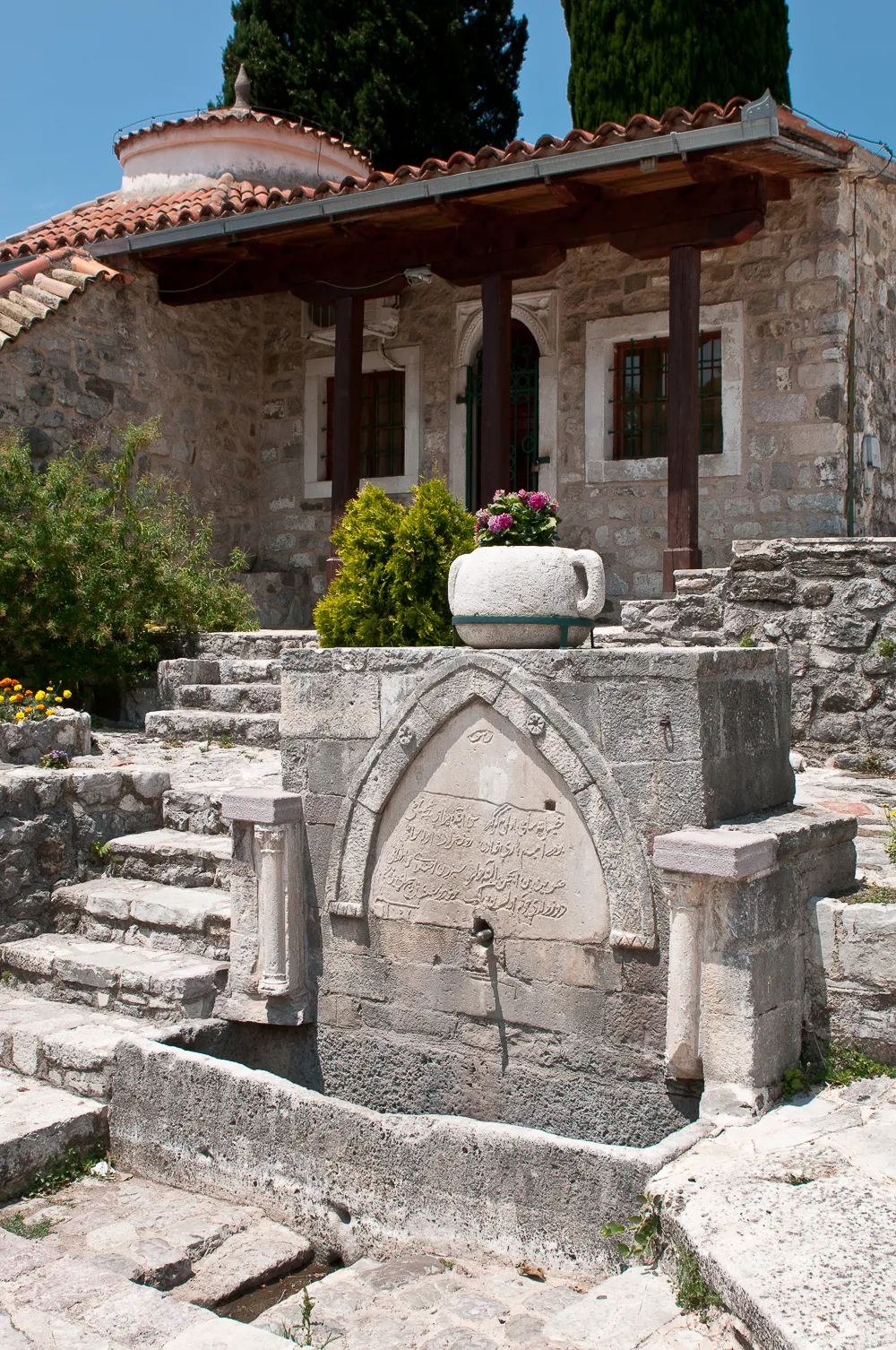
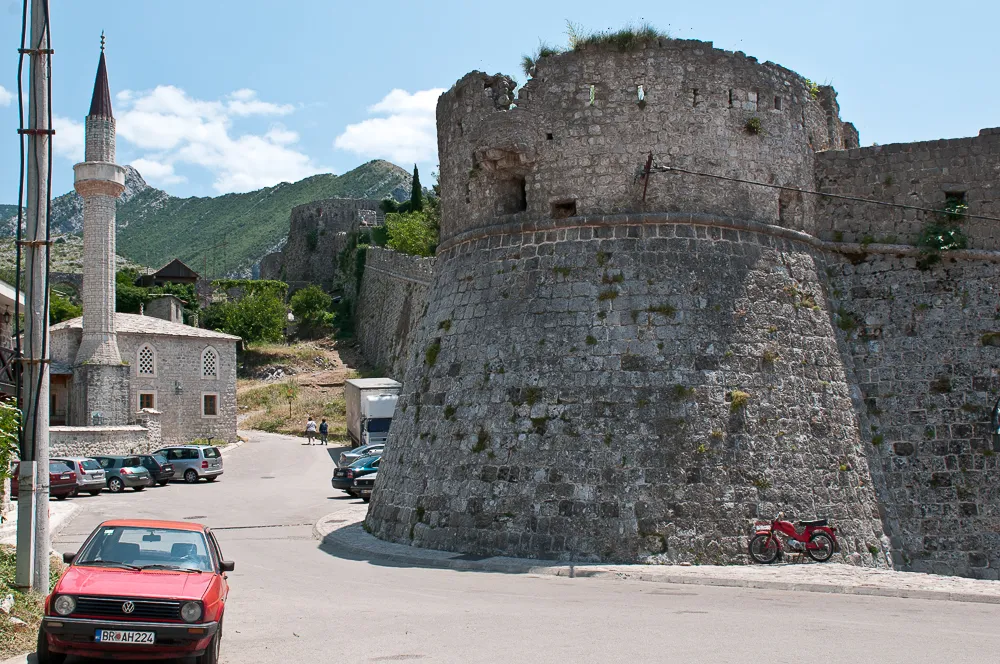
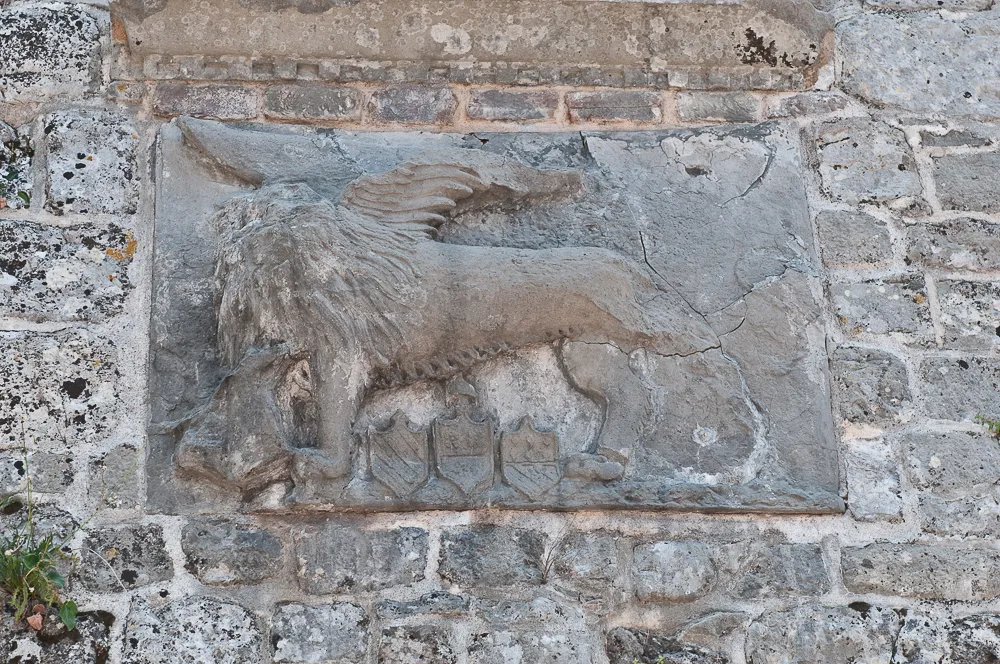
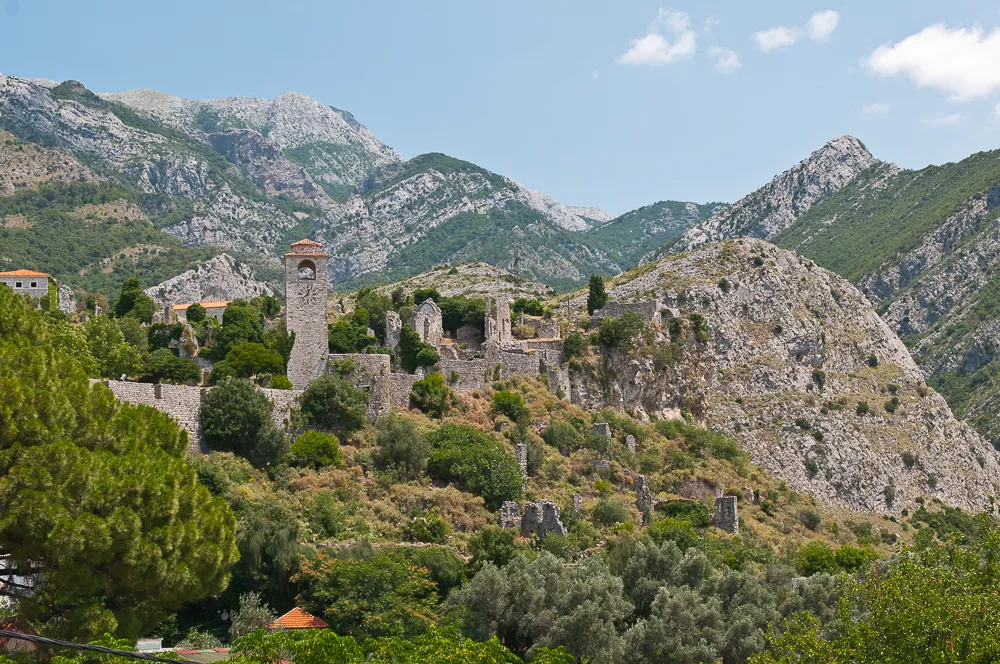
The fortress was built by the Venetians; the lion of St. Mark above the gate tells us this unambiguously, as does another one inside. Nearby is a medieval olive press.
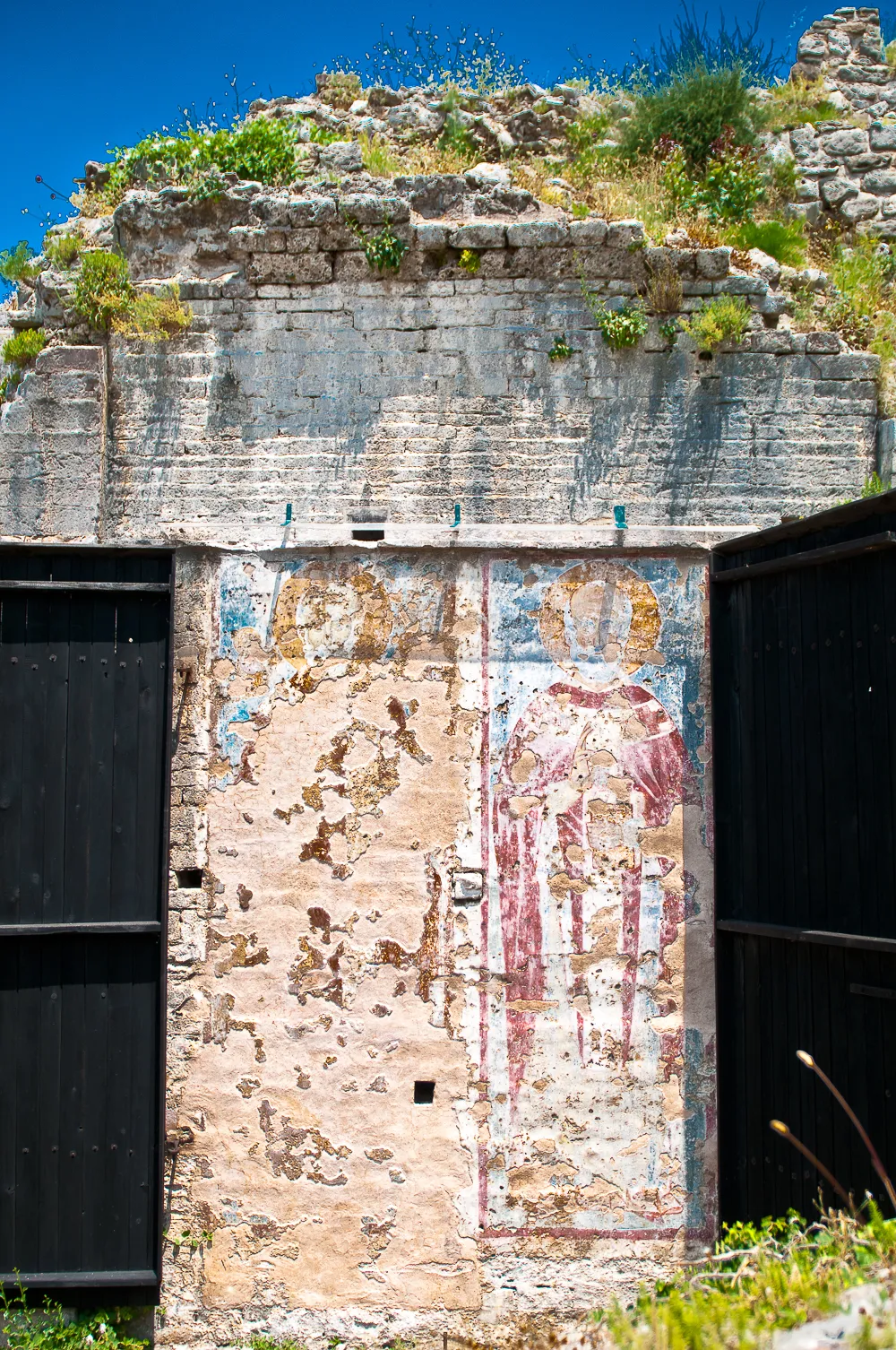
A church can be recognised, for example, by its huge external wall icons.
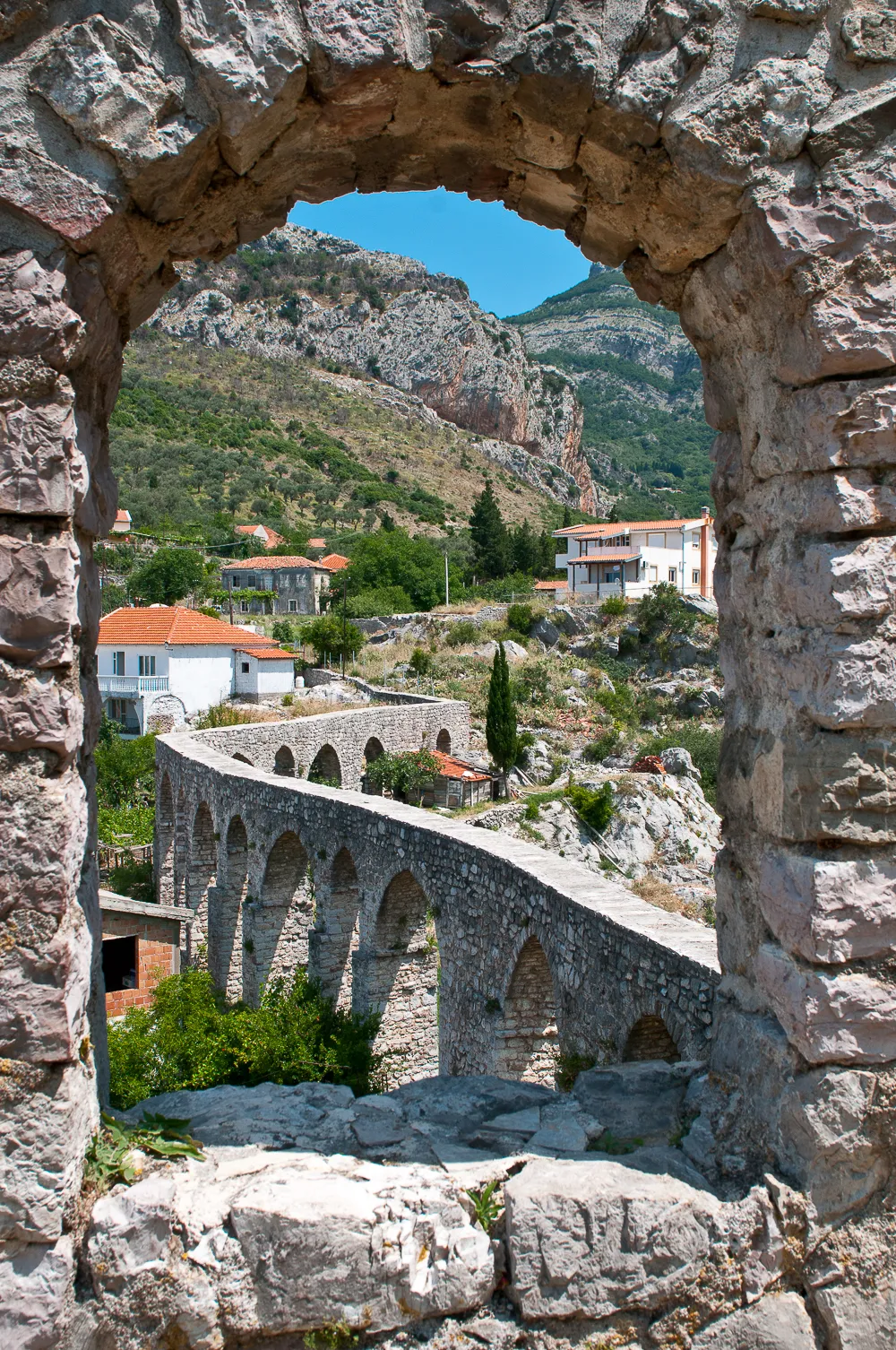
Clock towers are like marks of the town’s Turkish affiliation. Bar is no exception — the Sahat Kula (clock tower), built in 1753, is the main symbol of Stari Bar. The second is the seventeen-arch Bar aqueduct, the only such structure in Montenegro and one of the three largest in the former Yugoslavia (the others are Diocletian’s aqueduct near Split in Croatia and the Skopje aqueduct in North Macedonia). It was built by the Ottomans, not the Romans.
Wandering among the ruins, it is hard to believe that the town had about 4–5 thousand inhabitants, 30 palaces, 16 churches and monasteries, and several hundred houses.
Text and photos by Serhii Shcherbii



