

Trogir

· 4 min read
An old town on an island in the middle of the water, whether ancient Paris, Kamianets, German Lübeck or Croatian Trogir, is always a guarantee of aesthetic pleasure.
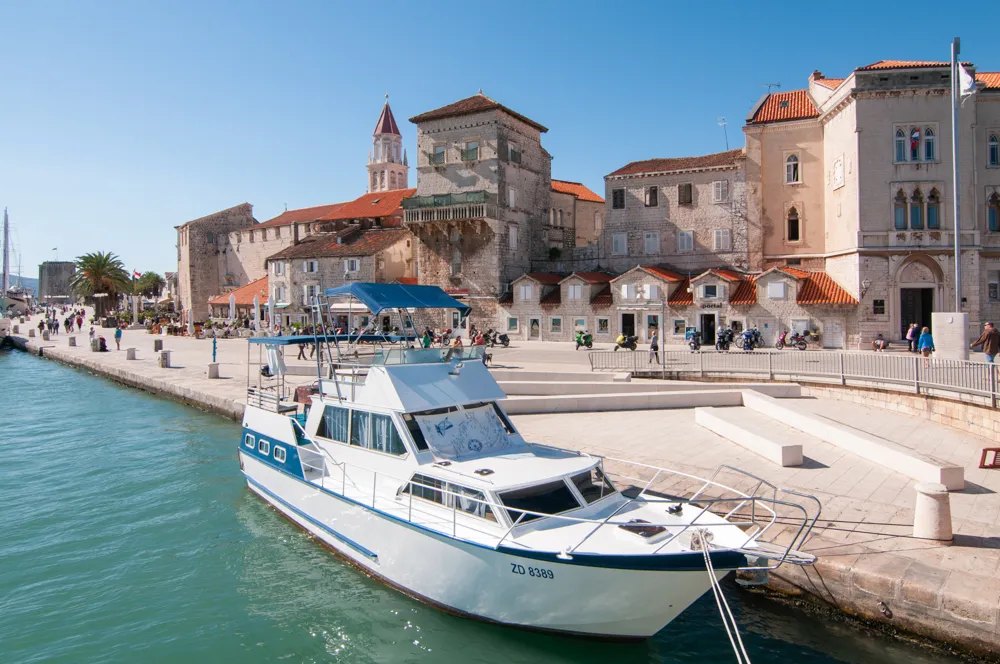
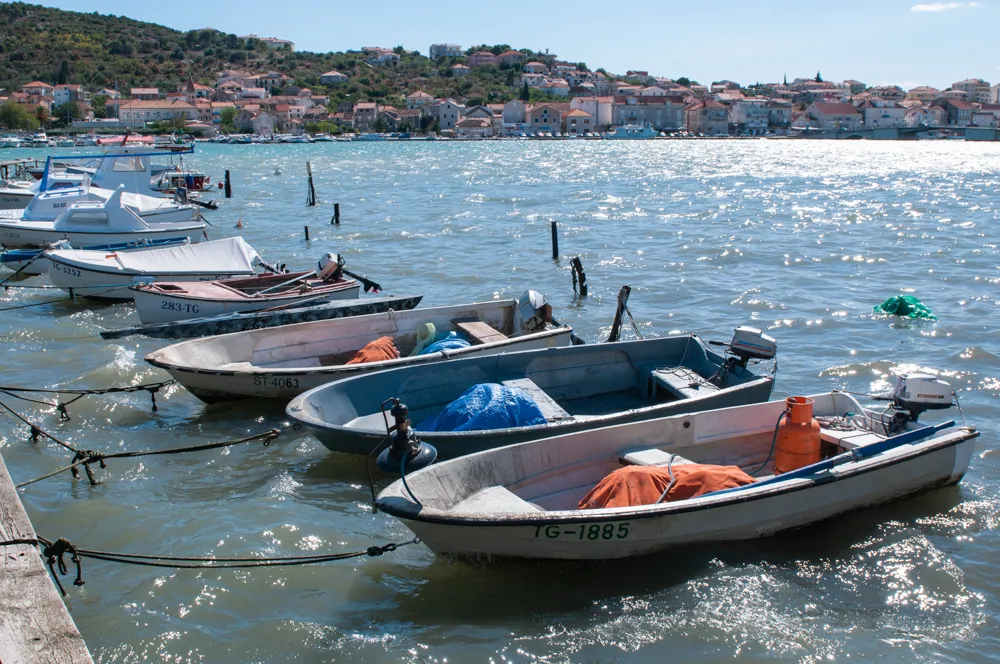
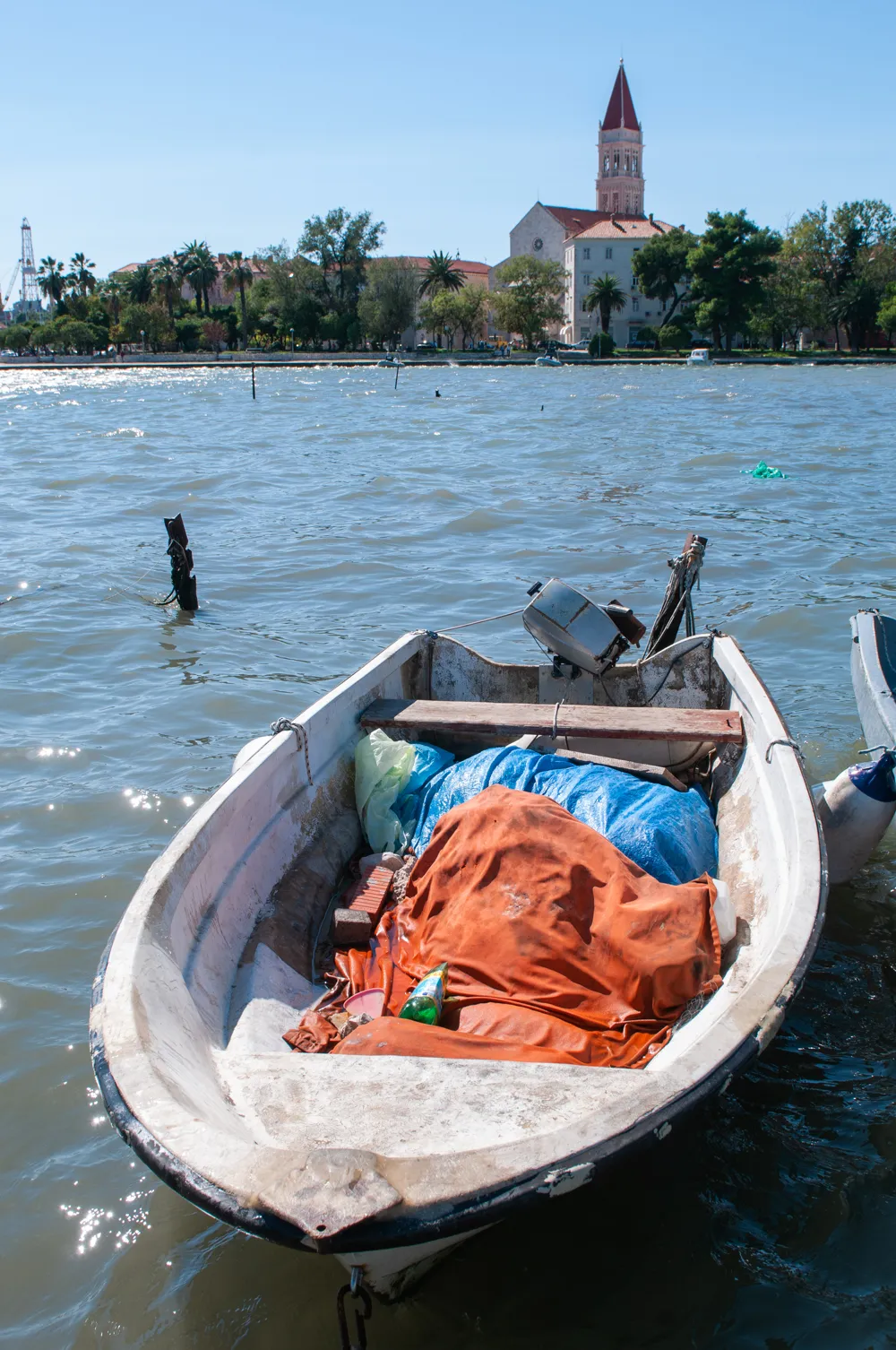
Speaking of this Dalmatian town, one cannot fail to mention its Greek name, Tragurion, because it was founded by Greek colonists. Isn’t it something close to the Greek word tragoedia, tragedy? Both the name of the town and the art form derive from the Greek word for a he-goat. The history of the town is definitely not a comedy. It seems that everyone has visited this patch of dry land, 550 metres long and half as wide, between the mainland and the island of Čiovo.
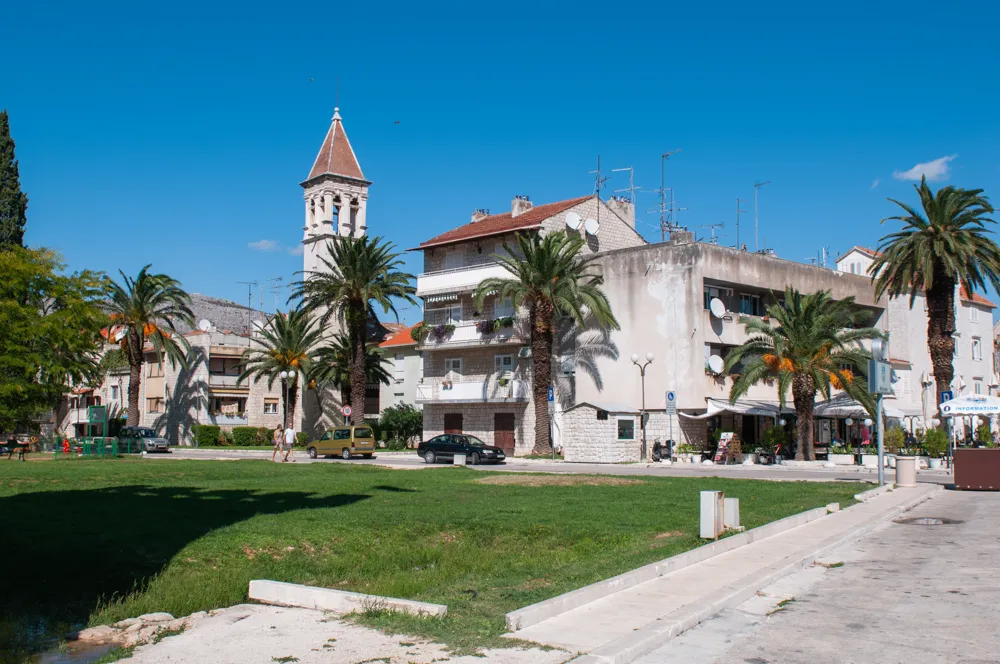
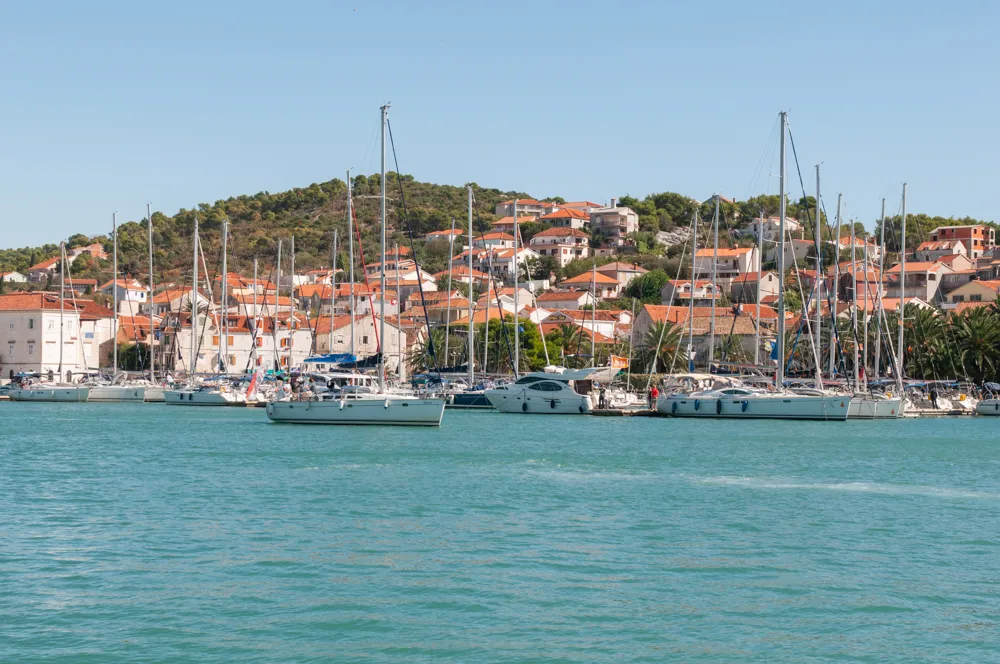
The town developed successfully, but in the Roman period Tragurium found itself in the shadow of the nearby and prospering capital of the province of Dalmatia, the city of Salona. Emperor Diocletian, who was born in Salona, built himself a small palace next to his native city, which became the core of the modern city of Split. One does not compete with an emperor who is a god. Like all of Dalmatia, Trogir became part of the Byzantine Empire in the 5th century. The Slavs and Avars helped a little, destroying the capital, whose inhabitants were forced to hide in Trogir. Around 814 Charlemagne conquered the town. In the 10th century the town became part of the Croatian state, and later of the Kingdom of Hungary. In the 12th century Trogir suffered a destructive raid by the Saracens, who forced the townspeople to leave the town and hide in Split. And in 1241 King Béla IV hid here in Trogir from the Mongols. It is hard to say how the fate of the town, already besieged by the Mongols, would have turned out had it not been for their sudden and mysterious retreat from Europe in 1242. In the 15th century Venice won the town back from Hungary for as long as 4 centuries. Then came the era of Austria-Hungary, with a short interruption for Napoleon. Then Italy, Yugoslavia and Croatia.
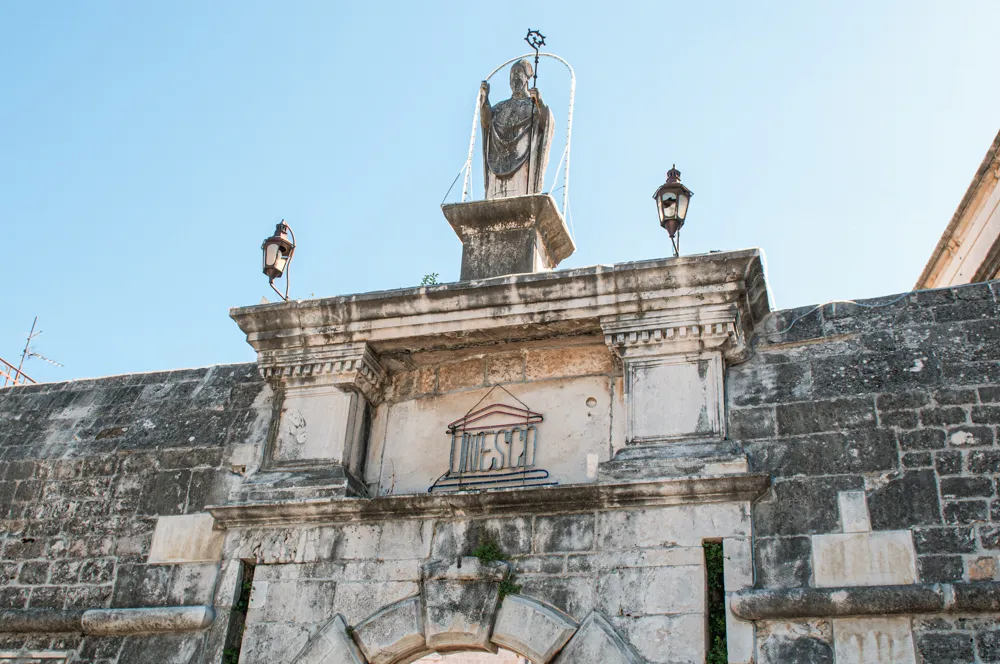
The old centre of Trogir, partly surrounded by walls, with a preserved castle and Romanesque, Gothic and Renaissance houses and palaces, is on the UNESCO World Heritage List. The town is proud that the first pharmacy in Europe was opened in Trogir in 1271.
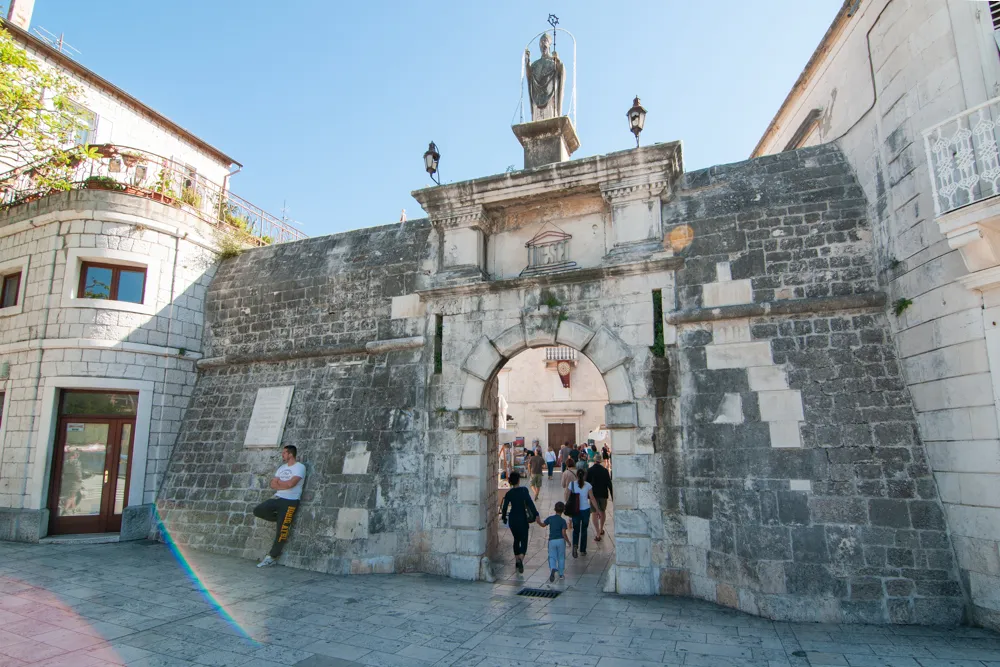
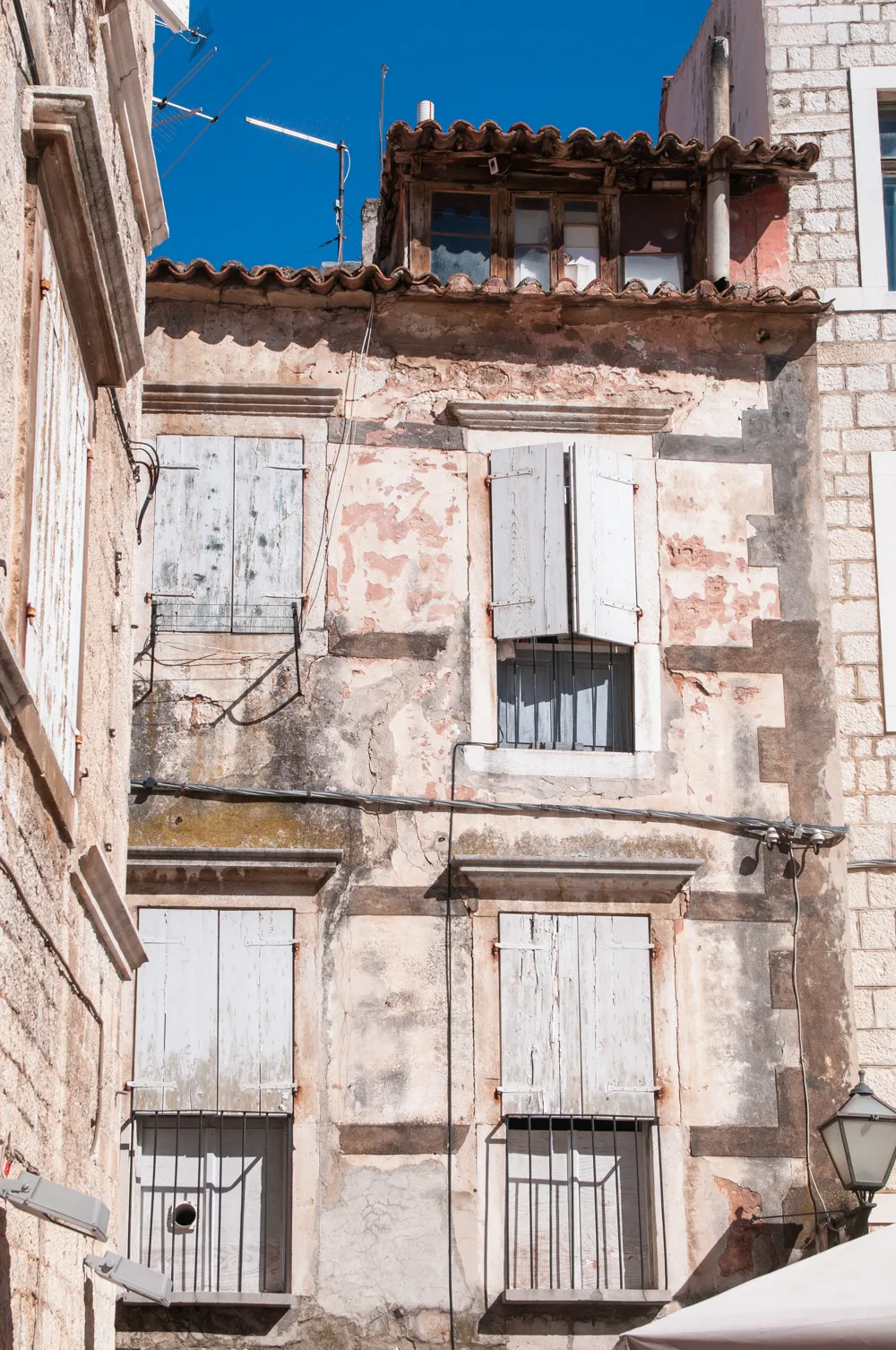
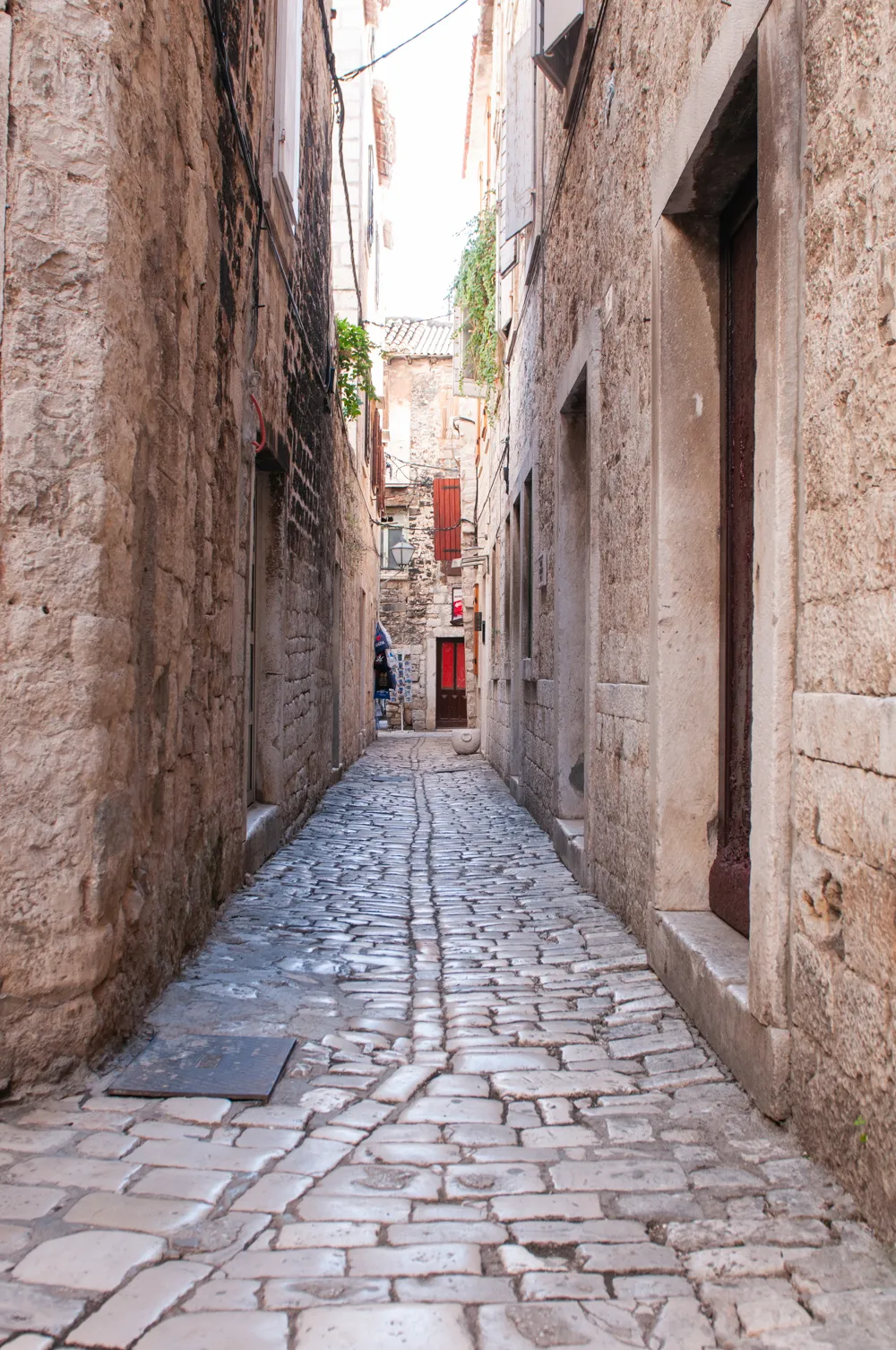
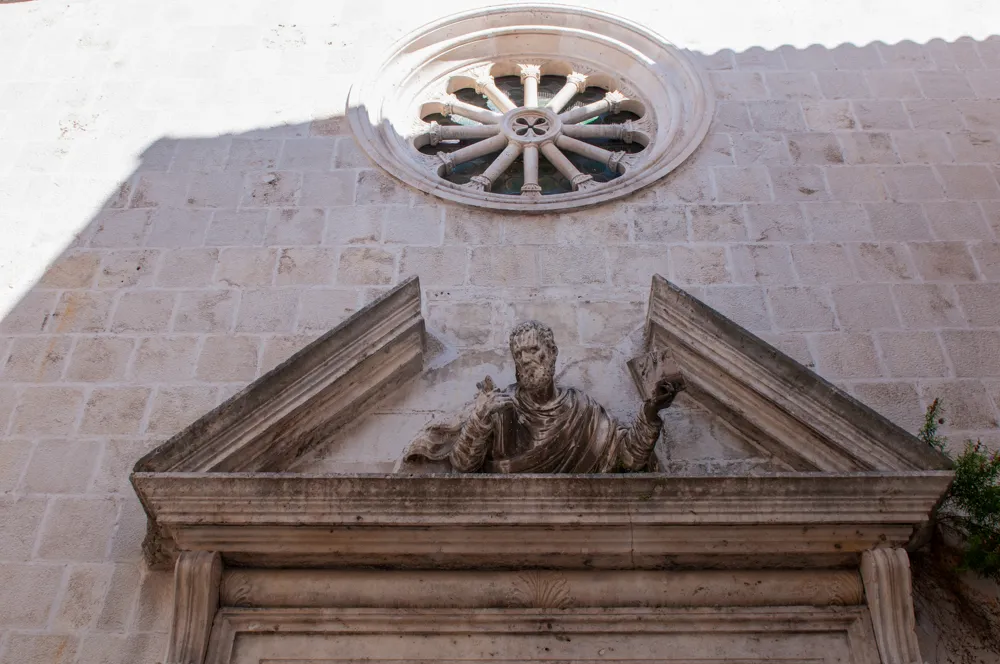
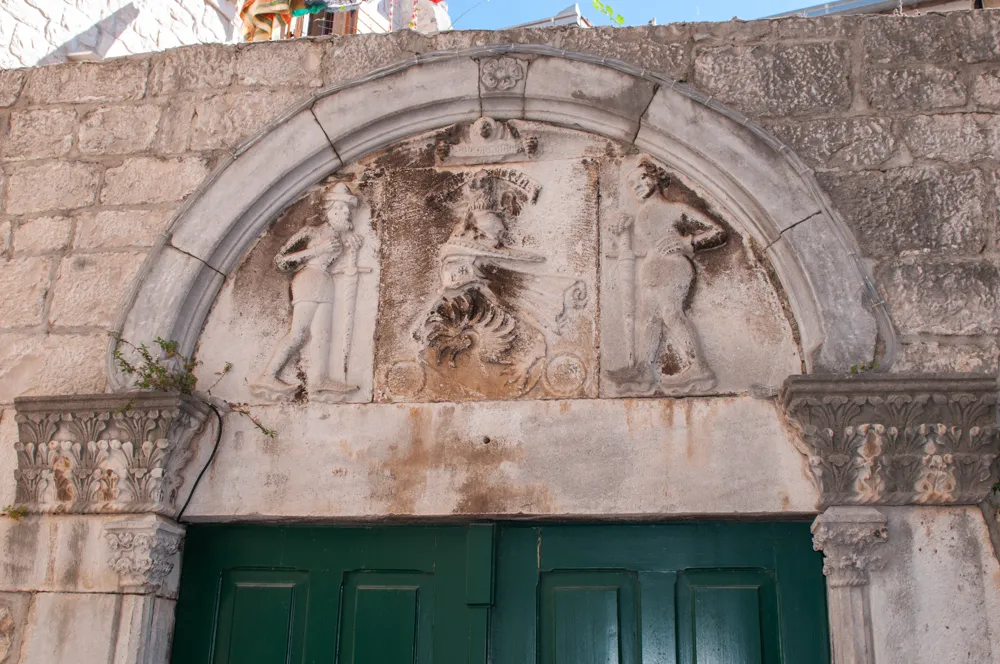
The main entrance to the town from the mainland leads over a short bridge across a canal. After passing through the north gate, crowned by a 15th-century sculpture of the patron saint of Trogir and first city bishop, St. John (Ivan) of Trogir, you find yourself in a labyrinth of streets. The stone houses typical of the Adriatic are mostly unplastered.
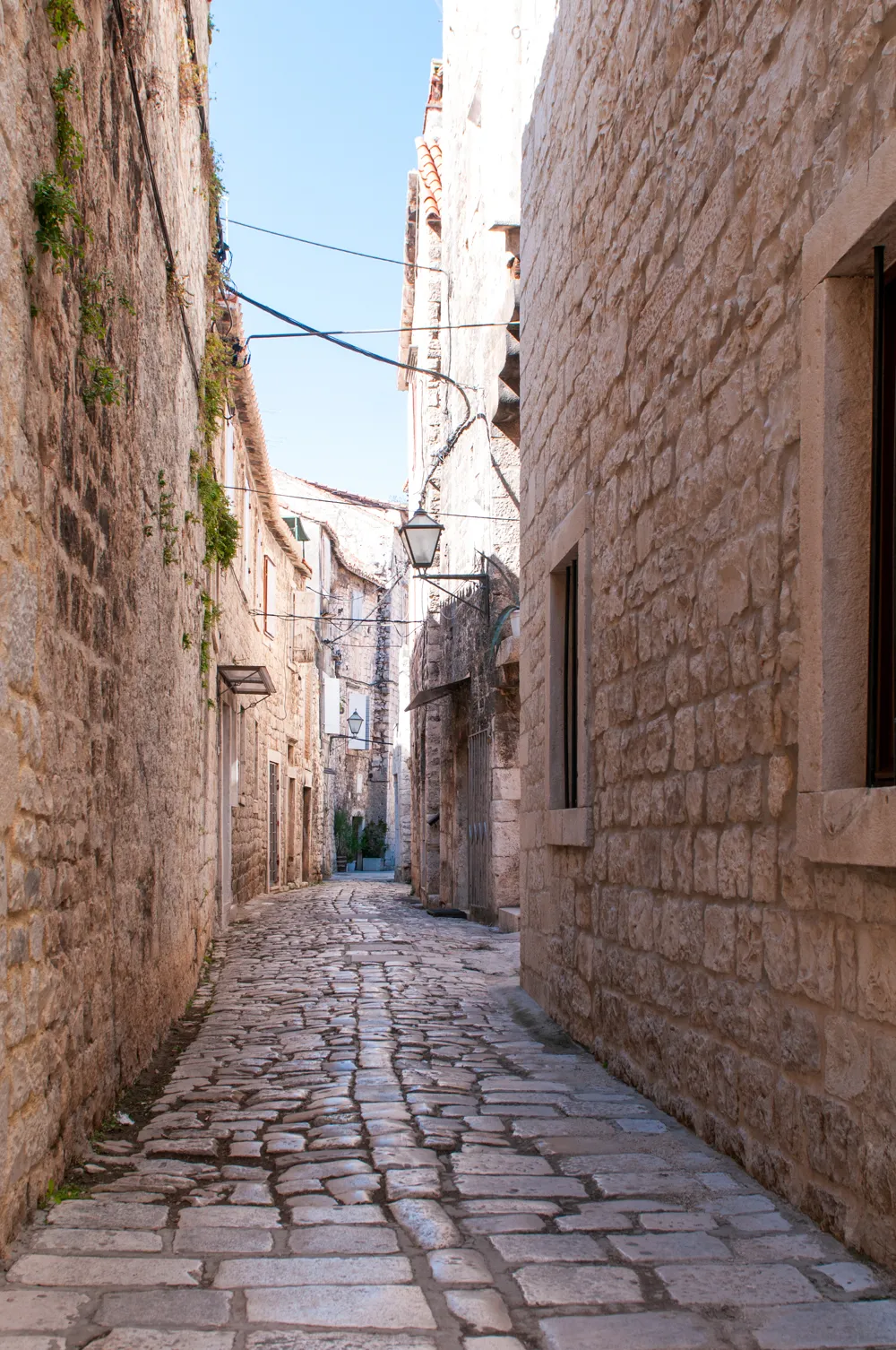
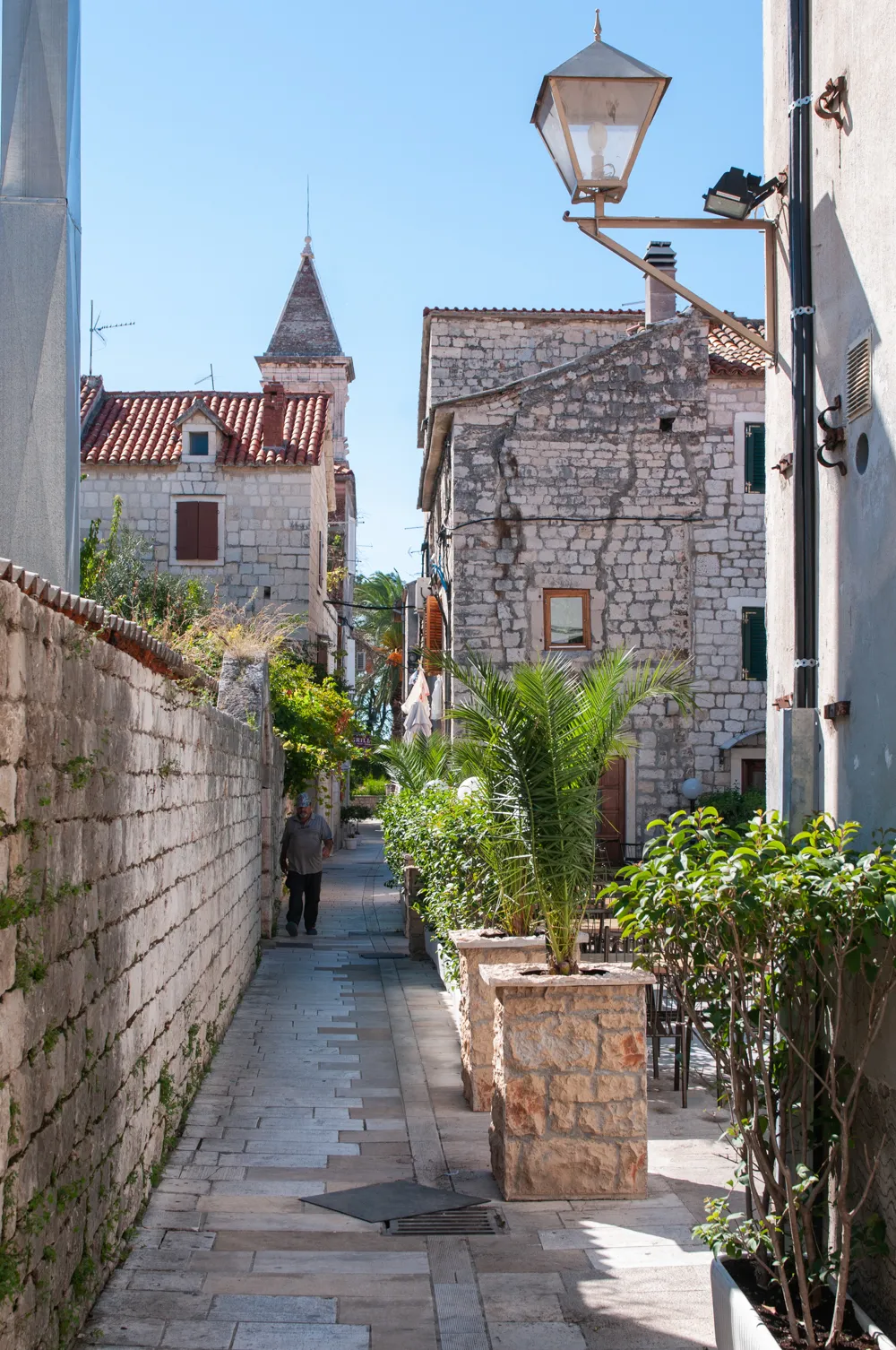
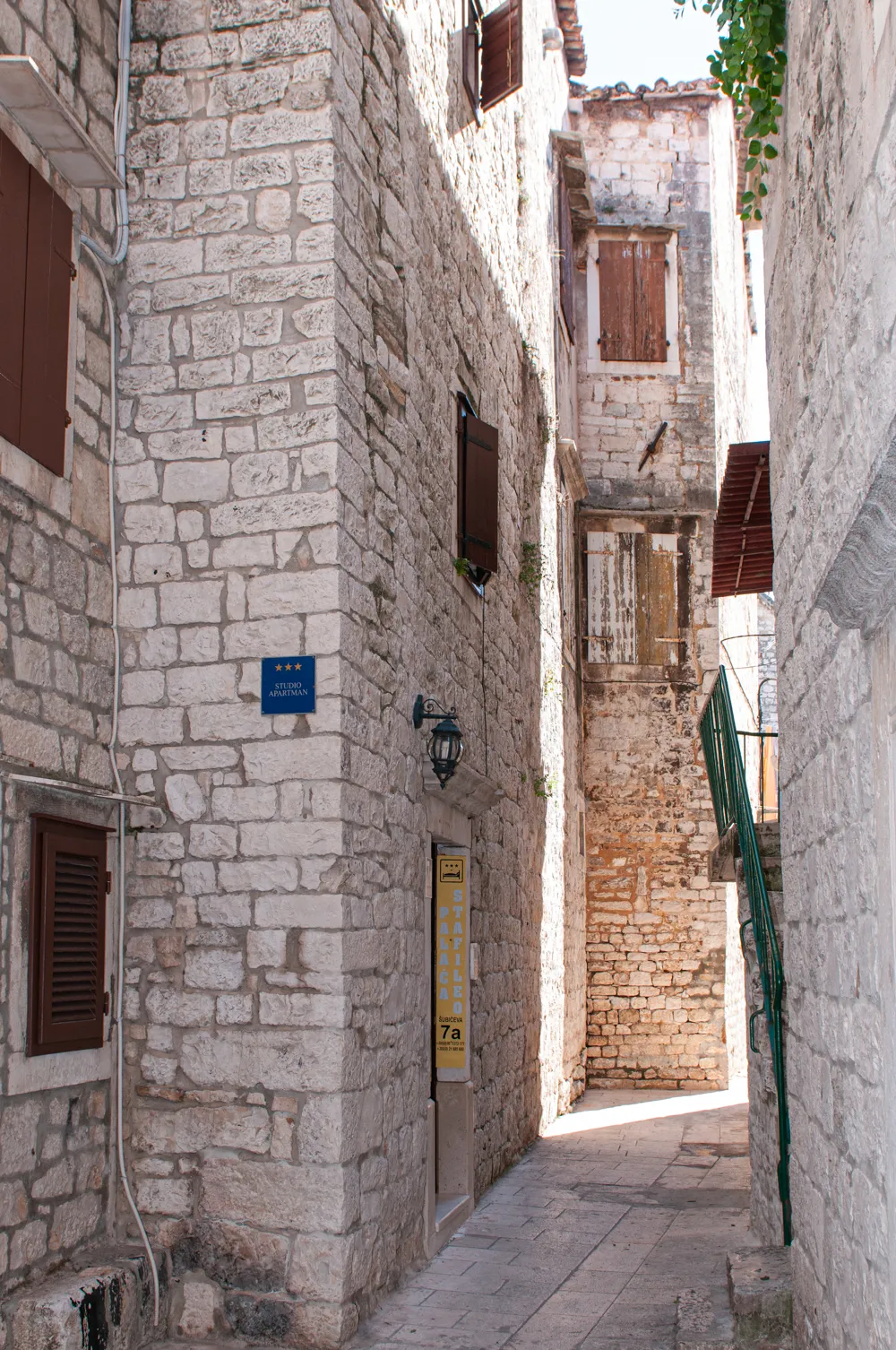
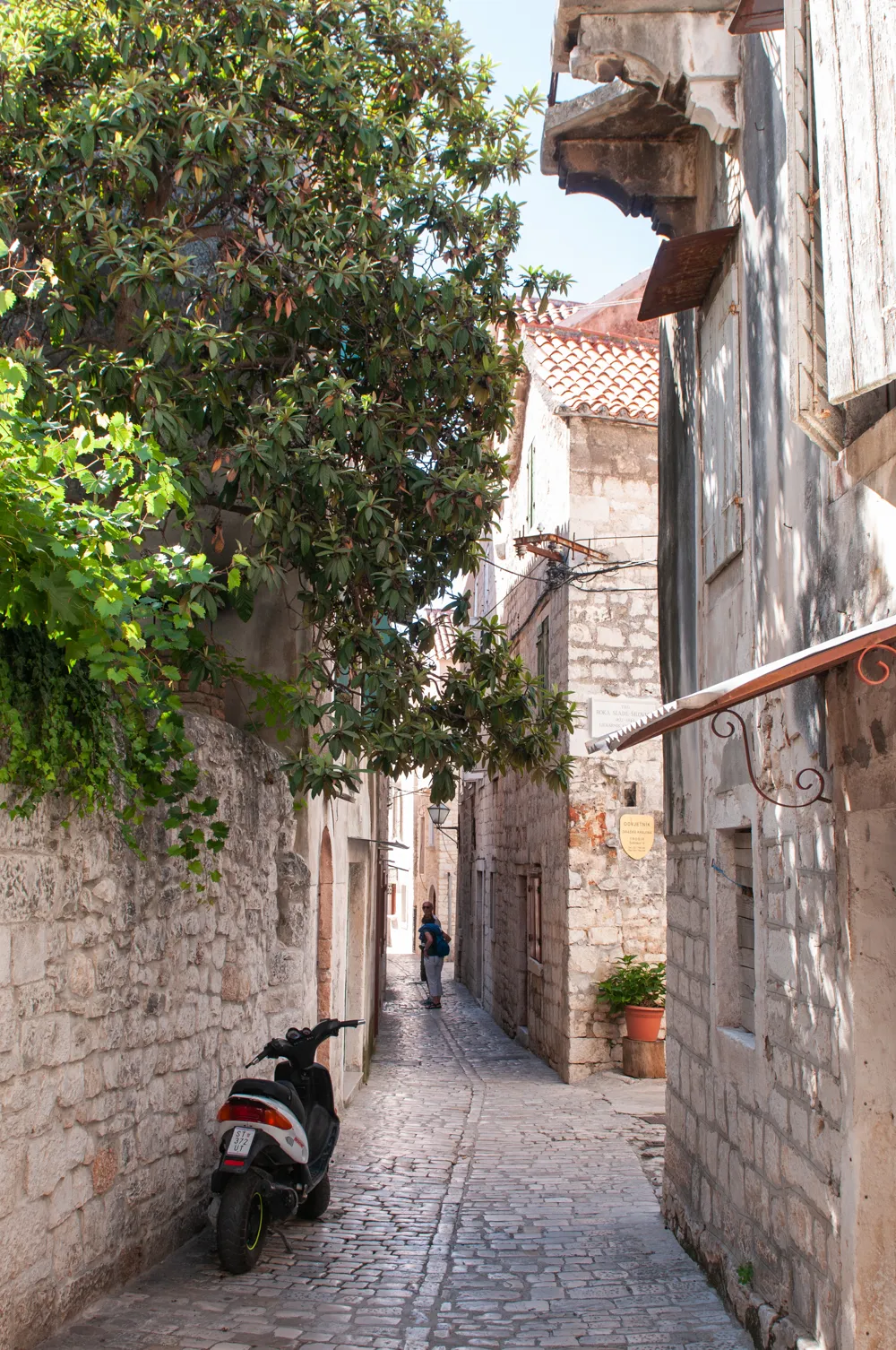
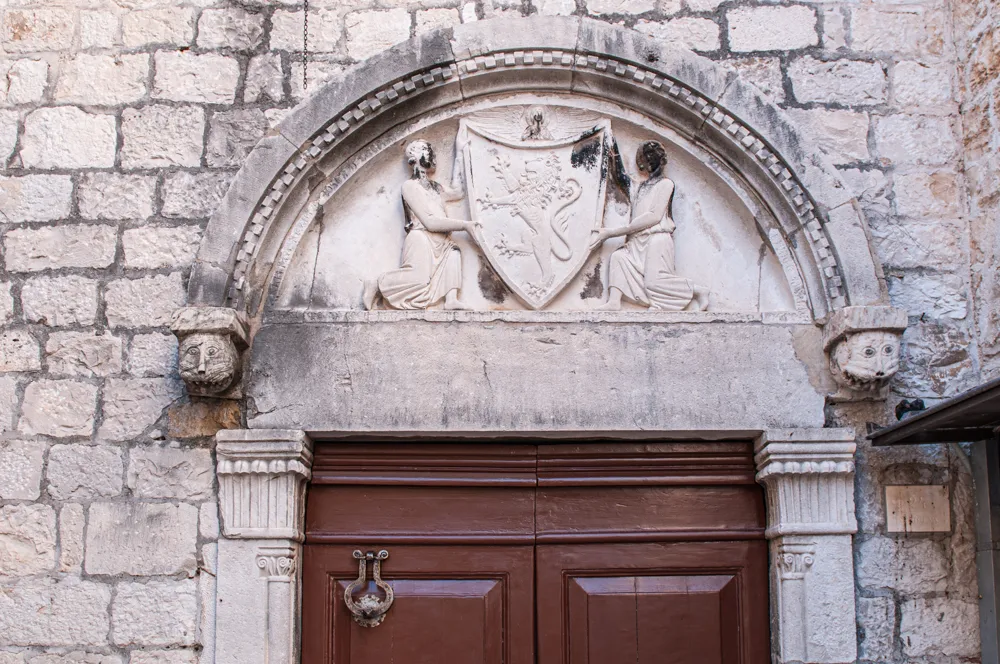
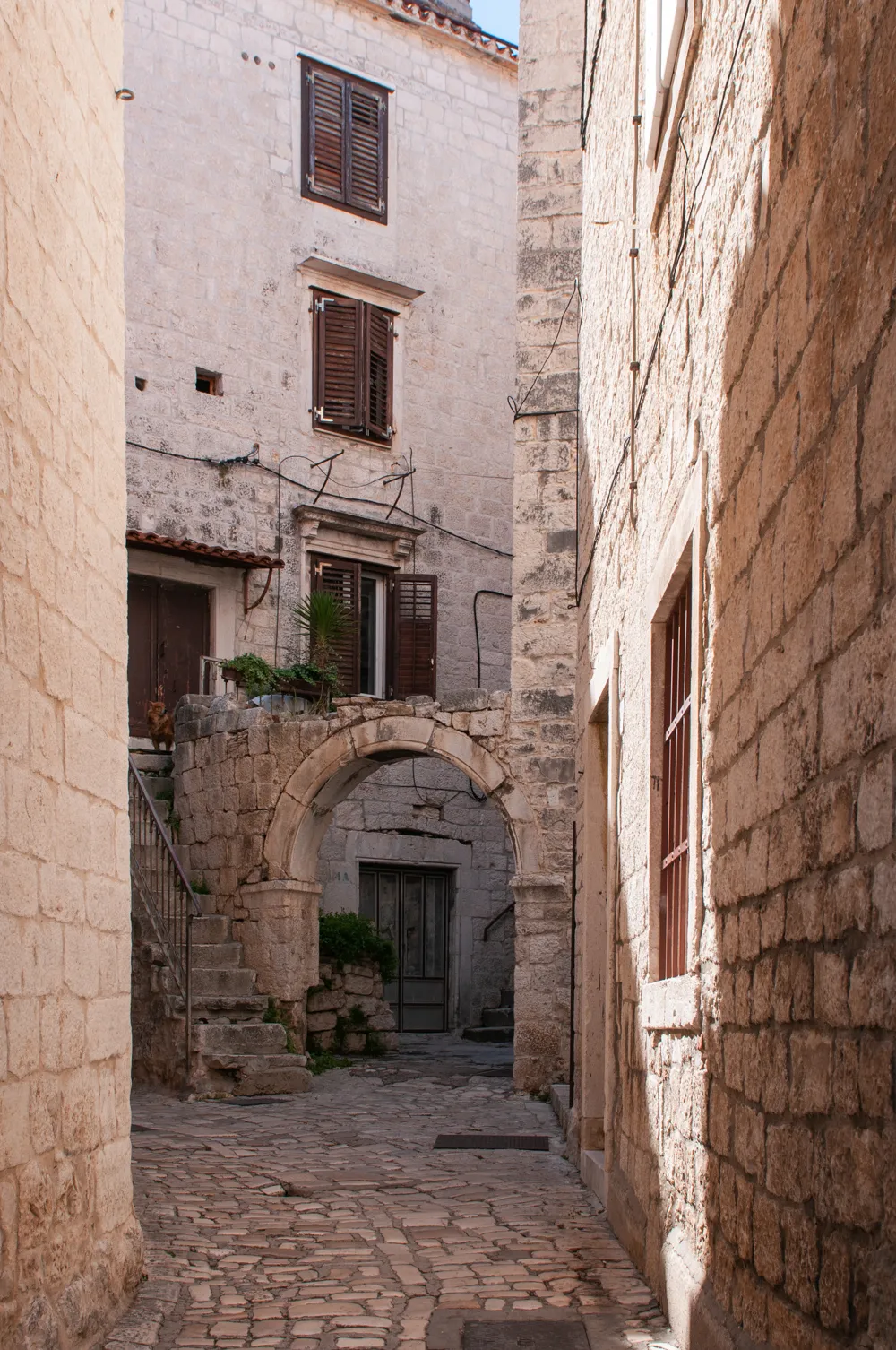
If after entering you turn left, then within a few metres you can reach the main square of the old town, with yet another “saintly” name, that of Pope John Paul II, Trg Ivana Pavla II. A Roman forum used to stand on this site.
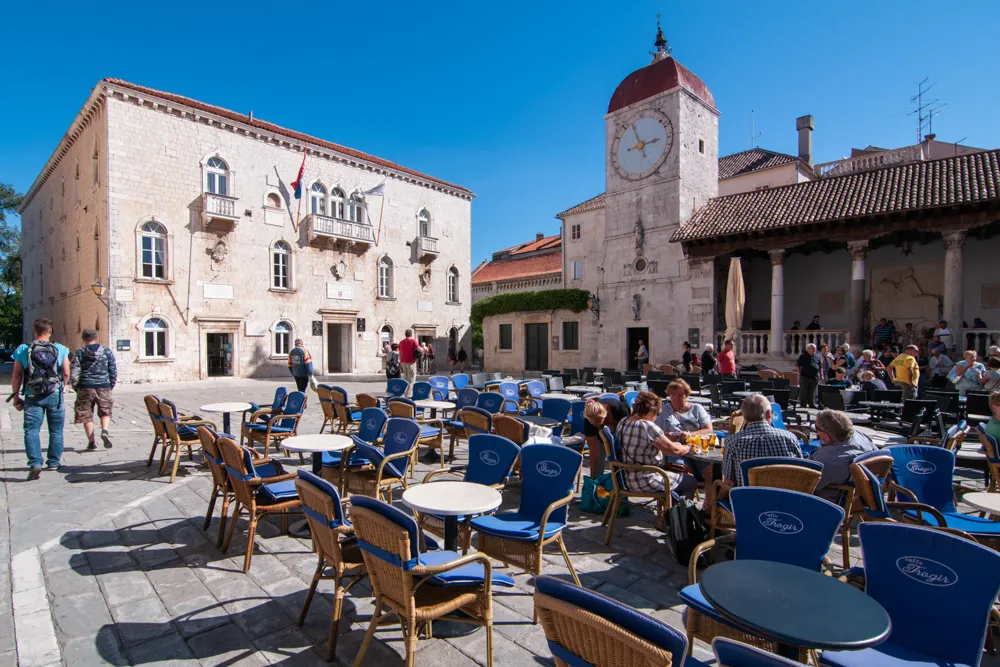
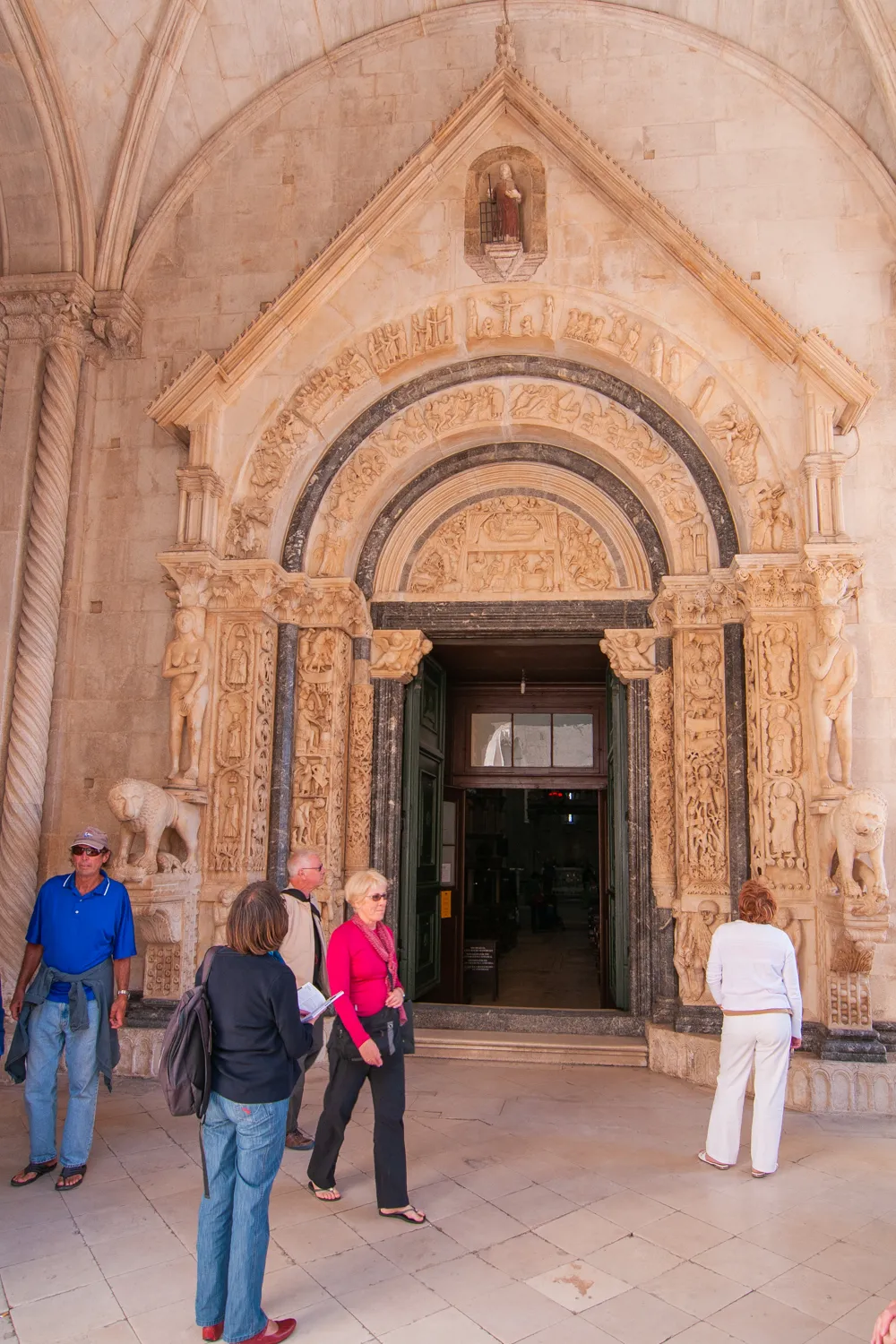
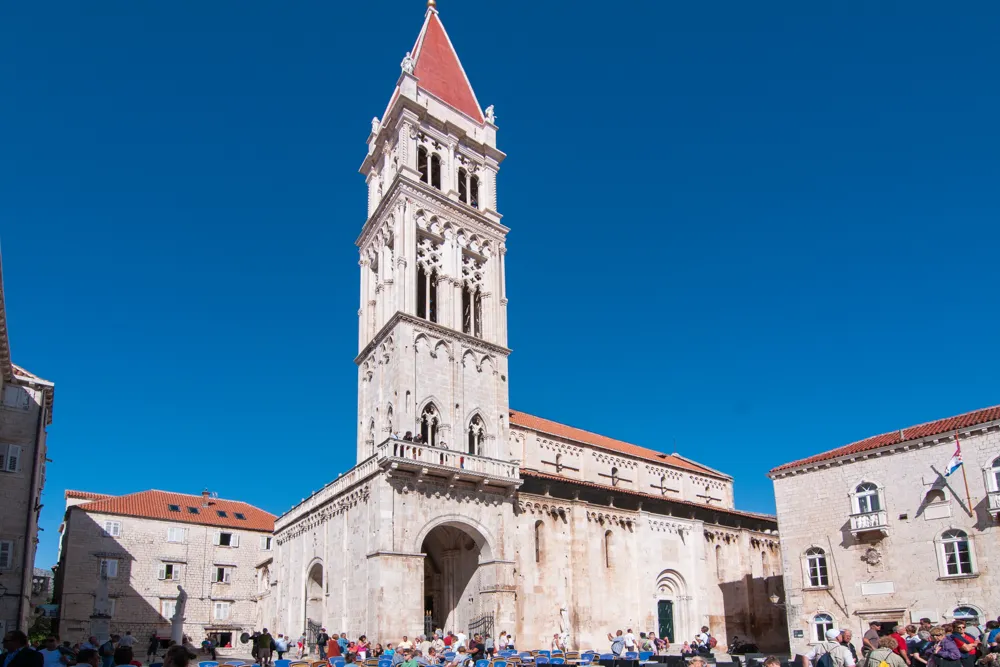
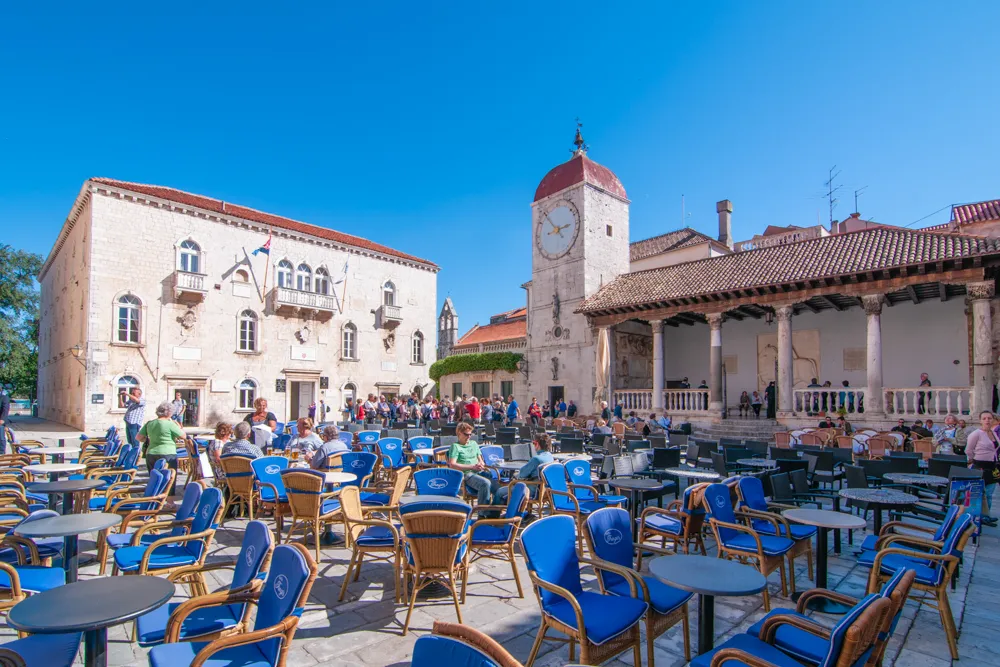
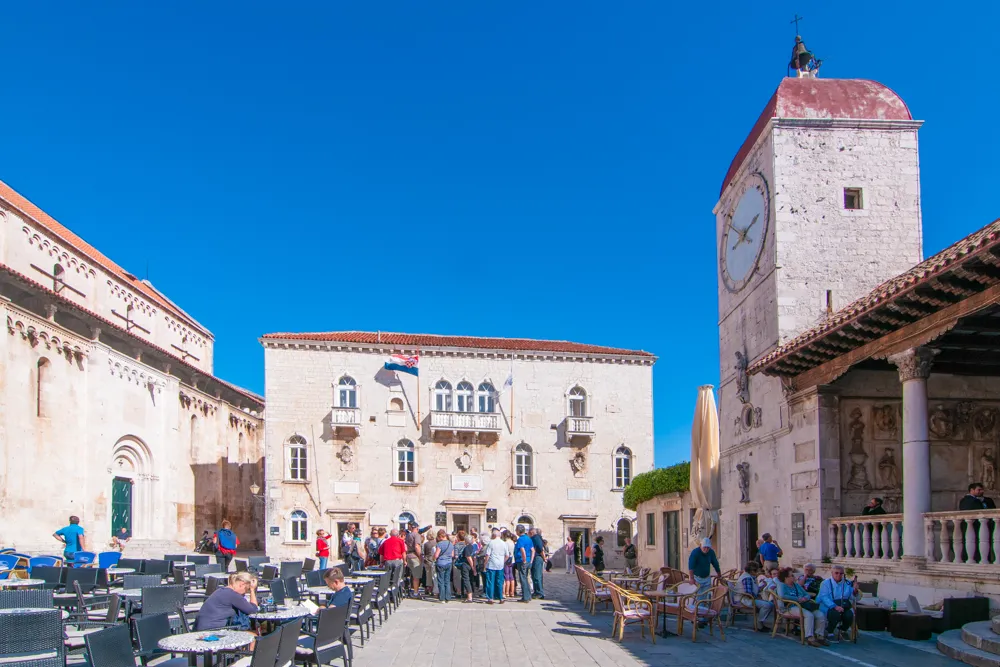
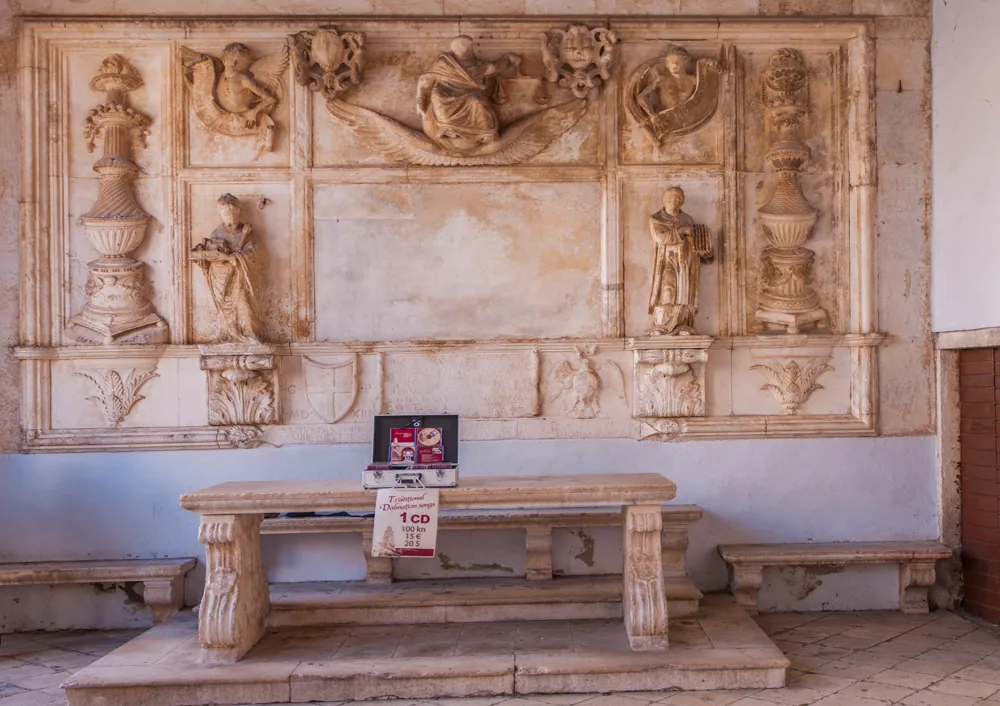
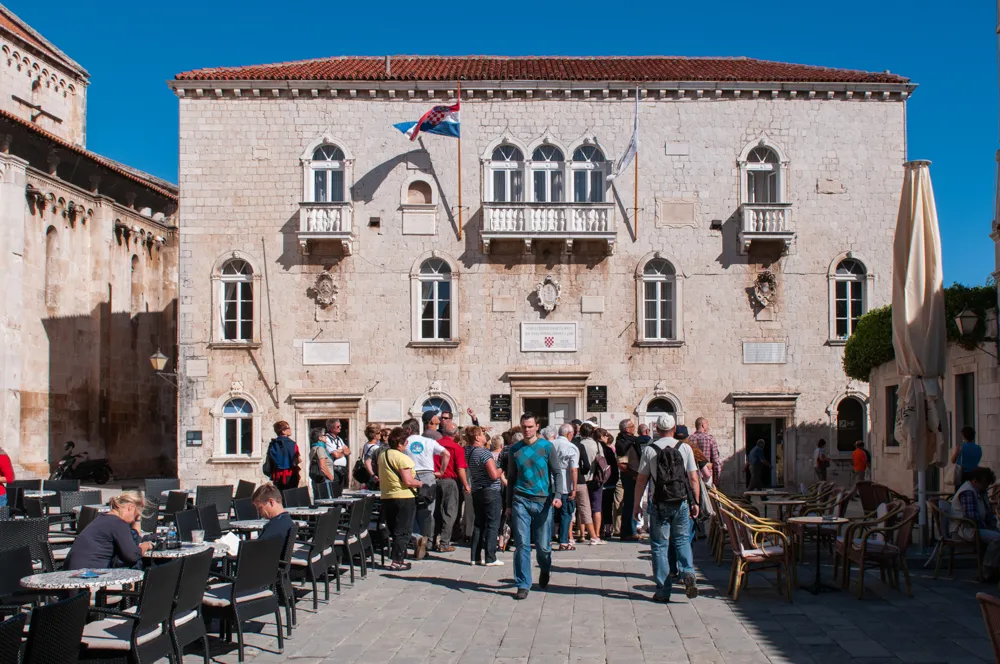
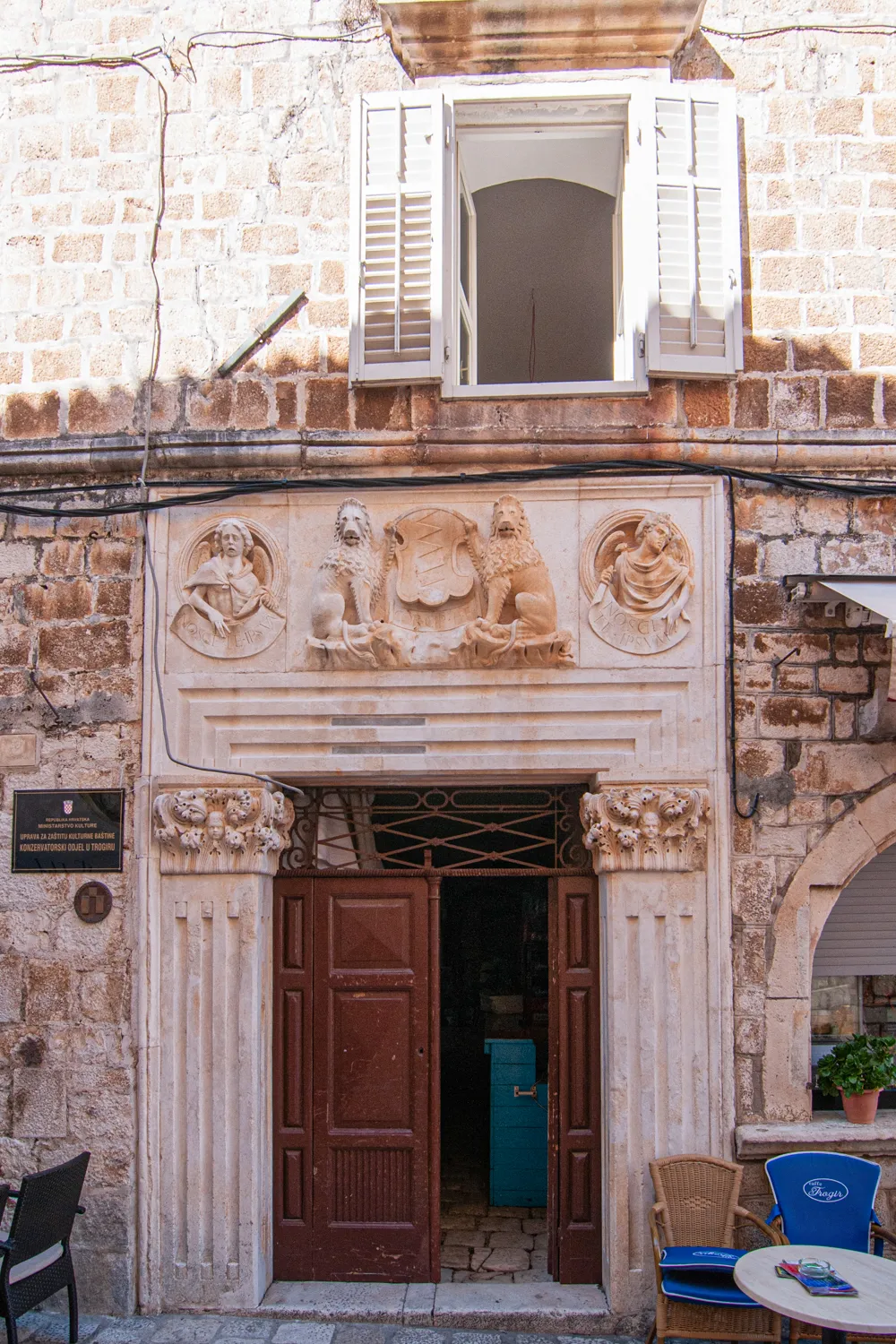
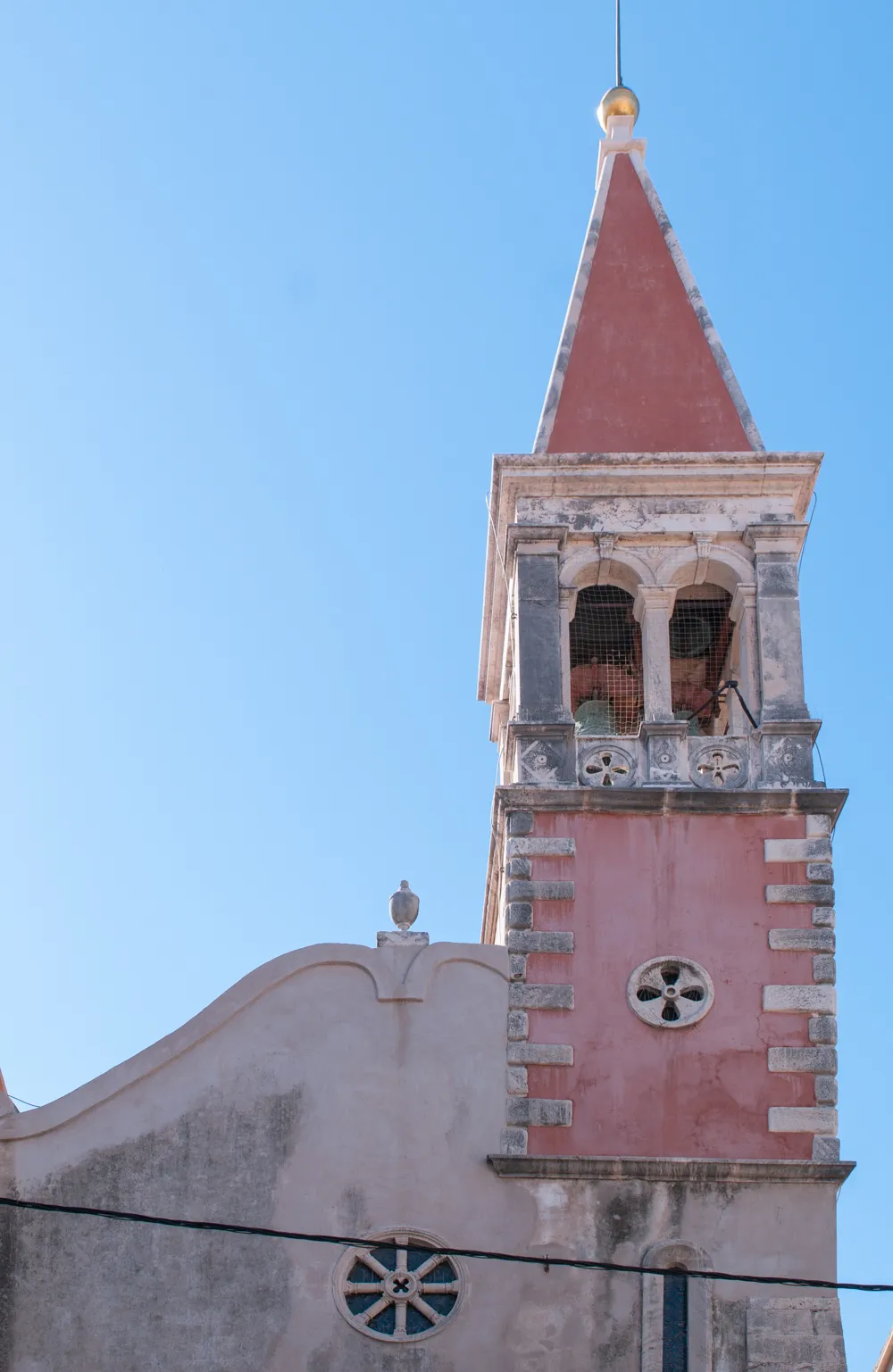
What to see in Trogir on the Pope’s square? Cipiko Palace belonged to one of the richest and most respected families of Trogir, with a Gothic façade and a large number of bas-reliefs. Nearby is the main cathedral of Trogir, the Cathedral of St. Lawrence, Katedrala sv. Lovre. Like most European cathedrals, built from the 13th to the 16th century, it combines features of different architectural styles. The Romanesque portal is a true work of art, created by the sculptor Radovan in 1240. The 47-metre bell tower is not bad either.
Also on the square are:
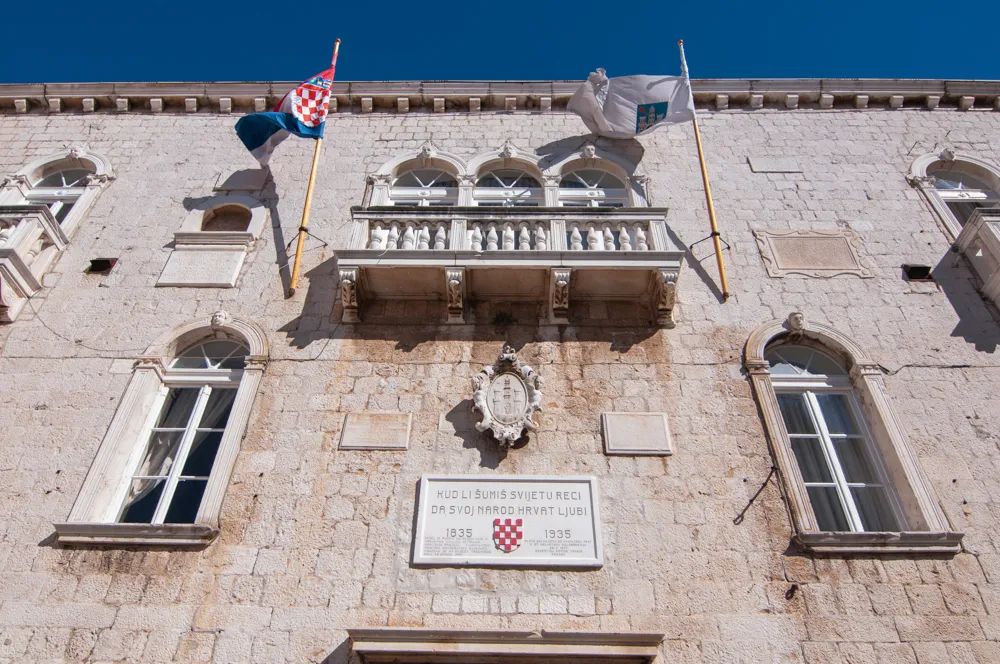
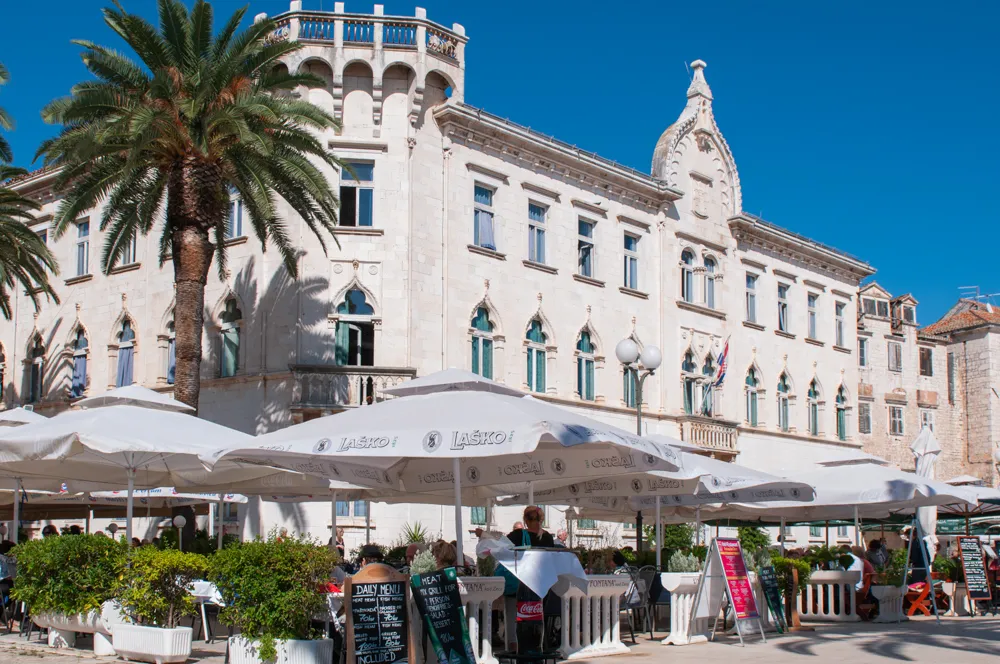
– the 15th-century Palazzo Comunale, Gradska palača, with arches, a balustrade and stone coats of arms,
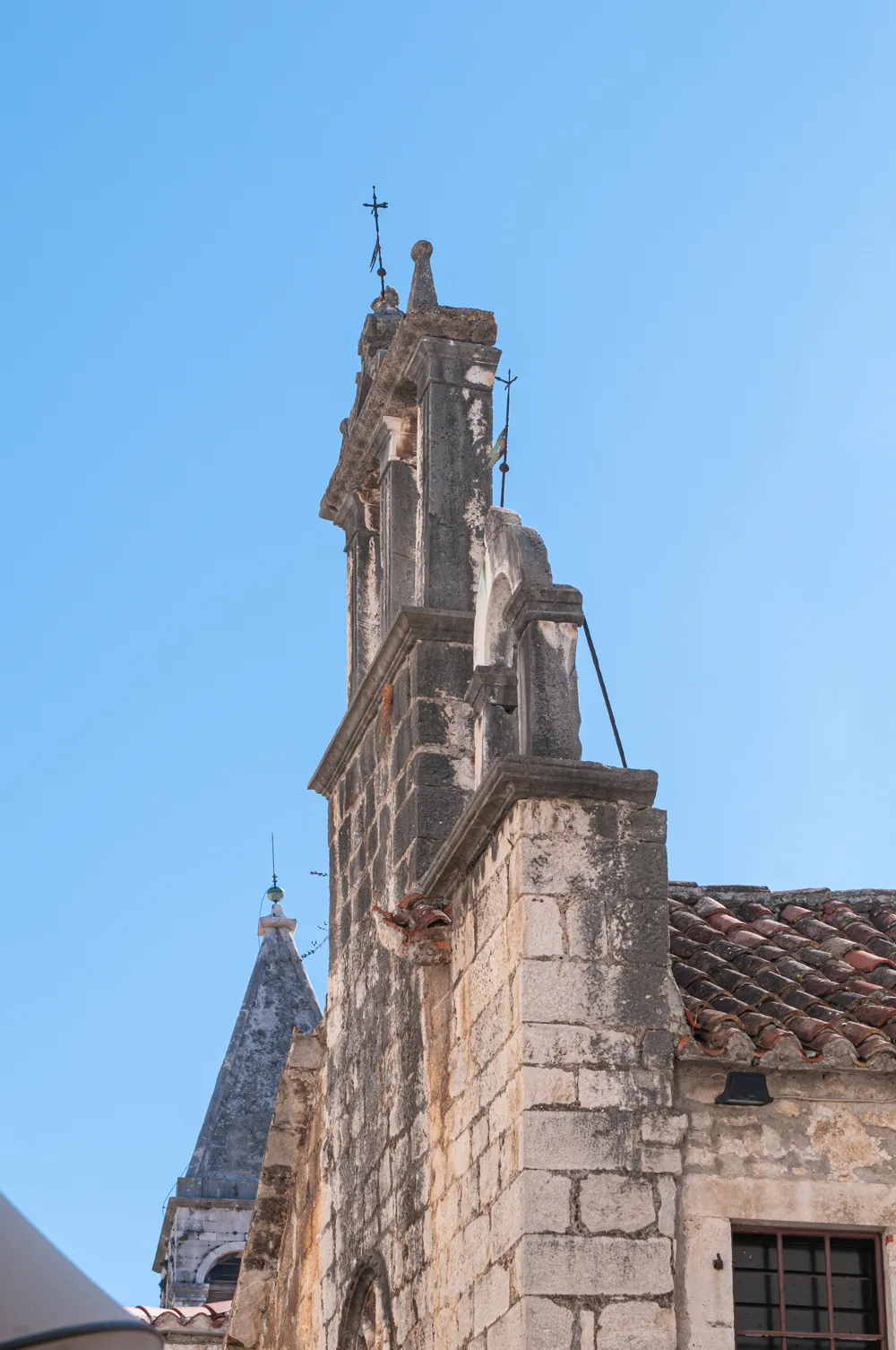
– the Church of St. Sebastian, Crkva sv. Sebastijana, with a clock tower, built in 1476 in honour of Trogir’s deliverance from the plague,
– the great city loggia of 1471, a covered gallery supported by six columns. The Loža was a place for gatherings of the townspeople, courts, banquets and fairs.
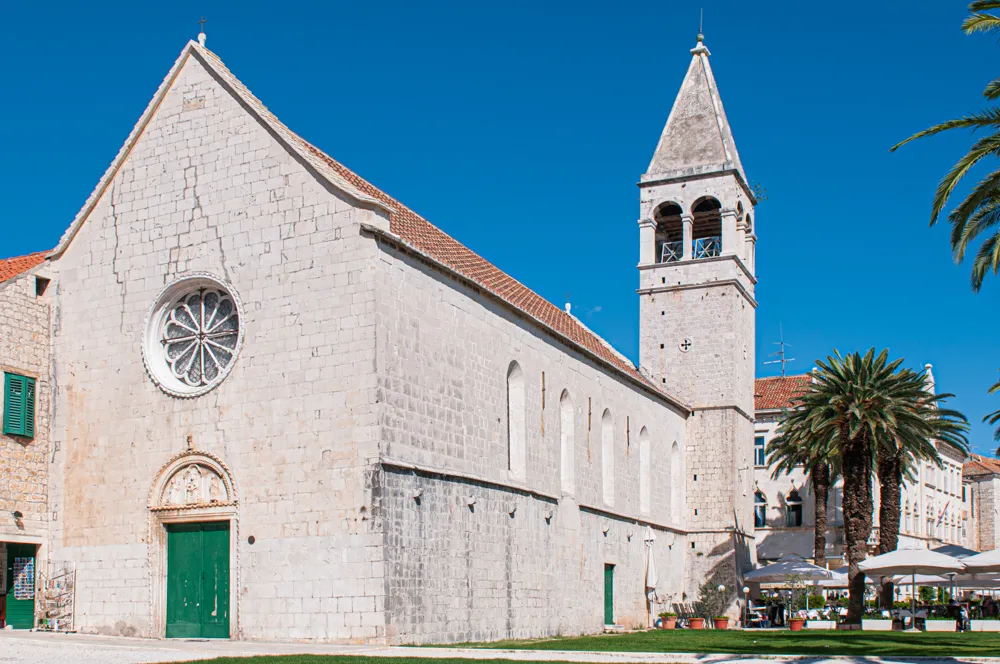
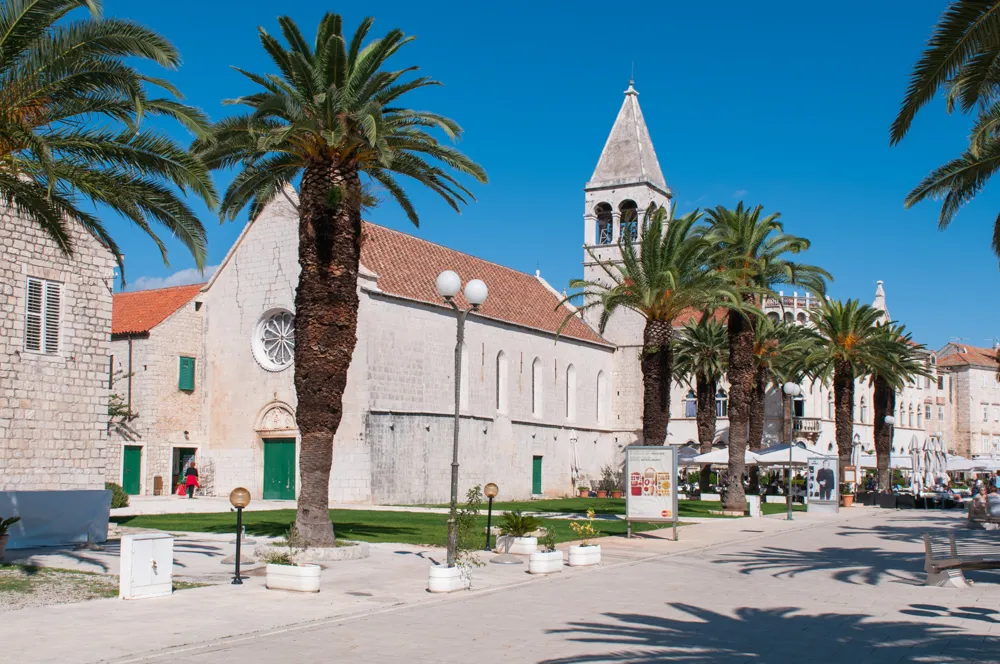
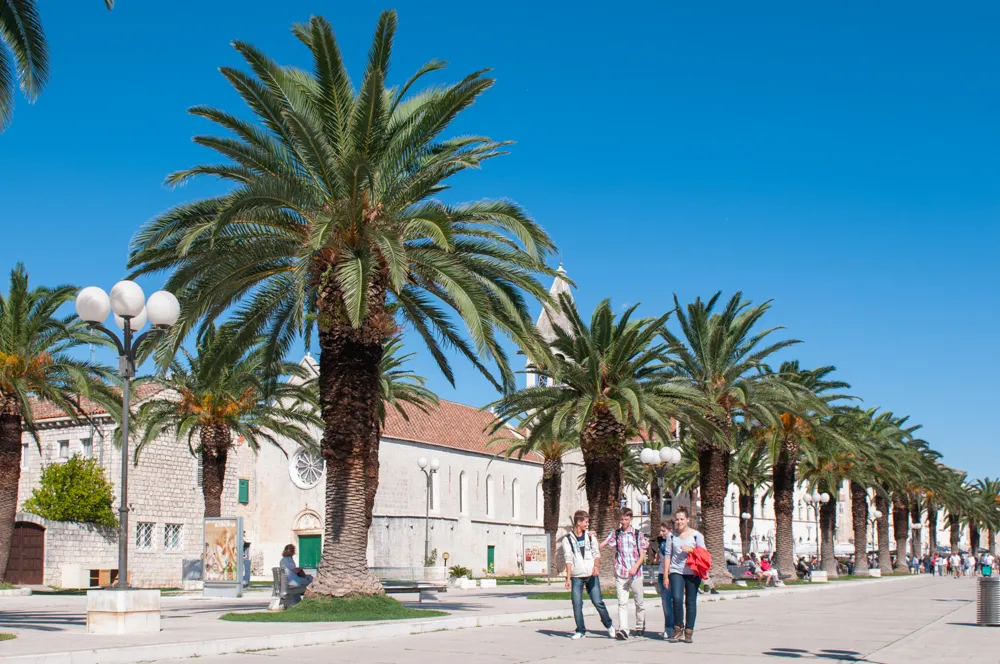
Another old church, of St. Nicholas, was built by the south wall of Trogir in 1064 through the efforts of the town’s patron and bishop John of Trogir, next to yet another city gate, the south one. The Church and Monastery of St. Dominic, 13th century, stand right on the waterfront, surrounded by palms.
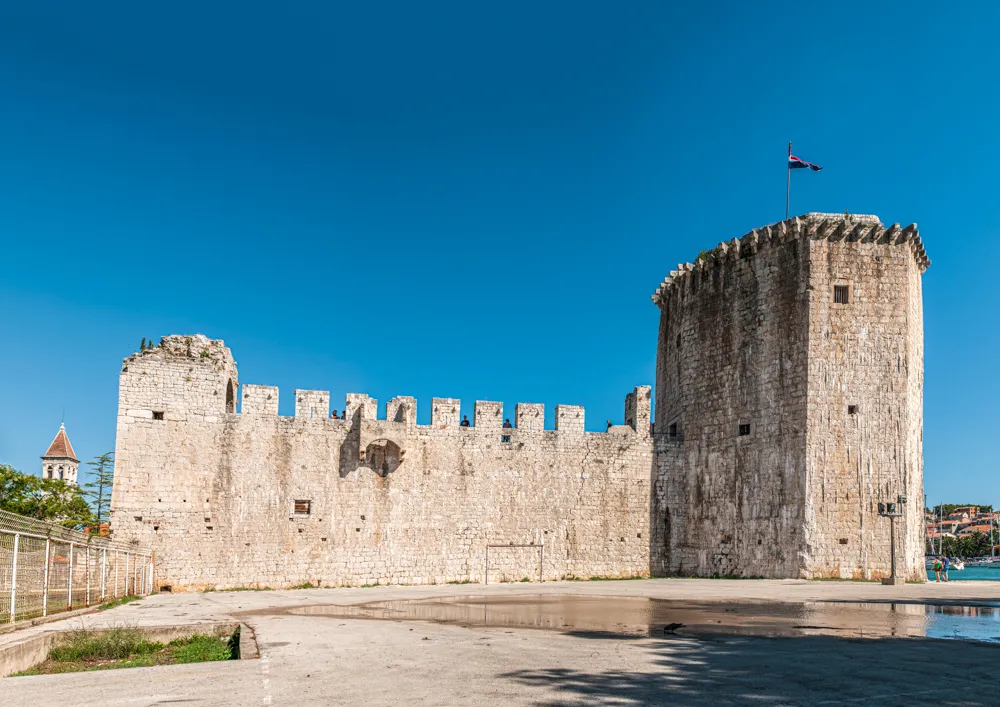
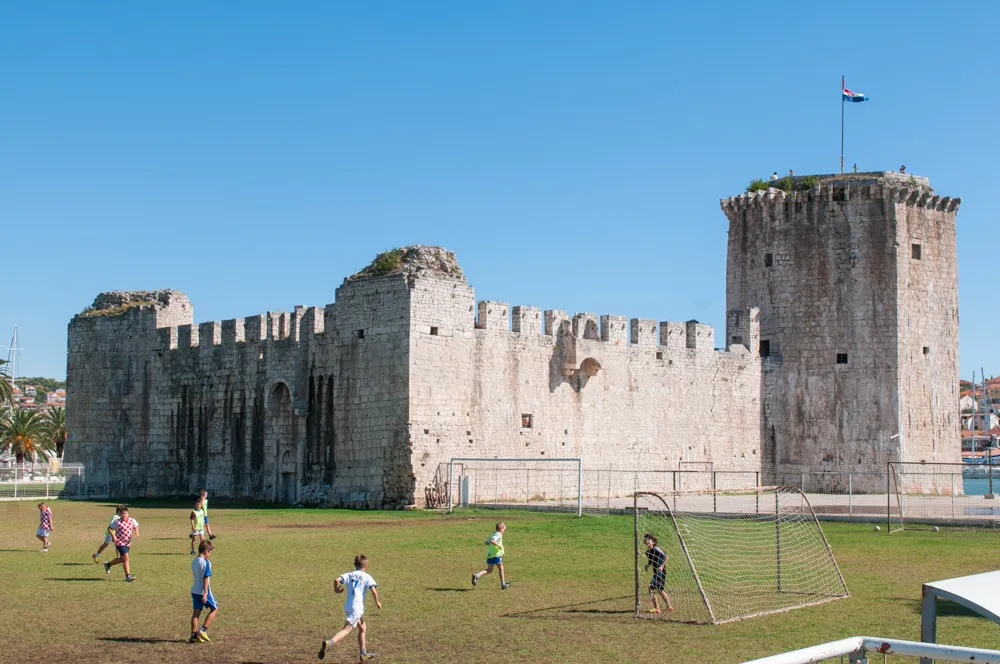
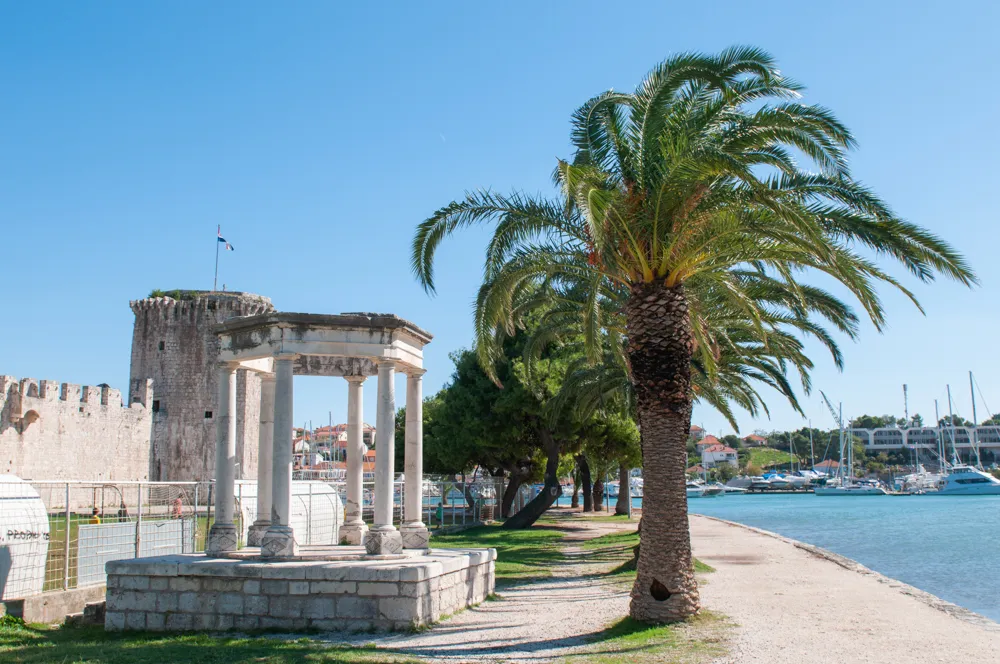
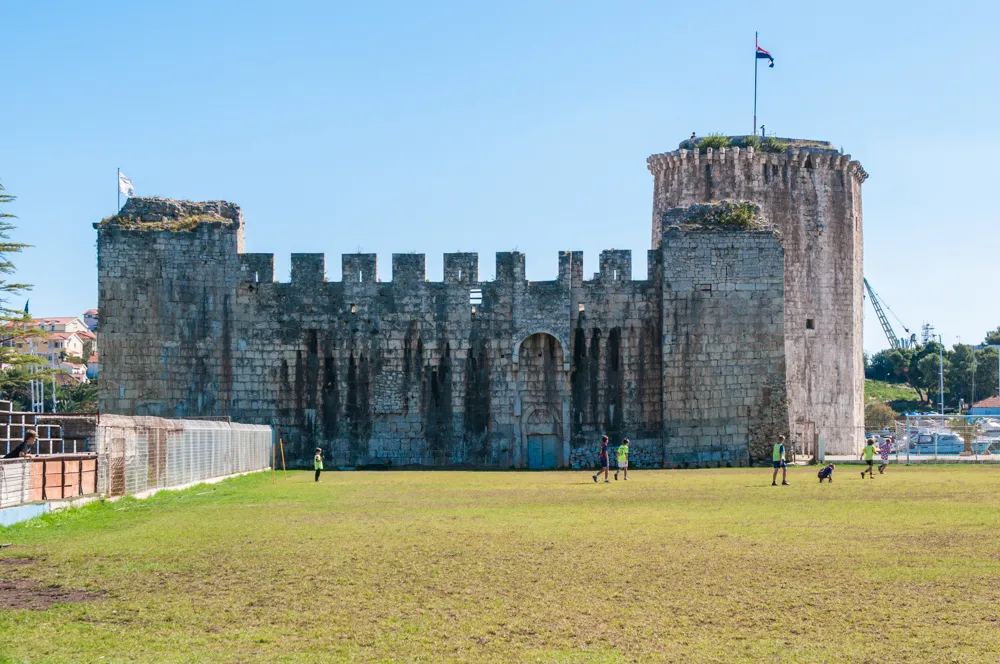
In the west of the old town stands the Kamerlengo Fortress (fort), Kaštel Kamerlengo, built by the Venetians in the 15th century to defend the sea channel and access to the port. The name of the fortress comes from the Latin Camerarius, meaning “treasury financial clerk”. It was here that merchants paid duty on entering the bay. It housed the residence of the Venetian governor, dwellings, a chapel and a well with drinking water.
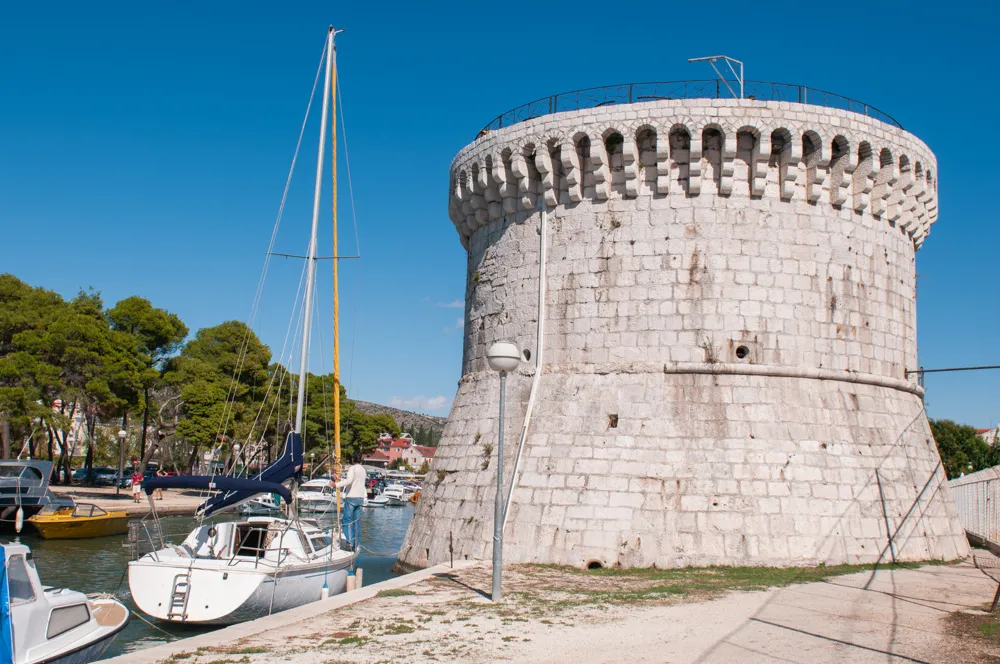
The Thick Tower of St. Mark was built in the 15th century and was also once part of the Kamerlengo Fortress. It defended the channel between the island and the mainland.
“T̶r̶o̶g̶i̶r̶ Qarth is the greatest city that ever was or will be.” Twice Trogir serves as the trading harbour of Qarth in Game of Thrones. In the series it is here that the warlocks of Qarth stole Daenerys’s dragons, and she found her guards dead. In fact, in my opinion, it is very hard to find fragments of the town in the series. Perhaps you will manage.
Text and photos by Serhii Shcherbii



